Tag: Sanam Saeed

  • That’s me and my mother’: Internet is relating to THIS scene from Kafeel

    That’s me and my mother’: Internet is relating to THIS scene from Kafeel

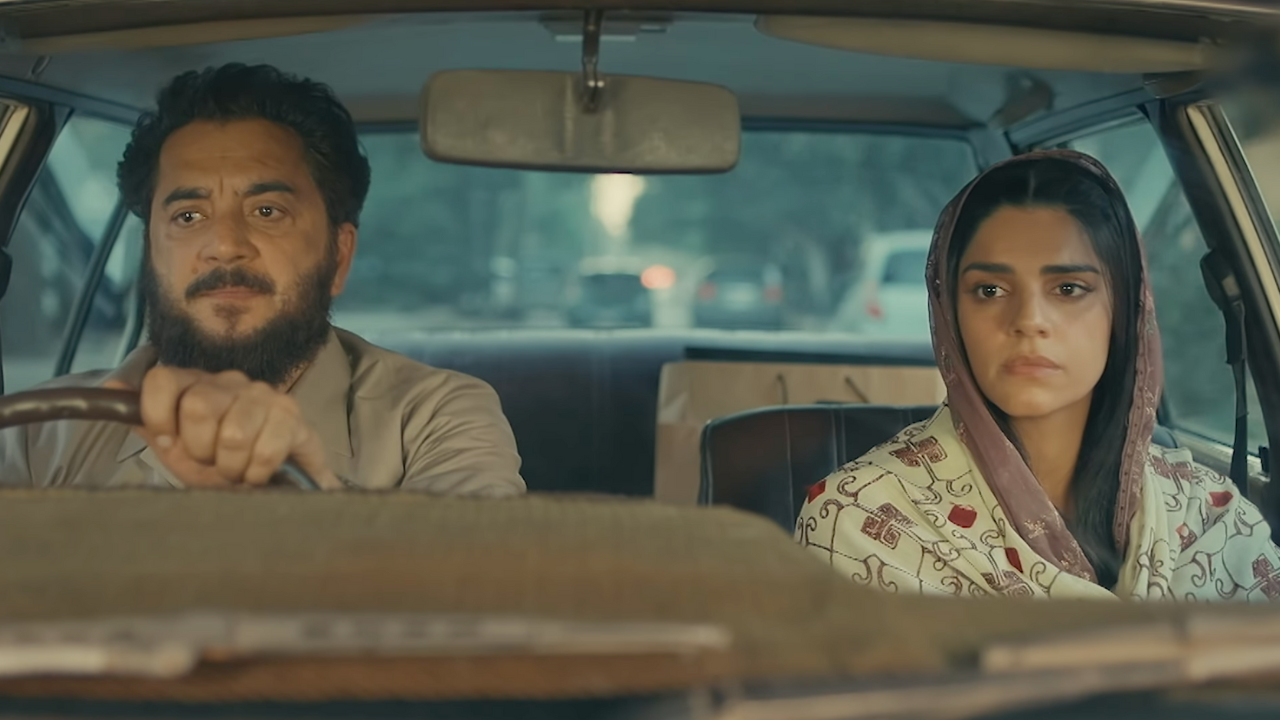
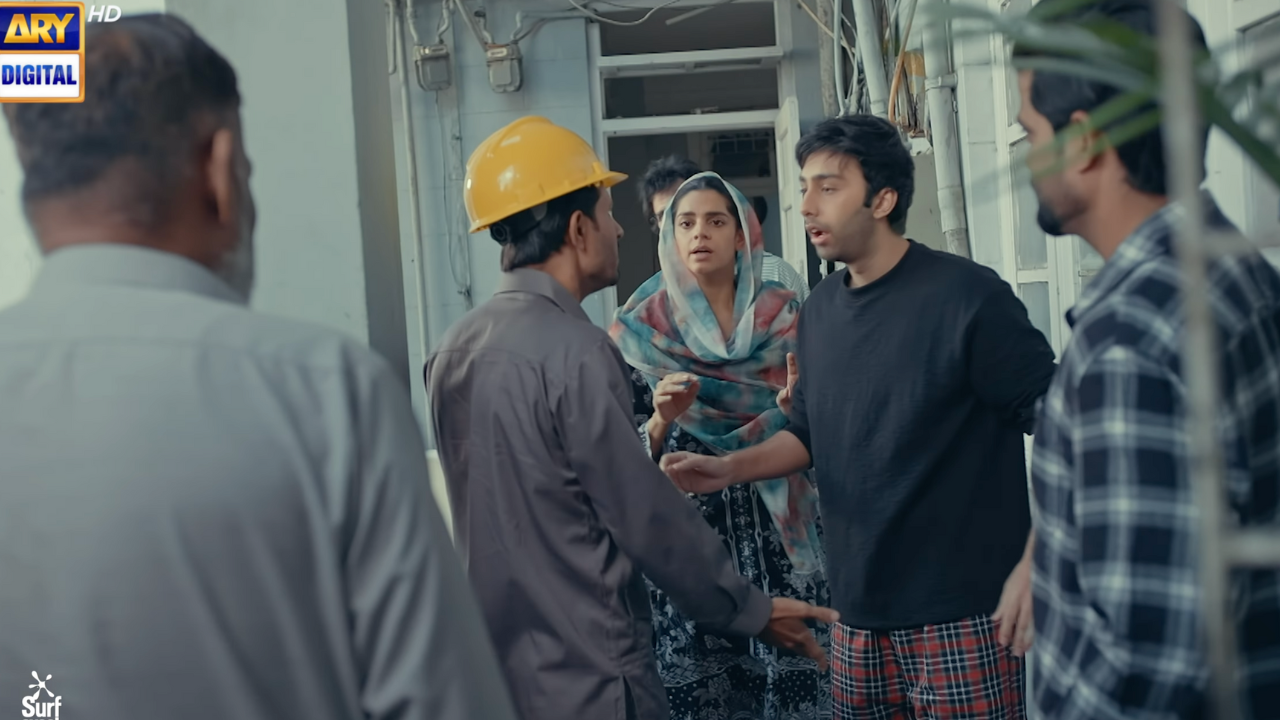
    A recent episode of ARY Digital’s hit drama Kafeel has sparked widespread reactions on social media, as viewers connect to a pivotal scene to real-life experiences of family conflict.

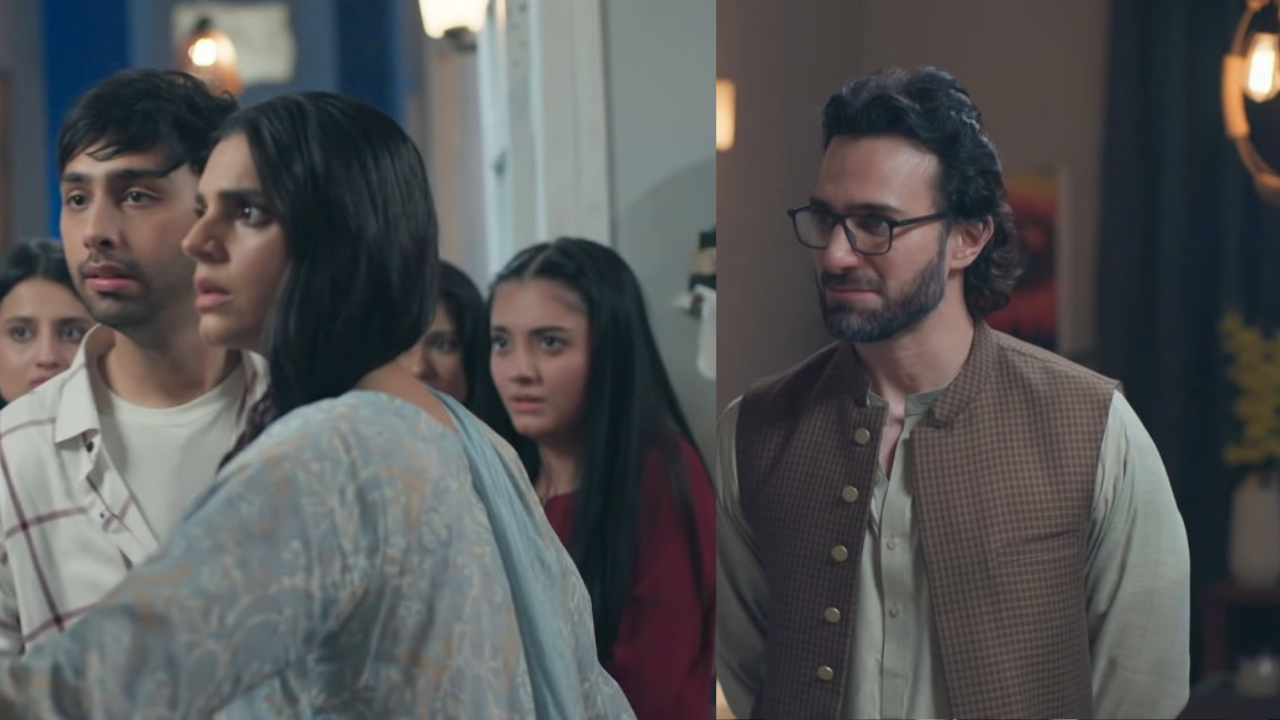
    As per the details, the episode focused on a tense moment in Zeba’s household when her daughter Javeria was dropped home by a classmate.

    In the scene, Zeba’s husband Jami confronts Javeria, dragging her inside the house and turning violent as he questions her.

    As tensions escalate, Zeba’s son repeatedly steps in to shield his sister, while Zeba later confronts Jami after he grabs a knife and threatens both his daughter and himself.

    The sequence ended with a physical struggle to stop him, followed by shots of the children breaking down in different corners of the house, with Subuk injured and Zoya experiencing a panic attack.

    The scene sparked strong reactions on social media as viewers said they could relate to it out of their own experiences of domestic conflicts.

    Audiences praised the drama for realistically portraying a dysfunctional household and highlighting its emotional toll on children. Several also noted that the story reflected the situation in many homes where family members endure abuse and distress while trying to protect one another.

    “This is literally me and my mother, we face this every day. Whenever I ask my mother to get divorce she says, don’t say it out loud, divorce is not easy when kids are involved,” wrote one user. 

    Another said, “This is the first time Pakistani drama is portraying the struggles of a dysfunctional family. Literal goosebumps and big time relate.” 

    Others echoed similar experiences, saying, “Only those people can understand this drama who have gone through the same situation.”

    “I have gone through this same since 15 years and haven’t taken any decision because I have a daughter [sic],” commented one user. 

    “Kafeel is almost every 3rd house story, every member of the family suffers in their own ways in spite of living in the same family [sic],” while one comment read, “It breaks me to the core to realise that how many people around us have to go through this in real life and have been living this life for years.”

    Subuk, Zeba’s son, also received praise for standing by his sister. One user wrote, “My brother is exactly the same and I am so lucky to have him by my side,” while another said, “Everyone should have a supportive brother like Subuk; the sisters’ lives would get easier.”

    Kafeel, written by Umera Ahmed and directed by Meesam Naqvi, depicts the harsh realities of domestic abuse, societal judgment and the burdens placed on women in toxic households.
  • ‘How can we still endorse boycotted brands?’ Sanam Saeed calls out inconsistent pro-Palestine consumers

    ‘How can we still endorse boycotted brands?’ Sanam Saeed calls out inconsistent pro-Palestine consumers

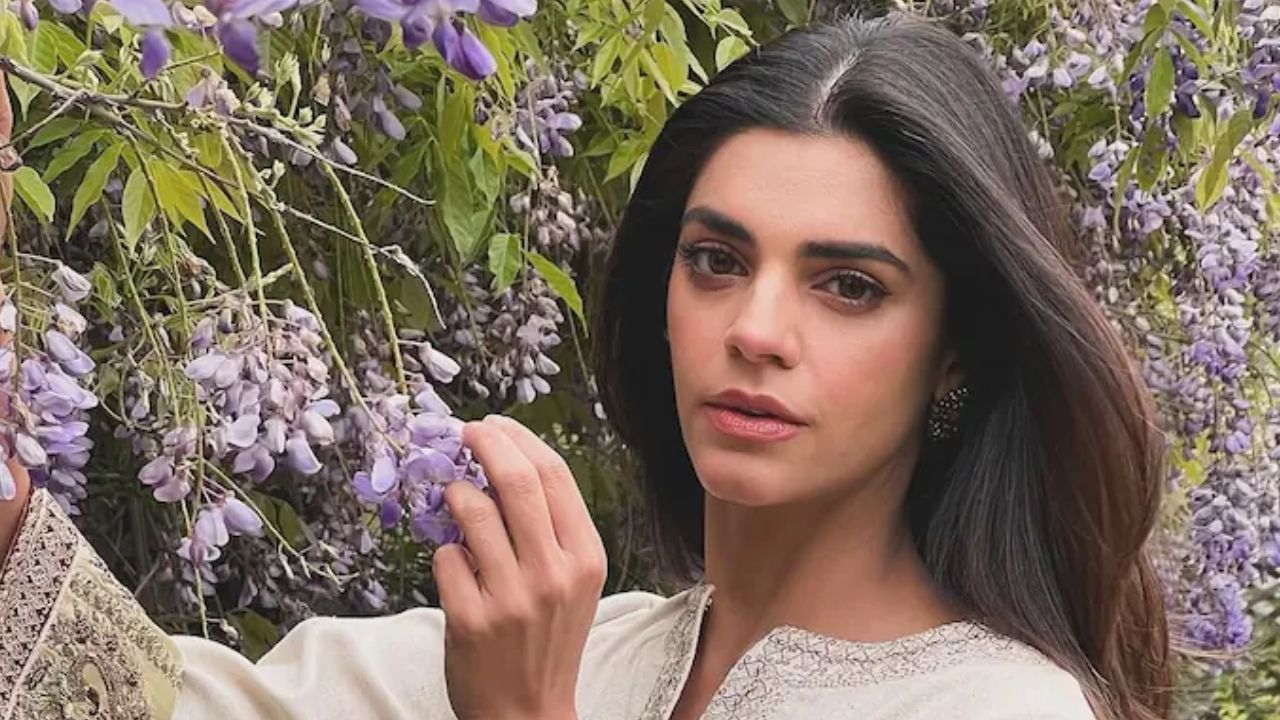
    Actor Sanam Saeed has sparked a fresh conversation online by questioning the growing inconsistency she sees among so-called pro-Palestine consumers. Taking to Instagram, the Kafeel star called out what she described as the quiet return of brands that were previously boycotted for allegedly supporting Israel, asking people to reflect on what they truly stand for. 


    She questioned how people could claim to stand with Palestine while continuing to buy or endorse brands that had previously been boycotted. Sanam also pointed out that the idea behind the boycott was to shift towards local alternatives, expressing concern over how easily foreign brands were being welcomed back into everyday life despite earlier public opposition.


     “So why are we so casually allowing them back into our lives and narratives?” she questioned, expressing disappointment over how quickly the resolve seems to be fading.


    Sanam’s stance resonated strongly with many social media users, who largely applauded her for raising what they called a “much-needed” question. 

    Reactions ranged from simple affirmations like “agreed” and “couldn’t agree more” to more pointed criticism of influencers and bloggers accused of performative activism. 


    One user remarked, “Which is why we need more intellectual voices. I’ve seen bloggers being extremely happy and flaunting their Dior packages while having Palestine fundraisers in their bios. What’s the need for this hypocrisy? Stand with your stance proudly at least.” 


    Another added, “They think no one observes what they do. We see them and more importantly, our Creator is watching too. She’s right to point this out.” Summing up the mood, a commenter wrote, “Oh finally, finally someone called these fake people out.”

  • What happened to Kafeel? Episode 11,12 take a disappointing turn

    What happened to Kafeel? Episode 11,12 take a disappointing turn

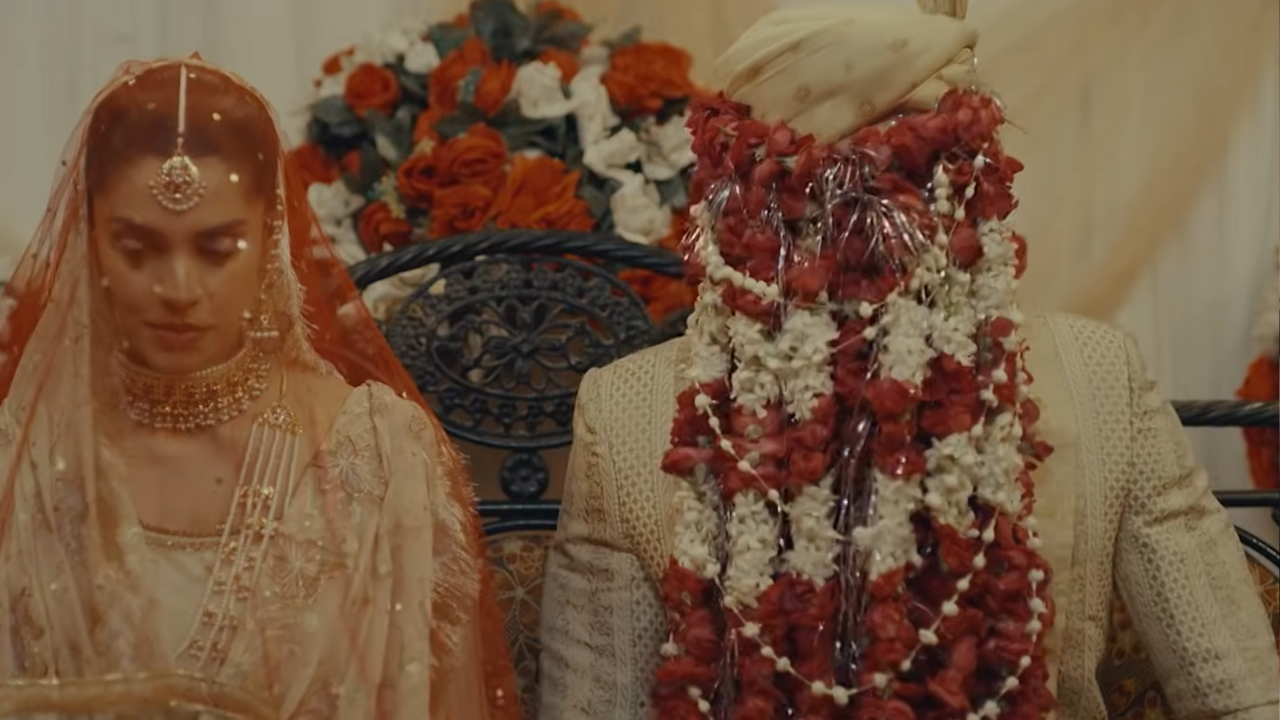
    Episode 11 and 12 of Kafeel take a turn that’s confusing and to be honest, boring. We leave Zeba (Sanam Saeed) behind as a wife, about to have a child, and resigned to her life with her good-for-nothing husband Jami (Emmad Irfani). Years later, she’s living in a small flat with four kids, one boy and three girls all of whom are in their late teens, her father has passed and her husband is still the good-for-nothing trash she had married. 


    Her brother is doing well in life as are her former neighbours whose daughter is in love with her son.  For two episodes, we are introduced to her life, in which she is constantly working, or asking for money, to make ends meet. And in the end, her mother says to her that she is always the bearer of bad news and she blames her mother again for the marriage that she was put in (and that she could’ve gotten out of).


    We also see a secondary timeline of her neighbour who is marrying about his means, and also see her son behave with ‘ghairat’ when he doesn’t accept presents taht are above his lifestyle. 


    And for some reason, unknown to us, we are also told that her daughter must tell her to wear her dupatta when going out. It was a super cringe, highly unnecessary moment and yes, it must happen in real life, but really, did it need to happen here?


    The storyline seems to be going in the direction taht when you make a bad decision and live with it, you also put others at risk – a frustrated son who can’t stand up for himself and wants to, daughters that see their mother struggling and don’t respect their father and how things never change. It is a powerful message but the delivery in these two episodes is week – almost comical that the writer and the director have tried to include an element of fun – when it isnt fun at all. 


    If the drama continues in this trend, it might be one that has to be watched on fast-forward if at all because just like Zeba chose this life, we can also choose not to watch it. The hotch potch episodes, the second storyline, the forced messaging is not doing it any favours and we hope that future episodes snap out of it and give us the nuanced and emotional episides they had before. 

  • Kafeel makes a case against destiny and it’s uncomfortably real

    Kafeel makes a case against destiny and it’s uncomfortably real

    Kafeel is probably the underdog drama that will rise to win this year. With powerful, raw performances by Sanam Saeed, Kashif Mehmood and Munazza Arif, episode 8 had us holding our hearts for the millions of women who suffered in unhappy marriages because of the divorce taboo, in the past and even now.


    Jami (Emmad Irfani) is in love with someone else, broke, lazy and happy to mooch off his in-laws. Meanwhile, Zeba (Sanam Saeed) keeps mum about her life and perfect marriage until her mother Yasmin (Munazza Arif) sees Jami with her other lover. Confrontation ensues, and blame is set on the parents for marrying off Zeba too early just because they found a number written by a boy on a handkerchief and assumed the worst.


    That scene, with the mother and daughter and father watching on without them knowing hits hard because it has happened to someone we know – or us. The chance, fleeting thought of a daughter dating someone else, the badnaami, the awful character assassination and worse, illicit affairs – it’s better off to push your child into the unknown of naseeb and let God handle it for you. Kafeel, so beautifully exposes this awful mindset that we have, showing us how hollow and frankly, stupid it is to place your trust in destiny that you don’t know rather than talking it out and choosing a destiny that you would know.


    It’s clear that the drama won’t end in just a divorce, despite Zeba’s father (Kashif Mahmood) delivering a convincing performance that no daughter should suffer because of what people will say, despite his own mother saying that for seven generations there has been no divorce in the family. 


    That scene deserves a special mention because it pitted old and new against each other, a father emotionally connected to his silent daughter, knowing that the pushback he would get existed. He comes to his mother, distraught, confused, but leaves knowing that he’s making the right decision by freeing the pain that his daughter is in. You think that Zeba might get that divorce and her life will go on but it’s evident that that’s not what’s going to happen after Zeba visits her friend.


    As it is often quoted (mostly wrongly) destiny takes control and the guy Zeba likes is engaged. You have a constant reminder, and echo telling you that destiny is like a closed fist – you don’t know what you will get, until it opens its hand. But that’s not entirely true. Could destiny have changed if Zeba’s parents had sat her down and asked her about the guy who wrote the number on the handkerchief, discovered that he’s a good guy and gotten her hitched to the person she likes? Likely, yes. Unfortunately, we ascribe marriage to destiny which isn’t true – if it was, we would not need to do any checks on who to marry and how. And with Zeba blaming her parents fully for marrying her off so suddenly because of a phone number is also not entirely correct. She wanted to marry and she thought she was marrying the guy of her dreams, didn’t tell her parents about him, didn’t wonder or even ask if it was the same guy. She did the same thing. Left it to fate. And leaving things to fate doesn’t always work in your favour.


    The drama takes an interesting turn now to see how Zeba takes her destiny in her own hands and whether she does or not.

  • Kafeel is fast, fatal and exactly the drama we were waiting for

    Kafeel is fast, fatal and exactly the drama we were waiting for

    Kafeel hits all the right, fast paced notes we were hoping for in the first two episodes of the new drama starring Emad Irfani and Sanam Saeed.


    Kafeel means ‘responsible’ and from the get-go, we’re hooked. Zeba (Sanam Saeed) is the studious, happy college going girl from a wholesome family, loving parents, a brother, a younger sister and it’s clear the family is living life just the way they want. 


    But kya karein is maashre ka? Zeba is taken in by her friend who comes to take her final exams, hitched in a minute and back from her honeymoon, incredibly happy because her husband is good-looking and loaded. And all the young college girls can’t get enough. Asking for a prince, you know that Zeba is going to do something stupid for love, which is what young, college girls do end up doing. 


    It’s also a credit to the writer that the story is set in the past – a time with no cell phones, landlines with extensions, when hand-written notes are the only way to get attention. 


    Riding on the high of finding her love, Zeba goes to a party, meets a guy she likes, who writes his number for her on a handkerchief and millennials are like…we know how this goes. Zeba is starstruck, especially because the guy can sing, and she overhears the guy is friends with her friend’s prince-like husband (meaning he isn’t poor), and she’s all for it.


    Her father isn’t. When Zeba’s mother gets a rishta for her (of course, a guy with the same name as the person Zeba meets at the party), her mother is set on the shaadi. Her father isn’t. The happy go-lucky, sincerely sweet father, wants his oldest daughter to study and do her masters before he marries her off.


    The handkerchief is the killer, the big stab wound. Zeba’s mother finds it, and that’s that. Zeba has to marry because as her mother puts it, when girls start holding love letters in their hands and sleeping, it’s time to get that young blood married off. And unfortunately her father agrees. So does Zeba because she thinks she’s marrying the guy with the same name at that party. But she isn’t. She marries the wrong guy because she believes in destiny – and her parents do no double checks. 


    The drama is going to be a suspense-filled, dramatic showdown between Jami (Emad Irfani) and Zeba because whatever she seems to be right now, it doesn’t seem like Zeba won’t hold her own. 


    It also highlights one of the most major problems we face around the world – money. If the guy is loaded to the hilt, the girl is being showered with jewels and clothes and cash, our society believes to marry her off- the guy has money, marry her off, his sister and parents are nice, marry her off, she’ll have a fleet of staff, bags and shoes. 


    And we tend to ignore any warning signs – background checks, what does he do, is he nice? Money has and always will be the overshadow of love – and if love and money come together, like they did for the dreamy-eyed Zeba, it’s happily ever after. But that doesn’t always happen.


    What will happen and what is exciting is that the pace the drama has already set, it doesn’t seem like it’s going to keep us waiting for long. The teaser for the next episode and episode 2 show Emad Irfani in real swag. The guy is owning Jami and we are so here for it. The hair, the look, the absolute contempt – Irfani will be the perfect villain. Watch out Pakistani drama scene – Kafeel is about to take over.

  • Sanam Saeed has the sweetest surprise for fans on Mother’s Day

    Sanam Saeed has the sweetest surprise for fans on Mother’s Day

    Thespian Sanam Saeed has shared the happiest news of her life with her fans on Mother’s Day. 

    The star has announced that she is expecting her first child.

    Sanam Saeed took to Instagram on Mother’s Day, saying that she is going to become a mother. She shared the news by posting some memorable childhood pictures on her social media, in which she looks very happy with her mother.

    She also posted recent photos radiating joy and excitement. Along with these, she penned a deeply emotional tribute to her mother while announcing her own journey into motherhood.

    “Mother’s Day I’ll be one very soon Inshallah and I pray I’m every bit like her and more. Loving, nurturing, attentive, cool, fierce, fun, impulsive, confident, a lioness. Smart, approachable, supportive, honest, vulnerable, real, forgiving, compassionate. My savior, my protector, my role model. Happy Mother’s Day to every single mama out there ,” she wrote.

    She known for her graceful presence and powerful performances, has always stood out in the entertainment industry for choosing quality over quantity. Currently, she is starring in Netflix’s highly anticipated project Jo Bacha Hain Sang Samet Lo.

    The glow of motherhood is clearly visible in the photos she shared, and fans have flooded social media with congratulations and heartfelt wishes.

    One admirer wrote, “May Allah bless you with healthy, beautiful children. Becoming a mother is life’s most beautiful journey.”

    Another added, “We’ve always seen you play strong characters. Now, we look forward to seeing you in the most powerful role yet a mother.”

    Sanam’s marriage to actor Mohib Mirza was initially kept private, but over time, the couple embraced their relationship publicly with grace and simplicity.

  • ‘Want India and Pakistan on set together,’: Producer of Barzakh Shailja Kejriwal

    ‘Want India and Pakistan on set together,’: Producer of Barzakh Shailja Kejriwal

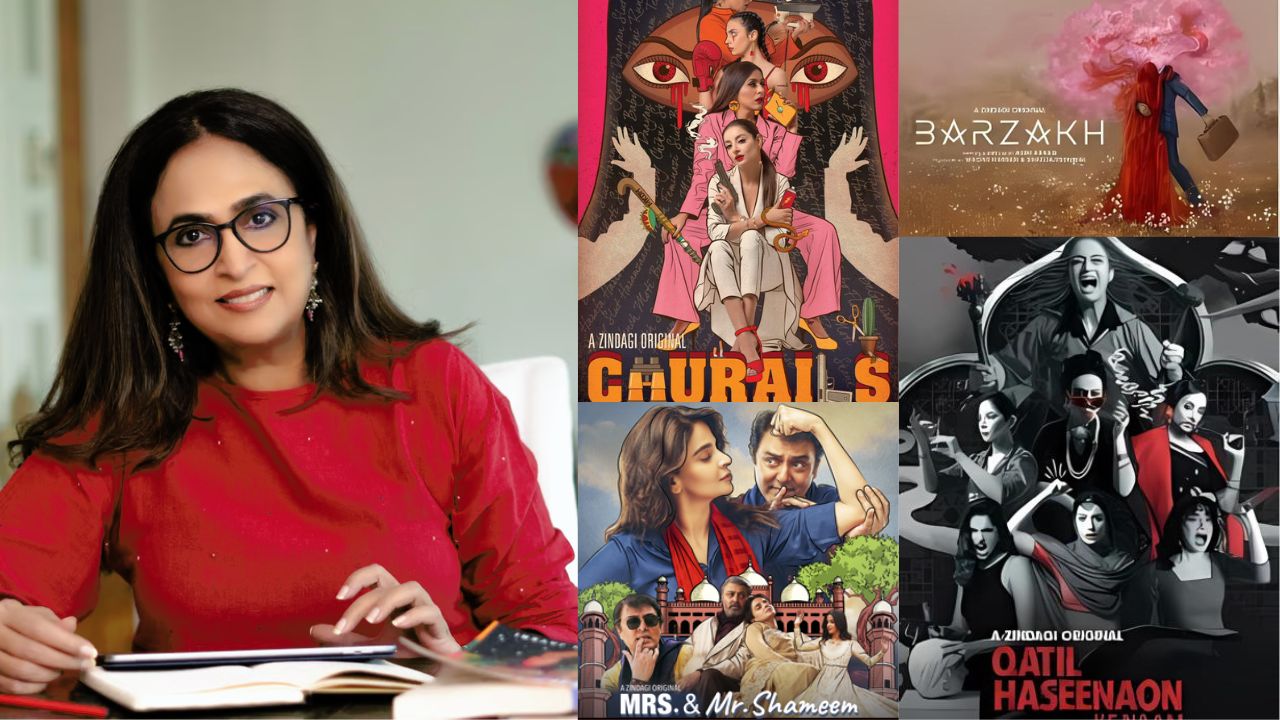
    Shailja Kejriwal, the chief creative officer at Zee Entertainment’s Zindagi channel, is on a mission to unite Indian and Pakistani artists and writers.
    In a recent interview with Press Trust of India, Kejriwal expressed her desire to see more collaborations between talents from both countries, despite the challenges posed by political tensions.


    Shailja Kejriwal said, “My ultimate desire, I don’t know whether it will happen or not, is that we collaborate… writers and artists from both sides should be on a set together. I am trying to follow that path. Hopefully, we will be able to do something because we flourish more if we are open and inclusive.”

    It has been a journey of one step forward, two steps back for the producer who was instrumental in making Pakistani actors like Fawad Khan, Sanam Saeed, and Mahira Khan household names in India by showcasing dramas such as Zindagi Gulzar Hai and Humsafar through the Zindagi platform launched in 2014.


    The channel Zindagi, led by Kejriwal, has successfully produced a number of projects with Pakistani actors and directors. Popular series like Qatil Haseenaon Ke Naam, Churails, Mrs. & Mr. Shameem, and the new web series Barzakh starring Fawad Khan and Sanam Saeed are among the noteworthy productions. The channel has aired iconic Pakistani dramas like ‘Thakan’, Shukk, Pyarey Afzal, Meri Beti, Mere Harjai, and Main Bushra.

    Kejriwal highlighted her commitment

    “I felt my work would be incomplete if I didn’t play a role in bringing these artists back. My ambition extends beyond just pan India. My dream is to unite South Asians and Asians through collaboration,” Shailja added.

  • Go behind the scenes with Sanam Saeed on ‘Barzakh’

    Go behind the scenes with Sanam Saeed on ‘Barzakh’

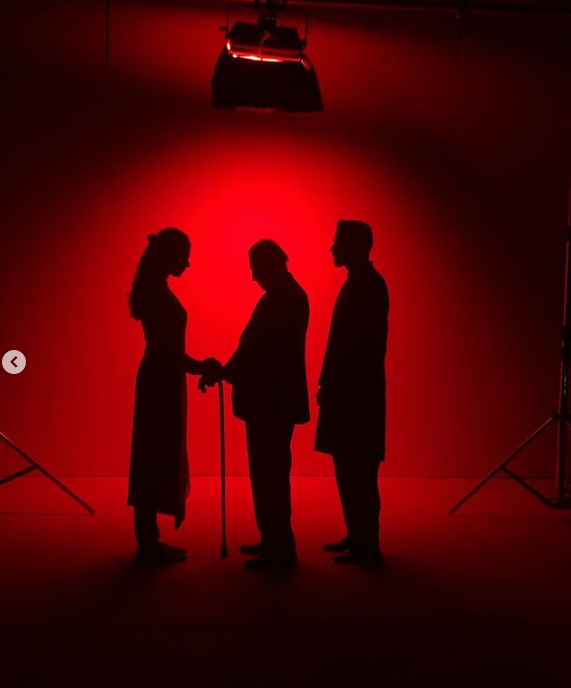
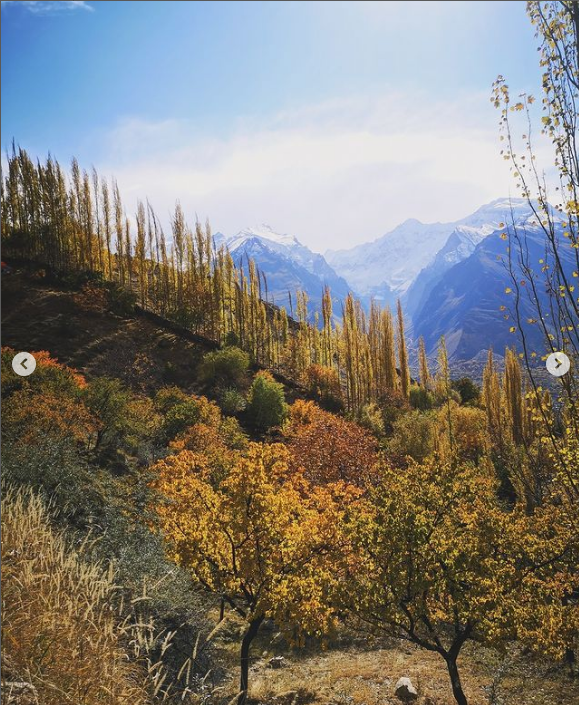
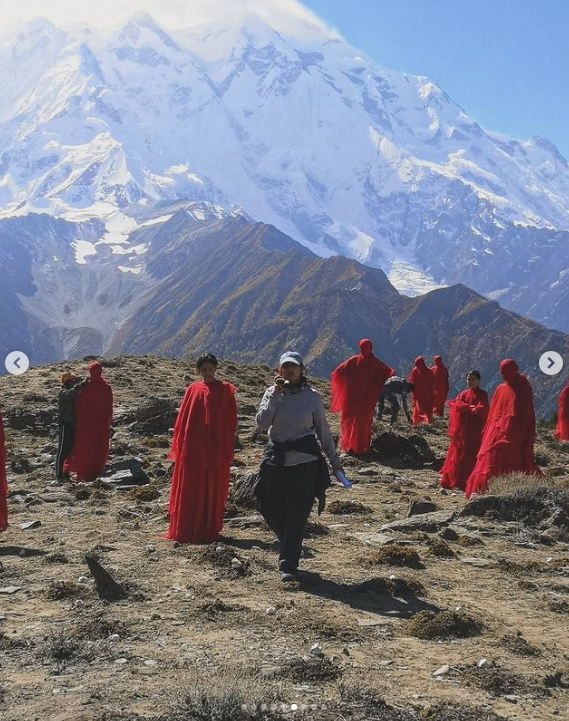
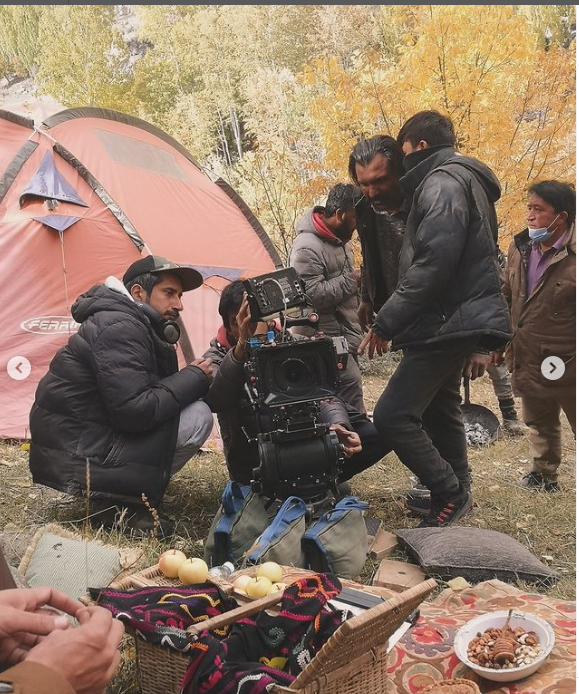
    Pakistani actress Sanam Saeed delighted her fans by sharing behind-the-scenes glimpses from the set of the upcoming web series ‘Barzakh.’


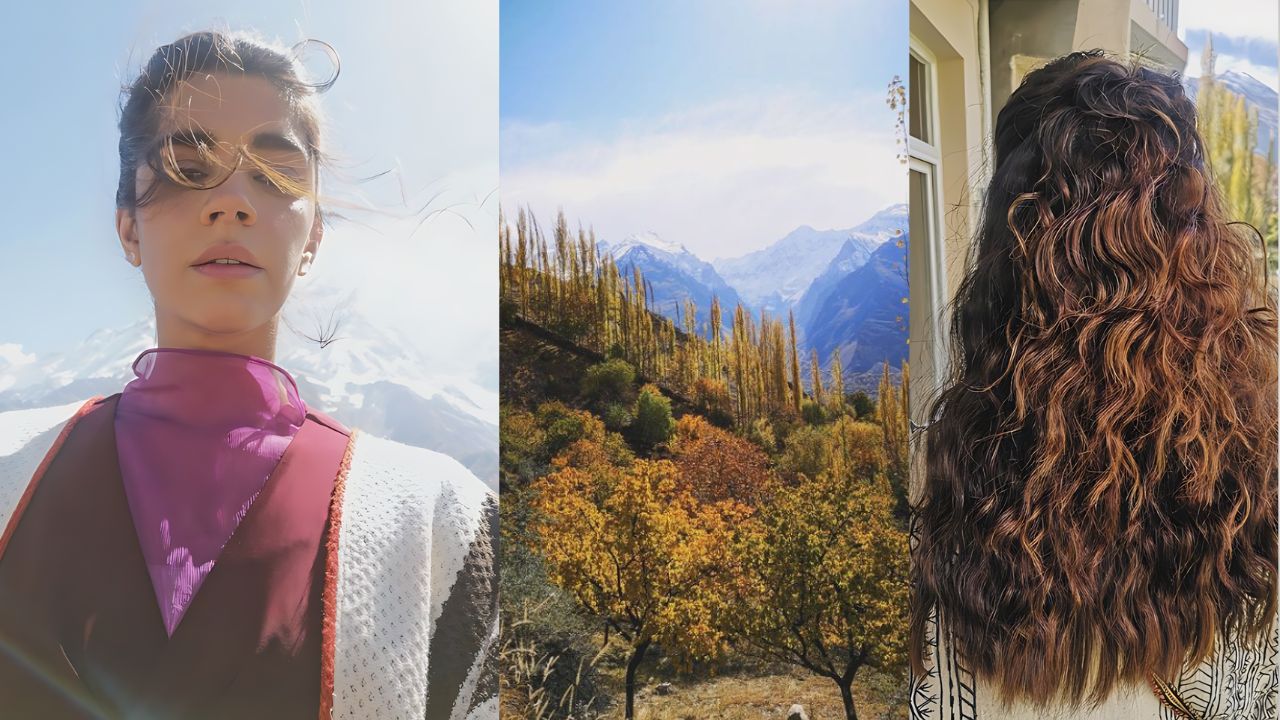
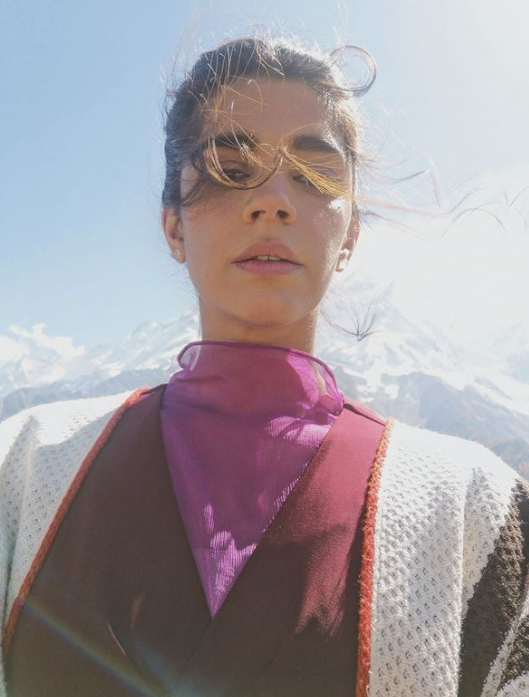
    She posted nine photos on Instagram showing the scenic beauty and challenges of filming ‘Barzakh.’ The pictures feature Sanam Saeed against rugged mountains and masked women in red abayas, capturing the essence of the series. She shared her experience of shooting, describing it as magical, challenging, and exhilarating.


    “A peek from the Barzakh sets—a magical, challenging, and thrilling experience,” Sanam Saeed wrote.


    Check the scenes below:


    She talked about the challenges faced during filming, like balancing on cliffs and enduring extreme temperatures, witnessing mountain falls and hinted at the series having a deep story, describing it as a journey from one life to the next.


    Directed by Pakistani director Asim Abbas and produced by ZEE5, ‘Barzakh’ stars Sanam Saeed alongside renowned actor Fawad Khan.

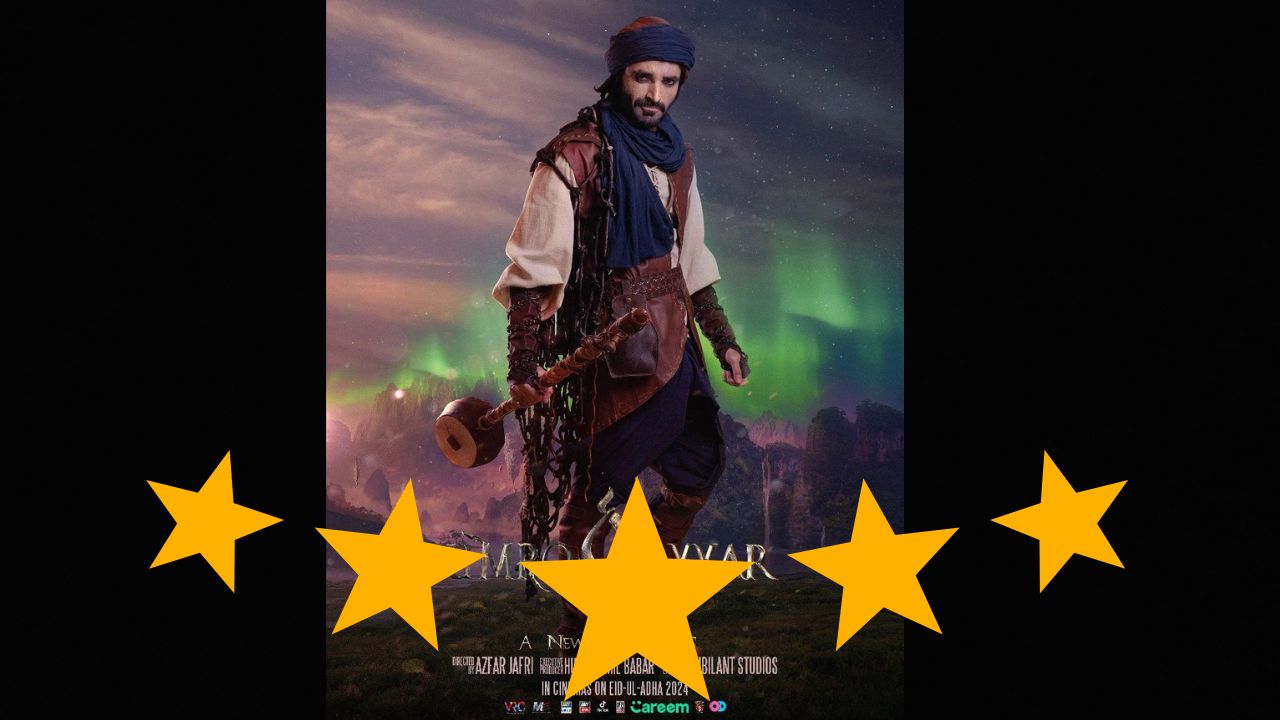
  • Review: Umr-o-Ayyar: A marriage of convenience between debilitating story-line and topnotch VFX

    Review: Umr-o-Ayyar: A marriage of convenience between debilitating story-line and topnotch VFX

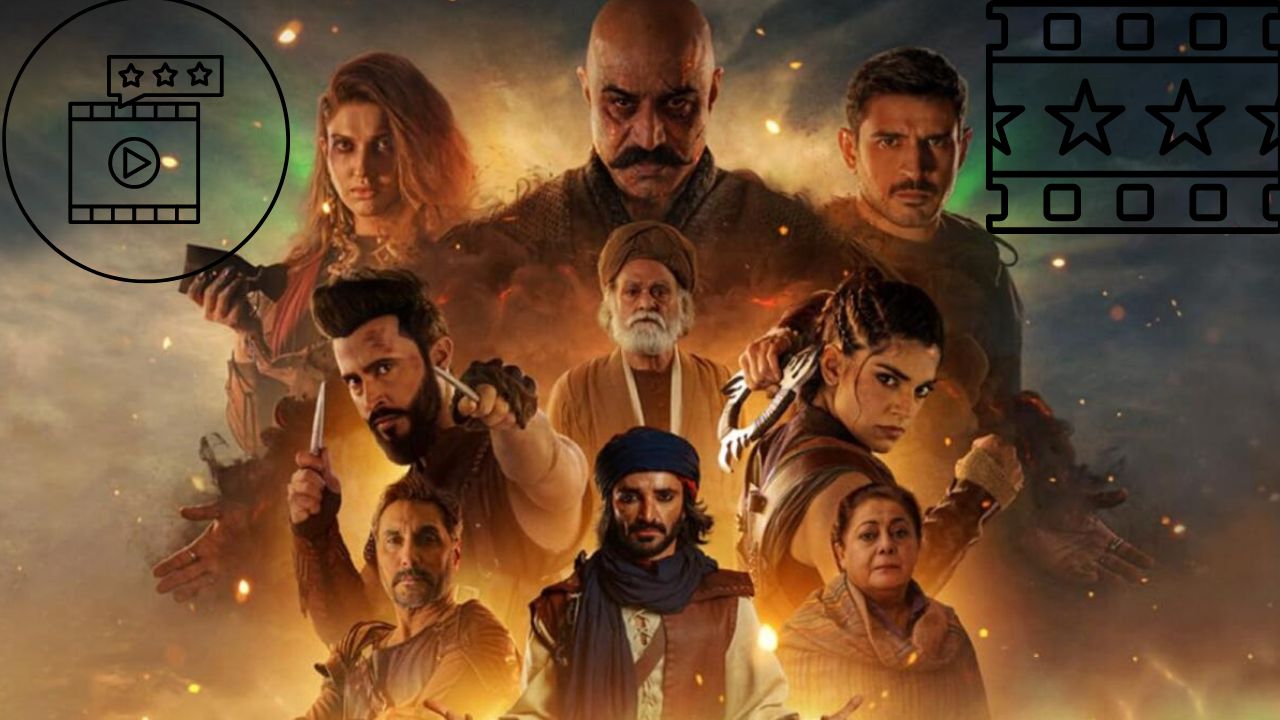
    Umr-o-Ayyar is everything I could not have imagined: badly written fanfic and a thrilling display of VFX-laden action unknown to Pakistani films.

    Invited to the premier on behalf of The Current, I recalled all I had ever known about the character of Umr-o-Ayyar. Having been an avid reader of the legendary series of Dastaan-e-Ameer-i-Hamza and Talism Hoshruba, I was a fan of the conniving, quirky character of Umr-o-Ayyar, a friend and close confidant of the protagonist, Ameer-i-Hamza, but a legend in himself. The expectations were a little too high. The reality was a bit of a downer.

    It was a marriage of convenience between the magical world of Harry Potter and the legendary period drama of Ertugrul.


    My father, a master in Arabic language and literature, always told me that the name’s correct pronunciation was Ammar-Ayyar and not Umr-o-Ayyar, as per the rules of the Arabic language. Ammar, the protagonist played by Usman Mukhtar, really marked the right box with the name, but unfortunately, that’s about it.

    His portrayal of the ‘clueless chosen one’ who remained true to character till the end made him look stupid more than likeable. Just like it was said about Harry Potter that magic still surprised him, Usman embodied the same traits, keeping his quintessential baffled expression intact whether it was his Schrodinger phase or him as an Ayyar.


    The hero’s entourage, comprised of Ali Kazmi Salman Shaukat and Sanam Saeed, did leave their mark. It was the story that let them down. Manzar Sehbai’s Guru is there to mentally prepare the chosen, pure-blood Ammar Ayyar just like Master Shifu did with Po in Kung Fu Panda, but his styling, like that of Ertugrul’s Ibn Arabi, seemed out of place in the uber-cool setting. His verbose speeches and boasting of the power to know it all led to an all too predictable ending.

    Director Azfar Jafri, known for family entertainers like Janaan and Heer Maan Ja falls short on this period cum super-hero cum action genre. Despite the fact that the two legends featuring the titular character are quite internalised in our language and culture, the movie comes across as an adaption of foreign celluloid. It has elements of Harry Potter’s pure-bloodedness, Voldemort’s black magic, inconsequential mention of physics, a motor-bike chase, Marvel’s VFX, fight sequences, and a world of supernatural elements ironically being dealt with both guns and knives. Consequently, the original plot, if there was any, got lost.


    A sign of a flawed storyline is that the movie does not reflect much on the very conflict of the plot as to why the two parties are at war with each other. Ayyars, weak enough to get possessed, riding on bikes, and combating magic with internal powers, guns, and daggers made it all funny, even funnier than the comic reliefs in the film.


    The best thing about the movie was the villains. The plot was driven by Sana’s Cheno, inspired by Bellatrix Lestrange, and Laqqa-a desi Voldemort- played by Faran Tahir. They were visibly ominous, and however flawed their dialogues were, their actions made more sense as they acted their part well. At one point in the film, Laqqa, the villain, has his first showdown with Ammar Ayyar, the hero, where the former says to the latter, “I am extremely disappointed after meeting you.” As an audience, you agree with him because such is the extent of Ammar’s incorrigibility. While it is not a well-written character, it performed even worse.


    Hamza Ali Abbasi’s styling and acting take the cake. During those five minutes of his guest appearance, you are reminded of the beauty of the original tale. His portrayal of the OG, vivacious and witty Umr-o-Ayyar, who has especially come to knock some sense in the hero, made me reminisce about the accessories he owned, such as “zanbeel,” a satchel he used to carry everywhere that contained all the things under the sun, including the jinns he had entrapped. Alas! Its a lost opportunity.


    While the storyline keeps boggling the mind, VFX in the final showdown really gives that larger-than-life experience. It deserves all the praise for being groundbreaking in Pakistani cinema. It’s the story which is the hamartia, a fatal flaw of this presumed epic of a film. The title, Umr-o-Ayyar-A New Beginning, indicates that the makers intend to make a series under the same banner. The next effort should not be as frivolous as this one.
    Overall, the movie is a good one-time watch that really lacks originality.

  • Ali Rehman thinks being compared to THIS Hollywood heartthrob is a compliment

    Ali Rehman thinks being compared to THIS Hollywood heartthrob is a compliment

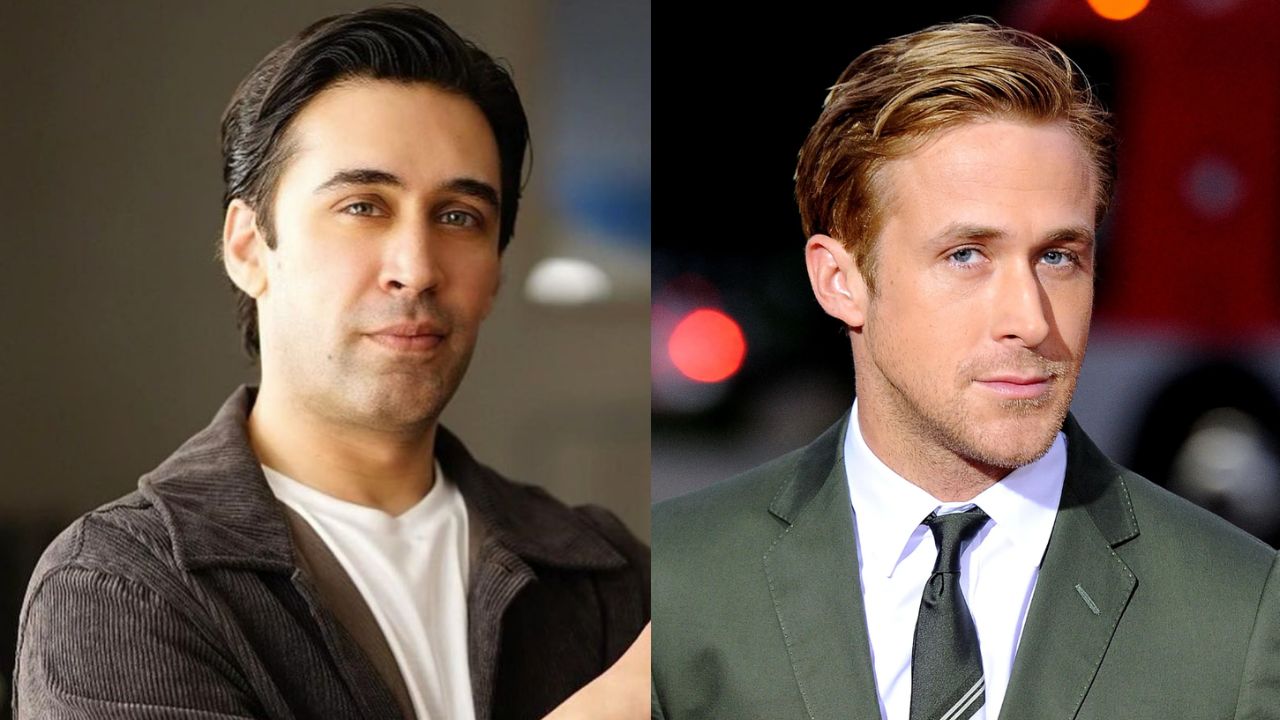
    In a recent interview with Independent Urdu, Pakistani actor Ali Rehman Khan expressed his surprise and admiration after being compared to a Hollywood heartthrob for the first time.

    Ali Rehman, known for his role in ‘Bebasi,’ was pleasantly surprised and flattered when he was compared to Ryan Gosling. He praised Gosling’s ability to handle serious roles and excel in comedy. “It’s a big compliment to be compared to him. He’s a very big actor,” Ali said.
    “Personally, I have never felt a resemblance… He is one of my favorite actors because I think that Ryan Gosling does serious roles with finesse but his comedic timing, too, is extraordinary. His film ‘Bad Guys’ is one of my favorites. His performance in it is just amazing,” he added.


    Talking about his life, Ali, originally from Islamabad but now living in Karachi since six years, described Karachi as a busy metropolitan city compared to the more laid-back Islamabad. “Karachi is a bustling metropolitan city where day and night merge into one. In Islamabad, you feel the difference between day and night very strongly,” he explained.


    Ali loves Karachi, highlighting its dynamic atmosphere and delicious food, especially the famous dishes of Burns Road. “I love the food on Burns Road. As actors, we can’t eat a lot because we have to watch our diets, but you can find great food anywhere in Karachi,” he said.


    Looking ahead, Ali said he wants to work with leading actresses of Pakistani cinema like Mahira Khan, Sanam Saeed, and Sajal Ali, praising their talent and the potential for diverse opportunities such collaborations could bring.