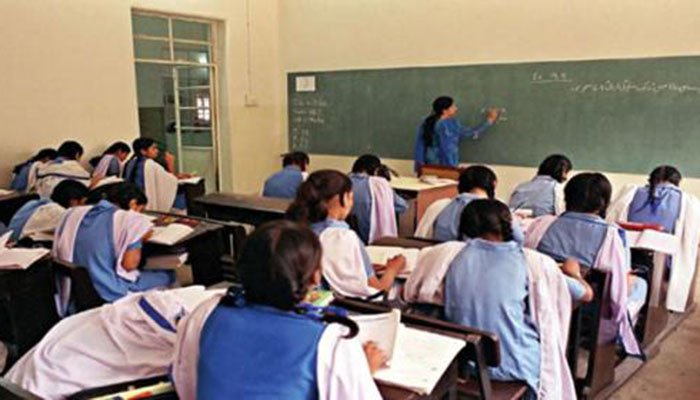
All schools and educational institutions in Sindh have been ordered to charge monthly fees from their students instead of issuing quarterly or bi-monthly challans, a notification issued by the government reads.
The provincial government has directed private schools to give full salaries to the teaching and other school staff on time.
“None of the staff will be terminated during this period as well,” the notification added.
If any schools defies the rules, their registrations will be suspended or cancelled.
The schools have been shut down and a lockdown has been imposed across the province to prevent the spread of coronavirus
After the outbreak of coronavirus, health experts have urged people to stay at home and practice social distancing. Social distancing involves “remaining out of mass settings, avoiding mass gatherings, and maintaining distance” whenever possible to limit the ability of the virus to spread.
Section 144 has also been imposed in Pakistan under which more than four people cannot gather together in an area.
Considering essential activities cannot completely be closed, here’s how Pakistanis are maintaining social distance at grocery stores, banks and police stations:
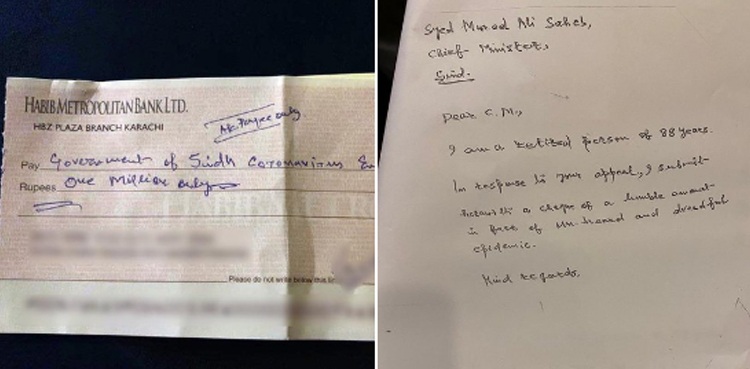
Sindh Chief Minister Murad Ali Shah received an “anonymous” donation of Rs1 million for the Sindh Coronavirus Emergency Fund on Monday.
The CM shared this on social media and expressed his gratitude to the person who made the donation.
“Such acts of kindness strengthen our resolve to continue fighting this challenge, & reassure us that humanity stands tall during such extraordinary times,” he wrote alongside pictures of a cheque and a letter.
Although the person donating this generous amount to Sindh’s #coronavirus fund asked to not disclose their name,I’d like to thank them.And to all others who are contributing to the Fund.Thank you! Your contributions will surely make a difference!Let’s fight #coronovirus together! https://t.co/Y6LTnoj0mr
Meanwhile, the letter sent to the chief minister by the anonymous donor reads, “I am a retired person of 88 years. In response to your appeal, I submit herewith a cheque of a humble amount in face of the unheard and dreadful epidemic.”
Earlier, on March 17, the Sindh government had set up a ‘Coronavirus Relief Fund’ to fight the epidemic.
The provincial government’s spokesperson Murtaza Wahab in a tweet had said the Sindh chief minister, advisors, special assistants and all PPP MPAs will donate their one-month salary to the fund.
#SindhGovt has established a Corona Virus Relief Fund with the seed money of Rs 3 Billion. The CM, Ministers, Advisors, Special Assistants & all PPP MPAs will contribute their 1 months salary into the fund
— Murtaza Wahab Siddiqui (@murtazawahab1) March 17, 2020
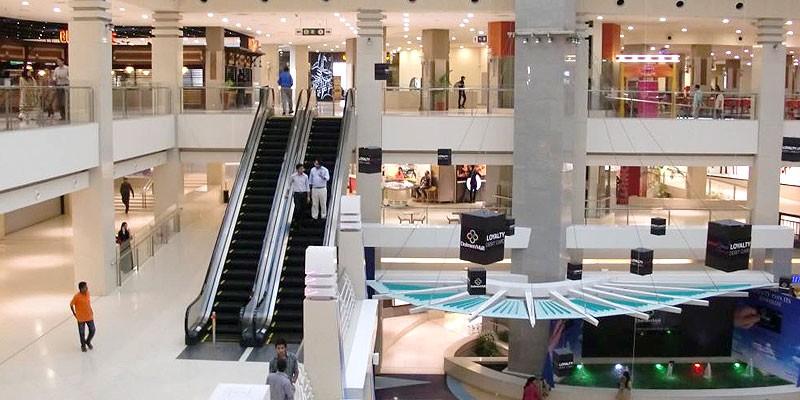
The Sindh government has decided to shut down all the restaurants and shopping malls across the province to control the spread of coronavirus.
All restaurants,malls,shopping centres will be closed in Sindh from tomorrow. Only takeaways & deliveries will be allowed. Section 144 also to be imposed at beach & parks. It is clarified that shopping stores & chemists will remain open. Citizens are once again urged to cooperate
— Murtaza Wahab Siddiqui (@murtazawahab1) March 17, 2020
However, grocery stores will not be asked to close early.
It is again clarified that Grocery Stores & Medical Stores will remain open.
— Murtaza Wahab Siddiqui (@murtazawahab1) March 17, 2020
Shopping stores would mean stores catering to grocery or medical needs
— Murtaza Wahab Siddiqui (@murtazawahab1) March 17, 2020
Meanwhile, IG Sindh has been directed to arrest those selling tissue papers and hand sanitizers at inflated costs.
As per reports, coronavirus cases in the country have risen to 236 with the maximum number of cases from Sindh.
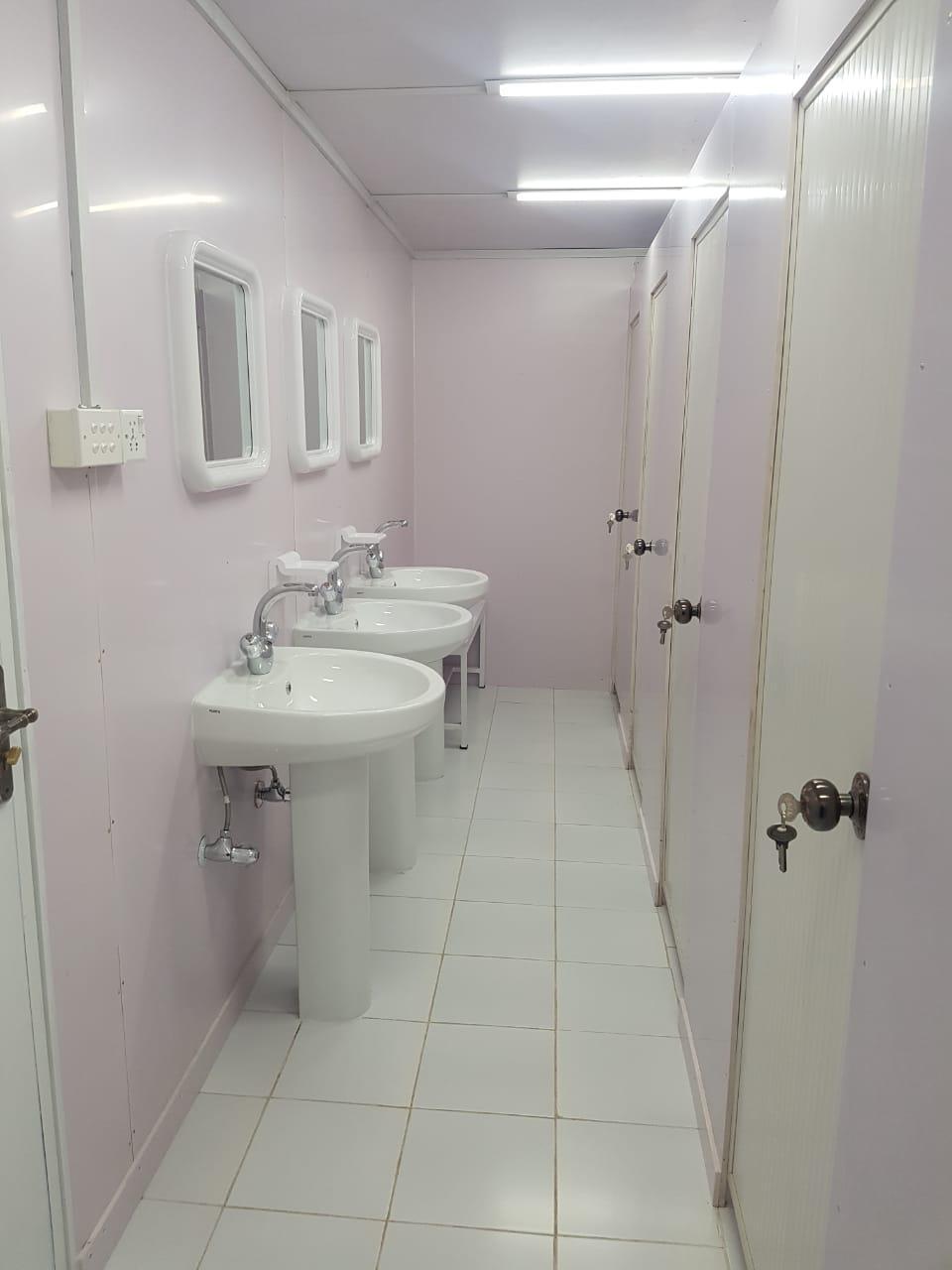
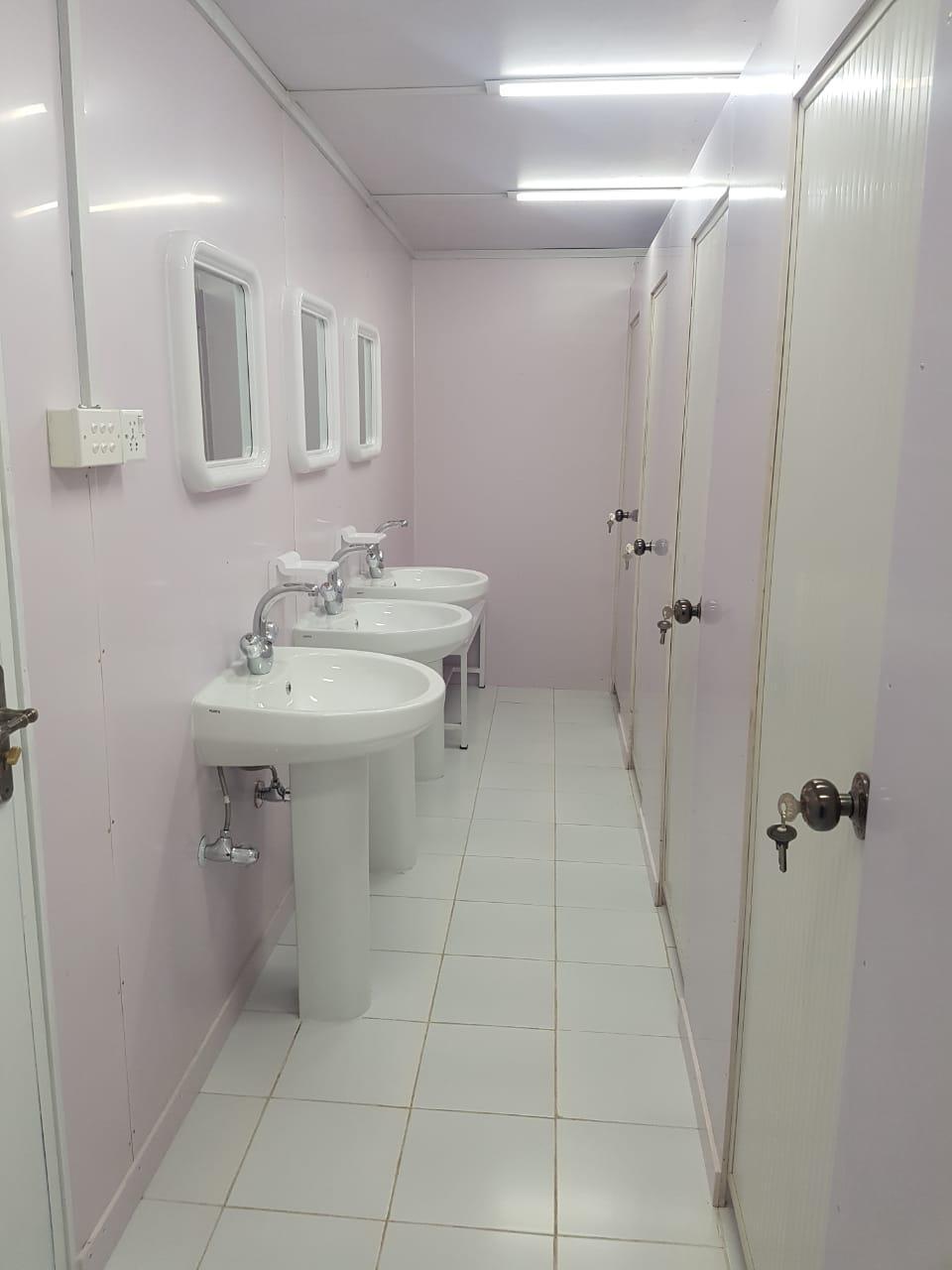
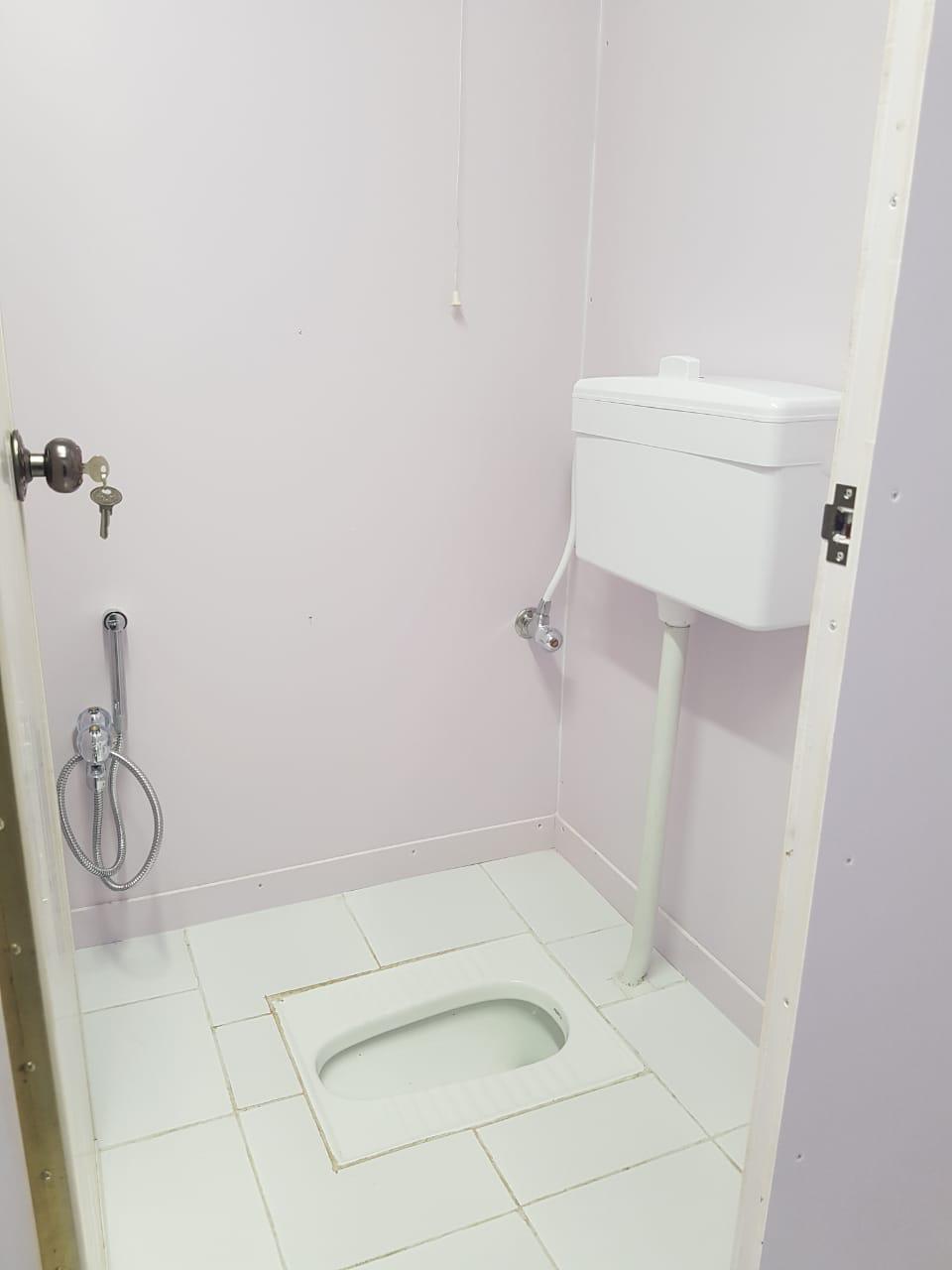
The Salman Sufi Foundation (SSF) has launched a new project ‘Saaf Bath’ to benefit pedestrians, especially women, who do not have access to clean public toilets in Pakistan.
According to a press release, the foundation will set up portable public toilets in Lahore and Karachi during the first stage of the project expected to complete by February 2020. The project aims to facilitate women, who are vulnerable to major diseases due to the lack of availability of clean and hygienic bathrooms.
The SSF is partnering with numerous corporate companies to install portable toilets in all major cities of the country, especially those areas with a large number of female pedestrians. These toilets will set a standard for a public toilet and there will be a proper model that everybody would be asked to follow.
The restrooms will also be made accessible for the aged and the differently-abled and will be maintained by the foundation’s coordinating officers daily. The foundation will also ensure that sufficient hand sanitizer and water is available for the public. In addition, there will also be a diaper station as well as the availability of sanitary pads.
“Many women in Pakistan face severe issues in their menstrual cycle because of the lack of sanitized products and clean places,” said Sufi.
Shedding light on the project, Salman Sufi told The Current: “Initially, we will be launching two to three toilets in Lahore and Karachi. After that, the foundation plans to expand this to the female schools and colleges in Sindh and Punjab. We are working with LDA in Lahore and the commissioner officer in Karachi regarding these.
“We have requested the Sindh government to give us access to female colleges where we can install portable washrooms”, he added.
Sharing further details, Sufi said, “We will be setting a standard for a public toilet and there will be a proper model that everybody would be asked to follow. The toilets will be equipped properly, there will be a diaper station as well as sanitary pads available. Many women in Pakistan face severe issues in their menstrual cycle because of the lack of sanitized products and clean places”.
The project is in line with the foundation’s plan of starting an overall health and sanitation campaign exclusively for women. According to a 2015 report by the World Health Organisation (WHO), Pakistan was the third-largest country where over 43 million people defecate openly.
The Balochistan Food Authority has imposed a ban on gutka (chewing tobacco) consumption in the province.
Director-General BFA Ibrahim Baloch said the consumption of gutka is a health risk and people who eat it regularly are at risk of getting mouth, tongue or throat cancer.
“We won’t allow anyone to play with human lives,” said the DG.
The food authority has delivered a notification to all deputy commissioners, asking them to take action against those who produce and sell gutka, along with the customers.
Sindh has already imposed a ban on eating and selling gutka on December 19, 2019. According to the law, chewing of gutka can lead to imprisonment for six years and a fine of Rs500,000 will be imposed on violators.
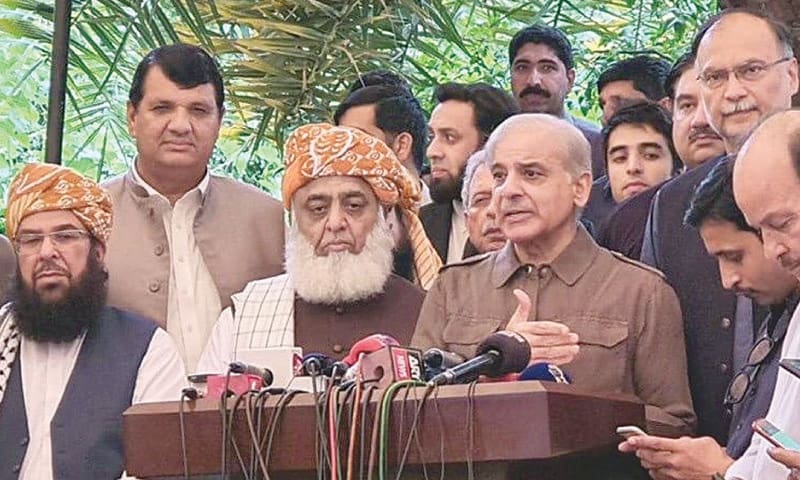
Sindh Minister for Information Saeed Ghani has said that the federal government wanted a deal under the current political situation, but the opposition wasn’t willing to give it any relief, Samaa reported.
According to the details, the provincial minister while speaking to the media in Karachi said that Pakistan Tehreek-e-Insaf (PTI) government was making all-out efforts to convince the opposition to make a deal with it.
“But the opposition has decided not to give any kind of relief to the government,” Ghani added.
He also criticised the government for poor economic conditions in the country, adding that if there is no corruption in PTI’s tenure then the question rises why the economy is declining instead of improving.
“There is no example of such a decline in the 71-year history of the country, apart from the past one year,” Saeed Ghani said.
Saeed said that the incumbent government made a record by collecting revenue less than the past year and made a record of cutting salaries of the people for the first time.
He added, “They have increased taxes on petrol and diesel, despite having previously claimed to reduce them.”
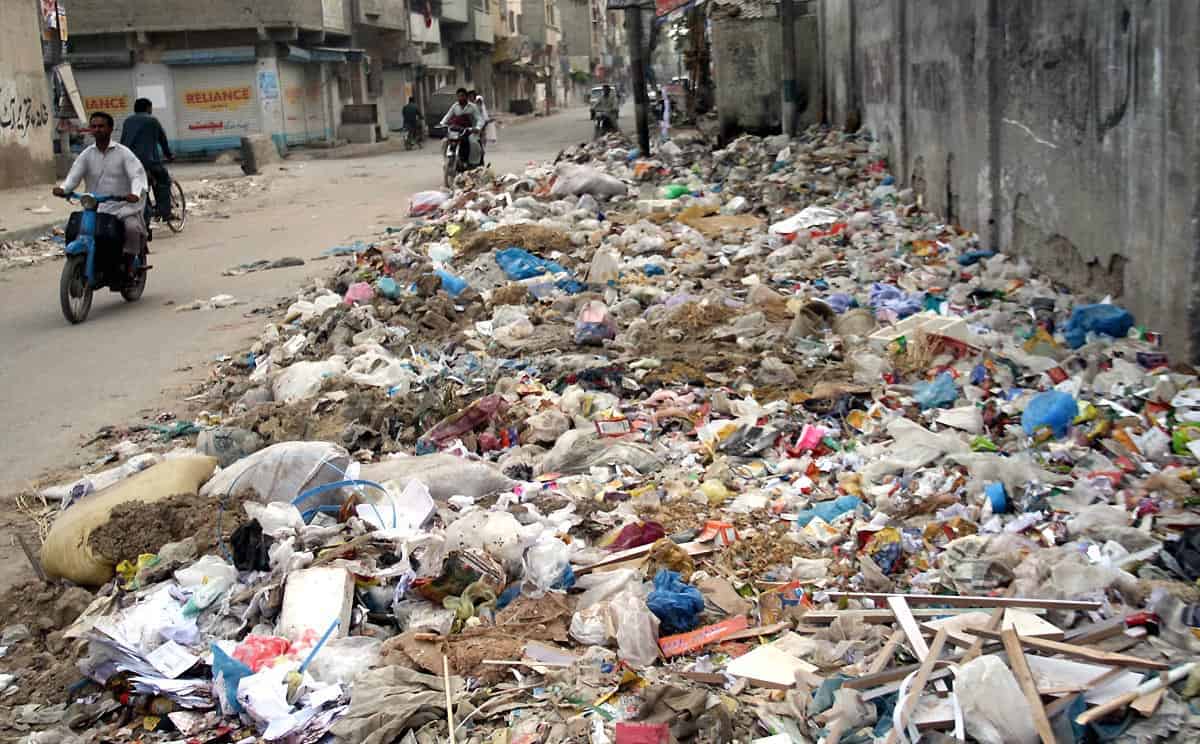
The World Bank (WB), on the recommendation of Sindh Chief Minister (CM) Murad Ali Shah, has allocated $10 million to help solve Karachi’s garbage problem through the Sindh Solid Waste Management Authority (SSWMA), Profit reported.
According to the details, the allocated amount will be used for capacity building, technical expertise and construction of a new landfill site for the SSWMA.
CM Murad held a meeting with an eight-member WB delegation on Wednesday, where he said, “It is a new organisation and would definitely take time to achieve expertise, but even then there is a dire need to operate in a scientific manner and make it a leading SWM organisation in the country.”
At this, WB Global Director Dr Dameh said that in Karachi Neighbourhood Improvement Programme (KNIP) there was a provision for solid waste management and agreed to help in solving the city’s waste problem.
The provincial chief executive also said that he was keen to develop a most modern and environment-friendly landfill site on the outskirts of the city.
“This landfill site must be equipped with all the necessary machinery, gadgets, equipment and technical staff and useful for power generation,” he added.
Moreover, on the request of the CM, the World Bank agreed to construct a landfill site over an area of 500 acres in the outskirts of the city for which the government would provide land.
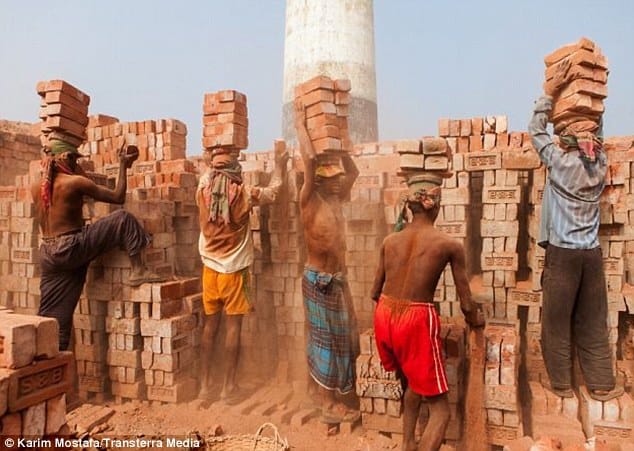
The Sindh government has set a minimum wage of Rs 17,500 per month for adult unskilled and juvenile workers.
According to an official notification, the Sindh government said that the order will be implemented under the provisions of Section 4 of the Sindh Minimum Wages Act, 2015.
The notification further said that the order will apply uniformly throughout the province to all adult, unskilled and juvenile labour, including female workers.
“The employers shall revise the rates of payments for piece rated
workers and make sure that the worker in each piece rate occupation is enabled
to earn not less than Rs.84.00 per hour in any working day,” the notification
read.