Tag: Supreme Court

  • Supreme court orders police to remove caste, derogatory terms from FIRs

    Supreme court orders police to remove caste, derogatory terms from FIRs

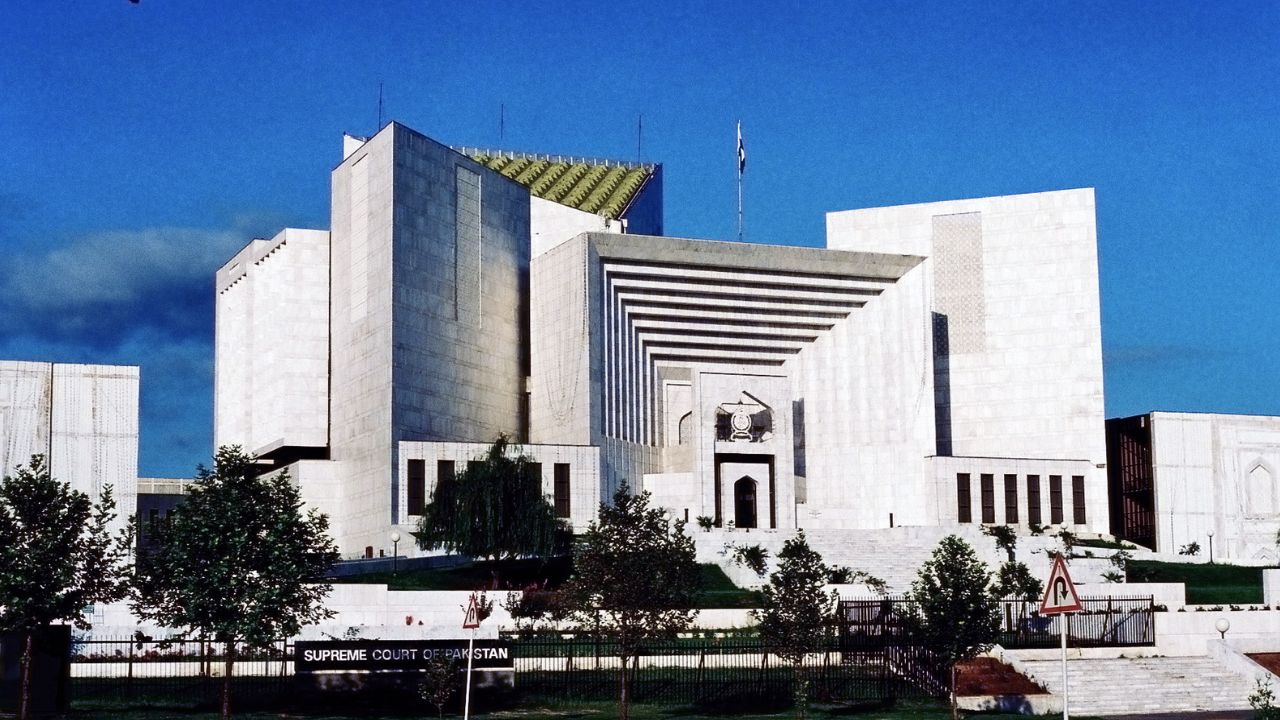
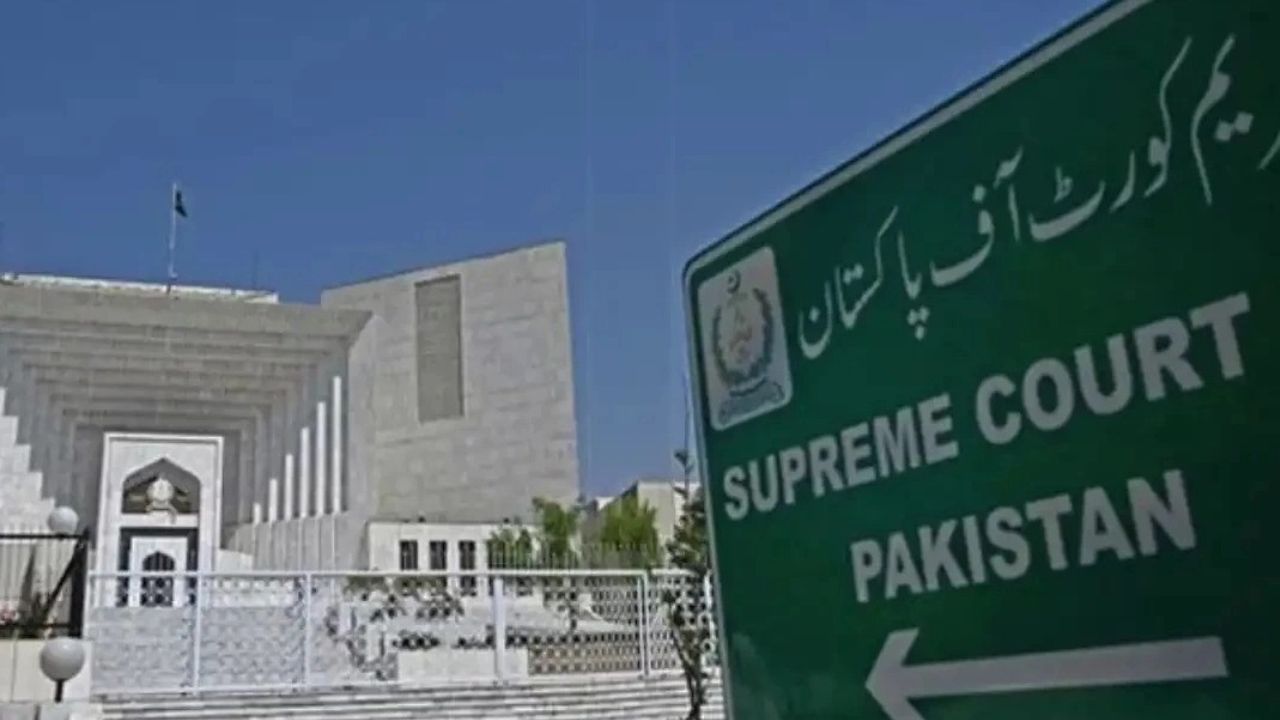
    The Supreme Court of Pakistan has directed police authorities across the provinces and Islamabad Capital Territory to ensure that no reference to caste, tribe, biradari, conversion status or any classificatory or derogatory expression is included with the names of complainants, accused persons, victims or witnesses in official criminal records.

    The directions apply to First Information Reports (FIRs), arrest and recovery memos, investigation reports, challans and all other related documents prepared during criminal proceedings.

    The order was issued during the hearing of a criminal case by a three-member bench headed by Justice Muhammad Hasham Kakar. The bench cautioned that any departure from the directive would be allowed only in limited circumstances where an investigating officer, for bona fide investigative reasons directly connected to the offence, believes such identification to be strictly necessary and records those reasons in writing.

    In a six-page judgment authored by Justice Kakar, the court ordered the registrar to circulate copies of the decision to all Inspectors General of police in the provinces and the Islamabad Capital Territory, as well as to the relevant home secretaries and chief commissioner, for immediate compliance and onward circulation to field formations.

    “We are deeply disheartened to witness that society continues to determine whether a human being is deserving of respect based solely on the nature of their profession, rather than on their inherent dignity,” the judgment stated.

    The judgment noted that terms such as “bhangi,” “chura,” “morassi,” “jamadar,” “dam,” and “musalli” are no longer used to describe a caste but are employed as derogatory remarks against members of particular social groups.

    “We are apprehensive about a society that relies on cleanliness for survival, yet dehumanises those who make it possible,” the court said. It added that those who perform sanitation-related work are often labelled as “dirty,” while those who make cities liveable are treated as lives considered less deserving of respect.

    The court held that such treatment reflects a moral failure of the social order, not the nature of the work performed, and stressed that dignity, respect and equality are rights of every person irrespective of occupation, in the eyes of law and society.

    Referring to Pakistan’s international obligations, the court cited Articles 1 and 7 of the Universal Declaration of Human Rights, Articles 2 and 26 of the International Covenant on Civil and Political Rights, and Article 3 of the International Covenant on Economic, Social and Cultural Rights, which guarantee equality before the law and protection against discrimination based on religion or social origin.

    The judgment also addressed references to religious conversion in police records, stating that the use of qualifying expressions marking a convert as “new” or otherwise distinct has no sanction in Islamic teachings or in law. It observed that terms identifying caste or social origin become objectionable when used to demean, stigmatise or portray a person as belonging to an inferior social status.

    “The term ‘Nau Muslim Sheikh’ (or similar expressions such as ‘Dhobi’, ‘Naahi’, ‘Jamadar’, ‘Bhangi’ or ‘Dam’ which are occasionally used in police records) appears to be a derogatory or coded reference that implies a stigmatised or lower caste status,” the court said.
  • Law minister defends 27th Amendment as experts, Amnesty International question ‘lack of judicial independence’

    Law minister defends 27th Amendment as experts, Amnesty International question ‘lack of judicial independence’

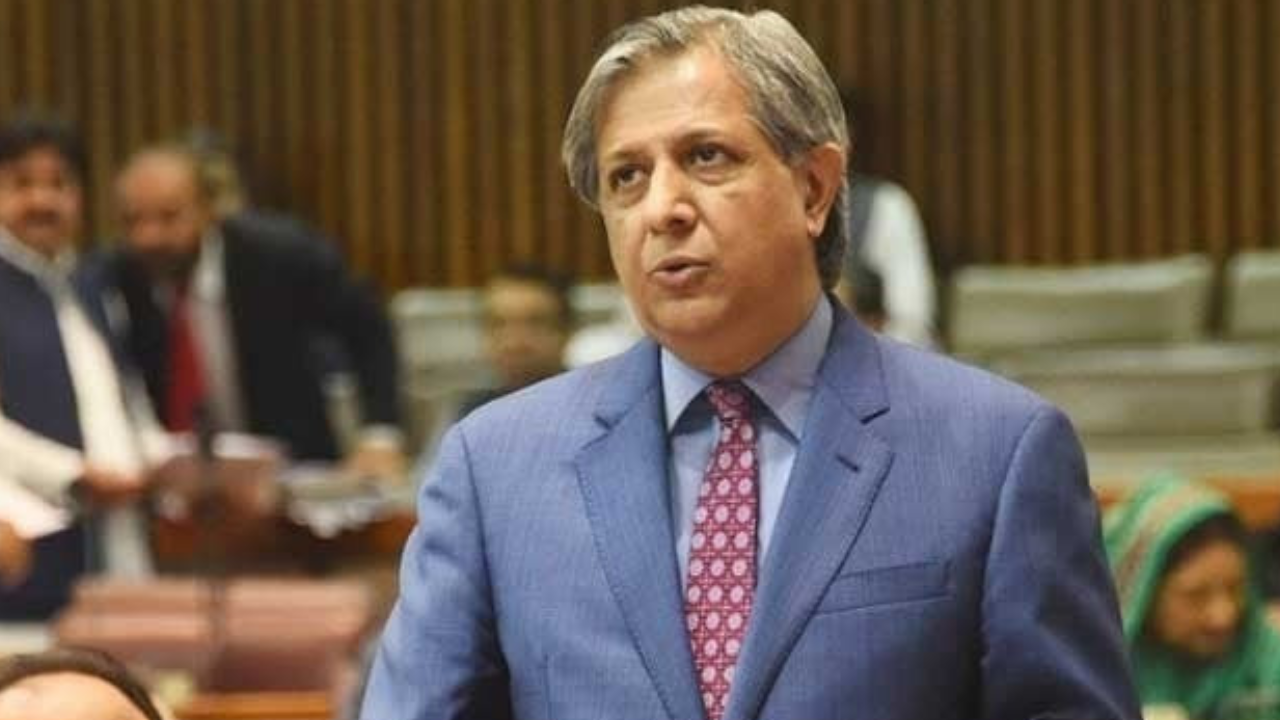
    Amid criticism that the 27th Amendment compromised judicial independence, Law Minister Azam Nazeer Tarar has defended the tweak, calling the establishment of the Federal Constitutional Court (FCC) a “cornerstone achievement” that strengthens Pakistan’s federal structure.

    The law minister made the remarks Thursday while speaking at the book launch of Tea Talk, a compilation of columns by Advocate Talat Abbas Khan, held at the Supreme Court Bar Association (SCBA). 

    His comments came in response to a report by Amnesty International, which described the amendment as an attack on the independence of the judiciary, the right to a fair trial and the rule of law.

    Rejecting the assessment, Tarar said the creation of the FCC was the central feature of the amendment and had long been part of Pakistan’s constitutional discourse. “This is a monumental contribution of Parliament to strengthen the federation,” he said, adding that the court ensured equal representation of all federating units.

    The law minister said the idea of a constitutional court was first articulated in the 2006 Charter of Democracy, which he said was endorsed by major political parties, including the Pakistan Muslim League-Nawaz (PML-N), Pakistan People’s Party (PPP), Pakistan Tehreek-e-Insaf (PTI) founder Imran Khan and Jamiat Ulema-e-Islam-Fazl (JUI-F) chief Maulana Fazlur Rehman.

    He urged critics to examine the intent behind the amendment before dismissing it.

    Referring to past judicial practice, Tarar said the demand for a separate constitutional court intensified after the Supreme Court’s (SC) use of suo motu powers under Article 184(3).

    The minister said the FCC was designed to address structural imbalances in judicial representation.

    He explained that apex court appointments were historically linked to the size of provincial high courts, resulting in a higher number of judges from Punjab due to the Lahore High Court’s (LHC) larger bench, and said that smaller provinces such as Balochistan, Sindh and Khyber Pakhtunkhwa had comparatively limited representation.

    According to Tarar, the FCC consists of 13 judges, with equal representation from all four provinces and one judge from Islamabad, which he described as part of the federation and therefore entitled to representation. 

    The statements come after members of the legal fraternity questioned the manner in which the FCC was constituted while an Amnesty International report said that the first batch of FCC judges and its chief justice were appointed by the president on the advice of the prime minister, bypassing the Judicial Commission of Pakistan (JCP) process under Article 175A.

    The report also raised concerns about future appointments, noting that changes introduced through the 26th Amendment altered the composition of the JCP, allowing parliamentary members to outnumber judicial members. 

    Amnesty further pointed out that the president has the authority to determine the number of FCC judges and noted that the chief justice and four judges were sworn in less than 24 hours after the amendment became law, without any stated criteria or justification.

    Legal experts said senior judges from Sindh, Balochistan, the SC and the Peshawar High Court (PHC) were bypassed.

  • Rawalpindi man dies of heart attack after Supreme Court hearing

    Rawalpindi man dies of heart attack after Supreme Court hearing

    A 70-year-old man in Rawalpindi on Friday died of a heart attack after attending the hearing of his case pending before the Supreme Court (SC).

    As per the details, Abid Hussain passed away while being shifted to the hospital after the top court heard the case related to his under-construction house.

    The case had been pending before the SC for a year and was heard by a two-member bench comprising Justice Irfan Saadat Khan and Justice Shehzad Malik on Friday.

    Listed as Serial No. 8 under the title ‘Muhammad Ramzan vs Abid Hussain’, the case was filed on July 22, 2024, with the first hearing taking place on November 11 this year. 

    Returning home after the case was adjourned, Abid suffered a heart attack and passed away while being shifted to the hospital.

  • Govt shortlists judges for proposed Federal Constitutional Court

    Govt shortlists judges for proposed Federal Constitutional Court

    With the 27th Constitutional Amendment making steady headway in parliament, the federal government has begun the groundwork for establishing the long-discussed Federal Constitutional Court (FCC), a specialised body meant to interpret the Constitution and resolve disputes between the federation and provinces. 

    According to official sources, consultations are underway over the court’s initial composition, with Justice Aminuddin Khan, who currently leads the Supreme Court’s Constitutional Bench, being considered for appointment as the first Chief Justice of the FCC.

    The shortlist under consideration includes Justice Syed Hasan Azhar Rizvi, Justice Musarrat Hilali, Justice Aamer Farooq, and Justice Ali Baqar Najafi from the Supreme Court, alongside Justice K.K. Agha of the Sindh High Court and Justice Rozi Khan Barrech, the sitting Chief Justice of the Balochistan High Court. 

    According to sources, a presidential order will establish the FCC’s initial strength, while parliamentary legislation will be needed for a further expansion.

    According to Law Ministry officials, the president will appoint FCC judges on the prime minister’s recommendation under the proposed constitutional amendments.

    The move to create a separate constitutional court has been revived through the 27th Constitutional Amendment Bill, aimed at refining the Supreme Court’s jurisdiction and ensuring faster, more specialised adjudication of constitutional matters. 

    The government maintains that the initiative will reduce Supreme Court’s workload, expedite constitutional rulings, and strengthen judicial independence.

    The idea is not new.It was first introduced in the 2006 Charter of Democracy (CoD) signed by the PPP and PML-N.

     The CoD proposed forming a dedicated court to handle constitutional cases, allowing the Supreme Court to focus on final appeals. Although the proposal resurfaced in the 26th Amendment draft, it was shelved amid opposition from JUI-F and other parties. 

    In an effort to retain experienced jurists and preserve institutional continuity, the new plan calls for Constitutional Court judges to retire at 68, three years later than Supreme Court judges.


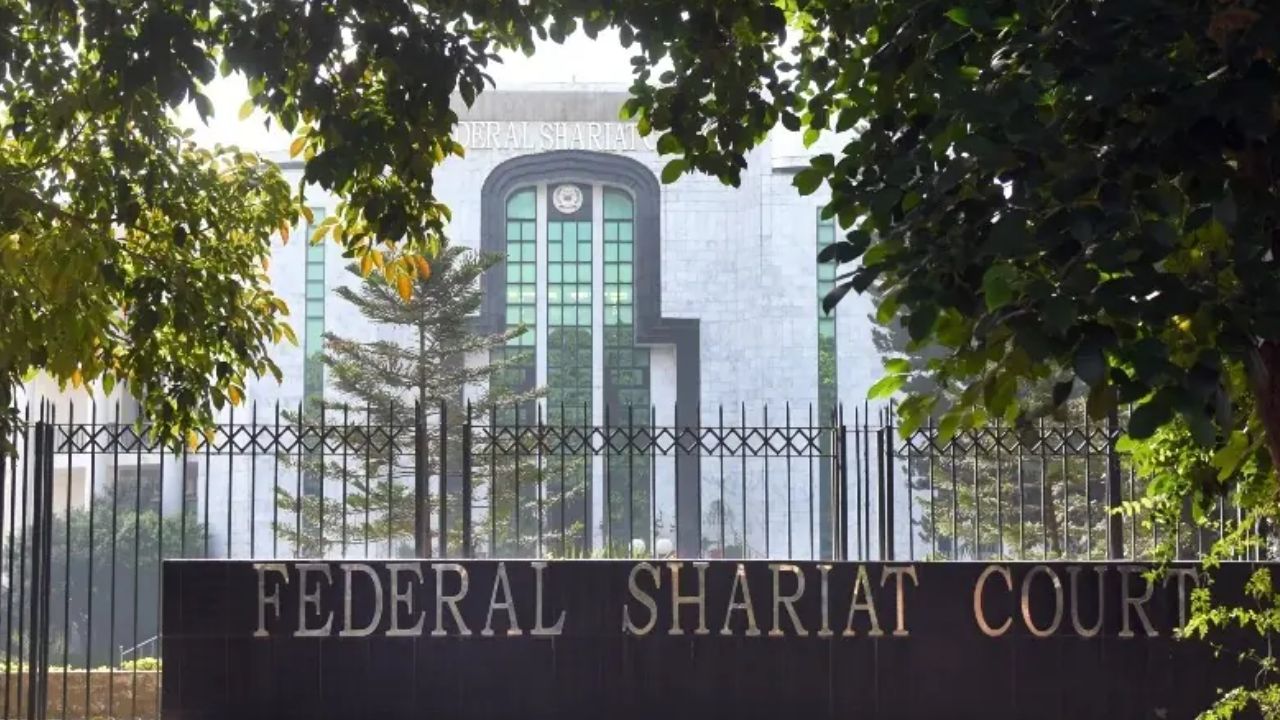
    In order to provide administrative and symbolic separation from the Supreme Court and other higher courts, the Federal Shariat Court will relocate to the Islamabad High Court grounds, while the FCC will remain housed in the Federal Shariat Court’s existing building in Islamabad.

    The FCC will have exclusive jurisdiction over federal-provincial disputes, constitutional interpretation, and issues directly related to constitutional provisions once it is operational.

     Additionally, it will have the authority to examine questions referred by the president or Parliament, as well as presidential orders and constitutional amendments.

    Justice Aminuddin Khan, born in Multan in 1960, is a second-generation lawyer who earned his LL.B. from University Law College, Multan, in 1984. Beginning his practice under his father, Khan Sadiq Muhammad Ahsan, he became an advocate of the Lahore High Court in 1987 and of the Supreme Court in 2001. Elevated to the LHC bench in 2011 and the SC in 2019, he has authored several landmark rulings in civil and constitutional law.

    Justice Syed Hasan Azhar Rizvi, born in Karachi in 1962, began practising law in 1988 and joined the Supreme Court in 2023. He is recognised for his integrity and deep understanding of constitutional and administrative law.

    Justice Musarrat Hilali, the first woman Chief Justice of the Peshawar High Court, was elevated to the Supreme Court in 2023. Her career spans roles as Additional Advocate General of Khyber Pakhtunkhwa and Federal Ombudsman for Protection against Harassment of Women.

    Justice Aamer Farooq, former Chief Justice of the Islamabad High Court, joined the Supreme Court in February 2025. Educated in London and called to the Bar at Lincoln’s Inn, he specialises in constitutional and commercial law.

    Justice Ali Baqar Najafi, who has served at the Lahore High Court, has presided over more than 37,000 cases, covering civil, criminal, and constitutional matters. He also headed the inquiry into the 2014 Model Town incident.

    Justice Rozi Khan Barrech, currently Chief Justice of the Balochistan High Court, joined the judiciary in 1998, was elevated to the High Court in 2019, and assumed his current role in July 2025.

    Justice K.K. Agha, a Sindh High Court judge with extensive international experience, he has previously served as a prosecutor at the UN Tribunal for the former Yugoslavia and as Senior Counsel at the Special Court for Sierra Leone.

  • ‘Why were APS attackers not tried in military court?’ questions SC

    ‘Why were APS attackers not tried in military court?’ questions SC

    The Supreme Court’s constitutional bench on Wednesday inquired the government why the trial of the Army Public School (APS) attack was not conducted in military court despite having the Army Act and the crimes linked to it.

    During the intra-court appeals hearing against civilian trials in military courts, the bench headed by Justice Amin-Ud-Din Khan also questioned why an amendment to the Constitution was required to conduct terrorism trials in military courts.

    Ministry of Defence lawyer Khawaja Haris stated that while the APS attack concerned the military, it was not directly tried under military courts. He noted that the constitutional amendment extended to additional crimes beyond those related to military duties.

    On December 16, 2014, the militants attacked the Army Public School in Peshawar, killing 147 people, mostly school children.

    The Defense Ministry’s counsel added that the nature of the crime determines where the trial will take place. If a civilian’s crime is related to the armed forces, the trial will proceed in a military court.

    Justice Jamal Mandokhail also questioned why the cases related to the General Headquarters (GHQ) attacks and Karachi airbase did not proceed in military courts, adding that the answer to this question was provided in the 21st Amendment case.

    The 21st Constitutional Amendment allowed military trials for terrorism cases after the APS attack.

    In response, Haris explained that the 21st Amendment case mentioned attacks on the GHQ, airbases, military, and places of worship, stating that if a crime is related to the military, the trial will be held in a military court.

    When the judge sought clarification on what “related to the military” meant, Haris stated that it referred to crimes directly tied to the Army Act.

    The judge further inquired where trials for terrorist acts committed in the name of a terrorist group or religion would be held.

    Haris responded that such cases would be tried in military courts under the Army Act and could proceed in these courts without requiring constitutional amendments.

    After hearing the Defence Ministry counsel’s arguments, the constitutional bench adjourned the hearing until Thursday (tomorrow).

  • Top judges get big boost in allowances

    Top judges get big boost in allowances

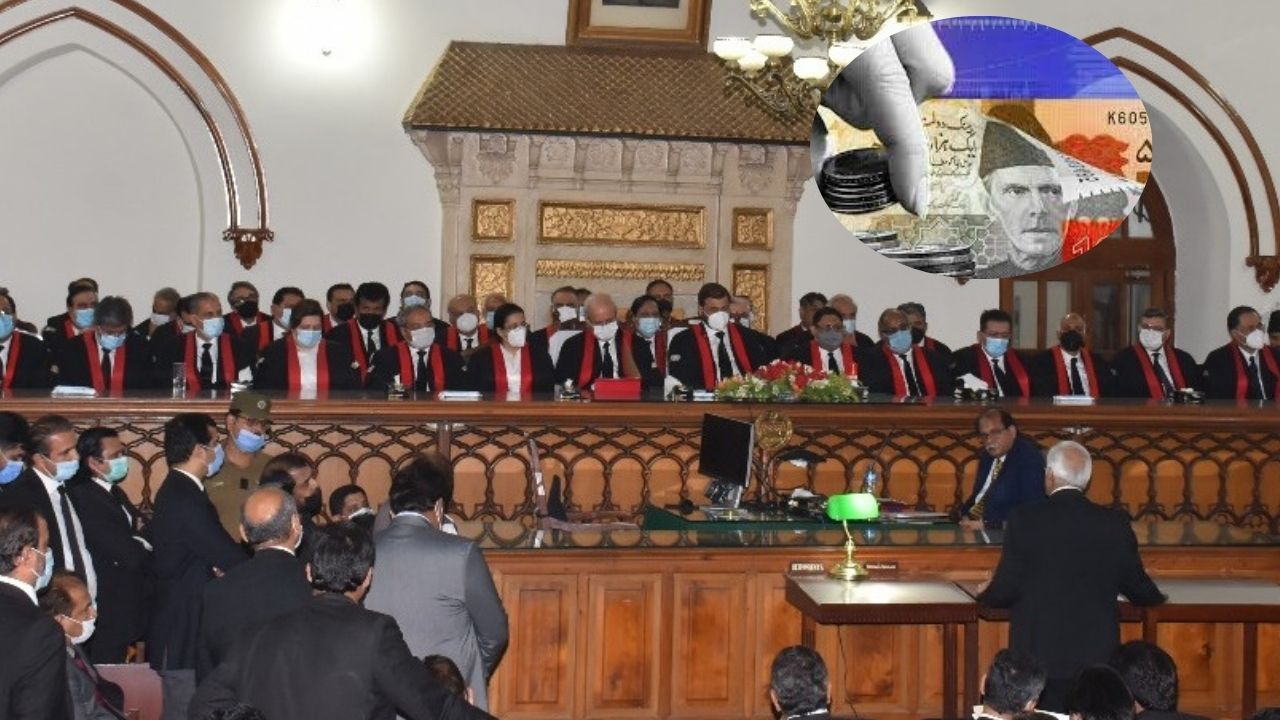
    The federal government has on Thursday made substantial hikes in the house rent and judicial allowance of both Supreme Court judges and High Court judges. 

    As per a notification issued by the Federal Minister for Law and Justice, Azam Nazeer Tarar, house rent of Supreme Court judges has been increased from Rs 68,000 to 350,000 (sixty-eight thousand to three hundred and fifty thousand rupees).

    Likewise, following the approval from Acting President Syed Yousaf Raza Gilani, judicial allowance of the judges has also been increased from Rs 428,040 to Rs 1,161,163 (four hundred twenty-eight thousand forty rupees to eleven lac sixty-one thousand one hundred sixty-three rupees).

    Similarly, the government has also increased the house rent of High Court judges from 65,000 to 350,000 rupees (sixty-five thousand to three hundred fifty thousand rupees) and judicial allowance from 342,431 to 1,090,000 rupees (three hundred forty-two thousand four hundred thirty-one to ten lac ninety thousand rupees).

  • Supreme Court seeks record of housing scheme linked to Gen Faiz Hameed

    Supreme Court seeks record of housing scheme linked to Gen Faiz Hameed

    The Supreme Court of Pakistan has instructed Capital Development Authority (CDA) to provide a complete record of the illegal ‘Northridge Housing Society’ in the C-12 sector of Islamabad.

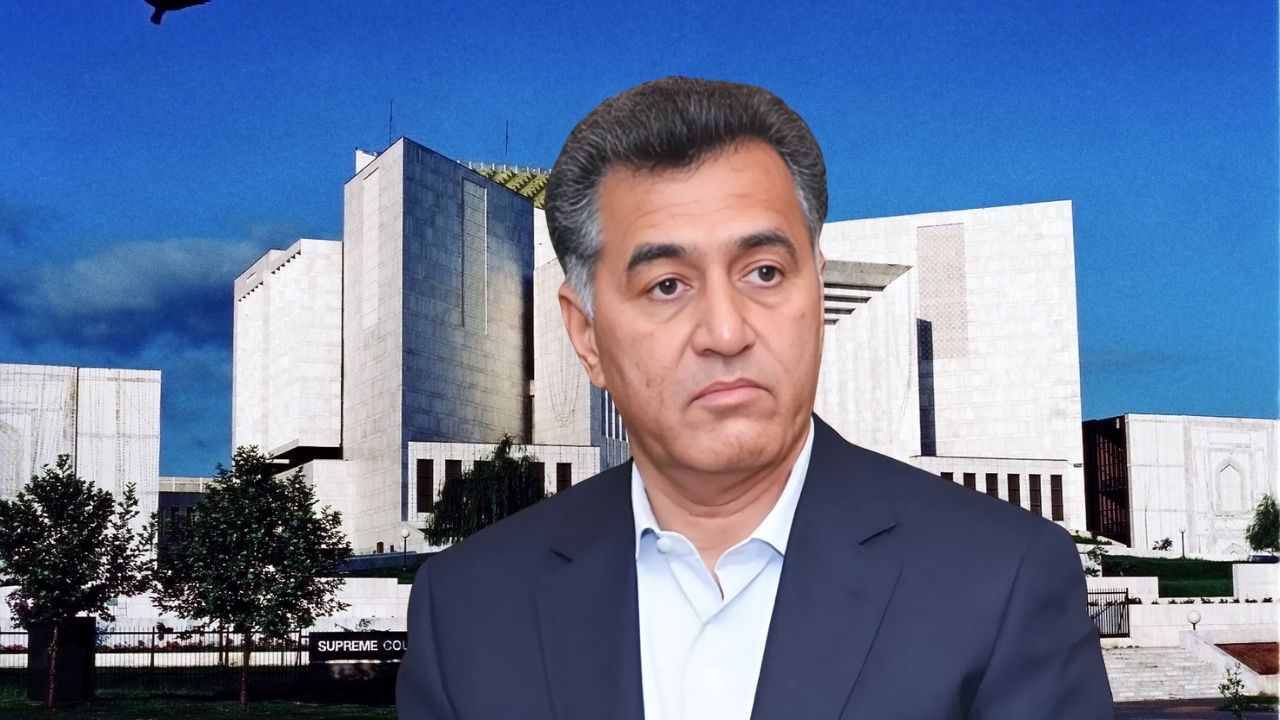
    The society, which infringes on the Margalla Hills National Park, is allegedly linked to former spymaster Lieutenant General (retd) Faiz Hameed, Dawn News reported.

    During the hearing of the contempt of court petition for violating the Supreme Court June 11 order, Islamabad Wildlife Management Board (IWMB) counsel Barrister Umer Ijaz Gillani told the court, “As per my client’s instructions, the owner of the society has a very close relationship with Lt Gen (retd) Faiz Hameed.”

    The apex court’s June 11 verdict ordered the relocation of the restaurants from the National Park in Islamabad, including Monal, within three months.

    Barrister Gillani cleared that he couldn’t prove the ownership as he didn’t have any documents.

    A three-member bench headed by Chief Justice of Pakistan Qazi Faez Isa ordered the CDA and Chief Commissioner to prepare the complete ownership record of the housing society.

  • Supreme Court overturns 2022 verdict on Article 63A

    Supreme Court overturns 2022 verdict on Article 63A

    A larger five-member bench, headed by Chief Justice Pakistan (CJP) Qazi Faez Isa, has accepted the review petition of Article 63A filed by the Supreme Court Bar Association (SCBA).

    The ruling given in May 2022 by a five-member larger bench headed by former CJ Umar Ata Bandial on Article 63A has been struck down by the apex court’s larger bench with a 5-0 majority.

    Chief Justice of Pakistan Qazi Faez Isa stated that Article 63A is redundant as the constitution already addresses the issue clearly, and added that judges can’t write the constitution.

    The five-member bench included Justice Aminuddin Khan, Justice Jamal Khan Mandokhail, Justice Naeem Akhtar Afghan, and Justice Mazhar Alam Miankhail, along with CJP Qazi Faez Isa.

    A recent top court five member bench verdict by 3-2 stated that parliament members who vote against their parliamentary leader will be considered deviant, and their vote will also be not counted.

    It should be mentioned here that the verdict of May 17, 2022 was authored by Justice Munib Akhtar.

    However, the detailed review case verdict of Article 63A will be issued soon.

    Article 63A noted that parliamentary members will lose their seats if they vote against the command of the party chief.

    However, it is not stated that parliamentary vote can’t be counted.

    During the hearing, Qazi Faez Isa stated that political parties are not subject to the authority of a judge or Chief Justice.

    Counsel of founder Imran Khan of Pakistan Tehreek-e-Insaf (PTI), Barrister Ali Zafar, objected to the composition of the bench on behalf of his client. As a result, the Supreme Court appointed him as judicial assistant.

    Barrister Ali Zafar told the members of the larger bench that the parliamentary party directed the parliament members to vote in parliament and added that the Chief Parliamentary party could send ineligible references to parliamentary members if his order defied.

    In response, the Chief Justice declared the vote against the party “a suicide attack.”

  • Bilawal warns of ‘face-off’ in country if amendments not passed before Oct 25

    Bilawal warns of ‘face-off’ in country if amendments not passed before Oct 25

    Pakistan Peoples Party (PPP) chairman Bilawal Bhutto while talking to journalists during a meeting with Supreme Court Press Association’s delegation on October 2, warned of a “face-off like situation” in the country if the constitutional amendments were not passed before October 25.

    It should be highlighted that Chief Justice of Pakistan Qazi Faez Isa is set to retire on October 25 this year.

    Bilawal has been at the forefront of campaigning for the coalition government’s decision to pass the constitutional amendments ever since it failed to do so last month.

    Last month, the government remained unsuccessful in convincing JUI-F Chief Maulana Fazl ur Rehman as opposition and government leaders raced to woo him.

    “The matter will be resolved peacefully if the amendment is passed before October 25. Otherwise, the situation could lead to confrontation,” warned Bilawal.

    He reiterated the PPP’s goal to establish a constitutional court – a goal set in the Charter of Democracy signed by the slain former Prime Minister Benazir Bhutto and Nawaz Sharif in 2006.

    Bilawal blamed the judiciary for being biased and political, questioning the top court’s reserved seats verdict.

    Interestingly, he also stated that when Law Minister Azam Nazeer Tarar apprised the SC judges of judicial reforms, then “they [SC Judges] instantly announced the verdict in the reserved seats case which is direct interference.”

    Meanwhile, Jamiat Ulema-e-Islam (JUI) leader Senator Kamran Murtaza told Geo News that he won’t cooperate with anyone under threat of bloodshed and pressure, in reference to Bilawal’s statement.

  • Fiery exchange in Supreme Court: PTI worker threatens larger bench

    Fiery exchange in Supreme Court: PTI worker threatens larger bench

    Pakistan Tehreek-e-Insaf (PTI) worker Mustafeen Kazmi has threatened the five members of a larger bench of the Supreme Court amidst the review hearing of Article 63A case.

    During the hearing on Wednesday at the Supreme Court of Pakistan, Mustafeen Kazmi came to the rostrum and declared the larger five-member bench unconstitutional, threatening, “We have 500 workers outside; will see how you give a verdict against them,” Geo News has reported.

    Responding to the misbehaving of PTI worker Kazmi, CJP Qazi Faez Isa directed him to sit down, but he refused. Then, Isa politely directed the police to evacuate this gentleman from the courtroom.

    “What else you can do,” Kazmi responded.

    Addressing PTI lawyer Barrister Ali Zafar, the Chief Justice questioned what is happening in the courtroom: “Ali Zafar Sahab aap ayyein or hamain bay izzat karain, yeh hum hargiz bardasht nahi karaingy, judges sey badtameezi ka yeh tareeqa ab aam hu gaya hai (Ali Zafar, you came here and disrespected us {judges}, we won’t tolerate it, and now it has become the norm to misbehaved with judges).”

    Justice Jamal Khan Mandokhail clearly told Zafar that any sympathy they had for him had faded away following his behaviour.

    Ali Zafar responded by stating that the members of the bench forming committee are part of the bench and questioned how they can declare the formation of the bench legal. In response, the Chief Justice remarked that if they consider this point, then members of the committee judges won’t be part of any bench.

    Later, the apex court adjourned the hearing till tomorrow at 11:30 AM.