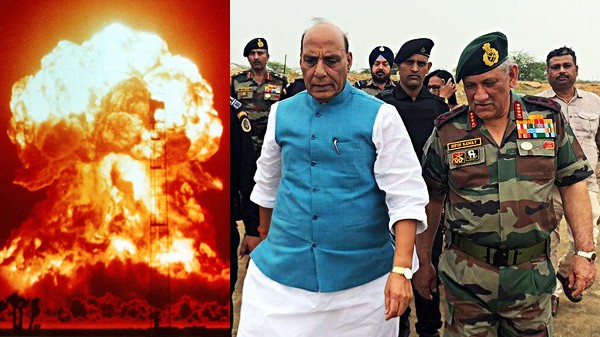
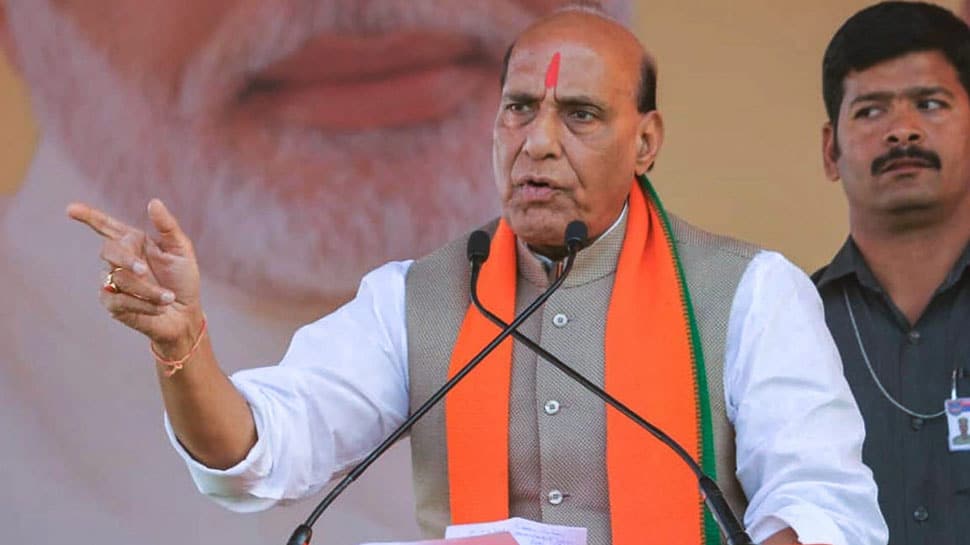
Pakistan has taken exception to Indian defence minister’s statement on the use of nuclear weapons, saying the “substance and timing of the statement was highly unfortunate and reflective of India’s irresponsible and belligerent behaviour”.
Rajnath Singh had on Friday said that New Delhi may see a major shift in its nuclear weapons doctrine by doing away with the ‘no first use’ policy in the future. ‘No first use’ is a pledge to not use nuclear weapons as a means of warfare unless first attacked by an opposition using its nuclear arms.
“Till today, our nuclear policy is ‘no first use’. What happens in future depends on the circumstances,” the Indian defence minister had said while addressing a gathering in Pokhran, the site of India’s nuclear tests in 1998.
In a subsequent tweet, Singh had added:
Pokhran is the area which witnessed Atal Ji’s firm resolve to make India a nuclear power and yet remain firmly committed to the doctrine of ‘No First Use’. India has strictly adhered to this doctrine. What happens in future depends on the circumstances.
“It further exposes the pretense of their no first use policy, to which we have never accorded any credence,” Pakistan Foreign Office said while reacting to the Indian defence minister’s statement.
“No first use pledge is non-verifiable and cannot be taken at face value, especially when the development of offensive capabilities and force postures belie such claims,” the statement read and added that Pakistan always proposed measures relating to nuclear restraint in South Asia.
“Pakistan will continue to maintain a credible minimum deterrence posture.”
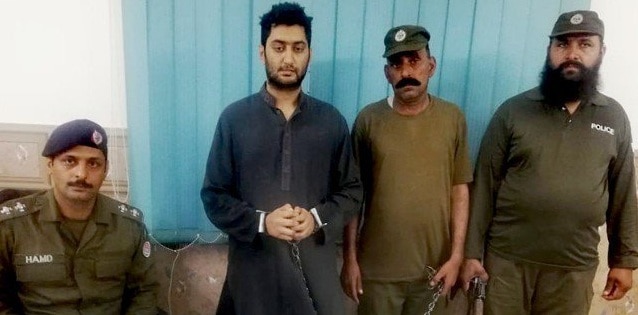
Police have arrested a couple allegedly involved in kidnapping, sexually abusing, blackmailing and also recording inappropriate videos of 45 girls in Rawalpindi. The accused identified as Qasim Jahangir and Kiran Mehmood confessed to the crime.
As per reports, the action was taken after a complaint was filed by a victim, a student of Allama Iqbal Open University. The student said that she was kidnapped from outside Gordon College by a woman who pretended to be a fellow student. She said that her brother was coming to pick her up. After a few minutes, when her “brother” arrived in a grey car, the woman pushed the victim inside the car and threatened her with a knife. The student was then taken to a house in Gulistan Colony where Qasim, the husband, allegedly raped her while the wife recorded a video of the crime. They blackmailed the girl by showing her video. Later at night, she was released on Tipu Road.
Police officials said that the couple had sold the videos and photos to an international porn website. The wife has been sent to Adiala jail on judicial remand while the husband is in police custody on physical remand.
The police have also involved the FIA as they do not have modern technology to examine laptops and other devices used by the accused.
After India revoked Article 370 which granted special status to Indian occupied Kashmir, tensions between the two neighbouring countries reached an all-time high. Following that the Government of Pakistan announced that they will cut all ties with India effective immediately. Bollywood films have been banned in Pakistani cinemas for a while now.
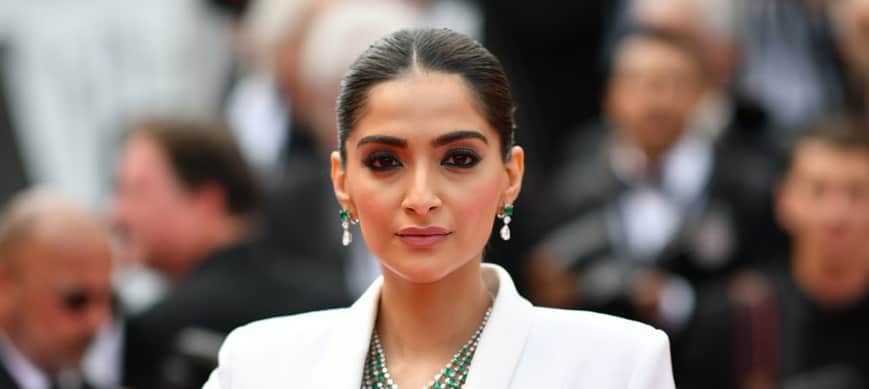
Bollywood actor Sonam Kapoor who has a wide fanbase in Pakistan and has shared the screen with Pakistan heartthrob Fawad Khan spoke at length about the unrest in the IoK and said that she is very disturbed with all that’s happening.
Talking to the BBC Asian Network, Kapoor said, “It’s heartbreaking to see where the situation has landed right now but I’m very patriotic. So I think for me now it’s better to keep quiet and let this pass because even this too should pass. Our countries were one country like 70 years ago and the fact that there is so much divisive politics at play is really heartbreaking.”
Sonam continued that she is very upset about the ban on Bollywood in Pakistan because “as an artist, you want to be represented everywhere and you want your work to be shown everywhere,” adding that she was heartbroken when her film Neerja wasn’t allowed to be screened in Pakistan.
“I have a huge Pakistani following and my two best friends are Muslims and half Pakistanis,” Sonam said.
On her thoughts on the Kashmir conflict, Sonam remarked, “I think it’s very complicated and I don’t understand it as much because there is so much contrasting news everywhere so I don’t really know what the truth is.”
“I
believe in having a peaceful discourse and understanding what’s going on. So
when I have the complete information is when I think I can give an opinion.”
The Kapoors have been very open about their roots on this side of the border.
“I am half Sindhi and half Peshawari. It’s heartbreaking to see that part of my culture is something that I can’t explore as well because of that,” Sonam said.
The Kashmir situation on the Indian-administered side continues to divide people, including in Bollywood.
Actress Sonam Kapoor has been speaking to us about it and says it's upsetting because of her family's links to the region. pic.twitter.com/Uz5Leujiaz
Sonam shared that her parents named her when they visited the valley and that she hopes peace would return to the picturesque valley soon so she can also go and visit it one day.
“I hope there is a peaceful way of working things out. I don’t know how that’s possible but I think there should be because it’s a beautiful place but I think it’s been under so much duress and I don’t think anybody knows who’s right now,” Sonam finished.
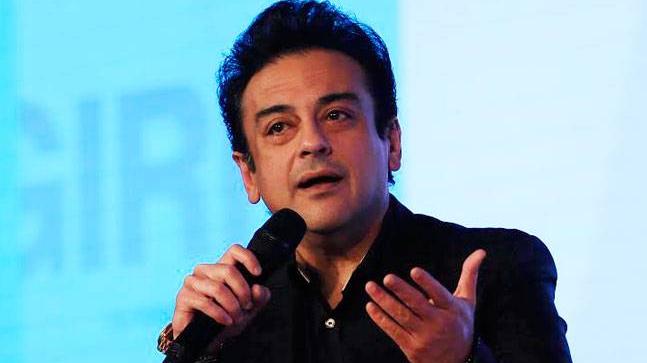
Adnan, born in Britain and earlier a Canadian citizen, is of Pakistani descent. His father, Arshad Sami Khan, was a Pashtun and a Pakistan Air Force (PAF) fighter pilot who later served three Pakistani presidents as their aide-de-camp.
An aide-de-camp is a military officer acting as a confidential assistant to a senior officer.
The singer relocated to India some 18 years ago, and has time and again received flak for his decision and the pro-Indian statements he usually makes.
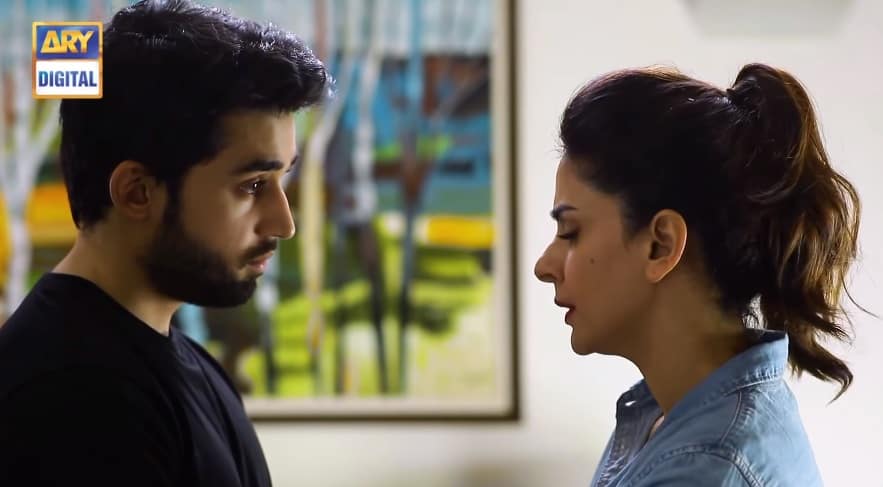
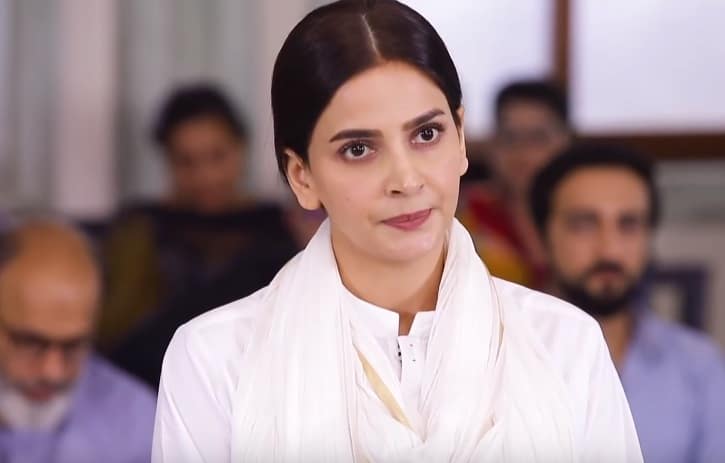
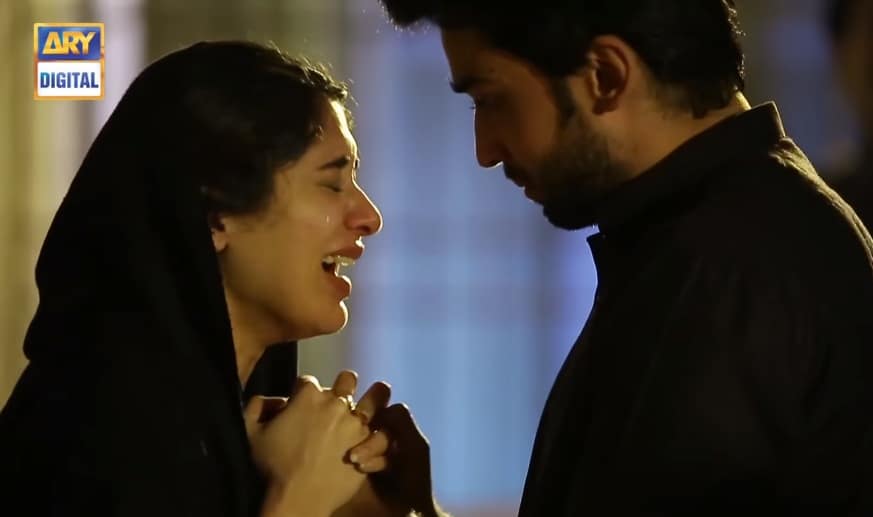
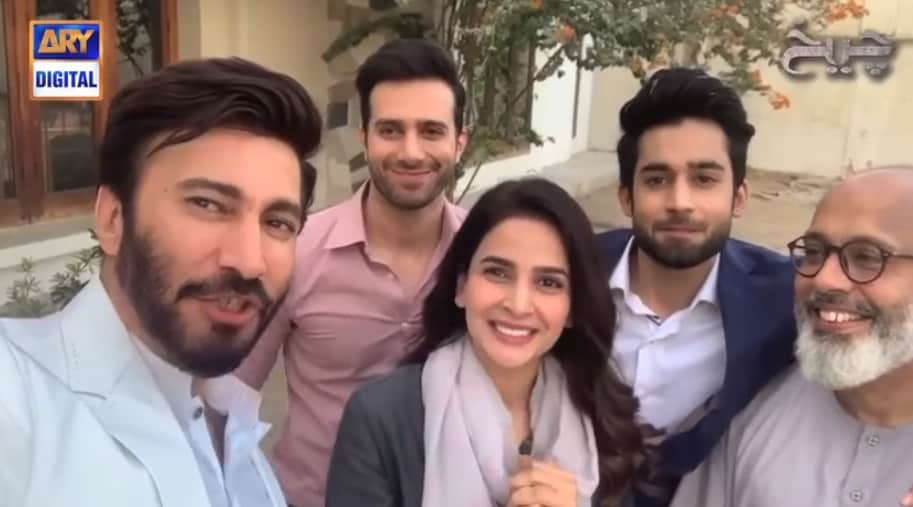
Saba Qamar and Bilal Abbas Khan’s much-hyped drama Cheekh has finally drawn to a close and we couldn’t be more relieved.
Despite all the phenomenal performances by the lead actors, the drama and storyline was stretched way beyond its snapping point and was getting ridiculous and unrealistic with every passing episode. What began as an ambitious and game-changing project, Cheekh soon went downhill as the makers behind it tried to keep the audiences engaged by introducing one twist after another.
The first 10-12 episodes were brilliant and had you on the edge as Mannat (Saba Qamar) battled all odds to get her murdered friend, Nayab, justice. The plot was realistic and understandable. But after the case of Nayab’s murder went to court, everything started going downhill including the script.
There were lots of unnecessary turns and twists which turned a perfectly good drama into a Star Plus soap opera. I mean what was the point of sending Mannat to the pagal khaana and drugging her into becoming sleeping beauty? Or scaring Mannat’s mother into testifying against her own daughter? Agreed that our justice system is extremely flawed but itna ziada? And in the quest for justice, Mannat lost her mother, husband and unborn child. The message the drama seemed to give out was that if you fight for the truth, you’ll end up getting ruined in the process – Not sure if the makers were trying to encourage women to speak up or discourage them from ever raising their voice.
The middle of the drama was dragged for no reason and you just ended up skipping most of the scenes. Because of a lack of a proper build-up, the final episode of the drama ended up being rushed.
The last episode began so abruptly with Mannat reopening Nayab’s case and representing herself in the court that you had to pause and go back to the previous episode to see if you missed anything. As expected, the makers had to give the drama a happy ending, so the series ended with Mannat getting justice and Wajih on death row. The final scene was absolutely absurd, with Wajih having read the whole Quran and justifying his actions because previously he wasn’t religiously enlightened. He then proceeded to shift the blame to his elder brother Yawar for not stopping him from doing bad things and always shielding him from the consequences of his actions. More so, in the entire scene, Haya cried as if Wajih was the victim.
Meanwhile, Mannat becomes unnecessary. She just sits in her corner and looks up to the sky and thanks God for making an example of her.
“Khuda misaal banana ke liye na, hum sab mein se kisi eik ko chunta hai…aur woh eik, mein thi,” she says. I mean…
Even Nayab’s father was nowhere to be seen.
The plot aside, the cast of the drama probably delivered their finest performances to date. Saba as the headstrong and unabated Mannat was amazing. Bilal as the conniving and manipulative Wajih was remarkable. The two leads shared amazing chemistry on screen and their scenes together were so strong that you’d end up holding your breath without realising. His performance in the last scene was so strong that it gave you goosebumps. He actually ended up making you feel sorry for Wajih the killer. If he doesn’t win an award for Best Performance in a Negative Role on at least one award function, award functions should be officially be cancelled. Emmad Irfani as the doting, loving husband conflicted between his wife and family won hearts and frankly redefined the typical Pakistani drama husband. That’s definitely a win. The rest of the cast also gave superb performances. A special round of applause to director Badar Mehmood for bringing out the best in his actors.
On the whole, Cheekh lost itself somewhere in the middle. Where it could have been a rule-changing Pakistani drama, the makers decided to play safe and follow the traditional route.
It’s a trend now. To talk about the non-conformists, the ones who don’t fit in and the ones who don’t want to.
In her 10th novel, Japanese fiction author Sayaka Murata doesn’t make up a story. She calmly and incredibly coolly takes us into the world of the straight face life of a “convenience store woman” in her internationally best-selling book of the same name.
Stores of Convenience
It’s a weird book and it’s so much fun. We enter the world of a convenience store worker, Keiko, who is 36 years old and single, has never dated anyone and has worked part-time at the same store for the past 18 years.
No one seems to understand why she has worked in the Smile Mart for so long, why she yearns to be there and how it literally becomes her day and her night. But then she isn’t one to do things normally.
The first blow that Keiko gives us is a memory of her childhood, when, to break up a fight, she hits one of the boys on the head with a spade and doesn’t understand when everyone is shocked by what she does. They did say they wanted the fight to stop.
Deadpan and almost robotic, Keiko is the person we would tend to avoid — lacks emotion, copies emotion, and doesn’t get angry. You can’t trust Keiko but you can’t help but like her. Murata has so beautifully carved out Keiko’s character that you somehow don’t feel bad for her at all. Perhaps because you know that she already has everything; a job she lives for, a convenience store she loves and that’s enough for her.
Murata, through Keiko, takes us through the experience of milestones that are part of every single society in the world. Work, life-partner, marriage, children and how we tend to isolate and judge people who don’t fit in society’s norms.
Keiko’s counter, the young, lanky, and smelly Shiraha, is full of disdain. He joins the store and soon gets fired from the Smile Mart for not doing his duties. Figures that his only reason for taking the job was to find a woman, stalk her and marry her.
The utter stench his words produce when we meet him is more effective than repellent. He is a loathsome character and as we move through the book, and discover that he might be important, we try to like him when there is nothing at all to like.
But to be fair, Murata rushes through the existence of Shiraha. Maybe because she doesn’t want to marry the crazy beauty she has created with Keiko and perhaps she realises that the reader might relate more to Shiraha; whether they like him or not.
It’s a short read, ends in 162 pages, bound to finish in a few hours because of how perfectly normal it is. It’s not at all a judgey book but it takes us into such a quirky and strange journey through Keiko that we can’t help but reflect on how judgemental we can be. How she, without question, anger, regret, tries to adapt to her society, where she doesn’t fit in. She cleverly and poignantly highlights what we all do: mirror others, judge others for not fitting in molds and feel happy for them when they do.
At one point of the book, Keiko is told off by Shiraha who says, “You’re not human” to which Keiko thinks, “That’s what I’ve been trying to tell you!” a thought which will leave you with a smile and simple reflection on life’s ambitious rat race and the simplicity of the convenience store worker. For a moment you’ll want her contentment, her creepy thoughts (inertly thinking that you might have had one or two of those yourself) until you conveniently forget and go back to ignoring the simple, convenient things.
Indian Defence Minister Rajnath Singh has said that the country may see a major shift in its nuclear weapons doctrine by doing away with the ‘no first use’ policy in the future, a private media outlet reported.
‘No first use’ is a pledge by a nuclear power to not use its nuclear weapons as a means of warfare unless first attacked by the opposition using its nuclear arms.
“Till today, our nuclear policy is ‘no first use’. What happens in future depends on the circumstances,” the Indian defence minister said while addressing a gathering in Pokhran, the site of India’s nuclear tests in 1998.
In a tweet, Singh added:
Pokhran is the area which witnessed Atal Ji’s firm resolve to make India a nuclear power and yet remain firmly committed to the doctrine of ‘No First Use’. India has strictly adhered to this doctrine. What happens in future depends on the circumstances.
The comments come amid heightened tensions between Pakistan and India ever since New Delhi revoked Article 370 of its constitution and robbed occupied Kashmir of its special status.
Condemning the move, Pakistan has approached the United Nations (UN) against the development that can pave way for the ethnic cleansing of Muslims in the disputed valley.
Karachi police is on high alert after seven crocodiles escaped from a farmhouse in Steel Town of Karachi. Five crocodiles have been captured while the hunt for the remaining two is ongoing.
As per reports, the crocodiles escaped from the farm after a wall of the farmhouse premises collapsed in the morning due to heavy rain. The farmhouse management called the police and other relevant government departments for help to find the escaped crocodiles.
While the police have managed to nab five crocs, two are still on the loose because of standing rainwater at various places in the area.
No news has been received about the crocodiles harming any person.
https://www.youtube.com/watch?v=6H_yZ2dCR1g
Keeping wild, exotic animals as pets in privately-owned farmhouses is a growing trend in Karachi. However, many owners have not gotten a permit from the concerned government departments to keep the animal.
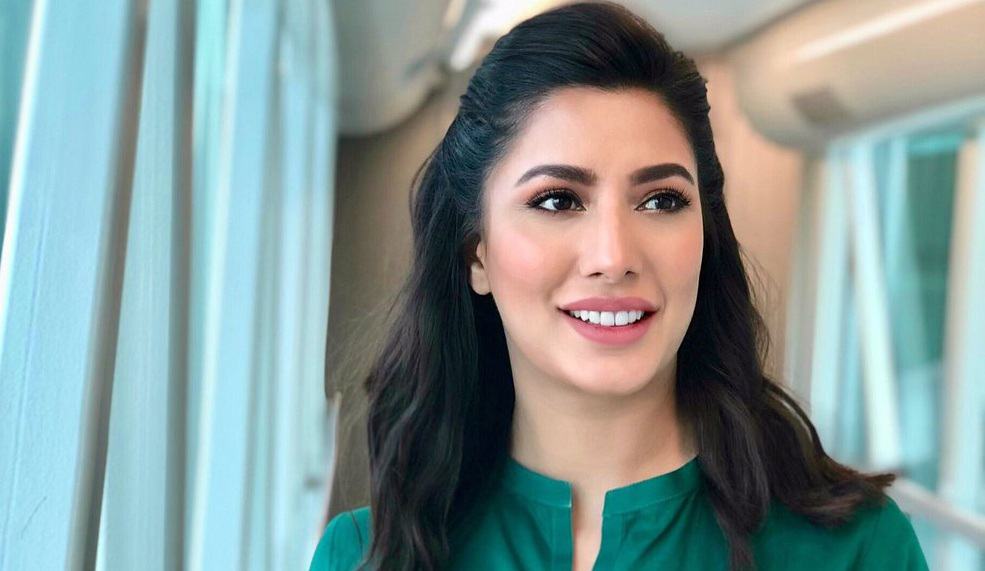
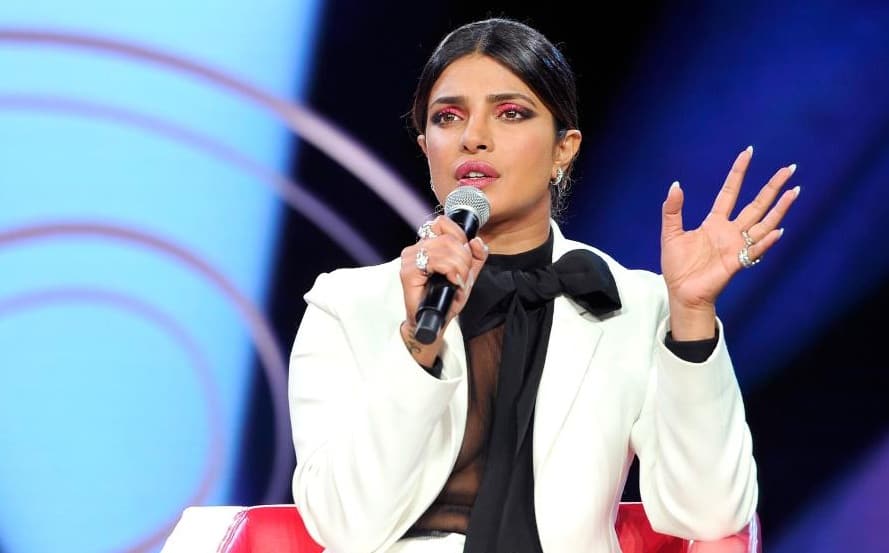
Mehwish Hayat and Priyanka Chopra – the two women who dominated headlines this week. While one stuck to her nationalistic stance and shut down a woman for asking her a challenging question, the other spoke about the importance of using cinema to spread peace and break stereotypes. No points for guessing who said what.
Mehwish Hayat with her positivity and message of humanity and peace wons hearts in Pakistan and across the world. The actor has now penned a powerful op-ed for CNN in which she reiterated her stance and spoke on the importance of celebrity activism in light of Priyanka’s irresponsible remarks.
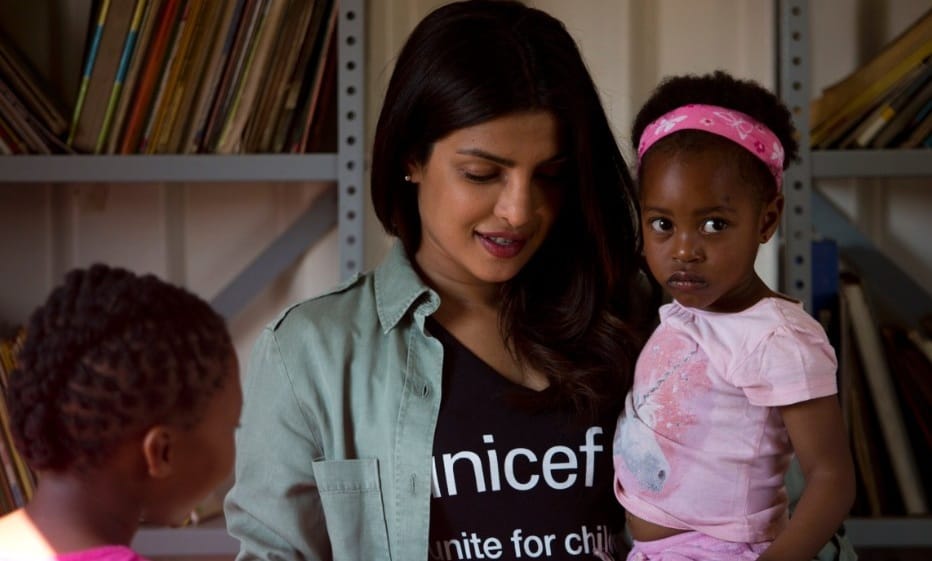
“Chopra’s response to her questioner in LA, as well as the February tweet, did have the effect of both shining a light on the crisis in Kashmir (despite India’s media blackout and food blockade there), and forcing many of us to think about celebrity activism, its uses — and its abuses.” Mehwish wrote. “Celebrities who act as charity spokespeople should always focus on humanitarianism. Chopra — again, a UNICEF Goodwill Ambassador — should not be using her voice to legitimise a regime opposed to the values she claims to represent.
Writing further Mehwish said, “Celebrity activism often escapes the kind of scrutiny most political activism is subjected to. It is often seen as either positive or pointless — but rarely dangerous.”
Comparing celebrity activism in Hollywood and Bollywood, Mehwish said that the latter “has too often been used to fuel hate and Islamophobia.” She wrote that Indian Prime Minister Narendra Modi “alarmed by Hollywood’s open opposition to his ally Donald Trump, has arguably co-opted and weaponised the country’s film industry.”
“Islamophobia is a top-down industry in India: at the top, hyper-nationalist films, songs and slogans teach the masses to hate. At the grassroots, Muslims have been killed for so-called “crimes,” such as eating beef,” she added.
Criticising Priyanka, Mehwish further said, “This makes Chopra’s mistakes potentially all the more costly. Rather than use her position as a US-based celebrity to broaden what it means to be an Indian celebrity, she has fallen into the same jingoistic role that her fellow countrymen are forced to adopt at home.”
Mehwish said that Priyanka’s comments do more damage than can be handled and because of such comments actors are silenced into just being mere entertainers despite having the influence to make a difference.
Bringing in her own narrative, Mehwish wrote, “My intention when speaking about women’s rights, girls’ education, or supporting humanitarian charity work is to unite people — not divide them. The only way to do this is to avoid the path of least resistance — populist rhetoric — and focus on the universal humanitarian causes that all sides can agree on.
“This where Priyanka Chopra and others have made a mistake: by lending their name to racism dressed up as patriotism, they have done us all a disservice.”
“Some issues are too important to play politics with,” she asserted.
Mehwish concluded her opinion piece saying, “It is human suffering that those with a platform must focus on. It also falls on other film industries, including my own in Pakistan, to counter the negative stereotypes pumped out in Bollywood.”
“That might be less lucrative or effortless than the alternative, but it is what humanity needs to see – on screen, and on the streets. It is something I would love to work with my Indian colleagues on — including Priyanka Chopra.”
Claim: United Nations Security Council is to convene in an emergency meeting on revoking Kashmir’s special status
Fact: UNSC was to convene in a mostly informal, closed-door session and not in an emergency
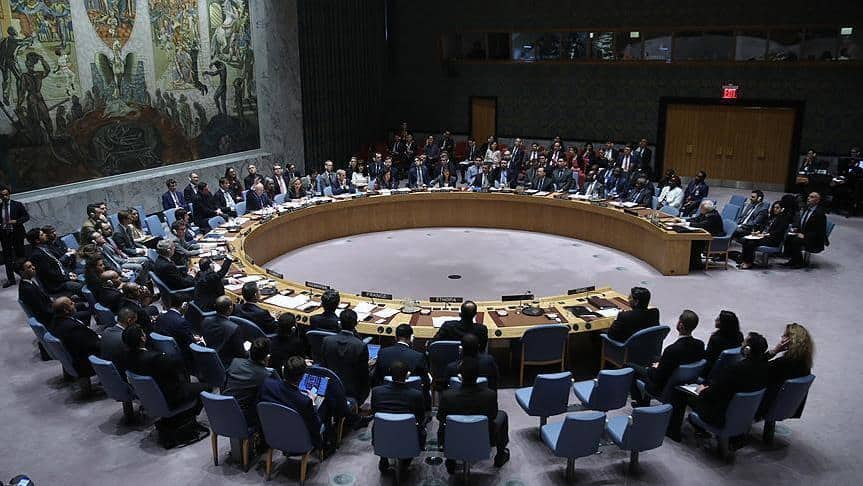
The United Nations Security Council (UNSC) will meet behind-closed-doors on Friday at the request of Pakistan and China to discuss India’s decision to revoke the special status of occupied Kashmir.
However, contrary to earlier reports, the meeting is not an “emergency session”, but a consultation, which is mostly informal, closed-door and does not allow the participation of non-members, lawyer Reema Omer tweeted.
Contrary to what we are being told by our media, there is no “emergency session” by the UN Security Council tomorrow on #Kashmir
What is scheduled is a “consultation” – which is mostly informal, closed-door, and does not allow for the participation of non-members pic.twitter.com/UTjxUhqHgL
In letters to the UN secretary general and the UNSC rotating chair for the month of August, Poland, Islamabad had sought an open discussion at the top-decision making forum, with a personal pitch from Foreign Minister Shah Mahmood Qureshi to his Polish counterpart Jacek Czaputowicz.
What Pakistan has been granted at the UN is a “consultation”, not an “open” or a “closed meeting”.
DIFFERENCE:
Both open and closed meetings are formal meetings of the UNSC. Closed meetings are not open to the public and no verbatim record of statements is kept, instead, the UNSC issues a press release.
Consultations, on the other hand, are informal meetings of the council members.
Clarifying the situation further, Reema tweeted:
Sure. But before assessing how much of a diplomatic success it is, important to first understand what is happening tomorrow and what the limitations of a consultation are. Exaggerating or misreporting it as an “emergency session” or a meeting of the Council doesn’t help anyone https://t.co/cApaoZnmEB
While it is not a formal meeting, it is extremely rare for the UNSC to discuss Kashmir, which has been divided between Pakistan and India since independence from Britain in 1947.
The last time there was a full UNSC meeting on the Himalayan region was in 1965.