Tag: trending

  • Ajay Devgn doesn’t know why he married Kajol

    Ajay Devgn doesn’t know why he married Kajol

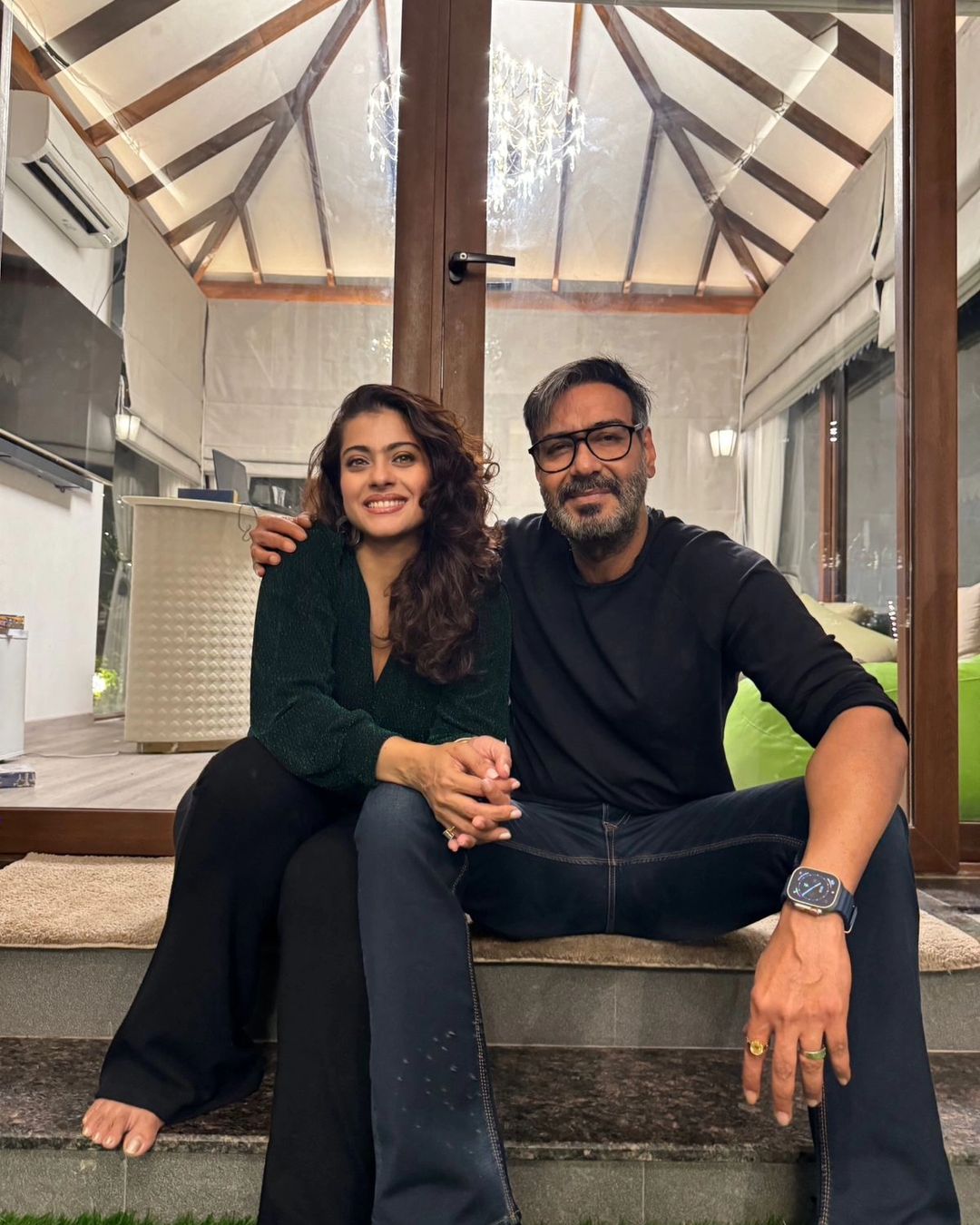
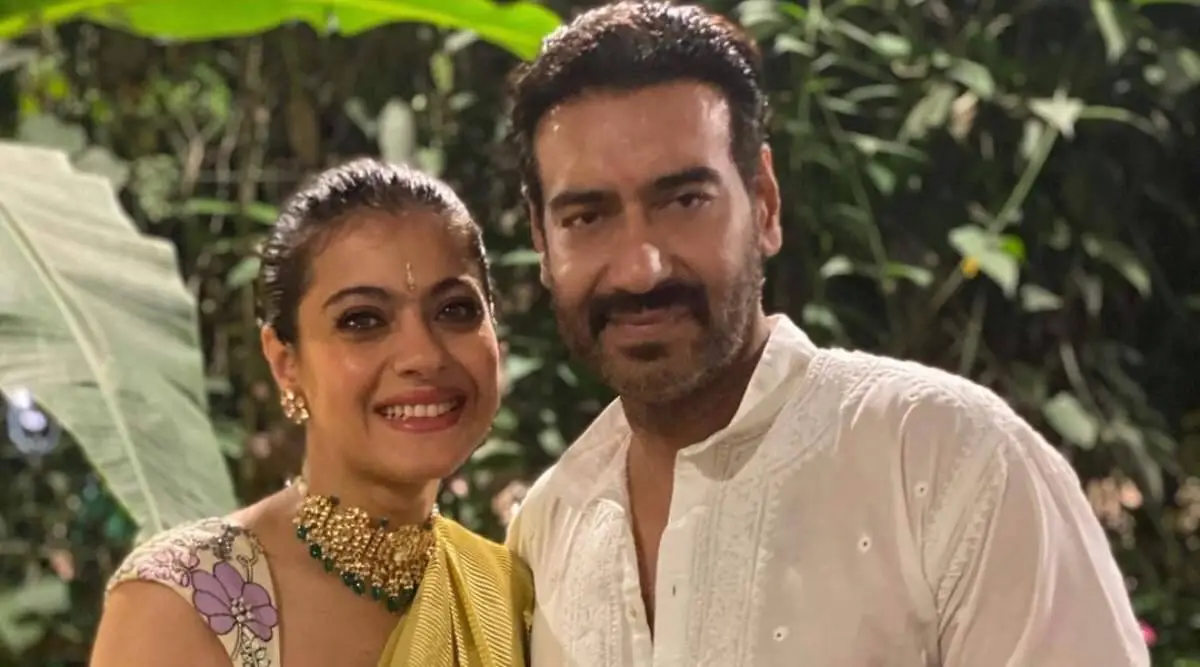
    Bollywood actor Ajay Devgn hax been married to superstar Kajol since many years. However, Ajay himself admits that he doesn’t understand why he married Kajol.

    An old interview of the actor is going viral once again, where the host asks him why he married Kajol. “Honestly, even I don’t know why I married Kajol,” he replied.

    “We met, liked each other, started feeling comfortable without even proposing, and then we got married.”

    The two tied the knot on February 24, 1999, and have two children together.

  • ‘Check my father’s passport’; Bella Hadid fires back at Israeli Minister’s denial of Palestine

    ‘Check my father’s passport’; Bella Hadid fires back at Israeli Minister’s denial of Palestine

    For almost two weeks now, Israel has surrounded al-Shifa hospital in Gaza, not allowing people to get in or out. More than 400 people, including patients, those who had to leave their homes because of the war, and hospital workers, have died. According to Al Jazeera, up until March 19, around 32,000 Palestinians have lost their lives and over 74,000 have been injured in Gaza genocide.

    As people around the world get more upset about Israel’s harsh treatment of Palestine, many famous people and important figures are using their popularity to speak up about it. One of them is Bella Hadid, a supermodel who is Palestinian-American. She’s adding her voice to the many others who are criticizing Israel’s unfair apartheid system.

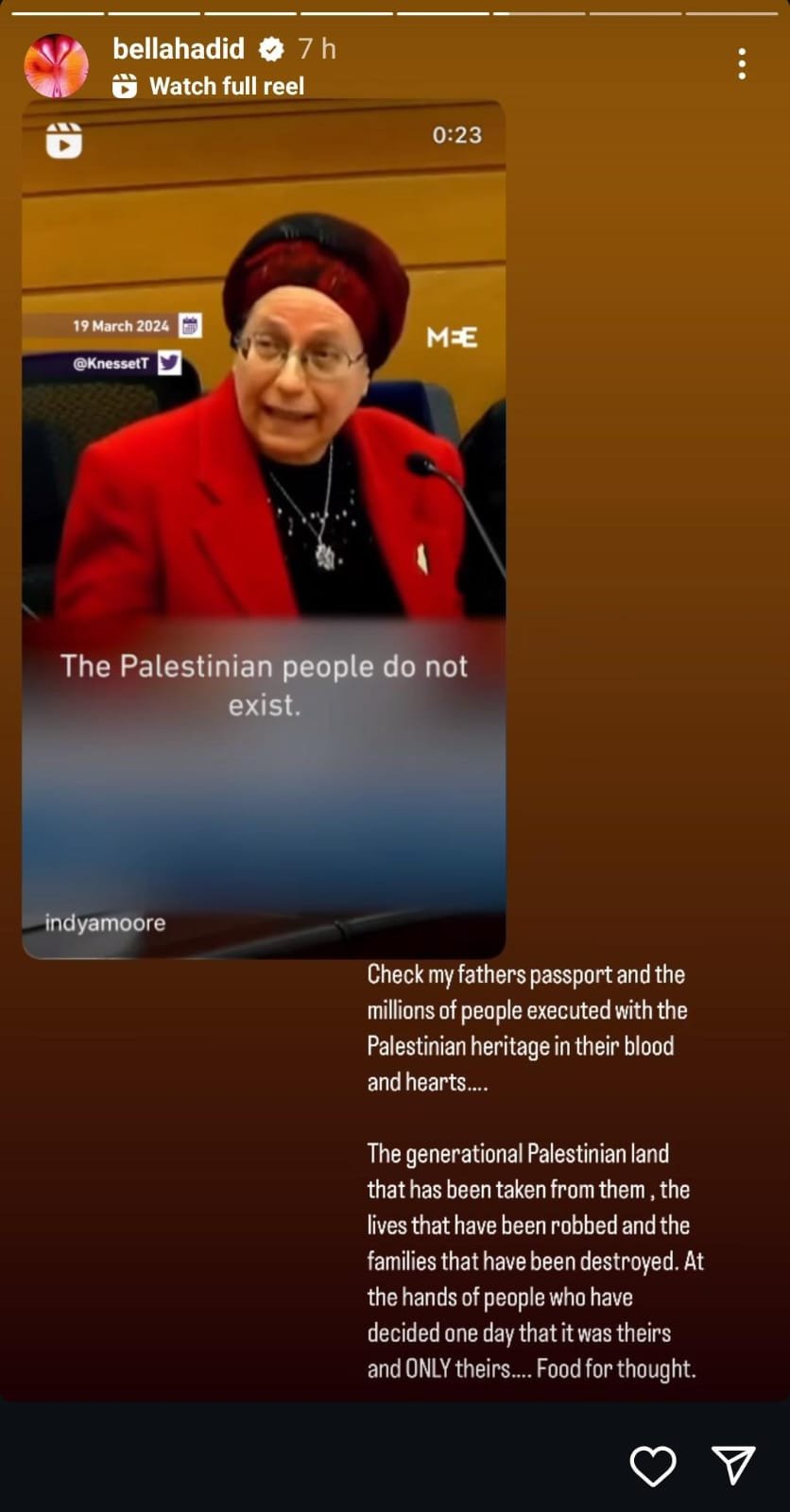
    She shared a video clip of a speech by an Israeli minister named Orit Strook. In the video, which was originally in Hebrew, Strook said, “The Palestinian people do not exist. There is no such thing.”

    Bella wrote a message on top of the video on her Instagram Story in reply to what the Israeli minister said. “Look at my father’s passport and the millions of people with Palestinian heritage in their blood and hearts.”

    She continued, saying, “Think about the land that has been taken from Palestinians over generations, the lives lost, and families torn apart. All because some people decided one day it belonged only to them.” Bella ended her message with “Food for thought.”
    In another post on Instagram, Bella shared a video from Al Jazeera. The video showed many people who were hurt in Syria after an Israeli air attack, according to the Syrian military. Bella wrote another message on top of the video, saying, “The killings just keep happening. One tragedy after another. All because of one powerful force.”

    After Israel’s military action against Palestinians following a surprise attack by Hamas in southern Israel on October 7 last year, Bella spoke out a few weeks later. She shared a long message on Instagram, along with a TikTok video showing the increasing destruction in Gaza and the West Bank. Then she talked about her opinion on what was happening.

    “Sorry for not speaking up earlier,” the model said. “I haven’t found the right words for these last two weeks. It’s been really tough and terrible. The world is paying attention to a problem that’s been hurting people for a long time. I have a lot to say, but for now, I’ll keep it short.”


    Bella said that she’s been getting “daily” death threats recently. This happened after her and her family’s phone numbers were leaked because they have Palestinian heritage and they criticize Israel. People close to her family said that Bella’s dad, Mohamed Hadid, was thinking about asking the FBI to find out who’s making the threats. Sharing how these events made her family fear for their safety, the half-Palestinian celebrity asserted that she “cannot be silenced any longer” and that “fear is not an option”.

  • Imran Khan does not want to get out of Adiala Jail, says Shandana Gulzar

    Imran Khan does not want to get out of Adiala Jail, says Shandana Gulzar

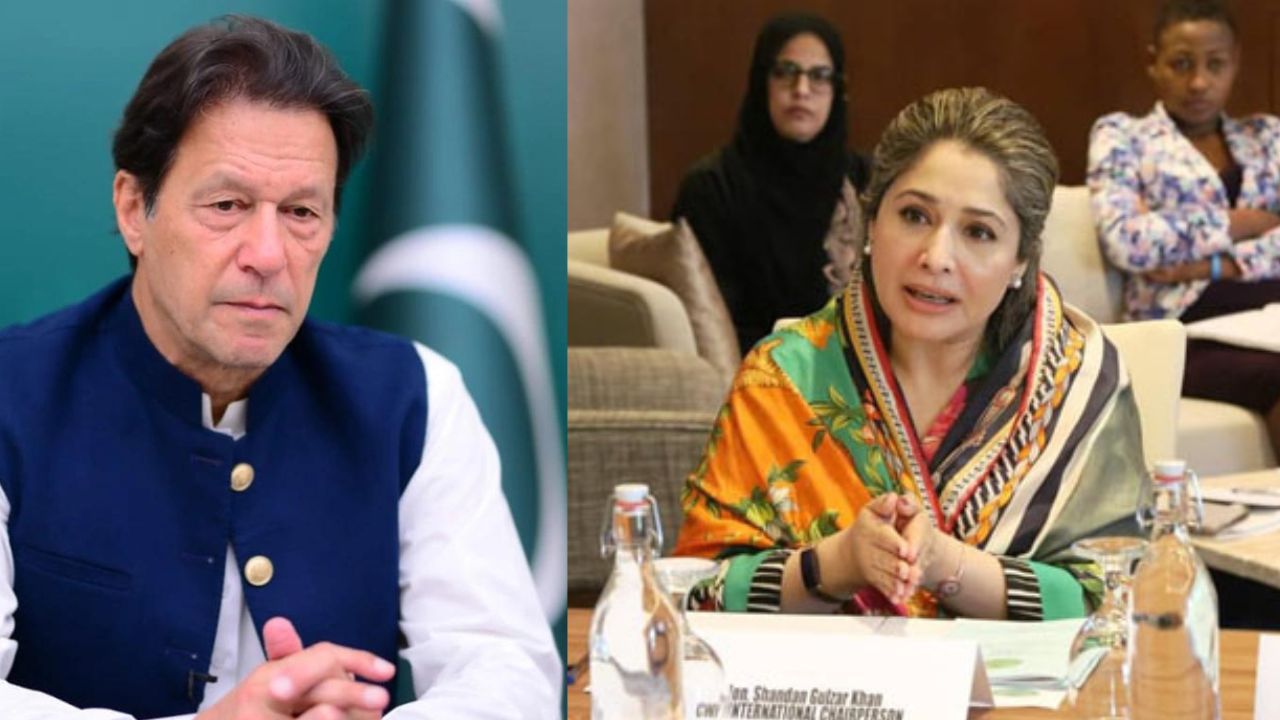
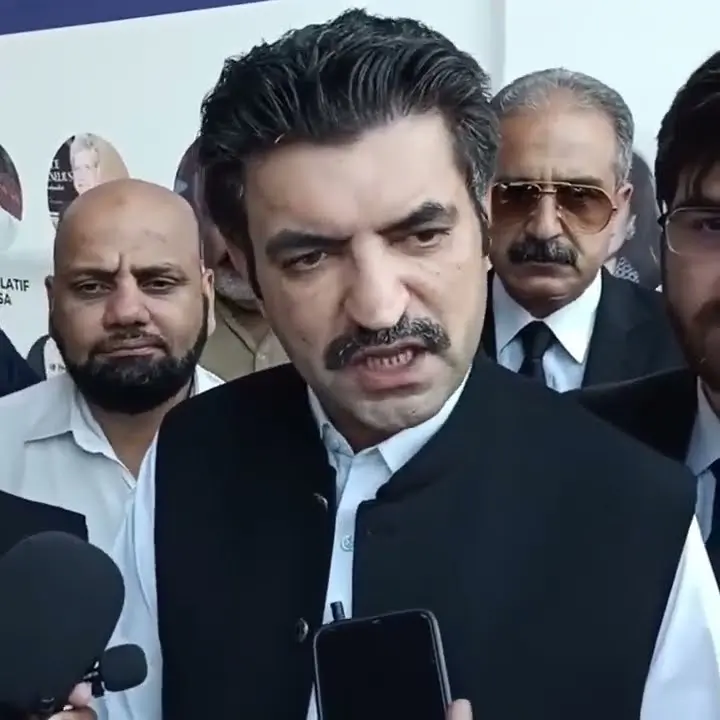
    During a talk show with Nadir Gurmani at Dawn News, Pakistan Tehreek-e-Insaf (PTI) leader Shandana Gulzar remarked that Imran Khan does not want to come out of Adiala jail because he is safe under the supervision of jail authorities.

    When the anchor asked Shandana Gulzar about the lack of unity of party leadership on a one-point agenda that Imran Khan must get out of jail, she replied that the former Prime Minister does not believe in this agenda.

    “Only Imran Khan can set an agenda, nobody else. Khan has a three-point agenda; the first is to give us back our stolen mandate, the second is to release all PTI workers who have been arrested without any valid reasons and the third is to get our workers free from illegal military trials,” she stated.

    She said that Shehryar Afridi told Khan that they wanted him to get free, to which he replied “I don’t want to get out of jail. My priority is Pakistan so it does not disintegrate like Bangladesh.”

    “After God, Khan’s life is in the hands of jail authorities,” she said on the show, expressing concerns that there would be no guarantee of his safety if he gets shifted to sub-jail.

  • Why did PTI’s Sher Afzal Marwat slap a private guard?

    Why did PTI’s Sher Afzal Marwat slap a private guard?

    Pakistan Tehreek-e-Insaf (PTI) leader Sher Afzal Marwat can be seen in a video slapping a man at a political rally in Peshawar.

    As per the details of Geo News, Marwat slapped his personal guard in anger as he got stuck in the midst of a crowd of PTI supporters.

    “In view of terrorism, my guard was telling me to sit in the car,” the politician said, adding that he was pushing the workers away and restricting them from coming near him.

    “I forbade the guard not to pull me,” Marwat said.

    Whatever the reason for the slap, violence in any form is reprehensible, especially when it’s unleashed by a powerful individual against a weaker one.

  • Transgenders to be allotted separate rooms in KP hospitals

    Transgenders to be allotted separate rooms in KP hospitals

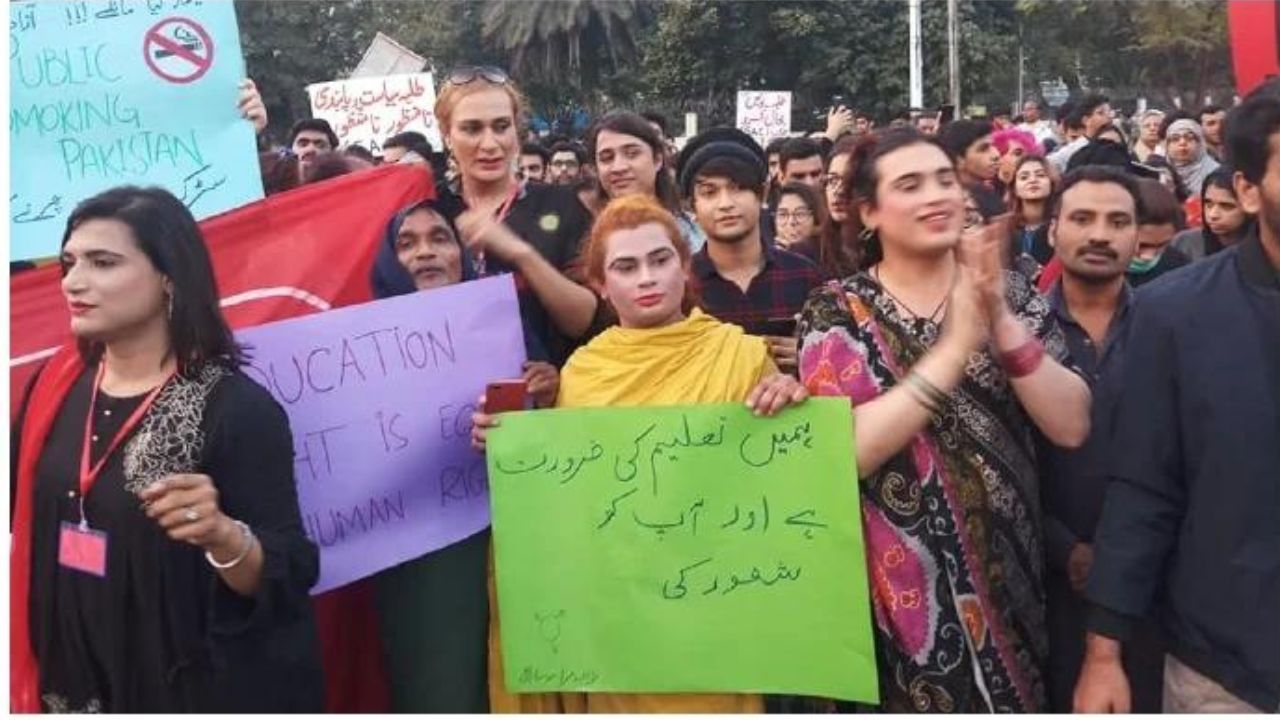
    Chief Minister Khyber Pakhtunkhwa Ali Amin Gandapur has decided to allocate separate rooms for transgenders in all the district headquarter hospitals of the province, reports Geo.

    Governor Ghulam Ali and Chief Minister Ali Amin Gandapur had a meeting in which the problems faced by transgenders were discussed. It was decided in the meeting that a separate cemetery will be allocated for their burials. Separate rooms for transgenders will be allocated in each district headquarters hospital .

    Gandapur said that further steps will also be taken to solve all other problems faced by transgenders.

  • ‘Crime is part of life’; Astonishing statement by Sindh home minister

    ‘Crime is part of life’; Astonishing statement by Sindh home minister

    Sindh Home Minister Zia ul Hasan Lanjar has said that Karachi’s law and order situation is being “exaggerated”. In a press briefing held on Sunday, he said “Street crime exists in Karachi, however, it has been exaggerated in media.”

    On March 13, the provincial cabinet was informed that nearly 16,000 street crimes had been recorded in Karachi since January 2024. He termed street crime as “part of daily life.” Since January, 49 citizens have been killed resisting street crimes.

    The Minister showed sympathy with the families of those who lost their lives, stating that measures were being taken to end the wave in Karachi, including action against the station house officer (SHO) where crime would occur.

    Furthermore, he said that around 1,000 policemen would be sent to Kashmore District for an operation against the criminals in that area.

  • Lawyers call upon the SC to use suo moto powers to probe IHC judges letter

    Lawyers call upon the SC to use suo moto powers to probe IHC judges letter

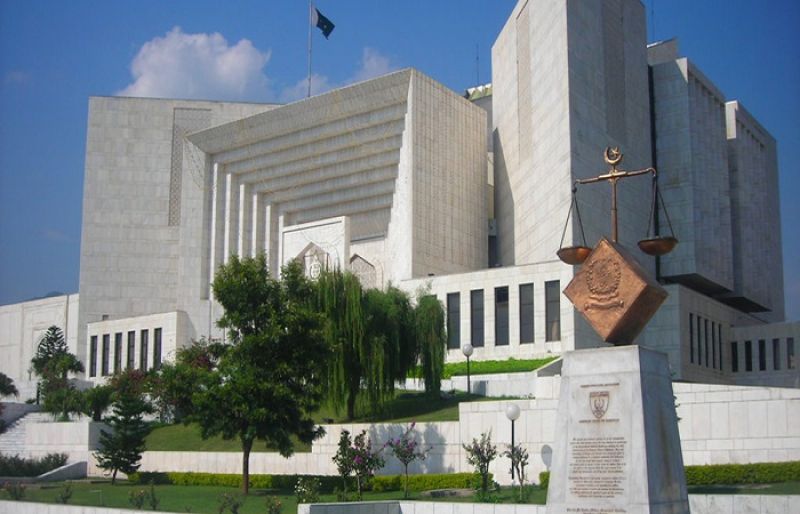
    More than 300 lawyers across the country have urged the Supreme Court to initiate proceedings under Article 184(3) on the Islamabad High Court Judges’ letter to the Chief Justice of Pakistan alleging “interference” by the executive in judicial matters.

    On March 26, six IHC judges — Justice Mohsin Akhtar Kiyani, Justice Tariq Mehmood Jahangiri, Justice Babar Sattar, Justice Sardar Ejaz Ishaq Khan, Justice Arbab Muhammad Tahir, and Justice Saman Fafat Imtiaz — wrote a letter to the Supreme Judicial Council (SJC), demanding a judicial convention over the alleged meddling of spy agencies in legal matters.

    Last week, the CJP met with the Prime Minister to discuss this matter and it was mutually agreed to make an inquiry commission chaired by a retired judge to investigate the allegations.

    “We further call upon the Supreme Court of Pakistan to take cognisance of the matter in its jurisdiction under Article 184(3) of the Constitution as this issue eminently relates to the public interest and to the enforcement of fundamental rights,” the lawyers’ statement came after the commission was approved by the federal cabinet.

  • PTI alleges widespread rigging, boycotts Sindh Senate elections

    PTI alleges widespread rigging, boycotts Sindh Senate elections

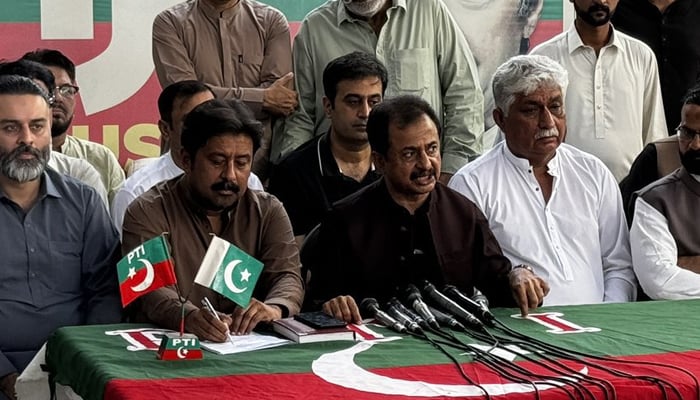
    The Pakistan Tehreek-e-Insaf (PTI) has announced that it will not take part in Senate polls in Sindh on April 2, citing alleged widespread rigging.

    “Senate elections are being won through rigging,” PTI leader Haleem Adil Sheikh said while addressing a press conference in Karachi on Sunday.

    He said that the people who won elections according to Form 45 are not members of the Sindh Assembly. Pointing out that six candidates supported by PTI were participating in the Senate elections in Sindh, he said they have decided to boycott the upcoming polls.

    “The incumbent government is going to be buried in a mass grave. We won elections on 180 seats in the general elections, but most of them were taken away,” he alleged.

    On Wednesday, 14 candidates decided to withdraw their nomination papers for the Senate elections in the province. Following this, the Pakistan Peoples Party (PPP) is expected to secure one of the two Senate seats reserved for women without facing any competition.

  • Stop the war on Gaza; thousands in Israel call for end to war on Palestinian Land Day

    Stop the war on Gaza; thousands in Israel call for end to war on Palestinian Land Day

    The protesters, led by Arab members of the Israeli parliament, marched through the northern town of Deir Hanna waving Palestinian flags and carrying banners reading: “Stop the war on Gaza”.

    Most of the demonstrators were Arab citizens of Israel-Palestinians who evaded displacement during the 1948 war that led to Israel’s creation and who, with their descendants, now constitute around 21 percent of its population.

    A smaller contingent of Jewish Israelis joined the rally, some carrying signs reading: “Jews and Arabs refuse to be enemies”.

    Land Day commemorates protests and a strike on March 30, 1976 against a decision by the Israeli authorities to seize large swathes of land in the northern Galilee region.

    Israeli police fired at demonstrators, killing six people, and the government plan was subsequently dropped.

    “On this day 48 years ago, our people thwarted the project to confiscate our lands with their protests… and they embodied an important and prominent milestone in history,” Deir Hanna town council chief Saeed Hussein said in a speech in its main square.

    “48 years have passed, yet the machine of death and displacement persists… the attempt to erase our national identity and seize our lands continues.”

    Israel’s Arab citizens suffer higher rates of unemployment, poverty, and crime than Jewish Israelis.

    Community leader and former lawmaker Mohammed Barakeh said Israeli Arabs were still facing “displacement and repression”.

    “This flesh that burns in Gaza is ours and the women murdered in Gaza are our sisters,” he said, denouncing what he described as a “genocide” in the Palestinian territory.

    Since the war broke out nearly six months ago, Israel’s Arab citizens say they have experienced growing hostility from the government and from other Israelis.

    The war began on October 7 resulted in 1,160 deaths in Israel, mostly civilians, according to an AFP tally of Israeli official figures.

    Israel’s retaliatory campaign has killed at least 32,705 people, mostly women and children, according to Gaza’s health ministry.

    Eyal, a 33-year-old Jewish Israeli activist, said he joined the rally in solidarity with Arabs.

    “We demand an end to the massacres by the Israeli government in Gaza and an end to the war on Gaza,” he said, asking to be identified by his first name only.

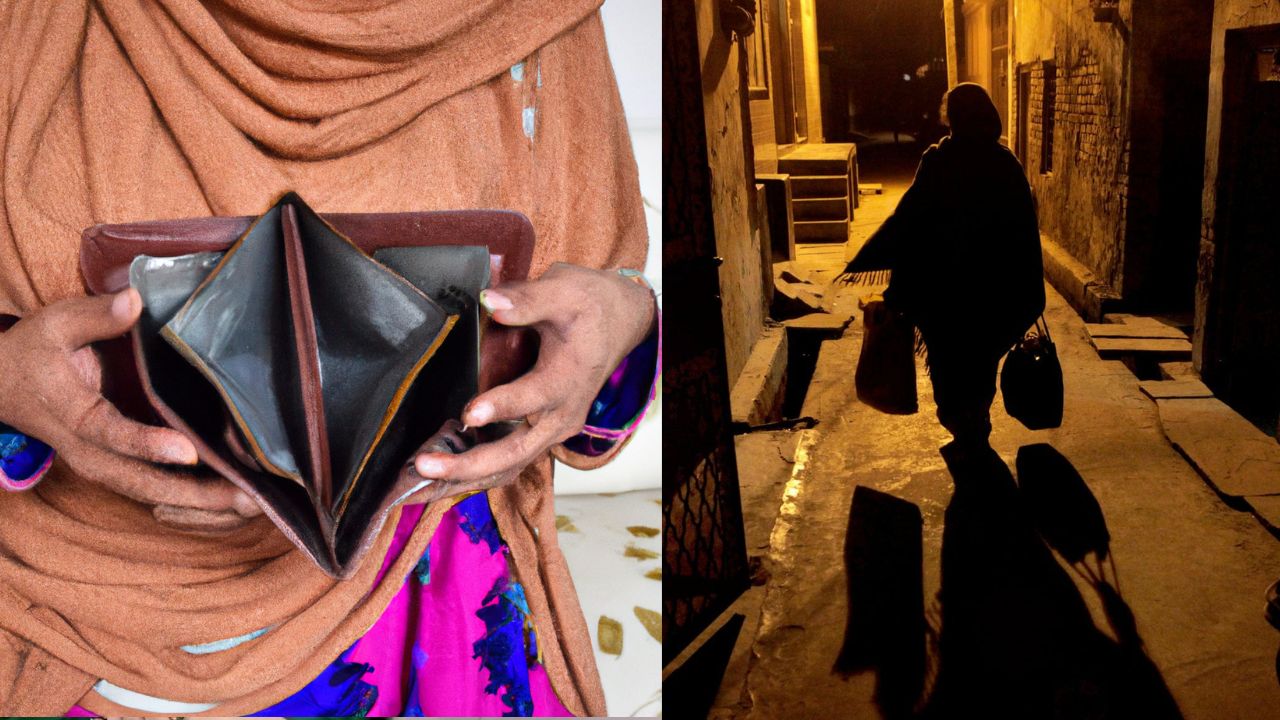
  • Behind closed wallets; The cycle of financial abuse of house help in Pakistan

    Behind closed wallets; The cycle of financial abuse of house help in Pakistan

    Sonia, a 27-year-old woman, and mother of a 5-year-old daughter works as a house help. In eight years of married life, her husband has never had a stable job, nor does he bother to find work on a daily wage basis.

    Sonia has been paying off loans taken by her husband, Afzal, and her in-laws. In the initial months of her marriage, she sold whatever she had to buy a motor rickshaw for her husband so that they could have a source of daily income. Within no time Afzal sold the vehicle, taking additional loans to marry off Sonia’s sister-in-law.

    The debt piled up to 150,000 rupees. Sonia was working in two homes at that point, earning Rs20,000 from one for cooking food twice a day and Rs5,000 from the other for cleaning and washing the dishes. This was their sole family income in which they had to do grocery, pay the bills, feed their daughter and themselves, and look after the in-laws in addition to buying medicine for her mother-in-law.

    When she reminded her husband that he was supposed to work too if they wanted to get rid of the loans, she was beaten not only by Afzal but by his family too. From here started a never-ending cycle of financial exploitation and physical abuse. She endured two miscarriages due to the beatings and excessive work. She sometimes thinks that things would’ve been different if her father was alive.

    “I don’t blame my parents. This is what happens to people in our class. I just think that maybe if my father was alive, I would’ve had the option to tell him everything and he might have allowed me to take divorce and go back to my home. I don’t have that option anymore. I must live and survive here. I have a kid now. I can’t leave her,” she said while sobbing.

    Sonia is not the only one who goes through this cycle. I called up as many people as I could in different parts of Pakistan, family, friends, colleagues, acquaintances, and strangers to ask about their house help. Every woman had a similar story. A drug-addicted husband, an abusive husband, a husband who doesn’t work and keeps taking loans which the wife must pay. A never-ending circle of exploitation, harassment, and abuse.

    “There are very few people who respect us. It is not easy to clean someone’s dirt or wash their dishes with days-old rotten food. It is embarrassing to ask them for additional money to pay off loans. Sometimes I even have to take a loan from one person to pay off the previous one and the cycle goes on,” Sonia elaborated while talking about how draining her routine is as she does all the house chores and then works in the homes of other people too.

    She doesn’t want her daughter to end up like her. Instead she desires an education for her child, better career options. But whenever she brings the topic up, Afzal doesn’t take it seriously. He even spent the money they were given by different people to help finance their daughter’s education. Sometimes it was Eid gifts for sisters, other times it was a loan given to a friend. Sonia never got her money back.

    Doctor Ramish Fatima, who works in the periphery of Multan, details how such cases are quite normal and how these women suffer especially during their pregnancies. “These women keep working till the last month of their pregnancy and they must go back to work a few days after giving birth because they must pay off loans. If they fail to do so, they are beaten by their in-laws. In some cases, husbands work on minimum wages, but mostly don’t as they are drug addicts, and they physically abuse their wives after being intoxicated,” she explained.

    Ramish has been working in the periphery for over seven years now and most of the time she has dealt with such emergency cases. As a feminist and human rights activist, she believes that the solution to these problems is education and financial independence. She further emphasizes the importance of systemic upgrades and overall behavioral change in society towards women.

    Punjab Domestic Workers Act was enacted in 2019 throughout the province to regulate their terms of employment and working conditions of service, to provide them social protection and ensure their welfare, and to provide for the matters ancillary.
    The act states that “No child under the age of 15 years shall be allowed to work in a household in any capacity” while every other day we see cases of severe physical abuse and sexual exploitation against underage domestic workers.

    In the same manner, this act requires every employer to issue a letter of employment showing the terms and conditions of employment including nature of work and amount of wages.

    Regarding registration of Domestic Workers and Employers, this act states, “Every domestic worker, to benefit from the fund, shall make an application for registration in a manner as prescribed by the Governing Body, and every such domestic worker shall be provided by the Governing Body with a security number and identity card, which shall be renewable after completion of every three years. Provided that none of the domestic workers shall be eligible to get more than one security number and identity card. Every employer shall make an application for registration in a manner as prescribed by the Governing Body, and every such employer shall be provided with a registration number, which shall be renewable after completion of every three years.”

    Hiba Akbar, a lawyer who teaches at LMUS, believes that such laws are made to just get done with the binding of international treaties without any intention of implementing it.

    “Every time we see a shocking case of abuse of domestic workers we talk about laws but a law already exists. How many domestic workers are paid minimum wage? How many workers and employers are registered? Does anyone even know where they can register,” she questions. If the government was serious about implementation, she stresses, they would’ve made all the information public and ensured the safety and security of domestic workers.

    She further argues that financial abuse comes from employers too who believe that giving their house help food and clothes once in a while, that too of substandard quality, won’t help them in breaking the cycle of financial abuse and recurring loans.

    In 2023, Kashf Foundation, a registered Non-Banking Microfinance Company regulated by the Securities and Exchange Commission of Pakistan which started in 1996, gave 140,572 Easy Loans ranging from 10,000 to 35,000 rupees for short periods, as per their annual report.

    Their research in 2023 on low-income households highlighted that income spent on meeting food expenses has increased from 30% of their income in 2018 to 45% of their income in 2023 while earnings didn’t keep pace with the increase in food prices in real terms.

    Gender and Financial Inclusion expert Zainab Saeed explains that Pakistan has one of the lowest rates of financial inclusion in the world and only 7 percent of Pakistani women are financially included.

    She further says that most of the loans by microfinance institutions aren’t interest-free but have a service charge. Most microfinance institutions borrow money to lend money in addition to the cost of funds and running operations. Akhuwat, an interest-free loan program usually for small businesses, doesn’t solely focus on women but caters to women clients as well.

    “Turnaround times vary across institutions- for example Kashf is two days, you get the loan in two days. Other institutions have different turnarounds, like for Akhuwat, it is 10 to 30 days depending on what the set date for disbursement is in the month. Instant credit or nano loans like Jazz Cash have higher interest rates,” she says while emphasizing that a lot of women don’t even know how to use apps like Jazz Cash.

    As far as requirements are concerned, most of these institutions lend money to those who have their computerized national identity cards (CNIC), some require guarantors while others might demand post-dated cheques.

    When asked about how surety regarding on-time paybacks is made, Zainab said, “It is a trust-based environment so most people tend to pay back their loans on time. People don’t want to be blacklisted from Credit Information Bureau. Some institutions also go for appraisals like Kashf did a very detailed credit appraisal with household cash flows and that helped them to turn in the credibility of the loan.”

    For defaulters, there is legal recourse available but tending to civil courts given the judicial system of Pakistan is not the best solution. Generally, there are very few non-performing loans in the world of microfinance banks, as per Zainab. People end up paying back, some institutes take action to make an example out of it but they usually don’t end up taking that route.

    As these are not interest-free loans, ‘interest rate may vary from flat 25 to 30 percent’ which might seem high but, “the way the repayment is structured allows people to repay,” explains Zainab. “They Usually do monthly repayments. For instance, for a 10 thousand rupees loan, they are paying back 12 thousand 500 rupees. It is then 1000 to 1100 rupees a month. With microfinance institutions, there is a lot of transparency regarding installment dates and amounts which is lacking in other places,” she added.

    As a country with a low literacy rate and even lower financial inclusion of women in Pakistan, the path of loans, financial independence, and empowerment still seems like a far-fetched dream.