Tag: UAE

  • Fourth Pakistani killed in UAE as missile debris casualties continue

    Fourth Pakistani killed in UAE as missile debris casualties continue

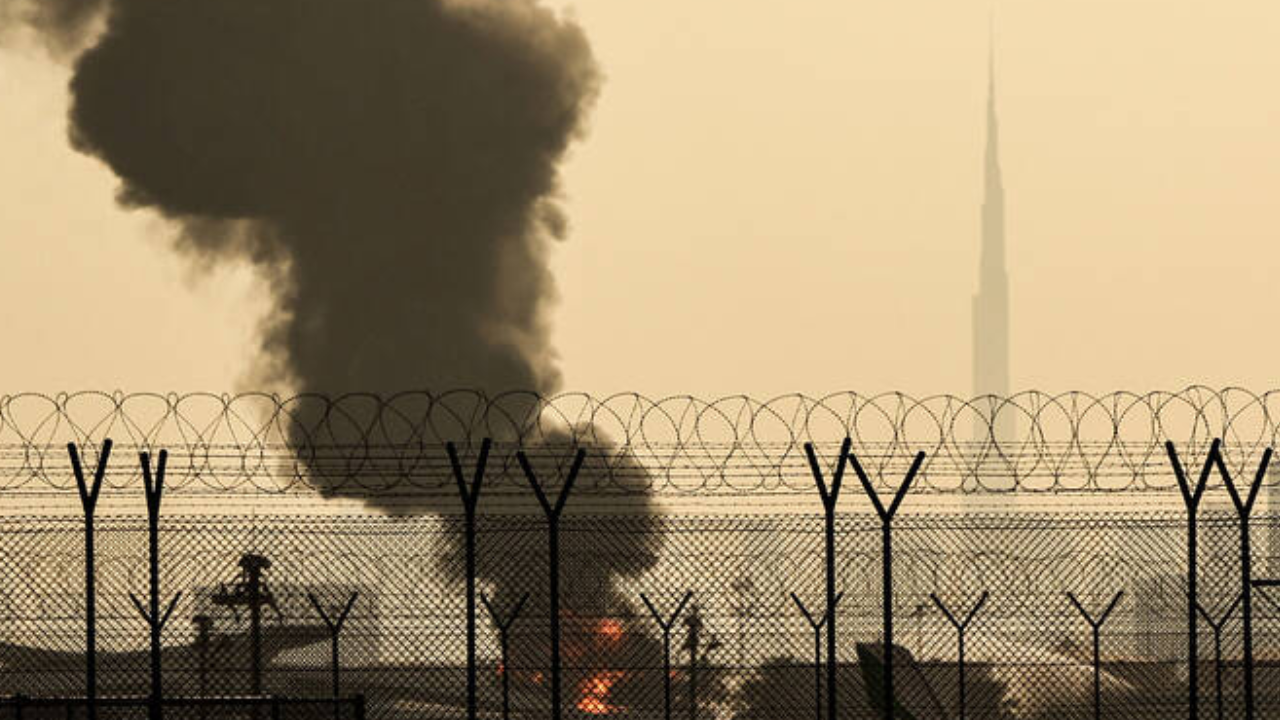
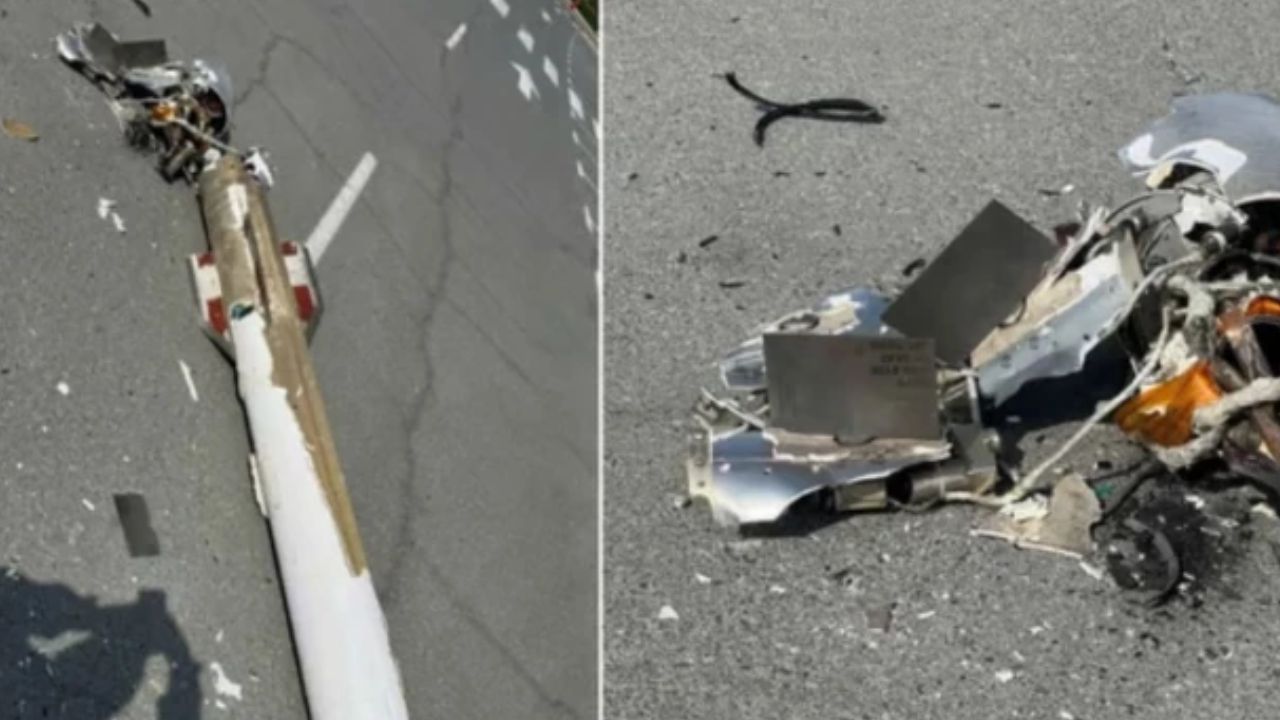
    A Pakistani national was killed in Abu Dhabi after debris from a missile interception fell in a residential area, authorities said on Thursday, taking the total number of Pakistani deaths in such incidents in the United Arab Emirates to four.

    The Abu Dhabi Media Office said that the incident took place on Sweihan Street and involved debris from the interception of a ballistic missile. In an initial statement posted on X, it reported “deaths of two unidentified individuals, three injuries, and damage to a number of cars”.

    In a subsequent update, the media office confirmed that the two people killed were of Pakistani and Indian nationality. It added that three others were injured, identifying them as individuals of Emirati, Jordanian and Indian nationality. According to the statement, the injuries ranged from serious to moderate.

    “The public is advised to obtain information only from official sources and to avoid spreading rumours or unverified information,” the media office said.

    The Pakistan Embassy in the UAE also confirmed the death of a Pakistani national and expressed condolences in a statement shared on X. “In this difficult time, we stand with the bereaved family, offering our heartfelt condolences and prayers,” the embassy said.

    It added that it was in “close coordination” with local authorities to “extend all possible support and to facilitate the earliest repatriation of the deceased”.

    The latest incident comes amid ongoing missile interceptions linked to the US-Israel war on Iran, during which falling debris has caused casualties.

    On March 17, a Pakistani national was killed after debris from a ballistic missile interception fell in the UAE. Earlier, on March 8, a Pakistani driver died when debris from an aerial interception struck a vehicle in Dubai’s Al Barsha area.

    Another Pakistani national, identified as Mureed Zaman, was killed in Abu Dhabi on February 28, the day the conflict began with strikes launched by the United States and Israel on Iran.

    In a separate incident on March 8, a fisherman from Gwadar was killed in Iranian waters after debris from an Israeli projectile, intercepted by Iranian air defence systems, hit his boat.
  • UAE says govt will pay for hotels of travellers affected by Middle East tensions

    UAE says govt will pay for hotels of travellers affected by Middle East tensions

    Authorities in Dubai and Abu Dhabi have instructed hotels to allow guests to extend their stays if they are unable to leave due to ongoing travel disruptions, aiming to ensure international visitors are accommodated during the Middle East crisis.

    As per the details, Dubai’s Department of Economy and Tourism issued a directive to hotel managers requiring them to permit affected guests to extend their stays under the same terms as their original bookings. 

    The department said the measure “aligns with government directives to provide full support and assistance to international visitors during the ongoing situation”.

    Hotels were asked to fully cooperate to ensure that travellers unable to depart are accommodated without disruption. Officials also emphasised that guests should not be required to vacate rooms if they cannot immediately cover the cost of an extension, reflecting a focus on visitor welfare.

    Hotel operators were instructed to notify the department in such cases, providing information on the original booking duration, the extension period, and any operational challenges encountered.

    Abu Dhabi authorities issued a parallel directive with additional provisions. The Department of Culture and Tourism Abu Dhabi confirmed that the government will cover accommodation costs for stranded guests. 

    “In light of the current circumstances and given that some guests have reached their check-out date but are unable to travel for reasons beyond their control, you are kindly requested to extend their stay until they are able to depart,” read a circular sent to hotels.

    It added that “the cost of the extended stay will be covered by DCT Abu Dhabi” and instructed hotels to submit invoices directly to the department.

    Authorities described the measures as part of broader government efforts to maintain stability in the tourism sector while prioritising the welfare of travellers despite bombings since the US-Israeli strikes on Iran.

  • Identity of Pakistani killed in UAE strikes confirmed

    Identity of Pakistani killed in UAE strikes confirmed

    A Pakistani national killed in Iran’s attack on the United Arab Emirates has been identified as Mureed Zaman, son of Nazar Ali, diplomatic officials confirmed.

    He was working in Abu Dhabi at the time of the attack and belonged to Bannu in Khyber Pakhtunkhwa.

    The UAE Ministry of Defence said three foreign nationals were killed and 58 others injured in the drone strikes. The deceased included citizens of Pakistan, Nepal and Bangladesh.

    The ministry stated that those injured comprised nationals of several countries, including at least one Pakistani citizen.

    It said Iran launched 165 ballistic missiles, 152 of which were intercepted, while 13 fell into the sea. Two cruise missiles were shot down mid-air.

    Out of 541 drones launched, 506 were destroyed, the ministry added.

  • Israel thinks Saudi defence pacts with Pakistan, Türkiye mean ties will not be normalised: report

    Israel thinks Saudi defence pacts with Pakistan, Türkiye mean ties will not be normalised: report

    Israel believes Saudi Arabia’s recent defence partnerships including pacts with Pakistan and talks involving Turkey have reduced the likelihood of normalising ties between the two countries, an international trade publication has reported. 


    Israeli officials are increasingly concerned that Riyadh’s expanding security alliances and more assertive regional posture signal a strategic shift that sidelines normalization with Israel. According to the report, Israeli policymakers are weighing whether Saudi Arabia’s moves are temporary or part of a longer-term realignment that could permanently alter the region’s balance of power.


    While Israeli leaders have avoided public comment, a confidant of Prime Minister Benjamin Netanyahu and an Israeli diplomat acknowledged that the developments have triggered unease in Israel. Both requested anonymity due to the sensitivity of the issue.


    From Israel’s perspective, “MBS has withdrawn completely from the idea of normalization,” said Oded Ailam, a former Israeli intelligence officer and researcher at the Jerusalem Center for Security and Foreign Affairs, referring to Crown Prince Mohammed bin Salman. “The Saudis are in a delicate phase and putting their finger to the wind. It’s a huge setback for Israel.”


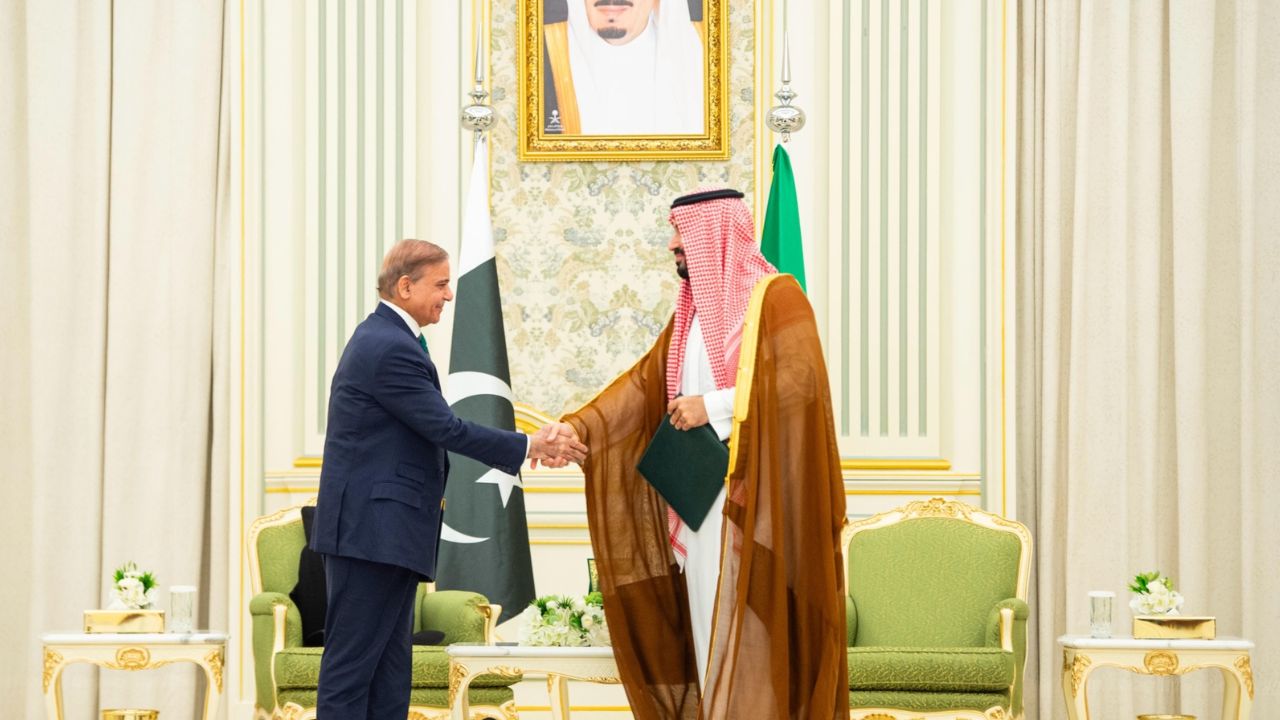
    Saudi Arabia signed a defence alliance with nuclear-armed Pakistan in September, while Turkey confirmed last month that it was in talks to join the same regional pact. The growing cooperation has reinforced Israeli concerns that Riyadh is broadening its strategic options independently of engagement with Israel.

    Tensions between Saudi Arabia and the United Arab Emirates have further added to Israeli anxiety. The rift became public in December when Saudi Arabia reportedly gave Emirati forces 24 hours to withdraw from Yemen. Saudi media has since intensified criticism of the UAE, which normalised relations with Israel in 2020.

    Saudi commentators acknowledge that the kingdom’s regional posture has evolved but reject Israel’s interpretation of the shift. They argue the moves are driven by Saudi Arabia’s foreign policy priorities and efforts to stabilise conflict-prone states rather than a rejection of normalization.

    “Riyadh is trying to stabilize those fragile states,” said Ali Shihabi, a Saudi author and commentator. “That’s the core of the tension.”


    Saudi Arabia has reiterated that it remains open to normalising relations with Israel, provided there is credible progress toward Palestinian statehood. In a statement, the government said, “Rejecting the two-state solution undermines this historic opportunity and perpetuates the conditions for continued violence and suffering.”


    A spokesperson for the UAE said the country’s policy is guided by respect for the sovereignty of all states and peaceful coexistence. Israeli officials did not respond to requests for comment.

  • Islamabad airport privatisation shelved after UAE ‘loses interest’

    Islamabad airport privatisation shelved after UAE ‘loses interest’

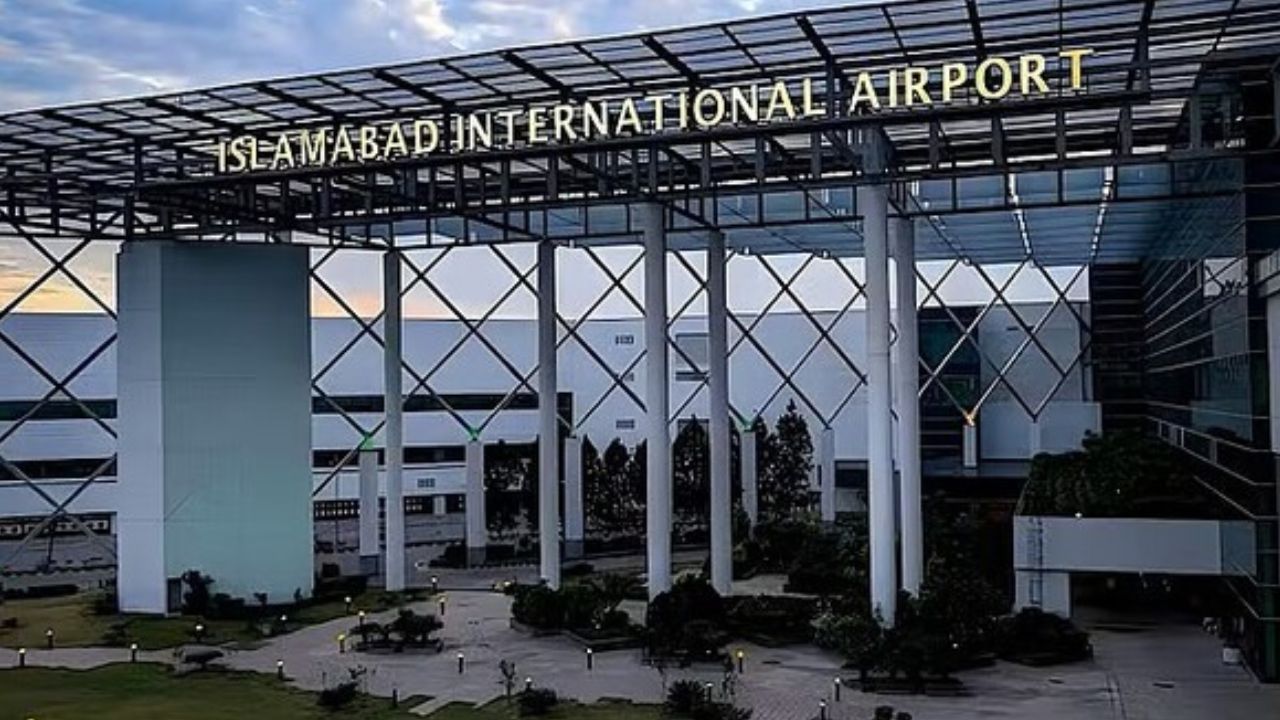
    The government has shelved a plan to outsource the management and operations of Islamabad International Airport to the United Arab Emirates (UAE) after Abu Dhabi lost interest in the process, a private media outlet has claimed.


    Reports quoted sources as saying that the two countries reached a deadlock after the UAE repeatedly delayed nominating an entity to manage the airport.


    Sources told the media outlet that despite initial interest shown by the UAE, it failed to communicate the name of the nominated entity, indicating disinterest on the part of Abu Dhabi.


    They said the Pakistani side had sought a clear response by sending a final call letter, to which the UAE responded that it was unable to confirm any nominated entity and was not interested in continuing the process.


    The government has now approved a proposal to include Islamabad International Airport in the active privatisation list, following the recent successful privatisation of Pakistan International Airlines (PIA).


    However, the decision has drawn strong reactions online. While some users criticised the UAE’s involvement, arguing that it had caused harm to Pakistan’s port cities and had been linked to controversial funding activities, others interpreted the move as Pakistan formally siding with Saudi Arabia.


    “Pakistan has ended the UAE’s role in operating Islamabad International Airport another blow to the UAE and its failed investments,” one person wrote, while another asked, “What was UAE doing at Islamabad airport anyway?”


    Some reactions were sharper, with users expressing frustration over repeated delays. “I guess Pakistan finally figured out that Abu Dhabi can’t be trusted!” one post read, while another said, “If cancelling agreements was an Olympic sport…”


    A particularly critical comment described the situation as “a pathetic little tapestry woven from desperation”.


    Earlier, the government did not accede to the UAE’s request for inclusion of Karachi’s Jinnah International Airport and Lahore’s Allama Iqbal International Airport, in the draft government-to-government framework agreement.


    Requests regarding the privatisation of the air link between Abu Dhabi and Pakistan were also not backed by the government.
  • UAE to withdraw forces from Yemen as PM Shehbaz meets president Al Nahyan

    UAE to withdraw forces from Yemen as PM Shehbaz meets president Al Nahyan

    The United Arab Emirates (UAE) announced on Tuesday that it would withdraw its remaining forces from Yemen, describing the move as voluntary and aimed at ensuring the safety of its personnel. 

    The announcement followed Saudi Arabia’s backing of a call demanding the UAE exit the country within 24 hours.

    “In light of recent developments and their potential implications for the safety and effectiveness of counterterrorism missions, the Ministry of Defence announces the termination of the remaining counterterrorism personnel in Yemen of its own volition, in a manner that ensures the safety of its personnel and in coordination with the concerned partners,” the UAE Ministry of Defence said on X.


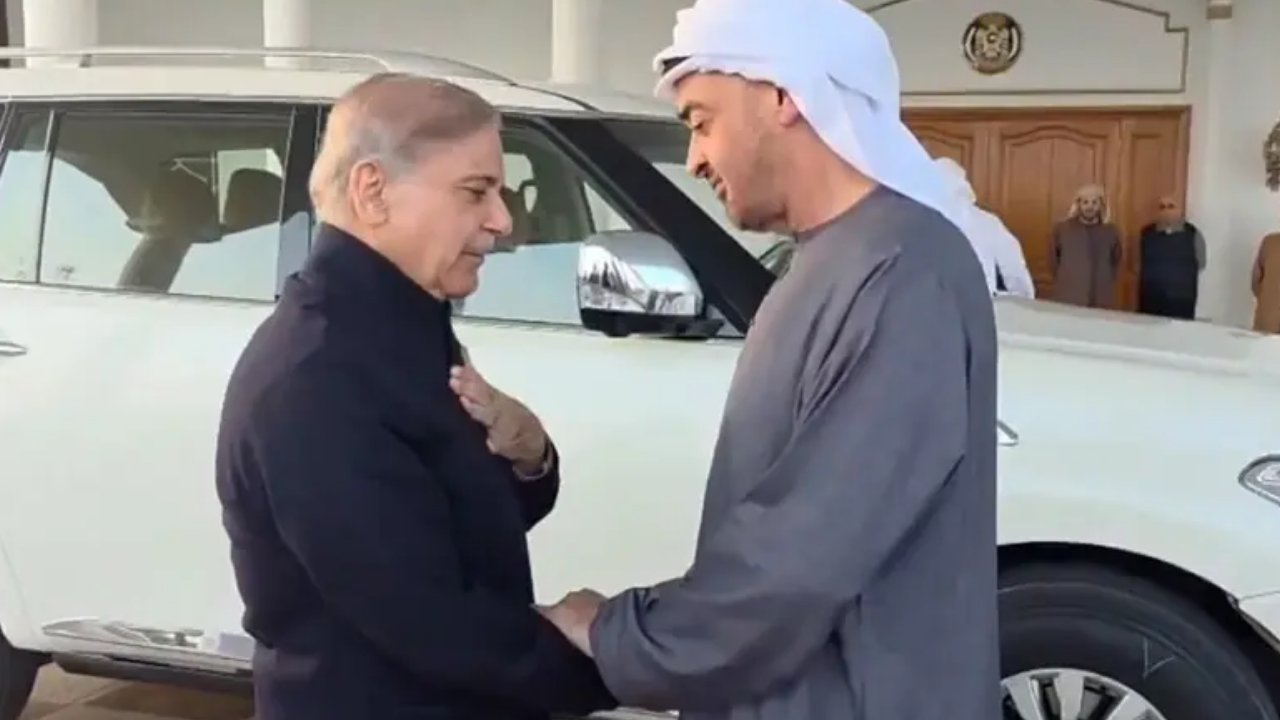
    On the same day, Prime Minister Shehbaz Sharif met UAE President Sheikh Mohamed bin Zayed Al Nahyan in Rahim Yar Khan. The meeting was held at Sheikh Zayed Palace, with Deputy Prime Minister and Foreign Minister Ishaq Dar, Information Minister Attaullah Tarar, and other officials present.

    According to a press release from the Prime Minister’s Office (PMO), the leaders carried forward discussions from Al-Nahyan’s first official visit to Pakistan last Friday.

    They reviewed cooperation in trade, IT, energy, minerals, and defence. PM Shehbaz emphasized the need for a significant increase in bilateral trade and thanked the UAE for hosting 2.1 million Pakistanis, who contribute to relations between the two countries.

    Meanwhile, tensions between the UAE and Saudi Arabia intensified. The UAE rejected Saudi claims that it had supplied weapons to a Yemeni separatist group, stating, “The shipment in question did not contain any weapons, and the vehicles unloaded were not intended for any Yemeni party.” 

    Saudi Arabia described a UAE-backed separatist advance as a threat to its national security, calling Abu Dhabi’s actions “highly dangerous.”

    The Saudi-led coalition carried out airstrikes on what it described as a UAE weapons shipment for separatist forces in Yemen, targeting combat vehicles and equipment at the port of Al-Mukalla. 

    Following the strikes, Yemen’s presidential council declared a 90-day state of emergency and annulled a security pact with Abu Dhabi after forces of the Southern Transitional Council (STC) seized territory. 

    The STC opposed the decision, warning it could lead to “new confrontations.” Riyadh urged Abu Dhabi to cut off support for Yemeni groups. 

    Amid these regional developments, Pakistan continued its diplomatic engagement with the UAE. The two countries share close diplomatic, economic, and cultural ties, strengthened by historical connections and a large expatriate community. 

    This week, Pakistan and the UAE carried forward discussions from recent leadership-level meetings, including multiple memoranda of understanding signed this year.

  • Saudi airstrikes target Yemen port after UAE arms shipment

    Saudi airstrikes target Yemen port after UAE arms shipment

    Saudi Arabia carried out airstrikes on Yemen’s port city of Mukalla on Tuesday, saying the attack targeted a shipment of weapons delivered to separatist forces backed by the United Arab Emirates. The UAE did not immediately comment on the strike.


    The attacks were initiated when ships arriving from Fujairah, a port city on the eastern coast of the United Arab Emirates, unloaded weaponry and military equipment meant for the Southern Transitional Council, according to a military statement issued by Riyadh and reported by the state-run Saudi Press Agency. 


    According to the statement, “the ships’ crew had disabled the tracking devices aboard the vessels and unloaded a large amount of weapons and combat vehicles in support of the Southern Transitional Council’s forces.”


    Saudi forces viewed the package as an immediate threat, it further stated. “The Coalition Air Force carried out a limited airstrike this morning that targeted weapons and military vehicles offloaded from the two vessels in Mukalla, given that the aforementioned weapons constitute an imminent threat and an escalation that threatens peace and stability.” 


    The operation was carried out overnight, according to the Saudi military, to make sure that “no collateral damage occurred.” Whether any other coalition members participated in the strikes was not stated. There was no immediate information on casualties. 


    A request for comment was not answered by the UAE. The strikes were acknowledged by the Southern Transitional Council’s AIC satellite channel, but no other information was given.

    The attack highlights growing tensions between Saudi Arabia and the UAE-backed separatist forces in southern Yemen, despite both countries being part of the coalition fighting the Iran-aligned Houthi movement. Analysts say the strike also reflects strain between Riyadh and Abu Dhabi, which have supported rival groups in Yemen’s conflict.


    The ship arrived in Mukalla on Sunday after being registered in Fujairah on December 22. It was not immediately possible to identify the second vessel.

    The Basha Report’s creator and Yemen expert Mohammed al-Basha referenced social media videos that seemed to show armored vehicles passing through Mukalla after the ship arrived. The ship’s owners, who are based in Dubai, could not be reached for comment.
     

    “I expect a calibrated escalation from both sides,” al-Basha said. “The UAE-backed Southern Transitional Council is likely to respond by consolidating control. At the same time, the flow of weapons from the UAE to the STC is set to be curtailed following the port attack, particularly as Saudi Arabia controls the airspace.”

    Saudi state television later aired footage said to be recorded by a surveillance aircraft. The video appeared to show armored vehicles moving through Mukalla toward a staging area. Analysts said the vehicles shown matched those seen in the social media clips.

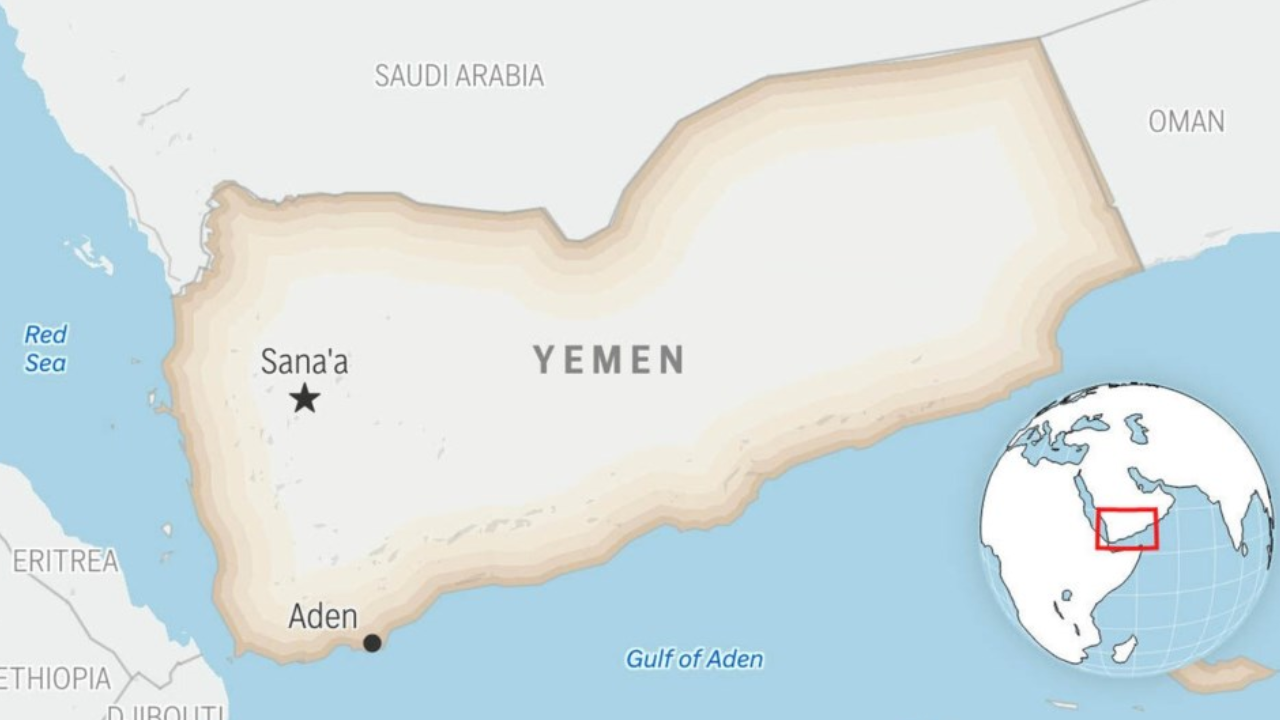
    Mukalla is situated in the Hadramout province of Yemen, approximately 480 kilometers northeast of Aden. Since the Houthis took control of Sanaa in 2014, anti-Houthi authorities have made Mukalla their base. Parts of Hadramout have recently come under the hands of the Southern Transitional Council. 


    The strike followed Saudi airstrikes carried out on Friday against Council positions, which analysts described as a warning aimed at halting the group’s expansion in Hadramout and the neighbouring Mahra governorate. 

    Forces aligned with the Council have displaced units affiliated with the Saudi-backed National Shield Forces in those areas.

    Supporters of the Council have increasingly displayed the flag of South Yemen, which existed as a separate state between 1967 and 1990. Demonstrations have been held in recent days in support of renewed calls for southern secession.

    The developments come amid wider regional tensions. Saudi Arabia and the UAE, while close allies and members of OPEC, have competed for influence and economic standing in recent years. Both countries are also backing opposing sides in Sudan’s ongoing conflict.

  • Emirati president arrives in Pakistan on his first official visit

    Emirati president arrives in Pakistan on his first official visit

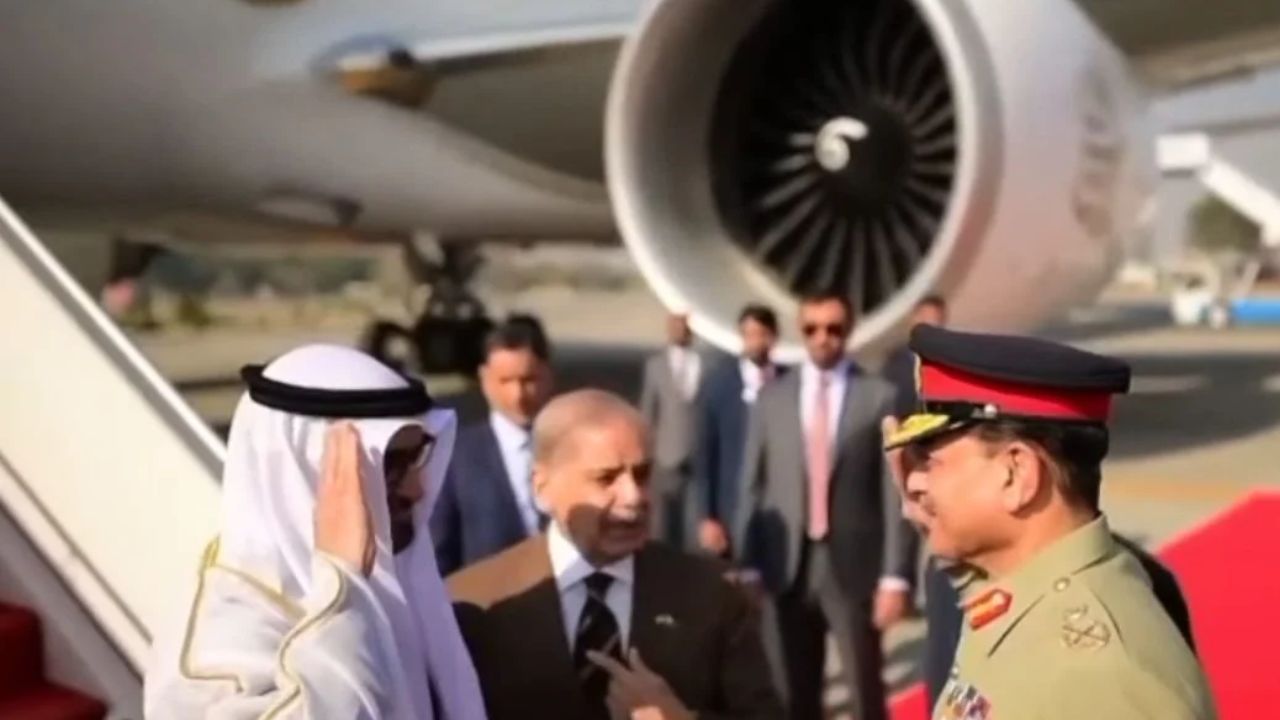
    United Arab Emirates (UAE) President Sheikh Mohammed bin Zayed Al Nahyan on Friday arrived in Pakistan on his first official visit to the country.

    The Emirati president was received at the Nur Khan Airbase by Prime Minister (PM) Shehbaz Sharif, Chief of Defence Forces (CDF) Field Marshal Asim Munir and other senior government members, including Deputy PM Ishaq Dar.

    As President Al Nahyan’s aircraft entered the Pakistani airspace, it was escorted by a formation of Pakistan Air Force (PAF) fighter jets. Upon landing, the national anthems of Pakistan and the UAE were played, a 21-gun salute was presented and an honour guard lined up to receive the visiting dignitary.

    Military and traditional bands also performed during reception as children waved flags of both countries.

    The Emirati president is accompanied by a delegation comprising his advisers Sheikh Sultan bin Hamdan Al Nahyan and Sheikh Mohammed bin Hamad bin Tahnoun Al Nahyan, as well as UAE Ambassador to Pakistan Salem Mohammed Al Zaabi.

    Several UAE federal ministers and senior officials are also part of the delegation.

    According to the Foreign Office (FO), this marks President Al Nahyan’s first official visit to Pakistan as he previously visited the country on private trips.

    During the visit, he is scheduled to meet PM Shehbaz and discuss bilateral cooperation to review ties across multiple sectors. The two leaders are also expected to exchange views on regional and global developments of mutual concern. 

    The FO also said the visit offers an opportunity to deepen the longstanding fraternal relationship between Pakistan and the UAE.

    Earlier, a public holiday was announced in Islamabad in view of the visit. An official notification said that the Islamabad High Court (IHC), district courts, as well as the Senate and National Assembly secretariats remained closed for the day. 

    Banks and essential services, including the Capital Development Authority (CDA), police, Islamabad Electric Supply Company (IESCO) and Sui Northern Gas Pipelines Limited, however, continued to function.

    Separately, Punjab Chief Minister (CM) Maryam Nawaz welcomed the UAE president’s visit, calling it a significant step in strengthening Pakistan-UAE relations. She said the visit is expected to further enhance cooperation between the two countries.

  • UAE, Pakistan sign visa exemption agreements to improve bilateral ties

    UAE, Pakistan sign visa exemption agreements to improve bilateral ties

    The UAE and Pakistan signed a Memorandum of Understanding (MoU) on the mutual exemption of entry requirements between the two countries. This applies to holders of diplomatic and official passport holders.

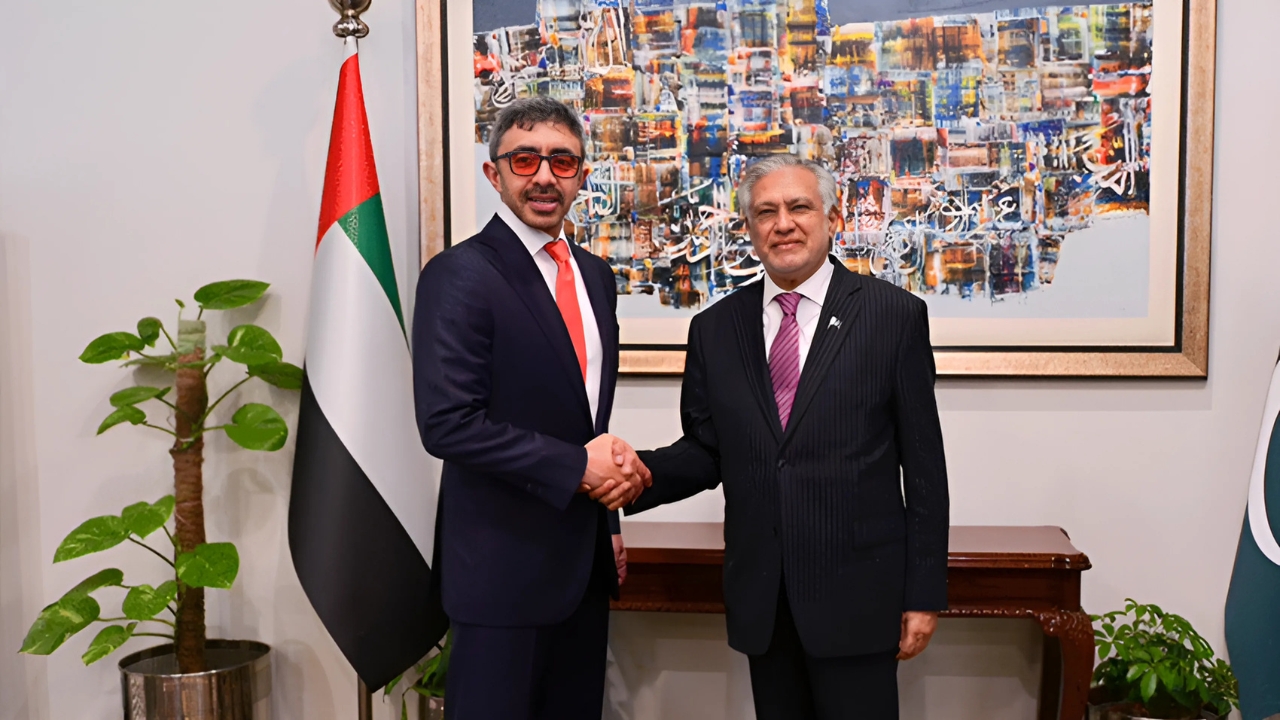
    The agreement came into being as a result of the 12th session of the UAE-Pakistan joint ministerial commission, between Sheikh Abdullah bin Zayed al Nahyan, Deputy Prime Minister UAE and Ishaq Dar, Minister of Foreign Affairs Pakistan. 

    The two leaders discussed bilateral relations and ways to strengthen them to serve mutual interests and prosperity for both citizens of UAE and Pakistan.

    The meeting also witnessed the signing of an MOU regarding the establishment of a joint task force to promote Arab investment in strategic sectors in Pakistan, signed between Muhammad Hassan Al Suwaidi, Minister of Investment UAE, and Tariq Bajwa, Special Assistant to the Prime Minister of Pakistan.

    Another agreement was also signed on artificial intelligence and digital economy by Muhammad Hassan Al Suwaidi and Zarar Hashim Khan, Federal Secretary, Ministry of Information Technology and Telecommunications of Pakistan.

    The UAE side participating in the joint commission was chaired by Ahmed Ali Al Sayegh, with Tariq Bajwa.

    In his speech, Al Sayegh reinforced that the Joint Ministerial Commission meeting reflects the deep rooted partnership between the two nations, built on decades of cooperation and shared vision.

    He extended his appreciation for Ishaq Dar, for his efforts to advance bilateral trade between UAE and Pakistan. He underscored that Pakistan has been a long standing partner of the UAE, with non oil trade exceeding $8.6 billion in 2024.

    He noted that UAE and Pakistan have spent more than 50 years fostering a partnership rooted in mutual trust, respect and shared ideas, highlighting their joint commitment towards a brighter future.

  • Multiple MOUs signed between Pakistan, UAE

    Multiple MOUs signed between Pakistan, UAE

    United Arab Emirates’ Deputy Prime Minister Sheikh Abdullah bin Zayed Al Nahyan has expressed satisfaction over the upward trajectory of Pakistan-UAE relations during his visit to Islamabad, where he reportedly met with Deputy Prime Minister Ishaq Dar.

    The UAE and Pakistan share a long-standing relationship rooted in strong diplomatic, cultural, and economic ties. The Gulf state hosts a large Pakistani expatriate community and is among Pakistan’s top trading partners and sources of remittances in the Middle East. With cooperation spanning various sectors, the visit marked another step in the ongoing efforts to deepen bilateral engagement.

    At a joint press conference, Sheikh Abdullah noted the positive direction in which the relationship was heading, stating that both countries were eager to take their cooperation to new heights. He remarked that recent developments had accelerated faster than in previous years, and expressed hope that this renewed momentum would lead to greater collaboration in areas such as aviation, trade, and investment.

    Dar welcomed his counterpart warmly, describing the bond between Pakistan and the UAE as built on shared history, mutual affection, and a spirit of fraternity. While expressing regret that the visit was brief, he acknowledged Sheikh Abdullah’s global commitments and emphasised the significance of the visit for strengthening bilateral ties.

    As part of the visit, the two countries signed three memorandums of understanding (MoUs). As per reports, two of the agreements cover cooperation in cultural fields and the formation of a joint committee to address consular matters. The third MoU, signed between the Federation of UAE Chambers of Commerce and Industry and the Federation of Pakistan Chambers of Commerce and Industry, establishes the UAE-Pakistan Joint Business Council.

    The formation of this council could lead to more structured and consistent engagement between the private sectors of both countries. It opens doors for joint ventures, knowledge exchange, and easier navigation of regulatory frameworks. For Pakistan, increased Emirati investment and trade collaboration could support economic recovery, boost exports, and create employment opportunities. In turn, the UAE could benefit from access to a large market and a skilled workforce.

    Sheikh Abdullah’s two-day official visit, which began Sunday, was described by Pakistan’s Foreign Office as a move that would help cement the already close relationship between the two nations and foster greater cooperation across diverse sectors for the benefit of their peoples.