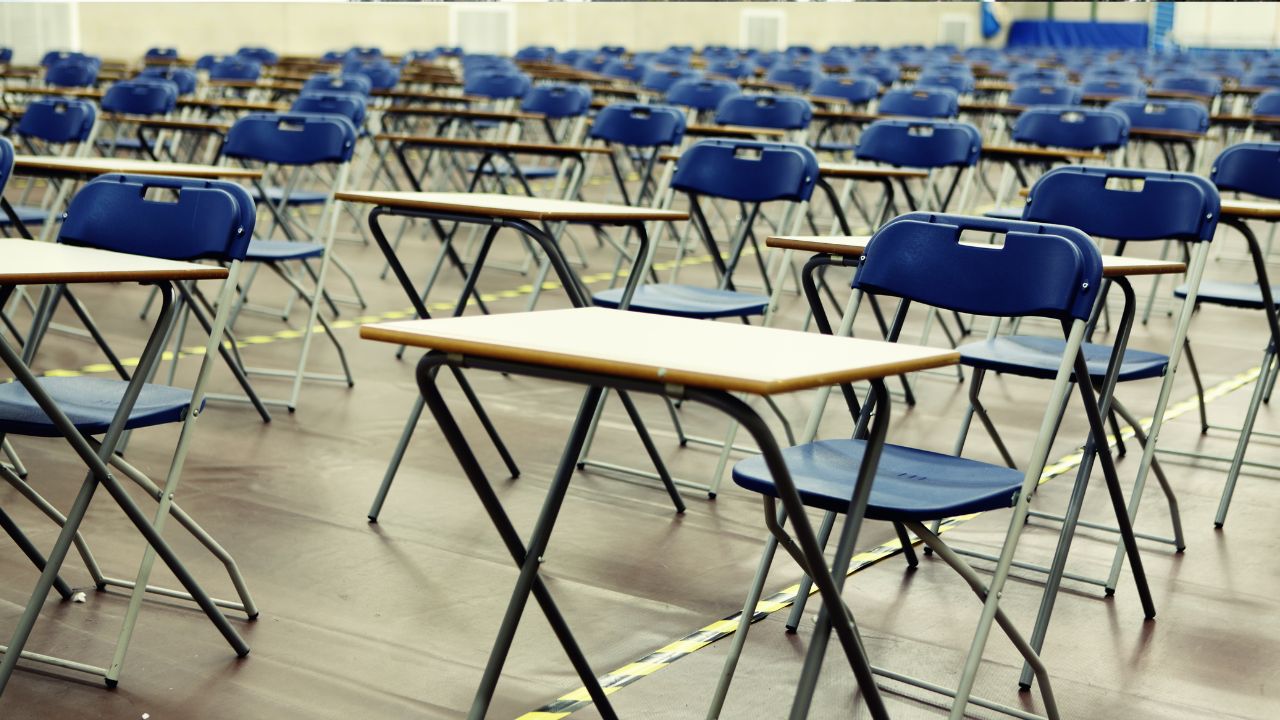
Cambridge International Education UK has issued a report regarding the leakage of the A-Level Mathematics paper in Pakistan.
The paper was reportedly leaked on May 2, and a majority of students in the country had access to it before the exam.
Cambridge has decided not to award marks for the leaked mathematics exam. Instead, students will receive grades based on their performance in the remaining exams.
Furthermore, the report specifies that marks will be allocated equitably to all students, ensuring fairness. Students who wish to retake the exam will have the opportunity to do so in November without having to pay a re-examination fee.
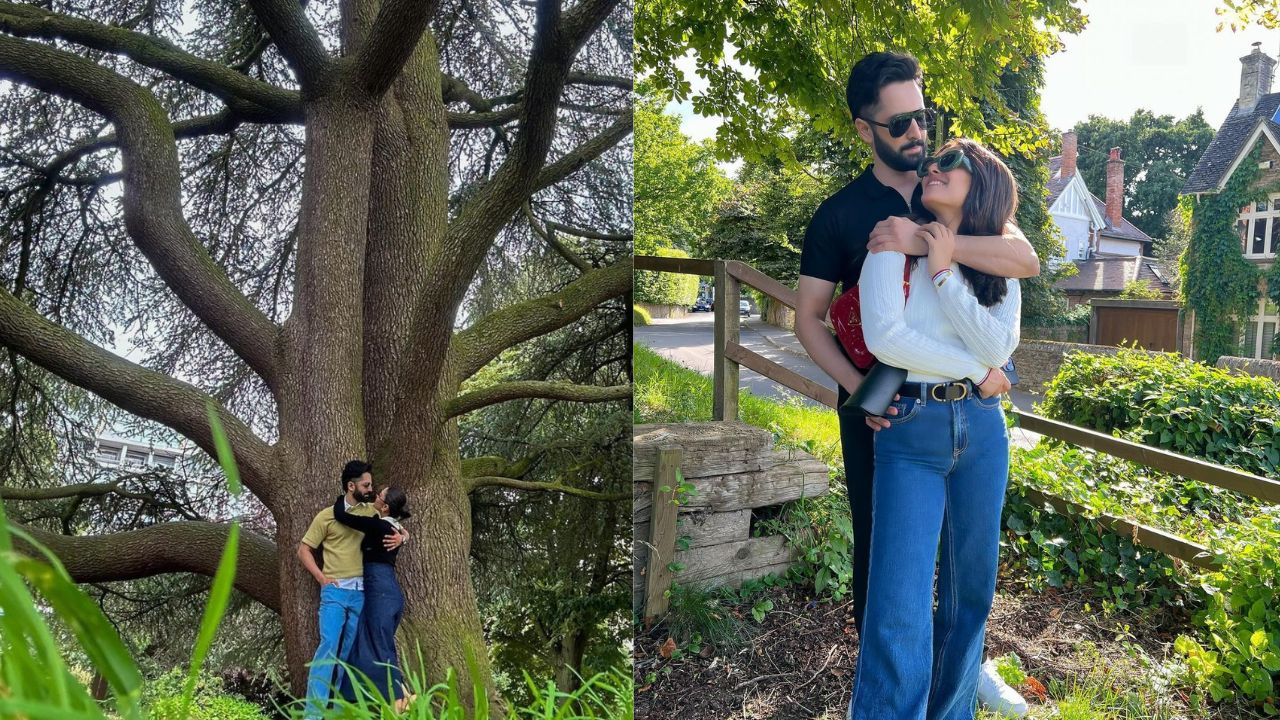
Beloved celebrity couple Ayeza Khan and Danish Taimoor are celebrating their 10th wedding anniversary with a memorable trip to Oxford, exploring the historic city. On Thursday, Ayeza shared pictures of a couples- only day out on her Instagram, account along with a message for her husband. “Just the Two of Us. May we grow older and stronger, just like this beautiful tree, forever standing tall and enduring.” Ayeza Khan and Danish Taimoor tied the knot in 2014. The couple is blessed with two children, Hoorain, 8, and Rayan, 6, who have been part of their trip to Oxford.
With their outstanding performances, Ayeza and Danish have dominated Pakistani television for many years. Danish’s performance in Jaan Nisar secured his status as a leading man, while Ayeza’s recent work in Mein and Jaan E Jahan has garnered her great praise from the audience.
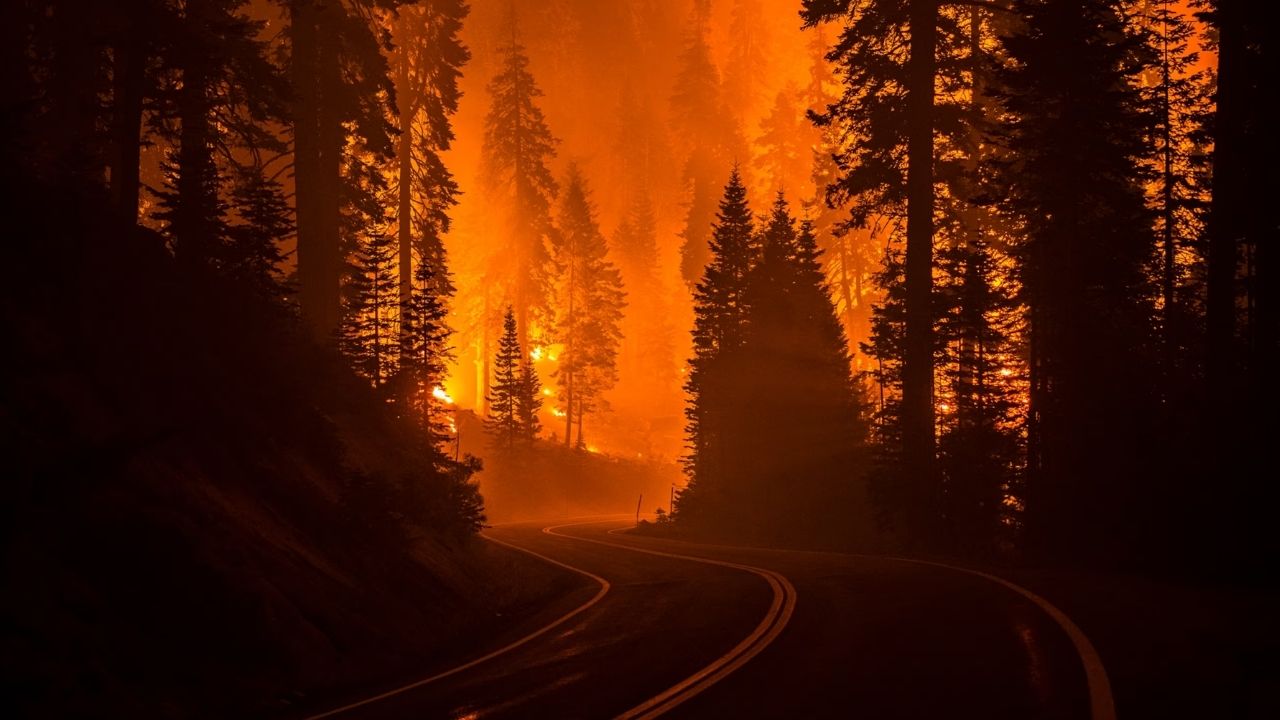
The world is unprepared for the increasing ferocity of wildfires turbocharged by climate change, scientists say, as blazes from North America to Europe greet the northern hemisphere summer in the hottest year on record.
Wildfires have already burned swathes through Turkey, Canada, Greece and the United States early this season as extreme heatwaves push temperatures to scorching highs.
While extra resources have been poured into improving firefighting in recent years, experts said the same was not true for planning and preparing for such disasters.
“We are still actually catching up with the situation,” said Stefan Doerr, director of the Centre for Wildfire Research at the UK’s Swansea University.
Predicting how bad any one blaze will be — or where and when it will strike — can be challenging, with many factors including local weather conditions playing into calculations.
But overall, wildfires are getting larger and burning more severely, said Doerr, who co-authored a recent paper examining the frequency and intensity of such extreme events.
A separate study published in June found the frequency and magnitude of extreme wildfires appeared to have doubled over the past 20 years.
By the end of the century, the number of extreme wildfires around the globe is tipped to rise 50 percent, according to a 2022 report by the UN Environment Programme.
Doerr said humanity had not yet faced up to this reality.
“We’re clearly not well enough prepared for the situation that we’re facing now,” he said.
Climate change is a major driver, though other factors such as land use and the location of housing developments play a big part.
Fires do not respect borders so responses have evolved between governments to jointly confront these disasters, said Jesus San-Miguel, an expert for the European Commission Joint Research Centre.
The EU has a strong model of resource sharing, and even countries outside the bloc along the Mediterranean have benefited from firefighting equipment or financial help in times of need, San-Miguel said.
But as wildfires become increasingly extreme, firefighting simply won’t be a fix.
“We get feedback from our colleagues in civil protection who say, ‘We cannot fight the fires. The water evaporates before it reaches the ground,’” San-Miguel said.
Wildfires have already burned swathes through Turkey as extreme heatwaves push temperatures to scorching highsMahmut BOZARSLAN
“Prevention is something we need to work on more,” he added.
Controlled burns, grazing livestock, or mechanised vegetation removal are all effective ways to limit the amount of burnable fuel covering the forest floor, said Rory Hadden from the University of Edinburgh.
Campfire bans and establishing roads as firebreaks can all be effective in reducing starts and minimising spread, said Hadden, an expert on fire safety and engineering.
But such efforts require funding and planning from governments that may have other priorities and cash-strapped budgets, and the return is not always immediately evident.
“Whatever method or technique you’re using to manage a landscape… the result of that investment is nothing happens, so it’s a very weird psychological thing. The success is: well, nothing happened,” said Hadden.
Local organisations and residents often take the lead in removing vegetation in the area immediately around their homes and communities.
But not everyone is prepared to accept their neighbourhood might be at risk.
‘People don’t think that it will happen to them, but it eventually will,’ fire expert Jesus San-Miguel saidETIENNE TORBEY
“People don’t think that it will happen to them, but it eventually will,” San-Miguel said, pointing to historically cold or wet climates like the US Pacific Northwest that have witnessed major fires in recent years.
Canada has adapted to a new normal of high latitude wildfires, while some countries in Scandinavia are preparing for ever-greater fire risk.
But how best to address the threat remains an open question, said Guillermo Rein from Imperial College London, even in places where fire has long been part of the landscape.
Even in locations freshly scarred by fire, the clearest lessons are sometimes not carried forward.
“People have very short memories for wildfires,” said Rein, a fire science expert.
In July 2022, London witnessed its worst single day of wildfires since the bombings of World War II, yet by year’s end only academics were still talking about how to best prepare for the future.
“While the wildfires are happening, everybody’s asking questions… When they disappear, within a year, people forget about it,” he said.
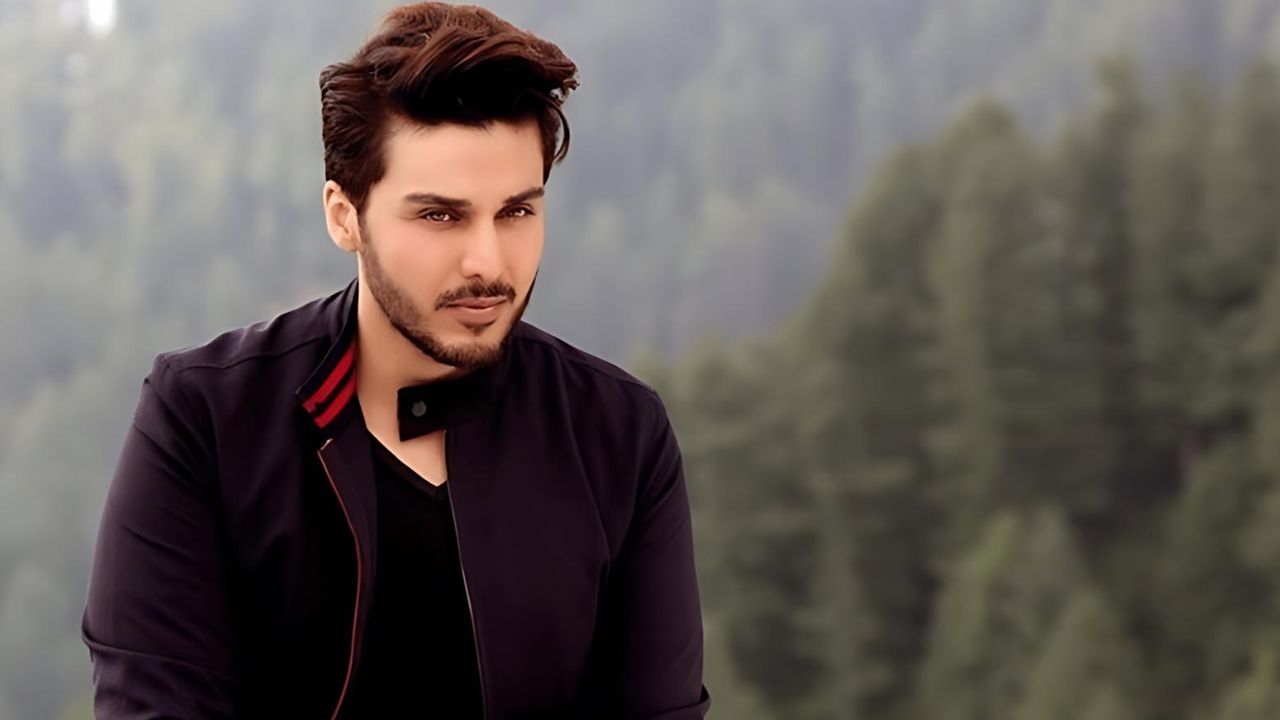
Love may find its way into the most unexpected locations, and for celebrities, sometimes the heart chooses to follow a path away from the spotlight. This was the situation with actor Ahsan Khan who recently revealed that his marriage to a girl who was not part of the entertainment industry was entirely accidental. Ahsan Khan recently sat down with the ‘Samma Podcast’ to talk about a host of issues.
“There are many educated, well-mannered, and family-oriented girls from good backgrounds in our industry, but their marriages have taken place outside the industry,” he observed. Calling it “just a coincidence” that his mind matched with a girl outside the industry, Ahsan simply said he liked her. Ahsan Khan married his wife Fatima Khan in 2008.
Many people from developing countries aspire to acquire citizenship in European states. Some countries offer relatively straightforward paths to citizenship, while others present significant challenges. Sweden stands out as the easiest country in Europe for obtaining citizenship, whereas Estonia and Latvia are the most challenging.
A recent study by CIS analysed Eurostat immigration data from 2009 to 2021 to identify which countries have the highest and lowest rates of non-EU residents acquiring citizenship.
The analysis revealed that the nine most challenging countries to obtain citizenship are located in Central Europe. Estonia ranks as the most difficult country for non-EU citizens to naturalise, with the lowest average acquisition rate—approximately one in 200 residents. Additionally, the acquisition rate for men in Estonia is lower at 0.58 percent compared to 0.69 percent for women.
Latvia, the Czech Republic, and Lithuania also have acquisition rates of less than 1 percent for non-Europeans, contrasting sharply with the average of 3.56 percent across European countries. Austria, Liechtenstein, Slovakia, Slovenia, and Germany follow, granting citizenship to about one in fifty non-EU residents. Denmark, outside Central Europe, presents the next highest hurdle with an acquisition rate of 2 percent.
Over the past decade, six of the ten most challenging countries have seen an increase in citizenship grants year-on-year, particularly Denmark, which experienced a notable rise. Germany’s acquisition rate remained stable, while Latvia, Lithuania, and Slovenia saw declines.
Many countries implement various programs aimed at attracting foreigners, including opportunities for investment, as well as citizenship and tax benefits.
Individuals seeking migration often favour Golden Visa and Golden Passport routes, terms that are sometimes used interchangeably despite minor distinctions.
10 Easiest European Countries to Get Citizenship
According to the report, Sweden ranks as the easiest country, with nearly one in ten (9.3 Perce) non-EU residents obtaining citizenship—more than double the EU average.
Sweden boasts the highest acceptance rates for both genders, with women experiencing a slightly higher acceptance rate of 10.02 percent compared to 8.66 percent for men.
Norway, the Netherlands, Portugal, and Iceland follow as the second to fifth easiest countries to acquire citizenship, with an acquisition rate of one in 25 (4 percent).
Data shows that northern European countries generally have the highest citizenship acquisition rates, with Sweden, Norway, Iceland, and Finland leading the pack.
In southern Europe, Portugal emerges as the easiest, while the Netherlands, Ireland, and the United Kingdom are the most accessible Western European states for citizenship. The UK ranks eighth, with nearly three in 50 (3.2 percent) residents granted citizenship.
Poland and Croatia are the easiest countries in Central Europe for changing nationality, with acquisition rates of 4 percent and 3.9 percent respectively. Northern and Western Europe present the most accessible regions for nationality changes, with an acquisition rate of 5.9 percent compared to 1.9 percent in Central Europe and 3.6 percent in the South.
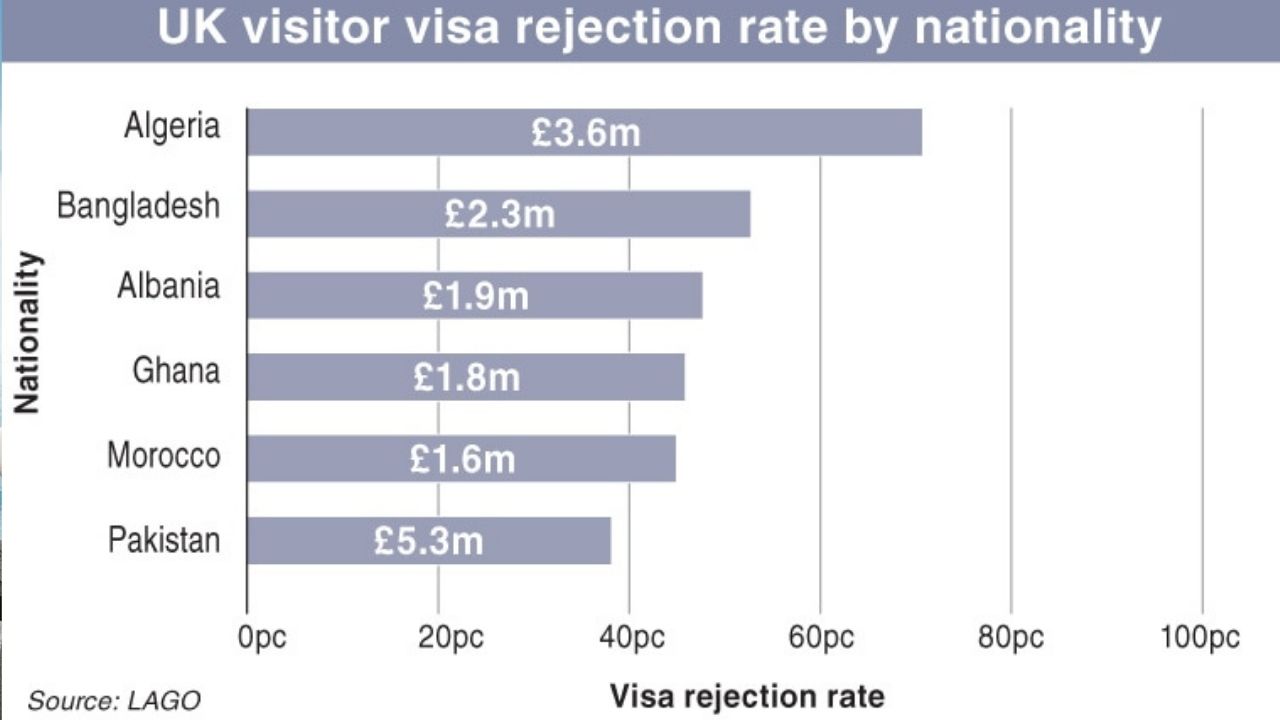
According to research by Lago Collective, the United Kingdom and Schengen countries earned millions of pounds and euros by collecting fees from rejected visa applications from Global South countries including Pakistan.
The report revealed that Pakistanis spent £5.3 million on rejected UK visa applications with almost 40 percent of rejected applications in 2023 alone.
In the same year, around 50 percent of Schengen visas from Pakistan were also rejected, with €3.344m spent on applications.
Marta Foresti, co-researcher of the Lago Collective research paper, highlighted, “Visa inequality has very tangible consequences and the world’s poorest pay the price. You can think of the costs of rejected visas as ‘reverse remittances’, money flowing from poor to rich countries.”
According to Foresti, “Visa regimes are not equal or reciprocal,” emphasizing that while European citizens can easily obtain a visa to a third-world country; the situation isn’t similar when any poor country’s citizen tries to obtain a visa to Europe.
Meanwhile, visa application fees are increasing which means an extra burden on those trying to move towards better opportunities abroad.
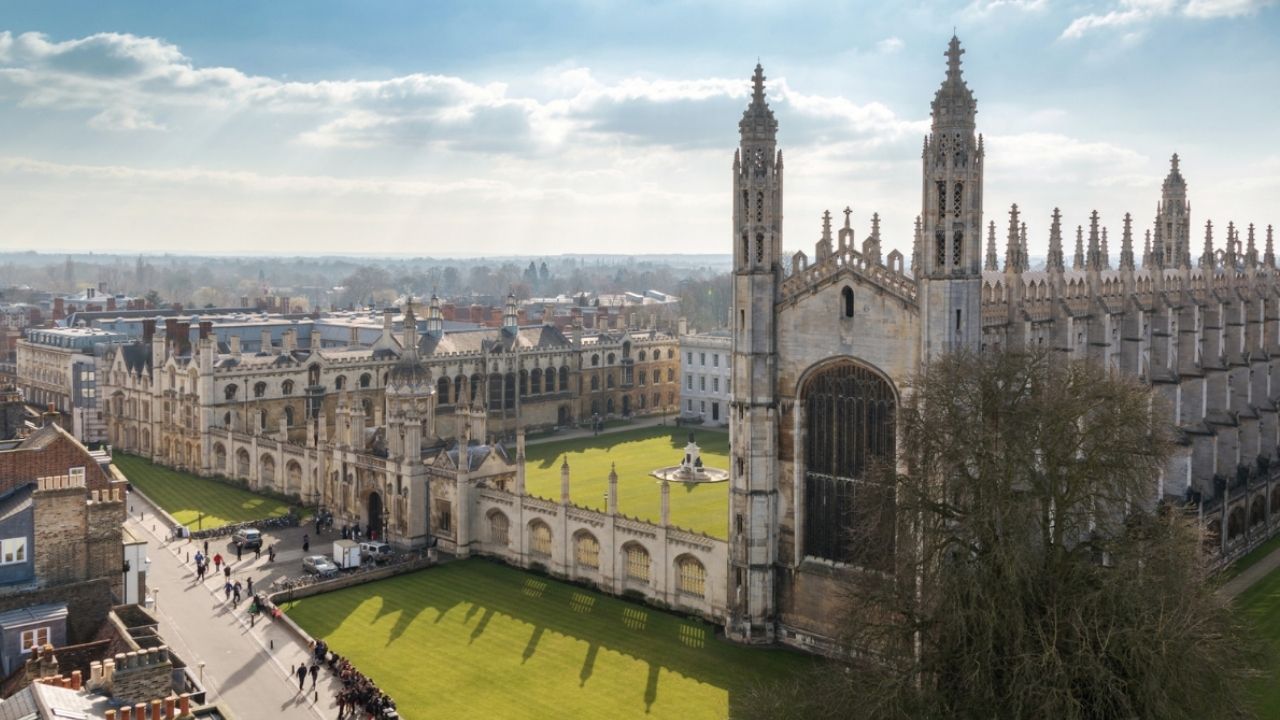
Some of UK’s top universities could see their attractiveness decline due to hits to funding and tighter regulations on overseas students, the annual QS 2025 university rankings warned on Tuesday.
Four British universities retained their spots in the top 10 of more than 1,000 universities ranked by Quacquarelli Symonds (QS), a benchmark ranking alongside the Times and Shanghai Jiao Tong University.
Imperial College London, renowned for its science teaching, shot up from sixth to second place, dethroning for the first time the historically dominant “Oxbridge” duo, with Oxford and Cambridge ranking third and fifth respectively.
More than half (52) of the UK’s universities were bumped down on the list, out of the 90 that were part of the ranking.
“This year’s results suggest that British higher education has limited capacity remaining to continue excelling in the face of funding shortages, drops in student applications,” and restrictions affecting the intake of international students, said head of QS Jessica Turner.
In the last few months, the Conservative government has introduced several measures to reduce regular migration which it judges to be too high.
These including barring overseas students from bringing dependents and hiking the minimum salary needed for skilled workers visas.
The policies have been criticised by universities, whose budgets are heavily dependent on the higher fees paid by international students.
In the first four months of the year, 30,000 fewer student visa applications were made than in the same period in 2023, according to government statistics.
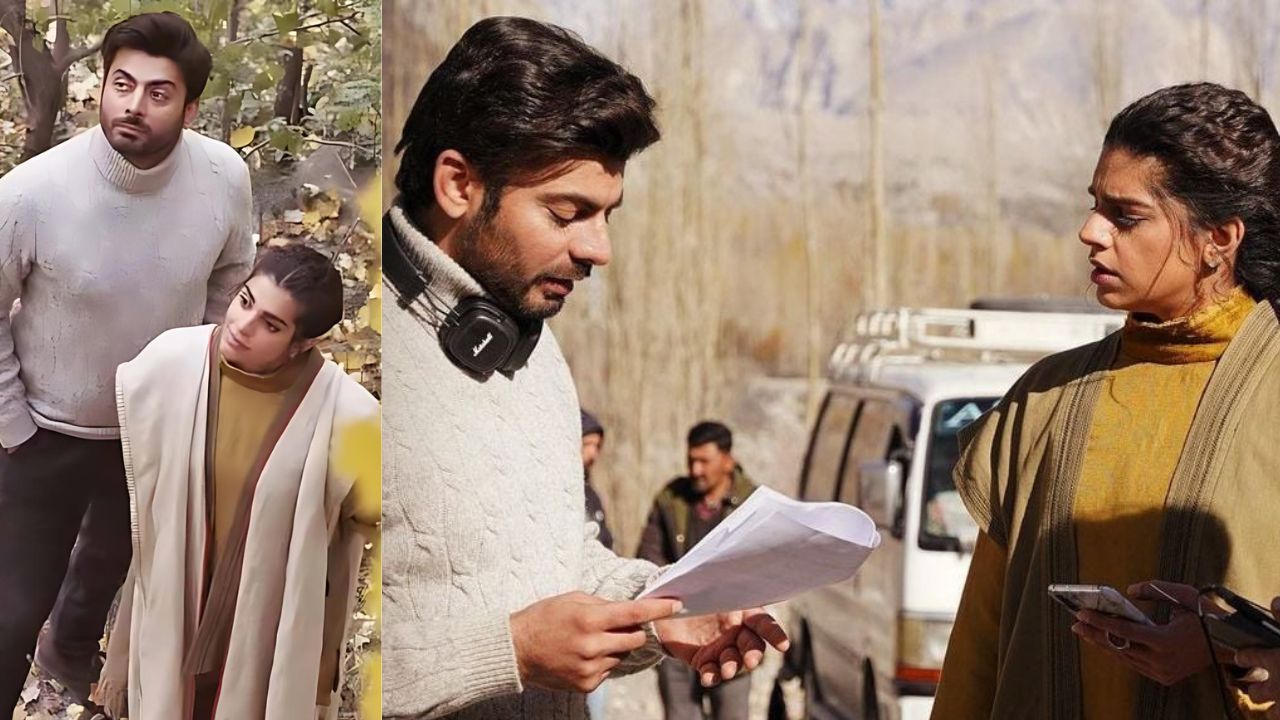
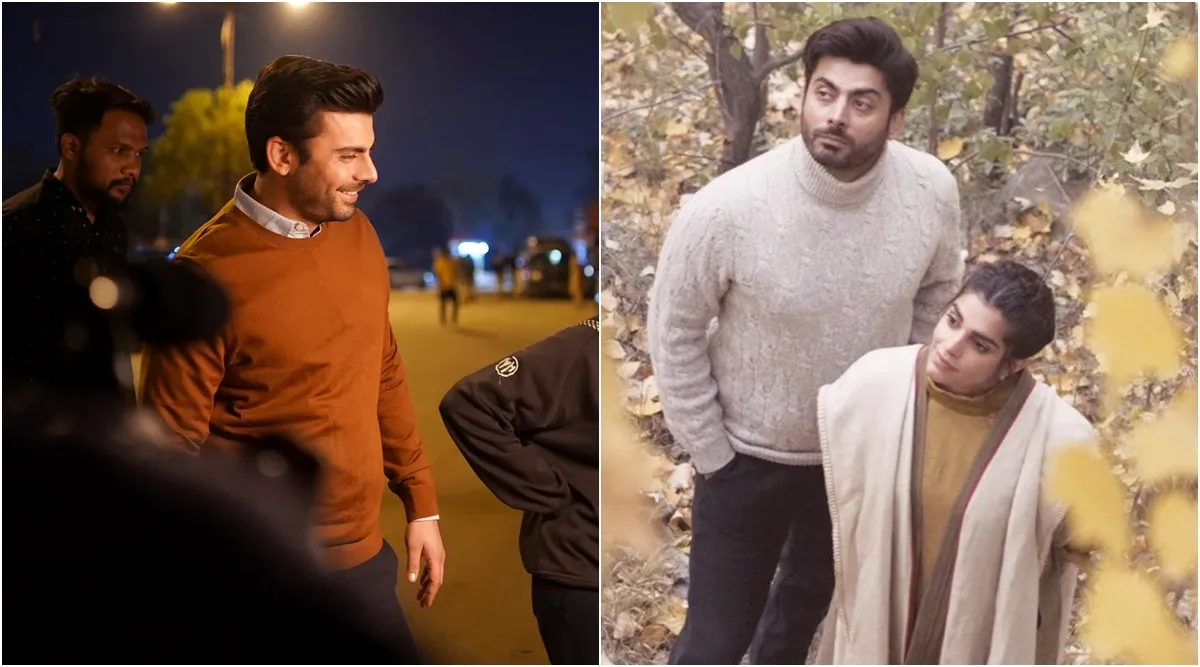
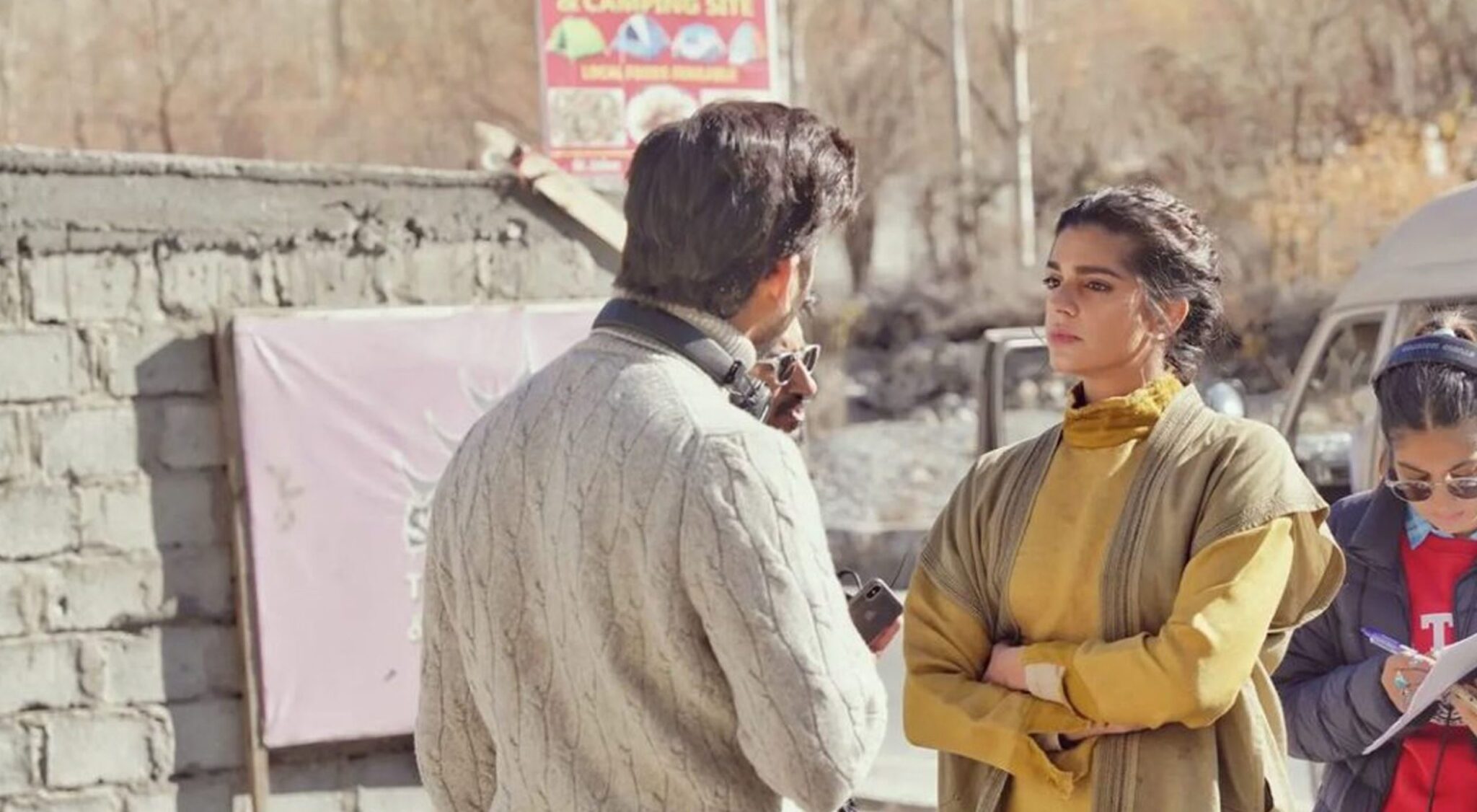
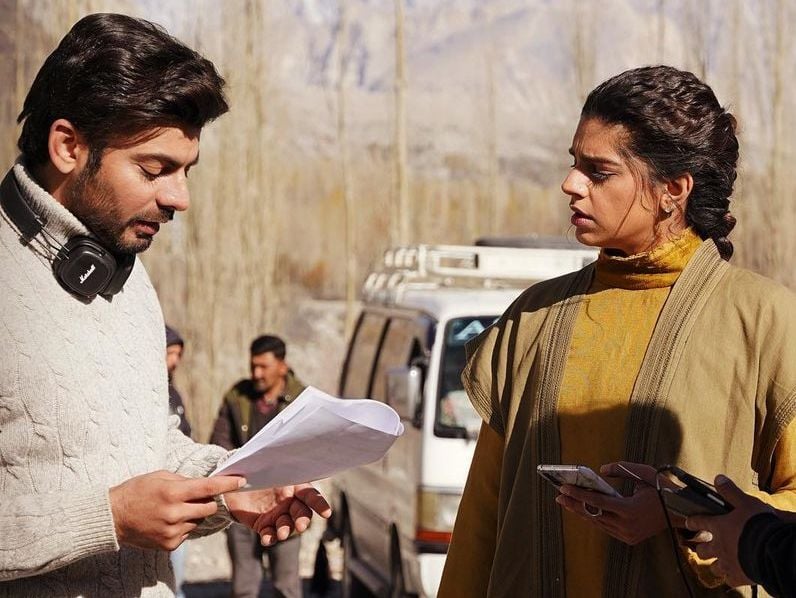
The beloved on-screen duo of Sanam Saeed and Fawad Khan is all set to work together once more. Reportedly, the two superstars will reunite for the web series ‘Shandur’. According to rumors circulating on social media, Fawad Khan will be seen playing the character of a Chitrali prince who is fond of playing polo. The web series has been shot in the Shandur Pass area of Chitral, Pakistan.
The web series will be directed by renowned director Asim Raza and the story is written by Umera Ahmed. The dynamic duo earlier starred in the superhit drama ‘Zindagi Gulzar Hai.’ The new big-budget web series will be available on the Indian OTT platform Sony Liv, and its shooting is taking place in various locations in the UK and Pakistan.
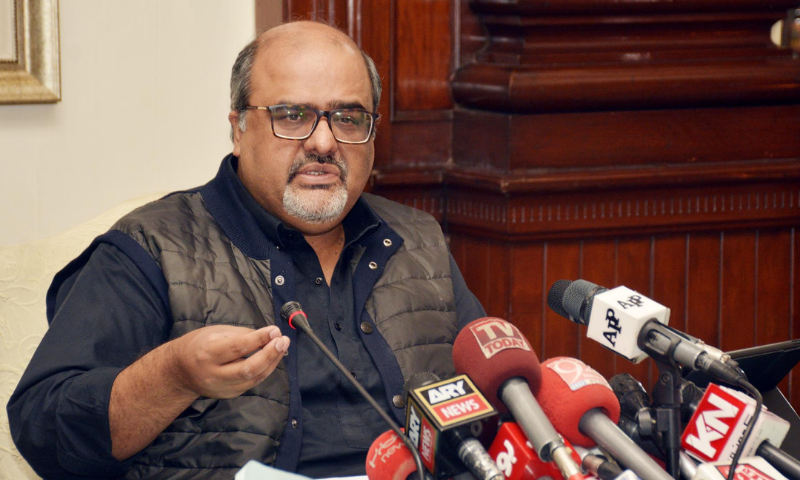
The government of Pakistan has requested the United Kingdom to speed up the process of extraditing Shahzad Akbar, who served as an Advisor to former PM Imran Khan, to Pakistan, The News reported.
Shahzad is accused in multiple cases in Pakistan and he fled the country in 2022 shortly after Imran Khan lost his government through a vote of no-confidence.
On the orders of the Interior Ministry, the FIA contacted Interpol to issue a red warrant to bring Shahzad Akbar to Pakistan.
However, a year has passed but no major progress could be made in this case.
The News reported the investigators of the case registered under Sections 420, 468, 471, 385, 396, 389, 500 and 506 of the Pakistan Penal Code had requested Interpol for help in arresting Shahzad Akbar.
Legendary singer Shazia Manzoor recently she given an interview on Moeen Zubair’s YouTube channel. During the interview, she discussed her abilities in singing, stating, “Singers are born with good vocals, either you are a singer or you are not”. She also talked about Chahat Fateh Ali Khan’s fame and success.
Talking about Bado Badi, she said, “People tune in to him for entertainment; his style has resonated with the audience, and it’s almost like a comedic performance. He’s been blessed with a talent that people enjoy, and we’re all having a good time listening to him. It takes courage to pursue singing, and he’s confident in his craft. While I won’t encourage him to continue singing, I wish him success – may he even reach 2 billion views! However, I still believe that a beautiful, melodious song by a skilled singer has the power to uplift your mood and make it fresh.”