Tag: Ukraine

  • Ukraine drones strike deep in Russian territory on eve of new talks

    Ukraine drones strike deep in Russian territory on eve of new talks

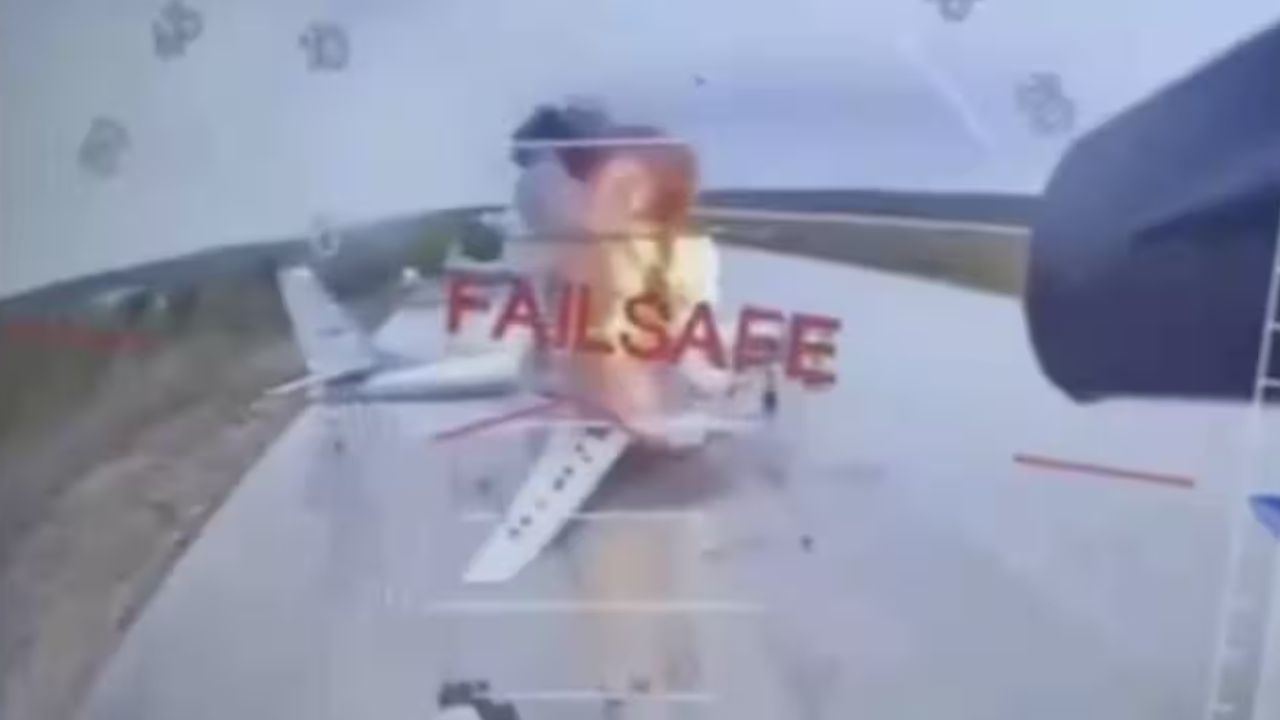
    Ukraine said Sunday that its drones destroyed Russian bombers worth billions of dollars as far away as Siberia in its longest-range assault of the war, as it geared up for talks on prospects for a ceasefire.

    In a spectacular claim, Ukraine said it damaged $7 billion worth of Russian aircraft parked at four airbases thousands of kilometres across the border, with unverified video footage showing aircraft engulfed in flames and black smoke.

    A source in the Ukrainian security services (SBU) said the strikes hit 41 planes that were used to “bomb Ukrainian villages”.

    The drones were concealed in the ceilings of transportation containers that were opened remotely for the assault, the source added.

    Ceasefire talks

    The long-planned operation came at a delicate moment three years into Russia’s invasion.

    Ukraine’s President Volodymyr Zelensky said Sunday that he was sending a delegation to Istanbul led by his Defence Minister Rustem Umerov for talks on Monday with Russian officials.

    Turkey is hosting the meeting, which was spurred by US President Donald Trump’s push for a quick deal to end the three-year war.

    Zelensky, who previously voiced scepticism about whether Russia was serious in proposing Monday’s meeting, said priorities included “a complete and unconditional ceasefire” and the return of prisoners and abducted children.

    Russia, which has rejected previous ceasefire requests, said it had formulated its own peace terms but refused to divulge them in advance.

    Russian Foreign Minister Sergei Lavrov and his US counterpart Marco Rubio spoke by telephone Sunday about “several initiatives aimed at a political solution to the Ukraine crisis”, including Monday’s talks, the Russian foreign ministry said in a statement carried by the TASS news agency.

    ‘Spider’s Web’

    Zelensky on Sunday hailed “brilliant” results of the coordinated attack, code-named “Spider’s Web”, which he said had used 117 drones and was the country’s “most long-range operation” in more than three years of war.

    Russia’s defence ministry confirmed on Telegram that several of its military aircraft “caught fire”, adding that there were no casualties.

    Rybar, an account on the Telegram message platform that is close to the Russian military, called it a “very heavy blow” for Moscow and pointed to what it called “serious errors” by Russian intelligence.

    The SBU source said the strikes targeted Russian airbases in the eastern Siberian city of Belaya, in Olenya, in the Arctic near Finland, and in Ivanovo and Dyagilevo, both east of Moscow.

    The operation was prepared for over a year and a half, the SBU source said, and aimed to destroy “enemy bombers far from the front”.

    Zelensky said one of the targeted locations was right next to one of the offices of the FSB Russian security services.

    ‘First such strike on Siberia’

    Russia said it had arrested several suspects, including the driver of a truck from which a drone had taken off, state agencies said.

    But Zelensky said people involved in preparing the attacks were “extracted from Russian territory in time”.

    Igor Kobzev, governor of Russia’s Irkutsk region, which hosts the Belaya airbase, said it was “the first attack of this sort in Siberia”.

    He called on the population not to panic and posted an amateur video apparently showing a drone in the sky and a large cloud of grey smoke.

    Russia drone strikes

    Russia has been announcing Ukrainian drone attacks on a near-daily basis, usually saying they had all been shot down.

    At the same time, Russia has been carrying out constant attacks on Ukraine.

    On Sunday, Ukraine’s air force said it was hit by 472 Russian drones and seven missiles overnight, a record number since the beginning of the invasion in February 2022.

    In a rare admission of its military losses, the Ukrainian army said Russia’s “missile strike on the location of one of the training units” had killed a dozen soldiers, most of whom had been in shelters during the attack, and wounded more than 60.

    The attack led Ukrainian ground forces commander Mykhailo Drapaty to announce his resignation, saying he felt “responsibility” for the soldiers’ deaths.

    Separately on Sunday, the Russian army said it had captured another village in Ukraine’s northern Sumy region, where Kyiv fears Moscow could mount a renewed ground assault.
  • Trump optimistic about potential Ukraine ceasefire

    Trump optimistic about potential Ukraine ceasefire

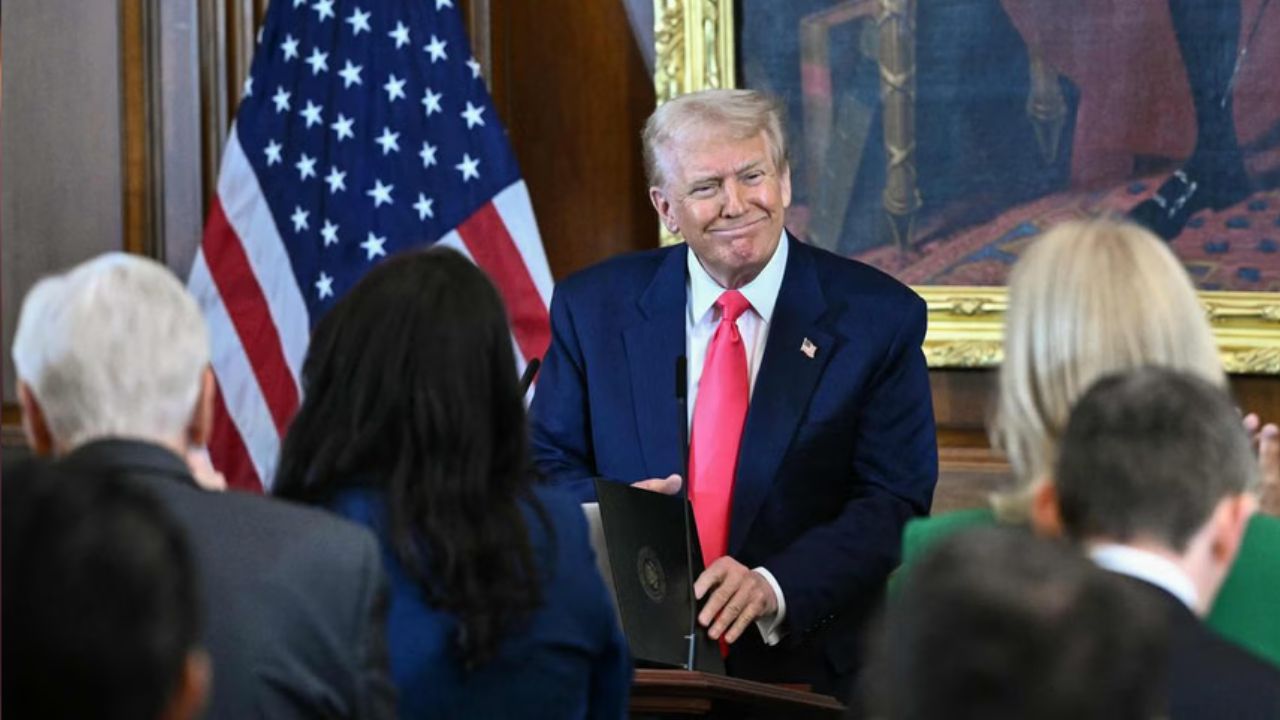
    President Donald Trump expressed optimism that US negotiators could secure a ceasefire in the Ukraine war, even as Kyiv and Moscow launched fresh aerial attacks early Thursday.

    The United States wants Russia to agree to an unconditional halt to hostilities, officials said Wednesday.

    The Kremlin said it was awaiting details of a US-Ukrainian proposal agreed this week, and gave no indication of its readiness to stop fighting that has left tens of thousands dead in the past three years.


    President Vladimir Putin visited Russian troops who have made gains against Ukrainian forces battling to keep Russian territory seized in an offensive last year.

    Ukraine’s President Volodymyr Zelensky said his country was ready to embrace a deal, and the United States had indicated it would issue a “strong” response if Putin refuses an accord.

    “People are going to Russia right now as we speak. And hopefully we can get a ceasefire from Russia,” Trump told reporters during an Oval Office meeting with Ireland’s prime minister Micheal Martin.

    The White House said that Trump’s envoy Steve Witkoff, a mediator in the Gaza and Ukraine wars, would be in Moscow this week.


    Trump on Wednesday did not mention whether he would speak with Putin, but added that there had been “positive messages” from Moscow, saying: “I hope he’s going to have a ceasefire.”

    ‘Horrible bloodbath’

    Trump said that if the fighting could be halted, “I think that would be 80 percent of the way to getting this horrible bloodbath finished.”


    US Secretary of State Marco Rubio said Washington wanted Moscow’s agreement with no strings attached. “That’s what we want to know — if they’re prepared to do it unconditionally,” Rubio said on a plane heading to a G7 meeting in Canada.


    “If the response is, ‘yes’, then we know we’ve made real progress, and there’s a real chance of peace. If their response is ‘no’, it would be highly unfortunate, and it’ll make their intentions clear,” he added.

    Russian news agencies reported earlier that the heads of the CIA and Russia’s SVR foreign intelligence agency had held their first phone call in several years.

    Rubio was to give an update on the initiative at the G7 meeting in Charlevoix, Canada.

    The defense ministers of France, Britain, Germany, Italy and Poland met in Paris to discuss how they could support Ukraine, and any ceasefire.

    While the Kremlin made no immediate comment on the US-Ukraine proposal — agreed at a meeting in Saudi Arabia on Tuesday — the Russian foreign ministry said earlier this month that a temporary ceasefire would be unacceptable.

    Trump said “devastating” sanctions were possible if Russia refused a deal.

    “I can do things financially that would be very bad for Russia. I don’t want to do that because I want to get peace,” Trump said.

    ‘None of us trust the Russians’ 

    The latest dramatic diplomatic swing came less than two weeks after Trump kicked Zelensky out of the White House complaining about the Ukrainian leader’s lack of gratitude for US assistance.

    Trump halted military aid and intelligence sharing with Kyiv, but that resumed after the truce proposal was agreed on Tuesday.

    Trump had previously said he was ready to welcome Zelensky back to the White House and speculated he could speak with Putin this week.

    In Kyiv, Zelensky said the United States would pile pressure on Moscow if it did not accept a ceasefire.

    “I understand that we can count on strong steps. I don’t know the details yet but we are talking about sanctions and strengthening Ukraine,” Zelensky told reporters.

    “Everything depends on whether Russia wants a ceasefire and silence, or it wants to continue killing people,” the Ukrainian leader added.

    He said Ukrainians had no confidence that fighting would stop. “I have emphasized this many times, none of us trust the Russians.”

    Ukraine is increasingly suffering on the battlefield, losing ground in the east and south of the country, where officials said eight people were killed on Wednesday.

    Russia has also reclaimed territory in its western Kursk region, pushing back Ukrainian troops who staged a shock offensive last August.

    Putin was shown on Russian television visiting troops in Kursk on Wednesday.

    “I am counting on the fact that all the combat tasks facing our units will be fulfilled, and the territory of the Kursk region will soon be completely liberated from the enemy,” Putin said.


    Russian chief of staff General Valery Gerasimov said that 430 Ukrainian troops had been captured and Putin called them “terrorists.”

    Ukraine military commander-in-chief General Oleksandr Syrsky indicated that some forces in Kursk were pulling back to “more favorable positions.”

    Russia downed 77 Ukrainian drones overnight, its defence ministry said Thursday, two days after Kyiv carried out its largest direct strike on Moscow during the three-year war.

    Multiple Ukrainian cities were also under attack Thursday morning, with a 42-year-old woman killed in Kherson, according to regional military administration head Roman Mrochko.

    Authorities in Kyiv and Dnipropetrovsk also reported coming under attack.

  • Trump pauses aid to Ukraine after Zelensky clash

    Trump pauses aid to Ukraine after Zelensky clash

    US President Donald Trump suspended military aid to Ukraine on Monday, a White House official said, sharply escalating pressure on Kyiv to agree to peace negotiations with Russia.

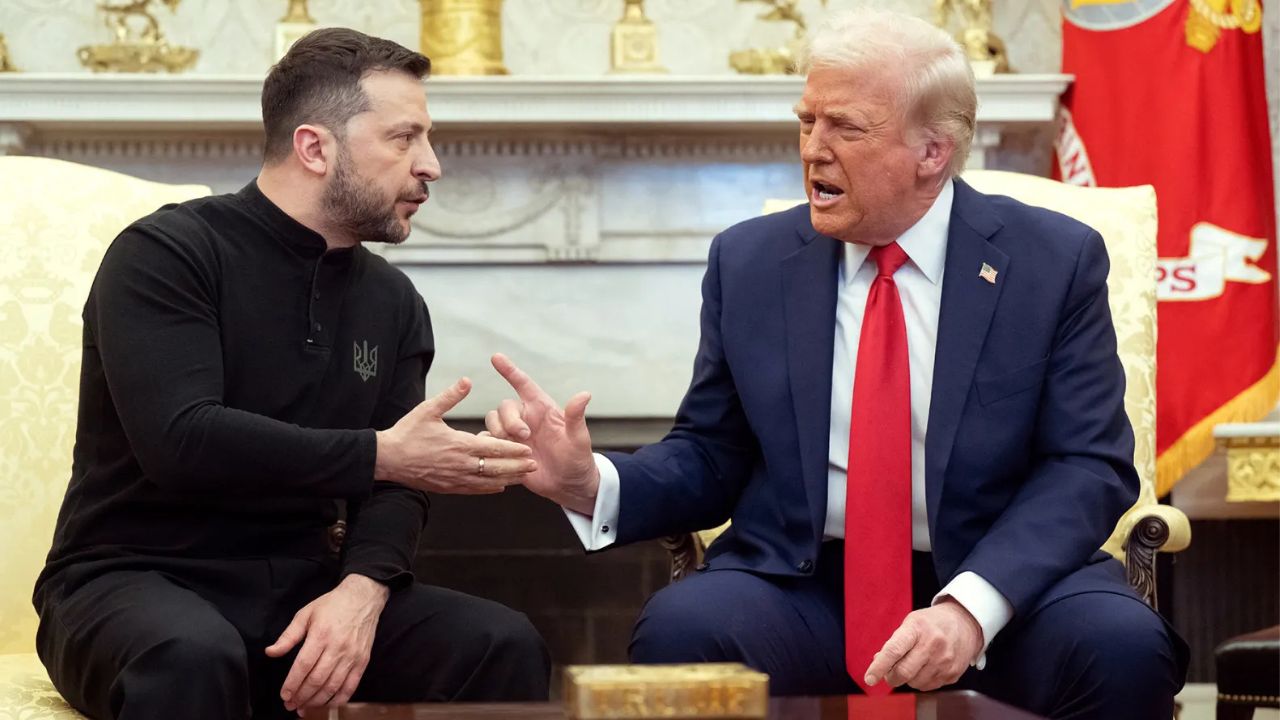
    The move comes just days after a stunning public clash between Ukrainian President Volodymyr Zelensky and Trump, who is seeking a rapid end to the war.

    Trump earlier on Monday had declined to rule out a pause when quizzed by reporters, but any disruption in the flow of US arms to the front line would rapidly weaken Ukraine’s chance of beating back Russia’s invasion.

    “The President has been clear that he is focused on peace. We need our partners to be committed to that goal as well,” a White House official told AFP, speaking on condition of anonymity.

    “We are pausing and reviewing our aid to ensure that it is contributing to a solution,” the official added.

    Congressional Democrats immediately condemned the pause as dangerous and illegal.

    “My Republican colleagues who have called Putin a war criminal and promised their continued support to Ukraine must join me in demanding President Trump immediately lift this disastrous and unlawful freeze,” said Gregory Meeks, top Democrat on the House Foreign Affairs Committee.

    Trump also warned he would “not put up” much longer with Zelensky’s defiance, and said Ukraine’s leader should be “more appreciative” of US support.

    Speaking at the White House, Trump said Zelensky “won’t be around very long” without a ceasefire deal with Moscow.

    The pause has gone into effect immediately and impacts hundreds of millions of dollars of weaponry in the process of being sent to Ukraine, The New York Times reported.

    Zelensky for his part said Monday he was seeking for the war to end “as soon as possible.”

    The comment came after Zelensky accused Russia — which invaded Ukraine in 2014 and greatly expanded the conflict in 2022 — of not being serious about peace.

    He insisted tough security guarantees were the only way to end the war.

    But Trump’s stance has upended US support for Ukraine, and Washington’s allies more broadly, and stoked concern about Washington pivoting to Russia.

    European support

    After weekend crisis talks in London, Britain and France are investigating how to propose a one-month Ukraine-Russia truce “in the air, at sea and on energy infrastructure” — potentially backstopped by troops on the ground.

    Zelensky said discussions were still focusing on the “first steps,” adding: “An agreement on ending the war is very, very far away” — a comment that angered Trump.

    Zelensky added in a video statement that “real, honest peace” would only come with security guarantees for Ukraine, which agreed to denuclearize in 1994 only in exchange for protection provided by the United States and Britain.

    “It was the lack of security guarantees for Ukraine 11 years ago that allowed Russia to start with the occupation of Crimea and the war in Donbas, then the lack of security guarantees allowed Russia to launch a full-scale invasion,” Zelensky said.

    Russia dismissed the comments, accusing him of not wanting peace — echoing US criticism after he was shouted down Friday in the Oval Office.

    On the ground, Ukrainian officials reported fatalities from a Russian missile strike on a military training facility some 130 kilometers (80 miles) from the front line.

    A respected military blogger said between 30 and 40 soldiers were killed and 90 more wounded in the attack near Dnipro on Saturday.

    ‘Deliberate’ escalation?

    Trump has previously called Zelensky, president since 2019, a “dictator” for not holding elections, even though martial law precludes any vote because of the war.

    Zelensky dismissed calls for him to resign, repeating his pledge to do so only if Ukraine were given NATO membership, which Russia — and now the United States under Trump — opposes.

    In Moscow, Kremlin spokesman Dmitry Peskov blamed Zelensky for Friday’s blow-up with Trump and Vice President JD Vance, saying he “demonstrated a complete lack of diplomatic abilities.”

    “He doesn’t want peace,” Peskov told reporters.

    On Monday Vance told broadcaster Fox News he was confident Zelensky would “eventually” agree to peace talks with Moscow.

    “I think Zelensky wasn’t yet there, and I think, frankly, now still isn’t there,” Vance said. “But I think he’ll get there eventually. He has to.”

    But Germany’s likely next chancellor, Friedrich Merz, said the astonishing White House clash was a “deliberate escalation” by Trump.

    US and Russian officials have held talks on ending the war, enraging Kyiv and Europe for being sidelined, and prompting fears that any deal could threaten Ukraine’s future.

  • Russia claims West aided Moscow attackers

    Russia claims West aided Moscow attackers

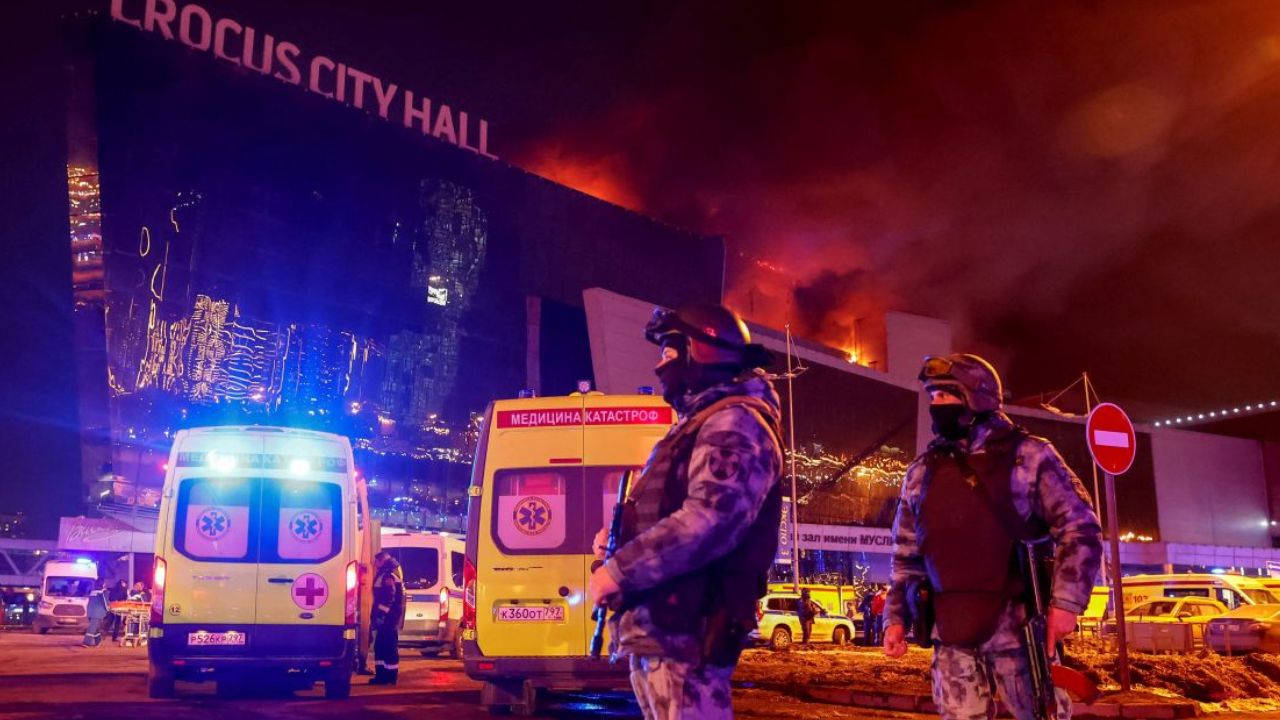
    The head of Russia’s FSB security agency claimed Tuesday that Western and Ukrainian special services had aided the attackers who stormed a Moscow concert hall last week, killing dozens.

    Russia continues to allege Ukraine was somehow involved in Friday’s massacre, even after President Vladimir Putin acknowledged “radical Islamists” had carried it out.

    “We believe the action was prepared both by the radical Islamists themselves and, of course, facilitated by Western special services, and Ukraine’s special services themselves have a direct connection to this,” FSB head Alexander Bortnikov was cited as saying by Russian news agencies.

    He also repeated the Kremlin’s claim that the attackers tried fleeing over the Ukrainian border, an assertion that Kyiv has called absurd.

    “I’ll let you in on a little secret: they were going to be greeted as heroes on the other side,” Bortnikov said.

    He added that while Russia understood who organised the attack, “the one who ordered it has not been identified yet”.

    He did not provide evidence for his assertions and Ukraine has vehemently denied any role.

    Islamic State jihadists have said several times since Friday that they were responsible, and IS-affiliated media channels have published graphic videos of the gunmen inside the venue.

  • Putin Says Russia Will ‘Intensify’ Attacks on Ukraine

    Putin Says Russia Will ‘Intensify’ Attacks on Ukraine

    President Vladimir Putin said Monday that Moscow will intensify strikes on military targets in Ukraine after an unprecedented attack over the weekend on the Russian city of Belgorod.

    The attack killed 24 people and left over 100 wounded in Belgorod on Saturday. It came after Moscow launched a large-scale attack on Ukrainian cities.

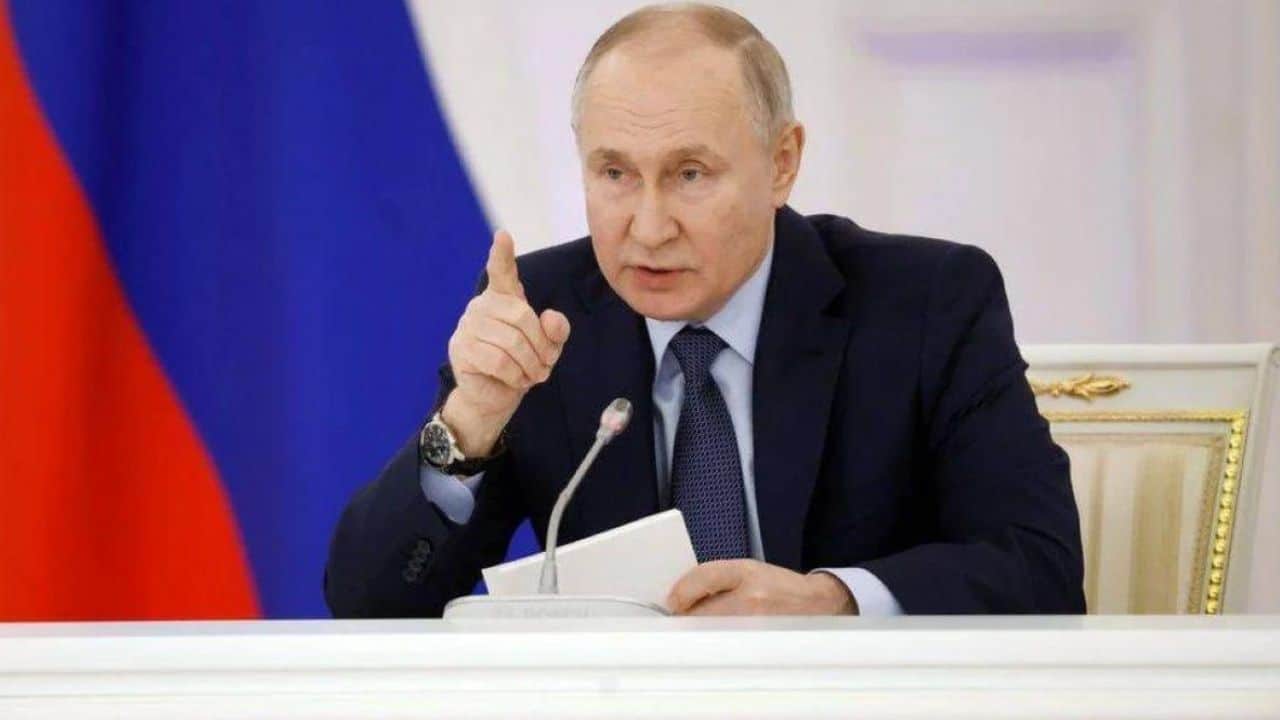
    “We’re going to intensify the strikes, no crime against civilians will rest unpunished, that’s for certain,” Putin said Monday during a visit to a military hospital.

    He said Russia will press on with hitting what he called “military installations.”

    “We are doing that today, and tomorrow we will continue doing it,” Putin said, almost two years into Moscow’s offensive.

    He spoke as Ukraine said Russia had hit it with a “record” number of drones on New Year’s Day.

    Putin called the Belgorod hit a “terrorist attack” and accused Ukrainian forces of targeting “right in the city centre, where people were walking, before New Year’s Eve.”

    He repeated a claim that Ukraine is being used by the West to “settle its problems” with Russia.

    The Russian leader said he believed the “strategic initiative” in the dragging conflict was on the Russian side.

    “In any case that is how I am being briefed and I always insist: any offensive operations should be done after a defeat of the enemy,” he said, according to the Interfax news agency.

  • 40 countries to hold elections in 2024, including Pakistan

    40 countries to hold elections in 2024, including Pakistan

    The new year is just over one month away and it is going to be the biggest election year in history yet.

    40 countries are scheduled to vote in 2024 across the globe which, as calculated by Bloomberg Economics, represent 41% of the world’s population and 42% of its global GDP.

    The marathon will begin with Taiwan in January and end with the US in November.

    Here are some of the prominent countries lined up for elections: Republic of the Congo, Democratic Republic of the Congo, Egypt, Gambia, and Libya in Africa; Brazil, Colombia, Mexico, Peru, the United States, and Venezuela in the Americas; Bangladesh, India, Indonesia, South Korea, Sri Lanka, Taiwan, Australia, and Pakistan in Asia and Oceania; Austria, Belarus, Belgium, the European Union, Finland, Germany, Ireland, Portugal, Russia, Spain, Turkey, Ukraine and the United Kingdom in Europe.

    There are, however, four elections that the world has eyes on — elections that are expected to alter geopolitics in the next decade.

    Russia will elect the new president in March who will govern until 2030, putting Russia-NATO relations at the forefront.

    In April-May, India will hold elections and as per analysts, Modi’s loss can push back investors.

    The European Union will conduct bloc-wide polls in June to appoint members of the European Parliament for the 2024-2029 which will be pertinent for the increasing friction between right-wing and left-wing policymakers on issues like immigration and Ukraine.

    The United States will hold legislative and presidential elections in November for 2025-2028, while everyone curiously waits whether Republicans will return to the White House or not.

  • Gaza’s embattled main hospital buries patients in ‘mass grave’

    Gaza’s main hospital has been forced to bury dozens of dead patients in a mass grave, its director said Tuesday, while thousands of Palestinians were trapped inside by fierce combat.

    Israeli forces were at the gates of the sprawling Al-Shifa hospital they say sits atop an underground Hamas command base, but the militants deny the charge while doctors say patients and people seeking shelter were stranded in horrific conditions.

    “There are bodies littered in the hospital complex and there is no longer electricity at the morgues,” said Al-Shifa hospital director Mohammad Abu Salmiya, adding that 179 bodies had been interred so far.

    “We were forced to bury them in a mass grave,” he said, adding that seven babies and 29 intensive care patients were among those who had died after fuel for the hospital’s generator ran out.

    A witness said the stench of decomposing bodies was everywhere in the Gaza City facility as bombardment and gunfire echoed constantly in the area.

    The United Nations estimates that at least 2,300 people — patients, staff and displaced civilians — are inside and may be unable to escape because of fierce fighting from the facility where supplies are nearly exhausted.

    Israel says it is not targeting the hospital, but has vowed to destroy Hamas in response to the attacks of October 7, which killed an estimated 1,200 people, mostly civilians, and saw 240 hostages being taken to Gaza.

    The health ministry in Hamas-run Gaza says Israel’s relentless assault has killed 11,320 people, also mostly civilians, including thousands of children.

    Israel’s military says 47 of its troops have been killed in Gaza.

    Al-Shifa’s fate has become a major focus of the more than five week war that has stirred international criticism of the suffering and death inflicted on civilians in the besieged territory.

    Israel’s Foreign Minister Eli Cohen acknowledged in a statement shared by his spokesman Monday that his nation has “two or three weeks until international pressure really steps up”. 

    ‘Completely soaked’

    The situation in Gaza’s other hospitals is also dire, with the UN saying 22 of 36 are not functional due to lack of generator fuel, damage and combat.

    “The 14 hospitals remaining open have barely enough supplies to sustain critical and life-saving surgeries and provide inpatient care, including intensive care,” said the World Health Organization in the Palestinian Territories.

    But the humanitarian crisis in the territory also includes the hundreds of thousands of people who have fled south at Israel’s urging to get away from the most intense fighting.

    On Tuesday displaced Palestinians in the south woke up to yet another scourge: rain, soaking their meagre belongings and threatening to bring waterborne diseases to their places of shelter.

    “We are completely soaked, all of our clothes are soaked, our mattresses, our blankets too, even a dog could not live like this,” said Ayman al-Jueidi, who has set himself up in the courtyard of a UN school in Rafah at the southern extremity of the Gaza Strip.

    Even escaping the fighting is dangerous and wounded Palestinians told AFP how they were hit by a strike on their way south.

    “I walked around three to four kilometres (around two miles) while I was bleeding,” said Hasan Baker, whose head and left hand were bandaged. “There was no possibility for any ambulance to enter the area.”

    Hostage talks

    Israeli leaders have so far insisted there will be no ceasefire until hostages are released, but Qatar is mediating talks on a possible deal to free captives.

    Abu Obeida, a spokesman for Hamas’s military wing, said Monday that Israel asked for the release of 100 hostages while the militants want 200 Palestinian children and 75 women freed from Israeli prisons.

    “We informed the mediators we could release the hostages if we obtained five days of truce… and passage of aid to all of our people throughout the Gaza Strip, but the enemy is procrastinating,” Abu Obeida said in an audio statement.

    Qatari foreign ministry spokesman Majed bin Mohammed Al-Ansari told a news conference in Doha that the “deteriorating” situation in Gaza was hampering mediation efforts.  

    “We believe that there is no other chance for both sides other than for this mediation to take place,” he said. 

    Relatives of hostages set out Tuesday on a five-day protest march to Prime Minister Benjamin Netanyahu’s office to demand “the immediate release of all the hostages”, the Hostages and Missing Families Forum said.

    Netanyahu responded in a statement that the government was “working relentlessly for the release of the hostages, including using increased pressure since the start of the ground incursion”.  

    As security officials and diplomats continued negotiations, Hamas’s military wing issued a video of captive Israeli soldier Noa Marciano.

    The Israeli army on Tuesday confirmed she was dead.

    Abu Obeida claimed Marciano was killed in an Israeli strike. The Israeli army did not say how she died.

    West Bank violence

    The Israeli army said it had captured Gaza’s parliament, the government building, the police headquarters and other government institutions run by Hamas in Gaza City, as its forces deepened their offensive in the Palestinian territory.

    The army also showed images of a discarded baby bottle, makeshift toilet and bullet-scarred motorbike as evidence Hamas held hostages in the basement of Al-Rantisi children’s hospital in Gaza City.

    AFP was not able to independently confirm the allegation.

    The video narrated by army spokesman Daniel Hagari also shows neatly arranged assault rifles, grenades and what he said were “vests with explosives”.

    The Hamas health ministry described the Israeli video as “poor staging” with “not a single piece of evidence” backing the Israeli army claims.

    The war in Gaza has also spurred violence on other fronts.

    In the occupied West Bank, eight Palestinians were killed in clashes with Israeli troops, seven during an army raid on the northern city of Tulkarem and one near the southern city of Hebron, the Palestinian health ministry said on Tuesday.

    At least 180 Palestinians and three Israelis have been killed across the West Bank since October 7, according to officials on both sides.

    The Israeli police said they were investigating “several cases” of alleged sexual violence against women by Hamas militants in the attack that triggered the conflict.

    Since the attacks, police have been gathering evidence about allegations of sexual violence from witnesses, surveillance footage and the interrogations of Palestinian militants arrested in the aftermath. 

    Police had “multiple witnesses” but no “living victims”, investigator David Katz said without giving the precise number of cases.

  • G7 backs ‘humanitarian pauses’ in Gaza, reaffirms Ukraine support

    G7 backs ‘humanitarian pauses’ in Gaza, reaffirms Ukraine support

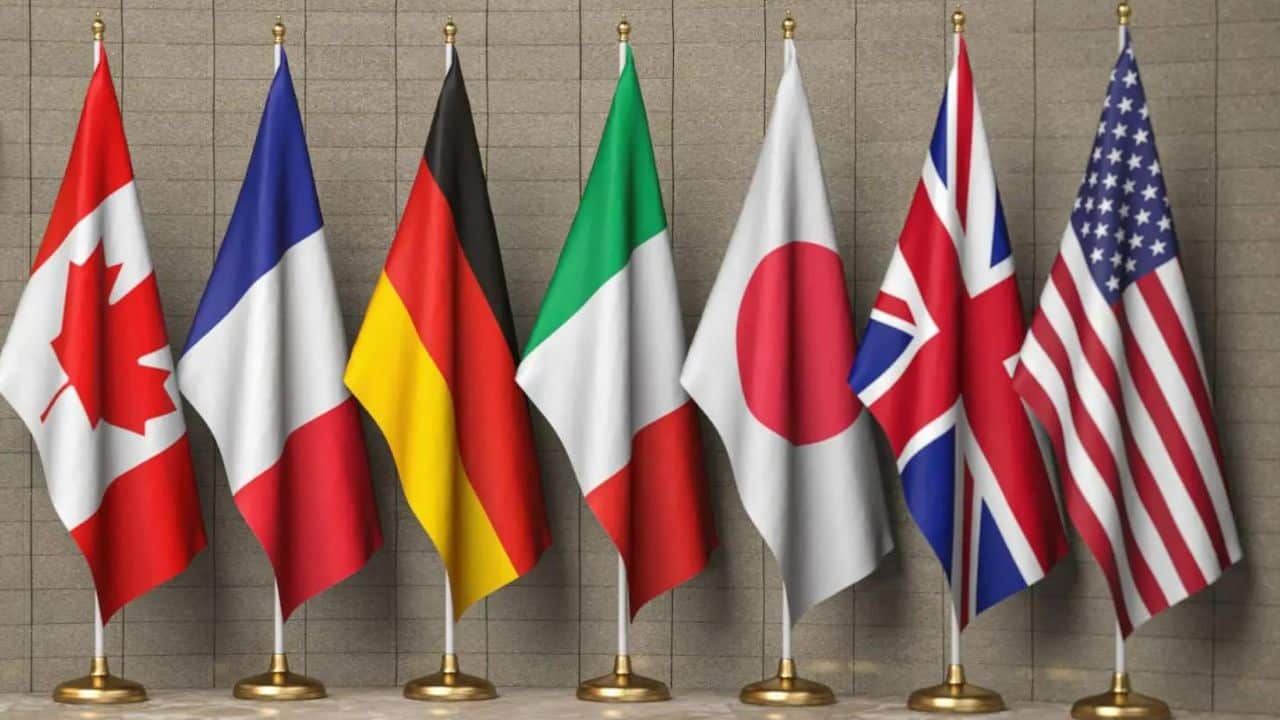
    G7 foreign ministers said Wednesday that they supported “humanitarian pauses and corridors” in the Hamas-Israel war but refrained from calling for a ceasefire.

    The group also said after talks in Japan that their support for Ukraine in its war with Russia “will never waver” while calling on China not to support Moscow in the conflict.

    “We stress the need for urgent action to address the deteriorating humanitarian crisis in Gaza… We support humanitarian pauses and corridors to facilitate urgently needed assistance, civilian movement, and the release of hostages,” a joint statement said.

    The ministers also “emphasize Israel’s right to defend itself and its people in accordance with international law as it seeks to prevent a recurrence” of the Hamas attacks on Israel on October 7.

    It added: “We call on Iran to refrain from providing support for Hamas and taking further actions that destabilize the Middle East, including support for Lebanese Hezbollah and other non-state actors, and to use its influence with those groups to de-escalate regional tensions.”

    ‘Overall security’

    The Israeli military has relentlessly bombarded Gaza since October 7, when Hamas militants launched an attack that left 1,400 dead in Israel, most of them civilians, according to Israeli authorities.

    The Hamas-run health ministry says the death toll in Gaza has surpassed 10,300 people.

    Israeli Prime Minister Benjamin Netanyahu said Monday there would be no fuel delivered to Gaza and no ceasefire unless more than 240 hostages seized by Hamas were freed.

    He also said Israel would assume “overall security” in Gaza after the war ended, while allowing for possible “tactical pauses” before then to free captives and deliver aid to the besieged territory.

    However, Washington said Tuesday it opposed a new long-term occupation of Gaza by Israel.

  • Prigozhin plane crash: Biden believes Putin behind whatever happens in Russia

    US President Joe Biden reacted to Wagner Group’s chief Yevgeny Prigozhin’s death Wednesday by implying that Russian President Vladimir Putin is behind the killing as he is responsible for everything that happens in the country.

    Prigozhin was killed after a private plane was shot down by the Russian defence forces killing him along with other nine people on board, officials confirmed.

    A telegram channel linked with Prigozhin’s private military company said that the Embraer aircraft was shot down by air defences in the Tver region, north of Moscow — flying from Moscow to St. Petersburg.

    The plane was carrying seven passengers and three crew.

    Biden was speaking to reporters after taking an exercise class with his family near Lake Tahoe.

    While reacting to the death of the 62-year-old billionaire, the Democrat presidential candidate said: “There’s not much that happens in Russia that [President Vladimir] Putin is not behind.”

    “I don’t know for a fact what happened, but I’m not surprised,” Joe Biden said.

    “But I don’t know enough to know the answer of what may have happened to the powerful former Putin henchman,” the 80-year-old said.

    Prigozhin’s name was on the passenger list of the aircraft, which crashed northwest of Moscow, according to Russian media.
    The crash came two months after he launched Wagner on a short-lived rebellious march on Moscow, aiming to force the removal of the country’s military leadership.

    Last month in Helsinki, Biden jokingly warned that Prigozhin, whose elite Wagner force has played an important role in the war on Ukraine, should watch his step after his abortive rebellion.

    “If I were he, I’d be careful what I ate. I’d keep my eye on my menu,” Biden said.

    White House National Security Council spokeswoman Adrienne Watson also said Wednesday that no one should be surprised about Prigozhin’s sudden death if confirmed.

    She referred to the June uprising and Russia’s special military operation in Ukraine.

    “The disastrous war in Ukraine led to a private army marching on Moscow, and now — it would seem — to this,” said Watson.

    Who was Russia’s Wagner boss Yevgeny Prigozhin?

    Prigozhin, 62, soared in prominence after Russia’s February 2022 invasion of Ukraine, where his fighters — including thousands of convicts he recruited from prison — led the Russian assault on the city of Bakhmut in the longest and bloodiest battle of the war.

    Prigozhin used social media to trumpet Wagner’s successes and wage a feud with the military establishment, accusing it of incompetence and even treason.

    In June, Prigozhin led a mutiny in which Wagner fighters took control of the southern city of Rostov-on-Don and shot down a number of military helicopters, killing their pilots, as they advanced towards Moscow. President Vladimir Putin called it an act of treachery that would meet with a harsh response.

    The revolt was defused in a deal whereby the Kremlin said that in order to avert bloodshed, Prigozhin and some of his fighters would leave for Belarus and a criminal case against him for armed mutiny would be dropped, reported Reuters.

    Confusion has surrounded the implementation of the deal and the future of Prigozhin. The Kremlin said he attended a meeting with Putin five days after the mutiny. On July 5, state TV said an investigation against him was still being pursued and broadcast footage showing cash, passports, weapons and other items it said were seized on a raid on one of his properties.

    But in late July, Prigozhin was photographed in St Petersburg while a Russia-Africa summit was taking place in the city. This week he appeared in a video that he suggested was shot in Africa, where Wagner has operations in several countries.

    Born in St Petersburg on June 1, 1961, Prigozhin spent nine years in Soviet prisons for crimes including robbery and fraud. Released in 1990 amid the Soviet Union’s death throes, he launched a career as a caterer and restaurateur in his hometown.

    He is believed to have met Putin, then a top aide to St Petersburg’s mayor, at this time. – Leveraging political connections, Prigozhin was awarded major state contracts, becoming known as “Putin’s chef” after catering for Kremlin events. More recently he joked that “Putin’s butcher” would be more appropriate.

    In 2014, Prigozhin founded Wagner, a private military company whose fighters have deployed in support of Moscow’s allies in countries including Syria, Libya and the Central African Republic. The United States has sanctioned it and accused it of atrocities, which Prigozhin has denied.

    Prigozhin has acknowledged that he founded and financed the Internet Research Agency, a company Washington says is a “troll farm” that meddled in the 2016 US presidential election. In November 2022 he said he had interfered in US elections and would do so again.

    The Conspiracy

    As reported by Newsweek, the Wagner-affiliated Gray Zone Telegram channel said Prigozhin and Utkin had died “as a result of the actions of traitors to Russia,” without specifying further. The channel also claimed the plane had been shot down by air defenses during its journey from Moscow to St. Petersburg.

    Vladimir Rogov, an official with the Russian-backed authorities in Ukraine’s southern Zaporizhzhia region, said he had received confirmation that Prigozhin and Utkin were dead, calling it a “murder.”

    No evidence has been provided to support any of the claims and theories.

    Russian Telegram channel Baza, linked to Russia’s security services, said on Wednesday that “Prigozhin has already ‘died’ before,” adding the Wagner financier was thought to have died in a plane crash in the fall of 2019.

    Russian media reported in October 2019 that Prigozhin may have been killed when an An-72 military transport plane crashed in the Democratic Republic of Congo. It later emerged he was not on the aircraft.

    Reports that Prigozhin was killed are “likely false claims,” former racing driver Igor Sushko said in a post to X(formerly Twitter), “This stinks of Putin’s own plot to disappear,” he said.

    However, Sushko then said exiled Russian human rights activist, Vladimir Osechkin, was “99.999% certain that Prigozhin was indeed assassinated by Putin,” claiming to cite Russian security sources.

    “If I was Prigozhin, this is exactly how I’d plot my fake death,” another social media user wrote. “Everyone would be happy; I could retire in peace.”

    Eastern-European outlet Visegrad 24 asked in a post to X: “Is it possible that the crash is a clever ploy by Prigozhin to fake his own death and disappear?”

    Citing flight-tracking data, some speculate that a second plane owned by Prigozhin also left Moscow for St. Petersburg at around the same time, with some suggesting the Wagner chief was on this second plane.

    Christo Grozev, of investigative outlet Bellingcat, added, said “everyone is holding their breath” to see whether Prigozhin would emerge alive from the second jet.


    A Prigozhin Doppelganger?

    There has also been speculation in recent months about whether Prigozhin has been using a body double, as the Wagner leader previously lost part of a finger, yet appeared to have all of his digits intact in photographs from earlier this year.

    Following the Wagner mutiny in late June, photographs also emerged appearing to show Prigozhin donning a range of disguises, including a series of wigs.

    “He is a trickster, a troll,” one source told Russian independent news outlet Meduza. “He has informants in various structures, so we have to wait.”

  • Ukrainian Foreign Minister coming to Pakistan on official trip

    Ukrainian Foreign Minister coming to Pakistan on official trip

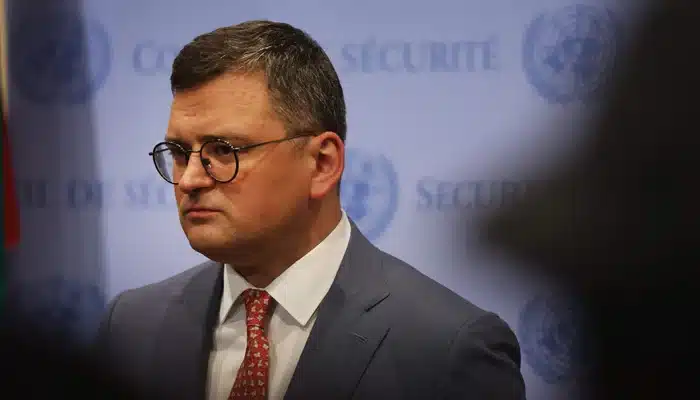
    Ukrainian Foreign Minister Dmytro Kuleba will visit Islamabad for a two-day official trip on July 20, the Foreign Office announced on Wednesday.

    On his official visit, the Ukrainian minister will meet Prime Minister Shehbaz Sharif as well as his Pakistani counterpart Bilawal Bhutto Zardari.

    “Pakistan and Ukraine enjoy close and cordial relations, particularly in the fields of trade, investment, agriculture, and higher education,” the Foreign Office has said in a statement.

    The official visit will begin on July 20 and conclude on July 21. It will be the first time since 1933 that a Ukrainian foreign minister will visit Pakistan.

    According to the sources of Geo News, the foreign ministers of Pakistan and Ukraine will discuss the food crisis that came about in the wake of the Russian-Ukrainian war.