Tag: WHO

  • WHO says TB kills 140 people in Pakistan every day

    WHO says TB kills 140 people in Pakistan every day

    The World Health Organization (WHO) has stated that tuberculosis causes 140 deaths each day in Pakistan, sharing the data on World Tuberculosis Day.

    The WHO and the government said that tuberculosis is curable,  stressing early diagnosis and treatment, urging people to visit over 2,000 public and private facilities offering free testing and care.

    According to WHO data, more than 669,000 people are affected by the disease in Pakistan, with 51,000 deaths reported annually. The country accounts for 73 percent of the tuberculosis burden in the Eastern Mediterranean Region and ranks fifth globally. Officials said over 1,800 new cases are reported daily.

    Under the theme “Yes, We Can End TB – Led by Countries, Powered by People” authorities called for increased investment to address the disease.

    Federal Health Minister Syed Mustafa Kamal said, “Despite global and fiscal pressures, the government is fully committed to end TB through coordinated multisectoral actions; sustainable domestic financing; and a patient-centred approach with participation of the communities and all stakeholders”.

    Officials stated that Pakistan has increased TB notifications and treatment coverage, reaching more than 497,000 people in 2024, compared to 331,800 in 2015.

    WHO Representative in Pakistan Luo Dapeng said, “In Pakistan, every 10 minutes, one person dies from tuberculosis. These deaths are preventable because tuberculosis is curable. Ending tuberculosis is not just aspirational; it is achievable. WHO will stand with Pakistan and its partners to continue to intensify early detection and treatment for all, no matter where they live or who they are”.

    The WHO also called for expanded use of new diagnostic tools, including point-of-care tests and tongue swabs, to improve early detection and access to treatment.

    The Pakistan Medical Association (PMA) raised concerns over the state of TB control, citing funding gaps and shortages of medicines. PMA Secretary General Abdul Ghafoor Shoro said, “Pakistan continues to hold the unenviable position of being the fifth highest TB-burden country globally, with nearly 686,000 new cases and 49,000 deaths recorded annually. Yet, the government’s commitment to the health sector remains disappointingly low on the list of national priorities”.

    He added, “It is a mockery of our healthcare system that while we talk of ‘ending the epidemic,’ standard TB medicines are frequently unavailable for adults, and the shortage of pediatric formulations is even more acute. We are failing our children. You cannot fight a bacterial war without ammunition”.

    Mercy Corps Pakistan said public-private partnerships have strengthened the response. Country Director Arif Jabar Khan said, “Ending TB requires more than medical treatment; it demands community awareness and equity in access to services. While we have made progress through our public and private partnerships, stigma and misinformation continue to delay care-seeking and increase transmission”.

    Chairman Senate Yousaf Raza Gilani said tuberculosis remains a public health challenge and called for coordinated efforts. He stated that the disease is preventable and curable but continues to affect individuals and burden healthcare systems, stressing the need for awareness, early diagnosis and uninterrupted treatment access.

  • US officially withdraws from World Health Organization

    US officially withdraws from World Health Organization

    United States of America has officially withdrawn from the World Health Organization (WHO), ending its membership in the UN health agency and cutting ties with one of its long-standing multilateral partners.

    The withdrawal follows an executive order signed by US President Donald Trump a year ago, in which he criticised WHO’s handling of the Covid-19 pandemic and accused the organisation of favouring China. 

    The US Department of Health and Human Services said the move was based on what it described as the WHO’s “mishandling” of the pandemic, failure to implement reforms, and political influence from member states. 

    The department said all US government funding to WHO has been terminated, US personnel and contractors have been recalled from the organisation’s headquarters in Geneva and its offices worldwide, and hundreds of US engagements with WHO have been suspended or discontinued.


    In a joint statement, US Health Secretary Robert F Kennedy and Secretary of State Marco Rubio said: “The WHO tarnished and trashed everything that America has done for it.” 

    The statement added that the organisation had “abandoned its core mission and acted repeatedly against the interests of the United States,” including failing to return the American flag based at its Geneva headquarters.

    WHO rejected the allegations, with Director-General Tedros Adhanom Ghebreyesus saying the withdrawal represented a loss for both the United States and the global health system. The organisation pointed to its work on polio eradication, HIV and AIDS programmes, maternal mortality reduction, and its international tobacco control treaty.

    US has historically been one of the WHO’s largest donors but has not paid its membership fees for 2024 and 2025. WHO officials say the unpaid contributions have contributed to job losses at the organisation. WHO legal advisers have stated that the US is obliged to pay outstanding arrears estimated at $260 million, a claim the US government has rejected.


    US officials said future disease surveillance and pathogen-sharing efforts would be conducted through bilateral relations with other countries, though they did not identify specific partners. 

    The WHO said the US withdrawal will be discussed at its upcoming executive board meeting scheduled from February 2 to 7, adding that the organisation’s secretariat would act in line with guidance from its governing bodies.

  • Extreme heat claims 175,000 lives a year in Europe, says WHO

    Extreme heat claims 175,000 lives a year in Europe, says WHO

    COPENHAGEN: Extreme heat kills over 175,000 people a year in Europe, where temperatures are rising quicker than the rest of the globe, the World Health Organisation’s (WHO) European branch said on Thursday.

    Of the some 489,000 heat-related deaths recorded each year by the WHO between 2000 and 2019, the European region accounts for 36 per cent or, on average, 176,040 deaths, the WHO said.

    The health body noted that temperatures in the region are “rising at around twice the global average rate.” The WHO’s European region comprises 53 countries, including several in Central Asia.

    “People are paying the ultimate price,” Hans Kluge, the WHO’s regional director for Europe, said in a statement. According to the WHO, there has been a 30pc increase in heat-related mortality in the region over the past two decades.

    “Temperature extremes exacerbate chronic conditions, including cardiovascular, respiratory, and cerebrovascular diseases, mental health, and diabetes-related conditions,” Kluge said. The regional director added that extreme heat can particularly be a problem for elderly people and an “additional burden” for pregnant women.

    The WHO noted that “heat stress” — when the human body can no longer maintain its temperature — “is the leading cause of climate-related death” in the region. According to the WHO, the number of heat-related deaths is set to “soar” in the coming years as a result of global warming.

    “The three warmest years on record” for the region “have all occurred since 2020, and the ten warmest years have been since 2007,” Kluge said. On July 25, UN Secretary-General Antonio Guterres warned that humanity was suffering from an “extreme heat epidemic,” and called for action to limit the impacts of heat waves intensified by climate change.

    Scorching China

    Chinese weather authorities said on Thursday, July was the country’s hottest month since records began six decades ago, as extreme temperatures persist across the globe. China is the world’s biggest emitter of the greenhouse gases that scientists say are driving climate change and making extreme weather more frequent and intense.

    Heatwaves this summer have scorched parts of northern China, while torrential rains have triggered floods and landslides in central and southern areas. Last month was “the hottest July since complete observations began in 1961, and the hottest single month in the history of observation”, the national weather office said on Thursday.

    The weather office said the average air temperature in China in July was 23.21°C, exceeding the previous record of 23.17°C in 2017. The mean temperature in every province was also “higher than the average for previous years,” with the southwestern provinces of Guizhou and Yunnan logging their highest averages.

    It forecast that the mercury would continue to climb in eastern regions this week, including Shanghai, where a red alert for extreme heat was in place.

    “Next week will be more of the same. It’s like being on an iron plate,” wrote one user of the Weibo social media platform in response to the megacity’s heat warning.

  • 2.6m die annually due to alcohol, says WHO

    2.6m die annually due to alcohol, says WHO

    Alcohol kills nearly three million people annually, the World Health Organisation (WHO) said on Tuesday, adding that while the death rate had dropped slightly in recent years, it remained “unacceptably high”.

    The United Nations Health Agency’s latest re­port on alcohol and health said alcohol causes nearly one in 20 deaths globally each year throu­gh drunk driving, alcohol-induced violence and abuse and a multitude of diseases and disorders.

    The report said 2.6 million deaths were attributed to alcohol consumption in 2019 — the latest available statistics — accounting for 4.7 per cent of all deaths worldwide that year. Nearly three-quarters of those deaths were in men, it said.

    “Substance use severely harms individual health, increasing the risk of chronic diseases, mental health conditions, and tragically resulting in millions of preventable dea­ths every year,” WHO director-general Tedros Adhanom Ghebreyesus said. He pointed out that there had been “some reduction in alcohol consumption and related harm worldwide since 2010”.

    “[But] the health and social burden due to alcohol use remains unacceptably high,” he continued, highlighting that younger people were disproportionately affected.

    The highest proportion of alcohol-attributable deaths in 2019 — 13pc — were among people aged 20 to 39, the WHO said.

    Drinking is linked to a slew of health conditions, including cirrhosis of the liver and some cancers. Of all the fatalities it caused in 2019, the report found that an estimated 1.6 million were from noncommunicable diseases.

    Of these, 474,000 were from cardiovascular diseases, 401,000 from cancer and a huge 724,000 from injuries, including traffic accidents and self-harm.

  • Countries vote to give Palestinians more rights at WHO

    Countries vote to give Palestinians more rights at WHO

    The World Health Organization’s top decision-making body voted Friday to grant Palestinians additional rights, echoing a similar decision in May by the United Nations General Assembly.

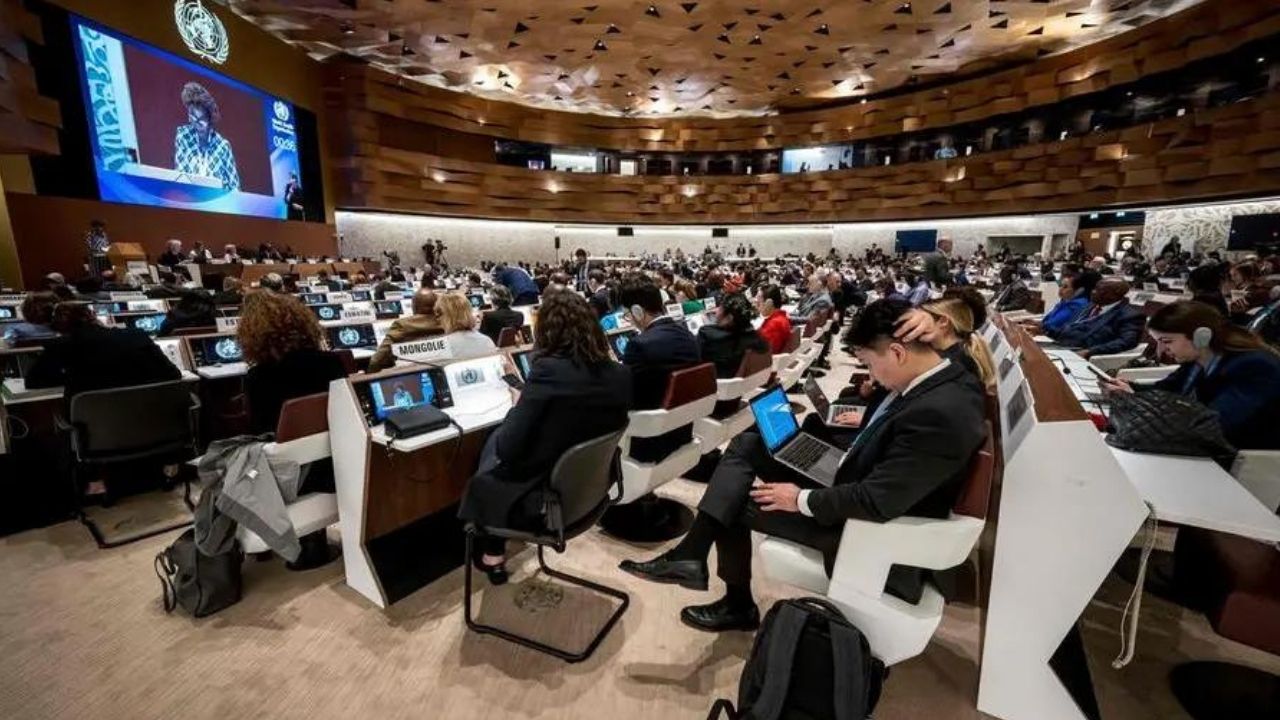
    Countries gathered for this week’s World Health Assembly, the annual gathering in Geneva of the WHO’s 194 member states, overwhelmingly approved a draft resolution on “aligning the participation of Palestine” in the WHO with its participation in the United Nations.

    A full 101 of the 177 countries with voting rights backed the text, with five opposed.

    The resolution, presented by a group of mainly Arab and Muslim countries along with China, Nicaragua and Venezuela, called for the Palestinians, which already have observer status at the WHO, to be granted virtually all the same rights as full members.

    The vote came after UN members voted in New York in May to grant Palestinians more rights in the global body, after their drive for full membership was blocked by the United States.

    At the WHA in Geneva, Palestinian officials and their backers did not attempt to ask for full membership.

    Several diplomatic sources suggested that was due to concern that a vote for Palestinian membership would trigger an automatic suspension of US funding to the WHO.

    The text approved Friday instead handed the Palestinians, among other things, “the right to be seated among member states… the right to submit proposals and amendments… (and) to be elected as officers in the plenary and the main committees of the Health Assembly”.

    But it noted that “Palestine, in its capacity as an observer state, does not have the right to vote in the Health Assembly or to put forward its candidature to WHO’s organs”.

    Israeli genocide against Palestinians has killed at least 36,224 people in Gaza, mostly civilians, according to the territory’s health ministry.

  • Use of alcohol and e-cigarettes among youth ‘alarming’: WHO

    Use of alcohol and e-cigarettes among youth ‘alarming’: WHO

    The widespread use of alcohol and e-cigarettes among adolescents is “alarming”, according to a report released on Thursday by the World Health Organization’s (WHO) European branch, which recommended measures to limit access.

    Based on survey data from 280,000 young people aged 11, 13 and 15 in Europe, Central Asia and Canada, the WHO said it showed a “concerning picture” of substance use among young people.

    “The long-term consequences of these trends are significant, and policy-makers cannot afford to ignore these alarming findings,” the health body said.

    The report found that 57 percent of 15-year-olds had drunk alcohol at least once, for girls the figure was 59 percent, compared to 56 percent of boys.

    The WHO noted that overall drinking had decreased for boys, while it had increased for girls.

    When it came to current use — defined as having drunk at least once in the last 30 days — eight percent of 11-year-old boys reported having done so, compared to five percent of girls.

    But by age 15, girls had overtaken boys, with 38 percent of girls saying they had drunk at least once in the last 30 days, while only 36 percent of boys had.

    “These findings highlight how available and normalised alcohol is, showing the urgent need for better policy measures to protect children and young people from harms caused by alcohol,” said WHO Europe — which gathers 53 countries including several in Central Asia.

    In addition, nine percent of teenagers reported having experienced “significant drunkenness” — having been drunk at least twice.

    The WHO said this rate climbed from five percent among 13-year-olds to 20 percent for 15-year-olds, “demonstrating an escalating trend in alcohol abuse among youth”.

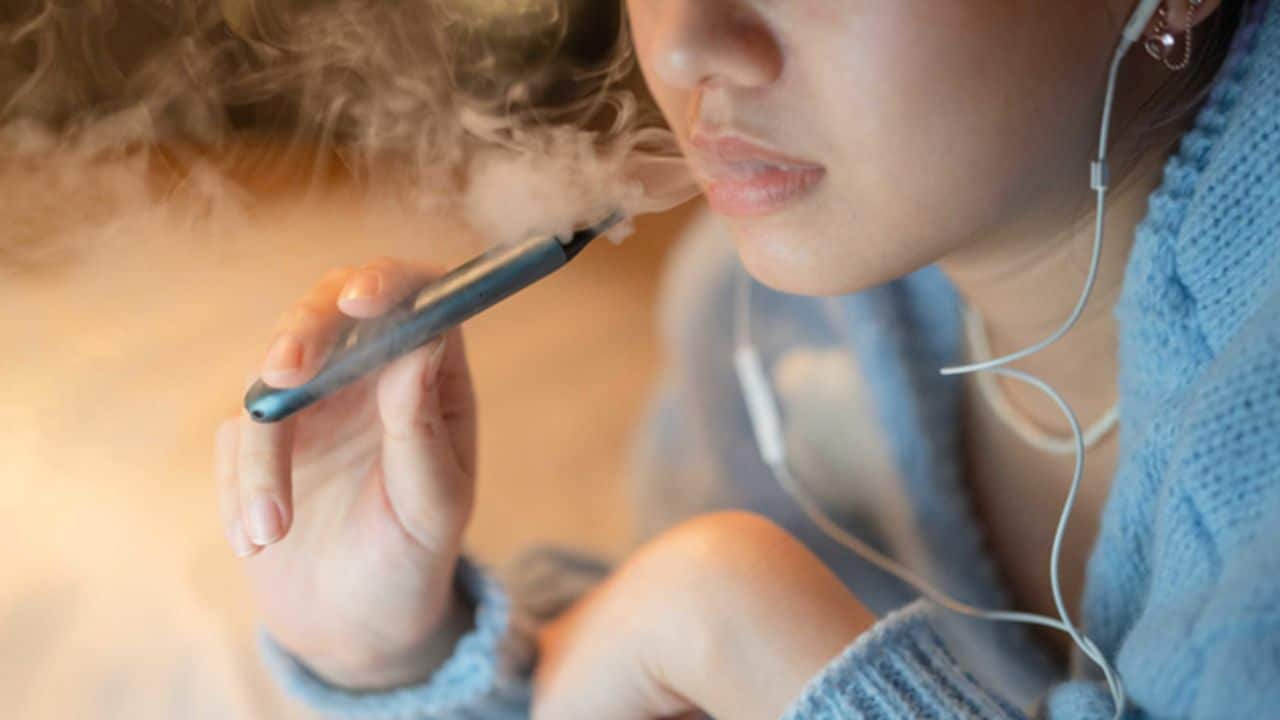
    The report also highlighted the increased use of e-cigarettes — often called vapes — among teenagers.

    While smoking is declining, with 13 percent of 11-15 year-olds having smoked in 2022, two percentage points less than four years earlier, the report noted that many of them have instead adopted e-cigarettes — which have overtaken cigarettes among adolescents.

    Around 32 percent of 15-year-olds have used an e-cigarette, and 20 percent reported having used one in the last 30 days.

    “The widespread use of harmful substances among children in many countries across the European Region -– and beyond -– is a serious public health threat,” WHO Regional Director for Europe Hans Kluge said in a statement.

    Kluge called for higher taxes, restrictions in availability and advertising, as well as a ban on flavouring agents.

    “Engaging in high-risk behaviours during the adolescent years can shape adult behaviour, with substance use at an early age being linked to a higher risk of addiction,” the report said.

    “The consequences are costly for them and society,” it added.

    Cannabis use, meanwhile, was down slightly with 12 percent of 15-year-olds having ever used it, down four percentage points in as many years.

    Conducted every four years by the WHO, the HBSC (Health Behaviour in School-aged Children) survey examines the health behaviour of 11, 13 and 15-year-olds, and includes a section on substance use.

  • More than half of world’s population could face measles outbreak by end of 2024: WHO

    More than half of world’s population could face measles outbreak by end of 2024: WHO

    The World Health Organization (WHO) has warned that if urgent measures are not taken, more than half of the world’s countries may face a measles outbreak by the end of the year.


    During a press conference in Geneva, WHO said that many countries have not been vaccinating against measles this year.“What we are worried about is this year, 2024, we’ve got these big gaps in our immunisation programmes and if we don’t fill them really quickly with the vaccine, measles will just jump into that gap,” stated Natasha Crowcroft, a senior technical adviser on Measles and Rubella.


    She called for urgent action to protect children, saying there was a “lack of commitment” by governments given competing issues like economic crises and conflict.


    According to data from the World Health Organization, last year measles cases worldwide increased by 79 percent.


    Death rates are higher in poorer countries due to weaker health systems, Crowcroft said, adding that outbreaks and deaths were also a risk for middle and high-income countries.

  • World must be ready to fight ‘disease X’ : WHO

    World must be ready to fight ‘disease X’ : WHO

    Director General of the World Health Organization (WHO) Dr. Tedros Adhanom has said that Disease X is a global problem that we need to be prepared for.

    Addressing the World Economic Forum in Davos, Switzerland, the WHO head talked the next possible global epidemic, dubbed Disease X.

    The name was first added to the WHO list in 2018, before the emergence of Covid-19.

    Dr. Tedros Adhanom said, “You can call Covid the first Disease X and it may happen again in the future.”

    He acknowledged that some people will say that such a warning will spread fear, but pointed out that it is better to be prepared for everything because it has happened many times in our history and now we have to start preparing for the next epidemic.

    Dr. Tedros said that the world learned from the Covid epidemic how to deal with the next epidemic.

    WHO discussed plans for a global agreement to prevent future pandemics in 2021.

    The head of the WHO said in Davos that the agreement to prevent epidemics will be the most important to protect the world from future epidemics. So far, many countries could not agree on the terms of this agreement.

    Dr. Tedros Adhanom stated that the negotiations between the member states are going on and WHO expects the agreement to be reached in time. “If our generation does not do it, we do not think the next generation will do it. Because this is about a common enemy and without a shared response, starting from the preparedness … we will face the same problem as COVID,” added the WHO chief.

    Reminding his audience that the deadline for the pandemic agreement is May 2024, he said that he hopes countries will reach this pandemic agreement by that time.

    He went on to say that if this generation who has first-hand experienced a pandemic cannot do it, he does not think the next generation will be able to do so.

    “So for our children and grandchildren’s sake, … we have to prepare the world for the future,” added Ghebreyesus.

  • Children are being lured by e-cigarettes, World Health Organization warns

    Children are being lured by e-cigarettes, World Health Organization warns

    The World Health Organization (WHO) has warned that children around the world are being lured into using e-cigarettes through social media, leading to nicotine addiction.

    With more than 16,000 flavours of e-cigarettes available, WHO asserts urgent action to prevent children from becoming addicted to e-cigarettes.

    E-cigarettes are not helping in quitting smoking, and there is no age limit for the sale of e-cigarettes in 88 countries around the world, it added.

    Additionally, there is no law related to e-cigarettes in 74 countries of the world, WHO has highlighted, stressing that e-cigarettes can also cause cancer, heart, lung and mental diseases.

    The organisation has suggested that stricter legislation and enforcement is needed to stop the sale of e-cigarettes.

    “Urgent action is needed to control e-cigarettes to protect children, as well as non-smokers and minimize health harms to the population,” the WHO wrote in the release.

  • World Health Organization’s annual report highlights growing threat of malaria due to climate change

    World Health Organization’s annual report highlights growing threat of malaria due to climate change

    World Health Organization (WHO) has released an annual malaria report which includes, for the first time, a dedicated chapter focused on the intersection of the disease with climate change. “We are at the crossroads of opportunities and challenges,” says the report.


    As described in the report, climate change is one of many threats to the global response to malaria. Millions of people continue to miss out on the services they need to prevent, detect, and treat the disease. Conflict and humanitarian crises, resource constraints and biological challenges such as drug and insecticide resistance also continue to hamper progress.


    The COVID-19 pandemic significantly disrupted malaria services, leading to a surge in both incidence and mortality rates, exacerbating already stalled progress against the disease. The world is in danger of losing the fight against malaria, as cases of the disease rose by around 5 million year-on-year in 2022, exceeding global targets to contain it, a new World Health Organization (WHO) report.


    Pandemic-related disruptions and extreme weather events linked to climate change have hindered the fight against malaria in recent years.
    Cases surged in areas where weather was most extreme.


    Floods in Pakistan last year, for example, led to a five-fold increase in malaria cases in the country, the report showed.
    Two new malaria vaccines, both of which are due to be available next year, provide some hope.


    But the report also showed a significant funding gap in the response. While $4.1 billion was invested in the global effort to tackle malaria in 2022, roughly $7.8 billion was needed, it said.


    Globally there were an additional five million malaria cases in 2022 over the previous year and five countries bore the brunt of these increases. Pakistan saw the largest increase, with about 2.6 million cases in 2022 compared to 500 000 in 2021.