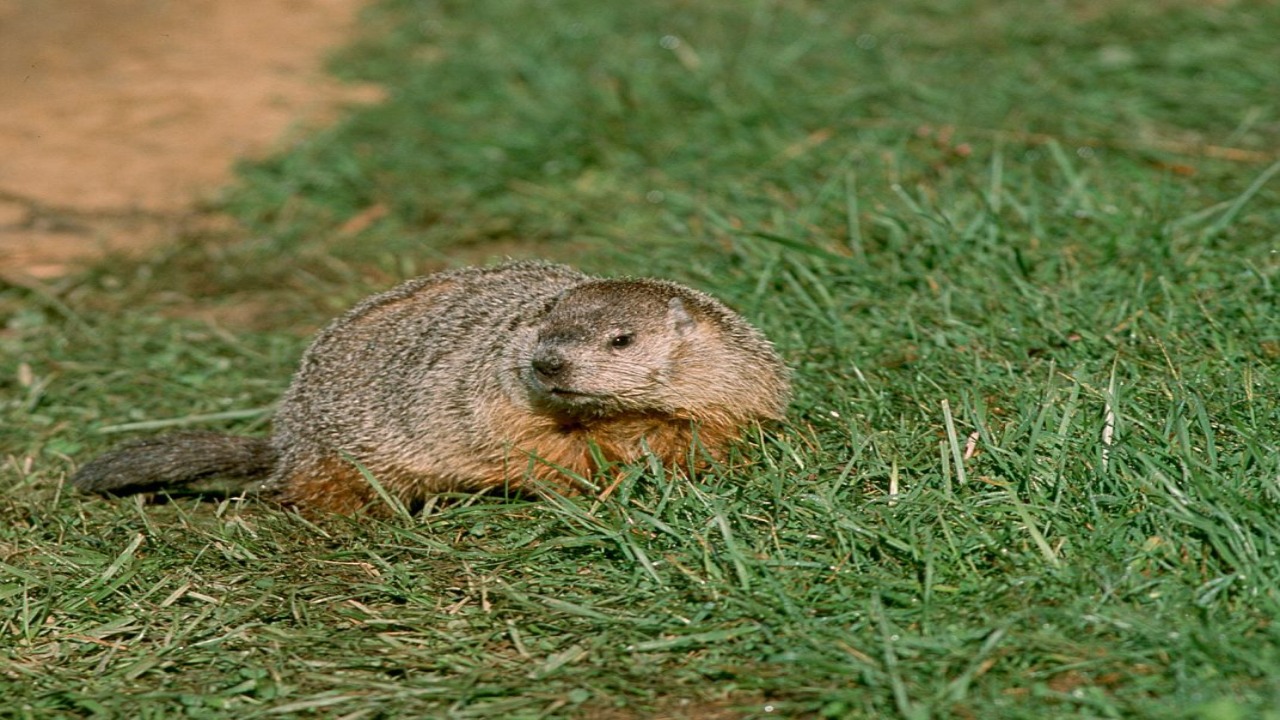
The groundhog, a woodchuck, is a rodent found throughout North America. It belongs to the squirrel family, known scientifically as Sciuridae, and is a type of marmot, which means it’s a close cousin of large ground squirrels.
Groundhogs are best known for their role in weather prediction on Groundhog Day, but their everyday lives in forests, fields, and backyards are far more fascinating. These animals are intelligent, adaptable, and surprisingly important to their ecosystems.
Where Groundhogs Live
Groundhogs are common in the eastern and central United States, southern Canada, and Alaska. They prefer open spaces near wooded areas, often seen in fields, pastures, and even suburban homes. They like places where they can dig easily, so soft, well-drained soil is their favorite.
Their homes, or burrows, are complex underground tunnels. Some can stretch over 60 feet in total length. These burrows are carefully built, with multiple entrances and extraordinary chambers for nesting, storing food, and even using as a toilet. Burrows also help groundhogs stay safe from predators like foxes, hawks, and coyotes. In the summer, burrows keep them cool; in winter, they provide a cozy place to hibernate.
What a Groundhog Looks Like
Groundhogs have thick, strong bodies covered in brownish-gray fur. They usually grow about 16 to 26 inches long and weigh between 5 and 14 pounds, depending on the season. In the fall, they gain extra weight to survive the cold months underground. They have short, powerful legs with long claws that help them easily dig through soil.
Though they may look slow, groundhogs can move quickly when needed. They can run, swim, and even climb trees to escape danger. Their strong senses of smell and hearing also help them stay alert and survive in the wild.
Diet and Eating Habits
Groundhogs are herbivores, meaning they mostly eat plants. Their diet includes grasses, clover, wildflowers, and leaves. In home gardens or farms, they may munch on vegetables like carrots, peas, or lettuce. Because of this, many farmers and gardeners consider them pests.
Although rare, groundhogs may also eat small insects or bird eggs. But plant foods make up nearly all of their meals. They spend much time foraging during the warmer months, building up fat to help them survive their long winter sleep.
For more trending news and updates from Pakistan and the world, visit The Current.
Hibernation and Life Cycle
Groundhogs are true hibernators. When winter arrives, they usually go into a deep sleep inside their burrows in late October or November. During hibernation, their body temperature drops, their heart slows, and they survive on stored body fat. This state lasts for several months; they usually wake up around late February or March.
Once awake, the groundhog begins looking for a mate. Mating season starts soon after hibernation ends. After about a month of pregnancy, the female gives birth to a litter of two to six young pups or kits. The babies are born blind and hairless, but they grow quickly. By midsummer, they’re ready to leave the burrow and live independently.
In the wild, most groundhogs live for about three to six years, though they can live up to ten years in captivity.
Groundhog Day: Where the Legend Began
Groundhog Day is one of the most well-known traditions in the U.S. On February 2nd, people gather to see if a groundhog will “predict” the weather. Winter will last six more weeks if it sees its shadow and runs back to its burrow. If it doesn’t see its shadow, spring is said to arrive early.
This tradition comes from old European customs, where animals like hedgehogs were used to forecast the weather. When German immigrants came to Pennsylvania in the 1800s, they brought this belief. Since groundhogs were common in the area, they became the show’s star.
The most famous groundhog is Punxsutawney Phil, who lives in Pennsylvania and attends the official Groundhog Day ceremony every year. Thousands of visitors come to watch him, even though his predictions are more fun than scientific. Studies show he’s accurate only about 40% of the time, but the tradition lives on as a fun cultural event.
Groundhogs and the Environment
Though sometimes seen as pests, groundhogs are essential for the environment. Their digging helps improve soil by allowing air and water to reach deeper levels. Other animals, such as skunks, foxes, and rabbits, often use abandoned burrows.
They are also a natural part of the food chain. Predators like hawks, eagles, and coyotes rely on groundhogs for food. This balance helps maintain healthy ecosystems in forests and open land.
Groundhogs also contribute to biodiversity. Their eating habits can influence plant growth and even help spread seeds. In short, groundhogs play a bigger role in nature than many people realize.
Groundhogs and Human Conflict
Because they often live near human homes and eat garden plants, groundhogs sometimes conflict with people. Their digging can damage fences, crops, and building foundations. Their burrows under sheds, decks, or barns can lead to costly repairs.
Still, there are safe and humane ways to deal with groundhogs. Fencing gardens with metal mesh that goes underground can keep them out. Natural repellents made with garlic or hot pepper spray can also discourage them. In some cases, wildlife control experts can safely relocate groundhogs without harm.
It’s important to remember that these animals aren’t trying to cause trouble. They’re simply following their instincts to find food and shelter.
Interesting Facts About Groundhogs
Groundhogs are full of surprises. For instance, they can dig through hundreds of pounds of dirt to build a burrow. They also have two coats of fur. An undercoat to keep them warm and an outer jacket to protect them from rain and mud.
When alarmed, groundhogs can make a loud whistling sound, which is why some people call them “whistle pigs.” They are also known to stand upright to look for danger, giving them a curious, almost human-like appearance.
During hibernation, their heartbeat can slow from 80 beats per minute to just 5, and their body temperature can drop by more than 60 degrees. This ability helps them survive harsh winters without food.
Conclusion: Why Groundhogs Matter
The groundhog is much more than a shadow-seeking celebrity. It is an intelligent, hardworking animal that plays a key role in nature and American culture. From maintaining soil health to inspiring one of the country’s most beloved traditions, the groundhog deserves respect and understanding.
Actor Humayun Saeed recently earned the title of ‘Love Guru’ from Nida Yasir, and Mahira Khan’s reaction quickly went viral. Read the full story here to see what happened next.