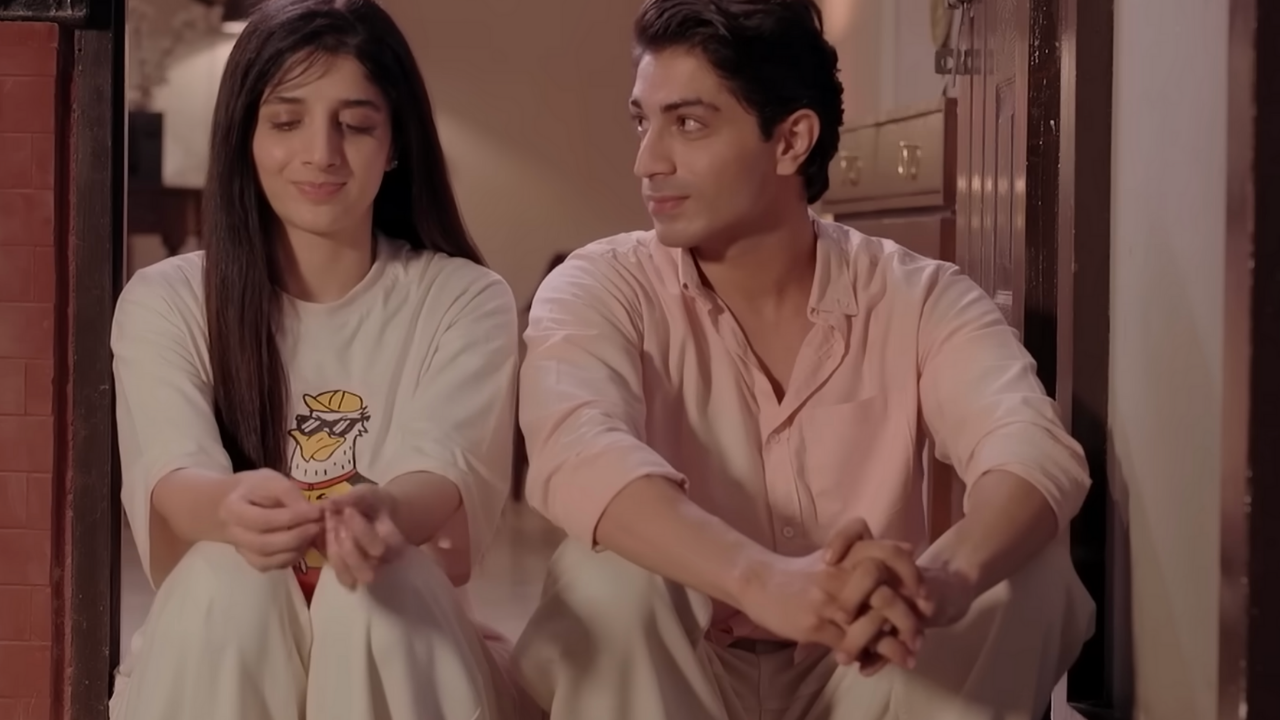
Episode 19 of Jama Taqseem has everyone raving and for good reason. What a stellar representation of the joint family system and the clear hypocrisy of the beti versus the beta.
The episode opens back up with Laila (Mawra Hocane) and Qais (Talha Chahour) arguing over their parents who are both living in the house with them. The traditional mindset vs. the modern is what is at play here and the couple is caught in the middle.
When Qais comes home, his parents make it a point to tell him that his wife has not been home, went to interview for a job when she’s not allowed to work and they got the worst food to eat. They, of course, threaten to leave.
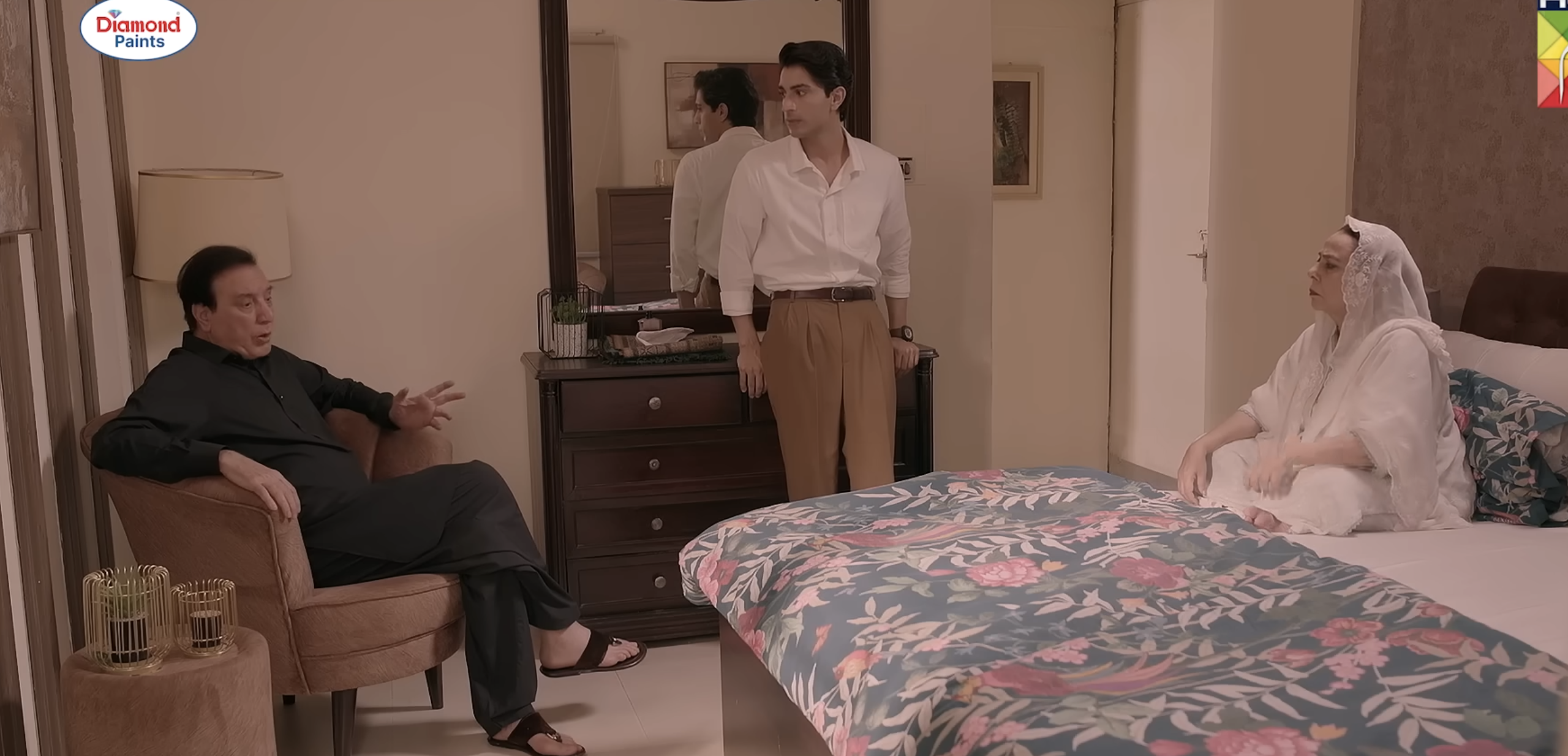
Qais takes all of that energy and dumps it on Laila when she comes home, in a scene where many viewers are calling him a “man-child”. Laila handles Qais telling her that she needs to take care of his parents and to ask her parents to leave the house so he is comfortable. Laila voices what most daughters-in-law feel and says “Mai kuch bhi karoongi, woh mujhe pasand nahi kareingay”. So she might as well do what she wants. And what she wants to do is work. When Qais asks how she can work without telling him, she reminds him that they had decided that she would work before they got married.
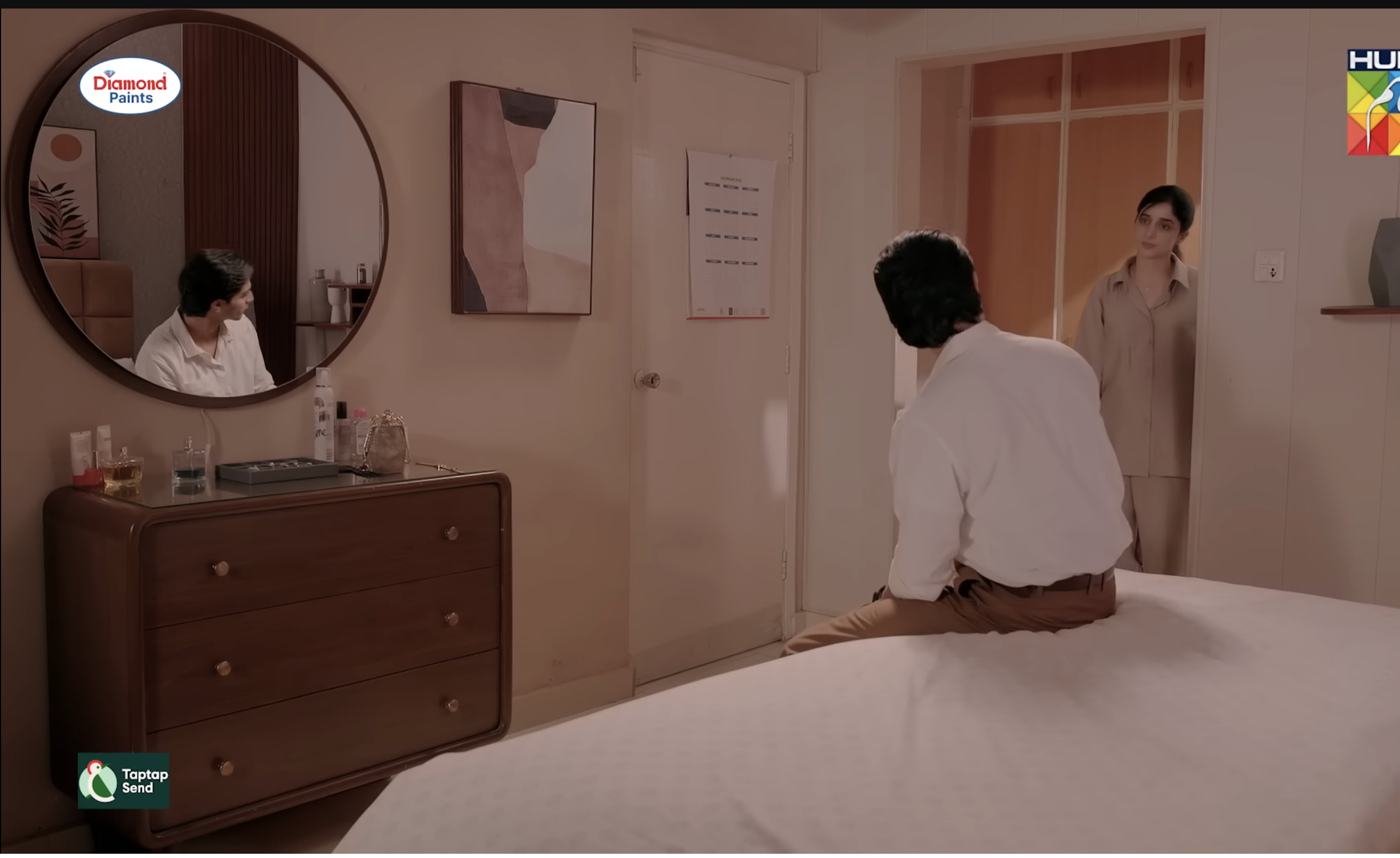
Regardless, Laila goes out of her way to make sure her in-laws are comfortable, but it does seem like she’s drawing from her mother’s determination and tells them that she is going to work, and would like them to pray for her.
The bird’s eye view on this episode is Laila’s headstrong mother and Qais’ equally headstrong father. Both have opposing points of view, and support, from their other half and both are unwilling to change. As Laila’s father tells her mother, both families having different views doesn’t mean one is wrong and one is right. He comes out as the real voice of reason. Qais’ mother on the other hand, is totally under her husband’s influence, calling Laila’s mother out on not being religious, which is just in bad taste – but happens so often. The religion card being the one that makes one better than the other is often thrown at Laila’s parents.
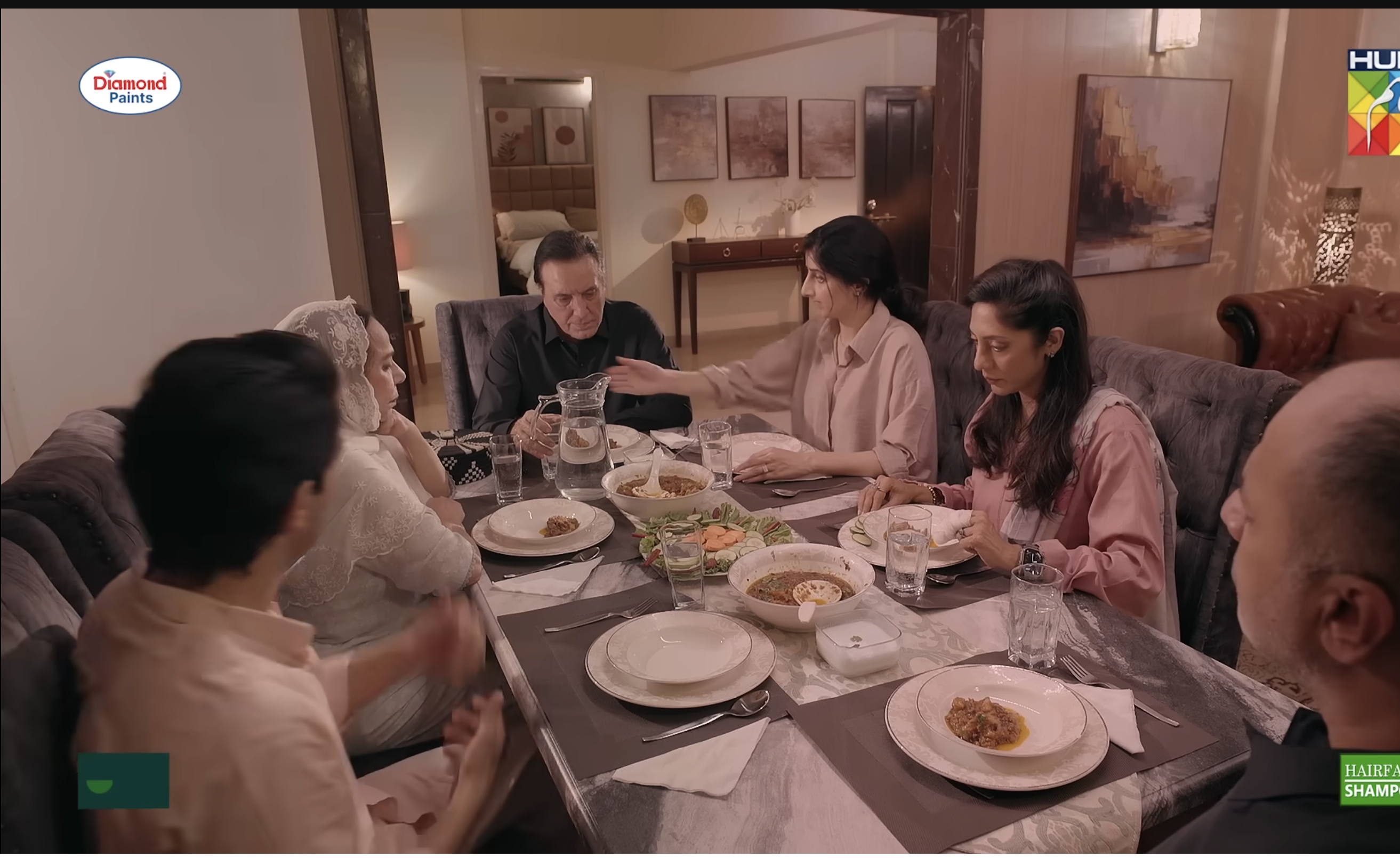
But Laila’s mother cannot be taken lightly. She takes them on like a champion, but like her daughter tells her, she’s also being judgemental.
Qais’ father is no less. He asks his son in a degrading manner if he will eat from his wife’s money and Qais like a real man, says if he has to, then why not? There’s nothing wrong with it.
The whole idea that this is Qais’ house – and therefore, his parents’ house – arises again but this time its clear as day how hypocritical it is. It happens when Qais’ parents are talking to their daughter and she says that if she was in the city, she would bring her parents to her house and in the same breath says how and why were Laila’s parents living in Qais’ house. The drama’s trajectory is clear. It smashes mindsets and society in one clean swoop and so beautifully, that you can’t stop watching it.
What about Laila and Qais in this whole tug of war?
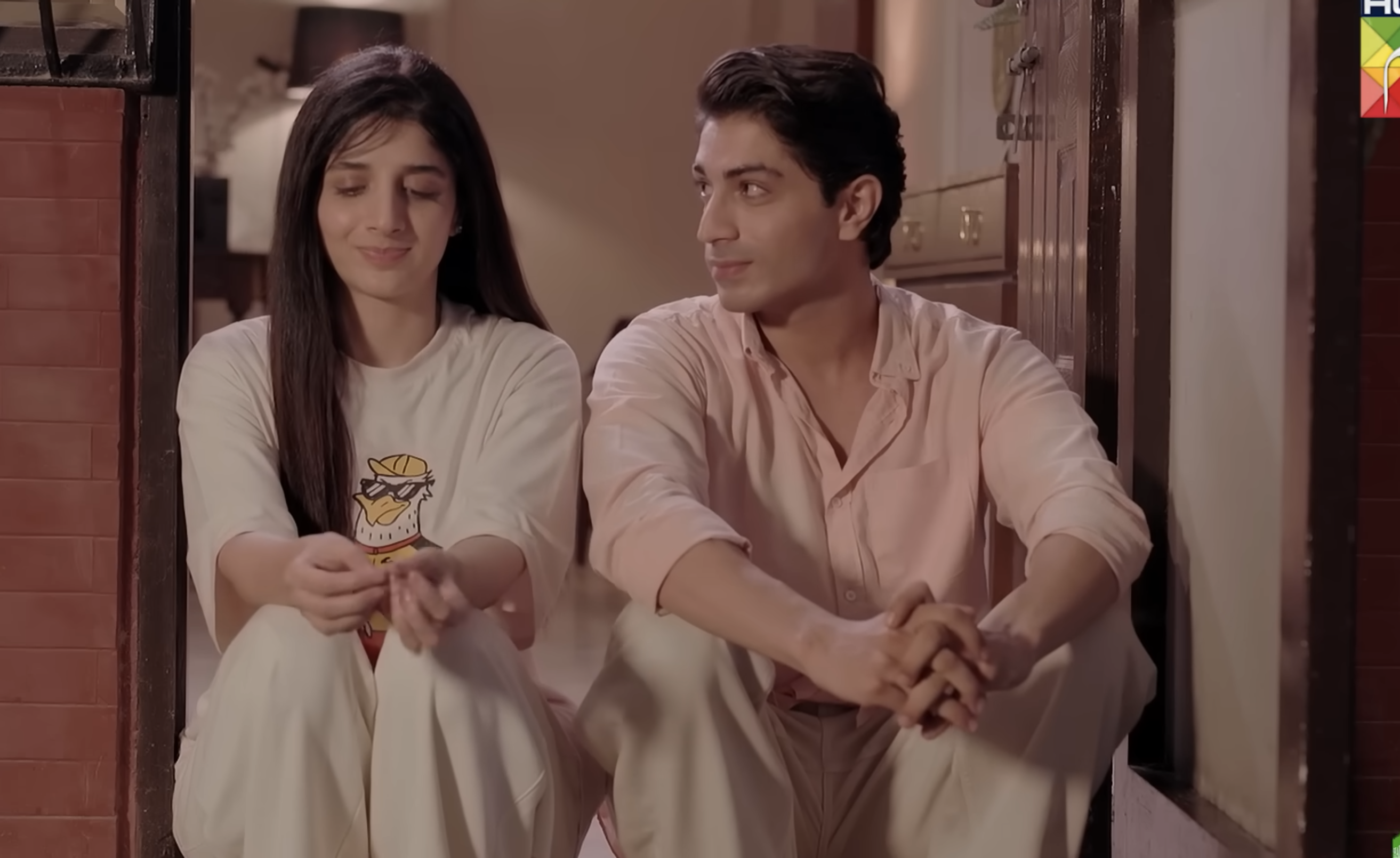
Qais apologises to Laila when he finds out that she is still trying to make his parents comfortable and he stops her parents from leaving.
The dream team is still working together and that’s who everyone is rooting for.