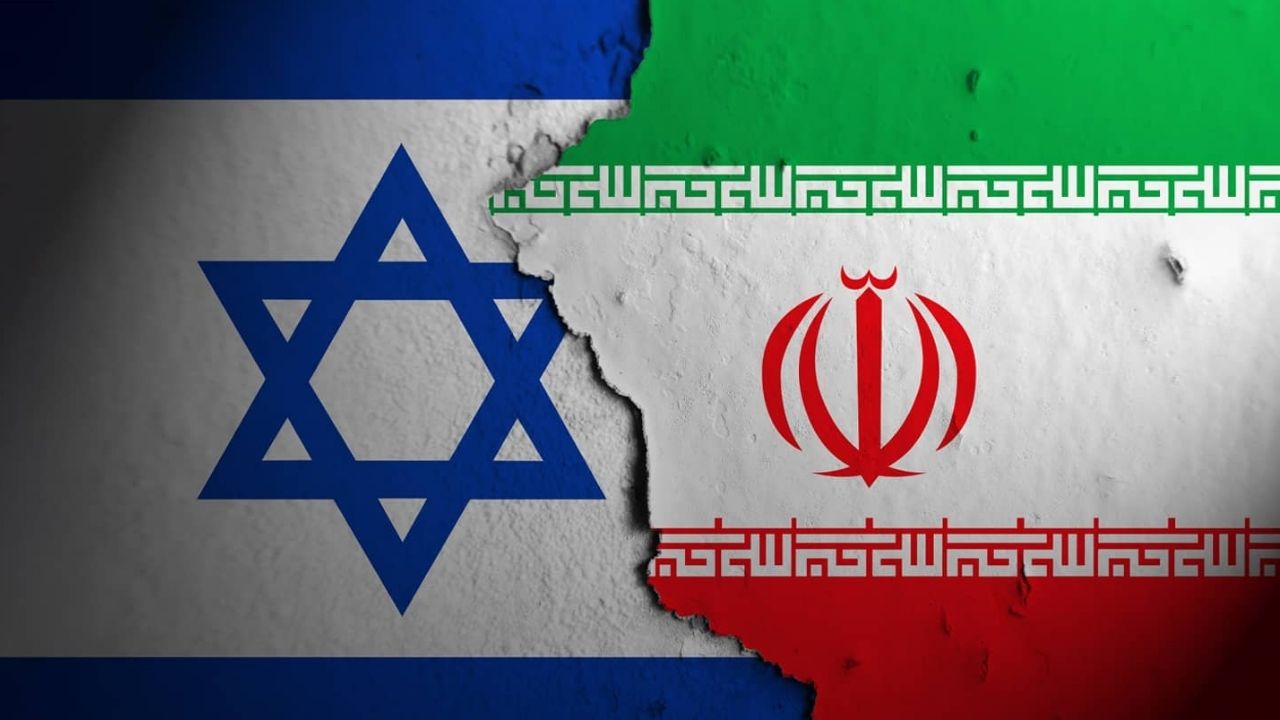
Iran’s Islamic Revolutionary Guard Corps plotted to assassinate Israel’s ambassador to Mexico but the bid was foiled and there is no current threat, Reuters quoted a United States (US) official as claiming.
While the Iranian embassy in Mexico called the accusations “entirely false”, Mexico’s government also said that it had “no information regarding an alleged attack plan”.
Earlier, the US official, speaking on condition of anonymity, said the plot against Ambassador Einat Kranz Neiger had been active through the first half of 2025.
“The plot was contained and does not pose a current threat,” the official was quoted as saying, adding that it was just the latest in a long history of “Iran’s global lethal targeting of diplomats, journalists, dissidents and anyone who disagrees with them”.
This, the official said, was something that should “deeply worry every country where there is an Iranian presence”.
While the official declined to say how the plot was foiled and did not offer further details about the operation, Israel’s Foreign Ministry thanked the security and law enforcement services in Mexico for “thwarting a terrorist network directed by Iran that sought to attack Israel’s ambassador in Mexico”.
The Iranian Embassy in Mexico, on the other hand, said the accusation was “entirely false”.
“We will never tarnish the good reputation of Mexicans, our friends. We consider betrayal of Mexico’s interests as betrayal of our own interests, and respecting Mexico’s laws is our highest priority,” a news agency quoted cited the embassy as saying.
According to Reuters, the US and its allies have frequently alleged that Iran and its proxies have sought to launch violent attacks against Tehran’s opponents. Iranian officials have rejected the allegations, saying they are politically motivated.
A dozen other countries have condemned what they called a surge in assassination, kidnapping and harassment plots by Iranian intelligence services.
Britain’s domestic spy chief, MI5 Director General Ken McCallum, last month said that Iran was “frantically” trying to silence its critics around the world.
He went on to cite how Australia had exposed Iranian involvement in antisemitic plots and Dutch authorities had revealed a failed assassination attempt.
It merits a mention that the report comes months after deadly clashes between Iran and Israel.
The clashes, dubbed the “Twelve-Day War”, continued from June 13 to June 25, starting when Israel bombed military and nuclear facilities in Iran in a surprise attack, assassinating prominent military leaders, nuclear scientists, and politicians. Dozens of civilians were also killed.
Iran retaliated with over 550 ballistic missiles and over 1,000 suicide drones. At least twelve military, energy, and government sites were targeted. The US intercepted Iranian attacks and bombed three Iranian nuclear sites on June 22. While Iran retaliated by firing missiles at a US base in Qatar, the conflict ended with Iran and Israel agreeing to a ceasefire under US pressure.