Category: Global

  • Israel passes racially biased death penalty law only for Palestinians

    Israel passes racially biased death penalty law only for Palestinians

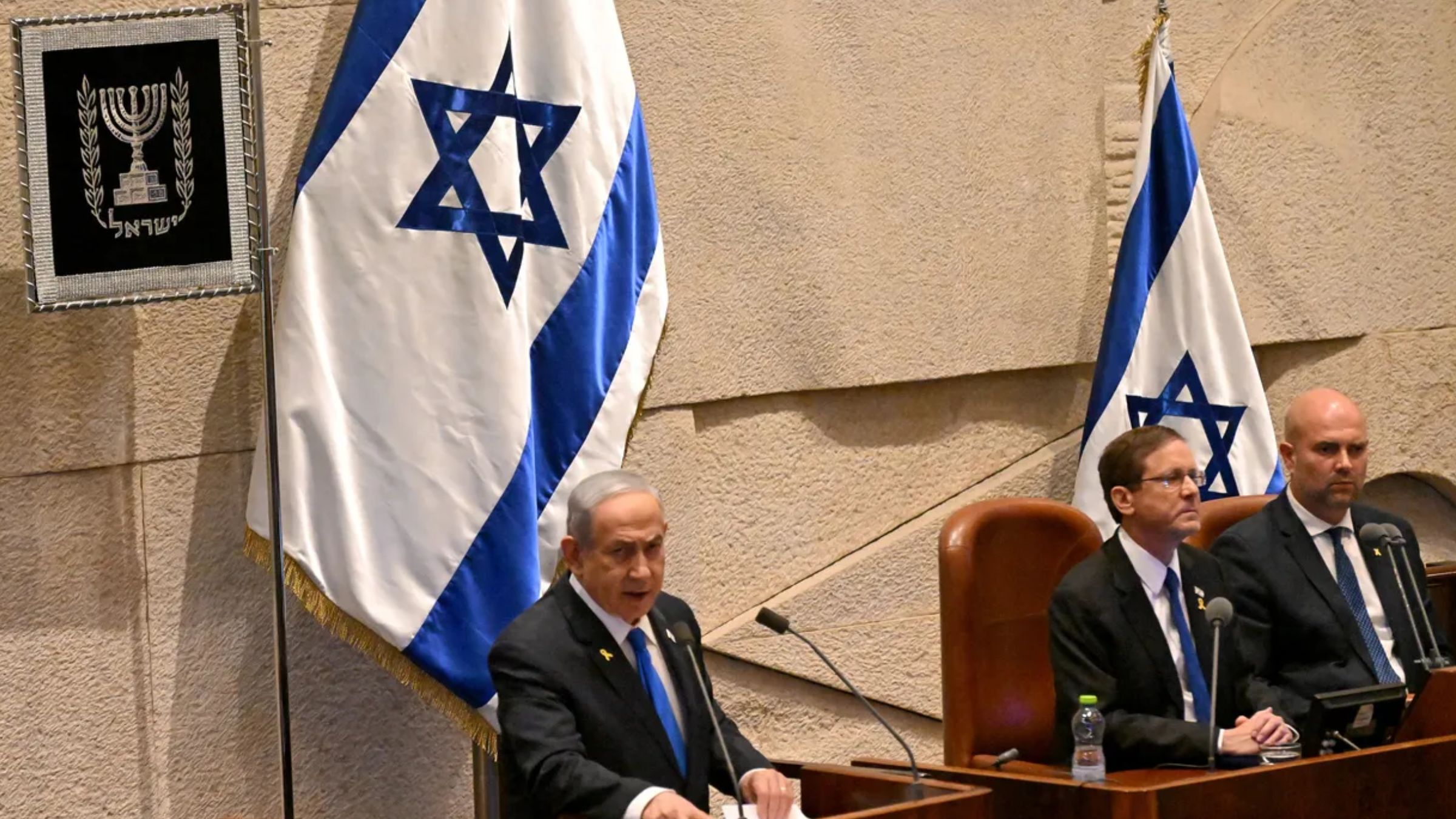
    Israel’s parliament Knesset has passed a bill introducing the death penalty for Palestinians convicted of deadly attacks against Israelis, drawing almost universal  condemnation from many countries, the Palestinian Authority, rights groups and international bodies, which say the measure violates international law.

    The law was approved on Monday in the 120-seat Knesset by 62 lawmakers, with 48 voting against and one abstaining. It will come into effect within 30 days. 


    Israel’s Prime Minister Benjamin Netanyahu backed the bill, which was pushed by National Security Minister Itamar Ben-Gvir, a former convicted terrorist, as part of his Otzma Yehudit party’s coalition agreement.


    Under the legislation, military courts will be instructed to impose the death penalty on Palestinians in the occupied West Bank convicted of attacks against Israelis. The measure does not apply to Jewish Israelis.


    The Palestinian Authority described the bill as “a war crime against the Palestinian people”, stating that it breaches the Fourth Geneva Convention, “particularly the protections it guarantees for individuals and the safeguards for fair trials”.


    The law was passed as Israel’s genocide in Gaza continues, and applies to Palestinians tried in military courts who are not Israeli citizens.


    Amichai Cohen of the Israel Democracy Institute said that “Jews will not be indicted under this law”.


    Concerns were also raised during earlier deliberations by a legal adviser to the Knesset’s National Security Committee, who noted that the bill does not allow clemency, contradicting international conventions.

    Israeli rights group B’Tselem said the conviction rate for Palestinians in military courts is about 96 percent, adding that “in many cases, these convictions are based on ‘confessions’ obtained through pressure and torture during interrogations”. The group said that the law “is worded in such a way that it targets only Palestinians”.

    According to Palestinian prisoner advocacy group Addameer, more than a third of the 9,500 Palestinians held by Israel as of March 11 were in administrative detention without trial. Many thousands are children. 


    Shortly after the vote, the Association for Civil Rights in Israel said it had petitioned the Supreme Court to challenge the law, calling it “discriminatory by design” and “enacted without legal authority” over West Bank Palestinians.


    Ahead of the vote, Ben-Gvir appeared in the Knesset wearing a pin shaped like a noose and said: “From today, every terrorist will know, and the whole world will know, that whoever takes a life, the State of Israel will take their life.”


    The legislation was slammed by international organisations and governments.

    The United Nations (UN) Human Rights Office in Palestine called on Israel to “immediately repeal the discriminatory death penalty law”, stating: “The United Nations opposes the death penalty under all circumstances. The implementation of this new law would violate international law’s prohibition of cruel, inhuman or degrading punishment.” It added that the law “will exclusively apply to Palestinians… who are often convicted after unfair trials”.


    Amnesty International said the measure amounts to “a public display of cruelty, discrimination and utter contempt for human rights”.


    Council of Europe Secretary-General Alain Berset described the move as a “serious regression”, stating that “any application of the death penalty that could be characterised as discriminatory is unacceptable”.


    Ireland’s Foreign Minister Helen McEntee said she was “particularly concerned about the de facto discriminatory nature of the Bill as it relates to Palestinians”, adding that “the right to life is a fundamental human right”.


    Italy’s Foreign Minister Antonio Tajani said that Italy, Germany, France and the United Kingdom had asked Israel to withdraw the bill, stating: “For us, life is an absolute value… inflict a punishment is an inhuman measure that violates the dignity of the person.”


    A European Commission spokesperson described the law as “a clear step backwards” and called on Israel to abide by its obligations under international law.
  • New US missile used in strikes on Iran school, civilian infrastructure: report

    New US missile used in strikes on Iran school, civilian infrastructure: report

    A newly inducted American missile was likely used for the first time in a strike on civilian areas in southern Iran last month, according to an analysis by an international media outlet. 

    The strike targeted residential buildings and a sports hall in Lamerd, a town in Fars province, on February 28. Iranian state media, citing officials, reported that at least 21 people were killed in multiple strikes carried out on the same day.

    Footage of the incident, authenticated and geolocated by the international media outlet, shows a projectile in flight moments before it detonates above the target area.

    Analysts said that the projectile is likely a Precision Strike Missile (PrSM), a long-range system that entered service in 2023. Experts pointed to the missile’s shape, size of the blast and absence of visible nose-mounted controls as indicators.

    Three analysts from defence intelligence company Janes and one expert from McKenzie Intelligence assessed the footage and concluded that the characteristics match those of the PrSM.

    Amael Kotlarski, an analyst with Jane stated that based on the missile’s features and the distance from potential US launch sites in the region, the PrSM is likely the only munition in the US arsenal capable of striking Lamerd.

    McKenzie Intelligence noted that the town falls within the extended range of the missile and added that US Central Command had previously acknowledged using the system in strikes from a Gulf location during the early phase of the conflict.


    The intended target of the strike may have been an installation linked to the Islamic Revolutionary Guard Corps (IRGC) located near the sports hall. Satellite imagery reviewed days after the strike showed the facility remained undamaged.

    United States Central Command declined to comment on the Lamerd strike.

    The attack took place on the opening day of the conflict, hours after a separate strike on a school in Minab that Iranian authorities said killed at least 168 people, including around 110 children.

    US Defence Secretary Pete Hegseth stated that the Minab incident was under investigation and maintained that US forces “never target civilian targets”.

    The PrSM, manufactured by Lockheed Martin, is a next-generation surface-to-surface ballistic missile with a reported range of up to 500 kilometres. It replaces the ATACMS, which has a shorter range and has previously been used in other conflicts.

    Videos reviewed of the Lamerd strike also indicate a near-simultaneous hit on a sports hall located around 300 metres from the residential buildings. One clip shows a road with passing vehicles before an explosion engulfs the structure, sending shockwaves across nearby buildings.

  • Israel seeks to ‘reshape the map’ by inviting US to relocate military bases

    Israel seeks to ‘reshape the map’ by inviting US to relocate military bases

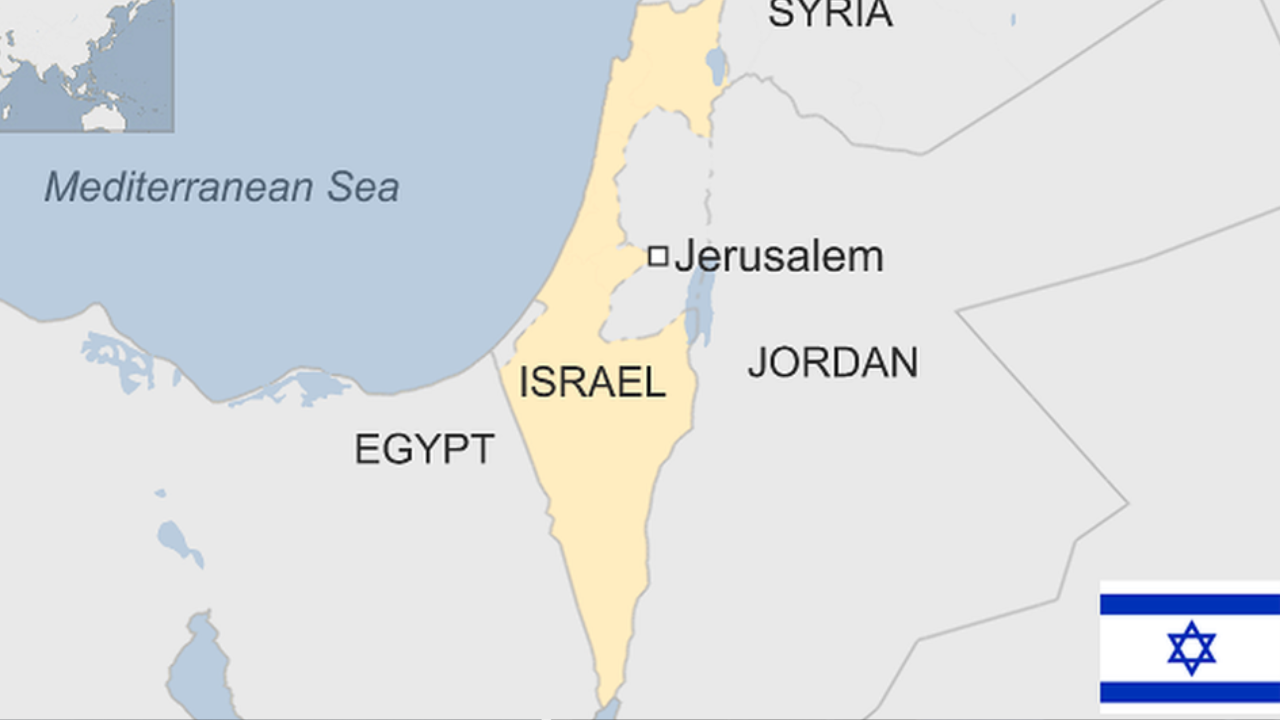
    Israel is set to invite the United States (US) to relocate existing regional military bases to Israeli territory and establish new installations once the current conflict concludes.

    Citing unnamed security sources, Israel’s Channel 12 reported that the Israeli security establishment views the current presence of US forces as an opportunity to “reshape the map” of American military positioning in the Middle East.

    “We have proved our values of late as a central ally of the US. One that provides not only stability, but also significant operational and intelligence capabilities,” an Israeli source was quoted.

    The source added that “American bases in Israel would create a strategic advantage for both sides”.

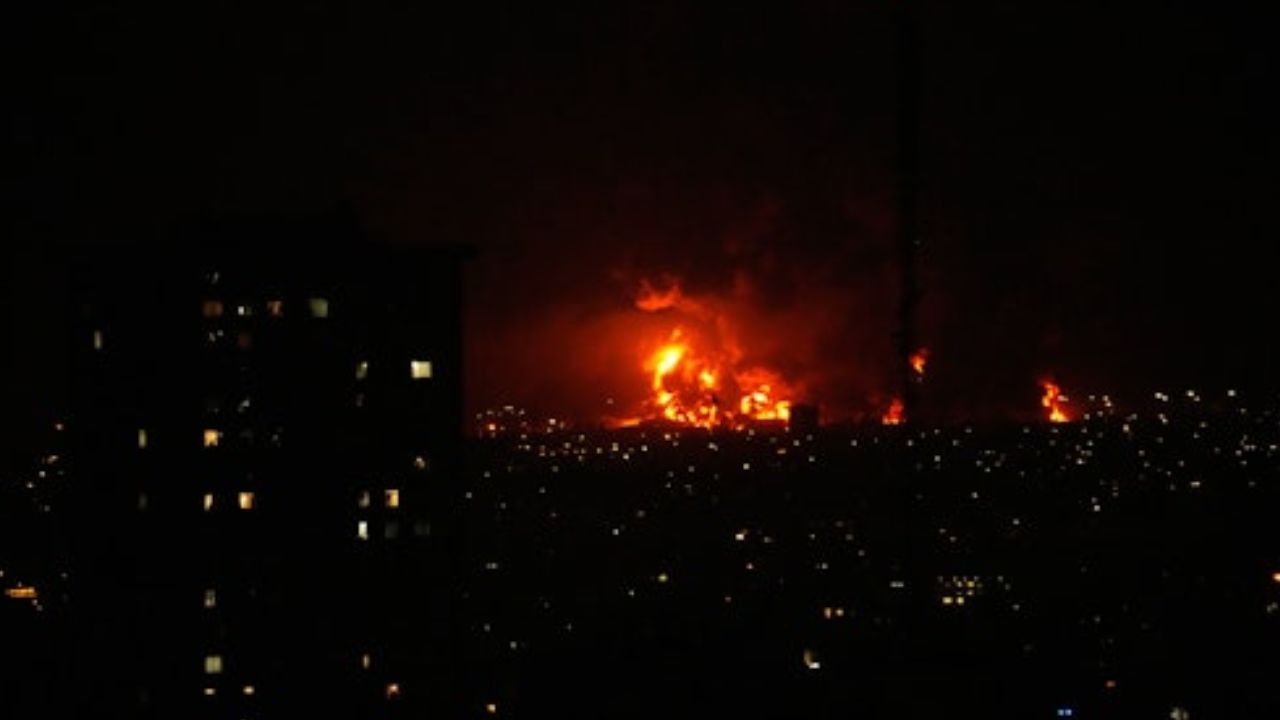
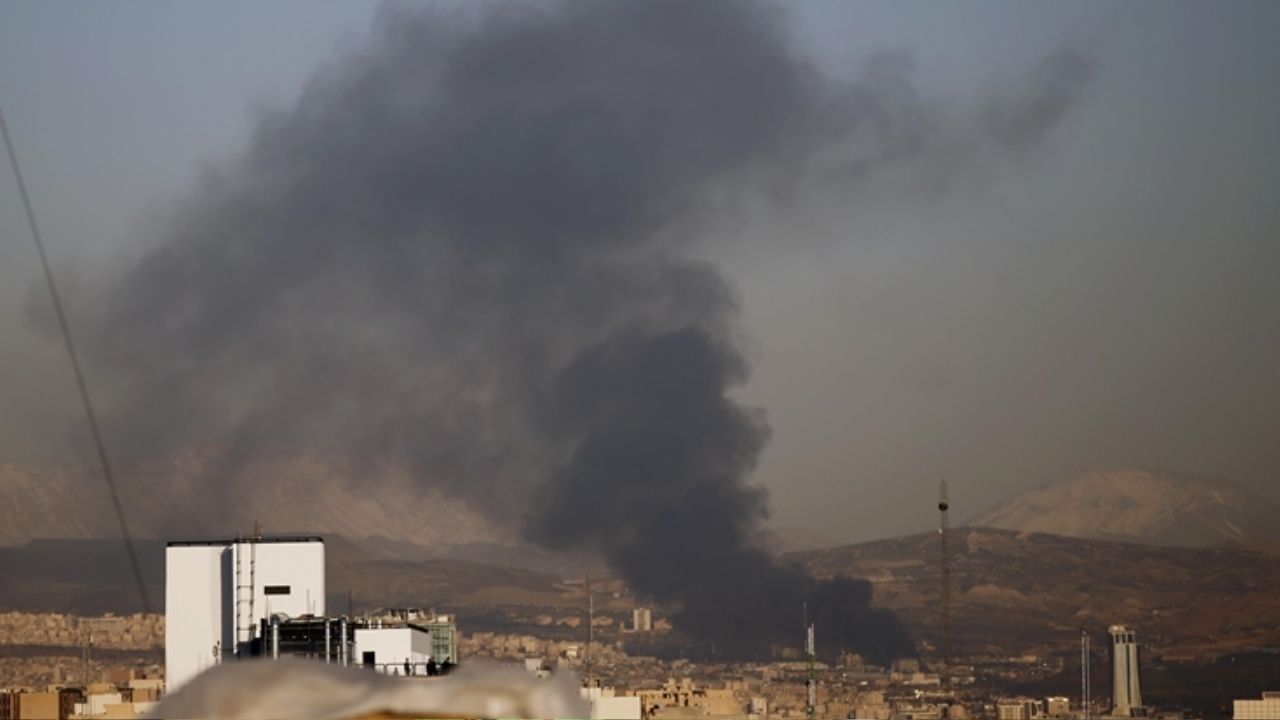
    This development follows an escalation in direct hostilities between Israel and Iran. In the northern city of Haifa, Israeli television networks, including Channel 12, broadcast footage of thick black smoke rising from an oil refinery. 

    The impact occurred shortly after the military detected a new salvo of missiles fired from Iran. While the specific cause of the refinery strike was not initially confirmed, search and rescue teams were dispatched to the site.

    The Israeli military has also provided data regarding its personnel, claiming that 261 soldiers have been wounded since the start of the war with Iran. A death toll for soldiers has not been released.

    On the Iranian side, officials confirmed the death of Revolutionary Guards Navy Commander Alireza Tangsiri. According to Reuters, Tangsiri died following injuries sustained in what Israeli Defence Minister Israel Katz described as a “precise and lethal operation” conducted on March 26. 

    In response to strikes on residences within Iran, a military spokesperson for Tehran announced that Iran will begin bombing the official residences of US and Israeli military commanders.

  • 12 tonnes of KitKat stolen during transport; internet wants Pakistan to intervene

    12 tonnes of KitKat stolen during transport; internet wants Pakistan to intervene

    A shipment of KitKat chocolate bars has gone missing in Europe in what Nestlé described as a theft involving more than 413,000 units of a new range.

    The cargo, weighing around 12 tonnes, was being transported from Italy to Poland when it disappeared during transit last week. 

    The shipment was scheduled for distribution across multiple European markets but did not reach its destination.

    “We’ve always encouraged people to have a break with KitKat,” a Nestlé spokesperson said on Saturday. “But it seems thieves have taken the message too literally.”

    The company stated that the incident could impact supply chains ahead of Easter, a period of high demand for chocolate products across Europe.

    Nestlé said there is concern the missing stock could enter unofficial sales channels, adding that authorities are working with logistics partners to investigate the case.

    Each bar in the shipment carries a batch code that can be used to identify whether it belongs to the missing consignment, according to the company.

    Social media users reacted with memes and commentary around the disappearance, turning the incident into a running joke about a “KitKat heist”. One post read, “Not them being kit napped .”

    Another user joked about gaming culture, writing, “Kit Kat heist… before GTA 12T tho.”

    A separate reaction suggested that the incident be ignored since it is chocolate and may be making someone happy, trailing off with “have a break, have a kit-kat”.

     “Oil shortage ❌KitKat shortage ✔️,” one post stated.

    “It’s not about the chocolate, it’s about sending a message. Nobody gets a break,” another user wrote.

    A user tagged the Pakistani Foreign Minister Ishaq Dar, jokingly asking for intervention in reference to Pakistan’s efforts for peace between the US and Iran.

  • Professor suspended after proposing to student in class

    Professor suspended after proposing to student in class

    An assistant professor at a medical college in Karnataka, India, has been suspended after he proposed to a female student during a class, prompting a confrontation on campus.

    The incident surfaced online after videos recorded by students circulated on social media.

    In one of the clips, the professor is seen addressing the class and claiming that a student had expressed her feelings for him. He then says that he also loves her.

    The student objected to the claim and asked him to take the matter to the principal instead.

    The professor responded, “Didn’t you say ‘I love you’?” and claimed that CCTV footage existed to support his statement. The student asked him to present proof.

    He later left the classroom, stating that he would speak to her the next day.


    According to an Indian media outlet, the situation escalated on campus, where an argument led to a physical altercation. The student allegedly struck the professor with her slipper, while other students gathered around and shouted and assaulted him.

    The incident took place at Sri Siddhartha Medical College in Tumkur, Karnataka.

    The college administration has suspended the professor and a case has been registered. An investigation is underway.

  • Iran-linked hackers breach FBI director Kash Patel’s personal email account

    Iran-linked hackers breach FBI director Kash Patel’s personal email account

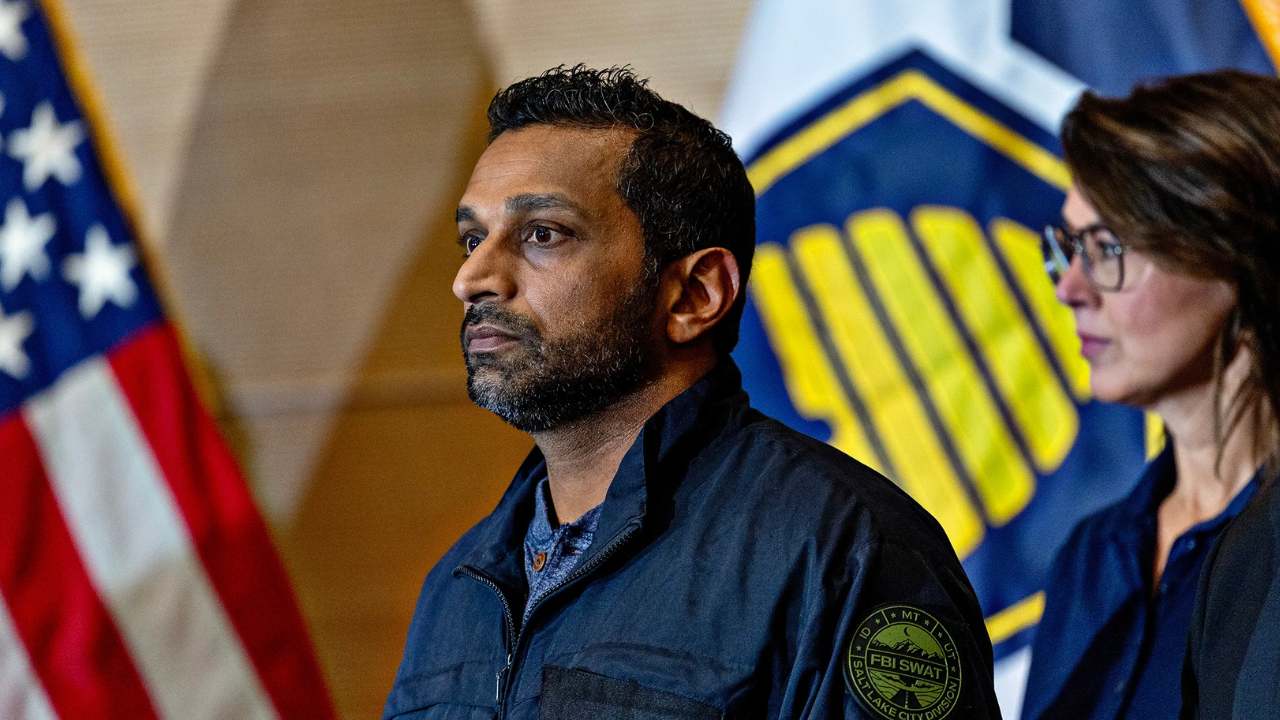
    A group of hackers linked to Iran has claimed it gained access to the personal email account of Kash Patel, the director of the Federal Bureau of Investigation (FBI), and shared photographs and documents online.

    The Handala Hack Team, which identifies itself as a pro-Palestinian vigilante hacking group, said on Friday that Patel “will now find his name among the list of successfully hacked victims.”


    Reports from Reuters and CNN, citing unnamed security officials and individuals familiar with the matter, confirmed the breach. A Justice Department official confirmed that Patel’s email account had been compromised and said that the content shared online appeared to be genuine but the FBI did not immediately issue any comments on the incident.

    The released material reportedly includes documents more than a decade old. Some of the emails show Patel’s travel and business correspondence. Others feature photographs of Patel next to a sports convertible, posing with a cigar, and standing in front of a mirror with a bottle of rum.

    Patel assumed the role of FBI director in 2025, becoming the agency’s ninth leader. His tenure has faced criticism, with opponents accusing him of using the federal law enforcement agency for personal travel and to implement the priorities of United States US President Donald Trump.

    The hacking group also claimed responsibility for a recent cyberattack on the medical device company Stryker. Western researchers have said the group is linked to Iranian cyberintelligence.

    The group framed the breach as retaliation for the US-Israeli strike on a children’s school in Minab, southern Iran, which killed over 170 people, most of them schoolgirls. In a previous statement, the group said that the operation marked “the beginning of a new chapter in cyber warfare.”

    Iran has threatened to increase attacks on Western economic targets as leverage amid tensions with the United States and Israel.

  • Multiple American soldiers injured as Iran strikes US base in Saudi Arabia

    Multiple American soldiers injured as Iran strikes US base in Saudi Arabia

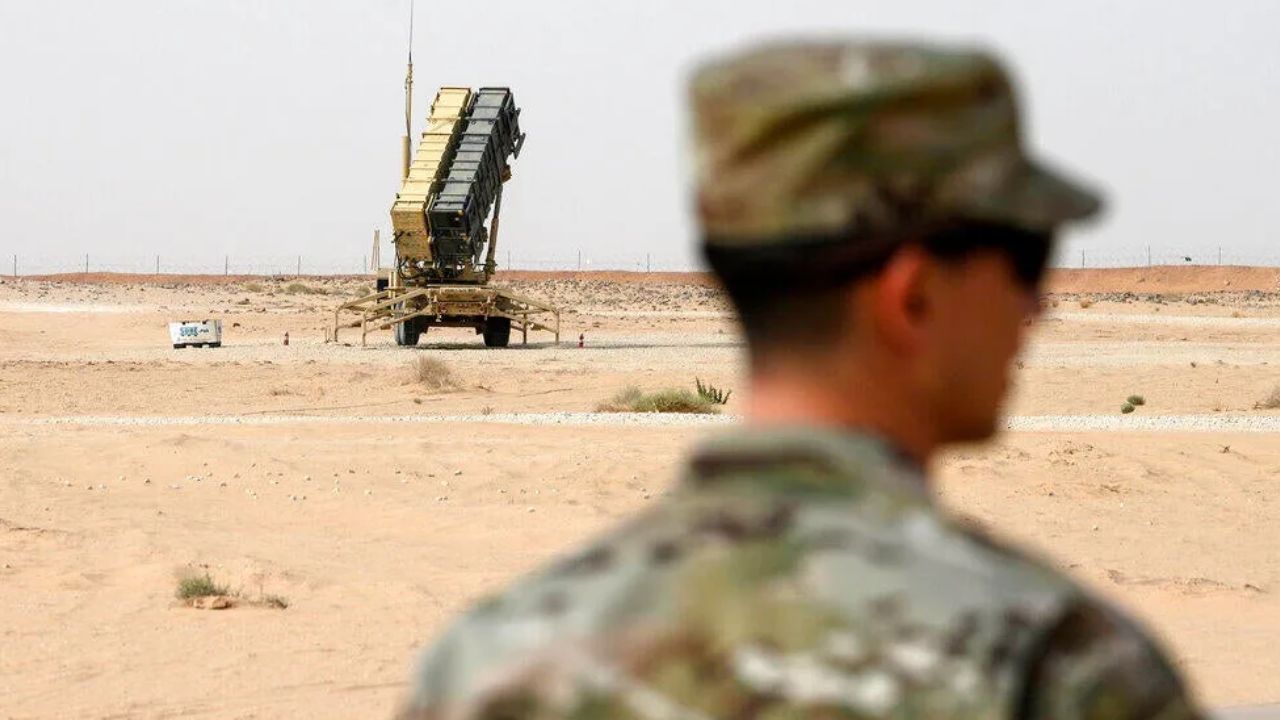
    At least 12 American troops were wounded after an Iranian missile strike targeted Prince Sultan Air Base in Saudi Arabia, an international news outlet has reported, citing officials.

    Two of the injured personnel sustained serious wounds, while several US refueling aircraft were also damaged in the attack.

    Officials stated that the strike involved both missiles and unmanned aerial vehicles.

    The development comes as hostilities between the United States (US) and Iran continue, with US Central Command reporting that more than 300 American troops have been injured over four weeks of fighting.

    US Secretary of State Marco Rubio said that the war could continue for “another two to four weeks,” and maintained that preventing Iran from imposing tolls on ships crossing the Strait of Hormuz would remain a challenge after the conflict.

    He described such a move as “illegal” and “dangerous to the world.”

    Separately, Israel carried out attacks inside Iran.

    Following the escalation, oil prices crossed $100 per barrel, while US stock markets declined after President Donald Trump paused strikes on Iran’s energy sector.

    In Yemen, the Houthis signalled the possibility of entering the conflict. The group said its “fingers are on the trigger for direct military intervention” if more countries join operations against Tehran or if the United States or Israel uses the Red Sea for military activity.

    Iran said that it had warned three ships against passing through the Strait of Hormuz, a day after Trump extended a deadline for Tehran to reopen the route.

    Iran retains control over the Strait, a route used for global oil and gas shipments, following illegal strikes by the United States and Israel.

  • Israeli forces chief warns army ‘will collapse in on itself’

    Israeli forces chief warns army ‘will collapse in on itself’

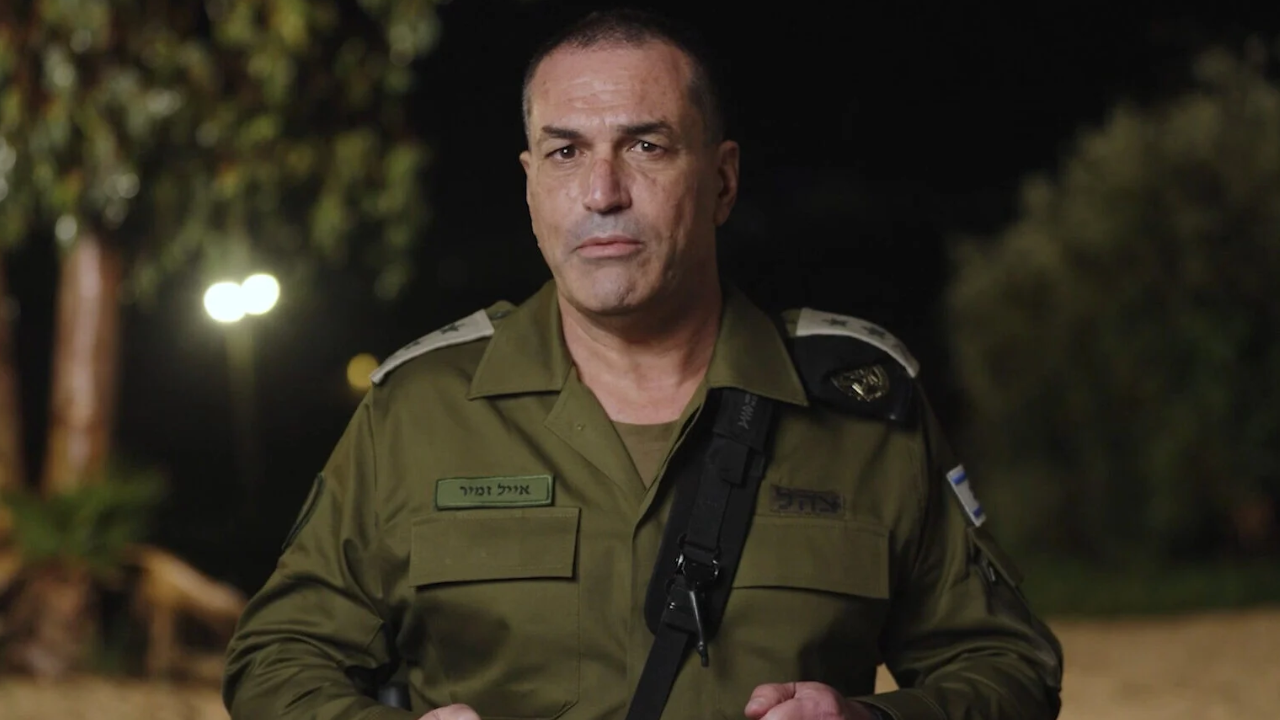
    Israeli military Chief of Staff Lt. Gen. Eyal Zamir has warned the security cabinet this week that the Israel Defense Forces (IDF) could “collapse in on itself” if urgent measures are not taken to address mounting operational demands and a growing shortage of soldiers.

    “I am raising 10 red flags in front of you,” Zamir said during the meeting, according to an Israeli channel. “Right now, the IDF needs a conscription law, a reserve duty law, and a law to extend mandatory service. Before long, the IDF will not be ready for its routine missions and the reserve system will not last.”

    Zamir’s comments came as opposition figures criticized the government for failing to ensure sufficient resources for the army. 

    Israel’s former Prime Minister Naftali Bennett said that Israel’s leadership was “preventing the IDF from winning” and highlighted that the military is “20,000 soldiers short,” while noting that over 100,000 ultra-Orthodox men of military age could help fill the gap.

    Opposition Leader Yair Lapid addressed the Channel 13 report, saying that the government had sent the army “into a multi-front war without a strategy, without sufficient resources, and with too few soldiers.” 

    He called for stricter drafting of ultra-Orthodox men, who have historically been exempted from military service, and urged action against far-right National Security Minister Itamar Ben Gvir, “who openly supports Jewish terrorists,” adding that all enforcement capabilities should be deployed to fight settler violence.

    Israel’s Central Command chief Maj. Gen. Avi Bluth told ministers that government policies in the West Bank have placed added pressure on IDF manpower. He noted that over the past year, approvals for settlements in the Jordan Valley and across the West Bank have created new security demands. “This is your policy,” Bluth said, “but it requires security and a full protection package, because the reality on the ground has completely changed and that requires manpower.”

    Footage shown to ministers during the meeting reportedly highlighted a rise in extremist settler attacks, which have increased amid Israel’s illegal war on Iran. The IDF recently diverted an infantry battalion initially meant for Lebanon to respond to violence in the West Bank, with officials indicating further troop deployment may be required.

    Several ruling party lawmakers also echoed Zamir’s warnings.

  • Iran warns hotels housing US troops will be treated as military targets

    Iran warns hotels housing US troops will be treated as military targets

    Iran’s military has warned that hotels housing US troops across the region could be considered potential targets in any escalation with the United States (US) and Israel.

    Armed forces spokesman Abolfazl Shekarchi, speaking to state television, said that facilities accommodating American personnel would fall under the same classification as US military presence.

    “When all the Americans (forces) go into a hotel, then from our perspective that hotel becomes American,” he said. “Should we just stand by and let the Americans strike us? When we respond, naturally we have to strike wherever they are.”

    The statement was released as tensions continue to rise following illegal strikes on Iran carried out by Israel and the United States on 28 February.

    Since then, Iran has launched drone and missile attacks targeting Israel and US-linked interests across the Middle East.

    Around 50,000 US troops are already deployed in the region under what has been described as the Trump administration’s operation “Epic Fury,” with no ground invasion currently underway.

    However, the Wall Street Journal (WSJ) reported that the United States is considering deploying up to 10,000 additional troops to the Middle East to expand available military options. The proposed deployment would add to existing paratroopers and Marine units already stationed in the region.


    According to the report, the additional forces would likely be positioned within range of Iran and Kharg Island, a key oil export hub off Iran’s coast, though exact locations remain unclear.

  • US considers sending 10,000 additional troops to Middle East: report

    US considers sending 10,000 additional troops to Middle East: report

    The Pentagon is considering deploying up to 10,000 additional ground troops in the Middle East to expand military options for the United States (US) administration while diplomatic engagement with Iran remains under review, an American media outlet reported on Thursday, citing officials familiar with the matter. 

    The proposed deployment is expected to include infantry units and armored vehicles.

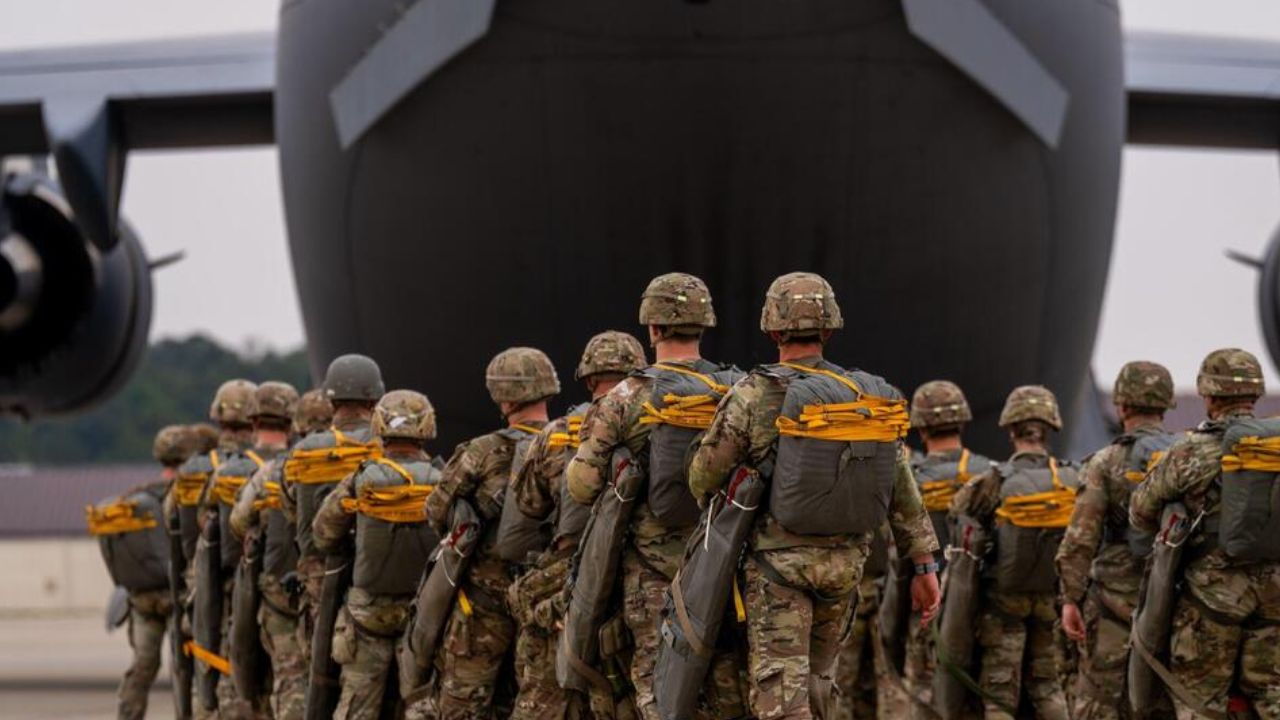
    Earlier this week, the Pentagon began preparations to send at least 1,000 soldiers from the US Army’s 82nd Airborne Division to the region. The move follows the repositioning of around 5,000 Marines to the Middle East. These additions come on top of approximately 50,000 US troops already stationed in the region.

    According to officials cited in reports, the buildup has fueled assessments that Washington DC is positioning forces for potential limited ground operations, including securing maritime routes or strategic infrastructure linked to Iran’s energy exports.

    Analysts cited in the report said that US ground forces could potentially secure key sites, including Kharg Island, but warned of long-term operational and financial costs. 

    Mick Mulroy, a former US Department of Defense official now with the Middle East Institute, said military capability does not automatically translate into strategic justification.

    “Yes, we could do it, but the question isn’t can we do it?” he said. “It’s — should we do it? And the best route out is going to be diplomacy. I know it’s easier said than done, but diplomacy and negotiations only work if both sides are willing to compromise.”


    US President Donald Trump has said that Iran had allowed Pakistan-flagged tankers to pass through the Strait of Hormuz.

    “Well, I guess we’re dealing with the right people,” Trump said.