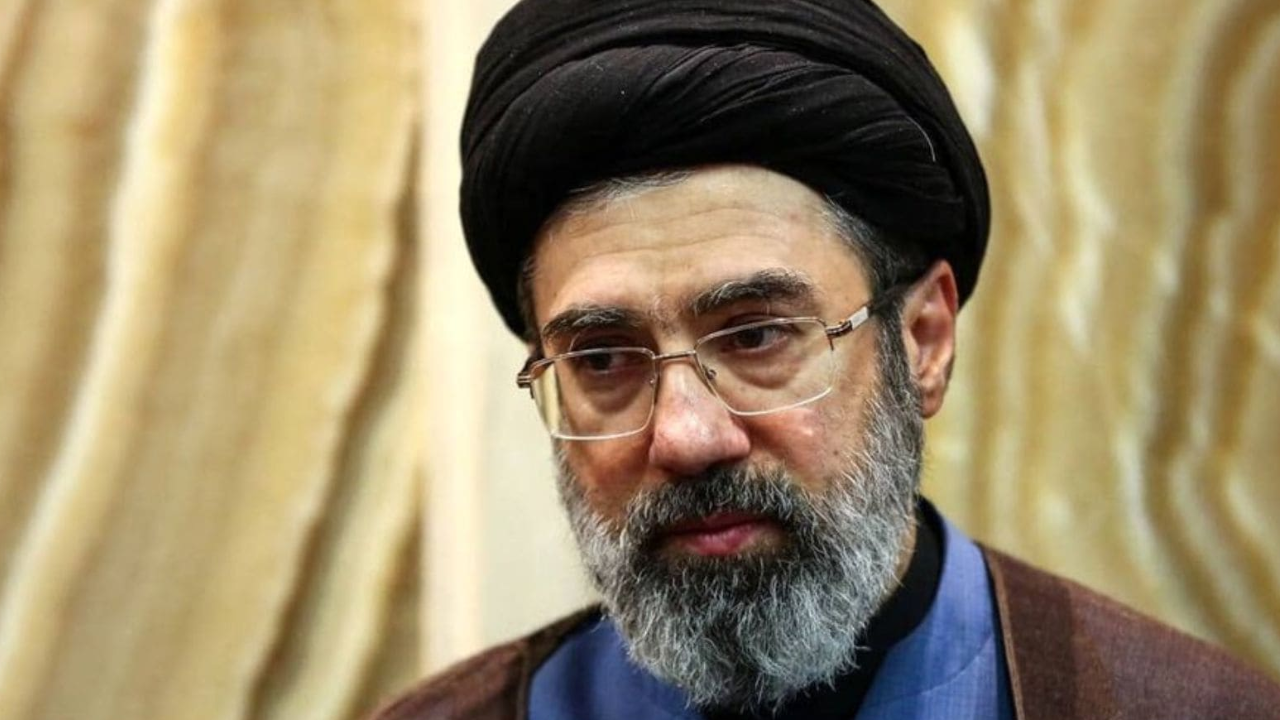
Senior clerics tasked with appointing Iran’s next supreme leader met on Tuesday to deliberate on a successor to Ayatollah Ali Khamenei, who was killed in U.S.-Israeli strikes over the weekend. According to three Iranian officials familiar with the discussions, his son, Mojtaba Khamenei, emerged as the leading candidate.
The officials said members of the Assembly of Experts were weighing whether to announce Mojtaba Khamenei’s appointment as early as Wednesday morning. Some clerics raised concerns that a public decision could make him a target for the United States and Israel.
The Assembly of Experts held two virtual meetings on Tuesday, one in the morning and another in the evening. An Israeli strike hit a building in Qum where the assembly had been scheduled to convene. Iran’s Fars News agency reported that the building was empty at the time.
Vali Nasr, an Iran specialist at Johns Hopkins University, said the potential selection would be notable. “He was slated to become the successor for a long time,” Nasr said. “But for the past two years, it seemed to have dropped off from the radar. If he is elected, it suggests it is a much more hard-line Revolutionary Guard side of the regime that is now in charge.”
Mojtaba Khamenei, 56, has maintained close ties with the Revolutionary Guards and has largely remained out of public view. The three officials said the Guards supported his candidacy, arguing that he had experience overseeing security and military coordination.
“Mojtaba is the wisest pick right now because he is intimately familiar with running and coordinating security and military apparatuses,” said Tehran-based analyst Mehdi Rahmati. “He was in charge of this already.”
Rahmati added that opposition was likely. “A portion of the public will react negatively and forcefully to this decision, and it will have a backlash,” he said.
Other figures under consideration include Alireza Arafi, a member of the three-person transition council formed after Khamenei’s death, and Seyed Hassan Khomeini, grandson of Ayatollah Ruhollah Khomeini. Both are viewed as moderates, with Khomeini associated with reformist factions.
Abdolreza Davari, a politician close to Mojtaba Khamenei, said before the conflict that if he succeeded his father, he could adopt a leadership style similar to Saudi Arabia’s Mohammed bin Salman.
The 88-member Assembly of Experts, elected through public vote, is constitutionally responsible for appointing and overseeing the supreme leader. This marks the second time in the Islamic Republic’s history that it will select a leader, following its 1989 decision to appoint Ayatollah Ali Khamenei.