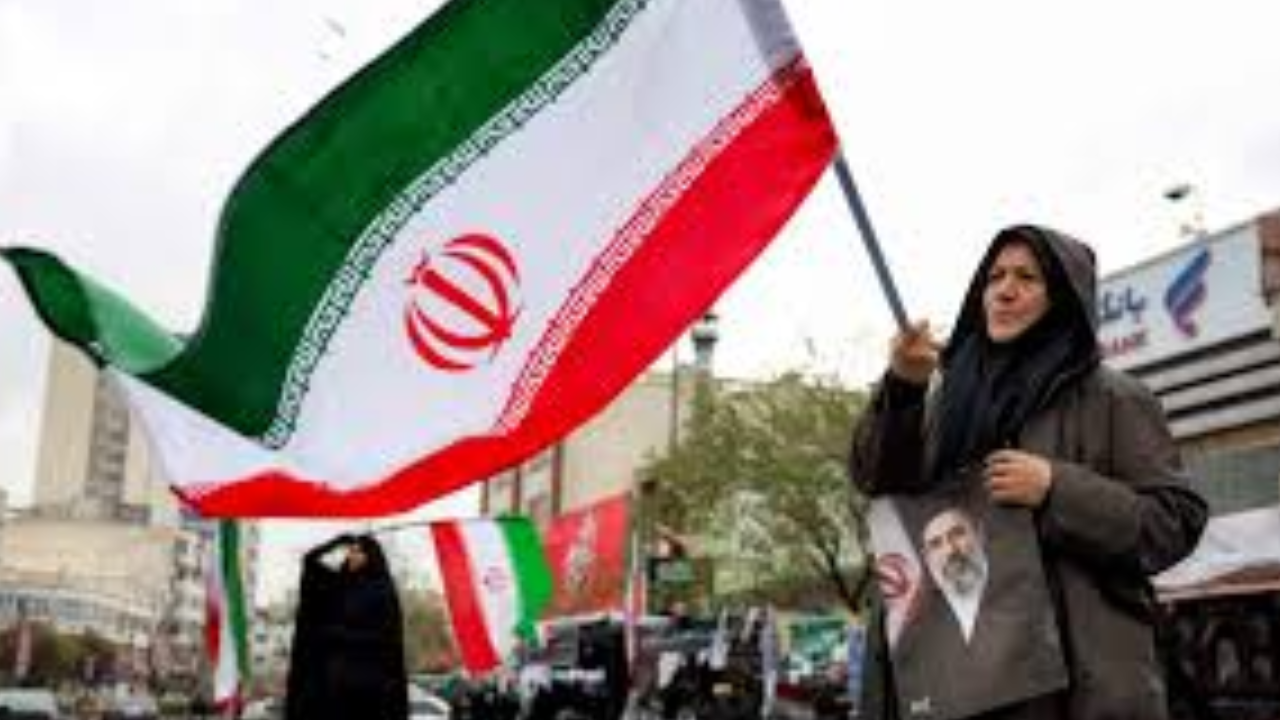
Iran has rejected a US proposal aimed at ending the ongoing US-Israeli war on the country, presenting five conditions of its own, according to Iranian state media.
Iran’s state-owned broadcaster Press TV reported on Wednesday that Tehran had “responded negatively” to the American initiative. The report cited a senior political-security official, who said, “Iran will not allow US President Donald Trump to dictate the timing of the war’s end.”
The development follows reports that Pakistan delivered a US proposal to Iran, with either Pakistan or Turkiye considered as potential venues for de-escalation talks. The official told Press TV, “Iran will end the war when it decides to do so and when its own conditions are met.” The source also highlighted Tehran’s commitment to continue its defence operations and inflict “heavy blows” on the enemy until its demands are fulfilled.
The official described Washington’s proposals as “excessive” and “disconnected from the reality of America’s failure on the battlefield.” Press TV outlined five conditions under which Iran would consider ending the conflict: A complete halt to “aggression and assassinations” by the enemy, the establishment of mechanisms ensuring that war is not reimposed on Iran, guaranteed payment of war damages and reparations, the conclusion of the conflict across all fronts and for all resistance groups in the region and international recognition and guarantees regarding Iran’s sovereign right over the Strait of Hormuz
The official added that these demands supplement those presented during the second round of negotiations in Geneva, held just days before US and Israeli strikes on February 28. The report stated that Iran communicated to “all intermediaries acting in good faith” that a ceasefire would only be considered if all conditions were accepted, emphasizing, “No negotiations will be held prior to that.”
White House Press Secretary Karoline Leavitt said during a press briefing that talks with Iran remain “productive.” She cautioned reporters about reports of a 15-point US plan, noting, “The White House never confirmed that full plan. There are elements of truth to it, but some of the stories I read are not entirely factual.”
Meanwhile, US President Donald Trump said Iranian leaders “are negotiating, by the way, and they want to make a deal so badly, but they’re afraid to say it because they will be killed by their own people. They’re also afraid they’ll be killed by us.”
Trump claimed Iran provided a “present” related to the Strait of Hormuz, describing it as “a very big present worth a tremendous amount of money.”
Iranian Foreign Minister Abbas Araqchi countered the claim, saying that the country had exchanged messages through intermediaries but “no dialogue or negotiation” with the US had taken place. Araqchi added, “Messages being conveyed through our friendly countries and us responding by stating our positions or issuing the necessary warnings is not called negotiation or dialogue.”