Nobel peace laureate Malala Yousafzai, who unveiled her first documentary with Apple TV+ at the Toronto film festival, said Monday that its inspiring story of elderly South Korean women sea divers dovetails perfectly with her own activism.
“The Last of the Sea Women” tells the compelling story of the matriarchal haenyeo community, whose members support themselves by fishing off South Korea’s Jeju island, using only wetsuits, masks, flippers, baskets and hooks.
The traditional community, inscribed on UNESCO’s intangible cultural heritage list in 2016, has existed for centuries, but is at risk as many of the women are now in their 60s, 70s or even 80s.
“I was looking for stories of women… I wanted stories of their resilience. And when I heard about this project from Sue, I was like, ‘This is exactly what I’m looking for’,” Yousafzai told AFP in an interview with Korean-American director Sue Kim.
“When I look at the stories of the haenyeo, it inspires me about the possibilities and the capabilities that women have in their bodies, in their minds,” said the 27-year-old Pakistani activist, who is one of the film’s producers.
“They have inspired me in so many ways, in their activism and how they are cooperating with nature, how they have built the community.”
– ‘Total badasses’ –
In the 1960s, 30,000 women plucked everything from abalone to octopus from the sea to support their families. Today, that number has dwindled to 4,000.
The film shows the women speaking candidly about their difficult jobs, which involves holding their breath underwater for up to two minutes, and includes beautiful under-sea images of them at work.
It explores how the haenyeo are attempting to breathe new life into their culture through training and social media outreach, and how they work together to prevent overfishing.
It also examines the threat they believe is posed by the release into the Pacific Ocean of wastewater from Japan’s stricken Fukushima nuclear power plant.
“I met them first when I was a child, and I was so struck by them, because they cut such a confident, bold figure,” Kim, making her feature directorial debut, told AFP.
“They’re total badasses. They’re so physically agile and adept and strong, and they’re advocating for the environment, and they’re caring about the next generation.”
As a teenager, Yousafzai survived a 2012 assassination attempt by the Taliban over her campaigning for education rights for girls. She was co-awarded the Nobel Peace Prize in 2014 at age 17.
She signed a deal with Apple TV+ in 2021 to produce content focused on women and girls and has started her own production company.
“Storytelling has been part of my activism, and I believe that we need to create platforms and opportunities for girls and women to reflect on the world as they see it,” Yousafzai said.
“I hope to continue to work with these incredible female directors and storytellers to bring more stories to the screen.”
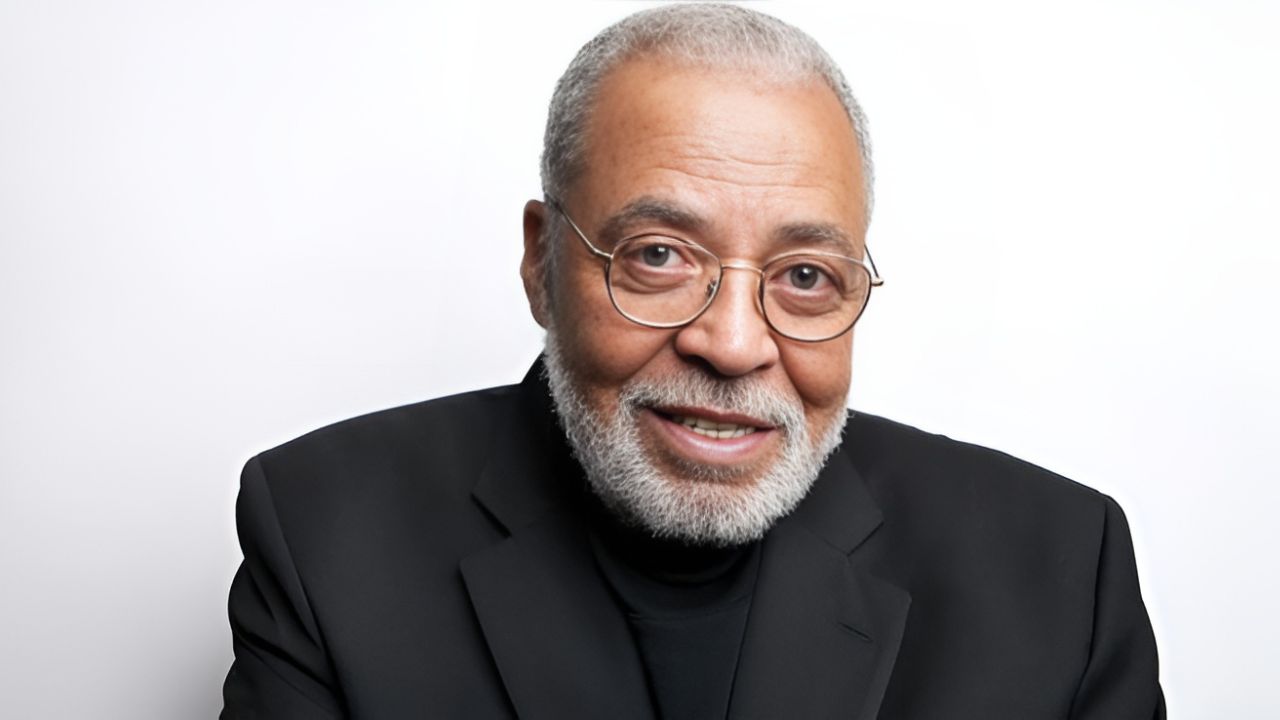
James Earl Jones, a versatile and award-winning American stage and screen actor who used his booming deep voice to bring the iconic “Star Wars” villain Darth Vader to life, has died, his representatives said Monday. He was 93 years old.
From the works of Shakespeare and August Wilson, to his indelible voiceovers in the blockbuster space saga and as Mufasa in the Disney classic “The Lion King,” Jones earned fans with his ability to play both the everyman and the otherworldly.
He won three Tony awards including a lifetime award, two Emmys and a Grammy, as well as an honorary Oscar, also for lifetime achievement.
In 1971, he became only the second Black man nominated for an Academy Award for best actor, after Sidney Poitier.
All of these accolades were hard-won, as Jones, who was born in segregated Mississippi on January 17, 1931, had to overcome a childhood stutter that often led him to barely speak at all.
“Stuttering is painful. In Sunday school, I’d try to read my lessons and the children behind me were falling on the floor with laughter,” Jones told the Daily Mail in 2010.
Reciting his own poetry, at the prodding of an English teacher, helped him to gain control of his voice, which would later be used to strike fear among millions in “Star Wars” as Darth Vader.
Jones did not physically portray the character — David Prowse wore Vader’s black cape and imposing face mask, while Jones offered the voice, oozing the evil power of the Dark Side.
“I am your father,” Vader tells Luke Skywalker, portrayed by Mark Hamill, in a pivotal fight scene in “The Empire Strikes Back” — a twist etched in cinema history.
“He created, with very little dialogue, one of the greatest villains that ever lived,” “Star Wars” creator George Lucas said in 2015 at a ceremony honoring Jones in New York.
– Broadway –
From Mississippi, Jones moved to Michigan at age five, where he was raised by his maternal grandparents.
Initially, he studied to become a doctor, and though he shifted his major to drama, and graduated from the University of Michigan, he didn’t initially think about an acting career.
“Even when I began acting studies, I thought about being a soldier,” Jones told PBS public television in 1998.
“And the idea of being an actor didn’t occur to me until after my service was almost finished.”
After university, Jones served in the US Army and then moved to New York to try his luck in acting, working as a janitor at night to make ends meet.
He made his Broadway debut in 1958 in “Sunrise at Campobello” at the Cort Theatre — which in 2022 was renamed the James Earl Jones Theatre.
He tackled many iconic Shakespeare characters on the stage, including Othello and King Lear, but also performed in several Wilson plays, chronicling the Black experience in America.
“On stage, Jones was commanding, powerful. He embodied the elegance and dignity of African American men,” said director Kenny Leon.
But the silver screen eventually came calling.
– Admirals and kings –
Jones’ film debut came in 1964 as Lieutenant Zogg in Stanley Kubrick’s Cold War satire “Dr Strangelove.”
Military roles would crop up throughout his career, notably Admiral Greer in three films about Tom Clancy’s beloved character Jack Ryan (“The Hunt for Red October,” “Patriot Games,” “Clear and Present Danger”).
As for kings, he has played a few — King Jaffe Joffer in the Eddie Murphy comedy “Coming to America” (1988) and Mufasa, Simba’s father, in “The Lion King” (1994).
His first major award came in 1969, a Tony for best actor in a play for “The Great White Hope”, in which he portrayed troubled but gifted boxer Jack Jefferson — based on the real-life Jack Johnson, the first Black world heavyweight champion.
Jones revived the role in a film adaptation of the play — earning his sole Oscar nomination and a Golden Globe award for the performance. In 2011, he won an honorary Academy Award.
Even into his 80s, Jones was a force on Broadway, starring opposite Angela Lansbury in “The Best Man” in a 2012 revival — earning another Tony nomination in the process — and with Cicely Tyson in “The Gin Game” in 2015.
And for years, he greeted viewers of the cable news network CNN with the simple phrase: “This is CNN.”
– ‘Darker voice’ –
But his most famous role was ultimately the one for which he never appeared on screen.
Lucas eventually chose between Jones and film legend Orson Welles for the role.
“George thought he wanted a — pardon the expression — darker voice. So he hires a guy born in Mississippi, raised in Michigan, who stutters and that’s the voice and that’s me,” Jones told the American Film Institute in 2009.
Jones initially did not want to be credited for the film, as he felt his voiceovers were simply part of the movie’s special effects, but eventually conceded, and went on to voice the character in multiple films, television series and video games.
In his 90s, he stepped back from the role. But he signed over the rights to his voice recordings to a start-up that is working with Lucasfilm to preserve and recreate it for future projects using artificial intelligence.
The technology was used in the Disney+ mini-series “Obi-Wan Kenobi” in 2022, according to Vanity Fair.
Jones’ second wife Cecilia died in 2016. They had one son.
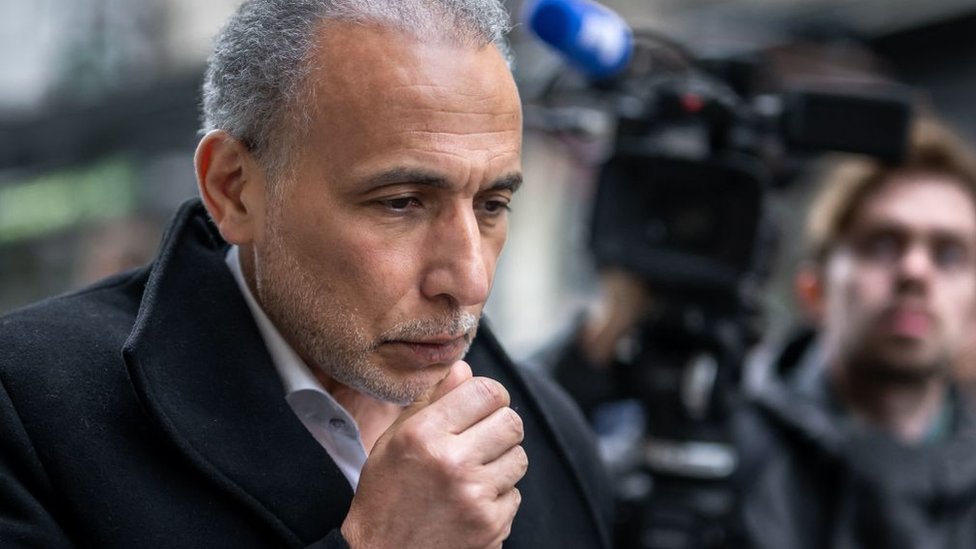
Islamic scholar Tariq Ramadan, convicted on appeal of rape and sexual coercion by a Geneva court, is a Swiss intellectual accused of masking violence and radicalism behind a mild facade.
The Swiss court said it “annuls the judgement of 24 May 2023” and sentenced the 62-year-old former Oxford University professor to three years in prison, two of them suspended.
The verdict was slightly more lenient than the three years in prison — half suspended — requested by the prosecutor in the appeals case in May.
The ruling — dated August 28 but not made public until after it was reported by broadcaster RTS early on Tuesday — is likely to be subject to an appeal at Switzerland’s highest court.
Ramadan, a charismatic yet controversial figure in European Islam, has always maintained his innocence.
Ramadan’s accuser, a Muslim convert identified only as “Brigitte”, had testified before the court that he subjected her to rape and other violent sex acts in a Geneva hotel room during the night of October 28, 2008.
The lawyer representing Brigitte said she was repeatedly raped and subjected to “torture and barbarism”.
‘Trap’
Ramadan said that Brigitte invited herself up to his room. He let her kiss him, he said, before quickly ending the encounter.
He said he was the victim of a “trap”.
Brigitte was in her forties at the time of the alleged assault.
She filed a complaint ten years later, telling the court she felt emboldened to come forward following similar complaints filed against Ramadan in France.
The appeals verdict overturns a lower court finding last year acquitting Ramadan of rape and sexual coercion, citing a lack of evidence, contradictory testimonies and “love messages” sent by the plaintiff after the alleged assault.
But during their appeal, Brigitte’s lawyers alleged that Ramadan had exercised significant “control” over the woman, suggesting she had suffered something akin to Stockholm syndrome.
The three appeals court judges pointed to “witness testimony, certificates, medical notes and private expert opinions consistent with the facts presented by the plaintiff”.
“Elements collected during the investigation have thus convinced the chamber of the guilt of the accused,” the court said in a statement.
Ramadan was a professor of contemporary Islamic studies at Oxford and held visiting roles at universities in Qatar and Morocco.
He was forced to take a leave of absence in 2017 when rape allegations surfaced in France at the height of the “Me Too” movement.
In France, he is suspected of raping three women between 2009 and 2016.
His large defence team is fighting a Paris appeals court decision in June that the cases can go to trial.
Who is Tariq Ramadan?
Ramadan, 62, is the grandson of the founder of the Islamist movement, the Muslim Brotherhood in Egypt, and wrote his doctoral thesis on his ancestor.
He basked in the public spotlight in the 2000s as a professor at Britain’s prestigious Oxford university, lecturing across Europe as well as Morocco, Qatar and Japan, drawing crowds of students wherever he went.
Named by Time Magazine in 2004 among the 100 most influential people in the world for his influence on European Muslims, Ramadan has nevertheless stirred controversy throughout his career.
He has rejected allegations of anti-Semitism as attempts to silence what he sees as legitimate criticism of the Israeli state.
And French defenders of the country’s fierce secularism have accused him of smuggling an identitarian subtext within his modernising message, encouraging young girls to wear the Islamic headscarf or spreading religious fundamentalism.
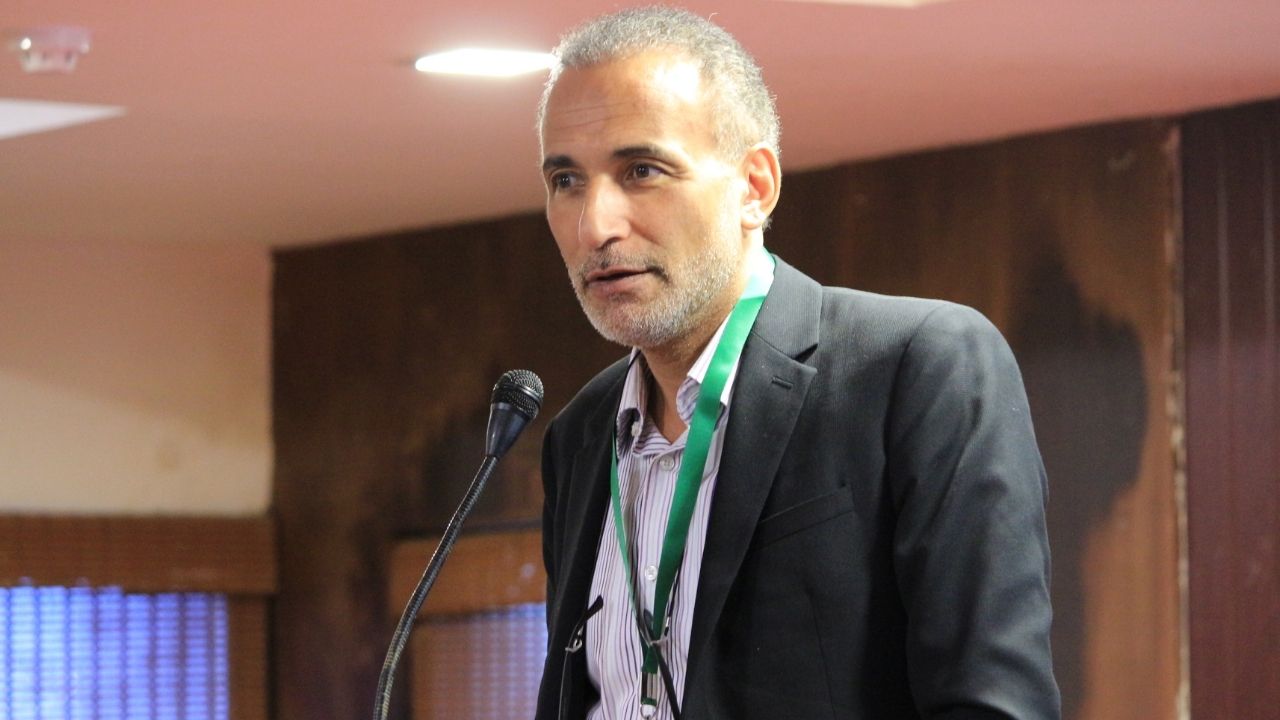
Well turned-out with trademark trimmed grey hair and beard, Ramadan engaged in verbal jousts with opponents including French polemicist Eric Zemmour, who went on to stand as a far-right presidential candidate in 2022.
He fought back against allegations of fundamentalism, saying he encouraged young Muslims to involve themselves in their societies, calling the headscarf a matter of personal choice, urging “contextualisation” of Islam’s founding texts and condemning violence.
Nevertheless, his attempt to acquire French nationality in addition to his Swiss passport to “provide a concrete, positive example of upholding the values of the Republic” was rejected in 2016 by the then prime minister Manuel Valls.
Court battles in France
Ramadan’s fall from grace began in 2017 when he was first targeted with allegations of sexual violence in France.
In total, four women in France ultimately accused him of rapes between 2009 and 2016, while a Swiss woman converted to Islam filed a criminal complaint in 2018 for a rape she said took place in Geneva 10 years before.
The Swiss case is the one in which Ramadan has now been convicted on appeal.
As the allegations broke, he put his 12-year professorship in contemporary Islamic studies at the University of Oxford on hold as support for him haemorrhaged, including from Qatar.
His 2018 admission that he had sex outside his decades of marriage, in which he had four children with a French woman convert, tarnished his image for some religious and community leaders.
Saying he suffers from multiple sclerosis and depression, Ramadan retired early.
Alongside the Swiss case, a Paris appeals court ruled in June this year that Ramadan should be tried for raping three women between 2009 and 2016, a decision his lawyers have challenged.
The scholar spent more than nine months in pre-trial detention in 2018 but was released in November that year.
‘Fragile’ women
French investigators in 2023 said they had identified a pattern across all the rape allegations.
Ramadan would enter private conversations with women who were “especially fragile, with tumultuous life stories, looking for love, validation and spirituality”.
The discussions would quickly take an intimate and then sexual turn, prosecutors said, leading to an in-person meeting.
Psychiatric experts told the investigation that the women had been fervent admirers of Ramadan as a public figure with religious and academic credentials.
But when it came to the meetings, several women described a complete change of character, with Ramadan becoming violent, ranging from slaps to blows and non-consensual penetration.
Ramadan said he had not carried out “a single act, behaviour or sex act that was not discussed beforehand” with the women.
The vote is the first since a reform was passed in 2022 that increased the number of seats in the house, reserving a higher number for women and lowering the minimum age for candidates.
Despite the reform, which was a bid to modernise the kingdom’s parliament, voters and candidates have both told AFP the genocide in Gaza is the main issue in Tuesday’s election.
Islamist candidates seeking to capitalise on anger over Gaza were, however, unlikely to score major gains, said analysts who believe the conflict may push abstention rates higher.
Jordan became, in 1994, the second Arab state after Egypt to sign a peace treaty with Israel.
But around half of its population is of Palestinian origin, and there have been regular protests calling for the cancellation of the peace treaty since the genocide started in Gaza after October 7.
Just two days ahead of the vote, a Jordanian man killed three Israeli guards at the border crossing between Jordan and the occupied West Bank — the first such attack since the 1990s.
Voters also worry that no matter the election result, there can be no improvement to the economy until Israel and Hamas reach a ceasefire.
Jordan has seen a decline in tourism since the war began — a sector it relies on for about 14 percent of its gross domestic product.
Compounding the country’s economic woes, public debt has neared $50 billion, and unemployment hit 21 per cent in the first quarter of this year.
Doubts over vote impact
Polling will open at 7:00 a.m. (0400 GMT) local time on Tuesday, and voting will continue until 7:00 p.m. The final results will be announced within 48 hours.
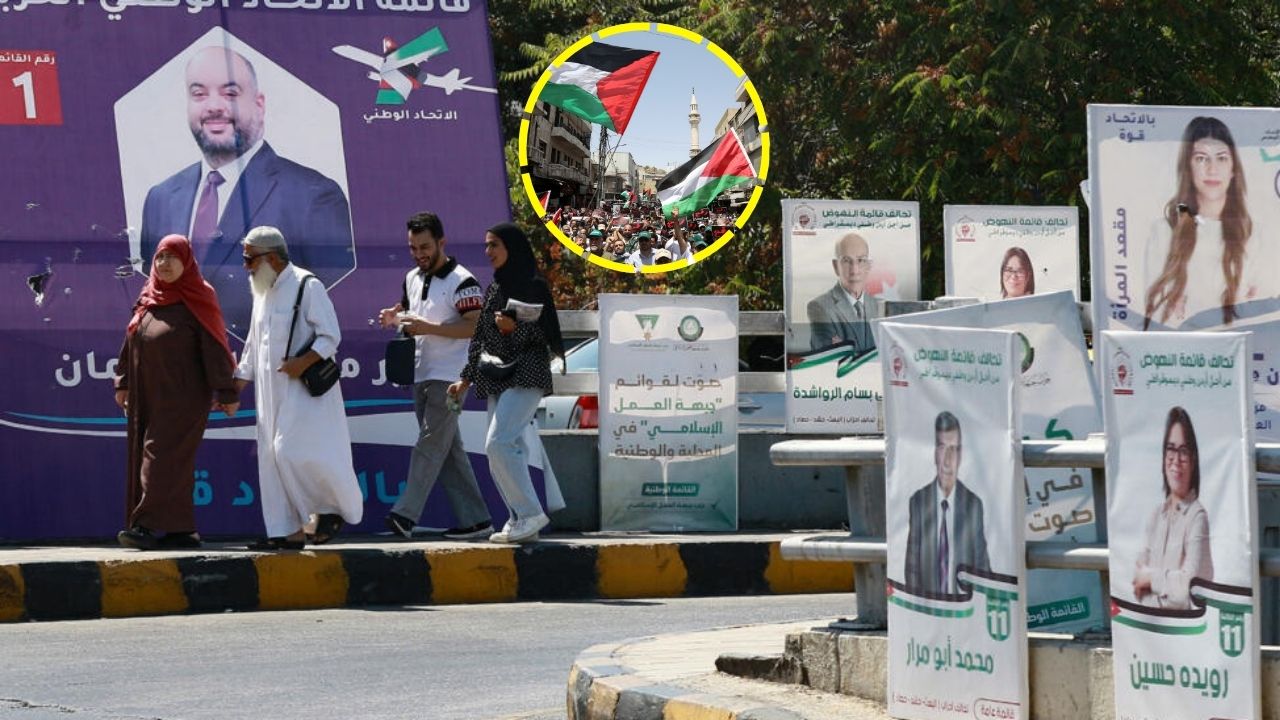
Candidates include tribal leaders, leftists, centrists and Islamists from the country’s largest opposition group, the Muslim Brotherhood-affiliated Islamic Action Front (IAF).
In a busy market in central Amman, where campaign posters were on display, views on the vote in the lead-up to polling day were mixed.
“Elections are important and vital. They are our opportunity to make our voices heard and choose who represents us in parliament, even though deep down we doubt there will be significant change,” said 65-year-old retiree Issa Ahmed.
Mohammed Jaber, a shop owner in Amman, meanwhile told AFP: “People are busy with many things, the Gaza genocide and the bad economic situation. They do not know what the parties will be able to achieve.”
According to the election commission, more than 5.1 million people are registered to vote in the country of 11.5 million.
‘All eyes’ on Gaza
“What is happening in Gaza, from daily killing, destruction, and tragedies broadcast daily on television, makes us feel pain, helplessness, humiliation and degradation, and makes us forget the elections and everything that is happening around us,” said Omar Mohammed, a 43-year-old civil servant.
“I feel bitterness. I am not sure yet if I will vote in these elections,” he added.
Candidates have also focused on the conflict, with Islamists seeking to capitalise on solidarity with Gazans.
“The Gaza genocide and the Palestinian cause occupy a major place in the Jordanian elections, as all eyes and minds are on Gaza and Palestine and the massacres taking place there against the Palestinian people,” IAF candidate Saleh Armouti told AFP.
“The elections… should not be delayed and they serve the Palestinian cause and the region, but I also fear that there will be some abstention from voting due to these events,” he added.
Oraib Rantawi, an analyst and the head of the Amman-based Al Quds Center for Political Studies, agreed the war may drive abstention rates higher but he did not think the Islamists’ focus on Gaza would translate into votes.
“The improvement in these forces’ status and parliamentary representation will be modest,” he told AFP.
Australia will ban children from using social media with a minimum age limit as high as 16, the prime minister said Tuesday, vowing to get kids off their devices and “onto the footy fields”.
Federal legislation to keep children off social media will be introduced this year, Anthony Albanese said, describing the impact of the sites on young people as a “scourge”.
Albanese said that the minimum age for children to log into sites such as Facebook, Instagram, and TikTok has not been decided but is expected to be between 14 and 16 years.
The prime minister said his own preference would be to block users aged below 16.
Age verification trials are being held over the coming months, the centre-left leader said, though analysts said they doubted it was technically possible to enforce an online age limit.
“I want to see kids off their devices and onto the footy fields and the swimming pools and the tennis courts,” Albanese said.
“We want them to have real experiences with real people because we know that social media is causing social harm,” he told national broadcaster ABC.
“This is a scourge. We know that there is mental health consequences for what many of the young people have had to deal with,” he said.
Australia’s conservative opposition leader, Peter Dutton, said he would support an age limit.
“Every day of delay leaves young kids vulnerable to the harms of social media and the time for relying on tech companies to enforce age limits,” he said.
‘Easy to circumvent’
But it is not clear that the technology exists to reliably enforce such bans, said the University of Melbourne’s associate professor in computing and information technology, Toby Murray.
“We already know that present age verification methods are unreliable, too easy to circumvent, or risk user privacy,” he said.
Analysts warned that an age limit may not in any case help troubled children.
It “threatens to create serious harm by excluding young people from meaningful, healthy participation in the digital world,” said Daniel Angus, who leads the digital media research centre at Queensland University of Technology.
“There is logic in establishing boundaries that limit young people’s access,” said Samantha Schulz, senior sociologist of education at the University of Adelaide.
“However, young people are not the problem and regulating youth misses the more urgent task of regulating irresponsible social media platforms. Social media is an unavoidable part of young people’s lives.”
The prime minister said parents expected a response to online bullying and harmful material present on social media.
“These social media companies think they’re above everyone,” he told a radio interviewer.
“Well, they have a social responsibility and at the moment, they’re not exercising it. And we’re determined to make sure that they do,” he said.
Australia has been at the forefront of global efforts to regulate social media platforms, with its online safety watchdog bumping heads notably with Elon Musk’s X over the content it carries.
Boeing’s beleaguered Starliner made its long-awaited return to Earth on Saturday without the astronauts who rode it up to the International Space Station (ISS), after NASA ruled the trip back too risky.
After years of delays, Starliner had launched in June for what was meant to be a roughly weeklong test mission — a final shakedown before it could be certified to rotate crew to and from the orbital laboratory.
But unexpected thruster malfunctions and helium leaks on the way to the ISS had derailed those plans, and NASA had decided it was safer to bring back crewmates Butch Wilmore and Suni Williams on a rival SpaceX Crew Dragon though they will have to wait until February 2025.
The gumdrop-shaped Boeing capsule touched down softly at the White Sands Space Harbor in New Mexico at 4:01am GMT on Saturday, its descent slowed by parachutes and cushioned by airbags, having departed the ISS around six hours earlier.
As it streaked red-hot across the night sky, ground teams reported hearing sonic booms. The spacecraft endured temperatures of 3,000 degrees Fahrenheit (1,650 degrees Celsius) during atmospheric reentry.
NASA had praised on Boeing during a post-flight press conference where representatives from the company were conspicuously absent.
“It was a bullseye landing,” said Steve Stich, program manager for NASA’s commercial crew program. “The entry in particular has been darn near flawless,” he added.
Still, he acknowledged that certain new issues had come to light, including the failure of a new thruster and the temporary loss of the guidance system.
He added it was too early to talk about whether Starliner’s next flight, scheduled for August next year, would be crewed, instead stressing NASA needed time to analyse the data they had gathered and assess what changes were required to both the design of the ship and the way it is flown.
Ahead of the return leg, Boeing had carried out extensive ground testing to address the technical hitches encountered during Starliner’s ascent, then promised — both publicly and behind closed doors — that it could safely bring the astronauts home. In the end, NASA disagreed.
In response to whether he stood by that decision, NASA’s Stich said: “It’s always hard to have that retrospective look. We made the decision to have an uncrewed flight based on what we knew at the time and based on our knowledge of the thrusters and based on the modelling that we had.”
History of setbacks
Even without a crew aboard, the stakes were high for Boeing, a century-old aerospace giant.
With its reputation already battered by safety concerns surrounding its commercial jets, its long-term prospects for crewed space missions hung in the balance.
Shortly after undocking, Starliner executed a powerful “breakout burn” to swiftly clear it from the station and prevent any risk of collision — a manoeuvre that would have been unnecessary if crew were aboard to take manual control if needed.
Mission teams then conducted thorough checks of the thrusters required for the critical “deorbit burn” that guided the capsule onto its reentry path around 40 minutes before touchdown.
Though it was widely expected that Starliner would stick the landing, as it had on two previous uncrewed tests, Boeing’s program continues to languish behind schedule.
In 2014, NASA had awarded both Boeing and SpaceX multibillion-dollar contracts to develop spacecraft to taxi astronauts to and from the ISS, after the end of the Space Shuttle program left the US space agency reliant on Russian rockets.
Although initially considered the underdog, Elon Musk’s SpaceX has surged ahead of Boeing, and successfully flown dozens of astronauts since 2020.
Meanwhile, the Starliner program has faced numerous setbacks, from a software glitch that prevented the capsule from rendezvousing with the ISS during its first uncrewed test flight in 2019 to the discovery of flammable tape in the cabin after its second test in 2022 to the current troubles.
With the ISS scheduled to be decommissioned in 2030, the longer Starliner takes to become fully operational, the less time it will have to prove its worth.
Trigger Warning: The details of the story could be painful to read.
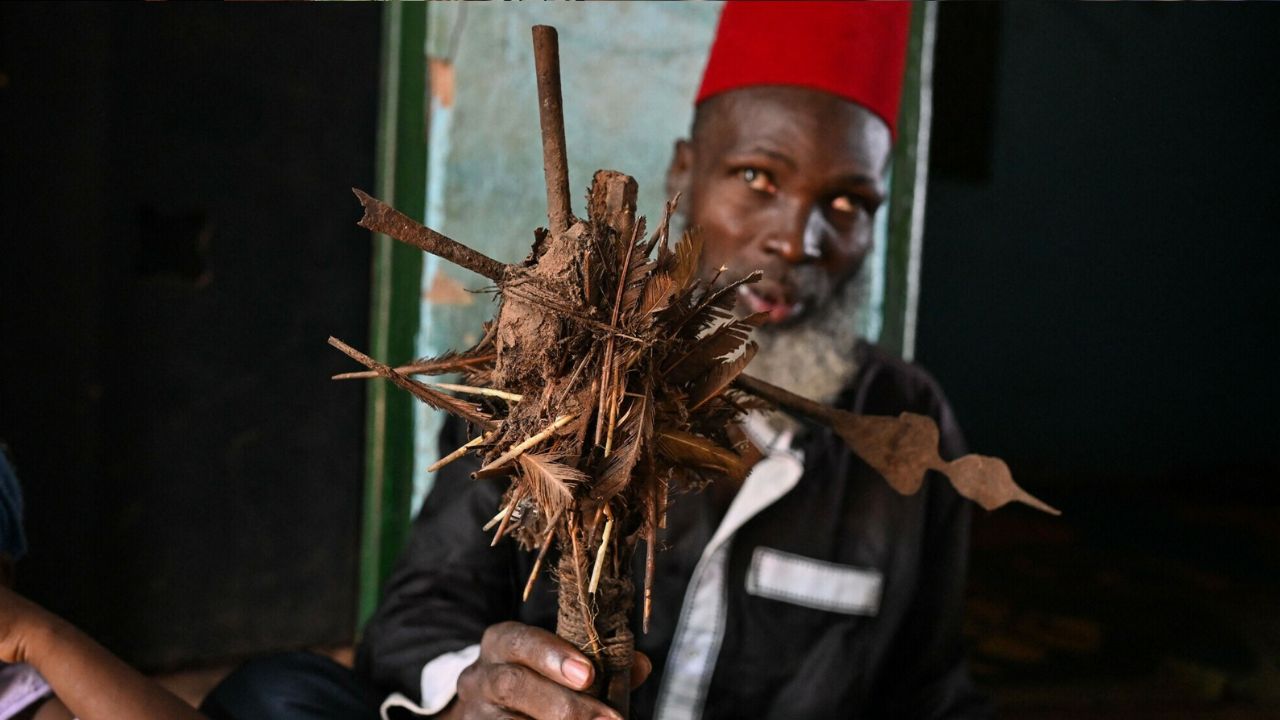
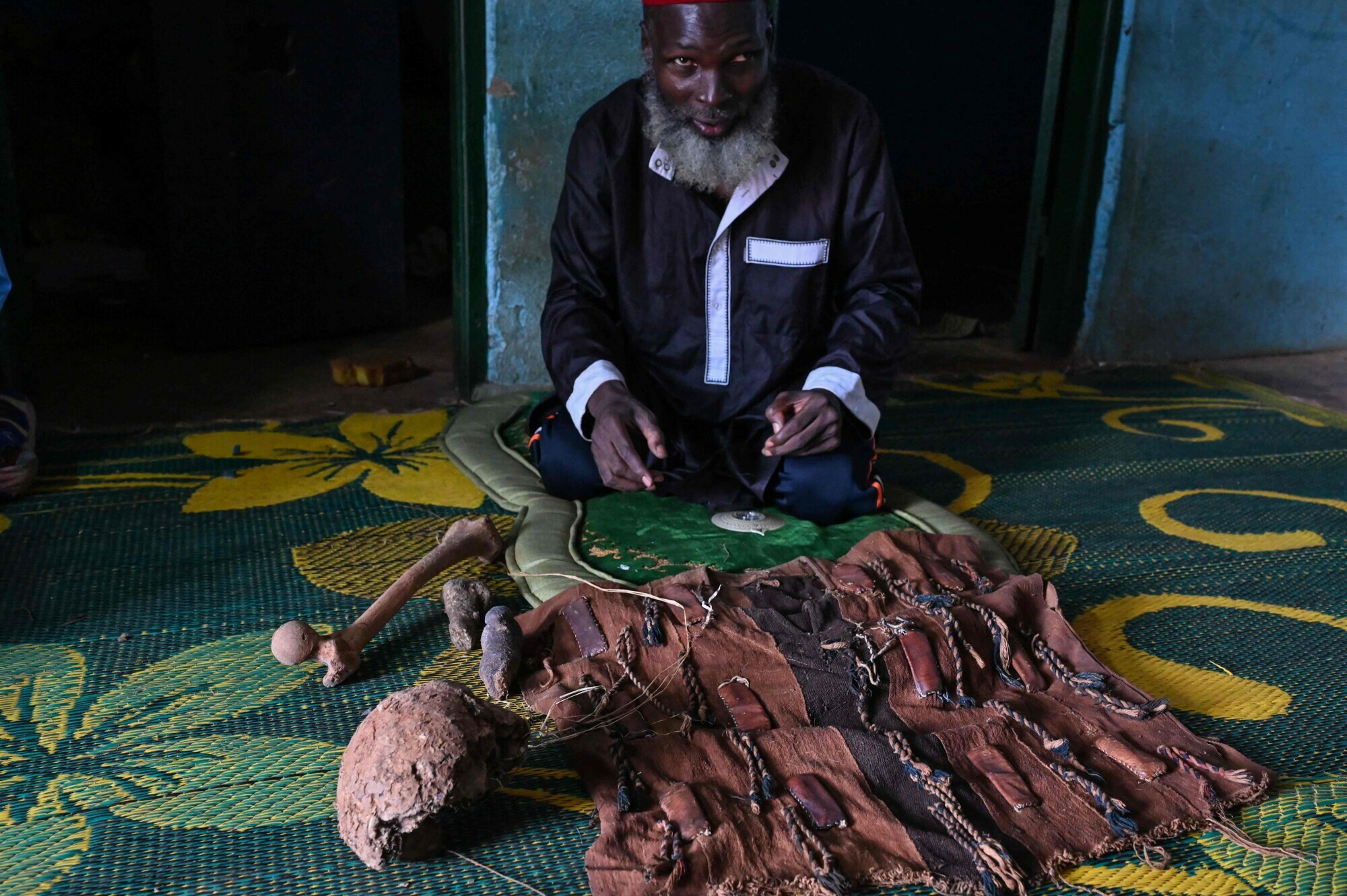
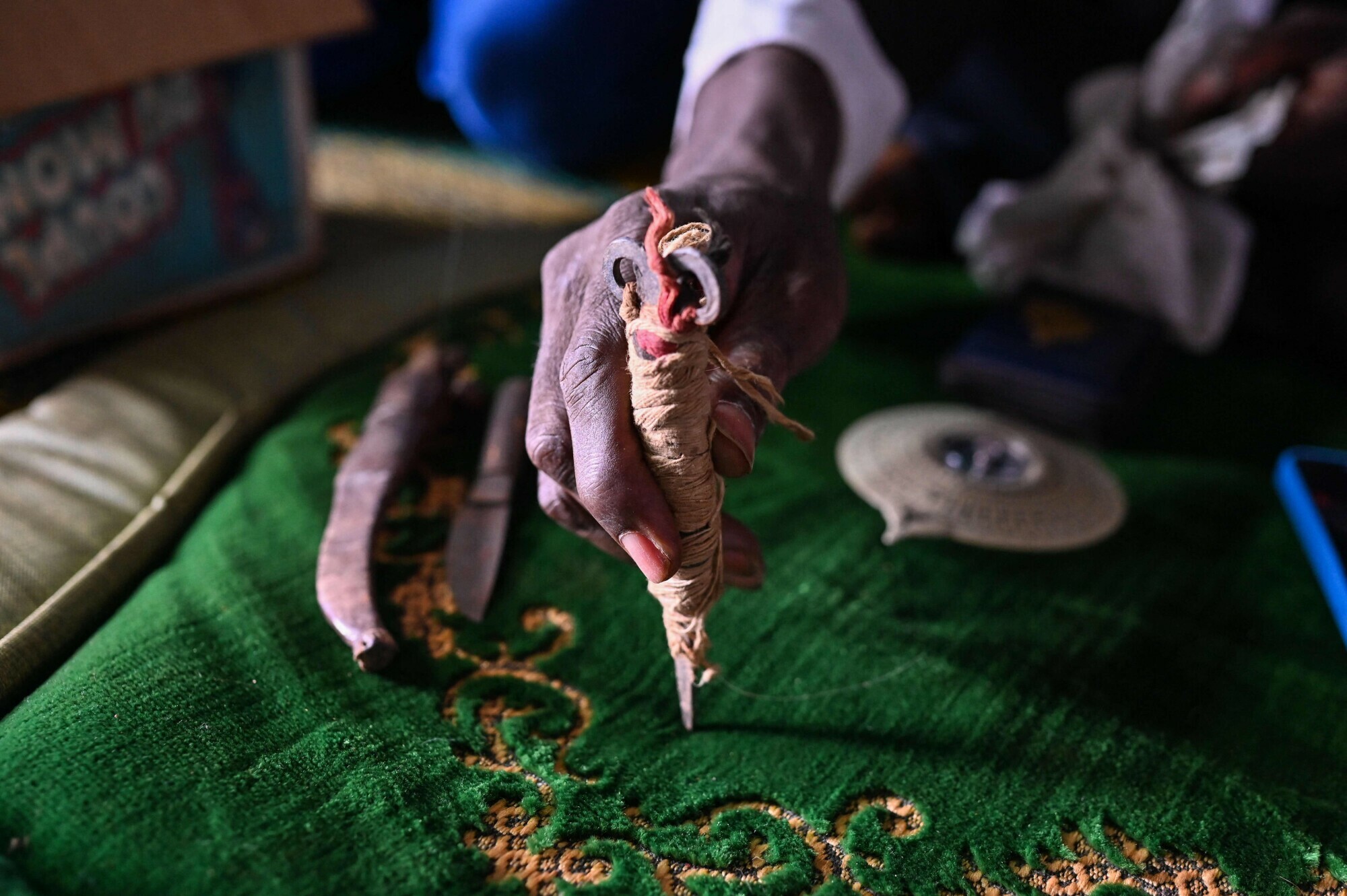
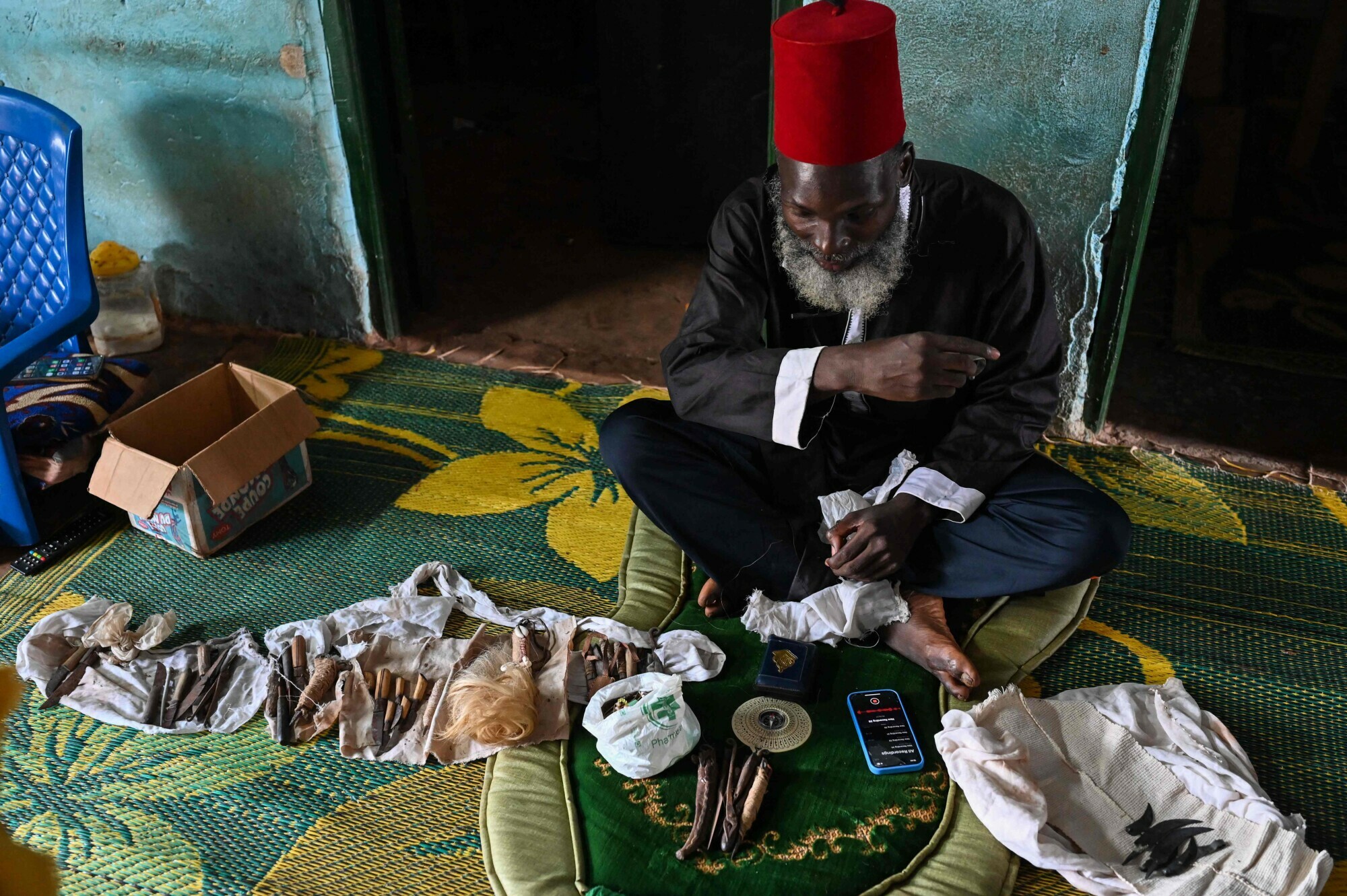
When he was a witch doctor, Moussa Diallo would regularly smear himself in a lotion made from a clitoris cut from a girl subjected to female genital mutilation.
“I wanted to be a big chief, I wanted to dominate,” said the small but charismatic fiftysomething from northwest Ivory Coast.
“I put it on my face and body” every three months or so “for about three years”, said Diallo, who asked AFP not to use his real name.
Genitalia cut from girls in illegal “circumcision” ceremonies is used in several regions of the West African country to “make love potions” or magic ointments that some believe will help them “make money or reach high political office”, said Labe Gneble, head of the National Organisation for Women, Children and the Family (ONEF).
A ground-down clitoris can sell for up to around $170, the equivalent of what many in Ivory Coast earn in a month.
Diallo stopped using the unctions a decade ago, but regional police chief Lieutenant N’Guessan Yosso confirmed to AFP that dried clitorises are still “very sought after for mystical practices”.
And it is clear from extensive interviews AFP conducted with former faith healers, circumcisers, social workers, researchers and NGOs, that there is a thriving traffic in female genitalia for the powers they supposedly impart.
Many are convinced the trade is hampering the fight against female genital mutilation (FGM), which has been banned in the religiously diverse nation for more than a quarter of a century.
Despite that, one in five Ivorian women are still being cut, according to the OECD, with one in two being mutilated in parts of the north.
Cut and mixed with plants
Before he had a crisis of conscience and decided to campaign against FGM, Diallo said he was often asked by the women who performed excisions around the small town of Touba to use his powers to protect them from evil spells.
Female circumcision has been practised by different religions in West Africa for centuries, with most girls cut between childhood and adolescence.
Many families consider it a rite of passage or a way to control and repress female sexuality, according to the UN Children’s Agency UNICEF, which condemns cutting as a dangerous violation of girls’ fundamental rights.
Beyond the physical and psychological pain, cutting can be fatal and lead to sterility, birth complications, chronic infections and bleeding, not to mention the loss of sexual pleasure.
Diallo would often accompany the women who do the cutting out into the forest or to a home where dozens of girls would be circumcised, often surrounded by fetishes and sacred objects. So it was relatively easy for the former faith healer to obtain the precious powder.
“When they would cut the clitorises they would dry them for a month or two then pound them with stones,” he said.
The result was a “black powder” which was then sometimes mixed with “leaves, roots and bark” or shea butter that is often used in cosmetics.
They could then sell it for around “100,000 CFA Francs (152 euros) if the girl was a virgin” or “65,000 (99 euros) if she already had a child” or barter it for goods and services, Diallo added.
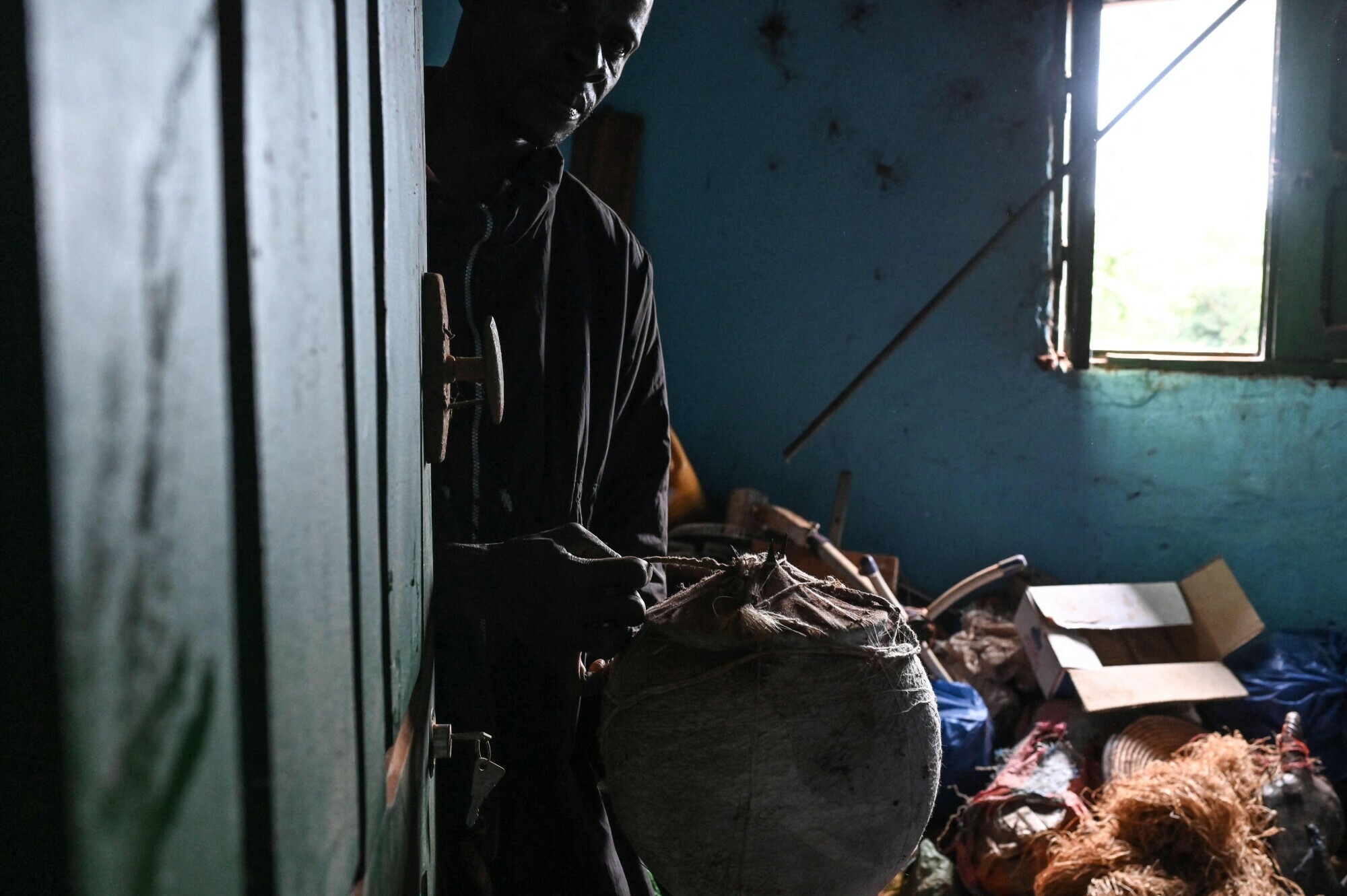
The ex-witch doctor said he was able to get some of the powder recently — a mix of human flesh and plants, he believes — from a cutter in his village.
AFP was shown the powder but was unable to analyse it without buying it.
‘Organ trafficking’
Former circumcisers interviewed by AFP insisted that clitorises cut from girls are either buried, thrown into a river or given to the parents, depending on local custom.
But one in the west of the country admitted some end up being used for magic.
“Some people pretend they are the girls’ parents and go off with the clitoris,” she said.
Witch doctors use them for “incantations” and sell them afterwards, she claimed.
Another circumciser said some of her colleagues were complicit in the trade, “giving (genitalia) to people who are up to no good” for occult purposes.
Mutilated when she was still a child, one victim told AFP that her mother warned her to bring home the flesh that had been cut.
The trade is regarded as “organ trafficking” in Ivorian law and is punishable — like FGM — with fines and several years in prison, said lawyer Marie Laurence Didier Zeze.
But police in Odienne, who are in charge of five regions in the country’s northwest, said no one has ever been indicted for trafficking.
“People won’t say anything about sacred practices,” lamented Lieutenant N’Guessan Yosso.
The cutters themselves are both feared and respected, locals told AFP, often seen as prisoners of evil spirits.
‘Just nuts’
“A clitoris cannot give you magical powers, it’s just nuts,” said gynaecologist Jacqueline Chanine based in the country’s commercial capital Abidjan.
Even so, the practice is still stubbornly widespread in some parts of the country, according to researchers.
Dieudonne Kouadio, an anthropologist specialising in health, was presented with a box of the powder in the town of Odienne, 150 kilometres north of Touba.
“It contained a dried cut organ in the form of a blackish powder,” he said.
His discovery was included in a 2021 report for the Djigui foundation, whose conclusions were accepted by the Ministry for Women.
Farmers in Denguele district, of which Odienne is a part, “buy clitorises and mix the powder with their seeds to increase the fertility of their fields”, said Nouho Konate, a Djigui foundation member who has been fighting FGM in the area for 16 years.
He said parents of young girls were “gutted” when he told them of the trafficking.
Further south and in the centre west of the country, women use clitoris powder as an aphrodisiac, hoping to prevent their husbands straying, said criminologist Safie Roseline N’da, author of a 2023 study on FGM which also pointed to the trade.
She and her two co-authors discovered that blood from cut women was also being used to honour traditional gods.
They are far from the only Ivorian folk remedies that use body parts, according to lawyer Didier Zeze.
Mystic beliefs keeps it going
“The mystic has a central place in daily life” in the Ivory Coast — where Islam, Christianity and traditional animist beliefs co-exist — said the Canadian anthropologist Boris Koenig, a specialist in occult practices there.
“It touches every sphere of people’s social, professional, family and love lives,” he said, and there is generally nothing illegal about it.
The trade, however, is “one of the reasons that FGM survives” in the Ivory Coast, NGOs argue, where the rate of cutting is generally falling and is below the West African average of 28 per cent, according to the OECD.
Back near Touba, the former witch doctor Diallo recalled how up to 30 women would be cut in a day in the places his magic protected.
The dry season between January to March was the favoured period for circumcisions when the hot Harmattan wind from the Sahara helps scars heal, he said.
Staff at the region’s only social work centre say the cutting is still going on but hard to quantify because it never happens in the open.
Instead, it goes on in secret, hidden behind traditional festivals which have nothing to do with the practice, kept going, they say, by circumcisers from neighbouring Guinea — only a few kilometres away — where FGM rates are over 90pc.
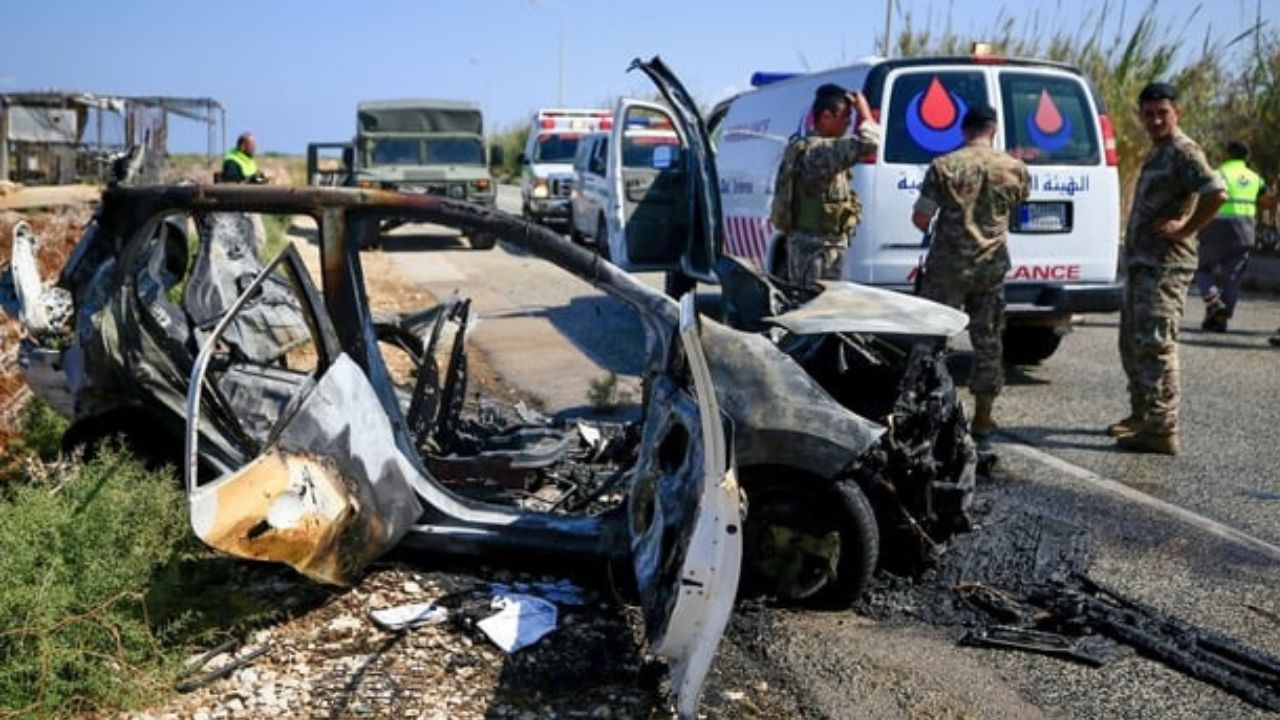
Syrian state media said Monday that overnight Israeli strikes killed 14 people in central Hama province, with a war monitor reporting a higher death toll in raids on sensitive military sites.
The Israeli military, which has carried out hundreds of strikes in Syria since the start of the civil war there in 2011, declined to comment on the latest reported attack.
Syrian official news agency SANA, citing a medical source, said: “The number of martyrs resulting from the Israeli aggression on a number of sites in the vicinity of Masyaf has risen to 14 martyrs and 43 wounded, including six critically.”
The Syrian Observatory for Human Rights war monitor reported “intense Israeli strikes” overnight, giving a death toll of “18 people” including eight Syrian fighters. It said 32 others were wounded.
Israeli strikes on Syria since 2011 have mainly targeted army positions and Iran-backed fighters, including from Lebanon’s Hezbollah group.
Israeli authorities rarely comment on individual strikes in Syria but have repeatedly said they will not allow arch-enemy Iran to expand its presence.
Syria’s SANA news agency, citing a military source, reported that at “around 11:20 pm (2020 GMT) on Sunday, the Israeli enemy carried out an air attack” from the direction of northwest Lebanon “targeting a number of military sites in the central region”.
Air defences “shot down some” of the missiles, SANA reported.
The Observatory said, “Israeli strikes… targeted the scientific research area in Masyaf” in Hama province and other sites, destroying “buildings and military centres”.
The Britain-based Observatory, which relies on a network of sources inside Syria, had earlier said the strikes targeted sites “where pro-Iran groups and weapons development experts are stationed”.
It was “one of the most violent Israeli attacks” in Syria in years, Observatory chief Rami Abdel Rahman told AFP.
He said Iranian experts “developing arms including precision missiles and drones” worked in the scientific research centre that was hit.
Nasser Kanani, spokesman for the Iranian foreign ministry, told a media briefing: “We strongly condemn this criminal attack by the Zionist regime on Syrian soil.”
Israeli raids on Syria surged after October 7 sparked a genocide in Gaza, then eased somewhat after an April 1 strike blamed on Israel hit the Iranian consular building in Damascus.
Syria has sought to stay out of the Israel-Hamas conflict, which has raised fears of a broader regional war.
In late August, several pro-Iranian fighters were killed in Syria’s central Homs region in strikes attributed to Israel, the Observatory had said.
Days later, the Israeli military said it killed an unspecified number of fighters belonging to Hamas ally Islamic Jihad in a strike in Syria near the Lebanese border.
The Syrian government’s brutal suppression of a 2011 uprising triggered the conflict that has killed more than half a million people and drawn in foreign armies and jihadists.
Iran-backed groups, including Lebanon’s powerful Hezbollah movement, have bolstered President Bashar al-Assad’s forces during Syria’s civil war.
Israeli raids on Syria have also sought to cut off Hezbollah supply routes to Lebanon.
Iran Accuses Israel Over ‘Criminal’ Syria Attack
Iran on Monday accused its regional arch-foe Israel of carrying out what it called a “criminal” attack in central Syria, where state media said strikes killed at least 14 people.
“We strongly condemn this criminal attack by the Zionist regime on Syrian soil,” foreign ministry spokesman Nasser Kanani told a news conference in Tehran, calling on Israel’s backers to “stop supporting and arming it”.
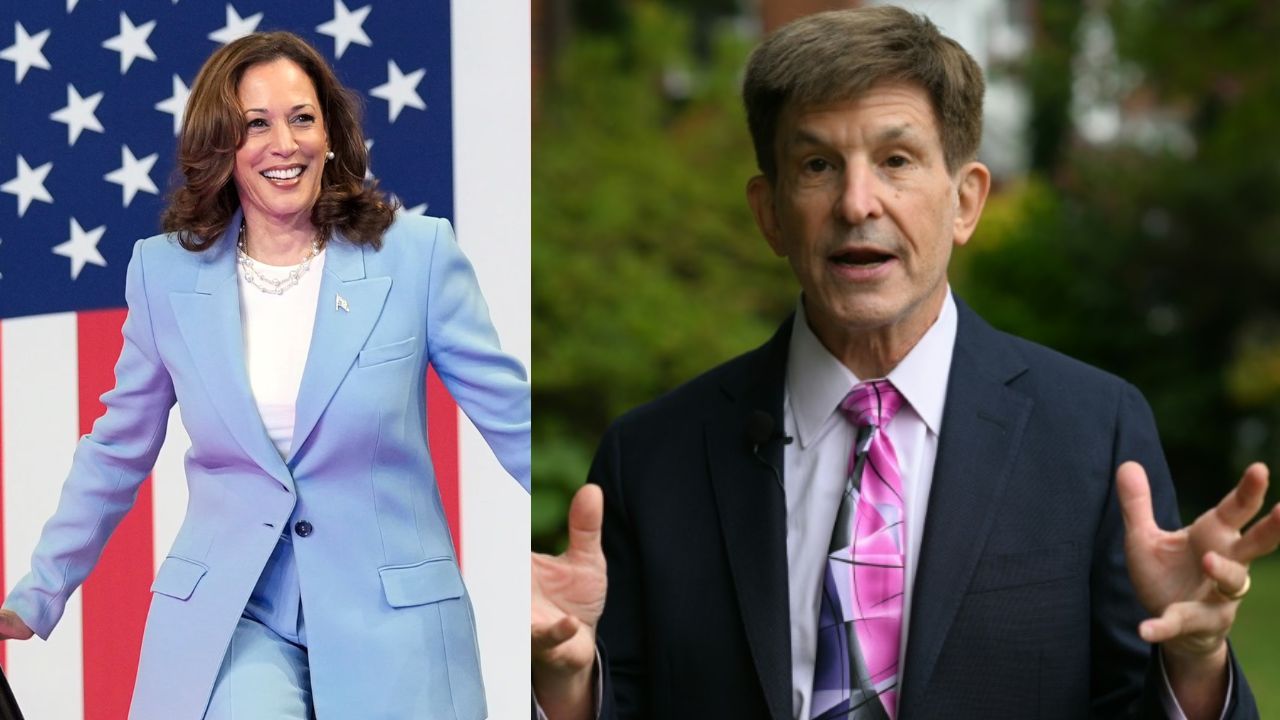
Forget the polls, ditch the data and stop sending journalists to swing-state diners to interview undecided voters: historian Allan Lichtman already knows who is going to win the US presidential election.
“Harris will win,” Lichtman confidently announced to AFP.
He was speaking at his home in the leafy Washington suburb of Bethesda shortly after unveiling his much-discussed, once-every-four-years White House prediction, based on what he calls the “13 keys” method.
It can be easy to dismiss Lichtman’s signature methodology as just another gimmick in the endless, drawn-out “horse race” style coverage of US elections — where journalists, pollsters and pundits are constantly trying to see who is up and who is down.
But the American University history professor has answers for his critics — and a track record that’s hard to beat, having correctly called all but one election since 1984.
Lichtman pays no attention to opinion polls.
Instead, his predictions are based on a series of true-or-false propositions applied to the current presidential administration. If six or more of these “keys” are false, the election will go to the out-of-power challenger — in this case, Republican candidate Donald Trump.
One of the keys, for example, posits that the president’s party won seats in the most recent midterm elections. The Democrats actually lost control of the House in the 2022 midterms, meaning this particular key is termed “false,” tipping the scales toward Trump.
A few more keys break Trump’s way: President Joe Biden stepped down, meaning Democrats lost the key which determines the “incumbency,” a vital advantage.
Biden’s vice president and replacement as nominee, Kamala Harris, is surging on optimism among party faithful. But Lichtman rules that she does not qualify for another of the keys, which is being a charismatic, “once-in-a-generation” candidate in the style of Ronald Reagan or Franklin Roosevelt.
More points to Trump, yes. But after that the keys start breaking in rapid succession for Harris.
For example, the Biden administration’s massive environment and infrastructure legislation ticks the box for the key requiring a “major policy change” by the current White House.
Another key for Harris is the exit of fringe independent candidate Robert F. Kennedy Jr.
She also satisfies the key demanding lack of major scandal.
Do the math and it turns out that only three keys are falling for Trump. But to be declared the presumptive winner, he would have needed six.
And there’s another key which could go Harris’s way, if the administration reaches a ceasefire and hostage release in Gaza.
It’s a move that would likely require Democrats to push harder against the Israeli government — sure to cause strain among poll-obsessed advisors in a party trying to straddle a base that is heavily divided over the issue. Yet, a ceasefire would mean the Democrats actually delivered a policy achievement, Lichtman argues, and deliver one of the keys on foreign policy.
“I don’t like to speculate, because the devil is in the details, but that could be seen as a big success,” he said.
Critics of the “13 keys” home in on the speculative nature of some of the true-false propositions. What is a charismatic leader, for example?
Yet the sage of Bethesda, as some have dubbed him, is well-versed in arguing his case.
“I’ve been doing this for 40 years. I think I’ve heard every conceivable question,” he said. “‘Aren’t your keys subjective?’ I obviously have an answer to that — they’re not subjective, they’re judgmental.
“We’re dealing with human beings. Historians make judgments all the time, and the judgments are very tightly constrained.”
Amid the “noise” of national political punditry, Lichtman argues, presidential elections are a simple “vote up or down on the strength and performance of the White House party.”
In that way, his method is anti-horse race — focused on good governance rather than campaigns, since in reality “we forget virtually anything a candidate has to say.”
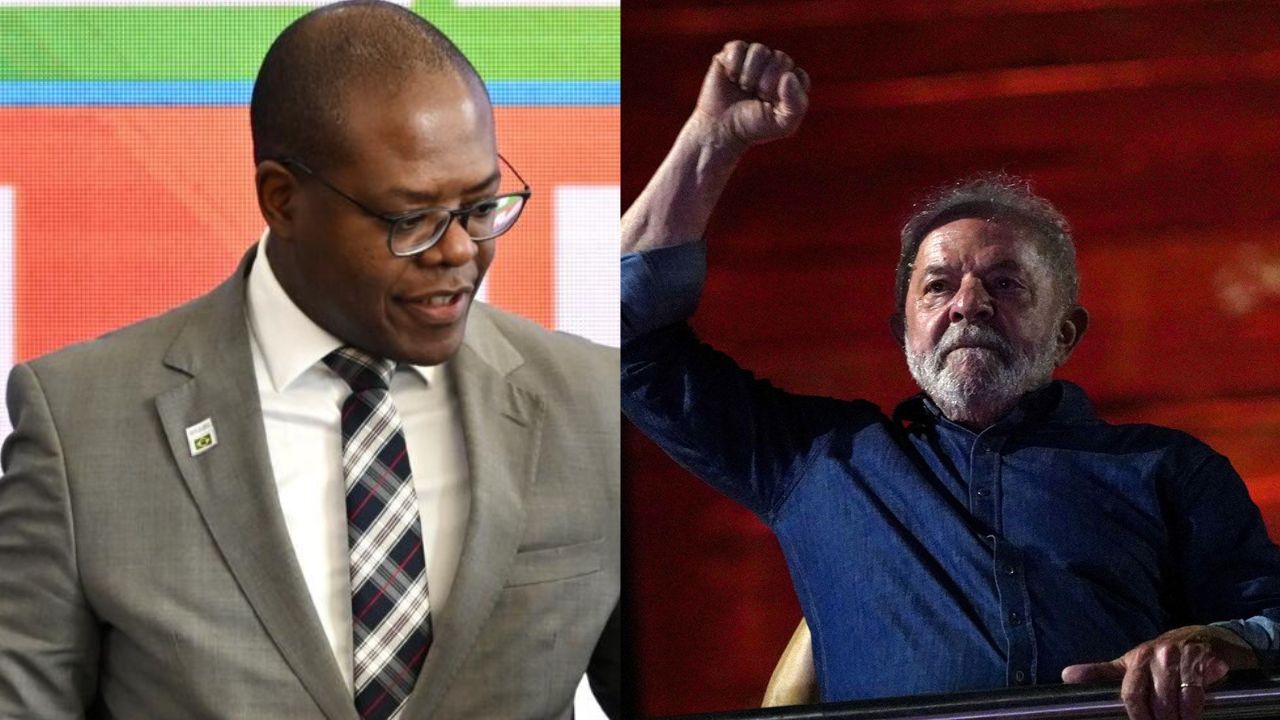
Brazil’s President Luiz Inacio Lula da Silva on Friday fired his human rights minister, Silvio Almeida, following claims that he sexually harassed several women, including a cabinet colleague.
The scandal, which caused outrage in Brazil, is the first of its kind involving a member of Lula’s government since the veteran leftist returned to power last year.
“Given the grave accusations against minister Silvio Almeida and after summoning him for a conversation… President Lula decided to remove the head of the human rights and citizenship ministry,” the presidency said in a statement.
“The president considers the possibility of the minister remaining in office untenable given the nature of the allegations,” the statement added.
In a later statement, Almeida said: “I asked President Lula to dismiss me.”
“It will give me a chance to prove my innocence and recover from this,” he said.
The Metropoles news site reported on Thursday that the women’s association Me Too Brasil had received complaints against Almeida from several women, including Racial Equality Minister Anielle Franco.
Me Too Brasil confirmed the report and said that the women in question had “received psychological and legal support.”
The federal police said Friday it would investigate the claims and the presidential ethics commission said it too had launched an inquiry.
Almeida, a 48-year-old lawyer and university professor who is considered one of Brazil’s leading intellectuals, had earlier rejected the allegations as “lies” aimed at tarnishing the image of “a black man who occupies a prominent position in public office.”
Franco, 40, is also black.
Writing on Instagram after Almeida’s dismissal, she said that it was “unacceptable to downplay or diminish acts of violence” and praised Lula’s “forceful action.”
Welcoming the expressions of solidarity she had received, she added: “We know how much women and girls suffer from harassment everyday, at work, in public transport, in schools and at home.”
On Friday, the UOL news site published the account of one of Almeida’s accusers, a university professor who said the minister groped her during a meal in 2019 in front of around 15 people.
“There were a lot of people, I was wearing a skirt and I remember his hand on my private parts,” she said, adding: “I felt ashamed.”
Before meeting Almeida on Friday, Lula issued a stern warning about possible cases of sexual harassment in his team.
“What I can say is that whoever practices harassment cannot remain in government,” he told Brazil’s Difusora Goiania radio station while emphasizing Almeida’s right to the presumption of innocence.
On Thursday, the government had acknowledged the “seriousness” of the claims levelled at the minister and vowed that they would be treated “with the rigour and speed that situations of possible violence against women demand.”
Almedia’s wife, Edneia Carvalho, with whom he has a one-year-old daughter, described the claims against the minister as “unfair” and “absurd” on Instagram.
While this is the first scandal involving alleged sexual misconduct by a member of Lula’s government, it is not the first time one of his ministers has been accused of a crime.
In June, the federal police recommended that Communications Minister Juscelino Filho be indicted for corruption and consorting with criminals.
Filho denied the allegations and so far has kept his job.