Author: AFP

  • India slams ‘unjustified’ action by US, EU over its Russian oil purchases

    India slams ‘unjustified’ action by US, EU over its Russian oil purchases

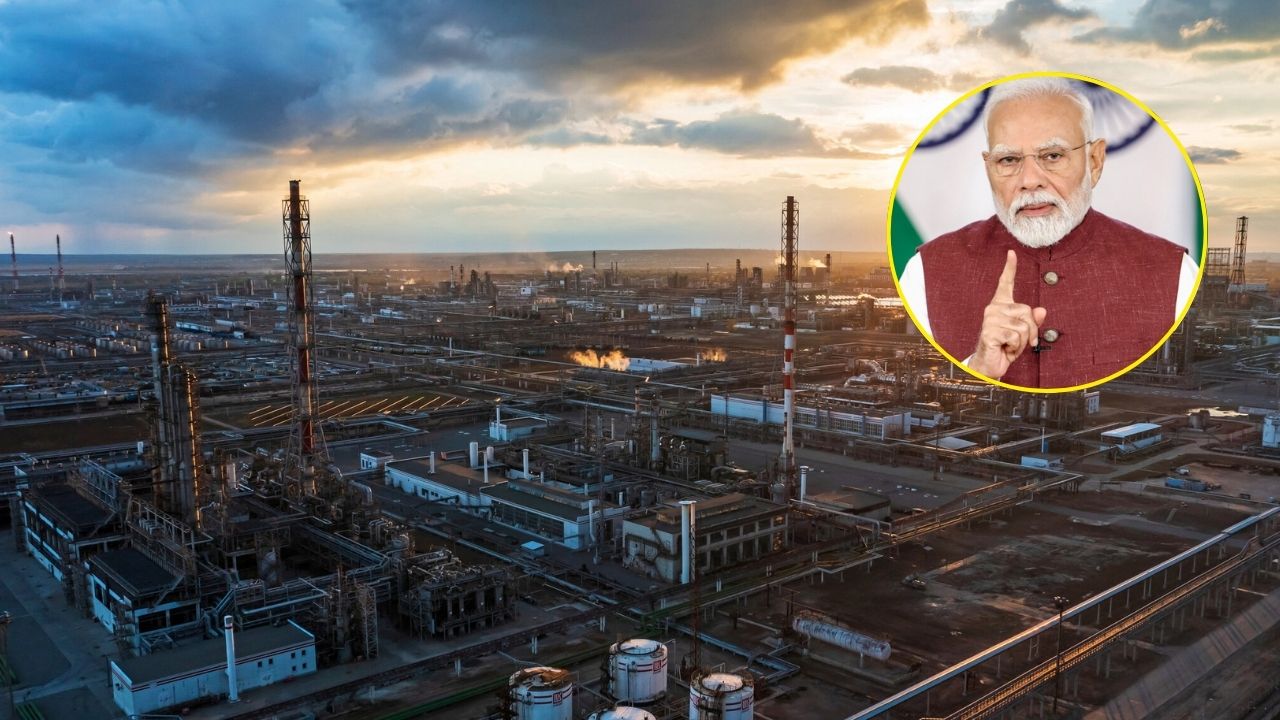
    India’s foreign ministry said Monday that the United States and European Union were “targeting” it due to its buying of Russian oil, adding that the moves were “unjustified” and that it would protect its interests.

    “The targeting of India is unjustified and unreasonable,” India Foreign Ministry spokesman Randhir Jaiswal said in a statement, after US President Donald Trump vowed to raise tariffs on the country over its oil purchases from Russia.

    “Like any major economy, India will take all necessary measures to safeguard its national interests and economic security.”

    It did not provide further details on the measures.

    India became a major buyer of Russian oil, providing a much-needed export market for Moscow after it was cut off from traditional buyers in Europe because of the Ukraine war.

    New Delhi saved itself billions of dollars while bolstering Moscow’s coffers.

    But India on Monday argued it “began importing from Russia because traditional supplies were diverted to Europe after the outbreak of the conflict”.

    It also noted that Washington at that time had “actively encouraged such imports by India for strengthening global energy markets stability.”

    It pointed to what it suggested were double standards of EU and US trade with Moscow.

    “It is revealing that the very nations criticising India are themselves indulging in trade with Russia,” Jaiswal added.

    “Unlike our case, such trade is not even a vital national compulsion.”

    Jaiswal singled out examples of where deals were being done with Moscow.

    “Europe-Russia trade includes not just energy, but also fertilisers, mining products, chemicals, iron and steel and machinery and transport equipment,” the statement added.

    “Where the United States is concerned, it continues to import from Russia uranium hexafluoride for its nuclear industry, palladium for its EV industry, fertilisers as well as chemicals.”

    India, the world’s most populous country, was one of the first major economies to engage the Trump administration in broader trade talks.

    The United States is India’s largest trading partner, with New Delhi shipping goods worth $87.4 billion in 2024.

    India’s protectionist trade policies, however, saw it run up a surplus of nearly $46 billion the same year.

    On Monday, Trump said in a post to his Truth Social platform that India was “buying massive amounts of Russian Oil” and selling it for “big profits.”

    “Because of this, I will be substantially raising the Tariff paid by India to the USA,” he wrote.

    But he did not provide details on what tariff level he had in mind.

    For now, an existing 10 percent US tariff on Indian products is expected to rise to 25 percent come Thursday.

    Last month, the EU and Britain sought to ramp up economic pressure on Russia to halt the war in Ukraine by slashing a price cap meant to choke off revenues from key oil exports.
  • Trump moves nuclear submarines after Russian ex-president’s statement

    Trump moves nuclear submarines after Russian ex-president’s statement

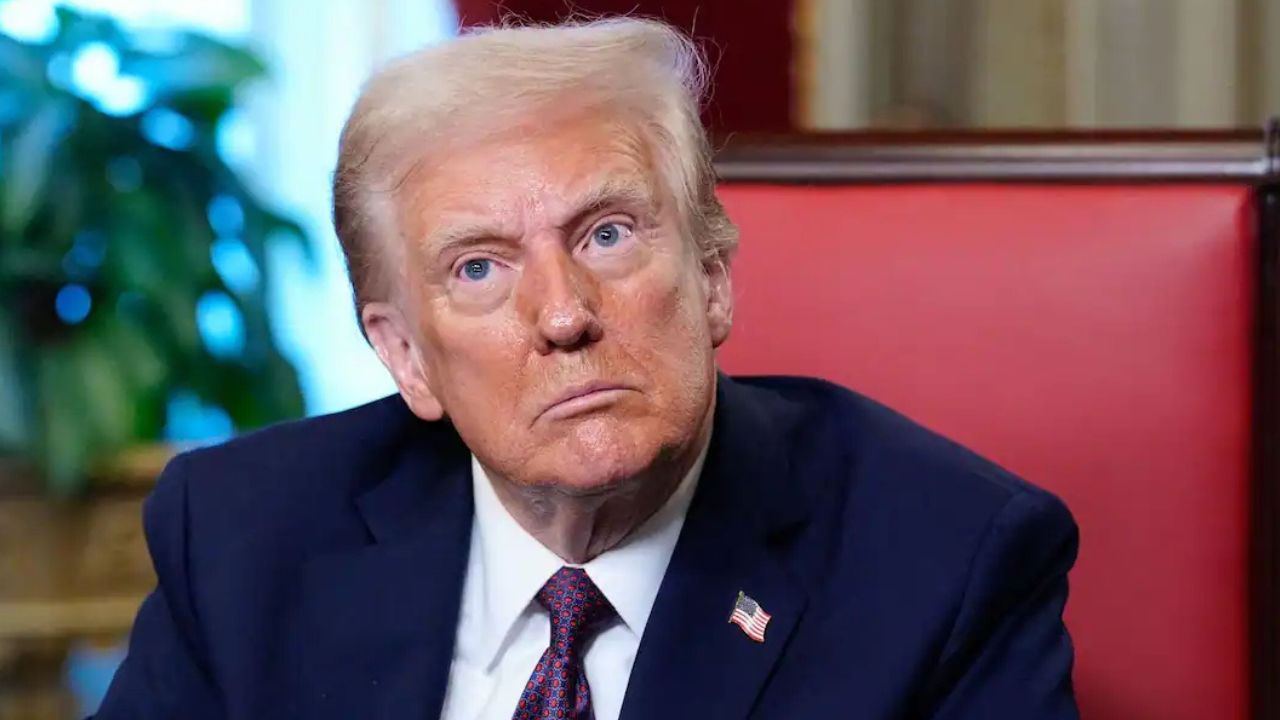
    United States (US) President Donald Trump ordered the deployment of two nuclear submarines Friday in an extraordinary escalation of what had been an online war of words with a Russian official over Ukraine and tariffs.

    Trump and Dmitry Medvedev, the deputy chairman of Russia’s security council, have been sparring on social media for days.

    Trump’s post on his Truth Social platform abruptly took that spat into the very real, and rarely publicised, sphere of nuclear forces.

    “Based on the highly provocative statements,” Trump said he had “ordered two Nuclear Submarines to be positioned in the appropriate regions, just in case these foolish and inflammatory statements are more than just that.”

    “Words are very important, and can often lead to unintended consequences, I hope this will not be one of those instances,” the 79-year-old Republican posted.

    Trump did not say in his post whether he meant nuclear-powered or nuclear-armed submarines. He also did not elaborate on the exact deployment locations, which are kept secret by the US military.

    But in an interview with Newsmax that aired Friday night, Trump said the submarines were “closer to Russia.”

    “We always want to be ready. And so I have sent to the region two nuclear submarines,” he said.

    “I just want to make sure that his words are only words and nothing more than that.”

    Trump’s remarks came hours after Russian President Vladimir Putin said Moscow had started mass producing its hypersonic nuclear-capable Oreshnik missile, and could deploy them to Belarus, a close Russian ally neighbouring Ukraine, by year-end.

    The nuclear sabre-rattling came against the backdrop of a deadline set by Trump for the end of next week for Russia to take steps to ending the Ukraine war or face unspecified new sanctions.

    Despite the pressure from Washington, Russia’s onslaught against its pro-Western neighbor continues to unfold at full bore.

    Russian attacks have killed hundreds of Ukrainian civilians since June. A combined missile and drone attack on the Ukrainian capital Kyiv early Thursday killed 31 people, rescuers said.

    Putin, who has consistently rejected calls for a ceasefire, said Friday that he wants peace but that his demands for ending his nearly three-and-a-half year invasion were “unchanged”.

    Those demands include that Ukraine abandon territory and end ambitions to join NATO.

    Putin, speaking alongside Belarusian President Alexander Lukashenko, said Belarusian and Russian specialists “have chosen a place for future positions” of the Oreshnik missiles.

    “Work is now underway to prepare these positions. So, most likely, we will close this issue by the end of the year,” he added.


    – Insults, nuclear rhetoric –

    The United States and Russia control the vast majority of the world’s nuclear weaponry, and Washington keeps nuclear-armed submarines on permanent patrol as part of its so-called nuclear triad of land, sea and air-launched weapons.

    Trump told Newsmax that Medvedev’s “nuclear” reference prompted him to reposition US nuclear submarines.

    “When you mention the word ‘nuclear’… my eyes light up. And I say, we better be careful, because it’s the ultimate threat,” Trump said in the interview.

    Medvedev had criticised Trump on his Telegram account Thursday and alluded to the “fabled ‘Dead Hand’” — a reference to a highly secret automated system put in place during the Cold War to control the country’s nuclear weapons.

    This came after Trump had lashed out at what he called the “dead economies” of Russia and India.

    Medvedev had also harshly criticized Trump’s threat of new sanctions against Russia over its war in Ukraine.

    Accusing Trump of “playing the ultimatum game,” he posted Monday on X that Trump “should remember” that Russia is a formidable force.

    Trump responded by calling Medvedev “the failed former President of Russia, who thinks he’s still President.”

    Medvedev should “watch his words,” Trump posted at midnight in Washington on Wednesday. “He’s entering very dangerous territory!”

    Medvedev is a vocal proponent of Russia’s war — and generally antagonistic to relations with the West.

    He served as president between 2008-2012, effectively acting as a placeholder for Putin, who was able to circumvent constitutional term limits and remain in de facto power.

    The one-time reformer has rebranded over the years as an avid online troller, touting often extreme versions of official Kremlin nationalist messaging.

    But his influence within the Russian political system remains limited.

    In Kyiv on Friday, residents held a day of mourning for the 31 people, including five children, killed the day before, most of whom were in a nine-storey apartment block torn open by a missile.

    Ukrainian President Volodymyr Zelensky said only Putin could end the war and renewed his call for a meeting between the two leaders.

    “The United States has proposed this. Ukraine has supported it. What is needed is Russia’s readiness,” he wrote on X.

  • Canada intends to recognize Palestinian state at UN General Assembly: Carney

    Canada intends to recognize Palestinian state at UN General Assembly: Carney

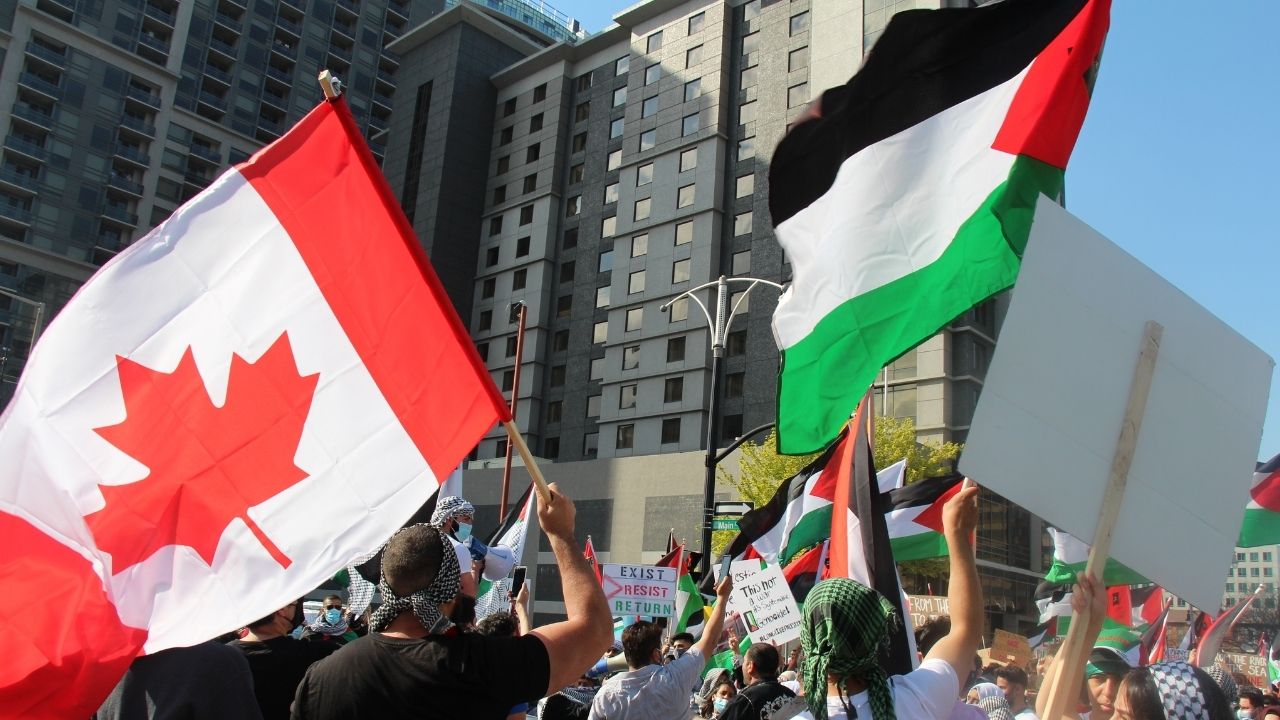
    Canada plans to recognize a Palestinian state at the UN General Assembly in September, Prime Minister Mark Carney said Wednesday, a major policy shift that drew an angry response from US President Donald Trump and was rejected by Israel.

    Carney said the move was necessary to preserve hopes of a two-state solution to the Israeli-Palestinian conflict, a long-standing Canadian goal that was “being eroded before our eyes.”

    “Canada intends to recognize the State of Palestine at the 80th Session of the United Nations General Assembly in September 2025,” the prime minister said.

    This makes Canada — a G7 nation — the third country, following recent announcements by France and the United Kingdom, to signal plans to recognize a Palestinian state in September.

    Carney said the worsening suffering of civilians in Gaza left “no room for delay in coordinated international action to support peace.”

    Israel blasted Canada’s announcement as part of a “distorted campaign of international pressure,” while Trump warned that trade negotiations with Ottawa may not proceed smoothly.

    “Wow! Canada has just announced that it is backing statehood for Palestine,” the US president wrote on his Truth Social platform.

    “That will make it very hard for us to make a Trade Deal with them.”

    Asked by reporters if there was a scenario where Canada could change its position before the UN meeting, Carney said: “there’s a scenario (but) possibly one that I can’t imagine.”

    Canada’s intention “is predicated on the Palestinian Authority’s commitment to much-needed reforms,” Carney said, referring to the body led by President Mahmoud Abbas, which has civil authority in parts of the Israeli-occupied West Bank.

    Carney said his plans were further predicated on Abbas’s pledge to “hold general elections in 2026 in which Hamas can play no part, and to demilitarize the Palestinian state.”

    – ‘Historic’ decision –


    With Wednesday’s announcement, Carney positioned Canada alongside France, after President Emmanuel Macron said his country would formally recognize a Palestinian state during the UN meeting, the most powerful European nation to announce such a move.

    The Israeli embassy in Ottawa said “recognizing a Palestinian state in the absence of accountable government, functioning institutions, or benevolent leadership, rewards and legitimizes the monstrous barbarity of Hamas on October 7, 2023.”

    The PA’s Abbas welcomed the announcement as a “historic” decision, while France said the countries would work together “to revive the prospect of peace in the region.”

    Canada’s plan goes a step further than this week’s announcement by British Prime Minister Keir Starmer.

    Starmer said the UK will formally recognize the State of Palestine in September unless Israel takes various “substantive steps,” including agreeing to a ceasefire in Gaza.

    – Two-state solution –


    Carney stressed that Canada has been an unwavering member of the group of nations that hoped a two-state solution “would be achieved as part of a peace process built around a negotiated settlement between the Israeli government and the Palestinian Authority.”

    “Regrettably, this approach is no longer tenable,” he said, citing “Hamas terrorism” and the group’s “longstanding violent rejection of Israel’s right to exist.”

    The peace process has also been eroded by the expansion of Israeli settlements across the occupied West Bank and east Jerusalem, Carney said.

    The prime minister said a two-state solution was growing increasingly remote, with a vote in Israel’s parliament “calling for the annexation of the West Bank,” as well as Israel’s “ongoing failure” to prevent humanitarian catastrophe in Gaza.

    He framed his decision as one aimed at safeguarding Israel’s future.

    “Any path to lasting peace for Israel also requires a viable and stable Palestinian state, and one that recognizes Israel’s inalienable right to security and peace,” Carney said.

    Canada’s support for Palestine makes trade deal ‘very hard’: Trump 

    Earlier on Thursday, US President Donald Trump said that Canada’s support for Palestinian statehood makes reaching a trade deal with Ottawa “very hard”.

    “Wow! Canada has just announced that it is backing statehood for Palestine. That will make it very hard for us to make a Trade Deal with them. Oh’ Canada!!!” Trump wrote on Truth Social.

  • Huge quake off Russia sparks Pacific tsunami warnings

    Huge quake off Russia sparks Pacific tsunami warnings

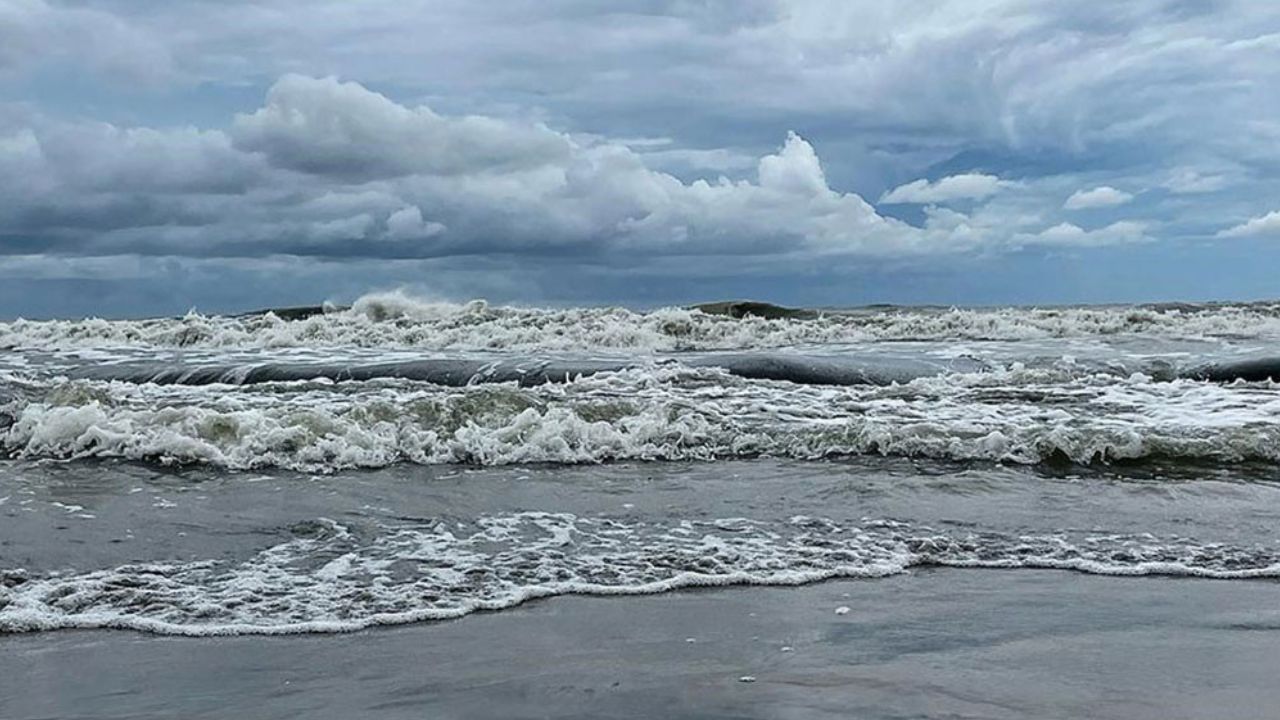
    One of the strongest earthquakes ever recorded struck Russia’s sparsely populated Far East early Wednesday, causing tsunamis of up to four metres (12 feet) across the Pacific and sparking evacuations from Hawaii to Japan.

    The magnitude 8.8 quake struck at 8:24 am (2304 GMT Tuesday) off Petropavlovsk on Russia’s remote Kamchatka peninsula and was one of the 10 biggest recorded, according to the USGS.

    Russian authorities said a tsunami hit and flooded the port town of Severo-Kurilsk, while local media said one of between three and four metres high was recorded in the Elizovsky district of Kamchatka.

    A video posted on Russian social media appeared to show buildings in the town submerged in seawater. Authorities said the population of around 2,000 people was evacuated.

    Several people were injured in Russia by the quake, state media reported, but none of them seriously.

    “The walls were shaking,” an Elizovsky resident told state media Zvezda.

    “It’s good that we packed a suitcase, there was one with water and clothes near the door. We quickly grabbed it and ran out… It was very scary,” she said.

    Officials from countries with a Pacific coastline in North and South America — including the United States, Mexico and Ecuador — issued warnings to avoid affected beaches.

    In Japan, people evacuated by car or on foot to higher ground — including in Hokkaido, where a first wave measuring 30 centimetres was observed.

    There were no injuries or damage reported in Japan as of midday (0300 GMT).

    In Hawaii, Honolulu Mayor Rick Blangiardi said residents and the thousands of visitors should get to safety on upper floors of buildings or on higher ground.

    “People should not, and I will say it one more time, should not, as we have seen in the past, stay around the shoreline or risk their lives just to see what a tsunami looks like,” governor Josh Green said.

    “It is not a regular wave. It will actually kill you if you get hit by a tsunami,” Green said.

    – Pacific warnings –

    Wednesday’s quake was the strongest since 1952 in the Kamchatka region, the regional seismic monitoring service said, warnings of aftershocks of up to 7.5 magnitude.

    The epicenter of the earthquake is roughly the same as the massive 9.0 temblor that year which resulted in a destructive, Pacific-wide tsunami, according to the USGS.

    At least six aftershocks have further rattled the region, including one of 6.9 magnitude and another listed at 6.3.

    The US Tsunami Warning Centers said waves exceeding three metres above the tide level were possible along some coasts of Ecuador, northwestern Hawaiian islands and Russia.

    Between one- and three-metre waves were possible along some coasts of Chile, Costa Rica, French Polynesia, Guam, Hawaii, Japan and other islands and island groups in the Pacific, it said.

    Waves of up to one metre were possible elsewhere, including Australia, Colombia, Mexico, New Zealand, Tonga and Taiwan.

    It described the potential conditions as “hazardous.”

    At Inage Beach in Chiba prefecture in Japan, a security perimeter was set up, and a rescue worker told AFP that the seaside area was off limits until further notice.

    “I didn’t expect there to be a tsunami; I actually made a joke about it when we heard (the alert),” Canadian tourist Leana Lussier, 17, told AFP.

    “We came here hoping to swim, but once we heard a tsunami warning had been issued, we didn’t go in at all, not even close to the water,” local Tomoyo Fujita, 35, told AFP as she left the area with her young daughter.

    Television footage showed several whales washed up on a beach.

    Workers at the stricken Fukushima nuclear plant in northeast Japan — destroyed by a huge quake and tsunami in 2011 — were evacuated, its operator said.

    – Aftershocks –

    Tsunami alerts were pushed to mobile phones in California, according to local AFP reporters.

    “STAY STRONG AND STAY SAFE!” US President Donald Trump said on social media.

    Tsunami sirens blared near Hawaii’s popular Waikiki surf beach where an AFP photographer observed gridlocked traffic as Hawaiians escaped to higher ground.

    The US Tsunami Warning Centers issued a Tsunami Warning — its highest level alert — for the entire US state of Hawaii, with the first waves expected at 7:17 pm local time (0517 GMT).

    “People are also advised to stay away from the beach and not to go to the coast,” the seismology centre said in a warning.

    Vessels were ordered to head to open water ahead of the expected arrival of waves up to 2 metres, while government employees in Honolulu were sent home early.

  • Israel declares fighting ‘pause’ in parts of Gaza amid deepening starvation crisis

    Israel declares fighting ‘pause’ in parts of Gaza amid deepening starvation crisis

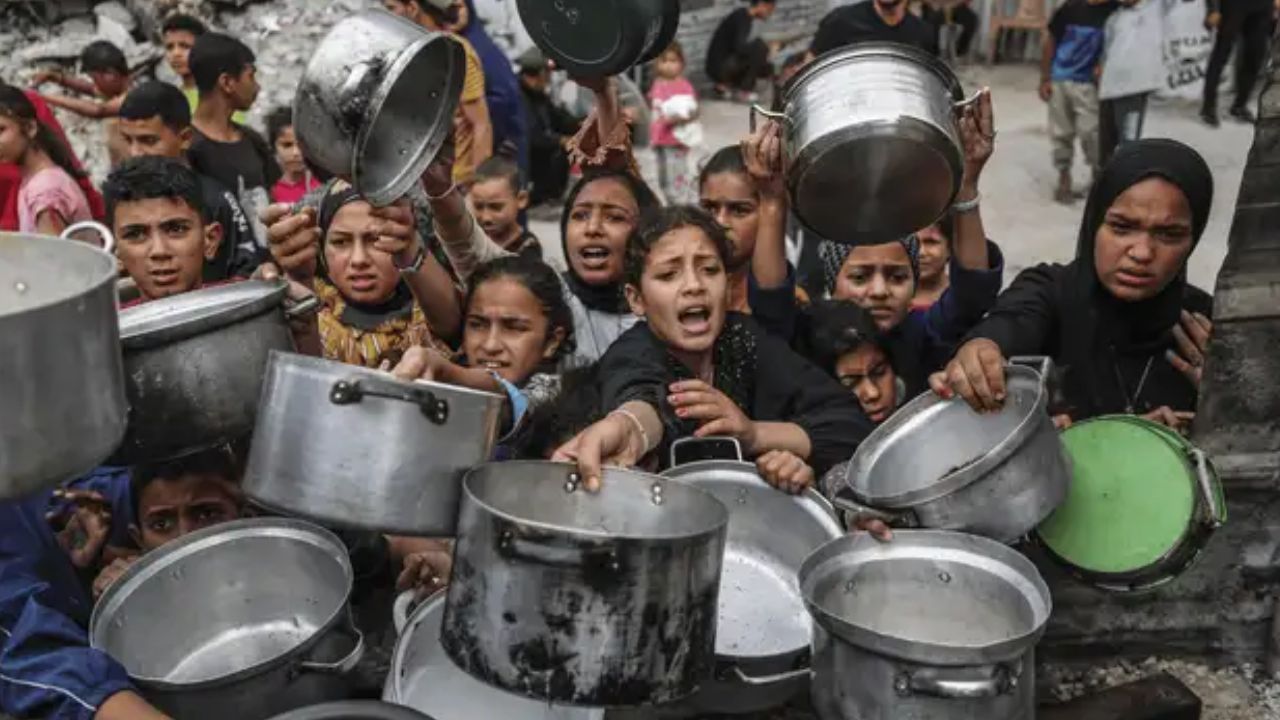
    Israel declared a “tactical pause” in fighting in parts of Gaza on Sunday and said it would allow the UN and aid agencies to open secure land routes to tackle a deepening hunger crisis.

    The military also said it had begun air-dropping food into the territory and angrily rejected allegations it was using starvation as a weapon against Palestinian civilians.

    In a statement, the army said it had coordinated with the UN and international agencies to “increase the scale of humanitarian aid entering the Gaza Strip”.

    The Oxfam aid agency’s regional policy chief, Bushra Khalidi, described the Israeli decision as a “welcome first step” but warned it could yet prove insufficient to resolve the crisis.

    “Starvation won’t be solved by a few trucks or airdrops. What’s needed is a real humanitarian response: ceasefire, full access, all crossings open, and a steady, large-scale flow of aid into Gaza,” she told AFP.

    – ‘Life’s wish’ –

    “We need a permanent ceasefire, a complete lifting of the siege, and clear guarantees that this isn’t just a temporary gesture. Right now, it’s unclear how this will actually materialise on the ground.”

    In the Tel al-Hawa district of Gaza City, 30-year-old Suad Ishtaywi said she hoped aid trucks would now be able to reach her family’s tent encampment.

    “My life’s wish has become to eat a loaf of bread and to be able to provide bread for my children to eat,” she told AFP, complaining her husband comes back daily from fruitless trips to aid distribution points.

    Also in Gaza City, 44-year-old Mohammed al-Daduh said: “We hope the aid comes in today, because hunger is killing us day by day. Egypt said it would send aid, but we don’t know if Israel will allow it in.”

    Egyptian aid trucks had begun crossing into Gaza through the Rafah border crossing, AFP journalists saw.

    The pause in fighting will be limited to areas where the military says Israeli troops are not currently operating — Al-Mawasi, Deir el-Balah and Gaza City — and last from 10:00 am (0700 GMT) until 8:00 pm every day.

    But the Israeli statement added that “designated secure routes” had also been opened across all of Gaza to enable the safe passage of UN and humanitarian aid organisation convoys delivering and distributing food and medicine.

    The Israeli military said these operations, alongside its ongoing campaign against Palestinian armed groups, should disprove “the false claim of deliberate starvation in the Gaza Strip”.

    Last November, the International Criminal Court issued arrest warrants after finding “reasonable grounds” to suspect the criminal responsibility of Israeli Prime Minister Netanyahu and former Israeli defence minister Yoav Gallant in actions that included the crime of using starvation as a method of war.

    The Israeli leaders furiously denied their large-scale assault on Gaza in the wake of the Hamas’s unprecedented October 7, 2023 attack on Israel broke international law.

    But the humanitarian situation inside Gaza has since deteriorated further and on March 2 Israel imposed a total blockade on Gaza after ceasefire talks broke down. More than 100 NGOs warned this week of “mass starvation”.

    In late May, Israel began allowing a trickle of aid to resume, but UN and humanitarian agencies accuse the army of imposing excessive restrictions, while tightly controlling road access within Gaza.

    Before Israel announced the airborne delivery of seven pallets of food, the United Arab Emirates had said it would restart aid drops and Britain said it would work with partners including Jordan to assist them.

    – ‘Immediate’ airdrops –

    On Saturday alone, the Palestinian civil defence agency said over 50 more Palestinians had been killed in Israeli strikes and shootings, some as they waited near aid distribution centres.

    In a social media post, the Israeli military announced it “carried out an airdrop of humanitarian aid as part of the ongoing efforts to allow and facilitate the entry of aid into the Gaza Strip”.

    Humanitarian chiefs are deeply sceptical that airdrops can deliver enough food safely to tackle the hunger crisis facing Gaza’s more than two million inhabitants.

    A number of Western and Arab governments carried out airdrops in Gaza in 2024, when aid deliveries by land also faced Israeli restrictions, but many in the humanitarian community consider them ineffective.

    “Airdrops will not reverse the deepening starvation,” said Philippe Lazzarini, head of the UN agency for Palestinian refugees, UNRWA. “They are expensive, inefficient and can even kill starving civilians.”

    Israel’s military insists it does not limit the number of trucks going into Gaza, and alleges UN agencies and relief groups are not collecting aid once it is inside the territory.

    – Mounting death toll –

    Media restrictions in Gaza and difficulties in accessing many areas mean AFP is unable to independently verify tolls and details provided by the civil defence agency and other parties.

    Israel launched its military campaign in Gaza after Hamas’s October 2023 attack resulted in the deaths of 1,219 people, most of them civilians, according to an AFP tally based on official figures.

    The Israeli campaign has killed 59,733 Palestinians, mostly civilians, according to the health ministry in the Hamas-run territory.

  • Investigation reveals major reason behind deadly Air India crash

    Investigation reveals major reason behind deadly Air India crash

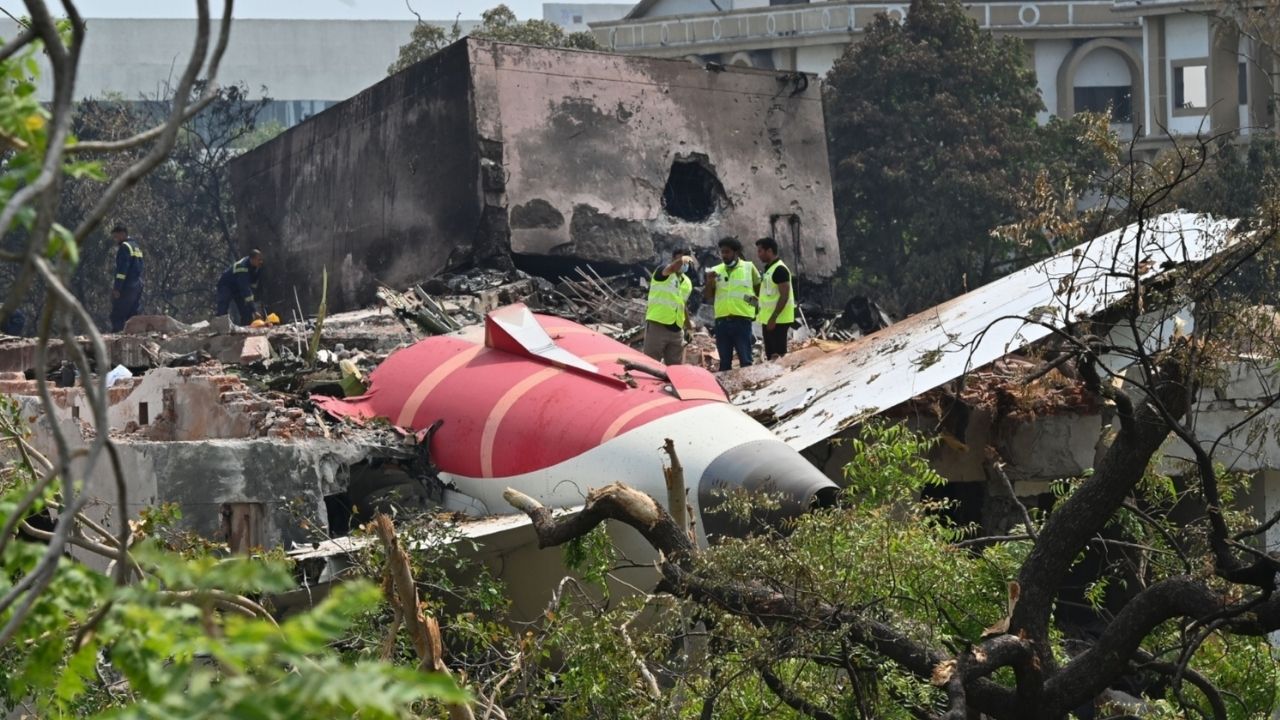
    Fuel control switches to the engines of an Air India flight that crashed shortly after takeoff, killing 260 people, were moved from the “run” to the “cutoff” position moments before impact, a preliminary investigation report said early Saturday.

    The report, issued by India’s Aircraft Accident Investigation Bureau (AAIB), did not offer any conclusions or apportion blame for the June 12 disaster, but indicated that one pilot asked the other why he cut off fuel, and the second pilot responded that he had not.

    The Boeing 787-8 Dreamliner was headed from Ahmedabad in western India to London when it crashed, killing all but one of the 242 people on board as well as 19 people on the ground.

    In its 15-page report, the investigation bureau said that once the aircraft achieved its top recorded speed, “the Engine 1 and Engine 2 fuel cutoff switches transitioned from RUN to CUTOFF position one after another with a time gap of 01 sec”.

    “In the cockpit voice recording, one of the pilots is heard asking the other why did he cutoff. The other pilot responded that he did not do so,” it said.

    The aircraft quickly began to lose altitude.

    The switches then returned to the “RUN” position and the engines appeared to be gathering power, but “one of the pilots transmitted ‘MAYDAY MAYDAY MAYDAY’”, the report said.

    Air traffic controllers asked the pilots what was wrong, but then saw the plane crashing and called emergency personnel to the scene.

    – Investigation ongoing –

    Earlier this week, specialist website The Air Current, citing multiple sources familiar with the probe, reported it had “narrowed its focus to the movement of the engine fuel switches”, while noting that full analysis will “take months — if not longer”.

    It added that “the focus of the investigators could change during that time”.

    The Indian agency’s report said that the US Federal Aviation Administration had issued an information bulletin in 2018 about “the potential disengagement of the fuel control switch locking feature”.

    Though the concern was not considered an “unsafe condition” that would warrant a more serious directive, Air India told investigators it did not carry out suggested inspections as they were “advisory and not mandatory”.

    Air India was compliant with all airworthiness directives and alert service bulletins on the aircraft, the report said.

    The investigations bureau said there were “no recommended actions to B787-8 and/or GE GEnx-1B engine operators and manufacturers”, suggesting no technical issues with the engines (GE) or the aircraft (Boeing).

    The bureau said the investigation was ongoing, and that additional evidence and information has been “sought from the stakeholders”.

    Boeing said in a statement it will “continue to support the investigation and our customer”, adding “our thoughts remain” with those affected by the disaster.

    Air India said it was “working closely with stakeholders, including regulators.”

    “We continue to fully cooperate with the AAIB and other authorities as their investigation progresses,” it said in a statement on X.

    The UN’s International Civil Aviation Organization (ICAO) stipulates that states heading an investigation must submit a preliminary report within 30 days of an accident.

    US and British air accident investigators have taken part in the probe.

    The plane was carrying 230 passengers — 169 Indians, 53 British, seven Portuguese and a Canadian — along with 12 crew members.

    Dozens of people on the ground were injured.

    One passenger miraculously survived, a British citizen who was seen walking out of the wreckage of the crash, and who has since been discharged from hospital.

    Health officials in the Indian state of Gujarat initially said at least 279 people were killed, but forensic scientists reduced the figure after multiple scattered and badly burnt remains were identified.

  • Desperate search for the missing as more than 80 people dead in Texas floods

    Desperate search for the missing as more than 80 people dead in Texas floods

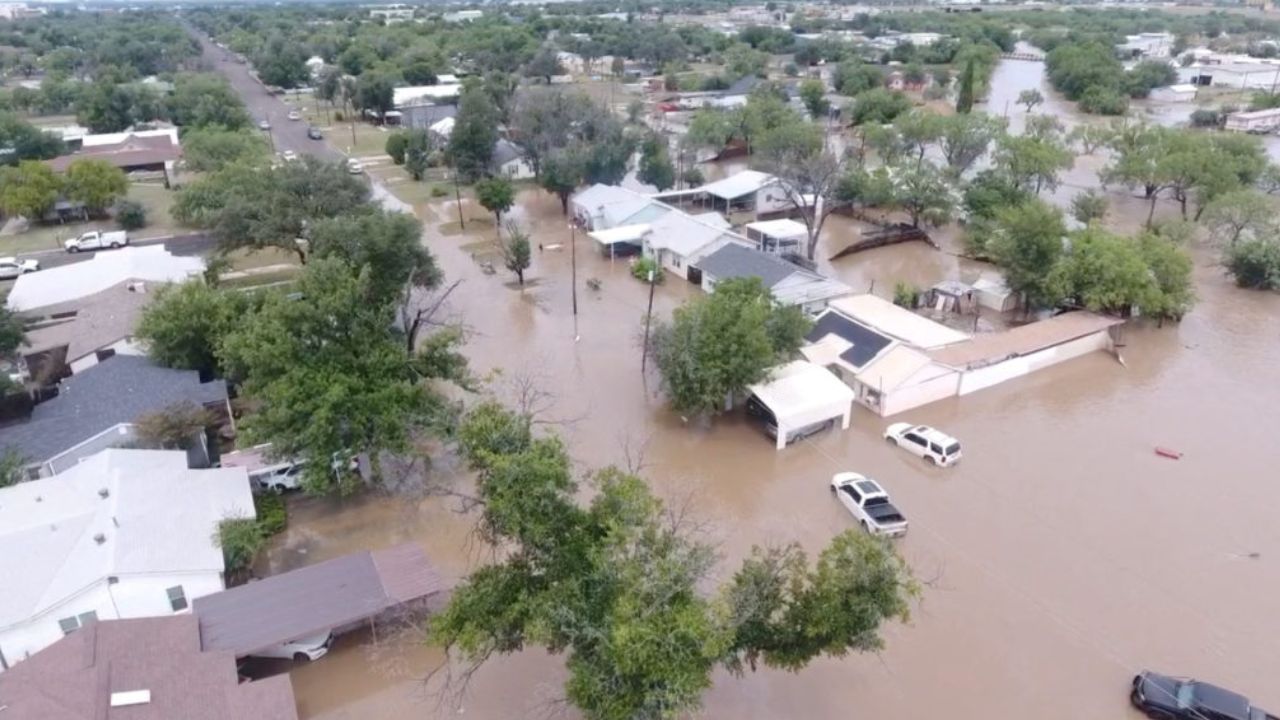
    Rescuers in Texas raced against time to find dozens of missing people, including children, swept away by flash floods that killed more than 80 people, with forecasters warning of new deluges.

    US President Donald Trump said he would “probably” visit the southern state on Friday.

    Trump brushed off concerns his administration’s wide-ranging cuts to weather forecasting and related federal agencies had left local warning systems worse off.

    Instead, he described the flash floods as a “100-year catastrophe” that “nobody expected.”

    At least 40 adults and 28 children were killed in the worst-hit Kerr County in central Texas, Sheriff Larry Leitha said Sunday, while nearby areas showed at least 13 more people were killed by flooding.

    “Across the state, in all the areas affected by flooding, there are 41 known missing,” Texas Governor Greg Abbott said Sunday.

    As questions grew about why warnings did not come sooner or people were not evacuated earlier in the area popular with campers, Trump said the situation was a “Biden setup.”

    “That was not our setup,” Trump told reporters on Sunday, adding that he would “not” hire back meteorologists when probed about staff and budget cuts at the National Weather Service (NWS).

    Asked about whether he would change his plans to phase out the Federal Emergency Management Agency, he responded: “FEMA is something we can talk about later.”

    Trump, who previously said disaster relief should be handled at the state-level, also signed a major disaster declaration, activating FEMA and freeing up resources for Texas.

    – Missing girls –

    Around 17 helicopters joined the search in central Texas for missing people, including 10 girls and a counselor from a riverside Christian summer camp where about 750 people had been staying when disaster struck.

    In a terrifying display of nature’s power, the rain-swollen waters of the Guadalupe River reached treetops and the roofs of cabins in Camp Mystic as girls slept overnight Friday, washing away some of them and leaving a scene of devastation.

    Blankets, teddy bears and other belongings at the camp were caked in mud. Windows in the cabins were shattered, apparently by the force of the water.

    The National Weather Service (NWS) warned Sunday that slow-moving thunderstorms threatened more flash floods over the saturated ground of central Texas.

    Governor Abbott warned that heavy rainfall could “lead to potential flash flooding” in Kerrville and surrounding areas, as officials cautioned people against going near the swollen river and its creeks.

    The flooding began at the start of the Fourth of July holiday weekend as months’ worth of rain fell in a matter of hours, much of it coming overnight as people slept.

    The Guadalupe surged around 26 feet (eight meters) — more than a two-story building — in just 45 minutes.

    – ‘Washed away’ –

    Flash floods, which occur when the ground is unable to absorb torrential rainfall, are not unusual in this region of south and central Texas, known colloquially as “Flash Flood Alley.”

    Human-driven climate change has made extreme weather events such as floods, droughts and heat waves more frequent and more intense in recent years.

    Officials said while rescue operations were ongoing, they were also starting the process of debris removal.

    “There’s debris all over the place that makes roads impassable, that makes reconstruction projects unachievable,” Abbott said.

    People from elsewhere in the state converged on Kerr County to help look for the missing.

    Texans also started flying personal drones to help look but local officials urged them to stop, citing a danger for rescue aircraft.

    One of the searches focused on four young women who were staying in a house that was washed away by the river. Adam Durda and his wife Amber, both 45, drove three hours to help.

    “There was a group of 20-year-olds that were in a house that had gotten washed away,” Durda told AFP.

    “That’s who the family requested help for, but of course, we’re looking for anybody.”

    Justin Morales, 36, was part of a search team that found three bodies, including that of a Camp Mystic girl caught up in a tree.

    “We’re happy to give a family closure and hopefully we can keep looking and find some of the… you know, whoever,” he told AFP.

    “Help give some of those families closure. That’s why we’re out here.”

  • Pools and slides as North Korea set to open ‘world class’ tourist resort

    Pools and slides as North Korea set to open ‘world class’ tourist resort

    Kim was an enthusiastic visitor this week to the sprawling site on the isolated country’s east coast, which is set to open its doors on July 1 to domestic tourists and maybe one day foreign ones.

    Analysts have said Kim showed a keen interest in developing North Korea’s tourism industry in his early years in power, with the development of the Wonsan Kalma Coastal Tourist Area known to be a key focal point.

    The nuclear-armed North reopened its borders in August 2023 after almost four years, having closed them because of the Covid-19 pandemic, during which time even its own nationals were prevented from entering.

    Foreign tourism was limited though even before the pandemic, with tour companies saying around 5,000 Western tourists visited each year.

    Kim on Tuesday attended a lavish inaugural ceremony for the tourist zone, which hosts accommodation for nearly 20,000 people and what Pyongyang claims is “a world-class cultural resort”, the Korean Central News Agency said.

    Photos released by state media showed him sitting in a chair watching a man flying off a water slide and wearing a suit at the beach.

    Wonsan Kalma houses “sea-bathing service facilities, various sports and recreation facilities” and is “equipped with all conditions… for providing the beauty of the scenic spot on the east coast in all seasons”, according to KCNA.

    Kim, with “great satisfaction”, said the construction of the site would go down as “one of the greatest successes this year” and that the North would build more large-scale tourist zones “in the shortest time possible”, it added.

    Kim was joined by his daughter, Ju Ae — considered by many experts to be his likely successor — and his wife, Ri Sol Ju.

    South Korean media reported, based on images released by Pyongyang, that Ju Ae appears to be wearing a Cartier watch — despite such a high-end item being banned from import into North Korea under UN sanctions, imposed in response to the country’s nuclear and missile activities.

    The North last year permitted Russian tourists — Pyongyang has close ties with Moscow — to return for the first time since Covid and Western tour operators returned in February this year.

    Russia’s Tass news agency on Wednesday reported that a passenger train from Pyongyang had arrived in Moscow, marking the reopening of the direct rail route between the allies’ capitals after a five-year suspension.

    A tourist train between Rason — home to North Korea’s first legal marketplace — and Russia’s Vladivostok resumed in May this year, according to an official from Seoul’s unification ministry.

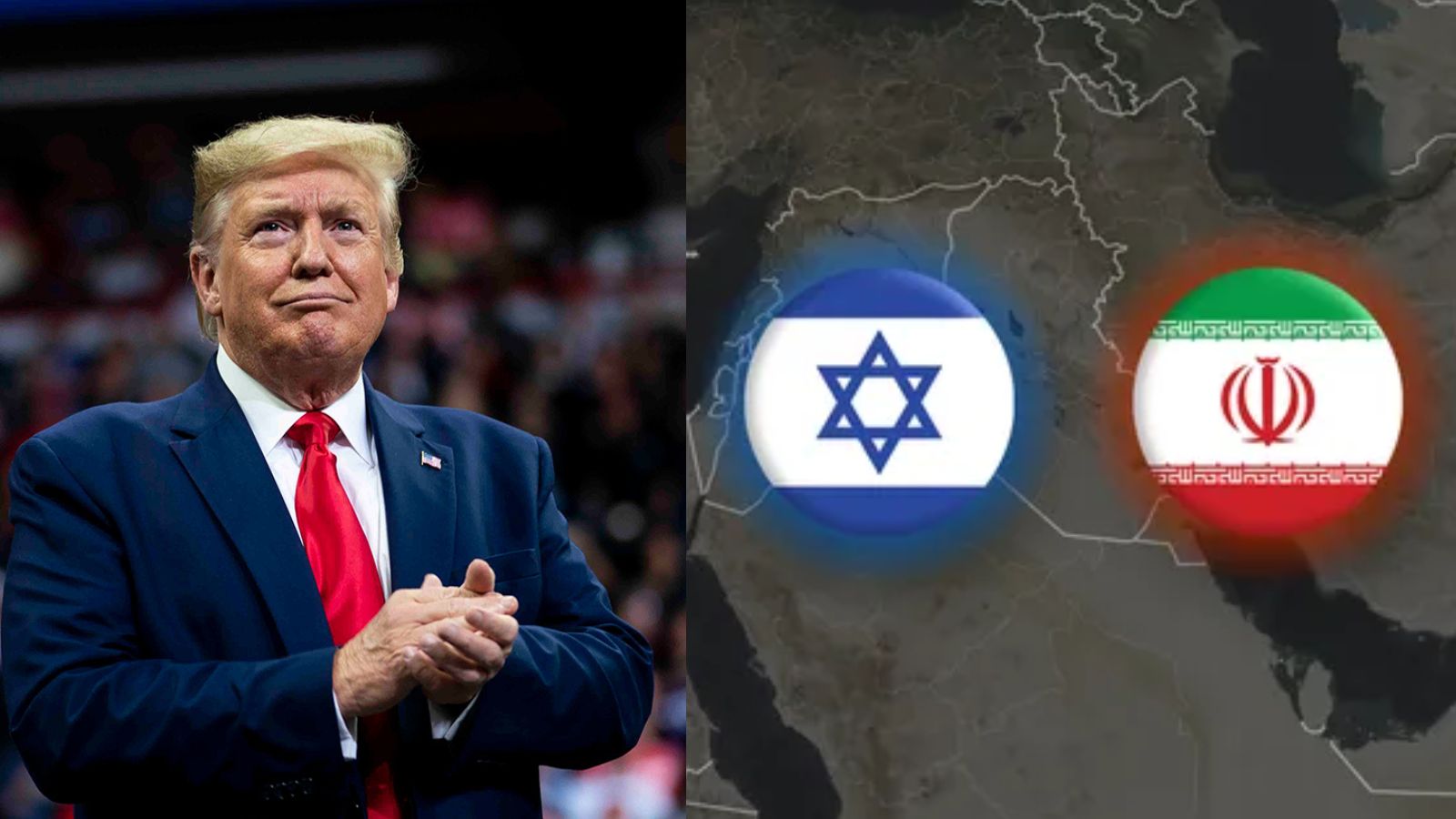
  • Trump says Iran-Israel ceasefire in force

    Trump says Iran-Israel ceasefire in force

    US President Donald Trump said a ceasefire between Iran and Israel was in force on Tuesday, urging both sides to “not violate it” on the 12th day of the war between the two arch-foes.

    “THE CEASEFIRE IS NOW IN EFFECT. PLEASE DO NOT VIOLATE IT!” he wrote on his Truth Social platform.

    The US leader had earlier said the truce would be a phased 24-hour process beginning at around 0400 GMT Tuesday, with Iran unilaterally halting all operations first. He said Israel would follow suit 12 hours later.

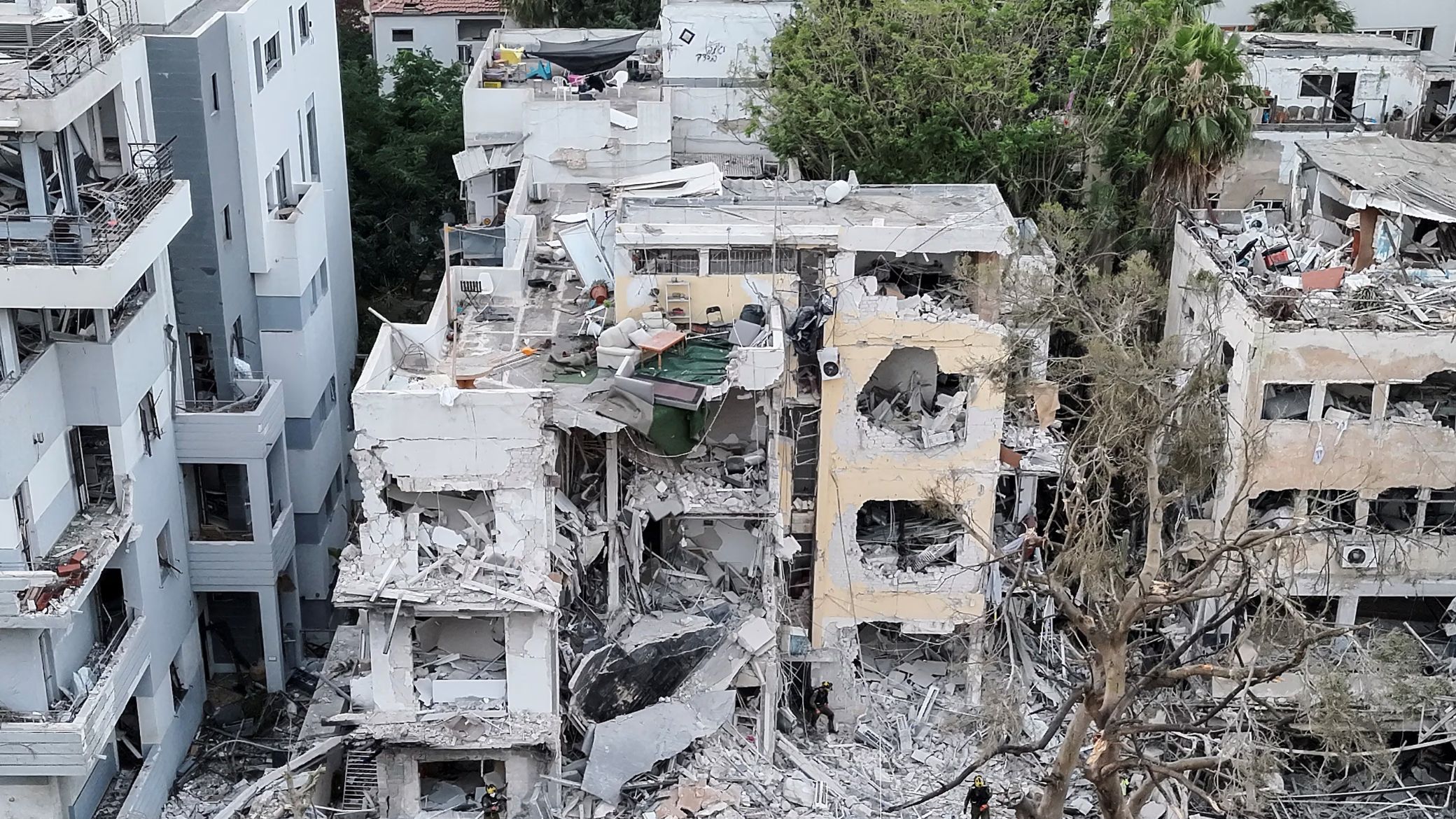
    Israeli rescuers said four people were killed in an Iranian strike, after state media in the Islamic republic reported waves of missiles were headed toward Israel.

    Neither Iran nor Israel have confirmed the agreement touted by Trump on ending the conflict that has killed hundreds in Iran and two dozen in Israel.

    Only hours before Trump’s latest announcement, Iranian Foreign Minister Abbas Araghchi had said that “as of now, there is NO ‘agreement’ on ceasefire or cessation of military operations”.

    “However, provided that the Israeli regime stops its illegal aggression against the Iranian people no later than 4 am Tehran time, we have no intention to continue our response afterwards,” he said on social media.

    But Israel’s army said sirens were activated in northern Israel — where moments before Iran’s state broadcaster IRIB reported a wave of missiles were headed.

    At least four people were killed in the multi-wave Iranian missile attack shortly before the staggered ceasefire announced by Trump was meant to enter into force, emergency services and the military said.

    The Magen David Adom rescue service said three people were pronounced dead at the scene of a strike in the southern city of Beersheba while a fourth was added in an update to its figures.

    Explosions also continued to rock Tehran overnight, with blasts in the north and centre of the Iranian capital described by AFP journalists as some of the strongest since the conflict broke out.

    Any cessation in hostilities would come as a huge relief to world leaders frantic about an escalation in violence igniting a wider conflagration.

    The adversaries had been swapping missile fire since Israel carried out surprise “preemptive” strikes against Iran on June 13, targeting nuclear and military sites, and prompting Trump to warn of a possible “massive” regional conflict.

    – Strikes on US base –

    The US leader’s truce announcement came hours after Iran launched missiles at the largest US military facility in the Middle East — Al Udeid Air Base in Qatar — in a move Trump shrugged off as “very weak.”

    Calling for a de-escalation, Trump said Tehran had given advance notice of the barrage.

    Iran’s National Security Council confirmed having targeted the base “in response to the US aggressive and insolent action against Iran’s nuclear sites and facilities”.

    But it added that the number of missiles launched “was the same as the number of bombs that the US had used” — a signal that it had calibrated its response to be directly proportional rather than escalatory.

    “This was calibrated and telegraphed in a way that would not result in any American casualties, so that there is an off ramp for both sides,” Ali Vaez, a senior advisor at the International Crisis Group, told AFP.

    The offensive came after the United States joined its ally Israel’s military campaign against Iran, attacking an underground uranium enrichment centre with massive bunker-busting bombs and hitting two other nuclear facilities overnight Saturday into Sunday.

    As international concern mounted that Israel’s campaign and the US strikes could ignite a wider conflict, French President Emmanuel Macron insisted that “the spiral of chaos must end” while China warned of the potential economic fallout.


    – ‘Blatant aggression’ –

    Iran said its assault in Qatar wasn’t targeting the Middle Eastern neighbour, but the government in Doha accused Tehran of “blatant aggression” and claimed its right to a “proportional” response.

    Iran’s state media quoted the Revolutionary Guard Corps announcing that six missiles had hit Al Udeid, which had been evacuated beforehand, according to the Qataris.

    The broadside was made up of “short-range and medium-range ballistic missiles,” a US defence official said.

    AFP reporters heard blasts in central Doha and in Lusail, north of the capital, on Monday evening, and saw projectiles moving across the night sky.

    Iranians gathered in central Tehran to celebrate, images on state TV showed, with some waving the flag of the Islamic republic and chanting “Death to America”.

    Qatar earlier announced the temporary closure of its airspace in light of “developments in the region”, while the US embassy and other foreign missions warned their citizens to shelter in place.

    Israeli strikes on Iran have killed more than 400 people, Iran’s health ministry has said. Twenty-four people have died in Iran’s attacks on Israel, according to official figures.

  • Israeli attacks kill at least 140 across Gaza in 24 hours

    Israeli attacks kill at least 140 across Gaza in 24 hours

    Gaza’s civil defence agency said 33 more people were killed by Israeli fire in the Palestinian territory on Wednesday, including 11 who were seeking aid, bringing the 24-hour death toll to at least 140.

    The Israel-led genocide of Palestinians in Gaza worsened after Hamas’s October 2023 attack on Israel, ravaging the Strip with Israel deliberately creating severe shortages of food, fuel and clean water.

    Civil defence spokesman Mahmud Bassal told AFP that 11 people were killed and more than 100 wounded “after the occupation forces opened fire and launched several shells… at thousands of citizens” who had gathered to queue for food in central Gaza.

    The military told AFP that its forces operating in central Gaza identified “a group of suspicious individuals” approaching “in a manner that posed a potential threat to the forces.”

    It said its troops then fired “warning shots”, but that it was “unaware of injuries”.

    In early March, Israel imposed a total blockade on Gaza, amid a deadlock in truce negotiations, only partially easing restrictions in late May.

    – Soldier killed –

    Since then, chaotic scenes and a string of deadly shootings have occurred near areas where Palestinians have gathered in hopes of receiving aid.

    The civil defence agency said another 19 people were killed in three Israeli strikes on Wednesday, which it said targeted houses and a tent for displaced people.

    The Israeli military told AFP regarding one of those attacks that its troops were “operating to dismantle Hamas military capabilities”.

    Later Wednesday, the Israeli army said a soldier — staff sergeant Stav Halfon — had been killed during an operation in the southern Gaza Strip.

    In another incident, three more people were killed in an Israeli air strike on a neighbourhood northeast of Gaza City on Wednesday, Bassal said.

    Israeli restrictions on media in the Gaza Strip and difficulties in accessing some areas mean AFP is unable to independently verify the tolls and details provided by the civil defence agency.

    The agency reported that at least 53 people were killed on Tuesday, as they gathered near an aid centre in the southern city of Khan Yunis hoping to receive flour.

    After Israel eased its blockade, the US- and Israel-backed Gaza Humanitarian Foundation (GHF) began distributing aid in late May, but its operations have been marred by chaotic scenes and dozens of deaths.

    – ‘Acute food insecurity’ –

    UN agencies and major aid groups have refused to cooperate with the foundation over concerns it was designed to cater to Israeli military objectives.

    However, the UN humanitarian office OCHA pointed out Tuesday that incidents “are also increasingly occurring along routes used by the UN to deliver humanitarian supplies”, not just GHF.

    It added that its humanitarian partners, including the World Food Programme (WFP), have reported that fuel in Gaza was reaching “critically low levels”.

    “Without immediate resupply, essential services — including the provision of clean water — will grind to a halt very soon,” the statement added.

    OCHA said on Monday that its partners “continue to warn of the risk of famine in Gaza, amid catastrophic levels of acute food insecurity”.

    The Gaza health ministry said on Wednesday that 5,334 people have been killed since Israel resumed major operations in the territory on March 18, ending a two-month truce.

    The overall death toll in Gaza since October 7, 2023, has reached 55,637 people, according to the health ministry.