Author: AFP

  • Iran blames Israel, US for deadly blasts near grave of Guards general Soleimani

    Iran blames Israel, US for deadly blasts near grave of Guards general Soleimani

    Iran blamed Israel and the United States on Wednesday for twin bomb blasts that killed more than 100 people in the country’s south, ripping through a crowd commemorating Revolutionary Guards general Qassem Soleimani four years after his death in a US strike.

    The two explosions – labelled a “terrorist attack” by state media and regional authorities – came amid high Middle East tensions over the Israel-Hamas war in Gaza and the killing of a Hamas senior leader in Lebanon on Tuesday.

    The unclaimed attacks, which sparked fears of a widening conflict in the region, rattled global markets, where oil prices jumped more than three percent and sparked global condemnation.

    “Washington says USA and Israel had no role in terrorist attack in Kerman, Iran. Really? A fox smells its own lair first,” the Iranian president’s political deputy, Mohammad Jamshidi, wrote on X, formerly Twitter.

    “Make no mistake. The responsibility for this crime lies with the US and Zionist regimes (Israel) and terrorism is just a tool,” he added.

    The United States had earlier rejected any suggestions that it or ally Israel were involved while Israel declined to comment.

    “The United States was not involved in any way … We have no reason to believe that Israel was involved in this explosion,” State Department spokesman Matthew Miller said.

    Asked about the blasts, Israeli army spokesman Daniel Hagari said: “We are focused on the combat with Hamas”.

    Iran’s supreme leader Ayatollah Ali Khamenei blamed “evil and criminal enemies” of the country for the attack and vowed a “harsh response”.

    President Ebrahim Raisi, who scrapped a visit to Turkey on Thursday, condemned the “heinous” crime as Iran declared Thursday a national day of mourning.

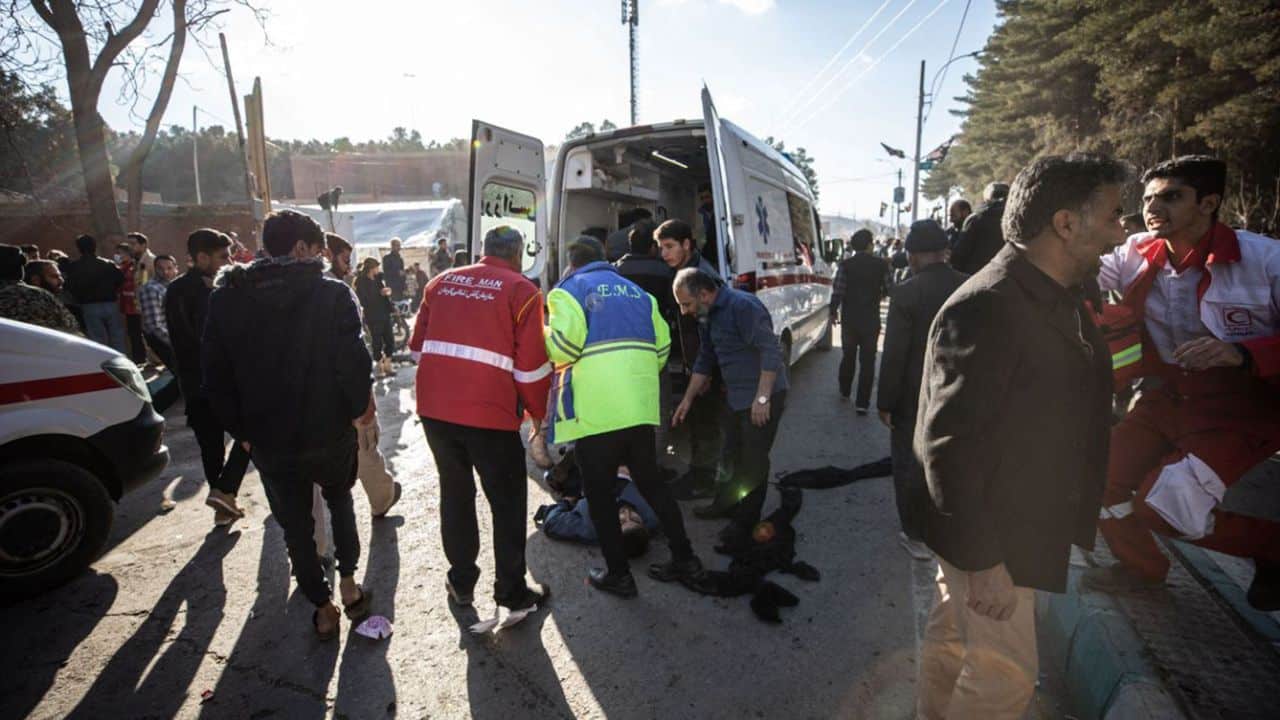
    The blasts, about 15 minutes apart, struck near the Martyrs Cemetery at the Saheb al-Zaman Mosque in Kerman, Soleimani’s southern hometown, as supporters gathered to mark his killing in a 2020 US drone strike in Baghdad.

    Tehran’s official news agency IRNA quoted Interior Minister Ahmad Vahidi as saying that “according to forensic statistics, the number of martyrs from this incident has been announced as 84 so far”.

    The death toll was also confirmed by the head of Iran’s emergency services, Jafar Miadfar, who said an earlier tally of 95 was due to the fact that some bodies had been dismembered and counted “several times”.

    Miadfar said 284 people had been injured and “195 are still hospitalised”.

    Three paramedics who rushed to the scene after the first explosion were among those killed, said Iran’s Red Crescent.

    IRNA said the first explosion took place around 700 metres from Soleimani’s grave while the other was around 1 kilometre away.

    Tasnim news agency, quoting what it called informed sources, said that “two bags carrying bombs went off” and “the perpetrators … apparently detonated the bombs by remote control”.

    Online footage showed panicked crowds scrambling to flee as security personnel cordoned off the area.

    ‘Shocking cruelty’ 

    State television showed bloodied victims lying on the ground and ambulances and rescue personnel racing to help them.

    “We were walking towards the cemetery when a car suddenly stopped behind us and a waste bin containing a bomb exploded,” an eyewitness was quoted as saying by the ISNA news agency.

    “We only heard the explosion and saw people falling.”

    By nightfall, crowds returned to the Martyrs Cemetery in Kerman chanting: “Death to Israel” and “Death to America”.

    In Tehran, thousands gathered at the Grand Mosalla Mosque to pay tribute to Soleimani.

    “We condemn today’s bitter terrorist incident … I hope the perpetrators of the crime will be identified and punished for their actions,” Soleimani’s daughter, Zeinab, said.

    Soleimani headed the Quds Force, the foreign operations arm of the Islamic Revolutionary Guards Corps, overseeing military operations across the Middle East.

    The United Nations, European Union, and several countries including Saudi Arabia, Jordan, Germany and Iraq denounced the blasts.

    UN chief Antonio Guterres “strongly condemns” the blasts, his office said, and the EU said: “This act of terror has exacted a shocking toll of civilian deaths and injuries.”

    The EU’s top diplomat, Josep Borrell, said that he spoke to Iranian Foreign Minister Hossein Amir-Abdollahian to “convey condolences” and “condemned this terrorist attack in the strongest terms and expressed solidarity with the Iranian people”.

    Russian President Vladimir Putin wrote to Raisi and Khamenei that “the killing of peaceful people visiting the cemetery is shocking in its cruelty and cynicism”.

    Iran ally Hamas denounced the “criminal attack” while the Saudi foreign ministry in Riyadh voiced “solidarity with Iran in this painful event”.

    The blasts came a day after Hamas deputy leader Saleh al-Arouri – an Iran ally – was killed in a strike, which Lebanese officials blamed on Israel, in a southern Beirut suburb that is a stronghold of Iran-backed armed group Hezbollah.

    Wednesday’s bomb blasts were Iran’s deadliest since a 1978 arson attack at the Cinema Rex in the southwestern city of Abadan, which killed at least 377 people, according to AFP archives.

    Previous plots 

    Iran has long fought a shadow war of killings and sabotage with archenemy Israel while also battling various jihadist and other militant groups.

    In September, the Fars news agency reported that a key “operative” affiliated with the Islamic State (IS) group, in charge of carrying out “terrorist operations” in Iran, had been arrested in Kerman.

    In July, Iran’s intelligence ministry said it had disbanded a network “linked to Israel’s spy organisation” that had been plotting “terrorist operations” across Iran, IRNA reported.

    The alleged plots included “planning an explosion at the grave” of Soleimani, it said.

    Soleimani, whom Khamenei years ago declared a “living martyr”, was widely regarded as a hero in Iran for his role in defeating IS in both Iraq and Syria.

    Long seen as a deadly adversary by the United States and its allies, Soleimani was one of the most important powerbrokers across the region, setting Iran’s political and military agenda in Syria, Iraq and Yemen.
  • US judge begins to unseal Epstein contacts

    US judge begins to unseal Epstein contacts

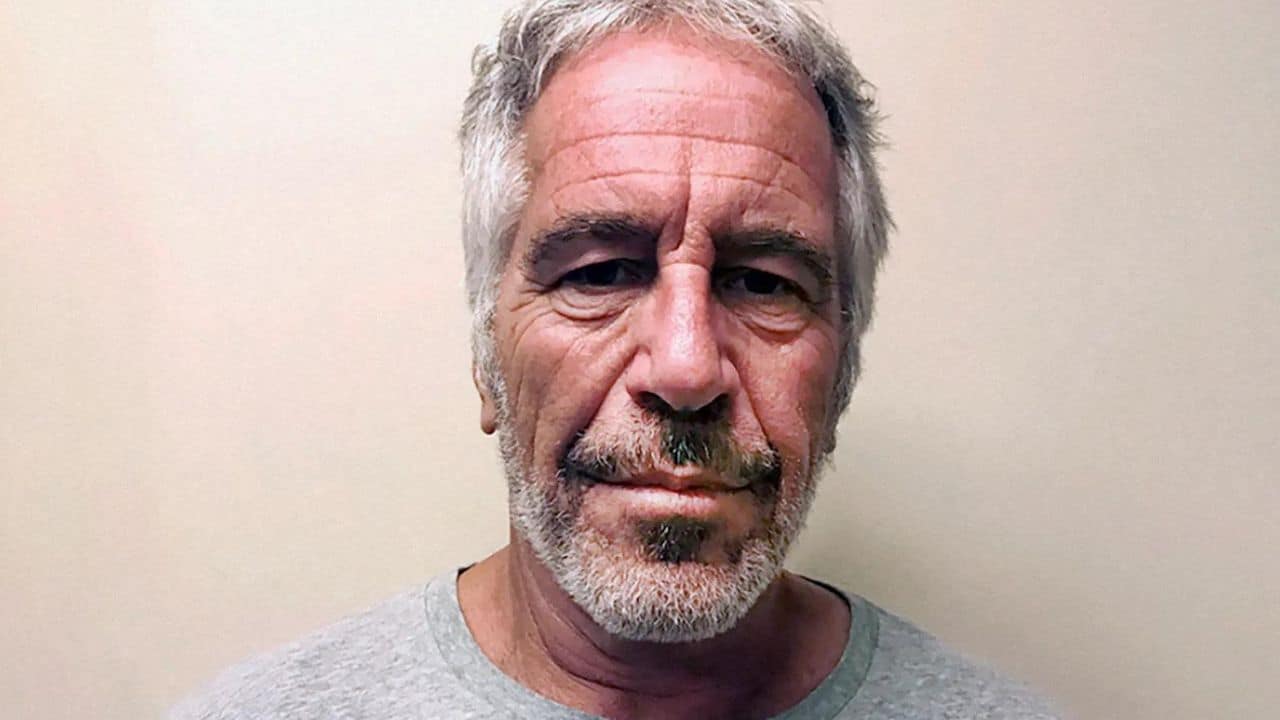
    A New York judge on Wednesday began to unseal the identities of people linked in court documents to Jeffrey Epstein, the US financier who killed himself in 2019 as he awaited trial for sex crimes.

    Notably included in the unsealed documents, which include almost 1,000 pages of depositions and statements, were former US presidents Bill Clinton and Donald Trump, who have not been accused of any wrongdoing in the case.

    The list of around 150 people includes a host of Epstein associates previously identified as John or Jane Does in a lawsuit brought against Epstein’s former mistress, Ghislaine Maxwell. It carries no allegation of complicity in Epstein’s crimes.

    The disclosure is part of a defamation proceeding between Maxwell, sentenced in 2022 to 20 years in prison, and a plaintiff against the duo, Virginia Giuffre.

    Last month a judge listed in a 50-page document some 180 cases — under pseudonyms — ordering that their identities be made public within 14 days of the order.

    Some individuals have objected to the disclosure of their identities in the case.

    Lawyers for one individual, “Doe 107”, wrote to the judge in the case arguing they could face victimization in their home country, and requested time to submit grounds for their name to remain sealed.

    Accomplices in sex crimes

    According to British media, Giuffre’s defamation claim against Maxwell, 62, dates back to 2016 and was settled the following year. But the Miami Herald then took legal action to access the file and investigate the Epstein network.

    A number of documents in the case were made public in 2019, days before Epstein hanged himself in prison while awaiting trial on sex trafficking charges.

    Maxwell and Epstein were a couple in the early 1990s before becoming professional collaborators and accomplices in sex crimes for almost three decades.

    Epstein, a financier with a powerful network in the United States and abroad, was himself accused of raping young girls, but his suicide by hanging in a New York prison in August 2019 halted his prosecution.

    Fabricated lists and doctored photos of Epstein have circulated in conspiratorial internet circles for years, fueling speculation about the financier’s potential associates.

    The anticipated release of names from court documents reignited that frenzy.

    Comedian Jimmy Kimmel threatened Aaron Rodgers with legal action after the American football star suggested the late night host could be on the list.

    It was a baseless allegation echoed across platforms such as X, where numerous posts also drew actor Tom Hanks into the fold.

  • Turkey detains 34 suspected of spying for Israel

    Turkey detains 34 suspected of spying for Israel

    Istanbul (AFP) – Turkey announced on Tuesday it had detained 34 people suspected of planning abductions and spying on behalf of Israel’s Mossad intelligence service.

    The raids came just weeks after President Recep Tayyip Erdogan warned of “serious consequences” should Israel try to target figures from Hamas living or working in Turkey.

    Unlike Israel, Turkey does not view Hamas as a terrorist organisation and has hosted the Islamic group’s political leaders for much of the past decade.

    A Turkish security source told AFP that most of the 34 people detained were foreign nationals whom Mossad recruited for “operations targeting Palestinians and their family members”.

    “We are determined to ensure that absolutely no foreign intelligence agency can operate on Turkish soil without proper authorisation,” the security source said.

    Turkish government released video footage showing armed security service agents breaking down doors and handcuffing suspects in their homes.

    The Istanbul public prosecutor’s office said 12 additional suspects remained at large.

    “There is an insidious operation and sabotage attempts being made against Turkey and its interests,” Erdogan said after the raids were announced.

    Breakdown in ties

    Relations between Turkey and Israel imploded following the outbreak of the war in Gaza nearly three months ago.

    Erdogan has turned into one of the world’s harshest critics of Israeli Prime Minister Benjamin Netanyahu.

    The Turkish leader last week compared Netanyahu to Adolf Hitler and demanded that Israel’s Western allies drop their support for the “terrorism” being conducted by Israeli troops in Gaza.

    Erdogan has also recalled Ankara’s envoy to Tel Aviv, and pushed for the trial of Israeli commanders and political leaders at the International Criminal Court in The Hague.

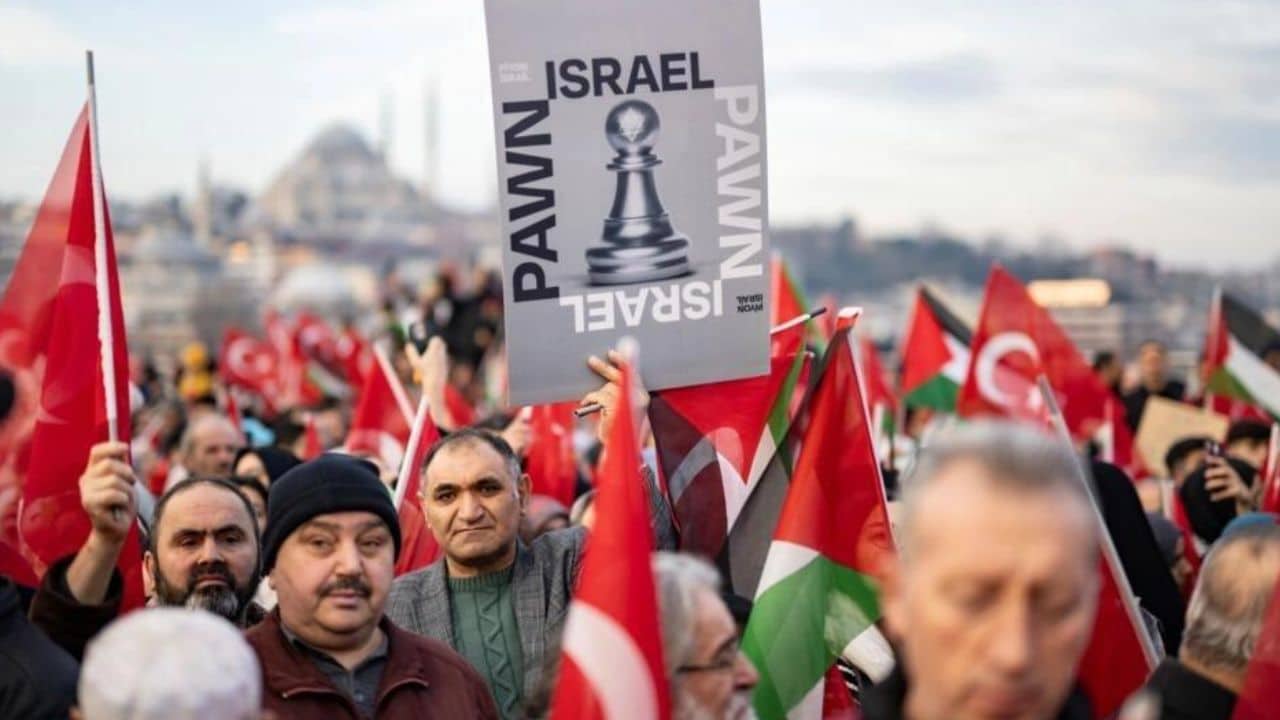
    The president’s ruling Islamic, conservative AKP party also led tens of thousands of protesters out on the streets of Istanbul on Monday for one of Turkey’s biggest rallies against the Israeli government of the entire war.

    The war in Gaza has put an end to a gradual thawing in Turkish-Israeli relations that culminated with the reappointment of ambassadors in 2022.

    Israel and Turkey resumed long-stalled talks about a major Mediterranean Sea natural gas pipeline project that could have reshaped geopolitical alliances across parts of the Middle East.

    Turkey won words of gratitude from Israel in 2022 for detaining a group of Turkish and Iranian nationals were allegedly planning to murder and kidnap Israeli tourists in Istanbul.

    Erdogan and Netanyahu met briefly on the sidelines of a United Nations meeting in New York in September and were discussing holding a formal summit this year.

    Periodic raids

    The Turkish MIT intelligence service conducts periodic raids against suspected Israel operatives working in major cities such as Ankara and Istanbul.

    Most are accused of conducting surveillance work on Palestinians living in Turkey.

    Istanbul served as one of Hamas’s foreign political offices until the outbreak of the Gaza war.

    Turkey informally asked Hamas leaders to leave, days after militants conducted raids into southern Israel on October 7.

    The Gaza health ministry says Israel’s relentless military campaign targeting Hamas has killed around 22,000 people in Gaza since October 7 – mostly women and children.

    UN agencies have voiced alarm over a spiralling humanitarian crisis facing Gaza’s 2.4 million people.

    Most have seen their homes destroyed and now face dire shortages of food, water, fuel and medicine, and are surviving in tents and shelters amid the rubble.

  • Japan quake toll rises to 62 as weather hampers rescuers

    Japan quake toll rises to 62 as weather hampers rescuers

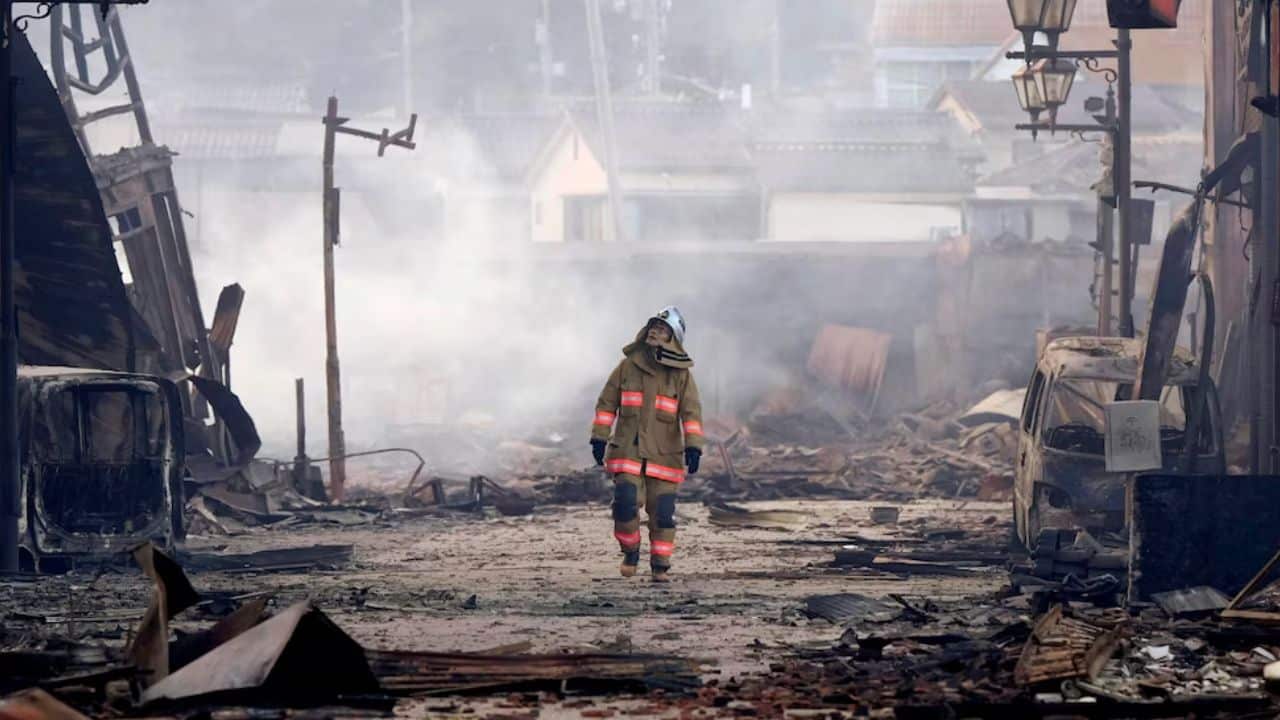
    Japanese rescuers scrambled to search for survivors on Wednesday (January 3) as authorities warned of landslides and heavy rain after a powerful earthquake that killed at least 62 people.

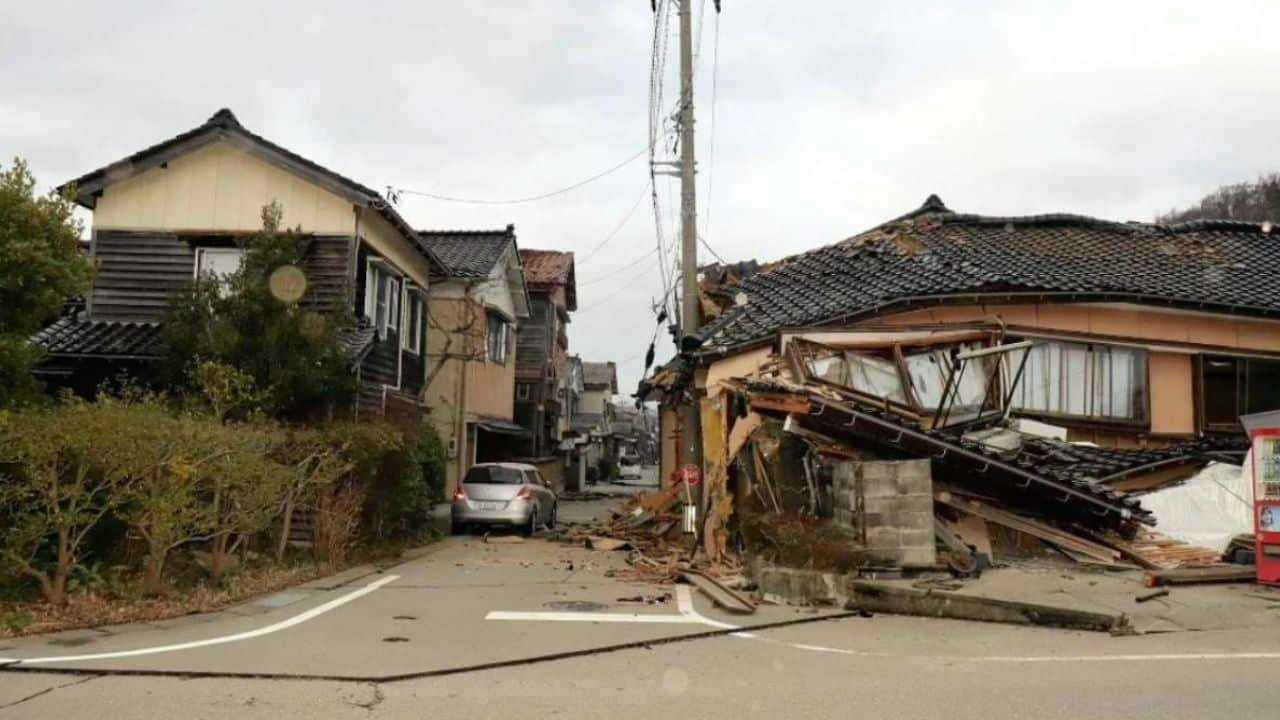
    The 7.5-magnitude quake on January 1 that rattled Ishikawa prefecture on the main island of Honshu triggered tsunami waves more than a metre high, sparked a major fire and tore apart roads.

    The Noto Peninsula of the prefecture was most severely hit, with several hundred buildings ravaged by fire and houses flattened in several towns, including Wajima and Suzu, as shown by before-and-after satellite images released on Wednesday.

    The regional government announced Wednesday that 62 people had been confirmed dead and more than 300 injured, 20 of them seriously.

    The toll was expected to climb as rescuers battle aftershocks and poor weather to comb through rubble.

    More than 31,800 people were in shelters, the government said.

    “More than 40 hours have passed since the disaster. We have received a lot of information about people in need of rescue and there are people waiting for help,” Prime Minister Fumio Kishida said Wednesday after an emergency task force meeting.

    “Rescue efforts are being made by the local authorities, police, firefighters and other operational units, while the number of personnel and rescue dogs is enhanced.

    “However, we ask you to remain fully mindful that we are in a race against time and to continue to do your utmost to save lives, putting people’s lives first,” Kishida said.

    The Japan Meteorological Agency (JMA) has issued a heavy rain warning in the area.

    “Be on the lookout for landslides until the evening of Wednesday,” the agency said.

    In the coastal city of Suzu, mayor Masuhiro Izumiya said there were “almost no houses standing”.

    “About 90 per cent of the houses (in the town) are completely or almost completely destroyed… the situation is really catastrophic,” he said, according to broadcaster TBS.

    A woman at a shelter in the town of Shika told TV Asahi that she “hasn’t been able to sleep” due to aftershocks.

    “I’ve been scared because we don’t know when the next quake will hit,” she said.

    Nearly 34,000 households were still without power in Ishikawa prefecture, the local utility said.

    Many cities were without running water.

    Shinkansen bullet trains and highways have resumed operations after several thousand people were stranded, some for almost 24 hours.

    The US Geological Survey said the quake had a magnitude of 7.5, while the JMA measured it at 7.6, triggering a major tsunami warning.

    The powerful quake was one of more than 400 to shake the region through Wednesday morning, the JMA said.

    Japan lifted all tsunami warnings after waves at least 1.2m high hit the town of Wajima and a series of smaller tsunamis were reported elsewhere.

    Japan experiences hundreds of earthquakes every year and the vast majority cause no damage.

    The number of earthquakes in the Noto Peninsula region has been steadily increasing since 2018, a Japanese government report said last year.

    The country is haunted by a massive 9.0-magnitude undersea quake off northeastern Japan in 2011, which triggered a tsunami that left around 18,500 people dead or missing.

    It also swamped the Fukushima atomic plant, causing one of the world’s worst nuclear disasters.

  • Israel ready ‘for any scenario’ after strike kills Hamas deputy in Lebanon

    Israel ready ‘for any scenario’ after strike kills Hamas deputy in Lebanon

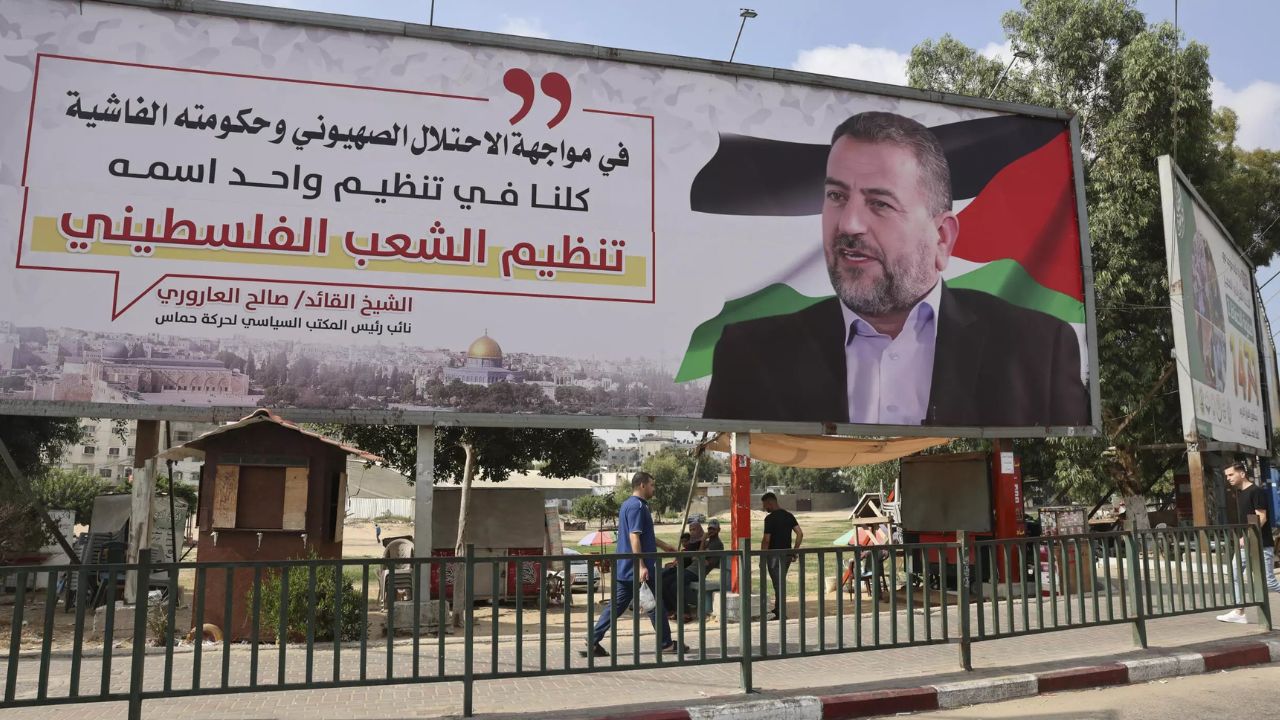
    Jerusalem (AFP) – The Israeli army has said it is “prepared for any scenario” after a strike in Beirut that killed Hamas’s deputy chief, stoking fears that it could boil over into wider regional conflict.

    A high-level security official in Lebanon told AFP that Saleh al-Aruri was killed along with his bodyguards in a strike by Israel.

    A second security official confirmed the information, while Hamas TV also reported Israel had killed Aruri in Lebanon.

    Israeli army spokesman Daniel Hagari did not directly comment on the killing, but said afterwards that the military was in “very high state of readiness in all arenas, in defence and offence. We are highly prepared for any scenario.”

    Israel has previously announced the deaths in Gaza of Hamas commanders and officials during the war, but Aruri is the most high-profile figure to be killed, and his death came in the first strike on the Lebanese capital since hostilities began.

    The strike adds to widespread fears that it could lead to a wider regional conflagration.

    Hamas said Aruri’s death would not lead to its defeat, while its Lebanon-based ally Hezbollah vowed the killing would not go unpunished, calling it “a serious assault on Lebanon… and a dangerous development”.

    Lebanese Prime Minister Najib Mikati condemned the killing and said it “aims to draw Lebanon” further into the war.

    Aruri, who lived in exile, is accused by Israel of masterminding numerous attacks.

    Following his death, Hamas chief Ismail Haniyeh said that a movement “whose leaders fall as martyrs for the dignity of our people and our nation will never be defeated”.

  • Japan quake death toll rises to 48: official

    Japan quake death toll rises to 48: official

    At least 48 people are confirmed dead following a major earthquake in Japan, a local official said.

    The official in Ishikawa prefecture, who spoke on condition of anonymity, told AFP the “death toll has reached 48”.

    Japanese rescuers battled against the clock and powerful aftershocks Tuesday to find survivors of a major earthquake that struck on New Year’s Day, killing at least six people and leaving a trail of destruction.

    The 7.5-magnitude quake, which hit Ishikawa prefecture on the main island of Honshu, triggered tsunami waves over a metre high, toppled buildings, caused a major port fire and tore apart roads.

    As daylight arrived, the scale of the destruction in Ishikawa emerged with buildings still smouldering, houses flattened and fishing boats sunk or washed ashore.

    “Very extensive damage has been confirmed, including numerous casualties, building collapses and fires,” Prime Minister Fumio Kishida said after a disaster response meeting.

    “We have to race against time to search for and rescue victims of the disaster.”

    Police said six people had been killed although the toll was almost certain to climb. The Kyodo news agency reported that 13 people had died, including seven in the badly hit port of Wajima.

    Aerial news footage showed devastation from a major fire at the port, where a seven-storey building collapsed.

    Almost 45,000 households were without power in the region which saw temperatures touch freezing overnight, the local energy provider said. Many cities were without running water.

    The US Geological Survey (USGS) said the quake had a magnitude of 7.5. Japan’s meteorological agency measured it at 7.6, and said it was one of more than 150 to shake the region through Tuesday morning.

    Several strong jolts were felt early Tuesday, including one measuring 5.6 percent that prompted national broadcaster NHK to switch to a special programme.

    “Please take deep breaths,” the presenter said, reminding viewers to check for fires in their kitchens.

    Tsunami warning lifted

    On Monday waves at least 1.2 metres (four feet) high hit Wajima on Monday, and a series of smaller tsunamis were reported elsewhere.

    But warnings of much larger waves proved unfounded and on Tuesday Japan lifted all tsunami warnings.

    Images on social media showed cars and houses in Ishikawa shaking violently and terrified people cowering in shops and train stations. Houses collapsed and huge cracks appeared in roads.

    A team of firefighters crawled under a collapsed, large commercial building in Wajima, television footage showed.

    “Hang in there! Hang in there,” they shouted as they battled through piles of wooden beams with an electric saw.

    “There were shaking that I have never experienced before, a local elderly man told NHK.

    “Inside my house, it was so terrible… I am still alive. Maybe I have to  be content with that.”

    The fire in Wajima engulfed a row of houses, video footage showed, with people being evacuated in the dark, some with blankets and others carrying babies.

    A duty officer at Wajima Fire Department said they still were being overwhelmed Tuesday by rescue requests and reports of damages.

    A total of 62,000 people had been ordered to evacuate, according to the fire and disaster management agency.

    About 1,000 people were staying at a military base, the defence ministry said.

    Bullet trains suspended

    Defense Minister Minoru Kihara said 1,000 military personnel were preparing to go to the region, while 8,500 others were on standby. Around 20 military aircraft were dispatched to survey the damage.

    Monday’s quake shook apartments in the capital Tokyo some 300 kilometres away, where a public New Year greeting event that was to be attended by Emperor Naruhito and his family members was cancelled.

    Several major highways were closed around the epicentre, Japan’s road operator said, and bullet train services from Tokyo were also suspended.

    Japan experiences hundreds of earthquakes every year and the vast majority cause no damage.

    The country has strict regulations intended to ensure buildings can withstand strong quakes and routinely holds emergency drills.

    But the country is haunted by the memory of a massive 9.0-magnitude undersea quake off northeastern Japan in March 2011, which triggered a tsunami that left around 18,500 people dead or missing.

    The 2011 tsunami also sent three reactors into meltdown at the Fukushima nuclear plant, causing Japan’s worst post-war disaster and the most serious nuclear accident since Chernobyl.

    Japan’s nuclear authority said there were no abnormalities reported at the Shika atomic power plant in Ishikawa or at other plants after Monday’s quake.

    In Washington, US President Joe Biden was briefed on Monday’s quake and offered Japan “any necessary assistance” to cope with the aftermath.

    French President Emmanuel Macron expressed “solidarity” while Italian Prime Minister Giorgia Meloni offered condolences and assistance.

  • Palestinian, 23, Dies In Israeli Jail: Prison Service

    Palestinian, 23, Dies In Israeli Jail: Prison Service

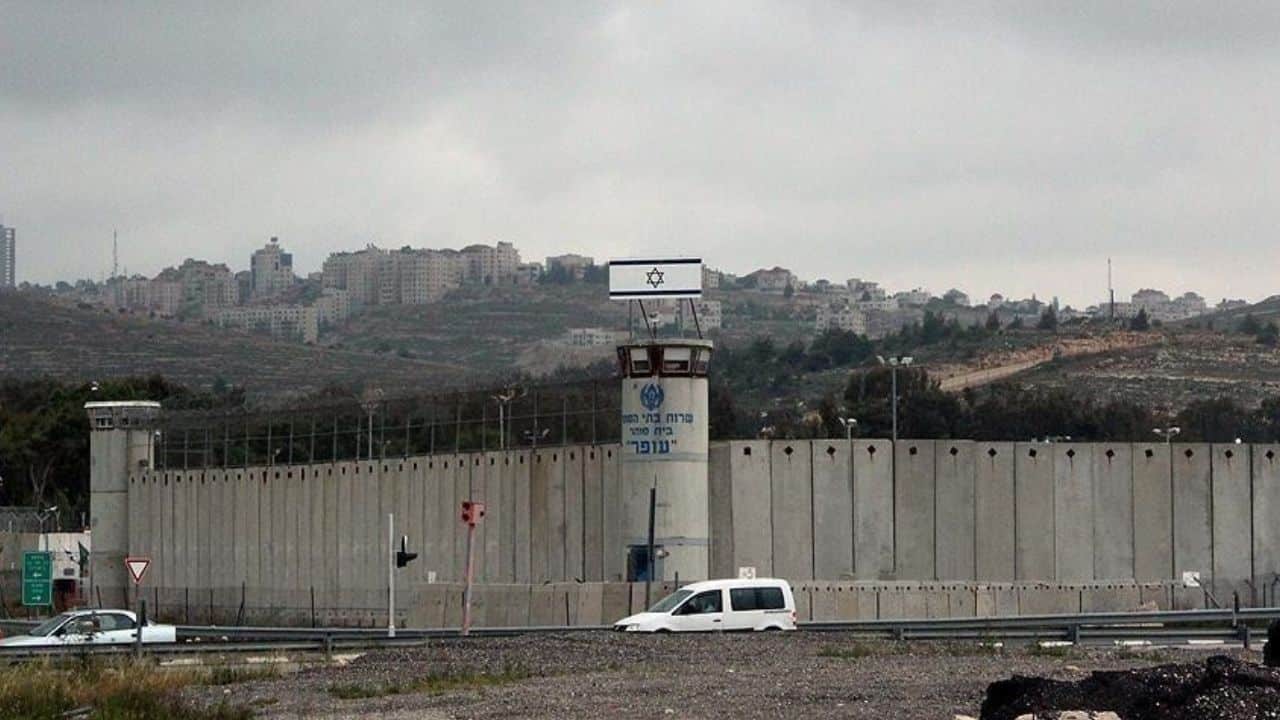
    A 23-year-old Palestinian prisoner has died in an Israeli jail, the prison service said Monday, adding it was looking into the circumstances of the inmate’s death.

    The prison service in a statement said the man from Nablus in the occupied West Bank had died in Meggido prison, in Israel’s north.

    He was arrested in June 2022 and later sentenced to jail time for “security offences”, the statement said without naming the prisoner.

    “As in all such incidents, the circumstances (of his death) will be examined,” it said.

    The Palestinian Authority’s detainees commission confirmed a prisoner had died but was unable to verify further information.

    The prison service said the inmate was affiliated with Fatah, Palestinian president Mahmud Abbas’s movement.

    Last month Israeli police said they have questioned 19 prison guards as part of an investigation into the death of another Palestinian inmate following allegations of torture.

    According to the official Palestinian news agency Wafa, 38-year-old Thaer Abu Assab, from Qalqilya in the West Bank, died in November after being beaten by Israeli prison guards.

    The Public Committee against Torture in Israel said Abu Assab’s death “raises serious suspicion that the IPS (Israel Prison Service) is being transformed from a professional incarceration body to a vindictive and punitive force”.

    “Six prisoners have already died in prison,” the advocacy group said at the time, adding that “all the instances of abuse and death must be investigated immediately”.

    Israel’s prison service announced on October 7 that it had imposed new restrictions on Palestinian detainees.

    Authorities said inmates can no longer leave their cells, there would not be allowed visits, or permitted to buy food from the canteen, nor would they have power in their electrical outlets.

    As of early December, Israeli prisons housed some 7,800 Palestinian detainees, according to the Palestinian Prisoners’ Club, an advocacy group that keeps a tally of detainees from annexed east Jerusalem and the West Bank.

  • South Korean opposition leader stabbed in neck, expected to undergo surgery

    South Korean opposition leader stabbed in neck, expected to undergo surgery

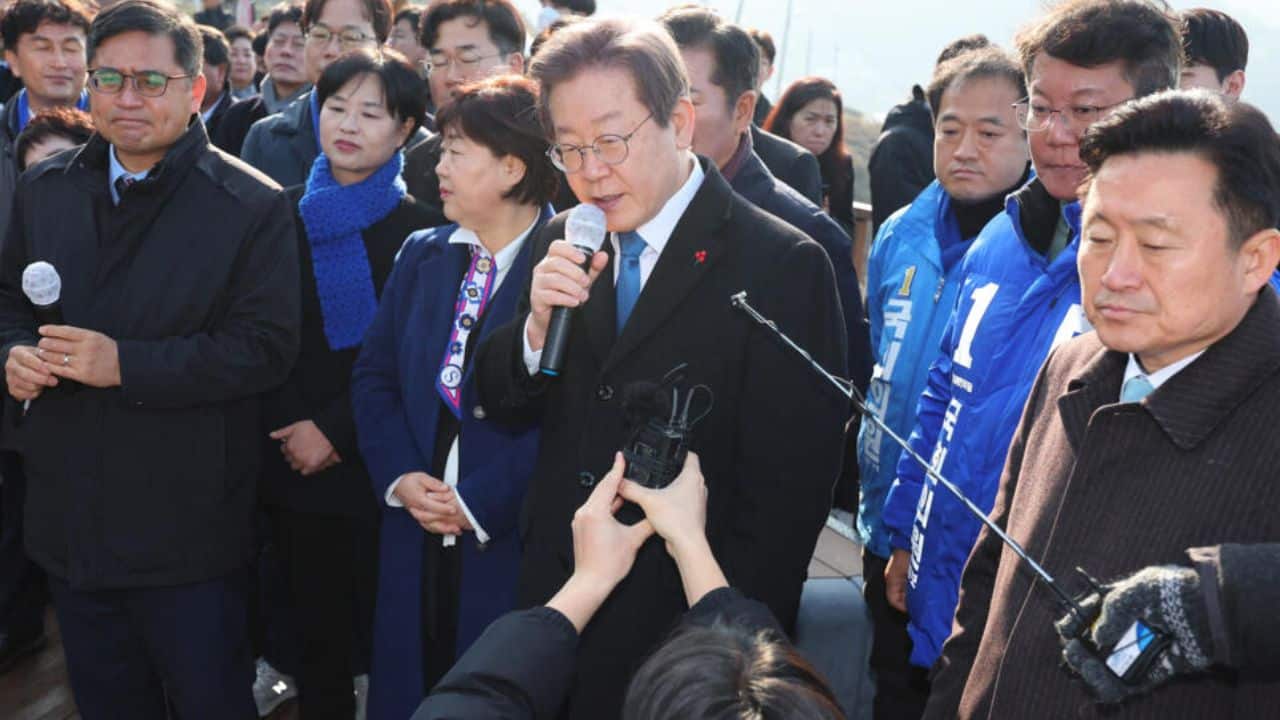
    South Korean opposition party leader Lee Jae-myung was stabbed in the neck on Tuesday by a man who pushed through a crowd pretending to be his supporter.

    Lee was surrounded by journalists and supporters at a construction site in the southern port city of Busan when a man lunged and struck him in the neck, South Korean television channels showed.

    He was bleeding but conscious as he was rushed to a local hospital, the Yonhap news agency reported, before being flown to the capital Seoul for surgery, according to an official from his party.

    An official from Pusan National University Hospital, where Lee received emergency treatment and CT scans before his transfer to Seoul, said the injury was not life-threatening.

    Police were seen wrestling the assailant, who wore a hat with a pro-Lee slogan, to the ground. He was arrested at the scene, Yonhap reported.

    Lee was “walking to his car while talking to reporters when the attacker asked for his autograph”, a witness told local broadcaster YTN, adding that Lee was then struck with what “looked like a knife”.

    The 59-year-old was seen collapsing to the ground as people rushed to aid him, one of whom pressed a handkerchief on Lee’s neck before emergency responders carried him to an ambulance.

    “This is an act of terror against Lee and a serious threat to democracy that should never occur under any circumstances,” Kwon Chil-seung, an MP from Lee’s Democratic Party, told reporters outside the hospital in Busan.

    Lee was later flown to the capital, where Kwon said he would undergo surgery at the Seoul National University Hospital.

    Police in Busan said Lee suffered a “one-centimetre laceration on his neck” and that he “remains conscious and bleeding is minor”, according to South Korean news outlet Chosun Ilbo.

    The attacker has not stated his motive, according to police officials cited by Yonhap.

    Presidential contender

    Lee lost in 2022 to conservative Yoon Suk Yeol in the tightest presidential race in South Korea’s history.

    Yoon expressed “deep concern over the safety of Lee Jae-myung upon hearing of the attack”, his spokeswoman Kim Soo-kyung said.

    “Yoon emphasised our society should never tolerate this kind of act of violence under any circumstances.”

    A former child factory worker who suffered an industrial accident as a teenage school drop-out, Lee rose to political stardom partly by playing up his rags-to-riches tale.

    He is widely expected to run for president again in 2027, and recent polls have indicated that he remains a strong contender.

    But Lee’s bid for the top office has been overshadowed by a string of scandals.

    He avoided arrest in September when a court dismissed a request from the prosecution for him to be taken into custody pending trial on various corruption charges.

    Lee still faces trial on charges of bribery in connection with a firm that is suspected of illicitly transferring $8 million to North Korea.

    He is also accused of breaching his duties, allegedly resulting in a loss of 20 billion won ($15 million) for a company owned by Seongnam city during his term as its mayor.

    Lee has denied all allegations against him.

    In August last year, he launched a hunger strike against what he called the Yoon government’s “incompetent and violent” policies.

    He was hospitalised because of fasting-related ailments after not eating for 19 days.

  • Putin Says Russia Will ‘Intensify’ Attacks on Ukraine

    Putin Says Russia Will ‘Intensify’ Attacks on Ukraine

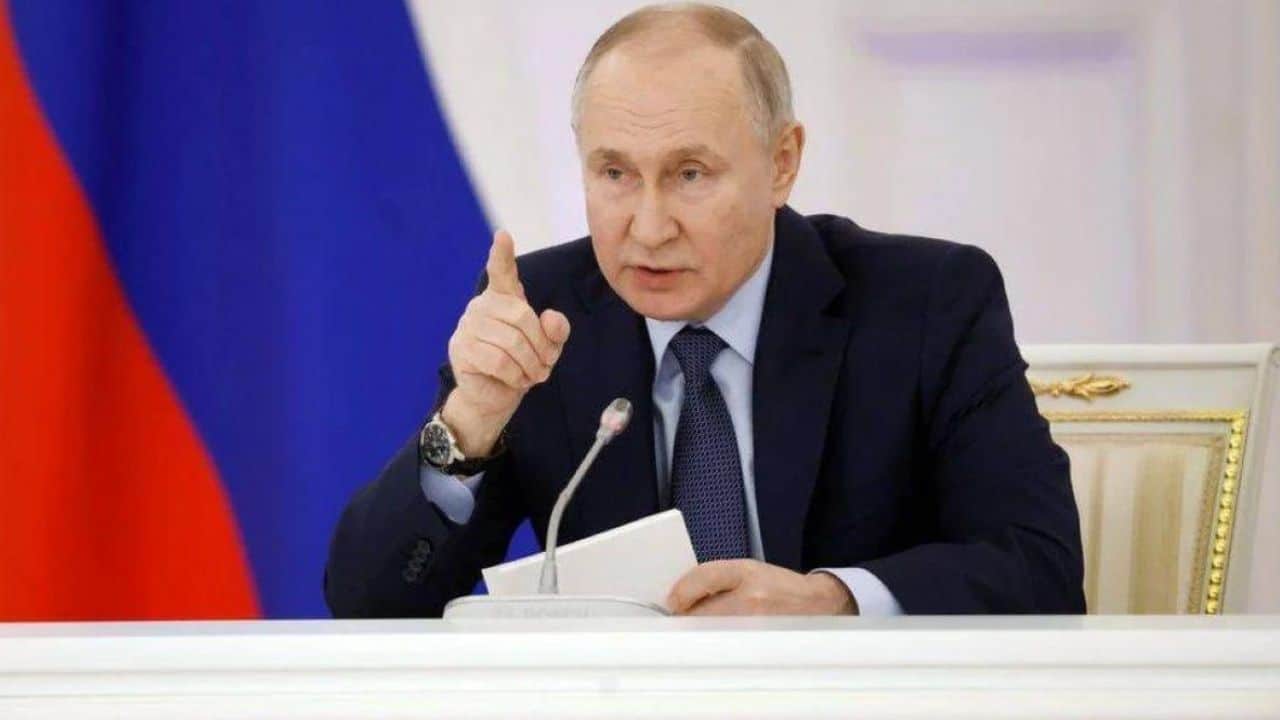
    President Vladimir Putin said Monday that Moscow will intensify strikes on military targets in Ukraine after an unprecedented attack over the weekend on the Russian city of Belgorod.

    The attack killed 24 people and left over 100 wounded in Belgorod on Saturday. It came after Moscow launched a large-scale attack on Ukrainian cities.

    “We’re going to intensify the strikes, no crime against civilians will rest unpunished, that’s for certain,” Putin said Monday during a visit to a military hospital.

    He said Russia will press on with hitting what he called “military installations.”

    “We are doing that today, and tomorrow we will continue doing it,” Putin said, almost two years into Moscow’s offensive.

    He spoke as Ukraine said Russia had hit it with a “record” number of drones on New Year’s Day.

    Putin called the Belgorod hit a “terrorist attack” and accused Ukrainian forces of targeting “right in the city centre, where people were walking, before New Year’s Eve.”

    He repeated a claim that Ukraine is being used by the West to “settle its problems” with Russia.

    The Russian leader said he believed the “strategic initiative” in the dragging conflict was on the Russian side.

    “In any case that is how I am being briefed and I always insist: any offensive operations should be done after a defeat of the enemy,” he said, according to the Interfax news agency.

  • Nobel winner Yunus convicted in Bangladesh labour law case

    Nobel winner Yunus convicted in Bangladesh labour law case

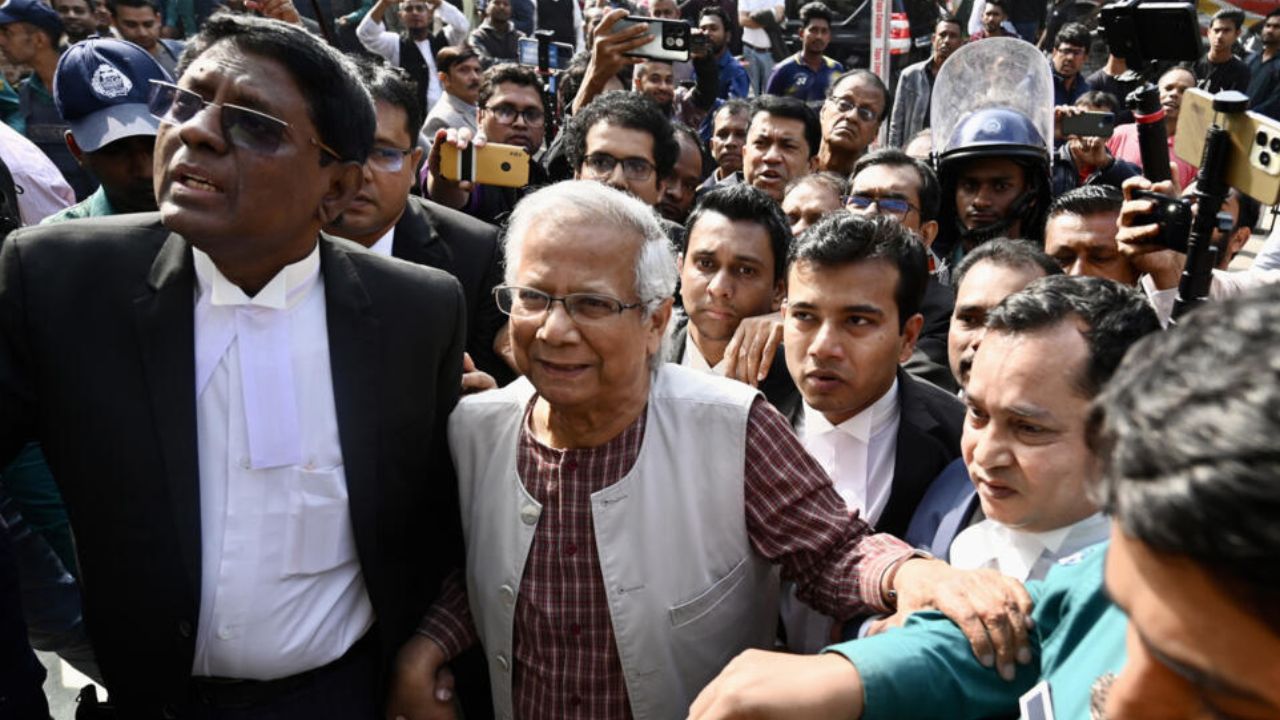
    Dhaka (AFP) – Nobel peace laureate Muhammad Yunus was convicted on Monday of violating Bangladesh’s labour laws in a case decried by his supporters as politically motivated.

    Yunus, 83, is credited with lifting millions out of poverty with his pioneering microfinance bank but has earned the enmity of longtime Prime Minister Sheikh Hasina, who has accused him of “sucking blood” from the poor.

    Hasina has made several scathing verbal attacks against the internationally respected 2006 Nobel Peace Prize winner, who was once seen as a political rival.

    Yunus and three colleagues from Grameen Telecom, one of the firms he founded, were accused of violating labour laws when they failed to create a workers’ welfare fund in the company.

    A labour court in the capital Dhaka convicted and sentenced them to “six months’ simple imprisonment”, lead prosecutor Khurshid Alam Khan told AFP, adding that all four were immediately granted bail pending appeals.

    All four deny the charges. Dozens of people staged a small demonstration of support outside the court for Yunus, who left without speaking to media.

    “This verdict is unprecedented,” Abdullah Al Mamun, a lawyer for Yunus, told AFP. “We did not get justice.”

    Yunus is facing more than 100 other charges over labour law violations and alleged graft.

    He told reporters after one of the hearings last month that he had not profited from any of the more than 50 social business firms he had set up in Bangladesh.

    “They were not for my personal benefit,” Yunus said.

    Another of his lawyers, Khaja Tanvir, told AFP that the case was “meritless, false and ill-motivated”.

    “The sole aim of the case is to harass and humiliate him in front of the world,” he said.

    ‘Travesty of justice’

    Irene Khan, a former Amnesty chief now working as a UN special rapporteur who was present at Monday’s verdict, told AFP the conviction was “a travesty of justice”.

    “A social activist and Nobel laureate who brought honour and pride to the country is being persecuted on frivolous grounds,” she said.

    In August, 160 global figures, including former US president Barack Obama and ex-UN secretary-general Ban Ki-moon, published a joint letter denouncing “continuous judicial harassment” of Yunus.

    The signatories, including more than 100 of his fellow Nobel laureates, said they feared for “his safety and freedom”.

    Critics accuse Bangladeshi courts of rubber-stamping decisions made by Hasina’s government, which is all but certain to win another term in power next week at elections boycotted by the opposition.

    Her administration has been increasingly firm in its crackdown on political dissent, and Yunus’s popularity among the Bangladeshi public has for years earmarked him as a potential rival.

    Amnesty International accused the government of “weaponizing labour laws” when Yunus went to trial in September and called for an immediate end to his “harassment”.

    Criminal proceedings against Yunus were “a form of political retaliation for his work and dissent”, it said.