Author: AFP

  • Mysterious pneumonia outbreak: WHO asks China for more data on respiratory illness

    Mysterious pneumonia outbreak: WHO asks China for more data on respiratory illness

    Beijing (AFP) – The World Health Organization has asked China for more data on a respiratory illness spreading in the north of the country, urging people to take steps to reduce the risk of infection.

    Northern China has reported an increase in “influenza-like illness” since mid-October when compared to the same period in the previous three years, the WHO said.

    “WHO has made an official request to China for detailed information on an increase in respiratory illnesses and reported clusters of pneumonia in children,” the UN health body said in a statement on Wednesday.

    China’s National Health Commission told reporters last week that the respiratory illness spike was due to the lifting of Covid-19 restrictions and the circulation of known pathogens, namely influenza and common bacterial infections that affect children, including mycoplasma pneumonia.

    The Chinese capital of Beijing, located in the north of the country, is currently experiencing a cold snap, with temperatures expected to plummet to well below zero by Friday, state media said.

    Temperatures plummeted as the city “entered a high incidence season of respiratory infectious diseases”, Wang Quanyi, deputy director and chief epidemiological expert at the Beijing Center for Disease Control and Prevention, told state media on Wednesday.

    Beijing “is currently showing a trend of multiple pathogens coexisting”, he added.

    Calls for transparency

    Over the course of the Covid-19 pandemic, the WHO repeatedly criticised Chinese authorities for their lack of transparency and cooperation.

    More than three years after cases were first detected in Wuhan, heated debate still rages around the origins of Covid-19.

    Scientists are divided between two main theories of the cause: an escape from a laboratory in the city where such viruses were being studied and an intermediate animal that infected people at a local market.

    Earlier this year, WHO experts said they were sure that Beijing had far more data that could shed light on the origins of Covid, and called it a moral imperative for the information to be shared.

    A team of specialists led by the WHO and accompanied by Chinese colleagues investigated China in early 2021, but there has not been a team able to return since and WHO officials have repeatedly asked for additional data.

    WHO chief Tedros Adhanom Ghebreyesus has stressed that getting to the bottom of the mystery could help avert future pandemics.

  • 41 Indian construction workers trapped in tunnel closed to be rescued

    41 Indian construction workers trapped in tunnel closed to be rescued

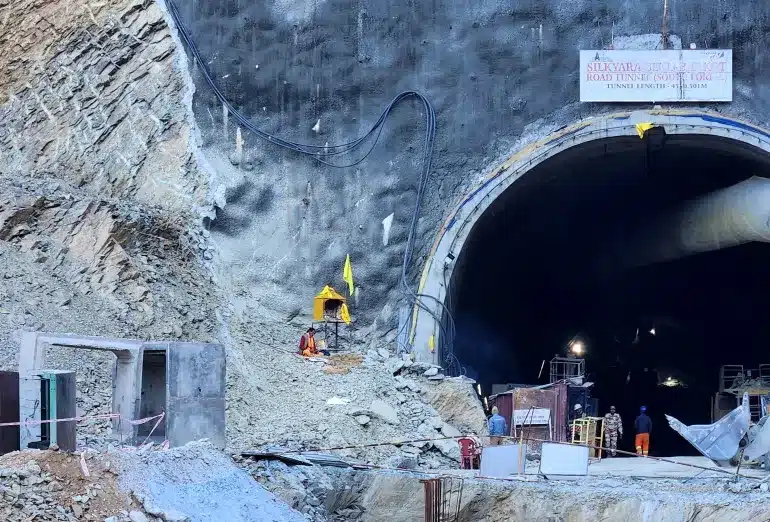
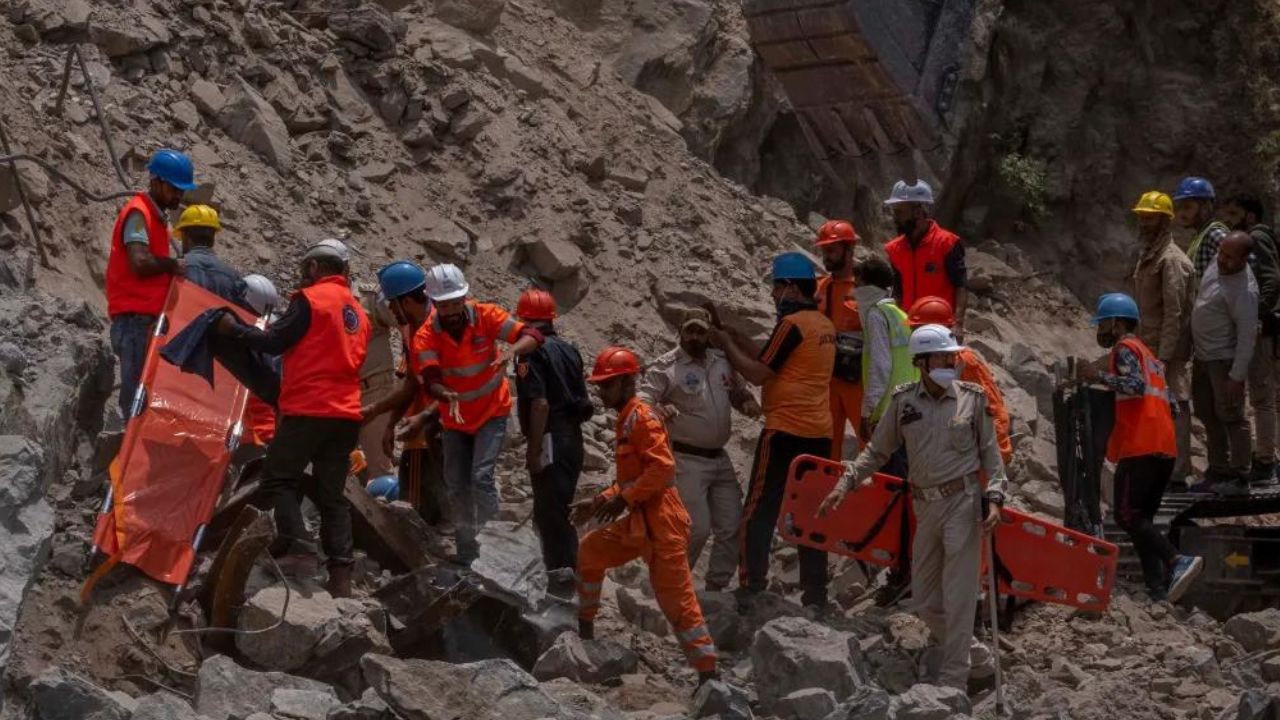
    The men became trapped after a portion of the 4.5-kilometer (2.8-mile) tunnel, which was under construction in the mountainous vicinity of the Himalayas, caved in on itself after a landslide. The tunnel collapsed around 200 meters (656 ft.) from its entrance.

    Construction of the tunnel is part of the Chardham all-weather road, a flagship project of the government of Prime Minister Narendra Modi that aims to connect Hindu pilgrimage sites, so that the state can better accommodate the growing influx of pilgrims and tourists to the region.

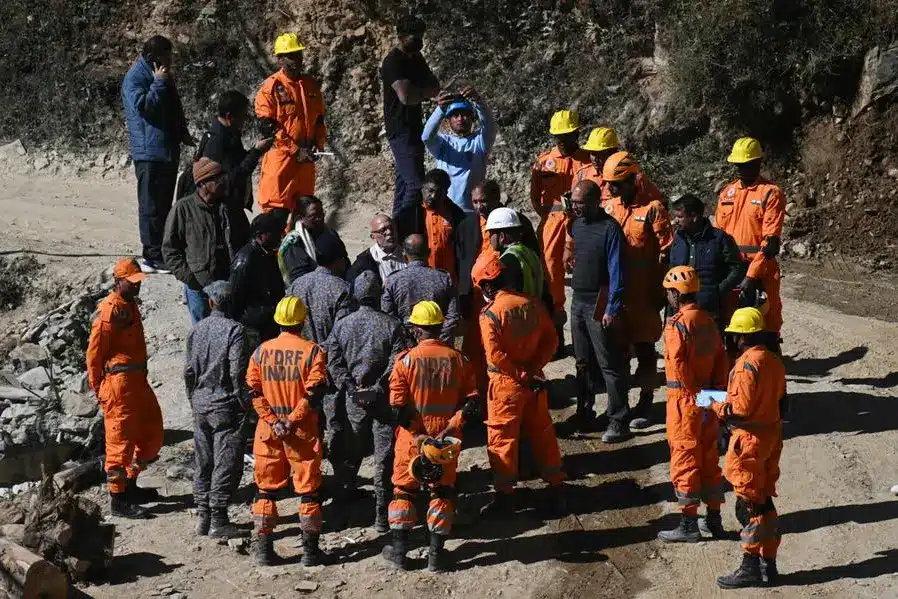
    The workers trapped in a collapsed tunnel in northern India for over a week are getting their first hot meals on Tuesday through a new six-inch wide steel pipe as rescuers pursue an alternative plan to free them. “We will bring you out safely, do not worry,” rescuers told the men, according to translations by Al Jazeera.

    Indian rescuers have drilled two-thirds of the way through debris toward 41 workers trapped in a collapsed road tunnel, officials said Wednesday, warning that the next 24 hours could be critical.

    Engineers are working to drive a steel pipe through at least 57 metres (187 feet) of the tonnes of earth, concrete, and rubble that has divided the trapped men from freedom since a portion of the under-construction tunnel in the northern Himalayan state of Uttarakhand collapsed 11 days ago.

    Looking into the Silkyara tunnel entrance on Wednesday, an AFP journalist could see sparks flying as workers welded metal tube sections together, with the site busy as excavators and heavy trucks brought in equipment.

    “I am very happy to share… that 39 metres of drilling have been completed,” said Mahmood Ahmad, a road and highways ministry official involved in the operations.

    “If there is no blockage, we hope there could be happy news late tonight or tomorrow,” Ahmad told reporters at the site.

    “We are moving forward at a fast pace,” he added.

  • The fallen kings of crypto

    The fallen kings of crypto

    Binance boss Changpeng Zhao has become the most powerful cryptocurrency figure to fall in a two-year period chaotic even by the standards of the notoriously volatile industry. 

    Zhao stepped down as CEO of Binance — the largest crypto exchange in the world — after he and the company pleaded guilty on Tuesday to sweeping US money laundering violations and agreed to fines of more than $4 billion.

    Here are three of the highest-profile crypto executives who have fallen foul of the law since last year:

    Changpeng ‘CZ’ Zhao

    Born in China in 1977, Zhao moved with his family to Canada in the 1980s and later got a degree in computer science from McGill University, according to his profile in the Bloomberg Billionaires Index.


    Zhao Changpeng, chief executive officer of Binance, speaks during a Bloomberg Television interview in Tokyo, Japan, on Thursday, Jan. 11, 2018. The world’s biggest cryptocurrency exchange keeps getting bigger. Binance.com is adding “a couple of million” registered users every week, with 240,000 people signing up in just an hour on Wednesday, said Zhao. Photographer: Akio Kon/Bloomberg

    He founded Binance in 2017 in Shanghai, and led the company’s explosive growth into the world’s biggest cryptocurrency exchange.

    An outspoken celebrity in the crypto world with 8.7 million followers on X, Zhao became the richest known figure in the nascent industry. His net worth peaked at around $65 billion in 2022, according to a Forbes index.

    With the prestige and wealth came increased scrutiny of Binance’s operations, as prominent crypto firms around the world began to buckle under a wave of criminal investigations.

    The United States accused Zhao and Binance of multiple violations, including knowingly allowing transactions to militant groups such as the Islamic State and in barred jurisdictions such as North Korea and Iran.

    On Tuesday, they pleaded guilty. The firm has agreed to total penalties of nearly $4.4 billion, while he will pay $50 million, according to court documents.

    Zhao resigned as CEO of Binance and while he will reportedly retain his shares in the company, he has been banned from any involvement in its business. He is expected to face sentencing later.

    Forbes listed his net worth as $10.2 billion as of Wednesday.

    Sam Bankman-Fried

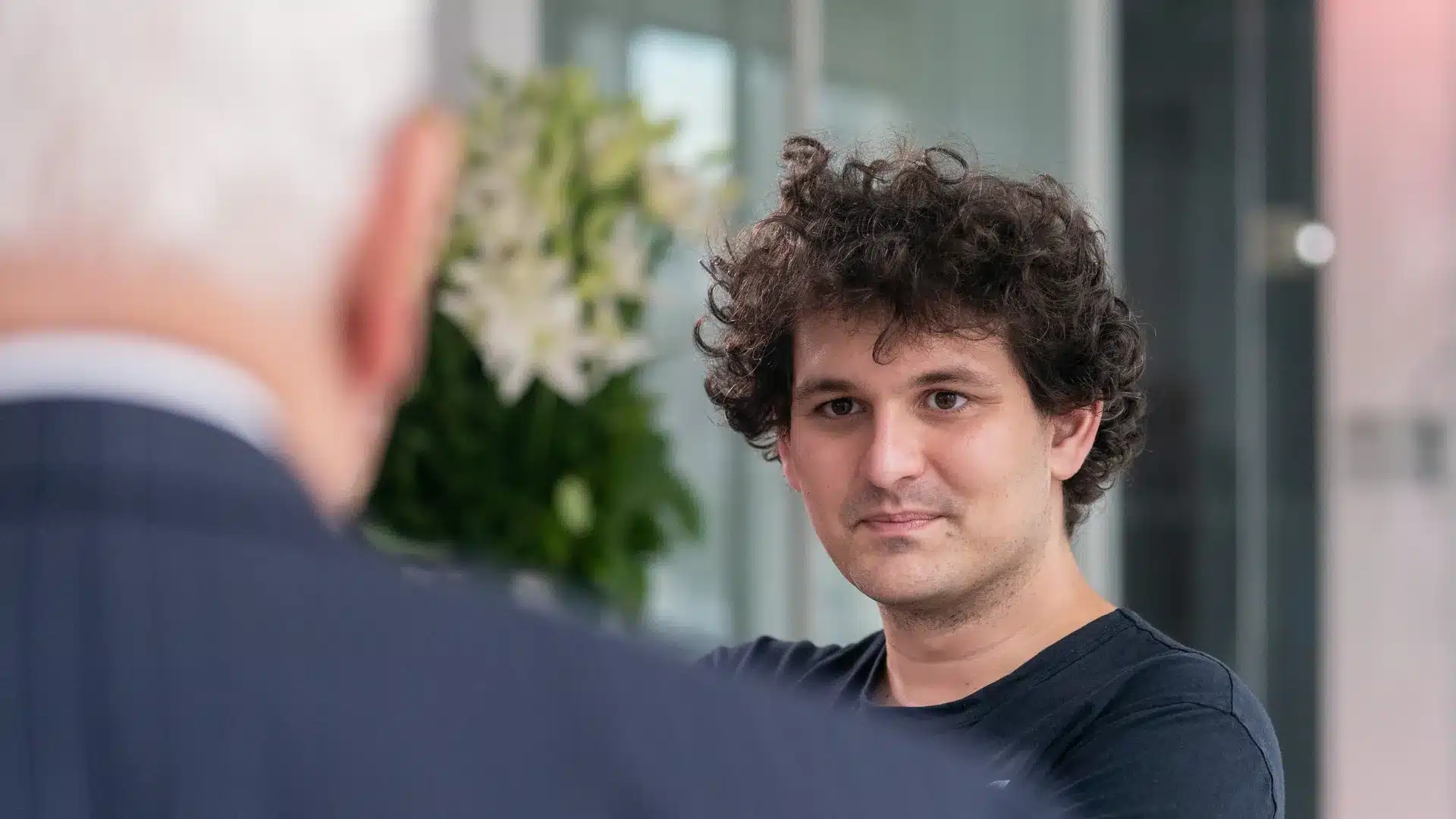
    If Zhao was the richest and most powerful person in crypto, Sam Bankman-Fried was easily the most famous.

    Born to Stanford University professors, Bankman-Fried graduated from MIT with a degree in physics.

    In 2019, he founded FTX, which skyrocketed to become the world’s second-largest crypto exchange.

    Along the way, Bankman-Fried built up his image as the unofficial ambassador for the cryptocurrency industry, with high-profile appearances in the media and even the US Congress.

    At one point in 2022, he had a net worth of $24 billion, according to Forbes.

    But he had been walking a dangerous path — his team used customers’ money for everything from buying posh real estate to covering risky moves by affiliate Alameda Research.

    It all came crashing down when these moves were revealed in the media in November 2022. Within hours, rival CZ Zhao said Binance would sell all the FTX tokens it held.

    It sparked a stunning collapse of FTX and Bankman-Fried’s empire, his fame turning to notoriety.

    Arrested in the Bahamas in January, he was found guilty this month of what US prosecutors described as “one of the biggest financial frauds in American history”. He faces up to 110 years in prison.

    During his trial, the 31-year-old admitted to making “mistakes” but denied trying to defraud anyone.

    Do Kwon

    South Korean entrepreneur Do Kwon co-founded Terraform Labs in 2018, developing the cryptocurrencies TerraUSD and Luna.


    Do Kwon, co-founder and chief executive officer of Terraform Labs, poses in the company’s office in Seoul, South Korea, on Thursday, April 14, 2022. Kwon is counting on the oldest cryptocurrency as a backstop for his stablecoin, which some critics liken to a ginormous Ponzi scheme. Photographer: Woohae Cho/Bloomberg via Getty Images

    The Stanford grad successfully marketed them as the next big thing in crypto, attracting billions in investments and global hype.

    Media reports in South Korea described him as a “genius”.

    But in May last year, the value of these currencies — marketed as “stablecoins” — plummeted, wiping out around $40 billion in investments and sending a shock wave through the rest of the industry.

    It led to more than $500 billion in further losses on global crypto markets, industry data suggested.

    Experts said Do Kwon — whose full name is Kwon Do-kyung — had marketed a glorified Ponzi scheme.

    Brash and outspoken on social media, Do Kwon left South Korea before the collapse and spent months on the run.

    He was arrested in Montenegro this year after being caught trying to catch a flight using fake Costa Rican travel documents.

    He faces multiple criminal charges in the United States and South Korea.

  • Qatar confirms Israel, Hamas reach deal on four-day truce, hostage release

    Qatar confirms Israel, Hamas reach deal on four-day truce, hostage release

    AFP – Doha, Qatar: Qatar confirmed on Wednesday that Israel and Hamas had reached an agreement on a four-day humanitarian pause, to begin in the next 24 hours, in exchange for the release of 50 hostages in Gaza.

    “The starting time of the pause will be announced within the next 24 hours and last for four days, subject to extension,” Qatar’s Ministry of Foreign Affairs said in a statement.

    “The agreement includes the release of 50 civilian women and children hostages currently held in the Gaza Strip in exchange for the release of a number of Palestinian women and children detained in Israeli prisons, the number of those released will be increased in later stages of implementing the agreement,” it added.

    Qatar has been engaged in weeks of intense, behind-the-scenes negotiations aimed at freeing some of the 240 hostages held in Gaza in return for temporary ceasefire and access for humanitarian aid.

    The number agreed for release by the militants is by far the largest since Hamas gunmen stormed over Gaza’s militarised border on October 7, seizing the hostages and killing 1,200 people, according to Israeli authorities.

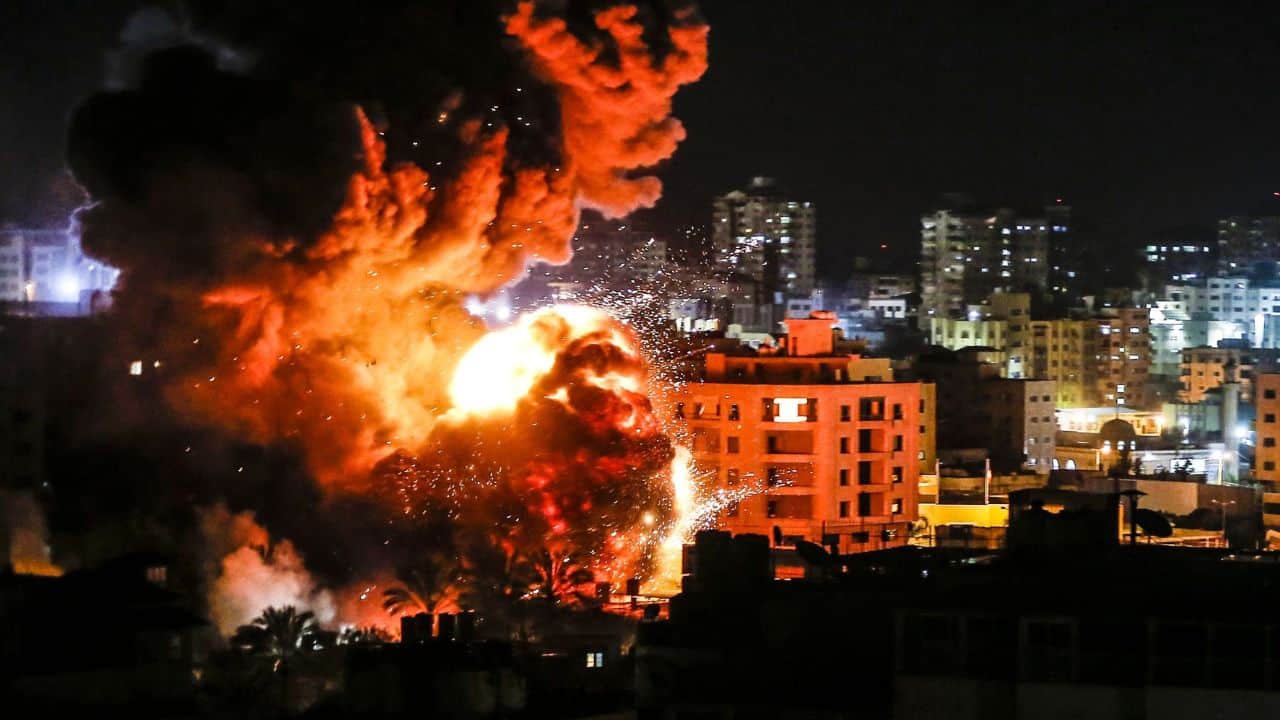
    In response, Israel has launched a relentless bombing campaign and subsequent ground invasion in Hamas-ruled Gaza, killing more than 14,100 people — two thirds of them women or children — according to the territory’s health ministry.

    Qatar said the deal had been undertaken with Egypt and the United States as well as Hamas and Israel and would include “the entry of a larger number of humanitarian convoys and relief aid, including fuel designated for humanitarian needs”.

  • Pakistan’s climate problems partially due to world’s richest one per cent: Report

    Pakistan’s climate problems partially due to world’s richest one per cent: Report

    Oxfam has released a new report, “Climate Equality: A Planet for the 99%”, revealing that “The richest one per cent of the world’s population produced as much carbon pollution in 2019 as the five billion people who made up the poorest two-thirds of humanity.”

    While fighting the climate crisis is a shared challenge, not everyone is equally responsible and government policies must be tailored accordingly, Max Lawson, who co-authored the report, told AFP.

    “The richer you are, the easier it is to cut both your personal and your investment emissions,” he said. “You don’t need that third car, or that fourth holiday, or you don’t need to be invested in the cement industry.”

    Among the key findings of this study are that the richest one percent globally—77 million people—were responsible for 16 percent of global emissions related to their consumption.

    That is the same share as the bottom 66 percent of the global population by income, or 5.11 billion people.

    Pakistan

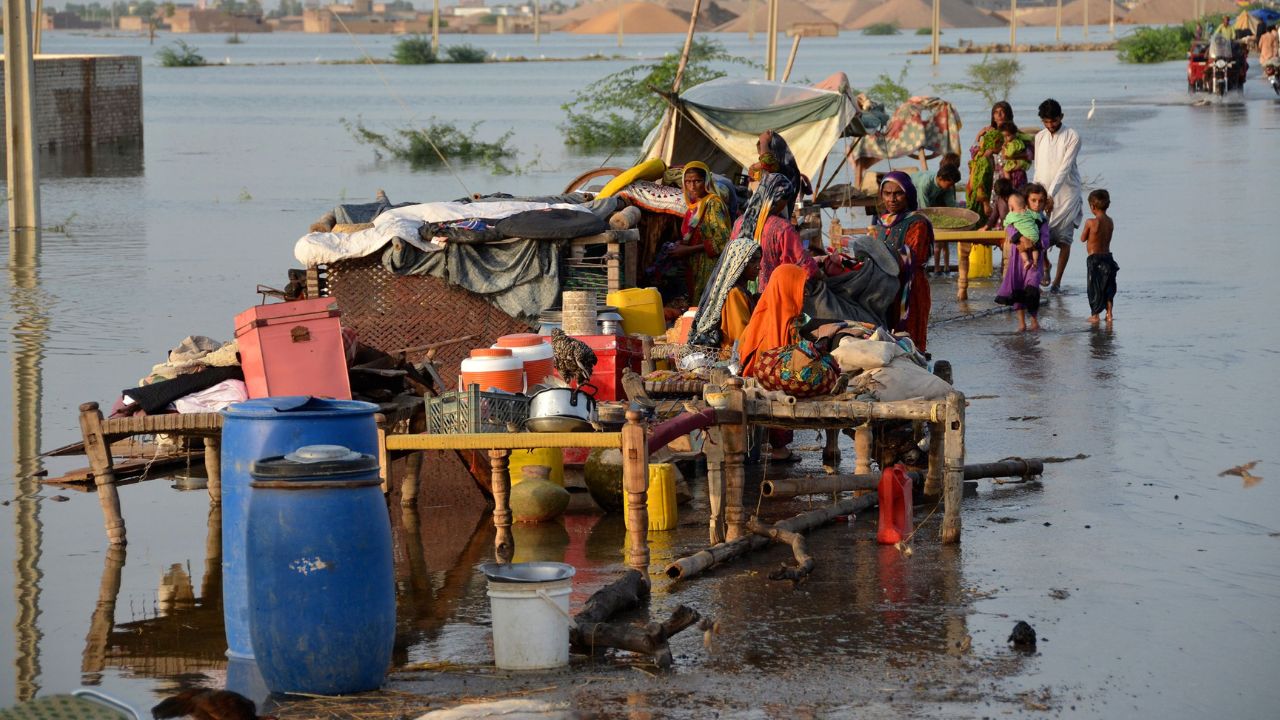
    The difference in recent floodings in Germany and Pakistan unveils how a country’s wealth can “enable or hinder its ability to respond to a climate emergency”.

    German floods affected a population of 40,000 people, resulting in damage and economic costs of 40 billion dollars. They were able to mobilise funding through federal and state government flood relief funds for reconstruction of 35 billion dollars within weeks.

    On the contrary, Pakistan floods affected a population of 33 million people, leading to damage and economic costs of 30 billion dollars. International donors pledged a funding of 8.57 billion dollars as of January 2023 for the next three years.

    While Germany could easily manage the financial and technical resources required, debt-troddened Pakistan was unable to allocate the necessary resources resulting in suffering from “the lasting impacts of the floods”.

    The report explains that this comparison between the two countries shows “a common double standard practised by many Global North countries: they rapidly find the funds needed when disasters hit within their borders, but fail to do so when they occur in the Global South”.

  • 29 premature babies evacuated from Gaza arrive in Egypt: media

    29 premature babies evacuated from Gaza arrive in Egypt: media

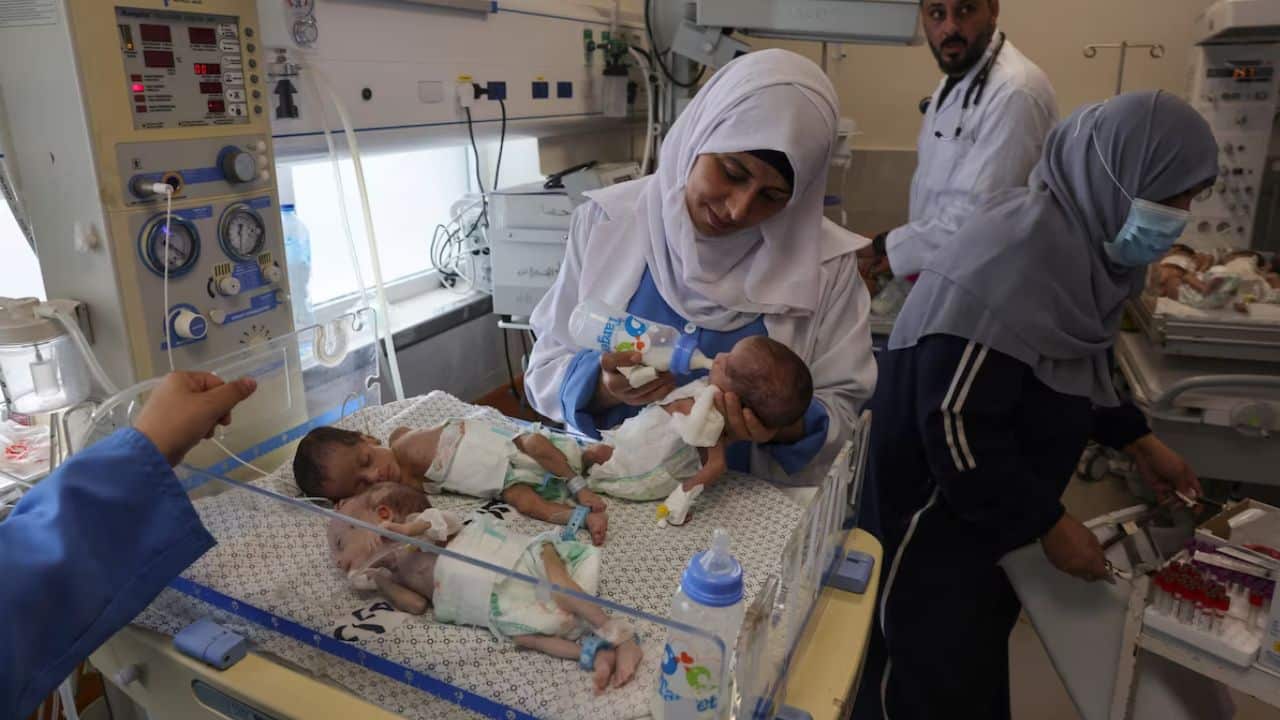
    AFP – Cairo, Egypt: Twenty-nine premature babies arrived in Egypt on Monday, Egyptian media said, after they were evacuated from Gaza’s largest hospital which has become a focal point of Israel’s war with Hamas.

    The infants were evacuated Sunday from the Al-Shifa hospital, which the World Health Organization has described as a “death zone” as Israel seeks to uncover what it says are Hamas bases in tunnels underneath the facility.

    An initial 31 babies were reported evacuated from Al-Shifa to another Gaza clinic and it was not immediately clear why only 29 arrived in Egypt.

  • Cummins urges Australia to ’embrace’ India crowd challenge in World Cup final

    Cummins urges Australia to ’embrace’ India crowd challenge in World Cup final

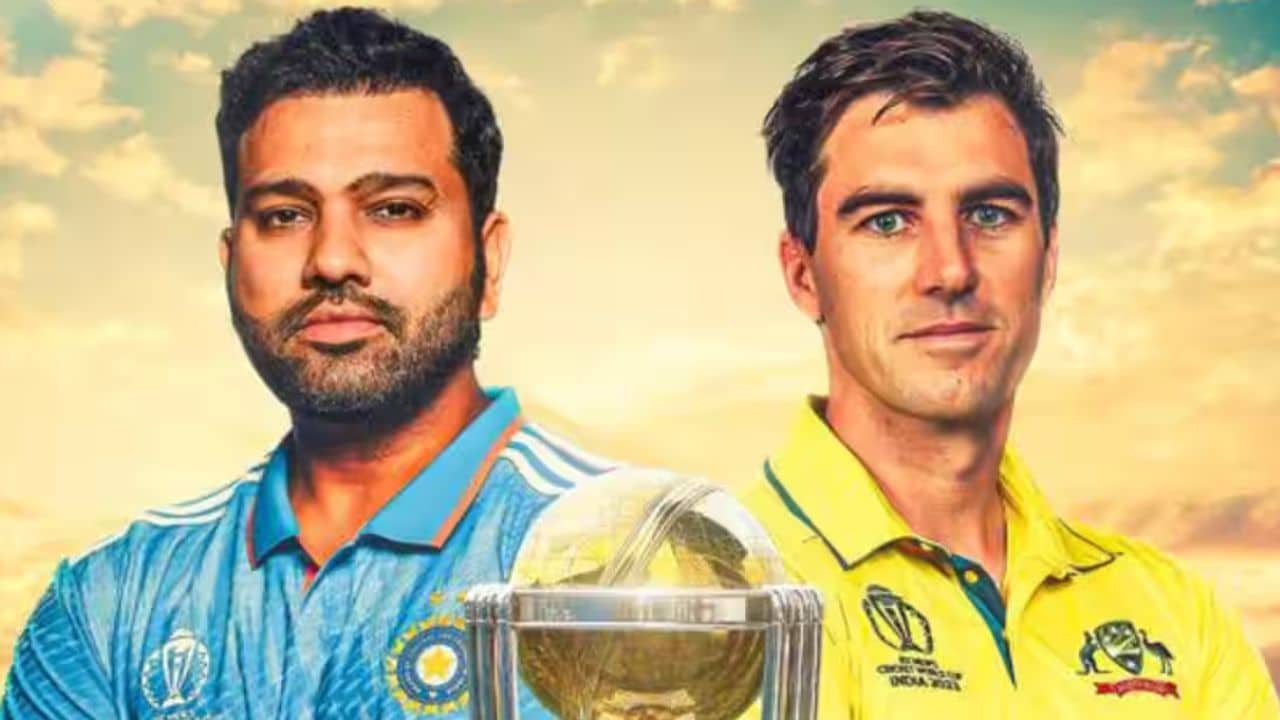
     Australia captain Pat Cummins has urged his side to “embrace” the challenge of facing a hostile crowd when they play in-form hosts India in Sunday’s World Cup final in Ahmedabad.

    A capacity crowd of 130,000 — which would be a record for any cricket match — is expected to roar on India, who have won all 10 of their matches en route to the showpiece game.

    The hosts are bidding for a third men’s one-day international World Cup title and second on home soil after their 2011 triumph.

    But five-time champions Australia are a team full of big-match performers who also know what it’s like to play in cricket-crazy India from their time in the Indian Premier League.

    “I think you’ve got to embrace it, the crowd’s obviously going to be very one-sided,” Cummins told a pre-match news conference at the Narendra Modi Stadium, named after the Indian prime minister, on Saturday.

    “But also in sport, there’s nothing more satisfying (as an opposition player) than hearing a big crowd go silent and that’s the aim for us tomorrow.”

    The 30-year-old fast bowler added: “You’ve just got to embrace every part of it, every part of a final — you know in the lead-up there’s going to be noise and more people and interest and you just can’t get overwhelmed.

    ‘No Regrets’

    “You got to be up for it, you got to love it and just know whatever happens it’s fine but you just want to finish the day with no regrets,” Cummins said.

    And while he accepted the dimensions of Sunday’s match would be different to any his side had experienced before, Cummins said: “We play over here in India a lot so the noise is not something new. 

    “I think on this scale it’s probably bigger than we would have experienced before but it’s not something totally foreign to what we’ve had before.

    “Everyone deals with it slightly differently — you see Davey (Warner) probably dancing and winning the crowd over, other guys just staying in their own bubble –- it should be good.”

    Victory on Sunday would cap a remarkable 2023 for Australia that saw them narrowly lose a Test series in India before defeating India in a World Test Championship final in England, where they also went on to retain the Ashes after a drawn series.

    “It’s been a huge year,” said Cummins. “These are four marquee events. If you have one of those in an off-season, it’s a big off-season.

    “Some of the guys probably spent less than a couple of weeks in their own bed since the end of the Aussie summer,” added Cummins, also the skipper of Australia’s Test team.

    “The guys have been awesome. They’re so up for every game they play. 

    “To put ourselves in this position, it (winning the World Cup) would just top off an incredible year and probably a career-defining year that a lot of us will look back on in years to come and be pretty proud of.”

  • McDonald’s UK faces weekly sex abuse claims

    McDonald’s UK faces weekly sex abuse claims

    London (AFP) – McDonald’s boss in Britain said Tuesday the US fast-food giant faces “one to two” sexual harassment allegations from workers every week, as he vowed to tackle the issue recently exposed by the BBC.

    Alistair Macrow, chief executive of McDonald’s UK and Ireland, told a watchdog parliamentary committee that the chain’s management also receives around five reports a week of bullying.

    He said that his employees’ accounts of alleged harassment and racism were “truly horrific and hard to listen to”.

    It follows the BBC reporting in July numerous allegations of sexual misconduct, racism and bullying by staff at McDonald’s outlets in Britain.

    The company says it has dismissed 18 employees and taken 75 disciplinary measures, after examining 157 reported cases, since the scandal emerged.

    Some 249 cases remain to be investigated, it has said.

    Law firm Leigh Day recently launched group legal action against McDonald’s after the BBC aired the accusations, which included employees’ claims they were “groped and harassed almost routinely”.

    McDonald’s UK opened a specialist unit to investigate the allegations, which stemmed from the accounts of around 100 staff, according to the British broadcaster.

    Appearing before lawmakers in parliament, Macrow reiterated that he was “absolutely determined to root out any of these behaviours”.

    He pledged to identify individuals who are responsible for them and “make sure they are eradicated from our business”.

    But earlier in the hearing, union leaders claimed that, contrary to those assertions, the situation had not improved within McDonald’s since it launched its internal probes.

    The unions also claim that the firm has a history of using out-of-court settlements in response to such allegations, including non-disclosure agreements (NDAs).

    The Bakers, Food and Allied Workers Union alleged four years ago that more than 1,000 female employees of the fast-food giant were victims of sexual harassment and abuse.

    This year’s BBC investigation revealed that many female employees under the age of 18 reported being sexually or emotionally harassed.

    One ex-employee, Shelby, who was only 16 when she started working at McDonald’s, told the broadcaster that she was constantly touched in an inappropriate and unwanted ways by older male employees in the kitchen.

    The fast-food chain has 177,000 employees in the UK, many of whom are young workers, including teenagers.

  • Gaza’s embattled main hospital buries patients in ‘mass grave’

    Gaza’s main hospital has been forced to bury dozens of dead patients in a mass grave, its director said Tuesday, while thousands of Palestinians were trapped inside by fierce combat.

    Israeli forces were at the gates of the sprawling Al-Shifa hospital they say sits atop an underground Hamas command base, but the militants deny the charge while doctors say patients and people seeking shelter were stranded in horrific conditions.

    “There are bodies littered in the hospital complex and there is no longer electricity at the morgues,” said Al-Shifa hospital director Mohammad Abu Salmiya, adding that 179 bodies had been interred so far.

    “We were forced to bury them in a mass grave,” he said, adding that seven babies and 29 intensive care patients were among those who had died after fuel for the hospital’s generator ran out.

    A witness said the stench of decomposing bodies was everywhere in the Gaza City facility as bombardment and gunfire echoed constantly in the area.

    The United Nations estimates that at least 2,300 people — patients, staff and displaced civilians — are inside and may be unable to escape because of fierce fighting from the facility where supplies are nearly exhausted.

    Israel says it is not targeting the hospital, but has vowed to destroy Hamas in response to the attacks of October 7, which killed an estimated 1,200 people, mostly civilians, and saw 240 hostages being taken to Gaza.

    The health ministry in Hamas-run Gaza says Israel’s relentless assault has killed 11,320 people, also mostly civilians, including thousands of children.

    Israel’s military says 47 of its troops have been killed in Gaza.

    Al-Shifa’s fate has become a major focus of the more than five week war that has stirred international criticism of the suffering and death inflicted on civilians in the besieged territory.

    Israel’s Foreign Minister Eli Cohen acknowledged in a statement shared by his spokesman Monday that his nation has “two or three weeks until international pressure really steps up”. 

    ‘Completely soaked’

    The situation in Gaza’s other hospitals is also dire, with the UN saying 22 of 36 are not functional due to lack of generator fuel, damage and combat.

    “The 14 hospitals remaining open have barely enough supplies to sustain critical and life-saving surgeries and provide inpatient care, including intensive care,” said the World Health Organization in the Palestinian Territories.

    But the humanitarian crisis in the territory also includes the hundreds of thousands of people who have fled south at Israel’s urging to get away from the most intense fighting.

    On Tuesday displaced Palestinians in the south woke up to yet another scourge: rain, soaking their meagre belongings and threatening to bring waterborne diseases to their places of shelter.

    “We are completely soaked, all of our clothes are soaked, our mattresses, our blankets too, even a dog could not live like this,” said Ayman al-Jueidi, who has set himself up in the courtyard of a UN school in Rafah at the southern extremity of the Gaza Strip.

    Even escaping the fighting is dangerous and wounded Palestinians told AFP how they were hit by a strike on their way south.

    “I walked around three to four kilometres (around two miles) while I was bleeding,” said Hasan Baker, whose head and left hand were bandaged. “There was no possibility for any ambulance to enter the area.”

    Hostage talks

    Israeli leaders have so far insisted there will be no ceasefire until hostages are released, but Qatar is mediating talks on a possible deal to free captives.

    Abu Obeida, a spokesman for Hamas’s military wing, said Monday that Israel asked for the release of 100 hostages while the militants want 200 Palestinian children and 75 women freed from Israeli prisons.

    “We informed the mediators we could release the hostages if we obtained five days of truce… and passage of aid to all of our people throughout the Gaza Strip, but the enemy is procrastinating,” Abu Obeida said in an audio statement.

    Qatari foreign ministry spokesman Majed bin Mohammed Al-Ansari told a news conference in Doha that the “deteriorating” situation in Gaza was hampering mediation efforts.  

    “We believe that there is no other chance for both sides other than for this mediation to take place,” he said. 

    Relatives of hostages set out Tuesday on a five-day protest march to Prime Minister Benjamin Netanyahu’s office to demand “the immediate release of all the hostages”, the Hostages and Missing Families Forum said.

    Netanyahu responded in a statement that the government was “working relentlessly for the release of the hostages, including using increased pressure since the start of the ground incursion”.  

    As security officials and diplomats continued negotiations, Hamas’s military wing issued a video of captive Israeli soldier Noa Marciano.

    The Israeli army on Tuesday confirmed she was dead.

    Abu Obeida claimed Marciano was killed in an Israeli strike. The Israeli army did not say how she died.

    West Bank violence

    The Israeli army said it had captured Gaza’s parliament, the government building, the police headquarters and other government institutions run by Hamas in Gaza City, as its forces deepened their offensive in the Palestinian territory.

    The army also showed images of a discarded baby bottle, makeshift toilet and bullet-scarred motorbike as evidence Hamas held hostages in the basement of Al-Rantisi children’s hospital in Gaza City.

    AFP was not able to independently confirm the allegation.

    The video narrated by army spokesman Daniel Hagari also shows neatly arranged assault rifles, grenades and what he said were “vests with explosives”.

    The Hamas health ministry described the Israeli video as “poor staging” with “not a single piece of evidence” backing the Israeli army claims.

    The war in Gaza has also spurred violence on other fronts.

    In the occupied West Bank, eight Palestinians were killed in clashes with Israeli troops, seven during an army raid on the northern city of Tulkarem and one near the southern city of Hebron, the Palestinian health ministry said on Tuesday.

    At least 180 Palestinians and three Israelis have been killed across the West Bank since October 7, according to officials on both sides.

    The Israeli police said they were investigating “several cases” of alleged sexual violence against women by Hamas militants in the attack that triggered the conflict.

    Since the attacks, police have been gathering evidence about allegations of sexual violence from witnesses, surveillance footage and the interrogations of Palestinian militants arrested in the aftermath. 

    Police had “multiple witnesses” but no “living victims”, investigator David Katz said without giving the precise number of cases.
  • South Asia worst in world for water scarcity: UN

    South Asia worst in world for water scarcity: UN

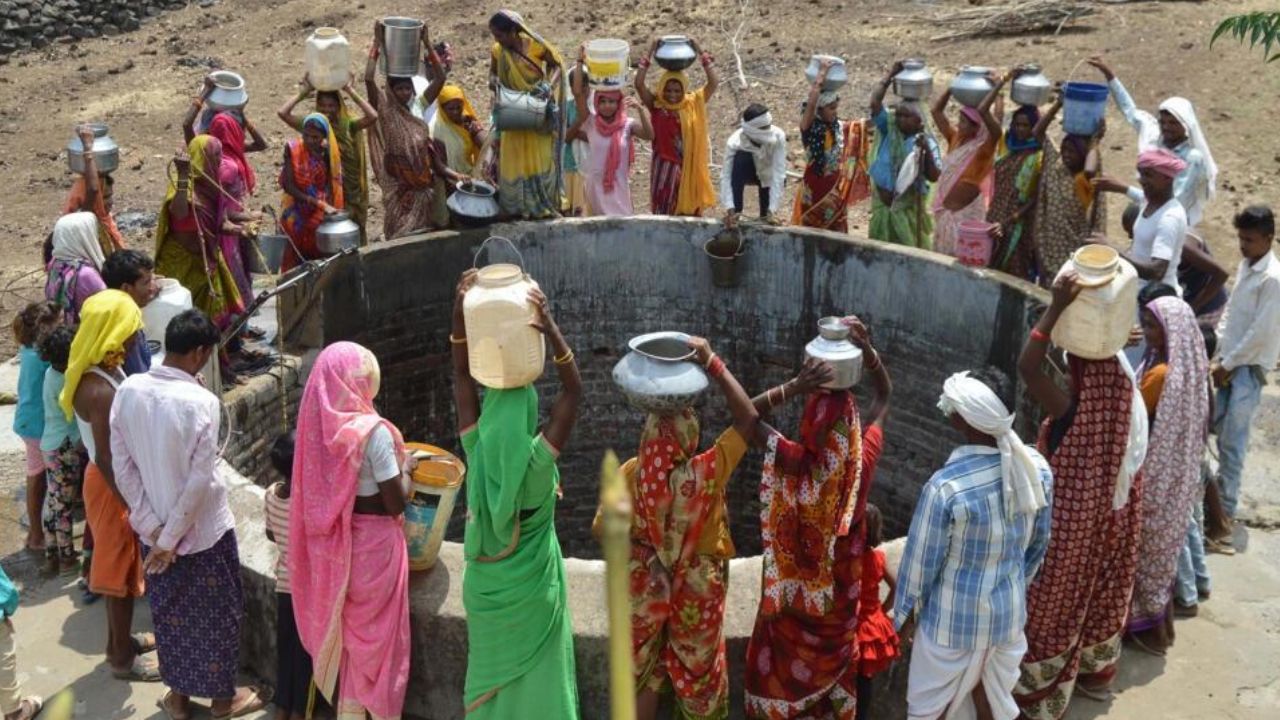
    New Delhi (AFP) – More children in South Asia are struggling due to severe water scarcity made worse by the impacts of climate change than anywhere else worldwide, the United Nations said Monday.

    “A staggering 347 million children under 18 are exposed to high or extremely high water scarcity in South Asia, the highest number among all regions in the world,” the UN children’s agency said in a report.

    The eight-nation region, comprising Afghanistan, Bangladesh, Bhutan, India, Nepal, Maldives, Pakistan and Sri Lanka, is home to more than one-quarter of the world’s children.

    “Climate change is disrupting weather patterns and rainfall, leading to unpredictable water availability,” the UN said in its report.

    The report cites poor water quality, lack of water and mismanagement such as over-pumping of aquifers, while climate change decreases the amount of water replenishing them.

    “When village wells go dry, homes, health centres and schools are all affected,” UNICEF added.

    “With an increasingly unpredictable climate, water scarcity is expected to become worse for children in South Asia.”

    At the UN COP28 climate conference in December in Dubai, UNICEF said it will call for leaders “to secure a livable planet”.

    “Safe water is a basic human right,” said Sanjay Wijesekera, UNICEF chief for South Asia.

    “Yet millions of children in South Asia don’t have enough to drink in a region plagued by floods, droughts and other extreme weather events, triggered increasingly by climate change”.

    Last year, 45 million children lacked access to basic drinking water services in South Asia, more than any other region, but UNICEF said services were expanding rapidly, with that number slated to be halved by 2030.

    Behind South Asia was Eastern and Southern Africa, where 130 million children are at risk from severe water scarcity, the report added.