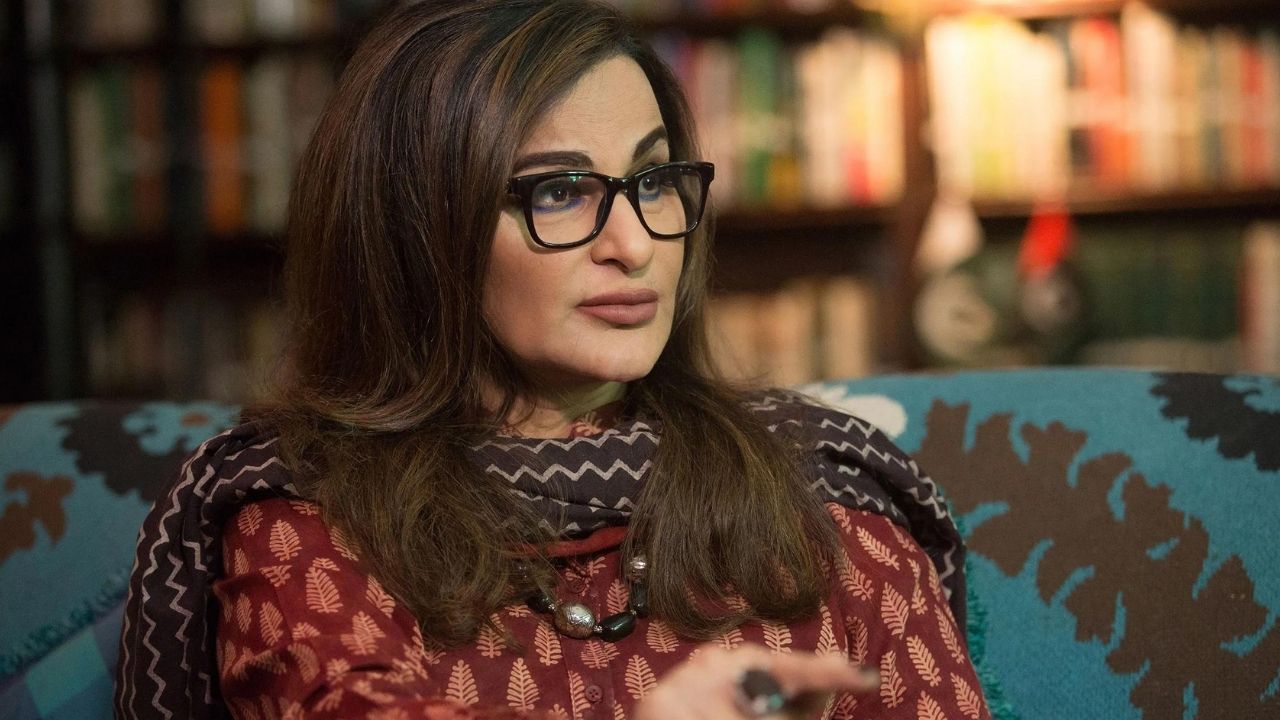
Pakistan People’s Party (PPP) Vice President and Parliamentary leader Sherry Rehman has highlighted a very common and a misogynistic issue women face in the workplace.
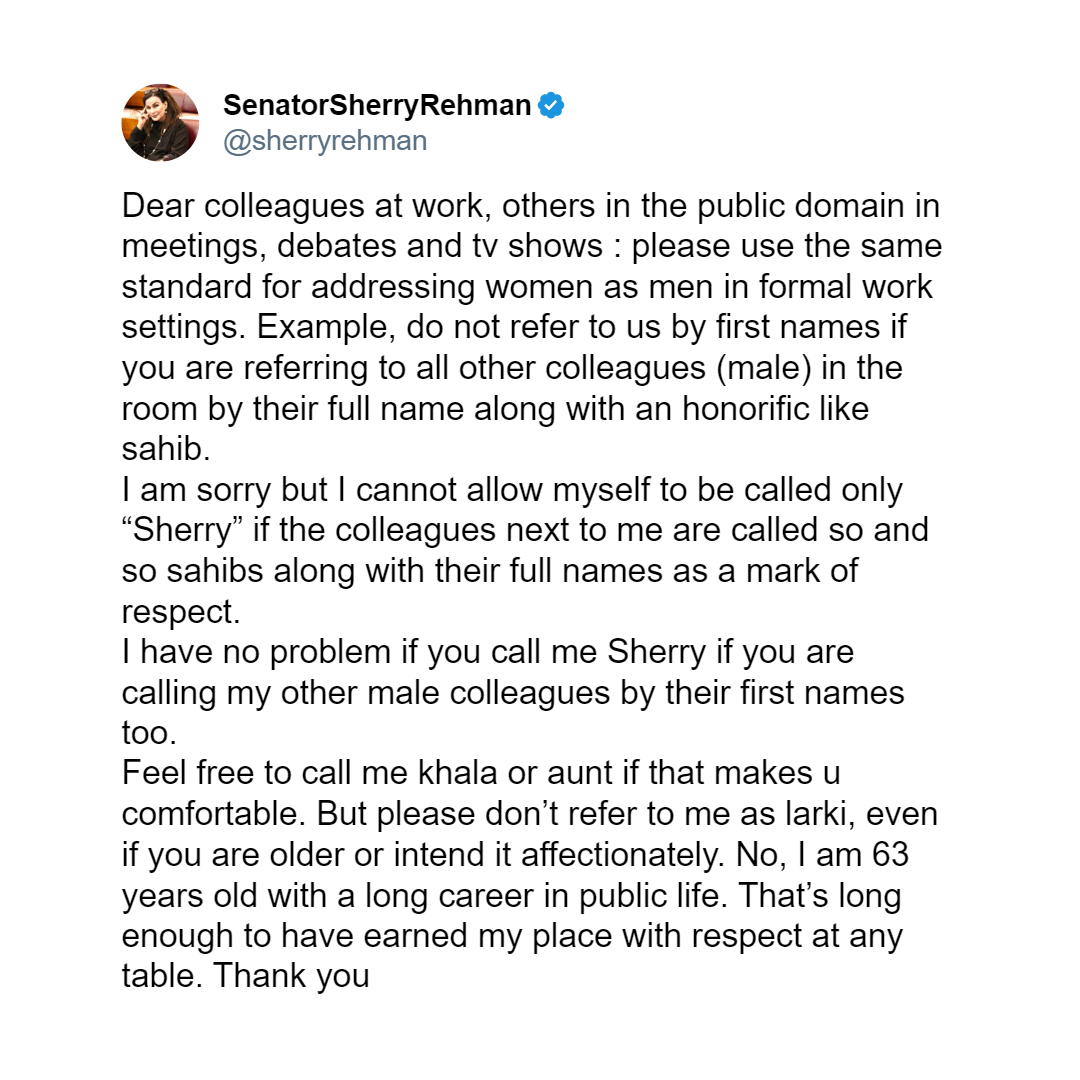
In her latest post on X (formerly Twitter), Rehman alluded to male professionals in Pakistan who discriminate in their manner of addressing female colleagues.
“I am sorry but I cannot allow myself to be called only “Sherry” if the colleagues next to me are called so and so sahibs along with their full names as a mark of respect.
I have no problem if you call me Sherry if you are calling my other male colleagues by their first names too”, she pointed out.
While men in workplaces are commonly referred to as ‘Sir,’ ‘Sahab,’ or by their full name out of respect for their professional status or simply their gender, women, on the other hand, are mostly called by their first name or derogatorily as ‘larki’ or ‘bibi,’ etc.
While professionally, calling someone by their first name is not inherently wrong, using more socially respectful language for men compared to women makes the practice sexist.
This lack of courtesy traditionally stems from the patriarchal idea of deeming women as intellectually and professionally inferior.
Picture this: You’re eagerly anticipating a visit to a pristine beach, breathlessly savouring the joy it will bring you. But upon arrival, you find yourself in a forest of unsightly weeds, your view destroyed, your expectations shattered. This analogy encapsulates the experience of attending Aurat March since a couple of years.
What promised to be a show of solidarity is marred by the presence of disruptive YouTubers.
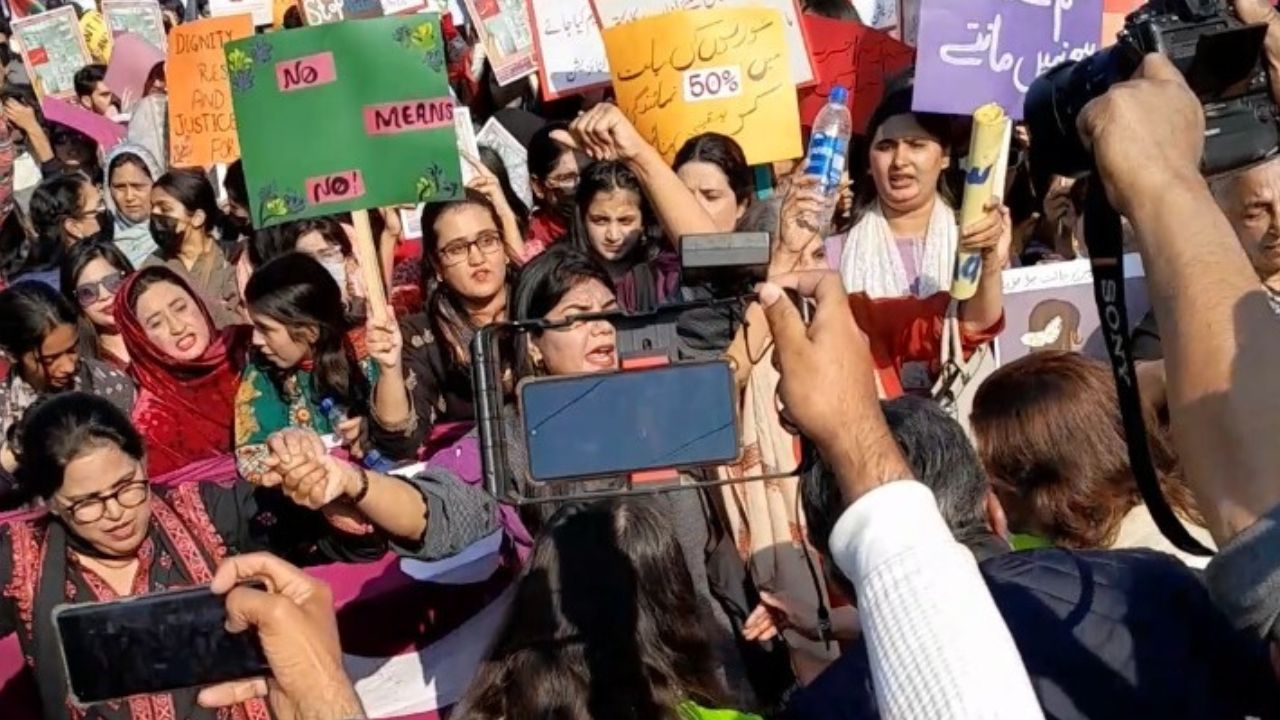
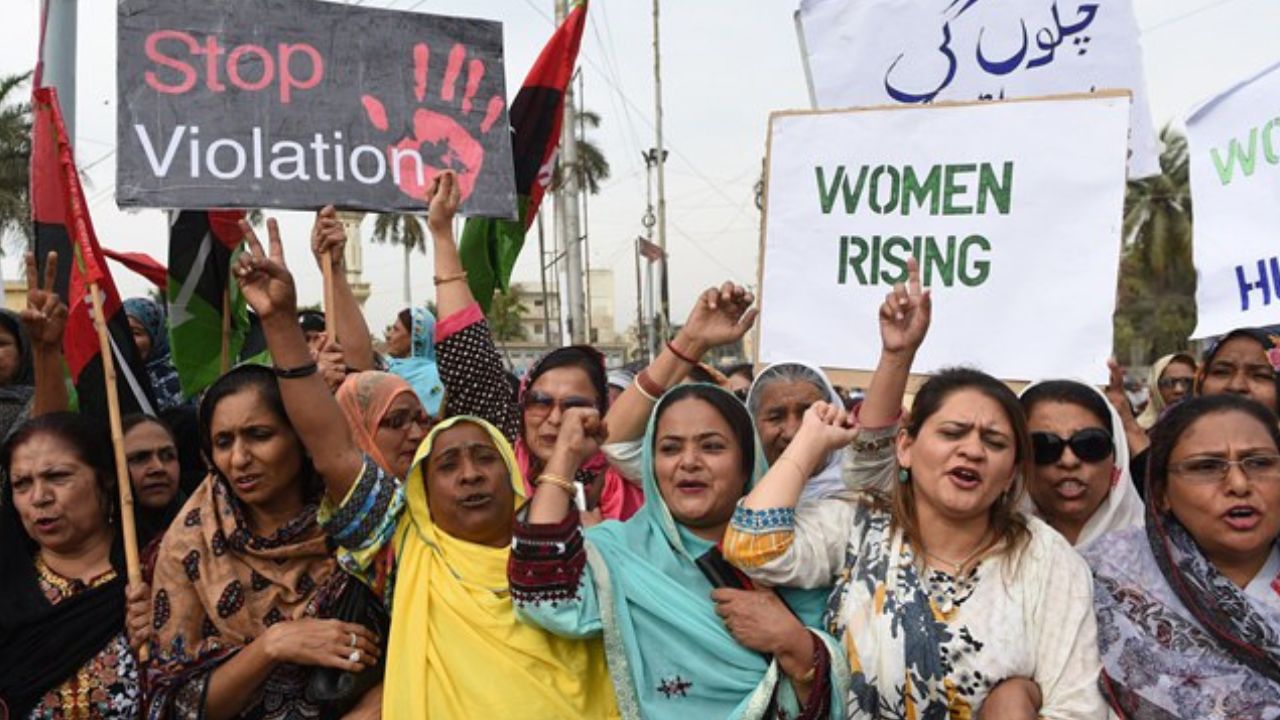
Aurat March is an annual gathering for women and gender minorities where they lay down their demands before the state as well as celebrate sisterhood. It is an extension of the long-fought struggle of Pakistani women, extending from the country’s birth to this day.
But standing against the march is an extremist segment of society — a mindset further fueled by Youturbers and reporters from small news channels. With the monetization of YouTube, video creation has developed an appeal for many around the world. A number of vloggers have achieved financial success solely through their YouTube endeavours.
You must have noticed that content creators often promise rewards or incentives for their viewers if they help them reach 1000 views. This metric, known as Clicks Per Mile (CPM), determines the earnings generated from these views, with one crucial factor being the geographic location of the audience.
In Pakistan, YouTube offers lower payouts compared to other regions, ranging from 0.5 USD to 1 USD per 1000 views, particularly if the viewership is primarily Pakistani.
While this may appear modest, the potential for increased earnings exists through attracting international viewership and maintaining a consistent upload schedule. With dedication and growing subscriber counts, Pakistani content creators on YouTube can unlock substantial earning opportunities over time.
This is why, to get more views, Youtubers now resort to clickbait i.e. misleading headlines and captions while the content too, is deliberately sensational and controversial. For this, truth is compromised as reality is misquoted and misconstrued.
And so, Aurat March has become a coffer of abundance for content creators.
The March’s organisers have, time and again, received complaints from the attendees who are pestered by YouTubers who deliberately try to provoke the women with problematic questions. In a staunchly misogynistic society, even a slightly irritated woman is worth a few thousand views.
We are dismayed and angry at the violence created by YouTubers at the Lahore march. Things could have easily escalated & disrupted the March, but was averted due to the timely intervention of male allies & the police. We are thankful for that — but this misbehaviour cannot go on!
This year, at Aurat March Lahore, a YouTuber made his way to the congregation for the first time. When asked why he came to cover the March, he counter-questioned, asking why women felt the need to come out on the streets since “women already have rights”.
Not only was this YouTuber unwilling to listen to the people willing to list down the reasons why women march, it also showed that he had not read the charter of demands nor the manifesto — another common bad habit of Youtubers.
“What problems do women have? Hasn’t your dad kept your mother happy? What about those men who aren’t happy because of the women in their lives?” another asked as he allied himself with his counterpart.
“It seems like you come with preconceived notions about the March and the attendees, and an ill will to malign the voices altogether”, I asserted as the YouTuber then resorted to misinterpreting ‘Mera Jism, Meri Marzi’.
In reply, their questions and comments only got more personal and extreme. “Are you a Muslim,” he asked.
“You should have your head covered because it is a compulsion in our religion,” he claimed, adding that women’s immodesty was the reason for increase in rape as he conveniently absolved men of all actions.
With a limited understanding of the slogan, and basing it on attire and perceived vulgarity, YouTubers like these appear worryingly ignorant of everyday struggles women have to encounter from domestic spaces to state institutions like the court.
Worse still, they hope to get clicks from the thousands of patriarchal followers they have amassed by bashing women. Only last month, former Prime Minister Imran Khan’s wife became a target in a courtroom where weightage was given to her opponent i.e. her ex-husband’s claims about her menstrual cycle rather than the woman herself. The court then annulled her marriage deeming her claims as lies. This sparked outrage across the country from civil society as it took away a woman’s agency from her own body while a man’s claim was taken into consideration for the judgement.
This also made people reconsider their understanding of the slogan ‘Mera Jism, Meri Marzi’ — a phrase that merely demands the patriarchy to keep its hands off women’s bodily integrity.But the naysayers choose to keep their eyes and ears muffled.
“We are disappointed that like every year, this year also YouTubers chose to come to the March as bad faith actors who resorted to harassing the marchers and disrupting our art installations for content when they couldn’t find any other fodder for their click-bait coverage”, said an Aurat March representative from Lahore.
On the other hand, Yusra Khan from Multan narrates that while it was welcoming to see YouTubers and journalists covering the March this year and broadcast it for women who could not make it, it was concerning to see how their behaviour was troublesome for the attendees as well as the image of the March.
“They tried asking some controversial questions but the women countered them very well, but their body-language was aggressive and they topped that with personal comments on the female interviewees which clearly showed that they wanted to create a controversy and add it to their YouTube thumbnail to increase the rating for their content”, she said.
While women, as well as some men, countered the clickbait machine, many avoided them altogether. Khan recalls that their focused revolved around questions like: “You do not know anything regarding the March, then why are you here?What freedom do you need?”
Adding that they seemingly came with the goal to spread negative propaganda on social media and like the previous years, make Aurat March a controversy.
“But our spirits are undeterred. Marchers still had fun!”, reminds a representative of Aurat March Lahore amidst all the attacks.
It is time that the journalist community unite against disinformation and malinformation. Above all, there is a need to draw a line between content creation and journalism.
Till then, come what may, March tou har saal hoga!
This Friday, on March 8, as the world will celebrate Women’s Day, Aurat March will take to the streets in Lahore, Karachi, Islamabad and Multan.
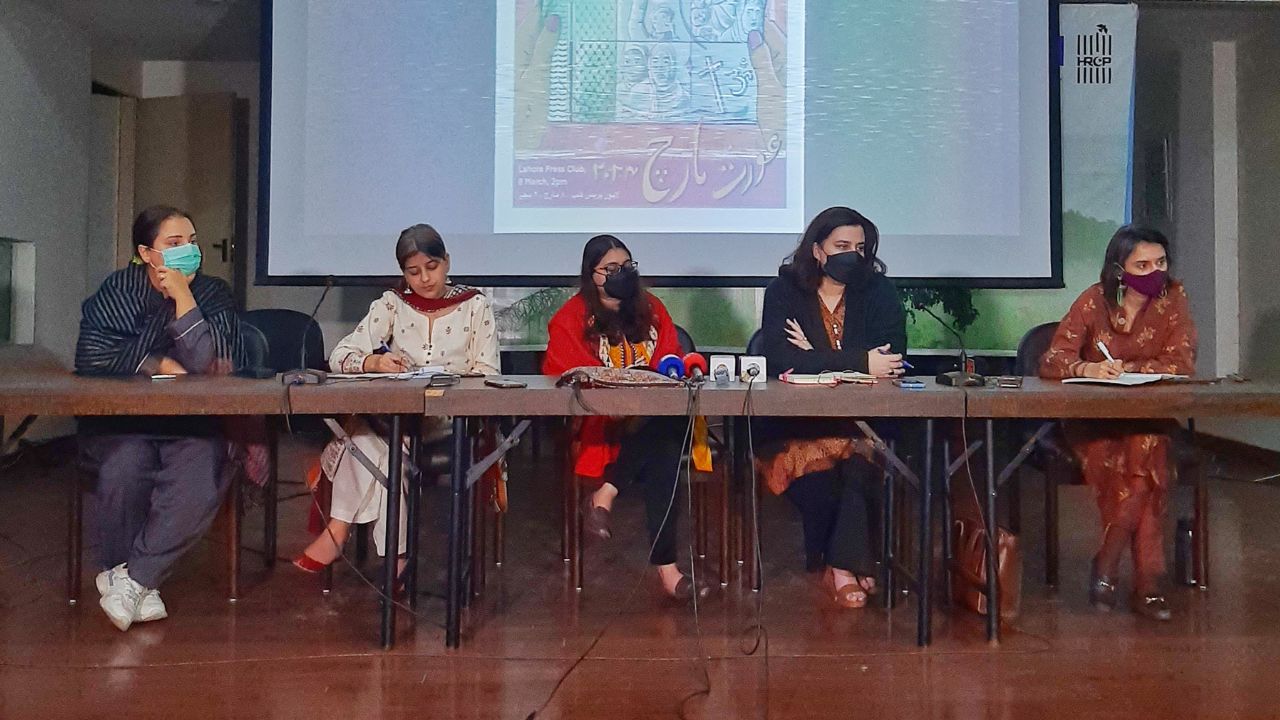
The Current attended this year’s Aurat March press conference and got details about how this year is different from the ones before.
Every year, the press conference is dominated by men from media platforms, leaving little or no room for women and transgender journalists to interact with Aurat March members.
Moreover, coming with preconceived notions and biases, male journalists reportedly have been condescending and aggressive towards Aurat March members who conduct the conference with the aim to explain their manifesto and charter of demands prior to the big day.
To counter this issue, this year Aurat March decided to hold a Feminist Press Conference.
The purpose of a Feminist Press Conference was to provide a space to women, transgender, and minorities where they can get a fair chance to not just raise questions in respect to the March, but meaningfully engage with members.
“This year’s press conference, in comparison to previous ones, was definitely much better,” said one of the representatives (who requested to remain anonymous).
“Today, we were able to talk about our manifesto, we took questions from the reporters, and the interaction was respectful.”
The member further denoted that this has never happened before. She explained that in the past, no reporter would come having read Aurat March’s charter of demands and the manifesto and instead, would resort to stereotypical questions.
“When we would try to counter their queries, they wouldn’t listen to us because they wanted to hear the preconceptions they came with.
“In fact, we are happy that this year, because the conference was conducted peacefully, we even got suggestions from journalists – which will, of course, help us as well”, she added.
On Youtubers
Last year, Youtubers disrupted the press conference, and media journalists stated that they do not consider YouTubers as journalists. “I am glad this year, we talked about [YouTuber disruption] as well”, the members highlighted.
“The journalist community should think through ways to distance themselves from or critique YouTubers who are badmouthing their profession.”
Some YouTubers, who attend the March as independent journalists, are known for their alleged misconduct at Aurat March. They have also been called out for spreading disinformation about performances and placards at the marches, and also harassing marchers with irrelevant and demeaning questions.
This poses a threat to Aurat March members as well as attendees, and above all, the propaganda hinders socio-political awareness that the March intends to raise.
The irony of today’s feminist press conference was when a YouTuber reached out to Aurat March members, upset for not getting a chance to ask his questions during the session. Well, I hope he realized how women feel when men take up their rightful space.
2024 is surely the most significant global election year in history so far as about 60 countries around the world will hold elections.
Eyes are on major economies like Russia, India, USA, United Kingdom, and European Union that will also determine the alteration of the geopolitics of the next decade.
But looming over the polls like a dark cloud is one danger that democracies are, or should be, wary of.
The World Economic Forum (WEF) recently warned that misinformation and disinformation is a grave threat to the democratic process. This challenge cannot only mislead and influence the opinions of potential voters in already polarised societies, but also “disrupt” economies and even “trigger civil unrest and confrontation”.
Additionally, with access to Artificial Intelligence (AI), deep fake videos, photoshopped images, voice cloning and illegitimate internet websites are a major hindrance in ensuring free elections and security.
While AI is meant to serve in public’s advantage, it has been exploited in the worst possible ways.
To give the most recent example, the Financial Times revealed in a report that a number of AI-generated videos were used during the days leading to the election day in Bangladesh to spread disinformation against the opposition Bangladesh Nationalist Party (BNP) and the U.S. This put in question the integrity of the Bangladeshi government in ensuring free and fair elections.
Disinformation and Pakistan
Since the ouster of former prime minister Imran Khan in April 2022 through a vote of no confidence, he has been in and out of court due to cases related to the diplomatic cipher, toshakhana gifts, his marriage to Bushra Bibi and more. Now jailed for 14 years, Khan and his party Pakistan Tehreek-e-Insaf are out of the election however, his party members are independently bearing the flag and have been campaigning for votes.
Always being ahead of the campaigning game, PTI has conducted virtual jalsas after getting banned from holding in-person assemblies. The party went a step further by putting up an AI generated speech in the voice of Imran Khan.
So while PTI has been “innovative” in their use of social media since the party has not been allowed to fully carry out their political activities, editor at Geo Fact Check, Benazir Shah, believes that with the lack of regulation in the use of AI, it poses a serious threat in a weak democracy like Pakistan.
According to DataReportal, with a population of 238.1 million (as of January 2023), and 87.35 million internet users at the start of 2023, Pakistan has been home to 71.70 million social media users i.e. 30.1 percent of the total population.
Considering the large number of users residing in the country, Hyra Basit, Cyber Harassment Lead at Digital Rights Foundation, asserts that widespread disinformation is primarily linked with lack of digital literacy among the general public. She explains that while media usage is seeped into people’s daily lives, there is no concept of double checking.
In the recent past, posts on social media circulated with videos from Aurat March 2021 falsely transcripted to blasphemous slogans, deeming the movement as sacrilegious. FIRs were filed against the officials while some women went into hiding due to threats.
By the time the misleading videos were countered and fact-checked, disinformation had already spread to a wide audience since disinformation tends to spread more quickly than facts.
Responsibility and Solution
Journalist Umar Cheema believes that when it comes to countering disinformation, the responsibility largely falls on media as fact-checking is considered one of its domains. Over and above, whenever the state has brought about laws in countering disinformation, it has directly affected journalists in the shape of censorship.
“We need a paradigm shift in thinking”, he states. “[As journalists] We have learned to question and speak, but we do not know how to find a solution — because it is not considered a part of our duty. However, we must also learn to bring about solutions since disinformation as well as censorship affects us directly.”
He also points at media platforms and independent journalists who report information without verifying and counter questioning interviewees, and how the use of click-baits also fall in the ambit of disinformation.
“Our journalism should move beyond this [cursory journalism] or else there is no difference between a layperson and a journalist”, he says.
However, along with media platforms and fact-checkers, Benzair Shah considers the civil society responsible for ensuring truth in information sharing.
“When I say “collective effort”, it doesn’t only include journalists, state, and the civil society but especially young people who actively use social media and need to use it more responsibly.
“The question arises with fact-checking is that how do we pre-bunk disinformation — to ensure [it beforehand] that there is authentic information out there,” she points out.
She highlights easily available and accessible tools like Google reverse image search that can be used to verify videos and images circulating social media apps.
Similarly, Hyra Basit asserts that if disinformation in Pakistan is to be countered, “you have to educate and equip people receiving information so they can accept to reject mis/disinformation, question and verify the information they receive.
Over and above, users need to understand what disinformation is and how they can protect themselves from it.”
Executive director for Media Matters for Democracy, Asad Baig, underlines that while there are organisations actively countering disinformation in Pakistan, they are not enough and will take a while to establish their footprint on the internet.
“We need to take a holistic approach towards solving problems around disinformation. Initiatives taken for, for example, elections are temporary and act like a bandaid for a short while.
“It is important to realise that the challenges for the media in countering disinformation will remain the same before and after the elections as they are right now”.
All eyes are on the court in hopes that justice will be granted
Ashfaq Ishaq Satti, a well-known television anchor on ARY News, is currently being investigated after his 27-year-old wife, Nomaika Mehak, revealed that he had been physically abusing her and threatened to kill her.
Images shared on Nomaika’s Facebook post show severe bruises on her face and arm. Sources say that the entirety of her injuries — and the dark veracity of Satti’s barbarity trumping all bounds — has not been revealed to the public due to a sense of discomfort attached to sharing of sensitive details in a conservative society like ours.
Lawyer and political activist, Jibran Nasir, who has taken up Nomaika Mehak’s case, says that the exact details of the nature of injuries cannot be shared because it is “up to Nomaika to share if she so pleases”. However, he shared that 13 visible injuries have been noted in the Medical Examination otherwise, whereas X-ray and ultrasound results are pending.
Former anchorperson and entrepreneur Rabia Anum, who has been actively supporting Nomaika, shared on social media that Nomaika “continues to experience sleeplessness and intense pain”.
What’s Next?
According to Jibran Nasir, Ashfaq Satti has not been granted pre-arrest bail and is currently on an interim pre-arrest bail. His bail is set for February 12 for arguments when the judge will either confirm or dismiss the bail.
On the other hand, the police has received the preliminary medical examination report, and has conducted site inspection and recorded statements of Nomaika and her family.
“As a matter of principle, there should be no justification and no tolerance for violence against women. However, getting justice through courts is unfortunately a time-consuming and exhausting journey for any victim/survivor in this country. We will pursue the case to ensure a fair and transparent investigation and justice for our client,” states Nasir.
“The first medical examination conducted at Abbasi Shaheed was tainted with mala fide. The woman medico-legal officer (WMLO) did not even bother looking at the injuries and only wrote down injuries she saw on Nomaika’s face and that too weren’t properly examined. After we were engaged as counsel, we moved an application with the Police Surgeons Office and got a detailed and proper examination of all injuries. We are thankful to the Police Surgeon Dr. Summaiya for her effective and prompt response to our application as required by the law in such cases.”
Message to the Public
Talking to The Current, Rabia Anum asserts that the public demanding ‘two sides of the story’ need to understand that “there are never two sides of the story when there is domestic violence”.
“If a woman is crude or disrespectful, you have the choice to simply leave her. But you cannot ever kill her,” she adds. “Agar aurat buri hai tou uss se rishta khatam kerain, uss aurat ko nahin.”
Anam further iterates that according to Nomaika, Satti tried to kill her. He strangled her, he choked her, he covered her face with the pillow and threatened to kill her and hide her body away.
“The truth is that if people are given the actual details of the injuries, it will bring shivers down their spine,” added Rabia Anum.
Background
Ashfaq Ishaq Satti was lambasted on social media after his wife posted photos on Facebook depicting injuries on her face and body, allegedly inflicted on her by her husband. This also resulted in his suspension from ARY news where he has been a working as a tv anchor.
In her account, 27-year-old Nomaika Mehak writes that she was almost beaten “to death” by her husband Ashfaque Ishaque Satti who “repeatedly” threatened to kill her and then hide her body. The pictures she uploaded show the extent of violence inflicted, including extensive bruising and swelling.
After the post was publicly published, ARY news suspended News Anchor Ashfaque Ishaque Satti “with immediate effect till the law takes its course”.
Ashfaq Ishaq Satti has sent anchorperson Rabia Anum a legal notice of defamation following her open support for his wife, Nomaika Mehak, who has alleged that he beat her up while threatening to kill her.
The Current reached out to Rabia Anum to talk about the matter.
“These insignificant threats will not intimidate me,” she begun.
“I’m speaking up for the victim who has 13 injuries on all her body parts and I will continue to speak about it until he presents himself in the court and stops hiding,” she said firmly.
Ashfaq Ishaq Satti was lambasted on social media after his wife posted photos on Facebook depicting injuries on her face and body, allegedly inflicted on her by her husband. This also resulted in his suspension from ARY news where he has been a working as a tv anchor.
According to Rabia Anum’s post on X (formerly Twitter), Nomaika Ashfaq Satti is 27-years-old.
Trigger Warning ‼️ Nomaika , Age 27, this girl is suffering from multiple injuries right now on her entire body, mainly ribs, jaw & face. Every part of her body is badly injured. She was beaten almost to death by her own husband who is a News anchor and program host.
In her account, Nomaika writes that she was almost beaten “to death” by her husband Ashfaque Ishaque Satti who “repeatedly” threatened to kill her and then hide her body. The pictures she uploaded show the extent of violence inflicted, including extensive bruising and swelling.
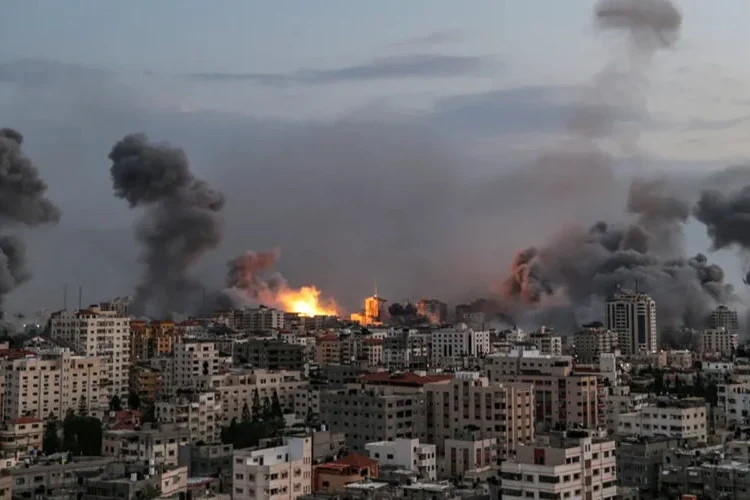
100 days back, on October 7, 2023, Hamas took Israel by surprise in a move that came as a consequence of more than seventy years of occupation, killings, destruction, and displacement of the Palestinians.
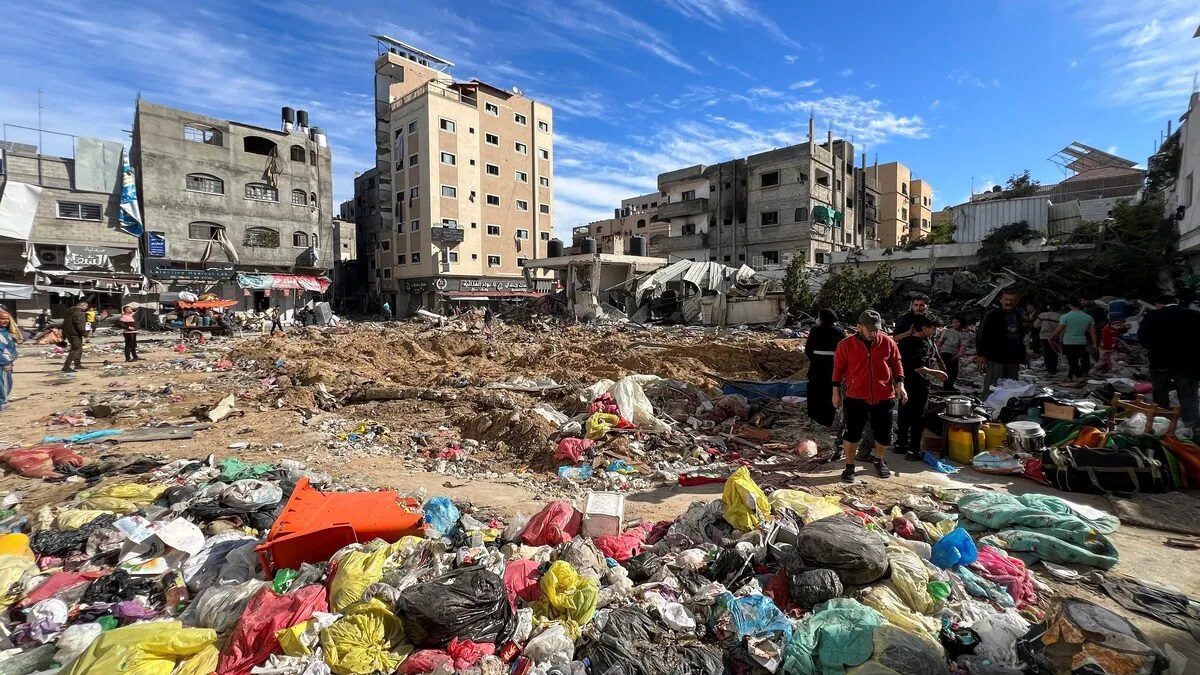
Israel took this instance of response as an excuse to go all out in attempts to exterminate Gazans from their land: On October 8, Israeli prime minister Benjamin Netanyahu declared war against Hamas and butchered, internally displaced, detained, and tortured thousands of Palestinians in Gaza as well as the Occupied West Bank.
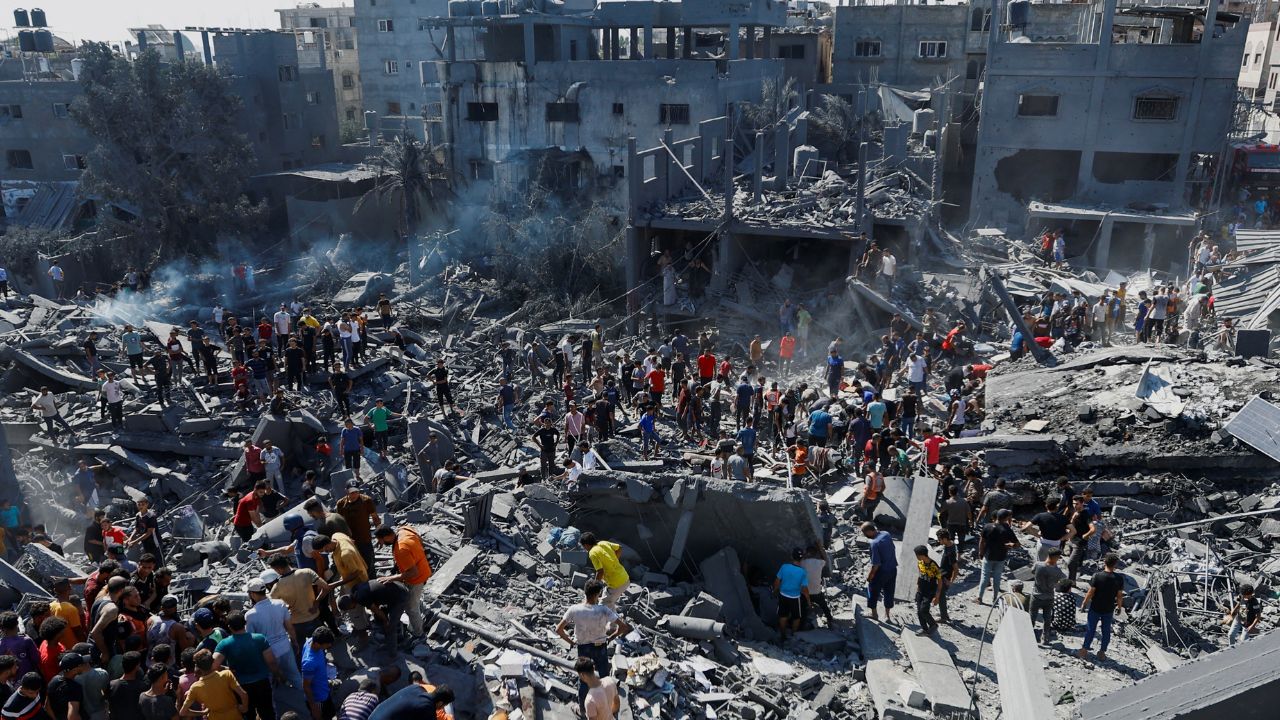
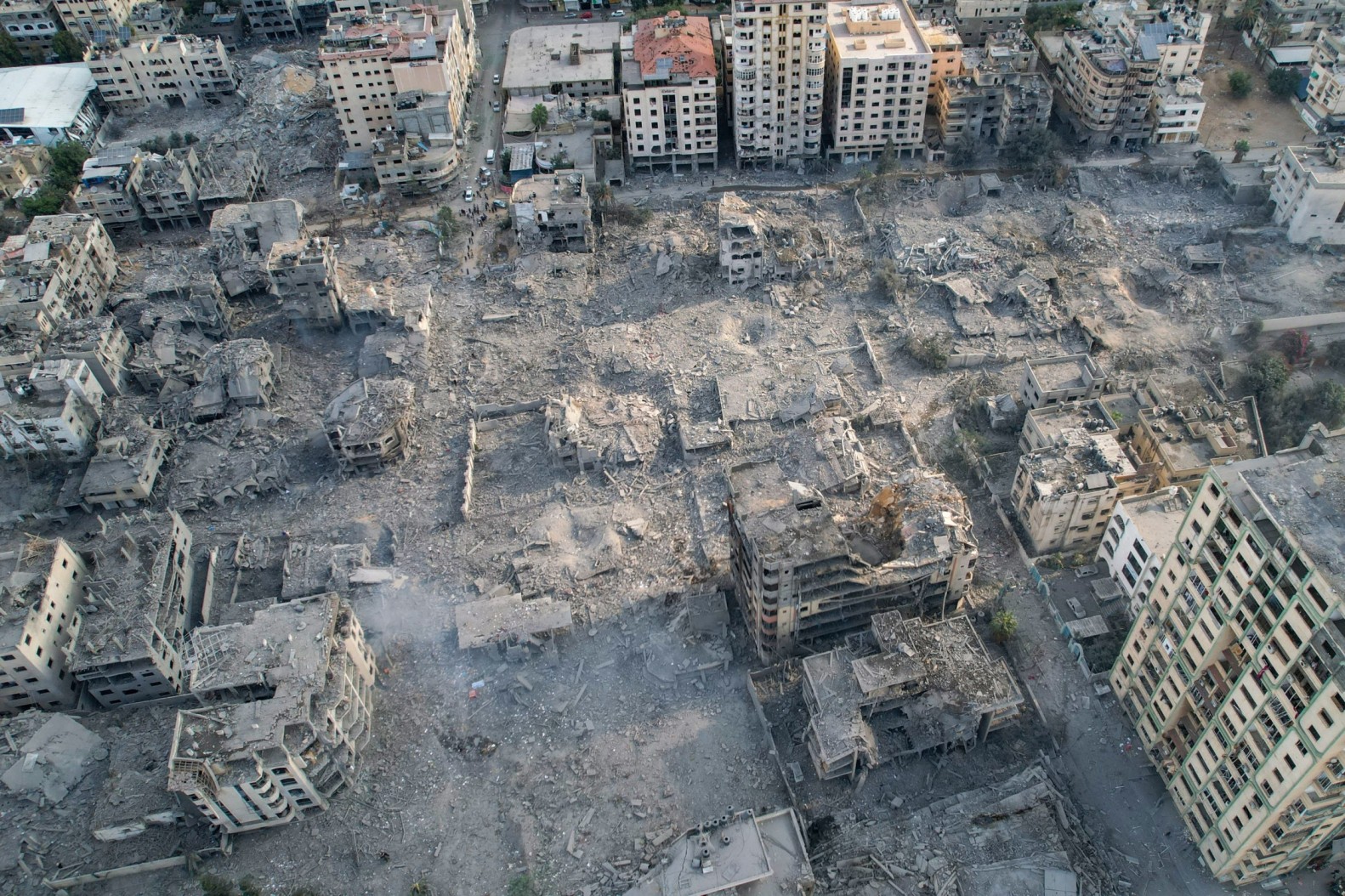
Since October 7 alone, more than 23,600 people have been killed and more than 58,000 wounded in Israeli attacks on Gaza.
Widespread use of and access to social media across the world has exposed Israeli atrocities against the Palestinians more than ever. A number of Palestinians have been reporting from the targeted strip, giving the world insights to the heights of atrocities touched by the Israeli military.
As the Irish lawyer Blinne Ní Ghrálaigh, representing South Africa in the International Court of Justice (ICJ) in The Hague on January 11 deemed it as “The first genocide in history where its victims are broadcasting their own destruction in real time in the desperate, so far vain hope that the world might do something.”
Nonetheless, the international community has collectively failed to ensure a ceasefire amidst all the loss and blatant violation of human rights..
While the breaches and enormities by Israel are innumerable and immeasurable to say the least, here are some of the most important moments and developments to have taken place the past 100 days.
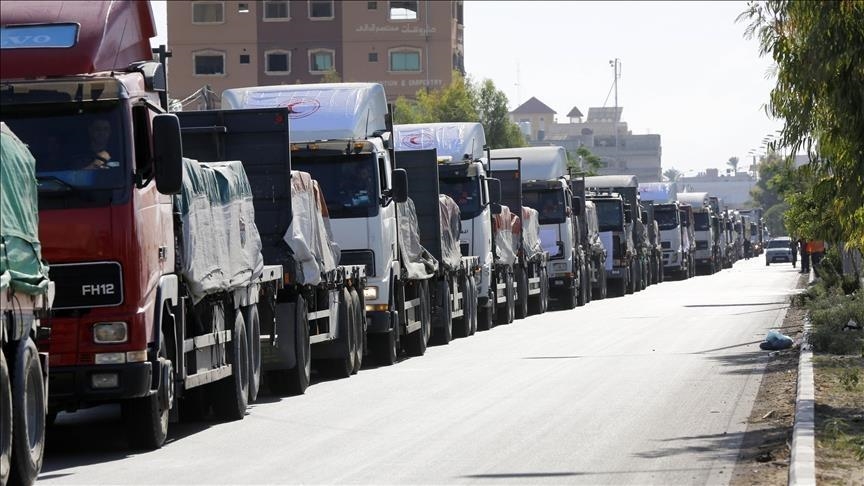
Israel had declared a “complete siege” on Gaza on October 9 2023, hindering the supply of electricity, food, water and fuel into the strip. While a few aid trucks were permitted on 21 October 2023, the aid has been inadequate, and starkly lower than the quantity sent before October 2023.
Additionally, fuel imports are “well below the minimum requirements for essential humanitarian operations”.
The UN Secretary-General has asserted that the level of destruction in Gaza is now so catastrophic that “[t]he conditions for the effective delivery of humanitarian aid no longer exist . . . But even if sufficient supplies were permitted into Gaza, intense bombardment and hostilities, Israeli restrictions on movement, fuel shortages, and interrupted communications, make it impossible for UN agencies and their partners to reach most of the people in need.”
No Facilities
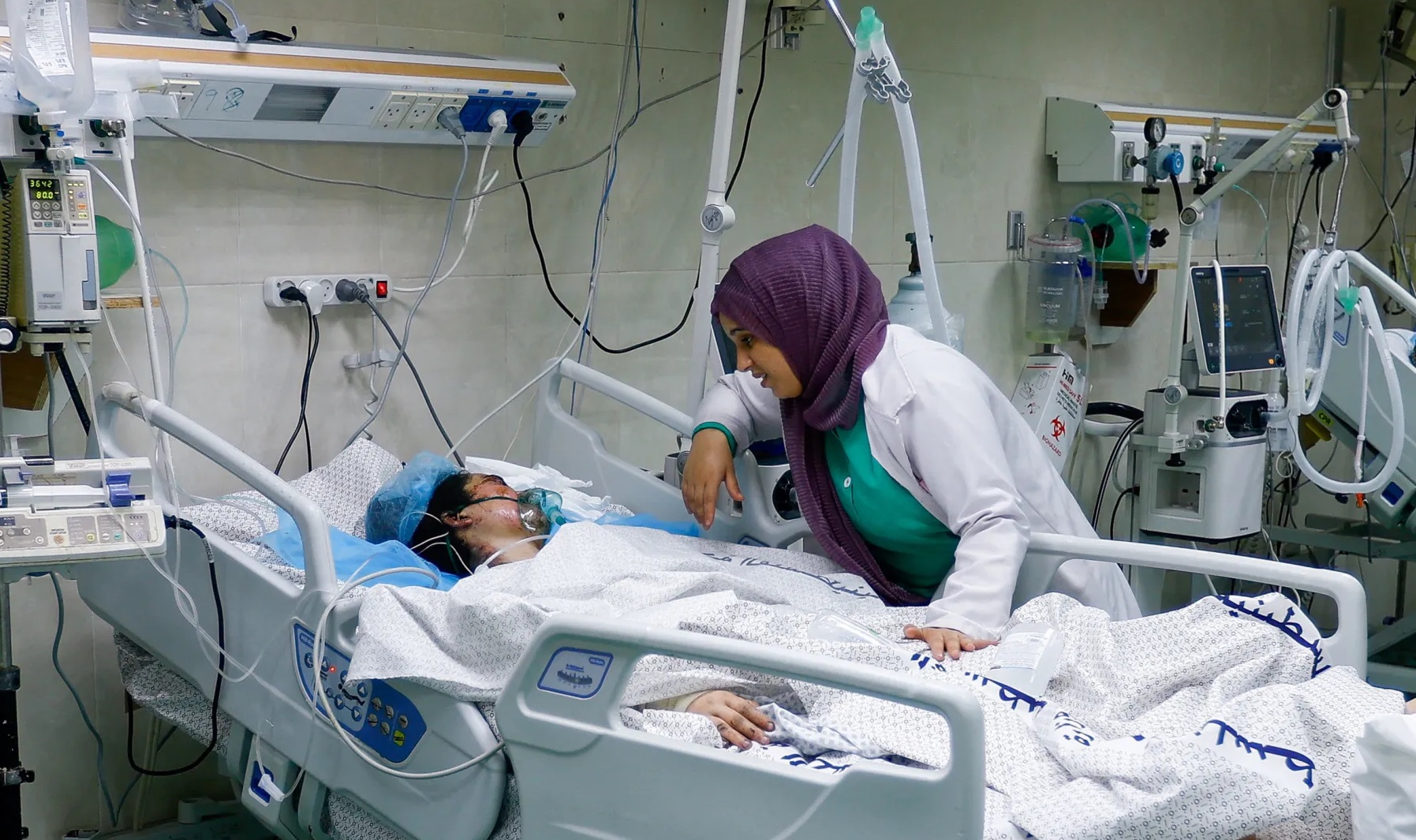
The majority of Gazan hospitals are out of order due to the Israeli air raids and the blockade. According to WHO, 15 out of Gaza’s 36 hospitals are partially functional; nine in the south and six in the north.
Additionally, there is lack of electricity, desalination facilities, and bakeries to shut down and contributed to telecommunications blackouts.
Looming Fears of Famine and Diseases
Credit: Reuters
Due to lack of health facilities and access to water and sanitation, WHO has warned that Gaza is now heading towards proliferation of disease. As of January 1, nearly 200,000 respiratory infections and tens of thousands of cases of scabies, lice, skin rashes, and jaundice were reported whereas the number of diarrhoea cases among children under five has increased 20-fold since October 7.
Additionally, the World Health Organization has warned that “[a]n unprecedented 93% of the population in Gaza is facing crisis levels of hunger, with insufficient food and high levels of malnutrition” and that “[a]t least 1 in 4 households are facing ‘catastrophic conditions’:
“Israeli forces are deliberately blocking the delivery of water, food and fuel, while wilfully impeding humanitarian assistance, apparently razing agricultural areas, and depriving the civilian population of objects indispensable to their survival,” Human Rights Watch has stated.
Internally Displaced
Among the total population of 2.3 million, 1.9 million Palestinians — approximately 85 per cent of the total population — have been internally displaced. People living in Northern Gaza were initially forced to flee their homes on short notice for “safety” to the south, but they were bombed again in the so-called safe south, and were once again forced to flee to
further south or the south west, and have been to live in makeshift tents with no water, sanitation or other facilities.
This situation has thus been declared as the Second Nakba as it resembles the ethnic cleansing of Palestinians by the Israelis in 1948.
Women of Gaza
Credit: Al Jazeera
The United Nations has estimated 50,000 pregnant women presently living in Gaza, with more than 180 births taking place every day despite the lack of health facilities.
Similarly, women have also resorted to norethisterone tablets (that are usually prescribed in times of severe menstrual bleeding, endometriosis, and painful periods) as they are internally displaced, living in poor conditions among a large number of people with no privacy, and having no access to water or menstrual hygiene products like sanitary napkins and/or tampons.
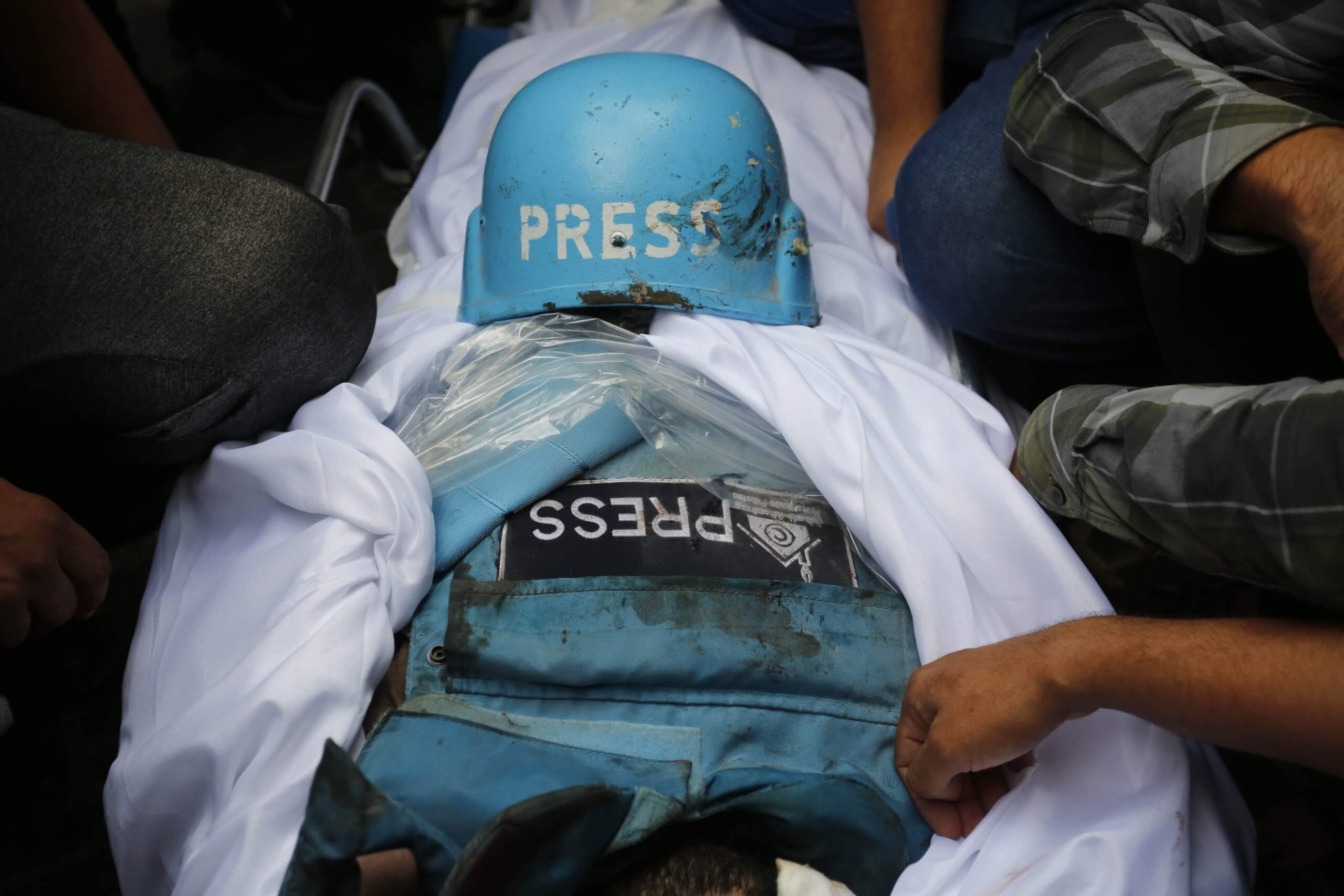
November was deemed as the deadliest month for journalists when at least 50 were killed. According to the Committee to Protect Journalists (CJP), as of January 11, 79 journalists and media workers have been killed among whom are 72 Palestinian, 4 Israeli, and 3 Lebanese whereas three journalists are reported missing and 21 arrested.
Additionally, multiple assaults, threats, cyberattacks, censorship, and killings of family members have also been recorded.
Moreover, literary figures like Heba Abu Nada and Dr Refaat Alareer, who were vocal against Israel, have also been killed in targeted attacks.
Hostages
Hamas took Israeli hostages on October 7 in order to prompt Israel to return Palestinian hostages who have been in Israeli captivity since years.
While Israel has portrayed Hamas as barbaric, Israeli hostages released have had different stories to tell. Danielle Aloni and her daughter Emilia were held hostage by Hamas for 49 days and on their release on November 24, Aloni wrote a “thank you” letter to Hamas saying, “I thank you from the bottom of my heart for your extraordinary humanity shown towards my daughter, Emilia.”
Similarly, in an interview, Hin and Ajam, another mother-daughter duo, told that they were kept together and that the militants were respectful to them, taking every precaution to make them comfortable.
On the contrary, Palestinians have returned from Israeli captivity physically and mentally tortured while some have reportedly died in detention.
Back in December, Israeli troops even “mistakenly” killed three Israeli hostages in the course of combat with Hamas in the Gaza Strip on Friday.
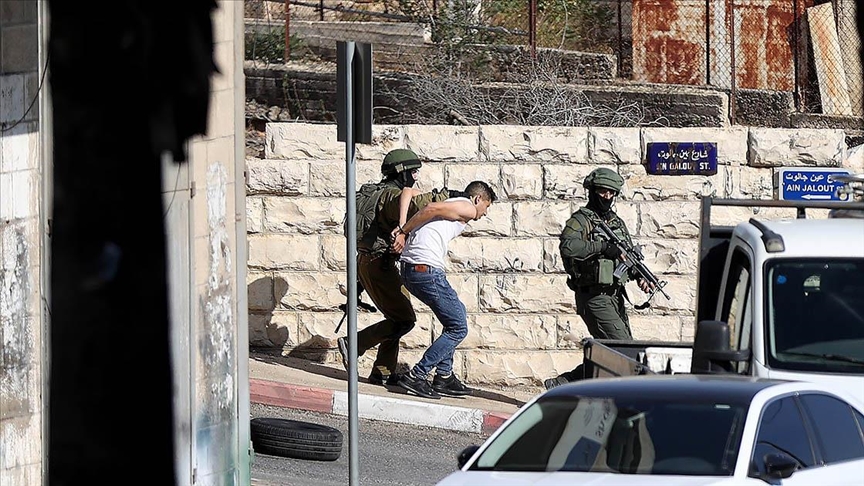
As of January 11, the arrests of Palestinians in the Occupied West Bank reached up to 5,810 since October 7.
According to figures released in December, at least 8,800 Palestinians, including 80 women, were held at Israeli prisons.
These arrests are reportedly “marked by abuse, severe beatings, and threats against detainees and their families, in addition to widespread acts of sabotage and destruction of citizens’ homes”. Many are even targeted and shot by the Israeli soldiers.
Additionally, in November 2023, it was reported that around 390,000 Palesinians jobs were lost — 182,000 in Gaza and 208,000 in the occupied West Bank.
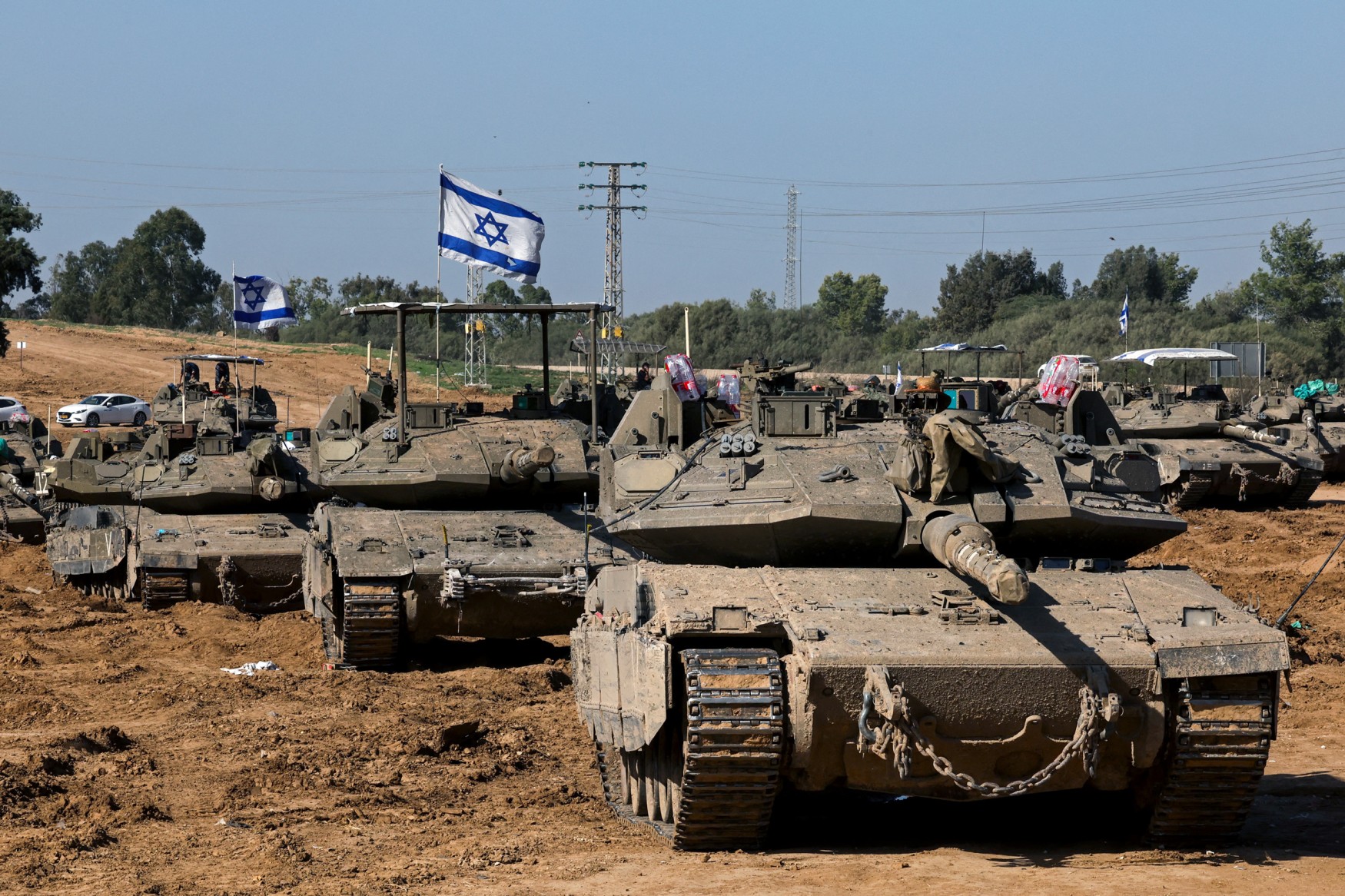
In December, the US State Department approved the emergency sale to Israel of nearly 14,000 rounds of tank ammunition — a sale of 13,981 high-explosive 120mm tank cartridges and related equipment worth $106.5 million.
The State Department said the secretary of state had determined that “an emergency exists that requires the immediate sale to the Government of Israel” of the weaponry, thereby waiving the normal requirement of Congressional review.
Israel vs Middle East
Since the war began, Hezbollah, a close ally of the Palestinian group Hamas, and Israel have been engaged in intense fighting.
In December, The United States announced a 10-nation coalition to end Houthi attacks on ships transiting the Red Sea, with Britain, France, Bahrain and Italy among countries joining the “multinational security initiative.”
The U.S. and British Air Force, in fact, have launched airstrikes against Yemen in retaliation which the American president Joe Biden called it a success, adding that he will “not hesitate to direct further measures to protect our people and the free flow of international commerce as necessary.”
On the other hand, Israel and Hezbollah have been exchanging fires across the Lebanese border, the West Bank since 7 October.
On Day 60 since October 7, United Nations Secretary-General António Guterres, in a rare move, invoked Article 99 of the UN Charter “to bring to the attention of the Security Council a matter, which in my opinion, may aggravate existing threats to the maintenance of international peace and security.” He also reiterated his call in the letter he sent to the rotating president of the Council for a “humanitarian ceasefire” and urged the Council to “avert a humanitarian catastrophe.”
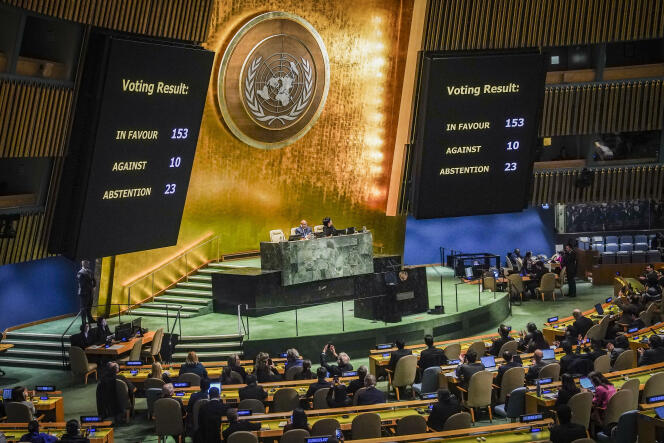
Nonetheless, like any other UN action, it was merely a political move with no legal implications — same as the UN Resolutions calling for a ceasefire in Gaza the past few months since October 7. With more than 100 countries voting in support of the ceasefire, the resolution ended in vain since the US and a couple of its allies chose to vote against it.
On the other hand, while powerful Muslim countries have sided with Palestine, their support has, however, been shallow. For instance, in November, the Saudi Minister of Investment, Khalid bin Abdulaziz al-Falih, remarked that the Kingdom was still willing to consider normalising relations with Israel, depending on a peaceful solution to the Palestinian issue. And when asked if Saudi Arabia would use economic devices like oil to push for a ceasefire in the Gaza Strip, he reportedly laughed and replied: “This is not on the table today. Saudi Arabia is trying to achieve peace through talks that seek peace.”
South Africa vs Israel
Credit: Al Jazeera
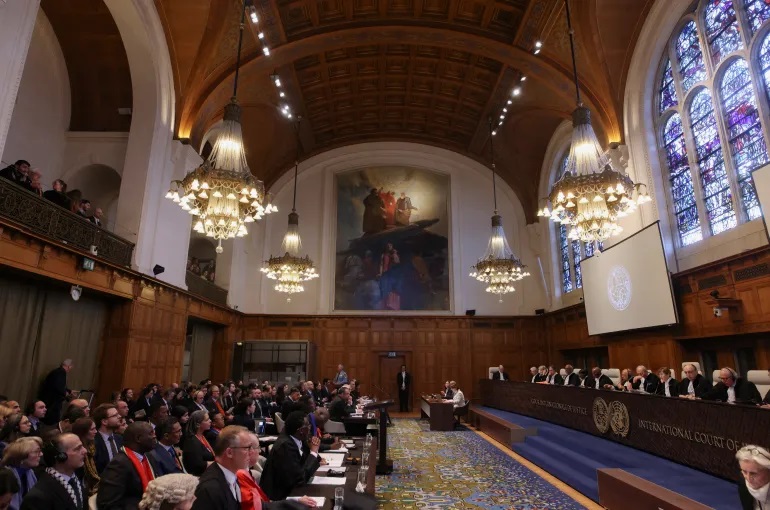
South Africa filed a case in the International Court of Justice (ICJ) in The Hague, Netherlands, asking the court to look into the genocide being committed by Israel against Palestinians.
The imposition of charges did not only pertain to the crimes perpetrated during the last few months since October 7 that have killed more than 23,000 people till now, but also the 75-year long apartheid, 56-year hostile occupation, and 16-year blockade on Gaza.
Israel was accused of committing genocidal acts during their military operations which included mass killings of Palestinians, bodily and mental harm, forced displacement and food blockade, destruction of the healthcare system, and preventing Palestinian births.
It is, however, pertinent to note, that while this case can take years, an “interim measure” intended to halt Israel’s attack in Gaza can be taken “within weeks”. If the interim measure is implemented, Israel will be legally obligated to put an end to its offences. And while the “court’s rulings are final”, it has no authority to impose them, nonetheless.
On the other hand, if the court does not implement an interim measure, “it could still decide it has jurisdiction and proceed with the case”.
Post-war Gaza Plans
Israel’s defence minister publicly presented proposals for the post-war administration of Gaza i.e. after it has dismantled Hamas’s “military and governing capabilities” and secured the return of hostages.
According to the minister, after the objectives are achieved — for which the proposal sets no timeline — Palestinian “civil committees” will begin assuming control of the territory’s governance.
“Hamas will not govern Gaza, (and) Israel will not govern Gaza’s civilians,” the plan said, while offering little concrete detail.
“Palestinian bodies will be in charge, with the condition that there will be no hostile actions or threats against the State of Israel.”
2023 was another difficult year for the women of Pakistan who routinely have to battle against violence and discrimination.
In November, UN Women’s Gender Snapshot 2023 report revealed that 245 million women and girls are subjected to physical and/or sexual violence from their intimate partners each year, adding that a “staggering 86pc of women and girls live in countries without robust legal protections against violence, or in countries where data are not available”.
This violence is not limited to women and girls but extends to boys as well. Back in August, Sahil, an NGO, reported that an average of 12 children per day (or one every two hours) faced sexual abuse in Pakistan in 2023 whereas 2,227 cases of child sexual abuse were traced between January and June this year.
Here are some of the pertinent cases from the year 2023 that took over the headlines:
1. Fatima Case
A domestic maid, 10-year-old Fatima Phuriro, was found dead under suspicious circumstances in Ranipur.
The child had been working as a domestic worker at a haveli owned by an influential local, Pir Asad Shah Jilani.
It was not until videos of the child were leaked by an unknown source and circulated in social media that the case caught the media’s eye. By then, the family had buried Fatima on August 15.
The body was later exhumed and sent for an autopsy which revealed that the girl had been raped both vaginally and anally.
The suspects are in custody.
2. Rizwana
Rizwana, 14, had been allegedly assaulted and abused while working at a civil judge’s home in Islamabad, after she was accused of stealing jewellery. Rizwana’s family revealed that the girl was not paid a single penny by the family for the extensive workload she was doing and was instead subjected to violence.
Islamabad Police recorded Rizwana’s statement at the Child Protection Bureau in Lahore where she alleged that the judge himself beat her up, hitting her head against the wall, while his wife and children would also assault her.
3. F9 park incident
In February, a girl went to Islamabad’s F-9 park along with her male colleague when two men stopped them at gunpoint and took them to a heavily wooded area where they beat her, raped her and told her to “not come to the park at this time”.
In her FIR, the girl said that the men told her to “not come to the park at this time”.
The incident sparked anger and protests as women questioned the security in the capital of the country.
4. Sara Malik
The year started with the news that a body was found near Farhan Shaheed Park at Seaview, Karachi, in January. Identified as Sara Malik, the 23-year-old employee worked at a veterinary hospital in DHA 8. Registration of a murder case was recorded under Section 302 (premeditated murder) of the Pakistan Penal Code after further investigations.
Malik initially went missing from Karachi’s Seaview beach and the police reportedly claimed that she might have committed suicide by jumping into the sea but according to police officials, Dr Shan Saleem, who was nominated in the case, confessed to killing her after sexually assaulting her.
5. Principal raping women
The principal of a private school in Gulshan-i-Hadeed, Karachi, was taken into custody in September after allegations of raping and blackmailing women.
Steel Town police Station House Officer (SHO) Nand Lal told media that the school principal was detained as videos of the alleged rape incidents made rounds on social media.
The principal has admitted to the allegations that he raped women after promising them job opportunities, then recording their videos to blackmail them.
It was also revealed that more than 45 women were identified in connection with the case as Irfan allegedly blackmailed the women in order to commit these crimes.
The public prosecutor contended that the case is indicative of a planned scheme.
6. Andaleeb Fatima
Andaleeb Fatima, 13, was named as the victim in an FIR filed by her mother, Khalida Bibi, a resident of Chiniot in Punjab. Andaleeb had been working for the female suspect since July of this year and according to her mother, she was unable to talk to her daughter since was not allowed to do so by her employer.
It was only when Khalida Bibi visited Fatima after several unanswered calls that she found out about the torture inflicted upon her daughter. She found bruises on different parts of her daughter’s body. Fatima told her mother that her employer routinely beat her and tormented her with a hot spoon. She also locked her up and did not feed her food.
7. Special needs children
A nine-year old child with special needs was raped and murdered in Korangi, Karachi.
According to Zaman Town police, the body was found in the “rear seat of a parked Suzuki Cultus car. The body was bluish and foaming from the mouth”.
Police surgeon Dr Summaiya Syed reported that the child was differently abled with a right hand deformity. “There were multiple injuries all over the body and findings are suggestive of anal sexual abuse,” she revealed.
Similarly, a 12-year-old student with special needs was sexually assaulted in a school for special children in Rawalpindi.
8. Raped during job application
In January, a woman in Lahore was gang-raped after being lured for a job. The culprits recorded videos of the immoral act to blackmail the victim.
The defendant, Khalil, had invited the woman to travel to Kot Khawaja Saeed Hospital for a meeting and had given her a job. As soon as she arrived, the suspect led her to a house where he and two other accomplices forced her into a room and raped her on gun point.
According to the FIR, the woman alleged that the suspect had also videotaped the immoral behaviour and had told her not to call the police.
9. Burnt alive
Shumaila, the woman who was burnt alive by her husband Naseer and his first wife Robina died in a hospital in Lahore. She was admitted to a hospital but could not survive the severity of her burns. The incident happened in a village near Gujranwala, Chak Behlol.
Further investigation revealed that she got divorced from her first husband to marry Naseer who was already married. The constant tussle between the two wives led to this tragic situation where she was burnt alive by Naseer and his first wife in the presence of a crowd of villagers who kept making videos.
Naseer was taken into custody by the police.
10. Boys
In June, a cleric in Lahore’s Raiwind area tried strangling an eight-year-old to death after after he had repeatedly raped him in his madrassah.
The FIR, revealed that the accused Qari Muhammad Rizwan fractured the child’s arm while he was torturing him and had then pushed the boy down stairs from the first floor to the ground floor, which led to severe head injuries that made the boy unconscious.
11. Honour Killing
In September, a married woman from the Alkani tribe was allegedly killed by her husband and his allies over ‘honour’. The stoning took place in the limits of Chucha Border Military Police (BMP) station in the tribal area of Rajanpur district after the woman was accused of adultery with a man, leading to her husband killing her, along with her brother-in-law and their accomplice. They reportedly smashed her head with stones and clubs.
In October, a newlywed couple was shot dead inside a mosque in Jhelum.
Rehman Rasool and Safia recently eloped to get married of their own free will. They were then called in by the girl’s family for reconciliation. Sensing the possible threat, the two of them took refuge in a mosque’s courtyard but got gunned down by the family, nevertheless.
Khartoum, the capital of Sudan, has been home to 6,000,000 people. This year, on April 15, a confrontation ensued between the Sudanese Armed Forces (SAF) and the Rapid Support Forces (RSF) paramilitary group.
The rise in hostilities in April 2023 stemmed from weeks of strain between the RSF and the SAF over “security force reform during negotiations for a new transitional government”. The RSF and SAF had jointly upended Sudan’s transitional government in October 2021.
In the course of a few short days that very month, more than 4,000 people were wounded and 500 people were killed.
In addition to the casualties, 40 out of 59 hospitals have been bombed and are now out of service.
Resultantly, there is an extreme dearth of water, food, and fuel since the fighting has continued to escalate as powerful weapons, airstrikes and artillery have been used. The civilians, on the other hand, are ensnared in the crossfire.
Since April, Action on Armed Violence has noted 102 incidents of explosive violence in Sudan and 1,830 civilian casualties, making 2023 Sudan’s deadliest year since 2010.
However, the United Nations humanitarian chief revealed in October that since April, the paramilitary group has killed up to 9,000 people and created “one of the worst humanitarian nightmares in recent history”. Similarly, in November, Armed Conflict Location & Event Data Project recorded over 2,800 political violence incidents and more than 10,400 fatalities.
Additionally, over 300,000 refugees have reportedly fled Sudan’s war seeking safety and refuge in Chad where already 580,000 displaced people reside.
The situation in Sudan is now exacerbating with serious concerns for women and children being abducted, chained, and held in “inhuman, degrading slave-like conditions” in areas controlled by the Rapid Support Forces (RSF) in Darfur.
Brief background
The Darfur war goes back to its origins of alienation of non-Arab tribes by Khartoum’s policies, paving a path for grievances. The trouble spiralled on February 26, 2003, when a newly-founded group known as the Darfur Liberation Front (DLF) — later called the Sudan Liberation Movement/Army (SLM/A) — claimed an attack on Golo, the headquarters of Jebel Marra District.
Along with the Justice and Equality Movement (JEM), the group then instigated a revolt to protest the Sudanese government’s discrimination against its non-Arab population, and sought bipartisanship within the Arab-ruled Sudanese state.
The-then President, Omar al-Bashir, countered the situation by backing and arming Arab militias known as Janjaweed to fight the insurgency in Darfur.
Named the Popular Defence Forces, they operated in alliance with Sudanese government forces to exterminate the African Fur, Masalit, and Zaghawa ethnic groups which produced the rebels.
And even though a ceasefire was called in 2004 and African Union (AU) troops deployed, the UN revealed that the conflict and the leading humanitarian crisis (callous attacks, disease, and hunger) had killed 300,000 people by 2007 and displaced 2.5 million.
Mediation attempts in Abuja (2006), Tripoli (2007) and Doha (2009) were unsuccessful in resolving the friction between Khartoum and the rebel forces in Darfur.
The United Nations Security Council had permitted a joint UN-AU peacekeeping mission in July 2007 but after its exit in 2019, the local armed groups took up from where they left.
Children of Sudan
Currently, 19,000,000 (19 million) children are out of school in Sudan while 10,400 schools have been shut down.
They are vulnerable to the present and long term perils such as displacement, sexual violence, war recruitment, and death.
Moreover, without resources, illnesses such as cholera are also at an all time high.