Author: News Desk

  • Babar discovered injured in post-World Cup checkup: Aqib Javed

    Babar discovered injured in post-World Cup checkup: Aqib Javed

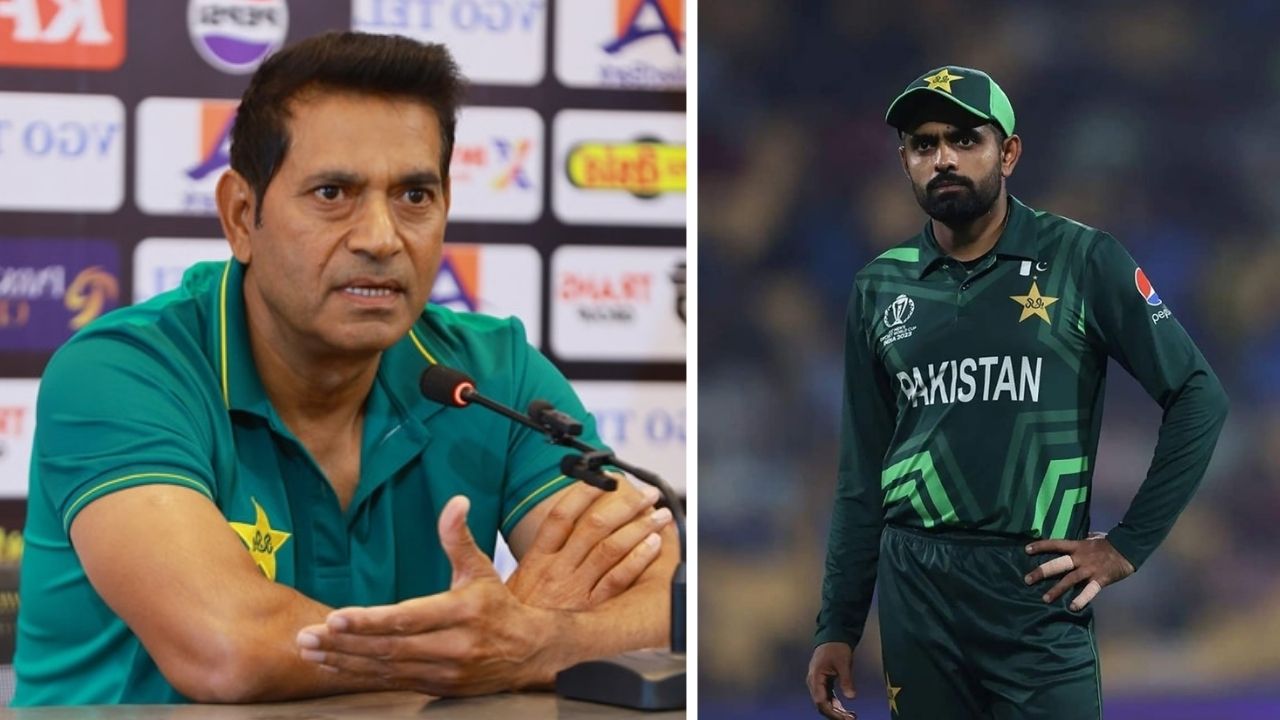
    Aaqib Javed, member of Pakistan’s national cricket selection committee, has confirmed that Babar Azam was carrying an injury after the T20 World Cup and that the matter is under inquiry.

    Speaking at a joint press conference at Gaddafi Stadium, Lahore, on Saturday alongside Misbah-ul-Haq, Sarfaraz Ahmed, and Asad Shafiq, Javed addressed questions about team selection and player fitness.

    He revealed that Babar Azam underwent a medical check-up after returning from the World Cup, which confirmed his injury. 

    “Babar Azam wanted to play national T20s, but he suffered an injury. Fakhar Zaman and Babar Azam’s injuries are under inquiry,” Javed said.

    He also raised concerns about how Fakhar Zaman was found unfit. 

    “How is it possible Fakhar is also unfit? Were their fitness levels not monitored during the T20 World Cup? Were proper fitness tests conducted when the squad was selected? If not, then not only the coach and physio but the previous selection committee should also be held responsible,” he added.

    Javed clarified the process of team selection, emphasizing that decisions are collaborative. “No single person selects the team. The selection committee, coach, and captain consult together,” he said.

    Reflecting on Pakistan’s performance at the T20 World Cup, Javed said the team did not fully meet expectations but showed improvement in several areas.

    “We lost only one match, and one match was affected by rain, after which we exited on run rate. Against Sri Lanka, the pitch made it impossible for any team to be bowled out for a low score,” he said.

    He also highlighted Pakistan’s progress in the bilateral series. 

    “Pakistan’s performance has improved in my view. We have beaten South Africa in South Africa and Australia in Australia. In the Bangladesh series, no one was dropped; we rested players and gave new players a chance,” Javed noted.

    Commenting on Pakistan’s fast-bowling options, he said, “Now we cannot get bowlers like Wasim or Waqar. In this era, apart from Bumrah, there is no bowler who is difficult to play against.”

    Sarfaraz Ahmed added that the team has multiple options for wicketkeeping and intends to give new players opportunities next season. “We have two to three wicketkeeper options. We will give new players a chance next season,” he said.

    It is worth noting that Babar Azam was not part of the ongoing Bangladesh series, and the board has not issued an official clarification on whether he was rested or sidelined due to injury.
  • North Korea launches around 10 ballistic missiles toward Sea of Japan

    North Korea launches around 10 ballistic missiles toward Sea of Japan

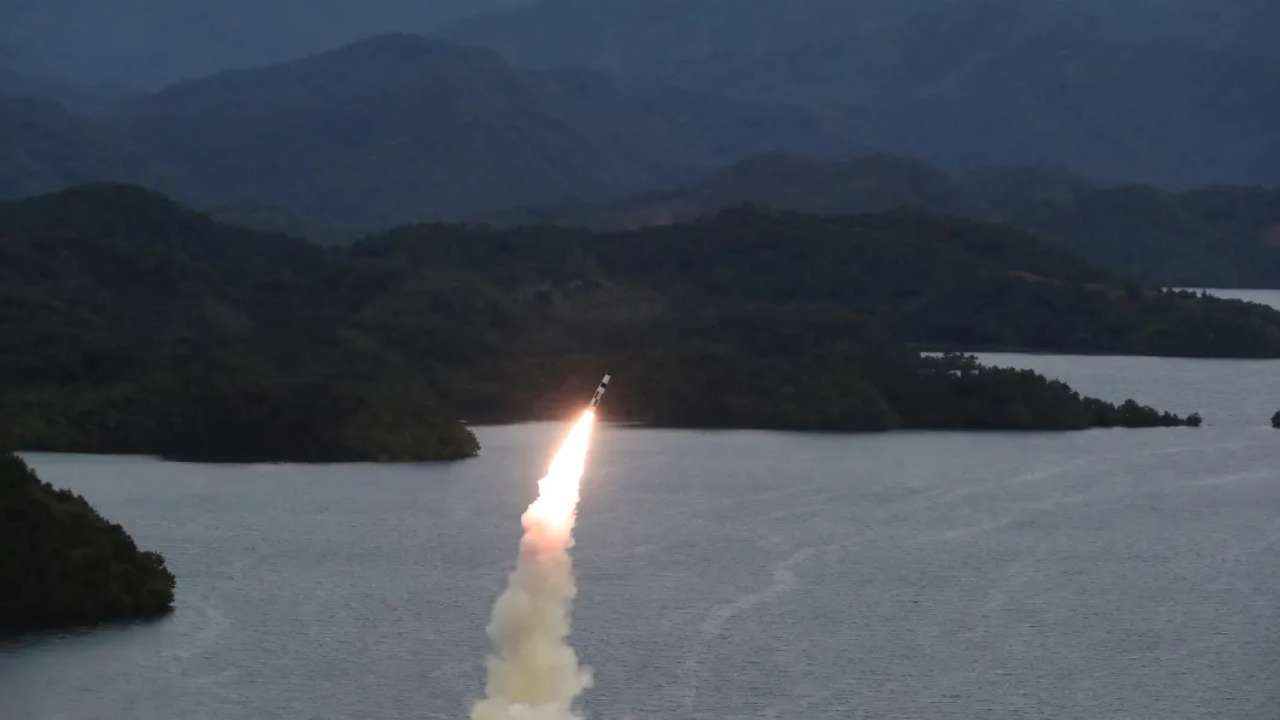
    North Korea has fired approximately 10 unidentified ballistic missiles toward the Sea of Japan on Saturday, Seoul’s Joint Chiefs of Staff (JCS) has said, days after Pyongyang warned of “terrible consequences” over South Korea-US military exercises.

    Seoul’s military reported that the missiles were launched from the Sunan area in North Korea toward the East Sea. The JCS confirmed the launch in an official statement. 

    Japan’s defence ministry also verified the launch, posting on its official X account that “what is possibly a ballistic missile was launched from North Korea.”

    The missile launches follow North Korea’s rejection of recent diplomatic efforts by Seoul, describing them as a “clumsy, deceptive farce.”

    South Korean Prime Minister Kim Min-seok said earlier that US President Donald Trump believes a meeting with North Korea’s leader Kim Jong Un would be “good.” 

    Washington DC has maintained efforts for decades to dismantle North Korea’s nuclear programme, but summits, sanctions, and diplomatic pressure have had limited impact.

    The Trump administration has sought to revive high-level talks with Pyongyang, aiming for a possible summit with Kim Jong Un later this year, potentially during Trump’s April visit to Beijing. 

    During an Asia trip in October, Trump had said he was “100 percent” open to meeting Kim Jong Un, a remark that received no response from North Korea. Pyongyang recently suggested that the two countries could “get along” if the United States accepted its nuclear status.

    Last month, Kim Jong Un stated that North Korea had “absolutely no business dealing with South Korea, its most hostile entity, and will permanently exclude South Korea from the category of compatriots.”

    Seoul and Washington began their springtime military drills, “Freedom Shield,” on Monday, involving about 18,000 South Korean troops. The exercises will continue until March 19. North Korea has long criticised such drills, calling them rehearsals for invasion.

    Earlier this week, Kim Yo Jong, a senior official and sister of Kim Jong Un, warned that the joint drills “may cause unimaginably terrible consequences.” She added that they are taking place “at a critical time when global security structure is collapsing rapidly and wars break out in different parts of the world,” and said the situation was caused by “the reckless acts of the outrageous international rogues.”

    Pyongyang also condemned the US-Israeli attack on Iran, calling it an “illegal act of aggression” and citing it as evidence of the “rogue” nature of the United States.

  • Operation Ghazab lil-Haq: 663 militants killed, 70 Afghan targets hit

    Operation Ghazab lil-Haq: 663 militants killed, 70 Afghan targets hit

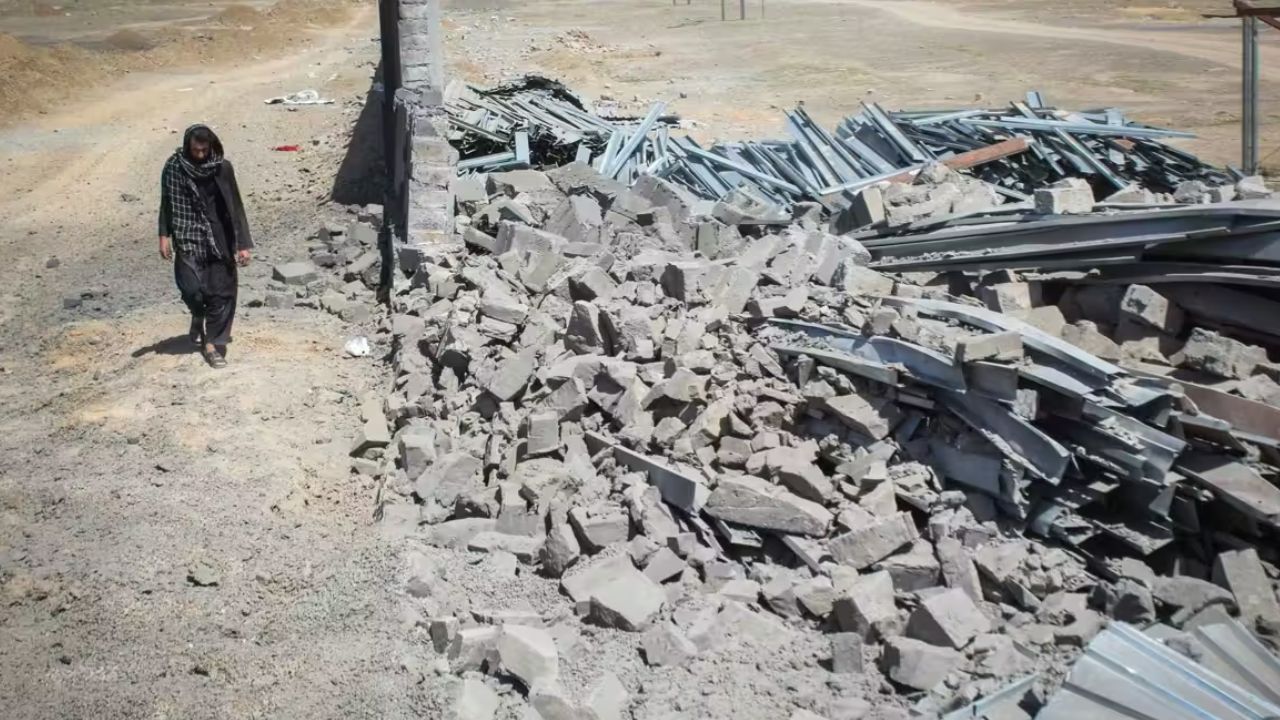
    Federal Information Minister Attaullah Tarar has said in a post on X that Pakistan successfully targeted 70 terrorist-linked installations across Afghanistan during Operation Ghazab lil-Haq, including logistic bases and camps.

    According to Tarar, 663 militants were killed, over 887 injured, 249 posts destroyed, 44 captured, and 224 tanks, armoured vehicles, and artillery guns destroyed. 


    He added that Pakistan precisely targeted installations that directly or indirectly support terrorism, and no civilian populations or infrastructure were affected, countering claims made by Afghan officials.

    The drone incidents near Rawalpindi, which occurred after the strikes, were also highlighted by the military. Several rudimentary drones allegedly launched from Afghanistan were intercepted before reaching their intended targets. Debris from the downed drones injured four civilians: two children in Quetta, one person in Kohat, and another in Rawalpindi.

    “These attacks were aimed at inducing fear in the public and remind us of the terrorist mindset which drives the Afghan Taliban,” the Inter-Services Public Relations (ISPR) said. The statement added that while the Afghan Taliban “project victimhood to garner global sympathy,” they “actively target civilians through their terrorist proxies and their drones.”

    The information ministry earlier said that the drones belonged to Fitna al-Khawarij, a term used by the state for militants linked to the banned Tehrik-i-Taliban (TTP) Pakistan. The ministry added that no military or other infrastructure was hit, and only minor damage occurred due to debris. Claims by Afghan officials of successfully striking military installations were dismissed.

    Reports quoted security sources that the overnight airstrikes targeted terrorist hideouts and support infrastructure, including camps, logistic bases, and installations linked to the 313 Corps in Kabul. Airfield oil storage sites and adjacent logistics infrastructure were also destroyed.

    Pakistan Airports Authority clarified that operations at Islamabad International Airport were not disrupted, calling reports of airspace closure “baseless.”

    President Asif Ali Zardari strongly condemned the drone attacks carried out yesterday, describing them as aimed at civilian areas in Pakistan, according to a press release from the president’s media wing. 

    “The illegitimate regime of Afghanistan, installed by terror and brute force, continues to renege on its commitments not to provide safe sanctuaries to terrorist groups and now has the audacity to provoke a major military power of the Islamic world,” the statement quoted President Zardari as saying. 

    It added that the Afghan terrorist regime “crossed a red line by attempting to target our civilians” despite Pakistan’s efforts to promote peace and stability in the Gulf region and West Asia, warning that it had brought “grave consequences” on itself.


    The ISPR reiterated that Operation Ghazab lil-Haq will continue until the Afghan Taliban address Islamabad’s core concerns regarding terrorism originating from Afghan soil. “Pakistan’s Armed Forces stand steadfast in the fight against terrorism and its manifestations, like the drone attacks by Afghan Taliban,” the statement added.

  • Hakeem Shehzad reportedly marries ninth-grade student in fifth marriage

    Hakeem Shehzad reportedly marries ninth-grade student in fifth marriage

    Hakeem Shehzad, popularly known as Loha Paar, has reportedly married a student currently studying in the ninth grade, marking this his fifth marriage, Express News has reported.

    Shehzad, a well-known herbal practitioner from Multan, previously attracted media attention after marrying Dania Shah, the former wife of late television host Aamir Liaquat Hussain. The couple also has a son together.

    Shehzad has often remained in the spotlight for multiple marriages. In 2024, he married Dania Shah, a move that drew widespread public attention at the time.

    According to Express News, Shehzad has now married five times in total. His first wife passed away, while he currently lives with four other wives.

    A video going viral online shows him gifting a mobile phone to his new wife as a ‘muh dikhai’ gift.

    After pictures and claims related to the latest marriage surfaced online, many social media users criticised the reported age of the bride. Others questioned the legal and social implications of the marriage.

    So far, Hakeem Shehzad has not issued any official statement regarding the reports.

  • ‘I would have done things differently’: Salman Ali Agha on run-out against Bangladesh

    ‘I would have done things differently’: Salman Ali Agha on run-out against Bangladesh

    Pakistani all-rounder Salman Ali Agha has stressed the importance of sportsman spirit after his controversial run-out during the second ODI against Bangladesh. 

    Speaking after the match, the Pakistani all-rounder said he would have handled the situation differently, even though the dismissal remained within the laws of the game.

    “I can tell you what happened after that. I mean, I’m sure everyone has seen. But it’s just the heat of the moment kind of stuff,” said Agha.

    “If you ask me what I would have done? I would have done things differently. But it was everything that happened after that, it was the heat of the moment.”

    Agha also highlighted the importance of sportsman spirit in such moments.

    “Well, it is in the law. I’m someone who always wants to follow the law. But sometimes when it comes to sportsman spirit things, well, I think sportsman spirit has to be up there, no matter what the situation.”

    He added that his approach would have been different if he were in the same position.

    “What he has done, I think, if he thinks it’s right, it’s right. But if you ask me, my perspective, I would have done it differently. I would have gone for the sportsman spirit.”

    The unusual moment took place during the second ODI of the three-match series at the Sher-e-Bangla National Cricket Stadium on Friday.

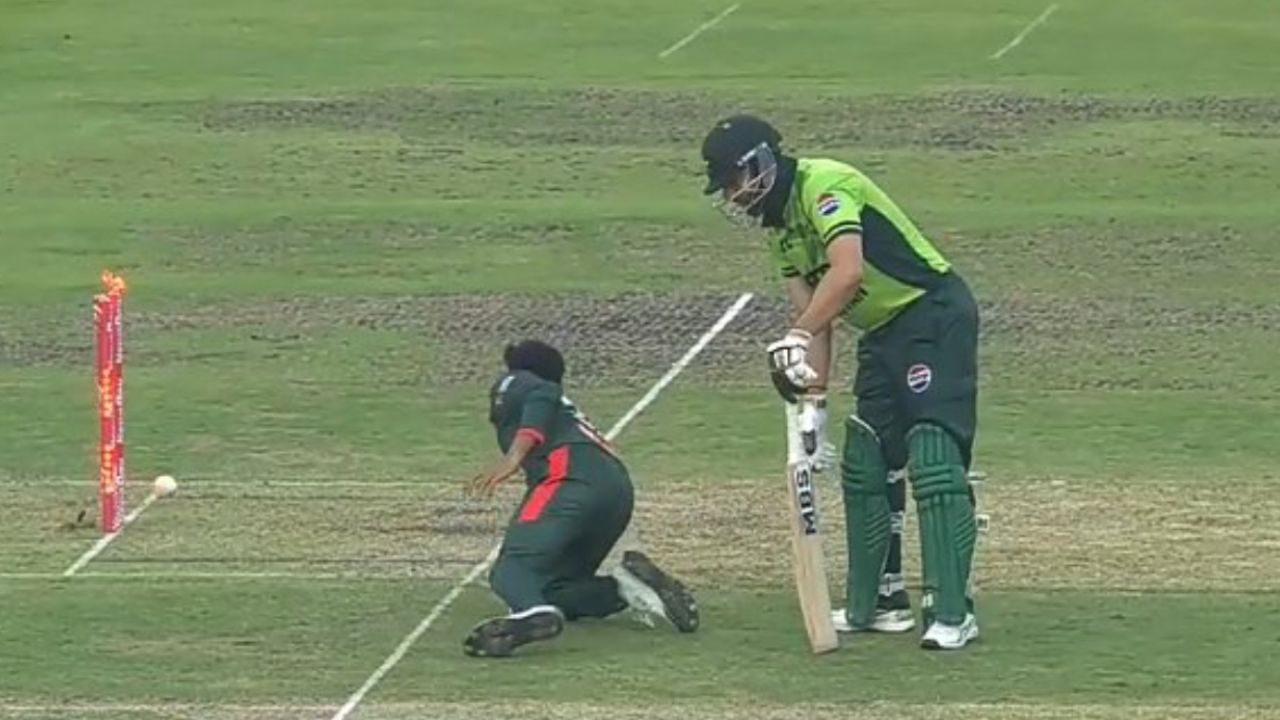
    The incident happened in the 39th over of Pakistan’s innings when Bangladesh captain Mehidy Hasan Miraz delivered a flatter ball that Mohammad Rizwan gently pushed back towards the pitch.

    The ball spun off the surface and rolled towards Agha at the non-striker’s end. The Pakistan all-rounder first tried to move away from its path. Miraz then stopped the ball with his right foot as it rolled towards him.

    When the ball came to a halt, Agha bent down in an attempt to return it to the bowler. Miraz quickly collected the ball instead and broke the stumps, catching Agha outside his crease and completing the run-out.

    The decision sparked visible frustration from Rizwan, who threw his gloves and helmet onto the ground while walking back to the pavilion.

    Later in the post-match presentation, Miraz defended his action and explained that he reacted because the Pakistan batter stood outside the crease.

    “He was away from the wicket, and I was just looking for the ball. If you miss, he would go for the run. So I was just thinking like that,” Miraz said.

    Pakistan defeated Bangladesh by 128 runs under the DLS method, with the series now levelled at 1-1.

  • PTI seeks Imran Khan’s hospital transfer, signals movement after Eid

    PTI seeks Imran Khan’s hospital transfer, signals movement after Eid

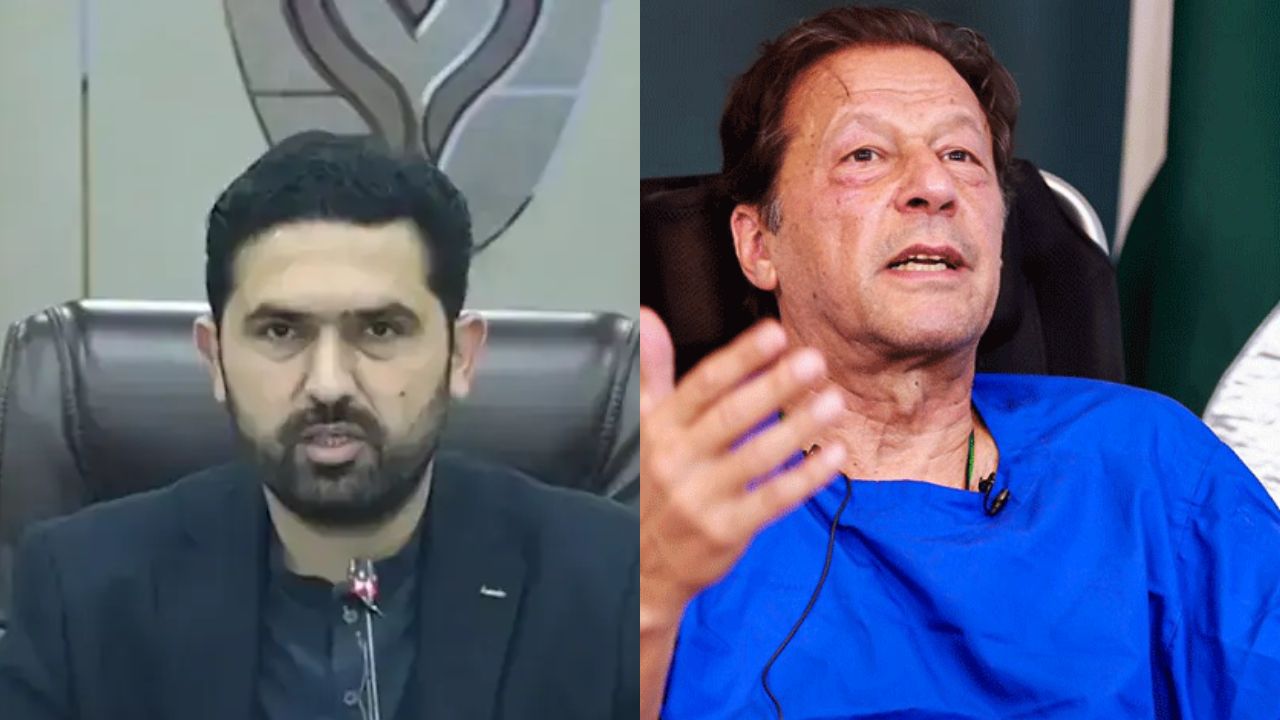
    Leaders of the Pakistan Tehreek-e-Insaf (PTI) on Friday warned the federal government against what they described as “criminal negligence” in the medical care of former prime minister Imran Khan, indicating the party could launch a large-scale movement for his release after Eid.

    Addressing a press conference, PTI leaders repeated their demand for Imran Khan’s immediate transfer to Shifa International Hospital, stating that further delay could lead to serious consequences. 

    They maintained that the party had made several attempts to secure medical treatment for Khan but the government had rejected those requests.

    Speaking at the press conference, Sohail Afridi, Chief Minister of Khyber Pakhtunkhwa, warned that the party will not accept such conduct and added that PTI was prepared to launch a movement for Khan’s release. 

    He reminded the Pakistan Muslim League-Nawaz-led ruling coalition had said that the party had temporarily slowed its political activities in respect for the holy month of Ramadan.

    CM Afridi also raised concerns about the PTI founder’s health and the cases filed against him, which he termed politically motivated.

    “The PTI founder is not an ordinary citizen; he is a former prime minister of Pakistan, and the government has both a legal and moral responsibility to ensure that he receives proper medical treatment.

    The government’s refusal to allow access to his personal doctors and family members is a blatant violation of basic human rights and legal protocols,” he stated.

    PTI leader Junaid Akbar Khan pointed to what he called a wider political crackdown, referring to the disqualification of PTI senators and actions taken against party workers. 


    He also mentioned developments in relations with the Taliban administration in Afghanistan, saying the situation was becoming increasingly complex.

    He added that continued mistreatment was increasing tensions that the current administration might struggle to manage, while obstacles in the way of Khan’s medical treatment were unacceptable.

    Senior PTI leader and lawyer Babar Awan described the secrecy around Imran Khan’s medical condition as a criminal act. He warned that if any harm came to him due to the absence of proper care, those responsible would not be able to avoid accountability.

    Awan stated that the party’s demand for transparency regarding Khan’s medical condition was non-negotiable.

    Former finance minister Taimur Jhagra said that PTI remained the only political force standing with the Constitution and argued that the government’s conduct was increasing the gap between the public and state institutions.


    Meanwhile, MNA Shahid Khattak said the party was not politicising the matter but was concerned about the risk of lasting damage to the PTI founder’s health.

  • F1 races in Bahrain, Saudi Arabia likely to be cancelled over Middle East conflict

    F1 races in Bahrain, Saudi Arabia likely to be cancelled over Middle East conflict

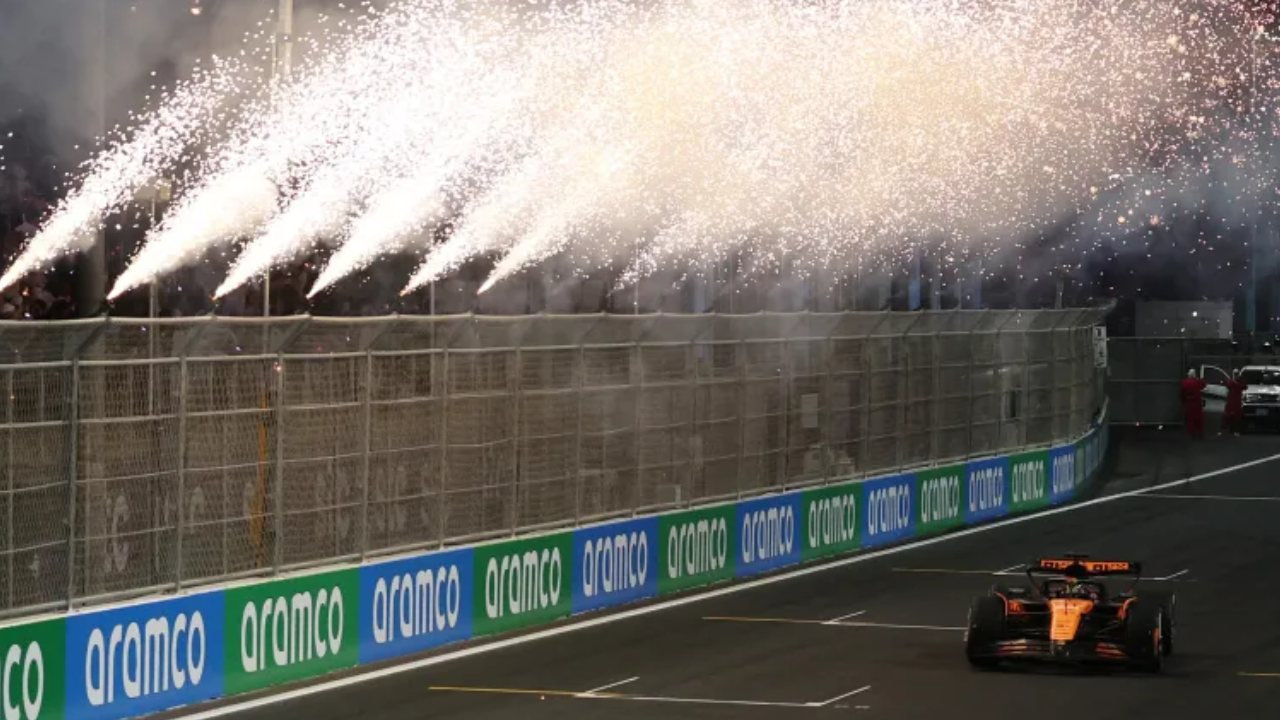
    Formula One races scheduled to be held in Bahrain and Saudi Arabia in April are set to be cancelled due to the ongoing conflict in the Middle East.

    An announcement on the cancellation of the two Grands Prix is expected over the weekend, with sources telling an international media outlet that a decision is anticipated by Monday at the latest. March 20 is the deadline for freight that must be transported to Bahrain for logistical purposes.

    Sky Sports, which holds Formula One broadcasting rights in Britain where most of the 11 teams are based, reported that the races are expected to be called off by Sunday night.

    The development comes as attacks involving the United States and Israel against Iran continue, while Iranian drones and missiles have struck several capitals in the region, including Manama in Bahrain. Most Formula One team personnel were scheduled to stay in hotels in the city during the race weekend.

    Formula One is currently in China for the second round of the season after the opening race in Australia last weekend.

    Reports quoted sources that Bahrain nor the Saudi Arabian race is expected to be replaced or rescheduled. If confirmed, April would remain without a race on the calendar and the championship would be reduced to 22 rounds.

    The Bahrain Grand Prix had been scheduled for April 12, while the Saudi Arabian race in Jeddah was set for April 19.

    The next race on the calendar is the Japanese Grand Prix on March 29, followed by the Miami Grand Prix on May 3.

    Audi team principal Jonathan Wheatley said teams would follow the guidance of the sport’s governing bodies. “I think we follow the guidance of the FIA and Formula One, as we always do. They’ve always led us in the right direction,” Wheatley told reporters after practice at the Shanghai circuit.

    “Nobody’s going to compromise on anything that would put teams into an uncomfortable situation,” he added.

    There has been no immediate comment from Formula One, which is owned by Liberty Media, or from the sport’s governing body, the International Automobile Federation (FIA).

    Meanwhile, the World Endurance Championship (WEC) has already postponed its season opener that was scheduled to take place in Qatar from March 26 to 28. The first race of the season is now set to be held at Italy’s Imola circuit on April 19.

    The Qatar round at the Lusail circuit outside Doha has been rescheduled for October 24 and will take place before the season finale in Bahrain on November 7.

  • Michael Vaughan calls South Africa ‘stupidest team’ of T20 World Cup

    Michael Vaughan calls South Africa ‘stupidest team’ of T20 World Cup

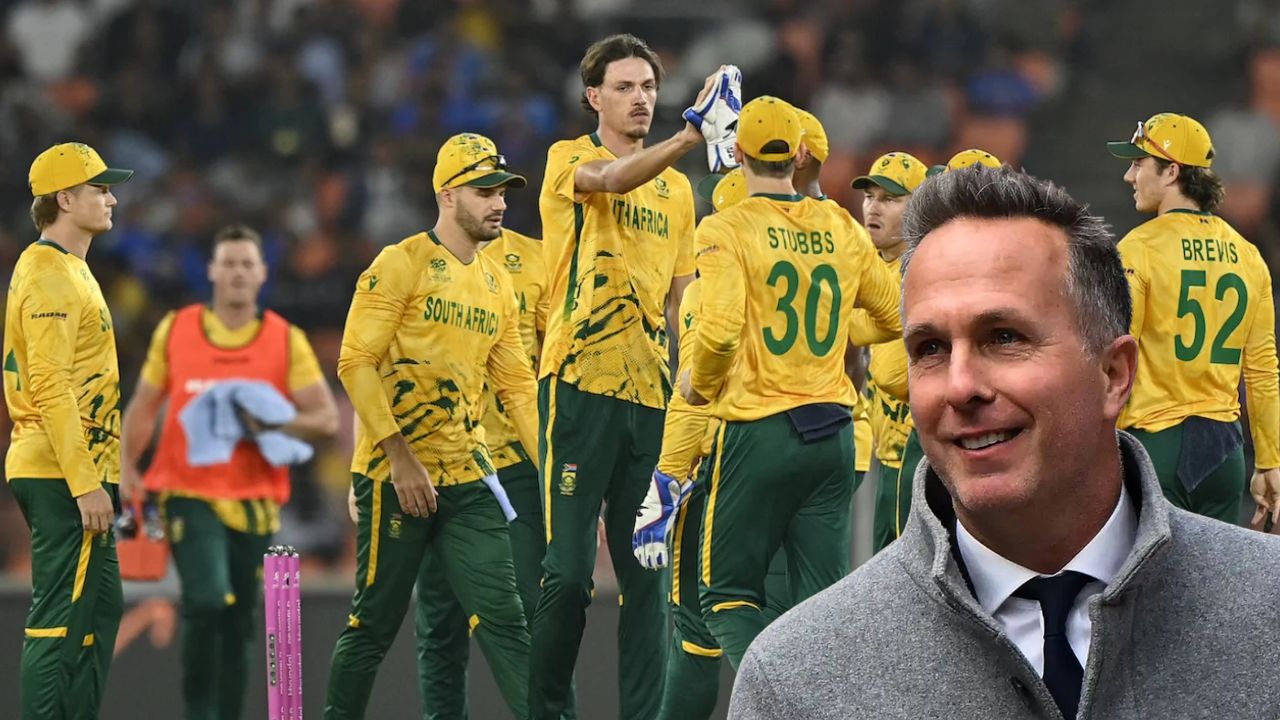
    Former England captain Michael Vaughan has sharply criticised South Africa national cricket team for a decision he believes changed the course of the T20 World Cup and helped India win the title.

    Speaking on the Stick to Cricket podcast, Vaughan claimed South Africa made a costly mistake during the Super Eights stage of the tournament. According to him, their dominant win over the West Indies national cricket team actually worked in India’s favour.

    Vaughan argued that if South Africa had lost that match, India might have been knocked out of the tournament much earlier.

    “I tell you who I think is the stupidest team of the tournament. South Africa. Because if South Africa had allowed the West Indies to beat them in the Super 8s, India would have been knocked out. I’m just saying – if they had cleared them out, the juggernaut that was coming would have stopped,” Vaughan said.

    He added that South Africa’s victory allowed India to gather momentum in the later stages of the tournament.

    “By winning that game, they allowed the juggernaut to go on. India then beat Zimbabwe, then the West Indies in a kind of quarterfinal, and then England. South Africa had to play Zimbabwe next, and they even rested three players for that match,” he said.

    The former England captain also explained his personal approach to major tournaments.

    “Look, these things shouldn’t happen and usually don’t happen. I’m just saying that if you want to win a World Cup, the best way is to eliminate the best team early,” Vaughan explained.

    The debate began after India suffered a heavy 76-run defeat to South Africa during the Super Eights. The result placed India under pressure, leaving the team with little margin for error in the remaining group games.

    Led by Suryakumar Yadav, India first managed to defeat Zimbabwe national cricket team to stay alive in the competition. Their chances then depended partly on the outcome of the South Africa versus West Indies clash.

    South Africa produced a strong performance in that match and comfortably defeated the West Indies, securing a place in the semi-finals. However, Vaughan believes that victory indirectly helped India.

    According to him, the result turned India’s final Super Eights match against the West Indies in Kolkata into a virtual quarter-final. India handled the pressure well and defeated the Caribbean side to reach the last four.

    India then went on to beat the England national cricket team in the semi-final before lifting the trophy.

    Meanwhile, South Africa’s campaign ended in disappointment after a heavy semi-final defeat to the New Zealand national cricket team.

    Despite Vaughan’s criticism, South Africa’s decision guaranteed their progress to the semi-finals at that stage. If they had lost to the West Indies, they would have faced a must-win game against Zimbabwe in their final Super Eights match, which could have complicated their path.

    Instead, the Proteas moved forward comfortably but failed to deliver in the knockout stage, while India continued their winning run and eventually secured the World Cup title.

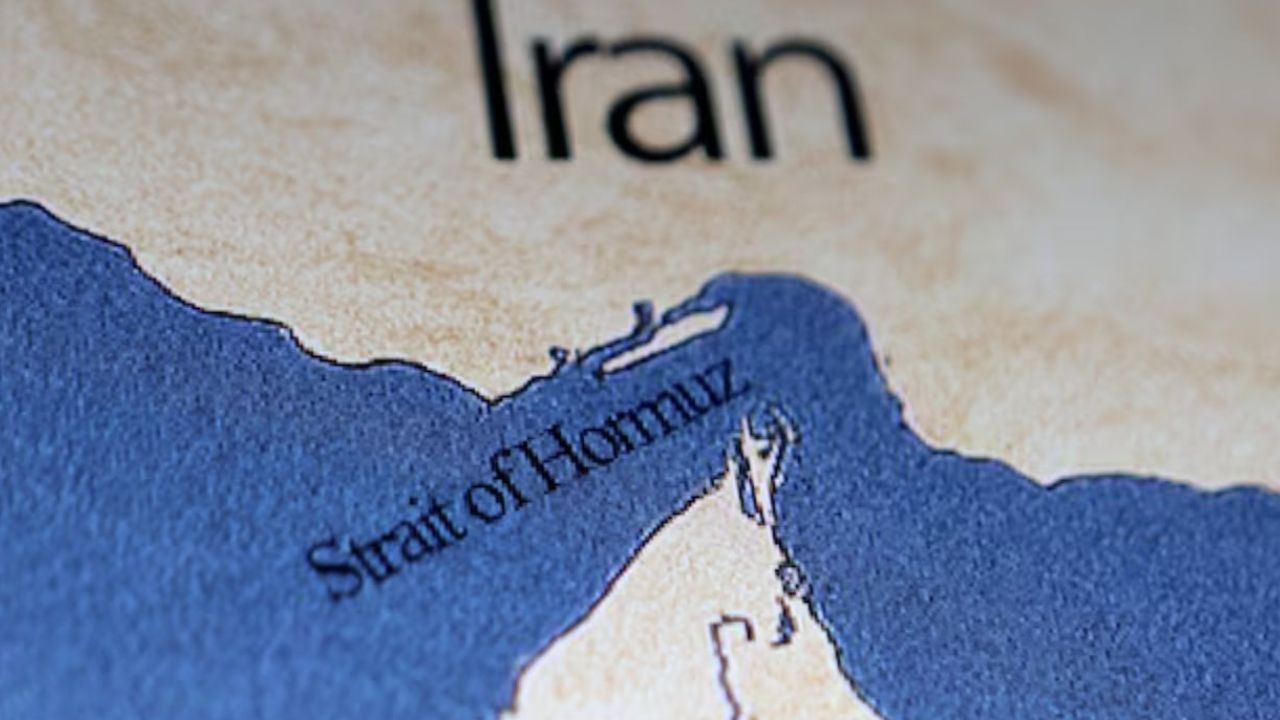
  • Strait of Hormuz disruptions cost Gulf states $15bn in energy revenue

    Strait of Hormuz disruptions cost Gulf states $15bn in energy revenue

    Gulf oil producers have lost an estimated $15.1 billion in revenue since the start of US and Israeli strikes on Iran, as the near-shutdown of the Strait of Hormuz has trapped millions of barrels of crude, refined products, and liquefied natural gas.


    Data from commodities analytics firm Kpler shows the Strait typically carries around $1.2 billion worth of energy shipments daily, based on 2025 average prices and volumes. 


    Since the escalation of hostilities on February 28, traffic through the critical shipping route has largely halted, with Iranian attacks on vessels and soaring insurance premiums compounding the disruption.

    Florian Gruenberger of Kpler described the current flow as “negligible” compared with prewar levels, with crude oil representing 71 percent of the value of stranded shipments.

    Saudi Arabia, the region’s largest exporter, has lost the most, with Wood Mackenzie (research company) estimating $4.5 billion in missed revenue, though the kingdom plans to boost exports from the Red Sea in the coming days.

    Iraq, which depends on oil for 90 percent of government revenue, is among the most exposed, while Kuwait and Qatar can rely on sovereign wealth funds to offset short-term losses, according to Wood Mackenzie’s Peter Martin.

    At least $10.7 billion worth of crude, refined products, and LNG cargoes remain stranded inside the Strait of Hormuz. Some of these shipments had already been sold under prewar contracts, meaning revenue may still materialize depending on payment schedules, which typically occur 15 to 30 days after loading.

    Saudi Arabia holds additional oil in overseas storage and could continue supplying customers while benefiting from higher prices that may partly offset lost exports, analysts said. While Saudi Aramco has said it could reroute about 70 percent of crude from its eastern oilfields to the Red Sea via its east-west pipeline, experts warn the system has never operated at that capacity.

    Wood Mackenzie estimates that Gulf oil producers — including Saudi Arabia, Iraq, the UAE, Kuwait, and Bahrain — have collectively deferred $13.3 billion in sales and tax revenue. 


    QatarEnergy, Qatar’s state-owned energy company, has lost an estimated $571 million in revenue since halting production on March 2, excluding potential losses from delayed expansions or new plants.

  • Israel reports nearly 3,000 injured as Trump claims Iran is ‘about to surrender’

    Israel reports nearly 3,000 injured as Trump claims Iran is ‘about to surrender’

    The Israeli Health Ministry has confirmed that at least 2,975 people have been injured in Israel since the start of the joint United States (US)-Israeli military operations against Iran and Tehran’s counter-offensive.

    The figures came as President Donald Trump told G7 leaders in a virtual meeting that Iran is “about to surrender”. Despite Trump’s claim – reported by Axios – the Islamic Revolutionary Guards Corps (IRGC) announced its 44th wave of attacks, launching a “multitude of missiles” at northern Israeli cities including Haifa, Hadera and Kiryat Shmona.

    The strikes also targeted US bases and the US Fifth Fleet. In northern Israel, emergency services treated two individuals for shrapnel injuries following the latest alerts.

    In Iraq, US Central Command (CENTCOM) confirmed the deaths of four crew members after a KC-135 refueling aircraft went down in western Iraq on March 12. While the Islamic Resistance in Iraq claimed responsibility for downing the plane, CENTCOM stated the loss was “not due to hostile fire” and is currently under investigation.

    Meanwhile, instability continues to spread to neighbouring states as an explosion occurred near the Incirlik military base in Turkiye. Social media footage showed a projectile in the night sky while the US embassy in Baghdad warned American citizens of a significant risk of kidnapping, citing threats from Iran-aligned militia groups.

    On the diplomatic and economic front, global markets remain volatile. Brent crude is trading near $100 a barrel, and the US dollar reached a three-month high as investors seek safe-haven assets. Australia has begun releasing petrol and diesel from emergency reserves to counter supply chain disruptions caused by the war.

    The conflict has also seen heavy depletion of American military resources. Reports indicate the Trump administration has used “years” of critical munitions, including long-range Tomahawk missiles, since the start of the conflict.

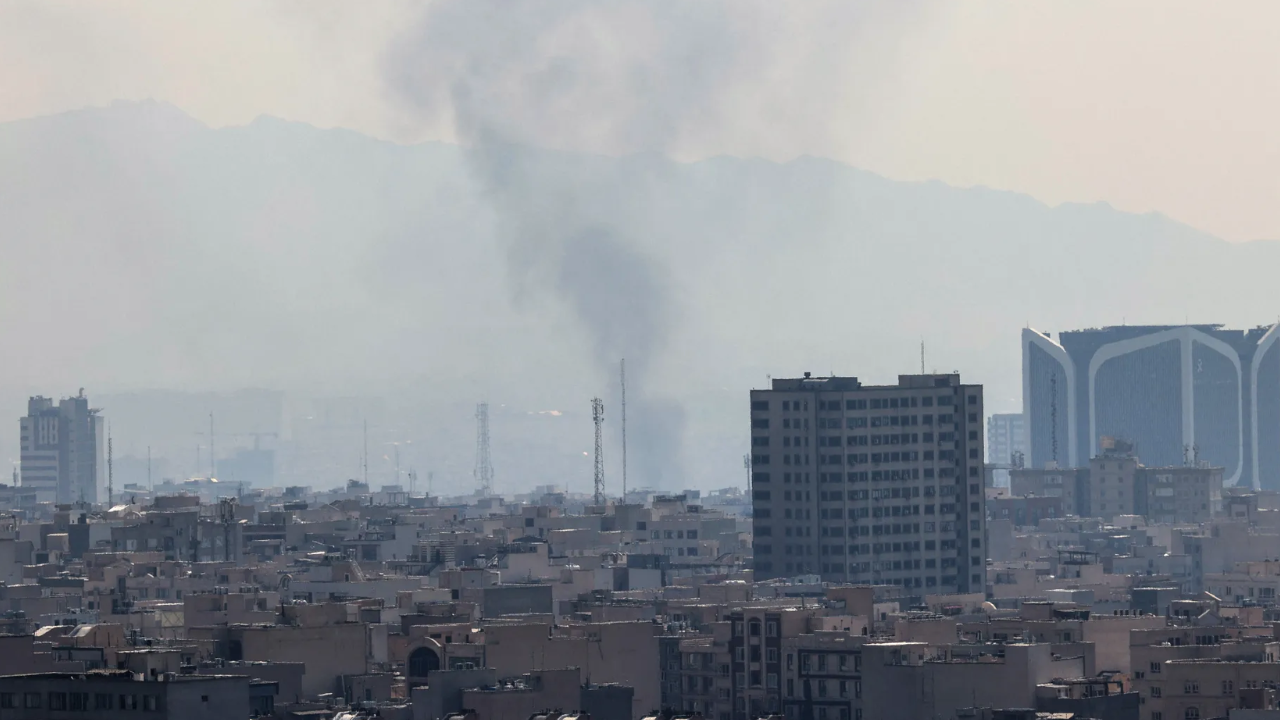
    In Tehran, massive explosions were reported near pro-government demonstration sites. Iran’s internet remains almost entirely offline, entering its 14th day of a blackout. The IRGC has warned that any internal protests will be met with a response “stronger” than the crackdown seen in January.

    Further strikes were reported across the region, with Saudi Arabia intercepting drones in its eastern and Al-Kharj provinces. Kuwait’s interior ministry confirmed its air defense systems dealt with a “missile threat” while two drones crashed near a major oil field in southern Iraq.