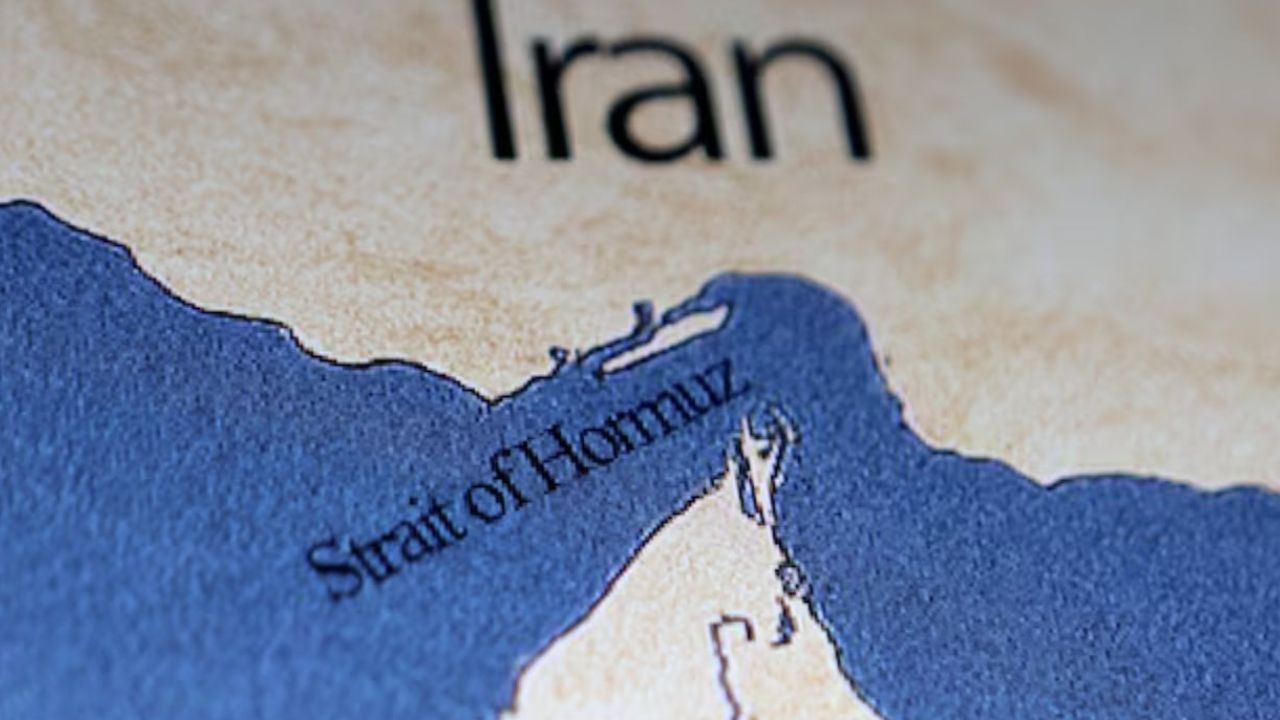
Gulf oil producers have lost an estimated $15.1 billion in revenue since the start of US and Israeli strikes on Iran, as the near-shutdown of the Strait of Hormuz has trapped millions of barrels of crude, refined products, and liquefied natural gas.
Data from commodities analytics firm Kpler shows the Strait typically carries around $1.2 billion worth of energy shipments daily, based on 2025 average prices and volumes.
Since the escalation of hostilities on February 28, traffic through the critical shipping route has largely halted, with Iranian attacks on vessels and soaring insurance premiums compounding the disruption.
Florian Gruenberger of Kpler described the current flow as “negligible” compared with prewar levels, with crude oil representing 71 percent of the value of stranded shipments.
Saudi Arabia, the region’s largest exporter, has lost the most, with Wood Mackenzie (research company) estimating $4.5 billion in missed revenue, though the kingdom plans to boost exports from the Red Sea in the coming days.
Iraq, which depends on oil for 90 percent of government revenue, is among the most exposed, while Kuwait and Qatar can rely on sovereign wealth funds to offset short-term losses, according to Wood Mackenzie’s Peter Martin.
At least $10.7 billion worth of crude, refined products, and LNG cargoes remain stranded inside the Strait of Hormuz. Some of these shipments had already been sold under prewar contracts, meaning revenue may still materialize depending on payment schedules, which typically occur 15 to 30 days after loading.
Saudi Arabia holds additional oil in overseas storage and could continue supplying customers while benefiting from higher prices that may partly offset lost exports, analysts said. While Saudi Aramco has said it could reroute about 70 percent of crude from its eastern oilfields to the Red Sea via its east-west pipeline, experts warn the system has never operated at that capacity.
Wood Mackenzie estimates that Gulf oil producers — including Saudi Arabia, Iraq, the UAE, Kuwait, and Bahrain — have collectively deferred $13.3 billion in sales and tax revenue.
QatarEnergy, Qatar’s state-owned energy company, has lost an estimated $571 million in revenue since halting production on March 2, excluding potential losses from delayed expansions or new plants.