Author: News Desk

  • Whose side is Mawra on in Jama Taqseem?

    Whose side is Mawra on in Jama Taqseem?

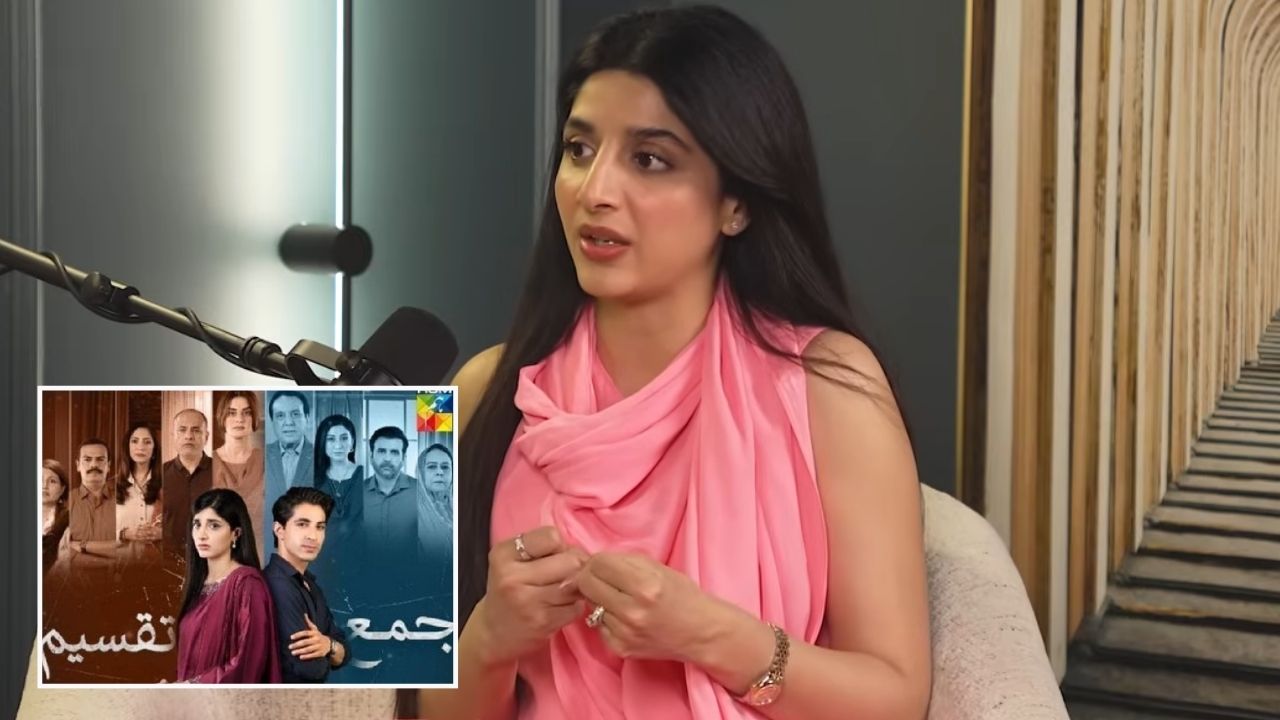
    Actor Mawra Hocane, who is currently starring in the hit drama Jama Taqseem, has shared details about her role, wedding and whose side she was on in the drama.

    Appearing on a podcast, Mawra was asked if she was on Team Laila, to which she said “more on Team Laila’s mom”, explaining she loved how blunt the mother was in the drama. 

    In the joint family drama, which is taking the drama world by storm, Laila’s mother, played by Tazeen Hussain, is a very blunt voice of reason. She warns Laila, played by Mawra, before she marries Qais, played by Talha Chahour, that she needed protection from her in-laws and worried that Laila, the only child of a wealthy couple, would not be able to adjust in a joint family set up like that of Qais.

    Despite being against the marriage, she agrees for her child’s happiness and even though at times you feel that Laila’s mom has not been there for her much, as a working woman, it’s clear that they have a very loving, supportive relationship. We also see her mother’s vulnerability when she retires from her decades-old teaching career and how Laila is there for her. 

    During the podcast, Mawra went on to explain how the strength that Laila’s mother shows in the drama is what allows Laila to take a stand for herself, adding that she gives credit about her life and her career to her own mother, who was brave during an era when it was very difficult to be brave.

    “It’s our legacy to take this bravery and resilience forward and that’s what the drama also shows,” Mawra explained.

    During the conversation, Mawra also talked about her wedding, her movies, dramas and working in the industry for the younger generation.

  • Falak Shabir gives Pakistan Idol permission to use his songs

    Falak Shabir gives Pakistan Idol permission to use his songs

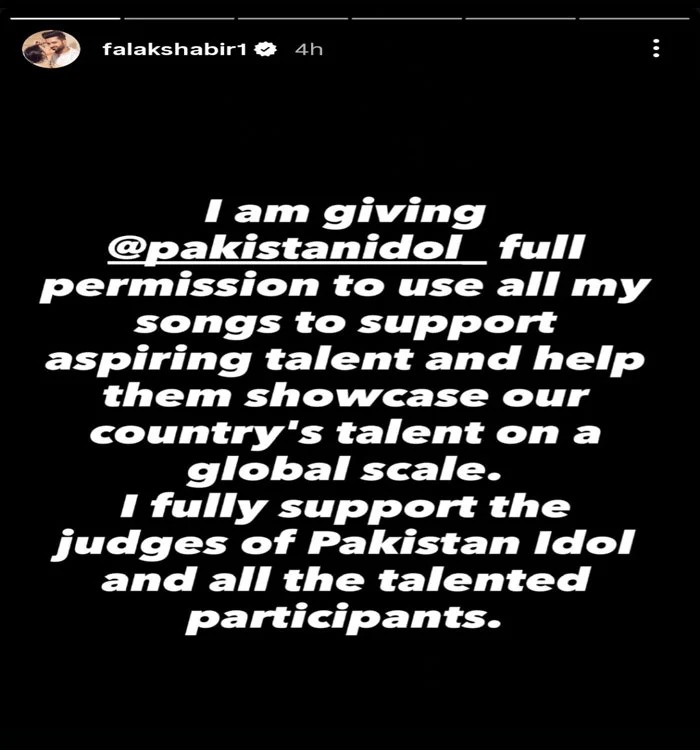
    Singer Falak Shabir has expressed support for the music reality show Pakistan Idol. The show has garnered plenty of praise along with controversies about some singers not allowing contestants to use their songs. 

    Taking to Instagram, Falak announced that all Pakistan Idol contestants are free to perform any of his songs during the competition.

    “I give Pakistan Idol permission to use all of my songs so that rising singers can have a platform to shine and represent Pakistan globally,” he wrote. “I fully support the judges and all the talented participants of Pakistan Idol.”

    His statement came shortly after veteran singer Sajjad Ali revealed that participants are not allowed to perform his songs due to a copyright dispute with the show’s organizers.

    During a press conference in Canada, Sajjad Ali said that the Pakistan Idol team had approached him to secure the rights to his music, but both parties failed to agree on financial terms. He noted that the limited selection of licensed tracks has affected the variety of performances, as “every contestant wanted to sing our songs,” and those who did “would receive significant admiration and possibly win the competition.”

    According to Pakistan’s Copyright Ordinance of 1962, song rights are owned by the creator unless officially licensed or transferred. Any public performance or adaptation without permission is considered a legal infringement.

    Sajjad Ali mentioned that most of the show’s licensed catalog comes from EMI Records, Pakistan’s oldest record label, which holds rights to the works of legendary artists like Noor Jehan, Mehdi Hassan, Nusrat Fateh Ali Khan, Strings, and Vital Signs.

    The disagreement has prevented contestants from performing Sajjad Ali’s popular songs but has also reignited debate over copyright ownership, artist rights, and creative opportunities in Pakistan’s music industry.

  • Australian cricketer dies after ball hits him on neck during practice

    Australian cricketer dies after ball hits him on neck during practice

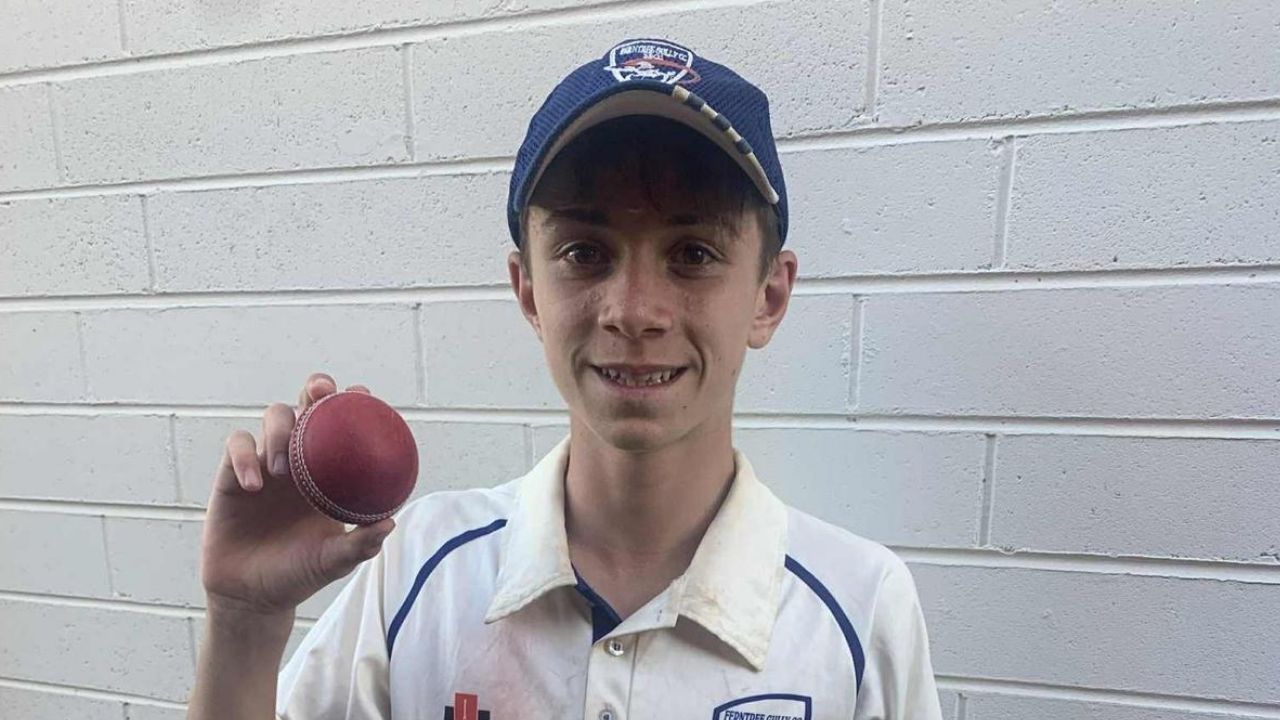
    A 17-year-old Australian cricketer namee Ben Austin died after being struck on the neck during a practice session in Melbourne.

    According to Australian media, the incident occurred earlier this week in Melbourne’s east, where Ben suffered a serious injury while training. He was rushed to the hospital in critical condition, but doctors later confirmed that he had died. 

    Cricket Victoria said a ball from a throwing device hit Ben on the neck. The board confirmed that he was wearing a helmet but did not have a stem guard attached.

    Head of Cricket Victoria, Nick Cummins, said the incident was eerily similar to the fatal accident that claimed the life of Australian cricketer Phillip Hughes 11 years ago. Hughes died in 2014 after being struck on the neck by a bouncer during a domestic match at the Sydney Cricket Ground.

    Cricket Australia, club officials, and Ben’s family expressed deep sorrow over the tragic incident.

  • At least 2,000 killed in RSF attacks amid ‘mass killing’ in Sudan

    At least 2,000 killed in RSF attacks amid ‘mass killing’ in Sudan

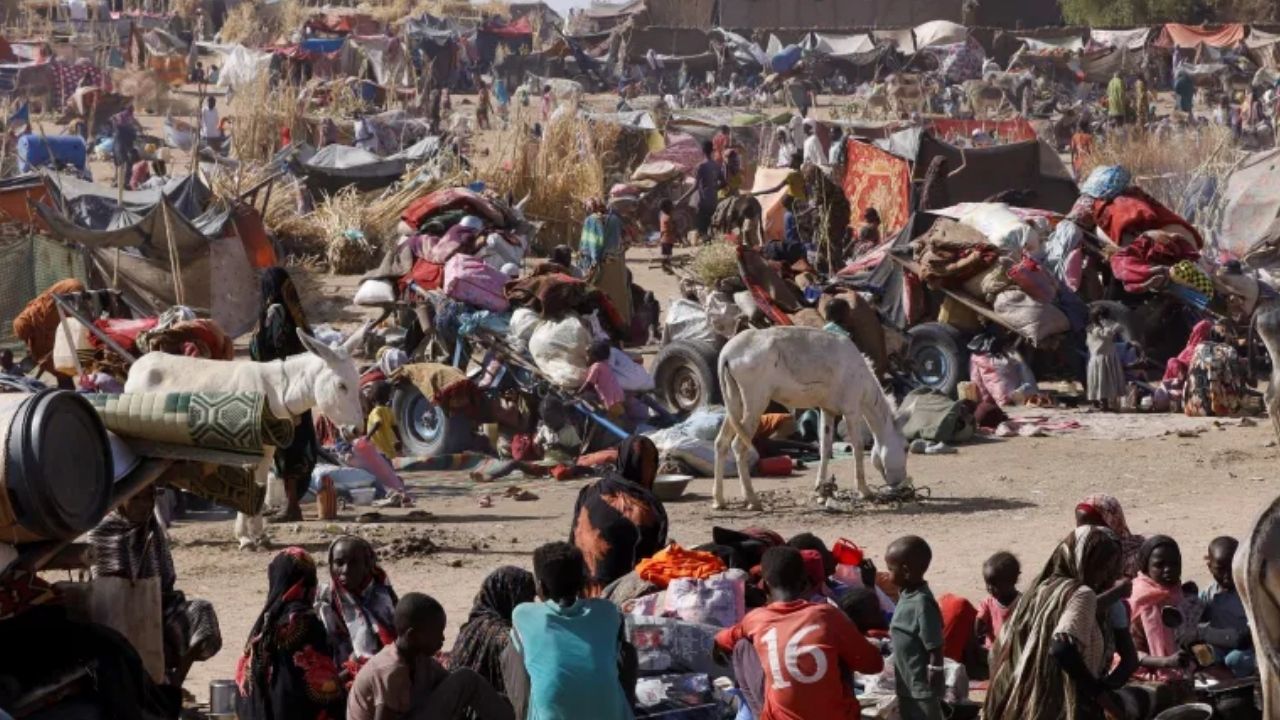
    At least 2,000 people have been killed in three days of attacks by the Rapid Support Forces (RSF) in the Sudanese city of Al-Fashir.

    According to the media reports, RSF fighters targeted civilians trying to flee the city amid heavy clashes with the Sudanese army, describing the situation as a “real genocide.”

    The Sudanese Doctors Network said the killings were a continuation of the violence that erupted a year and a half ago in Al-Fashir, when over 14,000 civilians died due to bombings, starvation, and extrajudicial executions.

    The statement came after Yale University’s Humanitarian Research Lab released a report confirming evidence of mass killings in the area.

    The RSF captured Al-Fashir on Sunday after a 17-month siege, taking control of the Sudanese army’s last major stronghold in Darfur. Sudan’s government said at least 2,000 people have died in the city, while aid organizations reported verified accounts of severe abuses, including executions, attacks on fleeing civilians, and house-to-house killings.

    Reports also indicate widespread sexual violence against women and girls.

    With the fall of Al-Fashir, the RSF now controls nearly all of Darfur, raising fears of Sudan’s potential re-division after more than a decade.

    Government officials supporting the Sudanese army accused the RSF of targeting civilians sheltering in mosques during its assault. Sudan’s humanitarian affairs officer, Mona Nour Al-Daem, said over 2,000 civilians were killed in the attack, including Red Crescent volunteers and worshippers.

    RSF fighters posted videos on social media showing gunmen shooting at civilians trying to escape.

    In one of the most disturbing videos, RSF soldiers were seen inside Al-Fashir’s Saudi Hospital, executing patients. Survivors said at least 500 people had taken refuge inside the facility. Medical staff were also among those killed.

    World Health Organization (WHO) Director-General Tedros Adhanom Ghebreyesus confirmed that more than 460 people were killed inside the Saudi Maternity Hospital. He said the WHO was “deeply shocked and horrified” by the reports.

    The Sudanese Doctors Network said RSF fighters “brutally killed everyone inside the Saudi Hospital, including patients, their companions, and staff.”

  • PCB announces record domestic contracts for 2025–26 season

    PCB announces record domestic contracts for 2025–26 season

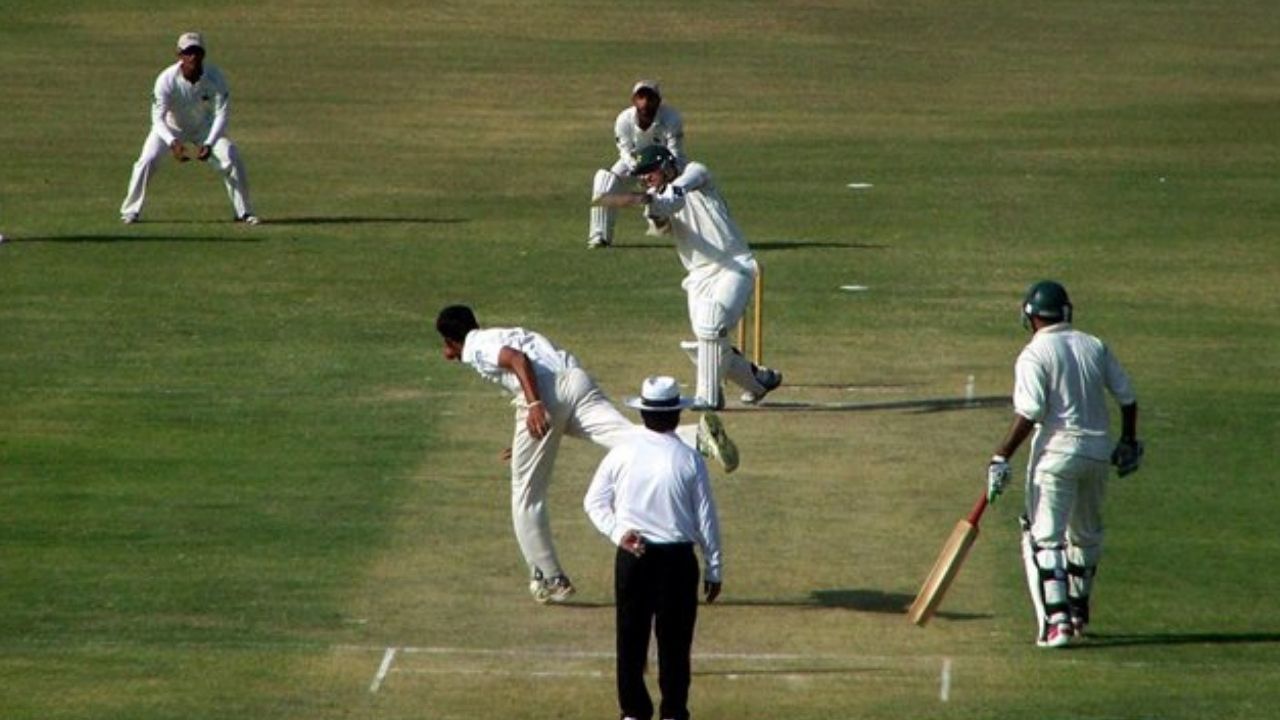
    The Pakistan Cricket Board (PCB) has announced a record 157 men’s domestic contracts for the 2025–26 season, marking the largest-ever pool of contracted players in history. 

    The contracts, which will run from August 2025 to July 2026, aim to reward consistent performers and strengthen the domestic cricket structure.

    This year, the PCB expanded the number of categories from three to four – DC1, DC2, DC3, and DC4 – to ensure that a wider range of players, from emerging stars to seasoned performers, benefit from the new system.

    The board said that players were selected on the basis of their performances in all domestic tournaments during the 2024–25 season, covering both red-ball and white-ball formats.

    Domestic Category 1 (30 players)

    Usman Khan (Karachi), Abid Ali (Lahore), Mohammad Huraira (Sialkot), Imam-ul-Haq (Lahore), Mohammad Hasnain (Hyderabad), Aamir Jamal (Islamabad), Zahid Mehmood (Larkana), Iftikhar Ahmed (Peshawar), Mohammad Ismail (Multan), Haseebullah (Quetta), Omair Bin Yousuf (Karachi), Umar Amin (Islamabad), Waqar Hussain (Multan), Kamran Ghulam (Abbottabad), Mir Hamza (Karachi), Mohammad Ali (Sialkot), Azan Awais (Sialkot), Kashif Bhatti (Hyderabad), Mohammad Shahzad (Multan), Usman Tariq (Peshawar), Umar Siddiq (Lahore), Niaz Khan (Peshawar), Faisal Akram (Multan), Tayyab Tahir (Lahore), Nisar Ahmed (Lahore), Mushtaq Ahmed (Larkana), Muhammad Irfan Khan (Faisalabad), Khalid Usman (Abbottabad), Jahandad Khan (Rawalpindi) and Usman Khan (Karachi).

    Domestic Category 2 (55 players)

    Haider Ali (Rawalpindi), Danish Aziz (Karachi), Mirza Tahir Baig (Sialkot), Mohammad Salman (Lahore), Saad Baig (Karachi), Mohammad Imran Jr (Peshawar), Abdul Faseeh (Rawalpindi), Mohammad Rameez Jr (Lahore), Musa Khan (Islamabad), Arif Yaqoob (Karachi), Kashif Ali (Rawalpindi), Saifullah Bangash (Karachi), Mohammad Suleman (Hyderabad), Maaz Sadaqat (Peshawar), Ali Raza (Sialkot), Mehran Sanwal (Bahawalpur), Mohammad Amir Khan (Peshawar), Asif Afridi (FATA), Mohammad Naeem (FATA), Rohail Nazir (Islamabad), Shahnawaz Dahani (Larkana), Arafat Minhas (Multan), Abdul Samad (Faisalabad), Yasir Khan (Rawalpindi), Mohammad Faizan (Faisalabad), Ali Zaryab (Lahore), Mehran Mumtaz (Rawalpindi), Jalat Khan (Quetta), Sameen Gul (FATA), Ahmed Bashir (Lahore), Qasim Akram (Lahore), Shamyl Hussain (Islamabad), Usama Mir (Sialkot), Saad Khan (Hyderabad), Ubaid Shah (Lahore), Ahmed Safi Abdullah (Faisalabad), Waqar Ahmed (Peshawar), Saad Masood (Rawalpindi), Arshadullah (FATA), Rameez Aziz (Karachi), Mohammad Arif (Abbottabad), Hassan Raza (AJK), Khawaja Mohammad Nafay (Karachi), Sirajuddin (FATA), Mubasir Khan (Rawalpindi), Imran Butt (Lahore), Waseem Akram Jnr (Multan), Mohsin Riaz (Sialkot), Mohammad Arif (Abbottabad), Mohammad Suleman (Hyderabad), Sharoon Siraj (Multan), Mohammad Arif (Abbottabad), Waqar Ahmed (Peshawar), and Zaman Khan (AJK).

    Domestic Category 3 (51 players)

    Aamer Yamin (Multan), Fawad Alam (Karachi), Muhammad Akhlaq (Lahore), Mohammad Umar (Karachi), Bilawal Bhatti (Sialkot), Saad Nasim (Lahore), Abbas Ali (Peshawar), Mohammad Asghar (Karachi), Arsal Sheikh (Islamabad), Asif Ali (Faisalabad), Ali Husnain (Rawalpindi), Mohammad Zeeshan (Faisalabad), Jahanzaib Sultan (Karachi), Imran Dogar (Lahore), Mohammad Adil (Abbottabad), Naseerullah Khan (Islamabad), Shahzaib Khan (Abbottabad), Mohammad Taha (Karachi), Israr Hussain (Abbottabad), Kamran Afzal (Lahore), Nabi Gul (Peshawar), Shahab Khan (Abbottabad), Mohsin Khan (Peshawar), Mohammad Sarwar Afridi (FATA), Naqeebullah (Quetta), Ali Usman (Multan), Aftab Khan (Karachi), Afaq Afridi (FATA), Mohammad Azab (Bahawalpur), Mohammad Huzaifa (Bahawalpur), Mohammad Amir Barki (Peshawar), Taimur Khan (Rawalpindi), Hasnain Nadeem (AJK), Shehzad Gul (Faisalabad), Saqib Khan (Karachi), Raja Hamza Waheed (Islamabad), Fawad Alam (Karachi), Rizwan Mehmood (Hyderabad), Adil Amin (Peshawar), Tahir Hussain (Multan), Salman Irshad (AJK), Abdur Rehman (Sialkot), Ali Hamza Wasim (Bahawalpur), Mohammad Hamza (Karachi), Jawad Ali (Hyderabad), Afaq Ahmed (Abbottabad), Mohammad Asghar (Karachi), Mohammad Umar (Karachi), Mohammad Zeeshan (Faisalabad), and Shahab Khan (Abbottabad).

    Domestic Category 4 (21 players)

    Sharjeel Khan (Hyderabad), Taj Wali (AJK), Bismillah Khan (Quetta), Zain Abbas (Multan), Abu Huraira (Dera Murad Jamali), Mohammad Irfan (Lahore), Aqib Liaqat (AJK), Mohammad Ammar (Bahawalpur), Sajjad Ali Hashmi (Abbottabad), Mohammad Faizan Jr (Peshawar), Mansoor Ali (Abbottabad), Imran Rafiq (Multan), Shoaib Akhtar Jr (Sialkot), Faizan Saleem (AJK), Ali Shan (Faisalabad), Aashar Mehmood (Sialkot), Gulfam Aziz (Bahawalpur), Aqib Khan (Abbottabad), Mohammad Ali Taj (Islamabad), Mohammad Hammad Khan (Islamabad), and Aqib Shah (Rawalpindi).

    The domestic calendar for 2025–26 began in August with the 12-team Hanif Mohammad Trophy and includes two first-class tournaments, three non-first-class red-ball events, a List A competition, the two-phase National T20 Cup and the 11th edition of the Pakistan Super League.
  • Pakistan issues visas to 2,100 Indian Sikh pilgrims for Baba Guru Nanak’s birth anniversary

    Pakistan issues visas to 2,100 Indian Sikh pilgrims for Baba Guru Nanak’s birth anniversary

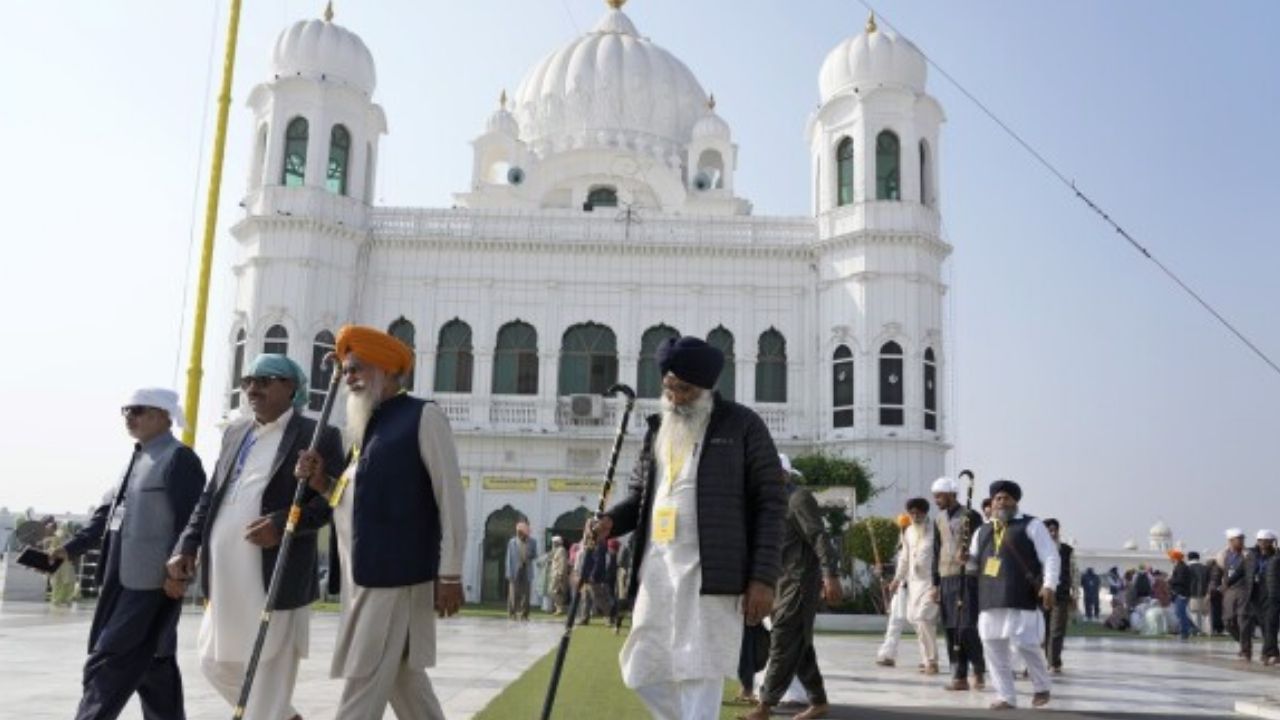
    The Pakistan High Commission in New Delhi has issued visas to more than 2,100 Sikh pilgrims from India to attend the birth anniversary celebrations of Baba Guru Nanak – the founder of Sikhism.

    According to reports, the visas were issued under the 1974 Protocol on Religious Pilgrimages – an agreement between Pakistan and India allowing citizens from both countries to visit each other’s religious sites.

    The celebrations will be held in Pakistan from November 4 to 13 with thousands of Sikh devotees expected to join the annual festivities.

    During their visit, the pilgrims will travel to several sacred gurdwaras, including Gurdwara Nankana Sahib, the birthplace of Baba Guru Nanak; Gurdwara Panja Sahib in Hasan Abdal and Gurdwara Darbar Sahib Kartarpur, which is one of Sikhism’s holiest sites.

    These historic shrines hold deep religious and cultural importance for the global Sikh community, drawing thousands of pilgrims every year for prayers and community gatherings.

    Earlier, Chargé d’Affaires Saad Ahmed Warraich welcomed the pilgrims at the Pakistan High Commission in New Delhi and extended his best wishes for a “blessed and spiritually fulfilling journey”.

    He reaffirmed Pakistan’s commitment to supporting Sikh pilgrims from around the world, saying such initiatives highlight the country’s dedication to interfaith harmony, religious tolerance and cultural understanding.

    “Pakistan will continue to extend full support to Sikh pilgrims to make their spiritual journeys meaningful and memorable,” Warraich said.

  • Vehicles without green stickers to be banned in Lahore

    Vehicles without green stickers to be banned in Lahore

    The Punjab Environmental Protection Agency (EPA) has announced that vehicles without “Green Stickers” will not be allowed on Lahore’s roads after November 15.

    As per the details, EPA Director General (DG) Dr Imran Hamid Sheikh on Wednesday said that exhaust testing is now mandatory for all vehicles in the city, confirming that the agency has launched a strict crackdown on vehicles causing air pollution.

    “From November 15, any vehicle found on the road without an Exhaust Testing System (ETS) certificate or a green sticker will be impounded,” Dr Sheikh warned.

    “Only vehicles meeting Punjab’s environmental standards will be permitted to operate on the roads.”

    The EPA reminded drivers that both emissions and noise testing are compulsory.

    Dr Sheikh said the emission testing system was formally launched in July 2025 to control vehicular pollution ahead of the smog season. He added that vehicles manufactured between 2010 and 2015 are being targeted in the first phase of enforcement.

    The previous deadline for green stickers was August 31.

    Dr Sheikh said the agency has adopted a zero-tolerance policy toward vehicles that harm the environment. Vehicles not verified through the ETS will face legal action and possible confiscation.

    The EPA urged citizens to have their vehicles tested immediately, saying this is the toughest anti-pollution campaign ever launched in Lahore.

  • If I woke up as Humayun Saeed, I’ll go to the gym: Hamza Ali Abbasi

    If I woke up as Humayun Saeed, I’ll go to the gym: Hamza Ali Abbasi

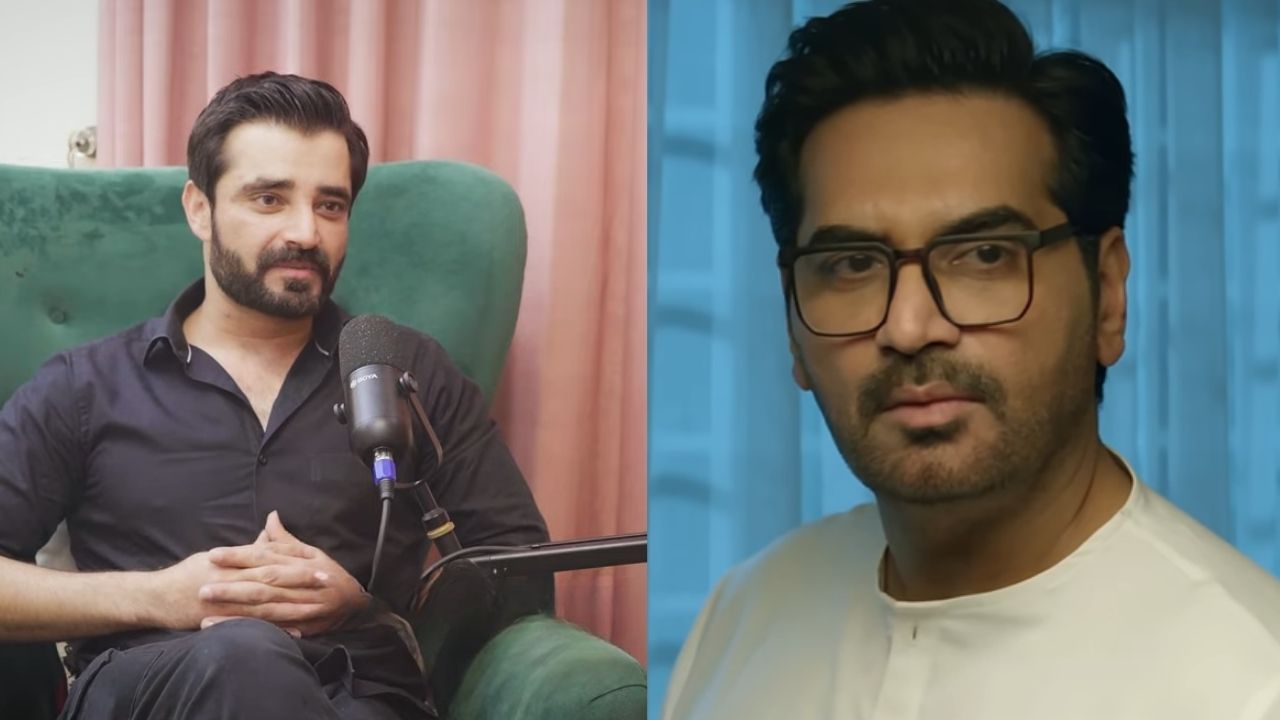
    Actor Hamza Ali Abbasi recently showed his humorous side in a podcast segment where he was asked what he would do if he woke up as different Pakistani celebrities. 

    From teasing Humayun Saeed about his fitness routine to praising Fawad Khan’s charm and Mahira Khan’s acting, Hamza’s answers had fans smiling throughout.

    When the host asked what he would do if he woke up as Humayun Saeed, Hamza instantly replied, “I’d go to the gym first thing. Because I know his biggest issue is that he can’t stay consistent with the gym.” 

    Moving on to Fawad Khan, Hamza admitted there wasn’t much he would change if he woke up as him. “If I were Fawad, what would I do? Actually, I wouldn’t do anything. Fawad doesn’t need to do much, just waking up as he is, that’s fine,” he said with a smile. “I’d just keep looking at myself; he’s fine in that regard. His body’s fine too.”

    The actor also shared what he would do if he woke up as singer Atif Aslam. “I’d start by singing something in the morning so that it benefits me and also the birds chirping outside could feel it a bit too,” Hamza joked. “So I’d start my day by singing.”

    When asked about Hania Aamir, Hamza praised her recent achievements and said, “If I were Hania, then I’d be planning a trip to Sri Lanka next because she represented Pakistan so well in Bangladesh. Mashallah. So I’d plan to represent Pakistan somewhere else.”

    Finally, talking about Mahira Khan, Hamza’s tone turned thoughtful. “If I were Mahira, then I think I’d be asking for a new drama script because she needs to do more dramas,” he said. “Actually, even if I were Fawad, I’d say, we should give our TV screens a little lift. Because our TV really needs superstars like Fawad and Mahira.”

    Hamza added that Mahira continues to work in television, but he hopes Fawad will return to the small screen soon. “If Fawad starts doing TV in Pakistan, it would be a great service to Pakistani television,” he concluded.

    Hamza Ali Abbasi is best known for his roles in the blockbuster film The Legend of Maula Jatt and the hit drama Pyaray Afzal.

    He also released his book My Discovery of God, Islam & Judgement Day in 2024.

    In this work he explores his journey from atheism back to Islam and presents a rational inquiry into belief, the nature of the Creator and the concept of accountability on the Day of Judgement. 

  • HBL renews PSL title sponsorship with massive 505 percent value increase

    HBL renews PSL title sponsorship with massive 505 percent value increase

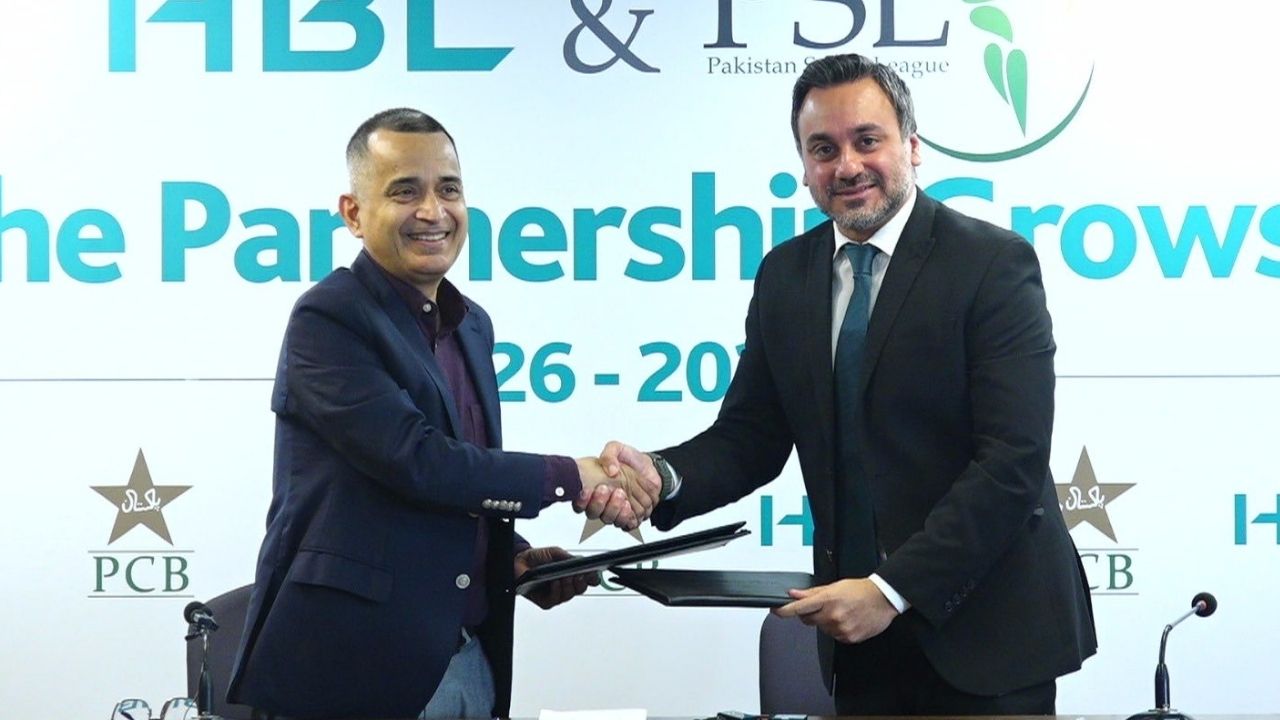
    Pakistan Super League (PSL) has finalized its title sponsorship for the next two years, with Habib Bank Limited (HBL) continuing as the official sponsor.

    During a press conference in Karachi, PSL CEO Salman Naseer said the announcement marks a major moment for the league’s journey. “To understand its importance, we have to look back a little,” he said.

    He recalled the early days of the league when many people doubted the idea. “When we were about to launch the league, people did not believe in it. Only a few showed interest. Five parties trusted us and bought teams,” he said.

    Salman Naseer noted that despite criticism and challenges, including the Covid-19 pandemic, PSL continued to grow and successfully completed its seasons. “In ten years, all PSL contracts came to an end,” he said.

    He added that the board had decided to reassess the league’s value after the tenth edition. “HBL has agreed to a deal based on the valuation set by independent evaluators,” he said. “The new deal reflects a 505 percent increase compared to the previous contract.”

  • Over a million people show ‘suic*dal intent’ on ChatGPT every week, says OpenAI

    Over a million people show ‘suic*dal intent’ on ChatGPT every week, says OpenAI

    OpenAI has revealed that it has been working closely with over 170 mental health professionals to minimise harmful or inappropriate responses during sensitive conversations as over a million people show “suicidal intent” on ChatGPT every week.

    The data was revealed as the company announced major updates to its chatbot, aiming to better identify and support users experiencing mental health crises, marking one of OpenAI’s clearest acknowledgements of how artificial intelligence can sometimes worsen mental health challenges.

    According to the company’s findings, around 0.07 per cent of ChatGPT’s weekly active users —approximately 560,000 out of 800 million — show possible signs of experiencing mental health emergencies, including symptoms related to psychosis or mania.

    OpenAI emphasised that such cases are difficult to measure accurately and that these findings are based on early analysis.

    The update also comes as OpenAI faces growing scrutiny following a widely publicised lawsuit filed by the family of a teenager who died by suicide after extensive interaction with ChatGPT. Additionally, the United States (US) Federal Trade Commission has launched a broad investigation into AI chatbot companies, including OpenAI, to examine how they assess potential risks to children and teenagers.

    In response, OpenAI said that its latest GPT-5 update has significantly reduced undesirable chatbot behaviour and improved overall safety. During model evaluations involving more than 1,000 self-harm and suicide-related conversations, GPT-5 demonstrated 91 per cent compliance with desired safety standards as compared to 7 per cent for the previous version.

    To further strengthen the system, OpenAI has expanded access to crisis hotlines and introduced features reminding users to take breaks during extended sessions. The company also collaborated with healthcare experts through its Global Physician Network, asking clinicians to rate response safety and assist in crafting appropriate answers to mental health-related questions.