Author: News Desk

  • Kh Asif threatens to ‘push Afghan Taliban back to caves for hiding’ as talks fail

    Kh Asif threatens to ‘push Afghan Taliban back to caves for hiding’ as talks fail

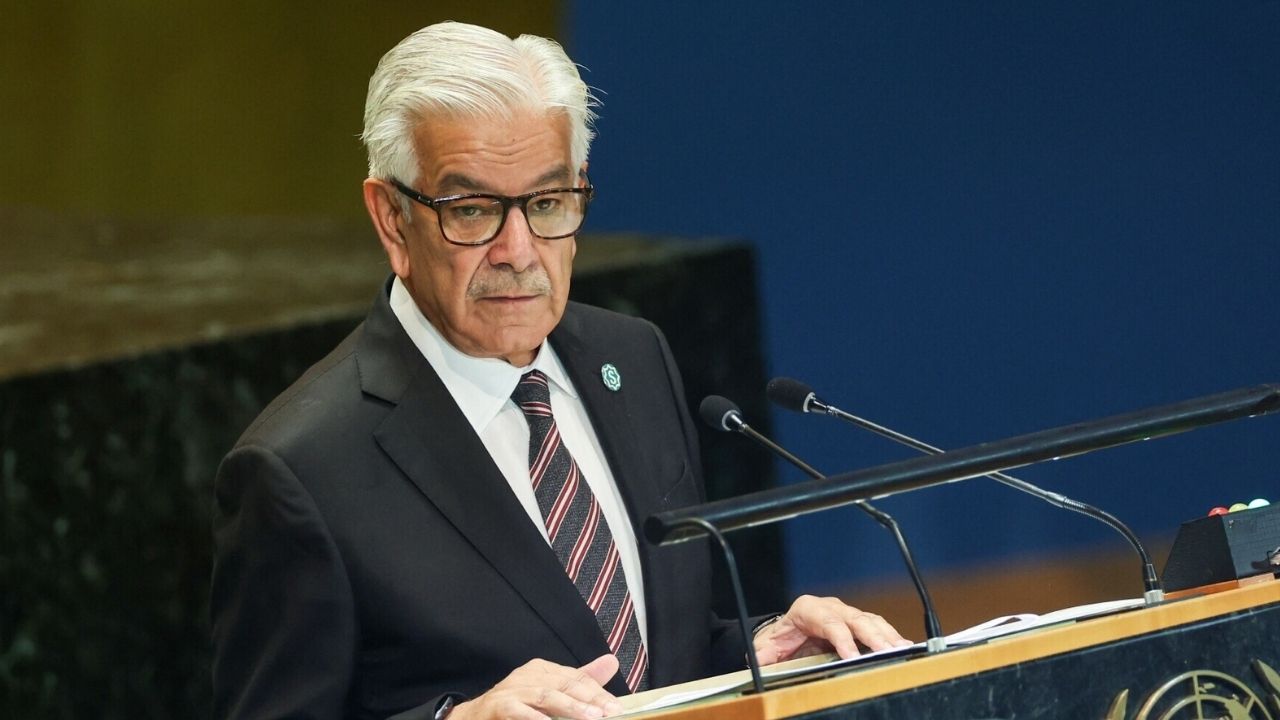
    Hours after Information Minister Attaullah Tarar announced that the Pak-Afghanistan dialogue in Istanbul “failed to bring about any workable solution”, Defence Minister Khawaja Asif has issued a stern warning to the Afghan Taliban.

    In a post on X, the defence minister said that Pakistan had engaged in talks at the request of brotherly countries in an effort to give peace a chance, but “venomous statements” by certain Afghan officials clearly reflected the devious and splintered mindset of the Taliban regime.

    “Let me assure them that Pakistan does not require to employ even a fraction of its full arsenal to completely obliterate the Taliban regime and push them back to the caves for hiding. If they wish so, the repeat of the scenes of their rout at Tora Bora with their tails between the legs would surely be a spectacle to watch for the people of the region,” he said.

    The defence minister further said that it was sad to see how the Taliban regime was “blindly pushing Afghanistan into yet another conflict just to retain its usurped rule and maintain the war economy that sustains them”.

    “Despite fully knowing their inherent limitations and hollowness of their war cries, they are beating the war drums to maintain their crumbling facade. If the Afghan Taliban regime is madly hellbent upon ruining Afghanistan and its innocent people once again then so be it.”

    On the Afghan narrative of “graveyard of empires”, Asif said Pakistan certainly didn’t claim to be an empire but Afghanistan was “definitely a graveyard, surely for its own people”.

    “Never a graveyard of empires but certainly a playground of empires you have been throughout history,” he said, adding that the warmongers amongst the Taliban regime, “who have vested interests in the continuation of instability” in the region, should know that they have probably misread Pakistan’s resolve and courage.

    “If the Taliban regime wants to fight us, the world will INSHAALLAH see that their threats are only performative circus!”

    He went on to say that Pakistanis have “borne Afghanistan’s treachery and mockery for too long, but no more”.

    “Any terrorist attack or any suicide bombing inside Pakistan shall give you the bitter taste of such misadventures. Be rest assured and test our resolve and capabilities, if you wish so, at your own peril and doom,” he concluded.

    Asif posted the statement hours after Tarar said that Pakistan had repeatedly engaged with the Afghan Taliban over “persistent cross-border terrorism” by Indian-abetted Fitna al Khawarij and Indian proxy Fitna al Hindustan.

    “The Afghan Taliban regime have been asked time and again to fulfil their written commitments to Pakistan and to the international community in the Doha Agreement. However, Pakistan’s fervent efforts proved futile due to the Afghan Taliban regime’s unabated support to anti-Pakistan terrorists,” Tarar said.

    “Since the Taliban regime bears no responsibility towards the people of Afghanistan and thrives on a war economy, it desires to drag and mire the Afghan people into a needless war,” he said.

    The minister said Pakistan had always desired and sacrificed for the peace and prosperity of the Afghan people. “In the same spirit, Pakistan has held countless rounds of talks and parleys with the Afghan Taliban regime but, unfortunately, they have always remained indifferent to Pakistan’s losses. Sadly, after sustaining such huge losses of men and material for four long years, Pakistan’s patience has run its course.”

    He explained that to “give peace a chance” and at the request of Qatar and Turkiye, Pakistan engaged with the Afghan Taliban first in Doha and then in Istanbul. The focus was a single-point agenda: to ensure the Afghan Taliban stop terrorist organisations from using Afghan soil as a “training-cum-logistics base and jump off point for terrorist activities in Pakistan”.

    Tarar thanked Qatar and Turkiye for facilitating the talks and for their efforts to convince Kabul to “desist from the use of terror proxies as leverage against Pakistan.” But he reiterated that the Afghan side kept moving away from the main issue.

    “Over the last four days of dialogue, the Afghan Taliban delegation repeatedly agreed to Pakistan’s logical and legitimate demand for credible and decisive action against [militant] organisations and terrorists. Sufficient and irrefutable evidence was provided by Pakistan which was acknowledged by Afghan Taliban and the hosts, however, regrettably, the Afghan side gave no assurance,” Tarar said.

    “The Afghan side kept deviating from the core issue, evading the key point upon which the dialogue process was initiated. Instead of accepting any responsibility, the Afghan Taliban resorted to blame game, deflection and ruses. The dialogue thus failed to bring about any workable solution,” he wrote. 

    Tarar again thanked the governments of Qatar, Turkiye, and other friendly states for their efforts to “bring about a peaceful solution to the problem of terrorism, for the prosperity and security of the two countries and the region at large”.

    “The security of its people is of paramount importance to Pakistan. We will continue to take all possible measures necessary to protect our people from the menace of terrorism and assure them that the government of Pakistan will continue to employ all the resources which are required in this regard to decimate the terrorists, their sanctuaries, their abetters and supporters,” he said.

  • ‘Seven brand-new, beautiful planes shot down’: Trump again takes aim at Modi

    ‘Seven brand-new, beautiful planes shot down’: Trump again takes aim at Modi

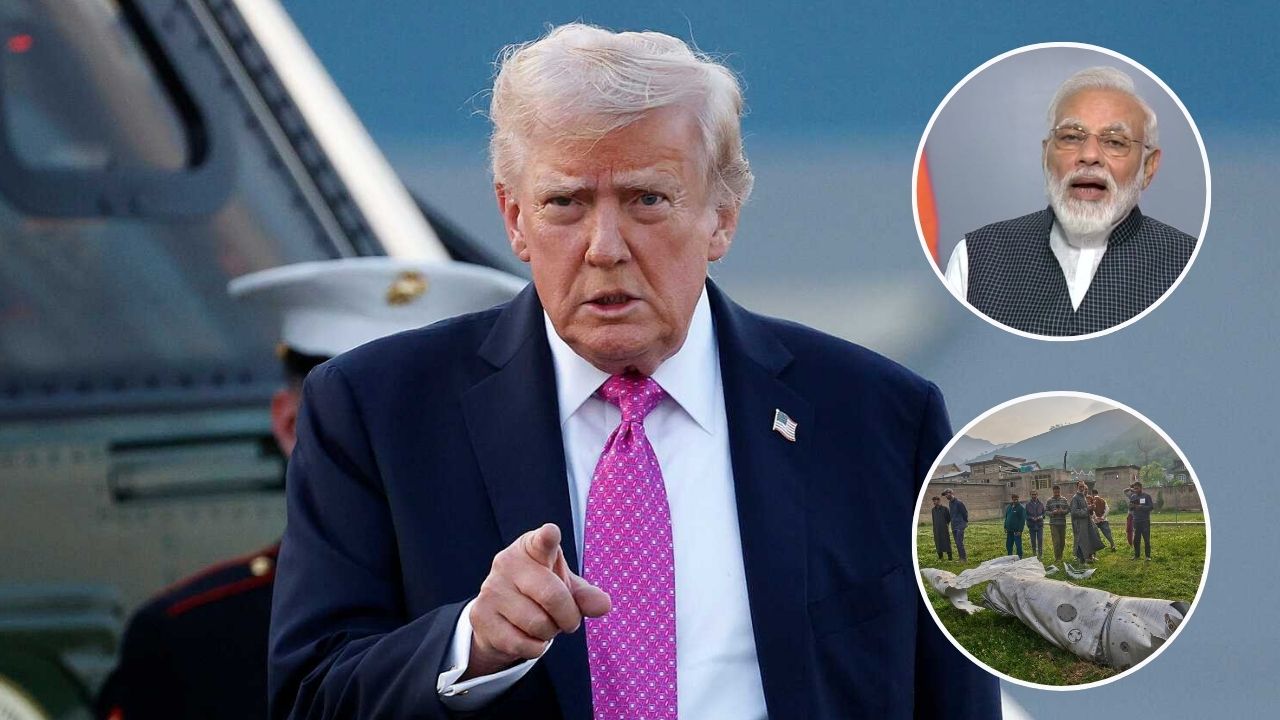
    US President Donald Trump took another swipe at India’s Narendra Modi-led government on Tuesday, mocking New Delhi over the loss of seven aircraft in its May clash with Pakistan and calling it a major embarrassment.

    Trump also reiterated his claim that he personally brokered the ceasefire, stating he prevented a potential nuclear war between the two neighbours.

    While addressing business leaders in Japan, Trump said that many of the wars he stopped were linked to the tariffs he imposed on several countries. He called his trade moves “a great service to the world.”

    “If you look at India and Pakistan, they were going at it,” Trump said. “Seven brand-new, beautiful planes were shot down.

    “I said to [Indian] Prime Minister Modi and I said to the Prime Minister [Shehbaz Sharif], very nice man, a very good man and the Field Marshal [Asim Munir] over in Pakistan … I said, ‘look we’re not going to do any trade if you’re going to be fighting’,” Trump said.

    “We said ‘no, we’re not doing any deals if you’re going to fight’ and within 24 hours that was the end of that. It was amazing, actually,” he added. “I think trade is responsible for 70 percent of the fact that we didn’t have wars.”

    Earlier, while speaking during a Diwali celebration at the White House on October 22, Trump said he had told Modi that there should be no war with Pakistan. He claimed he had helped avoid several conflicts through diplomacy and trade pressure.

    Trump said, “Although we did talk a little while ago about let’s have no wars with Pakistan.” He explained that commerce played a key role in easing tensions. “The fact that trade was involved, I was able to talk about that.”

    He proudly summed up the outcome: “And we have no war with Pakistan and India. That was a very, very good thing.” He also praised Modi, saying, “He’s a great person, and he’s become a great friend of mine over the years.”

    Trump said he had prevented eight wars so far through “deals and trade,” including the one between Pakistan and India.

    He has often taken credit for easing tensions between the two nuclear-armed countries, which have fought three wars since independence and remain in conflict over Indian Illegally Occupied Jammu and Kashmir (IIOJK).

    In May, Pakistan and India clashed in their worst military confrontation in decades after an attack on tourists in Indian Illegally Occupied Jammu and Kashmir’s Pahalgam area. New Delhi accused Islamabad of backing the attack that killed 26 people, but Pakistan rejected the charge.

    India responded with unprovoked attacks on Pakistani civilians for three days, prompting Pakistan’s forces to retaliate with Operation Bunyan-um-Marsoos. 

    Pakistan shot down seven Indian Air Force jets, including three Rafale aircraft, and destroyed dozens of drones.

    After 87 hours of intense fighting, the conflict ended on May 10 with a ceasefire that Trump claimed to have brokered.

  • 18 dead, 12 Pakistanis among survivors as migrant boat capsizes off Libya

    18 dead, 12 Pakistanis among survivors as migrant boat capsizes off Libya

    At least 18 people lost their lives and 64, including 12 Pakistanis, were rescued after a wooden boat carrying dozens of migrants capsized off the coast of Libya, the United Nations’ (UN) migration agency reported.

    According to a statement issued by the International Organisation for Migration (IOM), the vessel “capsized only a few hours into its journey due to high waves” near the coastal city of Surman.

    Among the rescued were 29 Sudanese men, one Sudanese woman and one Sudanese child; 18 Bangladeshi men, 12 Pakistani men, and three Somali men. The nationalities of those who passed away have not yet been confirmed.

    “This latest shipwreck is a stark reminder of the grave dangers faced by people undertaking perilous sea journeys in search of safety and opportunity,” the IOM said, noting that the central Mediterranean route connecting North Africa to Europe continues to be “one of the world’s deadliest migration corridors”.

    So far this year, the IOM’s Missing Migrants Project has recorded 1,046 deaths and disappearances along said route, including 527 off the Libyan coast. 

    The tragedy follows an accident off the coast of Tunisia last week that claimed the lives of 40 migrants from sub-Saharan Africa.

    The IOM added that it is coordinating with local partners to provide survivors with healthcare and essential services, and urged for “urgent action to prevent further tragedies at sea”.

  • Fans not happy with Sajjad Ali after he refuses to let Pakistan Idol use his songs

    Fans not happy with Sajjad Ali after he refuses to let Pakistan Idol use his songs

    Singer Sajjad Ali has stated that participants on Pakistan Idol are not allowed to perform his songs due to a dispute over copyright with the show’s organizers.


    During a recent press conference in Canada, the artist stated that the Pakistan Idol team had approached him to secure the rights for his music, but both parties could not agree on the financial terms.

    Ali noted that the limited selection of licensed tracks accessible to contestants has resulted in a lack of variety in the show’s performances. He pointed out that the organizers were unable to obtain rights for his songs and those of other artists, limiting the options available to contestants.

    “Every contestant desired to sing our songs,” he remarked, adding that anyone who performed them would receive significant admiration and possibly win the competition.

    While soke people agreed with him, most questioned his stance, calling it unfair to young performers.

    One social media user wrote, “This is a very weird action.” Another commented, “We respect you a lot, but this statement is unnecessary.” 

    Some argued that restricting songs limits creative expression on a platform meant to discover new voices. “Why didn’t you give the copyright claims? It’s a competition, contestants should be allowed to sing the song of their choice,” one person remarked. 

    Another asked, “Why are they all so full of themselves? They know how hard it is in Pakistan to sing and make a career out of it. Why not have a heart and open it up for the new generation?”

    According to Pakistan’s Copyright Ordinance of 1962, the rights to a song are exclusively owned by the creator unless licensed or transferred. Any public performance or adaptation without permission is deemed a legal infringement.

    Ali emphasised that a significant portion of the show’s licensed catalog is sourced from EMI Records, Pakistan’s oldest record label, which possesses rights to a vast collection of works from artists like Noor Jehan, Mehdi Hassan, Nusrat Fateh Ali Khan, Strings, and Vital Signs.

    The singer’s remarks come after other musicians criticized the show. The disagreement has prevented contestants from performing Sajjad Ali’s well-known songs, but it has also sparked debate over ownership, access, and opportunities in Pakistan’s music industry.

  • FIFA President praises Shehbaz Sharif for Pakistan’s transformation

    FIFA President praises Shehbaz Sharif for Pakistan’s transformation

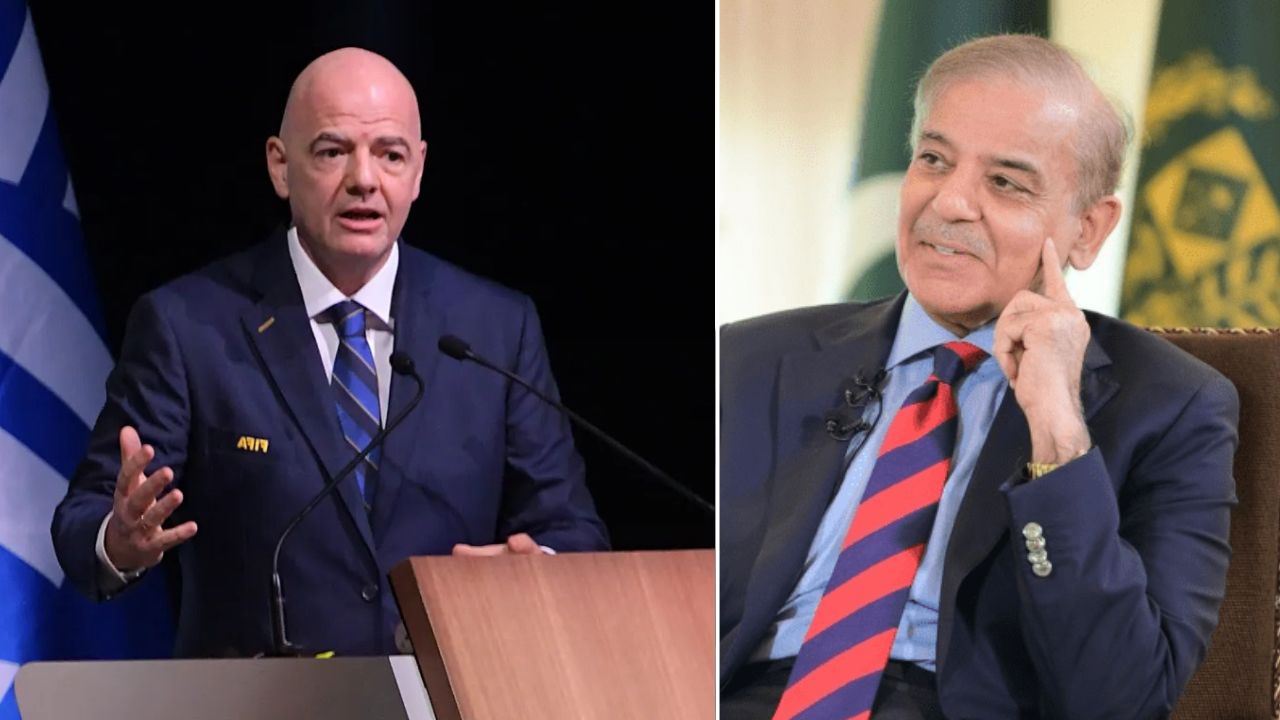
    FIFA President Gianni Infantino has praised Prime Minister Shehbaz Sharif for Pakistan’s growing commitment to football, calling the country’s progress “absolutely incredible” and describing the sport as a source of unity and joy.

    Speaking at the ninth edition of the Future Investment Initiative in Riyadh on Tuesday, Infantino commended Pakistan’s efforts to develop the game. He said that while building infrastructure is important, countries must also invest in “emotions and happiness,” values that football brings like no other.

    “What you are doing with your country is transformative. I can only take my hat off,” Infantino said, addressing Prime Minister Shehbaz Sharif and other dignitaries. “Alongside your investments in technology, schools, and hospitals, we must also invest in happiness, and football is one of the best ways to bring people together.”

    Infantino spoke about football’s unmatched power to connect people across borders. He mentioned how recent global tournaments united billions of fans in shared celebration. 

    “At the end of the day, people want jobs and education, yes, but they also want a moment to forget everything and just be happy,” Infantino said. “That’s what football gives them. It reminds us we’re part of one world.”

    The FIFA World Cup 2022 in Qatar drew three million spectators and more than five billion viewers worldwide. The 2023 Women’s World Cup in Australia and New Zealand attracted 2 billion viewers. The next edition, to be jointly hosted by Canada, Mexico, and the United States, is expected to reach six billion viewers and bring seven million fans to stadiums.

  • Fact check: Meteor, missile or cloud? Truth behind mysterious glow in Quetta sky

    Fact check: Meteor, missile or cloud? Truth behind mysterious glow in Quetta sky

    Early on Tuesday, October 28, 2025, Quetta and several other parts of Balochistan witnessed the rare phenomenon of glowing lights above the Koh-e-Murdar mountain range.

    The “lenticular cloud formation,” observed around 6:20 a.m., appeared briefly before sunrise and lasted for nearly 20–25 minutes, leaving people across the province puzzled about its origins. 

    Widespread curiosity was sparked by the spectacle. Social media was swamped with images and videos, and citizens shared their theories as to why the sky glowed. 

    Some claimed the phenomenon was a UFO sighting, comparing its saucer-like shape to flying spacecraft. Others suggested it might be a secret hypersonic missile test or even an ICBM (intercontinental ballistic missile) experiment.

    Later that day, the Pakistan Meteorological Department (PMD) took to social media platform X (formerly Twitter) to clear the confusion. Their official statement identified the sight as a “rare lenticular cloud formation” observed early morning over the Koh-e-Murdar region of Quetta. 

    PMD spokesperson Anjum Nazir further explained that the spectacle occurred when moist, stable air flowed over the eastern mountain range, forming a stationary, lens-shaped cloud.

    He added, “These cloud formations are stationary, lens-shaped structures that typically form on the downwind side of mountains. Their flying-saucer-like shape sometimes leads people to mistake them for UFOs.”

    What are Lenticular clouds? 

    Lenticular clouds, also known as altocumulus lenticularis, are lens-shaped orographic wave clouds created as air travels across hills or mountains at different altitudes in a stable environment, according to the UK Met Office.

    When moist air flows over a mountain range, it creates standing waves in the atmosphere. At the crests of these waves, air cools to its dew point, causing moisture to condense into cloud droplets. As the air descends again, it warms and evaporates, giving the cloud its distinct, smooth, layered appearance.

    “These strange, unnatural-looking clouds sometimes form downwind of hills or mountains,” the Met Office notes.

    “They look a lot like the traditional shape of flying saucers in science fiction, and real lenticular clouds are believed to be one of the most common explanations for UFO sightings across the world.”

  • Abida Parveen’s team dismisses false reports about her health

    Abida Parveen’s team dismisses false reports about her health

    The team of living legend Abida Parveen has issued a statement to dispel widespread speculation regarding the singer’s health that emerged on social media in recent days. 

    A message posted on Parveen’s official Instagram account declared that she is “perfectly healthy and well, Alhamdulillah.” The statement further highlighted that the false information circulating online had been “exaggerated,” with some media outlets reporting stories without confirmation or reliable sources.

    “We have addressed this before, but it seems necessary to emphasize it again,” the statement mentioned. “Abida Ji is in perfect health. The rumors circulating on social media recently have been exaggerated, and reputable media organizations have been disseminating news without verification or any substantial evidence.”

    Her team expressed gratitude for the concern shown by fans but urged them to check the validity of information before sharing. “We truly value your concern, but we ask that you verify the information you encounter on social media instead of passing it along without confirmation,” the statement explained.

    The message also appealed to all media organizations to retract unverified information concerning Parveen’s health. “We formally call on all media outlets to remove any unverified content relating to Abida Ji’s health,” the team stated. “We regret any worry and confusion this may have caused her fans. Keep her in your prayers.”

    This clarification came after a surge of false claims alleged that Parveen was gravely ill. Some posts even suggested she was battling cancer and that a hospital had refused to provide her treatment free of charge.These assertions gained traction across social media, raising alarm among her supporters.

    Through the statement, her team reaffirmed that all such claims were unverified and rooted in misinformation. The post urged users and media channels to depend solely on credible sources before sharing or reporting health-related news.

  • Rizwan asks tough questions from PCB after refusing to sign central contract

    Rizwan asks tough questions from PCB after refusing to sign central contract

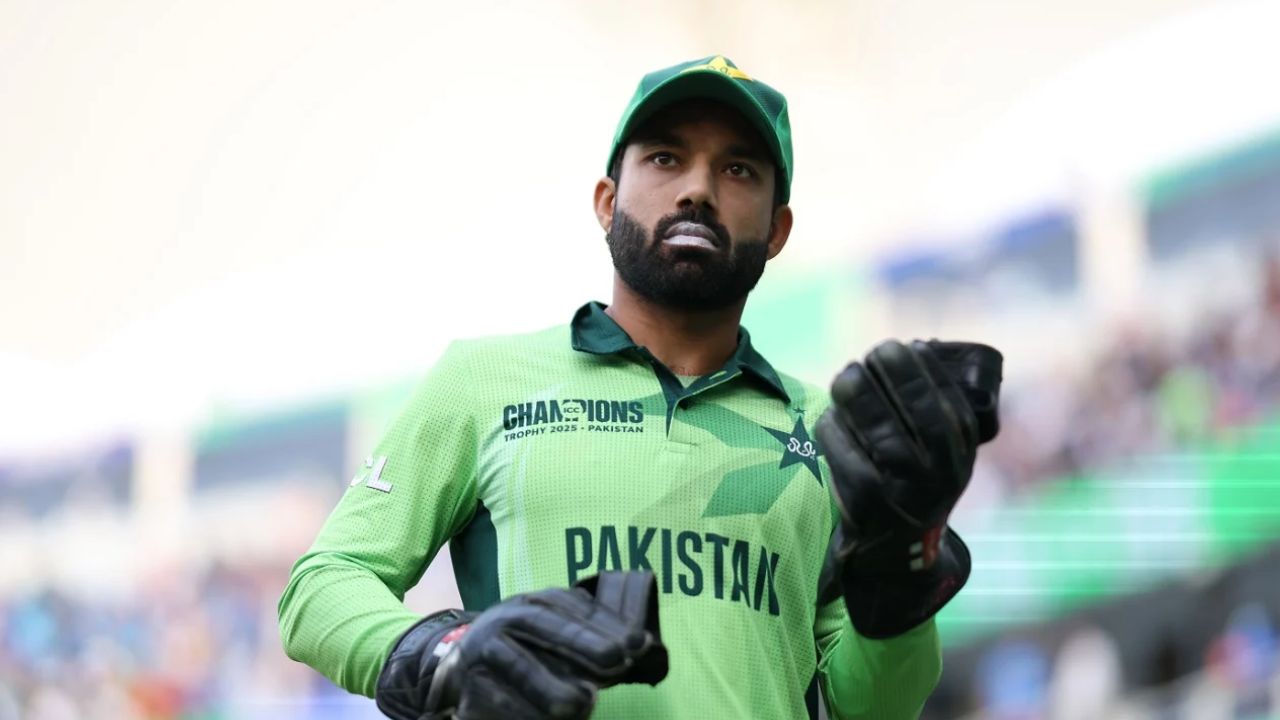
    Pakistan wicketkeeper-batter Mohammad Rizwan has not signed a central contract and has raised serious concerns with the Pakistan Cricket Board (PCB).

    According to reports, the PCB had offered central contracts to 30 national players. Rizwan, along with ten others, was placed in the B category, while no player was included in the A category this time.

    Reports said Rizwan expressed concern over his downgrade from the A to B category and raised several questions before the board.

    Rizwan asked the PCB why he was demoted in the first place, on what criteria the central contracts were designed, and whether his demotion was based on performance. 

    He also questioned the transparency of the entire process, seeking clarity on how the categories were determined.

    The wicketkeeper-batter has not yet signed the central contract, while all other players have already done so.

    Reports further said the PCB has not yet responded to Rizwan’s queries, and there is no confirmation about when the issue will be resolved.

  • Pak-Afghan talks in Istanbul have ‘failed’, confirms Atta Tarar

    Pak-Afghan talks in Istanbul have ‘failed’, confirms Atta Tarar

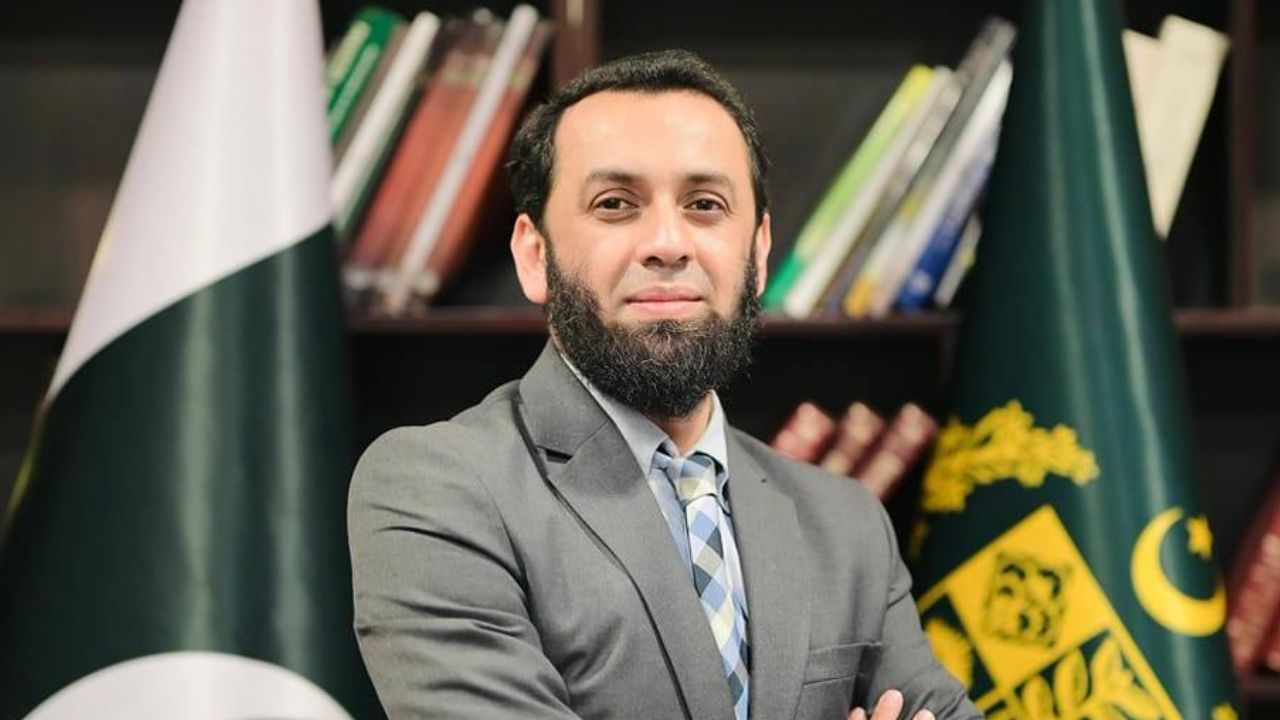
    Federal Minister for Information and Broadcasting Attaullah Tarar said early on Wednesday that the latest round of talks between Islamabad and Kabul held in Istanbul, Turkey, “failed to bring about any workable solution.” 

    He added that Pakistan will continue taking all possible measures to protect its citizens from terrorism.

    After days of fighting along the Pak-Afghan border and Islamabad’s strikes on Gul Bahadur group camps inside Afghanistan, both countries met in Doha. That meeting led to a temporary ceasefire and an agreement to reconvene in Istanbul to find lasting peace and stability. The second round began last week in the Turkish capital.

    In a tweet posted on X (formerly Twitter) Tarar wrote that Pakistan had repeatedly engaged with the Afghan Taliban over “persistent cross-border terrorism” by Indian-abetted Fitna-al-Khawarij and Indian proxy Fitna-al-Hindustan.

    Fitna-al-Khawarij refers to terrorists from the banned Tehreek-i-Taliban Pakistan (TTP), while Balochistan-based groups are labelled Fitna-al-Hindustan to highlight India’s alleged role in terrorism and destabilisation across Pakistan.

    “The Afghan Taliban regime have been asked time and again to fulfil their written commitments to Pakistan and to the international community in the Doha Agreement. However, Pakistan’s fervent efforts proved futile due to the Afghan Taliban regime’s unabated support to anti-Pakistan terrorists,” Tarar said.

    “Since the Taliban regime bears no responsibility towards the people of Afghanistan and thrives on a war economy, it desires to drag and mire the Afghan people into a needless war,” he said.

    The minister said Pakistan had always desired and sacrificed for the peace and prosperity of the Afghan people.

    “In the same spirit, Pakistan has held countless rounds of talks and parleys with the Afghan Taliban regime but, unfortunately, they have always remained indifferent to Pakistan’s losses. Sadly, after sustaining such huge losses of men and material for four long years, Pakistan’s patience has run its course,” he stated. 

    He explained that to “give peace a chance” and at the request of Qatar and Turkiye, Pakistan engaged with the Afghan Taliban first in Doha and then in Istanbul. The focus was a single-point agenda: to ensure the Afghan Taliban stop terrorist organisations from using Afghan soil as a “training-cum-logistics base and jump off point for terrorist activities in Pakistan.”

    Tarar thanked Qatar and Turkiye for facilitating the talks and for their efforts to convince Kabul to “desist from the use of terror proxies as leverage against Pakistan.” But he reiterated that the Afghan side kept moving away from the main issue.

    “Over the last four days of dialogue, the Afghan Taliban delegation repeatedly agreed to Pakistan’s logical and legitimate demand for credible and decisive action against [militant] organisations and terrorists. Sufficient and irrefutable evidence was provided by Pakistan which was acknowledged by Afghan Taliban and the hosts, however, regrettably, the Afghan side gave no assurance,” Tarar said.

    “The Afghan side kept deviating from the core issue, evading the key point upon which the dialogue process was initiated. Instead of accepting any responsibility, the Afghan Taliban resorted to blame game, deflection and ruses. The dialogue thus failed to bring about any workable solution,” he wrote. 

    Tarar again thanked the governments of Qatar, Turkiye, and other friendly states for their efforts to “bring about a peaceful solution to the problem of terrorism, for the prosperity and security of the two countries and the region at large.”

    “The security of its people is of paramount importance to Pakistan. We will continue to take all possible measures necessary to protect our people from the menace of terrorism and assure them that the government of Pakistan will continue to employ all the resources which are required in this regard to decimate the terrorists, their sanctuaries, their abetters and supporters,” he said.
    Defence Minister Khawaja Asif also said Afghan negotiators “changed their minds four or five times” after calling Kabul. He also said that Delhi was pulling their strings and using Afghans to wage a proxy war against Pakistan. When asked what Pakistan would do if Afghanistan “attacks Islamabad”, Asif replied, “If Afghanistan even looks at Islamabad, we will gouge their eyes out.”

  • Lahore High Court acquits woman sentenced to death in blasphemy case

    Lahore High Court acquits woman sentenced to death in blasphemy case

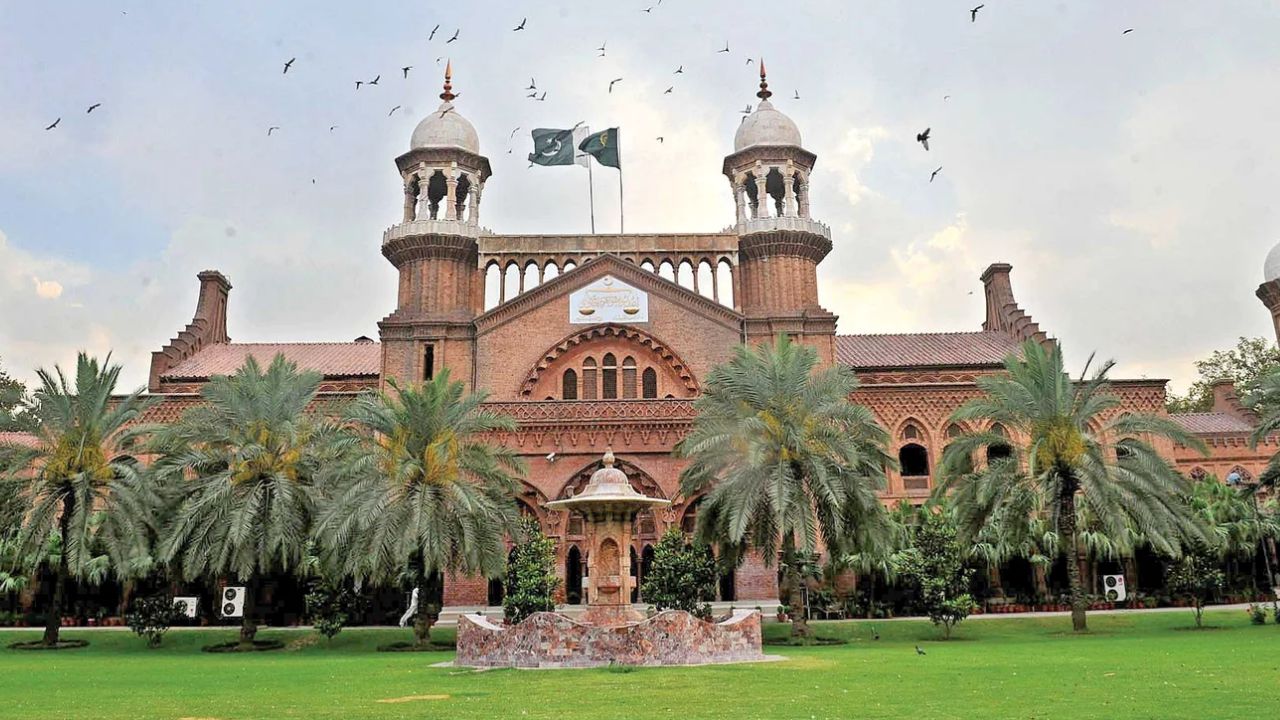
    Lahore High Court’s Rawalpindi Bench has acquitted a woman who was sentenced to death and imprisonment on blasphemy charges, ordering her immediate release.

    According to reports, Aniqa Atiq was sentenced to death in January 2022 by a special court of the Federal Investigation Agency (FIA) in Rawalpindi for allegedly sending blasphemous messages. The conviction was overturned on Wednesday after a detailed hearing.

    A two-member bench, consisting of Justice Sadaqat Ali Khan and Justice Chaudhry Waheed, ruled that the prosecution failed to prove the case against the accused.

    Aniqa Atiq was the first Muslim woman and the third woman overall to receive a death sentence in a blasphemy case. The other two women, Asia Bibi and Shagufta Bibi, belonged to the Christian community and were later acquitted as well.

    During the appeal hearing, Aniqa’s lawyer, Advocate Saif-ul-Malook, argued that the case was based on false allegations. He pointed out that the cybercrime authorities did not collect any forensic evidence to support the charges.

    He told the court that the FIR was filed ten days after the alleged incident in April 2020, and that the authorities never seized Aniqa’s mobile phone for investigation.

    When Justice Sadaqat Ali Khan asked the prosecution whether a forensic examination of the phone had been conducted, they replied that the phone did not belong to Aniqa but to another woman, and therefore it was not sent for analysis.

    The judge questioned why the woman who owned the phone or SIM card was not made a co-accused in the case. The court observed that since no evidence was presented on record against Aniqa, sentencing her to death was unjustified.

    The bench also questioned the complainant, identified as Hasnat Farooq, saying it was unclear how he remained in contact with a woman for a year and a half despite having no religious connection with her.

    The court then accepted Aniqa Atiq’s appeal and ordered her acquittal.

    The case was originally registered by the FIA Cybercrime Wing in Rawalpindi in 2020 on the complaint of Hasnat Farooq. 

    It included charges of blasphemy, religious insult, and violations under the Prevention of Electronic Crimes Act. Aniqa had denied all charges when she was indicted.