Author: News Desk

  • Israel uses prohibited white phosphorus in Lebanon attacks: HRW

    Israel uses prohibited white phosphorus in Lebanon attacks: HRW

    Human Rights Watch (HRW) has said that it found evidence that Israel used white phosphorus munitions in residential areas of southern Lebanon earlier this month, which it said violates international humanitarian law.

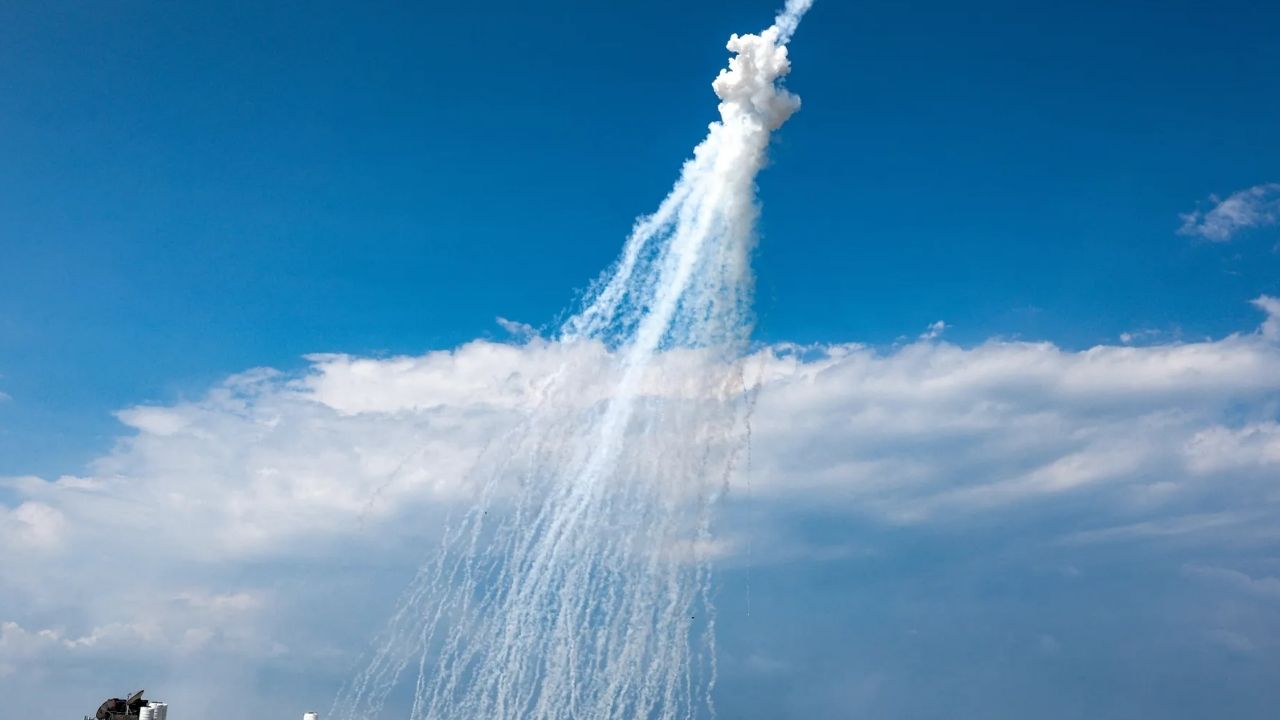
    In a report released on Monday, the New York-based organisation said it verified seven photographs showing white phosphorus munitions fired over a residential area in Yohmor in southern Lebanon on March 3. The report said that fires broke out in at least two homes following the attack.

    Ramzi Kaiss said, “The Israeli military’s unlawful use of white phosphorus over residential areas is extremely alarming and will have dire consequences for civilians.”

    “The incendiary effects of white phosphorus can cause death or cruel injuries that result in lifelong suffering,” he said.

    The organisation added that the use of airburst white phosphorus in populated areas was indiscriminate and did not meet the requirement under international humanitarian law to take precautions to prevent civilian harm.

    White phosphorus ignites when exposed to oxygen and can set homes, agricultural land and other civilian property on fire, the report said.

    Human Rights Watch said that the munitions were used over concentrations of civilians in Yohmor, which led to fires in homes and other civilian structures.

    The organisation mentioned that it verified and geolocated an image posted online by Lebanese media on the morning of March 3 showing at least two artillery-delivered white phosphorus munitions being airburst over a residential neighbourhood.

    The report added that the smoke cloud pattern from the airbursts was consistent with the “knuckle” created by the expelling and bursting charges of the M825-series 155mm artillery projectile that contains white phosphorus.

    Human Rights Watch also said that it verified and geolocated photographs posted on Facebook by the civil defence team of the Islamic Health Committee in Yohmor that showed workers extinguishing fires on residential rooftops and in a car.

    The organisation stated that the fires were likely caused by felt wedges containing white phosphorus due to the proximity of the sites to the area where the airburst munitions were observed.

    “Israel should immediately halt this practice and states providing Israel with weapons, including white phosphorus munitions, should immediately suspend military assistance and arms sales and push Israel to stop firing such munitions in residential areas,” Kaiss said.

    According to Lebanese authorities, more than half a million people have been registered as displaced after Israel issued displacement orders in several areas.

    National News Agency remarked that Israel carried out air strikes on Monday in Beirut’s southern suburbs, including areas between Ghobeiry and Haret Hreik and in the Safir district.

    The report came hours after the Israeli military said it was targeting positions of Hezbollah in the Lebanese capital.

    Lebanese authorities said at least 394 people had been killed and more than 1,000 injured in Israeli attacks in the country.

    Human Rights Watch urged that Israel’s allies, including the United States, the United Kingdom and Germany, to suspend military sales to Israel and impose sanctions on officials linked to alleged violations.

    The organisation also said Israel had previously used white phosphorus between October 2023 and May 2024 in villages along the southern Lebanon border, placing civilians at risk.
  • Bangladesh ODIs: Coach Hesson says Babar’s exclusion opportunity to look at young talent

    Bangladesh ODIs: Coach Hesson says Babar’s exclusion opportunity to look at young talent

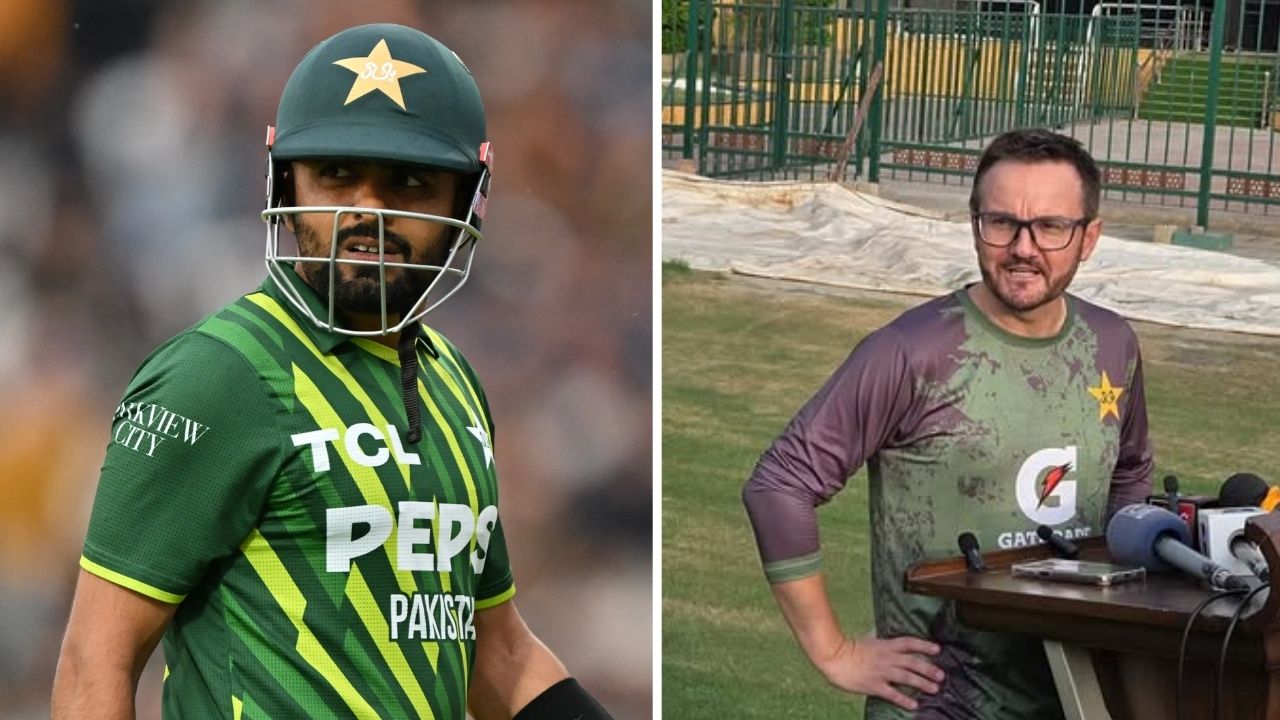
    Pakistan head coach Mike Hesson has addressed questions about Babar Azam after Pakistan left the senior batter out of the squad for the upcoming ODI series against Bangladesh national cricket team.

    Speaking at a press conference in Dhaka on Monday, Hesson said that the selection focused on giving opportunities to emerging players rather than targeting any individual.

    “No one was dropped specifically. This is a good opportunity for us to look at young talent,” Hesson said when asked about Babar’s absence from the squad.

    Hesson also spoke about the challenge Pakistan expects in Bangladesh’s home conditions. He expressed confidence in Pakistan’s spin attack but acknowledged that adapting quickly to local conditions will remain important.

    “We have good spinners in the middle overs and we can beat Bangladesh in their conditions, but Bangladesh are also a very good team in their own conditions. We will have to adapt quickly to the conditions here,” he said.

    The head coach pointed out that several players in the squad earned their spots through strong performances with Pakistan Shaheens.

    “Our team includes some new faces who performed well for Pakistan Shaheens,” he said.

    Pakistan will begin the three match ODI series against Bangladesh on March 11 at the Sher-e-Bangla National Cricket Stadium. The second match will take place at the same venue on March 13, while the final ODI will be played on March 15.

    The selectors left both Babar Azam and Saim Ayub out of the squad and handed maiden ODI call ups to six players.

    Pakistan’s squad for the Bangladesh series includes Shaheen Shah Afridi as captain along with Abdul Samad, Abrar Ahmed, Faheem Ashraf, Faisal Akram, Haris Rauf, Hussain Talat, Maaz Sadaqat, Mohammad Rizwan, Mohammad Wasim Jr, Muhammad Ghazi Ghori, Saad Masood, Sahibzada Farhan, Salman Ali Agha and Shamyl Hussain.

  • Pakistan seeks conversion of $5bn Saudi deposits into 10-year facility, expansion of oil support to $5bn

    Pakistan seeks conversion of $5bn Saudi deposits into 10-year facility, expansion of oil support to $5bn

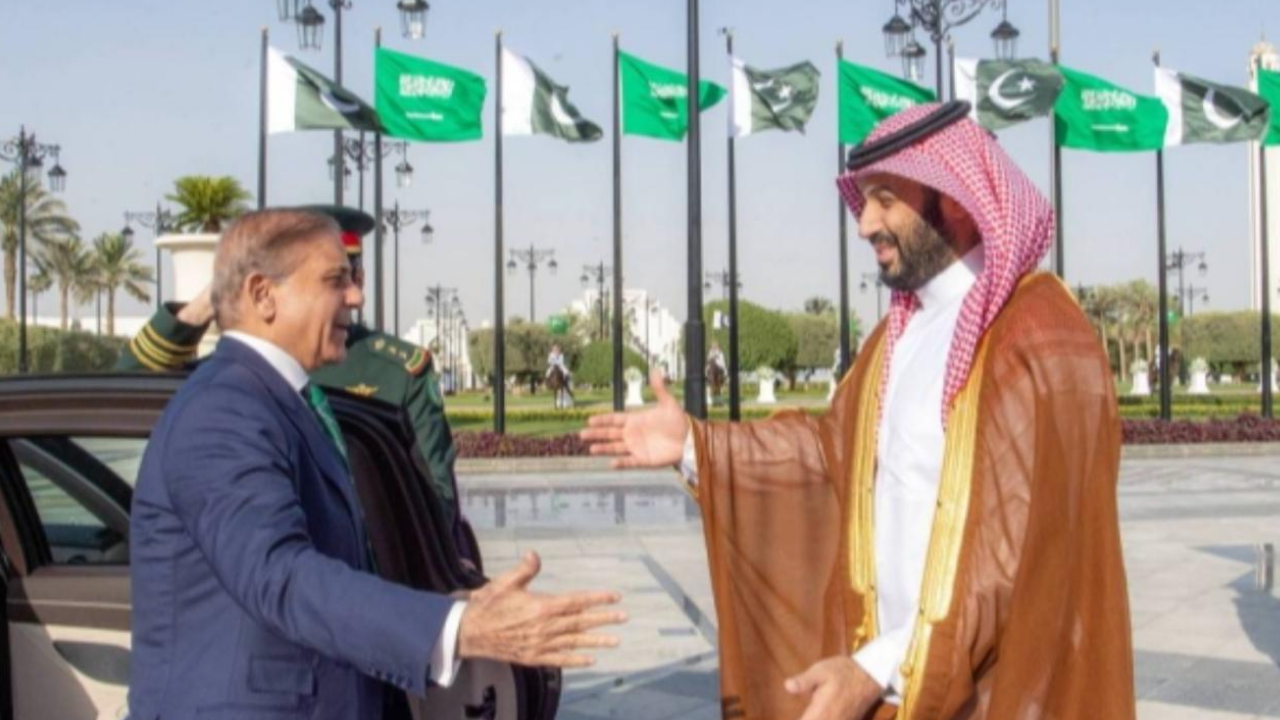
    Pakistan has sought several financial arrangements from Saudi Arabia, including converting the existing $5 billion deposits into a 10-year facility and expanding the oil supply arrangement on deferred payment terms, news reports have said. 

    The proposals were shared with Riyadh as part of discussions on long-term economic cooperation while Pakistan faces external financing needs and holds talks with the International Monetary Fund over the third review of the $7 billion Extended Fund Facility programme.

    One of the proposals involves converting the $5 billion deposits currently held with the State Bank of Pakistan into a long-term facility with a tenure of 10 years. Officials said the proposal also includes favourable pricing for the arrangement.

    Pakistan has also asked Saudi authorities to expand the existing oil supply facility on deferred payment terms from $1.2 billion to $5 billion. Under the proposal, the repayment period for each tranche could be extended from one year to three years.

    Another proposal submitted by Pakistan involves securitising up to $10 billion in remittances sent by overseas Pakistanis. Officials said the arrangement could help increase foreign exchange reserves and reduce reliance on external borrowing.

    Pakistan has also requested Riyadh to consider providing a guarantee for future international Sukuk issuances. Officials said such a guarantee could allow the country to access global capital markets at lower borrowing costs.

    In addition, Pakistan has asked Saudi Arabia to provide a concessional credit line for the Export-Import Bank of Pakistan, which was established to support exports and facilitate trade financing.

    Another proposal calls for Saudi authorities to waive bank guarantee requirements for import-related transactions between the two countries to facilitate trade operations.

    Pakistan has also invited Saudi investment through the Kingdom’s Public Investment Fund to explore investment opportunities in different sectors of the economy.

    Officials also said Pakistan sought Saudi support in facilitating adjustments to Pakistan’s primary surplus targets under the IMF programme to accommodate tax rationalisation measures while managing fiscal pressures.

  • ‘Hub of looting’: Khawaja Asif slams former hockey management as Pakistan qualify for world cup

    ‘Hub of looting’: Khawaja Asif slams former hockey management as Pakistan qualify for world cup

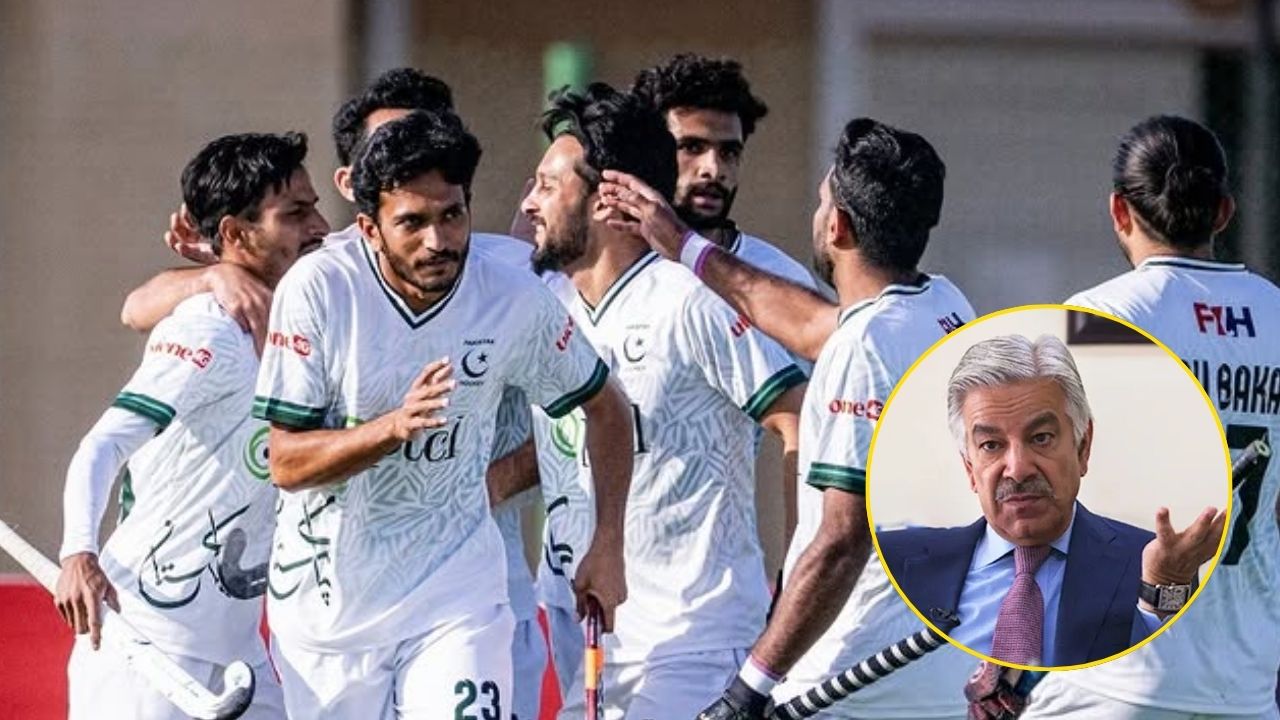
    Pakistan Defence Minister Khawaja Asif has reacted to the Pakistan men’s hockey team after their dramatic qualification for the FIH Hockey World Cup 2026.

    Taking to his X account, he wrote, “Zindabad! the Hockey Federation has been a hub of looting for many years. Every official who came took whatever they could and never let go. The new leadership will have to take accountability of the past 15 years.”

    The Pakistan men’s national field hockey team on Saturday secured their spot in the World Cup after a thrilling 4–3 win over Japan national field hockey team in the semi-final of the qualifiers.

    Pakistan staged a stunning comeback in the final quarter, overturning a 3–1 deficit to seal the victory and confirm their return to the prestigious tournament. 

    The team last competed in the FIH Hockey World Cup in 2018.

    The team’s recent success comes after a month of controversy. Upon returning from the Australia tour earlier this year, captain Butt accused the Pakistan Hockey Federation (PHF) and team management of lying to players, silencing their concerns, and subjecting them to poor living conditions.

    Following the uproar, PHF president Mir Tariq Hussain Bugti resigned. The players then met with Mohsin Naqvi, who assured them of his support and awarded each player one million rupees as recognition for their efforts.

  • Trading suspended at PSX after KSE-100 records massive drop at open

    Trading suspended at PSX after KSE-100 records massive drop at open

    Trading at the Pakistan Stock Exchange (PSX) was suspended shortly after the opening bell on Monday after the benchmark KSE-100 Index dropped more than six percent within minutes of the session, triggering a market halt under exchange regulations.

    The benchmark index was recorded at 147,715.95 in the morning, showing a decline of 9,780.15 points, or 6.21 percent. 

    The fall occurred during the opening phase of trading as selling pressure spread across sectors.

    Under PSX regulations, a decline of six percent in the benchmark index activates a market-wide halt in equity trading. Following the trigger, the exchange suspended all equity-based markets and cancelled all outstanding orders in the trading system.

    The halt was triggered at 9:22:15am, according to a notification issued to Trading Right Entitlement (TRE) Certificate Holders by the exchange.

    After trading resumed, losses in the benchmark index deepened. The KSE-100 Index was down 13,050.63 points, or 8.29 percent, from the previous close.

    Selling pressure was recorded across multiple sectors during the early session. These included automobile assemblers, cement, commercial banks, oil and gas exploration companies, oil marketing companies, power generation firms and refineries.

    Several index-heavy stocks also traded in negative territory during the session. These included MCB Bank, Meezan Bank, National Bank of Pakistan, Mari Energies, Oil and Gas Development Company, Pakistan Petroleum Limited, Pakistan State Oil, Sui Northern Gas Pipelines Limited, Sui Southern Gas Company and Hub Power Company.

    The benchmark KSE-30 Index also fell more than five percent from its previous close during the session, which activated the exchange’s automatic market halt mechanism alongside the drop in the KSE-100.

    The selloff came as investors reacted to a surge in global crude oil prices. The increase in oil prices has raised concerns about fuel costs, production expenses and inflation in the economy.

  • KP to give Rs2,200 subsidy to motorcyclists after petrol price hike

    KP to give Rs2,200 subsidy to motorcyclists after petrol price hike

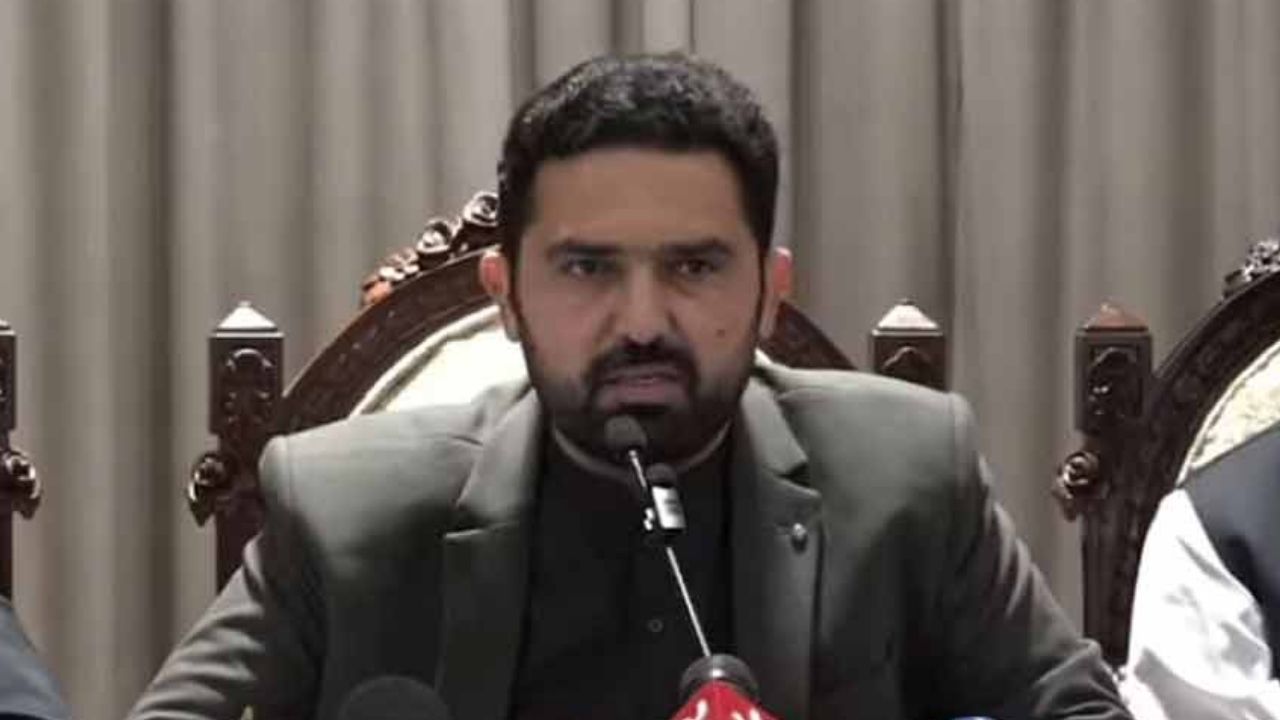
    Chief Minister (CM) of Khyber Pakhtunkhwa Mohammad Sohail Afridi on Sunday announced a subsidy for registered motorcycle riders across the province following the federal government’s increase in petroleum prices.

    Speaking at a press conference at the Chief Minister’s House, Afridi said that the provincial government will provide Rs2,200 to registered motorcyclists, with Rs1,100 to be released immediately and the remaining Rs1,100 at a later stage. He said that the subsidy was aimed at reducing the financial burden on low and middle-income households affected by the rise in fuel prices.


    According to a statement, Afridi stated that the provincial government could not support policies that placed additional pressure on people and rejected the recent increase in petroleum prices. He said that the decision could affect around 100 million people living below the poverty line.

    Afridi said that the provincial government would bear the additional operational cost of the Peshawar Bus Rapid Transit and confirmed that fares would not be increased.

    He added that the Rs55 per litre increase in petrol prices placed a burden on the public and added that the provincial government rejected the decision.

    Afridi also criticised what he described as inconsistent positions by ruling parties, saying some political actors had previously described a Rs12 increase in petrol prices as a “petrol bomb” but had now approved a larger increase.


    The chief minister stated that the governments should reduce unnecessary expenditure instead of shifting the burden onto the public.

    Referring to the energy situation, Afridi added that global oil prices influenced domestic pricing but raised concerns about the scale of the increase and the policy approach adopted by the federal government.

    He mentioned that the petroleum levy had been increased from Rs85 to Rs105 per litre and that the federal government had collected Rs822 billion in petroleum levies during the first seven months of the current fiscal year. He said that the projections suggested the total could reach around Rs1.7 trillion by the end of the fiscal year.

    Afridi stated that reducing the levy could have provided relief to consumers and described consultations between federal ministers and provincial governments as a positive step.

    However, he warned that worsening global conditions could lead to shortages of petrol and diesel and said the KP government would submit written proposals to the federal government to address supply concerns.

    “Our commitment is not to any government but to Pakistan itself, because Pakistan belongs to all of us,” he said.

    Afridi said that the provincial government had introduced austerity measures, including a ban on foreign visits and the purchase of new official vehicles. He added that salaries of members of the KP Assembly had not been increased.

    He also added that the government had not yet purchased a replacement helicopter after a crash during flood relief operations, stating that public welfare had been prioritised over administrative spending.


    The chief minister said that a monitoring dashboard had been established to track petrol pumps across the province. Through the system, authorities could monitor fuel availability and detect hoarding or supply disruptions in real time.

    Afridi remarked that the province was leading the country in developing fuel monitoring systems.

  • Mojtaba Khamenei, son of Ali Khamenei, becomes supreme leader of Iran

    Mojtaba Khamenei, son of Ali Khamenei, becomes supreme leader of Iran

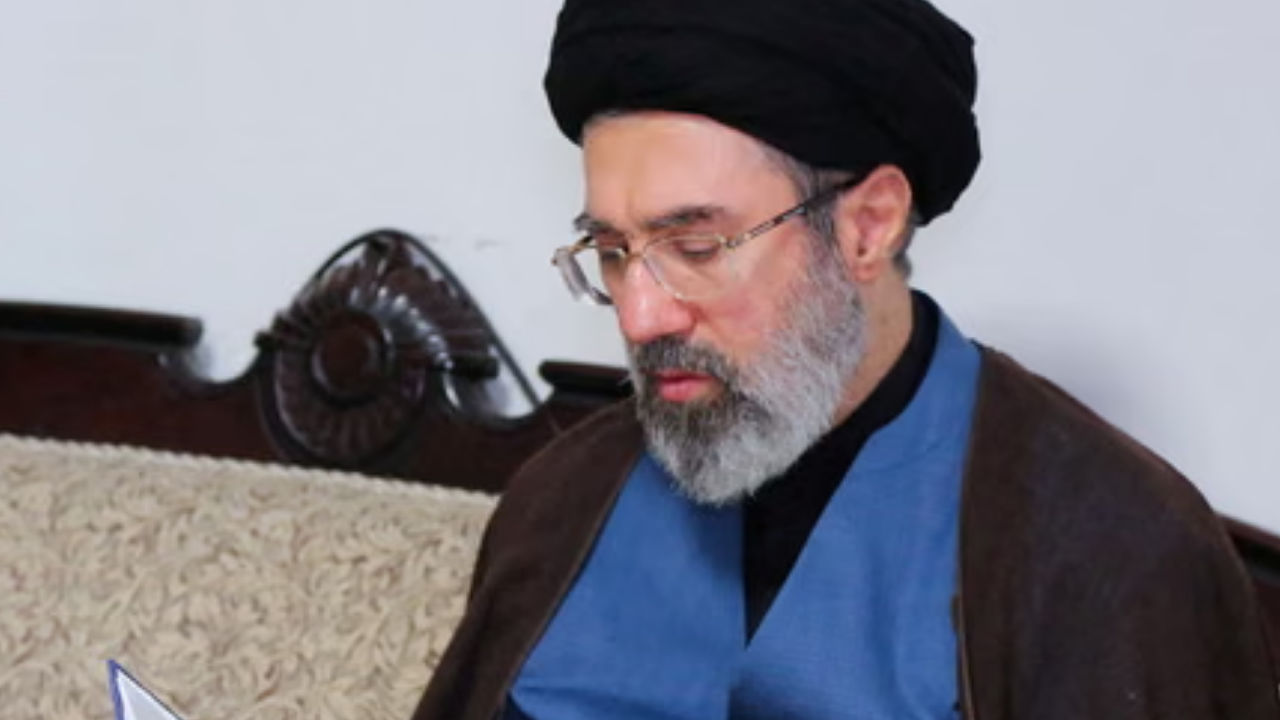
    Iran’s Assembly of Experts has named Mojtaba Khamenei as the country’s new Supreme Leader, replacing his father, Ayatollah Ali Khamenei, who was assassinated in the opening salvos of a United Stated (US)-Israeli attack nine days ago. The appointment was confirmed by state media and the Isna news agency, marking a significant transition as the conflict expands across the Middle East.

    The Iranian Revolutionary Guard Corps (IRGC) and the country’s armed forces have pledged “complete obedience” and “self-sacrifice” to the new leader. High-profile officials, including Parliament Speaker Mohammad Baqer Qalibaf and National Security Council Secretary Ali Larijani, called the decision precise, stating that following Mojtaba Khamenei is a “definitive religious and national obligation.”

    On the ground, the war has intensified. Iran launched its first wave of missiles under the new leadership, targeting Tel Aviv, the Negev desert, and US air bases. The IRGC described this as the “29th wave of Operation Honest Promise 4.” 

    Simultaneously, the US military confirmed its seventh service member was killed in action during Operation Epic Fury, following injuries sustained in Saudi Arabia on March 1.

    The economic fallout has been immediate. Asian equities plunged as oil prices soared 30 percent, with West Texas Intermediate hitting $118.88 per barrel. 

    US President Donald Trump, posting on Truth Social, dismissed the spike as a “very small price to pay,” adding that “only fools would think differently.” Trump has maintained that only the “unconditional surrender” of Iran will end the war.

    Regional spillover continues to affect neighboring states. In Bahrain, an Iranian drone attack on the island of Sitra wounded 32 civilians, including children. 

    The UAE’s Ministry of Defence reported engaging incoming drones and missiles, while Qatar intercepted a missile attack over Doha. Saudi Arabia also destroyed two drones heading toward the Shaybah oil field.

    The human cost has reached 1,332 civilian deaths, according to Iran’s UN Ambassador Amir Saeid Iravani. The Iranian army further reported that 104 people were killed in a US attack on an Iranian warship last week. 

    In Isfahan, security officials stated that eight people, including a woman, died during Israeli strikes involving over 80 fighter jets.

    Amid the violence, Iranian President Masoud Pezeshkian issued a formal apology to neighboring countries for retaliatory strikes but remained defiant against the US and Israel. “Our Iran, our country, will not bow easily in the face of bullying,” he stated, accusing the adversaries of trying to divide Islamic nations.

    Foreign Minister Abbas Araghchi rejected President Trump’s demand to have a say in picking the next Supreme Leader, telling an international media outlet that the US must apologize for starting the war. “We allow nobody to interfere in our domestic affairs,” Araghchi said.

    The conflict, which began on February 28 with “pre-emptive” joint strikes by the US and Israel, shows no sign of de-escalation. Iran’s military has warned that if energy infrastructure continues to be hit, it will target oil sites across the region. “If you can tolerate oil at more than $200 per barrel, continue this game,” warned military spokesperson Ebrahim Zolfaghari.

    As the Strait of Hormuz remains blocked, analysts report that at least 10 vessels have been attacked in the strategic waterway. France is scheduled to host a G7 finance meeting today to review the situation from an economic perspective, while Russia and the UAE have called for an end to civilian casualties on both sides.

  • ‘India is like a rich kid calling poor kids to play’: Shoaib Akhtar on T20 World Cup final

    ‘India is like a rich kid calling poor kids to play’: Shoaib Akhtar on T20 World Cup final

    Former Pakistan fast bowler Shoaib Akhtar sparked debate after sharing his strong reaction to India’s victory in the T20 World Cup final on Sunday.

    India produced a dominant performance to defeat the New Zealand national cricket team by 96 runs at the Narendra Modi Stadium in Ahmedabad and lift the trophy.

    Akhtar however offered a critical view during a show. “It’s like when there’s one rich kid in a neighbourhood who calls all the poor kids and says, ‘Come, let’s play cricket, but I’ll be the winner.’ That’s exactly what India is doing with us. Out of eight teams, they keep four, and out of those four they call three again and move forward, and then they say, ‘See, I’ve won.’ They have ruined cricket entirely,” Akhtar said.

    His remarks quickly drew mixed reactions from cricket fans on social media. Some viewers agreed with his concerns about the balance of power in international cricket, while others defended India’s performance in the tournament.

    It is worth noting that during the co-hosted tournament, India played only one match in Sri Lanka while the remaining games took place in India. The tournament also featured both semi-finals and the final in India.

    Interestingly, Akhtar had earlier taken a more balanced stance before the final. He had recognised India as favourites but also expressed hope that New Zealand could claim the title.

    “I feel New Zealand might be bogged down in front of India, but India also have the pressure of 1.5 billion people. They have already lost a match in the World Cup final to Australia in Ahmedabad. I see India as the winner out of all this, but for cricket’s sake, it’s high time New Zealand won this World Cup,” he said before the match.

    Despite his criticism, Akhtar also acknowledged the role of India’s team management. He praised head coach Gautam Gambhir for supporting players during difficult periods and giving them confidence.

    Akhtar was not the only former Pakistan cricketer to share his views after the final. Former fast bowler Mohammad Amir also discussed the match during the talk show Harna Mana Hai.

    Amir suggested that New Zealand’s bowlers failed to apply consistent pressure on India’s batters, which allowed the hosts to take control of the game.

    India set the tone after choosing to bat first and posted a huge total of 255 for five. The aggressive approach from the top order placed New Zealand under immediate pressure.

    During the chase, wicketkeeper-batter Tim Seifert played an attacking knock of 52 off 26 balls. However, India’s bowlers quickly regained control of the contest.

    Fast bowler Jasprit Bumrah delivered a match-winning spell and claimed four wickets for 15 runs, while all-rounder Axar Patel picked up three wickets for 27 runs.

    India eventually secured a comprehensive victory and celebrated another major triumph on home soil.

  • ‘Trusting Kabul a major risk’: Kh Asif bashes pro-terror Afghan regime

    ‘Trusting Kabul a major risk’: Kh Asif bashes pro-terror Afghan regime

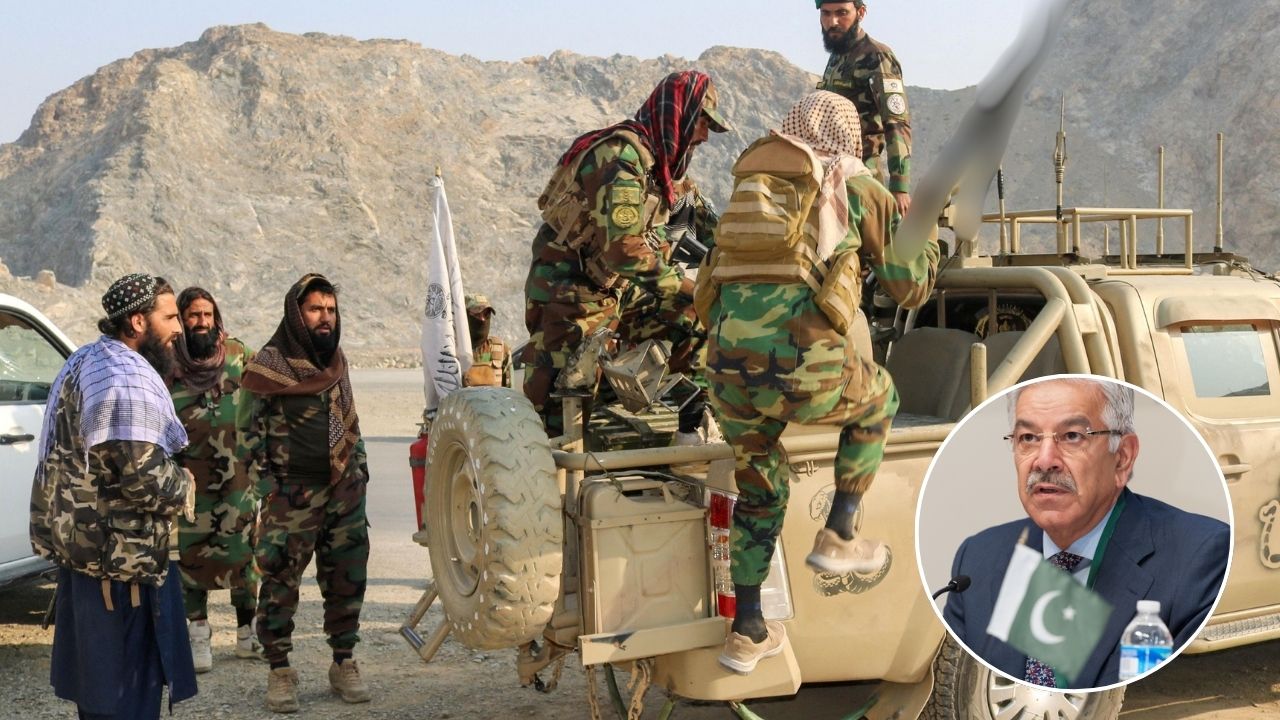
    Defence Minister Khawaja Asif has said that Afghanistan has always supported terrorism, adding that placing further trust in the Afghan government would be a risk.

    In a conversation with a private media channel, Asif said that Pakistan had made efforts to resolve issues with Afghanistan through dialogue but the pattern of the Kabul government made it difficult to rely on it. He said trusting the authorities in Kabul would be a major risk and that their conduct had not been acceptable in the past.

    Meanwhile, China has stepped in diplomatically to reduce tensions between Pakistan and Afghanistan as cross-border hostilities continue. 

    According to a statement from Afghanistan’s foreign ministry, China’s special envoy for Afghanistan Yue Xiaoyong visited Kabul on Sunday and met acting foreign minister Amir Khan Muttaqi.

    During the meeting, the Chinese envoy urged both sides to resolve disputes through dialogue and stressed the importance of preventing escalation for regional stability. The statement said Beijing remained in contact with both Kabul and Islamabad and supported resolving issues through diplomatic channels.

    In North Waziristan, a child was killed and four people were injured after a mortar shell allegedly fired from the Afghan side landed in a residential area during an exchange of fire near the border on Sunday. Police said the incident took place around 7:30pm in the Ghulam Khan area when firing erupted between both sides.

    Reports quoted police sources as saying that the mortar shell landed in the village of Golakhel and exploded in a residential locality. A minor died at the scene while four people sustained injuries. Residents shifted the injured to the Tehsil Headquarters Hospital in Miranshah where they were receiving treatment.

    Separately, Information Minister Attaullah Tarar has said that 583 Afghan Taliban operatives had been killed and more than 795 injured during the ongoing Operation Ghazab lil-Haq launched in response to what Islamabad described as actions from across the Afghan border.

    Providing an update at 4pm on Sunday, Tarar confirmed that security forces had destroyed 242 checkposts and captured and destroyed 38 others during the operation. He said 213 tanks, armoured vehicles and artillery guns had also been destroyed.

    The minister added that 64 locations across Afghanistan had been targeted in air strikes as part of the campaign.

    Separately, the Pakistan Army foiled an infiltration attempt near the Chaman sector along the Pakistan-Afghanistan border, according to security sources cited by Radio Pakistan. Officials said a group of three to four militants attempted to breach the border fence but troops responded and targeted the group as they tried to cut the barrier.

    During the exchange of fire, one militant was killed while the others fled in injured condition. Security officials said forces recovered four to five improvised explosive devices and fence-cutting equipment from the site.

    Islamabad has long maintained that TTP leaders operate from Afghan territory, an allegation that Kabul has repeatedly denied. Tensions also surged after a series of explosions in Kabul on October 9 last year. 

    Taliban forces subsequently targeted areas along Pakistan’s border, prompting Islamabad to respond with cross-border shelling. The exchanges caused casualties and infrastructure damage on both sides and led to the suspension of trade after border crossings were closed on October 12, 2025.

  • Saheefa Jabbar in tears after ‘fake’ negative reviews against new cafe

    Saheefa Jabbar in tears after ‘fake’ negative reviews against new cafe

    Model Saheefa Jabbar Khattak became emotional on social media after claiming that her newly launched cafe received a sudden wave of suspicious negative reviews online.

    In a video shared on her social media accounts, the actress appeared in tears as she spoke about the situation. She said dozens of one-star ratings appeared on Google in the middle of the night, raising questions about how so many reviews could appear within such a short period.

    According to Saheefa, the reviews started appearing at around 3am and quickly increased in number.

    “I woke up and saw that there were so many one-star reviews on Google. Almost 50 reviews came in within a very short time,” she said.

    The actress explained that she had personally been present at the cafe earlier, serving pizzas and interacting with customers.

    “I was standing there myself, serving pizzas and meeting customers. People were happy and giving positive feedback, so I don’t understand how all these negative reviews suddenly appeared,” she said.

    Saheefa also questioned how so many ratings could be posted overnight when most of her customers do not usually leave online reviews.

    “Most of my customers are families and older people. They usually don’t go online to leave reviews, so seeing dozens of reviews suddenly appear like this is very strange,” she said.

    During the video, the actress also spoke about the difficulties she believes women face while running businesses. She said women entrepreneurs often encounter harassment, pressure and organized attempts to damage their reputation.

    Saheefa claimed that women who start businesses sometimes deal with blackmail attempts, bribery demands and smear campaigns aimed at discouraging them.

    It is worth noting that earlier, she faced criticism over remarks about hiring staff for the cafe. Saheefa had said she preferred hiring Pathan workers because she believed they were trustworthy.

    “I want Pathan boys as workers because I believe they are true to their word. I do not trust Punjabi and Urdu-speaking people anymore,” she said.

    Her comments sparked backlash on social media, with many users criticizing the statement.

    Saheefa Jabbar Khattak first gained recognition as a fashion model before moving into television acting. 

    She later appeared in several Pakistani dramas, including Beti, Bhool, Log Kya Kahengay, Rafta Rafta and Bhool Ja Ay Dil.