Author: News Desk

  • Saudi Defence Minister urges Iran to ‘exercise wisdom’ after talks with Field Marshal Asim Munir

    Saudi Defence Minister urges Iran to ‘exercise wisdom’ after talks with Field Marshal Asim Munir

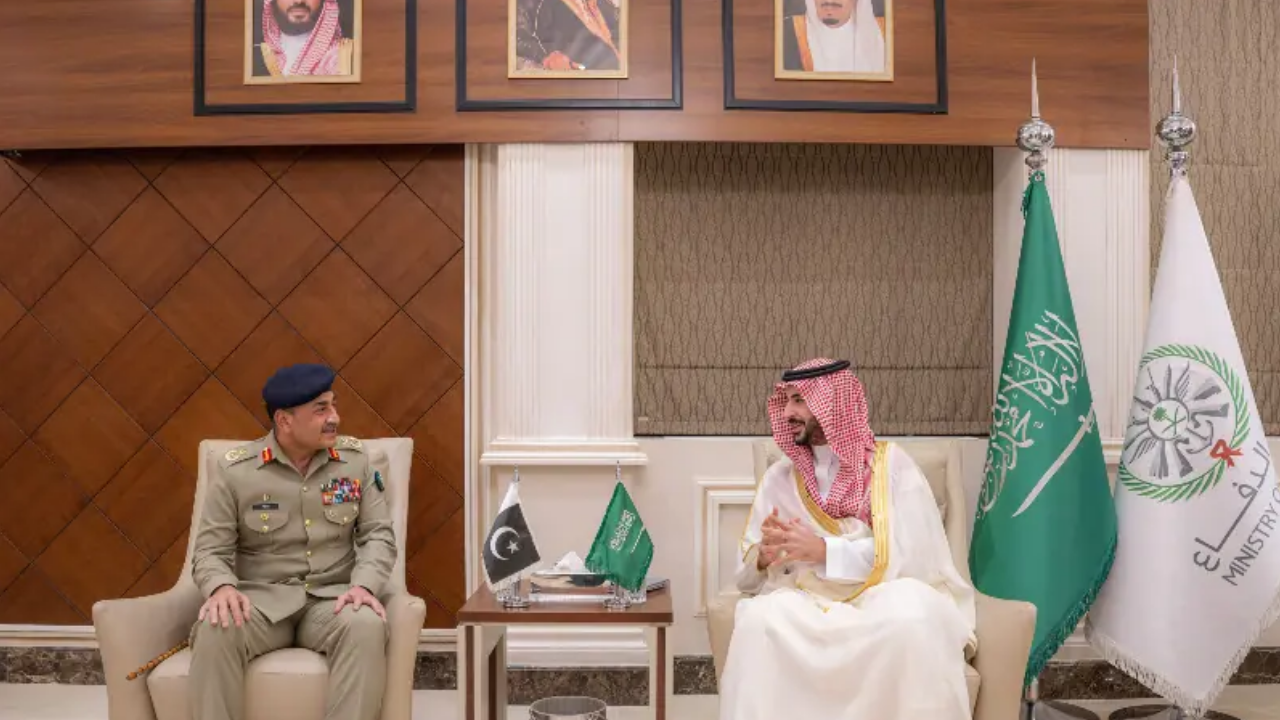
    Chief of Defence Staff and Army Chief, Field Marshal Asim Munir, met with Saudi Defence Minister Khalid bin Salman Al Saud in Saudi Arabia on Saturday to discuss the ongoing conflict in the Middle East and recent Iranian attacks on the Kingdom.

    After the meeting, the Saudi minister posted on X: “We discussed Iranian attacks on the Kingdom and the measures needed to halt them … We stressed that such actions undermine regional security and stability and expressed hope that the Iranian side will exercise wisdom and avoid miscalculation.”

    Pakistan and Saudi Arabia share a multifaceted relationship rooted in strategic military cooperation, economic interests, and Islamic heritage. Riyadh has historically provided financial assistance and oil supplies to Pakistan, strengthening bilateral ties.

    Deputy Prime Minister and Foreign Minister Ishaq Dar recently credited Pakistan’s diplomatic efforts with helping prevent heavier Iranian strikes on Saudi Arabia. He said the attacks were aimed at United States military bases and allied facilities in the Gulf.

    In a related development, Pakistan requested Saudi Arabia to provide an alternative oil supply route through Yanbu. The move comes after the closure of the Strait of Hormuz, following US and Israeli strikes on Iran, to maintain the country’s fuel supply chain.

    The meeting follows the “Strategic Mutual Defence Agreement” signed in Riyadh in September last year between Prime Minister Shehbaz Sharif and Saudi Crown Prince Mohammed bin Salman. Under the pact, any attack on either country is considered an act of aggression against both.

  • ‘Go on to win or I’ll hand you the chokers card’: Dale Steyn challenges New Zealand ahead of T20 WC final

    ‘Go on to win or I’ll hand you the chokers card’: Dale Steyn challenges New Zealand ahead of T20 WC final

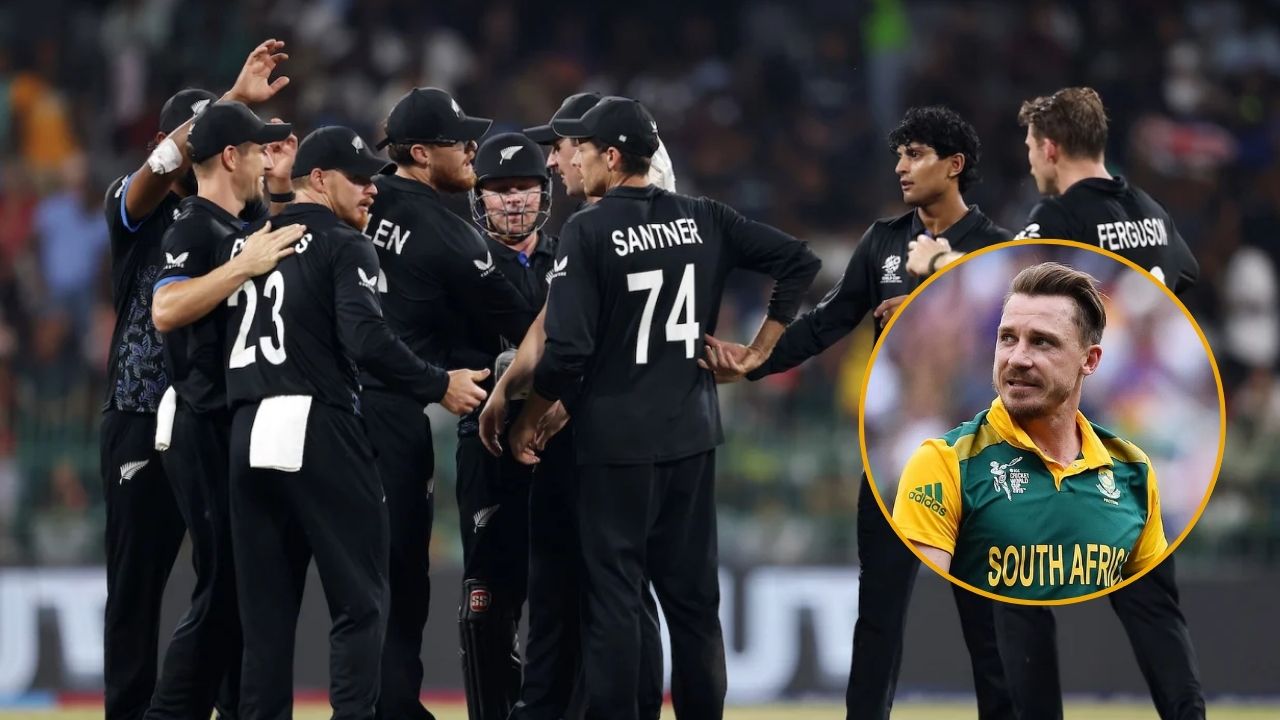
    Former South Africa fast bowler Dale Steyn has said that New Zealand face a huge challenge against India in the final of the Men’s T20 World Cup, claiming that the Kiwis will struggle to beat the hosts.

    Steyn shared his thoughts during a discussion with former South Africa captain AB de Villiers on his YouTube channel ahead of the title clash.

    While discussing the match, Steyn brought up New Zealand’s record in ICC finals and pointed out that the team has lost five of the seven finals it has played. 

    He joked that if New Zealand lose again, the “chokers” label often given to South Africa should move to them.

    “Look, let’s be honest here. New Zealand…. everyone likes to call South Africa chokers, but I am going to say it. New Zealand haven’t won many World Cups themselves, and they have been in more finals than we have,” Steyn said.

    “So, no offence, New Zealand, but please go on to win this; otherwise, I am formally handing over that card to you; it’s yours. I love New Zealand, but they won’t beat India. It would require a monumental choke from India. I am calling it; it’s impossible. I really want them to win, but do I think they’ll beat India? No,” he added.

    New Zealand have won two ICC finals in their history. The team defeated India in the final of the 2000 ICC KnockOut Trophy, which later became the Champions Trophy. 

    They also beat India in the final of the ICC World Test Championship Final 2021.

    During the same conversation, de Villiers also spoke about New Zealand’s victory over South Africa in the semi-final of the 2015 ICC Cricket World Cup. He said the defeat still frustrates him because he believed South Africa had a better chance to beat Australia in the final.

    “I hate New Zealand for that. In 2015, they were never going to beat Australia in that final. And I mean, guys will hate me for saying this, but there was only one team that was going to beat Australia in Australia, and that was South Africa, alright. And now we find New Zealand in the final again, and they will play India in India. Lots of respect for New Zealand as a sporting reason. Both you and I are going to be killed, Dale, if they go on to win the T20 World Cup,” de Villiers said.

    India will meet New Zealand in the final on March 8 at the Narendra Modi Stadium.

  • Rs55 petrol hike triggers backlash as govt cites war-driven oil surge

    Rs55 petrol hike triggers backlash as govt cites war-driven oil surge

    Pakistan raised petrol and high-speed diesel prices by an unprecedented Rs55 per litre on Friday, citing pressure on global oil markets following the war involving Iran, the United States (US) and Israel. The increase came hours after Prime Minister Shehbaz Sharif and Finance Minister Muhammad Aurangzeb said that petroleum reserves were sufficient and the situation remained under control.


    Petroleum Minister Ali Pervaiz Malik announced the increase at a press conference alongside Deputy Prime Minister and Foreign Minister Ishaq Dar and Finance Minister Muhammad Aurangzeb. Dar said that the revised prices would take effect from Saturday.

    Under the revision, the ex-depot price of petrol has been increased to Rs321.17 per litre from Rs266.17, while high-speed diesel has been set at Rs335.86 per litre, up from Rs280.86.

    The government also adjusted the petroleum development levy. The levy on petrol was increased by Rs20 to about Rs105 per litre, while the levy on high-speed diesel was reduced from Rs77 to Rs57 per litre.

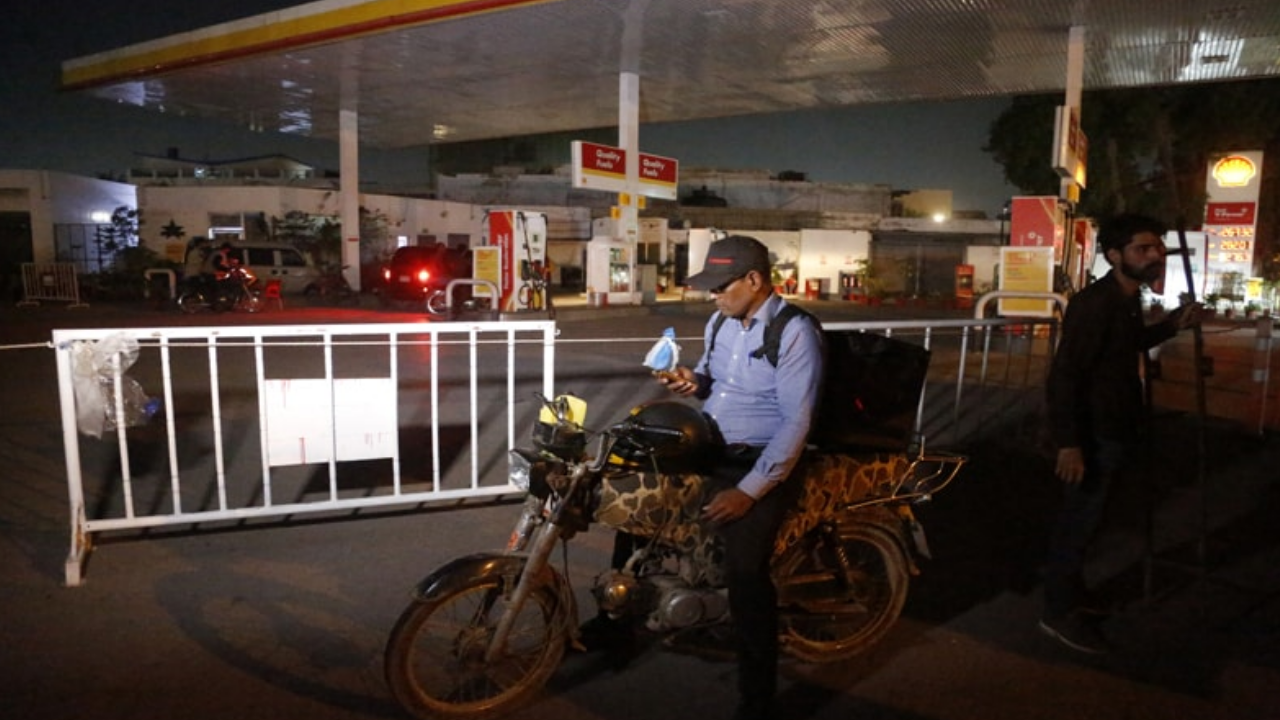
    Before the new prices took effect, long queues formed at petrol pumps across several cities as motorists rushed to buy fuel at the previous rates. According to the reports from different parts of the country, some fuel stations stopped sales before midnight.

    The announcement triggered heated reactions online, with users questioning the decision.

    “When there was a stockpile for 28 days, they would give it to the poor public at the old rate; perhaps Allah Almighty would have improved the situation,” one user wrote. Another user said that the government had added pressure on citizens. “Instead of reducing taxes, they’ve placed even more burden on the public.”

    At the press conference, Malik said that the regional conflict had created uncertainty in energy markets.

    “The fire that started in a neighbouring country has spread across the entire region. We do not know how long this crisis will continue, and there is no clear timeline for its end,” he said.

    He said that Pakistan depended on oil shipments passing through the Strait of Hormuz, which had been affected by the conflict. Malik said two vessels of the Pakistan National Shipping Corporation were travelling through Yanbu and Fujairah to maintain supplies.

    According to the reports, US crude oil futures climbed more than 12 percent on Friday to above $90 per barrel, while Brent crude rose about eight percent to $92 per barrel.

    Malik said that the government would review petroleum prices on a weekly basis as changes in the international market turn volatile. 

    “As soon as the situation improves internationally, we will reduce prices at the same speed,” he promised. 

    Dar said that global oil prices had increased by 50 to 70 percent during the crisis.

    “In many countries, prices increase automatically, but we tried to pass on the minimum possible impact to consumers and find a balanced solution,” he said.


    Despite the explanation from officials, criticism continued online.

    “Remember that time? When petrol at 150 rupees crashed down on the country like ‘Doomsday’? Today petrol is 321 rupees, but there is silence,” one user wrote. 

    Another reaction said: “Instead of increasing petroleum products by 55 rupees, if the government were to add 2 rupees to its own dignity, it would have been better.”

    One user wrote: “Shame on all those who are oppressing the poor masses while the entire elite band together to take all the free petrol.” 

    Another reaction questioned the policy response, saying: “If fuel prices increased in Pakistan due to war, then why didn’t they increase in India? If India buys from Russia, why can’t Pakistan?”


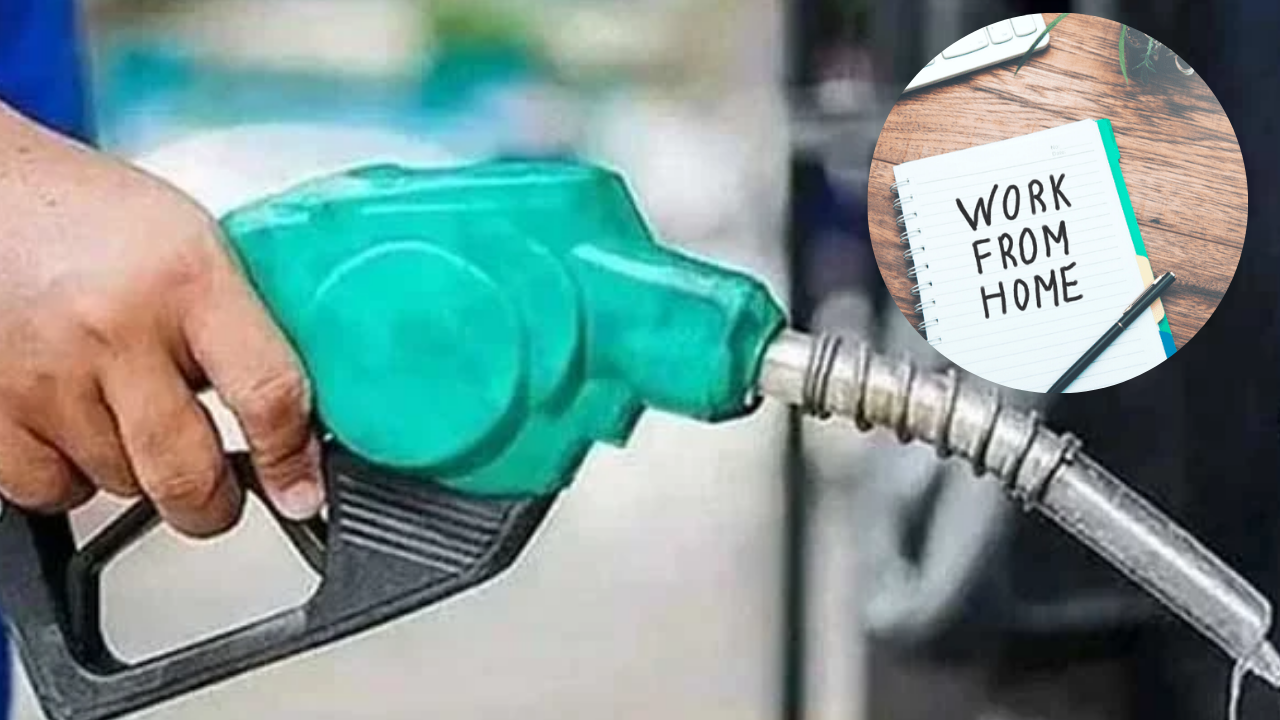
    Earlier in the day, the government decided to defer a national action plan that included work-from-home arrangements and distance learning to conserve fuel.

    A meeting on petroleum product reserves chaired by Prime Minister Shehbaz Sharif decided the measures would not be implemented for at least a week as current petroleum reserves were sufficient to meet demand.

    Separately, the Punjab government directed deputy commissioners across the province to launch a crackdown against the hoarding of petroleum products following instructions from the federal government.
  • Contractors demand millions from Israeli PM’s office over unpaid propaganda fees

    Contractors demand millions from Israeli PM’s office over unpaid propaganda fees

    Former employees and contractors linked to Israel’s national public diplomacy directorate have demanded millions of shekels in unpaid dues for propaganda work carried out since October 2023, Israeli financial daily Calcalist reported.

    The directorate, commonly referred to by the Hebrew term for propaganda- “Hasbara”- operates under the Israeli prime minister’s office and manages the country’s public diplomacy efforts.

    According to the report, companies and contractors who provided services in the months following the Hamas-led attack on October 7, 2023, have taken legal action seeking payment for their work.

    Two private companies that provided studio services for Israeli officials and supported activism campaigns in Europe are seeking a combined two million shekels (around $650,000).

    Eylon Levy, a British-Israeli who served as an official government spokesperson until March 2024, said he is also owed money but is not part of the legal case. A spokesperson for Levy confirmed this to Middle East Eye.

    Levy has continued working in public diplomacy efforts after leaving his government role.

    Calcalist reported that dozens of independent activists and contractors were recruited after October 7 as the directorate lacked sufficient staff.

    Some individuals involved in the campaign were not directly employed by the government but worked through private production companies that handled payments.


    “Private production companies became a payment channel for those representing Israel abroad,” the report said. Contractors who worked with the directorate claimed that “the work was always messy”.

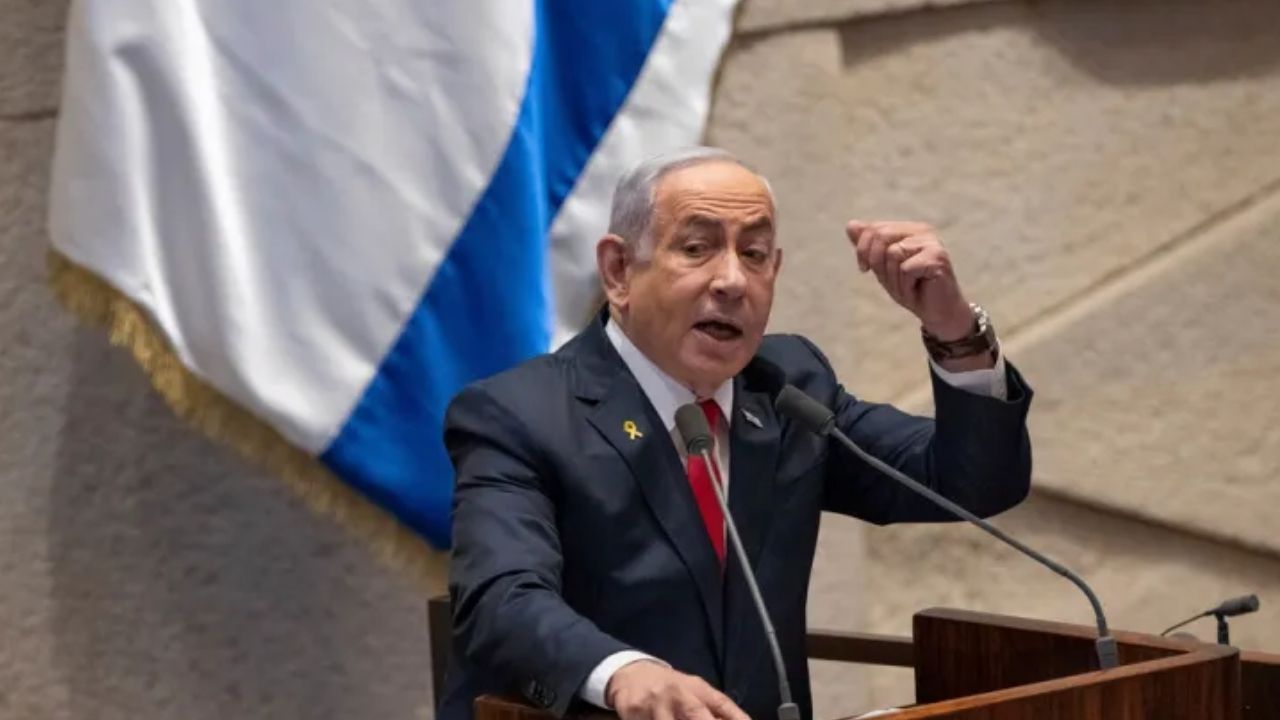
    One production company that provided a studio used by Prime Minister Benjamin Netanyahu and Former Defence Minister Yoav Gallant for interviews is seeking more than 500,000 shekels (about $160,000) in unpaid dues.

    Another firm, Intellect, has filed a claim for more than 1.5 million shekels (around $487,000) against the prime minister’s office, which oversees the directorate.

    According to Calcalist, the company financed flights to The Hague for influencer activists who organised activities against pro-Palestinian demonstrations ahead of hearings at the international court there.

    The prime minister’s office said that there were “irregularities in the contracting practices of the public diplomacy directorate” but declined to provide further details, citing ongoing legal proceedings.

    Since October 2023, Israel’s public diplomacy campaigns have also been handled by the foreign ministry and the diaspora affairs ministry which have both dedicated huge sums of money to distribute Israeli propaganda.

    In September last year, the government approved an additional 150 million shekels for public diplomacy work under the foreign ministry, adding to an existing allocation of 520 million shekels.

    The additional funding was taken from the higher education budget.

    During the same month, the foreign ministry led by Gideon Saar created a new public diplomacy directorate aimed at hiring bloggers and social media influencers.

    In June 2024, Diaspora Affairs Minister Amichai Chikli led a campaign targeting US university campuses that sought to influence discussions on antisemitism in US law.

    In May 2025, the diaspora affairs ministry offered settlement municipalities up to one million shekels ($325,000) to support public diplomacy activities inside Israel and abroad.

  • ‘I played cricket because of my performances, not my fielding’: Amir hits back at Mohammad Kaif

    ‘I played cricket because of my performances, not my fielding’: Amir hits back at Mohammad Kaif

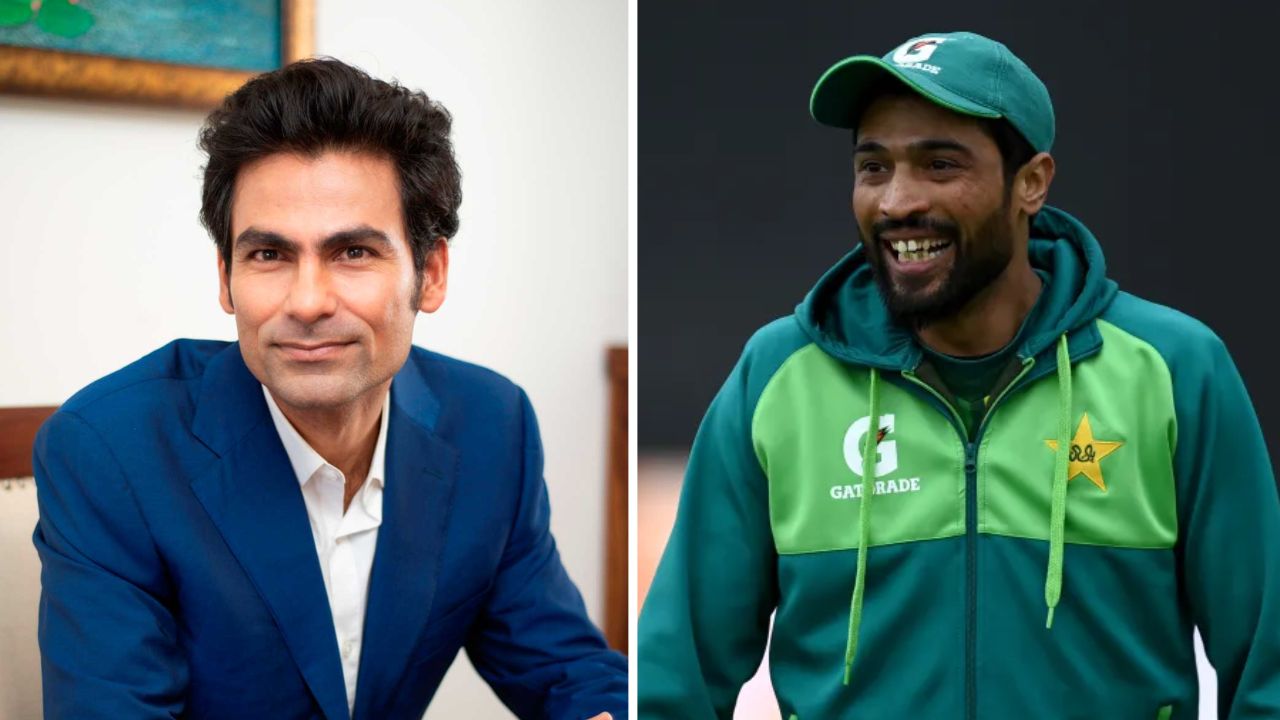
    Former Pakistani fast bowler Mohammad Amir has hit back at former Indian cricketer Mohammad Kaif and said that he earned his place in cricket through performances, not fielding.

    The exchange started when Amir criticised Indian opener Abhishek Sharma during the ongoing ICC Men’s T20 World Cup. Amir called the young batter a slogger and predicted that India would fail to reach the final of the tournament.

    Abhishek struggled to score consistently in the competition, which supported Amir’s early criticism. However, Amir’s prediction about India’s campaign proved wrong.

    India have reached the final and will face New Zealand on March 8 at the Narendra Modi Stadium.

    Kaif dismissed Amir’s remarks and urged fans to ignore the former Pakistan pacer. He also suggested that Amir talks about India only to stay in the spotlight.

    Amir responded strongly and questioned Kaif’s remarks while highlighting his own experience in the shortest format.

    “I don’t know about his career. He played just 29 matches in the Indian Premier League and his strike rate was 103. I don’t need attention by speaking about the Indian team. I have been a part of 350 T20s,” Amir said on his YouTube channel.

    Amir also criticised Kaif’s international career and insisted that he reached the top level through performances.

    “I played cricket because of my performances and not fielding. You should say thanks to Dada [Sourav Ganguly]. You played cricket for your fielding. You shouldn’t be passing such remsrks,” Amir added.

    India now stand one step away from another major milestone. The defending champions can become the first team to retain the T20 World Cup title.

  • ‘No talks’: Pakistan to continue border operations against TTP

    ‘No talks’: Pakistan to continue border operations against TTP

    Prime Minister’s spokesperson Mosharraf Zaidi has said that there will be no talks with the Afghan Taliban, emphasising that the country’s position on dialogue has been “crystal clear”. 

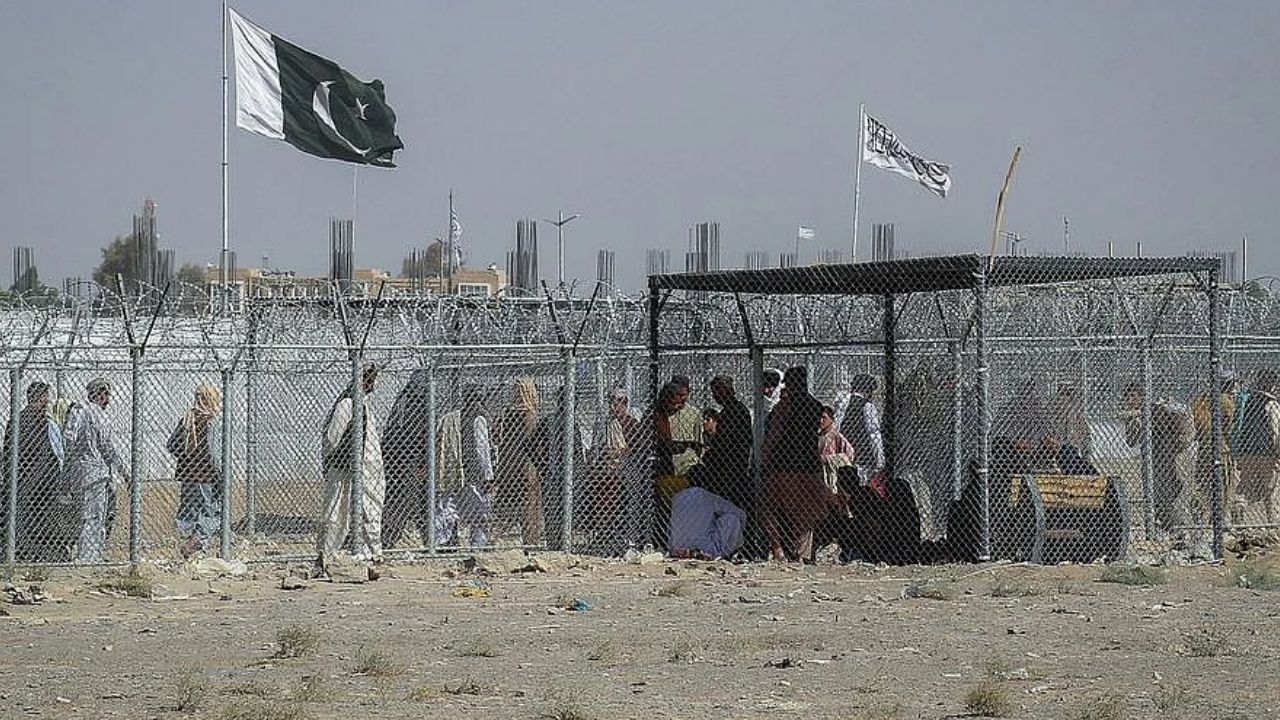
    The statement comes as Russia expressed concern over fighting along the Pakistan-Afghanistan border. Russian Foreign Ministry spokeswoman Maria Zakharova said that clashes involving aircraft and heavy weapons had taken place across “virtually the entire border area.”

    She added that there have been casualties on both sides and that civilians, including Afghan refugees who returned from Pakistan and Iran, have suffered. Zakharova called on Islamabad and Kabul to refrain from hostilities and to resolve differences through dialogue based on mutual respect.

    The United Nations (UN) refugee agency said that over 115,000 Afghans and around 3,000 Pakistanis have been displaced due to the conflict along the border. UNHCR (United Nations High Commissioner for Refugees) said that clashes have forced thousands of families to flee and warned that internal displacement continues in both countries.

    Reports quoted security sources as saying that Pakistani forces responded to unprovoked firing by the Afghan Taliban along the Kurram-Paktika border. Multiple Taliban posts and those of Fitna al-Khawarij were reportedly destroyed.

    State broadcaster PTV reported that Pakistan’s armed forces also destroyed terrorist hideouts near the Pak-Afghan border in the Zhob and Qila Saifullah sectors. Reports quoted the sources as saying that during the operation, Afghan Taliban fighters were forced to abandon their posts and flee.


    Reports quoted officials as saying that Pakistan has no issue with Afghanistan or its people, but that the Afghan Taliban regime has become a “proxy master” facilitating terrorist groups. Officials said the Taliban leadership must choose between maintaining relations with Pakistan or continuing to support militants. 


    They added that the operation will continue until practical steps and credible assurances are provided to end cross-border terrorism.

    Officials rejected claims that civilian areas were being targeted in Afghanistan, calling such reports misleading and noting the loss of innocent Pakistani lives in terrorist attacks. 


    They said that groups facing persecution under the Afghan Taliban regime have welcomed the operation and accused Afghan official accounts and Indian-backed media of spreading false narratives.


    Reports quoted security sources as saying that more than 200 intelligence-based operations (IBOs) are carried out daily across Pakistan to counter terrorist threats. Officials stressed that national unity and full implementation of the National Action Plan are essential to eliminating terrorism.

    According to the recent updates, Pakistan’s military continues its operations against the Afghan Taliban and affiliated militant groups under Operation Ghazab lil-Haq. Information Minister Attaullah Tarar said on March 4 in a post on X that the Taliban have suffered 481 fatalities and over 696 injuries so far. The army has destroyed 226 check posts, captured 35 posts, and neutralised 198 tanks, armoured vehicles, and artillery guns. Airstrikes have targeted 56 locations across Afghanistan, Tarar said.

  • US investigation finds America responsible for deadly strike on Iranian school

    US investigation finds America responsible for deadly strike on Iranian school

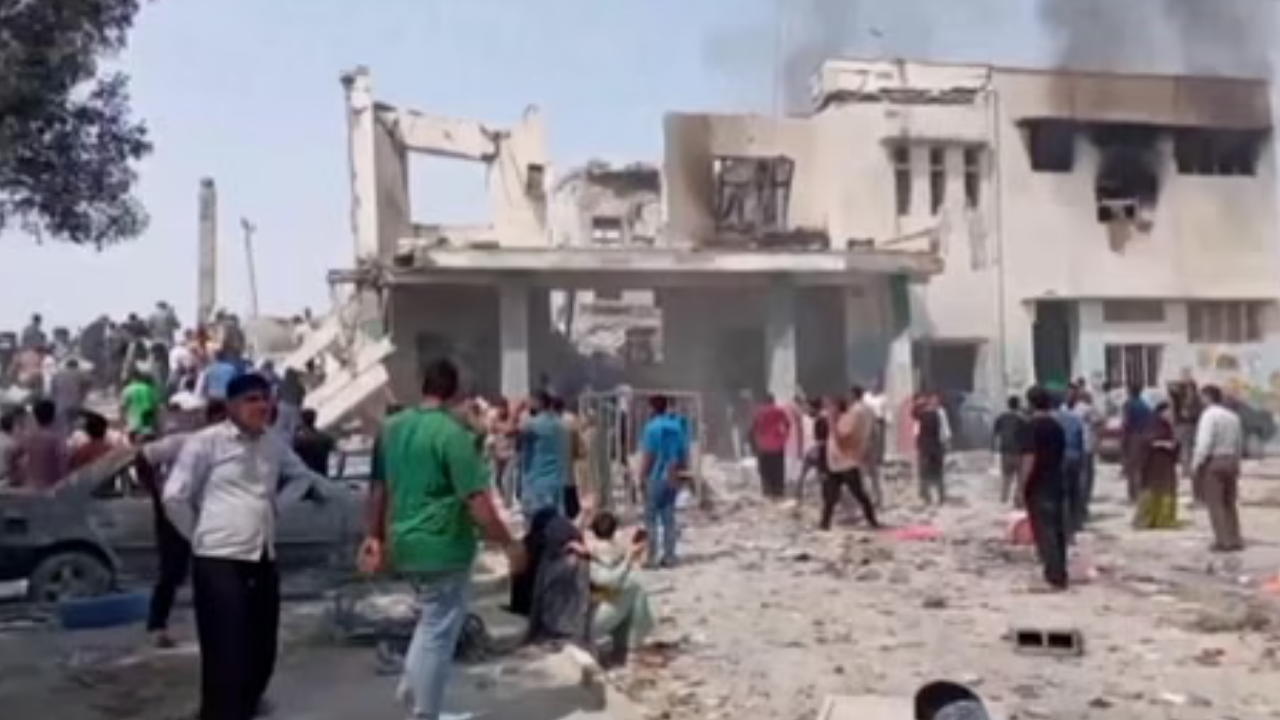
    The conflict between Iran, Israel, and the United States (US) escalated on Friday as missile strikes targeted Tel Aviv, air raids hit Beirut, and the death toll in Iran surpassed 1,300. A school strike on the first day of the campaign is now being linked to US forces. Military investigators believe it is “likely” that US forces were responsible for the strike on a girls’ primary school in Minab, which killed 168 people.

    Verified satellite imagery shows the Shajareh Tayebeh school was hit by “multiple simultaneous or near-simultaneous strikes.” United Nations International Children’s Emergency Fund (UNICEF) reports that of the 190 children killed in the region so far, 181 were in Iran.

    In a fresh wave of strikes, Iran’s Revolutionary Guard Corps (IRGC) launched a combined missile and drone attack targeting “locations in the heart of Tel Aviv.” Blasts were heard over the city as Israeli defense systems attempted to intercept the threat. This follows an earlier IRGC claim of striking fuel tanks at Israel’s Ramat David Airbase.

    Beirut’s southern suburbs also faced new Israeli air raids this morning. State media reported “hostile warplanes” struck the area just a day after evacuation orders were issued. In Dubai, residents received emergency alerts on their phones from the Emirati interior ministry, urging them to “seek immediate shelter” due to potential missile threats.

    The humanitarian and infrastructure damage in Iran is mounting. The Iranian Red Crescent reports that 1,332 people have been killed since Saturday, with 3,643 civilian sites damaged, including over 3,000 homes and several medical facilities. In Shiraz, official reports confirm at least 20 citizens were killed in recent strikes.

    Despite the attacks, Tehran is attempting to restore administrative functions. Ministries and executive bodies are scheduled to operate with 20 percent of staff from Sunday, though female employees will continue to work remotely. However, the country remains under a near-total internet blackout, which has now crossed the 144-hour mark.

    The IRGC has warned of a “prolonged war,” claiming that advanced weaponry not yet used in the conflict will be deployed. Brigadier General Ali Mohammad Naeini stated that “painful blows” are coming, describing the situation as a “sacred and legitimate war.”

    Regional spillover continues to affect neighboring countries. Saudi Arabia reported destroying three drones east of Riyadh, while explosions were noted over Doha and Manama. In the Persian Gulf, 52 French ships are currently blocked as France seeks an international coalition to secure shipping lanes.

    In Washington DC, President Donald Trump dismissed the possibility of sending ground troops to Iran, calling the idea a “waste of time.” He claimed Iran has “lost everything,” including its navy. This follows a US Senate vote that blocked a resolution requiring Trump to seek congressional authorization for the ongoing military campaign.

    In Britain, counter-terrorism police arrested four men suspected of assisting Iran’s intelligence service by spying on locations and individuals linked to London’s Jewish community. The Metropolitan Police said that the men were arrested at three addresses in the capital as part of a long-running investigation. 

    Airlines including Emirates and Etihad have begun resuming limited flight schedules, though operations remain precarious due to the threat of missile fire.

    The current escalation began last Saturday after joint illegal US and Israeli strikes targeted sites across Iran. Iranian media reported that the attacks resulted in the assassination of Supreme Leader Ali Khamenei.

  • Govt mulls reviving work-from-home, online classes to conserve fuel amid global shortage fears

    Govt mulls reviving work-from-home, online classes to conserve fuel amid global shortage fears

    The federal government has decided in principle to introduce weekly petroleum pricing starting March 8 to reflect additional costs, including insurance, freight and war premiums, while reviving measures from the COVID-19 period to reduce fuel consumption. 

    These measures, which include work-from-home arrangements, online classes and car-pooling, are aimed at minimising financial and foreign exchange pressures. 

    The plan was finalised at a meeting of the cabinet committee to monitor petrol prices in the wake of the emerging situation in the region, convened by Prime Minister (PM) Shehbaz Sharif. 

    The meeting included provincial and regional governments and was held amid ongoing conflict involving the United States (US), Israel and Iran, which has disrupted supply chains, including shipping through the Strait of Hormuz.

    The committee’s recommendations will be submitted to the premier on Friday for review, and once cleared, will be forwarded to the Economic Coordination Committee (ECC) for formal approval. 

    Reports quoted sources as saying that meetings of the committee, the premier and the ECC have been scheduled consecutively due to the urgency of the situation. Officials also confirmed that the International Monetary Fund (IMF) has been briefed on contingency measures.

    Earlier, at the meeting presided over by Finance Minister Muhammad Aurangzeb, officials noted that Pakistan had faced a comparable situation during the COVID-19 crisis when the country dealt with significant financial and foreign exchange challenges.

    “Barring health-related precautions, most of the austerity measures adopted at that time would be revived from next week to save fuel, energy and foreign exchange, while prioritising key sectors,” a statement said.

    The committee also reviewed energy sector developments, national preparedness and petroleum product stock levels.

    Officials said that national reserves were at a comfortable level with sufficient cover for key products, but noted that global supply chains remain under pressure.

    The meeting also included an assessment of international oil market conditions, including freight, insurance and potential congestion at key maritime chokepoints. 

    Efforts to strengthen supply assurance were reviewed, including diversification of sourcing and logistics. Diplomatic and commercial engagements with friendly countries and suppliers were highlighted as part of securing additional crude and refined products through alternative routes and ports.

    Measures to prevent hoarding and illegal storage were also discussed, with coordination between provincial administrations and the Oil and Gas Regulatory Authority (OGRA).

    Separately, provincial governments were instructed to conduct physical inspections of retail petrol stations through deputy commissioners to prevent hoarding and profiteering.

  • Chinese aerospace group plans $10bn investment in Pakistan

    Chinese aerospace group plans $10bn investment in Pakistan

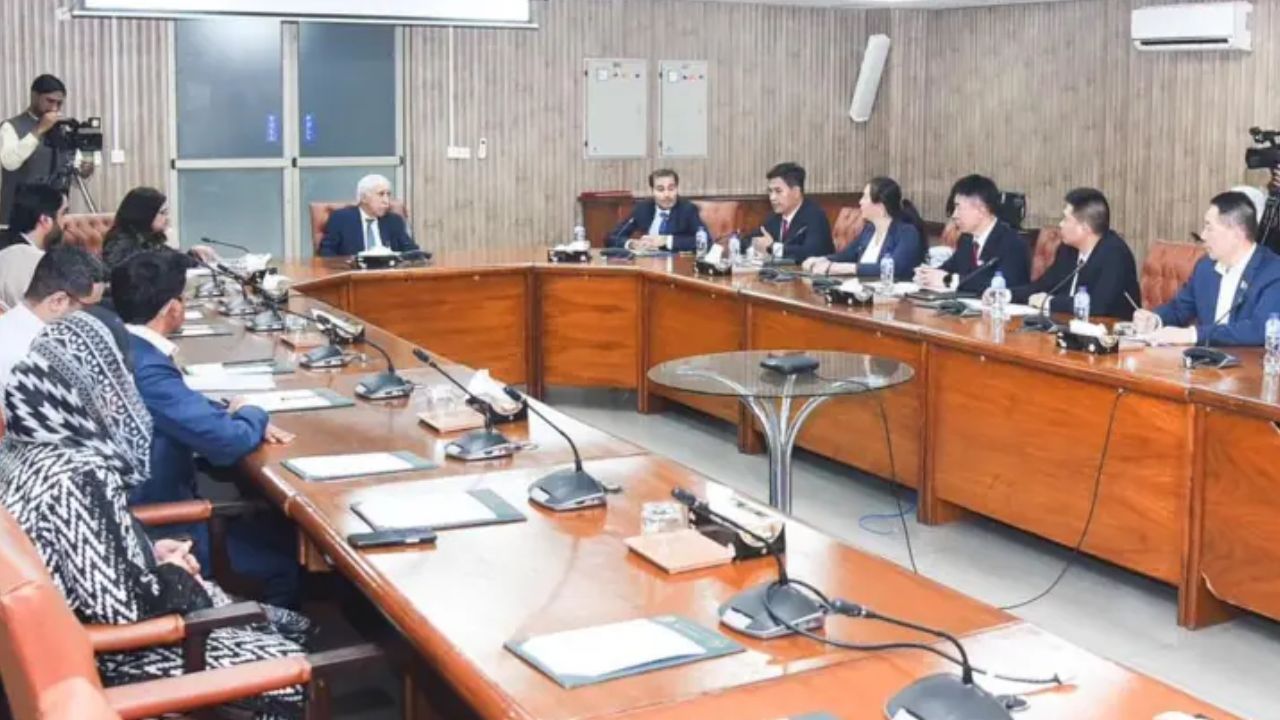
    The Chinese Aerospace Development Industry Investment Group has expressed interest in investing up to $10 billion in Pakistan across mining, advanced technology and industrial development sectors.

    As per the details, a high-level delegation from the group, led by party secretary and chairman of the board, Lu Jinhai, met Minister for Board of Investment (BOI) Qaiser Ahmed Sheikh on Thursday.

    The delegation said that it aims to collaborate with Pakistan on skill development and long-term economic and technological projects.

    The delegation added that it is willing to support Pakistan in the One Belt One Road (OBOR) initiative and strengthen regional connectivity and economic cooperation.

    Sheikh said that Pakistan offers extensive investment opportunities due to its strategic location connecting South Asia, Central Asia and the Middle East.  He said that the country’s large population and young workforce provide significant potential for investors, and that attractive incentives are available.

    The delegation briefed the minister on the company’s operations and global profile, saying that Aerospace Development Industry Investment Group is an international investment firm with an AAA corporate credit rating. 

    The firm is involved in strategic industrial investments including aerospace, artificial intelligence, electric vehicles, drone technologies and energy projects.

  • Babar Azam set to play National T20 Cup after missing Bangladesh ODI series

    Babar Azam set to play National T20 Cup after missing Bangladesh ODI series

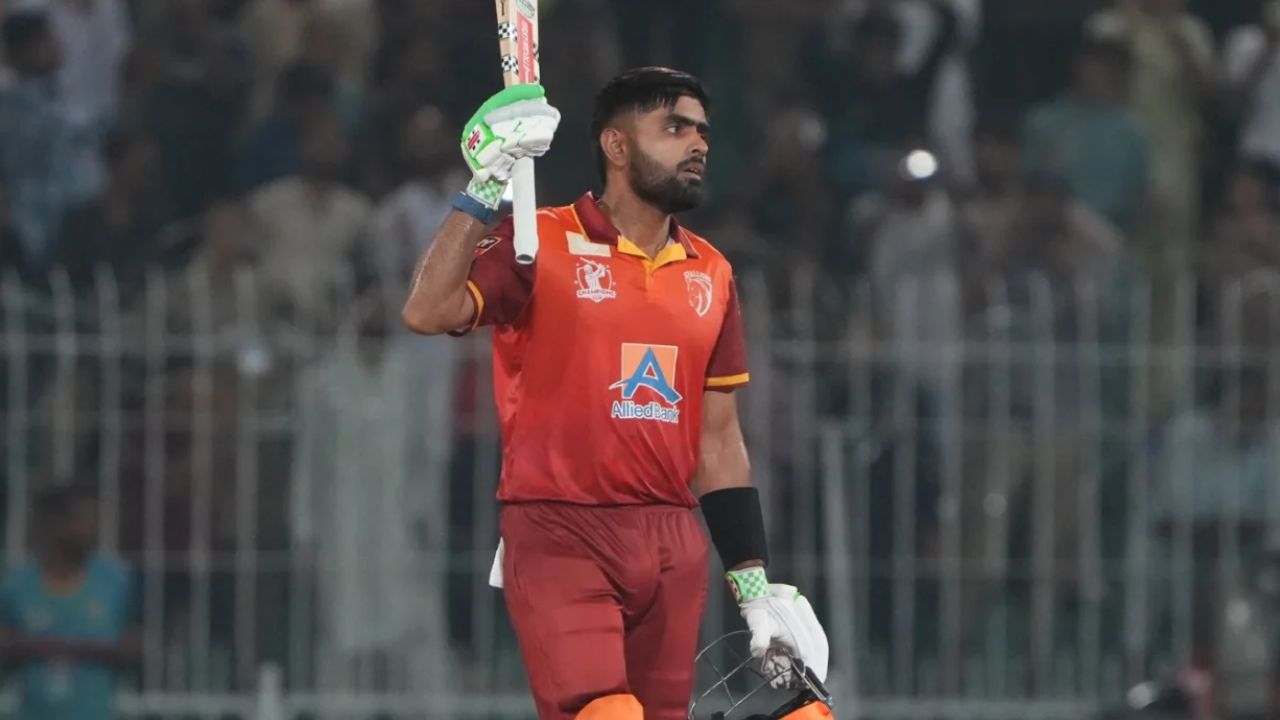
    Former Pakistan captain Babar Azam will feature in the upcoming National T20 Cup after joining the Lahore Whites squad after his omission from Pakistan’s ODI squad for the upcoming Bangladesh series.

    Lahore Whites added Babar to their lineup along with fast bowler Naseem Shah ahead of the competition. The two players were not part of the squad when organisers first announced the teams and tournament schedule.

    The side will play under the captaincy of Aamir Jamal. Lahore Whites also strengthened their squad with the addition of Ahmed Daniyal and Mohammad Salman.

    The National T20 Cup will run from March 7 to March 18 at the Imran Khan Cricket Stadium. A total of 18 regional teams will compete for the title in 23 matches during the tournament.

    The venue previously hosted nine matches of the Quaid-e-Azam Trophy during October and November 2025.

    Ten regional teams will take part in the competition. These include Abbottabad, Bahawalpur, Faisalabad, Peshawar, Karachi Whites, Karachi Blues, Lahore Blues, Lahore Whites, Multan and Sialkot.

    Babar Azam’s participation in the domestic tournament comes shortly after he missed selection for Pakistan’s upcoming ODI series against Bangladesh national cricket team. 

    The decision followed Pakistan’s disappointing campaign in the ICC Men’s T20 World Cup 2026.

    The Pakistan Cricket Board (PCB) did not clarify whether Babar received a rest or faced a drop from the ODI squad. The move drew criticism from several former cricketers, who questioned the decision to leave him out of the ODI side after performances in a T20 tournament.