Author: News Desk

  • PTI washes hands off of planned protest against Field Marshal in Washington DC

    PTI washes hands off of planned protest against Field Marshal in Washington DC

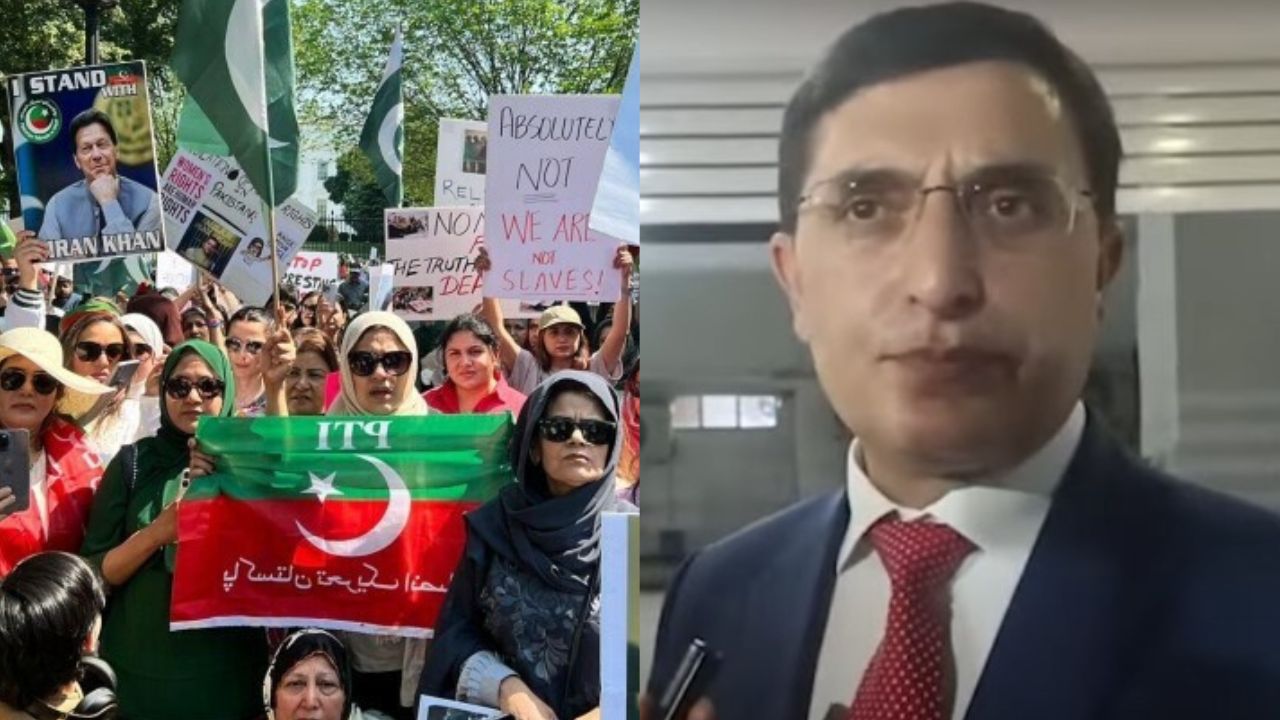
    Pakistan Tehreek-e-Insaf (PTI) dissociated itself from a protest scheduled to take place in Washington DC on June 14 during an official visit by Chief of Army Staff (COAS) Field Marshal General Asim Munir, Barrister Gohar Khan has confirmed.

    During an interaction with reporters in Islamabad on Tuesday, the Chairman of PTI was asked, “The Army Chief has left for America today, and PTI gave a protest’s call [in the US]. Do you support it?” 

    In response, Gohar clarified that PTI has not given any protest call. “PTI has not released a press statement to the effect nor has the party instructed people to stage a protest. So, PTI has not given any call,” he stated. 

    Gohar said that if people in foreign countries do stage a protest, it is their own choice.

    On Monday, in a post on X (formerly Twitter), PTI’s Secretary for Overseas Affairs Sajjad Burki called for a protest outside the Pakistan embassy in Washington on the forthcoming Saturday, coinciding with the expected presence of senior Pakistani officials in the US capital.

    “Preparing for a massive protest in Washington, DC at the arrival of the […] Asif Munir. PTI USA and over 12 cooperating organizations from the Pakistani diaspora are collaborating to protest in front of the Pakistan Embassy on Saturday, June 14 (sic),” Burki wrote.

    He urged people to join the protest to “restore democracy in Pakistan.”

    While the PTI announcement claims that General Munir will visit the US capital around the same time, confirmation remains pending from both US and Pakistani officials.

  • Senegal makes history with first-ever win over England

    Senegal makes history with first-ever win over England

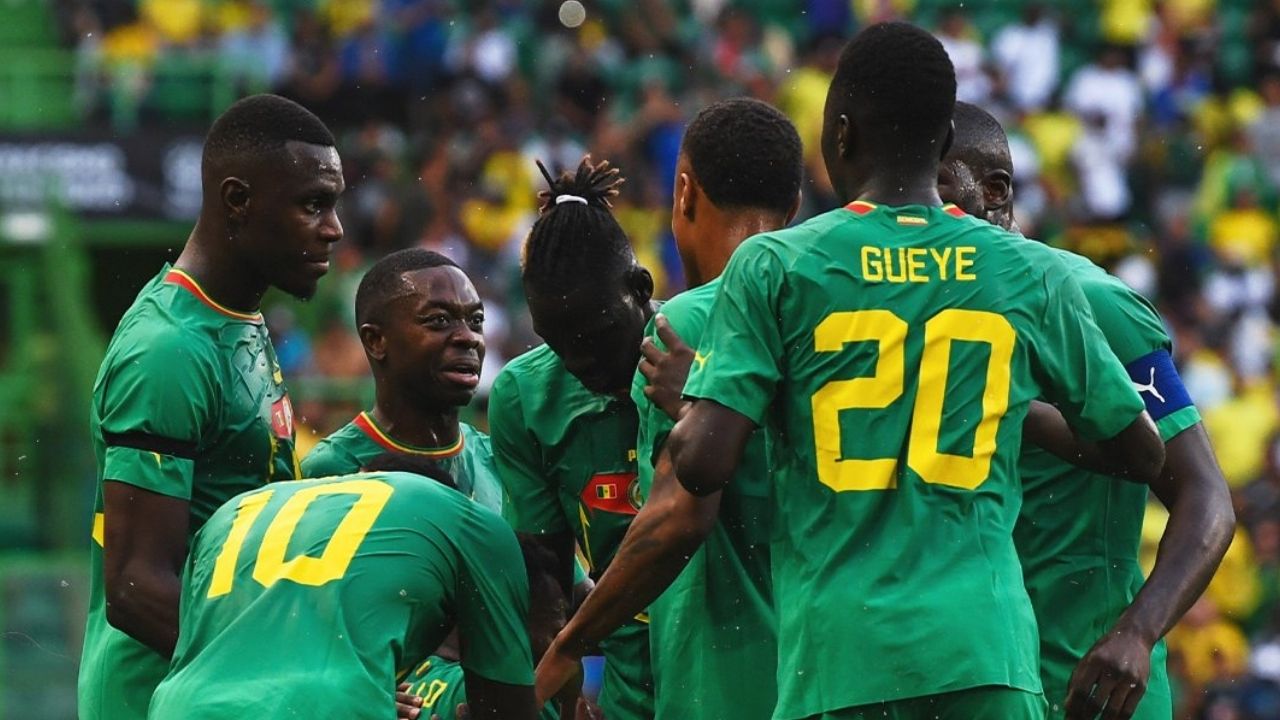
    Senegal defeated England 3-1 in a friendly match held in Nottingham, creating history as the first African team to beat England.

    England kicked off to a strong start, with Harry Kane scoring in the 7th minute after receiving a pass from Walker. The goal marked Kane’s 73rd in international football. 

    Senegal, however, quickly bounced back with confidence and energy.

    Ismaila Sarr scored the equaliser just before halftime, shifting the momentum. In the second half, Habib Diarra put Senegal ahead in the 62nd minute. Cheikh Sabaly then added a third goal during stoppage time, sealing a memorable win.

    England came close to scoring again when Jude Bellingham found the net, but the goal was ruled out for handball after a VAR review. Bellingham reacted emotionally to the decision and chased the referee in protest.

    Senegal displayed strong defensive discipline, denying England many scoring opportunities. Their strategy and teamwork allowed them to maintain control throughout the match.

    The result marked Thomas Tuchel’s first defeat as England’s head coach. Critics have suggested that he must now quickly address the team’s weaknesses.

    Harry Kane reflected on the performance, saying, “There was a lack of preparation and coordination in the team. We didn’t find the right team capacity, and the aggressive style we used to have was missing.”

    Tuchel added, “The team was quiet and gave away easy goals,” but remained optimistic, saying, “This was a learning experience.”

  • Saba Qamar didn’t post Eid pics and now we know why

    Saba Qamar didn’t post Eid pics and now we know why

    While most celebrities flooded social media with their glammed-up Eid photos, actress Saba Qamar surprised fans by choosing silence, rest, and zero Eid content.

    As curious fans flooded her inbox, wondering why she hadn’t posted any festive photos or stories, the actress finally broke her silence through a heartfelt Instagram note.

    “My loves, I know so many of you were waiting to see my Eid look this time, and I just want to say… there wasn’t one. I didn’t wear anything special, didn’t dress up, and for once, I didn’t feel like I needed to.”

    Explaining her decision, Saba Qamar shared that after months of relentless work and constant travel, her heart was quietly asking for a break and she chose to listen.

    “This Eid, I chose rest. Pure, simple, soulful rest. I spent these three days lying down, oil in my hair, good food in front of me, quiet prayers in my heart, and a whole lot of healing.”

    She emphasized the importance of pausing and reconnecting with oneself. “Sometimes, we have to pause, breathe, and come home to ourselves. This Eid, I did just that. No glam, no noise, just me-time.”

    But fans need not worry Saba is ready to bounce back, “Now… I’m back in action starting tomorrow! And I promise, I’ll make it up to you all very soon. Thank you for always holding space for me for understanding, loving, and supporting me, even when I disappear for a bit.”

    In a personal message to her followers, she added a gentle reminder, “Always listen to your heart when it whispers, ‘Rest.’”

  • NYC mayoral candidate calls Narendra Modi ‘war criminal’

    NYC mayoral candidate calls Narendra Modi ‘war criminal’

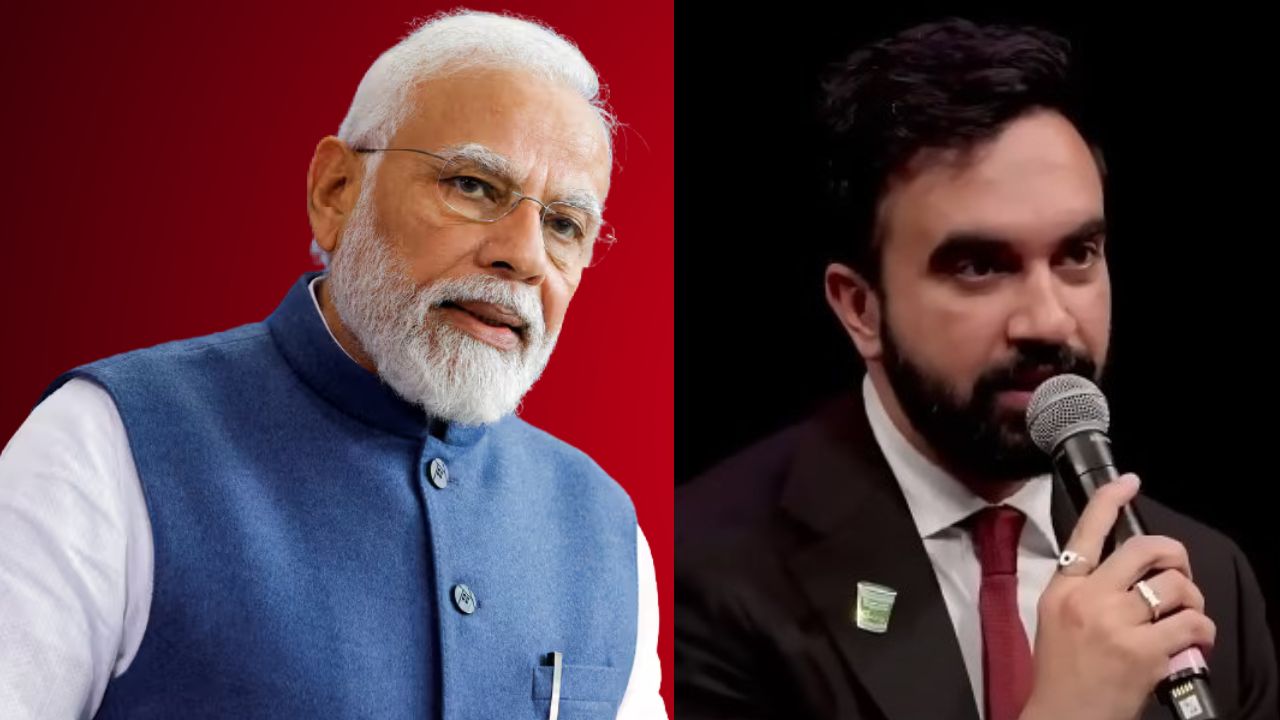
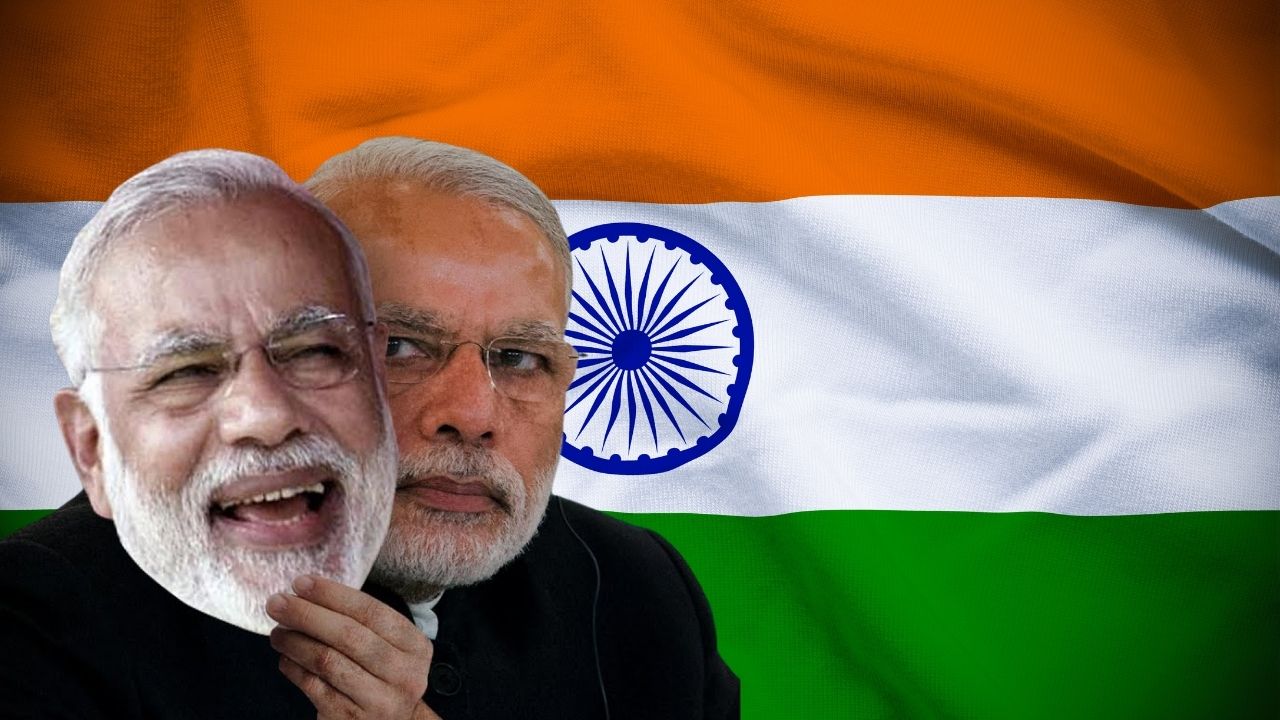
    New York City (NYC) mayoral candidate Zohran Mamdani has said that Indian Prime Minister (PM) Narendra Modi is a “war criminal,” citing his alleged involvement in the anti-Muslim violence in Gujarat in 2002, where more than 750 Muslims were killed.

    “Indian PM helped orchestrate what was the mass slaughter of Muslims in Gujarat,” the Indian-origin Mamdani said at the May 15th New York Focus/HellGate NY mayoral forum, adding that the pogrom was severe enough that “we don’t even believe that there are Gujarati Muslims anymore.”

    Mamdani’s statement came about in response to a question asked by a guest at the event, “The Indian PM is holding a rally in Madison Square Garden. He wants to hold a joint press conference with you afterwards, reaffirming the strong bond between India and New York. Do you agree to the event?”

    Mamdani said that when he tells people that he hails from Gujarat, and that he’s a Muslim, it’s a “shock” to them.

    The Gujarat riots erupted when, on February 27, 2002, a fire ripped through a train at Godhra station, burning 59 Hindu pilgrims alive.

    Accusing Muslims of the blaze, enraged Hindu mobs rampaged through Muslim neighbourhoods in several cities in Gujarat, seeking reprisals during three days of bloodshed, killing hundreds of Muslims.

    The then chief minister of Gujarat, Modi, a Hindutva hypernationalist, was widely accused of turning a blind eye to the violence. One senior policeman testified that Modi directed officers not to intervene as the killings spread.

    India’s premier has denied any wrongdoing and has never been convicted over the violence.

    However, the bloody riots tarred Modi’s international image, leading him to be blacklisted for a decade by the US and the European Union. Official probes also absolved the state police and government of any collusion in the violence, which left 200,000 people homeless. Many Muslims never returned to the state. 

    Zohran maintained that Modi should be categorised as is Israeli PM Benjamin Netanyahu, adding that these are “war criminals”.

  • Mohsin Naqvi could not even drive 20 minutes to attend a meeting, reveals Jason Gillespie

    Mohsin Naqvi could not even drive 20 minutes to attend a meeting, reveals Jason Gillespie

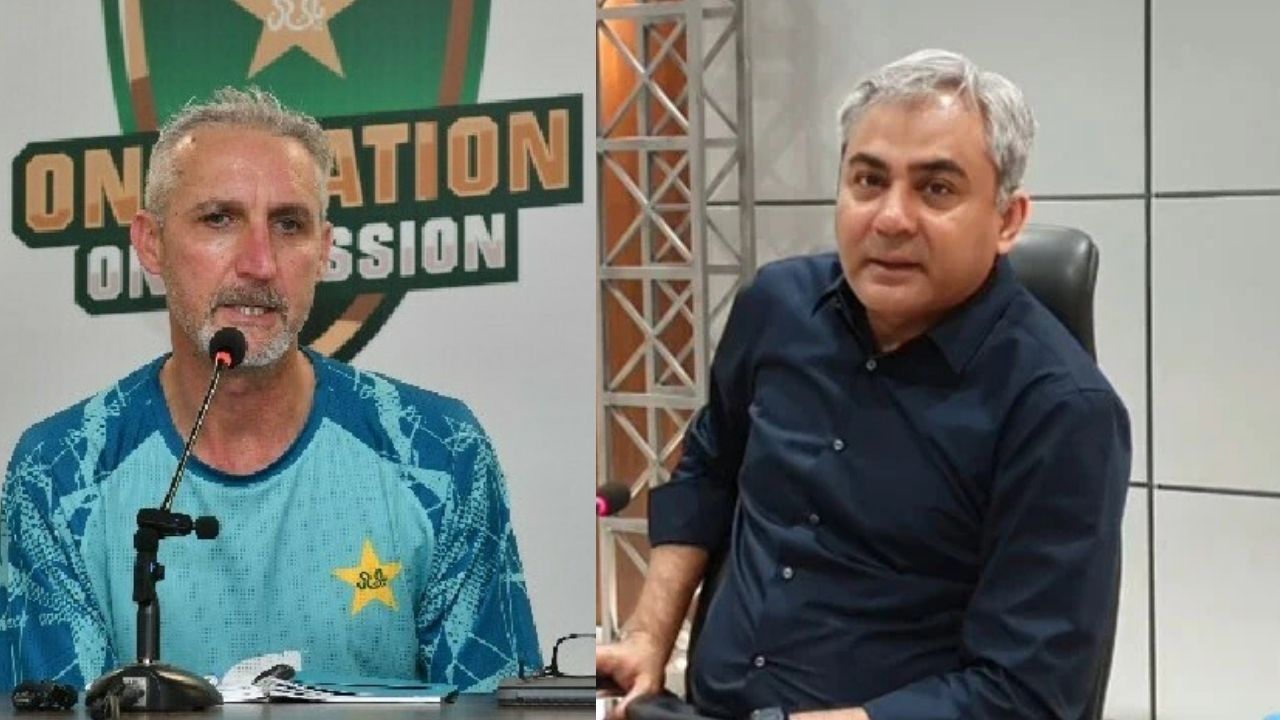
    Former Pakistan Test coach Jason Gillespie has once again spoken out against the Pakistan Cricket Board (PCB), this time expressing his disappointment over Chairman Mohsin Naqvi’s absence from an important team-building session.

    Speaking on The Howie Games podcast, Gillespie shared that he and white-ball head coach Gary Kirsten had made great efforts to attend the “connection camp”, an idea introduced by Kirsten to strengthen team unity. However, they were surprised when the PCB Chairman did not show up in person.

    “Gary came up with this great idea of a connection camp. Everyone in Pakistan cricket basically shared their experiences in that meeting. I flew in from Australia, Gary flew in from South Africa, and Chairman Mohsin Naqvi dialled in Zoom. He is based in Lahore, but Gary came in from Africa. We both felt that the Chairman could not even drive 20 minutes to come here; that was a bit unusual,” Gillespie said.

    Gillespie’s comments suggest that he was unhappy with the level of interest shown by PCB leadership in the team’s progress. 

    Although the PCB had announced Gillespie’s departure from the Test coaching role as a mutual decision, his recent comments show that his time with the Board did not end well.

    Both Jason Gillespie and Gary Kirsten left their roles without making a lasting impact on the team.

  • Fahad Mustafa says that a woman suffering from dementia recognised him because of Jeeto Pakistan

    Fahad Mustafa says that a woman suffering from dementia recognised him because of Jeeto Pakistan

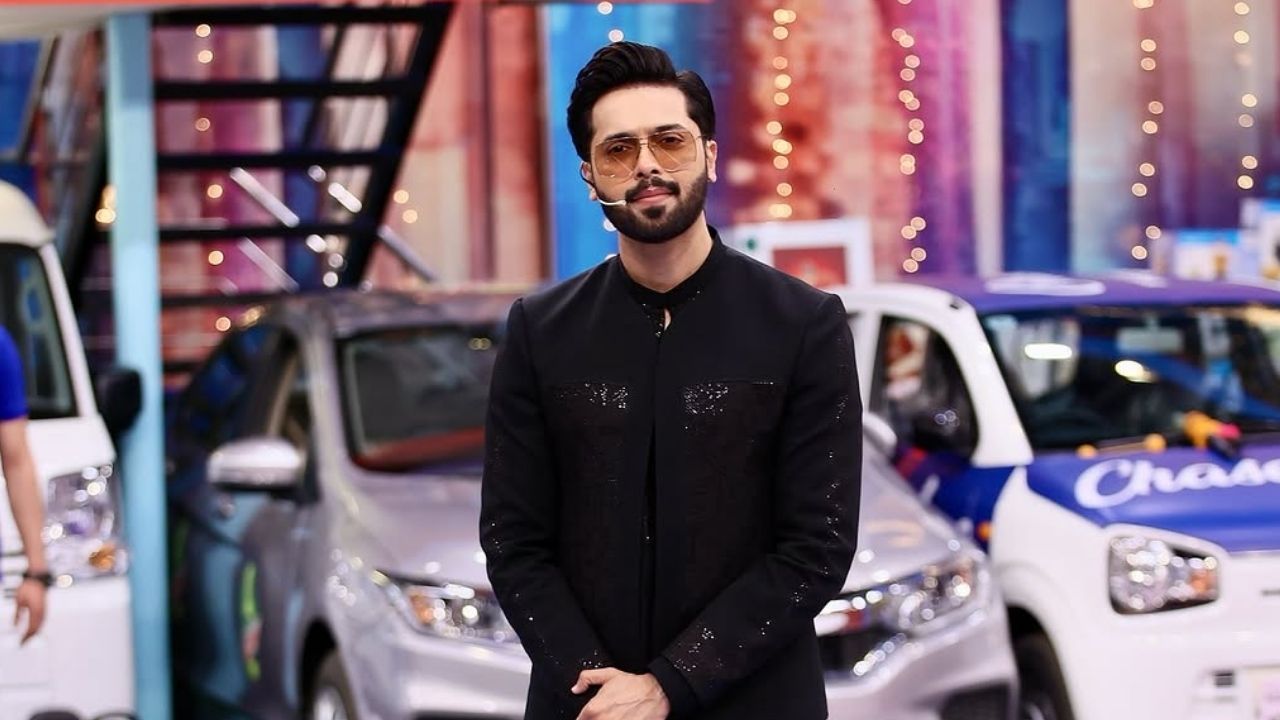
    Television host Fahad Mustafa shared a heartwarming moment with a fan with dementia, highlighting the far-reaching impact of his hit game show Jeeto Pakistan.

    Appearing on ARY’s special Eid programme, Fahad revealed that the show has touched lives in deeply emotional and unexpected ways.

    “An 80-year-old woman with dementia, who doesn’t even recognise her own children or husband, recognises me only because of Jeeto Pakistan,” he recalled.

    “I was shocked. People who don’t understand anything else about the world still understand this show and love it.”

    Dementia is a degenerative brain condition that impairs memory, thinking, and behaviour. Fahad’s account highlights how entertainment, particularly something as widely loved as Jeeto Pakistan, can leave lasting emotional imprints.

    Reflecting on the show’s immense popularity, he added: “People have started chanting Jeeto Pakistan instead of Pakistan Zindabad. I really want to understand what’s so special about this show that it touches so many hearts.”

    Fahad also addressed the topic of gender-based pay disparities in the entertainment industry. He dismissed the common perception that women are underpaid, stating, “It’s wrong to say women are underpaid. Actresses like Mahira Khan, Ayeza Khan, and Hania Aamir sometimes charge more than male actors. As a producer, I’ve paid them more when they deserved it.”

    He emphasised that the amount depends on an artist’s talent and popularity, not gender: “It’s not possible for a newcomer to demand the same as a top star. That’s just not how the industry works.”

    Fahad also revealed that he didn’t charge anything for his role in the 2018 blockbuster Jawani Phir Nahi Ani 2.

    “I didn’t take any payment for the film,” he said.

    The sequel to the 2015 hit was produced by Humayun Saeed, who recently hinted at a possible third instalment. Fahad confirmed, “If Jawani Phir Nahi Ani 3 is made and I’m cast, I’ll definitely do it. I love the team, and I work in the series because I enjoy it, not to compete with anyone.”

    “Humayun Saeed is bigger than me. I respect him deeply, and it’s always an honour to work with him,” he added.

    “Even if I work in the third film, I still won’t take any payment.”

    Looking ahead, Fahad teased two upcoming films, “I’m currently working on two movies. I’ll be acting in and producing both. One will release in 2026, and the other in 2027.”

    He also hinted at a return to television dramas: “There’s a drama I’ve been reading the script of, and it’s actually really fun. I think I can play that character. Let’s see what happens.”

  • The two faces of India: A nation at crossroads

    The two faces of India: A nation at crossroads

    India, often portrayed as the world’s largest democracy, a land of rich culture and boundless diversity, is a country of contrasts. While its face shines white to the global audience, cloaked in technological achievements, Bollywood glamour, and diplomatic rhetoric, the interior often tells a different story: one stained by division, injustice, and rising intolerance. However, a closer look behind the glossy exterior reveals a darker reality riddled with systemic issues, religious discrimination, media manipulation, social injustice, and the unresolved tragedy of Kashmir. The nation that claims to be a beacon of democratic values is, by many accounts, struggling to uphold the very principles it proclaims.


    The Myth of the World’s Largest Democracy. (A Democracy in Name Only?)

    India asserts itself as the world’s largest democracy, showcasing its vibrant and robust democratic principles.. But democracy is not measured by elections alone; it’s defined by how power is distributed, how minorities are treated, and whether justice is blind to religion and caste. India’s democratic institutions have increasingly been criticised for tilting toward majoritarianism, where the rights of minorities are often trampled in favour of the dominant group.

    Elections may still occur regularly, but press freedom, judicial independence, and civil liberties, essential pillars of a functioning democracy, have faced significant decline. Reports from international watchdogs consistently indicate democratic backsliding in India, due to institutional bias, voter suppression in some regions, and the targeting of opposition figures, which question the fairness of the democratic process.

    Human rights defenders say a shift from democratic ideals to autocratic tendencies has occurred, veiled by the illusion of electoral legitimacy.


    Rising Ethnic and Religious Segregation

    India’s population comprises a diverse mix of ethnicities and religions, including Hindus, Muslims, Christians, Sikhs, Buddhists, Jains, and others. The secular ideal embedded in the Indian Constitution is unequivocally under increasing threat. Ethnic and religious segregation is no longer just social but systemic, with communities often confined to ghettos, educational disparities, and employment discrimination.


    The Cost of Religious Intolerance

    There are numerous accounts, both documented by human rights organisations and witnessed by global observers, where people of non-Hindu faiths face violence, exclusion, and marginalisation. Incidents of lynching, forced conversions, and demolitions of religious sites have raised alarms. Zero tolerance for diversity of faith contradicts the values of pluralism and mutual respect.


    Marginalisation and Poverty

    Socio-economic indicators reveal a worrying trend: a disproportionate percentage of Muslims, Christians, and Sikhs live below the poverty line, compared to their Hindu counterparts. Access to quality education, healthcare, and job opportunities is limited, pushing many into generational poverty. This raises questions about equity in policy implementation and the inclusiveness of economic growth.


    Justice or Prejudice?

    The justice system, in theory, is impartial. But justice often appears elusive for those from minority faiths. From delayed trials to selective application of anti-terror laws, many feel the system is weaponised against them. High-profile cases where mob lynchers walk free or where complaints of harassment by minorities are ignored further erode faith in the rule of law.


    Forced Conversions and Coerced Assimilation

    While the Indian government often decries religious conversions, there are disturbing reports of people being coerced or pressured to abandon their religion under socio-economic duress or threats. The state’s role in encouraging “ghar wapsi” (homecoming) programs, where converts to Hinduism are celebrated, while other religious conversions are criminalised, exposes a double standard.


    Media: Watchdog Turned Lapdog

    India’s mainstream media, once a powerful voice of accountability, has increasingly lost credibility. Many outlets toe the government line, ignore ground realities, or peddle misinformation, especially about neighbouring countries. The media is now often accused of stirring communal hatred, spreading fake news, and deflecting attention from pressing domestic issues.


    A Defiance of International Norms

    India is a signatory to numerous international treaties, including human rights conventions. However, its track record on compliance has raised concerns, especially in areas involving religious freedom, minority rights, and environmental obligations. Ignoring UN resolutions, particularly concerning Jammu and Kashmir, only further isolates India diplomatically.


    The Unresolved Kashmir Conflict

    One of the most striking contradictions exists in Indian Illegally Occupied Jammu and Kashmir (IIOJK), a region whose history is marked by conflict, occupation, and unfulfilled promises. Since 1947, the people of Kashmir have suffered military crackdowns, communication blackouts, and loss of autonomy. Despite a UN resolution calling for a plebiscite, India continues to maintain its presence with force, citing security threats while ignoring calls for self-determination and human rights.

    The revocation of Article 370 in 2019, which stripped the region of its special status, further fueled unrest and accusations of colonisation. Now, India must wake up to resolve the long-lasting issue after the heavy punch as retaliation, on May 10, 2025, and come to the table to settle the Kashmir issue according to the UN resolution.


    Restricted Religious Freedoms

    While India’s majority religion enjoys freedom and state patronage, religious rituals and gatherings of minority faiths are often obstructed. Be it denying permits for processions, heavy policing at minority festivals, or arbitrary arrests under vague charges, the space for non-Hindu religions to practice freely is shrinking.


    A Path Forward?

    India is a country with immense potential; its youth, resources, and cultural wealth are unmatched. But unless it addresses these internal contradictions, it risks eroding its moral authority and global standing. The real strength of a nation lies not in suppressing differences, but in embracing them with dignity and fairness.

    India must make a choice: continue on the path of division and dominance, or return to the foundational principles of its Constitution: secularism, justice, liberty, and equality for all.

    India must reflect deeply on the widening gap between its constitutional promises and lived realities. Only through inclusive governance, equitable development, and genuine commitment to democratic values can the nation cleanse itself of the “filthy spots” that threaten to mar its image, both domestically and globally.

    Only then can the façade be removed, and a truly inclusive nation rise from within.

    Written by: Moazzam M Malik


    The author is a dedicated academic committed to intellectual growth through meaningful discourse.
  • Conor McGregor deletes tweet after Liam Cunningham schools him

    Conor McGregor deletes tweet after Liam Cunningham schools him

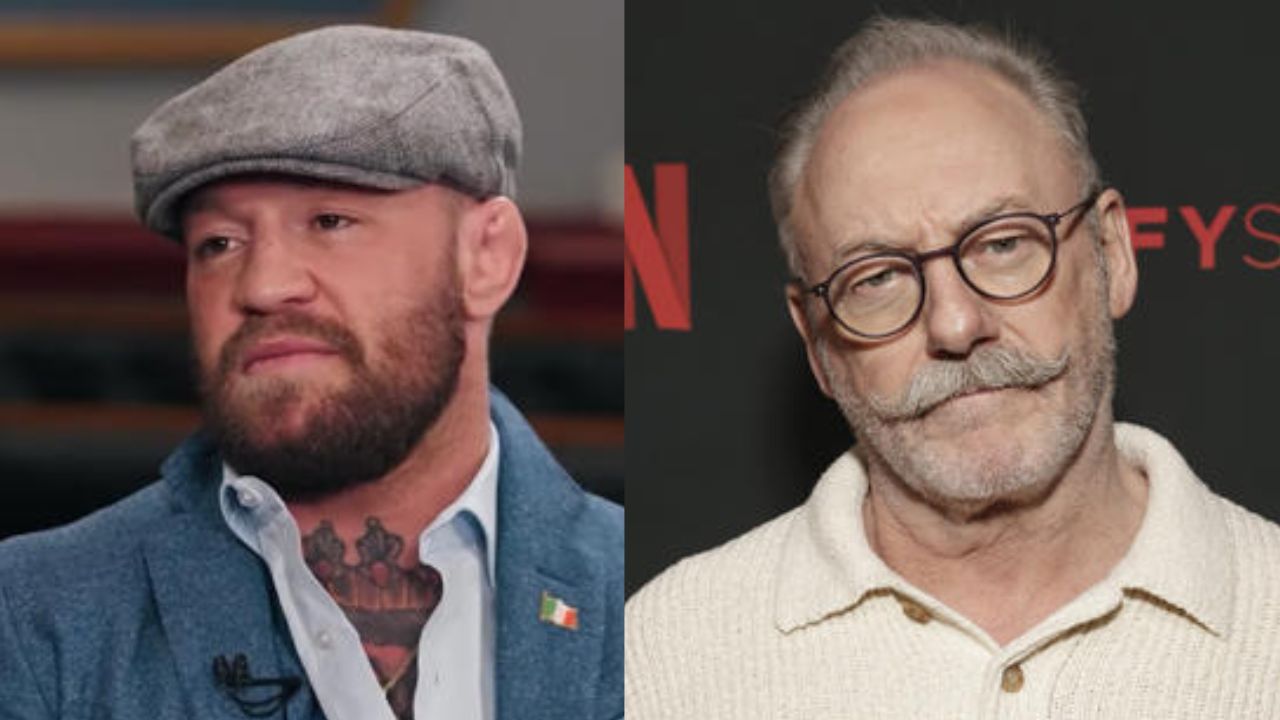
    Controversial UFC star Conor McGregor has engaged in a heated exchange with Irish actor Liam Cunningham on social media about the Gaza-bound aid vessel Madleen.

    The Israel Defense Forces boarded the ship that was transporting 12 individuals, including Swedish activist Greta Thunberg, who were trying to enter Gaza and breach a naval blockade to feed the starving population during the night.

    The ship departed from Sicily last Sunday aiming to deliver essential humanitarian assistance to the area.

    The British-flagged vessel was packed full of aid supplies, and many expedition members used social media to share their experiences in an effort to raise awareness of Israel’s genocide in Gaza.


    Game of Thrones actor Liam Cunningham was also involved in the Freedom Flotilla Coalition (FFC), revealing that those aboard were transporting items that Israel were not allowing inside Gaza such as crutches and baby formula.


    The Irish star had shared several tweets in the wake of Israel seizing the aid boat, with one stating: ‘The Freedom flotilla was attacked during the night.  

    The ship was rammed, boarded, and the 12 volunteers kidnapped.’ He described it as “more reprehensible behaviour from the genocidal regime in Tel Aviv.” 


    Conor McGregor, a known supporter of Israel, quickly responded to the actor’s tweet on X, saying: ‘I thought you were on this boat Liamo, what happened?’ ‘You forgot your goggles? You get seasick off the gargle? Bottler,” the athlete taunted.


    The comment was replied to calmly by Cunningham: “Didn’t know you could read and write, Conor. Thought you used your hands to tap out.” 

    Cunningham was referring to McGregor’s UFC loss to Russian former mixed martial artist Khabib Nurmagomedov, in which the Dubliner was forced to tap out.

    Before the match, Connor had continuously taunted Khabib, a devout Muslim.

    During their bout, Khabib dominated Connor effortlessly, handing him a humiliating defeat. 

    McGregor has since deleted his post. The conflict arose when Madleen’s capture attracted attention from across the world, with activists drawing attention to genocide in Gaza. 


    Cunningham’s tweet racked up 12K retweets with the majority of Irish social media users siding with the actor as opposed to the brash wrestler.

  • Trump’s South Asia nominee backs ties with Pakistan, stresses peace after India clashes

    Trump’s South Asia nominee backs ties with Pakistan, stresses peace after India clashes

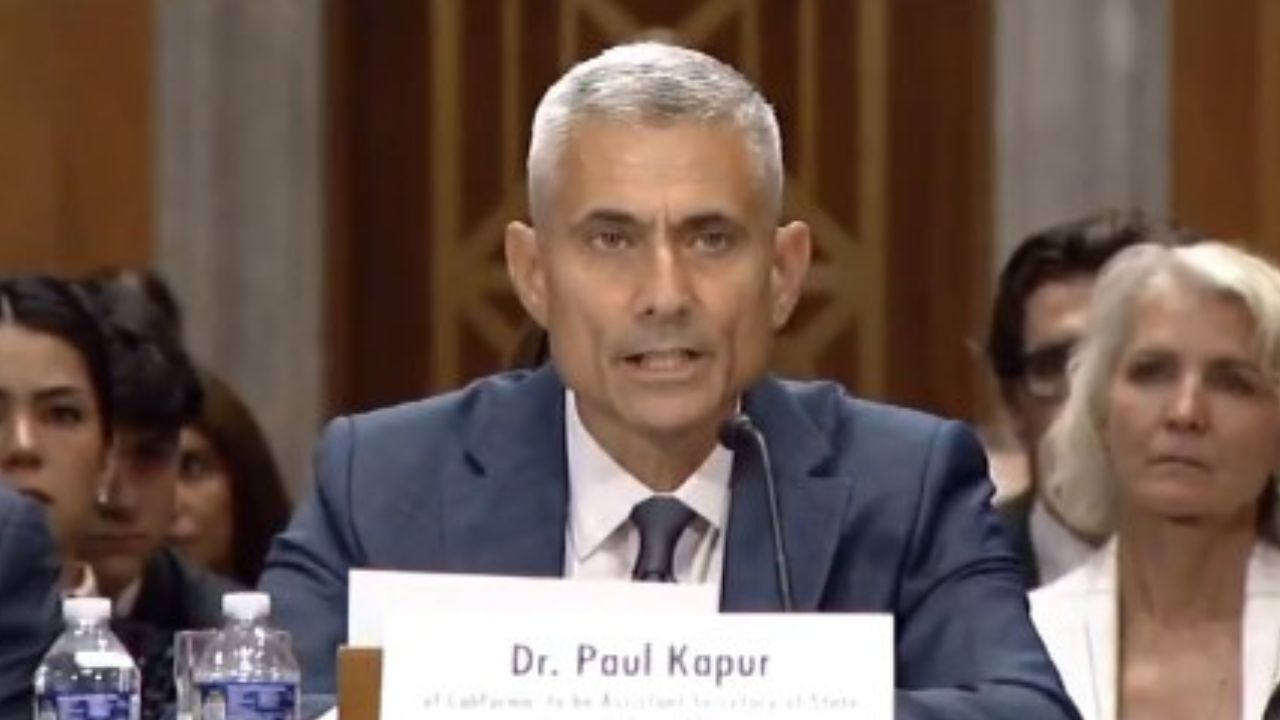
    Paul Kapur, US President Donald Trump’s nominee for the key role of Assistant Secretary of State for South and Central Asian Affairs, appeared before the Senate Foreign Relations Committee on Tuesday for his nomination hearing, where he outlined the relationships and opportunities the United States would engage in, including with Pakistan, if confirmed for the position.

    Commenting on Pakistan, Trump’s Indian-origin nominee stated his plan to pursue security cooperation where it is beneficial to US interests while seeking opportunities for bilateral collaboration “in trade and investment”.

    Regarding India, he remarked that Washington, DC and New Delhi share a “host of common interests”, including ensuring a free and open Indo-Pacific region that is “not dominated by China”, expanding bilateral trade, and building an economic relationship that is “more symmetrical and more profitable”.

    Terming the US relationships with South and Central Asian countries as ones that “hold great promise”, Kapur said that with effective policy, the region can flourish and enable the US to achieve Secretary Rubio’s goal of making the country safer, stronger, and more prosperous.

    He commended the role of US Vice President JD Vance and Secretary of State Marco Rubio for their engagement in avoiding what he called “a costly conflict”, alluding to last month’s military and diplomatic standoff between Islamabad and New Delhi following the Pahalgam incident on April 22.

    “If confirmed, I will continue to promote long-standing US security interests with India and Pakistan through the pursuit of peace and stability and the fight against terrorism,” he remarked.

    Declaring Sri Lanka, Bangladesh, Nepal, Maldives and Bhutan “important for stability in the Indo-Pacific region”, the US president’s nominee said that he will advocate for enhanced US cooperation with these countries to bolster country security, “counterbalance China’s influence”, and expand trade.

    Commenting on Afghanistan, Kapur said that, if successfully appointed, he will support President Trump and Secretary Rubio in bringing home wrongly detained Americans. 

    “I also will work to ensure that the country never again becomes a springboard for terrorism threatening the homeland,” he added.

    On Central Asia, he stressed that the US seeks to advance the sovereignty and the territorial integrity of regional states, adding, “If confirmed, I will leverage the C5 plus1 process as well as bilateral formats and pursue cooperation in areas including energy, critical minerals, counterterrorism, the fight against transnational crime, and the development of physical and digital infrastructure.”

    The opportunities in South and Central Asia that I’ve just outlined hold tremendous promise. If confirmed, I will pursue them energetically to realise their potential to enhance the safety, strength, and prosperity of the American people.”

    Security expert and author Paul Kapur was nominated by President Donald Trump for the position of Assistant Secretary of State in February this year. If his nomination is confirmed, Kapur would succeed Donald Lu, who completed his term on January 17, 2025.

  • Ali Raza responds after Atiqa Odho’s viral advice to ‘wax your chest’

    Ali Raza responds after Atiqa Odho’s viral advice to ‘wax your chest’

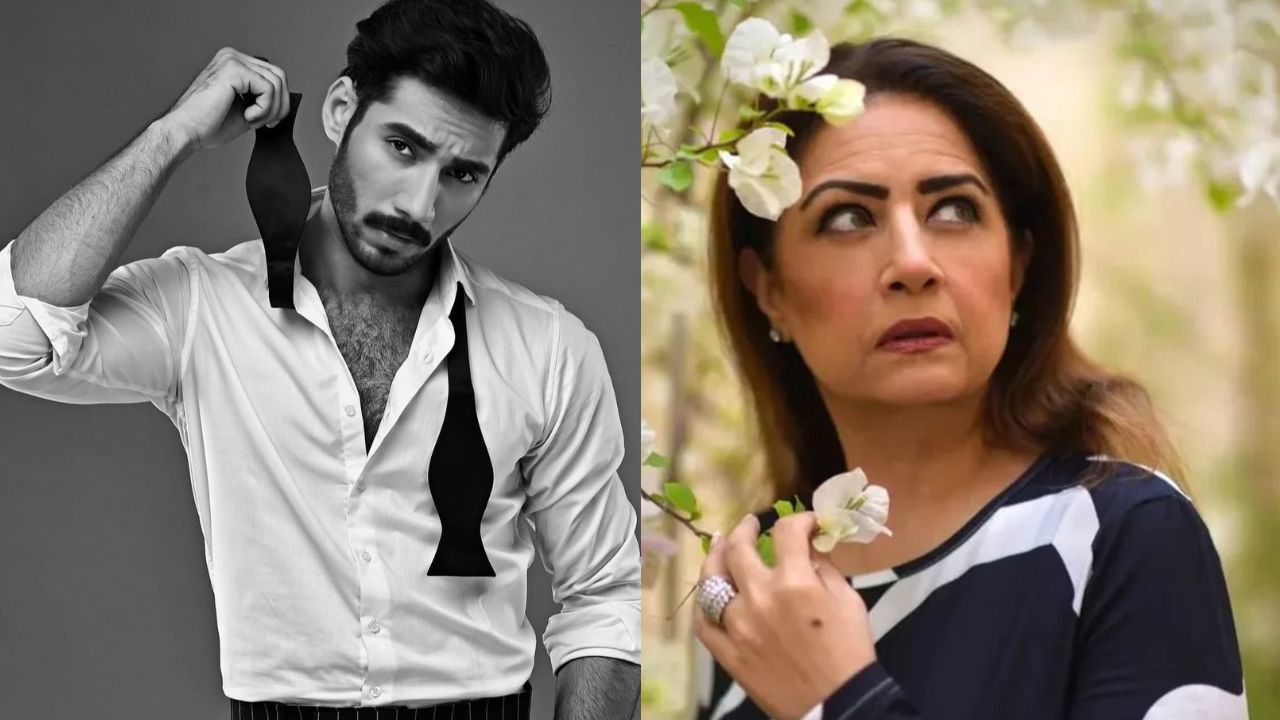
    Actor Ali Raza has responded to Atiqa Odho’s criticism over his appearance in the drama Dastak, sparking debate over on-screen styling and double standards in the industry.

    Atiqa criticised Raza’s clothing choices during a recent interview with Nadia Khan and Marina Khan, singling out his unbuttoned shirts. “Women are constantly instructed to wear long sleeves and follow strict wardrobe rules,” she said. “Why shouldn’t the same standards apply to men?”

    She clarified that she didn’t object to bold styling in general, but questioned its relevance in family dramas. “What really bothers me in Dastak is Ali Raza’s partially unbuttoned shirt,” she said. “It’s not necessary to show a hairy chest on screen.”

    The conversation then took a playful turn as she joked, “Please, do wax your chest. Hairy chests are the biggest turn-off. I can even take you to the salon. He’s a good actor, good-looking and all, but this is a big no-no.”

    Marina Khan shared her opinions, citing Shamoon Abbasi and other male performers who have had comparable appearances on television.

    Ali Raza later addressed the remarks while commenting on Instagram under a clip of the interview. He wrote: “Lagta hai baat toṛi galat jagah kar di inho ne. #AwamNhiChorayGy.”

    His response received support from followers. One user replied, “Yes, nahi choray gy,” while another commented, “Ali, we just love the way you are.”