Author: News Desk

  • Israeli forces chief warns army ‘will collapse in on itself’

    Israeli forces chief warns army ‘will collapse in on itself’

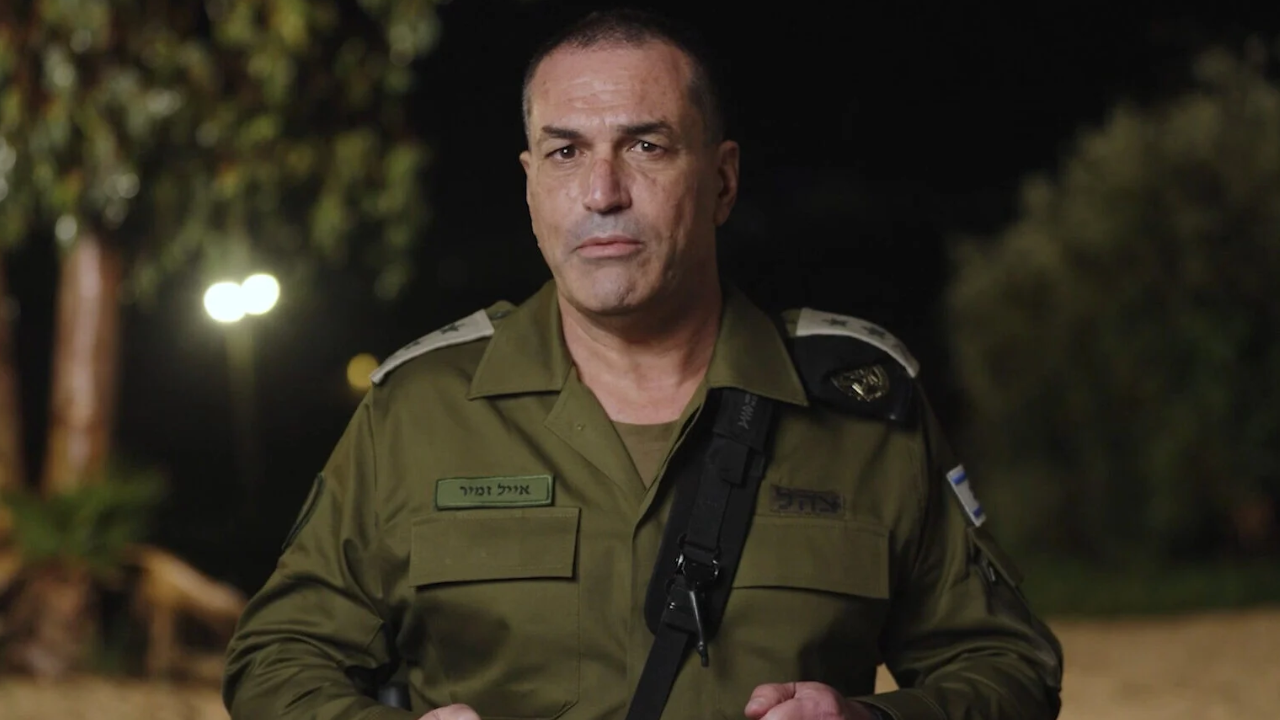
    Israeli military Chief of Staff Lt. Gen. Eyal Zamir has warned the security cabinet this week that the Israel Defense Forces (IDF) could “collapse in on itself” if urgent measures are not taken to address mounting operational demands and a growing shortage of soldiers.

    “I am raising 10 red flags in front of you,” Zamir said during the meeting, according to an Israeli channel. “Right now, the IDF needs a conscription law, a reserve duty law, and a law to extend mandatory service. Before long, the IDF will not be ready for its routine missions and the reserve system will not last.”

    Zamir’s comments came as opposition figures criticized the government for failing to ensure sufficient resources for the army. 

    Israel’s former Prime Minister Naftali Bennett said that Israel’s leadership was “preventing the IDF from winning” and highlighted that the military is “20,000 soldiers short,” while noting that over 100,000 ultra-Orthodox men of military age could help fill the gap.

    Opposition Leader Yair Lapid addressed the Channel 13 report, saying that the government had sent the army “into a multi-front war without a strategy, without sufficient resources, and with too few soldiers.” 

    He called for stricter drafting of ultra-Orthodox men, who have historically been exempted from military service, and urged action against far-right National Security Minister Itamar Ben Gvir, “who openly supports Jewish terrorists,” adding that all enforcement capabilities should be deployed to fight settler violence.

    Israel’s Central Command chief Maj. Gen. Avi Bluth told ministers that government policies in the West Bank have placed added pressure on IDF manpower. He noted that over the past year, approvals for settlements in the Jordan Valley and across the West Bank have created new security demands. “This is your policy,” Bluth said, “but it requires security and a full protection package, because the reality on the ground has completely changed and that requires manpower.”

    Footage shown to ministers during the meeting reportedly highlighted a rise in extremist settler attacks, which have increased amid Israel’s illegal war on Iran. The IDF recently diverted an infantry battalion initially meant for Lebanon to respond to violence in the West Bank, with officials indicating further troop deployment may be required.

    Several ruling party lawmakers also echoed Zamir’s warnings.
  • Iran warns hotels housing US troops will be treated as military targets

    Iran warns hotels housing US troops will be treated as military targets

    Iran’s military has warned that hotels housing US troops across the region could be considered potential targets in any escalation with the United States (US) and Israel.

    Armed forces spokesman Abolfazl Shekarchi, speaking to state television, said that facilities accommodating American personnel would fall under the same classification as US military presence.

    “When all the Americans (forces) go into a hotel, then from our perspective that hotel becomes American,” he said. “Should we just stand by and let the Americans strike us? When we respond, naturally we have to strike wherever they are.”

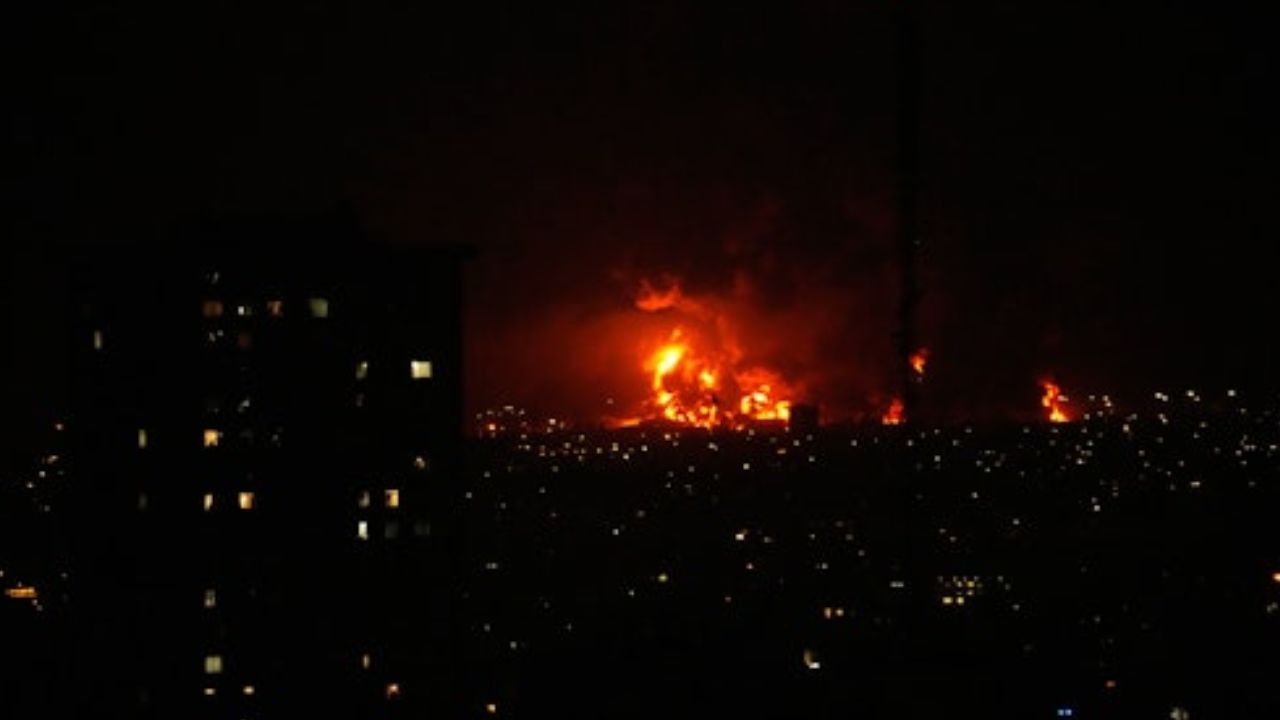
    The statement was released as tensions continue to rise following illegal strikes on Iran carried out by Israel and the United States on 28 February.

    Since then, Iran has launched drone and missile attacks targeting Israel and US-linked interests across the Middle East.

    Around 50,000 US troops are already deployed in the region under what has been described as the Trump administration’s operation “Epic Fury,” with no ground invasion currently underway.

    However, the Wall Street Journal (WSJ) reported that the United States is considering deploying up to 10,000 additional troops to the Middle East to expand available military options. The proposed deployment would add to existing paratroopers and Marine units already stationed in the region.


    According to the report, the additional forces would likely be positioned within range of Iran and Kharg Island, a key oil export hub off Iran’s coast, though exact locations remain unclear.

  • Pakistan secures petroleum supply up to April 25 amid regional uncertainty

    Pakistan secures petroleum supply up to April 25 amid regional uncertainty

    Pakistan has secured its petroleum supplies up to April 25, with domestic refineries running at high capacity and imports from multiple sources ensuring uninterrupted fuel availability.

    The News quoted officials from the Petroleum Division as saying that the country is currently facing no shortage of petroleum products.

    They added that “improved inventory management and timely import decisions have strengthened supply chains”, noting the importance of alternative imports, including shipments from Oman.

    In March, Pakistan received three petrol shipments and one diesel shipment from Omani ports. Another two petrol cargoes are expected before the month ends, adding to the country’s reserves.

    Officials said Pakistan State Oil (PSO) is engaged in talks with Oman Trading International to secure additional shipments to meet growing domestic demand.

    Pak-Arab Refinery Company (PARCO), the largest refinery in the country, is operating at 100 percent capacity. Its current crude oil stocks can meet domestic requirements for about 15 days, and incoming deliveries are expected to maintain supplies through April 25. 

    National Refinery Limited (NRL) and Pakistan Refinery Limited (PRL) are operating at around 80 percent of their capacity, up from previous levels of 50-60 percent, reflecting better crude availability.

    The stable supply situation follows swift measures taken after the conflict involving the United States (US) and Israel against Iran started Feb 28, which sparked concerns over possible disruptions in oil shipments through the Strait of Hormuz. Authorities quickly arranged alternative crude deliveries from regional hubs, including Fujairah in the United Arab Emirates (UAE) and Yanbu in Saudi Arabia.

    Officials said that these proactive steps have allowed Pakistan to maintain consistent fuel availability, even as some neighbouring markets, such as India and Bangladesh, face tighter supplies.

  • LPG, petrol shipments arrive at Port Qasim

    LPG, petrol shipments arrive at Port Qasim

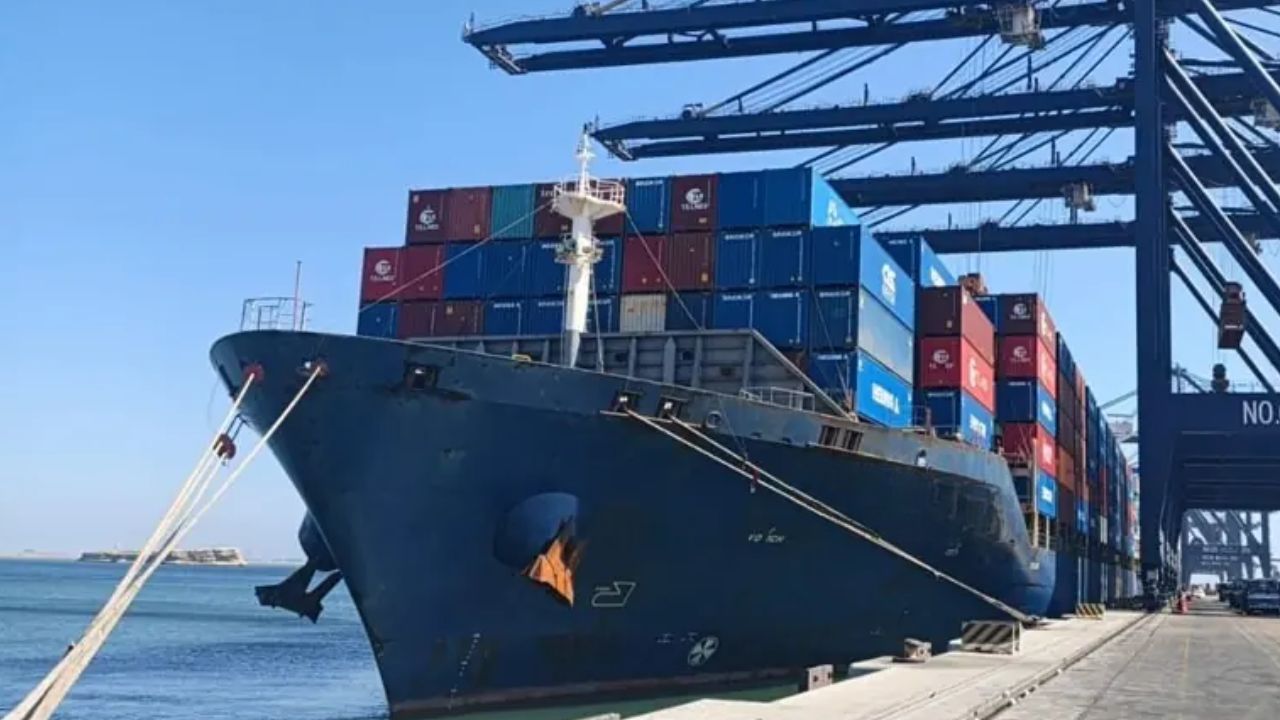
    Multiple shipments of liquefied petroleum gas (LPG) and petrol have arrived at Port Qasim as the government moves to stabilise the country’s energy supply, officials told a private media outlet.

    Authorities said that there is no shortage of LPG or petroleum products in the country and added that additional vessels are expected in the coming days to maintain supply levels.

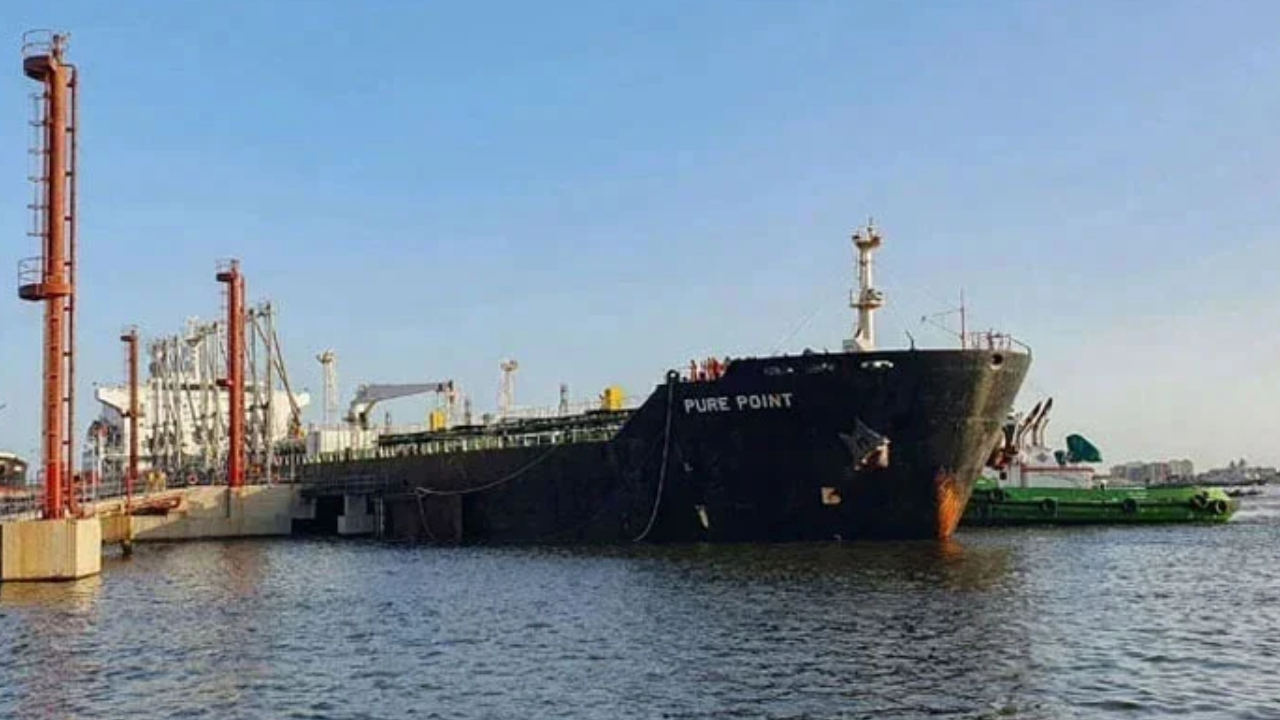
    According to the Port Qasim administration, the vessel PCG Pericles (LPG carrying vessel) arrived from Oman carrying over 3,800 tonnes of LPG and is currently berthed at the outer terminal. Another tanker, MT Virgo, is anchored at the port with around 3,800 tonnes of petrol.

    Officials said that the vessel Navigator Aries also arrived from Iraq with 11,136 tonnes of LPG.

    Separately, the Oil and Gas Regulatory Authority (OGRA) took notice of reported increases in LPG prices and stated that action will be taken against those involved in overcharging. A spokesperson said a nationwide crackdown is being launched.

    Officials reiterated that supply levels remain stable and sufficient to meet domestic demand.

    Earlier, authorities said Pakistan has adequate stocks of petrol and diesel to meet demand through April and beyond.

    The assessment was presented in a meeting chaired by Deputy Prime Minister Ishaq Dar to review petroleum reserves and overall supply conditions.

    The meeting also reviewed preparedness in view of the evolving situation in the Middle East.

    The deputy prime minister directed relevant ministries to maintain coordination, ensure uninterrupted supply and take measures to safeguard fuel availability in the coming weeks.

  • ‘Use sugar daddies for money’: Zainab Yousaf’s advice sparks furious debate

    ‘Use sugar daddies for money’: Zainab Yousaf’s advice sparks furious debate

    Pakistani model Zainab Yousaf has sparked plenty of controversy after her remarks about “sugar daddy” relationships went viral on social media.

    In a recent interview, Zainab advised young women to stay cautious in such relationships and not treat them as serious commitments. She said that many girls make the mistake of expecting marriage, but she believes the dynamic should remain transactional.

    “Don’t take sugar daddies seriously, don’t fall in love. They are already married and have children. Take as much financial benefit as you can,” she said.

    She also encouraged taking cash instead of gifts, saying that it helps maintain independence.

    “I think taking cash is better than gifts so you can stay financially independent at all times,” she stated. 

    Zainab claimed that many of her friends follow the same approach and rely on such relationships for a certain lifestyle.

    “Many of my friends have sugar daddies. They get bags and perfumes, but when those men are not with them, they have no other source of income,” she claimed. 

    She warned that this dependency can lead to serious consequences.

    “I have seen girls get into smoking, drugs and other bad things when that lifestyle suddenly disappears,” she added.

    Sharing an example, she spoke about a case involving a “sugar aunty.”

    “I know someone who got a Land Cruiser from a sugar aunty, but it was taken back when the relationship ended, and it affected his lifestyle,” Zainab narrated. 

    Her statements triggered strong reactions online, with many users criticizing her views. Several called the remarks inappropriate, while others described them as a reflection of declining social values. 

    It is worth noting that she has over 112k followers on Instagram and has recently been seen with singer Zeeshan Rokhri in his song “Main Sadkay”.

  • Indian football coach, players denied entry into stadium due to unpaid security deposit

    Indian football coach, players denied entry into stadium due to unpaid security deposit

    Indian football head coach Khalid Jamil and several players faced an unusual situation on Thursday when they could not enter the stadium for their scheduled press conference ahead of the Asian Cup qualifier against Hong Kong.

    According to reports, the incident took place at Jawaharlal Nehru Stadium, where India are set to play their upcoming home fixture. Officials stopped the team from entering the venue, which forced the pre-match press conference to be called off.

    Reports added that the issue arose because the Kerala Football Association did not pay a mandatory security deposit to the local authorities that manage the stadium. Indian media reported the development, quoting an official from the All India Football Federation (AIFF).

    Despite the disruption, the AIFF expressed confidence that the situation would be resolved in time for the match.

    “We have full faith that the formalities will be completed by the Kerala Football Association with the local authorities,” the federation said in a statement on X.

    The incident has added to recent criticism surrounding the AIFF. Earlier this month, the Indian women’s team faced issues during the AFC Women’s Asian Cup when they received undersized kits, forcing staff to arrange replacements locally.

    On the field, India’s men’s team has struggled in the AFC Asian Cup 2027 qualifiers. The team sits at the bottom of its group and has already been eliminated from contention.

  • Money laundering case: Court denies bail to Hamza Ali Abbasi’s sister

    Money laundering case: Court denies bail to Hamza Ali Abbasi’s sister

    A special central court in Islamabad has rejected the interim bail application of Fazeela Abbasi, sister of actor Hamza Ali Abbasi, in cases concerning money laundering, hawala/hundi, and suspicious financial transactions.

    Special Judge Central Humayun Dilawar turned down the plea, citing the petitioner’s non-appearance. The court also denied her request for medical exemption and later released a detailed written order explaining the decision.

    The ruling noted that the petitioner had deliberately misused the relief granted in pre-arrest bail. It pointed out that the bail application had been pending since January 13, 2026, and that the Islamabad High Court had not issued any restraining order in the matter.

    The court further stated that any relief previously provided to Fazeela Abbasi was linked to a stay order in a separate case and did not apply to the current proceedings.

    With the interim bail denied, legal action against her is expected to move forward.

    Meanwhile, Hamza Ali Abbasi and his wife Naimal Khawar Khan are focusing on the launch of their matchmaking platform, Marriage4life. The couple shared the announcement on their official account.

    In a separate video, Hamza Ali Abbasi explained, “There are ground offices in multiple locations. We have offices in the UK, Norway, Paris, Denmark, and Lahore, ready to help not just with marriage matchmaking but also with pre-marriage consultations and post-marriage consultations.”

    He added that the team in Europe is involved in making the app accessible on Apple devices, Android, and web browsers.

  • US considers sending 10,000 additional troops to Middle East: report

    US considers sending 10,000 additional troops to Middle East: report

    The Pentagon is considering deploying up to 10,000 additional ground troops in the Middle East to expand military options for the United States (US) administration while diplomatic engagement with Iran remains under review, an American media outlet reported on Thursday, citing officials familiar with the matter. 

    The proposed deployment is expected to include infantry units and armored vehicles.

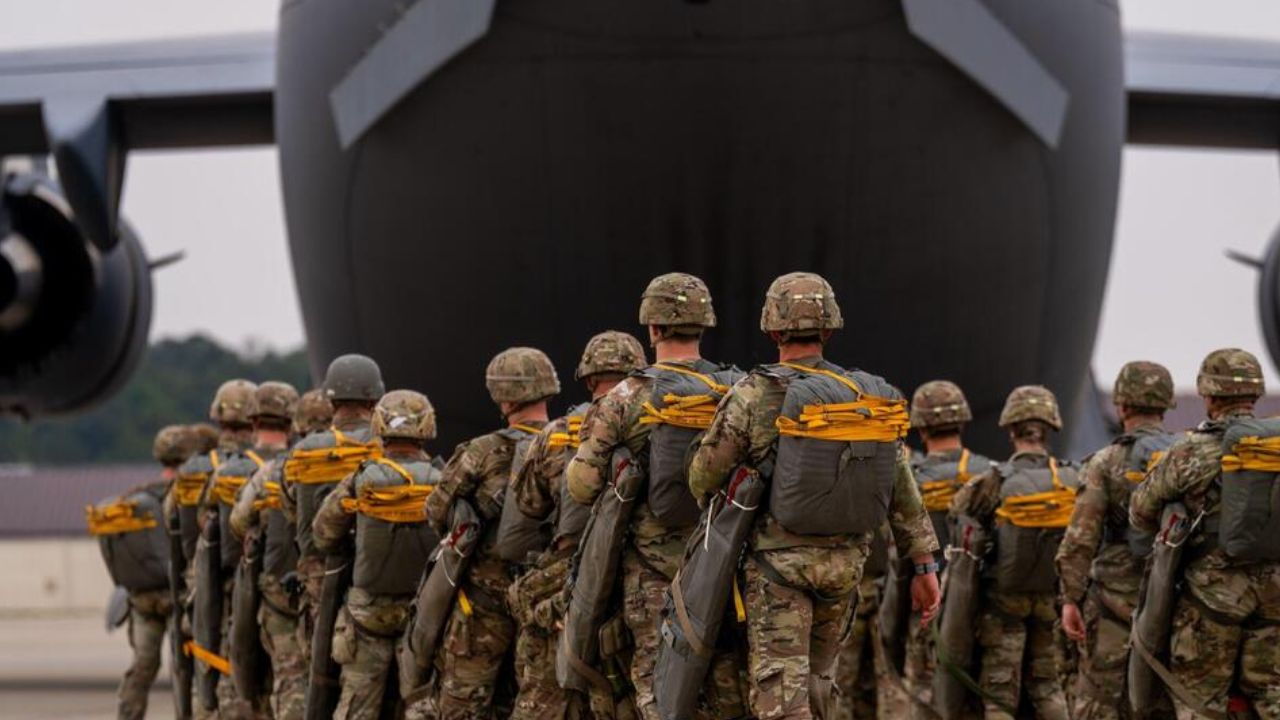
    Earlier this week, the Pentagon began preparations to send at least 1,000 soldiers from the US Army’s 82nd Airborne Division to the region. The move follows the repositioning of around 5,000 Marines to the Middle East. These additions come on top of approximately 50,000 US troops already stationed in the region.

    According to officials cited in reports, the buildup has fueled assessments that Washington DC is positioning forces for potential limited ground operations, including securing maritime routes or strategic infrastructure linked to Iran’s energy exports.

    Analysts cited in the report said that US ground forces could potentially secure key sites, including Kharg Island, but warned of long-term operational and financial costs. 

    Mick Mulroy, a former US Department of Defense official now with the Middle East Institute, said military capability does not automatically translate into strategic justification.

    “Yes, we could do it, but the question isn’t can we do it?” he said. “It’s — should we do it? And the best route out is going to be diplomacy. I know it’s easier said than done, but diplomacy and negotiations only work if both sides are willing to compromise.”


    US President Donald Trump has said that Iran had allowed Pakistan-flagged tankers to pass through the Strait of Hormuz.

    “Well, I guess we’re dealing with the right people,” Trump said.

  • Pakistan terms Jaishankar’s remarks ‘undiplomatic’, says they betray frustration

    Pakistan terms Jaishankar’s remarks ‘undiplomatic’, says they betray frustration

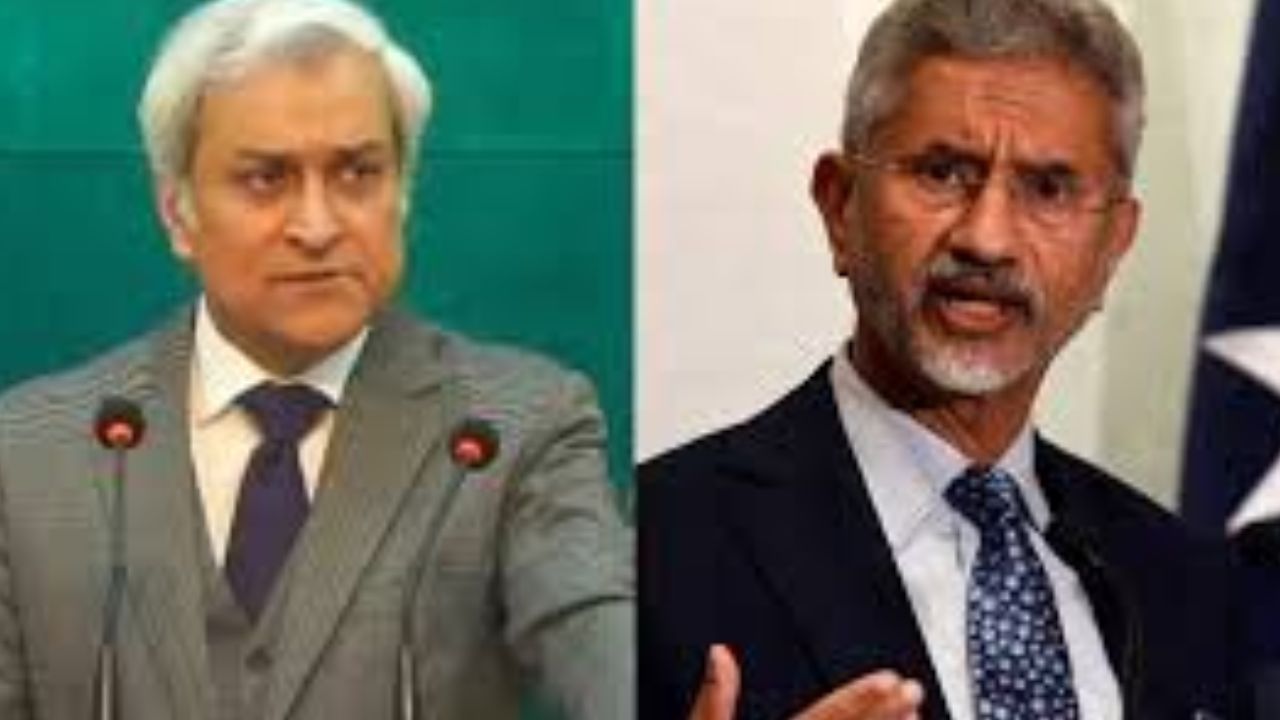
    Pakistan on Thursday termed remarks by S. Jaishankar as “undiplomatic,” a day after he criticised Islamabad’s role in indirect talks between Iran and the United States (US).

    The Foreign Office (FO) stated that the language used by the Indian minister reflected frustration.

    During a weekly briefing, a spokesperson noted that such rhetoric “betrays a deeper sense of frustration”.

    “When arguments run thin, invective appears to fill the gap. Pakistan does not subscribe to such megaphone theatrics. Our approach is anchored in restraint, decorum and not in rhetorical excesses,” the spokesperson said.

    A day earlier, Jaishankar had stated that India cannot act as a ‘dalaal’ nation in global geopolitics, using a term considered derogatory in South Asia while responding to criticism over Pakistan’s role in facilitating dialogue in the Middle East.

    In India, the Indian National Congress also criticised the government over the remarks.

    Party leader Jairam Ramesh said that Jaishankar was attempting to cover up what he described as a setback to India’s regional diplomacy following Pakistan’s emergence in a mediating role.

    He argued that Pakistan being considered for mediation reflects on India’s diplomatic approach under Narendra Modi.

    Ramesh further stated that Pakistan had previously faced isolation after the 2008 Mumbai attacks, but its current role indicates a shift in regional dynamics.

    “The External Affairs Minister said last night that India is not a broker country. Be that as it may, the fact remains that the colossal failures in our diplomacy, outreach and narrative management have made a broken country a broker country,” he said.

    In a separate statement, Congress leader Pawan Khera questioned the government’s position, referring to past attempts by India to mediate in international conflicts.

    The Indian government, during an all-party meeting, stated that Prime Minister (PM) Narendra Modi had conveyed to US leadership that the conflict in West Asia should end.

    Officials maintained that India has been responding to developments and remains focused on the safety of its citizens in the Gulf region and its energy requirements.

    Opposition members, however, termed the government’s response unsatisfactory and called for a debate in parliament on the situation.

  • Fourth Pakistani killed in UAE as missile debris casualties continue

    Fourth Pakistani killed in UAE as missile debris casualties continue

    A Pakistani national was killed in Abu Dhabi after debris from a missile interception fell in a residential area, authorities said on Thursday, taking the total number of Pakistani deaths in such incidents in the United Arab Emirates to four.

    The Abu Dhabi Media Office said that the incident took place on Sweihan Street and involved debris from the interception of a ballistic missile. In an initial statement posted on X, it reported “deaths of two unidentified individuals, three injuries, and damage to a number of cars”.

    In a subsequent update, the media office confirmed that the two people killed were of Pakistani and Indian nationality. It added that three others were injured, identifying them as individuals of Emirati, Jordanian and Indian nationality. According to the statement, the injuries ranged from serious to moderate.

    “The public is advised to obtain information only from official sources and to avoid spreading rumours or unverified information,” the media office said.

    The Pakistan Embassy in the UAE also confirmed the death of a Pakistani national and expressed condolences in a statement shared on X. “In this difficult time, we stand with the bereaved family, offering our heartfelt condolences and prayers,” the embassy said.

    It added that it was in “close coordination” with local authorities to “extend all possible support and to facilitate the earliest repatriation of the deceased”.

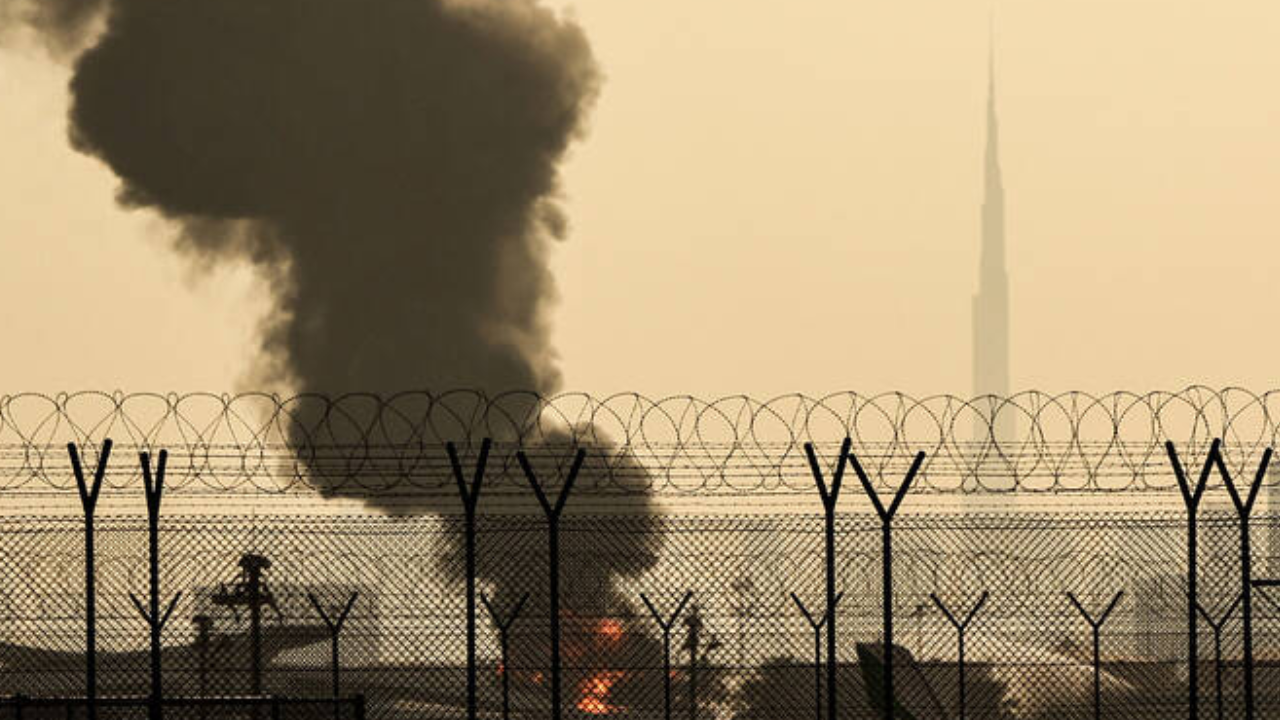
    The latest incident comes amid ongoing missile interceptions linked to the US-Israel war on Iran, during which falling debris has caused casualties.

    On March 17, a Pakistani national was killed after debris from a ballistic missile interception fell in the UAE. Earlier, on March 8, a Pakistani driver died when debris from an aerial interception struck a vehicle in Dubai’s Al Barsha area.

    Another Pakistani national, identified as Mureed Zaman, was killed in Abu Dhabi on February 28, the day the conflict began with strikes launched by the United States and Israel on Iran.

    In a separate incident on March 8, a fisherman from Gwadar was killed in Iranian waters after debris from an Israeli projectile, intercepted by Iranian air defence systems, hit his boat.