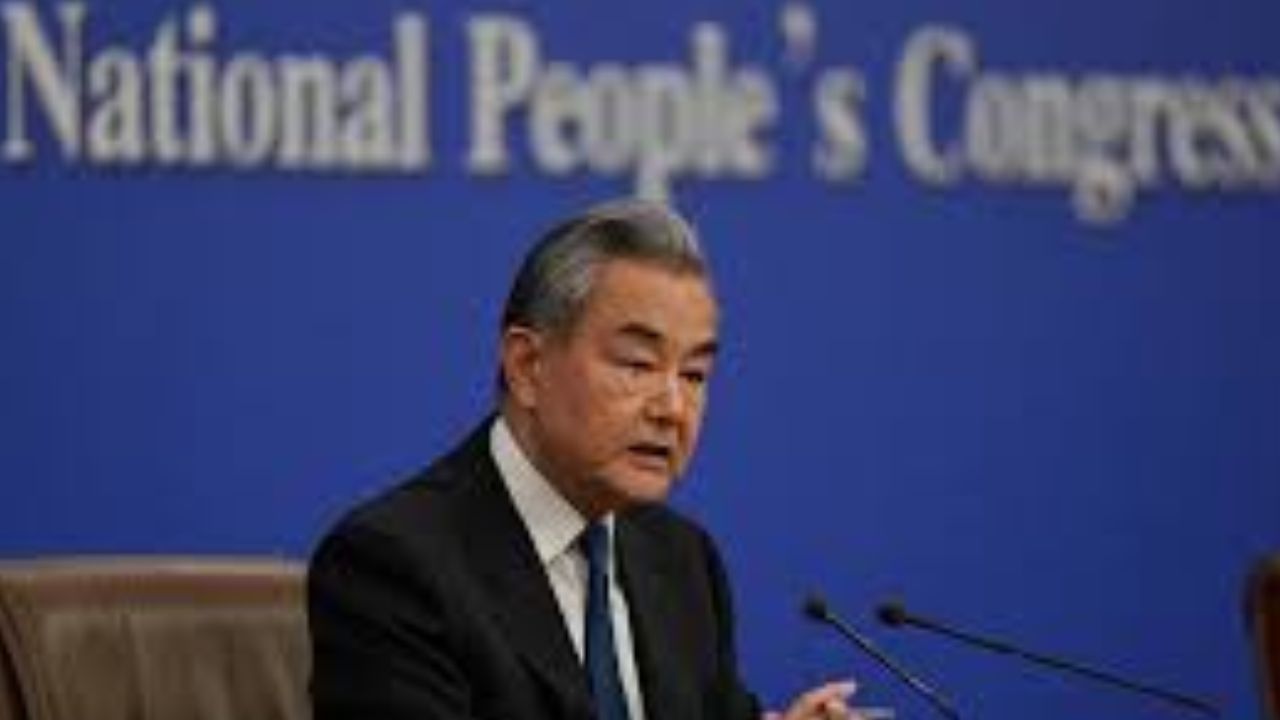
China’s top diplomat Wang Yi has said that a “glimmer of hope” for peace has emerged in the Middle East amid ongoing efforts to end the conflict, even as Iran vowed to continue fighting.
The White House has warned that US President Donald Trump is prepared to take strong action if Iran does not accept a proposed peace plan. Tehran, however, stated it will not enter negotiations. The exchange of statements has reduced expectations of immediate de-escalation, with violence continuing on the ground after nearly four weeks.
China’s Foreign Minister Wang Yi held separate calls with his Turkish and Egyptian counterparts, suggesting that both Washington DC and Tehran had indicated willingness to return to talks. “With both the United States and Iran signalling a willingness to negotiate, a glimmer of hope for peace has emerged,” Wang said in a conversation with Egyptian Foreign Minister Badr Abdelatty, according to a Beijing readout published Wednesday.
Hours later, Iran’s Foreign Minister Abbas Araghchi stated, “So far, no negotiations have taken place, and I believe our position is completely principled.Speaking of negotiations, now is an admission of defeat.”
Trump said on Wednesday that Iran was participating in peace talks, suggesting Tehran’s denials reflected fears among Iranian negotiators of reprisals from their own government.
“They are negotiating, by the way, and they want to make a deal so badly. But they’re afraid to say it, because they figure they’ll be killed by their own people,” he said at a dinner for Republican members of Congress.
Wang told Turkish Foreign Minister Hakan Fidan that the responsibilities and actions in the Middle East conflict were clear and offered support for facilitating the resumption of negotiations. Turkey has carried out diplomatic efforts to end the conflict by engaging both Washington DC and Tehran, Fidan said in March.
“Prolonging this war would only result in further casualties and needless losses, leading to a further spillover of the conflict,” Wang said.
Author: News Desk
-
‘Glimmer of Hope’: China on possible US-Iran negotiations
-
Here’s how to refund your PSL 11 tickets
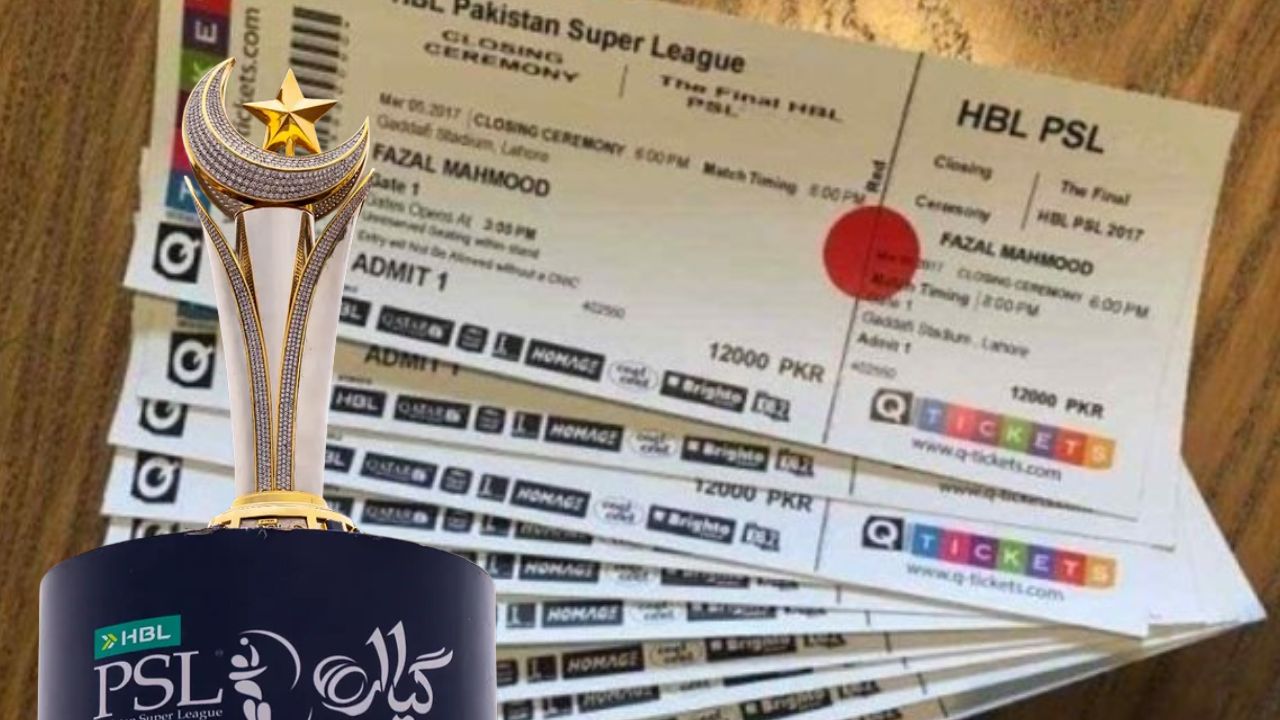
The Pakistan Cricket Board (PCB) on Wednesday shared the ticket refund policy for Pakistan Super League (PSL) 11, which kicks off today.
All ticket holders who purchased their HBL PSL 11 tickets online will receive refunds automatically through the same payment method used during booking. This includes debit and credit cards as well as mobile payment platforms like JazzCash and Easypaisa.
The refund process will begin on 30th March 2026 and is expected to be completed within 15 working days. Timelines may vary slightly depending on the bank or payment service provider. Ticket holders do not need to take any action to receive their refunds.
The PCB advised, “In case of any delays beyond the stated timeframe, customers should contact their respective bank or payment platform for further assistance.” Ticket holders can also reach out via email at ticketing.psl@pcb.com.pk for any refund-related queries.
HBL PSL 11 will feature eight teams competing for the title for the first time. All 44 matches will be held behind closed doors, with Lahore and Karachi serving as the only venues for the season.
-
Govt cuts Rs100 billion from development budget to fund fuel subsidies
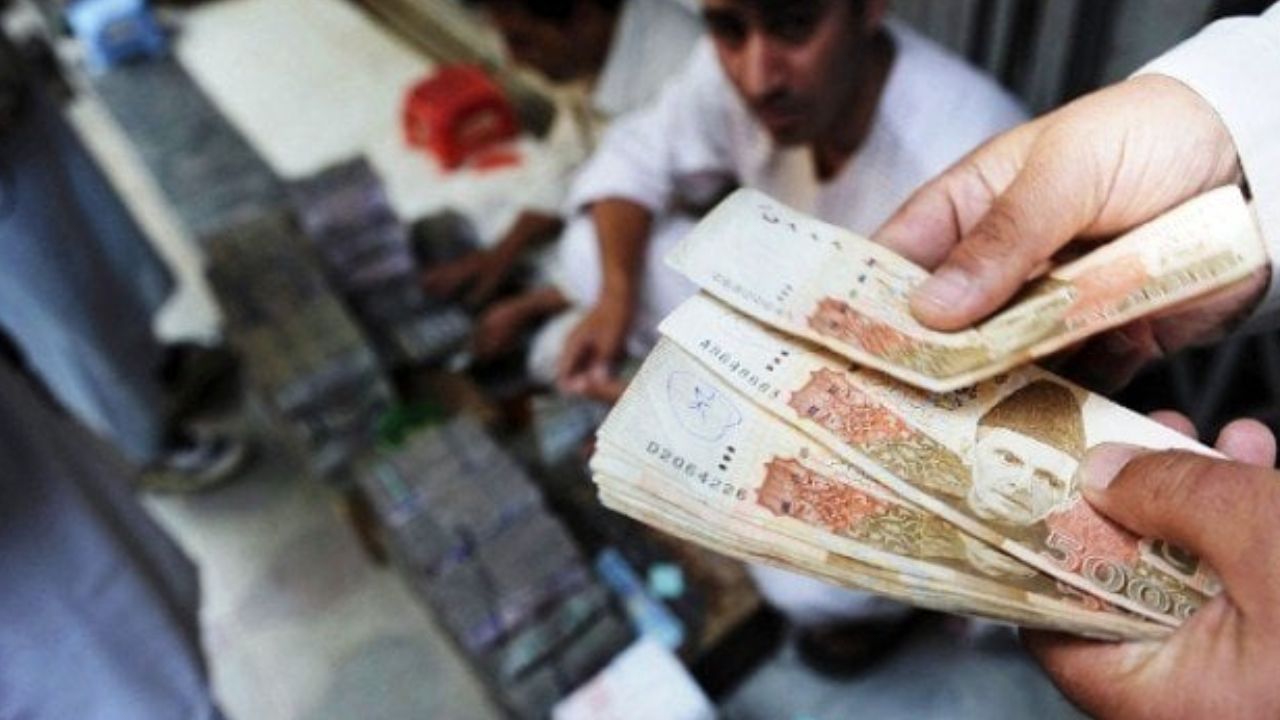
The federal government has reduced the development budget by Rs100 billion to finance fuel-related payments, with officials confirming that funds were redirected to the Prime Minister’s Austerity Fund instead of utilising contingency allocations.
Federal Minister for Planning Ahsan Iqbal stated that the Public Sector Development Programme (PSDP) had been cut by Rs100 billion after the finance ministry asked the planning ministry to surrender the amount for fuel support measures.
The development follows a request by the Ministry of Petroleum to the finance ministry to release Rs71 billion to the Oil and Gas Regulatory Authority (OGRA) for clearing price differential claims for March 14–27, which are to be passed on to oil marketing companies.
Iqbal stated that the move would increase fiscal pressures, adding that liabilities were being deferred instead of managed through budgetary planning. He further stated that instead of increasing allocations, the development budget had been reduced despite additional funding demands from ministries during the mid-term review.
For the current fiscal year, the National Assembly had approved Rs1 trillion for development spending, while ministries had sought an additional Rs495 billion to continue ongoing schemes.
According to officials, allocations across ministries have been reduced proportionally. The largest cut of Rs22.3 billion has been made to the National Highway Authority, followed by Rs12.9 billion in the water resources sector and Rs10.2 billion in provincial project allocations.
The Power Division’s budget has been reduced by Rs9.1 billion, while Rs7 billion has been cut from schemes recommended under the Sustainable Development Goals programme. Allocations for Azad Kashmir and Gilgit-Baltistan have been reduced by Rs8.2 billion, and Rs6.5 billion has been cut from the merged districts of Khyber Pakhtunkhwa (KP).Other reductions include Rs4.2 billion from the Higher Education Commission, Rs3.2 billion from the education ministry, Rs2.2 billion each from the railways and science and technology ministries, and Rs1.4 billion each from the health and interior ministries. The Federal Board of Revenue allocation has been reduced by Rs1.7 billion.
Prime Minister (PM) Shehbaz Sharif had earlier announced that fuel prices would be kept unchanged, with officials stating that the decision required payments on account of price differentials. The finance ministry stated that an initial Rs27 billion had been released to OGRA from the austerity fund.
Officials stated that funds for the austerity pool were arranged through expenditure reductions within the federal government.
Reports quoted sources that the contingency allocations, initially set aside at around Rs389 billion under programme commitments with the International Monetary Fund (IMF), had largely been used to offset revenue shortfalls. They further stated that these funds were not intended to cover inefficiencies in tax collection.
-

Aina Asif exposes how senior actors deliberately disrupt scenes on set
Pakistani actress Aina Asif has opened up about her experience in the entertainment industry, sharing how some well-known figures behave on set.
During a recent TV appearance, Aina spoke about the challenges she has faced while working alongside more established actors. Responding to a question about jealousy in the industry, she described subtle actions that can affect an actor’s performance.
“When I used to work with people—and even now—who are more famous or more successful than me, I look up to them. Yes. But I feel like people keep pointing out every little thing you do. They copy you, or if you say something on set, they look at you as if you’ve said something really stupid. But I know it’s not that bad—the way they react is just to make you feel uncomfortable.”
She went on to explain how such behaviour often disrupts important scenes, especially emotionally demanding ones.
“For example, when I’m doing my scene, which is very important to me. If it’s a scene where I have to scream or cry—something that requires strong performance—people will just get up and walk away. Or they’ll be talking loudly nearby, or start joking around with the director.”
Aina added that interruptions at critical moments can break an actor’s concentration.
“Then, right when it’s my turn to deliver a line, someone will say, ‘What was my line? Oh, okay, okay…’ And instantly, the actor snaps out of the moment. The emotion just disappears.”
She highlighted how difficult it is to regain focus after such distractions.
“Especially when you’re crying or angry—it takes a couple of minutes to gather yourself and get into that feeling. And when you’re interrupted like that, it completely breaks your flow.”
The young actress admitted that these experiences initially frustrated her, but she has now learned to deal with them calmly.
“Earlier, these small things used to make me very angry. But now I just say, let it be,” she said.
Aina Asif rose to fame with her performance in Mayi Ri, which brought her widespread recognition. She has also appeared in popular dramas like Baby Baji, its sequel Baby Baji Ki Bahuwain and Parwarish, further establishing her presence in the industry.
-

Internet bashes Kasim Khan for ‘attempting to get Pakistan’s GSP+ status revoked’… but did he?
Claims that Kasim Khan, the son of former prime minister Imran Khan, attempted to get Pakistan’s GSP+ status revoked gained traction online after his address at the United Nations Human Rights Council (UNHRC), although he did not explicitly call for any such action.
A post on X by Reema Omer (Legal Advisor, International Commission of Jurists) clarified the context of the widely shared clip, stating, “This particular clip is not from a ‘conference to revoke Pakistan’s GSP+ status’”.
She added, “It is from the General Debate under Item 9 of the 61st session of the UN Human Rights Council. Kasim Khan speaks about rising intolerance and political persecution in Pakistan (among other concerns, some of which are factually inaccurate) and calls on the Council to urge Pakistan to end the persecution and release political prisoners. GSP+ isn’t mentioned”.
GSP+ (Generalised Scheme of Preferences Plus) is a European Union trade arrangement that grants developing countries tariff-free or reduced-tariff access to EU markets in return for implementing international conventions.
During the session, Kasim raised the case of his father, Imran Khan, stating that his treatment violated international human rights conventions. He described the case as not an “isolated incident” and termed it the “most visible example of a much wider pattern of repression in Pakistan since 2022”.
He referred to political detentions, military trials of civilians and journalists being “silenced, abducted or driven into exile”, and reiterated allegations of rigging in the February 2024 general elections.
He also noted Pakistan’s commitments under the GSP+ framework to uphold international conventions, including the International Covenant on Civil and Political Rights and the United Nations Convention against torture. He claimed that Imran Khan’s detention was arbitrary, that he was being kept in solitary confinement, and alleged restrictions on family visits and denial of medical care.
Following the circulation of the clip, several users linked his remarks to Pakistan’s GSP+ status, stating that referencing such commitments was aimed at influencing the arrangement even if it was not stated directly.
One user wrote, “The ultimate nepo-baby pivot: trading the livelihoods of 240 million people for one very expensive family reunion. A masterclass in weaponised privilege. And throwing in a BNM cameo just to ensure the politics are as foolish as they are delusional. Who’s the lad’s advisor?”
Another stated, “Pakistan isn’t a perfect country but we don’t need foreigners nitpicking and twisting facts. Yes I said ‘foreigners’. Now go cry in a corner”.
A user asked, “Are people still supporting these party & its shenanigans?”One post read, “Sad. Condemnable. The kids are being used as a political fodder. Turning against Pakistan for mere vendetta and vested agenda. This calls for a ban on their communication with Imran Khan if it violates the law of Pakistan and goes against national interest.”
A user stated, “It is deeply concerning to see Imran Khan’s son Kasim Khan aligning with BNM leader Naseem Baloch to lobby against Pakistan’s GSP+ status with the EU. Using personal grievances to target the national economy while sitting alongside known anti state figures crosses a clear line.”
Another commented, “Shameless Niazi’s illegitimate followers where were you all at that time when Imran Niazi was Prime Minister and was putting his opponents in jail through false cases? You are filthy people, eternal enemies of Pakistan the entire Niazi family”.
One post read, “I REJECT jemaima’s Son Addresses in UNHRC session 61 – Geneva We Pakistani refute all his allegations against Pakistan.”
A user wrote, “If anyone thinks this is justified in ANY WAY, shame on you. These people with their supporters and sympathisers should get out of our country with their bs”.
Another said, “Twisting facts now? You made a direct attack at Pakistan’s GSP+ status. How disgusting. Doesn’t really make a difference to your lot if millions of Pakistanis are pushed to literal hunger right?”
One post read, “They want the common citizen of Pakistan to suffer coz their father is in jail for stealing???”
-
UN adopts resolution declaring transatlantic slavery ‘gravest crime against humanity’
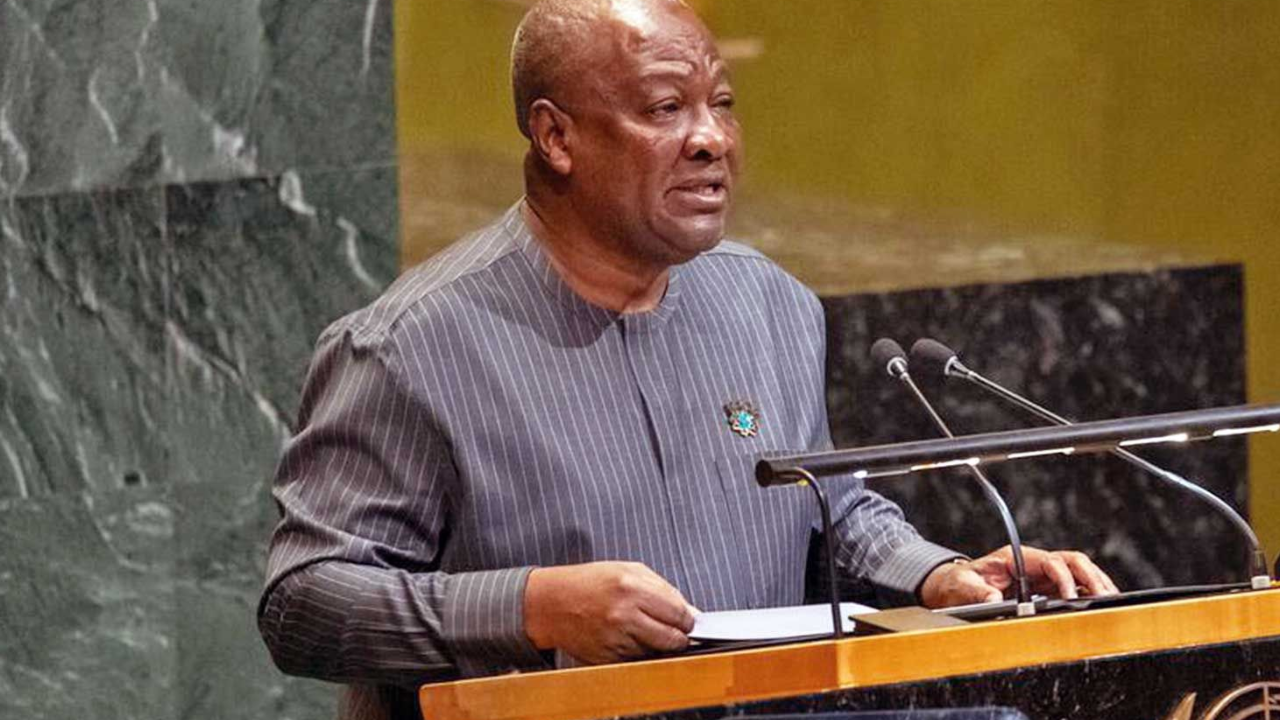
The United Nations (UN) General Assembly has voted to adopt a resolution recognising the enslavement of Africans during the transatlantic slave trade as “the gravest crime against humanity”.
The resolution, put forward by Ghana, also calls on member states to consider issuing apologies for their role in the slave trade and to contribute to a reparations fund. It does not set out any specific financial commitments.
A total of 123 countries voted in favour, while 52 abstained, including the United Kingdom and member states of the European Union. The United States (US), Israel and Argentina voted against the measure.
General Assembly resolutions are not legally binding, but they reflect the position of the international community.
Ahead of the vote, Ghana’s President John Mahama addressed the assembly, saying: “Let it be recorded that when history beckoned, we did what was right for the memory of the millions who suffered the indignity of the slave trade and those who continue to suffer racial discrimination.”
He added: “The adoption of this resolution serves as a safeguard against forgetting. It also challenges the enduring scars of slavery.”
Ghana’s Foreign Minister Samuel Okudzeto Ablakwa said the move was aimed at securing justice rather than financial gain for leaders.
He also said Ghana was not attempting to compare suffering, but to place on record what took place. “We are not ranking our pain above anyone else’s,” he said.
Between 1500 and 1800, an estimated 12 to 15 million people were taken from Africa to the Americas and forced into slavery. More than two million are believed to have died during the journey.
The resolution, supported by the African Union and the Caribbean Community, states that the effects of slavery continue in the form of racial inequality and underdevelopment affecting people of African descent worldwide.
Several countries that abstained or opposed the measure raised concerns over its framing and implications.
The United Kingdom (UK) said it recognised the harm caused by the slave trade but questioned the wording of the resolution. Its UN ambassador, James Kariuki, told the assembly: “No single set of atrocities should be regarded as more or less significant than another.”
The US also opposed the measure. Its ambassador to the UN Dan Negrea, said his country “does not recognise a legal right to reparations for historical wrongs that were not illegal under international law at the time they occurred”.
He also objected to what he described as the “cynical usage of historical wrongs as a leverage point to reallocate modern resources to people and nations who are distantly related to the historical victims”.
Negrea further questioned how reparatory measures would be implemented, saying the resolution was unclear on who would receive such support.
Ghana has been among the countries leading calls for reparations. Sites along its coast, where enslaved Africans were once held before being transported across the Atlantic, remain standing.
The issue of reparations has gained traction in recent years, with the African Union adopting “reparatory justice” as its theme for 2025, while Commonwealth leaders have called for dialogue on the matter.
-
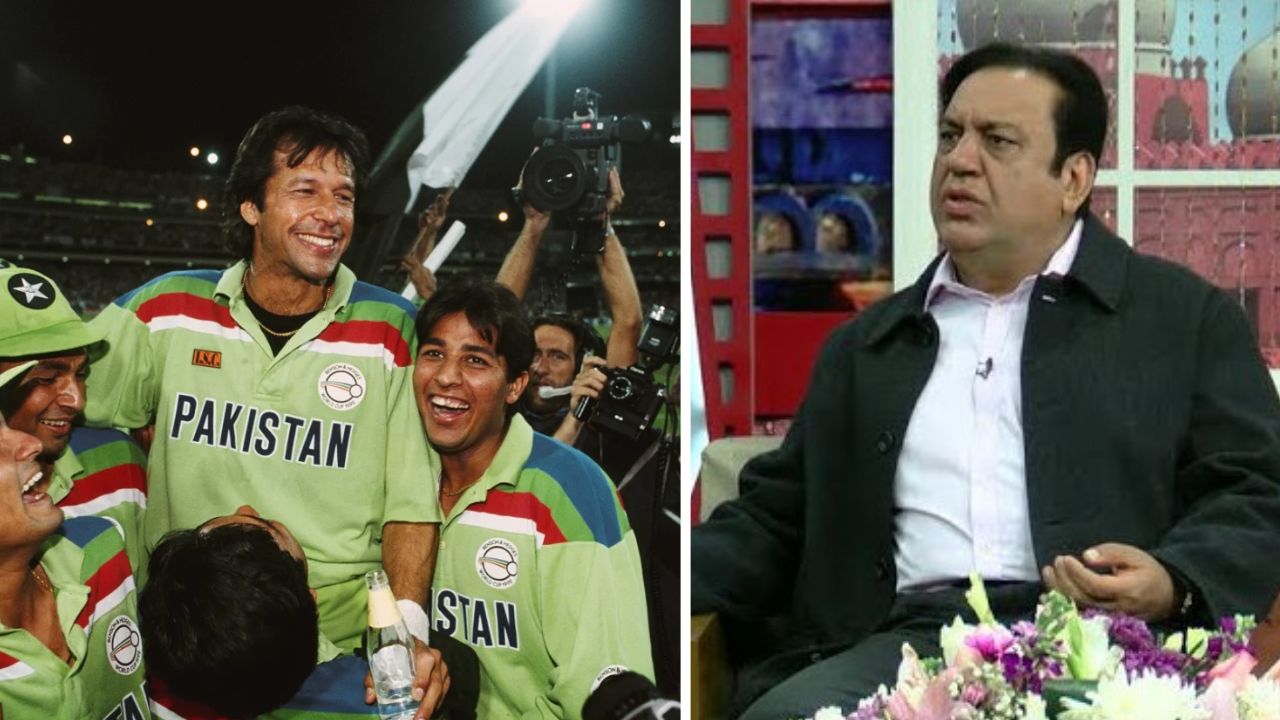
‘Imran Khan is a cricketing hero, not a political one,’ says Sohail Ahmed
Senior Pakistani actor Sohail Ahmed has shared his views on Imran Khan, saying that he considers him a national hero for his cricket achievements but not in politics.
Speaking during a recent show, Sohail Ahmed acknowledged Khan’s status as a celebrated figure in Pakistan’s history.
“Imran Khan is a hero, who can deny that? Whether it is the leader of PML-N or even the leader of PPP, who can disagree that Imran Khan is a national hero?”
He added that a hero remains a hero, pointing out that Khan has already retired from cricket.
Sohail Ahmed also made it clear that his opinion changes when it comes to politics.
“I used to like him a lot, but I don’t consider him a political hero. I cannot say I hate him just because of politics.”
The video clip of his remarks has gone viral on social media, with users sharing mixed reactions and debating his stance.
Imran Khan remains one of Pakistan’s most iconic cricket figures. He led the national team to victory in the 1992 Cricket World Cup, which stands as the country’s only ODI World Cup win.
Over his career, he played 88 Tests and 175 ODIs, scoring more than 7,500 international runs and taking over 500 wickets, making him one of the finest all-rounders in the game’s history.
After retiring from cricket, Khan entered politics and later served as Pakistan’s Prime Minister from 2018 to 2022.
Following his removal from office, Khan has faced multiple legal cases. He has been in prison since August 2023 in connection with several convictions, including cases related to the sale of state gifts and other charges.
The legal matters also involve his wife, Bushra Bibi.
-
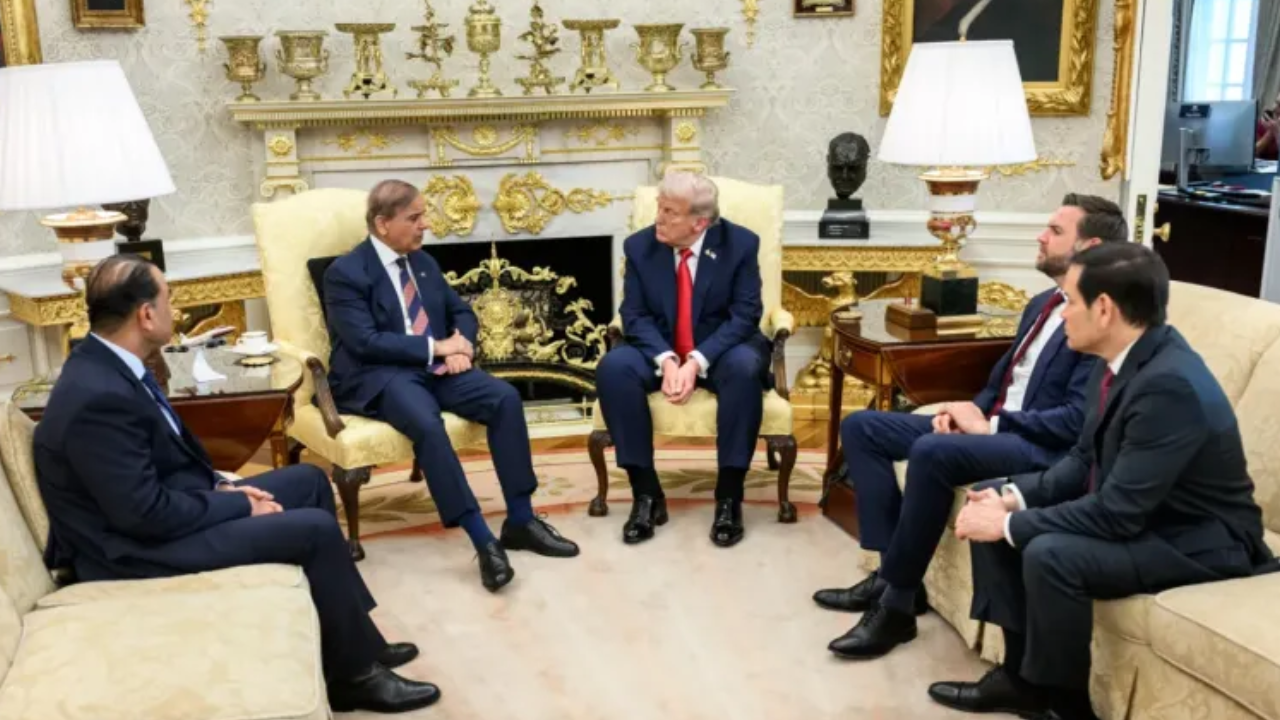
Pakistan delivers US ceasefire proposal to Iran
Pakistan has delivered a ceasefire proposal from the Trump administration to Iran, according to Al Jazeera sources and senior Iranian officials.
The document, handed over by Islamabad, contains specific United States (US) demands aimed at de-escalating the ongoing war in the Gulf.
While the exact details of the proposal remain undisclosed, reports suggest it may align with a 15-point US plan previously circulated.
Officials from Washington and Tehran are expected to meet in Islamabad in the coming days. A senior Iranian official confirmed that both Pakistan and Turkey are being considered as venues for diplomatic discussions.
Former Pakistani Ambassador to the US and United Nations (UN) Masood Khan said that Pakistan has earned its position as a lead mediator by maintaining an equidistant posture. He noted that Pakistan previously facilitated sensitive conversations between the two sides last June.
Despite these diplomatic movements, Iran’s Ambassador to Pakistan Reza Amiri Moghadam denied that direct or indirect negotiations have taken place. He described the reports of progress as “Trump’s claims”, but acknowledged that friendly countries were engaged in consultations to end the hostilities.
On the ground, military activity continued to expand. The Islamic Revolutionary Guard Corps (IRGC) launched its 80th wave of strikes, targeting northern and central territories and US bases.
Iranian military spokesperson Ebrahim Zolfaqari questioned the US claims of seeking a deal, asking if Washington was “negotiating with itself”. He also stated that regional stability would not return until the US acknowledged the role of Iranian armed forces.
The IRGC also called for Muslim unity against the US and Israeli regimes.
Meanwhile, the Islamic Resistance in Iraq claimed 23 operations against US sites over a 24-hour period using drones and missiles.
The UN Human Rights Council is scheduled to hold an urgent debate this Friday regarding a strike on a school in Minab, and according to Iran’s education ministry, 243 students and teachers have been killed since Feb 28.
Domestically, Iran is facing its 26th day of a continuous internet blackout. NetBlocks reported that the blackout has passed the 600-hour mark, cutting off civilians from international networks.
The conflict also continues to impact global economic forecasts. BlackRock CEO Larry Fink warned of a global recession if oil prices reach $150 a barrel. He stated that if Iran remains a threat to trade in the Strait of Hormuz, oil prices will stay above $100 for years.
-
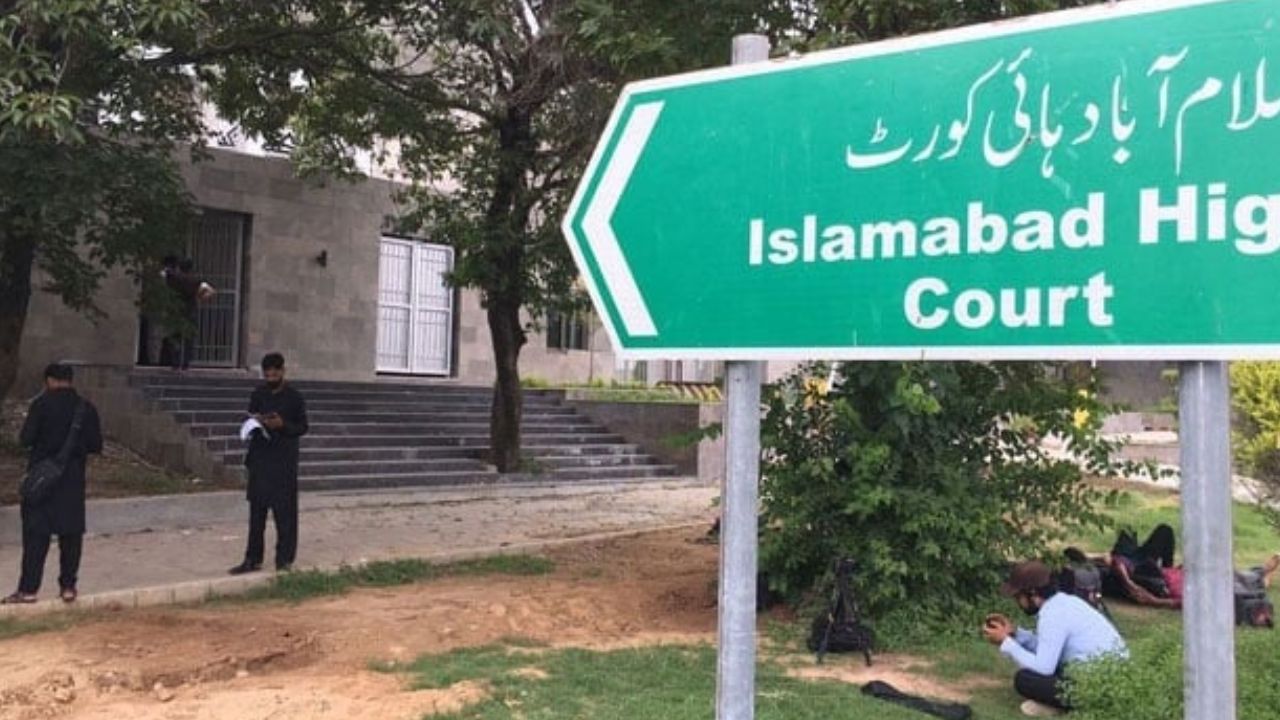
Men must return dowry after divorce, rules Islamabad High Court
The Islamabad High Court (IHC) has ruled that husbands are legally bound to return the entire dowry to their wives in case of divorce, while issuing directions for legal reforms and changes to the nikahnama.
In a 28-page judgment, Justice Mohsin Akhtar Kayani held that dowry items and bridal gifts remain the exclusive property of the wife. He also stated that if such items cannot be returned, the wife is entitled to claim their monetary value.
The verdict was issued in an appeal filed by Amara Waqar against earlier rulings of lower courts. The high court set aside the decisions of the family and district courts and directed the family court to rehear the case within two months in line with the principles outlined in the judgment.
Justice Kayani further ruled that women are entitled to an equal share in property acquired during marriage, which should be divided between spouses in cases of divorce or death.
Referring to Islamic law, Quranic injunctions and international precedents, the court stated that women’s financial rights are recognised under both religious and legal frameworks.
The court also directed the government to introduce legislation to define and protect women’s ownership and financial rights. It called for amendments to the nikahnama to include provisions ensuring a wife’s share in assets acquired during marriage.
The judgment pointed out that unclear contractual terms have limited women’s ability to claim their rights and stressed the need for clearer legal safeguards.
It also instructed authorities to include education on marital rights at school, college and university levels so women are aware of their legal entitlements.
The court referred to column 18 of the nikahnama, stating that awareness at the time of marriage would enable women to secure their rights. It observed that enforcement mechanisms are necessary for implementation, noting that legal protections remain ineffective without execution. -

OpenAI shuts down video generation tool Sora, ending $1bn Disney partnership
OpenAI has discontinued its AI video tool Sora, a move that caught partner teams at Walt Disney Co off guard.
On Monday evening, teams from both companies were working on a project linked to Sora. Around 30 minutes after that meeting, Disney’s team was informed that OpenAI would be shutting down the tool.
The decision was announced publicly on Tuesday.
The development also brings an end to a proposed $1 billion agreement between the two companies. The deal, announced a little over three months ago, involved Disney investing $1 billion in OpenAI over three years and allowing the use of more than 200 of its characters in AI-generated short videos.
OpenAI’s decision reflects a shift in its business priorities toward areas such as coding tools and enterprise services.
The announcement also came as a surprise to some employees working at Sora, who were informed of the change on Tuesday morning. This followed a company blog post published a day earlier outlining safety standards for the tool.
“We’re saying goodbye to Sora … we know this news is disappointing,” the Sora team said in a post on X, adding that details about timelines for the app, its Application Programming Interface (API), and user data handling would be shared later.
OpenAI is now directing its efforts toward other areas, including robotics and artificial general intelligence. As part of this shift, Fidji Simo’s role was changed from CEO of applications to CEO of AGI deployment.
In a separate move, OpenAI CEO Sam Altman said the company’s safety and security teams would no longer report directly to him.
A Disney spokesperson said the company respects “OpenAI’s decision to exit the video generation business and to shift its priorities elsewhere”.
OpenAI first introduced Sora in early 2024, presenting a system capable of generating video from text prompts. The standalone app was launched in September 2025, allowing users to create and share AI-generated content.
The decision comes as competition in the AI sector increases, particularly in enterprise and coding-focused products. Rival firms, including Anthropic, have expanded their focus on coding-based models with its Claude Code product gaining traction among developers.