Author: News Desk

  • Google to pay $68m to settle lawsuit over recording of private conversations

    Google to pay $68m to settle lawsuit over recording of private conversations

    Google has agreed to pay $68 million to settle a lawsuit alleging that it recorded users’ private conversations through its voice assistant without consent.

    The case centres on Google Assistant, a virtual assistant available on many Android devices. Users claimed the feature recorded conversations after being triggered unintentionally on their phones and that those recordings were later shared with advertisers to enable targeted advertising.

    In a court filing seeking approval for the settlement, Google denied any wrongdoing, stressing that it was pursuing the agreement to avoid further litigation. 


    Google Assistant is designed to remain in standby mode until it detects a specific activation phrase, usually “Hey Google”. Once prompted, the device records audio and sends it to Google’s servers, where the data can be analysed. The assistant is commonly used for tasks such as checking the weather or controlling connected devices including lights and televisions.

    Google has maintained that audio is not transmitted while the assistant is in standby mode. However, the lawsuit alleged that the system sometimes activated by mistake when it misinterpreted background speech as the prompt phrase, leading to the recording of conversations users believed to be private.

    According to the claim, these recordings were then shared with advertisers to help create targeted advertisements. The lawsuit was brought on behalf of a group of users rather than as an individual claim.

    The proposed settlement was filed on Friday in a federal court in California and will require approval from US District Judge Beth Labson Freeman. If approved, the payout will be distributed among eligible claimants as part of a class action settlement.

    Individuals eligible to receive compensation include users who owned Google devices dating back to May 2016. Lawyers representing the plaintiffs may seek up to one-third of the settlement amount, which would total around $22 million in legal fees.

    The case follows a similar settlement reached earlier this year involving Apple. In January, Apple agreed to pay $95 million to resolve a lawsuit alleging that some of its devices listened to users through the voice-activated assistant Siri without permission.

    Apple also denied the allegations and rejected claims that it “recorded, disclosed to third parties, or failed to delete, conversations recorded as the result of a Siri activation” without user consent.
  • ‘I wouldn’t let my parents in today’: Sajid Javid on UK immigration

    ‘I wouldn’t let my parents in today’: Sajid Javid on UK immigration

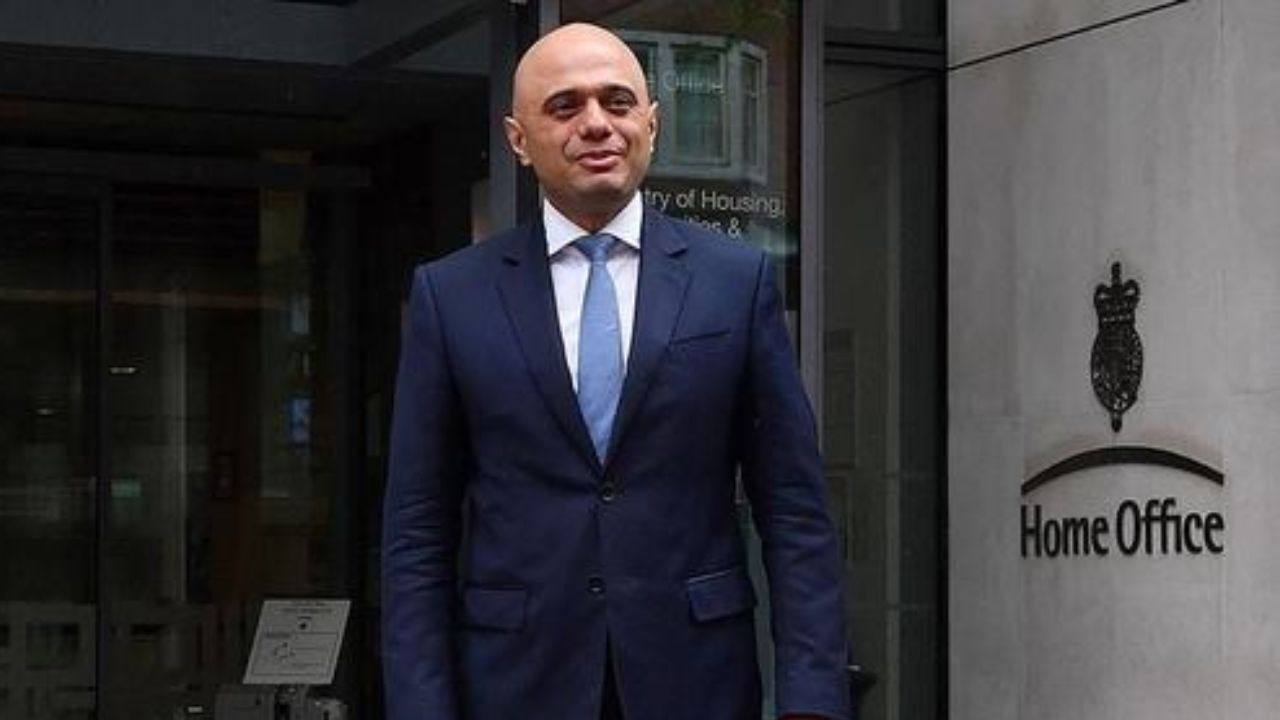
    Former UK chancellor Sajid Javid has reflected on his journey from a childhood marked by poverty, domestic violence and racism to becoming a cabinet minister and multimillionaire, while defending his views on modern immigration policy, in an interview with The Sunday Times.


    Th British Pakistani politician said that under current UK immigration rules, he “wouldn’t allow either his unskilled father or his non-English speaking mother entry today”.


    “The biggest block to good community cohesion is English. We should have set a requirement that if you want to settle in the UK, you should be able to speak fluent English. We should have done that ages ago,” he said.

    Javid’s parents migrated from Pakistan in the early 1960s. His father arrived with just £1 and worked as a bus driver, mill worker and later a shop owner, while his mother, who was uneducated and unable to speak English at the time, struggled to adapt to life in Britain. Javid recounts this upbringing in his memoir, The Colour of Home, which details a childhood shaped by hardship and family tension.


    The memoir also documents domestic violence at home. Javid writes that his father beat him with a leather slipper, a wooden spoon and, on one occasion, a hammer – an assault that required a CT scan. He also describes enduring racist abuse from skinheads and school bullies, alongside the emotional strain of growing up in overcrowded and impoverished conditions.

    “Crouching in a ball and covering my face while my father beat me” Javid recalls, describing the severity of those experiences.


    Family tensions extended into adulthood. His mother initially refused to meet his white Christian wife, Laura, for two years and had attempted to arrange his marriage to a cousin. Javid writes that she also “didn’t want two black workmen her husband employed to come for dinner”, though she later learnt English and “came to deeply regret her racism towards the black workmen”.

    Later in life, Javid said his father apologised for the violence.


    Despite the hardships, Javid described his family’s story as one of resilience. He fulfilled a childhood ambition of buying his parents a home in Bristol, writing that one of his proudest moments was achieving “enough to give myself and my family a better life”.

    Reflecting on immigration debates, he told the interviewer that a “Reform voter… might think this is exactly the kind of family that we want in the UK because they went on a journey and look where they’ve ended”.


    During his political career, Javid consistently advocated tougher immigration controls. He supported the post-Brexit points-based system, argued that the UK “lets in too many immigrants”, and repeatedly stressed that language proficiency is essential for community cohesion.

  • Bangladesh could return to T20 World Cup if Pakistan pulls out: reports

    Bangladesh could return to T20 World Cup if Pakistan pulls out: reports

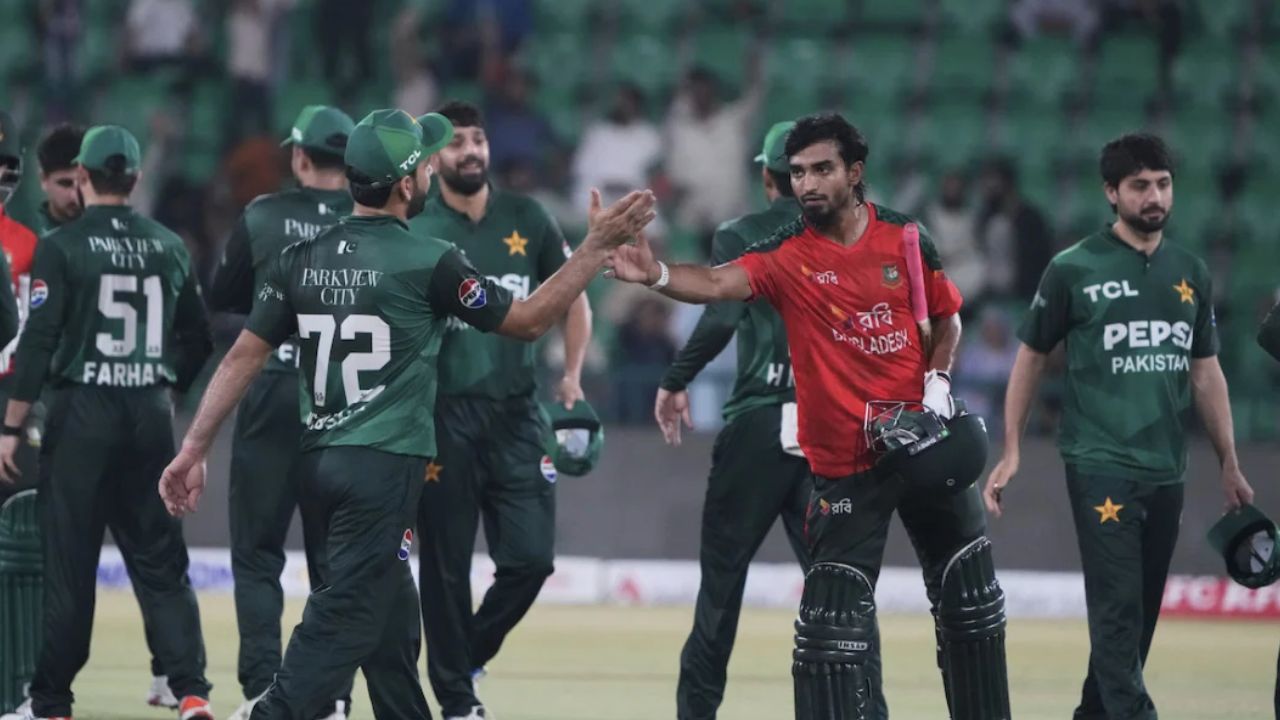
    The standoff involving the International Cricket Council (ICC), Bangladesh Cricket Board (BCB) and Pakistan Cricket Board (PCB) continues to intensify, with a new twist now emerging ahead of the T20 World Cup 2026. 

    What began with Bangladesh’s removal from the tournament could now lead to their return, not due to a policy shift by the ICC, but only if Pakistan withdraws. 

    The possibility surfaced after PCB chairman Mohsin Naqvi delayed a final decision on Pakistan’s participation after meeting Prime Minister Shehbaz Sharif on Monday. 

    Naqvi had sought guidance on whether Pakistan should take part in the tournament following Bangladesh’s exclusion. A decision was expected after the meeting, but Naqvi later announced on X that the final call would be taken either on Friday or next Monday. 

    According to media reports, internal discussions within the ICC suggest that a Pakistan withdrawal could open the door for Bangladesh to be reinstated into the tournament. In that scenario, Bangladesh would take Pakistan’s place in Group A and play all of their matches in Sri Lanka, in line with the Bangladesh Cricket Board’s original request before its removal.

    Sources indicate that such a move would not reflect a change in the ICC’s stance on Bangladesh’s security concerns. Instead, Bangladesh’s return would come as a result of the vacancy created by Pakistan’s exit.

    The controversy began when the ICC officially removed Bangladesh from the T20 World Cup 2026 and replaced them with Scotland. The decision followed the BCB’s refusal to send its team to India, citing security concerns.

    Tensions escalated after a recent Indian Premier League (IPL) incident involving Bangladeshi fast bowler Mustafizur Rahman, who was reportedly dropped from the tournament after receiving threats from Hindu extremist groups. 

    Bangladesh pointed to the episode as evidence that if a single player could not be protected, the safety of an entire national team during a World Cup could not be guaranteed.

    The ICC dismissed the argument, stating that the IPL incident was a domestic matter and unrelated to the World Cup’s security framework. The explanation failed to ease concerns and drew criticism from several quarters, including Pakistan.

    Pakistan openly backed Bangladesh’s position. Reports suggest the PCB is weighing multiple protest options, including a possible boycott of its February 15 match against India in Colombo.

    The board has continued to criticise the ICC’s handling of the situation, while Pakistan keeps all options on the table, including a formal protest or a withdrawal from matches against India.

  • Mawra Hocane draws parallel between career move and viral penguin clip

    Mawra Hocane draws parallel between career move and viral penguin clip

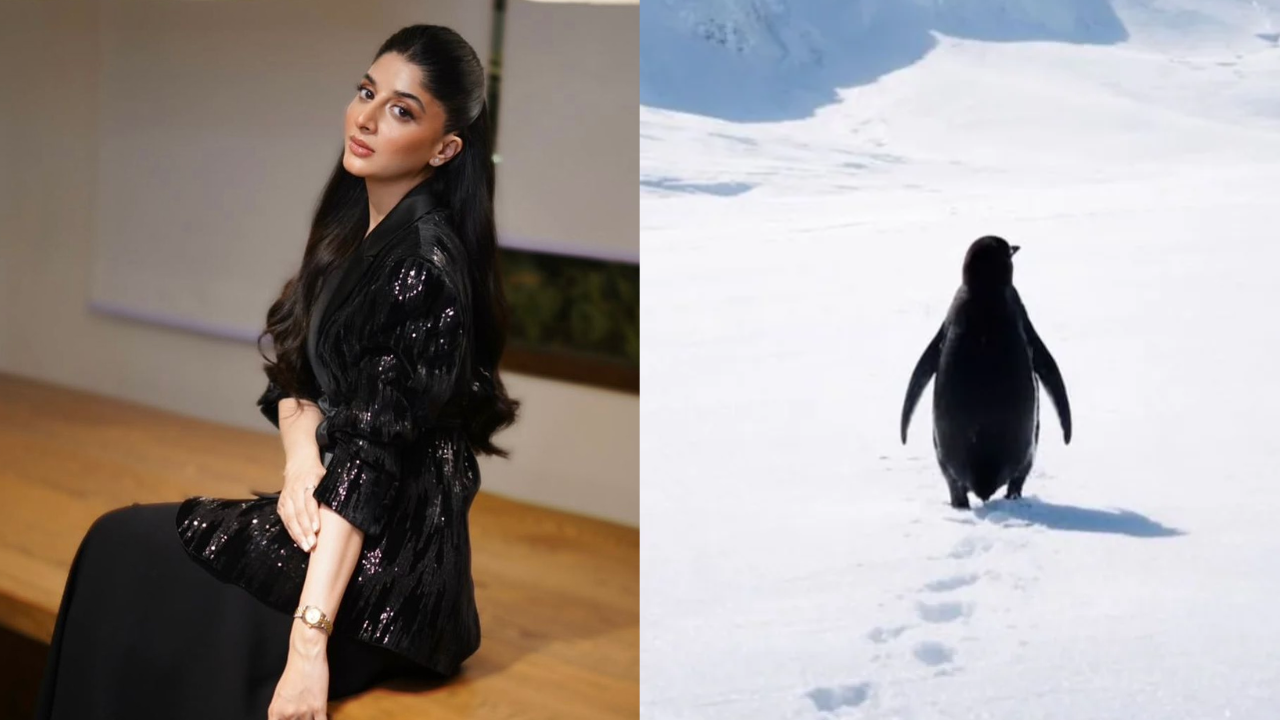
    Mawra Hocane has compared a personal decision taken in the early days of her career to a penguin clip that has been circulating widely on social media.

    The actor shared her thoughts on Instagram on Monday, as a video of a penguin walking away alone from its colony continued to gain traction online. The clip shows the penguin heading toward distant icy mountains, away from the group.

    In her Instagram story, Hocane reflected on her decision to relocate from one city to another five years ago, a move she said many around her discouraged her from at the time. According to the actor, she was warned that the decision could bring her career to an end.

    Re-sharing the penguin clip, Hocane wrote, “When I moved cities 5 years ago… So many told me it’d end my career… I’d only be doing side work… It was hard but I knew how I felt… And all this time later it was the best thing I could do for myself.”

    She added, “Never run the rat race. Be in your own lane. Preserve your sanity.. Preserve the magic.”

    The actor drew a parallel between her experience and the penguin’s lone walk, suggesting that the decision to step away from the expected path came despite external opinions.

    The penguin video, which has been described online as “Nihilist Penguin,” is not a recent recording. The clip was originally uploaded almost a decade ago and is taken from the 2007 documentary Encounters at the End of the World.

    The footage shows a penguin separating from its group and moving toward the mountains, a direction that differs from the usual path taken by the colony. The behaviour is considered rare, as penguins typically remain with their group for survival.


    There is no known explanation for the penguin’s movement in the clip. Social media users have been interpreting the scene in different ways. Some have described it as a form of motivation, while others have focused on concerns around the outcome of such behaviour.

  • ‘Shikra’ system launched for real-time passport monitoring

    ‘Shikra’ system launched for real-time passport monitoring

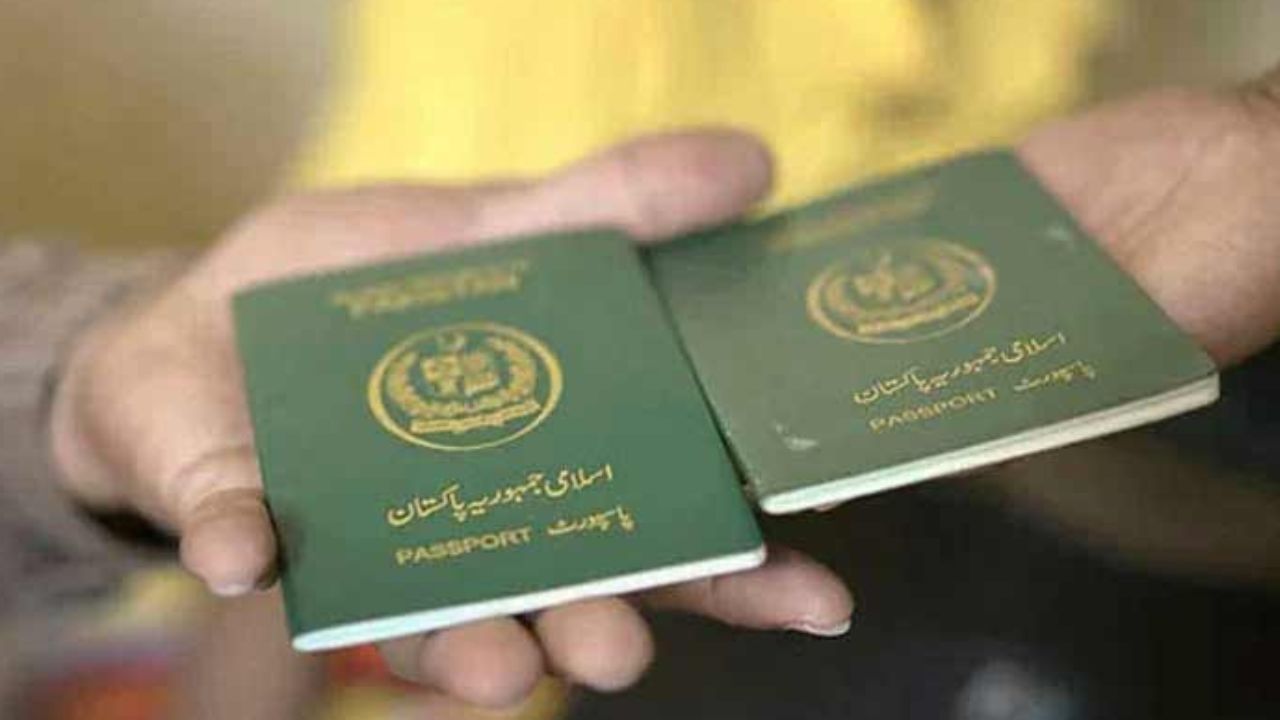
    Interior Minister Mohsin Naqvi on Monday inaugurated ‘Shikra’, a state-of-the-art monitoring system designed to track passport applications, printing processes, and departmental performances in real time.


    The upgrade includes the establishment of a 24/7 monitoring room and a call centre at the Directorate General of Immigration and Passports. On the minister’s directives, the issuance of Emergency Travel Documents has also been fully digitised.


    Officials briefed Naqvi on the Secure Hybrid Intelligence for Knowledge-Based Response Analytics (Shikra) system, which integrates operational oversight with performance tracking.


    The interior minister commended the DG Immigration and Passports and his team for introducing a modern, technology-driven monitoring framework.


    He said Pakistan’s passport system has now been aligned with those of the world’s leading countries.


    “With this new system, real-time monitoring of passport applications and deliveries both within Pakistan and abroad will now be possible,” the minister said.


    “Every stage, from application submission to final delivery, will be closely supervised.”


    Naqvi said the government aims to provide citizens with fast, secure, and globally standardised services, adding that the upgraded monitoring framework would further improve departmental efficiency.


    He also highlighted enhancements in passport security features, noting that they have been upgraded to meet ICAO (International civil aviation organization) standards. According to the minister, the installation of new automatic German printing machines has increased production capacity, eliminated human intervention in printing, and improved overall reliability.


    Under the new system, crowd levels at passport offices will be detected automatically, while the Network Management System will monitor backlogs and machinery status.

  • ‘Bangladesh’s cricket viewership equals that of 10 nations combined’: Mohammad Yousuf questions ICC’s bias

    ‘Bangladesh’s cricket viewership equals that of 10 nations combined’: Mohammad Yousuf questions ICC’s bias

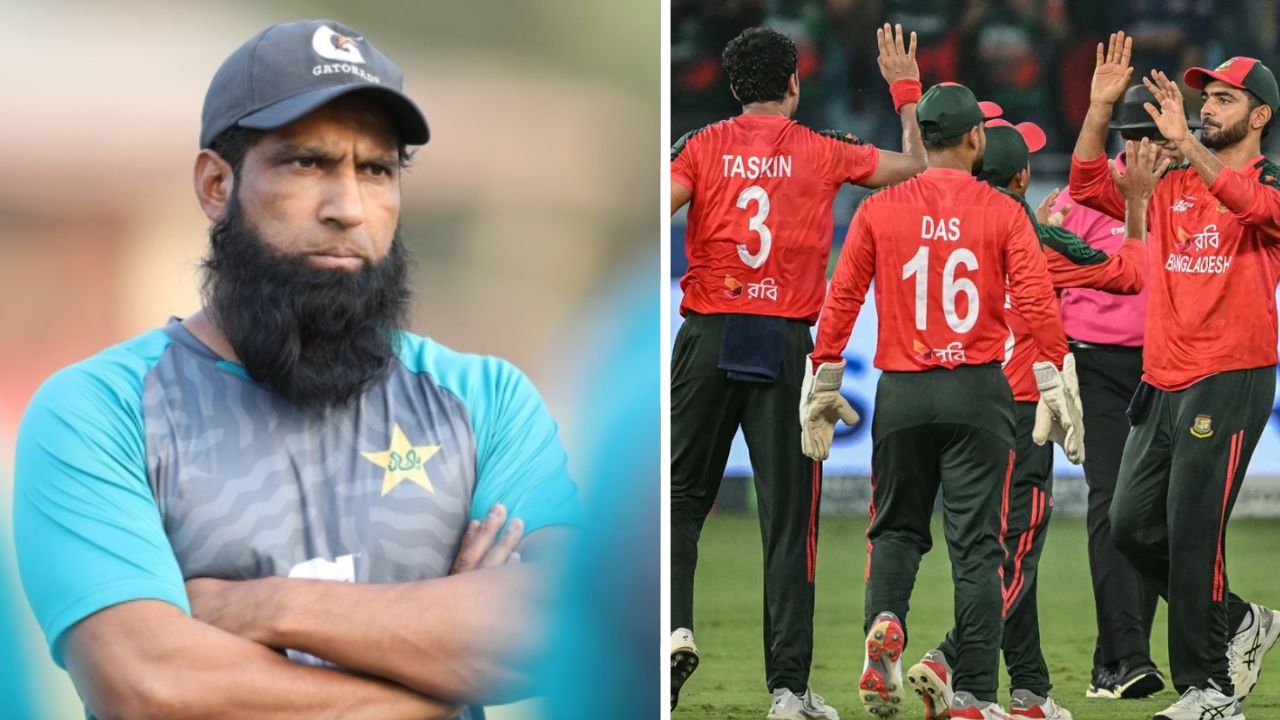
    Former Pakistan batting great Mohammad Yousuf has raised serious concerns over global cricket governance, questioning the International Cricket Council’s (ICC) decision-making after Bangladesh was removed from T20 World Cup 2026.

    In a strongly worded post on X, Yousuf highlighted Bangladesh’s massive contribution to cricket viewership and warned that sidelining the country over security concerns reflects poor governance and selective decision-making.

    “The combined cricket viewership of New Zealand, Australia, Scotland, Nepal, Netherlands, Ireland, Namibia, Zimbabwe, Sri Lanka and Afghanistan is broadly equivalent to the viewership Bangladesh generates on its own,” Yousuf wrote. “Ten nations combined generate around 178 million viewers, while Bangladesh alone accounts for nearly 176 million.”

    Yousuf argued that a sport driven by global audiences cannot afford to ignore the concerns of a country that holds such a large fan base. “In a sport driven by global audiences, sidelining Bangladesh’s legitimate security concerns raises serious questions about consistency and governance,” he said. “When accommodation becomes selective, fairness disappears. Cricket cannot be administered by influence, only by principle.”

    The remarks came after the ICC officially removed Bangladesh from the T20 World Cup 2026 and replaced them with Scotland. The decision followed the Bangladesh Cricket Board’s (BCB) refusal to send its team to India, citing security concerns.

    The controversy escalated after a recent Indian Premier League (IPL) incident involving Bangladeshi fast bowler Mustafizur Rahman, who was reportedly dropped from the tournament after receiving threats from Hindu extremist groups. 

    Bangladesh cited the incident as evidence that if a single player could not be protected, the safety of an entire national team could not be guaranteed during a World Cup.

    The ICC rejected the argument, stating that the IPL incident was a domestic matter and had no connection with the security arrangements planned for the World Cup. Despite this clarification, the decision triggered criticism from several quarters, including Pakistan.

    Pakistan openly supported Bangladesh’s stance. According to media reports, the Pakistan Cricket Board (PCB) is considering multiple protest options, including a possible boycott of its February 15 match against India in Colombo.

    PCB Chairman Mohsin Naqvi briefed the team about the board’s position in Lahore on Sunday. 

    “Bangladesh Cricket Board’s decision not to play in India during the World Cup is based on principles. PCB rejects ICC’s double standards,” Naqvi said. “We supported Bangladesh keeping in mind cricket’s golden principles. We will follow whatever decision the Pakistani government makes.”

    Naqvi later met Prime Minister Shehbaz Sharif on Monday to discuss Pakistan’s future in the tournament. While the meeting ended without a final announcement, reports suggest that Pakistan’s participation remains uncertain.

    PCB has criticised ICC’s decision and indicated that a final call will be made by Friday or early next week. 

    Prime Minister Shehbaz has reportedly entrusted the PCB chairman with making the decision, as Pakistan keeps all options open, including a formal protest or a boycott of matches against India.

  • Deadly Nipah virus puts T20 World Cup hosting in India at risk

    Deadly Nipah virus puts T20 World Cup hosting in India at risk

    The T20 World Cup 2026 has come under uncertainty after a deadly Nipah virus outbreak in India, threatening the International Cricket Council (ICC) event.

    According to Indian media reports, multiple Nipah virus cases have been detected in West Bengal, prompting strict quarantines and an emergency health response just weeks before the tournament is set to begin on February 7.

    Reports say around 100 people have been quarantined following five confirmed cases, including healthcare workers. At least two nurses in Kolkata are reportedly in critical condition.

    The outbreak has raised alarm as teams, officials, and fans prepare to travel across India for the global event.

    The Nipah virus, which spreads from animals such as bats to humans, carries a high fatality rate and has no vaccine or cure, increasing concerns over public safety during a major international tournament.

    Alongside health fears, the World Cup already faces controversy after the ICC removed Bangladesh from the competition following their refusal to play matches in India over security concerns.

    The ICC rejected Bangladesh’s request to play in Sri Lanka and replaced them with Scotland.

    According to reports, the Pakistan Cricket Board (PCB) is also considering protest options following the ICC’s decision to expel Bangladesh from the T20 World Cup.

    The protest options include a possible boycott of Pakistan’s high-profile February 15 match against India in Colombo.

    Under ICC rules, such a move would cost Pakistan two points but could cause significant financial losses for the ICC due to the commercial value of a Pakistan-India fixture.

    PCB Chairman Mohsin Naqvi met national team players in Lahore on Sunday and briefed them on the board’s position. The players expressed full support for the PCB’s stance.

    Naqvi is expected to meet Prime Minister Shehbaz Sharif to discuss Pakistan’s final position on the tournament.

  • ‘How can we still endorse boycotted brands?’ Sanam Saeed calls out inconsistent pro-Palestine consumers

    ‘How can we still endorse boycotted brands?’ Sanam Saeed calls out inconsistent pro-Palestine consumers

    Actor Sanam Saeed has sparked a fresh conversation online by questioning the growing inconsistency she sees among so-called pro-Palestine consumers. Taking to Instagram, the Kafeel star called out what she described as the quiet return of brands that were previously boycotted for allegedly supporting Israel, asking people to reflect on what they truly stand for. 


    She questioned how people could claim to stand with Palestine while continuing to buy or endorse brands that had previously been boycotted. Sanam also pointed out that the idea behind the boycott was to shift towards local alternatives, expressing concern over how easily foreign brands were being welcomed back into everyday life despite earlier public opposition.


     “So why are we so casually allowing them back into our lives and narratives?” she questioned, expressing disappointment over how quickly the resolve seems to be fading.


    Sanam’s stance resonated strongly with many social media users, who largely applauded her for raising what they called a “much-needed” question. 

    Reactions ranged from simple affirmations like “agreed” and “couldn’t agree more” to more pointed criticism of influencers and bloggers accused of performative activism. 


    One user remarked, “Which is why we need more intellectual voices. I’ve seen bloggers being extremely happy and flaunting their Dior packages while having Palestine fundraisers in their bios. What’s the need for this hypocrisy? Stand with your stance proudly at least.” 


    Another added, “They think no one observes what they do. We see them and more importantly, our Creator is watching too. She’s right to point this out.” Summing up the mood, a commenter wrote, “Oh finally, finally someone called these fake people out.”

  • Provincial minister Azma Bukhari outlines safety guidelines for Basant celebrations in Lahore

    Provincial minister Azma Bukhari outlines safety guidelines for Basant celebrations in Lahore

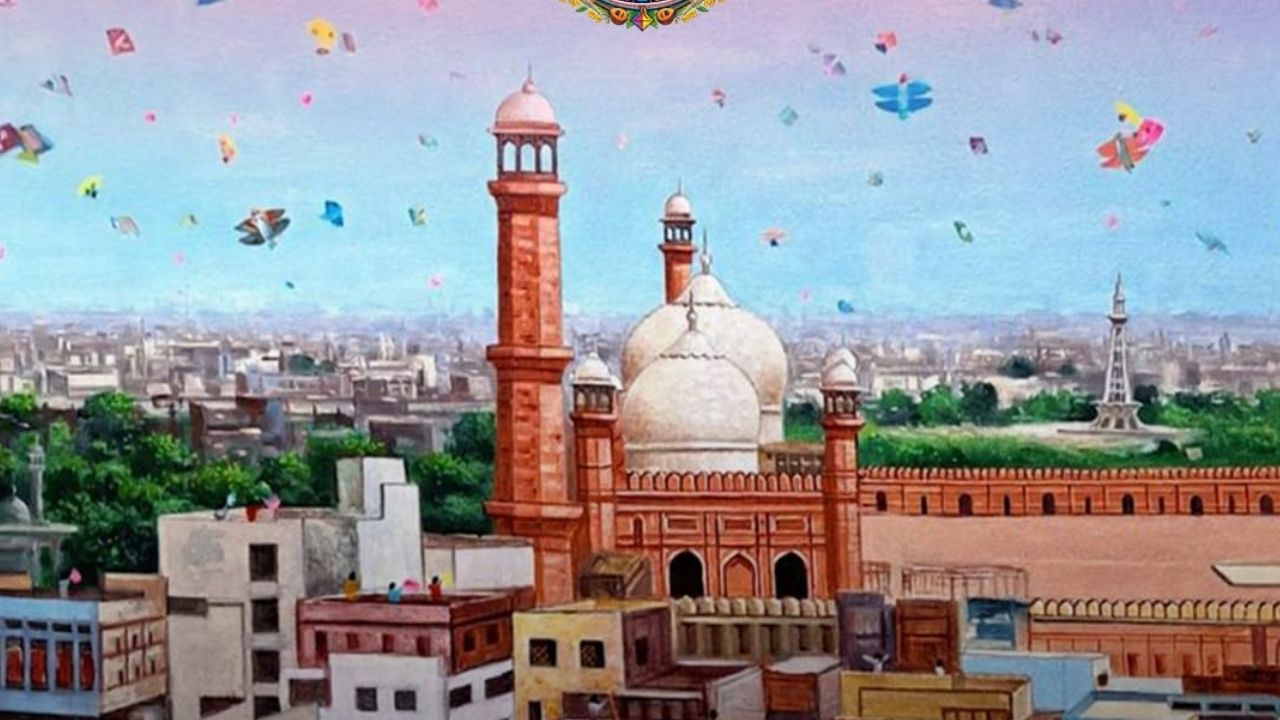
    Provincial Minister of Punjab for Information and Culture, Azma Bukhari, has outlined the approved safety guidelines and Standard Operating Procedures for the upcoming Basant celebrations in Lahore, stressing the importance of public cooperation and responsible participation.

    The minister stated that Basant is being revived in a regulated manner to allow citizens to reconnect with a cultural tradition while ensuring public safety. Celebrations will be limited to the Lahore district to enable effective coordination, monitoring, and enforcement.

    She explained that kites only be purchased from government-registered stalls and only cotton strings will be allowed. The use of unsafe or unauthorized materials has been banned. Motorcycle movement will remain restricted during the three-day celebration, and as part of security arrangements, safety wires will be installed on motorbikes to prevent accidents and violations.

    To facilitate safe movement across the city, public transport will remain free on all Basant days. More than 5,000 registered rickshaws will also provide supervised free rides. Authorities will monitor drone activity and online platforms to ensure compliance with safety regulations.

    Azma Bukhari urged citizens to follow the guidelines strictly so that Basant can be celebrated safely and responsibly.

  • Dhurandhar actor arrested on charges of raping domestic worker

    Dhurandhar actor arrested on charges of raping domestic worker

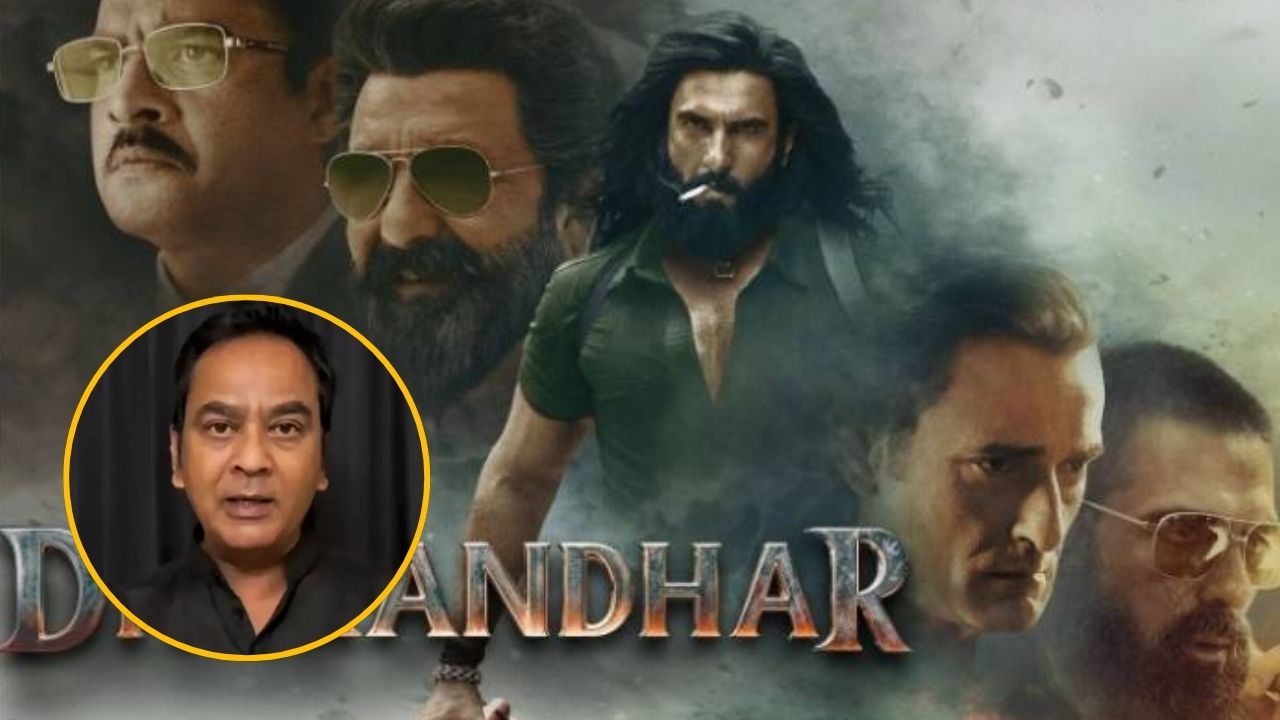
    Mumbai police have arrested Bollywood actor Nadeem Khan, who appeared in the propaganda film Dhurandhar, after a domestic worker accused him of sexually abusing her for nearly 10 years.

    According to India media reports, local police took the actor into custody on January 22 following a complaint filed by a 41-year-old woman who told investigators that she had worked as a domestic help at the homes of several actors in the past and came into contact with Nadeem several years ago.

    In her complaint, the woman alleged that the actor promised to marry her and used that assurance to repeatedly exploit her over the past decade. 

    She claimed the assaults took place at her residence in Malvani and at the actor’s home in Versova.

    Police have registered a case based on the woman’s statement and moved swiftly to detain the suspect. “We have recorded the complainant’s version and initiated further investigation,” a police officer told local media.

    Police have not disclosed additional details about the charges.