Author: News Desk

  • Kafeel makes a case against destiny and it’s uncomfortably real

    Kafeel makes a case against destiny and it’s uncomfortably real

    Kafeel is probably the underdog drama that will rise to win this year. With powerful, raw performances by Sanam Saeed, Kashif Mehmood and Munazza Arif, episode 8 had us holding our hearts for the millions of women who suffered in unhappy marriages because of the divorce taboo, in the past and even now.


    Jami (Emmad Irfani) is in love with someone else, broke, lazy and happy to mooch off his in-laws. Meanwhile, Zeba (Sanam Saeed) keeps mum about her life and perfect marriage until her mother Yasmin (Munazza Arif) sees Jami with her other lover. Confrontation ensues, and blame is set on the parents for marrying off Zeba too early just because they found a number written by a boy on a handkerchief and assumed the worst.


    That scene, with the mother and daughter and father watching on without them knowing hits hard because it has happened to someone we know – or us. The chance, fleeting thought of a daughter dating someone else, the badnaami, the awful character assassination and worse, illicit affairs – it’s better off to push your child into the unknown of naseeb and let God handle it for you. Kafeel, so beautifully exposes this awful mindset that we have, showing us how hollow and frankly, stupid it is to place your trust in destiny that you don’t know rather than talking it out and choosing a destiny that you would know.


    It’s clear that the drama won’t end in just a divorce, despite Zeba’s father (Kashif Mahmood) delivering a convincing performance that no daughter should suffer because of what people will say, despite his own mother saying that for seven generations there has been no divorce in the family. 


    That scene deserves a special mention because it pitted old and new against each other, a father emotionally connected to his silent daughter, knowing that the pushback he would get existed. He comes to his mother, distraught, confused, but leaves knowing that he’s making the right decision by freeing the pain that his daughter is in. You think that Zeba might get that divorce and her life will go on but it’s evident that that’s not what’s going to happen after Zeba visits her friend.


    As it is often quoted (mostly wrongly) destiny takes control and the guy Zeba likes is engaged. You have a constant reminder, and echo telling you that destiny is like a closed fist – you don’t know what you will get, until it opens its hand. But that’s not entirely true. Could destiny have changed if Zeba’s parents had sat her down and asked her about the guy who wrote the number on the handkerchief, discovered that he’s a good guy and gotten her hitched to the person she likes? Likely, yes. Unfortunately, we ascribe marriage to destiny which isn’t true – if it was, we would not need to do any checks on who to marry and how. And with Zeba blaming her parents fully for marrying her off so suddenly because of a phone number is also not entirely correct. She wanted to marry and she thought she was marrying the guy of her dreams, didn’t tell her parents about him, didn’t wonder or even ask if it was the same guy. She did the same thing. Left it to fate. And leaving things to fate doesn’t always work in your favour.


    The drama takes an interesting turn now to see how Zeba takes her destiny in her own hands and whether she does or not.
  • Pakistan backs Bangladesh’s World Cup boycott, offers to engage with ICC if needed: reports

    Pakistan backs Bangladesh’s World Cup boycott, offers to engage with ICC if needed: reports

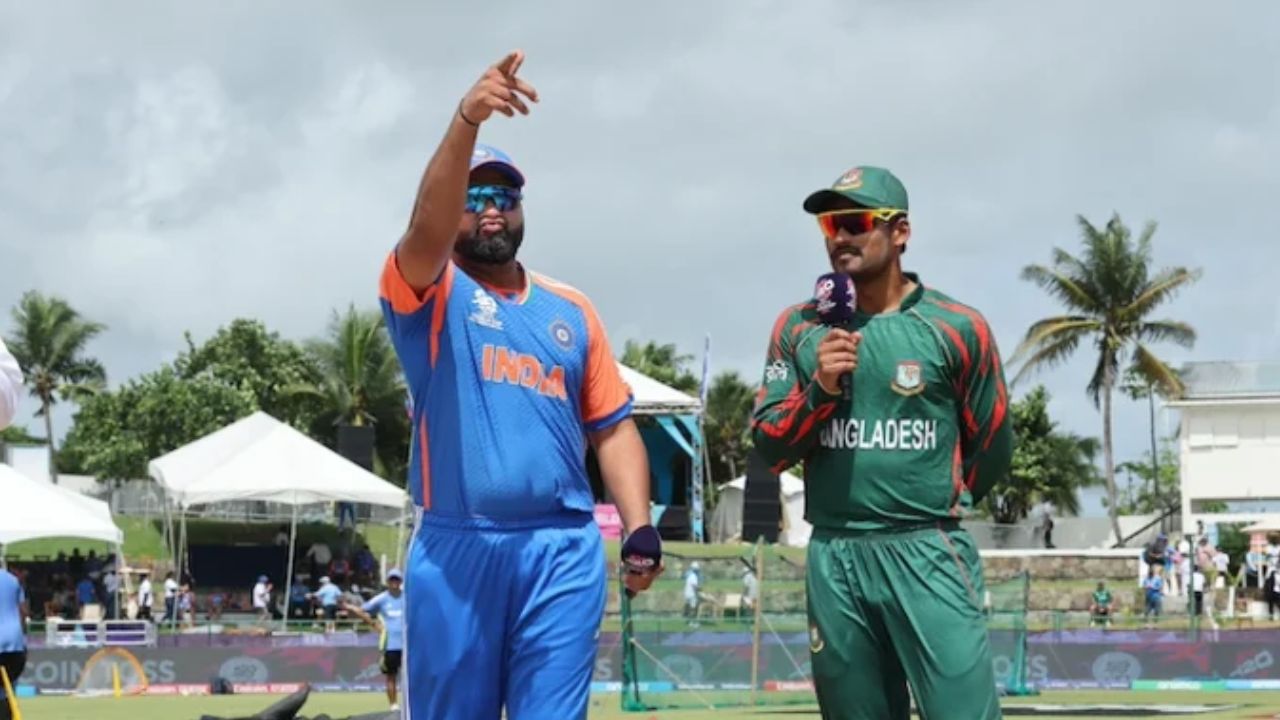
    Pakistan has thrown its full support behind Bangladesh’s decision to skip T20 World Cup matches in India, offering to take up the matter with the International Cricket Council (ICC) if needed.

    According to reports, Pakistan Cricket Board (PCB) will stand by Bangladesh’s principled stance on player safety. 

    “Bangladesh has every right to prioritize the security of its cricketers. If discussions with the ICC become necessary, Pakistan is ready to step in,” a source familiar with the matter told a news outlet.

    The controversy began when the Board of Control for Cricket in India (BCCI) removed Bangladeshi pacer Mustafizur Rahman from the Indian Premier League (IPL) after Hindu extremists threatened to attack Bangladeshi players. The activists also labeled Kolkata Knight Riders (KKR) owner Shah Rukh Khan a traitor for signing the left-arm bowler.

    Bangladesh responded by banning IPL broadcasts in the country. The Bangladesh Cricket Board (BCB) has also asked the ICC to shift its T20 World Cup matches from India to Sri Lanka.

    Reports added that the ICC previously accepted security concerns as valid grounds when India refused to tour Pakistan for last year’s Champions Trophy, so similar reasoning should apply now.

    Bangladesh has three matches scheduled in Kolkata and one in Mumbai for the upcoming tournament.

    Indian media reports suggest the ICC has denied Bangladesh’s request to move their matches, though the governing body has not issued an official statement.

  • Trump says money from Venezuelan oil transfer will be controlled by US

    Trump says money from Venezuelan oil transfer will be controlled by US

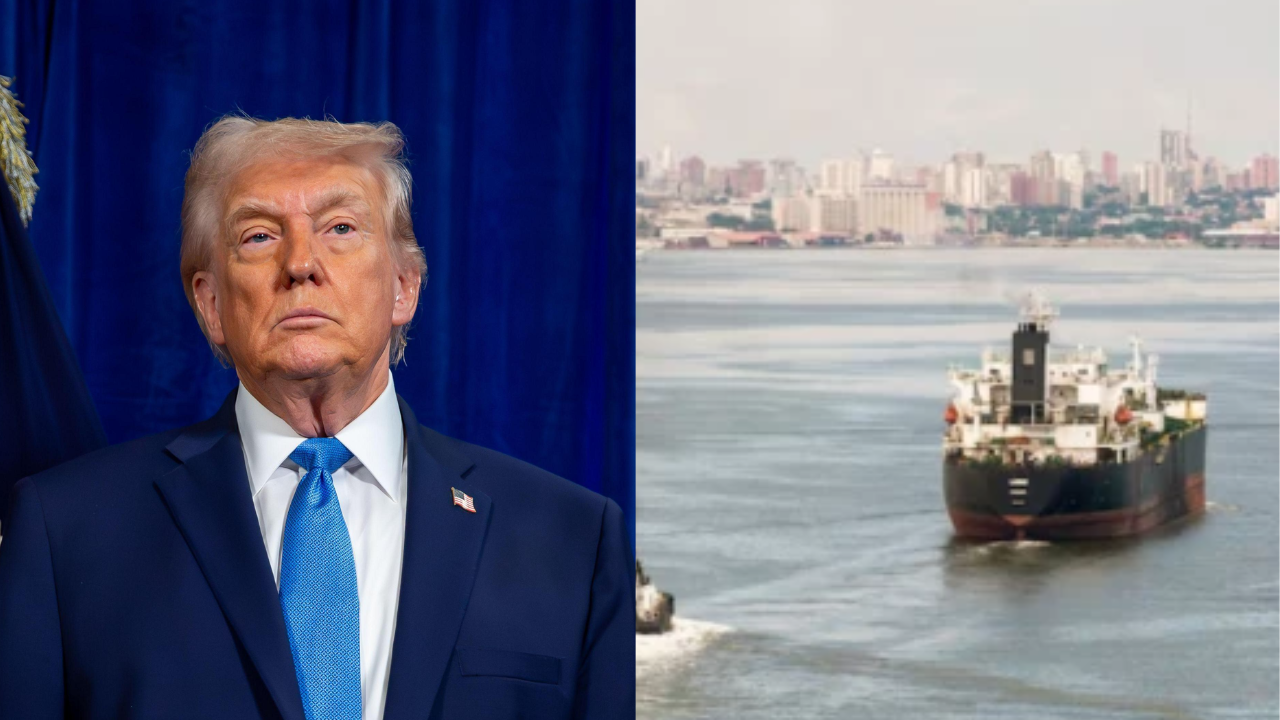
    US President Donald Trump has said Venezuela would hand over between 30 and 50 million barrels of oil to the United States, adding that the proceeds from the sale would be controlled by the US. 

    The development signals that the Venezuelan government is responding to Trump’s demand to open its oil sector to US companies.

    In a post on truth social, Trump said Venezuela would be “turning over” sanctioned oil that would be sold at market price. “This Oil will be sold at its Market Price, and that money will be controlled by me, as President of the United States of America, to ensure it is used to benefit the people of Venezuela and the United States!” he wrote.

    Trump said US Energy Secretary Chris Wright would oversee the process, adding that the oil would be taken from ships and transported directly to US ports. He also said he wanted interim President Delcy Rodriguez to provide US authorities and private companies “total access” to Venezuela’s oil industry.

    Venezuela has millions of barrels of crude stored in tanks and on vessels that it has been unable to export due to a US blockade imposed in mid-December. The restrictions were part of broader pressure on the government of President Nicolas Maduro, which escalated over the weekend when US forces launched strikes in the country.

    Venezuelan officials have accused the United States of attempting to seize the country’s oil reserves. The government and state oil company Petroleos de Venezuela did not comment on Trump’s statement.

    Supplying the oil to the US could require diverting shipments originally intended for China, which has been Venezuela’s largest buyer over the past decade, particularly after Washington imposed sanctions in 2020 on companies involved in the oil trade with Caracas. 

    US crude prices fell more than 1.5 percent following the announcement. Current Venezuelan oil exports to the United States are handled by Chevron, PDVSA’s joint venture partner, under a US authorisation. Chevron has been shipping between 100,000 and 150,000 barrels per day and remains the only company loading Venezuelan crude without interruption during the blockade.

    It remains unclear whether Venezuela would receive any share of the proceeds. Sanctions bar PDVSA from the global financial system, freeze its bank accounts and prevent transactions in US dollars. Venezuela has been selling its Merey crude at a discount of about $22 per barrel below Brent, placing the value of the proposed transfer at up to $1.9 billion.

    Officials from both countries have discussed possible sales mechanisms, including auctions for US buyers and licences for PDVSA’s partners, which in the past allowed companies to receive or resell Venezuelan oil. 

    US Interior Secretary Doug Burgum said increased Venezuelan oil flows would be “great news” for jobs and fuel prices, adding that “with American technology, American partnership, Venezuela can be transformed.”

  • ‘Mutual respect’: Relationship between PM, field marshal perfect

    ‘Mutual respect’: Relationship between PM, field marshal perfect

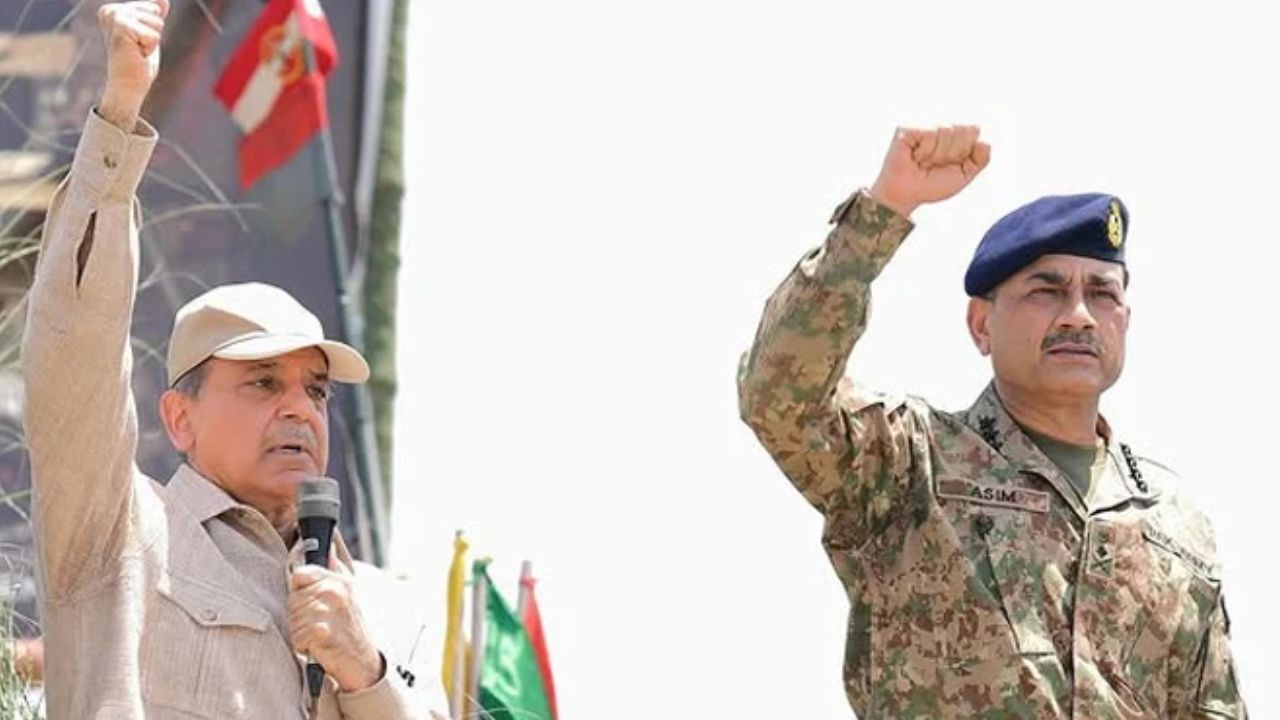
    No search for a so-called “wonder boy” to replace Prime Minister Shehbaz Sharif is underway, media reports quoted sources as saying, adding that the relationship, understanding and mutual respect between the Prime Minister and the Field Marshal remain “perfect,” as they were before.


    Additionally, the source rejected rumors that a “wonder boy” was required as part of a supposed “grand plan.”

    These conversations gained traction following a recent piece by senior journalist and Jang columnist Suhail Warraich, who claimed without offering any solid evidence that although Shehbaz Sharif might be “gold,” the current situation calls for a “diamond” rather than gold in order to reverse years of neglect.


    In the column, Warraich maintained that even if such aspirations are not realised, there is no restriction on expressing them.


    He further suggested that some quarters desire a federal cabinet similar to Bangladesh’s, comprising PhD holders recognised as authorities in their respective fields and educated at reputable institutions worldwide.

    The column triggered extensive debate across both mainstream and social media. Several observers felt the senior columnist had deliberately framed his arguments ambiguously to avoid provoking a direct reaction from influential quarters.

    Well-informed sources, however, strongly disagreed with these interpretations, emphasizing that there is no basis to the speculation and no question of undermining the prime minister’s position or his working relationship with the military leadership.

  • Mustafizur Rahman joins PSL draft after being released from IPL squad

    Mustafizur Rahman joins PSL draft after being released from IPL squad

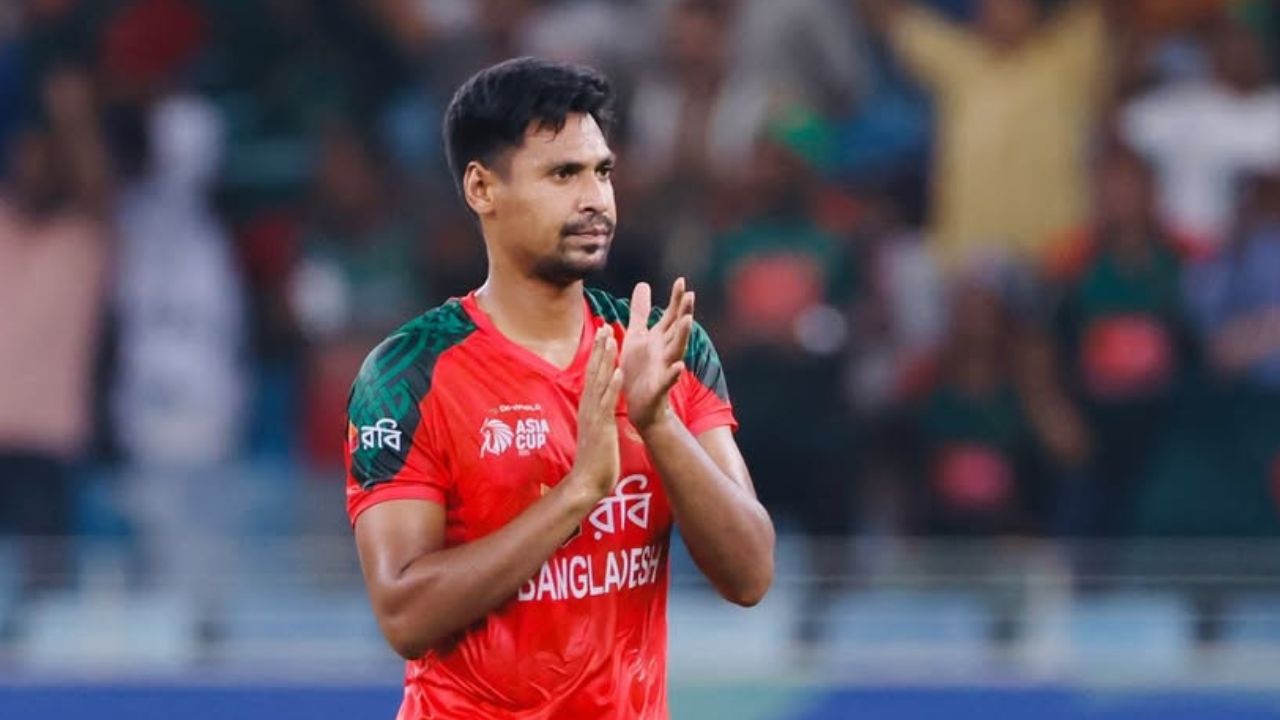
    Bangladeshi fast bowler Mustafizur Rahman has registered for the Pakistan Super League (PSL) draft after Kolkata Knight Riders (KKR) controversially released him from their Indian Premier League (IPL) squad.

    Kolkata bought the 30-year-old left-arm pacer for INR 9.20 crore in December’s IPL mini-auction, making him the only Bangladesh player signed for the season. The franchise released him on Saturday after the Board of Control for Cricket in India instructed them to do so.

    BCCI secretary Devajit Saikia cited “recent developments” as the reason but did not elaborate further.

    The decision comes after hardliner Hindutva activists threatened to beat up Bangladeshi cricketers if they participated in the IPL. The activists also warned Bollywood star and KKR owner Shah Rukh Khan against allowing Bangladeshi players to represent his team.

    Bangladesh has responded by banning IPL broadcasts in the country. The Bangladesh Cricket Board (BCB) has also asked the ICC to shift its T20 World Cup matches from India to Sri Lanka.

    Mustafizur, known for his variations and death-over bowling, has played in the IPL since 2016. He has represented Sunrisers Hyderabad, Mumbai Indians, Rajasthan Royals, Delhi Capitals, and Chennai Super Kings, taking 65 wickets in 60 matches at an economy rate of 8.13.

    The PSL has confirmed that he has registred for the upcoming edition, with the draft expected soon.

    Previously, he featured in the PSL for Lahore Qalandars

  • Pakistan, Bangladesh air chiefs discuss JF-17 procurement

    Pakistan, Bangladesh air chiefs discuss JF-17 procurement

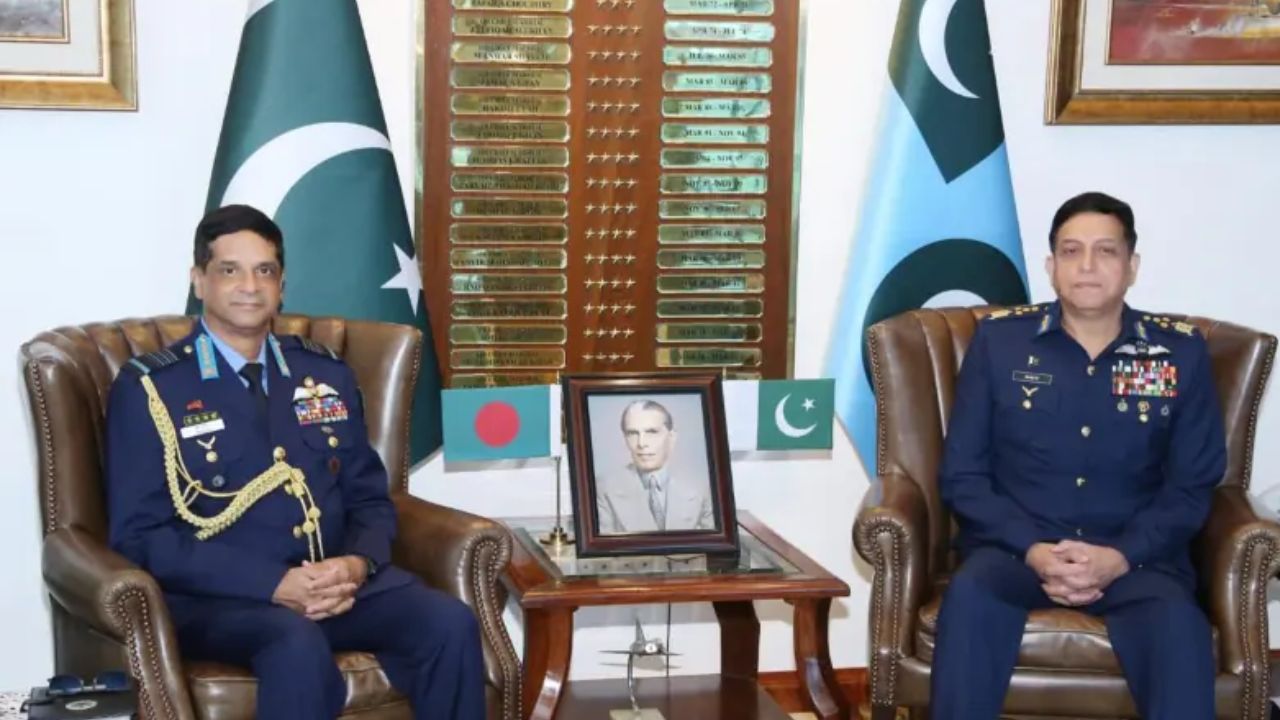
    Pakistan and Bangladesh’s air force chiefs on Tuesday held detailed discussions on the possible procurement of JF-17 Thunder fighter jets, the Inter Services Public Relations (ISPR) reported.

    An ISPR statement said Bangladesh Chief of Air Staff Air Chief Marshal Hasan Mahmood Khan met his Pakistan Air Force (PAF) counterpart, Air Chief Marshal Zaheer Ahmed Babar Sidhu, during his visit to Islamabad. 

    The Bangladeshi air chief was accompanied by a senior-level defence delegation.

    According to ISPR, the visiting air chief was presented with a guard of honour upon arrival. “The meeting focused on strengthening operational cooperation and institutional synergy, with emphasis on training, capacity building, and collaboration in aerospace advancements.”

    During the meeting, Air Chief Marshal Sidhu reaffirmed Pakistan’s commitment to providing the Bangladesh Air Force with a comprehensive training framework and briefed his Bangladeshi counterpart on the latest developments in the PAF.

    “He also assured fast-tracked delivery of Super Mushshak trainer aircraft, along with a complete training and long-term support ecosystem,” ISPR added.

    “The Bangladeshi air chief praised the PAF’s combat record and expressed interest in benefiting from its operational expertise, seeking assistance in maintenance support for the Bangladesh Air Force’s ageing fleet as well as the integration of air defence radar systems to enhance air surveillance,” the statement said.

    ISPR said both sides also held in-depth discussions on the potential acquisition of JF-17 Thunder aircraft. The visiting delegation also toured key PAF facilities during the visit.

    The JF-17 Thunder is a multi-role combat aircraft jointly developed by Pakistan and China, which has proven its operational capability during military conflicts with India in 2019 and 2025.

    “The visit underscored the strong historical ties between Pakistan and Bangladesh and reflected a shared resolve to deepen defence cooperation and build a long-term strategic partnership,” the statement said.

  • ISPR chief links KP terrorism to ‘political-criminal-terror nexus’

    ISPR chief links KP terrorism to ‘political-criminal-terror nexus’

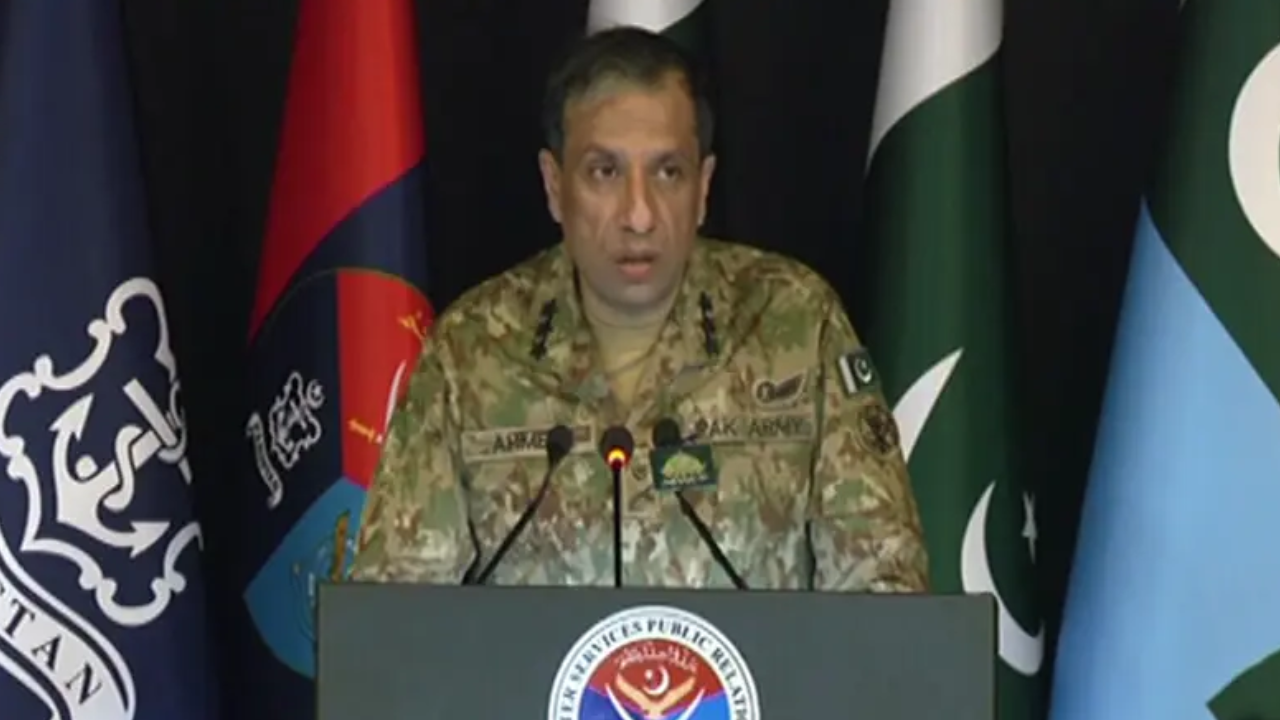
    Director-General of the Inter-Services Public Relations (ISPR), Lieutenant General Ahmed Sharif Chaudhry, on Tuesday said that Khyber Pakhtunkhwa remained the worst terrorism-affected province, linking the trend to what he described as a “political-criminal-terror nexus”.

    Addressing a press conference to brief the media on the country’s security situation, the ISPR chief said 71 percent of terrorist incidents reported in 2025 occurred in Khyber Pakhtunkhwa.

    “The primary reason for this is a politically conducive environment and the flourishing political-criminal-terror nexus which is flourishing there,” he said.

    Videos of Sohail Afridi were played during the briefing. Responding to statements by the Khyber Pakhtunkhwa government that military operations were not the solution, Lt Gen Ahmed Sharif Chaudhry questioned the alternative being proposed.

    “Then what is the solution?” he said, while reiterating that the prevailing political environment in the province had enabled militant networks to operate.

    In his opening remarks, Lt Gen Chaudhry said the purpose of the briefing was to provide a detailed overview of counterterrorism measures taken over the past year, which he termed a “landmark and consequential year” in the fight against terrorism.

    Sharing data on counterterrorism operations, the ISPR chief said law enforcement agencies conducted 75,175 Intelligence-Based Operations (IBOs) across the country in 2025. Of these, 14,658 were carried out in Khyber Pakhtunkhwa, 58,778 in Balochistan, while 1,739 operations were conducted in other parts of the country.

    He said a total of 5,397 terrorism incidents were reported nationwide during the year. According to the breakdown shared at the briefing, 3,811 incidents occurred in Khyber Pakhtunkhwa, 1,557 in Balochistan, and 29 incidents were reported from the rest of the country.
    Lt Gen Chaudhry said 2,597 terrorists were killed during counterterrorism operations over the past year.

    Video confessions of arrested militants were shown during the presser. 

    Referring to the Jaffar Express attack, the ISPR chief said 21 civilians were martyred and added that the incident would not fade from public memory. He also cited an attack on a civilian bus in Noshki and said an assault on the Frontier Corps headquarters in Quetta resulted in the martyrdom of eight civilians.

    .

    “This is a war of the nation, a war of every single child,” he said, rejecting a narrative that frames counterterrorism as solely the military’s responsibility.

    “A narrative is built suggesting this is the army’s war. This is not true,” he added.

    Addressing relations with Afghanistan, the ISPR chief said Pakistani border posts had come under attack by the Afghan Taliban regime, after which “whatever was needed was done, and a hard message was given”.

    “Afghanistan has become the centre of terrorist operations in the region,” he said.

    He said the Afghan Taliban regime had found a “new hero” in Indian Prime Minister Narendra Modi and added that the nexus between Fitna al-Khawarij and India became fully exposed in 2025.

    “If Afghanistan and India wish to confront Pakistan, they are welcome to do so,” he said, adding, “We will fulfill their desire.”

    Lt Gen Chaudhry said Pakistan had targeted terrorists along the Afghan border in October 2025 and that “dozens of Afghan posts were eliminated within hours”.

    Recalling the 2020 Doha agreement, he said the Afghan Taliban had assured that terrorism would not be allowed to operate from Afghan soil, adding that Afghanistan remained a base for Fitna al-Khawarij and Fitna al-Hindustan.

    “All terrorist organisations are based in Afghanistan and are being nurtured there,” he said.

    The ISPR chief also rejected claims that the Pakistan Army uses drones during counterterrorism operations, saying armed quadcopters were first used by Fitna al-Khawarij and the TTP.

    He said India provides support to these groups and that a dedicated militant wing operates armed quadcopters for attacks. According to him, militants use mosques, public places, and residential homes, and deploy women and children as human shields.

  • Pakistan records 20% drop in ‘immoral content’ online as PTA blocks 88,000 URLs

    Pakistan records 20% drop in ‘immoral content’ online as PTA blocks 88,000 URLs

    Pakistan recorded a 20 percent drop in the volume of “immoral content” uploaded online during the fiscal year 2024–25 after the Pakistan Telecommunication Authority (PTA) blocked more than 88,000 unlawful URLs, official documents revealed.

    The documents showed that the PTA blocked 88,035 URLs across social media platforms and the wider internet during the year as compared to last year’s 109,771 links – reflecting a year-on-year reduction in the number of identified unlawful webpages.

    PTA officials said the decline was linked to continued enforcement measures, enhanced monitoring systems and coordination with social media companies under the Prevention of Electronic Crimes Act (PECA) 2016.

    Platform-specific data indicated that TikTok accounted for the highest number of blocked links with 35,000 webpages removed during the reporting period. Facebook ranked second with 25,482 URLs blocked, Instagram where 13,242 links were restricted and YouTube with 8,586 URLs blocked for hosting unlawful material.

    The documents further detailed the nature of the content removed during the year. A total of 38,214 websites were blocked for hosting “immoral material”. Another 31,313 webpages were restricted for content related to Pakistan’s defence and security.

    Content classified as being against the glory of Islam led to the blocking of 7,608 URLs. In addition, 6,269 websites were taken down for hosting hate or sectarian material.

    The PTA also blocked 2,498 URLs containing defamatory content. A further 353 websites were restricted in connection with contempt of court cases.

    Enforcement actions also extended to X with 2,103 URLs blocked on X.

    On Likee, 991 web pages were restricted while 345 URLs were blocked on Snack Video during the same period.

  • Defiant Maduro pleads not guilty in New York

    Defiant Maduro pleads not guilty in New York

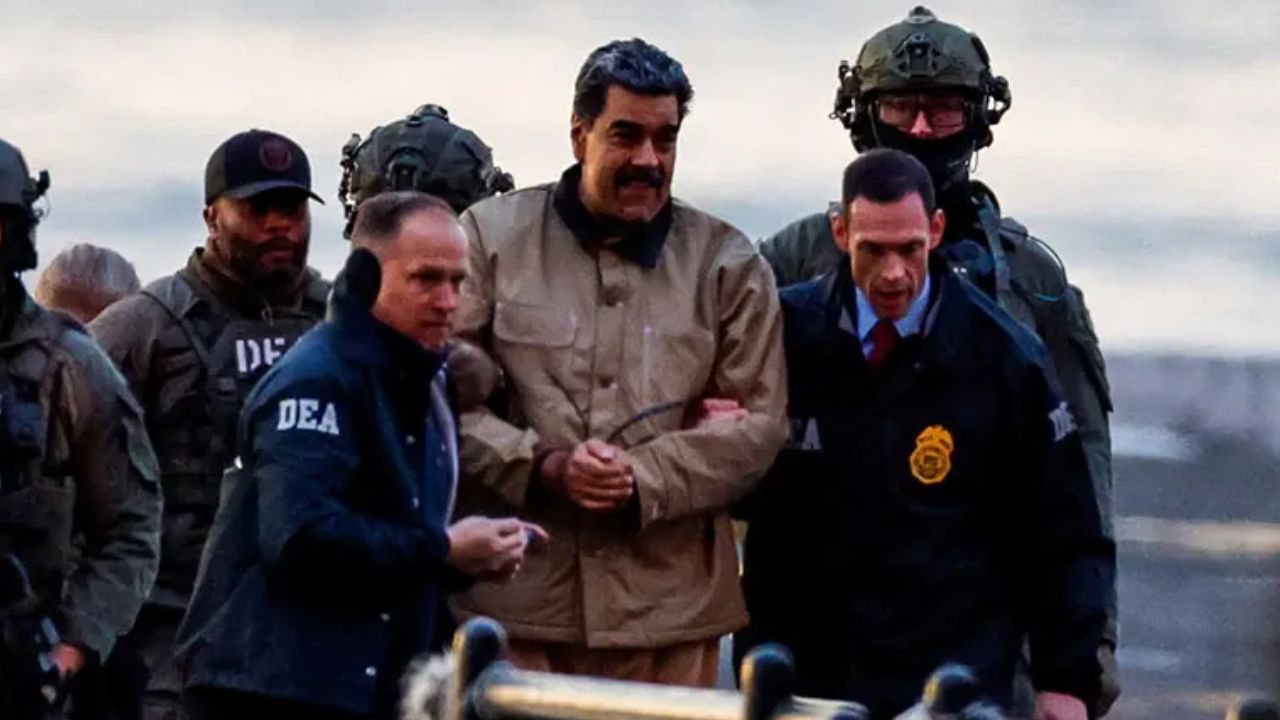
    Venezuelan president Nicolas Maduro has pleaded not guilty to charges of narco-terrorism during a court appearance in New York, US, on Monday, two days after being seized by American forces during an illegal Saturday raid on his residence in Caracas.


    Maduro, 63, appeared alongside his wife, Cilia Flores, after the couple were captured in what US officials described as a surprise military operation carried out in the Venezuelan capital. The controversial operation, which involved helicopters, fighter jets and naval support, marked a sharp escalation in Washington’s interference in the oil-rich South American nation.


    Both Maduro and Flores face narcotrafficking charges in the United States. According to reports, US commandos stormed their home on Saturday and kidnapped them from the country.


    Speaking before a federal judge in Manhattan, Maduro emphasised that he had been abducted, telling the court: “I’m innocent, I’m not guilty.” He also said, “I’m still the president of my country,” according to US media reports.


    Flores also entered a plea of not guilty. The Venezuelan President is expected to remain in custody in New York, with his next court hearing scheduled for March 17.


    Maduro was transported by helicopter and armored vehicle earlier on Monday, and he was taken to the courthouse under strict security, accompanied by armed law enforcement officers. 


    Thousands of Maduro supporters assembled in Caracas on Sunday, in favour of the overthrown leader, yelling slogans and waved Venezuelan flags.


    No official death toll has been released in Venezuela following the operation. However, Defence Minister Vladimir Padrino Lopez said that a “large part” of Maduro’s security team had been killed “in cold blood,” along with members of the military and civilians.


    In Washington DC, President Donald Trump said late Sunday that the United States was now “in charge” of Venezuela. US Secretary of State Marco Rubio said discussions about holding elections following Maduro’s removal were “premature.”


    Asked what the United States required from interim leader Rodriguez, Trump said: “We need total access. We need access to the oil and other things in their country that allow us to rebuild their country.”


    Venezuela holds the world’s largest proven oil reserves, and an increase in Venezuelan crude entering global markets could deepen oversupply concerns and add further pressure on prices. 


    Analysts, however, say that significantly ramping up oil production would be neither quick nor easy, given the country’s deteriorated infrastructure. Oil prices dipped as investors assessed the potential impact of the situation.


    The Trump administration has said it continues to wield economic leverage by blockading Venezuelan oil tankers and has warned of further military action if necessary.


    Prominent opposition figure Edmundo Gonzalez Urrutia said the US intervention was “important” but added that without the release of political prisoners and recognition that he won the 2024 election, it was “not enough.”


    Details of the US operation continued to emerge on Monday. Cuba said 32 of its nationals were killed during the assault, while Trump claimed that Cuba itself was on the brink of collapse following Maduro’s capture. “I don’t think we need any action. It looks like it’s going down,” Trump said.


    International reaction was swift. China, Russia and Iran, long-time allies of Maduro, condemned the US operation. Some US allies, including the European Union (EU), also voiced concern.


    China called for Maduro to be “immediately released,” with its foreign ministry describing the operation as a “clear violation of international law.” Iran said on Monday that its relationship with Venezuela remained unchanged and also called for Maduro’s release.


    Colombian President Gustavo Petro criticised the US action as an “assault on the sovereignty” of Latin America, warning it could trigger a humanitarian crisis. Petro also rejected Trump’s threats of military action against Colombia, after the US president accused the Colombian leader of drug trafficking.

  • ‘New brides should seek in-laws’ permission to rest’: Saba Faisal gets problematic, again

    ‘New brides should seek in-laws’ permission to rest’: Saba Faisal gets problematic, again

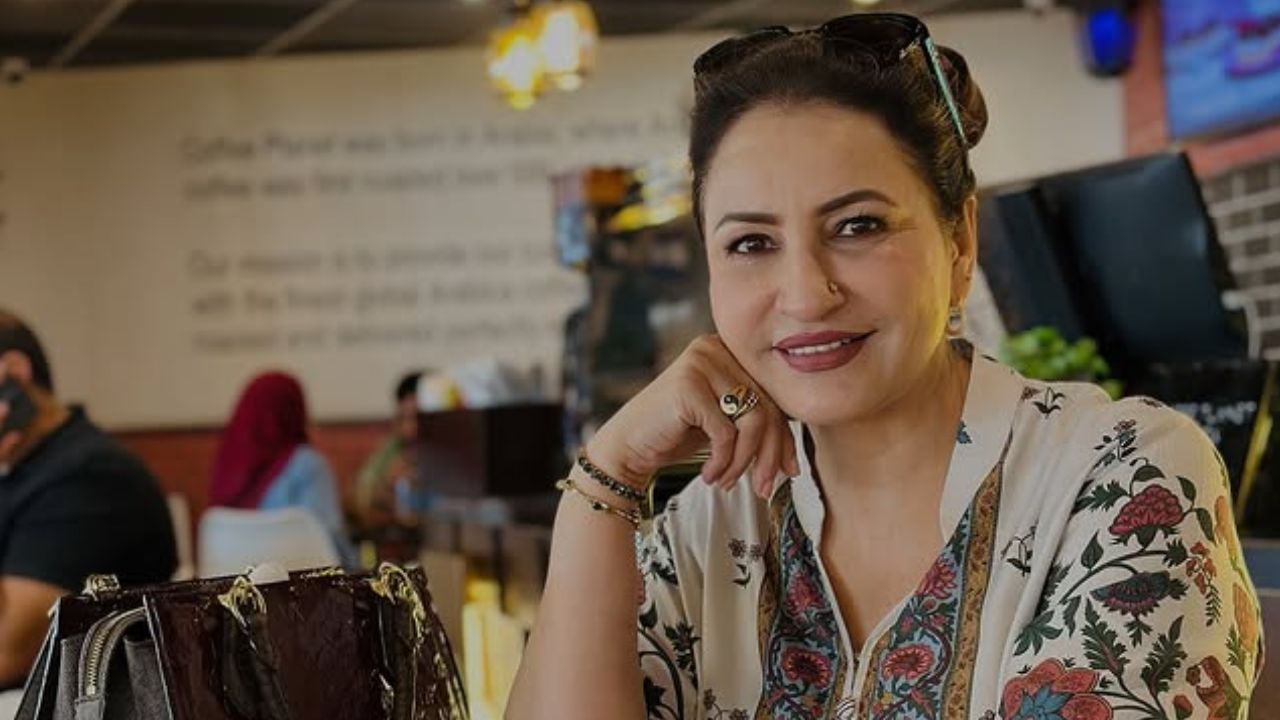
    Pakistani actor Saba Faisal keeps on landing in hot waters after saying questionable things during interviews.

    Just weeks after igniting outrage on her comments on the clothes brides wear, the actress has shocked social media yet again after advising newly married women to ask their mothers-in-law for permission before taking rest. 

    Faisal, who frequently appears on morning shows to discuss marriage and domestic matters, passed the controversial remarks during a recent appearance on a private TV channel’s morning show.

    The senior actor said that after marriage, when guests gather at the in-laws’ home, mothers-in-law handle responsibilities including hosting guests and other household tasks, while new brides carry no such obligations.

    “If a new bride needs rest, the mother-in-law should tell her herself. But if the mother-in-law doesn’t say anything, the new bride should go to her mother-in-law or married sister-in-law and ask permission to rest,” Faisal said.

    She added that communication styles matter in such situations. “If a girl gives direct orders, the in-laws won’t accept it. But if she asks politely, even the strictest mother-in-law won’t refuse and will allow her to rest,” she opined. 

    Social media users quickly criticize Faisal’s advice. Maliha Rehman wrote, “She seriously needs to stop giving interviews.”

    One user asked, “Can we please cancel her.” Another questioned, “Susral hy ya jail?” (Is it an in-laws’ home or a jail?)

    Other users expressed disbelief, with comments including “Oh God” and “Wait whattttt.”

    Earlier, she faced backlash for suggesting mothers-in-law should be consulted in selecting brides’ wedding outfits, sparking criticism from fellow celebrities including actors Fiza Ali, Javeria Saud and Hira Khan. 

    However, she later apologised on Instagram, acknowledging that she used inappropriate terminology and clarified that she never insisted brides must only wear clothes chosen by their mothers-in-law. “I had no wrong intention. And still, if my words or my interview have hurt you, I want to apologise,” she said at the time.