Author: Hafiz Usman Aftab

  • May the force be with you

    “Are elected governments regarded as inconvenient guests?”

    Thirty years ago, troops rolled into Islamabad and took up positions around ‘key installations’ and buildings in the Capital. Just over an hour later, around 5 pm, the elected government had been dismissed and the National Assembly dissolved. Benazir Bhutto, who had been prime minister for just twenty months, was sent packing. 

    Two years before that particular dismissal, another prime minister, Mohammad Khan Junejo, had been dismissed in a similarly humiliating manner: while he was addressing a press conference on his return from a foreign tour, the journalists there started leaving and hurrying over to the presidency where they had been told they would hear some big news. There the president, General Ziaul Haq had announced dismissing the government. Junejo was also sent packing without completing his term.

    By the time Bhutto was dismissed on August 6, 1990, General Zia was dead but the idea that elected civilian leaders could be unceremoniously dismissed had become something of a conviction in the minds of General Zia’s army leadership. In the eleven years between 1988 and 1999, five governments were toppled in this manner: Junejo, Bhutto, Sharif, Bhutto, Sharif. Of these PMs, Sharif and Bhutto were popularly elected, Junejo was elected in Zia’s non-party based polls but even though he had been handpicked by the general, he refused to be a puppet PM and once in office, began making all sorts of decisions to try to establish civil supremacy. Bhutto would later be assassinated while campaigning in a bid to be elected a third time while Sharif, though later able to be PM yet again, was forced to step down in a haze of allegations regarding his wealth and offshore accounts. He was charged, convicted and incarcerated. 

    Talking to various people about the 1990 dismissal brought to the fore just how difficult a time this was for civilian politicians to function in government. The main problem was, of course, a hostile establishment — a military and bureaucracy steeped in the Zia era thinking who regarded these elected politicians as troublesome outsiders, to be allowed into government for as long as they could be tolerated — and booted out as soon as they started trying to assert themselves or do anything at all that was not in line with what the forces wanted. The way in which elected leaders were treated as intruders and interlopers — almost as enemies — is instructive. Kamran Shafi, who was Butto’s press secretary at the time, recalls how her speechwriter Farhatullah Babar had to go out and get her speech printed from elsewhere because obstructive bureaucrats refused to sanction ink for a printer. It was such a hostile environment that everything was a struggle and there was a feeling that half of the administration and the staff were actually working against the PM and the government. 

    Benazir Bhutto came to power after a long period of incarceration and exile following the overthrow and execution of her father by General Zia, and she was always regarded with distrust by the military establishment but what is very interesting is that any PM (of any political hue) who tries to be a PM and implement any policy that challenges defence interests in any way is similarly despised and disposed of.

    Here, the example of Nawaz Sharif is very interesting: groomed politically and elevated during the martial law years, Sharif was the generals’ man in Punjab, extremely useful to the ‘powers that be’ as a cunning and aggressive opponent to Bhutto. However, once he came to power and tried to assert his own authority, Sharif suffered the same fate as Bhutto and he was sacked unceremoniously.

    His ‘mein dicatation nahin loonga’ (I refuse to take dictation) speech from April 1993 is a classic expression of this tussle between elected and martial forces in Pakistan. Unfortunately, that speech has disappeared from the archives and everywhere else. In his second stint as PM, Sharif actually fired the chief of army staff, one General Musharraf, and he replaced him with General Ziauddin Butt. The footage of the relevant ceremony was shown on only one PTV news bulletin because then Sharif’s government was overthrown and Pakistan Television Centre, taken over. While the video footage of the installation of the new army chief also disappeared, this process of enforced disappearances was actually quite useful in controlling the narrative.

    But what is important now is to try to prevent key chapters of the country’s political history from being disappeared from the records and erased from public memory. What happened in the 90s in Pakistan is, to some extent, still happening now.

    Because the idea that elected prime ministers are just short term visitors or inconvenient guests still prevails as does the process of constantly destabilising and smearing political governments. To fill in the gaps, we need to speak to people who were witnesses to key events, we need to question official histories and we need to search try to understand — through people’s experiences — how certain systems actually work.
  • ‘Parey Hut Love’ is all about aesthetics

    ‘Parey Hut Love’ is all about aesthetics

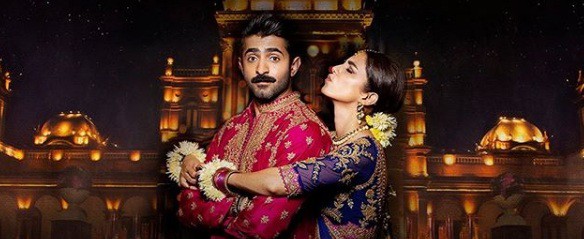
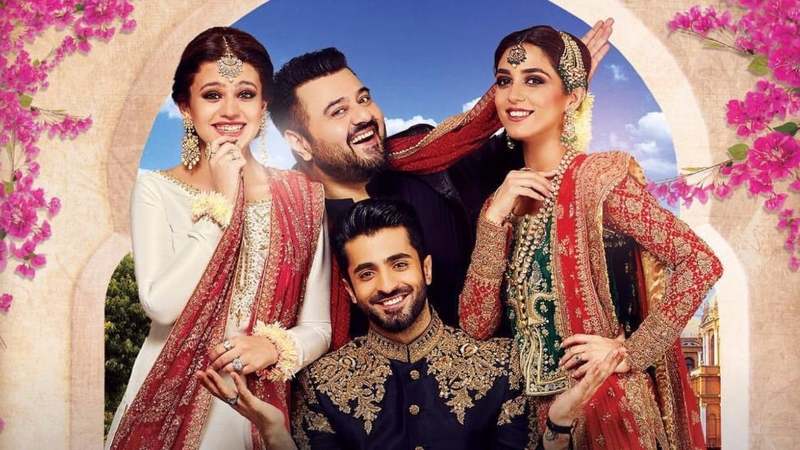
    Of all the films releasing this Eid, Parey Hut Love was probably the most hyped. Everything about the film – cast, set, costumes, locations – was larger than life and the cast of the film promoted it to death. So much so that even if you weren’t interested in the film, you’d still want to see what it is all about.

    Naturally, that raises expectations and that’s when things begin to go down. I entered the cinema excited and left the cinema deflated because the film did not match up to my expectations and what I had been promised.

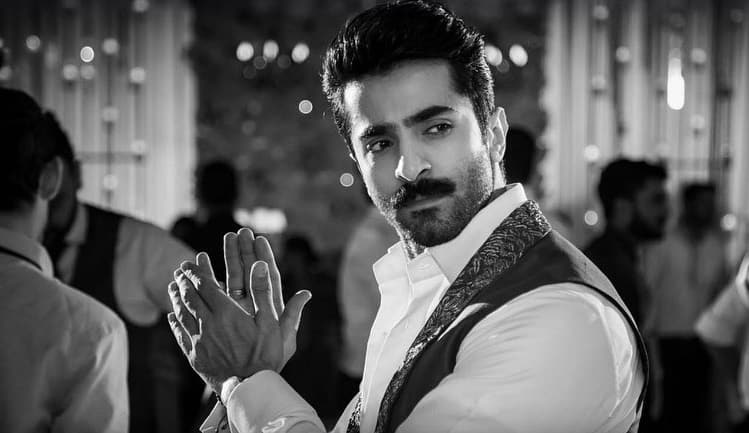
    To begin with, there was no story and half an hour into the film, I had figured out the plot. Parey Hut Love is the story of Sheheryar (Munawar), a commitment-phobic struggling actor who meets Saniya (Maya Ali) at a family wedding. The two spend time together and fall in love. Saniya, who lives in Turkey heads back with the promise that the two will keep in touch. However, Sheheryar’s phone is stolen and Saniya thinks that he has ditched her and is heartbroken. The rest of the film follows the duo as they find their way back to each other despite almost getting hitched to other people.

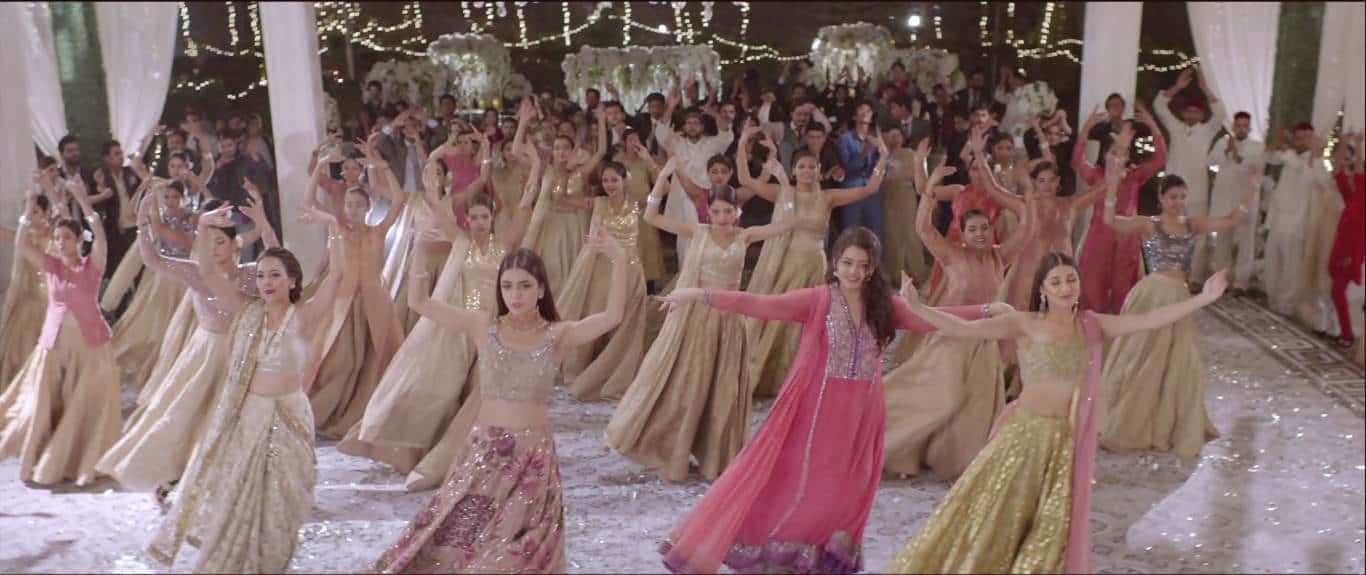
    The entire film was just lots of beautiful wedding scenes put together with many of the scenes inspired by Bollywood movies. You will find references from Ae Dil Hai Mushkil, Hum Tum and Yeh Jawaani Hai Deewani and even from the Hollywood film Dear Rosie. I personally felt the plot was heavily borrowed from Dear Rosie and Hum Tum.

    There was no flow of scenes and some of them, like Mahira’s entry, were so abrupt that it took you a while to put things together and figure out what was going on. It’s like the makers forgot that they had a story to tell.

    Parey Hut Love belonged to Sheheryar and Sheheryar only. His character was the only one which was given attention and developed properly while the rest of the movie was rushed. Sheheryar and Saniya’s love story was poorly written. Maya barely had any dialogues and she was a little more than a showpiece.

    Zara Noor Abbas and Ahmed Ali Butt were wasted in the film and their roles terribly written. Zara is a talented actor and her comic timing is brilliant which is why I honestly felt upset with the way she was presented. I wish she had more screentime and her character had been more developed because she lit up the screen every time she came on. Also, why wasn’t her styling given the same amount of importance as Maya? While Maya breezed through the film in one gorgeous outfit after another, Zara’s outfits and looks were lazily done. The makeup was also a letdown – the lip colours too light and the eyes heavily done. Maya is a stunning actor and she stole the screen in Teefa in Trouble. In Parey Hut Love not so much.

    Zara looks out of place in this coral pink outfit

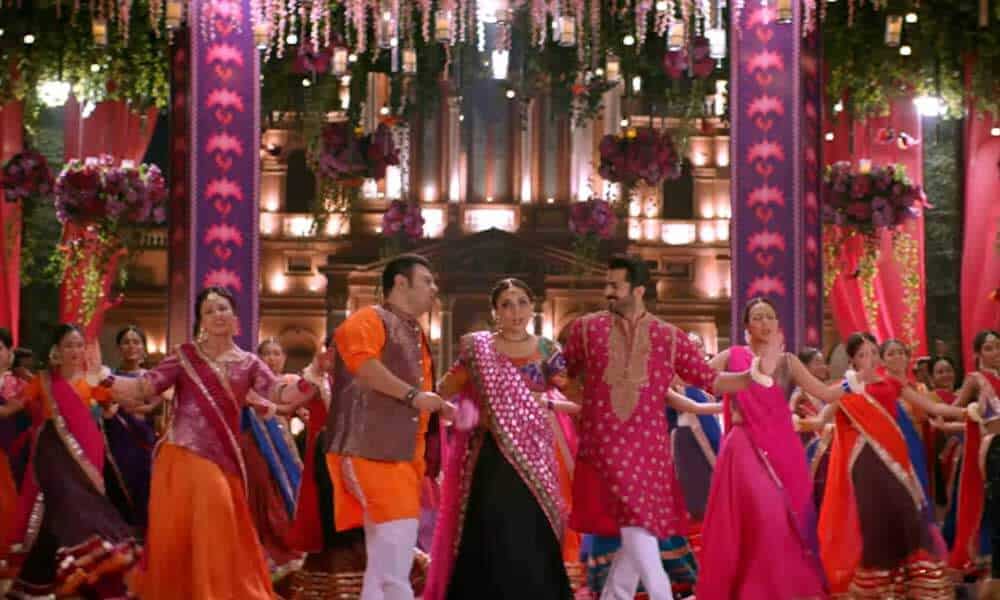
    On the flip, the cinematography, especially the ariel shots, locations, costumes, sets were amazing because of which the film was aesthetically very pleasing. The songs were also beautiful. Kudos to Azaan Sami Khan for delivering one stellar track after another and to Nigah Jee for the brilliant choreography. Morey Saiyaan, Ik Pal and Haye Dil Bechara were a treat to watch and frankly the biggest takeaway from the film.

    Read more – ‘Parey Hut Love’s Haye Dil Bechara inspired or copied?

    Munawar has grown as an actor and honed his talent. He has also worked on his physique and all his hard work showed in the film. Maya could have done much better. Ahmed, Zara and Hina Dilapazeer gave some of the best moments from the film with their impeccable comedy.

    The surface of Parey Hut Love was polished till it sparkled while little to no attention was paid to the core – the inside of the film was hollow.

    Read more – Sushant Singh Rajput’s ‘Dil Bechara’ leaves you wanting more

    Watch our video review:

    https://youtu.be/sBcshHgzUgk

    Note – This article was updated on August 1, 2020. With no new movies hitting cinemas this year due to the COVID-19 lockdown, TV channels are airing their previous releases. Parey Hut Love was 2019’s highest-grossing film.

  • Aviation in hot water

    Aviation in hot water

    “The cat is out of the bag and the current government faces another uphill task to make amends within the aviation industry.”

    The aviation industry has transformed due to various kinds of security threats that have emerged over time. Starting from 2001 after the 9/11 hijackings, airports around the world tightened their screening of passengers, and pilots began locking their cockpits. Ever since a detonator was caught inside a passenger’s shoes, passengers have been told to take their shoes off at security checkpoints. The increasing threats have led the United States (US) to spend nearly $100 billion on revamping airport security. A few years later, the second threat surfaced in the United Kingdom (UK) when a terror plot to smuggle explosive liquids on to planes was uncovered in 2006, after which the number of liquids allowed on flights was restricted.    

    The latest security threat that has wreaked havoc is the coronavirus pandemic that emerged in China in late 2019. The industry had been growing over the decade and was estimated to earn more than $800 billion in revenue until 2020 hit, and things took an ugly turn. Approximately seven million flights were canceled between January and July as people stopped booking flights and thousands of planes that needed to be grounded struggled to find parking spots. Many travelers and foreigners were left stranded in various countries around the world and even stuck at airports when countries closed their borders.   

    A century ago, when the Spanish Flu struck, air travel was in its infancy. As a result, the effect on flights was minimal. Now, air travel is the most popular mode of transport with approximately 40 million flights a year and billions of travelers.    

    The virus has bogged down the entire flying process and made it more painstaking because masks and social distancing are mandatory. Airlines now need to follow new protocols such as leaving seats between passengers to ensure social distancing — this adds to the losses being faced by many airlines.

    “The virus, however, is not the only problem the industry will be facing this year thanks to Pakistan’s Federal Aviation Minister, Ghulam Sarwar.”

    The devastating impact of COVID-19 will not dissipate until a few years. The damage has compelled airlines to seek multi-billion-dollar bailouts from their respective governments. Airlines such as Lufthansa and Thai Airways were saved through bailouts.

    The virus, however, is not the only problem the industry will be facing this year thanks to Pakistan’s Federal Aviation Minister, Ghulam Sarwar.   

    On May 22, an Airbus A320, operated by Pakistan International Airlines (PIA) and en route from Lahore to Karachi, crashed moments before attempting a second landing, which led to the death of 97 passengers. Luckily, two passengers managed to survive the crash. The damage did not end there. When the aviation minister was expected to present the crash report, he went on to bring to light the pilots’ licensing issue that was still under investigation.    

    The revelation by Pakistan’s aviation minister unveiled a new type of security threat that jolted the entire aviation industry. Speaking on the floor of the National Assembly, the minister announced that 262 out of 860 Pakistani licensed pilots, who are working within Pakistan and abroad, had fake licenses and certificates. He repeated the number in a press conference the next day but added that the 262 pilots’ credentials were “suspected” to be fake.    

    This unprecedented revelation made frontlines, astonished the entire aviation industry, and damaged whatever little credibility the Civil Aviation Authority (CAA) had, since it is responsible for providing legitimate licences and certifications, hence ensuring travelers’ safety.

    “[Aviation minister’s] announcement rang alarm bells and dealt a heavy blow to the faltering national carrier. Now, not only PIA, but the entire CAA, needs to prove that it is capable of ensuring that its pilots are airworthy.”

    As soon as the news broke out, the European Union (EU) and the United Kingdom (UK) barred Pakistani commercial planes from entering their airspace. The European Union Air Safety Agency (EASA) issued letters to airline operators in member countries to suspend PIA’s authorisation to operate in the EU for six months. The US Department of Transportation also revoked the PIA’s authorisation to conduct flights to and from the country due to safety concerns.    

    The announcement rang alarm bells and dealt a heavy blow to the faltering national carrier. Now, not only PIA, but the entire CAA, needs to prove that it is capable of issuing legitimate licences and certificates while ensuring that its pilots are airworthy. It will definitely take a long time to recover, but the fact that such a thing could occur has alerted aviation authorities around the world. 

    Pakistan has been struggling to improve its image in the international world while being scrutinised by the Financial Action Task Force (FATF) and monitored by the International Monetary Fund (IMF). This incident might lead to the country being closely investigated by other organisations, such as the International Civil Aviation, which will be liable for ensuring that trained and certified pilots are flying planes around the world. With the Pakistani passport already being ranked among the worst in the world, the repercussions of this announcement will only cause its ranking to drop further, wiping out whatever efforts had been made to improve the country’s global image in the past. 

    It is heartbreaking to see PIA, which helped set up Emirates by leasing its aircraft and training its staff, in such a dilapidated state. Even though the coronavirus had pushed a large number of airlines towards bankruptcy, PIA’s poor global image and tarnished reputation will solely be responsible for its ill fate. The cat is out of the bag and the current government faces another uphill task to make amends within the aviation industry.

  • ‘Dil Bechara’ leaves you wanting more

    ‘Dil Bechara’ leaves you wanting more

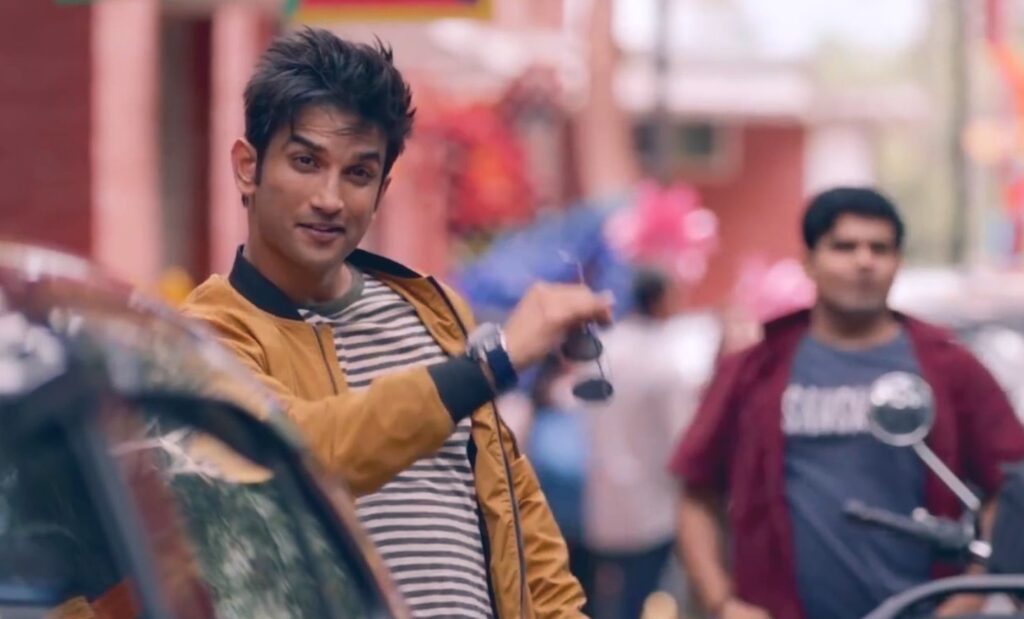
    There are often times in life when you’re at loss for words. And writing this review is one of those moments because there is so much to say but no words to express my emotions. Sushant Singh Rajput passed away on June 14 due to suicide but the mystery surrounding his sudden death remains, leaving one restless and searching for answers. His unexpected death impacted Bollywood fans across the world in a way no one could have imagined. In midst of all this, Disney Hotstar announced that they would release the actor’s last film digitally on their streaming platform and make it available to everyone with the aim to celebrate his life and legacy. The move was welcomed by his fans as they felt that the film would give them the closure they have been searching for. But unfortunately, the film ends up widening the void instead of closing it because, by the time the credits roll in, you’re emotional, teary-eyed and wishing that the film would never end because you just want to continue watching Sushant weave his magic on screen.

    Read more – Trailer of Sushant Singh Rajput’s last film ‘Dil Bechara’ trends at number one on YouTube Pakistan

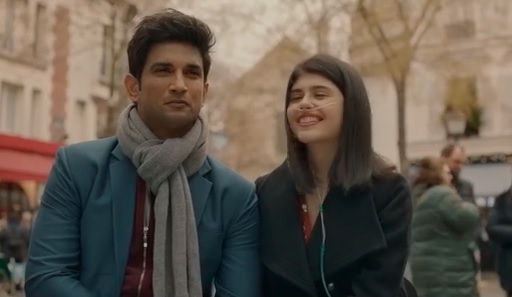
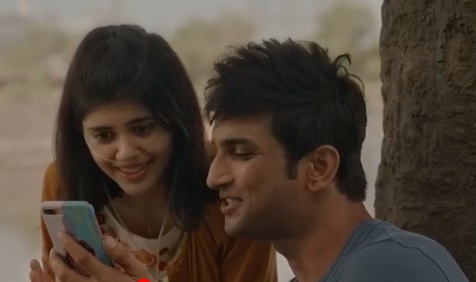
    Dil Bechara is the official Hindi adaption of The Fault in Our Stars. It is the story of two cancer patients Kizie and Manny, whose paths cross at a cancer support group. Though Kizie initially finds Manny ‘irritating and annoying’, Manny with his goofy antics soon becomes the centre of Kizie’s universe. He makes her laugh and forget her worries and gives her ‘boring’ life a whole new meaning. The two bond over music and movies and become inseparable. But life throws them another curveball and Manny, whose cancer was believed to have gone, returns leaving him terminally ill.

    While Dil Bechara Sushant’s last film, it is debutante Sanjana Sanghani’s first film and also marks the directorial debut of renowned casting director Mukesh Chhabra. Sanjana makes a sound debut and is confident in her role but for me, the film is only Sushant, who steals the shows with his infectious smile and on-screen presence. From the minute he comes on the screen to the minute he says Seri in the last shot, my eyes were glued to him throughout and I wished the film didn’t end. A master performer, Sushant did not let his fans down with his swan song. His expressions and body language were brilliant and he slipped into Manny’s character with finesse.

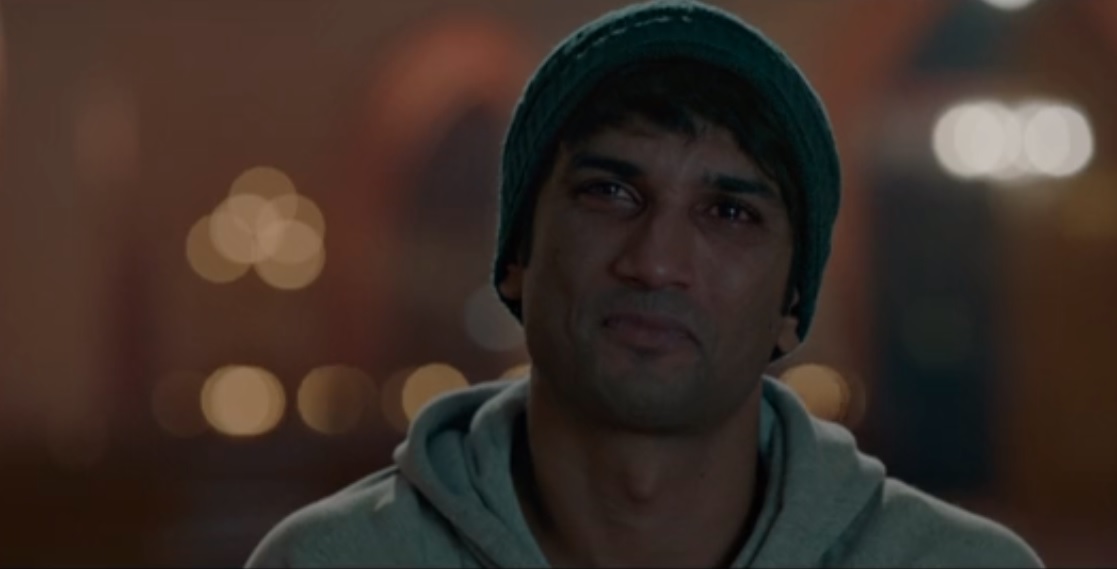
    Given the circumstances surrounding the film’s release, emotions are naturally running high and it is impossible to not relate Sushant’s untimely death with Manny’s. In particular, the last scene, when everyone gathers to watch Manny’s film. At that point, the lines between real and reel were so blurred you forgot you were watching a movie because everything just felt so real.

    The last scene

    A.R Rahman’s music beautifully blended in with the mood of the film and the setting of the frames, giving the film a magical touch. My personal favourite from the album has to be Main Tumhara.

    Some of the film’s dialogues were also amazing and I see them becoming a thing. One of them – “Jeena kab hai aur marna kab hai yeh hum decide nahi kartay, laikin jeena kaisay hain, yeh hum decide kar saktay hain” – has already become iconic and synonymous with Sushant.

    As much as I want to only heap praises on the film for having its heart in the right place and being a touching watch, it would be unfair to ignore its shortcomings which mainly lied in the direction and editing. The story and characters are underdeveloped, especially Manny’s. All through the film, I kept waiting for a backstory on Manny – just some basic details would have sufficed. However, apart from the fact that he’s rich and doesn’t need to work, we don’t get much on Manny or his family. Sushant’s portrayal of Manny was the only saving grace of an otherwise poorly written character.

    More so, the editing is choppy and appears to have been lazily done. Given that the film was a tribute to Sushant, I wish the makers had put in more effort in post-production. The film currently runs for one hour forty minutes and could have easily been stretched to two hours to tie up loose ends.

    Since its release, I’ve watched Dil Bechara twice and will perhaps watch it a couple of times more but only for Sushant. He effortlessly carried the weight of the entire film and pulled it through despite its shortcomings. Sushant lit up the screen every time he made an appearance and I wish the film was longer so he could have stayed with us more.

  • Banning books

    Banning books

    German poet Heinrich Heine once warned, “Where they burn books, they will in the end also burn people.”

    In Pakistan’s case, we may not be burning books, but we are banning them. From banning online apps to games, from media censorship to censoring books, Pakistan is on a downward spiral. According to Geo, the Punjab Curriculum and Textbook Board (PCTB) banned a hundred school books in a single day for containing content deemed “anti-national” and “blasphemous”.

    “We are currently examining over 10,000 books being taught in private schools,” said PCTB Managing Director Rai Manzoor Hussain Nasir. “So the banned textbooks could be in thousands once we are done.”

    Rai is taking these steps under the Punjab Curriculum and Textbook Board Act, 2015, which was passed by the Pakistan Muslim League-Nawaz (PML-N) government. It seems that both the Pakistan Tehreek-e-Insaf (PTI) and the PML-N do not value critical thinking and fundamental freedom.

    This policy is a complete disaster. We saw what happened under the Zia regime back in the 1980s when our curriculum was infused with extremist ideology. It changed our society and led to intolerance. Now we are seeing a repetition of something along the same lines. Rai Manzoor has a problem with a book of mathematics where counting concepts were explained to the young students showing pictures of pigs. He also has a problem with Gandhi’s quotes being taught in another book. Gandhi was India’s founding father but he fought for the rights of Muslims in India and was consequently killed by an RSS extremist for propagating peaceful co-existence with the Muslim minority. Are we demonising someone just because we want to see him from the prism of animosity towards India?

    If we want to keep our children isolated in a globalised world by teaching them only about ourselves, and not any non-Pakistanis, the solution was not to ban books with Gandhi’s quotes but probably to add more quotes from Pakistani historical figures. Do we not want to teach our children about the struggles of Nelson Mandela, who is quite often quoted by Prime Minister Imran Khan? Banning books or taking out quotes of non-Pakistanis is ridiculous at best and dangerous in the long term. The path we are taking today will impact our coming generations.

    The power of deciding curriculum and books is a grave power. For it to be in the hands of someone who is no Chomsky or any other learned figure, we must raise our voice at this grave injustice that is being inflicted upon our future generations. Our national interests are not so weak that they will be endangered by some quotes from non-Pakistanis. But it seems that we want to ban critical thinking. We want to ban the foundation of learning, i.e. asking questions and being inquisitive. We want to produce robots instead of intelligent human beings. We must resist this type of indoctrination. Closed minds cannot lead this country to progress. Stifling freedom of expression and censoring books will push Pakistan back by decades. Let us not go down this dark path. 

  • ‘Aur Chaawal’ offers delightful homemade desi food

    ‘Aur Chaawal’ offers delightful homemade desi food

    While we do miss eating out, home deliveries have their own charm. Especially in these testing times when we all have to abide by our civic duties and stay home to flatten the curve. Ever since the Sindh Government allowed home deliveries, I have been trying different home-based businesses, the most recent being Aur Chaawal – a food startup offering homemade desi food with warmth and love.

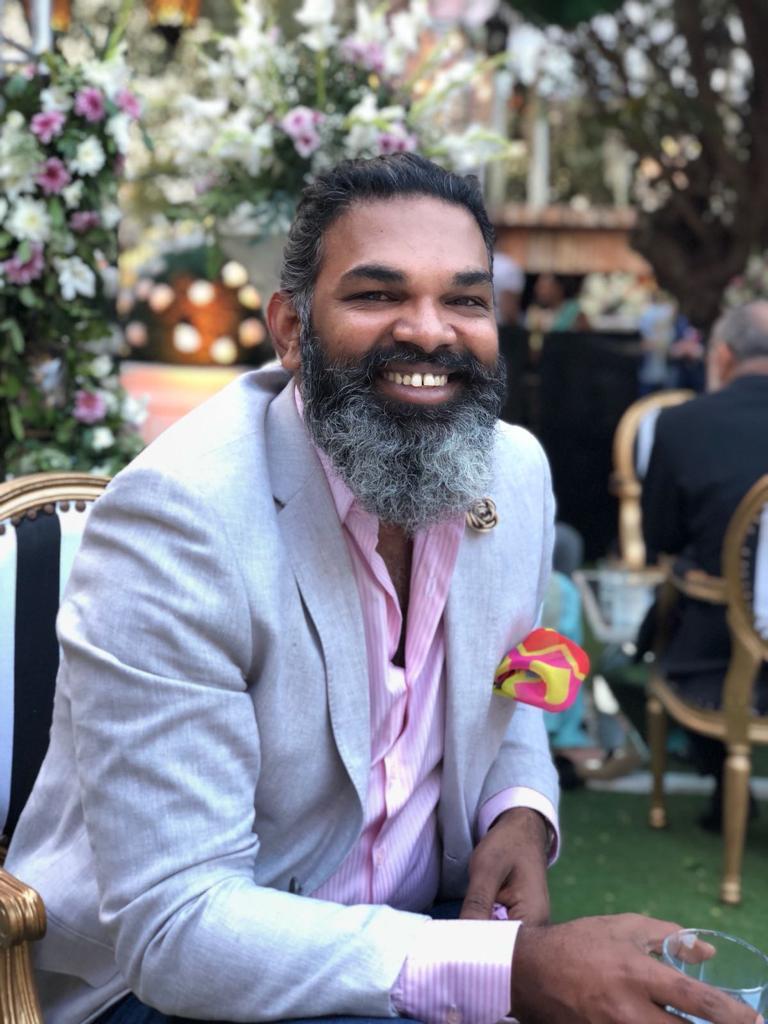
    Aur Chaawal is the brainchild of Akhlaque Ahmed, a filmmaker who has a palate for good food. Six months ago, when he launched Aur Chaawal, the eatery started off by offering delicious homemade daal chaawal, kurkure bhindi, masala mirchi, shami kebabs and laal chutney as a package. Priced at Rs 350, this was a complete meal at a very reasonable price delivered right at your doorstep. All items in this package were delicious and one meal was enough for two people.

    Akhlaque Ahmed

    Slowly, yet steadily Ahmed expanded the menu to include dahi baingan, white chicken korma, machli korma and daal rogan. From there onwards was no looking back. Many like me were quickly hooked to his delicious homemade food which undoubtedly is one of Karachi’s best.

    Dahi baingan, White chicken korma

    Unfortunately, the pandemic lockdown and subsequent suspension of home deliveries took a toll on eatery too. But not one to be defeated, Akhlaque soon bounced right back once home deliveries were allowed. He came back with a new, appetizing weekly menu much to the delight of the Karachiites. Apart from the food, their service is also impeccable which is why Aur Chaawal has become my go-to eatery for home delivery, even though I have a brilliant cook at home.

    Read more – Zafraan – Iranian cuisine at its finest

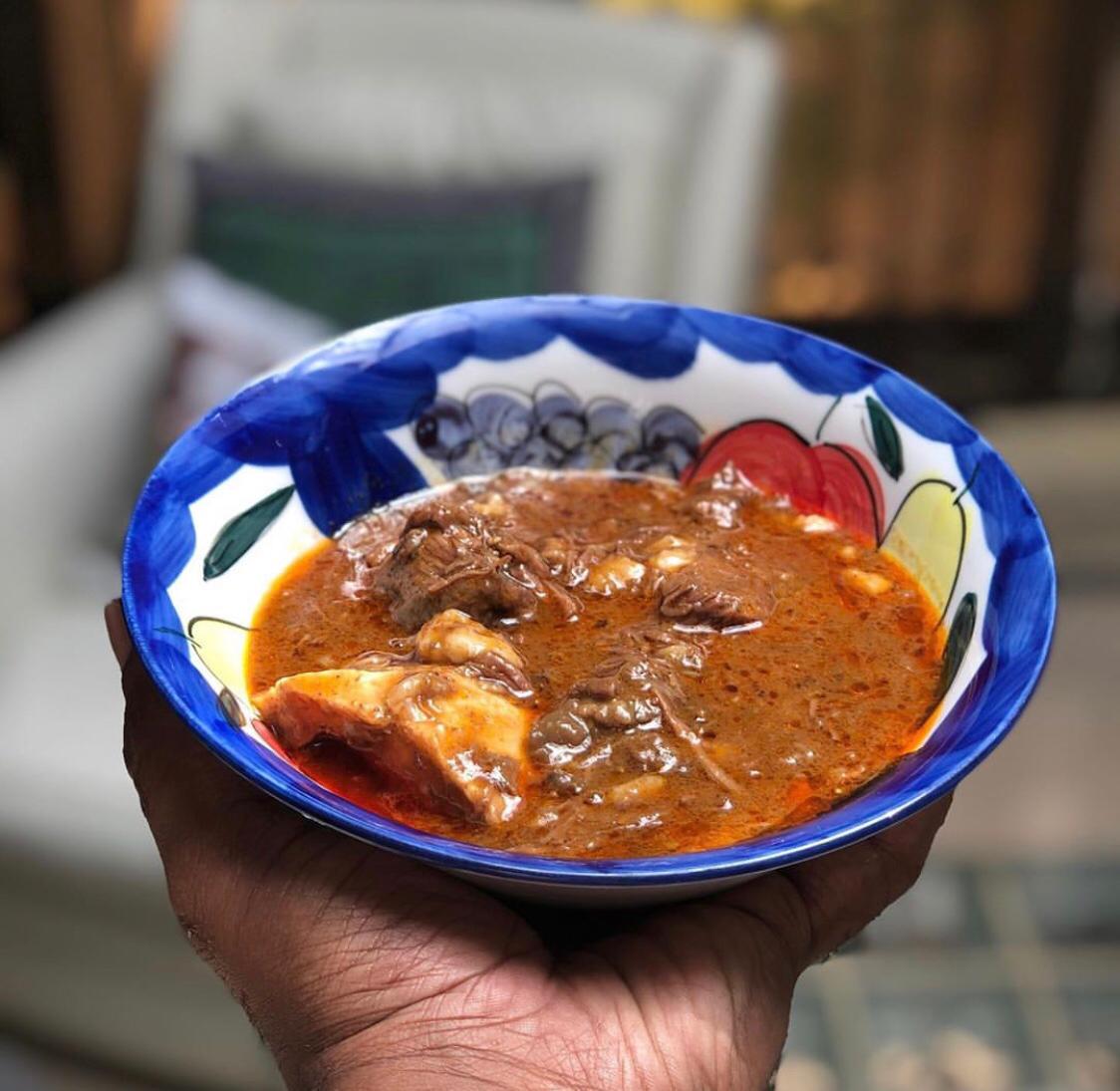
    One of my favourite things from the menu has to be the beef nihari. It is soft, succulent and full of flavour and I can say without a doubt one of the best available in Karachi. Highly recommended!

    Beef nihari

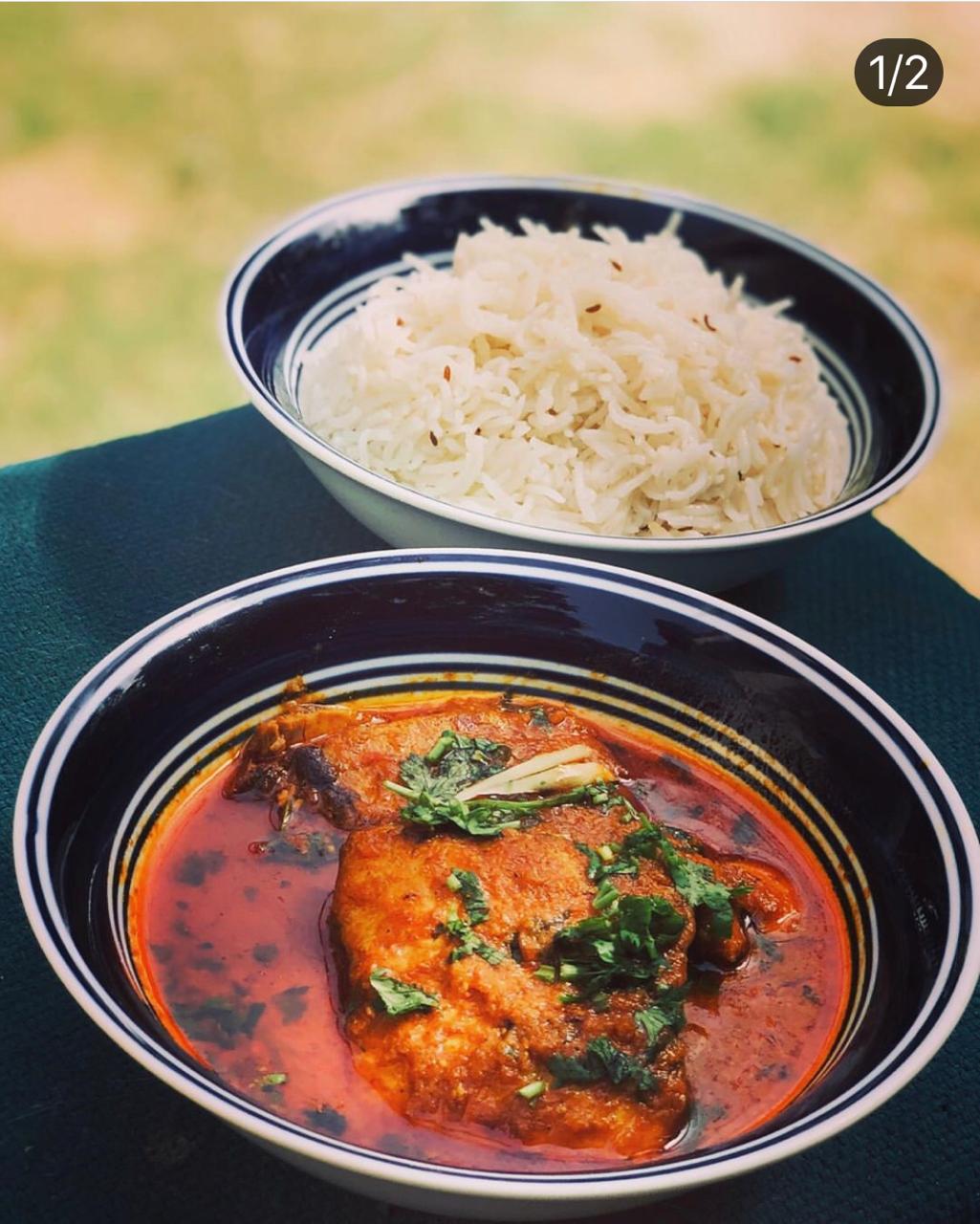
    Machli korma with fish is another of my favourites, as is the prawn biryani.

    Aur Chaawal is among the best desi food outlets in the city and you have to try it at least once because I guarantee you, after that you’ll be hooked.

  • ‘Pyar Ke Sadkay’: The curious case of Mahjabeen’s pregnancy

    ‘Pyar Ke Sadkay’: The curious case of Mahjabeen’s pregnancy

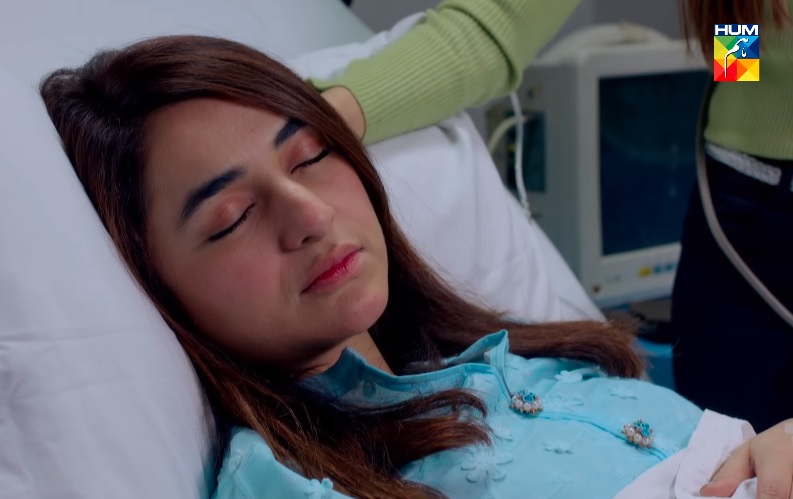
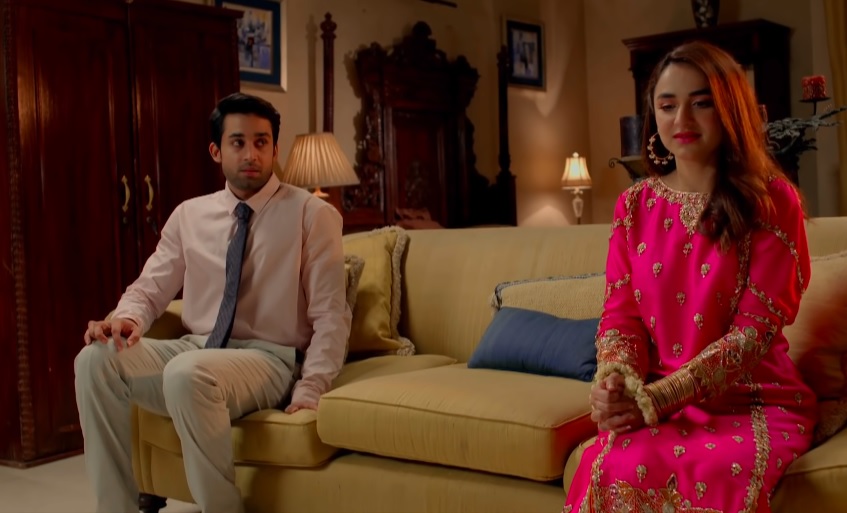
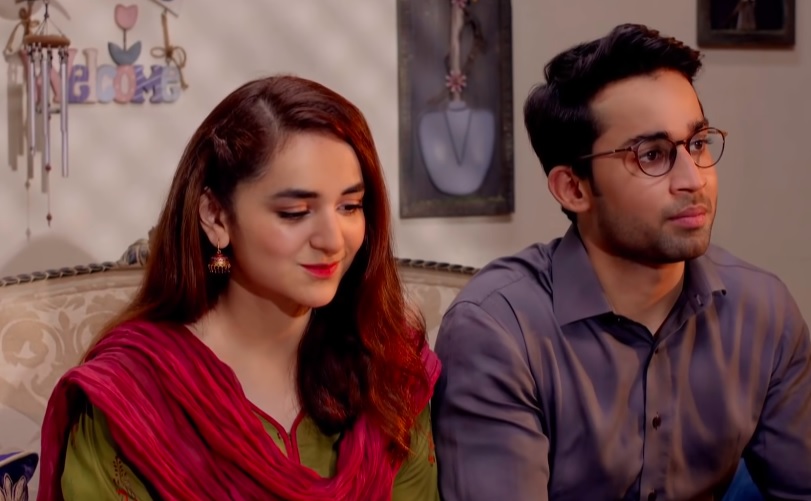
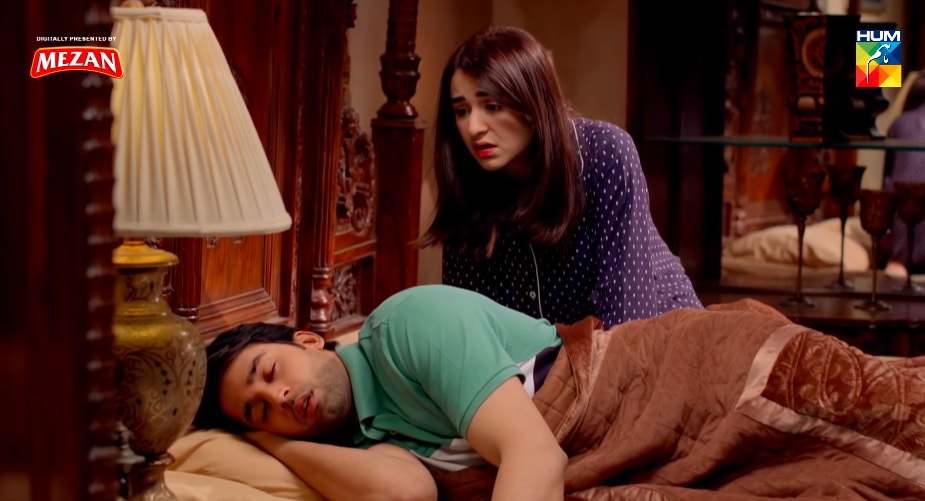
    Pyar Ke Sadkay has been treating viewers to a myriad of emotions, the most recent being grief. However, in the latest episode, the makers of the drama take the viewers from grief into total shock by making Mahjabeen (Yumna Zaidi) pregnant. While this is a usual trope in most dramas to bring together estranged couples, in this particular drama it creates confusion because most viewers believed that Mahjabeen and Abdullah (Bilal Abbas Khan) did not consummate their marriage. All through the drama, every time Abdullah’s stepfather Sarwar (Omair Rana) would ask him about his marriage, Abdullah would say that there are no marital relations between him and his wife which is why audiences are now questioning how Mahjabeen could have gotten pregnant.

    Read more – Pyar Ke Sadkay’ takes a disappointing turn

    According to our research and analysis, Mahjabeen and Abdullah consummated their marriage in Episode 16 when they skipped Shanzay’s valima and stayed home instead even though Mahjabeen was all dressed up to attend the wedding. From that moment onwards, Abdullah stopped sleeping on the sofa and moved to the bed.

    The next morning when they went down and sat with Abdullah’s parents, the two were all shy and smiley, hinting the new developments in their relationship.

    While it has now been established that Mahajabeen getting pregnant is not out of the blue, the next question is: was that really necessary? Was that the only way to bring Mahjabeen and Abdullah together? Couldn’t it have been organic with Abdullah realising his love for Mahjabeen and taking a stand for her? At this point, you half wish that the two don’t end up together because Abdullah doesn’t deserve Mahjabeen anymore. He did not value her enough. And though some may argue that he is being misled by Sarwar, we have to accept that Abdullah is not as stupid as he comes across. He’s sharp and intelligent, the only thing he lacks is confidence.

    Apart from that, at some points, it does feel that the drama is being unnecessarily dragged – for instance, the scene at Munshi Sahab’s grave felt extra and out of place. Unless the makers are preparing us for Mahjabeen suddenly becoming rich and powerful. Other than that, I’ve said it before and I’m saying it again, the Shanzay (Yashma Gill) storyline is completely unnecessary. The plot could have moved forward without it. Nonetheless, hoping it wraps up soon so we can focus on the main couple and the evil father-in-law.

    Washma (Shra Asghar), as always stole the show. Washma is one character which I feel every Pakistani drama needs to have: she’s strong, sassy and a doer. She doesn’t sit around waiting for things to happen – she makes them happen. The way she defends Mahjabeen or stands up to Sarwar and her mother, one can’t help but root for her.

    The next couple of episodes should come with interesting developments. We’ll also find out whether Abdullah has signed the divorce papers or he is just pretending to have signed those. But one thing is for sure, Abdullah and Mahjabeen will have a happy ending, or at least that’s my prediction.

  • Neelam Muneer’s ‘Bikhray Moti’ is not for the faint-hearted

    Neelam Muneer’s ‘Bikhray Moti’ is not for the faint-hearted

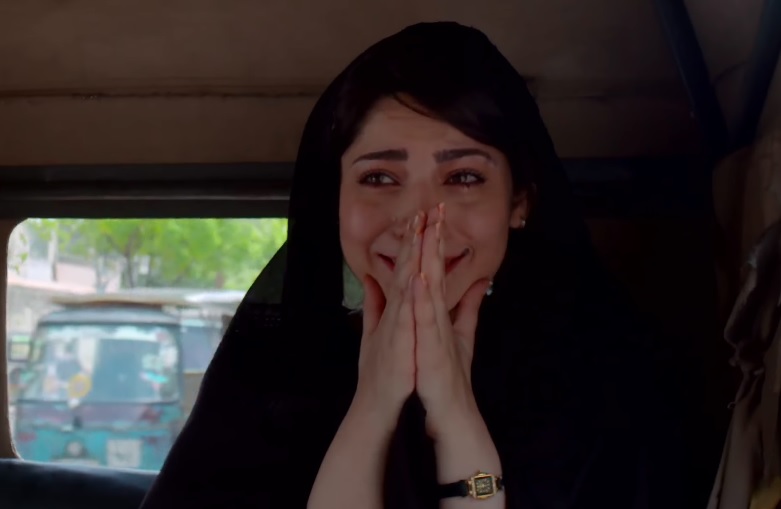
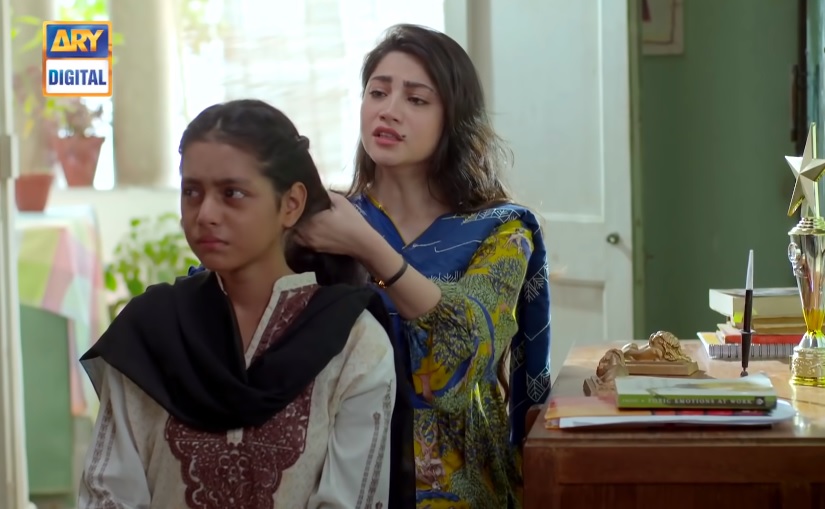
    Every now and then Pakistani dramas touch upon topics of social issues which highlight societal ills. The latest to do so is Bikhray Moti starring Neelam Muneer, Wahaj Ali, Yasir Nawaz, Samina Ahmed and Nausheen Shah. The drama, which airs on ARY Digital aims to highlight domestic and child abuse and exploitation. It is raw, unfiltered in a few places and honest which is why it makes a depressing watch.

    Ayeza

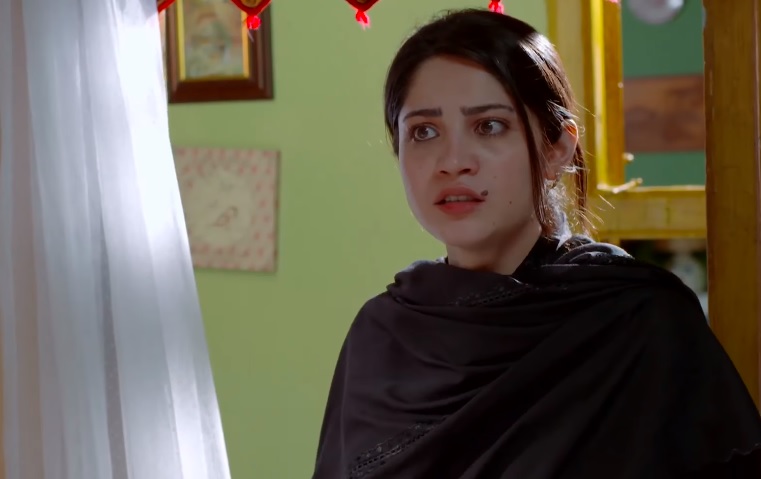
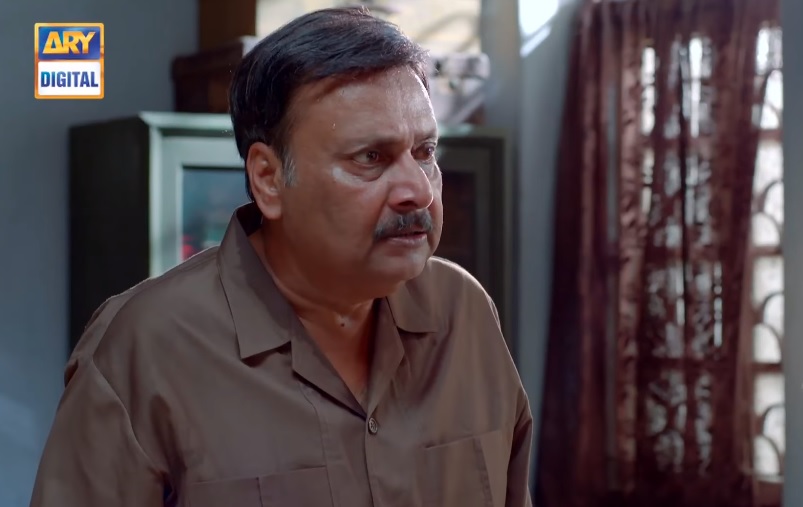
    Bikhray Moti is centred on Ayeza (Neelam Munir), the daughter of an abusive and misogynistic father (Waseem Abbas) who believes daughters to be a burden. He is ruthless and egotistical and doesn’t appear to care much about the women of his house. Ayeza’s elder sister Faiza (Nausheen Shah) is married to Zulfi (Yasir Nawaz), who is lafanga (useless person). Faiza and Zulfi have three children together and are expecting a fourth but due to Faiza’s weakness and years of abuse, she is unable to give birth to the child and passes away in the process. Before dying, she entrusts Ayeza to take care of her children and save them from their father, who will also not hesitate to use them for his gains. Ayeza vows to become independent and financially stable so that she can take care of them and fulfil the promise she made to her sister.

    After Faiza’s death, Zulfi takes his children back home much to Ayeza’s protests and hands them over to his mother (Samina Ahmed) because he can’t be bothered to take care of them. The children’s grandmother sends her elder grandson Jaanu to Hyderabad to work at Zulfi’s brother’s shop and decides to sell her teenage granddaughter Shehzadi to an older man in marriage.

    Read more – Naumaan Ijaz slams Pakistani dramas for spreading negativity

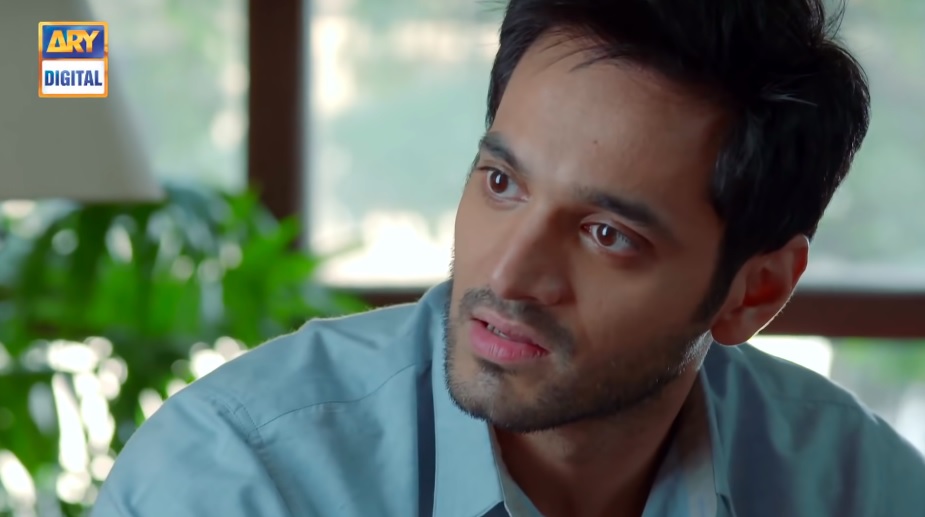
    On the other hand, Ahad (Wahaj Ali) is Ayeza’s childhood friend and neighbour who she loves very much and wants to get married to. He is the son of a maulvi sahab and wants to become an actor much to his father’s disapproval. Ahad also loves Ayeza and is willing to go any length for her. Wahaj has done a fantastic job as Ahad: he is soft-spoken, warm and gives a very measured performance which deserves an applause.

    Ahad

    Ahad and Ayeza plan to run away and get married. However, before that can happen, Zulfi’s manipulative brother and Ayeza’s father plot to trick Ayeza into marrying Zulfi. While the earlier episodes have been slow-paced, the latest one (Episode 9) was packed with action, masala and a lot of slaps to get the momentum going. Ayeza’s father abhors her defiant and independent nature and despite knowing Zulfi is useless, insists on getting his daughter married to him to teach her a lesson. Over the course of his career, Waseem Abbas has perfected the role of a heartless father and his performance as Ayeza’s father is no less.

    Given that the central theme of the drama is domestic and child abuse, there is a lot of it in the drama, in graphic detail. The honesty with which it is presented is a true reflection of society and is bound to shake you up, especially given how cases of child abuse have been on the rise in the past couple of years.

    While the lead actors have given solid performances, it is the child actors who stand out in the drama especially Jaanu. They have delivered brilliant performances and are so convincing that you end up feeling every emotion with them.

    Jaanu

    Bikharay Moti is not everyone’s piece of cake and takes a lot of courage to watch. Written by Edison Idrees and directed by Shahid Shafaat, it every Tuesday at 8pm on ARY Digital.

  • Destroying Buddha

    Destroying Buddha

    Police in Khyber Pakhtunkhwa (KP) on Saturday arrested four men involved in smashing an antique Gandharan Buddha statue found during construction work in Mardan. The remaining parts of the 1,700-year-old statue have also been recovered by Mardan police.

    When videos of a man breaking the antique statue surfaced on social media, many Pakistanis expressed their anger and disappointment at the blatant vandalism of an ancient cultural heritage. According to reports, the man who broke the Buddha statue was instigated by local cleric[s]. The video reminded one of the Bamiyan Buddhas in Afghanistan, which were once the world’s tallest Buddhas but were blown up and destroyed by the Taliban in 2001 on orders by Mullah Omar.

    Federal Minister for Science and Technology Fawad Chaudhry tweeted that if the progressive people of Pakistan remain silent observers and neutral, all hopes of a progressive and modern Pakistan will be dashed. Chaudhry added that “social degradation is immense and silence is not an option unless you want this society to be as dead as [a] graveyard”. His words about a dead or decadent society should be pondered over. Pakistani society is fast turning into a reactionary and intolerant one. The construction of a Hindu temple was halted just a week ago in Islamabad after protests by religious groups and now we have witnessed the destruction of a Buddha statue.

    While the KP government must be appreciated for its quick response in arresting those involved in this crime, we must ask ourselves if we want Pakistan to be a country envisioned by founder Muhammad Ali Jinnah or if we want it to turn it into a land of bigotry. The mistreatment meted out to our religious minorities renders the white in our flag meaningless. Unless and until all citizens are treated equally, regardless of their colour, caste, creed, religion and ethnicity, Pakistan cannot prosper.

    It was also unfortunate to see some of our lawmakers, including Leader of the Opposition Shehbaz Sharif, justify and defend the conversion of Hagia Sophia into a mosque in Turkey by citing Turkey’s laws and system of judiciary. This kind of obfuscation leads to the justification of bigoted acts. The progressive people of Pakistan do speak out against injustices but they are a minority, or so it seems. We used to say that the ‘silent majority’ in Pakistan is tolerant and against discrimination of religious minorities but in the past few years, we have seen that the so-called ‘silent majority’ actually nods in agreement with the reactionaries.

    It is rather sad to see Pakistan spiral into a regressive society. We must go back to the vision of our founding father who wanted to see a progressive and pluralist Pakistan.

  • ‘Zindagi Tamasha’ gets the green signal from Senate HR committee

    ‘Zindagi Tamasha’ gets the green signal from Senate HR committee

    The Senate Standing Committee on Human Rights has given the green signal to Sarmad Khoosat’s film Zindagi Tamasha and has allowed it to be screened post-COVID-19. The film had stirred up controversy for allegedly hurting religious sentiments.

    Chairperson of the committee and PPP Senator Mustafa Nawaz Khokhar made the announcement on social media and said that the committee found nothing wrong with the film. He said that the film can be screened when cinema halls open post-COVID.

    While detailed reasoning on the committee’s decision is awaited, Senator Khokhar while speaking to The Current said: “It was a unanimous decision by all Senators of the Human Rights Committee who watched the movie together in Senate’s committee room. Nobody thought there was anything wrong with it. Waleed Iqbal from PTI was also one of the senators who watched it, even though he wasn’t part of the Human Rights Committee.”

    He added: “It’s a very good movie, I was touched by it; was beautifully shot. I would recommend that everyone should watch it once it’s released.”

    Zindagi Tamasha, which was scheduled to hit screens on January 25, was stopped from being released days before its release after the federal and provincial governments feared public unrest.

    While the Federal Government had said that the film will be reviewed by the Council of Islamic Ideology (CII), the Punjab Government had directed the filmmaker to hold a screening on February 3 so that the film can be reviewed again. However, no screening has taken place to date. It is pertinent to mention here that the provincial and central censor boards had earlier cleared the film for release with a few cuts.

    Sarmad had also appealed to the Prime Minister, President, Chief of Army Staff and the Chief Justice of Pakistan to facilitate the release of the film.

    https://twitter.com/KhoosatSarmad/status/1217818381149229062?s=20

    Senator Khokhar on March 11 had announced that the HR Committee had taken notice of the ban on the film.

    Written by Nirmal Bano and directed by Khoosat, Zindagi Tamasha starres Arif Hassan, Samiya Mumtaz, Eman Suleman and Ali Qureshi in the lead. The film is centred around a naat khwan Rahat Khawaja (played by Hassan) and his family who are outcast from the society when a secret of Khawaja’s is leaked.

    The official synopsis states: “The film is an intimate portrait of a family as well as a scorching political commentary on little gods on this earth who police our private passions.”

    The film premiered at the Busan International Film Festival held in October 2019 where it also won the prestigious Kim Ji Seok Award.

    Watch trailer: