Author: Hafiz Usman Aftab

  • Minorities & Pakistan

    Minorities & Pakistan

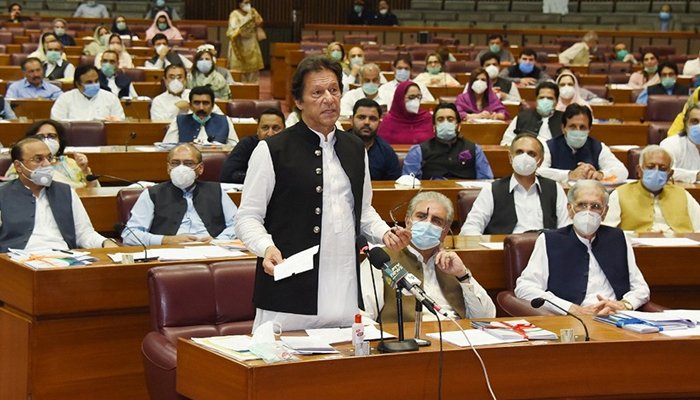
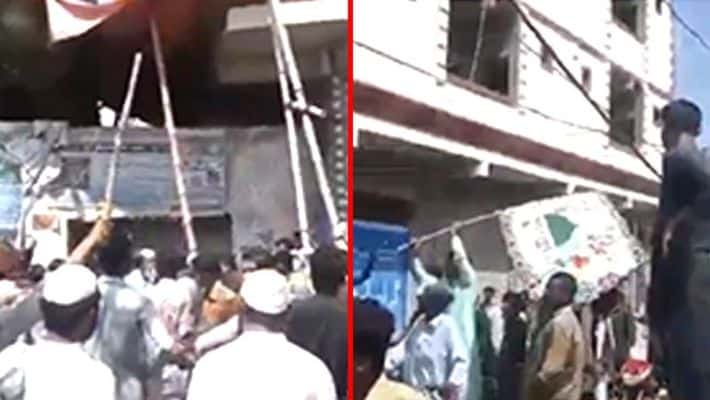
    Last month, Prime Minister (PM) Imran Khan approved a grant of Rs100 million for the construction of Islamabad’s first Hindu temple, which Minister for Religious Affairs Pir Noorul Haq Qadri had requested. Plan of the Sri Krishna Mandir complex was approved under the government of PML-N but the construction was delayed due to protests by religious groups and some administrative hurdles. Once again, there has been an uproar by religious groups who petitioned the Islamabad High Court (IHC) to stop its construction. The IHC disposed of three petitions filed against the construction of the temple and observed that it required the approval of the regulator, which in this case, is the Capital Development Authority (CDA).

    Religious affairs minister has said there was no need to debate on the rights of minorities as they were protected by the PTI government. “The party’s manifesto calls for removing all obstructions in the implementation of constitutional provisions regarding the rights of minorities.” Qadri insists that the construction of the Hindu temple has been stopped due to technical reasons and some issues with the CDA. Minister for Human Rights Shireen Mazari also asked “if we don’t protect and defend our own minorities then how will we fight the case of other Muslims across the world.”

    Islamabad has about 3,000 Hindus and due to there being no temple within the capital, they face many issues on religious festivals. We have had several prominent Hindu members of parliament, a former Hindu chief justice and military officers as well. Hindus make a large number of our minority population. We must not give in to reactionary forces.

    Pakistan’s founder Quaid-e-Azam Muhammad Ali Jinnah in his August 11 speech made it clear that there will be no discrimination in Pakistan on the basis of religion. “You are free; you are free to go to your temples, you are free to go to your mosques or to any other place or worship in this state of Pakistan. You may belong to any religion or caste or creed – that has nothing to do with the business of the state,” he said and all of us know, but still we fall short of respecting those who are equal citizens of the state.

    Unfortunately, Pakistan’s track record of protecting its religious minorities is not too good. Forced conversions of Hindu girls has become a norm in the country, mobs have burned down minorities’ places of worship in the past, religious minorities face discrimination quite regularly – incidents of such discrimination were recently shared by some cricketers as well.

    It is unfortunate that Muslim majority countries sometimes do exactly what is happening to Muslim minorities in other countries. The recent example of changing the status of Hagia Sophia in Turkey is an example – whether it is a politically calculated move or not, the religious connotations are quite obvious. We hope that the PTI government will go ahead with the construction of the temple in Islamabad. The premier has been quite committed to protecting the rights of religious minorities. We are hopeful that he will not disappoint the minorities, who are equal citizens of Pakistan.

  • A.R. Rahman weaves his magic in the title track of ‘Dil Bechara’

    A.R. Rahman weaves his magic in the title track of ‘Dil Bechara’

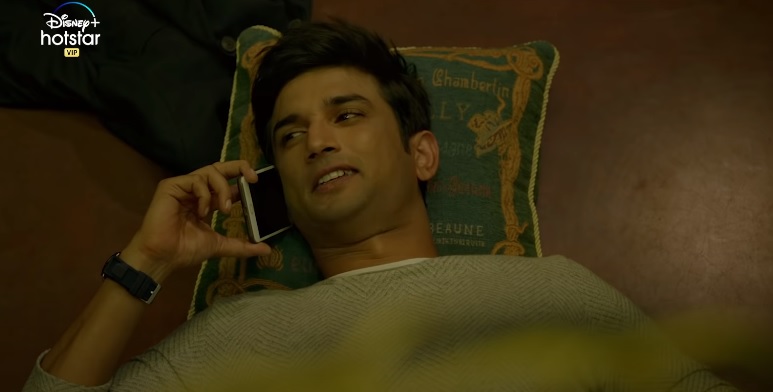
    Music maestro A.R. Rehman has weaved his magic, yet again, in the title track of Dil Bechara, which also happens to be Sushant Singh Rajput’s swansong (the final performance or activity of a person’s career). Rajput’s untimely demise by suicide on June 14, broke hearts across the world.

    Read more – Trailer of Sushant Singh Rajput’s last film ‘Dil Bechara’ trends at number one on YouTube Pakistan

    As the film gears up to stream on July 24, the makers of the film and the streaming platform are doing all they can to honour Sushant’s memory and make this film a heartwarming experience for this fans. When the trailer of the film released earlier this week, it set a new YouTube record by becoming the most-liked trailer ever in 24 hours – with 6.4 million likes – beating Hollywood blockbuster Avengers: Endgame. It also garnered more than 30 million views within 24 hours of being released besides also receiving millions of views on other social media platforms including Facebook and Instagram.

    The title track of the film, also titled Dil Bechara, has been composed, produced, arranged and sung by Rahman while the lyrics have been penned by Amitabh Bhattacharya. The tune has been composed with Rahman’s signature style and will at some point remind you of his other superhit song: Masakali from the Abhishek Bachchan-Sonam Kapoor starrer Delhi 6. It is infectious and you will definitely find yourself humming it.

    Talking about the song and the rest of the album, Rahman said: “It was a great experience collaborating with Mukesh [the director] on this film; his enthusiasm is infectious. This whole album is carefully curated because the film has so much heart, and now, memories of Sushant. It was a pleasure to work with lyricist Amitabh Bhattacharya on this soundtrack of love. The songs are eclectic and feature an amazing line-up of India’s top singers and musicians. I hope you will like the album.”

    The Oscar and Grammy-winning Indian composer added that all the music he has worked on for the film is filled with memories of late actor.

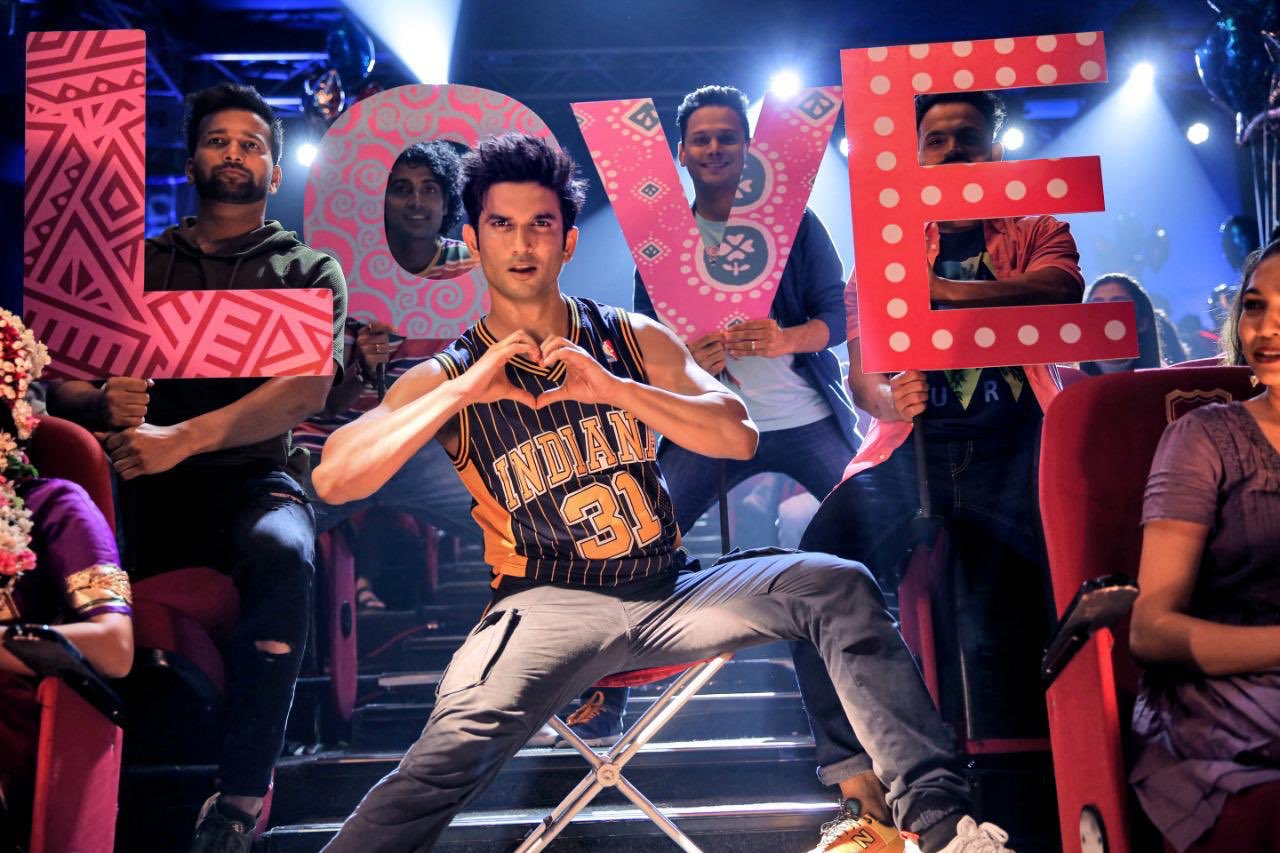
    The song has been choreographed by Farah Khan, who revealed that Sushant shot the entire song in one take. Sushant was a gifted dancer and the actor perfectly demonstrated his skills in the song with fluid movements and flexibility.

    Farah also shared why this song was special for her.

    “This song is particularly close to me because it was the first time I was choreographing Sushant,” said the award-winning choreographer. “We were friends for a long time but never worked together. I had also promised Mukesh that when he makes his directorial debut I would do a song for him.”

    https://www.instagram.com/p/CCc9QDrAOmN/

    Chabbra also shared that Farah did not charge a penny for her services.

    Though the makers of the film announced that they will only be releasing the title track on June 10, they later dropped the entire music album of the movie. Unfortunately, it is not available to stream in Pakistan.

    Dil Bechara, which also stars Sanjana Sanghi, is the official Hindi remake of 2014 Hollywood romantic drama The Fault in our Stars. It has been directed by renowned casting director Mukesh Chhabra, who makes his directorial debut with the film.

    The film is slated to release digitally on July 24 on Disney+ Hotstar. As a tribute to the late actor, the film will be made available to everyone including non-subscribers. It was initially scheduled to release on May 8 but due to the coronavirus pandemic, its release was pushed.

  • Govt pledges to promote the film industry

    Govt pledges to promote the film industry

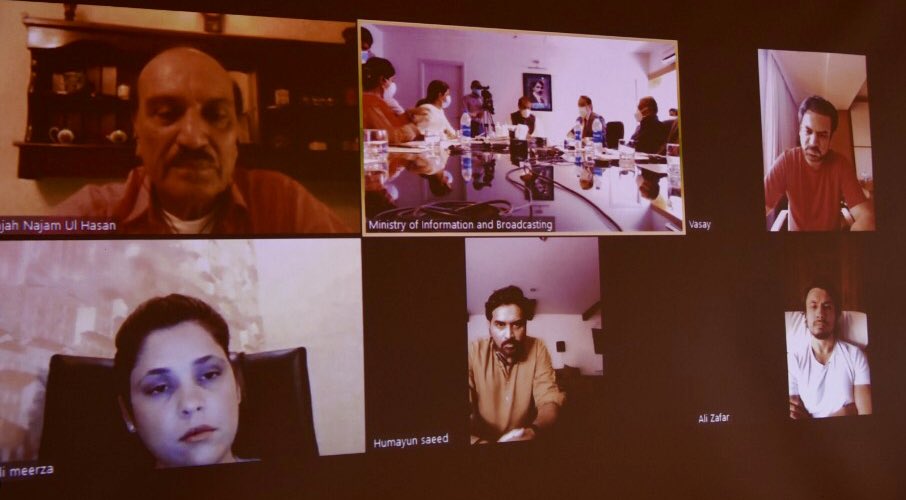
    The government has announced that it will be creating a film task force which will be responsible for promoting the entertainment industry and resolving its issues.

    In a virtual meeting with artists and stakeholders involved, Federal Minister for Information and Broadcasting Senator Shibli Faraz shared the government’s intentions and discussed issues being faced by the film industry and their proposed solutions. Among those present included Humayun Saeed, Vasay Chaudhry, Ali Zafar, Fizza Ali Meerza and Nadeem Mandviwala.

    According to APP, Senator Faraz, while addressing the meeting, said that artists were assets of the nation who play an important role in the promotion of national culture and image apart from the growth of society. He added that the government realises the importance of artists and values their contribution to society.

    The minister elaborated that the government is working towards setting up a task force which will play a key role in promoting the film industry, assisting in the implementation and improvement of the film policy and resolving related issues. The task force will include government officials and those associated with the film industry.

    Read more – PM Imran urges TV writers’ to promote family values, national identity through dramas

    Speaking to The Current, Vasay Chaudhry said that the meeting went “really well” and that the “Honourable Minister showed a lot of interest in matters pertaining to film and seemed very committed and serious.”

    He added, “Being the son a great Urdu poet (Ahmed Faraz Sahab), Faraz showed keen interest in the issues of royalties when it was brought up by me. He told us that the issue of royalties of artistes is very close to his heart and he will make sure to do something about it.”

    Addressing this topic, Faraz in the meeting had said that artists had the right to receive royalties for their work and that practical steps will be taken to ensure that their copyrights are protected.

    Information Secretary Akbar Durrani briefed the participants about the national film policy and the Artist Welfare Fund. He said that a database of artists across the country was being created which will help them financially. It is pertinent to mention here that the Artist Welfare Fund has been increased from Rs 25 crore to 1 billion in the new budget on the recommendation of President Dr Arif Alvi.

    Meanwhile, Ali Zafar thanked Senator Faraz for calling this meeting and assuring the entertainment industry of the government’s support.

  • Trailer of Sushant Singh Rajput’s last film ‘Dil Bechara’ trends at number one on YouTube Pakistan

    Trailer of Sushant Singh Rajput’s last film ‘Dil Bechara’ trends at number one on YouTube Pakistan

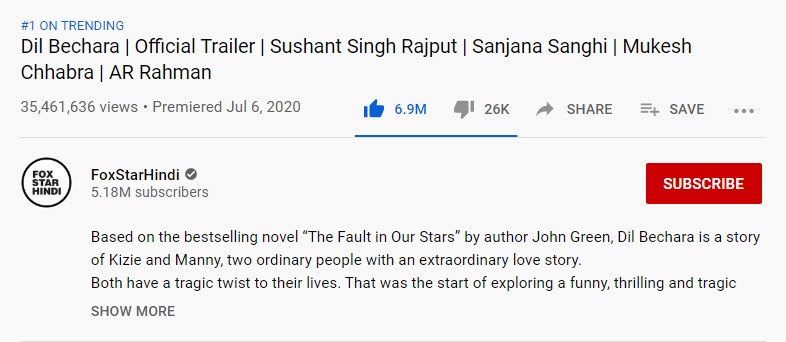
    The trailer of Sushant Singh Rajput’s final film Dil Bechara released Monday and is already trending at number one on YouTube Pakistan. Apart from that, the trailer has set a new YouTube record and has gone on to become the most-liked trailer ever in 24 hours – with 6.4 million likes – beating Hollywood blockbuster Avengers: Endgame. It also garnered more than 30 million views within 24 hours of being released besides also receiving millions of views on other social media platforms including Facebook and Instagram.

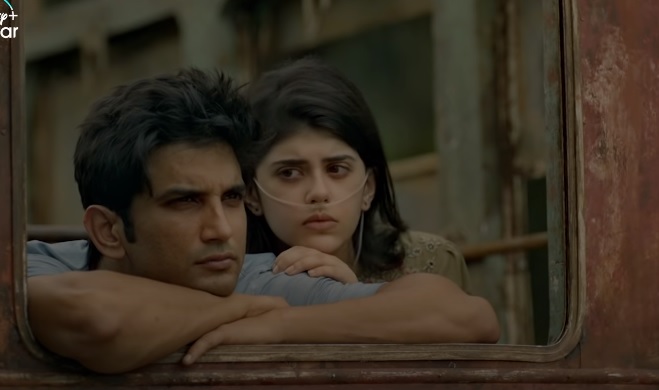
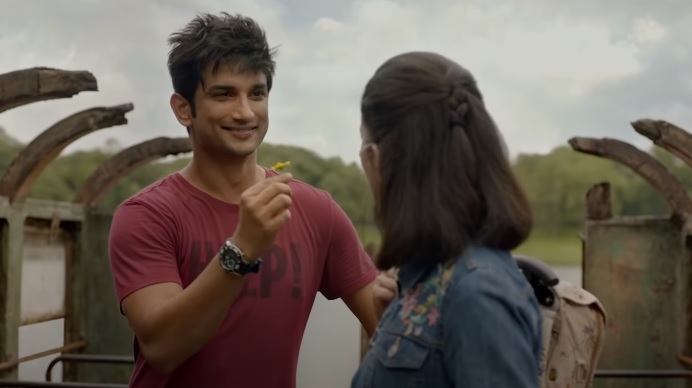
    Dil Bechara, which is the official Hindi remake of 2014 Hollywood romantic drama The Fault in our Stars, based on John Green’s popular novel of the same name, has been directed by renowned casting director Mukesh Chhabra, who makes his directorial debut with this film. Sushant and debutante Sanjana Sanghi have the lead roles in the film while Saif Ali Khan is expected to make an interesting cameo.

    From the looks of it, the film is a quintessential love story, except the protagonists, are cancer patients. According to the film’s official synopsis, Dil Bechara “is the story of Kizie Basu (Sanghi) and Manny (Rajput) and explores the funny, thrilling, and tragic adventure of being alive and in love. Together Kizie and Manny embark on an on-off-up-down-sad and sweet profound journey into the heart of that crazy little thing called life. It teaches them what it means to feel truly alive and fall in love.”

    The trailer is full of bittersweet moments and is bound to leave you teary-eyed, especially given the circumstances in which it is releasing. Sushant died of suicide on June 14.

    Perhaps the most striking part of the whole trailer was Rajput’s dialogue: “We don’t get to decide when we are born or when we die, but how we live our life is in our hands.”

    Read more- Sushant Singh Rajput’s death exposes the toxic side of Bollywood

    Following the trailer’s release, the director of the film Mukesh Chhabra shared an emotional note in which he shared that the film was Sushant’s “dream”.

    “Presenting to you our dream and the dream of my brother Sushant, who will live on in me till my last breath,” wrote Chhabra. “So much has changed in my life these past years and I will always cherish every single moment. Putting the trailer out there in your hands and in your hearts. It’s over to you now.”

    A.R.Rahman, who composed the music for the film, also shared the playlist of the film’s album.

    The film is slated to release digitally on July 24 on Disney+ Hotstar. As a tribute to the late actor, the film will be made available to everyone including non-subscribers. It was initially scheduled to release on May 8 but due to the coronavirus pandemic, its release was pushed.

    Meanwhile, here’s what Sushant’s colleagues and members of the industry have to say about the trailer and film:

    https://www.instagram.com/p/CCUvPmYhS5n/
  • Harassment at school

    Harassment at school

    Accounts of sexual harassment that were shared on social media last month by students of Lahore Grammar School’s (LGS) 1A1 branch were harrowing to say the least.

    Four male staffers were subsequently terminated while the principal, administrator and coordinator were suspended as they have been accused of covering up the scandal.

    We must say that it was very brave of the victims to recount their trauma and raise this issue on social media when all other avenues failed. More power to these girls who did not back down for demanding justice for themselves and their fellow students.

    To think that this had been going on for four years under the administration’s nose makes one wonder why senior members of the administration did not pay any heed to multiple complaints by students. Sexual harassers are of course the main culprits here and they must be punished according to the law but those who abetted them by covering up their crimes cannot shirk responsibility either. Once a student had approached the administration to report sexual harassment, it should have been investigated right away and proper measures should have been taken instead of blaming and shaming underage girls for ‘leading on’ these predators.

    Victim-blaming is not just mentally damaging and demeaning, in this case it was downright criminal. The commitment of Punjab Education Minister Murad Raas as well as Federal Human Rights Minister Shireen Mazari to the LGS case is commendable. However, Raas’s suggestion that only female teachers should teach at all-girls’ schools is a stop-gap arrangement of sorts. This policy cannot be dictated and it should not be implemented either. By this token, do we think that any man who teaches girls in schools cannot control himself? What about all-boys schools where male teachers have abused? This sort of messaging is not appropriate. Male teachers must be taught to treat their students as ‘students’ and not any sexual beings. Parents send their children to school for education, believing they are sending them to a safe environment where they will be looked after by the school management just like families look after their own.

    A school is quite literally a child’s second home where he or she learns, makes friends and prepares for their future. It should never have been a place where underage girls were sexually harassed by faculty members with unwanted and inappropriate pictures, messages, etc.

    Educational institutions – from schools and colleges to universities – should have a proper and clear policy on sexual harassment. This policy should be public and awareness sessions should also take place regarding this issue. Psychologists should also be hired by educational institutions to provide free counselling to children and not just for sexual harassment but also for other issues they might be facing. Just like some schools have career counselling, there should be counsellors – like ombudspersons – to hear complaints about sexual harassment at schools. These are just the basic things that all educational institutions must comply with.

  • An ordinary budget in extraordinary times

    An ordinary budget in extraordinary times

    The federal budget for 2020-21 has been approved amid protests by the opposition and criticism by economic analysts. Is it really that bad a budget? Not at all. In fact, if anything, it might be incrementally better than the previous years’ budgets in many ways.

    For instance, budget 2020-21 can be termed as pro-business as it did not introduce any new taxation measures and instead included a reduction in custom and regulatory duties in a number of areas. In addition, there is no provision for any foreign loan repayment on the account of debt moratorium granted to us by our international lenders. Power and petroleum subsidies have been reduced by more than Rs100 billion, which, if reflected in energy pricing, can very well reduce the financial pressure on the government.

    “Despite all the talk of ‘corona budget’, ‘structural reforms’ and an ‘expansionary fiscal policy’, this was truly an ordinary budget but in extraordinary times, falling short of people’s expectations and exhibiting a meek response to the enormous challenge at hand.”

    Most importantly, for the very first time, the budget included statements on contingent liabilities, fiscal risks and tax expenditure, setting a new standard of information disclosure and budget transparency. These statements might not be perfect and may need substantial improvements, but nevertheless it is the first time any government has opted for such measures in Pakistan.

    The government also restrained from financing its deficit from the State Bank of Pakistan (SBP), albeit under IMF pressure. The development budget does not exhibit the kind of cuts that one would have expected, and last but not the least, the Public Sector Development Programme (PSDP) did not include any unapproved projects, setting a good practice for public investment management.

    If all this is true, then what is the fuss really about? Why are people not appreciating government’s efforts?

    First and foremost, despite all the talk of ‘corona budget’, ‘structural reforms’ and an ‘expansionary fiscal policy’, this was truly an ordinary budget but in extraordinary times, falling short of people’s expectations and exhibiting a meek response to the enormous challenge at hand.

    At a time when the country truly needed a fiscal push through ambitious development spending, the budget ended up sticking to fiscal discipline that is usually required under the International Monetary Fund (IMF) programmes. Perhaps the government could not communicate its domestic priorities to the IMF well. But it is quite clear that in the contest of balancing the preferences, appeasing the IMF won by a wide margin over the goal of stimulating the economy.

    “When history would be written, budget 2020-21 would not be criticised for any excesses but for not doing enough to revive the economy in the wake of COVID-19.”

    Secondly, and even more importantly, it is an unrealistic budget. The Rs4.9 trillion revenue target for the Federal Board of Revenue (FBR) can never be achieved without new taxation measures and is likely to fall short by at least Rs500-600 billion. The Rs242 billion provincial surplus is also quite unrealistic, especially considering that both Sindh and Balochistan have posted a cumulative deficit of more than Rs100 billion. Notwithstanding the windfall gains on the account of interest rate cut leading to reduced markup payments and an increase in fuel prices resulting in an increase in petroleum levy, the overall revenue receipts will fall short of targets, and when that happens, it will happen at the cost of development expenditure.

    READ:Twitter loses it over Rs1.29 trillion budget for defence, Rs83.63 billion for education

    Lastly, a crisis generally brings in the appetite for bold and difficult decisions and a crisis of this unprecedented proportion should have led to a paradigm in our priorities. The next few years are going to be tough, leaving little room for fiscal leakages. If there was ever a time to fix the state-owned enterprises and to privatise them, to take decisions on circular debt and power sector reforms, to put a stop on the relentless expansion in government size, to manage the ballooning pension liabilities, or to create a balance between civil and military spending, that time was now. But unfortunately, none of this could be traced in the budget documents.

    When history would be written, budget 2020-21 would not be criticised for any excesses but for not doing enough to revive the economy in the wake of COVID-19.

  • ‘Pyar Ke Sadkay’ takes a disappointing turn

    ‘Pyar Ke Sadkay’ takes a disappointing turn

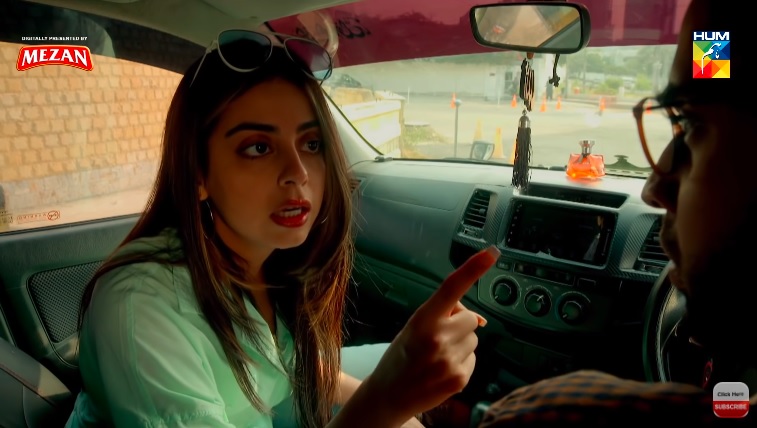
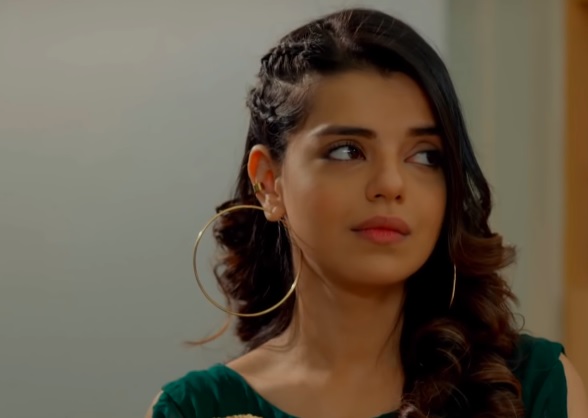
    What started of as a sweet and adorable love story has turned into a typical love triangle with evil in-laws trying to break up a marriage.

    In my previous review, I had praised Pyar Ke Sadkay for being romantic and feel-good. However, a few episodes later I am very close to taking back my words considering how the story and plot have developed.

    Mahjabeen

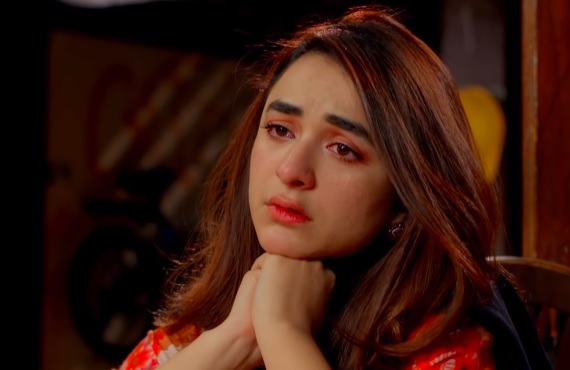
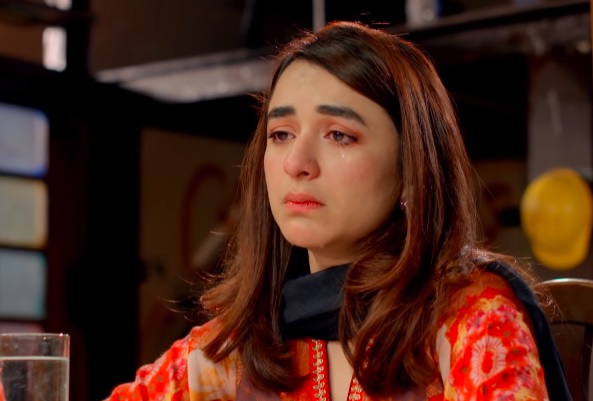
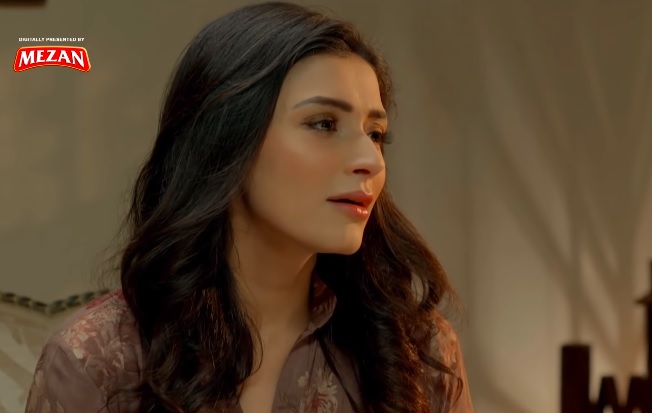
    The recent episodes have seen Abdullah (Bilal Abbas Khan) sideline his wife Mahjabeen (Yumna Zaidi) and get involved with Shanzay (Yashma Gill), his ex-crush, who had ridiculed him when he proposed to her. Shanzay is now single after getting divorced and is hell-bent on getting married to Abdullah, just to satisfy her ego and get that confidence boost. Despite Mahjabeen’s efforts to make the marriage work, Abdullah seems to have forgotten his promises to his wife and the way Shanzay treated him and has is planning to marry Shanzay. Meanwhile, Abdullah’s stepfather Sarwar (Omair Rana) is also encouraging him to pursue Shanzay and divorce Mahjabeen.

    Shanzay

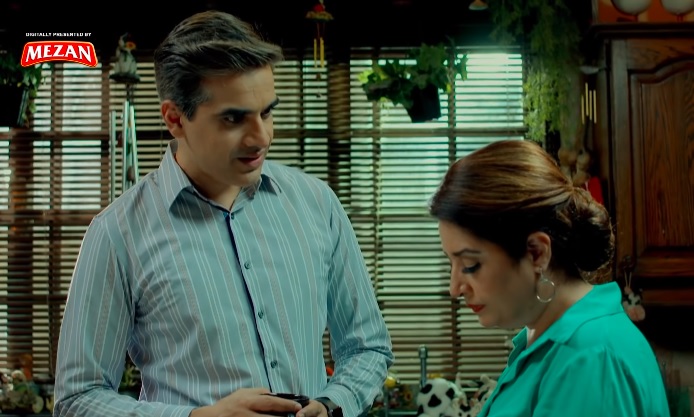
    On the other hand, Abdullah’s mother Mansoora Begum (Atiqa Odho) has developed a dislike for her bahu (daughter-in-law) after she commented on how much younger her husband Sarwar is to her. Mansoora, who was initially supportive of Mahjabeen is now okay with the idea of Abdullah divorcing her.

    Sarwar and Mansoora

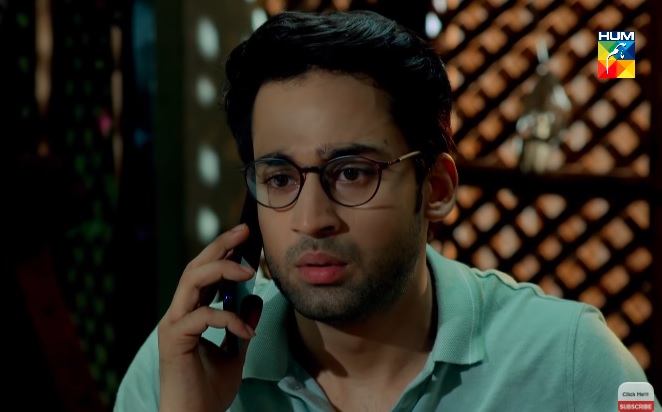
    Abdullah is basically cheating on his wife, but because he’s a ‘simpleton’, he is being easily misguided by his stepfather and is falling into Shanzay’s ‘trap’. Shanzay is shown as the villainous other woman leading Abdullah astray. While Abdullah is conscious of the fact that he is not being fair to Mahjabeen, he is still allowing himself to be swayed by external elements, making him an extremely weak character.

    Abdullah

    Abdullah’s sister Washma (Shra Asghar) and his aunt Pho (Shermeen Ali) are the only two sane elements in the whole drama. They add the much-needed voice of reason and is one of the reasons why you don’t pull your hair out in frustration. That and solid performances by the entire cast. Bilal and Yumna are fantastic in their roles and the range of emotions they express in a single scene is brilliant. Yumna, in particular, is so convincing that you end up feeling what she is feeling.

    What irks me most is the fact that makers had a great chance to educate the masses about sexual harassment and inappropriate behaviour within the household by focusing more on Sarwar’s attitude towards Mahjabeen. However, they chose to go to the tried-and-tested route by bringing in a love triangle and complicating things unnecessarily. Given that a couple of episodes are still remaining, I’m hopeful that the drama will take a turn for the better and end in a less predictable manner.

  • PIA pilots’ licences

    PIA pilots’ licences

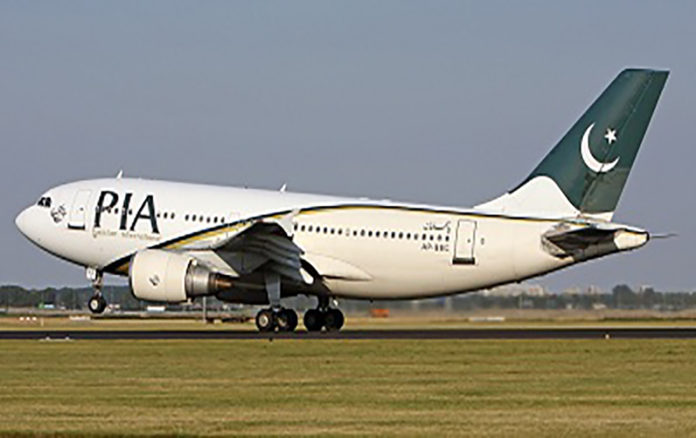
    The Pakistan International Airlines (PIA) crash in May that killed 97 out of 99 people on board is still fresh in our memories. An initial report says it was due to human error by the pilot and air traffic control. Aviation Minister Ghulam Sarwar Khan said the pilots were distracted discussing coronavirus and as a result, the pilot initially failed to perform the landing correctly when the plane scraped at the runway the first time before taking off again. In another shocking “revelation”, the aviation minister said that 262 pilots out of 860 active ones in Pakistan have “fake licenses” which he later changed to dubious or suspicious licences. It not only made international headlines but as a result, PIA grounded 141 pilots while there also are reports of Pakistani pilots in Vietnam and some Gulf countries being grounded, subject to a review.

    On the other hand, Pakistan Airline Pilots’ Association (PALPA) on Saturday denied these allegations. Head of the pilots’ union said there is no truth in these allegations. According to a detailed report in BBC Urdu, the claim by the aviation minister is incorrect and the number of pilots with dubious credentials is not as high. The minister later conceded his original stance. The report explains that the examination process, which makes for about 5 per cent of the licensing process, changed in 2012. Before 2012, pilots had to give two papers but a new model of examination was introduced by the Civil Aviation Authority (CAA) which now requires pilots to take eight papers, mostly theoretical. It did lead to some pilots failing the exams as they were quite complicated or they didn’t get a proper understanding of the scope of exams.

    While many cleared the new examination process, some could not, so an environment evolved where it was made easy for pilots to cheat and some eagerly resorted to cheating, which included making others sit in their place to clear the exams for a few hundred thousand rupees. It is said that while pilots around the world get their commercial licences after being tested for their technical know-how and flying hours as well as a basic examination process, Pakistan’s new examination process was thought to be cumbersome for most of the pilots since it was laid out in a way that was not clear to those who were taking it.

    This is a case of moral dilemma as well as using unfair means. Being a pilot is one of the key jobs where there are extremely high expectations of moral obligation and trust. Cheating cannot be condoned at any cost nor the concept of facilitation of such unfair means. All pilots must be investigated properly and if they have resorted to shortcuts, they must be punished. That said, if the number is marginal compared to the minister’s claim, a clarification must be issued to clear the names of Pakistani pilots. Some complain that the CAA’s role in the entire process raises some red flags.

    We cannot stress enough about air safety. Hundreds of lives are at stake each time a plane takes off. The Aviation Ministry, CAA and airlines must investigate thoroughly and make their findings public. Any such inquiry must involve international stakeholders to add credibility to an embattled CAA whose own credibility is also on the line. Pilots and their bodies also need to initiate a thorough, inward-looking review process that builds trust in their own profession and shows that they are not on the wrong side of the debate.

  • I’m always right…

    I’m always right…

    Imran Khan’s recent Freudian slip reveals a lot.”

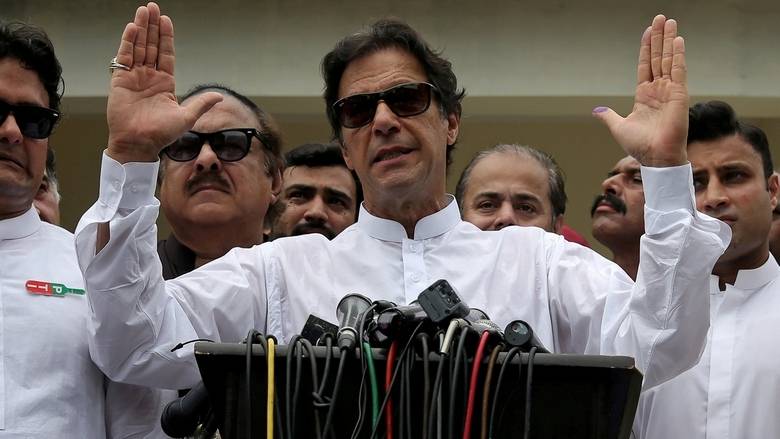
    Two interesting things happened recently in the chaotic drama that is Pakistani politics: one is that the prime minister (PM) actually deigned to show up in the parliament, and the second is that he referred to al-Qaeda founder Osama bin Laden as a “shaheed [martyr]” during his speech on the floor of the National Assembly.  

    Imran Khan, speaking in the context of his usual “the world has mistreated Pakistan” narrative, referred to the Abottabad raid saying, “One thing that happened was that the Americans came and killed Osama Bin Laden in Abbottabad… martyred him” — or in Urdu, “Abbottabad may aa kr maar diya… shaheed kar diya.” People picked up on this quickly and social media erupted in astonishment and dismay.

    This was then followed by the very amusing attempts of IK apologists to clarify what “he actually meant”. One of his advisors attempted to fudge the facts by tweeting that the PM “twice used the word  ‘killed’ for OBL” and that all the ensuing hoo-ha was actually a conspiracy “with clear attempt to make his remarks controversial unnecessarily”.

    But the fact is that his remark is controversial. His slip of tongue reflects possibly his true political leanings and seems to be the logical continuation of the position he has taken on various issues over the years.

    “He [Imran] is the man who despite (or maybe because of ) his elitist Lahori upbringing and western education, has always taken very right-wing and regressive political positions.”

    He is the man who tried to portray the Taliban to western media as “misunderstood freedom fighters”, who was in favour of “negotiating” with militants, and who advocated for them being allowed to open an office — as if to suggest that they were a serious political group rather than a group of armed religious extremists responsible for the bloody attacks and bombings that resulted in the killing of thousands of Pakistanis (civilians, uniformed personnel, school children, teachers).

    He is also the man who despite (or maybe because of ) his elitist Lahori upbringing and western education, has always taken very right-wing and regressive political positions. After his return to Pakistan, he became something of a born-again Muslim and also something of a born-again Pashtun, and his closest political allies over the decades have been right-wing and religious parties.

    Apart from official spokespersons trying to clarify and defend the PM’s choice of words, there were also several others, including some non-official ones like the TV news anchor who describes himself on Twitter not as a ‘columnist’ but as a ‘prominent columnist.’ This gentleman tweeted repeatedly in defence of the great leader and he came out with a few gems about the leader’s slip of tongue, even bringing puja, idols and Modi into the conversation! He also remarked that “the discussion was not about OBL” but about how IK’s government “has improved communication and engagement with the US & the world”.

    The way the Pakistan Tehreek-e-Insaf (PTI) government has reacted to this matter, illustrates both the way that it functions as well as the way in which Imran himself conducts his politics. For one thing, IK does not seem to believe in any sort of political dialogue of any kind of engagement that might lead to consensus.

    “‘I am right’ could easily be his motto in life (inching even further towards the far right). You can call this either immense self-belief or insufferable arrogance…”

    His approach seems to be that when he talks, everybody else should listen. His speeches are a mixture of pseudo-Islamic nationalism and political self-righteousness, peppered with abuse for opposition members. His contempt for parliament is evinced by his poor attendance record as well as the fact that he has not bothered to do any legislative work in parliament or do anything on any committees or in any other way be part of the community of parliamentarians. But when he talks, people should listen, and people who disagree with him are wrong.

    “I am right” could easily be his motto in life (inching even further towards the far right). You can call this either immense self-belief or insufferable arrogance — but the problem with this tendency is that it is often an impediment in the process of learning and developing.  Which raises the question that: after 22 years in the field has Imran Khan evolved politically? Will he ever be able to?

    The answer to this question is unclear but it is a sad fact that a man who so many Pakistanis wished so well because he was a national cricket hero (and eye candy) has become a divisive, rude and arrogant leader. He has some good ideas generally perhaps and also has the persistence to keep going, but the “I am right” mantra will only get you so far in life.

  • Malala’s future

    Malala’s future

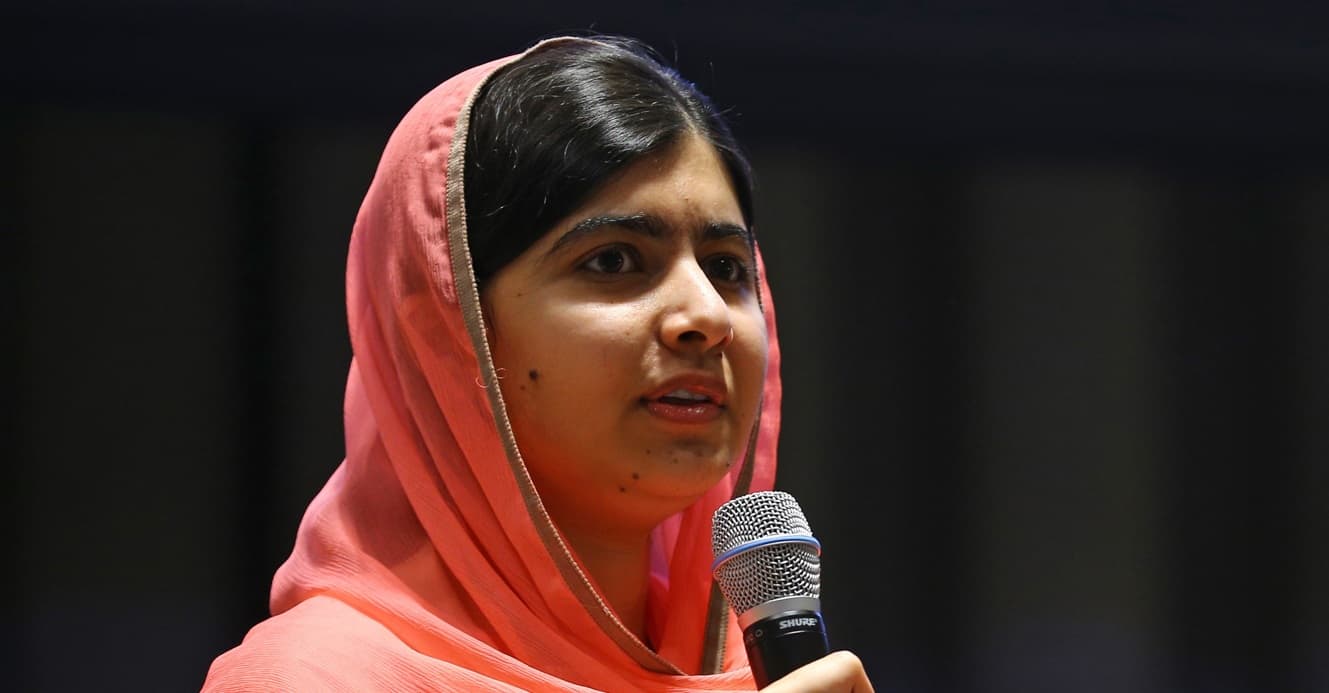
    Pakistani women have time and again proven that despite the country’s patriarchal setup, they can always be counted on to make a mark. Malala Yousafzai, the country’s second and the world’s youngest Nobel laureate, is continuing the legacy of Pakistan’s iconic women.

    Malala graduated from Oxford University earlier this week. “Hard to express my joy and gratitude right now as I completed my philosophy, politics and economics degree at Oxford. I don’t know what’s ahead. For now, it will be Netflix, reading and sleep,” she tweeted.

    For someone so young, Malala has achieved what most of us cannot even imagine in our lifetimes. But it did not come easy; in fact, it was at a great personal cost. In 2009, Malala started writing a diary for BBC Urdu under the pen name ‘Gul Makai’. Swat Valley was under Taliban rule at the time. In one of the entries, she wrote, “I am sad watching my uniform, school bag and geometry box. I felt hurt on opening my wardrobe and seeing my uniform, school bag and geometry box. Boys’ schools are opening tomorrow. But the Taliban have banned girls’ education.”

    Malala and her family received multiple threats from the Taliban even after their rule ended in Swat.

    She was shot by the Taliban in October 2012 when she was on her way home from school in Swat. The Taliban tried to assassinate her because she had become an ambassador for girls’ education. The assassination attempt left her in a critical condition when she was taken to a hospital in Rawalpindi. She was later transferred to a hospital in the United Kingdom (UK).

    Malala went on to become a global icon. From writing a diary under a pseudonym at an incredibly young age to surviving a brutal assassination attempt, her bravery makes one wonder about the determination and grit this young woman has shown over the years. Despite her success, Malala remains down to earth and humble. One can see that there is no pretense.

    After her graduation, many are wondering what role she would take on in the future. It is for Malala to decide what is next but we can say with certainty that her future will not be anything ordinary. For an extraordinary woman like Malala, an ordinary job would obviously not do. She will always be a global ambassador for girls’ education and may well continue her work since it is a huge task indeed. Some speculate whether she will enter politics at some stage. Whatever she decides, we know she will continue to make Pakistan proud of her work.

    May your light continue to shine bright, Malala!