Author: Hafiz Usman Aftab

  • Rishi Kapoor’s unfulfilled wish: a visit to Pakistan

    Rishi Kapoor’s unfulfilled wish: a visit to Pakistan

    With a heavy heart, the world has bid goodbye to veteran actor Rishi Kapoor, who breathed his last Thursday morning. A few hours after his death, an old tweet of the actor surfaced in which he expressed his desire to visit Pakistan so that his children can see their roots.

    IN PICTURES: Rishi Kapoor’s funeral

    In the tweet, shared in November 2017, Kapoor appeals to Kashmiri politician Farooq Abdullah to solve the Kashmir issue so that he can visit Pakistan before he dies.
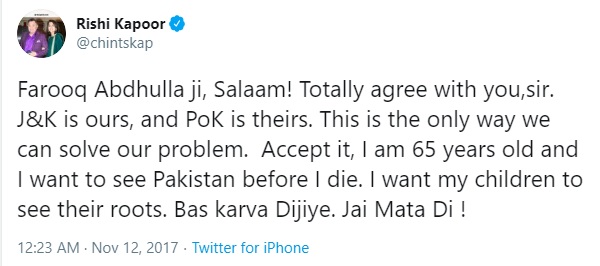
    Unfortunately, the actor passed away before that could happen and the past couple of years has seen Indo-Pak relations go from bad to worse.

    Rishi, himself had strong ties with Pakistan. Not only are his ancestral roots in the country but he was also connected with the people here especially via social media and often engaged in heated debate with them.

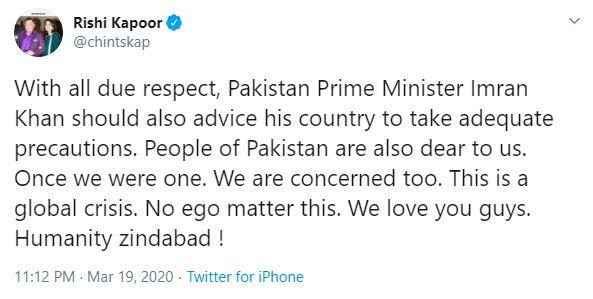
    A few weeks before his demise, Kapoor had asked Prime Minister Imran Khan to “advise his country to take adequate precautions.”

    “People of Pakistan are also dear to us,” the actor had written in a tweet.
    Rishi’s ancestral home, popularly known as the ‘Kapoor Haveli’ is located in Qissa Khwani Bazar, in Peshawar Pakistan. Rishi’s father Raj Kapoor, grandfather and patriarch of the Bollywood royalty Prithviraj Kapoor and grand uncle Trilock Kapoor were all born in this building. According to details, the house was constructed between 1918 and 1922 by Dewan Basheswarnath Kapoor, father of Prithviraj Kapoor. However, after the partition the Kapoors’ migrated to India.
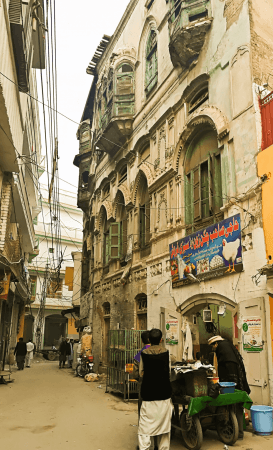
    The magnificent haveli has about forty rooms with exquisite overhanging balconies and astonishing floral motifs in its front.

    In 2019, Rishi had requested the Government of Pakistan to preserve his ancestral home and convert it into a museum.

    Minister of Foreign Affairs Shah Mahmood Qureshi, at that time, had said, “There was a call from Rishi Kapoor. He requested that his family’s home in Peshawar should be made into a museum or some sort of institution. We have accepted his request.”

    Similarly, Shehryar Afridi, who was serving as the Interior Minister at that time had shared that the actor had called him personally with his request.

    “He had called me and talked about making his ancestral home into a museum. Now the federal and provincial governments are working on this and will transform the house into a museum soon,” Afridi had stated.

    Rishi had last visited Pakistan with Shashi Kapoor and Randhir Kapoor in 1990. They had travelled to Peshawar to see their family’s house and also took some soil from the house to keep their heritage intact.

    Decades later, Rishi shared a picture from the visit on social media.

    Kapoor breathed his last a day after he was admitted to the hospital after he complained of breathing difficulties. The actor had been battling with cancer for a while now.

    Read more – Veteran Bollywood actor Rishi Kapoor passes away

    Announcing his demise, the actor’s family in a statement had said that he remained his jovial and entertaining self till the end and that he would “like to be remembered with a smile and not with tears.”
  • ہنس کیوں رہی ہو؟

    مجھے یاد ہے میرے بچپن سے ہی میرے ماں باپ پریشان تھے کے اتنی لا ابالی سی لڑکی، اتنی ہنستی مسکراتی لڑکی اگر لڑکوں میں پڑھی ، تو بڑا مسئلہ ہو جائے گا۔ میری ہنسی کی آواز بچپن سے ہی کم کروانے کی کوشش کی گئی تھی ۔ لیکن میرا مسئلہ ہی یہ تھا کہ مجھے ہنسی آتی ہی بہت تھی، آخر کہاں تک کنٹرول کر پاتی ۔ میرے قہقے سکول میں کافی مشہور ہوگئے ۔ کافی بار ٹیچرز نے بھی کہہ ڈالا کہ ” لڑکیاں اس طرح نہیں ہنستی ” اس وقت تو میں نے دھیان نہیں دیا کیونکہ بچپن تھا ، زندگی مست تھی ۔ لیکن بڑی ہوتی گئی تو احساس ہوا کہ لڑکیاں اس طرح ہنسیں، یا اس طرح ، لڑکیوں کا ہنسنا کسی طور بھی ٹھیک نہیں۔ میری ہنسی کے پیشِ نظر مجھے آل گرلز کالج میں بھیجا گیا ۔ مقصد یہی تھا کہ کہیں میری شوخ و چنچل طبیعت اور ہنسی کی وجہ سے کوئی مسئلہ نہ ہو جائے۔

    پہلے تو مجھے اپنے والدین پر حیرانگی ہوئی تھی لیکن پھر احساس ہوا کہ او ہو ! میری ہنسی یا مسکراہٹ کا تو کچھ اور ہی مطلب نکل آتا ہے۔ میری طرح اور بھی خواتین اس بات سے متفق ہونگی کہ ہمارے ہنسنے پر پورا کمرہ، پورا محلۤہ بلکہ پوری کائنات الرٹ ہو جاتی ہے۔ کہ آخر یہ ہنس کیوں رہی ہے ؟ کبھی کبھی یوں ہی بیٹھے ہوئے چہرے پر مسکراہٹ آجائے تو گھر والے اور رشتہ دار پوچھ بیٹھتے ہیں  ” کیا بات ہے ” ، کس کے بارے میں سوچ رہی ہو۔ اتنا مسکرا کیوں رہی ہو؟”  بے شک آپ اس وقت دال چاول کے بارے میں ہی سوچ رہے ہوں ، وہ کچھ اور ہی سوچیں گے ۔ والدین کو بتا کر  بھی کسی دوست سے فون پر بات کرتے ہوئے ہنسی نکل جائے تو والدین فوراَ پوچھتے ہیں  ” اتنا ہنس کیوں رہی ہو؟”

    جب کالج میں قدم رکھے ،تو لڑکیاں ہی نظر آئیں آس پاس ۔ تب کالج کے کوریڈور میں میں نے قہقہ مارا تو میری بہت ہی پسندیدہ ٹیچر نے میری کلاس لی کہ یہ کوریڈور میں ایسے کیوں ہنس رہی ہو؟

    جب سہیلیوں کے ساتھ باہر جانے کی اجازت ملی تو ہنستے ہوئے کئی بار احساس ہوا کہ لوگوں کی نظریں مجھ پر ٹک جاتی ہیں۔ والدین کی سختی کی وجہ سے میری زندگی میں میک اپ کافی دیر میں آیا اس لیے اور بھی حیرت ہوتی تھی کہ میرے چہرے پہ کیا ہے جو اتنا غور ہو رہا ہے ؟ پھر وقت کے ساتھ احساس ہوا کہ او ہو ! لوگ خاص کر کے مرد حضرات کو یہ لگتا ہے کہ ہنستی ہوئی لڑکی ان کی توجہ چاہتی ہے ۔ اور زیادہ تر مرد حضرات “ہنسی تو پھنسی ”  کو اپنے دین کا حصۤہ سمجھتے ہیں ۔ لڑکی کو بے شک اپنے آپ پر ہی ہنسی آ رہی ہو ، وہ یہی سوچ لیتے ہیں کہ یہ ہنسی ہمارے لیے ہی ہے۔

    کالج کے بعد رشتوں کا مرحلہ شروع ہوا ۔ والدہ نے ایک بار کہا  “بیٹا زیادہ ہنسنا نہیں ” ۔ تو میں بڑی مشکل سے منہ بسور کے بیٹھ گئی ۔ پھر اگلی بار کہا ” بیٹا تھوڑا ہنس ہی لیا کرو” ۔ تو جب میں نے ہنس کے دکھا دیا تو سب گھورنے لگ گئے کہ یہ ہنس کیوں رہی ہے ؟  اگر کوئی لڑکی رشتہ ہونے پر خوش ہو جائے اور منگنی پر خدا نا خواستہ ہنس پڑے تو سب صدمے کی حالت میں بول پڑتے ہیں ” یہ اتنا کیوں ہنس رہی ہے؟” کوئی لڑکی شادی پر ہنس پڑے ،تو بھی یہی سوال ہوتا ہے کہ “یہ ہنس کیوں رہی ہے؟”

    ہاں جی لڑکیاں ہنستی ہیں ۔ ہم لڑکیوں کو ہنسنا اچھا لگتا ہے ۔ہم اپنے لیے ہنستی ہیں ۔ ہم کھل کے قہقے لگاتی ہیں ۔ کبھی ہم کو بھولی بھٹکی یاد پر ہنستی ہیں ، کبھی کسی کی بات پر ۔ کبھی اپنی کسی بیوقوفی پر ہنستی ہیں ، اور کبھی اپنی کسی کامیابی پر ۔ کبھی کسی تلخ حقیقت کو چھپانے کے لیے ہنستی ہیں اور کبھی آنسئوو کو۔ لیکن اگر نہیں ہنستی تو آپ کے لیے نہیں ہنستی ۔ جی آپ جو ایک ہنستی ہوئی لڑکی کو برداشت نہیں کر پاتے ۔ جی آپ، جو ایک ہنستی ہوئی لڑکی کر بارے میں طرح طرح کے خیال بنا لیتے ہیں ۔ جی آپ ، جن کے لیے لڑکی کا ہنسنا عزت بے عزتی کا مسئلہ بن جاتا ہے ۔ جی آپ یہ اطمینان کر لیں کہ لڑکی اگر ہنستی ہے، تو اپنے لیے ۔ صرف اور صرف اپنی ذات کے لیے ۔ آپ کے لیے نہیں ۔ تو اسے ہنسنے دیں ، خوش رہنے دیں ۔ کچھ نہیں کر سکتے تو اپنی نظر ہٹا لیں تاکہ آپ کو مسلئہ نہ ہو۔۔۔

  • COVID-19: Should we worry about Pakistan’s economy?

    The world has come to a screeching halt.

    The coronavirus pandemic has affected lives in so many different ways that no one could have imagined only a few months ago. Large metropolitan cities like New York and London seem like ghost towns right out of a Hollywood movie. Restaurants, cinemas and airlines have stopped operating and malls are deserted. People, no matter where they are, are just afraid to get out of their houses and carry on with normal life. It is no more a health crisis, and is instead, taking the shape of an unprecedented economic catastrophe.

    No one knows the exact scale of this catastrophe, but everyone knows that a major recession is in the offing.

    Pakistan is no exception and the International Monetary Fund (IMF) has projected a 1.5 per cent contraction in the country’s GDP this year, the first in over seven decades, whereas the World Bank (WB) estimates that it can be as much as 2.2 per cent. Next year would be no different and the economy is expected to post negligible growth, that too if we are lucky. However, even this guesstimate can very easily turn into further contraction, if the crisis continues to deepen.

    HOW TO UNDERSTAND COVID-19’s IMPACT ON PAKISTAN’S ECONOMY?

    In layman’s terms, there are two major ways in which the pandemic can affect the economy. The first is what’s happening outside the country, while the second is what’s happening inside. In other words, the effects on the economy can be driven by both global factors and domestic developments.

    If you remember the 2008 global financial crisis, which turned the world’s financial markets upside down, you would also remember that it did not have a major impact on Pakistan’s economy. That can be explained by our poor integration with the world’s financial markets, which has been a blessing in disguise. Therefore, one thing is certain that the impact of a global economic meltdown is going to have a much more diluted effect on Pakistan than other countries that are fully integrated into the global economy.

    There is no doubt that the country would sail through this storm, but not without a well-thought-out action plan to stimulate the economy and bring it back to life, once the crisis is over.

    Let’s look at the global travel and tourism industry, for instance, that is taking a major hit. But Pakistan hardly had any share in this market and therefore is not likely to get impacted much. Nevertheless, disruptions in economies of Pakistan’s export destinations like the United States (US) and Europe are having a major bearing on Pakistan’s exports. Export orders are being cancelled, leading to a serious dip in the country’s already flailing exports. Fall in workers’ remittances is another area that is going to adversely impact the country, as Pakistani workers in the Middle East and elsewhere suffer job losses.

    Now we come to the in-country crisis, the impact of which is going to be driven by the severity and duration of the disease outbreak and the state’s response to it i.e. the nature and duration of the lockdown and the restrictions imposed. The already imposed lockdown, though enforced unevenly, has affected the economy in a big way. Millions of jobs are at stake and daily wage workers, who in most cases already belong to a vulnerable segment, are likely to be the major sufferers of the crisis.

    The lockdown has also suppressed demand in a number of industries such as automotive, consumer goods and construction among others. But more significantly, services sectors like domestic travel and transport, retail and wholesale trade, and hospitality are the worst casualties with their business activities coming to a standstill.

    Suppressed economic activity is resulting in a significant revenue loss for the government, whereas massive emergency response and relief activities are driving the expenditures high. The fiscal deficit is likely to touch 10 per cent of the GDP, leaving hardly any money for development, while the debt-to-GDP ratio is expected to hit the roof on the back of substantially increased debt burden. And if the country has to impose a blanket lockdown again at some stage, owing to the worsening health situation, all these indicators could quickly go from bad to worse.

    It is time for us to start thinking about some difficult fiscal and economic reform sore points that we have been avoiding for years.

    However, there is also a silver lining. Looking at Pakistan’s GDP composition, there are quite a few sectors like agriculture, electricity generation and distribution, gas distribution, communication, government services etc that are going to be much more resilient to this crisis. Moreover, there could also be some windfall earnings from the global economic downturn. The unprecedented fall in global oil prices is likely to bring in some relief for the country through the reduction in import bill. Additionally, as the world gears up for providing relief to developing countries to fight the economic shock, Pakistan is likely to be one of the beneficiaries of debt relief measures and aid inflows. In fact, the country has already received $1.4 billion in rapid financing from the IMF.

    Nevertheless, we must realise that Pakistan was already facing a tough economic situation and COVID-19 hit the country just when macroeconomic indicators were beginning to stabilise. There is no doubt that the country would sail through this storm, but not without a well-thought-out action plan to stimulate the economy and bring it back to life, once the crisis is over. And this would need much more than what’s being offered in the recently introduced fiscal stimulus package. Moreover, we would need years of fiscal discipline and economic prudence before we are fully able to recover from this shock.

    Now is the time to start thinking about some of the difficult fiscal and economic reform sore points like bleeding state-owned enterprises, ballooning wage and pension bill, swelling circular debt and inefficient government machinery, that we have been avoiding for years.

  • We’re on your side, dear minister

    We are all familiar with the adage that journalism is not a crime. Unfortunately, it seems that the ruling Pakistan Tehreek-e-Insaf (PTI) for some reason thinks it is.

    When The Current, with pictorial evidence, reported how unhygienic the conditions at a quarantine facility in Peshawar were, and when a few journalists shared the story on social media, the government did not take it very well. Khyber Pakhtunkhwa (KP) Health Minister Taimur Khan Jhagra took to Twitter and quote-tweeted journalist Benazir Shah.

    Other than questioning the report, he said:

    Targeting a well-respected journalist for tweeting a story about bad conditions at a quarantine facility in KP came as a surprise to many who had been commending both the KP government and Jhagra for their hard work in the fight against coronavirus. Jhagra could have ignored the story and not responded at all or just acknowledged the unhygienic conditions. If neither, he certainly could have responded without targeting Shah. 

    Jhagra is known to be decent and hardworking unlike many of his colleagues. Thus it came as a surprise when he targetted an accredited journalist, despite being fully aware of how the trolling brigade works. By targeting Shah specifically, he unleashed a troll army that is always ready to attack the media, especially women journalists.

    The notoriety of the ruling party’s troll army is an open secret despite official denial. Twitter trends against the media and renowned journalists have become a norm. Sharing private pictures of journalists taken from their social media accounts is another feather in the cap of these trolls. Any journalist who has attended Prime Minister (PM) Imran Khan’s media briefings in recent days and dared to ask him a tough question, has faced online trolling and vile attacks.

    Jhagra also implied in his Twitter thread regarding The Current’s story that the “privileged” cannot bear 48 hours of discomfort as the quarantine facilities may not be ideal. Well, this wasn’t about privilege. It was about highlighting the unhygienic conditions at a quarantine facility and nothing to do with privilege. Both the privileged and the under-privileged deserve clean quarantine facilities. This problem isn’t limited to Pakistan. In neighbouring India, many such cases of poor and unclean quarantine facilities have been highlighted on social as well as mainstream media.

    We understand that the government has limited resources and it will be difficult to deal with such pressures. We also acknowledge how hard the federal, as well as provincial governments, are working to fight the coronavirus and that mistakes are unavoidable as this is something the world hasn’t seen in recent times.

    We commend the hard work of our public officials, healthcare workers, doctors, policemen, security officials and everyone out there who is working day in and day out to ensure that the people of Pakistan stay safe and healthy during the pandemic. But we will also mention and highlight facts and news so that our readers stay informed. It is not our job to only highlight the positives; we have to report the truth even if the state does not like it. Journalists cannot be bullied by online trolls or campaigns against them. The media is not your enemy; coronavirus is our common enemy. Fight the virus, don’t fight the media without any reason.

    We don’t have rose-tinted glasses on, and red flags are not just flags to us…

  • ‘Ishqiya’ makes no sense

    ‘Ishqiya’ makes no sense

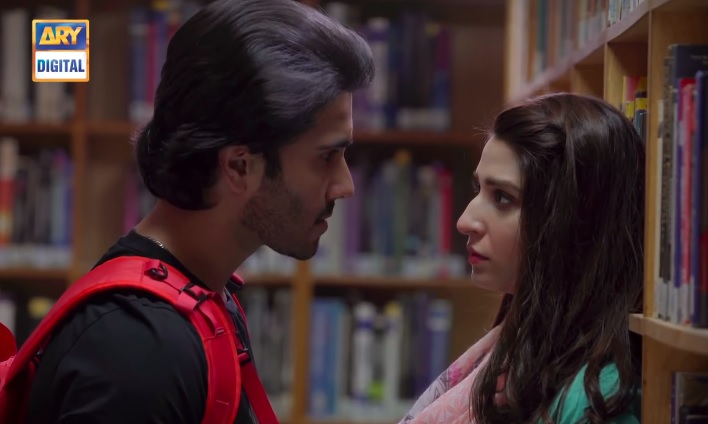
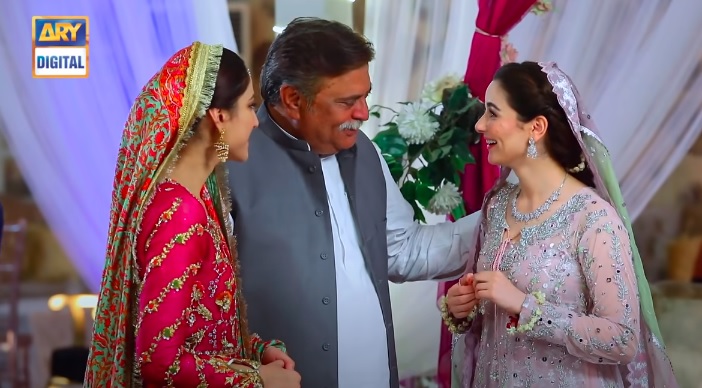
    Pakistani dramas generally are far from reality – even though they do pretend to be realistic. But more often than not you come across dramas that are so far-fetched from reality that they begin to test your patience. And Hania Aamir, Feroze Khan, Gohar Rasheed and Ramsha Khan’s Ishqiya is one of those.

    To begin with, the plot doesn’t make any sense. Hamna (Ramsha Khan) and Romaisa (Rumi) are two sisters who have typical Pakistani drama parents: old-school and simple. While Hamna is the sober and serious one, Rumi (Hania Aamir) is the lively and playful one. Hania in this drama is no different than Daneen, her character in Anaa and from the first 10 episodes, I think it is fair to say that her fate will somewhat be the same. Rumi’s over-the-top energy is a bit annoying and her dialogues are borderline cringe.

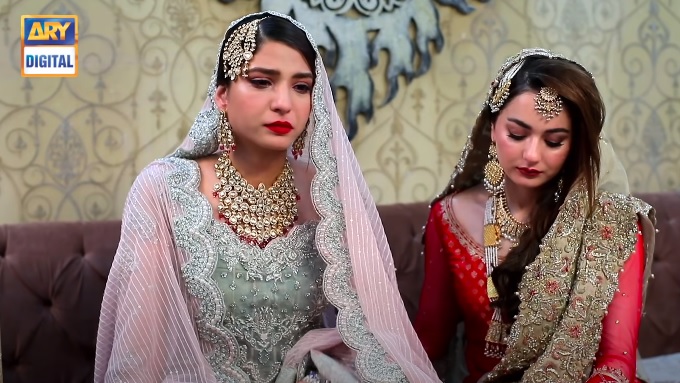
    On the other hand, Hamna is in a relationship with her class fellow Hamza (Feroze Khan). The two love each other passionately to the point that Hamza is a bit obsessive about Hamna. In the first few episodes, Hamza gives major Kabir Singh vibes: the public possessiveness, the self-destructive nature etc. In a typical twist of fate, the girls’ father Siddiqui Sahab (as Rumi calls him) has ill health and wants to get his daughters settled (in other words married) as soon as possible. When his colleague approaches them with a rishta of his son Azeem (Gohar Rasheed) for Hamna, Siddiqui Sahab does not hesitate to say yes and Hamna is soon married to Azeem. When Hamza finds out, he throws a major tantrum and in the process ends up getting involved in a car accident. After he recovers, Hamza decides that the best way to get back at Hamna is by marrying her sister Rumi and soon the two also end up getting married with the reception of both the sisters scheduled on the same day.

    I’m pretty sure by now, after reading the plot of the drama, you must also be thinking keh yaar yeh kya drama hai? My sentiments exactly. The plot makes zero sense to me – how can a someone not tell their sister that ‘Dude the boy who is approaching you for a rishta is my ex-boyfriend and that he is only doing this to get back at me?’

    Not only that, ever since Hamna got married to Azeem, she has a long face, barely eats and is always teary-eyed. That is literally visible to everyone except her own family who are oblivious to her tears.

    After mentally torturing Hamna through four episodes and making her uncomfortable at every opportunity, the latest episode saw Hamza finally take his new bride, Roomi home. Hamna also moved to her husband Azeem’s house. It appears that now that the basic matters have been settled and the two former lovers have married other people, we’re in for a major plot twist and a whole lot of drama, which I’m thinking I will skip given how the plot of Ishqiya isn’t the most original. The Pakistani drama scene has seen plenty of such dramas before: one I can remember on top of my head is Yaariyan featuring Ayeza Khan, Moomal Sheikh, Junaid Khan and Muneeb Butt. It also had a similar premise involving two sisters.

    Written by Mohsin Ali Shah and directed by Badar Mehmood (Cheekh, Balaa), Ishqiya airs every Monday at 8pm on ARY Digital.

  • Unbelievable times

    Unbelievable times

    We are living in unbelievable times. 

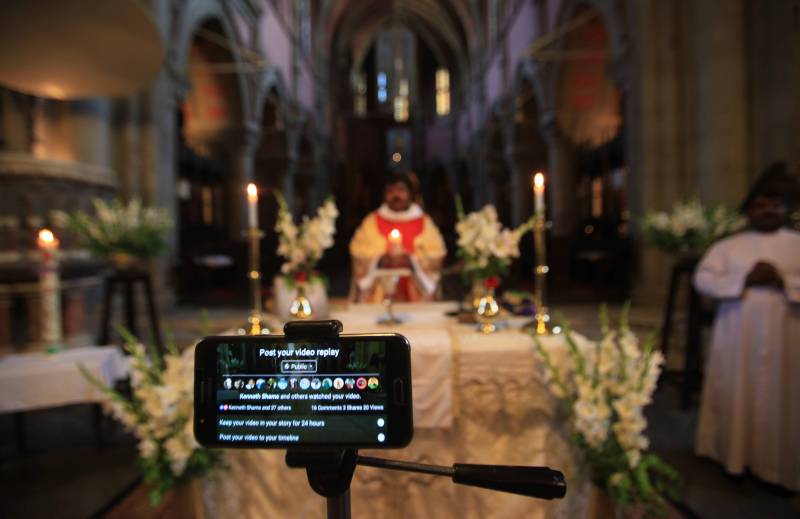
    “Wishing all our Christian citizens a happy Easter. Please stay safe and keep your families safe during the COVID-19 pandemic by praying and celebrating at home; and by observing the national safety protocols,” tweeted Prime Minister (PM) Imran Khan earlier today. The reality of coronavirus hits you hard when you read this tweet. Churches not just all over the country, but also in major parts of the world, are closed due to the coronavirus outbreak.

    A World Bank (WB) report on South Asia released last night is alarming. It says that Pakistan, India, Bangladesh, Afghanistan and other smaller countries may have so far reported relatively few coronavirus cases but they could be the next hotspots.

    “The economic outlook for South Asia is dire. South Asia will likely experience the worst economic performance of the last 40 years… for Pakistan, Afghanistan and Sri Lanka, the full range of their forecast GDP growth for this fiscal year is in negative territory,” says the report. It says that Pakistan may face a recession for the first time in 68 years.

    The report further states that the crisis will reinforce inequality in South Asia. This is something that the premier has constantly been worried about. The poorest of the poor will suffer the most is what he kept telling us about in his addresses to the nation as well as media briefings and interactions.

    This is indeed a catch-22 situation. Like his counterparts in other South Asian countries, PM Imran is in unchartered territory and is trying to deal with the pandemic by learning from other countries’ successes as well as mistakes and also by keeping in mind the local ground realities. He seemed confused about lockdown initially but later, and maybe soon enough, realised that there was no other choice. The federal government, as well as the provincial governments, will decide tomorrow (Monday) whether lockdown in the country should be extended.

    Many reports suggest that it may be extended till April 21.

    As the WB report suggests, smaller nations like Pakistan could be the next hotspot for coronavirus. Lockdowns may have helped to a great extent but we also need aggressive testing. Unfortunately, it hasn’t happened as we don’t have enough testing kits. Reports suggest some of these testing kits have also turned out to be faulty and/or substandard. Not having enough kits also points to another aspect, i.e. protectionism. The Global Trade Alert project says at least 69 countries have banned or restricted the export of protective equipment, medical devices or medicines during the pandemic while the World Health Organization (WHO) has warned protectionism could limit the global availability of vaccines.

    While the federal and provincial governments in Pakistan are doing their best under the circumstances and with the resources at hand, the real challenge lies in finding a cure for coronavirus. These are difficult times indeed and the predictions related to the coming months are not too bright either.

    Since it might soon be too late for all precautionary measures, stay home and stay safe for yourself and your dear ones.

  • ‘Kaheen Deep Jalay’ keeps getting worse

    ‘Kaheen Deep Jalay’ keeps getting worse

    Saach baat bataoon toh Neelum Munir and Imran Ashraf’s Kaheen Deep Jalay on Geo was my guilty pleasure. The drama was full of well, drama, and it had a heavy dose of masala complete with over-the-top twists and turns which were oh-so-fun to watch. But the last couple of episodes have turned the serial into a painful watch.

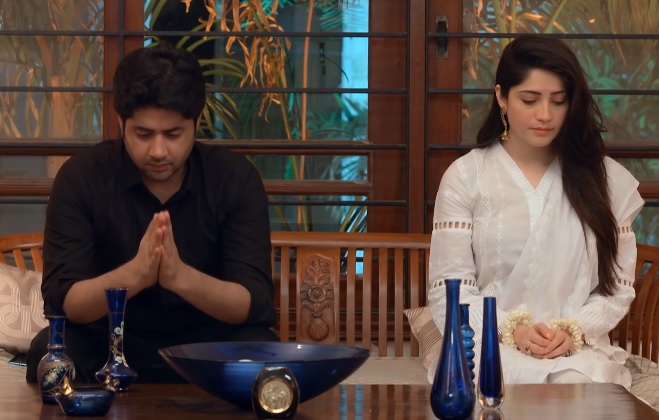
    Let’s take a quick run through the plot. Rida (Neelum Munir) is the only sister of three brothers: Hatim (Hammad Farooqui), Fahaam (Ali Abbas) and Asim (Syed Arez). The brothers dote on their sister and pamper her to no extent. Rida’s maternal cousin Shamila (Nazish Jahangir) gets married to her eldest brother Fahaam. Shamila is a conniving and manipulative girl who is jealous of Rida because of the attention she gets from her brothers. Shamila’s only brother doesn’t pamper her much and seeing Rida get so much attention from her brothers irks Shamila who then uses every opportunity to mentally torture her sister-in-law.

    Meanwhile, Rida gets married to Zeeshan (Imran Ashraf). Zeeshan, who was Hatim’s colleague had fallen in love with Rida from the moment he saw her. The two get married and are happy but soon Zeeshan’s insecurities coupled with Shamila’s manipulation cost them their marriage.

    Read more – ‘Kahin Deep Jalay’ is terribly typical but full of masala

    The recent episodes have seen the plot spiral completely out of control. A misunderstanding on Zeeshan’s part leads him to believe that Rida cheated on him. This gives Shamila a chance to lash out on Rida even more and Rida’s brothers who doted on her through the course of the drama now refuse to even acknowledge her to the point that they wish that she was dead. It is impossible to understand how Rida’s brothers just suddenly turned their back on their sister and refuse to believe her innocence. This plot twist is beyond my understanding.

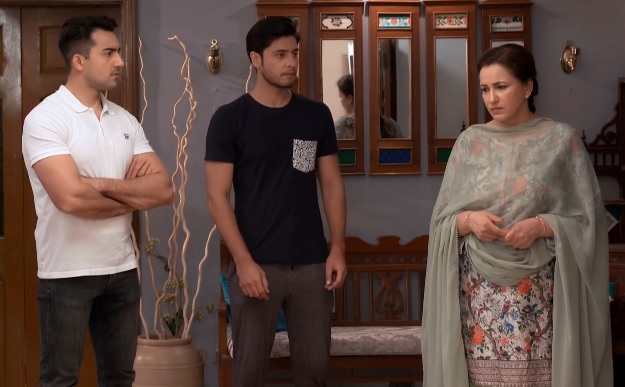
    Hatim, Asim and Rida’s mother

    Though Zeeshan later realises his mistake and asks Rida for forgiveness, she refuses to forgive him (and rightly so) and the two spend their days crying. Zeeshan, in particular, is very annoying. He cries all the time (not that I’m against men crying) and feels sorry for himself and doesn’t really make much of an effort to make amends. He just hopes that Rida will come around.

    On the other hand, Shamila, whose husband Fahaam is shot dead, manipulates her brother-in-law Hatim into marrying her so that she can once again become the bahu of the house. Another over-the-top and absolutely unnecessary plot twist. It’s so annoying to see how the men in the family are so oblivious to Shamila’s actions.

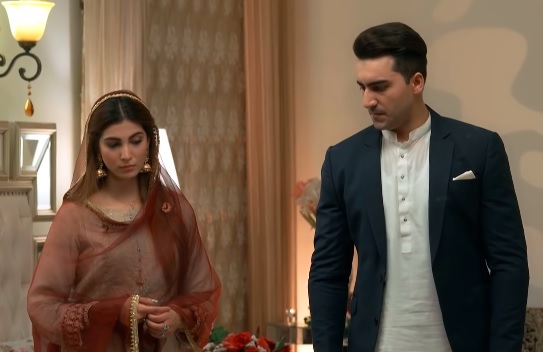
    Shamila and Hatim

    Despite the frustrations, I don’t want to overlook the positive which is Rida’s relationship with her mother-in-law (Saba Faisal). It is refreshing to see a mother-in-law stand up for her daughter-in-law and criticise her son for being unfair to her. Her character is probably the only balanced one in the entire drama – the rest of them are an emotional mess.

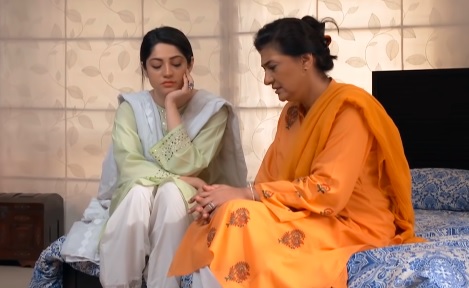
    Rida and her mother-in-law

    While Kaheen Deep Jalay continues to test my patience, the only reason I will continue to watch the drama is because I’m curious to know Shamila’s end. And I’m pretty sure it’s not going to be a pleasant one. So that should make up for the frustrations. In my opinion, things could have been accelerated and the drama should have wrapped up by now.

    Another thing that has been bothering me is how Geo repeats the last ten minutes of the previous episode in the new episode.

    Nonetheless, if you’re looking for a masalaydaar drama which does not require too much of your brain cells, give Kaheen Deep Jalay a go. Otherwise given how it’s progressing, or regressing, you can skip it.

  • Time for kindness

    Time for kindness

    With at least 1.2 million confirmed cases and 64,000 deaths across the globe, the new coronavirus aka COVID-19 pandemic is continuing to take a toll on the world. The economic impact is so huge that it is being compared to the Great Depression.

    Managing Director of the International Monetary Fund (IMF) Kristalina Georgieva says this is an economic crisis like no other. “Never in the history of the IMF have we witnessed the global economy coming to a standstill. It is way worse than the global financial crisis.”

    Countries are fast realising that the impact of this virus is so huge — and unpredictable at the same time — that whatever they do may not be enough.

    First, it was about creating and spreading awareness as not many were taking it seriously. Then came the lockdowns, partial or complete, in many countries. Now there are some other stark realities that people are facing; financial woes being one of them. Social-distancing is a privilege. Not everyone can afford it. Lockdowns have helped contain the spread to a certain extent but the economic impact on daily wagers, the lower middle class and many others will be quite harsh. Thus, governments and private citizens must step in to help. 

    A Facebook post doing the rounds about a university van driver in Pakistan is heartbreaking. According to the post, the driver has been calling up students asking for his monthly charges but not many are responding to his calls/texts. We need to understand that in these tough times, we must help those who are less privileged than us. Those who have given leave to their domestic staff must pay their salaries — and if possible, an advance salary as well. Help those around you who you think need it. Buy rations or donate to charities and organisations like the Edhi Foundation that are doing credible work and helping people in these troubling times. 

    Another tragic aspect is that those who fall victim to corona have to deal with the illness alone — away from family and friends — in order to keep others safe from the virus. Burying those who die of coronavirus has also become an ordeal. Family members and friends can only say goodbye from a distance. Funerals in the time of coronavirus are quite different. Coronavirus has changed the world so drastically that people cannot even grieve together anymore. These are the new realities until a cure is found. 

    We will keep learning new things with each passing day. We will see the world change. People will be hungry, frustrated, desperate, scared, depressed, angry and much more. But we must be kind and understanding for this is what humanitarianism is all about. Be human! Be safe.

    FOLLOW THIS LINK FOR LATEST CORONAVIRUS UPDATES FROM PAKISTAN

  • Blog: Knee Jerk – Plan of Action

    Blog: Knee Jerk – Plan of Action

    Typical Ration Bag: Rs1,600
    Includes: Flour, oil, sugar, rice, lentil and a soap

    “We’re building a stockpile. The word stockpile by definition means not for immediate use. It means you’re preparing for a battle to come and you have to have the equipment and you have to have it now. I can tell you this, if you wait to prepare for the storm to hit, it is too late, my friends. You have to prepare before the storm hits. And in this case, the storm is when you hit that high point, when you hit that apex. How do you know when you’re going to get there? You don’t. There is no crystal ball but there is science and there is data and there are health professionals who have studied this virus and its progress since China. Listen to them and follow the data to develop one coordinated plan,” said Governor Andrew Cuomo of New York in a press briefing on coronavirus on March 30.

    I witnessed the nation coming together when the deadly 2005 earthquake hit northern Pakistan. It devastated entire communities in Khyber Pakhtunkhwa (KP) and Azad Jammu & Kashmir (AJK). The 7.6 Richter scale quake wreaked havoc and misery to 400,000 families when at least 80,000 lost their lives. 90% of the affectees were from difficult-to-access rural areas in the mountains.

    Pakistan had in recent times not seen such extensive devastation and was hardly prepared to handle such a disaster. But the nation witnessed an unprecedented surge of sympathy for the affected communities when people from all over the country and the world rushed for assistance.

    Today, amid the coronavirus pandemic, an unprecedented lockdown is in place. And as all of us reflect on our daily lives, I hear nonprofits, independent guerrillas and civil society members coming forward and donating and collecting ration bags for daily wage affectees or families living under the poverty line. Several good-hearted folks have come together and started the drive by spreading the word on social media platforms to support the cause.

    Each cause has a different price and structure of distribution. We can select packages for a week, a month and so on. But what’s next? 

    My question is: where is the map of action for the households or the system where it’s equally, ethically and socially distributed? How are we deciding what neighbourhoods need the most? 

    Arif Hasan and I were are in an anti-encroachment WhatsApp group, where he said, “It’s frightening to see how everyone will end up washing for 20 seconds in a country where water is a contested property.”

    Celebrities and social media influencer’s are following a global practice of how to deal with COVID-19. Whereas we need to rethink of global south issues and practice a regional solution. Standards come from international forums, but they need to be localised and regionalised. 

    If today non-profit organisations and independent ration collectors are designing packages and sending mass messages to collect funds to feed the affectees, then maybe we also need to study and collect per household data and map the areas where any organisation is not distributing.

    What we need is a holistic plan for preparedness for disaster or unprecedented situational circumstances. This is the time when we need platforms to come together and work closely with local authorities and develop a strategy or a masterplan, through breaking down clusters, focusing on vulnerable communities and involving organisations.

    In our provincial context, where the Sindh government has shown a strong sense of perspective in times like these, maybe this is when we need to reflect and look for local strategic plans and grassroots level data analysis for future disaster distribution methodology, where civil society’s intervention is not just out of goodwill but equality and social systems. Where collaboration can be meaningful, and data sharing becomes a common practice.

  • The Common Good

    “Pure capitalism is basically selfish in nature and it leads to a particular attitude in the rich — that they deserve to be wealthy and the poor are poor because they are either lazy or stupid or both — or else because they are just an ‘inferior species’.”

    A friend in Karachi describes the unease that fills shoppers at an affluent Karachi supermarket when they step out of the store laden with as much as they can buy amid the coronavirus lockdown. They are faced with the sight of desperate day labourers standing outside staring quietly as they load bags of food supplies into their cars. The labourers hold the tools of their trade — shovels and pickaxes — and to the affluent shoppers, these now appear to be dangerous weapons.

    “They are starving,” says my friend, “their families don’t have food, they could be driven to despair and could easily attack shoppers to get food”.

    The public response to the crisis has been impressive in Pakistan, but can such efforts provide the scale of relief that is needed in a country where, according to a 2016 national assessment, almost 40 per cent of the population lives in poverty? People have donated generously to schemes that deliver basic rations to those in need and many organisations and individuals have mobilised their time and resources to feed the hungry but reports seem to indicate that this is proving woefully inadequate. The livelihood of so many households has been affected that the knock-on effect is totally devastating. Apart from those dependent on a daily wage, those running small business initiatives or taking on work outsourced from running businesses now have no work, no money and no food.

    And they are being told to stay in their homes and maintain social distancing in public places…

    In such circumstances, riots are a very real possibility. Not just in Pakistan but in other countries as well, particularly those with great social and economic inequality. And interestingly, it is this fear of unrest that is now leading many people to the realisation that depriving people of basic rights is not just an issue for the poor and oppressed but rather it is something that, eventually,  affects everybody — even the very rich and powerful. Pure capitalism is basically selfish in nature and it leads to a particular attitude in the rich — that they deserve to be wealthy and the poor are poor because they are either lazy or stupid or both — or else because they are just an ‘inferior species’.

    “For years the world has been veering towards a nasty form of capitalism in which the erosion of workers’ rights and social welfare is seen as an ‘efficient’ way to manage the economy. But the only thing it did efficiently was enriching and protecting a small minority that lived in a fortress bulwarked by wealth and privilege.”

    This basic lack of social empathy is rooted in the belief that wealth can buy you an island of privilege and anything outside the walls of this wealth is a) not your problem and b) does not affect you. Hence the attitude of the Pakistani glitterati, who spend millions on making their homes into palaces but then just tip their garbage onto the street corner instead of a bin; who spend thousands on fast food and designer outfits but are outraged when a staffer asks them for a salary of a few thousand rupees in advance. It is the same attitude that drives coalitions like the Conservative-LibDem one in the UK to close down public libraries or threaten the funding of the public service broadcaster. Instead of understanding that libraries and public service broadcasting can inform and educate, the attitude is that these are not essential as they have no tangible benefit i.e. profit. Public libraries, in particular, are essential to any civilised society as they provide access to learning, opportunity and advice and also provide resources like computers, printers and internet access.

    In Pakistan, schools and colleges with adequate resources have switched to online learning but what about all of those students from poorer institutions? And what about students who are expected to follow online curriculums but may not have a wifi connection or a laptop? The same question is relevant in the UK even though efforts are being made to cater to students with these sorts of disadvantages, many may fall through the cracks. Just a few months ago when the Labour Party announced a policy of free wifi for all in their election manifesto, the idea was widely derided, scoffed at and dismissed as ‘unworkable’, but now Jeremy Corbyn’s insistence that broadband access should be regarded as a basic right does not seem so ridiculous after all.

    For years the world has been veering towards a nasty form of capitalism in which the erosion of workers’ rights and social welfare is seen as an ‘efficient’ way to manage the economy. But the only thing it did efficiently was enriching and protecting a small minority that lived in a fortress bulwarked by wealth and privilege. But now a virus has illustrated that we are all connected. Ensuring access to basic rights and a proper welfare structure provides for a less insecure society and ‘feel good’ philanthropy and private charity or a mai baap approach to individual staff is simply not enough.

    Perhaps it’s time for all of us to embrace the idea of a socialist society, to recognise the importance of the dignity of labour and the protection of employee rights, to stop privatising and outsourcing and spending compulsively. It’s time for us to completely rethink the way we live.