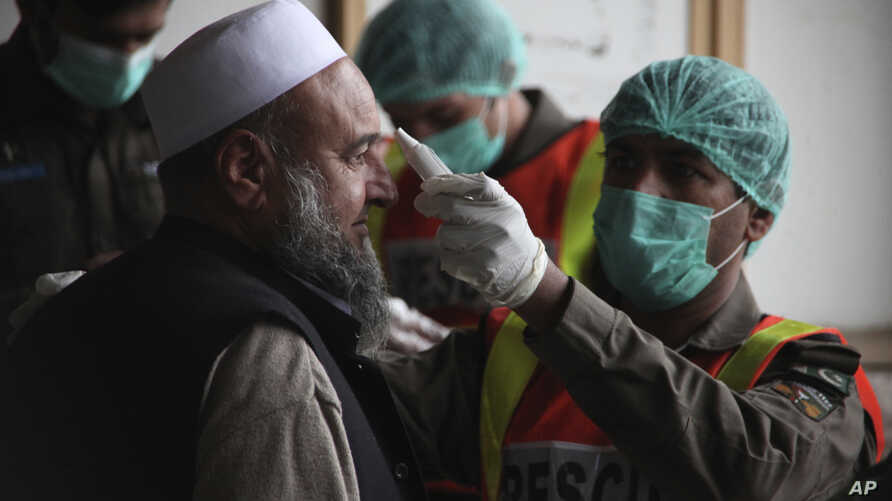
Last week when we wrote our editorial, there were a little more than 30,000 confirmed COVID-19 cases. At the time of writing this today, Pakistan’s confirmed coronavirus cases are more than 41,000. Deaths, too, have increased — last Sunday, they were more than 600… this Sunday, they are almost 900.
A spike of around 11,000 new cases and almost 300 deaths in just one week. This is the reality of coronavirus even though we will have to live with it. At least for a year or more.
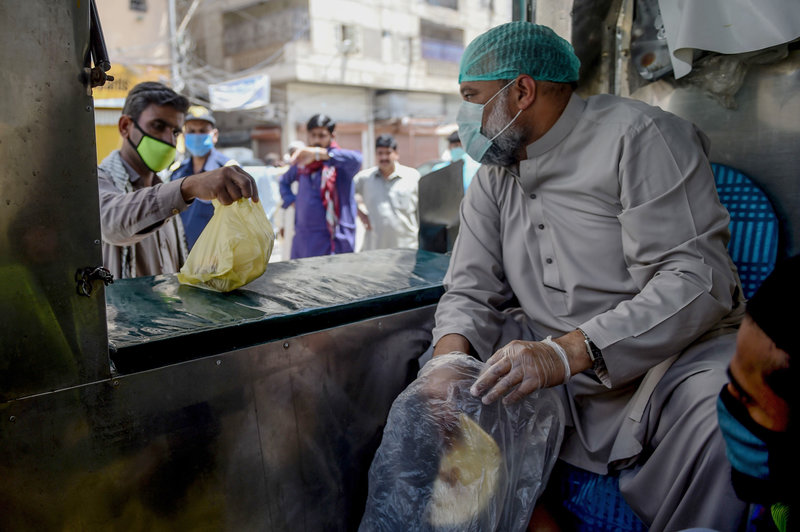
And since we have to live with corona now, we should at least have some rules: face masks should be mandatory and for those who can’t afford them, the government should provide them. Qatar has made the wearing of face masks compulsory and anyone defying the order can face a jail term of up to three years. A fine of up to $55,000 has also bee announced for those who repeatedly fail to cover up.
We need to make and implement rules like these. If malls and shopping centres are open, proper protocols like social distancing must be followed and implemented by the local administration. Businesses and factories that have opened up or will be opening up soon should also follow strict SOPs. Anyone who fails to follow these rules should face imprisonment or heavy fines for endangering people’s lives. If there are no strict penalties, there will be no deterrent. And if there is no deterrent, then it is open season for coronavirus.
Just look at what happened at retail shops earlier this week. People thronged clothes shops and other markets. It was sheer madness. Some say it is because of the timings (shops are not allowed to open past 5 pm or over the weekend). But there is another view that says how many people still think of COVID-19 as flu and are not really bothered unless and until they or their loved ones get it. This is downright dangerous. Coronavirus is not flu. It has already taken more lives in just a few months than flu takes in an entire year. The damage coronavirus causes to vital organs of even those who survive it is way more dangerous than anything else.
Pakistan will see a peak at the end of this month and we can only hope that our health sector is able to deal with it.
We understand the economic implications of stricter measures but we should also realise that the global pandemic is leading the world to recession in the first place. Pakistan will be no different. The post-corona world is one that we may not even recognise. It will cause a lot of misery around the world, both in terms of being deadly and when it comes to financial hardships.
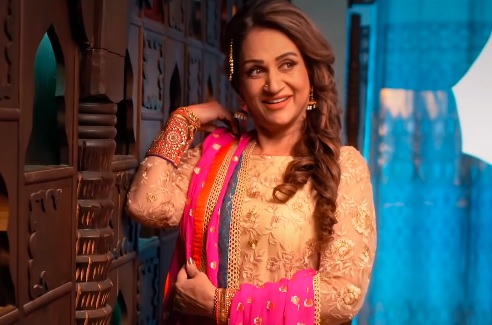
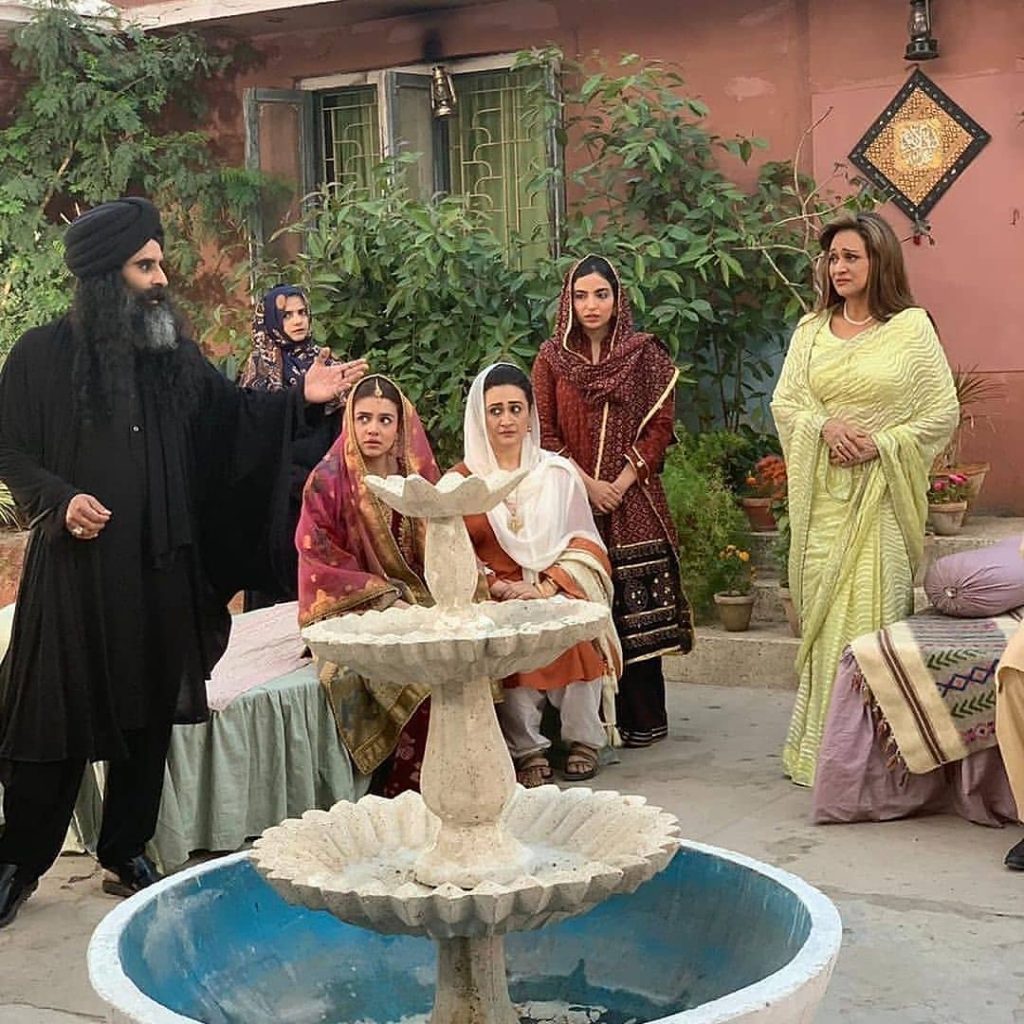
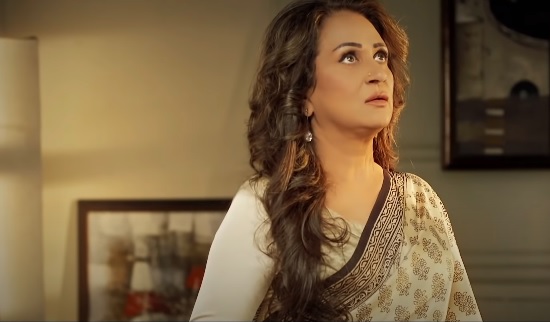
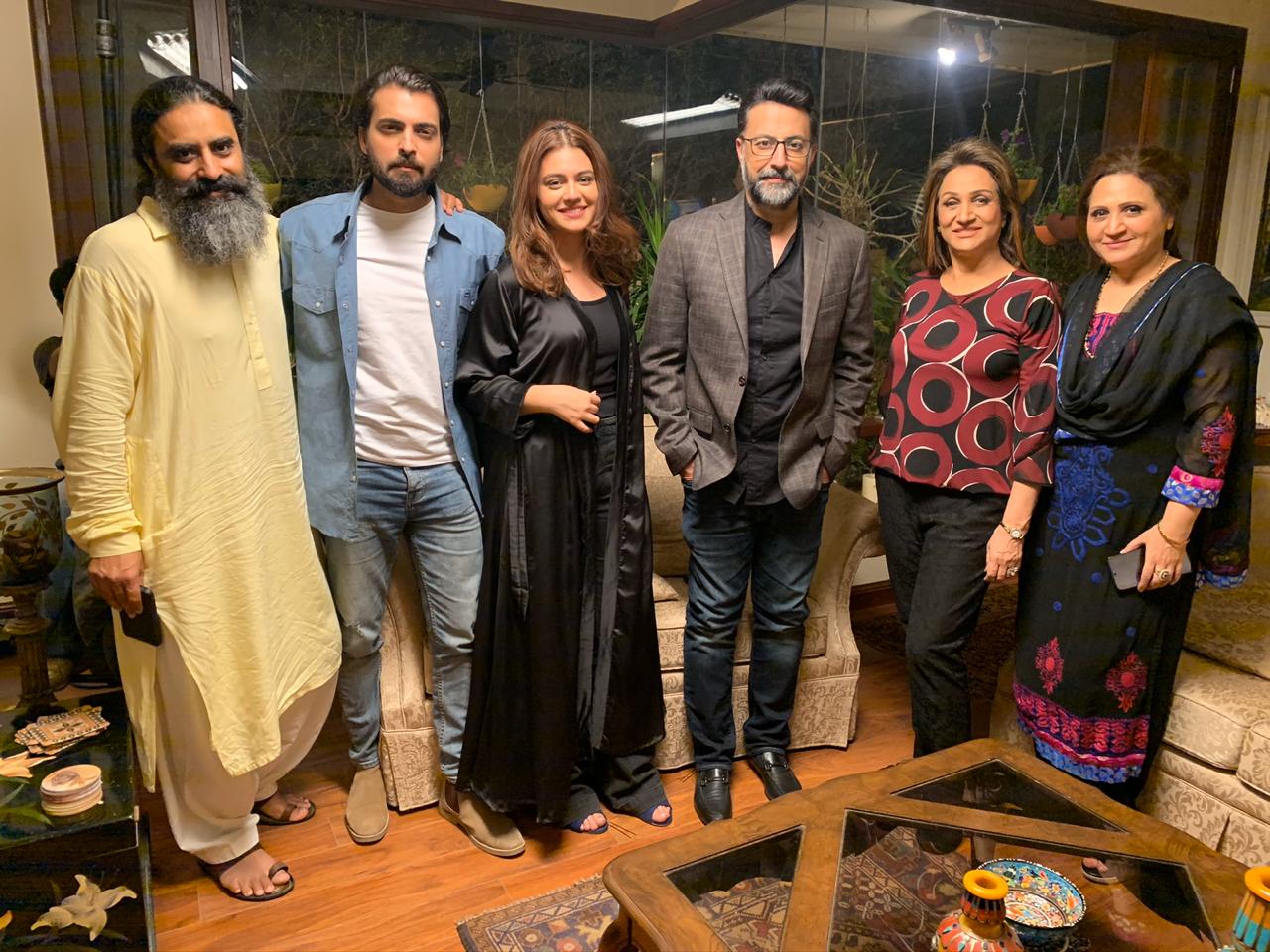
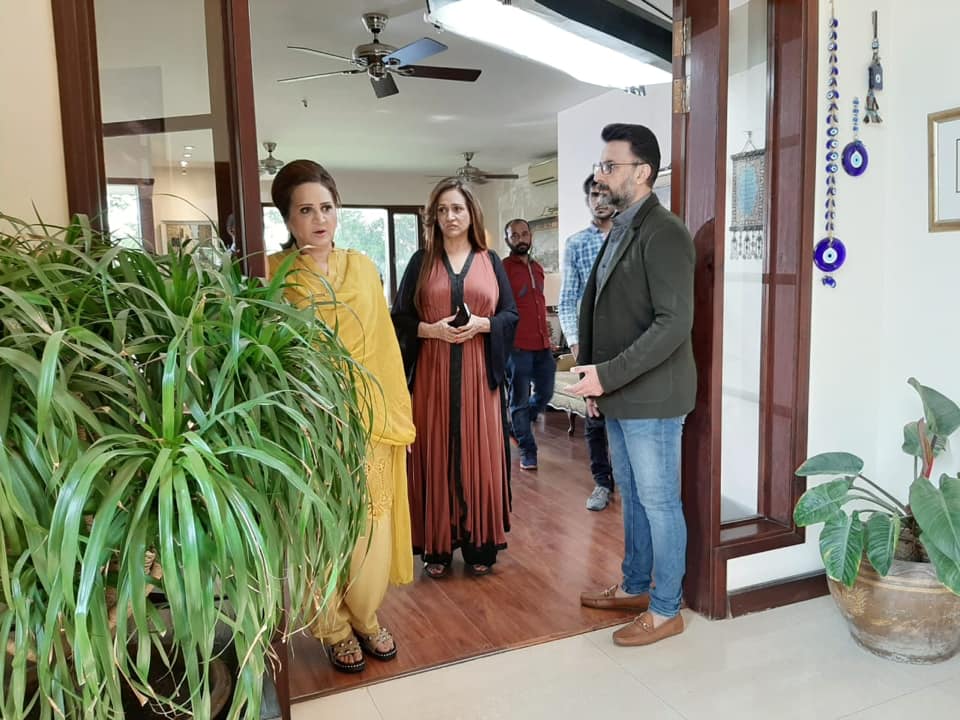
As the teasers of Bushra Ansari’s latest drama, Zebaish, hit the screens and are doing the rounds on social media, the veteran actor says she is done with “saas-bahu” dramas which is why she decided to work on something different. Ansari remarked that drama makers need to move away from the traditional storylines which depict a mazloom larki and focus on something with more substance. And from the look of the teasers, it appears that she has succeeded in achieving that because the teasers of Zebaish promise a story which is dark yet intriguing.
Without giving away the theme or plot of the drama, Ansari said that her upcoming drama Zebaish, which she has also written, aims to step away from the typical storylines that build on a woman’s distress. She said as drama makers, it is their responsibility to upgrade the audiences.
Talking about Zebaish, Ansari said that the drama’s story has multiple interconnecting tracks.
“The drama will focus on the complexities of human nature and how one’s behaviour defines their life,” said Bushra while speaking to The Current about it from Toronto where she is currently isolating.
She said that the drama will show raw human emotion and shed light on the human feelings of insecurity and selfishness. The actor further shared that in order to make the serial entertaining for the viewers, they have added a lot of glamour and drama. The teasers also show shrine culture and when asked about this, Ansari said that the spiritual and Sufistic elements have also been weaved into the plot.
Shedding light on her character, Ansari said that her character is of a simple, yet confident woman, and how relationships and loss affect her personality and life. She also revealed that she plays a glamorous star in the drama.
The drama also features Ansari’s sister Asma Abbas, niece Zara Noor Abbas and Zara’s husband Asad Siddiqui. Talking about why she chose her family members, Ansari joked that it was convenient. However, she added that the actors suited the characters she had written and it’s not like she was giving them a big break.
“Asma, Zara and Asad are already well-established actors, so it’s not like I am launching their career. I wanted people who would be willing to listen, learn and not show unnecessary attitude on set which is why I decided to go with people I know,” said Ansari. She added that this was also the reason they managed to wrap up the shoot within four months because there were no unnecessary delays caused by actors and their “tantrums”.
“Asma, being a veteran is a professional, while Asad apna bacha hai,” said Bushra. “He was so involved in the drama that he would sometimes shock me too – the director made him rehearse 25 times for some scenes and he would willingly oblige. And Zara, Allah na karay woh nakhray karay. Uss say pehlay hee hum ussay seedha kardein.”
Other cast members include the legendary Shabbir Jan and Babar Ali, both of who were the director’s call. Both the actors will play Ansari’s husband in the serial.
When asked where she got the inspiration for the drama, Bushra shared that stories are all around us but developing a plot and writing a screenplay is what is tough. She revealed that it took her seven months to pen the screenplay for Zebaish because she was tied up in other commitments. She added that she has several other stories in mind but because the process of doing a drama is so tedious, it takes time for things to come into shape.
The drama has been directed by Iqbal Hussain and Ansari shared that though she had written the screenplay, she gave the director full authority to make any changes he wanted. She praised Ahmed for being a master at his craft and said that no one does dramatic elements and dialogues better than him.
Meanwhile, Zara Noor Abbas, on the other hand, had earlier shared that the project was very close to her heart as it was shot during a very difficult phase of her life.
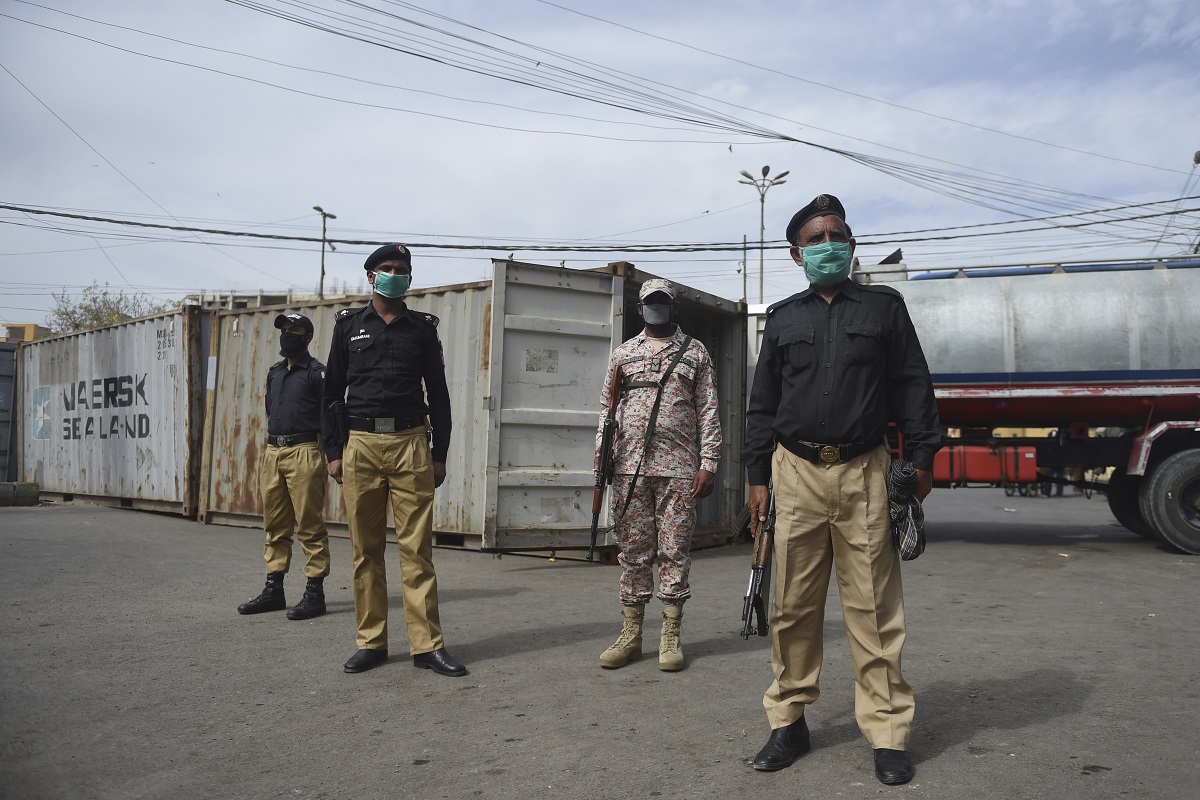
More than 30,000 confirmed cases of coronavirus have been reported in Pakistan with over 600 deaths. The government has opted for a “smart lockdown” as both the number of cases and fatalities continue to increase on a daily basis, but nationwide lockdowns are also being eased with each passing day.
Some government officials allude to the theory of herd immunity while others say that since the mortality rate of coronavirus is low in Pakistan, we must reopen the economy as the country cannot survive without it. We are left to our own devices now. You can choose to stay at home and in isolation if your work allows you to do it. Otherwise, go out but take precautions and hope that you don’t get coronavirus.
We understand that the decision must not have been easy for the government but are we really preferring death over struggle?
The world is also facing the brunt of easing lockdowns: South Korea warned of a ‘second wave’ of the coronavirus as infections rebounded to a one-month high on Sunday while coronavirus infections are rising in Germany days after the country eased its lockdown restrictions. These were two countries that had actually flattened the curve and had controlled the coronavirus cases to quite an extent.
Imagine if the said countries — with the capacity of aggressive testing and better healthcare facilities — are struggling once again due to the second wave of the virus, what can happen in the near future in Pakistan — a country where a proper lockdown was hardly imposed for two weeks. Where the prime minister was against locking down from day one and where the ‘elite’ were blamed by the premier for somehow enforcing lockdown. Where the lockdown restrictions were eased but it led to everyone thinking that things were back to normal.
Punjab is now allowing gyms, hair salons and barbershops to reopen again. If the administrations could not ensure that proper SOPs were followed in mosques during Ramzan, how will the local administrations ensure the same at barbershops or gyms or salons? While KP and Balochistan seem to be taking the pandemic lightly, hard-hit Sindh is also mulling opening markets.
We talk of a ‘smart lockdown’ but we are not too smart, are we? People follow rules when they are enforced and properly implemented. They follow government instructions when the government is not giving out mixed messages or confusing messages. First, we tell them that only old people die of coronavirus, then we tell them that coronavirus doesn’t kill too many people and then we say well, even if it kills people, we must not give up hope and we need to go back to work because… economy.
Turkish historic drama series Diriliş: Ertuğrul has been trending ever since its first episode aired on PTV Home. Pakistanis are loving the drama series and it has become a sensation in the country to the point that PTV is now aiming to set a new record with the series.
In an exclusive interview with The Current, Senator and Senior Pakistan Tehreek-e-Insaf leader Faisal Javed Khan revealed that the President of Turkey Recep Tayyip Erdoğan gifted the drama series to Pakistan as a goodwill gesture.
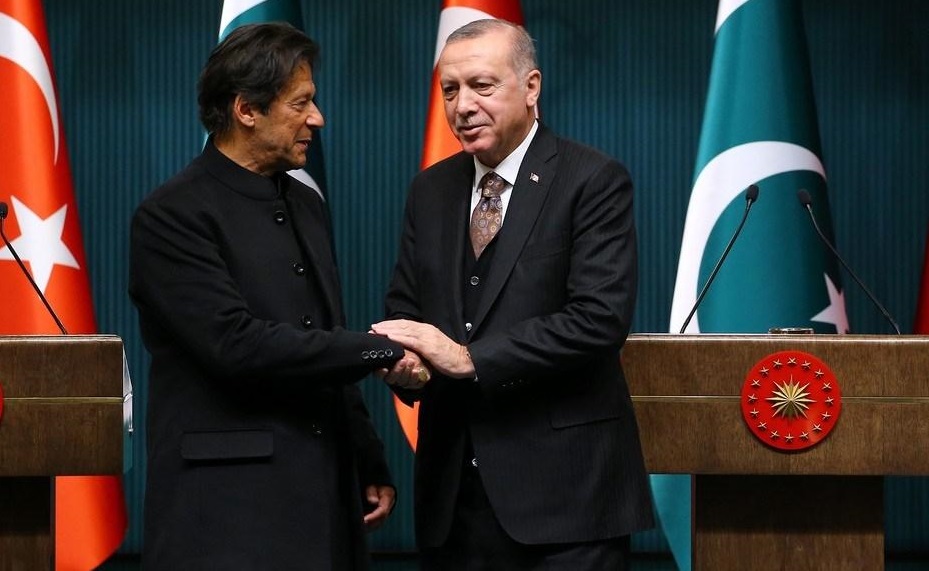
“When President Erdogan met PM Imran Khan, he gifted the series to him as a goodwill gesture,” said Khan, adding: “PTV did not have to purchase the drama or its rights. TRT gave the drama free of cost to PTV.”
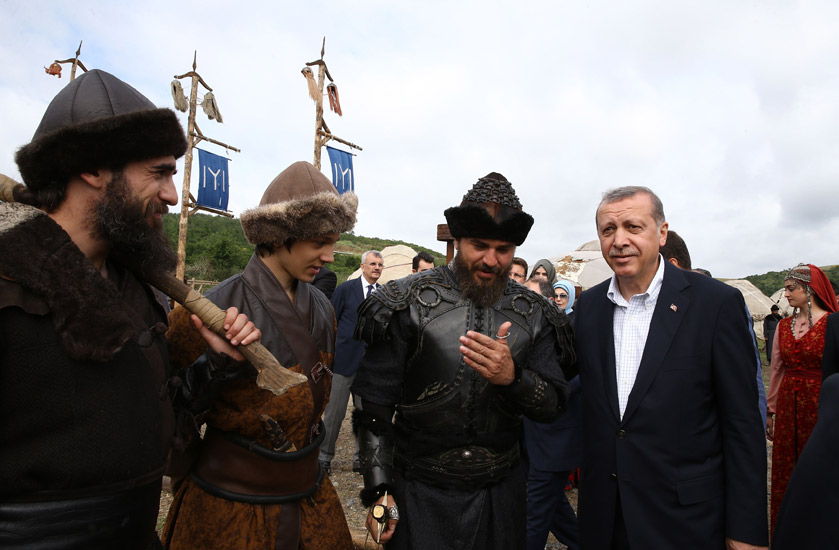
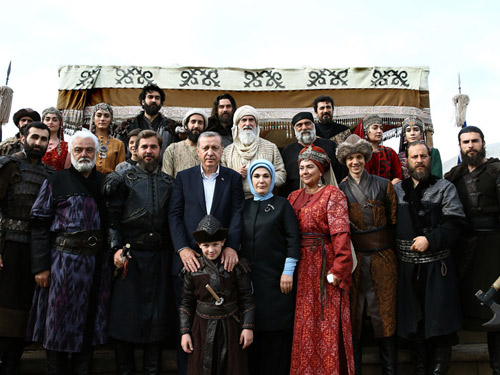
It is pertinent to mention here that President Erdoğan himself is a huge fan of the series and has often visited the sets of the drama series and hosted the drama’s creators and cast.
Senator Faisal Javed further remarked that the youth nowadays have stopped reading books and enjoy watching videos more, which is why the best way to impart knowledge on history to the youth is through dramas, films and music. He said this was the aim of PM Imran Khan when he requested the state-owned channel to air Diriliş: Ertuğrul.
Meanwhile, addressing Shaan’s concerns, Faisal said that he has worked extensively with Shaan and discussed in detail the situation of the Pakistani entertainment industry. He said that like other industries, the previous governments have not paid much heed to the entertainment industry as well, which is why it is still underdeveloped. He also revealed that the government is working on a policy for the film and entertainment industry and that he hopes that it will be implemented soon. Khan also said that Bollywood films will not be returning to Pakistani screens anytime soon.
Khan further said that Islamic history has been extensively explored by different cinemas across the world including Turkey and Iran, which is why it doesn’t make any sense to spend further resources on the subject.
After releasing a short film – featuring major celebrities – on coronavirus awareness, Faisal Qureshi is back with a new mini-drama on the same topic. Titled Dastak Na Do, the drama has been directed by Nadeem Baig and features Adnan Siddiqui, Saba Hameed, Sami Khan, Arjumand Rahim and Emaan Khan.
Speaking exclusively to The Current over the phone, producer Faisal Qureshi shared that the three-episode drama series aims to use light comedy and realistic situations to create awareness on the pandemic. He said that through the drama they hope to use entertainment to educate the masses on the topic.
Sharing details, Qureshi said that he had conceived the idea before the lockdown and had discussed it with director Nadeem Baig.
“Much of the pre-production work had been completed before the lockdown,” Qureshi said, adding that the rest of the work on it was done over the phone and internet, except the shoot that took place under strict precautionary measures.
Qureshi said that the production team went through great lengths to ensure everyone’s safety.
“Our team followed all the SOPs very strictly. Everyone’s temperature was checked and they were sanitised when they entered and exited the set,” said Qureshi. He said that the team and people working on the set were given proper protective gear and that the sets were also disinfected.
A BTS video, which has been shared, also shows that precautions were in place.
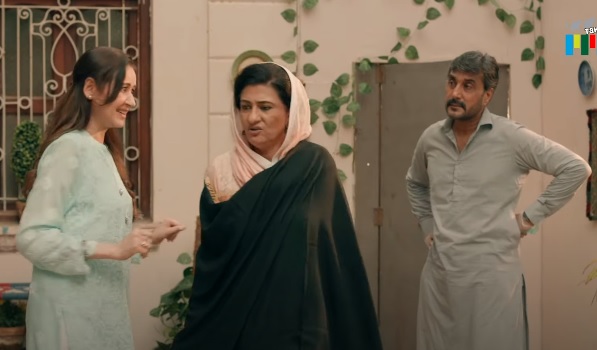
The first episode of the drama has been released. It shows Adnan and Arjumand as a couple with two children. While they are trying to protect themselves from COVID-19 by following the advice of the government and health experts, their Khala (Saba Hameed) unexpectedly shows up and dismisses the virus and the government’s warnings. The episode is well-written and boasts of great production value.
Apart from being shared on social media, Dastak na Do, which has been produced by Qureshi’s Game Over Productions, will also be aired on various TV channels.
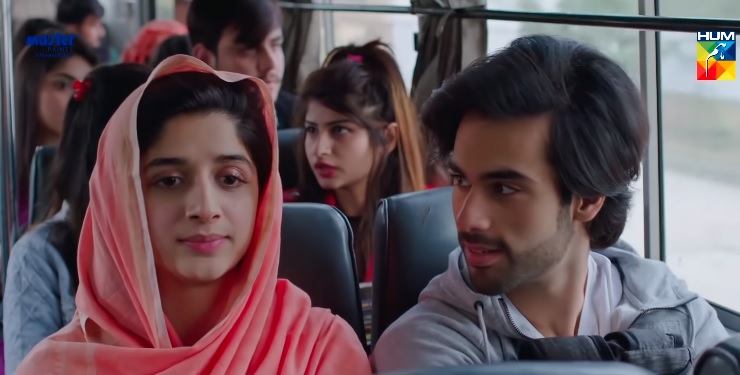
Six episodes in, Sabaat has managed to capture the audiences with its compelling and entertaining storyline and strong performances. The drama had intrigued viewers before it even aired thanks to one of the main leads Mawra Hocane, who is an ace at the social media game – but a few episodes in, it has everyone, myself included, hooked.
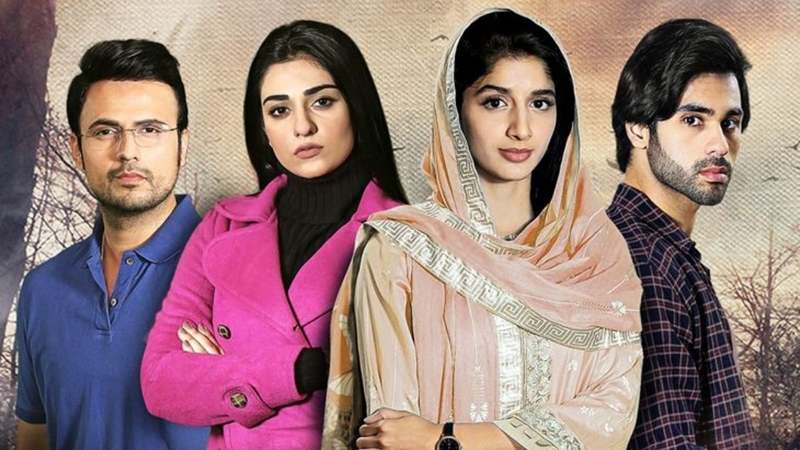
Sabaat is centred on two families: Hasan Fareed (Ameer Gillani) and Anaya Aziz’s (Mawra). Anaya belongs to an average middle-class family. She has big dreams and wants to make a difference in society. She actively campaigns for harassment against women in workplaces and is a class topper. Hasan, on the other hand, is from an affluent and well-off family. He and Anaya are class fellows and start off as fierce competitors but an incident changes that and the two become acquaintances following which Hasan develops feelings for Anaya and wants to marry her. Though Hasan’s character development is a little weak, given how the swiftly the drama is progressing and how sparkling the chemistry is between him and Anaya, we are willing to overlook this.
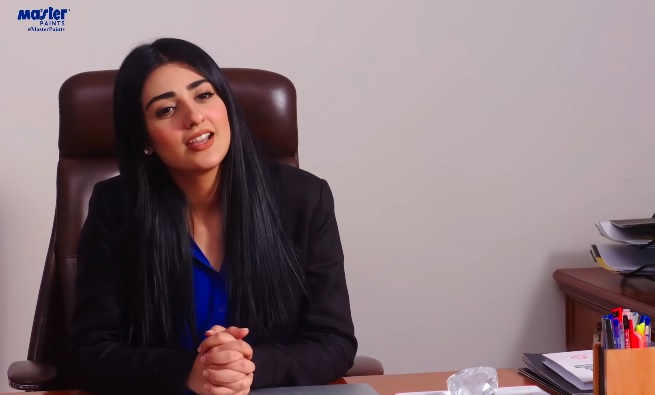
While these two are in their own little university bubble, Hasan’s elder sister Miraal (Sarah Khan) is the real devil of the show. She is a spoilt brat who cannot take no for an answer. Miraal is rude, arrogant and selfish and thinks she can get away with anything because she is rich to the point that she goes to her brother’s university and slaps Anaya for no reason. She generously uses the dialogue “Tumhari aukaat kya hai” and is enabled by her father who is also a snob.
While Mawra’s character, for now, is one-dimensional, it is Sarah who steals the show with her bratty act. Her facial expressions, body language and moods are on point and she delivers a convincing performance making you hate Miraal. Nonetheless, it is refreshing to see both women essay strong and confident characters. At this point, I’d like to add here that Sarah’s wardrobe, hair and makeup are brilliantly done and she looks super chic in all of her scenes.
Usman Mukhtar is yet to make an entry and fans are waiting with bated breath for it. While the theme of the drama is still unclear, Mawra in an interview had shared it is primarily a love story which is meant to entertain audiences and not deliver sermons or lessons. However, she added that the drama will highlight several issues including classism in our society.
Sabaat has been penned by Kashif Anwar and directed by Shehzad Kashmiri of Anaa fame. Apart from the four leads, the drama also starres Simi Raheel, Laila Zuberi and Mohammad Ahmed.
The total number of coronavirus cases in Pakistan, by the time this was written, stood at 19,854 and the same is likely to reach the 20,000 mark some time today or by tomorrow morning.
Every ten days, the number of COVID-19 cases in Pakistan double. Just look at the month of April and how many cases increased, especially after easing down the lockdown. The government, however, thinks that coronavirus has not been “as fatal in Pakistan as it has been in many other countries”, especially the west.
Minister for Planning, Development and Special Initiatives Asad Umar recently said, “Coronavirus has caused 58 per cent more deaths in the United States (US), 207 per cent more in Spain and 124 per cent more in the United Kingdom (UK) as compared to Pakistan in the same period.” Even if we think the mortality rate is lower when compared to other countries, it does not mean we have to be lax about it. Official projections predict 150,000 cases by the end of this month.
What was even more surprising was how, in a recent speech, Prime Minister (PM) Imran Khan shifted the blame of the lockdown to the “elite”. He said the decision to impose a lockdown was taken by the elite and the rich, without thinking of the poor. PM Imran tweeted to that effect also while felicitating Muslims for Ramzan.
Ramazan Mubarak to Muslims across the world. We in Pakistan must use this holy month to ask Allah for forgiveness for neglecting the poor & vulnerable in our society. We as a nation have been elite-centric in our policies, with no thought for these people, incl in the pandemic
The premier blames the elite and rich for taking this decision when it was indeed he and his government that imposed the lockdown. Granted that Imran himself was against the lockdown and finally gave in due to the health emergency but blaming the elite, in this case, is quite misplaced. The World Health Organization (WHO) and others who are dealing with the coronavirus pandemic have recommended lockdowns and aggressive testing apart from social distancing and other measures that we have to take in order to avoid falling prey to this pandemic.
China went for a lockdown and PM Imran doesn’t tire of giving China’s example so why blame the rich and the elite for a lockdown in Pakistan — a lockdown that is now not much of a lockdown either. Traffic has increased, more shops are open, and except for Sindh, mosques are open as well during Ramzan.
While we acknowledge that self-isolation is a privilege that isn’t afforded by many, especially the poor, we do not have the answer to how we will cope with an outbreak if cases start to rise exponentially. Doctors have recently warned that Pakistan’s healthcare system will collapse if this happens. So where will the poor go if lockdown is relaxed and they get coronavirus?
The rich and elite and privileged will go to private hospitals but what about the poor? We have to choose between struggle and death, and can only hope that the cases in Pakistan remain low.
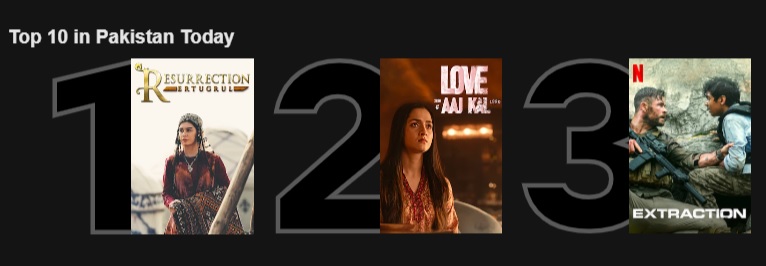
To make decision-making easier for their users, Netflix has recently started sharing a list of ‘Top 10’ movies or seasons which are trending in different countries. According to a blog post from the company, the Top 10 row will be updated every day with “the most popular titles within a subscriber’s country, and the position of the row will also change depending on how relevant the shows and movies in the list are to their interests.”
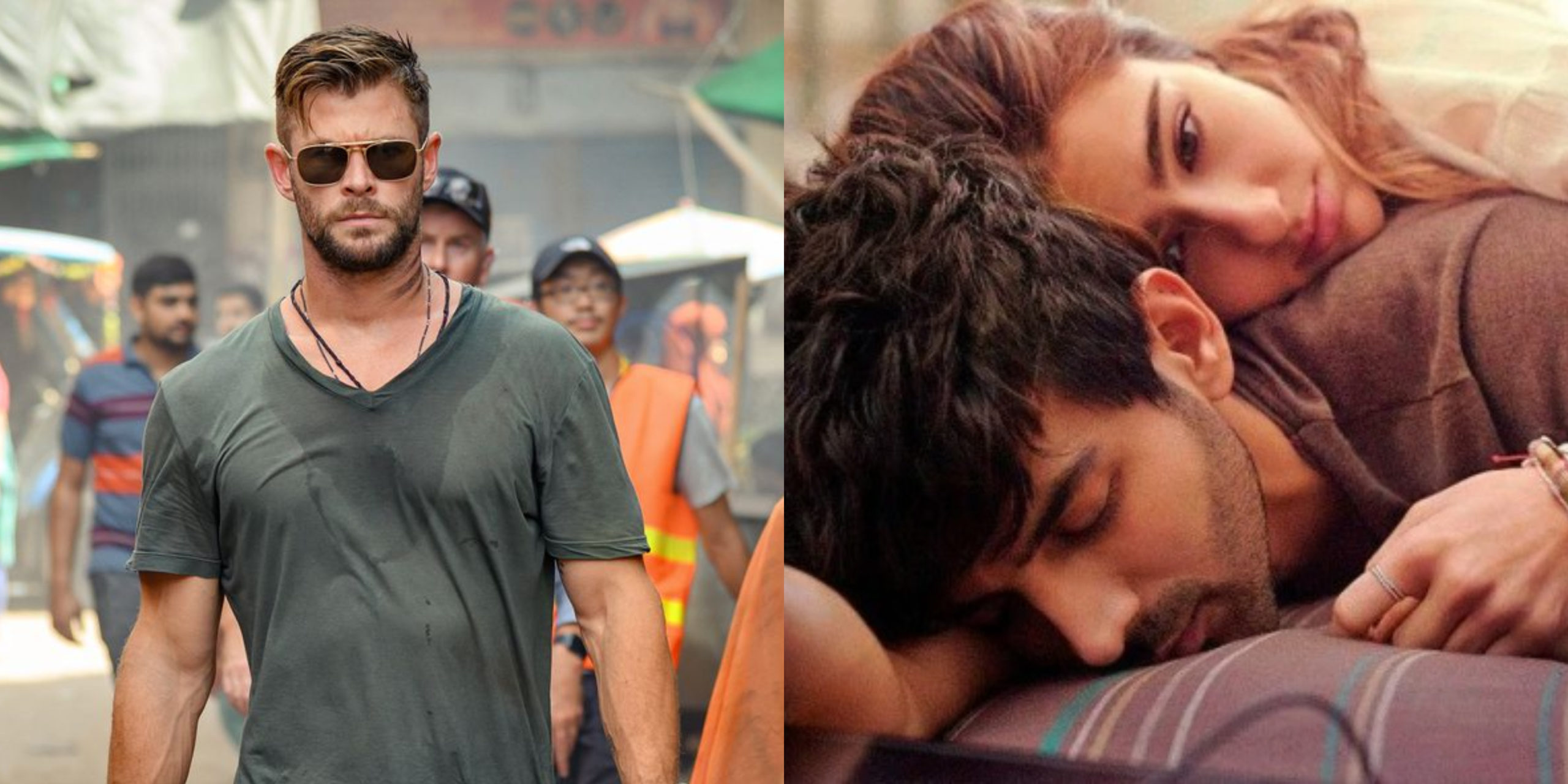
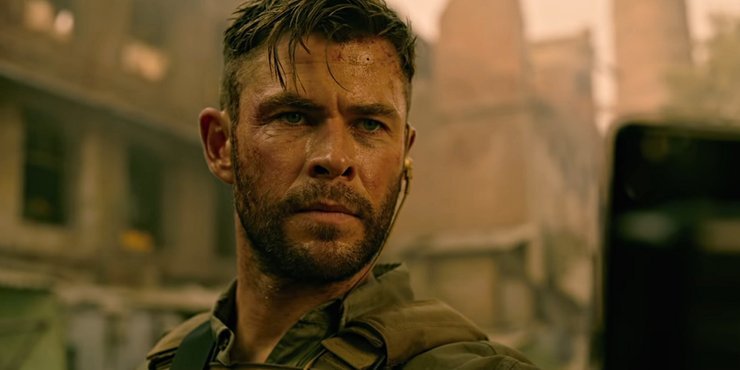
As of Friday (May 1) night, the top three things trending on Netflix are Diriliş: Ertuğrul, Love Aaj Kal and Extraction, while the two films are also the top two in the Movie Category. While we all know that Diriliş: Ertuğrul is a hit among Pakistani audiences, Extraction and Love Aaj Kal are new additions to the streaming service.
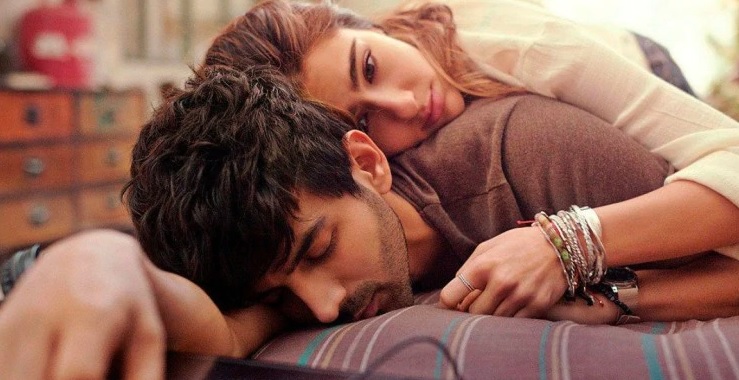
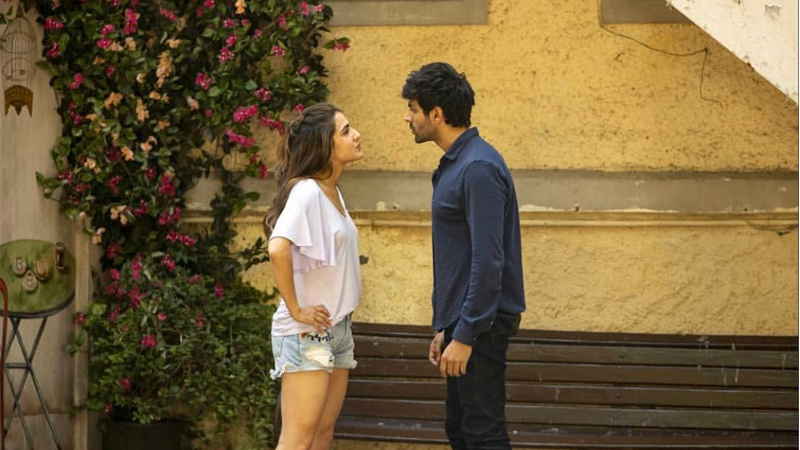
Like any other Pakistani who grew up on Bollywood films, I couldn’t resist watching Love Aaj Kal. I mean Imtiaz Ali, Sara Ali Khan and Kartik Aryan — bring it on. As for Extraction, because for the most part, my job does require me to keep up with the latest trends, I decided to step out of my usual romantic comedies/dramas zone and watch something different and see whether it was worth the Netflix hype.
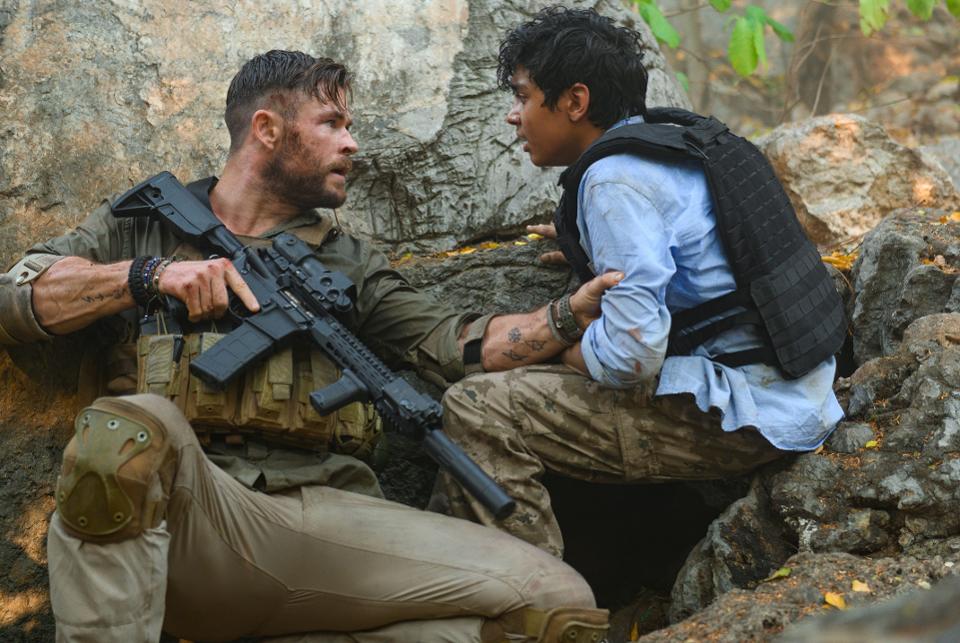
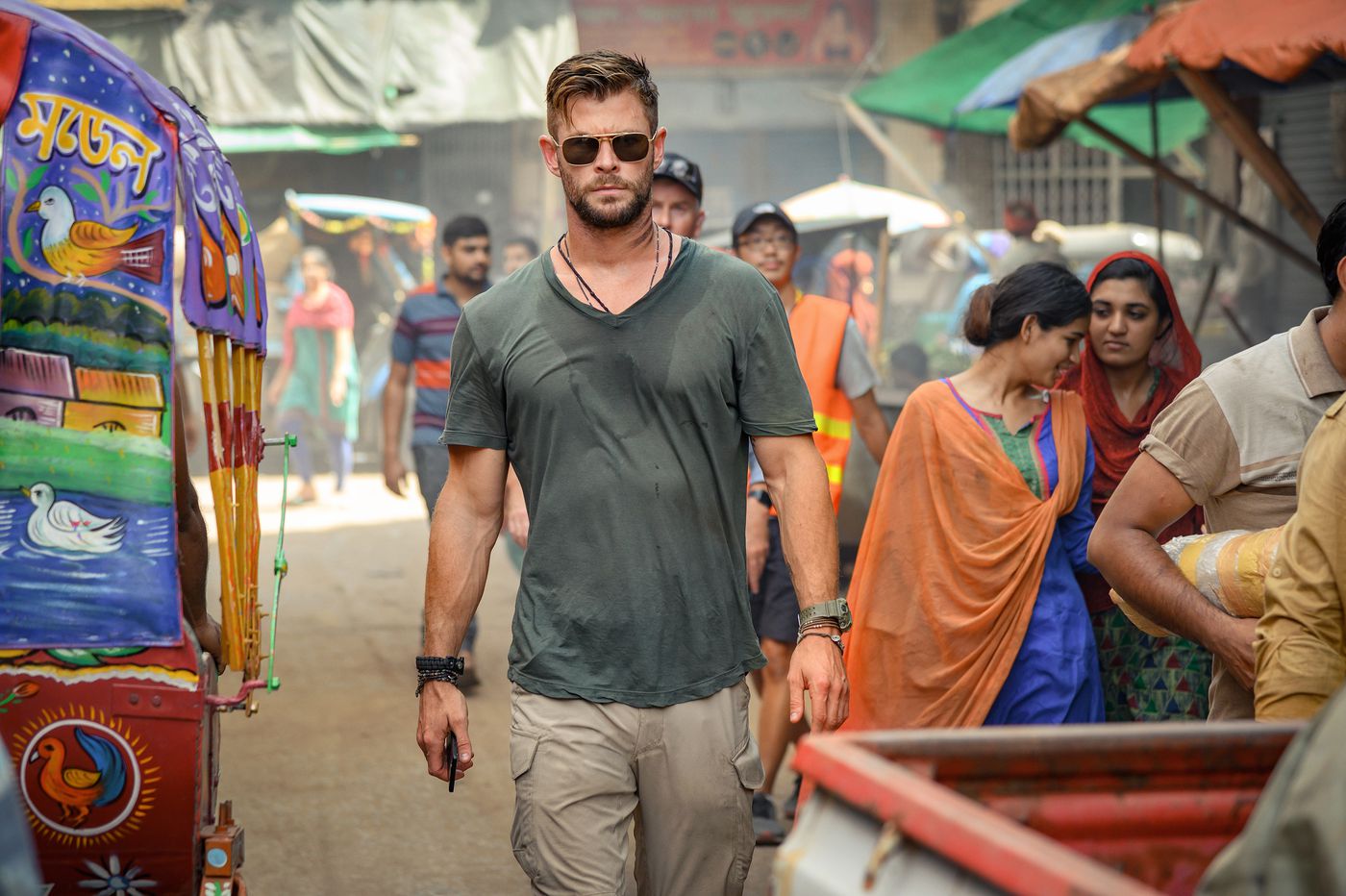
Let’s start with Extraction. The Chris Hemsworth action-thriller has been creating a buzz since he went to India for its shoot. A day before its release, Hemsworth on social media had said that “making this film was one of the most exhausting but rewarding experiences I’ve ever had on a set.”
He further said: “We set out to make the most insane, intense action film and I couldn’t be prouder of what we’ve achieved.” Unfortunately, the film only made me insane with the amount of bloodshed it had it in. To be honest, I’m generally not a big fan of action films but I do enjoy them from time to time. The two-hour-long film, which I finished in three sittings, was just a Bollywood film on steroids given that a lot of actors [for example Randeep Hooda, Pankaj Tripathi] in the film were from India.
The film is focused around Tyler Rake (played by Hemsworth), a black-market mercenary and former Australian Special Air Service Regiment soldier with a troubled past. From Rake’s first scene in the film, one can tell that he is the sort of person who likes to challenge and see death in the eye. Except for a few glimpses from his past, Rake’s character isn’t adequately developed. Anyways, Rake is hired by a fellow mercenary Nik Khan (Golshifteh Farahani) to rescue Ovi Mahajan Jr. (Rudhraksh Jaiswal), the son of India’s biggest drug lord (Pankaj Tripathi), from Dhaka, Bangladesh who has been abducted by Bangladesh’s biggest drug lord, Amir Asif (Priyanshu Painyuli).
The film is just one, long and bloody action sequence. There are limited dialogues and the characters just run through the narrow streets of Dhaka as they try to escape Bangladesh’s most notorious drug lord. They jump from building to building, kill countless people on the way and lockdown an entire city. The ending is as abrupt as the beginning – there is no character development or plot development. So unless you want to see only action, I’d advice you to skip the film altogether.
Now onto Love Aaj Kal. If I had to sum up the film in one word, or two, I’d say half-baked. The story, the characters, the plot, everything about the film is half-baked. The film follows the same premise as Imtiaz Ali’s first Love Aaj Kal, which had two love stories running side by side.
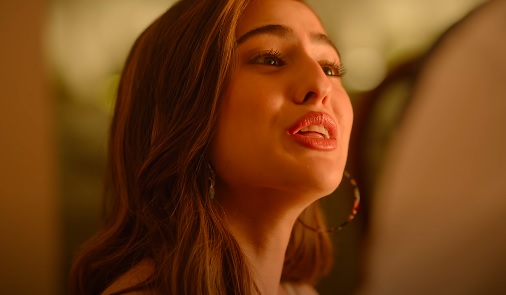
Zoe (Sara Ali Khan) is a free-spirited but ambitious girl who wants to make a career. She is bold, speaks her mind and does what she feels like, which sometimes gets a bit over the top. Veer, on the other hand, is a sensitive guy who looks at life differently than Zoe. The two meet in a club and while Zoe just wants to have a one-night stand, Veer decides that it’s not right because Zoe is “special”. How he decided that within an hour is beyond my understanding. Zoe gets annoyed with this and leaves his house and goes back to her life. Except Veer starts stalking her, not in the 90s way by singing songs and all, but by getting a spot at the co-working space where she sits. Soon the two grow closer and get into a relationship but Zoe’s mother who wants her daughter to become independent first urges her to not give up on her career for marriage. This confuses Zoe who then breaks up with Veer. The breakup scene was so ridiculously cringed that you cannot help but wonder how Imtiaz Ali even came up with it. What follows afterwards is a typical Bollywood story of how two people who are meant to be together will find their way back to each other. In between all this, Raghuvendra “Raghu” Singh, who is the owner of the cafe where Zoe works, narrates his 20-year-old love story to Zoe to help her understand her own feelings and make her decisions.
What I did not like about the film was first Zoe’s character. It was highly irritating and Sara’s acting was also terrible. Especially the scenes in which she was drunk or crying. In fact, her own dialogue basically sums up her acting: “Tum mujhe tang karnay lagay ho“.
It appears that all the attention was paid to Zoe and Raj’s character because Veer’s character was highly underdeveloped. We don’t understand his profession, neither do we understand why he spends his days just buzzing around Sara – does he not have his own life. And to top it all, his insecurities deriving from his parent’s relationship are summed up in a rap song, which is more confusing than explanatory.
While the plot did have its heart in the right place, the film was not engaging enough. It lacked the humour [like in Jab We Met] or simplicity [Highway] which Imtiaz usually beautifully weaves into his films. Sorry, Imtiaz, I really did try my best to like the movie but it just wasn’t happening.
It’s been a month or so of this new reality. Social distancing and self-isolation has turned all our schedules upside down. And for parents of young kids, that means a whole lot of chaos and moods. However, there is a lot we can do to make sure our kids get a wholesome life experience even during this very surreal way of life.
In this article I will go through the essentials that I include in a typical week to make my kids enjoy and learn from our days of social distancing.
Follow a routine
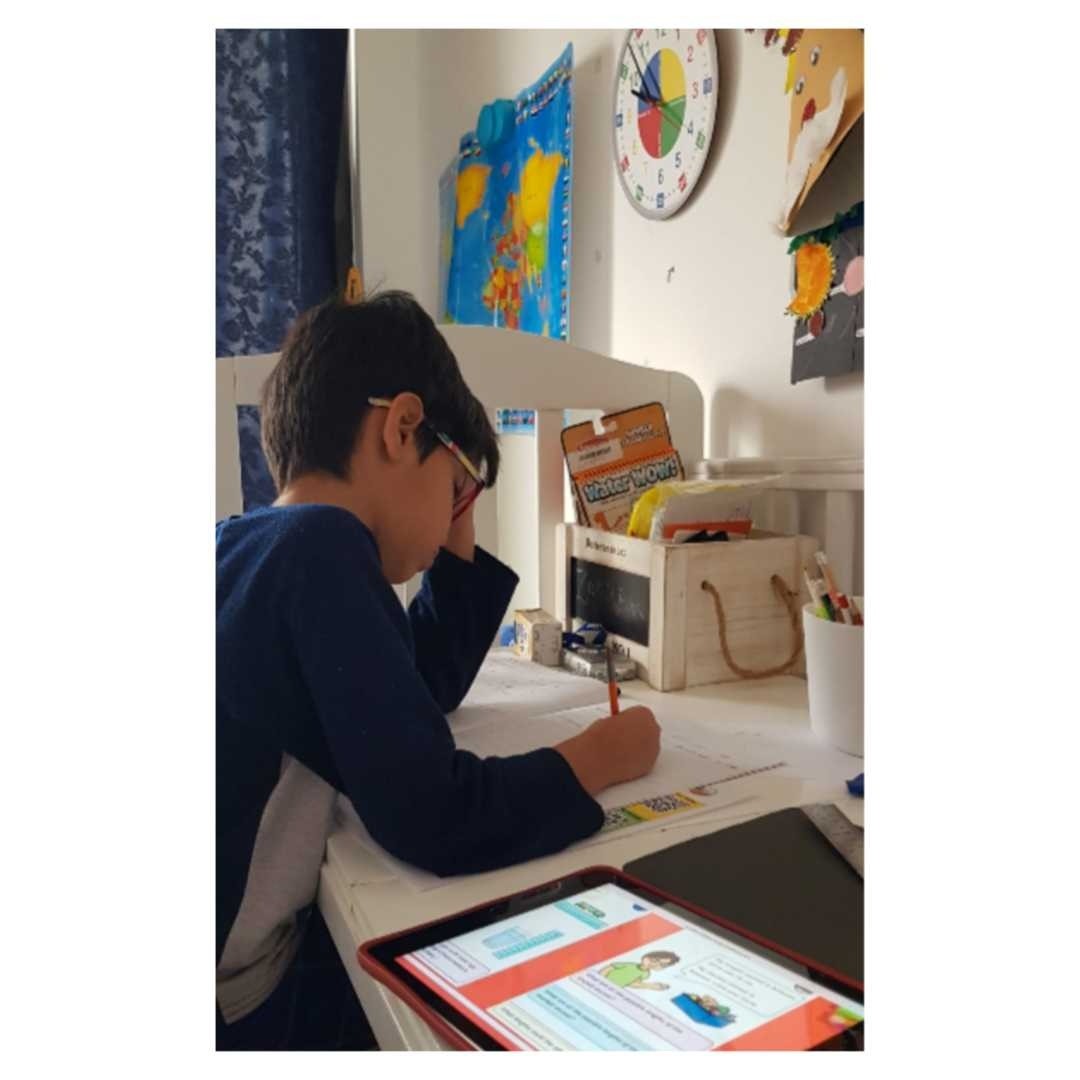
Children behave best when they know what to expect. The predictability of a routine or a set timetable gives them comfort and causes less anxiety. Hence try to start the day the same way and end it with a solid bedtime routine. Encourage kids to follow a timetable. For example, keep more educational activities in the first half when their minds are fresh, and more physical activities in the second half when you need to tire them out for bed! Repetition of this basic schedule helps children understand what is required and reduces tantrums considerably.
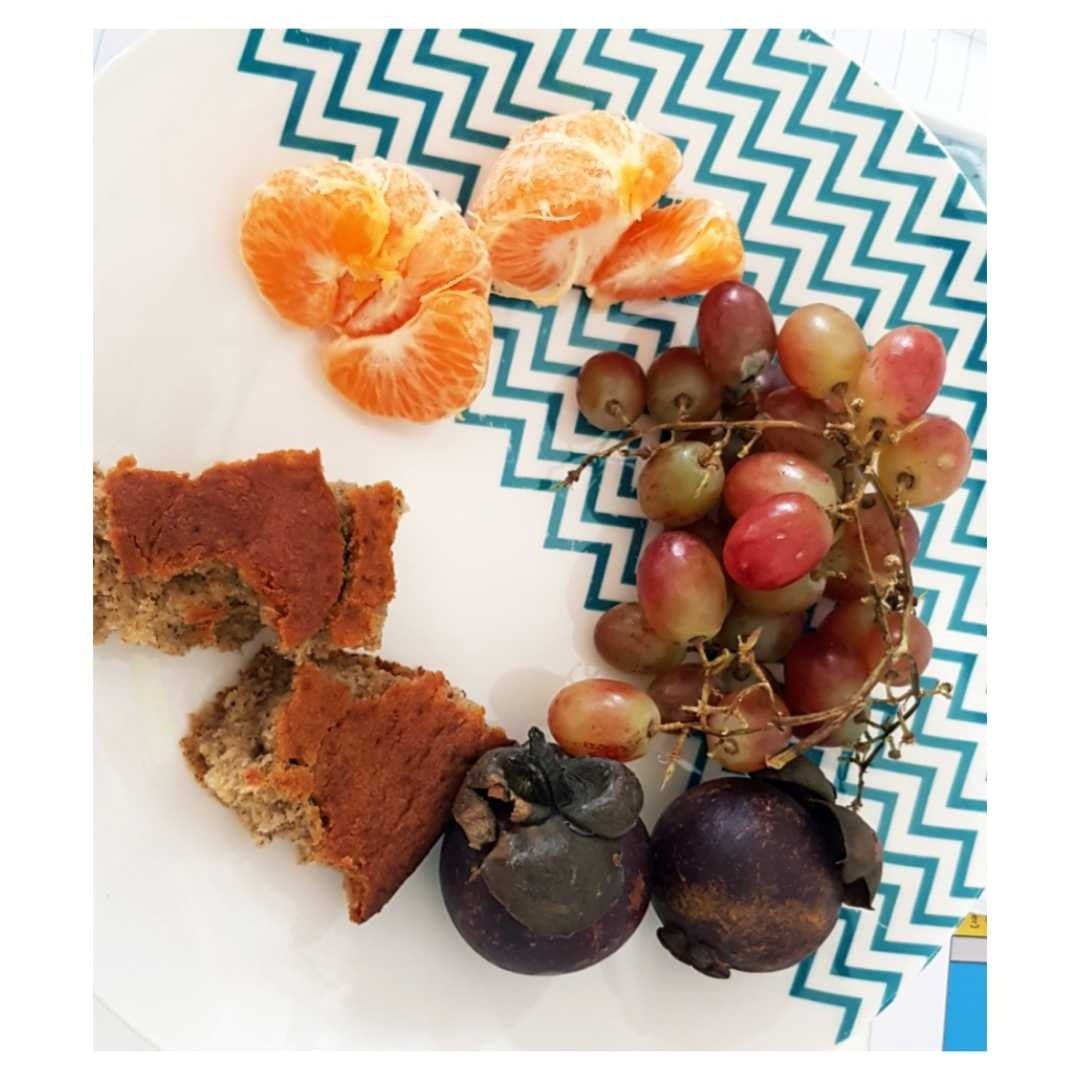
Since all of us are staying indoors and our activity levels have decreased quite a bit, avoiding junk and maintaining a healthy diet is essential. The healthier we eat, the more active and fresh we can be the whole day. Try your best to make majority food at home and keep all basic food groups covered throughout the day ranging from carbohydrates, meats, dairy, fats and starch to fruits and vegetables.
Screen time
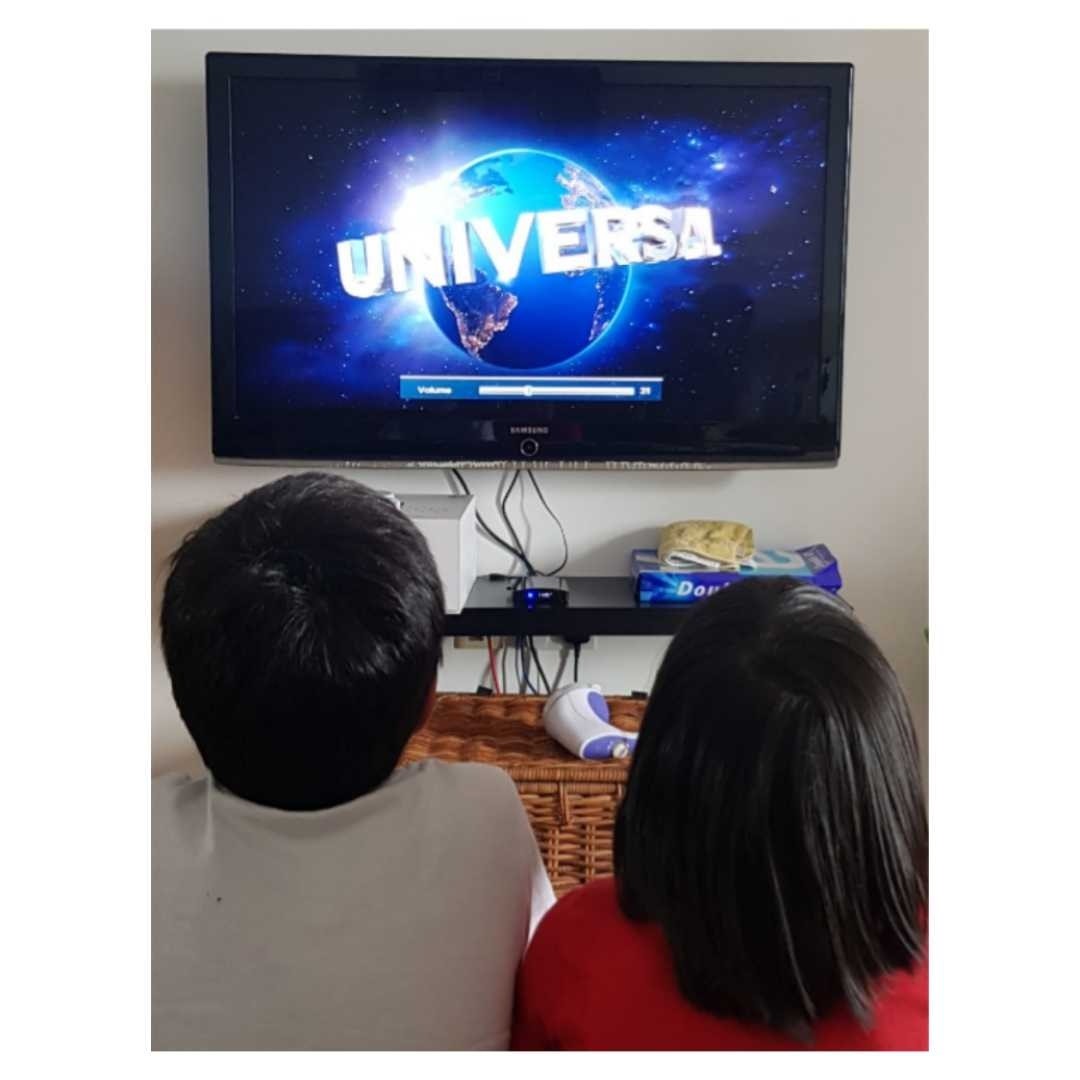
Let’s admit screen time for kids translates to some me time for us adults, which is essential for our mental health. It is unrealistic to expect parents to engage with kids all the time without social lives or play dates. So revise your old rules and take each day at a time.
Fun time
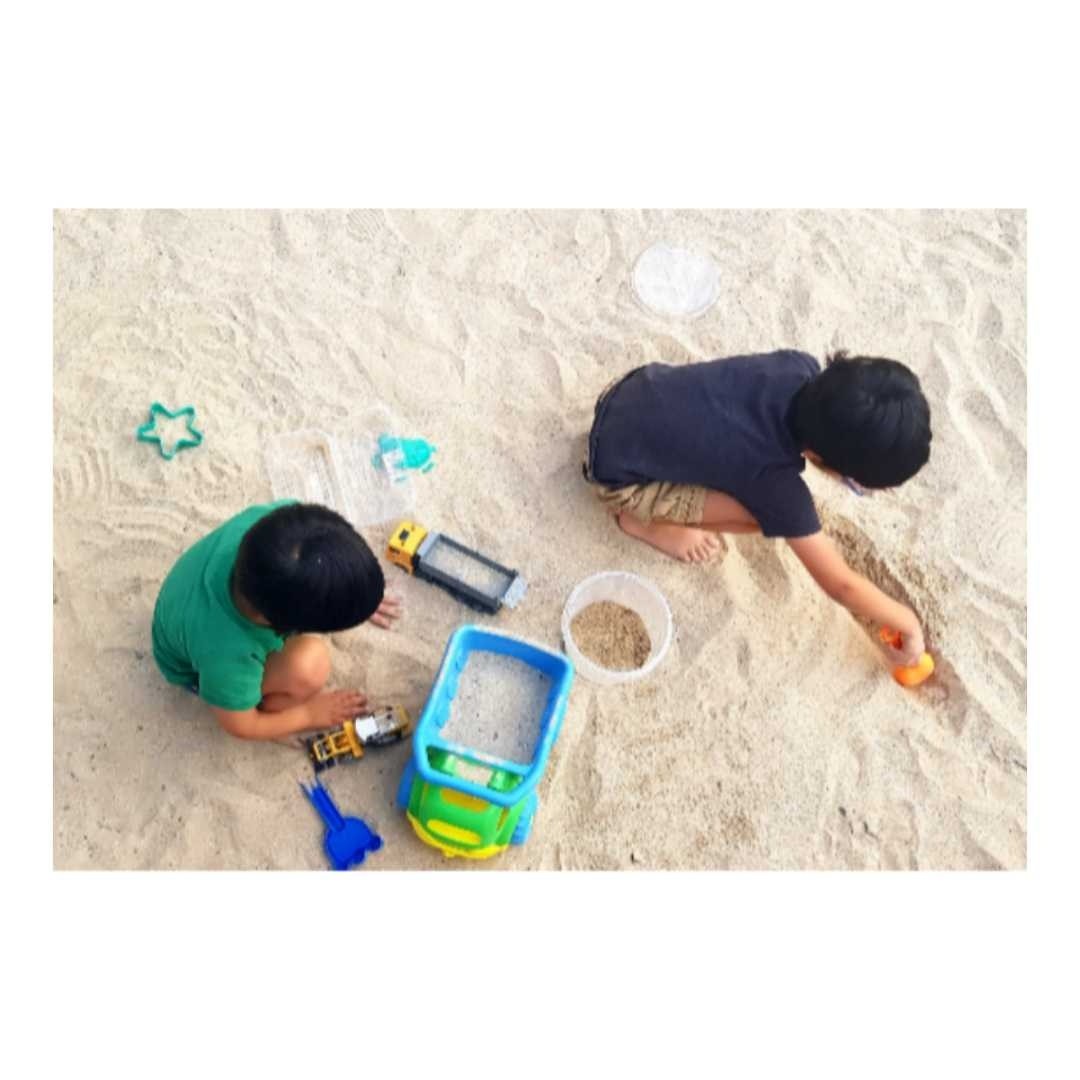
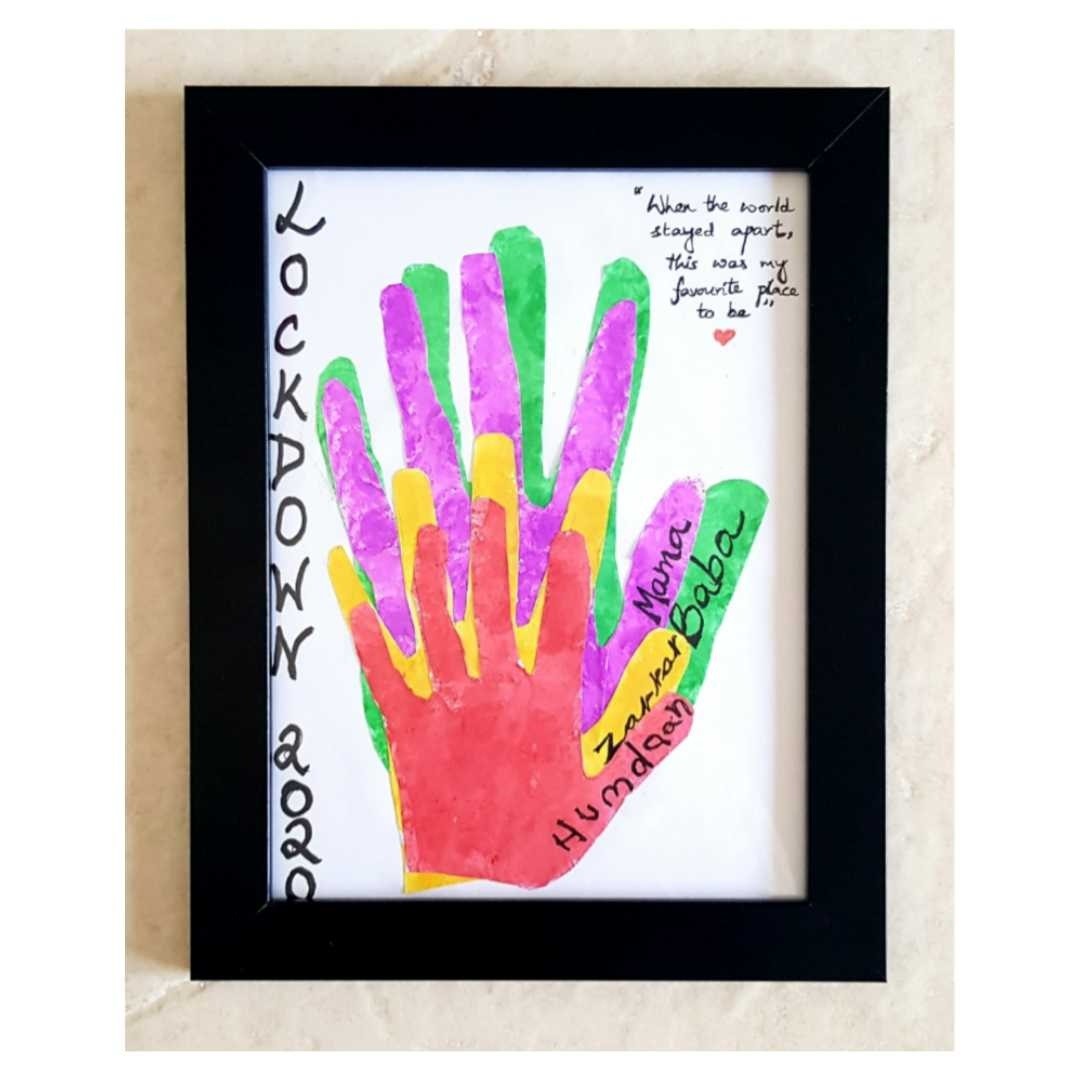
It’s natural for children to want to jump around and create a mess whether that’s through arts and crafts or just free play. In these trying times don’t expect them to be robots. Let them create and imagine. In Pakistan, most houses have a garden so let them explore. And if you don’t have the great outdoors, create a space within the house which is safe for mess and fun.
Exercise
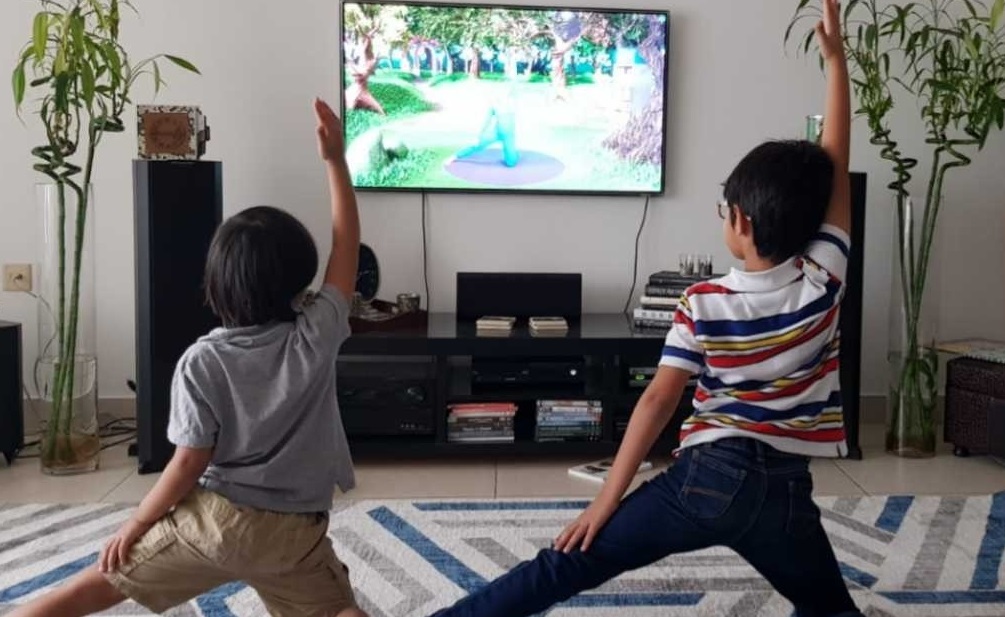
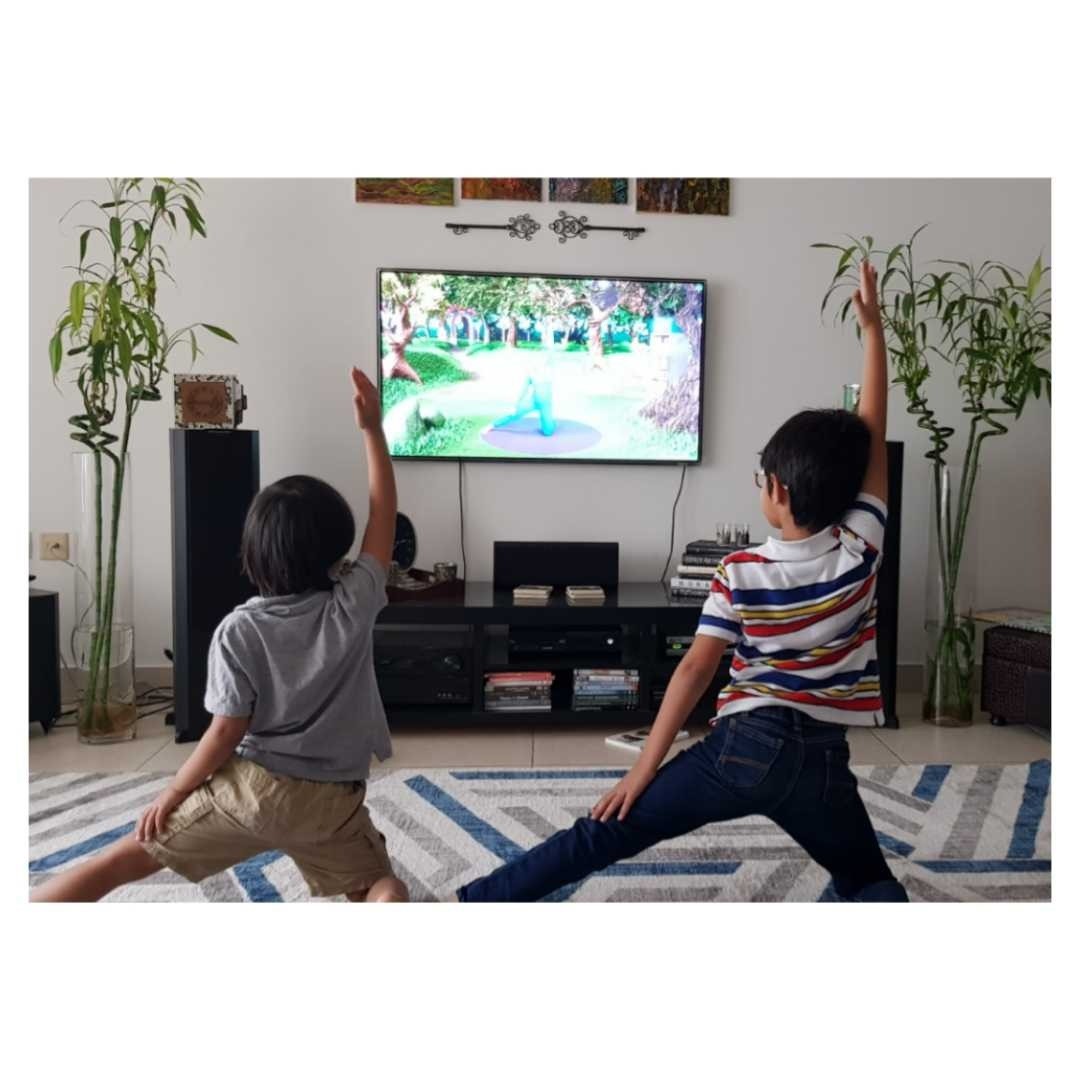
I recommend some kind of physical exercise at home for all kids. It is the best way to get their bodies energised and fit. It also helps them get a good night’s sleep. YouTube channels are a great resource for this. Whether its cardio through dance, or yoga, be sure to spend at least 30 minutes exercising.
Even though in theory us parents are with our kids day and night these days, are we really spending quality time with them all day? The answer is no and it’s normal. To think that every hour of the day will be filled with family bonding is unreasonable. In actuality, working parents are juggling between work, homeschooling, and daily chores. And stay at home parents are doing a lot of different tasks too. So take 30 minutes to an hour away from chores, work, and your mobile phones and give quality time to your kids. Whether that’s through board games or reading books together – the point is to give your children your undivided attention and make memories.
Outdoor time
Fresh air is a blessing now more than ever. Spending at least 15 to 30 minutes outdoors is known to increase happy hormones and relax anxious children and adults. So if you have a garden or any outdoor private safe space, use it! Go out for evening chai and snacks. And if you don’t, try to open your windows and sit by them for a little while to watch the blue skies. It will help your children feel better and appreciate a change in scenery.
Staying connected to God
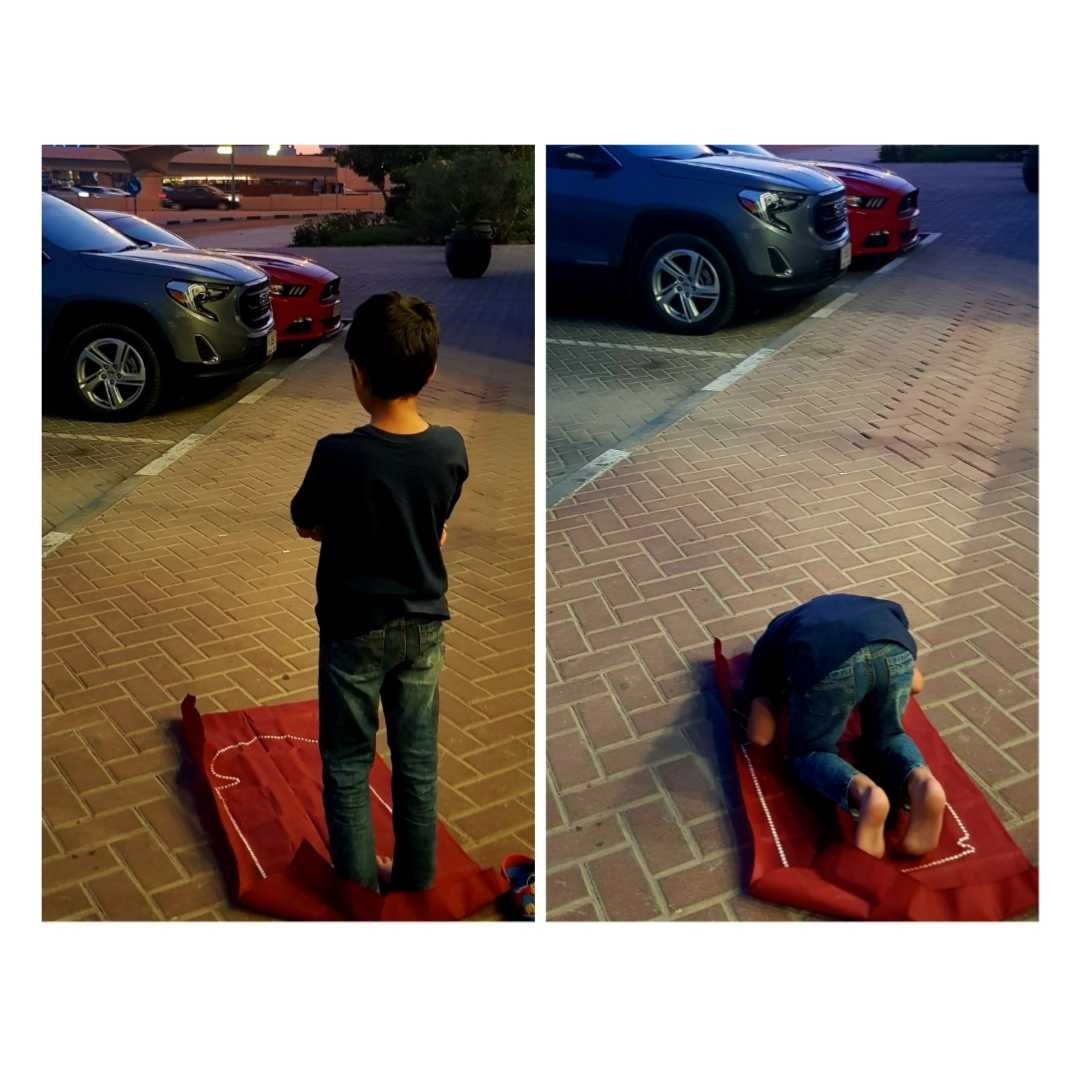
One of the major advantages of being a Muslim is that we are reminded if the presence of a higher power at least 5 times a day. Use this opportunity to b teach your kids about Islam. Pray together if you can. Hope and faith are things that create positivity in all of us, so keep it alive as much as you can.
Staying connected to friends and family
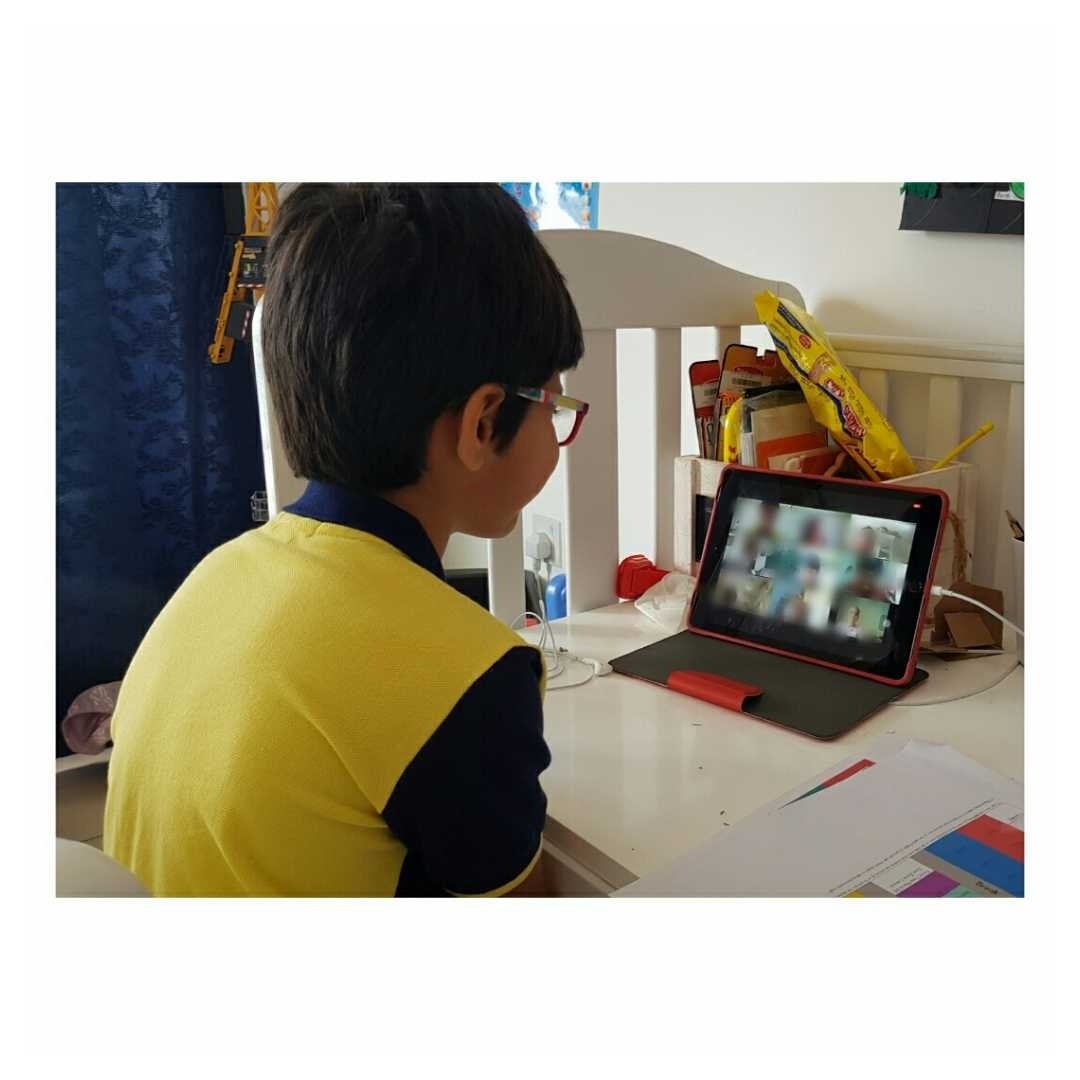
Thanks to technology today, we can stay in touch with family and friends all over the world. Try to connect with your favourite people at least twice a week. This helps maintain relationships and helps children remember their old bonds. It creates a sense of sanity and reminds us that we are not in this alone.
Helping hands
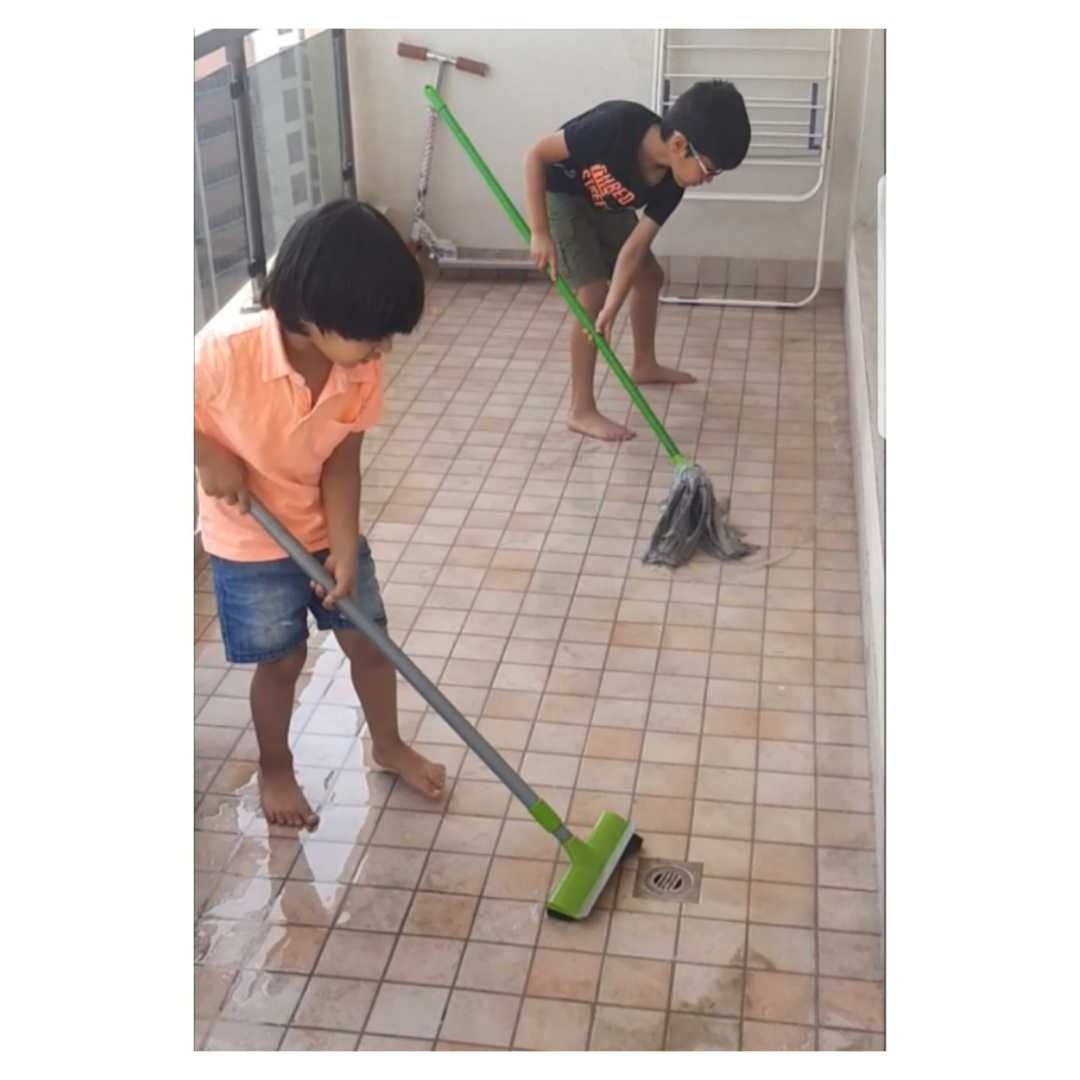
The workload around the house has definitely increased for all of us since everyone is home all day and some of our temporary domestic help can also not come in. This means more food needs to be cooked, more laundry piles up, and in short more mess. In my opinion, these are all signs of life and laughter. So a family that uses and abuses the house together, should also clean and cook together. Encourage kids to help in all types of chores. This serves as an activity and helps pass the day in a productive way.
Boredom
Lastly, despite all of the above, there may be things you can’t manage. Some days may not have all the engagement mentioned and kids may say they are bored. To this I always say…it’s okay. Let them get bored. Boredom is actually good! It encourages them to think for themselves and sharpens their minds in more ways than giving them a well thought out activity.
We are living through a global pandemic and life as we knew it will perhaps never be the same again, That’s the hope anyway. Because there are a lot of things about the way life was before that need rethinking — and COVID-19 has given us an opportunity to do this.
In the 21st century, there was life before the virus, there is now lockdown and life during the virus and, at some point, there will be life after the virus — but will the latter be the same as our old way of living? There is much discussion now of ‘getting the economy going’ again, of getting things back to ‘normal’ again but is our plan just to restore the same economic model and the same old systems?
Or is now the time to rethink the way we live?
Several falsehoods about our lives have been exposed by the lockdown. Key among these is the myth that the old way of working and studying was the only way: fixed hours of attendance at sites you had to physically travel to. It turns out that this ‘hazri’ culture is not actually essential, and many of these ways of working were just constructs whose aim was to strengthen a type of corporate or darbari culture. Not allowing people to work from home stemmed perhaps from a reluctance to lose control of staff. The institutions that would hire expensive consultants to help them ‘save money’ and work efficiently told us that it was too expensive to have individual desks for staff and subjected them to the horrors of hotdesking. This apparently ‘saved’ some money yet these same organisations would be reluctant to allow staff to work from home routinely even though that would have saved even more money. The permission for ‘working from home’ was given not as the norm, but as some kind of great favour or concession which involved HR, applications and a degree of workplace politics.
Well now nearly everybody’s working from home and we realise this has actually been possible for many, many years and that perhaps the workplace would have caught up with technology long ago if there weren’t so many dubious management practices and vested interests involved. Apart from the workplace, there is the question of the classroom and what it is — is it a physical reality or an intellectual one? In Britain, university education was once state-funded and all about education rather than businesses.
“We’ll have to rethink education completely — especially university education.”
But in the last decade universities have been turned into businesses which are less about education and more about profits. The students are called ‘clients’ and since university fees are now more than three times what they were ten years ago, they are saddled with crippling student debt (student loans are given by a private profit-seeking company). Students invest so much that they are afraid to challenge intellectual views of question anything professors say because they know that they need to get good grades because of their investment. Instead of concentrating on the wellbeing of their students, universities seem to have become more focused on marketing their brand in order to attract a maximum number of ‘customers’ or ‘clients’. But even when the riches poured in, it never seemed to be the academic staff who’d benefit but rather the ‘managers.’
We’ll have to rethink education completely — especially university education. In Argentina, most young people get their first degree while working full time. Work by day and take evening classes. It might take longer but it definitely seems to be a more productive way to live. Oh, and state universities are free. Of course, education can not all be virtually based but perhaps a large part of it does need to be.
Then there’s the question of how society values work. Of how bankers are more highly paid and valued than ‘unskilled’ workers. How financial managers are much better paid than medical professionals. Now we realise who are the professionals that society really needs when in times of trouble: they are the medical professionals, the cleaners, the garbage collectors, the bus drivers, the police, the fire brigade, the people who run food shops and stack shelves. These are essential, these are the people we should value, these are the jobs we need to pay people well to do.
We need to think of new businesses too. Instead of having an endless number of restaurants and coffee shops to ‘provide employment’ perhaps we should have more businesses whose goal is to contribute to community welfare employing people. We need more cooperative models of working and more localised businesses. Instead of manufacturing fast fashion and throwaway clothes which encourage frivolous spending and whose plastic fibres are clogging up the oceans and rivers, we perhaps should concentrate on businesses that produce food.
“And guess who governments need to fund now? Not bigshot entrepreneurs and investment bankers, they need to support medical professionals, health workers and research scientists.”
The virus and subsequent lockdown exposed a number of vulnerabilities in life as we were living it, and one of these was the matter of food production and supply. Perhaps now we need to have a national policy of localised production: local dairy farming, local livestock, locally grown fruit and vegetables. Apart from the fact that this will avoid the issue of complicated supply chains, many people in the health, economic and development sectors have long argued that this is a healthier and more sustainable way to live. This way food production would be organic and fresh – not shipped from the other side of the world. And in terms of food, we need to unlearn the mantra that endless choice is good. The illusion that the more choice you have in choosing, for example, a brand of chocolate shows how ‘free’ you are as people needs to be dispelled. And we need to move back to the idea of quality not quantity in the way we live.
And new initiatives need to be set up to care for the environment. The enforced detox brought on by the lockdown has shown us bluer skies, clearer air and cleaner waters. We need to have a policy of setting up local initiatives to support this which are goal-oriented and not just motivated by a profit motive.
And guess who governments need to fund now? Not bigshot entrepreneurs and investment bankers, they need to support medical professionals, health workers and research scientists. And they need to provide free broadband and digital access to all citizens because when push comes to shove this is something that will benefit the whole of society. We need more government spending, new frameworks and new initiatives based on a clear vision of what our priorities are now.
People and governments need to come together and come up with a new way to live and a new model of economics, We can make a whole new sort of world; a world minus dodgy ‘outsourcing’, privatisation, unsound financial instruments, economic disparity and unbridled greed. But what’s needed is a lot of imaginative ideas and a bold new way of thinking. We need to be creative.