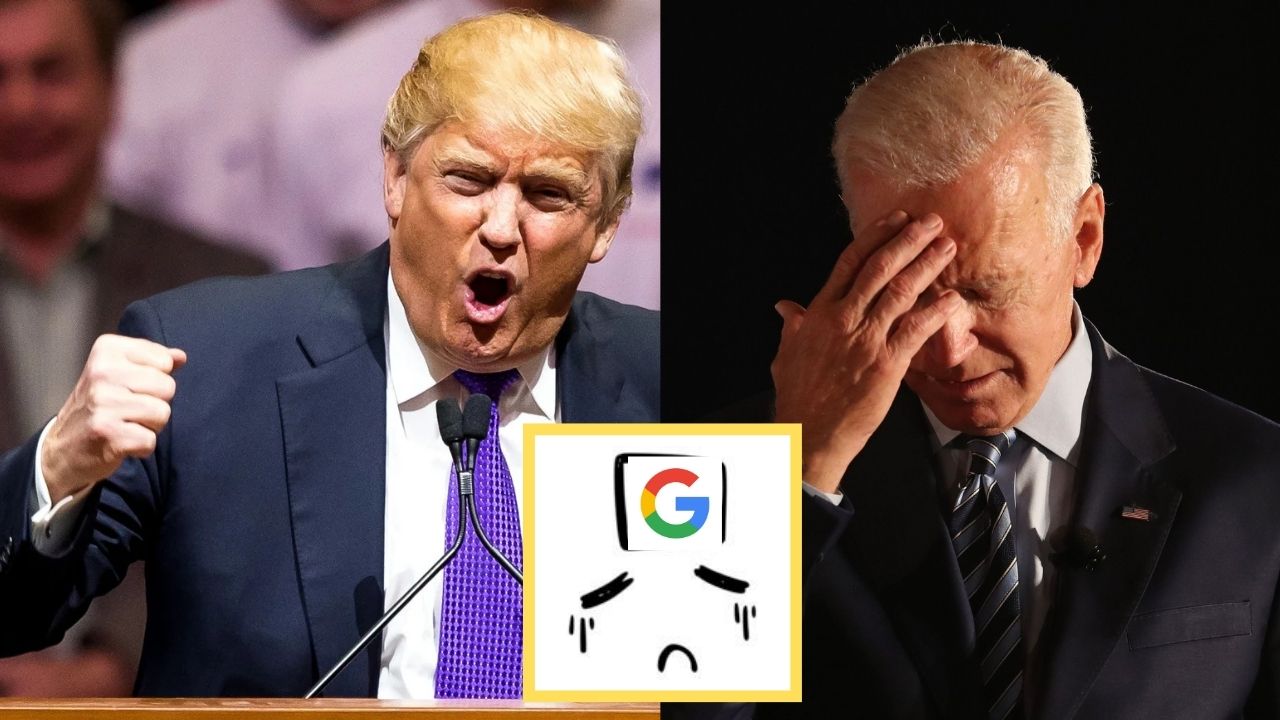
A recent glitch on Google temporarily removed US President Joe Biden’s name and term in the White House from search results for the prompt “US Presidents” on Thursday morning.
The glitch was fixed around 2 am Eastern time, but the news quickly made headlines internationally. However, the exact duration of Biden’s name being excluded from Google’s history remains unknown.
According to the search results during the glitch, newly-elected President Donald Trump appeared to have served as the last two presidents of the United States before the sequence reverted to its original order, listing presidents Obama, W. Bush, Clinton, and others, respectively.
The removal of Biden’s term was first noticed by BlueSky users, many of whom speculated it was a deliberate move by a big tech company to appease Donald Trump.
The incident caused outrage in the liberal-leaning community on BlueSky, where users saw it as part of a broader issue involving tech companies allegedly displaying political biases.
Google has not commented on the glitch that erased Biden’s name and tenure.
Simultaneously, in recent days, millions of Meta users reported their accounts were automatically following President Donald Trump and Vice President JD Vance without permission, with no option to unfollow.
Meta’s Communications Director Andy Stone defended the platform in a post on X.
“People were not made to automatically follow any of the official Facebook or Instagram accounts for the President, Vice President or First Lady,” Stone said on X.
He added, “Those accounts are managed by the White House so with a new administration, the content on those pages changes.”
However, in a post on Threads, he wrote, “It may take some time for follow and unfollow requests to go through as these accounts change hands.”
On Monday, January 20, leading tech industry figures, including Apple CEO Tim Cook, Meta founder Mark Zuckerberg, and Google CEO Sundar Pichai, attended Donald Trump’s oath-taking ceremony as the 47th President of the United States.
International media reported that they joined their “First Buddy,” Elon Musk, CEO of Tesla and X (formerly Twitter), who is a vocal supporter of Trump.
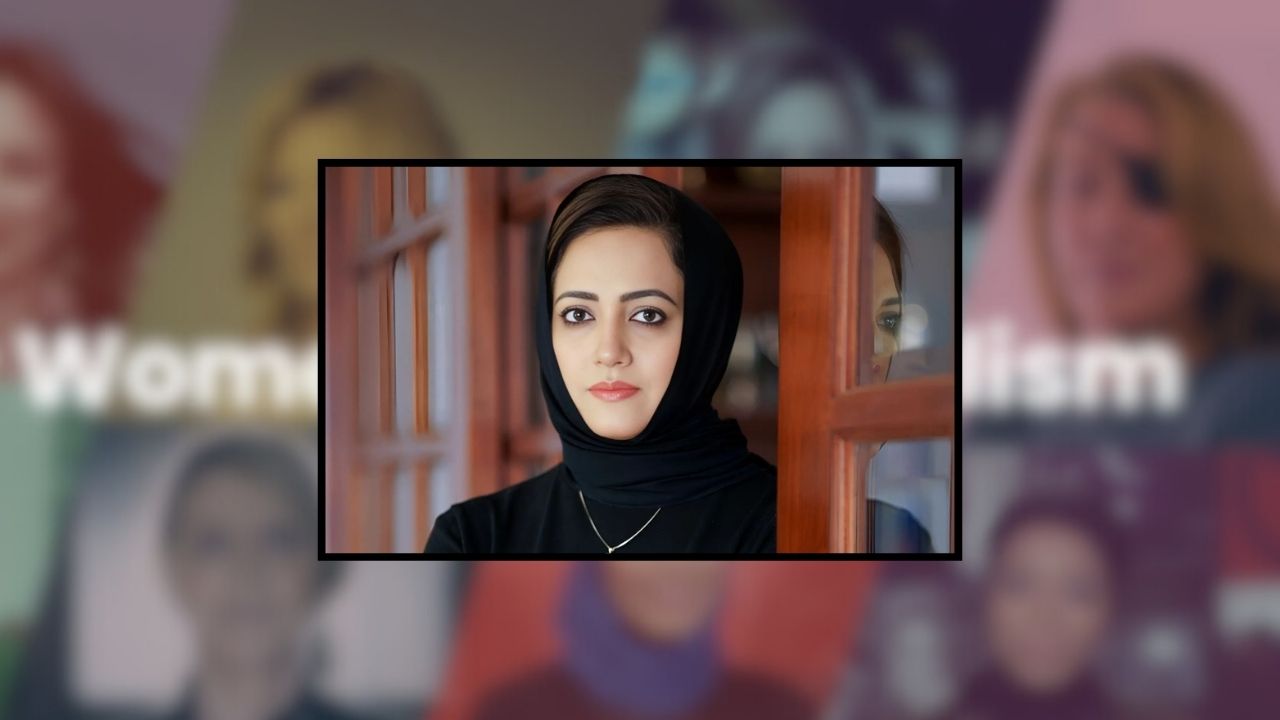
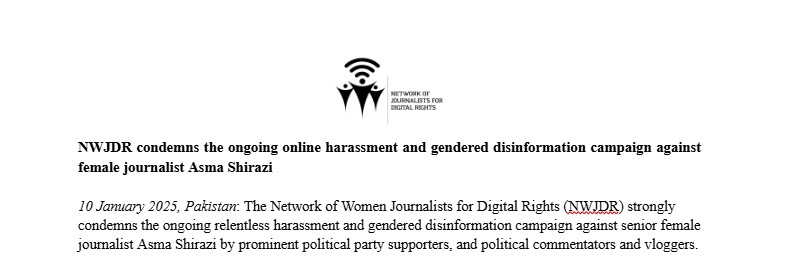
The Network of Women Journalists for Digital Rights (NWJDR) has come forward to condemn the ongoing online harassment and gendered disinformation campaign against leading journalist and columnist Asma Shirazi.
The online campaign against Asma Shirazi is being spearheaded by “prominent political party supporters, and political commentators and vloggers.”
Asma Shirazi, who is a senior journalist, a talk show host at a private channel and a columnist at BBC Urdu, is at the receiving end of the online hate curated by Pakistan Tehreek-e-Insaf’s leader, Shehbaz Gill.
It all started with Asma’s criticism of PTI’s claims of getting relief through negotiations with the government and pressure from a backdoor channel. On her YouTube channel, Asma posted about the ongoing process of negotiations and reports of Trump’s influence, which some supporters of PTI claim to have. In a video about the “End of talks or a pause before breakthrough,” Asma shared her insight on the matter and said that it has been observed lately that one of Trump’s aides, Richard Grenell, who had been posting very actively about freeing Imran Khan-PTI’s incarcerated leader- has stopped posting on social media all of a sudden because “Trump administration has strictly directed the new cabinet to not post anything without approval.”
Asma said that the new directive has resulted in silence from Grenall, who had become “a very active member of PTI.”
“So there is nothing going on which could bring hope to PTI followers…who had assumed Grenell is Trump,” Asma commented.
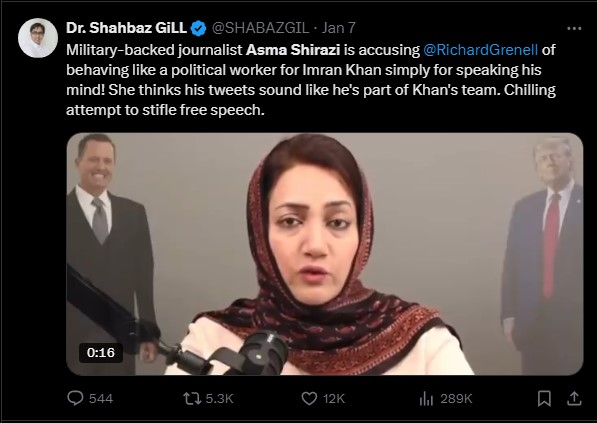
This part was taken out by Shehbaz Gill, and he posted on Twitter, “Military-backed journalist Asma Shirazi is accusing @RichardGrenell of behaving like a political worker for Imran Khan simply for speaking his mind! She thinks his tweets sound like he’s part of Khan’s team. Chilling attempt to stifle free speech.”
This prompted many social media accounts attributed to the supporters of PTI to attack Asma’s journalistic ethics, calling her biased and stating that her analysis was an attempt to curb the freedom of expression. Her columns for BBC Urdu were dug out to show that she has a prejudice towards the party.
However, in the said vlog, she went ahead and appreciated PTI for taking a step back and agreeing to negotiate while stating that the matter will remain suspended till Donald Trump’s administration takes over in America. Additionally, she made it a point to mention that ruling party PMLN’s social media took her appreciating and framed it as a remark from her side that “Imran Khan lait gaya” which can be translated as “Imran Khan has surrendered.” PTI social media took it up and started a smear campaign against the senior journalist.
According to Asma, she never used such language, and this is a “misogynistic” campaign against her.
In a separate vlog, Asma lambasted Gill for using Imran Khan’s name and smear campaign against women in politics and journalism to earn “dollars” while sitting abroad. She even cited examples of Gill’s previous instances of referring to women as prostitutes and cursing them, quoting his interaction with fellow journalist Nadia Ahmed and herself in the past.
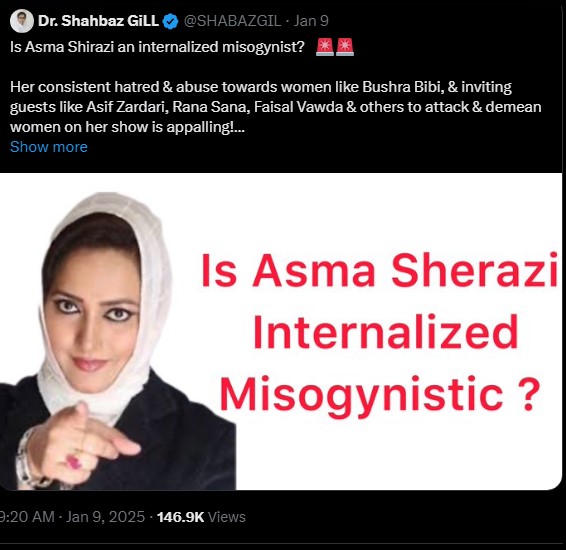
This led to an onslaught of hate, targeting her credibility, character and journalistic integrity with Shehbaz calling her an “internalized misogynist.”
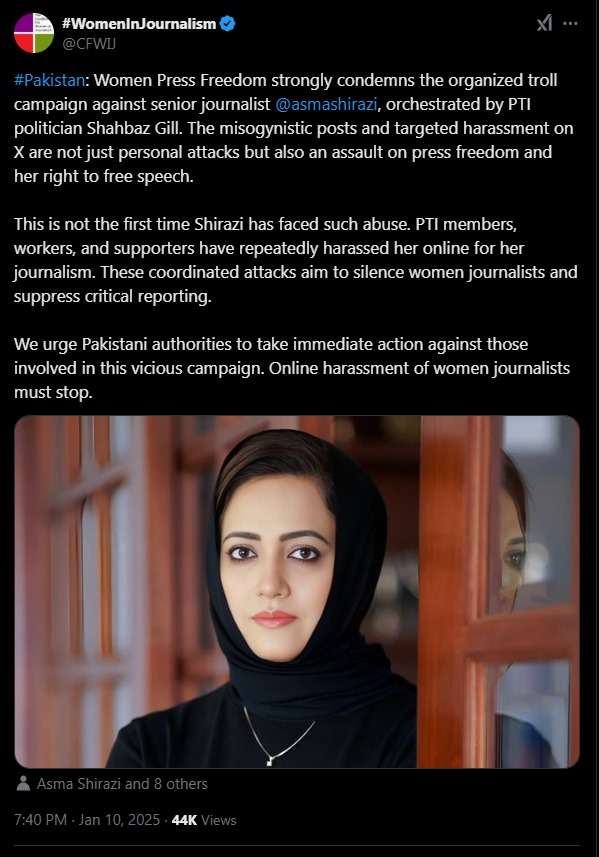
After Asma’s vlog was published, the International Coalition for Women in Journalism stepped in and issued a statement to condemn the online abuse and harassment faced by Asma Shirazi. “This is not the first time Shirazi has faced such abuse. PTI members, workers, and supporters have repeatedly harassed her online for her journalism. These coordinated attacks aim to silence women journalists and suppress critical reporting,” the statement read.
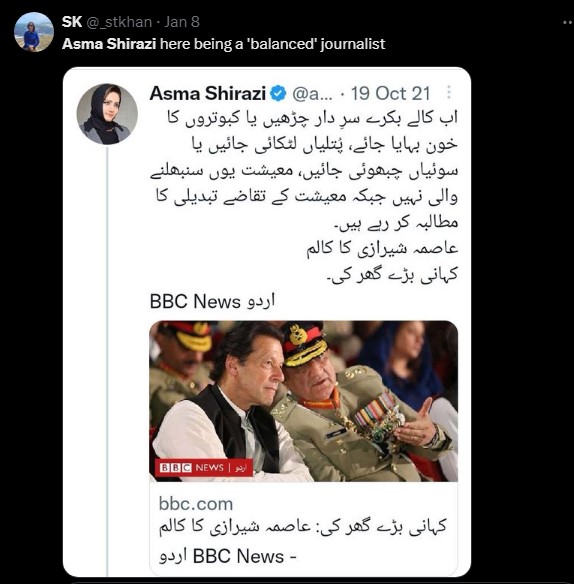
Previously, Asma was bullied for one of her articles for BBC Urdu: Kahani Baray Ghar Ki. Written in 2021 when PTI was in government, and it was inferred from her write-up that she has accused the then first lady of the country and wife of Imran Khan, Bushra Bibi, for being involved in black magic where in reality, Asma wrote about how the economy cannot be saved by “slaughtering goats” or “spilling the blood of pigeons.”
Shehbaz Gill was also at the forefront of the campaign when Asma criticised ARY News’ coverage of a Supreme Court hearing where her picture was used despite her not being involved in the case.
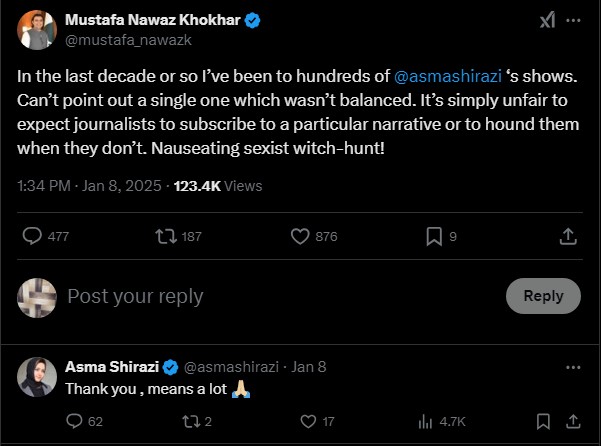
Former Senator Mustafa Nawaz Khokhar posted, “In the last decade or so I’ve been to hundreds of Asma Shirazi‘s shows. Can’t point out a single one which wasn’t balanced. It’s simply unfair to expect journalists to subscribe to a particular narrative or to hound them when they don’t. Nauseating sexist witch-hunt!”
Simultaneously, NWJDR has raised its voice for the protection of female journalists against cyberbullying in the country. As per a report by International Centre for Journalists, Facebook and X are the two least safe platforms, with 39 percent and 26 percent of respondents, respectively, expressing concerns. The research also laid out that nearly 73 percent of women journalists experience online violence.
While talking to The Current, Asma Shirazi emphasised that these tactics are used to snub the voices of journalists at large. “The campaigns like these are meant to threaten journalists and forbid them from speaking or writing the truth.”
While shedding light on the purpose of these campaigns, she said, “The purpose of these campaigns is to make people fearful or target one person to spread the fear among all that nobody comments on this one thing or anything at all, and this happens with women all the time, be it me or others. They just want to make an example out of us.”
“It is not easy to combat an organised campaign like this. That is why I have seen so many people getting silenced in the years gone by,” she lamented.
Talking about Shehbaz Gill’s campaign, she said, “It’s been five years that this person is running a one-sided campaign against me. Neither me nor any other journalist have ever talked back.”
Stressing on the present circumstances, she said, “Nowadays, they [cyber-bullies] are using pictures of women to earn money through YouTube. These could be women in politics or journalists. They put their pictures on [thumbnails] make fun of them, write trashy things about them, increase their viewership through that and earn dollars. This needs to stop.”
On a concluding note, she said, “There has to be a method with which we can control them, and even if we can’t, we can raise our voices. I wish and I hope that all the journalists, both male and female, talk about it. I know so many are reluctant, and maybe that is because they are afraid.
We won’t ignore them from here on, and they’ll get a reply from our side. They can’t just keep saying anything. The faceless trolls are hard to fight, but we will keep challenging their known faces.”
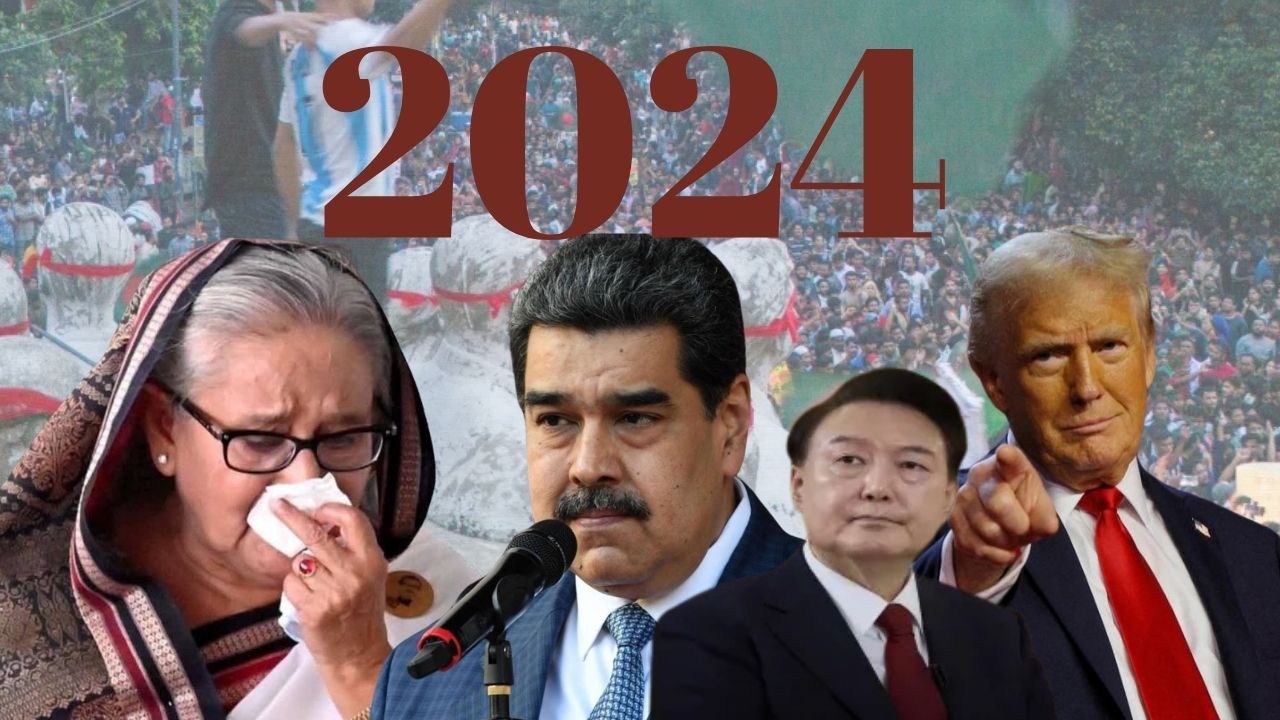
2024 was a year of landmark changes which are going to impact the events unfolding in the coming year as well. In the past year, wars raged on, and genocides continued blatantly, giving the world a clear manifestation of abuse of power. However, 2024 will go down in history for the unprecedented number of deaths, protests and elections that happened this year.
The year can be summed up in one word only: Unpredictability. Chris Lehmann from The Nation commented, “In 2024, the Pundits Are Wronger Than Ever”. As the year started, political analysts predicted that world leaders would come around to end Israel’s genocide of the Gazans or Russia’s invasion of Ukraine. On the contrary, Ukraine invaded Russia, making the conflict a full-blown war, with people from other parts of the world paying the price. (Case in point: Russia shooting down an Azerbaijan airplanein Kazakhstan region, mistaking it for a Ukranian drone).
Secondly, the genocide in Gaza reached new heights of brutality as the number of journalists killed in the besieged strip climbed astoundingly high, whereas the death toll of civilians surpassed 45 thousand in the strip.
In this year, Iranian President Ebrahim Raisi, one of the staunch supporters of anti-Israel resistant groups, died along with the foreign minister and other dignitaries on board a helicopter on their way back from a dam inauguration in Azerbaijan. It was later confirmed by the Iranian officials that the helicopter crashed because of poor weather conditions and technical issues. At Raisi’s funeral, Hamas leader Ismail Haniyehwas killed by Israel in a targeted attack while he was visiting Iran. This came across as the biggest blow to the movement, and while Israel did not openly acknowledge the assassination, it went on a spree to kill all opponents. Yahya Sinwar was also killed in Gaza a few weeks after taking over as the Chief of Hamas.
Expanding the scale of its war, Israel tempered pagers used by Hezbollahin Lebanon which exploded and injured thousands of people. This went on to start a full-scale war and claimed more than 3000 lives, including the life of Hezbollah chief Hassan Nasrullah, followed by the death of second in command Naim Qassem.
Even though they made a major attack on the residence of Israeli Benjamin Netanyahu and conducted strikes on Israeli territory, a ceasefire was reached with Israel on November 27, two months after the escalation started. With the ceasefire, Netanyahu aimed to shift his focus to the “annihilation” of Hamas in Gaza. As this article is being written, WHO has announced that the last major health facility in Northern Gaza, Kamal Edwan Hospital, is “out of service“.
The rage against the brutalities of Israel is building up as the Pope slammed the Zionist regime in his Christmas address by saying, “This is cruelty. This is not war.”
Many countries around the world saw protests against their governments and administrations. People expressed their frustration through polls in some countries, while in others, they showed up for protests.
In Bangladesh, a simmering population of youth came out on the roads against Sheikh Hasina and forced her to flee the country. This Gen-Z revolutionshocked the world, costing around 1000 lives.
Similarly, in Syria, the Assad regime was toppledby opposition forces, bringing much-needed relief for those held in captivity for decades yet bringing a new twist to the proxy warfare in the region.
In other countries, polls changed the game. Tired of Democrats, Americans voted for Donald Trump. The British also said no to lurking confusion and chose the Labour Party to run the country for the next five years. Dissatisfaction prevailed in other parts of Europe. French President Emmanuel Macron announced snap elections, opening the floodgate of extremist narratives and political turmoil.
Towards the end of the year, failing to gain a vote of confidence, the German government led by Olaf Scholz has also announced to go for the polls.
In India, intoxicated by power, Bharatiya Janata Party’s Narendra Modi went in for the elections hoping to sweep it with a total of 400 seats but managed to get only 240. It still managed to form a government with the help of allies, but the public opinion sent out a clear message against the bigotry BJP had always relied on to promote its narrative. The loss at Ayodhya, where Modi inaugurated the controversial Ram Mandir, was a great setback.
In Japan, the Liberal Democratic Party, which has been clinging to power since World War II, was defeated in the elections, pushing the nation into a rare period of uncertainty.
Another Southeast Asian nation, South Korea, witnessed the world’s shortest Martial Paw, which lasted only six hours. While it signalled deep-rooted aversion to Martial Law in the country, it also unleashed political turmoil in South Korea.
Elections in Venezuela saw infamous President Nicolás Maduro forcefully holding onto power by claiming victory in the elections while exit polls and independent observers claimed otherwise. Dozens of protestors in the South American country died while thousands were sent to prison.
The foundation of a turbulent coming year has been laid in the year gone by. With Trump in power, Netanyahu on a mission to be the sole leader of the Middle East, and Putin aiming to bring a new BRICS currency and political turmoil in many Western countries, 2025 will likely be another ride of unpredictable twists.
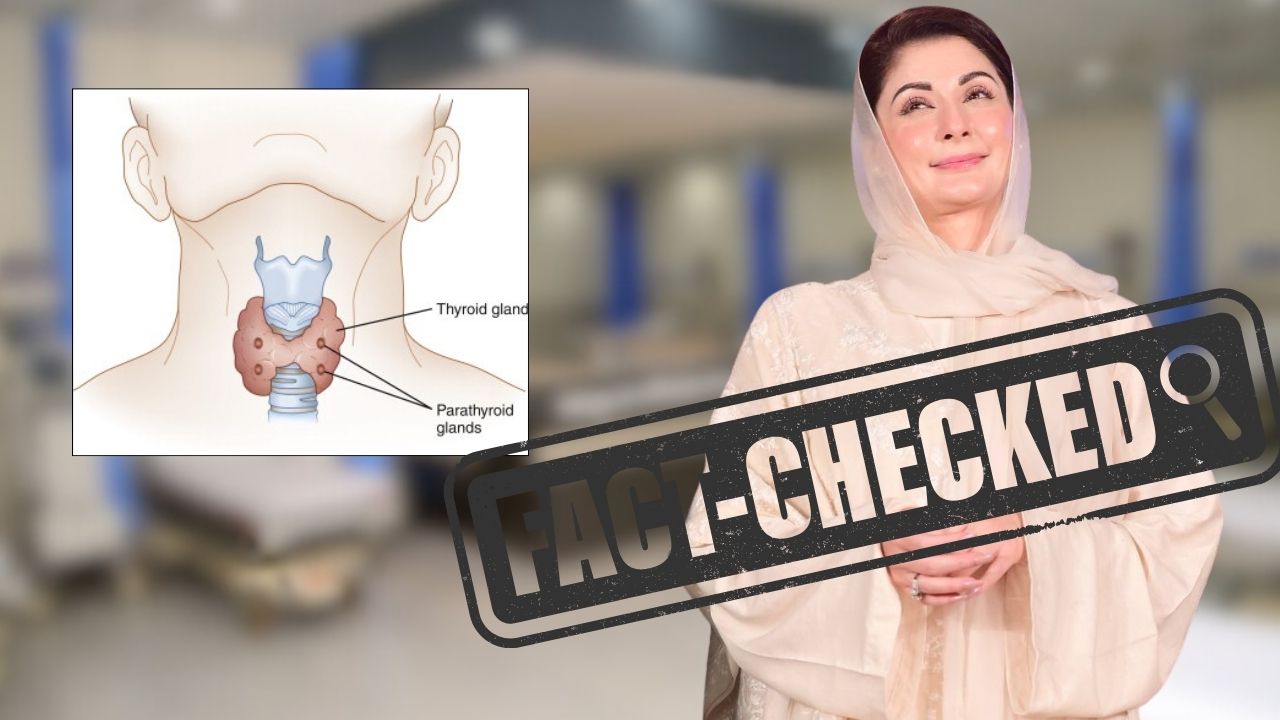
Chief Minister Punjab Maryam Nawaz has recently shed light on her medical condition, which caused her to go to Geneva. In her own words, she said, “I have an issue of parathyroid; I even had surgery in Geneva last year, in January.”
She addressed the criticism being levelled against her by the public and the opponents, “I’ve been hearing a lot of people ask whether there’s not a single hospital in Pakistan where this surgery could have been performed. All my treatment was done in Pakistan. However, this parathyroid condition is one that can only be treated in two countries. It is not even available in England – only in Switzerland or America,” she said categorically.
She also made it a point to dismiss rumours of thyroid cancer: “I have been seeing that certain vlogs have been made about me, and it is being said that I have thyroid cancer. I don’t have cancer.” On this, the crowd started cheering for her, chanting “shame, shame.”
“I did not want to talk about my condition because playing a victim and crying about it is not what I have learnt from my parents.” She went on to add that she doesn’t like talking about her personal life in front of the media but had to say this because “it has been talked about a lot back home.”
The Current reached out to an endocrinologist, who preferred not to be named, to ask which thyroid conditions may require surgery and whether those treatments are available in Pakistan.
The doctor, a senior endocrinologist at a leading hospital in the provincial capital, said that parathyroid issues are very common and easily treatable in Pakistan.
Thyroid and parathyroid are related glands under the skin in the throat and are responsible for producing hormones.
The pea-sized four small parathyroid glands are actually embedded within the thyroid gland. Its function is to control the metabolism of calcium in the body.
While tumours can develop in the parathyroid, they are largely benign and are removed if they increase in size or become hyperactive. This condition is called adenoma, and the first line of treatment for that is surgery because it disturbs the calcium levels in the body, which could lead to kidney stones, osteoporosis and other health problems.
The surgery requires the extraction of both the thyroid and parathyroid glands, which could produce deficiencies in the body but can be fixed by taking tablets for the rest of life.
The doctor told The Current that such surgeries are complicated but not entirely impossible in Pakistan as there are many specialists present in Karachi’s Agha Khan Hospital, Dow University Hospital and a couple of other institutes. Likewise, there are many in Lahore with some public hospital Endocrinologist Departments having the expertise to do so.
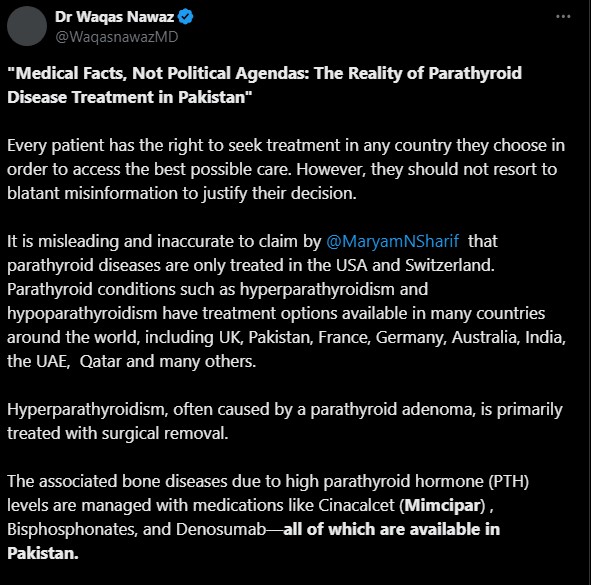
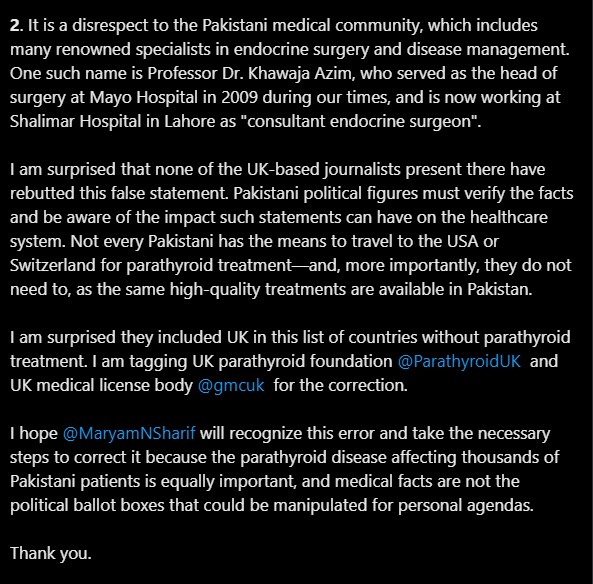
Doctor Waqas Nawaz on Twitter posted a detailed explainer on the options available in Pakistan related to Maryam Nawaz’s condition with the title, “Medical Facts, Not Political Agendas: The Reality of Parathyroid Disease Treatment in Pakistan”.
Tagging Maryam Nawaz, he stated: ‘It is misleading and inaccurate to claim by Maryam Nawaz that parathyroid diseases are only treated in the USA and Switzerland.”
“Parathyroid conditions such as hyperparathyroidism and hypoparathyroidism have treatment options available in many countries around the world, including UK, Pakistan, France, Germany, Australia, India, the UAE, Qatar and many others.”
In his tweet, he listed out all related diseases like parathyroid adenoma, which requires surgery, and other medications like Cinacalcet, Biphosphonates and Denosumab, which are given in high parathyroid production, are all available in different medical institutes of Pakistan.
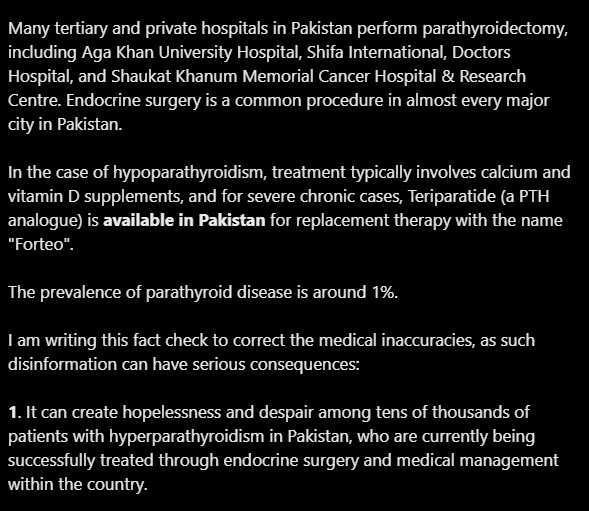
Dr Waqas further elaborated that “In the case of hypoparathyroidism, treatment typically involves calcium and vitamin D supplements, and for severe chronic cases, Teriparatide (a PTH analogue) is available in Pakistan for replacement therapy with the name “Forteo”.”
However, he also mentioned that he felt the need to write this fact-check to correct the medical inaccuracies, as such disinformation can have serious consequences.
While the prevalence of parathyroid disease is around one per cent, Dr Nawaz delineated the specialists that have been serving in different hospitals in Pakistan and that such statements create despair in the Pakistani community.
While it is the patient’s right to seek treatment in any country they choose, being a public figure and a leader comes with an added responsibility. In his concluding remarks, Dr Waqas hoped against hope that Maryam Nawaz “will correct this error and take the necessary steps to correct it because the parathyroid disease affecting thousands of Pakistani patients is equally important, and medical facts are not the political ballot boxes that could be manipulated for personal agendas.”
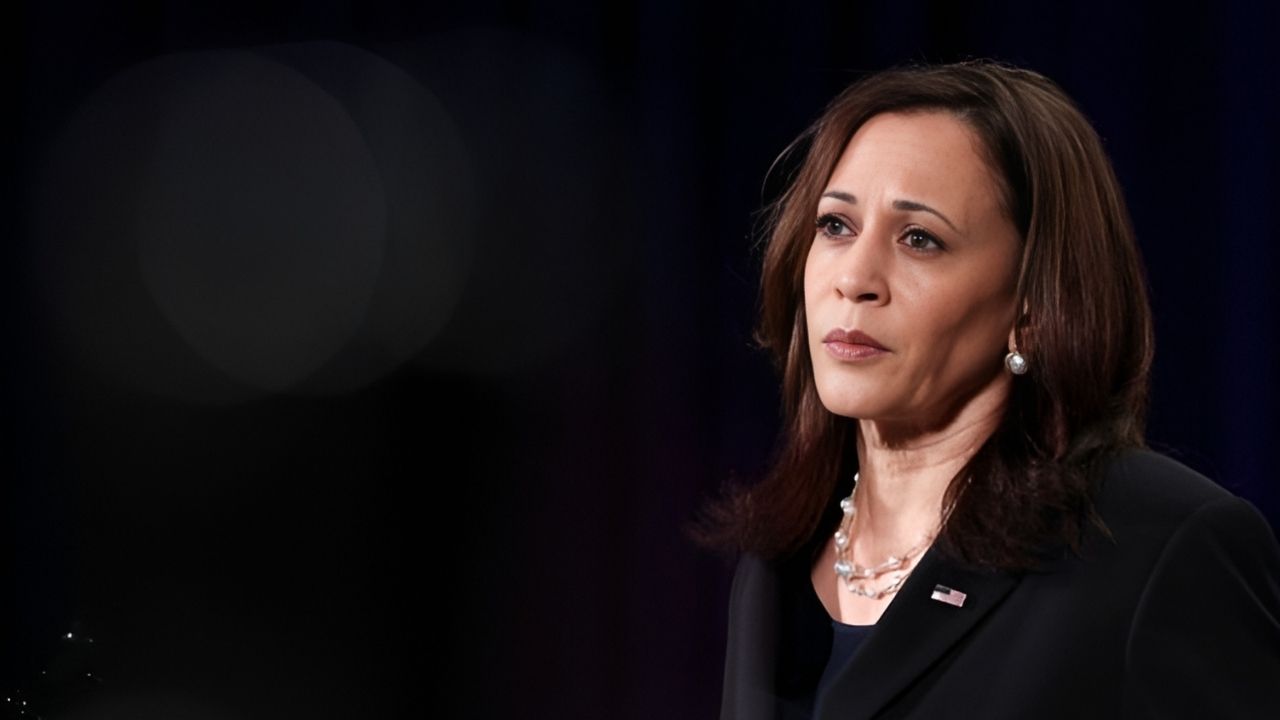
The Democrat candidate Kamala Harris has lost the US presidential elections 2024.
While many political pundits had already predicted her loss, they are shocked by how badly she was defeated, with Donald Trump surpassing the requisite 270 electoral college numbers in no time. Not only that, he also won the progressive vote.
BBC reports that Harris campaign manager Jen O’Malley Dillon said in an email to campaign staff on Wednesday, “This will take a long time to process.”
Political pundits are attributing the defeat to a number of factors:
Stance on Gaza genocide
First thing first, it’s the baggage of Joe Biden’s murky legacy that Harris carried and then owned. In an op-ed for The Guardian back in August, Mehdi Hassan wrote, “Biden’s Gaza policy is a liability for Kamala Harris. She must break with Biden now.”
Israel’s carnage in Gaza alienated more Dem voters than the party believed.
Media reports suggest that a large number of Arab-American voters, young voters and Muslims generally did not vote for Kamala Harris because of her commitment to sustaining the flow of US weapons to Israel and her rhetoric of “Israel has the right to defend herself.”
While she tried to redeem herself by saying that she will end the “war in Gaza” during her last speech in the swing state of Michigan with a large population of Arab-American citizens, the erstwhile state still voted for Trump’s Republican party, and more importantly, for the anti-Israel Jill Stein.
Biden’s approval ratings has consistently plummeted in the last four years and this impacted Kamala badly as two thirds of voters believed that the country is on the wrong track and that Kamala will continue Joe Biden’s policies.
America’s support of Ukraine, both militarily and financially, was enabled by Biden’s administration of which Harris was a part and also a key factor as well. As per the recent numbers, the Democratic administration provided more than $64.1 billion in military assistance alone.
Meanwhile, Trump repeatedly reminded his supporters that he never started a war in his tenure.
Policies on Climate
Kamala’s change of stance on climate also paved the way for her loss. While she opposed “fracking”-the artificial matter of extracting gas- during her campaign, she confirmed that she will not seek to ban fracking if elected.
Climate activists also alleged that her tone towards climate changed over time.
Flaws in campaigning style
Kamala got endorsements from all the big shots of Hollywood like Taylor Swift and Beyonce while Trump was seen attending rallies, meeting voters and serving fries at a McDonalds drive-thru.
Quoting the Democrat campaign misjudgments, analyst Leigh Sales said, “The Democrats also had a tin ear when it came to the gap between rich and poor and how politically potent it is. Why was Harris constantly campaigning with squillionaire celebrities?”
Illegal immigration
Trump’s “America First” slogan gained traction from many quarters all around the country as he targeted the issue of Illegal immigration. Kamala, on the other hand, has shown leniency as she advocated for strict border security and reforms.
Economic policies
Last but not least, ever-growing inflation in Biden’s four-year-tenure contributed in steering voters away from Kamala’s side. Reportedly, the inflation rate was the highest after the 1970’s.
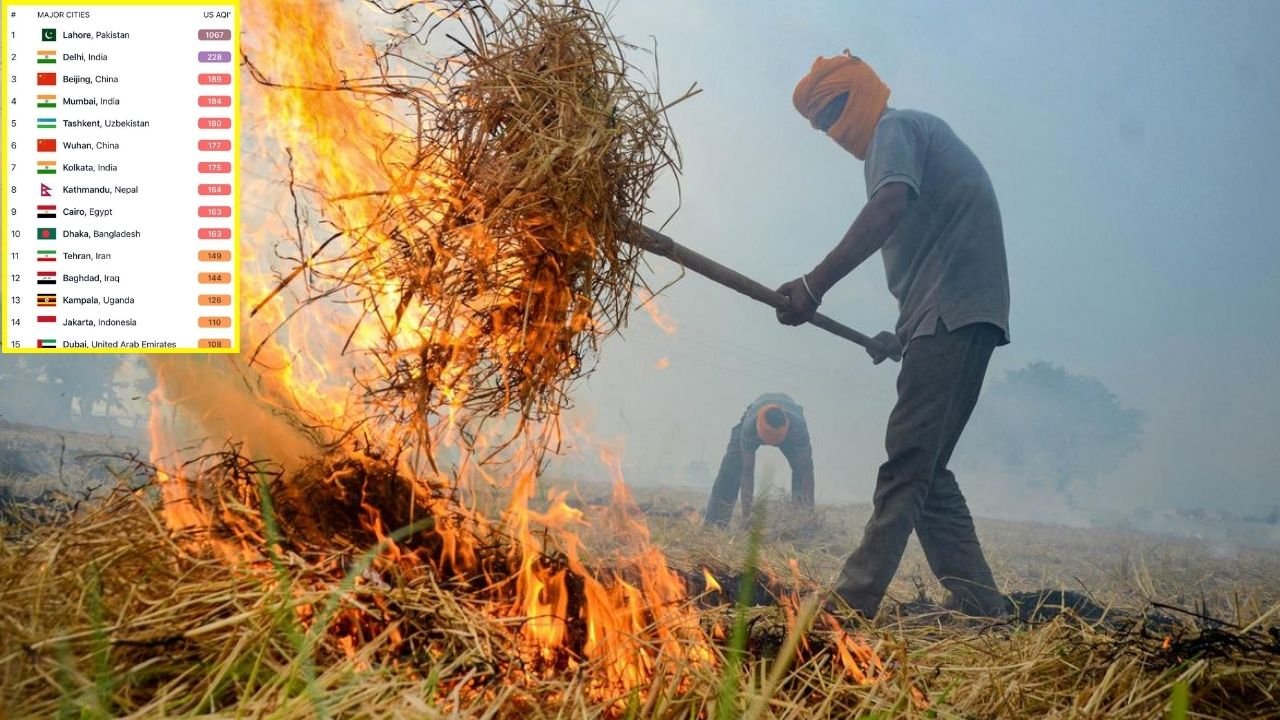
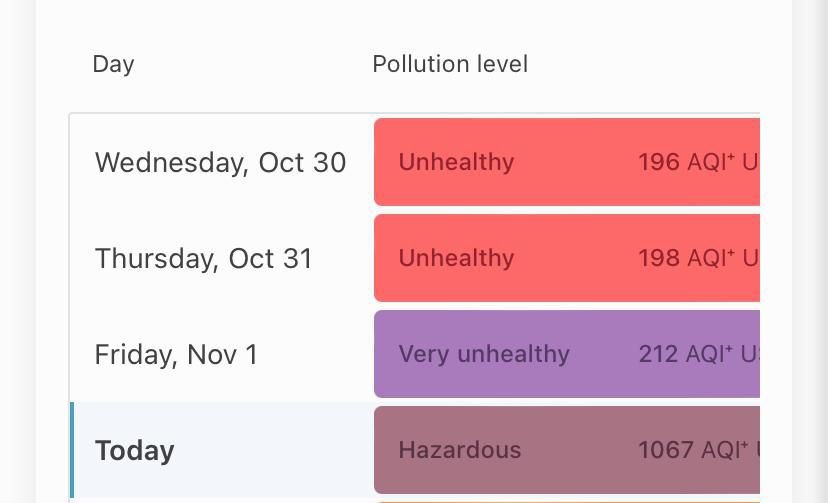
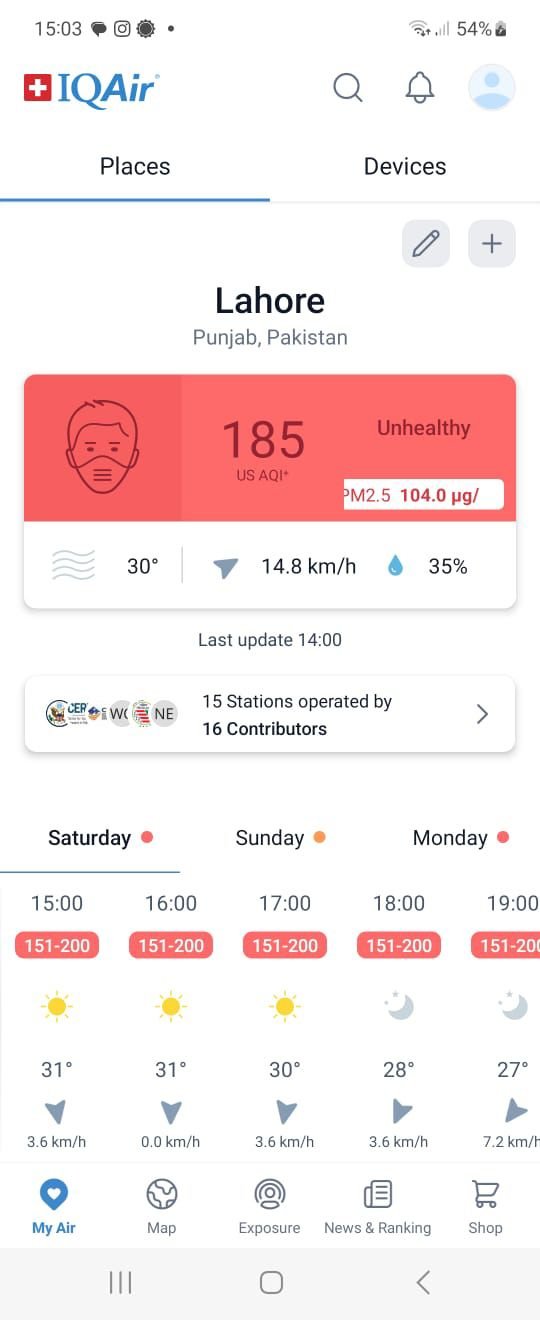
Smog levels in Lahore have surged to dangerous levels, with the Air Quality Index (AQI) reaching a staggering 1,067 early in the day. In comparison, Delhi, which is second on the list, has an AQI of 228, significantly lower than Lahore.
The visibility limit in Lahore has also reached zero.
The Current reached out to Senior Minister Marriyum Aurangzeb, who is leading the mission to combat smog. She claimed that the sudden surge in smog levels is the consequence of the change in wind direction, which has caused smog levels to decrease in Delhi while surging in Lahore.
The meteorological department had “warned the citizens that the intensity of smog will continue in Lahore for the next 48 hours,” she quoted in an official statement.
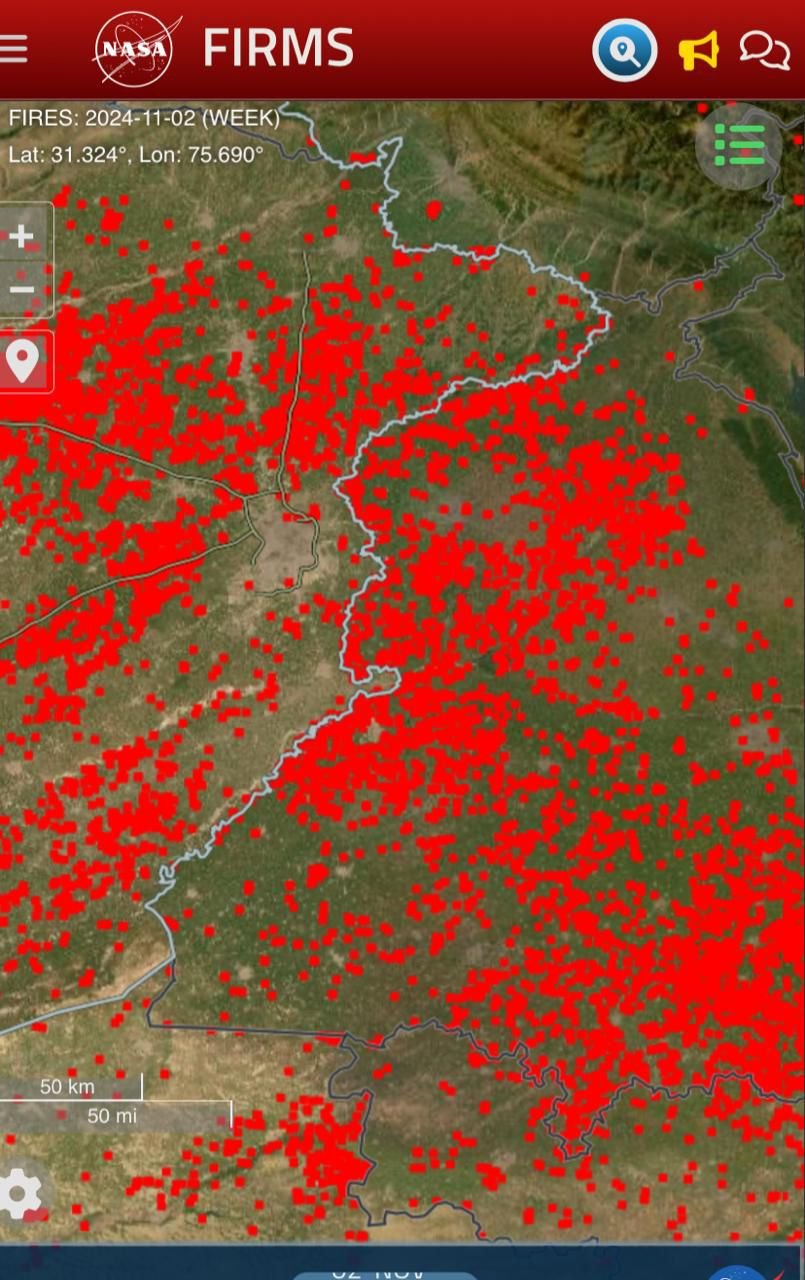
The minister further backed her claims by acknowledging that “NASA has released an aerial image of smog from large-scale burning of crop residues in Indian regions.”
The air pollution level in Lahore was previously at 157 as a result of the change in wind direction, but over the last five days, it has risen to an unprecedented level, as mentioned in her press release.
The high-speed winds from India also brought smoke into Pakistani areas, regarding which Marriyam Aurangzeb appealed to citizens not to leave their homes unnecessarily.
She also mentioned that the wind is slowly shifting to the south, which will improve air quality in the provincial capital.
The Current reached out to the Secretary of the Environment Department of Punjab, Raja Jahangir, who described at length the steps taken by the government so far and the situation on the ground.
The sudden surge of smog in Lahore can be attributed to the “Eastern Wind Corridor” and some local practices.
“The cropping mechanism, agricultural practices, mindset and behaviour of the farmers from both India and Pakistan are same. They burn the stubble after the harvesting of rice,” Jahangir elaborated.
“The thermal scanning of NASA’s satellite is the proof which shows both sides of the border red,” he said.
According to Jahangir, this change in pattern had been previously predicted. However, it was intensified by the Diwali celebrations, which involved the widespread use of fireworks. The wind has now shifted to the south, affecting air quality in Muridke and nearby areas.
“This will give Lahore a breathing space,” he added.
And while the wind pattern is worsening the smog, some of the local factors can not be ignored.
“Lahore is a city of 15 million, with 4.5 million bikes and 1.3 million cars on roads. There are 6,800 industrial units because it is the fastest growing city in the country and has the most construction sites, as well as more than 1,200 brick kilns,” Jahangir highlighted.
For a city spread over 1,757 square kilometres, the green cover is not enough.
“Ideally, it needs to be more than 30 per cent, but unfortunately, it is not more than four per cent,” he said, further that the smoke emitted from harvesting of 6.6 million of rice given a boost by air pressure is disturbing the air of Lahore while it doesn’t have enough to combat.
“Ideally, it needs to be more than 30 per cent, but unfortunately, it is not above four per cent,” he said, adding that the smoke emitted from the harvesting of 6.6 million tons of rice, combined with air pressure, is contributing to the air pollution in Lahore, which lacks sufficient resources to combat it.
What has the government done so far?
Raja Jahangir emphasised that while smog has been a regular phenomenon in winter for the past 7-8 years, it has always been managed by the environment department. This time, however, the government has engaged multiple sectors, including transport, health, agriculture, and safe city projects, adopting a “whole government approach.”
The smog mitigation plan is a product of this new strategy, supervised by Senior Minister Marriyum Aurangzeb.
Jahangir also asserted that phenomena like smog do not have a “quick fix.”
He noted that the government had demolished 600 brick kilns that were not using zig-zag technology and closed down industries emitting high carbon. Furthermore, smoking-emitting vehicles have been impounded while media awareness campaigns have been conducted.
The agriculture department, on the other hand, has given incentives to farmers to use super seeders in efforts to encourage environment-friendly practices, while contracts have been signed with international companies that will convert the crop residue into biofuel and activate the Vehicle Inspection and Certification System. This will test the fitness of vehicles and ensure a zero-tolerance system.
The goal is also to transition public transport, such as buses and trains, to electric, provide electric bikes to students, and convert gasoline vehicles to electric on a large scale.
Additional steps also include a plantation drive across the province to restore green cover.
Jahangir further mentioned the “Green Lockdown,” the latest initiative by the Punjab government, under which restrictions will be imposed on identified smog hotspots to create green zones in these areas.
In these zones, construction is banned, and inspections are being conducted to stop the use of diesel in generators and offices, whereas to reduce traffic, work-from-home is encouraged. Meanwhile, water sprinkling is being carried out to reduce smoke in the air, along with changes to parking areas around the city.
“It is a long battle, and this can’t be sorted in one day. For this, we have to change our practices, and everyone has to contribute to it,” the Environment Secretary asserted.
When asked about the Pakistan Air Quality Experts Group (PAQx)’s collective statement criticising the Punjab government’s Smog Mitigation Plan as “lacking to deal with the scale of the challenge,” Jahangir concluded that, for the first time, “Rs. 10 billion has been allocated to combat smog, with projects worth over Rs. 100 billion budgeted in the current development budget of the province.”
“This is not the end of the story; rather, we have just begun,” he said.
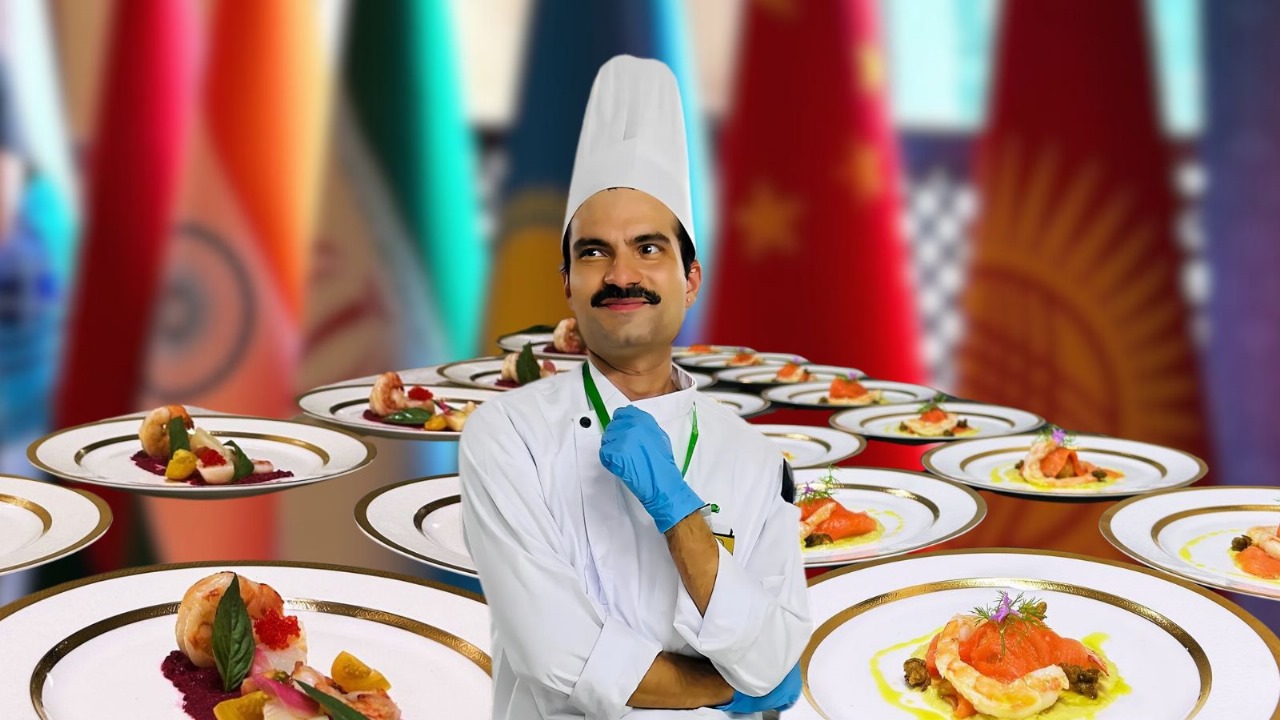
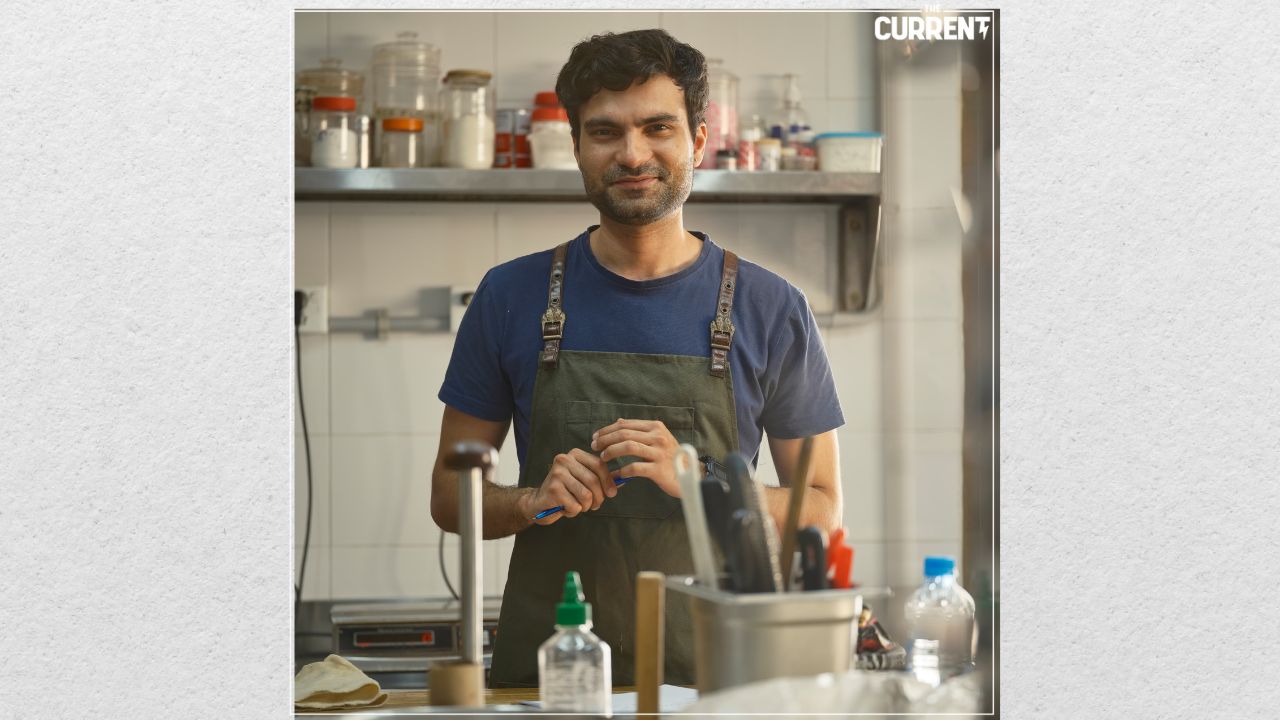
Random scrolling on Instagram sometimes lands you in the right spot. It happened with me when I saw Asad Monga’s post about having participated in the SCO Summit as a chef.
It was fascinating how he introduced himself as a boy from Karachi whose love for cooking weathered all the seasons of his life and took him to the corridors of power.
In his Instagram post, Asad shared his insights about Culinary Diplomacy and his experience at SCO in these words: “The SCO summit was a warm display of Pakistan’s efforts to welcome global leaders with our hospitality and show our willingness towards stronger regional ties and a better Pakistan. Maybe if we are to consistently soften our image on the global stage, the first foot forward is Culinary Diplomacy and Hospitality.”
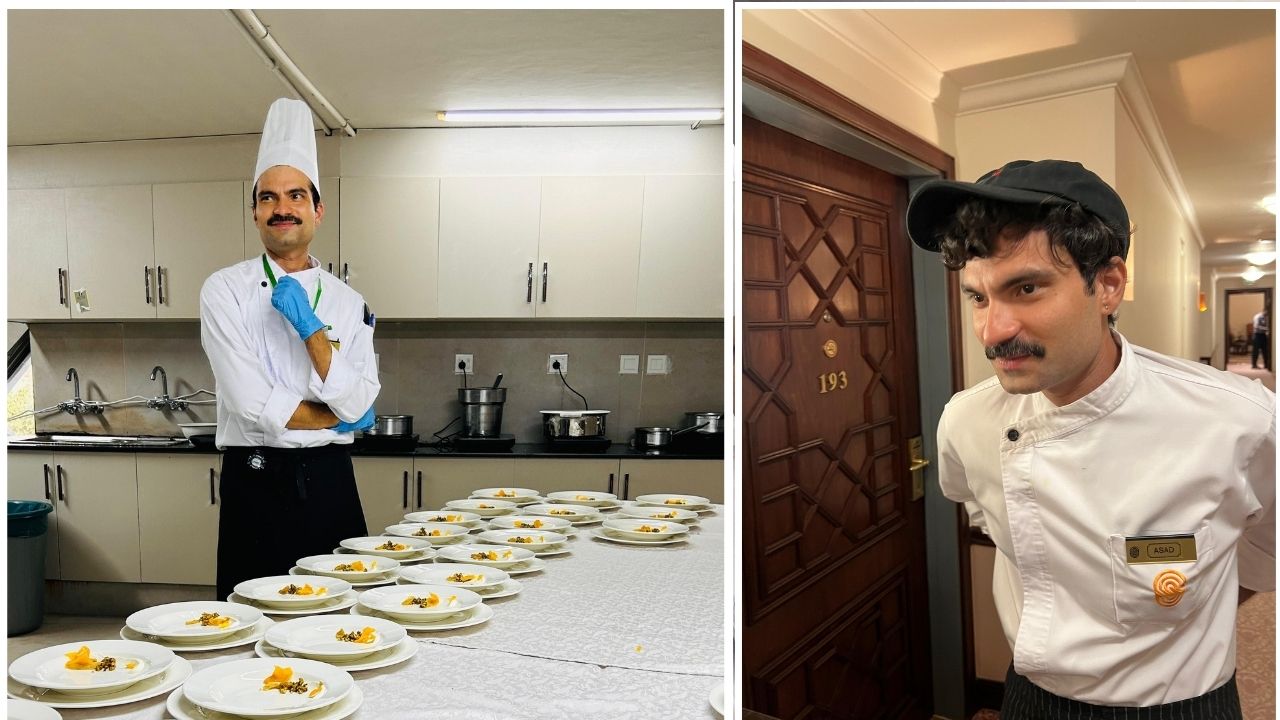
Asad was summoned by the government of Pakistan to assist with the Dinner & Lunch service carried out for world leaders at the SCO summit in Islamabad. It was such a moment that he had to document it all on his account with a behind-the-scenes photo dump, giving credit to all those who helped him in the process.
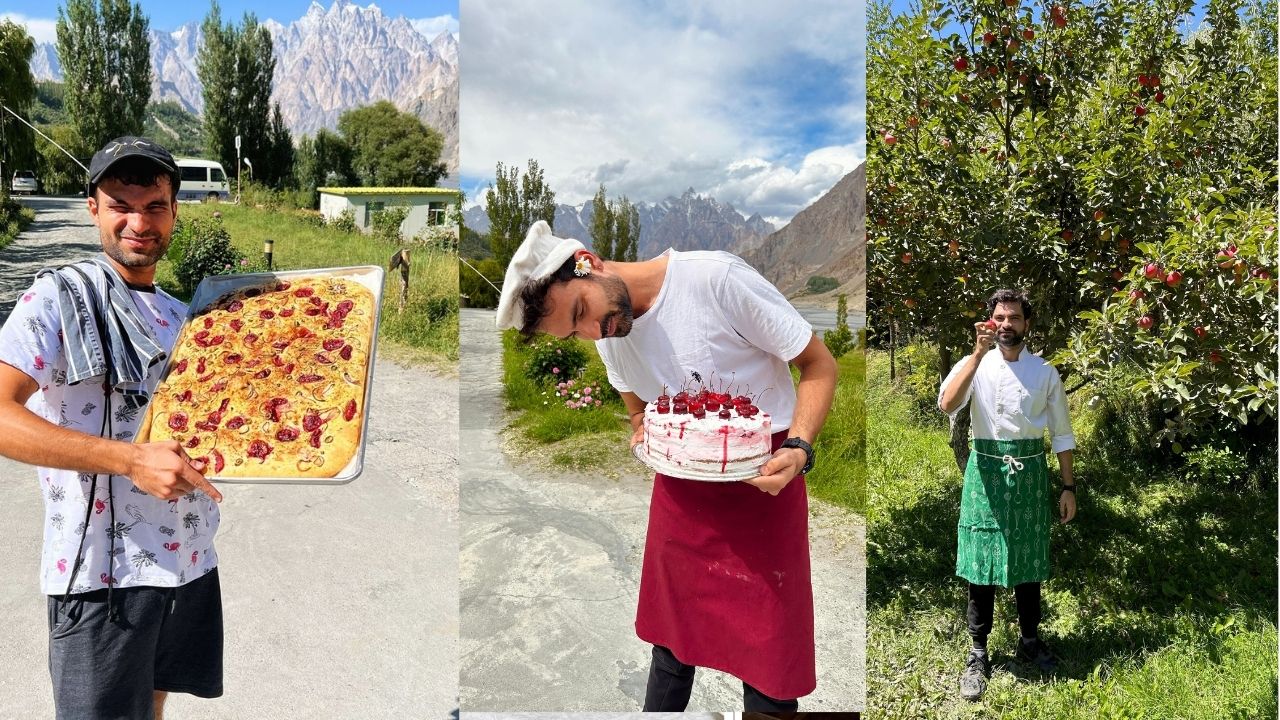
Asad is otherwise known for culinary retreats to understand seasonality in Pakistan and explore the use of fresh produce to curate meals.
Asad Monga on his culinary retreats
I sent him a message, and after a delay of some days, he replied. He was kind enough to actually explain to me the work environment of a kitchen, which he described as “an activity of trouble-shooting”. The reason behind this is that they are working with hands, and things are constantly changing as it involves too many variables, which one needs to keep in check, yet it is not something you cannot control. “We were doing a 15-16 hours shift in a day,” Asad told me.
His reasoning for making this a career left me in awe as he delineated that he decided to go for culinary arts as a subject to study for his undergrad because he wanted to do something with his hands. I did my A-levels from Karachi, and when everybody was deciding where to go for college, “I didn’t want to do a traditional degree, so I thought I wanted to do or learn something from my hands, and I wanted to have a skill-based profession. So I applied for culinary school, and I did a degree program in Kuala Lumpur and France,” Asad said, adding that he had completed his initial training and internships there as well. After his arrival back in Pakistan, he has been associated with different kitchens ever since 2011.
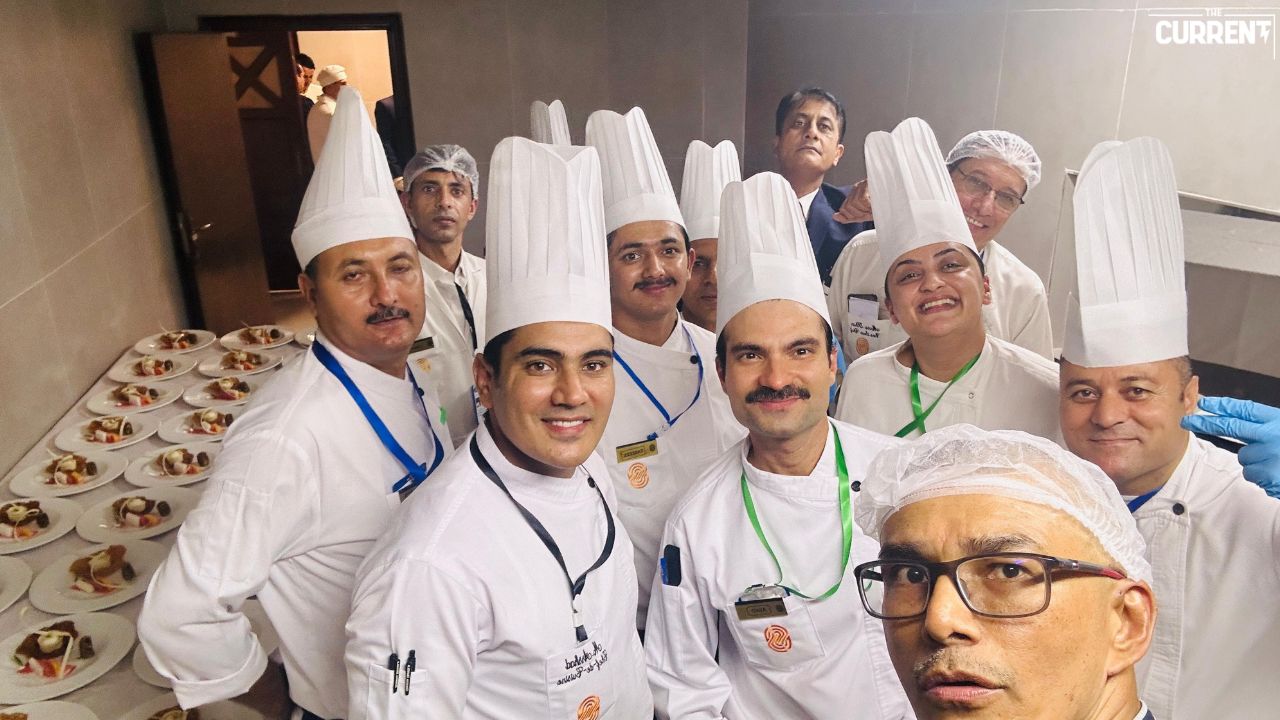
This got me to ask him how his experience of over a decade landed him this opportunity. To this, he replied that he was recommended by Okra- his previous place of work, the Ministry of Foreign Affairs. The ministry reached out to him, and he put together a team to accompany him to Islamabad. In the capital, they collaborated with the team at Serena Hotel, where they prepared a nice mix of dishes, keeping in mind the sensitivities of global leaders.
With utmost modesty, Asad gave credit to his team, describing that it was “a full team effort,” as he was just a part of this big machinery, and he considers himself lucky to have been selected for this job.
Asad with the team at Islamabad’s Serena Hotel
Speaking about his team, Monga introduced me to two other chefs, one from Karachi and the other from Lahore. Ramsha is from Karachi, and she runs a restaurant called d.brew’d on I. I Chundrigarh road. Another team member was Rabia from Lahore, who runs a restaurant called For the Table. “My team helped me execute all the things to the level I wanted and our stakeholders were expecting of us”. Asad said emphatically.
Speaking on behalf of the team, he said, “We had a great time and had lots of learning, considering it was such a high-profile event. So many little things needed to be taken care of, which was a great information knowledge for us.”
Shedding light on his experience at the Serena Hotel, Asad recalled it as something that stood out for him in this journey. “What stood out for me was the team at Serena and how committed, professional and welcoming they were,” he mentioned exuberantly. He elaborated this by saying that this is usually not the case when you enter somebody else’s kitchen.
Asad Monga at Serena Hotel for SCO Summit 2024
Famous chef Julia Child once said no matter what happens in the kitchen never apologize but most of all I was interested in knowing all the details from inside the kitchen so I asked Asad about the menu and all thay transpired in the kitchen.
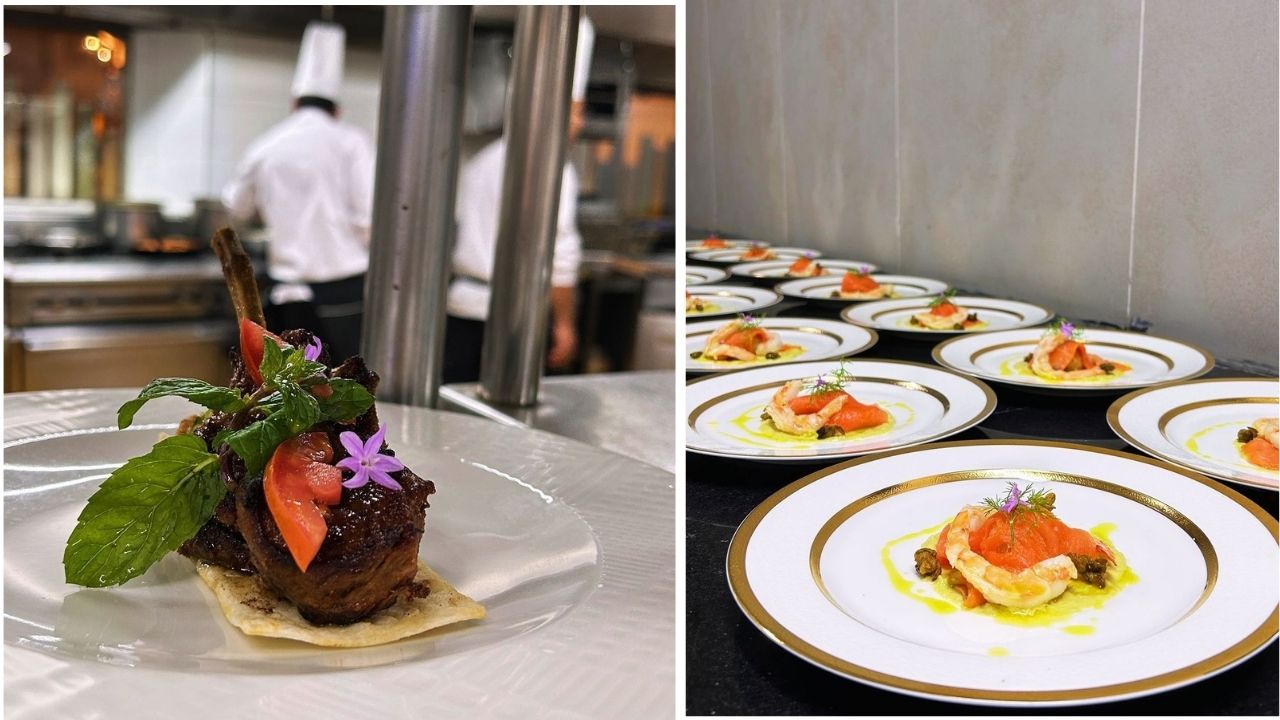
The menu has a mix of some Pakistani food and some international food. About the spice content and the making of the dishes, he commented, “Of course, we had to keep in check all the sensibilities of the global leaders that were coming in.” He further added that he and his team kept a nice mix of dishes in the overall menu which required the spices to be kept at a “base level” which means neither high nor low but flavourful.
The food they made was a mix of some Pakistani, Asian and Western food. There were Mutton Chops and Keemay-walay Naan for Pakistanis and salmon to add a touch of Continental. Asad very interestingly pointed out how some indigenous dishes were recreated for the occasion. For example, they made a Dao Dao Soup, which is a Hunza special.
He recounted how the dessert was specially made, keeping in mind the time of the year, which is the fall season. It had stewed apples with peanut butter cream and some dehydrated apple flowers on top of the apple crumble. “This was a play on apple crumble,” he ingeniously pointed out. “It’s funny, this was the first dessert I ever made, and I got an opportunity to serve it on such a big platform,” he added further.
Last but not least, Asad Monga stressed how this experience changed his perspective on the people in the government. “You know, you always have a stereotypical image in your head about the people working in the government, and that was completely changed for me as I saw some really capable, hardworking, accountable, responsible people working for the foreign office and beyond. They had a very invested outlook and they were very keen because the image of Pakistan is on the line,” he emphasized while adding that this was his first experience of seeing things up close.
Praising his collaborators further, he said that they were really hospitable towards his team. “I was feeling happy and proud that these people were given the charge to execute this kind of function.”
Talking to him transported me to the world of Ratatouille, and I was no less than Linguini. Meanwhile, him having the calmness of Gusteau, the sharpness of Colette and the passion of Remy. It is such an enviable combination for a chef to have and all that a culinary artist aspires for.
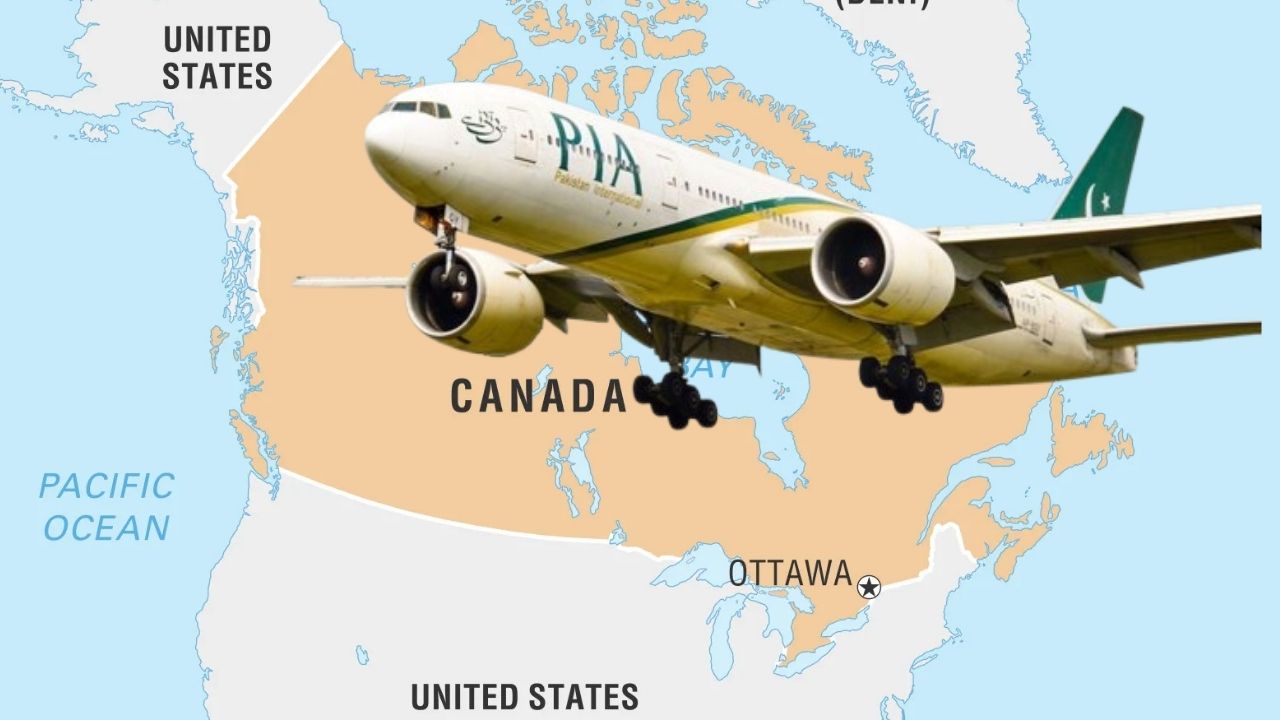
Another Pakistan International Airlines (PIA) flight crew member has reportedly gone missing while on duty after landing in Canada.
The missing crew member, Mohsin Raza, is originally from Islamabad.
Raza was scheduled to board a flight from Toronto to Karachi on October 13, 2024. However, he went missing during a layover in Toronto.
Dawn’s reports suggest he was found missing from his hotel room.
A PIA spokesman has announced that an investigation has been initiated against the missing crew member.
Despite attempts to tackle the issue, the number of flight attendants missing in Canada is increasing more frequently.
12 crew members have gone missing in a year, putting PIA under immense pressure.
Earlier this year, in February, an air hostess left, leaving a “thank you PIA” note behind her.
Experts cite low pay and a lack of job security within the national airline as the primary reasons behind these alleged instances of slippage, but above all, it tarnishes the image of the country on an international level.
The Current spoke to Alan James, an immigration lawyer from Canada, working with the Ace Luxury Group – a multi-national consulting agency – about the reason behind the escapes of Pakistani flight attendants from Toronto.
People like Pakistani flight attendants are “effectively” able to seek asylum in Canada as they claim prejudice in their own country.
“Each case is different, yet if they can prove persecution or danger from a political or religious family, Canada is open to helping such individuals,” he explained.
He also mentioned that asylum cases, on average, take six months to one year.
The Senate Standing Committee on Privatisation was told in August that PIA’s privatisation project would be completed by October 1. The national flag carrier stopped reaping fruits in 2011.
The caretaker setup had decided to privatise the loss-making state-owned institute back in June 2023 upon the insistence of the International Monetary Fund (IMF).
The Election Commission intervened and asked the government to “refrain” from finalising it.
Then, in April, Finance Minister Muhammad Aurangzeb announced that the process of privatising PIA would be finalised by the end of June or early July, but it was delayed until October 1.
However, it has been stalled again because the bidding company is demanding 100 per cent share ownership instead of the previously discussed 60 per cent.
Notably, the airline’s deficit has reached 500 billion rupees, which is close to not functioning at all.
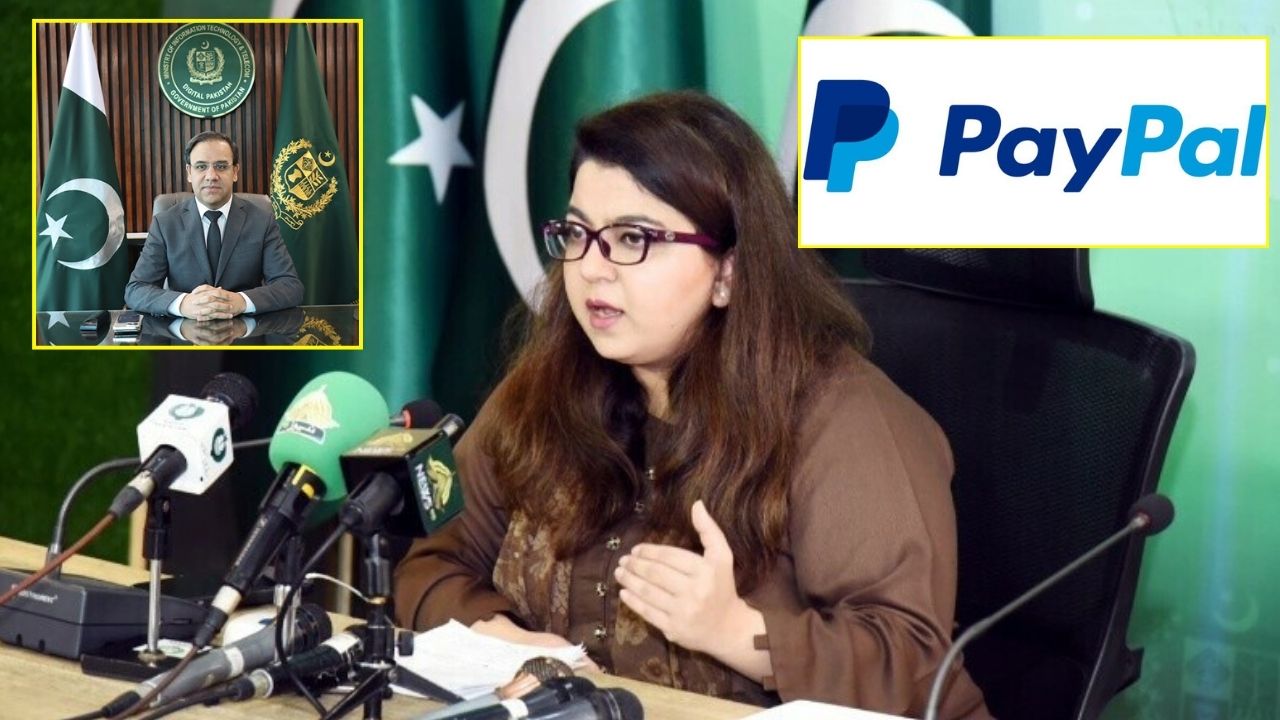
Shaza Fatima Khawaja, the minister of State for IT and Telecommunication, was quoted by Business Recorder as saying that former caretaker federal minister Dr Umar Saif sabotaged a deal to bring PayPAYal to Pakistan by leaking the news before time.
As per Business Recorder, the IT Minister told a presser, “Bringing PayPal to Pakistan was a private deal, which Dr Saif leaked before time. This action annoyed PayPal and he (Dr Umar) sabotaged it”.
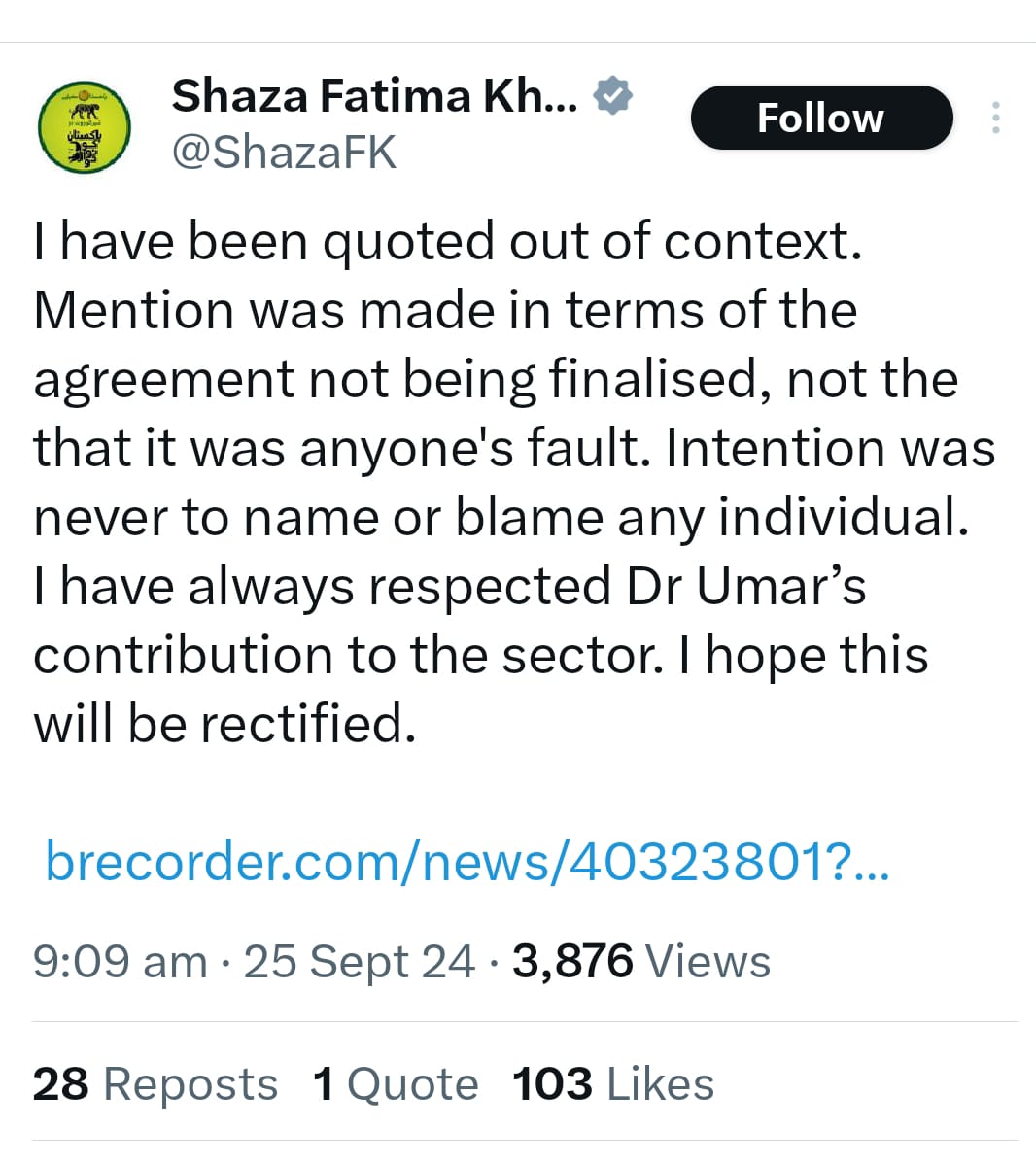
IT Minister released her response in a tweet to the viral statement: “I have been quoted out of context.” She further elaborated that her intention was never to name or blame anyone.
The Current talked to Shaza Khawaja about her statement. “The comment was mainly that he deal was private and it didnt go through with no intention of accusing anyone,” she stressed. While mentioning her tweet, in which she said, “I have always respected Dr. Umar’s contribution to the sector,” she added that she had tweeted about it and made an official statement about it as well.
The Current inquired her if she meant that the deal was made privately by Dr Umar, but she declined. “I just said that PayPal was a deal between two private entities that didnt go through,” she emphasised.
Notably, a year ago, on October 25, it was reported that Umar Saif, the then Minister for IT and Telecommunication, had shared that Pakistan would hear “good news” regarding Paypal in the near future.
However, the Current reached out to Dr Umar Saif, who refused to comment on it.
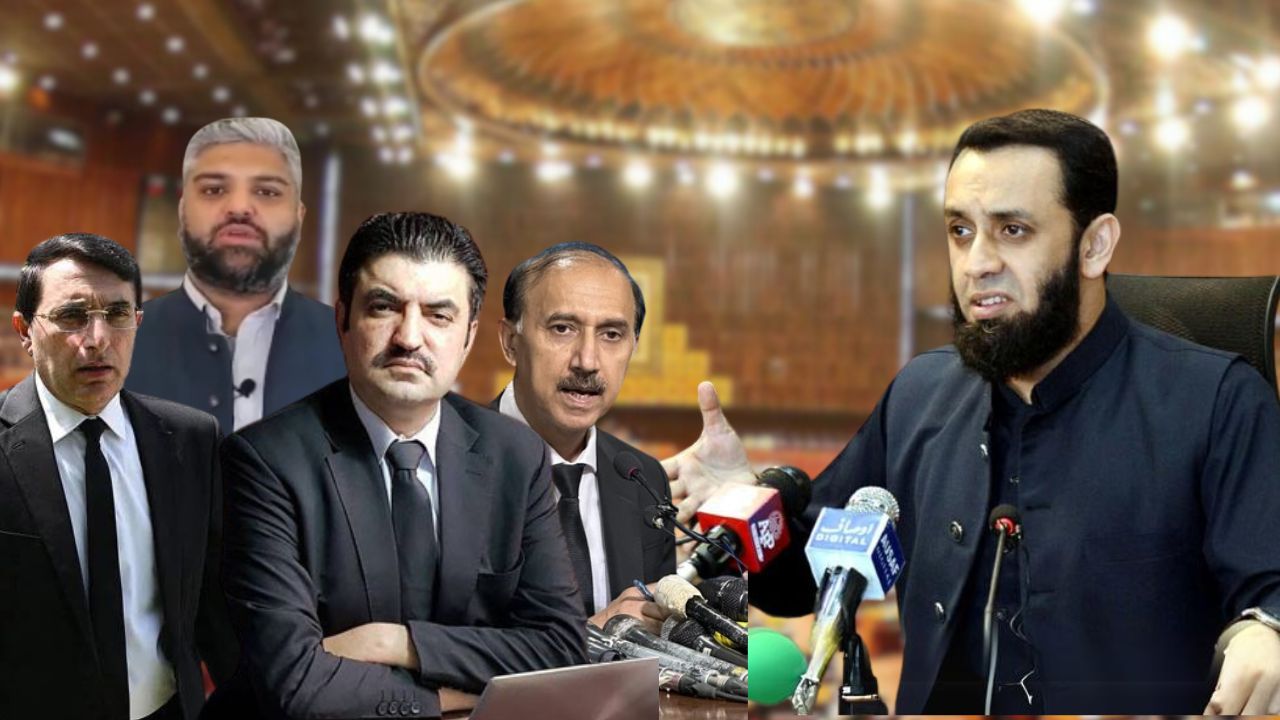
Information Minister Attaullah Tarrrar yesterday (September 11) spoke on the floor of the house in the National Assembly and claimed that the law was not violated when PTI MNAs were arrested on Monday night.
The minister claimed that video evidence available with the office of the speaker of the National Assembly shows no violation of law, as PTI members of the parliament were arrested outside the parliament’s premises.
“Some videos have come to our notice, and there was evidence proving that no one was arrested from inside the House,” he said, adding that evidence inside the speaker’s office shows that people were arrested from outside the parliament, near a checkpost.
Tarrar kept on stressing that these videos should be examined; either they (the opposition) deny the evidence, or if it turns out to be true, then the government can talk to them about it.
On the contrary, PTI leader Barrister Gohar spoke to the house and asserted that he and other party members were inside the parliament and were dragged out by “masked men” who had the keys to their rooms. The videos, he argued, were made outside the parliament.
“The two of us who were arrested from outside the parliament were actually not arrested outside the parliament. The time I sat in that car, there were others present with the walkie talkies and they were talking about who was taken where. They took me to the gate,” he said, implying that he was taken into custody from inside.
PTI has declared the arrests illegal and barbaric.
We asked renowned journalist Azaz Syed if claims MNAs being arrested from inside the parliament are correct or not. He said, “Some of the leaders were arrested from outside the parliament but two of them, according to my sources, were arrested from inside, one being Nasim Ali Shah.”
Commenting on legality, Azaz replied, “It is not illegal, but a sheer contradiction to traditions as the police entering the premises of the parliament is unheard of and not appreciated at all.”
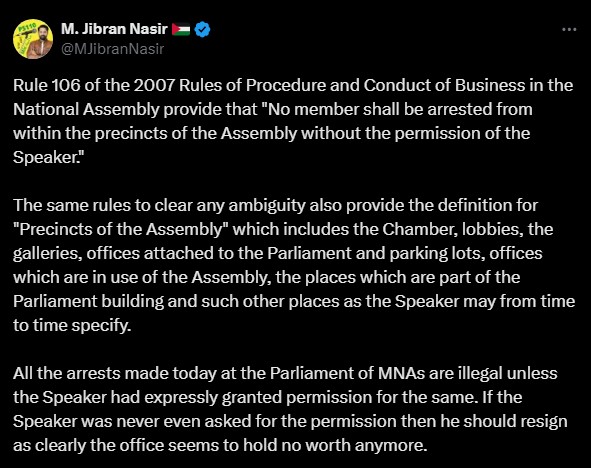
Lawyer and activist Jibran Nasir posted a detailed note elaborating upon the law rule 106 of the 2007 Rules of Procedure and Conduct of Business in the assembly stating that “No member shall be arrested from within the precincts of the Assembly without the permission of the Speaker.”
He went on to shed light on the precincts of the National Assembly, “which includes the Chamber, lobbies, the galleries, offices attached to the Parliament and parking lots, offices which are in use of the Assembly, the places which are part of the Parliament building and such other places as the Speaker may from time to time specify.”
Nasir opined that all the arrests made today at the parliament are illegal unless the speaker had expressly granted permission for the same.
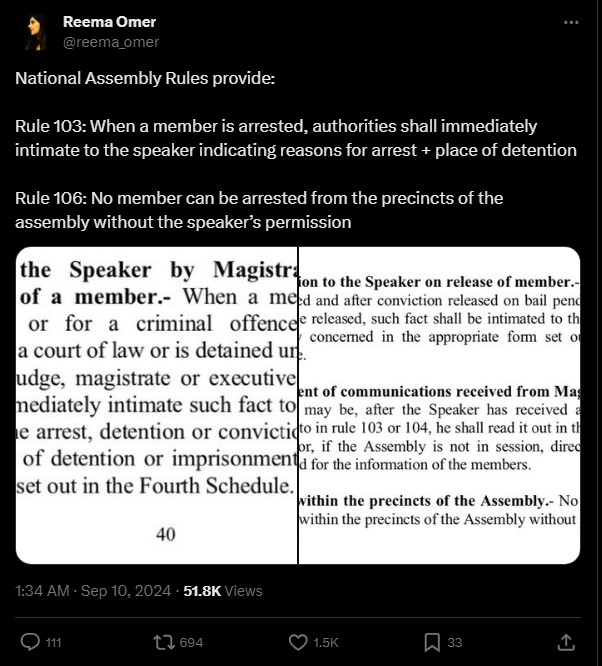
Lawyer and analyst Reema Omer also posted about Rule 106 and highlighted Rule 103, which delineates that “when a member is arrested, authorities shall immediately inform the speaker indicating reasons for arrest plus place of detention.”
Notably, footage of PTI leader Zubair Khan being dragged by the police from inside the parliament made waves all across the internet, debunking Tarar’s claim that no one was arrested from inside the parliament.
Dawn claims that police had been deployed outside Parliament House for hours before unmarked vehicles arrived on the scene.
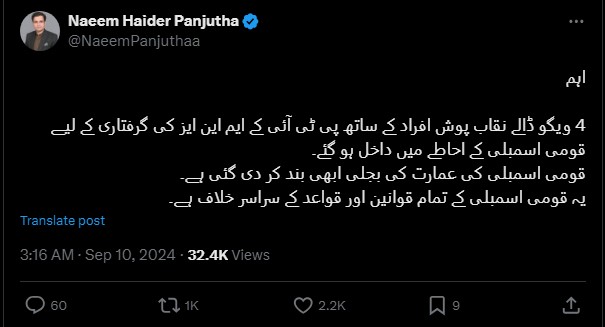
Verifying the claims made by netizens, Dawn also confirmed that the electricity of the parliament building was disconnected during the raid.
“Subsequently, MNAs Zain Qureshi, Amir Dogar, Sheikh Waqqas Akram, and Naseem Ali Shah along with others were brought out from Parliament House and handed over to police for legal action,” Dawn reports.
Three of the four vehicles were reported to have left the premises, and the MNAs were bundled into different cars.
After this episode, the power supply was restored, and the ‘under custody’ MNAs were brought out of the building through the Cabinet Division gate, where they were ‘rearrested’ by the police, according to Dawn’s report.
Videos of Zain Qureshi talking to the media inside the court he was presented in also emerged in which he, contrary to Tarrar’s claim, said that he, being a “sitting member” of the parliament, was arrested by the police.