Category: Blog

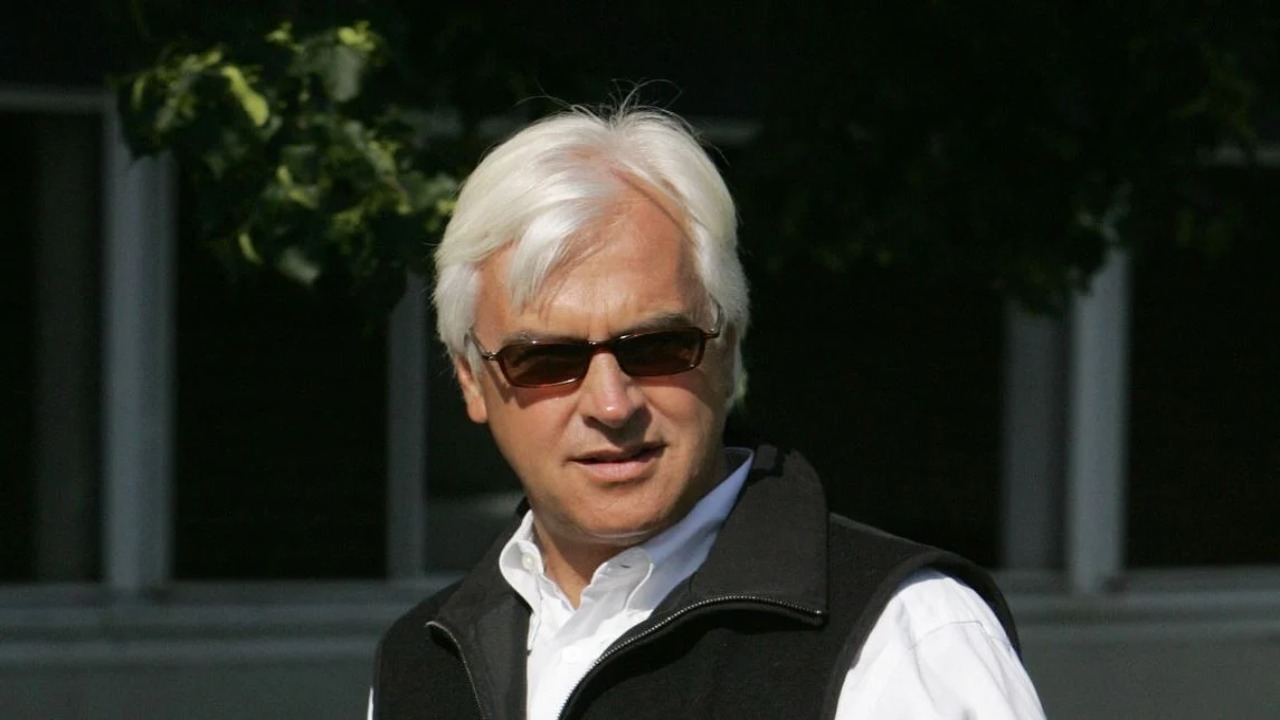
  • Bob Baffert Net Worth: A Deep Dive into the Life of the Horse Racing Legend

    Bob Baffert Net Worth: A Deep Dive into the Life of the Horse Racing Legend

    Bob Baffert is a household name in the world of horse racing. Known for his extraordinary career as a trainer, his rise to fame has made him one of the most influential figures in the sport. But behind his success on the racetrack, what is Bob Baffert’s net worth, and how did he accumulate such wealth?

    In this article, we’ll explore Bob Baffert’s life, career, and income sources, offering insights into his estimated net worth, which is currently valued at approximately $30 million. By the end, you’ll have a better understanding of how this legendary horse trainer achieved such great financial success and some interesting facts about his career.


    Early Life and Career of Bob Baffert

    Before becoming a superstar in horse racing, Bob Baffert was born on January 13, 1953, in Arizona. From a young age, he showed an interest in horses and the world of racing. Baffert grew up on a farm and developed a love for riding horses, which would eventually steer him towards a career in training.

    He initially got his start in the horse racing industry as a jockey, but his skill and passion as a trainer truly brought him into the limelight. Over the years, Baffert’s career skyrocketed, and he became known for his sharp eye in selecting talented horses and his innovative methods in training them.


    Breakthrough Moment in His Career

    Baffert’s big break came in the 1990s when he began training horses that competed in some of the most prestigious horse races in the United States. His success reached heights when he trained Silver Charm, a horse that won the Kentucky Derby and the Preakness Stakes in 1997.

    Since then, Bob Baffert has trained many legendary horses, including American Pharoah, who broke a 37-year drought by winning the Triple Crown in 2015. This historic achievement cemented Baffert’s place in horse racing history and made him a well-known figure outside the sports world.


    Bob Baffert’s Net Worth: $30 Million

    As of 2025, Bob Baffert’s net worth is around $30 million. While this may seem like a large fortune, it’s essential to understand how Baffert’s wealth is generated. His financial success comes not just from training fees but also from the success of the horses he has trained and his investments in the horse racing industry.


    Earnings from Horse Training

    As a top-tier horse trainer, Baffert charges substantial fees for his services. He earns a percentage of the earnings from the horses he trains, which can be a significant amount. Many of Baffert’s horses have won major races, which brings in millions of dollars in prize money. The earnings can be substantial when one of his horses wins a high-profile race like the Kentucky Derby.

    For example, when American Pharoah won the 2015 Triple Crown, the horse earned over $8 million in prize money, a portion of which went directly to Baffert. Throughout his career, Baffert has consistently trained winning horses, which means a continuous income stream from his training fees and prize money.


    Sponsorships, Endorsements, and Other Business Ventures

    Beyond training horses, Baffert also benefits from various sponsorships and endorsement deals. As one of the most recognizable names in horse racing, he has been approached by brands and companies looking to capitalize on his fame. These endorsements help boost his income, adding another revenue stream to his portfolio.

    Furthermore, Baffert has also made strategic investments in the horse racing industry. Whether through owning horses or participating in breeding programs, his business acumen has enabled him to expand his wealth. His savvy investments in high-potential racehorses have further contributed to his net worth.


    Real Estate and Luxury Lifestyle

    Bob Baffert’s success also translates to his lifestyle. He is known to own luxury properties and enjoys the finer things in life. Baffert’s homes are for personal enjoyment and serve as training grounds for some of his racehorses. Real estate plays a key role in his overall wealth as a personal asset and part of his business strategy.

    The American trainer’s net worth also enables him to indulge in a lavish lifestyle, with a penchant for expensive cars, private jet travel, and other luxuries that come with fame and wealth. His high-profile lifestyle, however, is not just about status; it also reflects the enormous dedication and hard work he has put into building his career.


    Key Factors Behind Bob Baffert’s Financial Success

    Several factors have played a crucial role in Bob Baffert’s rise to fame and fortune. Here are some of the key contributors:


    1. Expertise in Horse Training

    Bob Baffert is known for his keen eye when selecting young horses with potential. His ability to mold raw talent into winning horses has made him a sought-after trainer. His track record of training multiple Kentucky Derby winners, Preakness Stakes winners, and Breeders’ Cup champions is unparalleled.


    2. High-Profile Victories

    Baffert’s net worth has been significantly boosted by the success of his horses in primary races. He has won the Kentucky Derby a record seven times, with horses like American Pharoah and Justify helping to make his name synonymous with Triple Crown victories. Each win not only adds to his prestige but also his earnings.


    3. Strong Network and Industry Influence

    In addition to his skill as a trainer, Baffert has built a strong network of owners, breeders, and other influential figures in the horse racing world. His reputation as a top-tier trainer has attracted some of the industry’s wealthiest and most powerful players, further expanding his reach and financial success.


    4. Marketing and Branding

    Bob Baffert has also benefited from his brand. Through media appearances, interviews, and public engagements, he has built a recognizable image. This visibility has helped him secure endorsements, sponsorships, and partnerships that enhance his financial portfolio.


    Challenges and Controversies

    While Bob Baffert’s career has been largely successful, it has not been without controversy. In recent years, Baffert has faced scrutiny regarding allegations of doping violations, which have resulted in suspensions and fines. These controversies have led to significant challenges in his career, including being banned from major races like the Kentucky Derby for a period.

    However, despite these setbacks, Baffert’s legacy remains intact as one of the greatest horse trainers of all time, and he continues to train some of the most successful racehorses in the industry.


    Conclusion

    Bob Baffert’s net worth of $30 million is a testament to his exceptional career in horse racing. His journey from a small-town farm boy to a global icon in the horse racing industry shows that hard work, talent, and dedication can result in immense financial success. Baffert’s earnings come from various sources, including training fees, sponsorships, and business ventures, and his influence on the sport continues to grow.

    While controversies have touched his career, they have not overshadowed his remarkable achievements. Today, Bob Baffert remains one of the most successful and influential figures in horse racing, and his net worth reflects the fruits of his labor over decades.

    Suppose you’re a fan of sports, particularly horse racing. In that case, understanding Bob Baffert’s financial journey gives you an insight into how the combination of talent, strategy, and business savvy can lead to long-term success.

    For more on sports news, check out this article on Wasim Akram under fire for late statement on Pak-India tensions.

  • Donald Trump Net Worth: A Comprehensive Look at His Wealth in 2025

    Donald Trump Net Worth: A Comprehensive Look at His Wealth in 2025

    Donald Trump, the 45th president of the United States, is one of the most well-known figures in the world. From his time as a real estate mogul to his presidency, Trump has been a figure of great interest. His wealth, however, is just as captivating as his political career. In this article, we’ll take a deep dive into Donald Trump’s net worth, examining his business ventures, assets, and sources of income. We’ll also look at how his fortune has evolved and provide insights into his worth in 2025.


    What Is Donald Trump’s Net Worth in 2025?

    As of late April 2025, Donald Trump’s net worth is estimated to be around $5.2 billion. This assessment comes from the trusted financial publication Forbes, which has been tracking his wealth for decades. However, it’s important to note that Trump’s net worth is unknown. This is because much of his wealth is tied to private assets that are not easily evaluated.

    In general, net worth estimates are often speculative. They rely on publicly available data, such as property records and business reports, but don’t account for all the personal wealth he may hold, such as cash or private investments. With Trump, this means that his actual wealth could be higher or lower than estimated.


    How Has Donald Trump Built His Wealth?

    Donald Trump didn’t inherit his fortune in the way many people think. Though he was born into a wealthy family, his rise to the top of the financial world came through strategic business decisions. Here’s how he built his wealth over the years:


    1. Real Estate Investments

    Trump’s journey to immense wealth began with his work in real estate. He took over his father’s business, the Trump Organization, and expanded it into a massive real estate empire. Over the years, Trump has owned a variety of properties including:

    • Trump Tower in New York City

    • Mar-a-Lago in Palm Beach, Florida

    • Golf courses in several countries, including Scotland and Ireland

    • Luxury hotels and resorts

    Many of these properties are high-profile and generate substantial revenue, particularly through rentals and tourism. Trump’s real estate business remains a major part of his wealth even today.


    2. Branding and Licensing Deals

    In addition to owning physical assets, Trump has also capitalized on his name. The Trump brand is one of the most recognizable in the world. Over the years, he has licensed his name to hotels, golf courses, and other ventures, generating millions of dollars. These licensing deals have been a significant source of passive income.


    3. Television and Media Ventures

    Trump’s fame grew even more during his time hosting the reality TV show The Apprentice. The show, which ran from 2004 to 2015, helped Trump’s public profile soar, bringing in millions of dollars each year. Additionally, Trump has written several books, including The Art of the Deal, which have further solidified his brand and provided substantial income.


    4. The Trump Organization

    The Trump Organization continues to be a significant player in Donald Trump’s wealth. The company owns and operates a range of real estate properties and other businesses, and its success is key to Trump’s financial standing. While some of Trump’s ventures have faced legal challenges, the organization still manages to generate substantial revenue from its assets.


    How Donald Trump’s Net Worth Has Evolved Over Time

    Donald Trump’s net worth has seen significant fluctuations over the years. In the 1980s, he was a young, ambitious real estate developer with high hopes and a growing portfolio. However, the early years were not without struggle. By the early 1990s, Trump was facing massive financial difficulties, including significant debt and bankruptcy filings for some of his businesses.

    Despite these challenges, Trump rebounded in the 2000s. His real estate holdings grew in value, and his media appearances helped boost his profile. By 2016, his wealth was estimated at over $4 billion, a figure that continued to climb during his presidency and into the present day.

    Trump’s ability to leverage his personal brand has played a key role in rebuilding and growing his fortune. Today, the Trump Organization remains one of the most valuable assets in his portfolio, and his branding deals continue to be profitable.


    Key Assets Contributing to Donald Trump’s Wealth

    While Trump’s wealth comes from a variety of sources, certain assets are especially important in determining his overall net worth. Here are some of his most notable assets:


    Trump Tower

    In New York City’s heart, Trump Tower is one of Trump’s most iconic properties. The building serves as an office space and residential property, with apartments being rented out for millions of dollars annually. This skyscraper remains a key source of income for Trump.


    Mar-a-Lago

    Known as Trump’s “winter White House,” Mar-a-Lago is a luxurious estate in Palm Beach, Florida. Trump purchased the property in 1985 and transformed it into a private club. Members pay a steep membership fee, which generates significant revenue for Trump.


    Golf Courses

    Trump owns or has stakes in more than 15 golf courses worldwide, including locations in the United States, Scotland, and Ireland. These golf courses are important assets, contributing millions in revenue each year through memberships, tournaments, and other events.


    Licensing and Branding

    Trump’s name is an asset in itself. He has successfully licensed it to luxury hotels, resorts, and real estate projects worldwide. These licensing deals, which include a percentage of profits, add millions to Trump’s wealth annually.


    Luxury Hotels

    In addition to his real estate holdings, Trump owns several luxury hotels in major cities around the world. These high-end properties cater to a wealthy clientele, providing Trump with a significant income stream.


    What Contributes to the Uncertainty of Donald Trump’s Net Worth?

    While we can estimate Donald Trump’s net worth at around $5.2 billion, there are many factors that make this number uncertain:


    1. Private Assets

    Many of Trump’s assets are private, meaning they are not easily valued. For example, the full value of his brand and intellectual property is difficult to calculate because it depends on how well it continues to perform in the future.


    2. Legal Challenges and Business Ventures

    Trump has faced legal challenges throughout his career that could impact his wealth. Whether these will result in financial loss is uncertain, but they remain a risk factor for his net worth.


    3. Market Conditions

    Trump’s wealth is closely tied to real estate, which can fluctuate based on market conditions. Changes in the real estate market can affect the value of his properties, meaning his net worth could increase or decrease depending on the market’s performance.


    Conclusion: Donald Trump’s Net Worth in 2025

    As of 2025, Donald Trump’s net worth is estimated at $5.2 billion. His wealth has been built through a combination of real estate investments, branding deals, media ventures, and successful business management. Despite the fluctuations and uncertainties in his wealth over the years, Trump remains one of the world’s wealthiest and most influential figures.

    While his net worth may change due to market conditions, business decisions, or legal matters, Trump’s ability to adapt and leverage his name has kept him at the top of the financial world. Whether or not you agree with his business practices or political career, there’s no denying that Donald Trump’s wealth continues to be a subject of fascination and interest for many people in the United States and around the world.

    Cricket legend Shahid Afridi recently shared heartfelt words for Virat Kohli following his Test retirement. Read the full tribute here.

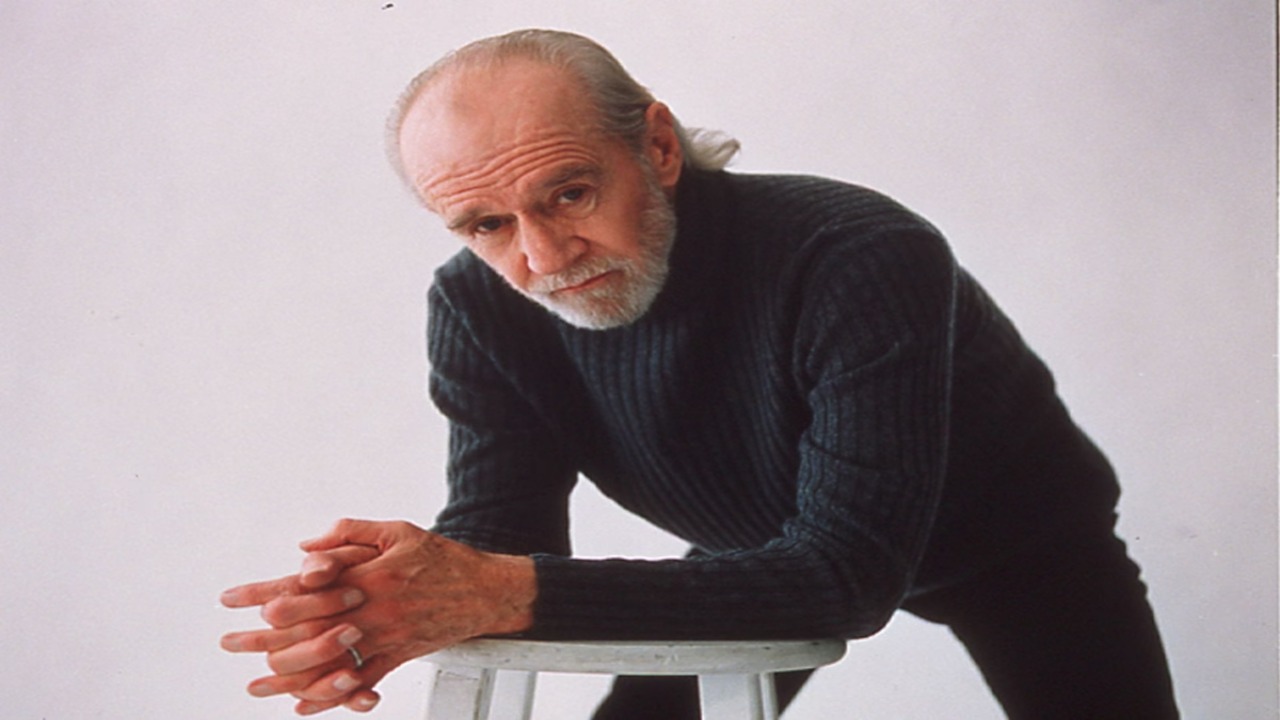
  • George Carlin: The Comedic Revolutionary Who Redefined American Humor

    George Carlin: The Comedic Revolutionary Who Redefined American Humor

    George Carlin was more than just a comedian. He was a truth-teller, a sharp thinker, and a fearless speaker. He made people laugh, but he also made them think. Born in 1937 in New York City, Carlin became one of the most critical voices in American comedy. His humor was bold, direct, and often controversial.

    For many, George Carlin was a hero. He stood up against censorship, questioned authority, and used jokes to expose society’s problems. Even years after he died in 2008, his words still echo in comedy and beyond.


    Early Life and Career

    George Denis Patrick Carlin grew up in Manhattan. His family was Irish-American and Catholic. His father left when George was young, and his mother raised him. Carlin dropped out of high school and joined the U.S. Air Force, where he also worked as a radio DJ.

    In the late 1950s, Carlin started performing comedy. At first, his act was clean and safe. He wore suits and told light jokes on TV shows like “The Ed Sullivan Show.” People saw him as a regular comic—funny, but not shocking.


    The Big Change: Finding His Voice

    Everything changed in the late 1960s and early 1970s. American culture was shifting. The Vietnam War, civil rights, and new music changed people’s thoughts. Carlin saw that comedy needed to change, too.

    He grew his hair, wore casual clothes, and dropped the “safe” act. His jokes became more raw and honest. He started discussing serious topics—religion, drugs, politics, and language. He spoke in a way many people felt but didn’t dare say out loud.


    “Seven Dirty Words” and Free Speech

    In 1972, George Carlin performed one of his most famous routines: “Seven Words You Can Never Say on Television.” This act was both funny and shocking. He listed seven curse words that were banned from public airwaves.

    The routine caused a legal battle that went to the U.S. Supreme Court. The case, known as FCC v. Pacifica Foundation, tested the limits of free speech in America. The court ruled that the government could limit indecent material on public radio and TV. Carlin’s words sparked a national conversation about censorship and freedom.

    Even though he lost the case, George Carlin won something bigger. He became a symbol for free speech and artistic freedom. He showed that comedy could be powerful and essential.


    A Style Like No Other

    George Carlin had a unique style. He spoke quickly and clearly, using rhythm, tone, and wordplay to make his jokes hit hard. He was like a poet, but with jokes instead of rhymes.

    He loved language. He joked about how people speak and how words can hide the truth. For example, he mocked how the government uses soft words to cover up harsh actions, like calling war deaths “collateral damage.”

    Carlin’s comedy wasn’t just about being funny. It was about finding the truth and saying it out loud.


    Topics That Mattered

    Carlin didn’t shy away from complex issues. He joked about

    • Politics: He criticized both Democrats and Republicans. He saw politicians as selfish and dishonest.

    • Religion: Carlin was an atheist who often joked about organized religion. He believed it caused more harm than good.

    • Consumerism: He hated how people always wanted more stuff. He said Americans were too focused on shopping and money.

    • Media: He believed TV news and ads were full of lies and fear tactics.

    • The Environment: In his later years, Carlin talked about the planet and how humans destroyed it.

    These topics made some people angry. But many others saw him as brave and honest. He said the things others were too afraid to say.


    Lasting Legacy

    George Carlin recorded over 20 comedy albums, wrote three books, and appeared in several movies and TV shows. He won five Grammy Awards and was posthumously awarded the Mark Twain Prize for American Humor in 2008.

    He also influenced countless comedians, including:

    • Louis C.K.

    • Chris Rock

    • Jon Stewart

    • Bill Maher

    • Joe Rogan

    Many of them say Carlin inspired them to speak freely and dig deeper.

    His HBO specials, especially from the 1990s and 2000s, are still watched and shared today. His words feel just as relevant now as they did then.


    George Carlin and American Culture

    Carlin wasn’t just telling jokes. He was holding up a mirror to American culture. He made fun of the lies people tell themselves. He exposed racism, greed, war, and ignorance. He wanted people to stop being passive and start thinking for themselves.

    In this way, Carlin was more than a comedian. He was a social critic, a philosopher, and a rebel.


    Personal Life and Final Years

    Carlin married Brenda Hosbrook for 36 years until her death in 1997. They had one daughter, Kelly. He later married Sally Wade and remained with her until his death.

    George Carlin struggled with drug addiction and health problems. Despite this, he continued performing almost until the day he died. He passed away on June 22, 2008, at the age of 71, from heart failure.

    His final HBO special, It’s Bad for Ya, was recorded just months before his death. It showed he had lost none of his fire.


    Why George Carlin Still Matters Today

    In today’s world of social media, fake news, and growing political division, George Carlin’s voice is more important than ever. His humor teaches us to question authority, challenge groupthink, and use language wisely.

    Young people who have discovered Carlin today are surprised by how modern his ideas still feel. His stand-up clips go viral on platforms like YouTube, Instagram, and TikTok. People see him as a voice of truth in a world full of noise.


    Final Thoughts

    George Carlin didn’t just make people laugh—he made them think. He was funny, fearless, and deeply thoughtful. He questioned everything and encouraged others to do the same. That’s why he’s remembered not just as a comedian, but as a cultural icon. He didn’t follow trends. He created his path. In doing so, he changed comedy—and maybe even America—for the better.

    In a heart-wrenching moment, Hira Mani’s emotional video from Abu Dhabi airport captured her reunion with her children, leaving fans in tears.

  • BCE Stock: A Simple and Complete Guide for U.S. Investors

    BCE Stock: A Simple and Complete Guide for U.S. Investors

    BCE stock could be a good fit if you’re looking for a stable investment that pays steady income. BCE Inc. is the parent company of Bell Canada, the largest telecommunications provider in Canada. The company has a strong reputation, consistent cash flow, and a long history of paying dividends. While based in Canada, BCE stock is also available on the New York Stock Exchange, making it easy for U.S. investors to buy and hold.

    This guide will explain BCE Inc., how the stock has been performing, what kind of returns you might expect, and the risks you should know about without using confusing financial jargon.


    What Is BCE Inc.?

    BCE Inc., also known as Bell Canada Enterprises, is a major player in Canada’s telecom industry. The company provides phone, internet, mobile, and television services to millions of customers nationwide. In addition to telecom, BCE owns Bell Media, which operates popular TV channels like CTV, TSN, and several radio stations.

    Think of BCE as Canada’s version of AT&T or Verizon. It’s not just a phone company—it also has a significant footprint in media and broadcasting. This mix of services helps BCE earn steady revenue, even when parts of the economy are slow.


    How Is BCE Stock Performing?

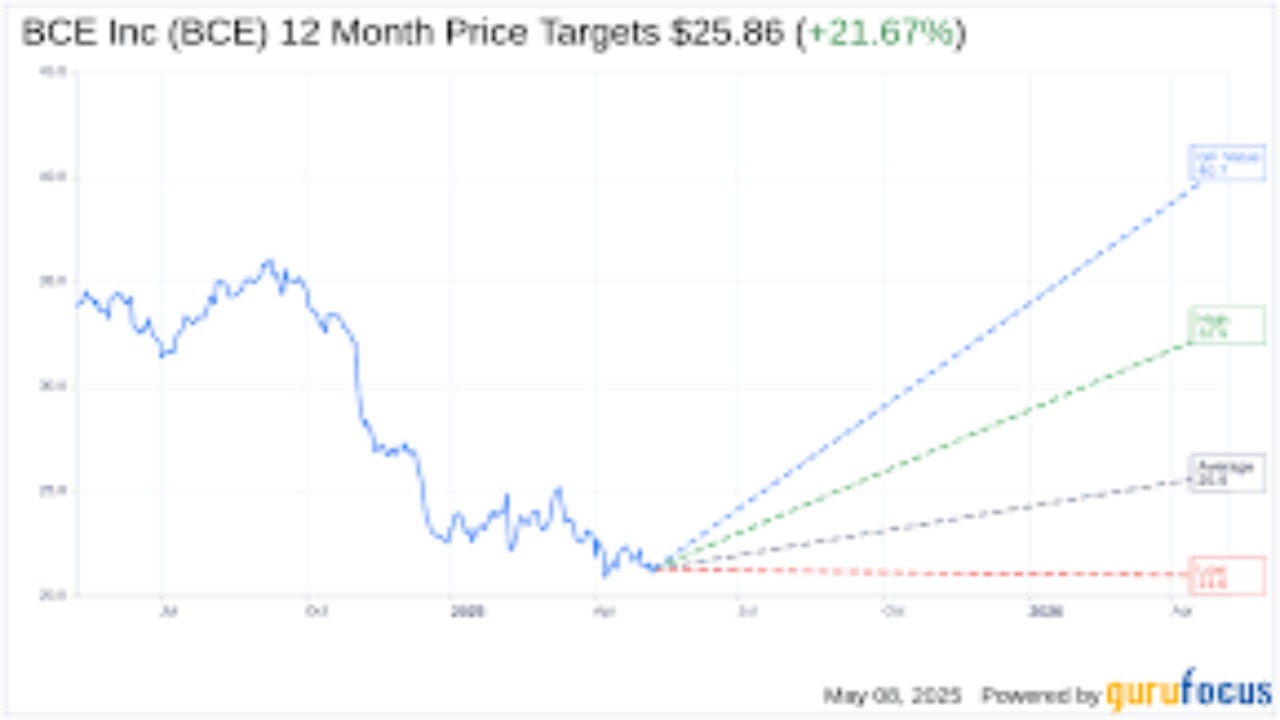
    As of May 12, 2025, BCE stock is trading at 31.60 CAD, about 22.71 USD. The stock price increased by 0.64 CAD, or 2.07%, in the most recent trading session. This relatively mild price movement shows the typical stability that large telecom companies offer.

    Over the past year, BCE stock has faced some challenges, particularly due to rising operational costs and changes in the media business. However, the stock remains popular among investors, prioritizing income over fast growth.


    Why BCE Stock Attracts Income Investors

    One of the biggest reasons people invest in BCE stock is its high dividend yield. In 2024, the company paid a dividend of C$3.99 per share, which equals a yield of around 12.3%. That’s significantly higher than what most companies on the S&P 500 offer.

    BCE stock is appealing to investors who want to earn income without selling shares. The dividend is paid quarterly, giving shareholders a reliable yearly income stream.

    That said, there’s a catch. BCE’s payout ratio is very high—over 1,100%. This means the company pays out more dividends than profits. While BCE has a solid history of managing its finances, such a high payout ratio could lead to trouble if earnings don’t improve. In simple terms, the dividend looks great today, but it might not be this generous forever.


    Recent Financial Performance

    In the first quarter of 2024, BCE reported a net income of C$457 million, a 42% drop from last year. This decline was mainly due to higher costs, including severance payments and restructuring expenses.

    However, the company also reported adjusted earnings per share (EPS) of C$0.72, which slightly beat analyst expectations. Even in a challenging quarter, BCE outperformed predictions, suggesting strong management and operational efficiency.

    Revenue for the quarter was around C$6 billion. While that’s slightly down from the previous year, BCE still showed strong customer growth, especially in wireless subscriptions. The company added over 45,000 new wireless subscribers, showing that service demand remains solid.


    Strategic Moves and Growth Plans

    BCE is not just sitting still. To stay competitive, the company is undergoing a major transformation. It’s reducing its dependence on traditional media and investing more in internet infrastructure and digital technologies.

    In 2024, BCE sold its 37.5% ownership of Maple Leaf Sports & Entertainment to Rogers Communications for C$4.7 billion. That deal helped the company focus more on its core telecom services and free up capital for new investments.

    One significant move is the acquisition of Ziply Fiber, a U.S.-based company, for US$3.6 billion. This deal expands BCE’s presence in the United States, particularly in the Pacific Northwest. BCE wants to diversify its revenue by entering the U.S. broadband market and find new growth opportunities.

    At the same time, the company is reducing its workforce. In 2024, BCE announced plans to cut about 4,800 jobs to save money and streamline operations. While job cuts are never pleasant, this decision shows the company is serious about improving efficiency and adapting to market changes.


    Risks to Consider

    Like any investment, BCE stock comes with risks. First, the telecom industry in Canada is highly competitive. BCE faces strong rivals like Rogers and Telus, which offer mobile, internet, and TV services. Any loss in market share could hurt its earnings and stock price.

    Second, BCE carries a significant amount of debt. The company has used borrowed money to fund projects and maintain its dividend. If interest rates stay high, BCE could face more pressure to cut costs or reduce dividend payments.

    Third, government regulations in Canada are becoming stricter. In recent months, the Canadian government has required BCE to allow smaller providers access to its high-speed fiber network. This policy could reduce BCE’s pricing power and lower its profit margins.

    Lastly, there’s always the chance that BCE will reduce its dividend if earnings continue to fall. While there’s no sign of this happening immediately, income investors should keep a close eye on the high payout ratio.


    Is BCE Stock a Good Buy for U.S. Investors?

    For U.S. investors, BCE stock provides a unique opportunity to diversify into the Canadian market. It offers exposure to the telecom and media industries while delivering an attractive dividend yield.

    Because BCE stock is listed on the New York Stock Exchange, you can easily buy and sell shares through your regular U.S. brokerage account. You’ll receive dividend payments in Canadian dollars, but many U.S. platforms will automatically convert them to U.S. dollars for you.

    BCE stock may not be the right choice for someone looking for rapid growth or high capital gains. But for retirees, income-focused investors, or anyone who wants to add a steady performer to their portfolio, BCE stock can be a clever long-term play, especially if bought during a dip in price.


    Final Thoughts

    BCE stock stands out as one of North America’s most consistent dividend-paying stocks. With a long history, a broad customer base, and an evolving business strategy, BCE shows resilience in a changing market. Its high dividend yield makes it particularly attractive for income investors, though the high payout ratio and industry challenges are risks to watch.

    As always, research carefully and consider your investment goals before buying any stock. But BCE stock might deserve a place in your portfolio if you’re looking for steady income, low volatility, and exposure to the Canadian telecom sector.

    In a recent interview, Daryl Mitchell addressed rumors about his stance on Pakistan, calling out misleading reports.

  • The Power of Gratitude: A Simple Practice for a Happier Life

    The Power of Gratitude: A Simple Practice for a Happier Life

    In our busy and often stressful lives, it’s easy to forget to appreciate what we already have. We rush through tasks, check off to-do lists, and sometimes focus too much on what’s missing. But what if a straightforward habit could change how we see the world and help us feel happier, healthier, and more connected? That habit is gratitude.

    What Is Gratitude?

    Gratitude means being thankful for the good things in life. They can be small, like a warm cup of coffee, a kind word from a friend, or a sunny day, or big, like recovering from illness or having a supportive family. Appreciation isn’t just about saying “thank you”—it’s about noticing and truly feeling thankful for the positive moments in life.

    Even during tough times, appreciation helps us stay grounded. When we focus on what’s going right, we stop stressing as much about what’s going wrong. This shift in thinking can be decisive.


    Why Is Gratitude Important?

    Gratitude has a profound impact on both the mind and the body. Many scientific studies have shown that people who regularly practice appreciation tend to sleep better, feel less stressed, and enjoy better health overall. Appreciation helps reduce negative emotions like envy, frustration, or regret, increasing happiness and life satisfaction.

    Mentally, appreciation helps us focus on positive thoughts. Instead of worrying about problems, we see solutions or silver linings. Physically, people who feel grateful often take better care of themselves. They’re more likely to exercise, eat healthier, and avoid harmful habits like smoking or excessive drinking.

    Emotionally, appreciation also helps improve relationships. When we appreciate others and let them know, we build stronger bonds and trust. Saying “I appreciate you” can make someone’s day and improve your mood.


    How Gratitude Helps in Everyday Life

    Think of appreciation as a pair of glasses. When you wear them, you see life differently. Even small tasks become meaningful. You might appreciate your morning walk more. You may find joy in your child’s laugh or a call from an old friend.

    Gratitude also helps us feel more hopeful. When life feels hard, thinking about what we’re thankful for reminds us that not everything is bad. This mindset can give us the strength to keep going.

    In the workplace, employees who feel appreciated are more motivated and productive. In families, expressing appreciation builds warmth and closeness. It’s a simple act, but it leads to a deeper connection.


    Simple Ways to Practice Appreciation Daily

    You don’t need much time or special tools to practice gratitude. One of the easiest ways is to keep a journal. Every night, write down three things you were thankful for that day. They can be as small as finishing a task or hearing your favorite song on the radio. Over time, this daily habit helps train your brain to look for the good.

    You can also make it a point to say “thank you” more often—and mean it. Whether it’s your co-worker helping with a project or your child putting away their toys, showing genuine appreciation makes a difference.

    Taking a quiet moment each day to reflect can also help. Sit for a few minutes, breathe deeply, and think about what made you smile or feel calm today. You don’t have to write anything down—just notice and feel it.

    Another powerful practice is to tell someone why you’re grateful for them. Write a short note, send a message, or simply say it out loud. These small acts can brighten someone’s day and strengthen your bond.


    Gratitude and the Science Behind It

    You may be surprised to know that gratitude changes how our brain works. Studies show that practicing appreciation increases activity in the parts of the brain linked to feelings of reward and emotional bonding. It also helps release chemicals like dopamine and serotonin, natural feel-good hormones.

    One study from the University of California found that people who kept gratitude journals felt more optimistic and exercised than those who didn’t. Another study revealed that practicing appreciation for a few weeks can lead to better sleep, fewer physical symptoms, and improved mental health.

    These benefits are not just short-term. People who continue to practice gratitude regularly experience long-lasting improvements in mood and life satisfaction.


    How to Start When Gratitude Feels Hard

    There are times when feeling thankful doesn’t come easily. Life can be overwhelming, and gratitude may feel forced or fake in those moments. That’s okay. Appreciation isn’t about ignoring pain or pretending everything is perfect. It’s about recognizing that even in the middle of difficulty, there might be something—anything—to be grateful for.

    Start small. Maybe you’re thankful for clean water, a safe place to sleep, or a kind smile from a stranger. These small things can slowly build a path toward feeling more hopeful.

    Over time, gratitude becomes a habit. Like brushing your teeth, it becomes part of your routine and a way to care for your well-being.


    Gratitude in American Culture and Communities

    In the U.S., we celebrate appreciation yearly on Thanksgiving, but we don’t have to wait until November to practice it. Appreciation can be a part of everyday life. Many communities, schools, and workplaces nationwide are starting gratitude challenges, journaling groups, and appreciation programs.

    Veterans, healthcare workers, and teachers are often recognized for their service with thank-you letters and community support. This shows how appreciation connects us, especially when we recognize each other’s contributions and sacrifices.


    Final Thoughts: Make Gratitude a Daily Habit

    Gratitude isn’t just a feel-good idea—it’s a powerful tool for improving your life. It helps us enjoy the moment, care more about others, and stay strong during hard times. Best of all, it’s free and available to everyone.

    Start today. Think of one thing you’re grateful for right now. Say it out loud, write it down, and share it with someone. Little by little, this simple practice can make your life richer, your relationships stronger, and your heart lighter.

  • Martin Zubimendi: Spain’s Midfield Maestro Making Waves in Europe

    Martin Zubimendi: Spain’s Midfield Maestro Making Waves in Europe

    Martin Zubimendi is a name that has been gaining prominence in European football circles. At just 25 years old, the Spanish midfielder has already made significant strides in his career, playing for La Liga club Real Sociedad and the Spain national team. His recent move to Arsenal in a €60 million deal marks a new chapter in his journey.


    Early Life and Career Beginnings

    Born in San Sebastián, Gipuzkoa, Basque Country, Zubimendi joined Real Sociedad’s youth setup in 2011. He had also played for Antiguoko in the Donosti Cup between 2006 and 2013. His professional debut came in 2016 with Real Sociedad C, and he quickly progressed through the ranks. By the 2019-2020 season, Zubimendi had firmly established himself in the first team, showcasing his potential as a defensive midfielder.


    Playing Style: The Modern Midfield General

    Zubimendi operates primarily as a defensive midfielder but can also play box-to-box. He is often compared to Sergio Busquets due to his calmness on the ball, excellent positioning, and ability to dictate the game’s tempo. His tactical intelligence allows him to read the game effectively, making crucial interceptions and initiating attacks from deep positions. Zubimendi’s versatility and work rate make him a valuable asset in defensive and offensive situations.


    Career Highlights


    Real Sociedad

    Zubimendi has been instrumental in Real Sociedad’s midfield, contributing to their strong performances in La Liga and European competitions. He has made over 230 appearances for the club, scoring 10 goals and providing 9 assists. His consistent performances earned him a spot in Spain’s squad for UEFA Euro 2024, where he contributed to the team’s victory.


    Spain National Team

    Zubimendi made his senior debut for Spain in 2021. He played a pivotal role in Spain’s victory at UEFA Euro 2024, showcasing his ability to perform internationally. In the final against England, Zubimendi’s composure and tactical awareness were crucial in maintaining Spain’s midfield dominance.


    Arsenal Transfer

    In May 2025, Zubimendi completed a €60 million transfer to Arsenal. This move marks a significant step in his career, allowing him to compete in the Premier League and further develop his skills. His adaptability and footballing intelligence suggest he will make a smooth transition to English football.


    What Makes Zubimendi Stand Out?

    • Tactical Intelligence: Zubimendi’s ability to read the game and make decisive passes sets him apart from many midfielders.

    • Composure Under Pressure: He remains calm in high-pressure situations, allowing him to make accurate passes and maintain possession.

    • Versatility: His adaptability allows him to excel in various midfield roles, making him a valuable asset to any team.

    • Work Rate: Zubimendi’s relentless work ethic ensures he contributes defensively and offensively, covering large areas of the pitch.


    Impact on Spanish Football

    Zubimendi represents the new Spanish midfielders who combine technical skill with tactical awareness. His rise through the ranks at Real Sociedad and subsequent success with the national team highlight the strength of Spain’s youth development system. As he continues to develop, Zubimendi is poised to become a central figure in Spain’s midfield for years to come.


    Future Prospects

    With his move to Arsenal, Zubimendi faces the challenge of adapting to the Premier League’s fast-paced and physically demanding style. However, his technical abilities and footballing intelligence suggest he will transition smoothly. At Arsenal, he will have the opportunity to compete at the highest level and further hone his skills alongside some of the best talents in Europe.


    Conclusion

    Martin Zubimendi is a midfielder with exceptional promise and potential. His blend of technical skill, tactical awareness, and work ethic makes him a standout player in Spanish football. As he embarks on his journey with Arsenal, football fans worldwide will be eager to see how he continues to evolve and contribute to the beautiful game.

    For more on controversial sports figures, read about Wasim Akram’s delayed statement on Pak-India tensions.

  • Víctor Muñoz: A Spanish Football Legend Who Defined Midfield Mastery

    Víctor Muñoz: A Spanish Football Legend Who Defined Midfield Mastery

    Víctor Muñoz Manrique, known simply as Víctor, is one of Spain’s most respected football figures. Born on March 15, 1957, in Zaragoza, Spain, he earned recognition as an exceptional footballer and later as a highly regarded manager. His playing career, particularly with FC Barcelona and Real Zaragoza, left a lasting impression on Spanish football. His tactical awareness, creativity on the field, and leadership qualities made him a true maestro in the midfield, influencing generations of players who followed in his footsteps. Víctor’s journey from local youth talent to international footballing icon is a testament to his relentless pursuit of excellence.


    Early Life and Football Beginnings

    Víctor Muñoz’s love for football began in his hometown of Zaragoza, known for its rich footballing tradition. He was drawn to the sport from an early age, showing a natural talent for controlling the ball and reading the game. His football journey started at the youth academy of Real Zaragoza, a club that would play a pivotal role in his career.

    In the 1970s, when he was still a teenager, Víctor joined Real Zaragoza’s youth system. His footballing abilities quickly set him apart from his peers, and he began to attract attention from senior team coaches. It didn’t take long before Víctor was promoted to the first team, making his professional debut at 19. His rapid rise clearly indicated his potential, and it wasn’t long before he became a regular fixture in the Zaragoza lineup.


    The Rise to Prominence: Playing Career


    Real Zaragoza (1976–1981)

    Víctor’s professional career began with Real Zaragoza, a club that played a crucial role in shaping his early years as a footballer. From 1976 to 1981, he played for Zaragoza, during which period his skills as a midfielder flourished. Known for his vision, technical ability, and passing accuracy, Víctor became the engine of Zaragoza’s midfield.

    Although Zaragoza was not considered one of Spain’s top-tier clubs then, Víctor’s contributions helped elevate the team’s status in Spanish football. His intelligence on the ball allowed him to dictate the pace of the game, and his ability to link up with both attack and defense made him an invaluable asset to the squad. While at Zaragoza, Víctor began to earn national recognition, becoming one of the most promising midfielders in Spain.


    FC Barcelona (1981–1988)

    In 1981, Víctor Muñoz took a significant step in his career by moving to FC Barcelona, one of the world’s most prestigious and successful football clubs. His arrival at Barcelona marked the beginning of a golden era for the club. Víctor became an integral part of Barcelona’s midfield for seven seasons, playing 332 La Liga matches and scoring 25 goals. His ability to control the game from the center of the pitch was unrivaled during this time, and he was crucial to the team’s success.

    Víctor’s time at Barcelona was decorated with several major trophies, including:

    • La Liga Championship (1984–85): Under coach Luis Aragonés, Barcelona clinched the La Liga title, with Víctor playing a central role in the team’s success.

    • Copa del Rey (1982–83, 1987–88): Víctor helped Barcelona win two titles, showcasing his ability to perform in crucial moments.

    • UEFA Cup Winners’ Cup (1981–82): Another significant achievement during his tenure at Barcelona, where the club triumphed in European competition.

    • Supercopa de España (1983): Barcelona claimed the Spanish Super Cup, a testament to Víctor’s consistency and contribution to the team.

    Víctor’s playing style was characterized by his exceptional technical skills, precise passing, and ability to break down opposition attacks. He was a defensive shield and a playmaker, creating opportunities for his teammates and scoring important goals. His partnership with other Barcelona greats, including Diego Maradona and the emerging talent of the 1980s, helped Barcelona remain competitive both domestically and in European competitions.


    Sampdoria and St. Mirren (1988–1991)

    Seeking new challenges and a change of scenery, Víctor moved to Italy in 1988 to play for UC Sampdoria, one of Serie A’s most respected clubs. In Italy, Víctor continued to demonstrate his technical and tactical prowess, even in one of the toughest leagues in Europe. He spent several seasons at Sampdoria, adapting to Italian football’s more defensive-minded style.

    After his time in Italy, Víctor moved to Scotland, where he joined St. Mirren in the Scottish Premier League. Although the move to Scotland was relatively low-profile, it further expanded Víctor’s footballing horizons and experience in different footballing cultures. His time in Italy and Scotland allowed him to develop an even greater understanding of the game, which would later serve him well in his managerial career.


    Return to Zaragoza and Retirement

    In 1990, Víctor returned to his roots, joining Real Zaragoza again. His return to Zaragoza was a pivotal moment in the club’s history. At this stage, Víctor was nearing the end of his playing career, but his experience and leadership remained invaluable. He played a vital role in helping Zaragoza avoid relegation from La Liga in the early 1990s, offering his expertise in the midfield to guide the team through challenging times.

    Víctor officially retired from professional football in 1991, ending a stellar playing career. By then, he had played for some of the biggest clubs in Spain and Europe, leaving a lasting legacy at FC Barcelona and Real Zaragoza.


    International Career

    While much of Víctor’s career was spent at the club level, he also significantly impacted the Spanish national team. Throughout his international career, from 1981 to 1988, he earned 60 caps and scored three goals. Víctor was known for his composure in midfield and his ability to maintain possession under pressure, skills that were highly valued by the national team.

    One of his most notable international appearances came during the 1984 UEFA European Championship, where Spain finished as runners-up, narrowly losing to France in the final. Víctor also represented Spain in the 1986 FIFA World Cup, where Spain made it to the quarterfinals before being eliminated by Belgium. These international tournaments helped solidify Víctor’s reputation as one of Spain’s finest midfielders of the 1980s.


    Transition to Management

    After retiring from playing, Víctor Muñoz transitioned into a managerial role, where his deep understanding of the game and his experience as a top-level player made him an appealing choice for several clubs. His managerial career spanned over a decade, and he took charge of a variety of clubs, including:

    • Real Zaragoza (2004–2006), where he led the team to win the Copa del Rey in 2004.

    • Villarreal CF (2000–2002) guided them to their best-ever finish in La Liga.
      Panathinaikos (2006–2007) in Greece.

    • Getafe CF (2008–2009) and several other clubs in Spain and abroad.

    As a manager, Víctor was known for his tactical acumen and ability to develop young players. His experiences as a player at the highest level enabled him to relate to his players and provide valuable insights into the technical and mental aspects of the game. Though he didn’t achieve the same level of success as a manager or player, his managerial career still contributed to his legacy in football.


    Legacy and Impact

    Víctor Muñoz’s influence on Spanish football remains significant. His career as a midfielder at the highest levels, including stints with FC Barcelona and Real Zaragoza, set him apart as one of Spain’s finest footballers. His tactical intelligence, leadership, and playmaking abilities were instrumental in his teams’ successes both domestically and in European competitions.

    Víctor’s legacy also lives on in the numerous players who looked up to him as a role model. His understanding of the game, humility, and work ethic have made him a respected figure in Spanish football circles. After his retirement, Víctor contributed to the sport, shaping the next generation of players and coaches.


    Conclusion

    Víctor Muñoz’s journey through football, from a promising youth talent in Zaragoza to a key figure at FC Barcelona, is one of dedication, passion, and achievement. His contributions to Spanish football, both on the field and as a manager, have left an indelible mark. Víctor’s story reminds us that one can rise to greatness with determination, skill, and a deep love for the game. His influence continues to resonate in football, inspiring future generations of players and managers.

    Also Read: Daryl Mitchell dismisses Indian media claims about ‘never coming back to Pakistan.’

  • What’s Next for Napoli in the 2025 Season?

    What’s Next for Napoli in the 2025 Season?

    Napoli has reached a critical point in the 2025 Serie A season. After a thrilling 2-2 draw against Genoa, their once comfortable lead at the top of the table has shrunk to a single point. With only two games remaining, the pressure is at an all-time high. The question now is simple: what’s next for Napoli in the 2025 season?

    This blog explores Napoli’s current situation, upcoming fixtures, key player performances, and future challenges. The title race is far from over, and Napoli’s response in the next two weeks will define their season.


    Napoli’s Title Challenge: Down to the Wire

    The recent match against Genoa delivered drama, goals, and frustration. Napoli started strong, with Romelu Lukaku and Giacomo Raspadori giving them a 2-0 lead. Scott McTominay assisted both goals, showing his growing influence in the midfield.

    But the second half changed everything. Genoa pulled one back through a strange own-goal from goalkeeper Alex Meret, whose attempted save deflected off a teammate. Then came a late equalizer from Johan Vásquez, leaving Napoli with only one point from a game they looked set to win.

    This result has tightened the Serie A title race. Inter Milan’s 2-0 win over Torino brought them to within a point of Napoli. With just two games remaining, every second on the pitch counts.


    Upcoming Fixtures: A Tough Road Ahead

    Napoli must now face:

    • Parma (Away)

    • Cagliari (Home)

    Both teams are dangerous in their way. Parma has been strong at home, while Cagliari is fighting for survival at the bottom of the table. Neither team will make things easy for Napoli.

    Napoli must secure six points from these matches to win the title outright. A draw or loss could open the door for Inter Milan, which faces Lazio and Como in their final fixtures. Given their current form, Inter poses a real threat.


    Key Players to Watch


    Romelu Lukaku

    Lukaku continues to be Napoli’s leading man up front. His physical presence and finishing ability give the team an edge. He scored the opening goal against Genoa and will need to deliver again in the last two games.


    Scott McTominay

    McTominay’s vision and passing have been crucial. He assisted both goals in the last match. With Lobotka injured, McTominay’s role becomes even more vital.


    Alex Meret

    After his unfortunate own goal, Meret will be under pressure. A confident performance from him in goal could boost the team’s morale.


    Stanislav Lobotka (Injury Watch)

    Lobotka’s injury is a significant concern. He left the Genoa match early with an ankle issue. Napoli’s midfield will lose a key anchor if he’s unavailable for the final games.


    Defensive Concerns

    Napoli’s defense has been inconsistent. They allowed Genoa to come back from 2-0 down. This season, poor marking, lack of focus, and nervous clearances have cost them points.

    If Napoli wants to win the title, the defense must improve immediately. Clean sheets are now more valuable than ever.


    Weather, Pressure, and Playoffs?

    The Genoa match was also affected by torrential rain and hail. These conditions slowed the game and made control difficult. While such factors are out of Napoli’s hands, they must prepare mentally for all possibilities.

    There’s also the looming possibility of a Serie A playoff. If Napoli and Inter Milan finish the season level on points, the title will be decided in a one-off match. This rule was added recently to replace the traditional goal-difference tiebreaker.

    To avoid that risk, Napoli must aim to win both games.


    What Napoli Needs to Do


    1. Regain Confidence

    The team must stay positive. One bad result doesn’t define a season. Napoli has led the table for weeks. Now is the time to believe.


    2. Defend Smart

    Avoid unnecessary risks at the back. Stay compact and organized. Focus during set-pieces is critical.


    3. Finish Strong

    Napoli needs six points. That’s the only goal. No more slip-ups.


    4. Adapt Tactically

    Coach Rudi Garcia must use his bench wisely. Tactical flexibility could be the key to closing out tight games.


    A Look Ahead: Napoli’s Future

    No matter how the season ends, Napoli must plan for the next campaign. Competing in both Serie A and the Champions League requires squad depth.

    The summer transfer window will be crucial. Reinforcements in defense and midfield are likely. Players like Lukaku and McTominay will need more support if Napoli wants to challenge on multiple fronts.

    Rudi Garcia will also need to reflect on his strategies. Napoli has played exciting football but has struggled to close out games. Small changes make a big difference.


    Fan Support: The 12th Man

    Napoli fans are among the most passionate in the world. Their energy at the Diego Armando Maradona Stadium can be a game-changer. The players will need every ounce of support in these final fixtures.


    Final Thoughts

    Napoli’s destiny is still in their hands. Two more games. Six more points. That’s all that stands between them and Serie A glory. The road ahead is not easy, but the opportunity is there.

    Napoli has the talent. They have the leadership. Now they need the execution. What’s next for Napoli in the 2025 season? That answer will come very soon, and the world will be watching.

    Also Read: Daryl Mitchell dismisses Indian media claims about ‘never coming back to Pakistan.’

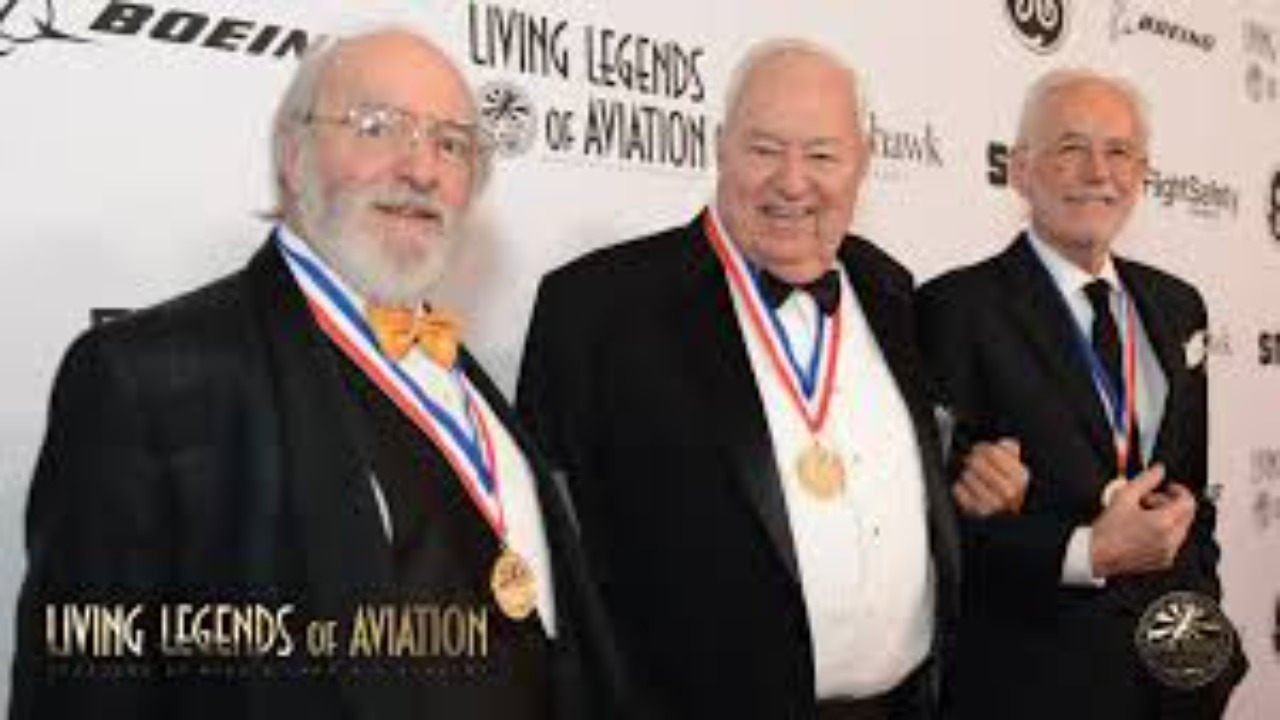
  • Bruce McCaw: A Visionary Entrepreneur and Business Leader

    Bruce McCaw: A Visionary Entrepreneur and Business Leader

    Bruce McCaw is a name that has become synonymous with innovation and success in business. As a co-founder of McCaw Cellular Communications, Inc., his contributed to the telecommunications industry have shaped how we communicate today. He has built an impressive career and continues influencing various industries through his leadership roles, investments, and entrepreneurial spirit. This article explores the life, achievements, and impact of Bruce McCaw.

    Early Life and Career Beginnings

    Bruce R. McCaw’s journey to success started long before his involvement in the telecommunications industry. Born into a family of entrepreneurs, McCaw was exposed to the business world from a young age. His education and early experiences gave him the foundation to become a successful businessman.

    While specific details about his early life remain less public, it’s clear that McCaw was always driven by a passion for innovation and a desire to build something impactful. His entrepreneurial mindset began to take shape when he co-founded McCaw Cellular Communications, Inc. in 1986. Little did he know that this company would become one of the most influential players in the telecommunications sector.


    Co-Founding McCaw Cellular Communications, Inc.

    McCaw Cellular Communications, Inc., was established when the telecommunications industry was poised for significant change. The concept of mobile phones was still in its infancy, and widespread cellular communication seemed like a distant dream. Bruce McCaw and his fellow co-founders had a vision that would later transform the industry.

    McCaw Cellular Communications quickly became one of the most successful and pioneering companies in the mobile telecommunications field. The company’s focus on expanding wireless communications and improving technology helped lay the foundation for what would eventually become the modern mobile phone industry.

    Under McCaw’s leadership, the company achieved tremendous growth, and it didn’t take long before it caught the attention of larger corporations. In 1994, McCaw Cellular Communications was acquired by AT&T for $11.6 billion, one of the largest mergers in corporate history at the time. This deal marked the end of one chapter for Bruce McCaw, but it also opened up new opportunities for him to explore other ventures.


    Post-McCaw Cellular: New Ventures and Investments

    After the acquisition of McCaw Cellular Communications, Bruce McCaw didn’t slow down. Instead, he embarked on new business ventures and investments that would continue to shape industries and create value.

    One of his notable ventures was Talaris, a company where he currently serves as the co-chair. Talaris provides innovative solutions to improve business operations, particularly in data management, communication, and technology. McCaw’s leadership role at Talaris has allowed him to apply the skills and experience he gained in telecommunications to various new industries.

    Another significant role McCaw holds is as Chairman Emeritus of Pistol Creek Company. Pistol Creek is an investment and development firm focused on creating sustainable value through strategic investments. McCaw’s leadership at Pistol Creek reflects his continued commitment to fostering growth and innovation in the business world.


    Leadership Philosophy: A Legacy of Innovation

    What makes Bruce McCaw stand out as a business leader is his ability to build successful companies and his commitment to innovation. McCaw has always been focused on finding new solutions to existing problems, and this mindset has driven his success in multiple industries.

    His leadership philosophy is rooted in a few key principles:

    1. Embrace Change: McCaw has always been open to change and new technologies. From his early days in the telecommunications industry to his work at Talaris and Pistol Creek, he has continually sought to adapt to changing circumstances and seize new opportunities.

    2. Focus on Long-Term Vision: McCaw’s success can also be attributed to his ability to think long-term. Whether he’s building a company or making an investment, McCaw is always looking ahead, aiming to create lasting value rather than quick profits.

    3. Empower Others: Another key aspect of McCaw’s leadership style is his focus on empowering others. He understands that great leaders surround themselves with talented individuals and work to bring out the best in their teams. This collaborative approach has allowed McCaw to build strong, successful organizations.

    4. Stay True to Your Values: Bruce McCaw has remained committed to integrity and ethical business practices throughout his career. His values have guided his decision-making and helped him earn his colleagues’ and business partners’ trust and respect.


    Bruce McCaw’s Impact on the Telecommunications Industry

    Bruce McCaw’s contributions to the telecommunications industry are significant and long-lasting. As a co-founder of McCaw Cellular Communications, he helped pioneer the cellular phone industry, which has since become a vital part of daily life for billions of people worldwide.

    The company’s success in the 1990s paved the way for the modern mobile telecommunications landscape we know today. Thanks to McCaw’s vision and leadership, cellular communications became more accessible and widespread, revolutionizing the way people communicate.

    Even after the acquisition of McCaw Cellular Communications, McCaw’s influence on the industry continued. He remained involved in various telecommunications ventures and investments, always keeping a finger on the pulse of technological advancements and market trends.


    Philanthropy and Community Involvement

    In addition to his business success, Bruce McCaw is also known for his philanthropic efforts. Over the years, he has supported a variety of charitable causes, focusing on initiatives that promote education, healthcare, and social welfare.

    McCaw’s charitable work reflects his belief in giving back to the community and positively impacting society. He understands that true success is about building profitable companies and using one’s resources to help others.


    Bruce McCaw Today: A Continuing Legacy of Innovation

    Today, Bruce McCaw remains an active and influential figure in the business world. His roles as co-chair of Talaris and Chairman Emeritus of Pistol Creek Company demonstrate his continued commitment to driving innovation and creating value across various industries.

    Through his leadership and investments, McCaw is shaping the future of business and inspiring the next generation of entrepreneurs. His ability to adapt to changing markets and focus on long-term goals serve as a model for aspiring business leaders everywhere.


    Conclusion

    Bruce McCaw’s career has been defined by his ability to spot opportunities, embrace change, and lead with vision. From co-founding McCaw Cellular Communications to his current leadership roles at Talaris and Pistol Creek, McCaw’s impact on the business world is undeniable. His legacy as a visionary entrepreneur continues to inspire future generations of innovators, entrepreneurs, and business leaders.

    Whether in telecommunications, investment, or philanthropy, Bruce McCaw’s influence can be felt across industries, and his story serves as a testament to the power of entrepreneurship and innovation.

    Wasim Akram’s delayed comments on the escalating Pak-India tensions have sparked controversy, as he faces criticism for not speaking out sooner. For more details on the backlash, check out the full story here.

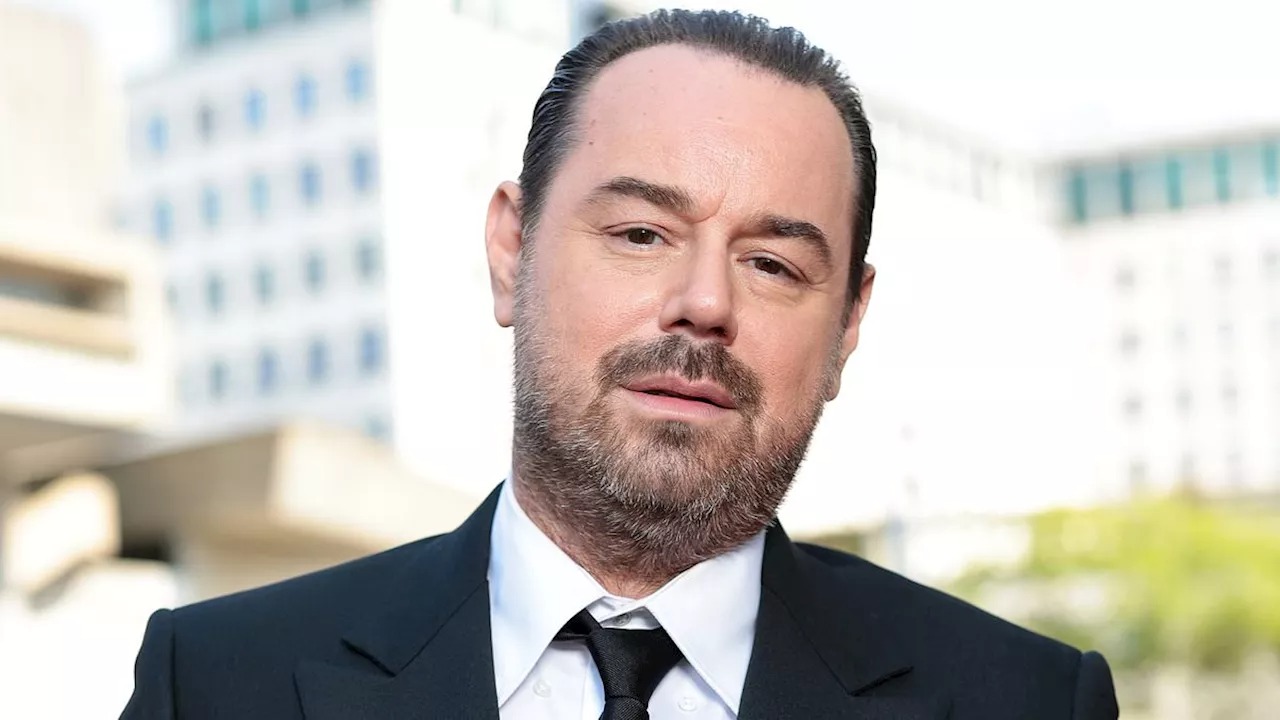
  • Danny Dyer: From East London Roots to BAFTA Glory

    Danny Dyer: From East London Roots to BAFTA Glory

    Danny Dyer is a name that resonates deeply with fans of British television and cinema. Known for his raw energy, thick Cockney accent, and unfiltered honesty, Dyer has made a powerful mark on British pop culture. From gritty street dramas to reality television and royal soap operas, the journey of Danny Dyer is both emotional and inspiring.


    Danny Dyer’s Early Life and Breakthrough 

    Born in East London in 1977, Danny Dyer was raised in a working-class family. His breakthrough came in 1999 with the cult classic film Human Traffic, where his portrayal of a party-loving youth captured the spirit of an entire generation. That role opened the door to a career filled with dramatic highs and personal lows.


    The Impact of Harold Pinter: A Turning Point 

    One of the most emotional parts of Danny Dyer’s life centers around his relationship with Nobel-winning playwright Harold Pinter. Dyer stayed at Pinter’s home during the production of Celebration in 2000. Reflecting on BBC Radio 4’s Desert Island Discs, Dyer revealed how Pinter’s death in 2008 sent him into what he called a “spiral of madness.”

    While performing in New York, Dyer suffered a panic attack and forgot his lines. Pinter’s response? A comforting arm around Dyer’s shoulders. That small act meant the world. Years later, Dyer discovered Pinter’s death in a newspaper during a rough moment in his life, which only deepened his emotional struggles. Dyer has since shared plans to develop a play about their unique mentor-mentee bond.


    Danny Dyer EastEnders Legacy 

    One of Danny Dyer’s most iconic roles came in the form of Mick Carter in the long-running soap EastEnders. He joined the cast in 2013 and quickly became a fan favorite, playing the role of a pub landlord with both heart and grit. The show elevated Dyer’s career to new heights and made him a household name in the UK. Fans still ask, “Is Danny Dyer returning to EastEnders?” While nothing is confirmed yet, the door remains open.


    Danny Dyer BAFTA Triumph 

    In 2025, Danny Dyer shocked the industry by winning his first-ever BAFTA. He received the Best Male Comedy Performance award for his role in the Sky Max series Mr Bigstuff. This Danny Dyer BAFTA win was more than just a trophy—it was a moment of redemption. However, true to his style, Dyer’s speech was filled with swear words, causing the BBC to heavily edit the broadcast. Despite the controversy, his win marked a significant milestone.


    Danny Dyer Movies and TV Shows: A Wide Range 

    Beyond EastEnders, Danny Dyer’s resume is packed with diverse roles. In the 2000s, he starred in movies like The Football Factory, The Business, and Outlaw, which made him the poster boy for British gangster films. He also hosted memorable documentaries such as Danny Dyer’s Real Football Factories and Danny Dyer’s Deadliest Men. While he admitted he disliked doing unscripted shows, the work helped him buy his first home.


    Danny Dyer Net Worth and Financial Struggles 

    Although Danny Dyer has found success in the spotlight, his financial journey wasn’t always smooth. At one point, despite being famous, he was still living on a council estate with his wife and daughter. His documentaries helped him break that cycle, and today, Danny Dyer net worth is estimated to be around $5 million. It’s a reminder that fame doesn’t always come with fortune—but persistence pays off.


    Danny Dyer Wife and Family Life 

    Behind the tough exterior lies a devoted family man. Danny Dyer’s wife, Joanne Mas, has been his partner since their teenage years. They married in 2016 and have three children, including Dani Dyer, a well-known reality TV star in her own right. Dyer often speaks about his love for his family and how they’ve grounded him through turbulent times.


    Why Danny Dyer Still Matters Today 

    Danny Dyer isn’t just a television star—he’s a cultural icon. Whether it’s his political rants, love for West Ham United, or his BAFTA-winning performances, Dyer keeps people talking. His honesty, working-class roots, and ability to bounce back from setbacks make him relatable to fans across generations.


    Final Thoughts: A Star Still Rising 

    The story of Danny Dyer is far from over. From personal tragedies to professional triumphs, his journey reflects the struggles and victories of everyday people. With talks of new plays and a possible return to EastEnders, the next chapter in Dyer’s life could be even more exciting. One thing’s for sure—Danny Dyer remains as bold, unpredictable, and beloved as ever. 

    Danny Dyer’s blunt honesty mirrors bold voices in global media. Recently, Hamid Mir made headlines for rejecting calls from Indian journalists — a move as direct as Dyer’s own outspoken style.