Category: Entertainment

  • Pakistani stars light up Christmas 2024 with festive cheer

    Pakistani stars light up Christmas 2024 with festive cheer

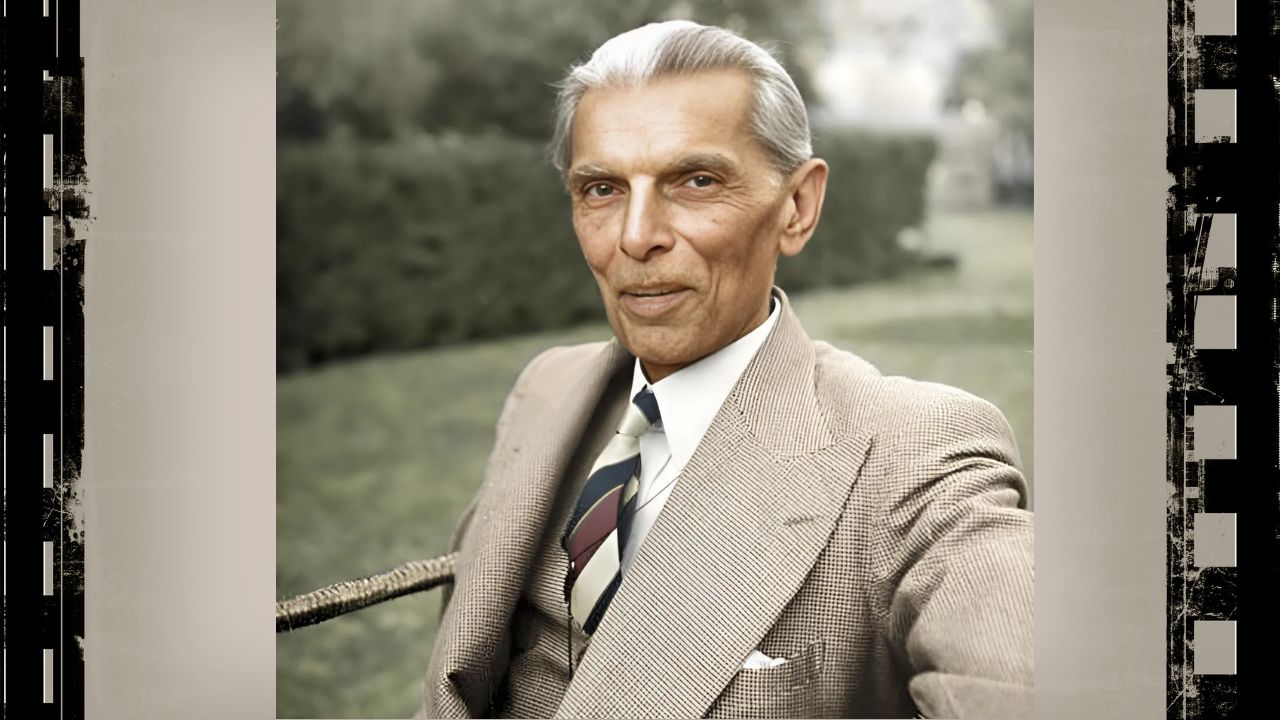
    The holiday season is in full swing, and Pakistani celebrities are celebrating Christmas 2024 with joy. This day is extra special in Pakistan as it also marks the birthday of the nation’s founding father Quaid-e-Azam Muhammad Ali Jinnah. While the Christian community celebrates Christmas, the entire country comes together to honor this special day.


    Celebrities in the Christmas Spirit


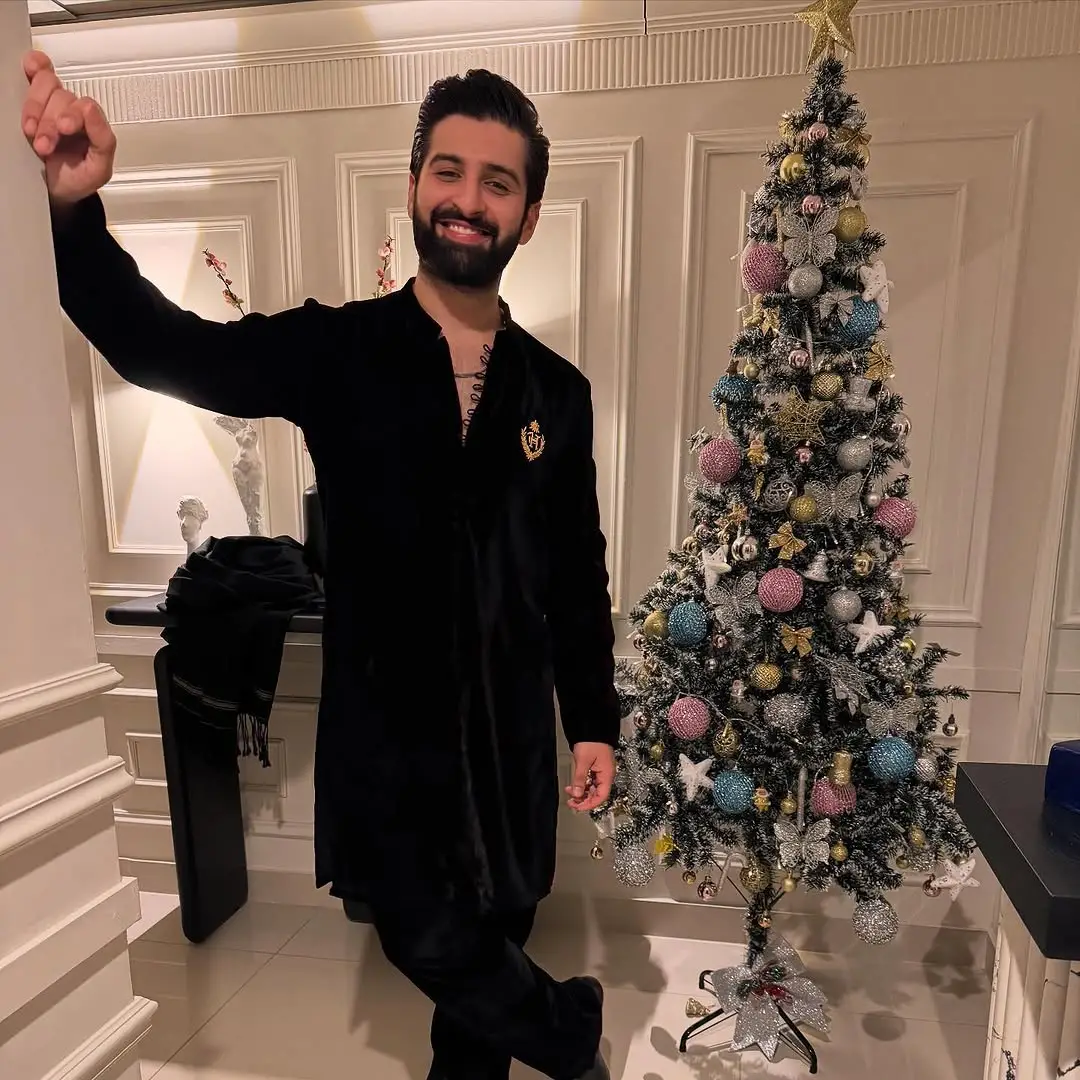
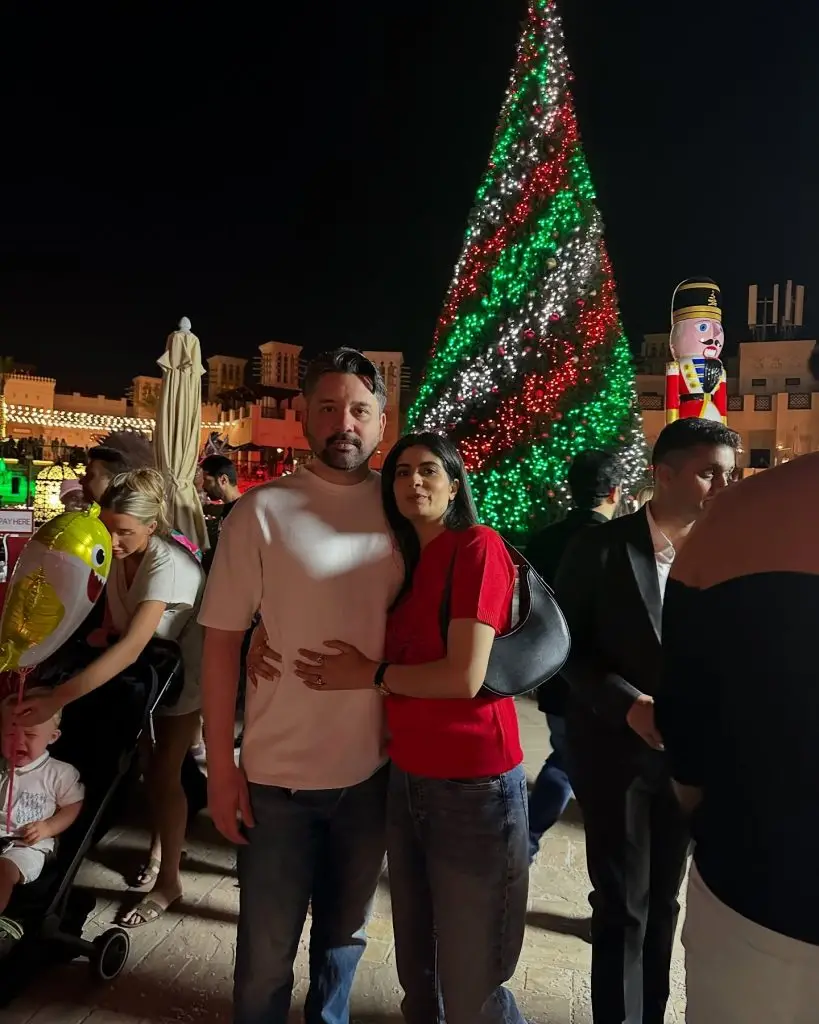
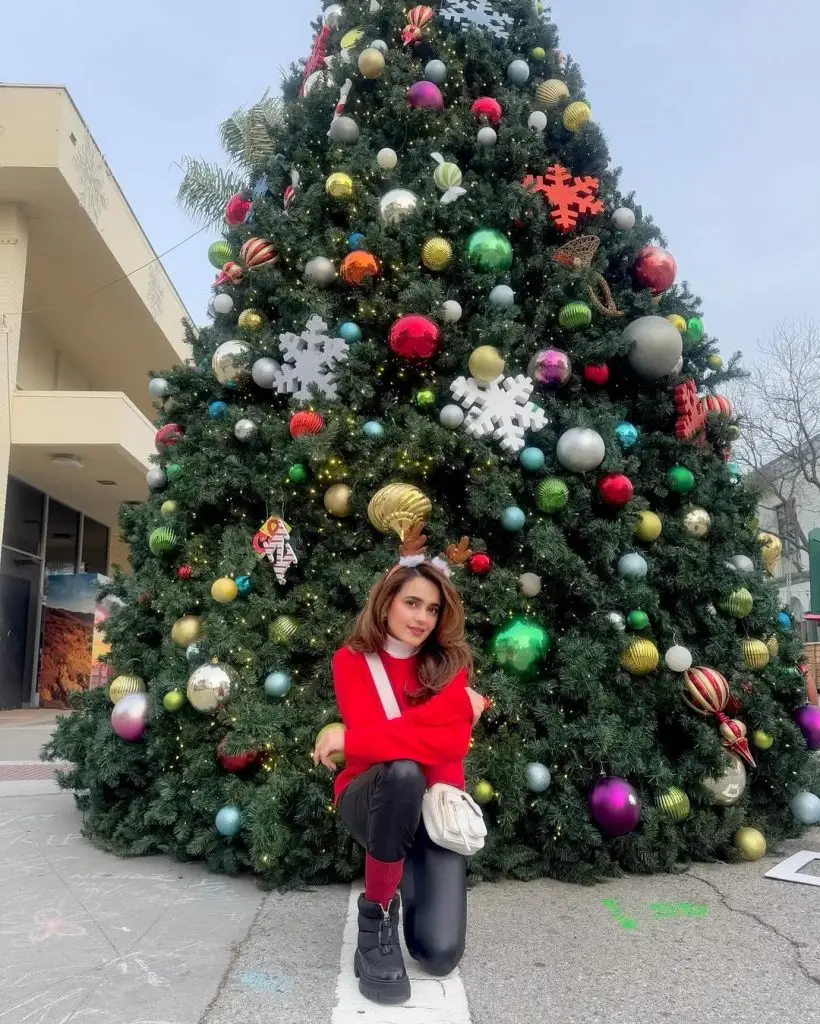
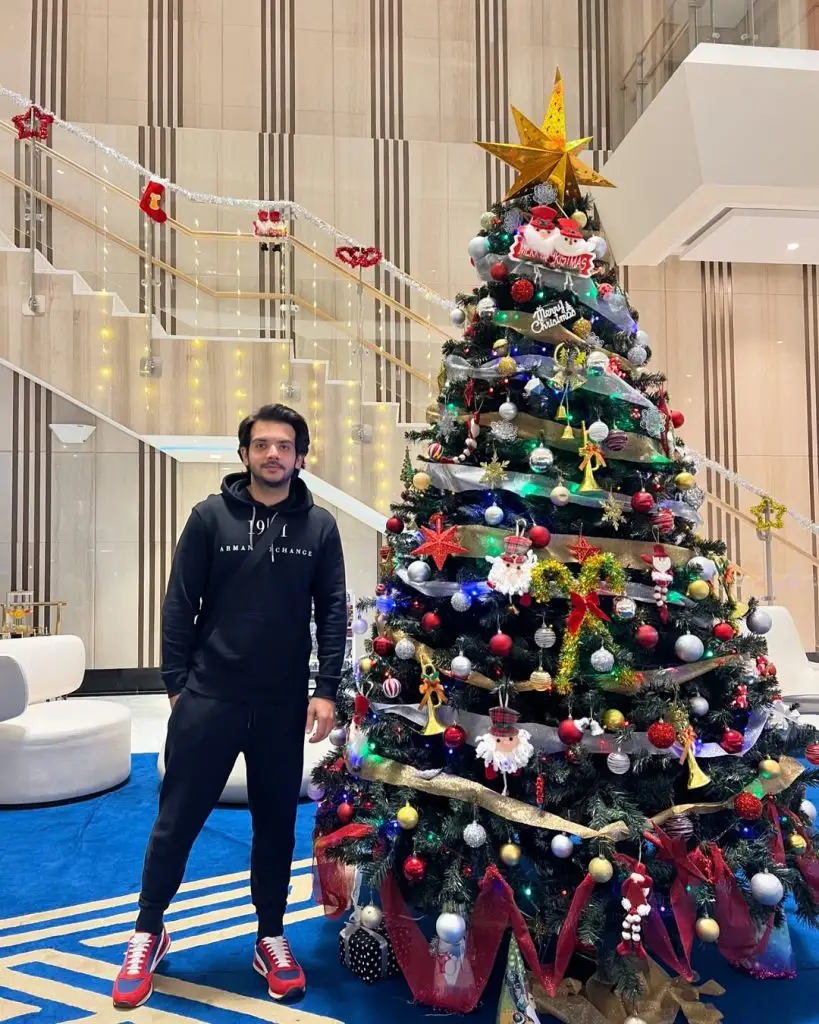
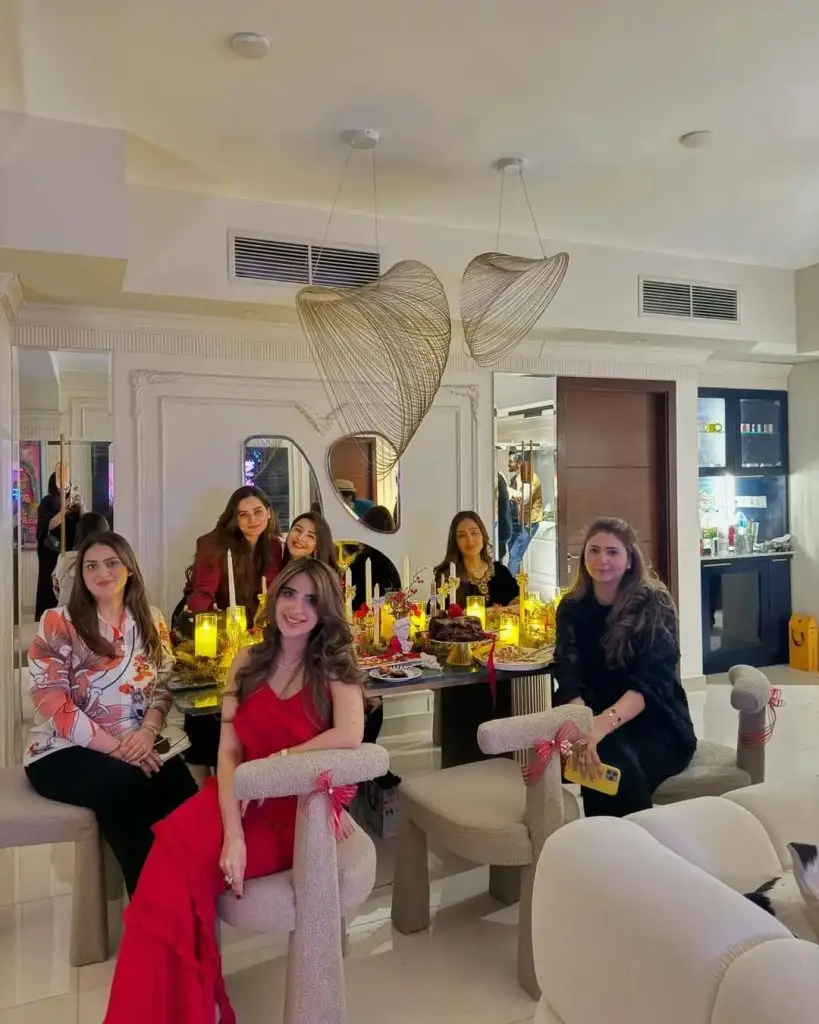
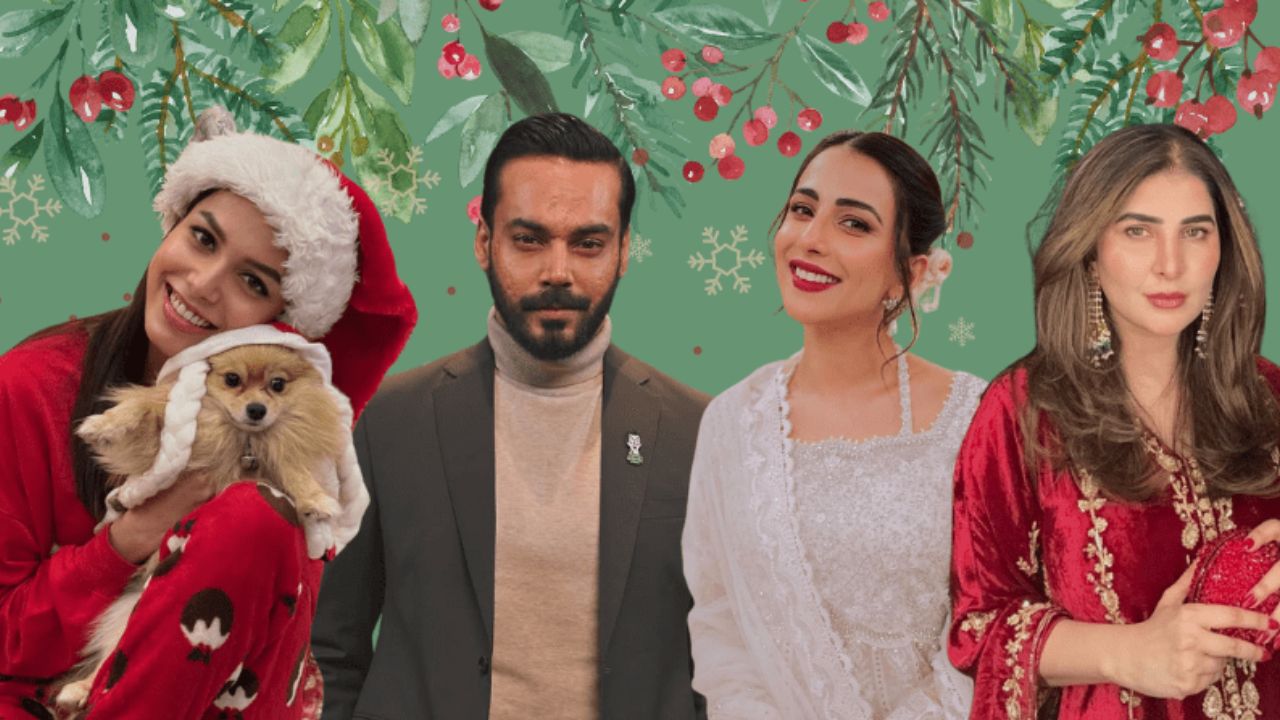
    Many Pakistani stars have embraced Christmas spirit, celebrating with their families and friends. Some celebrities are even on vacation, enjoying the festive season in different countries. Here are some wonderful moments of Pakistani celebrities celebrating Christmas 2024:


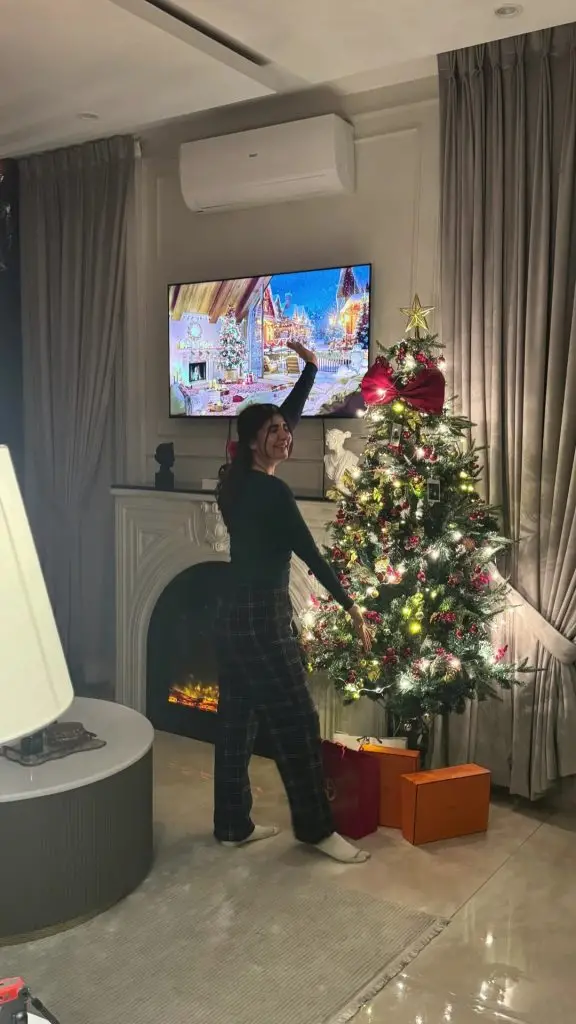
    Saboor Aly: The beloved actress shared cozy pictures with her friends and husband Ali Ansari, surrounded by Christmas decorations and a beautifully lit tree.


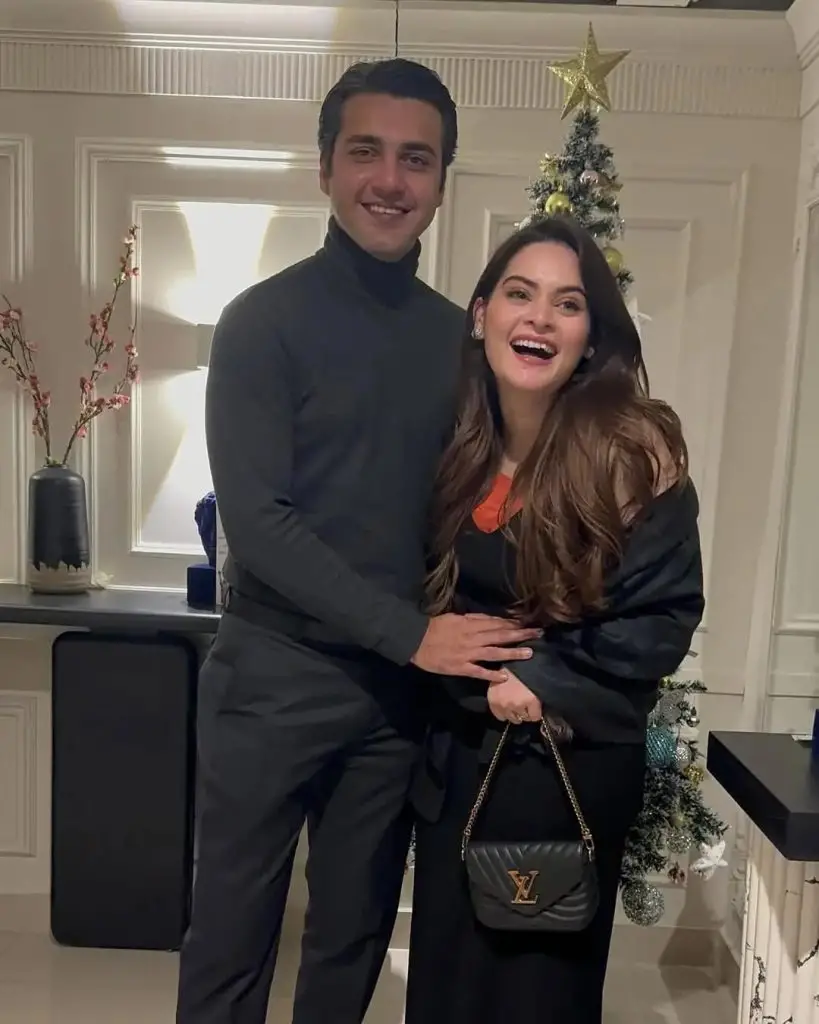
    Minal Khan: The talented actress posted heartwarming photos with her husband Muneeb Butt and their family, enjoying a festive dinner together.


    Javeria Abbasi: The versatile actress celebrated with her loved ones, sharing joyful moments and holiday treats.    

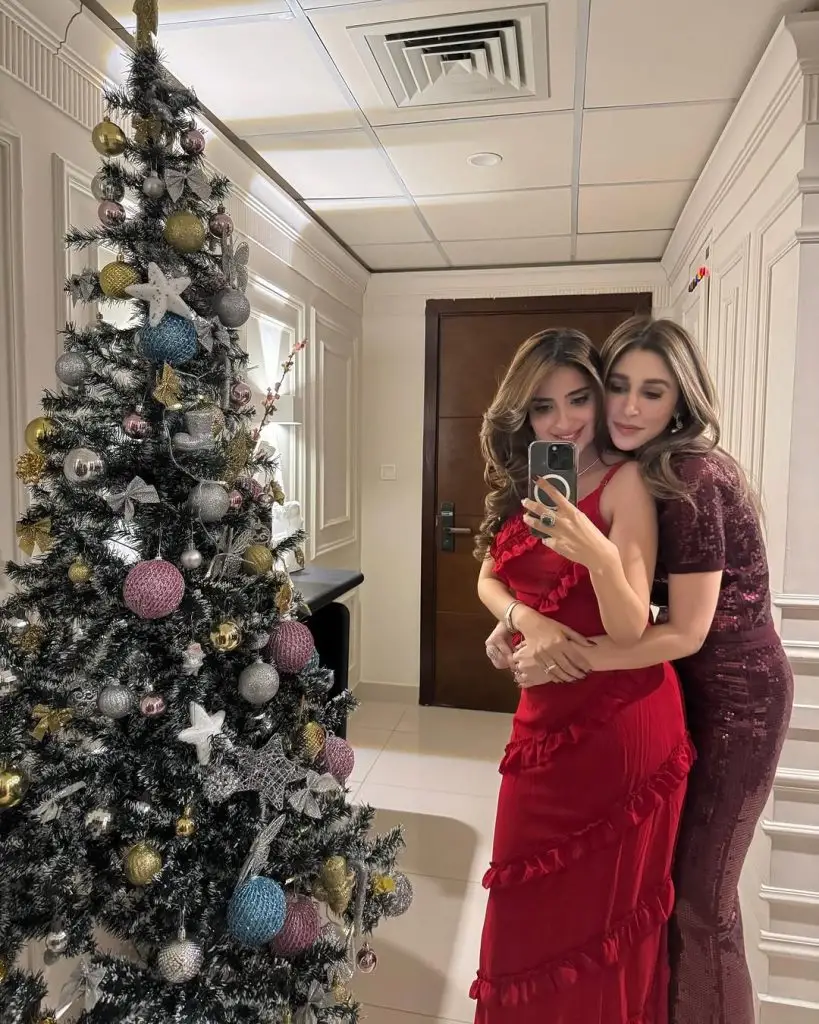
    Yashma Gill: The popular actress celebrated Christmas with her friends Amar Khan and Sidra Niazi, sharing fun moments and festive cheer.

    Mariyam Nafees: The beautiful actress is enjoying a snowy Christmas in London with her husband Amaan Ahmed, sharing stunning winter wonderland photos.

                           
    The festive cheer is contagious, and it’s wonderful to see how Pakistani celebrities are making the most of this joyful time. Whether at home or abroad, they spread love and happiness.

  • The real-life violence that inspired South Korea’s Squid Game

    The real-life violence that inspired South Korea’s Squid Game

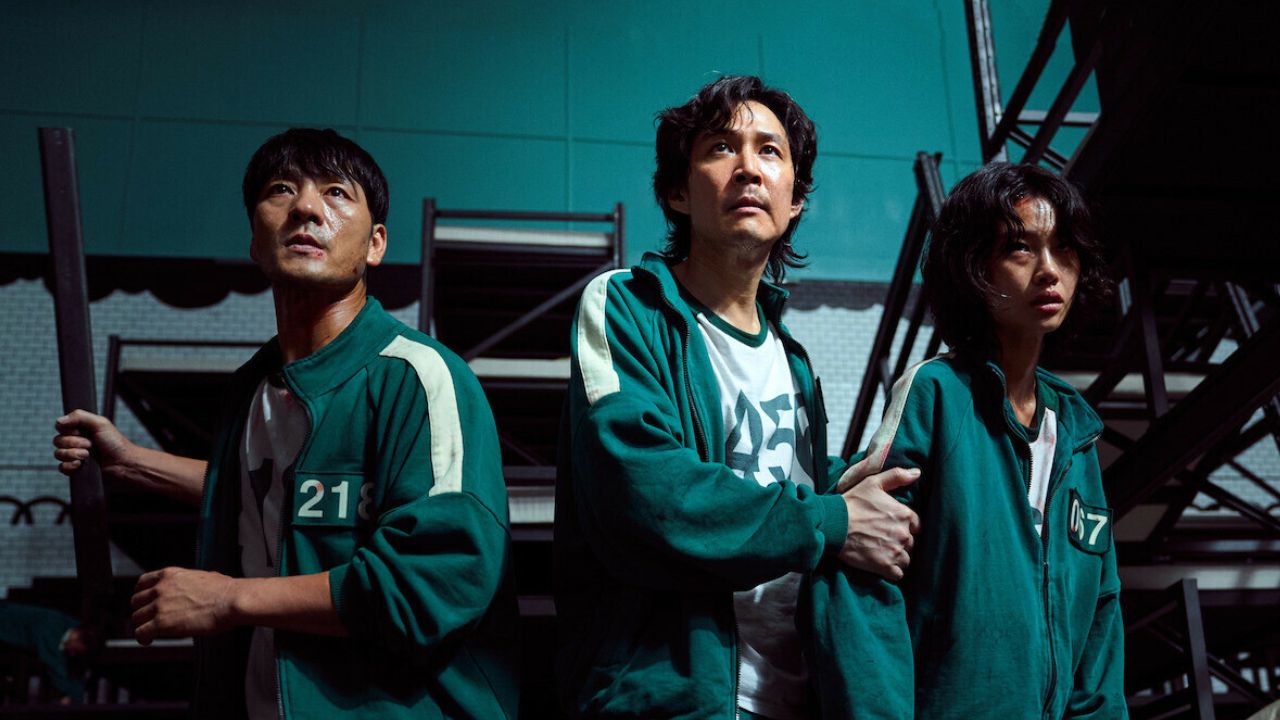
    A factory turned into a battlefield, riot police armed with tasers and an activist who spent 100 days atop a chimney — the unrest that inspired Netflix’s most successful show ever has all the hallmarks of a TV drama.

    This month sees the release of the second season of Squid Game, a dystopian vision of South Korea where desperate people compete in deadly versions of traditional children’s games for a massive cash prize.

    But while the show itself is a work of fiction, Hwang Dong-hyuk, its director and writer, has said the experiences of the main character Gi-hun, a laid-off worker, were inspired by the violent Ssangyong strikes in 2009.

    “I wanted to show that any ordinary middle-class person in the world we live in today can fall to the bottom of the economic ladder overnight,” he has said.

    In May 2009, Ssangyong, a struggling car giant taken over by a consortium of banks and private investors, announced it was laying off more than 2,600 people, or nearly 40 per cent of its workforce.

    That was the beginning of an occupation of the factory and a 77-day strike that ended in clashes between strikers armed with slingshots and steel pipes and riot police wielding rubber bullets and tasers.

    Many union members were severely beaten and some were jailed.

    Many lost their lives

    The conflict did not end there.

    Five years later, union leader Lee Chang-kun held a sit-in for 100 days on top of one of the factory’s chimneys to protest a sentence in favour of Ssangyong against the strikers.

    He was supplied with food from a basket attached to a rope by supporters and endured hallucinations of a tent rope transformed into a writhing snake.

    Some who experienced the unrest struggled to discuss Squid Game because of the trauma they endured, Lee told AFP.

    The repercussions of the strike, compounded by protracted legal battles, caused significant financial and mental strain for workers and their families, resulting in around 30 deaths by suicide and stress-related issues, Lee said.

    “Many have lost their lives. People had to suffer for too long,” he said. He vividly remembers the police helicopters circling overhead, creating intense winds that ripped away workers’ raincoats.

    Lee said he felt he could not give up.

    “We were seen as incompetent breadwinners and outdated labour activists who had lost their minds,” he said.

    “Police kept beating us even after we fell unconscious — this happened at our workplace, and it was broadcast for so many to see.”

    Lee said he had been moved by scenes in the first season of Squid Game where Gi-hun struggles not to betray his fellow competitors.

    But he wished the show had spurred real-life change for workers in a country marked by economic inequality, tense industrial relations and deeply polarised politics.

    “Despite being widely discussed and consumed, it is disappointing that we have not channelled these conversations into more beneficial outcomes,” he said.

    Shadow of state violence

    The success of Squid Game in 2021 left him feeling “empty and frustrated”.

    “At the time, it felt like the story of the Ssangyong workers had been reduced to a commodity in the series,” Lee told AFP.

    Squid Game, the streaming platform’s most-watched series of all time, is seen as embodying the country’s rise to a global cultural powerhouse, part of the “Korean wave” alongside the Oscar-winning Parasite and K-pop stars such as BTS.

    But its second season comes as the Asian democracy finds itself embroiled in some of its worst political turmoil in decades, triggered by conservative President Yoon Suk Yeol’s failed bid to impose martial law this month.

    Yoon has since been impeached and suspended from duties pending a ruling by the Constitutional Court.

    That declaration of martial law risked sending the Korean wave “into the abyss”, around 3,000 people in the film industry, including Parasite director Bong Joon-ho, said in a letter following Yoon’s shocking decision.

    Vladimir Tikhonov, a Korean studies professor at the University of Oslo, told AFP that some of South Korea’s most successful cultural products highlight state and capitalist violence.

    “It is a noteworthy and interesting phenomenon — we still live in the shadow of state violence, and this state violence is a recurrent theme in highly successful cultural products.”

  • Quaid Day: A look at films featuring Jinnah’s inspiring story

    Quaid Day: A look at films featuring Jinnah’s inspiring story

    Today, on December 25, Pakistan celebrates the 148th birth anniversary of Quaid-e-Azam Muhammad Ali Jinnah, the founder of the nation.

     This is a great time to look back at films that show his inspiring life and vision. These movies honor Jinnah’s leadership, struggles, and his efforts to create a separate homeland for Muslims, keeping his legacy alive for future generations.

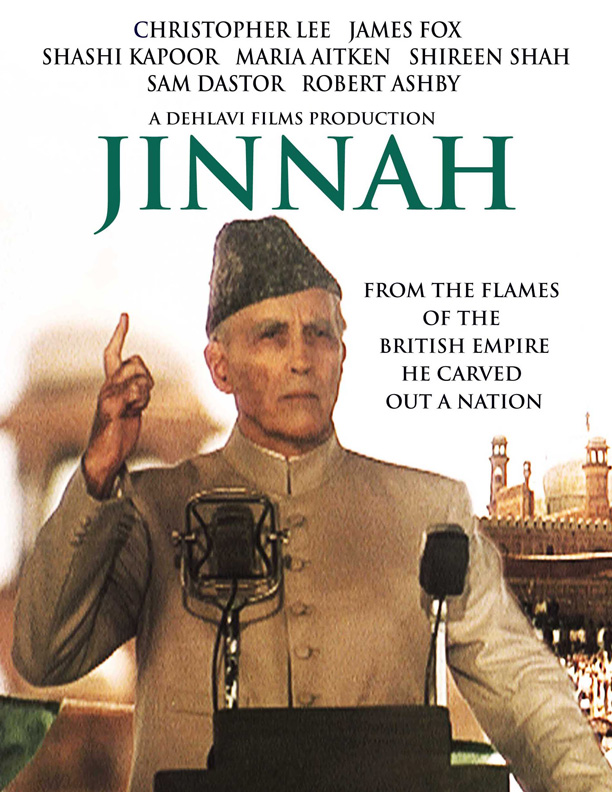
    One of the most iconic films about the father of the nation is Jinnah (1998), directed by Jamil Dehlavi. The biographical drama stars Christopher Lee as Quaid-e-Azam Muhammad Ali Jinnah and narrates his journey from his early days as a lawyer to becoming the founding father of Pakistan. 

    The film shows Jinnah’s strong will and the challenges he overcame to unite the Muslim community and achieve independence. Written by Akbar S. Ahmed, Farrukh Dhondy, and Jamil Dehlavi, Jinnah is a powerful movie that highlights the great sacrifices made during the Pakistan Movement.

    For television audiences, Jinnah Se Quaid Tak is a popular drama that aired on PTV, showcasing the transformation of Jinnah from a successful barrister to the leader of a revolutionary movement.


    With detailed storytelling, this series brings to life historical events, emphasizing his dedication to Pakistan’s creation. It’s directed by Mohsin Ali.

    Another tribute to Jinnah’s legacy can be found in documentaries such as Quaid -e- Azam: Founder of Pakistan.    

    This documentary provides a comprehensive look at his personal life and political journey, using archival footage and expert interviews to offer viewers a deeper understanding of his vision for a progressive and united Pakistan.

    These films and dramas are a testament to the richness of Pakistani cinema and television in depicting patriotism and the spirit of independence.  

    They remind us of Jinnah’s dream of a nation built on unity, faith, and discipline.


    As we honor Quaid Day, exploring these cinematic works is a meaningful way to connect with the history of Pakistan and to pay tribute to the man whose relentless efforts made this country a reality.

  • A daughter’s courage and a mother’s struggle: Qarz-e-Jaan delivers a powerful message

    A daughter’s courage and a mother’s struggle: Qarz-e-Jaan delivers a powerful message

    The story takes an intriguing twist as Nashwa remains unaware that Bakhtiyar has planned her marriage to Ammar. The big question now is, how will he convince Nashwa to agree to this marriage?


    Kudos to the team for addressing and normalizing daughters encouraging a second marriage for their single mothers. For Nashwa, it seemed like the natural step, and she was puzzled why it hadn’t happened sooner. The narrative blends religious and cultural perspectives to present a convincing viewpoint.


    One dialogue that could have been more considerate was Nashwa’s remark to her mother: “Aap bewa ho kar baith gayeen?” Becoming a widow wasn’t a choice, and this line felt a bit odd. 

    While Nashwa shows courage, Bisma seems resigned to her life in her in-laws’ home. Instead of considering an independent life after Nashwa’s graduation, Bisma focuses on getting her married. Nashwa’s response was heartfelt, as she understands her mother’s struggles. Nashwa’s marriage would leave Bisma at Bakhtiyar’s mercy, which she refuses to allow.


    Burhan’s unprofessional question about Maheen’s truthfulness and a possible revenge motive was inappropriate. A lawyer should consult documents before making such claims. The medical report and Maheen’s condition clearly indicate she was assaulted. Burhan should have reviewed these details to strengthen the case instead of doubting Maheen’s story.


    The mystery deepens as questions arise about Ammar’s whereabouts. Asad and Beenish’s marriage faces potential trouble, with Asad’s mother suspicious of Ammar’s family’s calm response to the accusations.


    The drama also highlights Daadi’s manipulative tactics and regressive thinking, such as believing a widow is a bad omen. This adds depth to the storyline, showing the challenges Bisma faces.


    Bakhtiyar’s police friend, despite agreeing to help, senses Ammar might be guilty and tries to let the investigation continue. The drama depicts how the elite often cover up their family members’ wrongdoings.


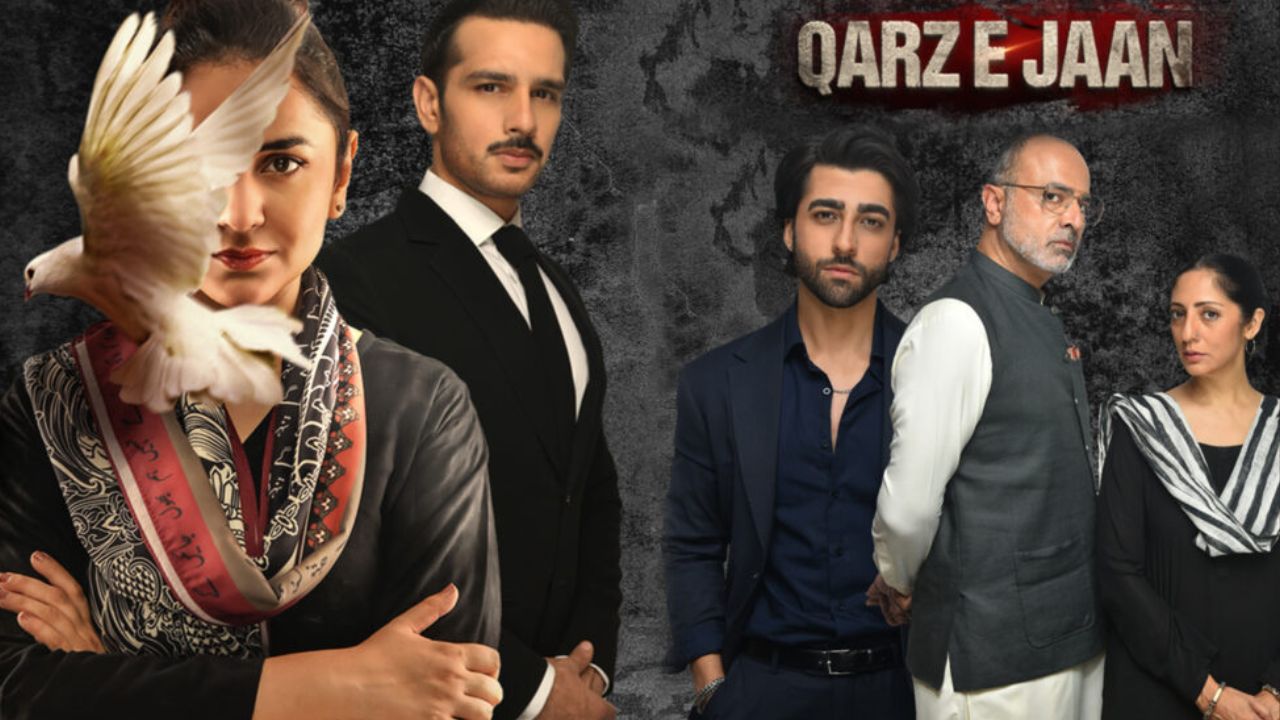
    Qarz e Jaan features an impressive cast, including Yumna Zaidi, Usama Khan, Nameer Khan, Aniqa Zulfiqar, Faisal Rehman, Deepak Parwani, Tazeen Hussain, Daniyal Aamir, Sakina Samo, Salma Asim, Ismat Zaidi, Fajr Sheikh, Tabassum Arif, and Mubassir Khan. Written by Rabia Razzak, directed by Saqib Khan, and produced by Momina Duraid, it airs on HUM TV every Saturday.

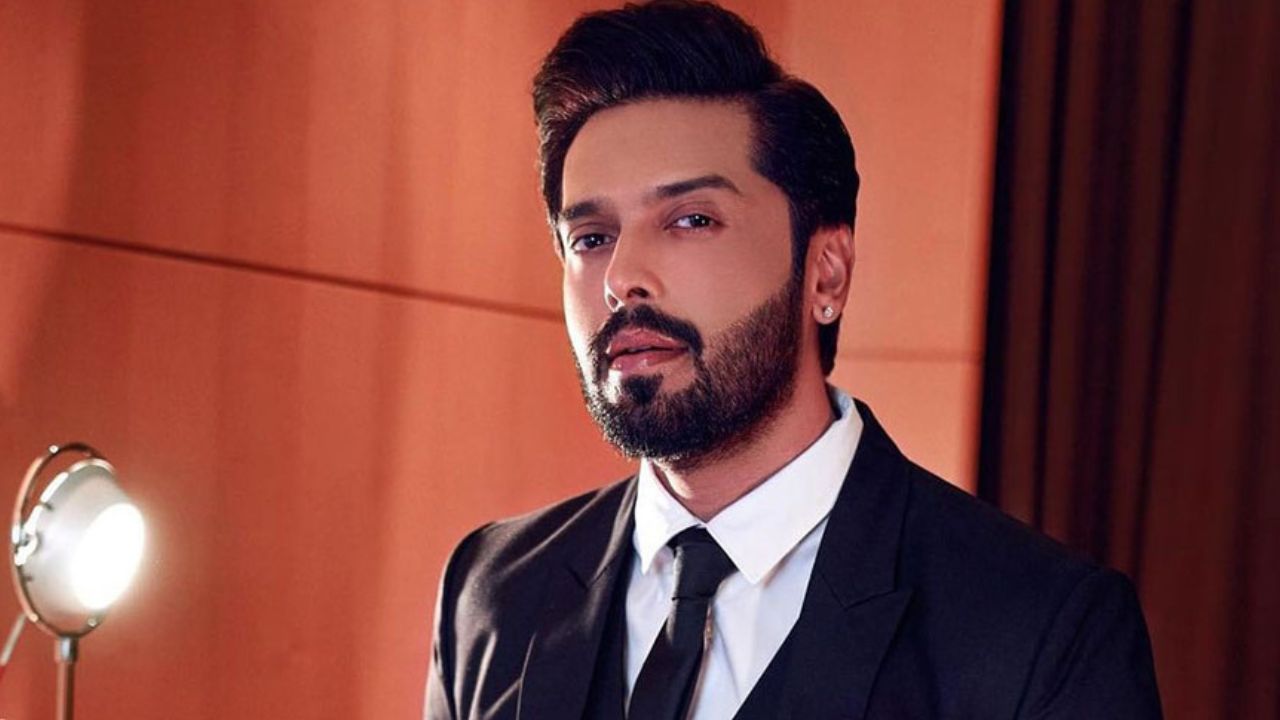
  • VIDEO: Fahad Mustafa’s heartwarming interaction with fan goes viral

    VIDEO: Fahad Mustafa’s heartwarming interaction with fan goes viral

    A video of renowned Pakistani actor Fahad Mustafa’s interaction with a fan has gone viral over the internet.

    As per the details, the video showed the fan expressing her best wishes for Fahad and Hania Aamir during a meet-and-greet session in Dallas.

    “I have always prayed a lot for you because I have heard that you are a Tahajjud prayer seeker,” she said.

    “I pray that you always observe the prayer in the same way and take both religion and the world with you,” the fan added.

    Thanking the fan, Fahad said prayers were all he could ever want. “Thank you very much for praying for me. If your prayers are with us, then we do not need millions of dollars.”

              View this post on Instagram                      

    A post shared by Galaxy Lollywood (@galaxylollywood)

    Earlier, after a triumphant return to the small screen with Kabhi Main Kabhi Tum, Fahad Mustafa has set his eyes on creating the first Muslim male superhero film, not just for Pakistan, but for the world.

    During a ceremony where he received two awards from the British Parliament, Fahad Mustafa discussed the superhero project. He touched on various topics, including the popularity of Indian films in Pakistan and the potential audience for Pakistani films in India. Fahad expressed his belief that if Pakistani films were released in India, they would be watched with enthusiasm. Unfortunately, this isn’t currently the case.

    He mentioned that after the runaway success of Kabhi Main Kabhi Tum,  Indian fans started watching his films on YouTube, searching for his work on other platforms, and appreciating his acting skills.

    Fahad revealed plans to create a film featuring the first Muslim male superhero: “This film will not only be the first Pakistani superhero film but also the first to feature a Muslim male superhero.”

    Fahad did not provide specific details about the film, such as when shooting will begin, who will play the lead role, or who will direct it. However, he said that the audience would soon get to see the groundbreaking character.

    Speculation suggests that Fahad Mustafa might produce the film and even play a role in it, but it remains uncertain whether he will take on the superhero role himself.

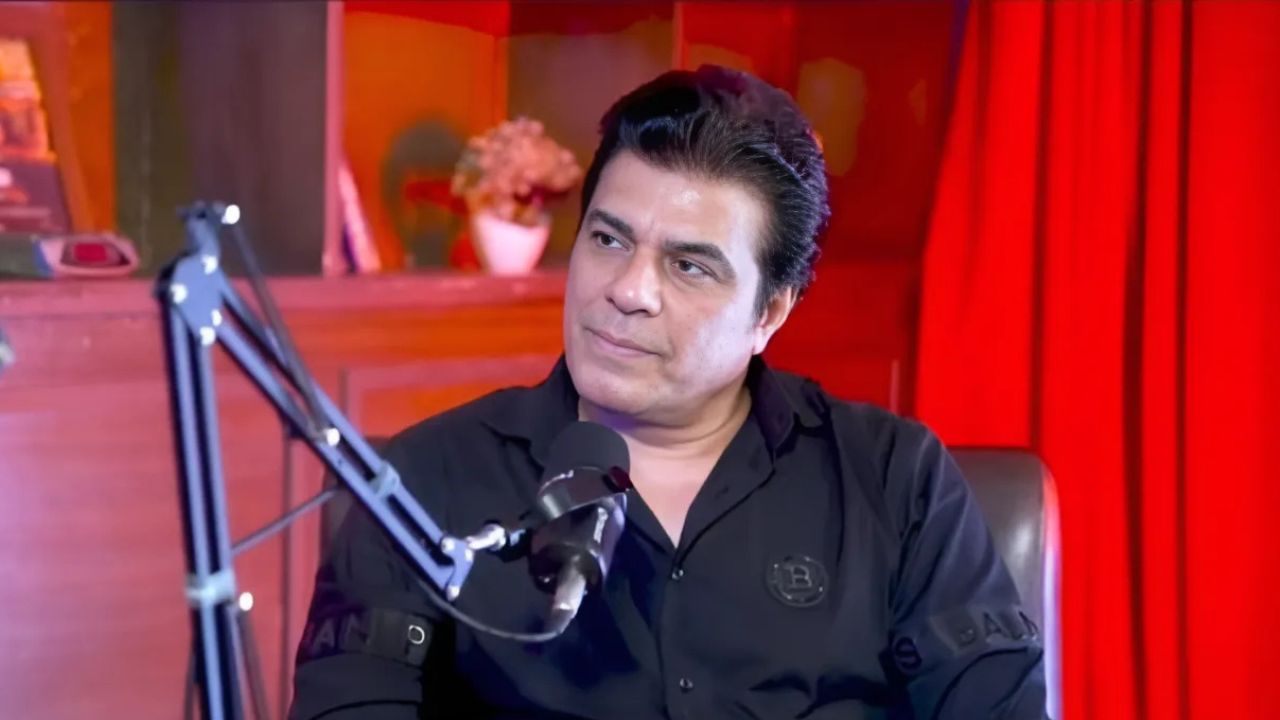
  • This Pakistan singer gave work to Indians

    This Pakistan singer gave work to Indians


    Imagine a music icon who not only creates hits but also changes the way artists collaborate across borders.
      
    Waris Baig is one such singer. 
     

    Appearing as a guest on Ambreen Fatima’s YouTube show, he talked about his journey, professionalism in India and his pride in representing Pakistan on an international level.
     

    “I am the only star who gave work to Indians and did not go there to look for work,” he claimed. 
      
    “I worked on music videos in India featuring popular artists like Malaika Arora and Amrita Arora, but I made sure that I was the one paying the Indian artists, not the other way around,” he shared.


    The Kal Shab Dekha singer opened up about his views on music industry  standards in both countries.

    “I observed professionalism in India, something I feel is lacking in Pakistan. Despite this, I have maintained my pride and identity and I focus on uplifting Pakistan music industry without compromising on my values,” Waris said.

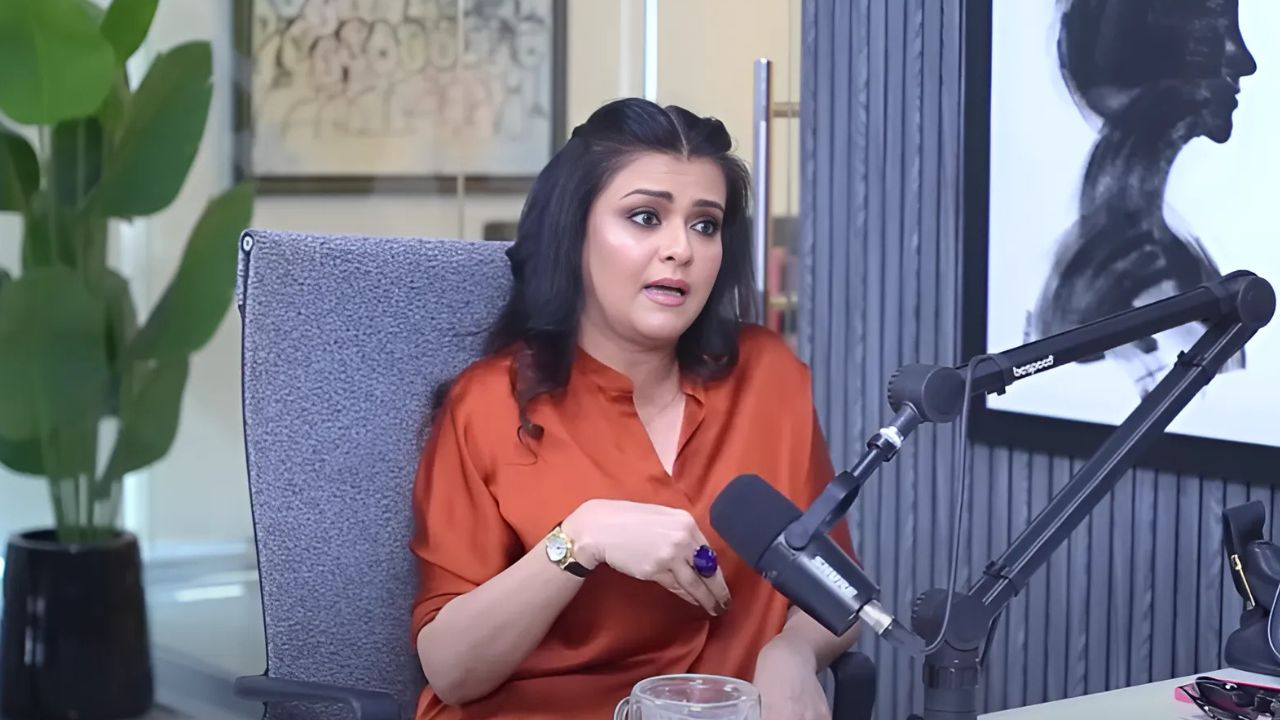
  • Maria Wasti talks ‘Mera Jism Meri Marzi’

    Maria Wasti talks ‘Mera Jism Meri Marzi’

    Veteran actress Maria Wasti has never been one to shy away from speaking from speaking her mind.

     Appearing as a guest on FHM Podcast with Adnan Faisal, she emphasized that the true meaning of the slogan Mera Jism Meri Marzi is often misunderstood and deliberately made controversial. 

     Maria Wasti explained that the slogan is often misinterpreted. She pointed out that while women use it to assert their autonomy, the term is intentionally sensationalized to make it controversial.

    “The meaning is not what people think it is, it’s about freedom of thoughts and freedom of expression.”

    The Mayi Ri actress also touched upon the significant issues of women’s rights in Pakistan, noting that despite making up 55 percent of the population, women are still considered a minority when it comes to receiving their due rights. “Women are not receiving their rights, and that’s why they are raising their voices,” she pointed out.

    She highlighted the criticism of the word ‘body’ in the slogan, saying “During the struggle for women’s rights, the focus has shifted entirely to the slogan ‘My Body, My Choice’. Everyone is disturbed by the word ‘body,’ but if the same word were said in English, it would sound better.”

    Maira Wasti further explained that there is nothing wrong with the slogan, comparing it to other personal belongings. “Just as everyone owns their home, everyone owns their thoughts and their body.”

    She clarified that modernity isn’t about imitating the West but embracing freedom of thought and rights.

     “Modernity does not mean Westernization, and enlightenment does not mean wanting to become part of Western society. It’s all about freedom of thought and rights,” Maria said.

    The Aik Sitam Aur actress pointed out an important contradiction in society’s perception. “If someone says ‘my kidney is mine,’ or ‘my eyes are mine,’ no one objects, but when it comes to ‘My Body, My Choice,’ people object without any valid reason,” she added.

    The Dharkan actress  expressed her concerns about the long-standing lobbying and groupism in award shows.

    “In our entertainment and fashion industry, everything revolves around award shows, determining who gets work, which production house is involved, and which channel is associated with it.” She acknowledged that the industry is the same everywhere. “When you have to justify a standard, your work is being seen globally. The screen doesn’t forgive; it reveals when someone is brought in based on recommendations,” Maria Wasti concluded.

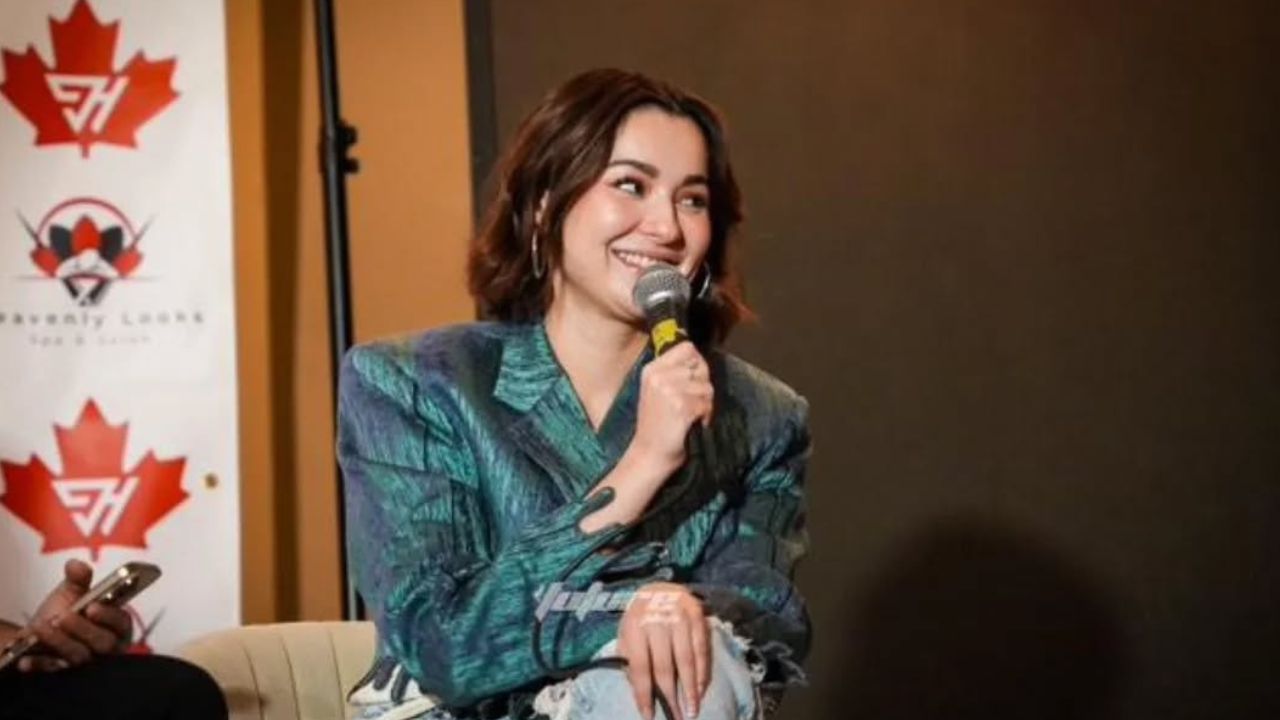
  • ‘My difficult childhood made me confident’: Hania Amir opens up about her past

    ‘My difficult childhood made me confident’: Hania Amir opens up about her past

    Actress Hania Amir has revealed that her difficult childhood is the reason behind her confidence today.

    In a recent interview with ‘Mishabal Middle East’, Hania spoke openly about her career and personal life.

    “I was born in Rawalpindi and spent my childhood and youth in twin cities. My mother had a handy camera on which she used to record videos of me and my cousins. This sparked my interest in making videos on my mobile phone,” she said.

    “I started making Dubsmash videos for TikTok and other social media platforms when I was at the university. One day, I auditioned for a film and was selected,” she said.

    Recalling when she got the offer, Hania said she told her mother about going to do a film and then signed the contract. “I had no idea about anything, but the people who cast me were good and did not cheat me.”

    On her childhood, she said she did not have a lot of happy memories because it was “terrible”. “I only remember playing with my cousins. My childhood memories are not very good.”

    She acknowledged that her challenging childhood gave her the confidence she has today and it taught her to face difficult situations with a smile. “It is because of my terrible childhood that I am confident, successful and smiling today,” Hania said

    “My difficult childhood is the reason I laugh all the time,” she added.

    While Hania did not provide further details, she has mentioned in past interviews that her parents divorced when she was young and was raised by her single mother.

  • What will be the ending of Ghair? Madiha Iftikhar spills details

    What will be the ending of Ghair? Madiha Iftikhar spills details

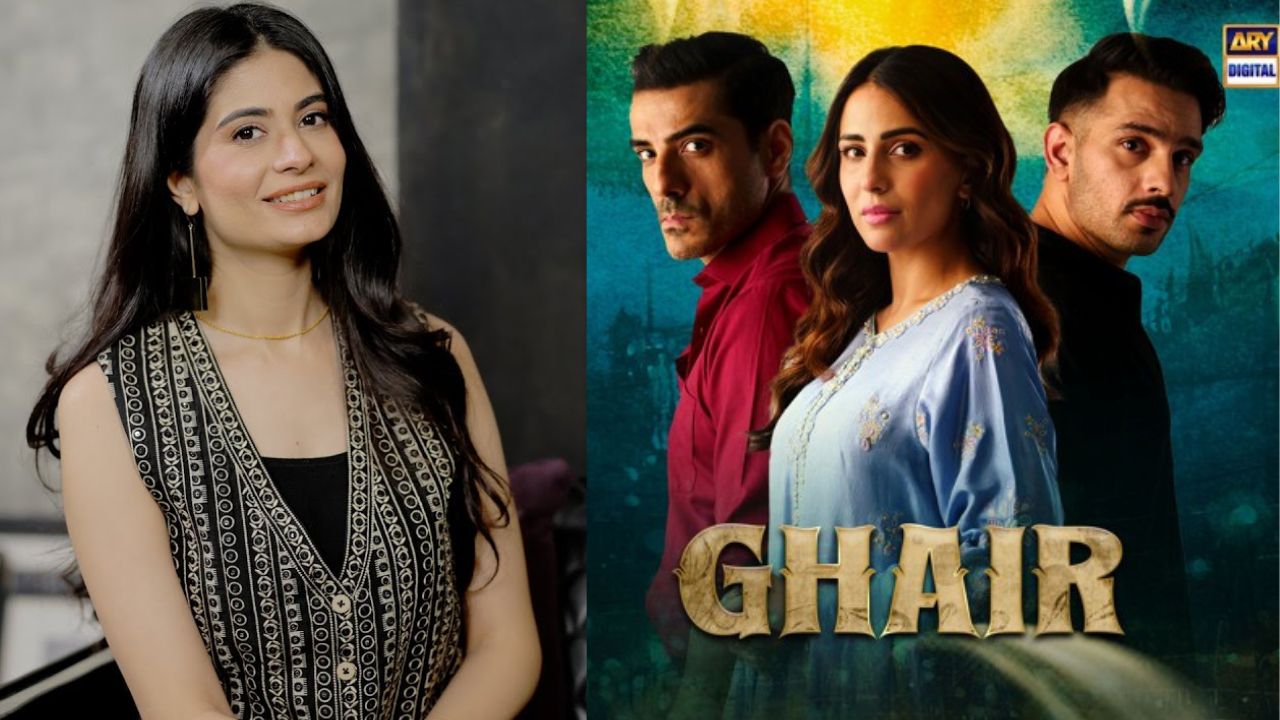
     As Ghair nears its end, fans are wondering what will happen to Tehreem, the villain played by Madiha Iftikhar. In an interview with Independent Urdu, the Baby Baji actress shares details about the drama’s final moments, promising a surprising conclusion. She also opened up about domestic violence and urges women to stand strong and become independent.

    Talking about the ending of Ghair, Madiha Ifikhar said, “I would say that its end will be something similar, where you’ll see what the climax of evil looks like. Just like in Baby Baji where I ended up in jail, this one doesn’t end in jail, but the climax will still be something where you could say that every evil ends with evil.”


    “Incidents of domestic violence are increasing significantly in Pakistan, what would you say about this,” Madiha was asked 

    She replied, “Cases are delayed for so long in court, and the way things happen, our government should first focus on this specific issue, especially when it comes to domestic violence. They need to pass some rules that make these cases resolve quickly and ensure that any punishment is given accordingly.”

    The Chand Tara actress also spoke directly to women enduring such struggles, stressing the importance of independence and self-sufficiency.


     Madiha said, “Many women, even in this modern era, are still enduring because they feel they can’t return to their parents’ home due to the shame. Even if there’s no shame, they think, how will they handle it? Financial issues often arise, and parents sometimes say, ‘You’re living there, manage it, because we can’t support you, especially if you have children.’” 

    “I just want to tell women to make themselves capable, so that if, God forbid, something happens, it’s not just about domestic violence. Sometimes there are financial issues between a husband and wife, or sometimes there might be problems with in-laws. There might even be situations where, may Allah forgive, a husband passes away. If your parents aren’t around, where will the woman go? A woman doesn’t have a home. The reality is that she doesn’t,” she added. 

    The Ghair actress emphasized the need for women to be educated, financially independent and to secure their futures.


    “To create her own roof, it’s essential for her to be educated, to have a career, and to earn. She needs to create her own space and secure her future. After that, if there are domestic violence issues, at least she will know that she can leave. She will have a place to stay and won’t have to beg anyone,” Madiha Iftikhar concluded.

  • ‘Unfollow and move on’; Maryam Nafees lashes out at trolls

    ‘Unfollow and move on’; Maryam Nafees lashes out at trolls

    Actress Maryam Nafees recently shared a video on Instagram, leading to her being attacked by social media trolls. 


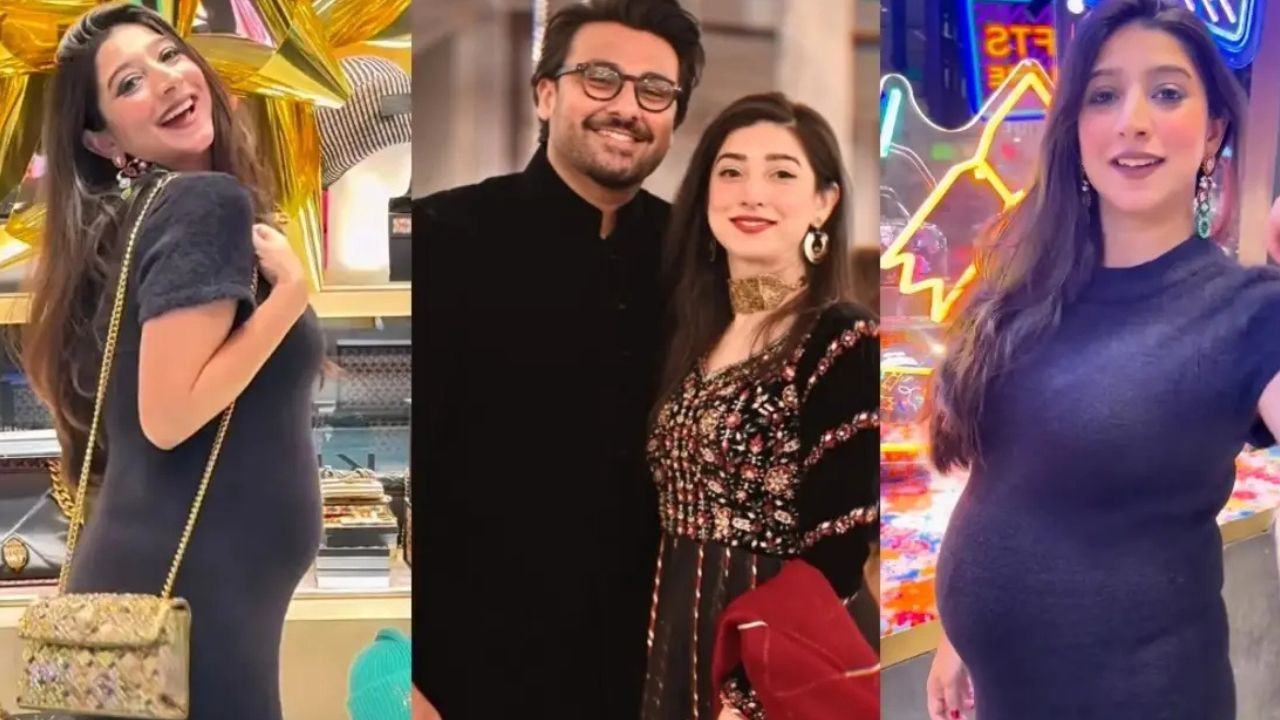
    In the video, Maryam is seen enjoying herself in London, shopping in malls, walking through the streets, wearing high-heeled shoes and a stylish dress. Her baby bump is visible in the video, which led to some users finding her outfit inappropriate and voicing their opinions in the comments.


    Maryam responded to the criticism with brutal clarity. She addressed the backlash in a recent Instagram post, calling out the hypocrisy of social media users. “Pakistani awaam getting triggered seeing a bump as if they were dropped from the skies like they were told as toddlers. If you have a problem seeing a bump, unfollow and move on because I will be showing A LOT of it! I’m proud and amazed at what my/our body is capable of and I don’t shy away from flaunting it.”


    Maryam announced the expected birth of her first child in November, sharing that she was going to become a mother soon.


    Maryam Nafees and Aman Ahmed got married in March 2022 after being in a relationship for some time and getting engaged in 2021. Their first child is expected after three years of marriage.