Category: FOREIGN

  • Japan town begins blocking Mt Fuji view from ‘bad-mannered’ tourists

    Japan town begins blocking Mt Fuji view from ‘bad-mannered’ tourists

    Fujikawaguchiko (Japan) (AFP) – Work has begun in a small Japanese town to erect a barrier blocking views of the country’s most famous sight, Mount Fuji, after locals complained of bad behaviour by photo-hungry tourists.

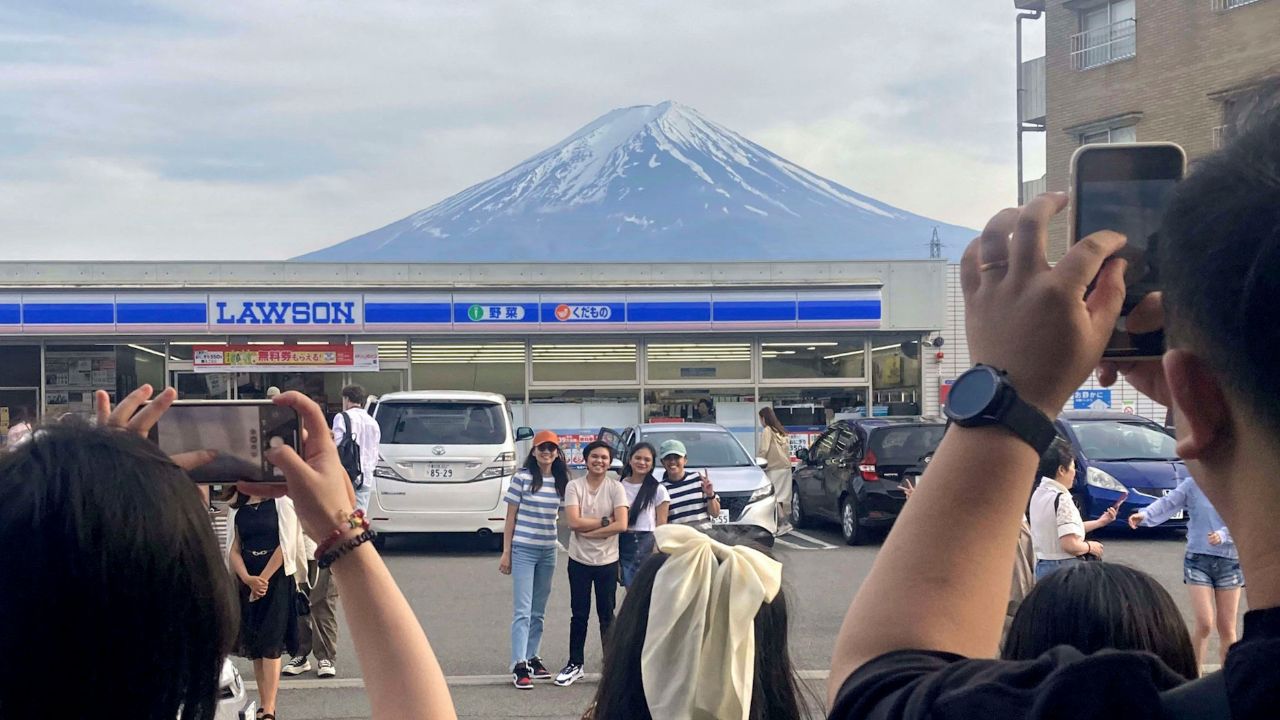
    Fujikawaguchiko town began building panels of mesh netting at a spot where unending flows of mostly foreign tourists visit daily to take photos of the majestic mountain sitting behind a Lawson convenience store.

    Photos taken from a narrow stretch of pavement across a busy road from the Lawson store — which are ubiquitous in Japan — are widely shared online.

    Local officials and residents say while the town welcomes visitors, they need to stop tourists from continuously crossing the street, ignoring red lights, littering, trespassing, illegally parking and smoking outside of designated areas.

    “It became not uncommon for people to yell at us when we asked them to move their cars, and for them to throw their lit cigarettes (on the ground),” a dentist’s office located across the street from the Lawson shop said in a statement.

    By the middle of this month, the town plans to complete the barrier, which will stand 2.5 metres (8 feet) high and stretch more than 20 metres long to block the view of the mountain, with hopes that it will discourage tourists from loitering there.

    The town’s move has prompted national and international headlines, as Japan experiences growing problems of overtourism, particularly at popular sites like the narrow private alleys of Kyoto, and even trails on Mount Fuji itself, where tourists love to photograph themselves and post on social media.

    The Fujikawaguchiko town hall has been inundated with telephone calls from Japanese people, many of them non-local residents, who have criticised the move to block the view.

    “It is not that we do not want people to see Mount Fuji. The issue is that there are so many people who are not able to observe basic rules,” a town official told AFP.

    ‘Basic manners’

    Having the net barrier is unfortunate but perhaps necessary, area residents say.

    “We welcome foreigners for the revitalisation of the community, but there are so many violations of basic manners, like crossing the road, dumping garbage and trespassing into people’s properties,” a 60-year-old resident told AFP.

    “After all, they are here for Mount Fuji, so having that barrier is very unfortunate,” said the woman, who identified herself as Watanabe.

    “There might have been other ways to deal with it, but for now I feel it cannot be helped,” she said.

    Some tourists expressed understanding and voiced hopes that the town would create a designated photo spot.

    But others speculated that the barrier may only make matters worse.

    “Stop people? I don’t think so because when there is a will there is a way. People will just be on the left side of it or right side of it,” said 29-year-old Australian tourist Trinity Robinson.

    “There definitely will be a way to still get the shot. It will just be more dangerous, really.”

    As a possible solution, a 37-year-old local man, who gave his name as Ama, called on visitors to check out other scenic locations in the area.

    “Mount Fuji from here (near the Lawson shop) is fantastic. But there are so many other places around here where you can visit and see beautiful views,” he said.
  • Woman keeping babies in freezer not charged

    Woman keeping babies in freezer not charged

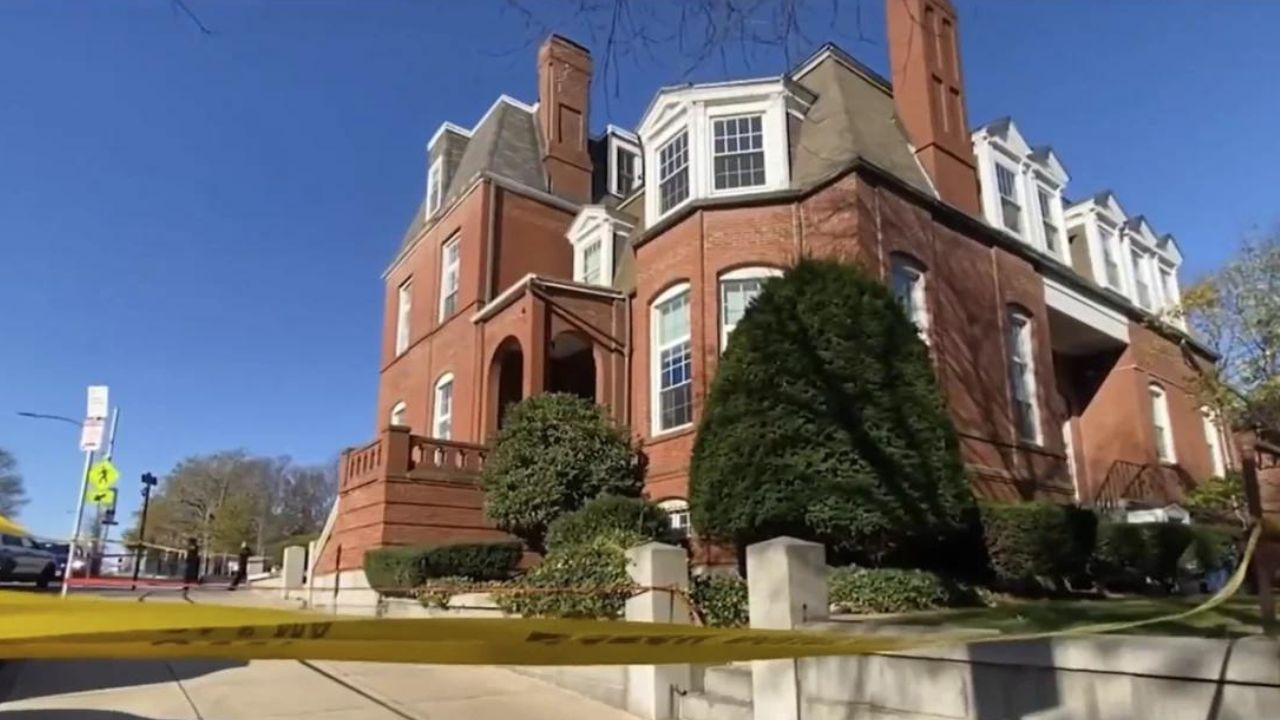
    A 69-year-old woman from Boston, whose apartment was found to have frozen infants in the freezer in 2022, will not be charged.

    A probe into the case started back in 2022 — which was deemed as “one of the most complex, unusual and perplexing” investigations by District Attorney Kevin Hayden.

    It has been said in the statement that it has not been concluded if the four babies were born alive or not, and that is why no criminal charge has been filed against the woman.

    Additionally, the attorney stated that according to the medical examiner, there have been no signs of trauma.

    The father of the babies reportedly died in 2011, while the mother is said to be in a healthcare facility.

    When she was questioned with regards to what was found, she “appeared confused and demonstrated a lack of understanding about where she was and who she was speaking to,” Hayden said.

    The mother is said to have five children and one of them was put up for adoption and had a birth record.

    It is still a mystery as to whether the children were born dead, killed, or did something else happen; and moreover, why the mother did not disclose her pregnancy.

    Background:

    Back in 2022, four babies were found in a freezer – two boys, two girls — in South Boston. The DNA proved that all four were siblings.

  • Paul Auster’s wife deplores reporting on US writer’s death

    Paul Auster’s wife deplores reporting on US writer’s death

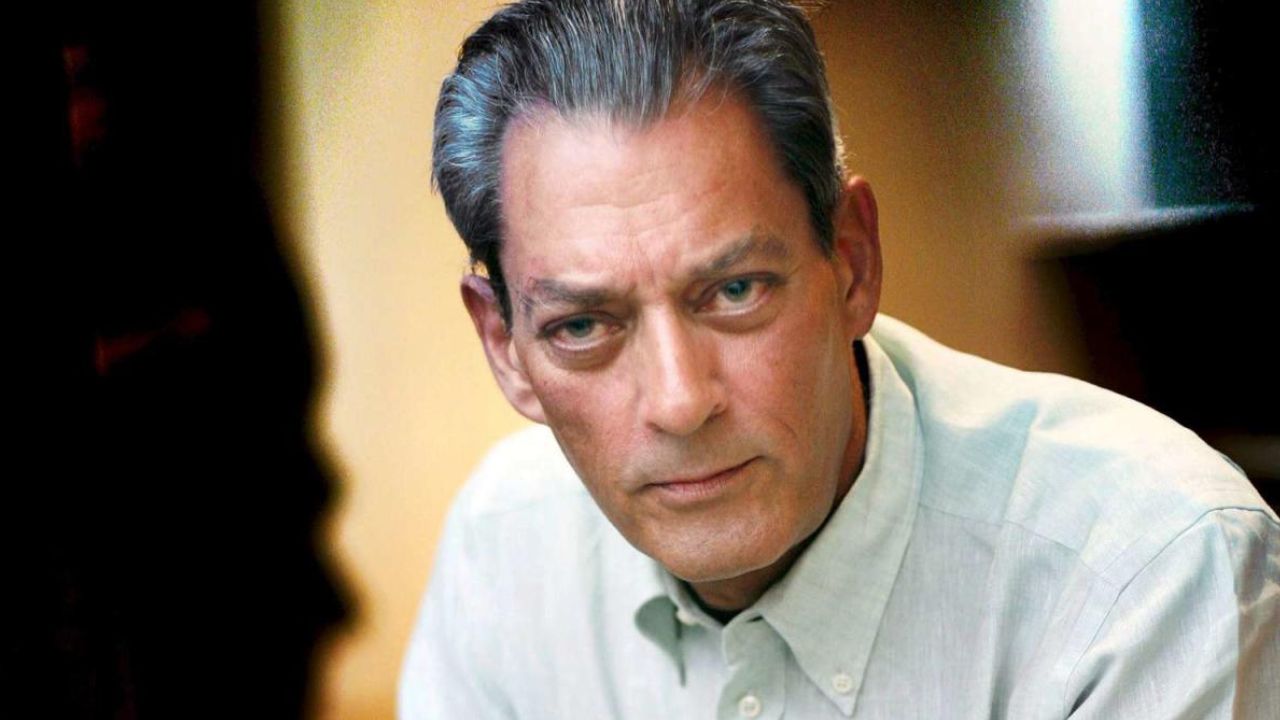
    New York (AFP) – The wife of US writer Paul Auster, who died due to lung cancer complications, said Thursday that her family was “robbed” of “dignity” after a friend quickly confirmed his death to media outlets.

    The New York Times, citing a friend of the couple, published a story of Auster’s passing hours after his death on Tuesday, with other outlets following suit with similar reports.

    “I was naive, but I had imagined that I would be the person to announce the death of my husband,” Siri Hustvedt, an esteemed novelist, wrote on Instagram.

    “He died with us, his family, around him on April 30, 2024 at 6:58 PM,” Hustvedt said.

    “Sometime later, I discovered that even before his body had been taken from our house, the news of his death was circulating on media and obituaries had been posted,” she added.

    Hustvedt revealed in March 2023 that Auster, whose works included “The New York Trilogy,” had been diagnosed with lung cancer.

    The New York Times — the first news outlet to announce Auster’s death — cited family friend and American journalist Jacki Lyden as its source, though Hustvedt did not refer to her or the newspaper directly.

    Hustvedt wrote on Instagram: “Not one of us was able to call or email the people dear to us before the shouting online began. We were robbed of that dignity.

    “I do not know the full story about how this happened, but I know this: It is wrong.”

    Hustvedt added: “Paul never left Cancerland. It turned out to be, in Kierkegaard’s words, the sickness unto death,” referencing the 19th-century Danish philosopher.

    He made his name with noirish, existentialist novels about lonely writers, outsiders and down-and-outers that were a huge hit in Europe particularly.

    The author gained cult status in the 1980s and 1990s with his “New York Trilogy” of metaphysical mysteries and his hip film “Smoke,” about the lost souls who frequent a Brooklyn tobacco shop.

  • Trump and Biden on same page when it comes to student protestors in America

    Trump and Biden on same page when it comes to student protestors in America

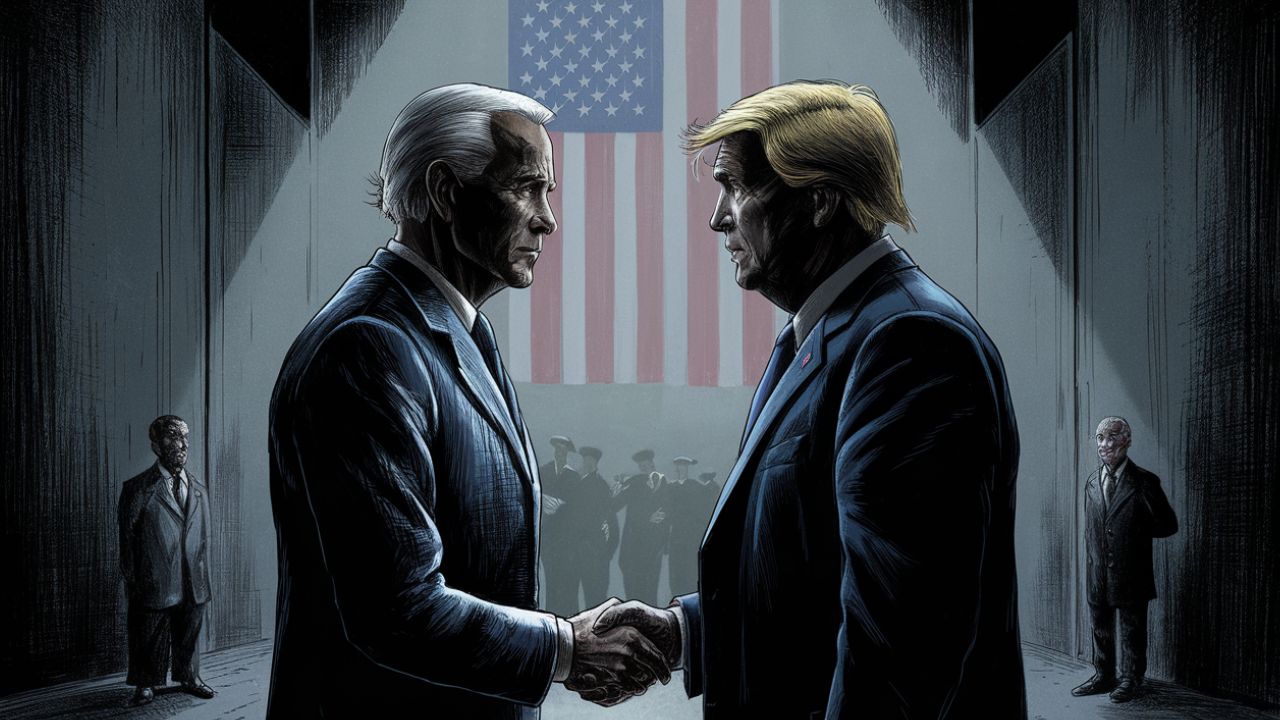
    President of the United States of America Joe Biden and his most popular opponent Donald Trump are on the same page when it comes to students protests in America.

    Trump appeared in a rally where he denounced university students protesting to end the genocide in Gaza as “radical left morons”.

    The assumed Republican US presidential candidate described New York police officers brutally raiding a Columbia University building occupied by pro-Palestinian as a “beautiful thing to watch”. He appreciated them for doing a good job against “raging lunatics and Hamas sympathizers.”

    On the other hand, Joe Biden insisted that “order must prevail” as college campuses across the country face a wave of violence, outrage, and fear. He largely dismissed protesters’ demands, which have included ending U.S. support for Israeli military operations. Asked after his remarks whether the demonstrations would prompt him to consider changing course, Biden responded with a simple “no”, reported AP News.

    Previously, Biden condemned “antisemitic protests” and “those who don’t understand what’s going on with the Palestinians.”

  • Rains, mudslides kill 29 in southern Brazil’s ‘worst disaster’

    Rains, mudslides kill 29 in southern Brazil’s ‘worst disaster’

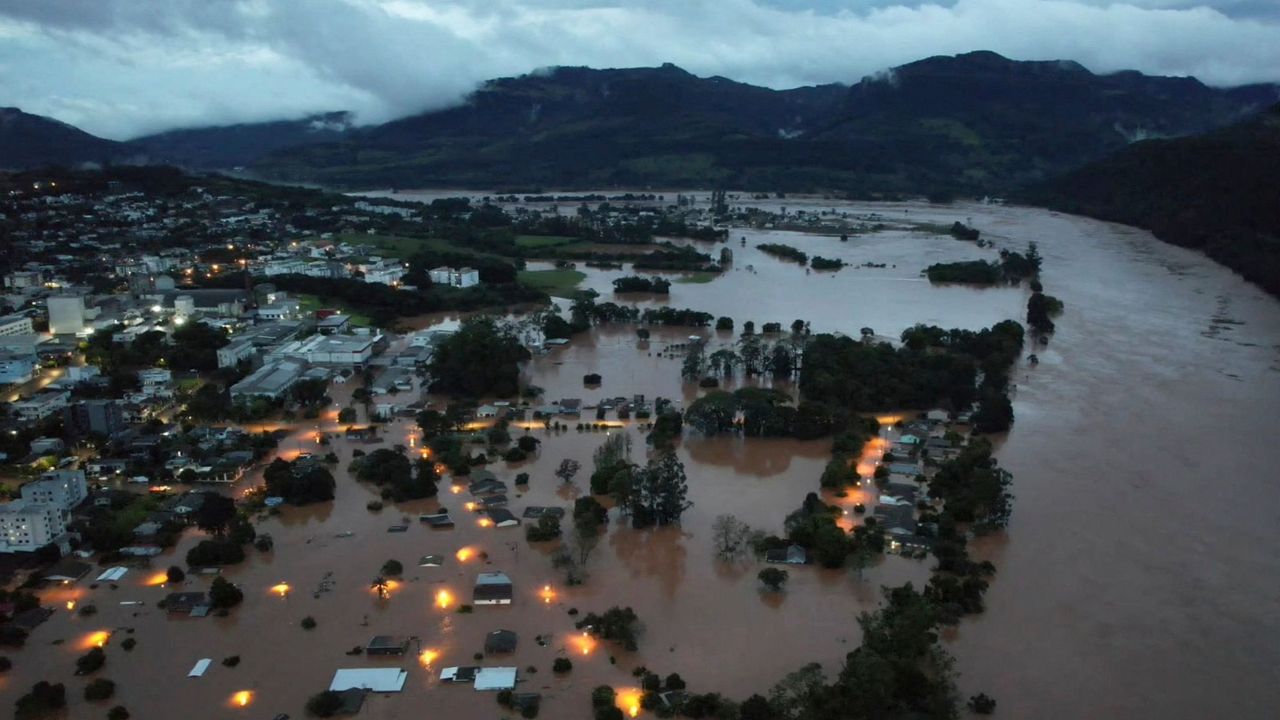
    Brazilian President Luiz Inacio Lula da Silva on Thursday visited the country’s south where floods and mudslides caused by torrential rains have killed 29 people, with the toll expected to rise.

    Authorities in Rio Grande do Sul have declared a state of emergency as rescuers continue to search for dozens of people reported missing among the ruins of collapsed homes, bridges and roads.

    Storm damage has affected nearly 150 municipalities in the state, also injuring 36 people and displacing more than 10,000.

    Governor Eduardo Leite said Rio Grande do Sul was dealing with “the worst disaster in (its) history.”

    “With the deepest pain in my heart, I know it will be even more,” the governor said of the death toll.

    Lula, who has blamed the torrent on climate change, arrived in the town of Santa Maria in the morning with a delegation of ministers and held a working meeting with Leite and other officials to coordinate rescue efforts, the government said.

    The president promised “there will be no lack of human or material resources” to “minimize the suffering this extreme event… is causing in the state.”

    The federal government, he added, “will be 100 percent at the disposition” of state officials.

    Central authorities has already made available 12 aircraft, 45 vehicles and 12 boats as well as 626 soldiers to help clear roads, distribute food, water and mattresses, and set up shelters, a press statement said.

    As the rains continued, forecasts warned the state’s main Guaiba River, which has already overflowed its banks in some areas, would reach an extraordinary level of three meters (9.8 feet) by Thursday and four meters the next day.

    Entire communities in Rio Grande do Sul state have been completely cut off as persistent rains have destroyed bridges and blocked roads, and left towns without even telephone or internet services.

    Rescuers and soldiers have been scrambling to free families trapped in their homes, many stuck on rooftops to escape rising waters.

    “I’ve never seen anything like this… it’s all under water,” said Raul Metzel, a 52-year-old machine operator in the municipality of Capela de Santana.

    A dam collapsed in the town of Cotipora, raising the level of water in the Taquari river.

    “I came here to help people, to get them out of the flooding because it is very dangerous. The current is very strong,” said fisherman Guilverto Luiz, who was helping rescue efforts in Sao Sebastiaio do Cai, about 70 km from Porto Alegre, the state capital.

    Authorities have urged people to avoid areas along state highways due to a risk of mudslides, and those who live near rivers or on hillsides to evacuate.

    Hundreds of thousands of people have been left without access to electricity and drinking water, while classes have been suspended state-wide.

    On Wednesday, the state’s deputy governor, Gabriel Souza, said damages have been estimated at $20 million.

    Mayor Sandra Backes of Sinimbu said the situation in her town was “a nightmare.”

    “Sinimbu is like a war zone, completely destroyed… All the stores, businesses, supermarkets — everything is devastated,” she said in a video posted on Instagram.

    Elsewhere, in Santa Cruz do Sul, lifeguards used boats to transport residents, many of them children, to safety.

    The region’s rivers had already been swollen from previous storms.

    Last September at least 31 people died as a cyclone hit the state.

    South America’s largest country has suffered a string of recent extreme weather events, which experts say are made more likely by climate change.

    The floods came amid a cold front battering the south and southeast, following a wave of extreme heat.

  • Heatwave swells Asia’s appetite for air-conditioning

    Heatwave swells Asia’s appetite for air-conditioning

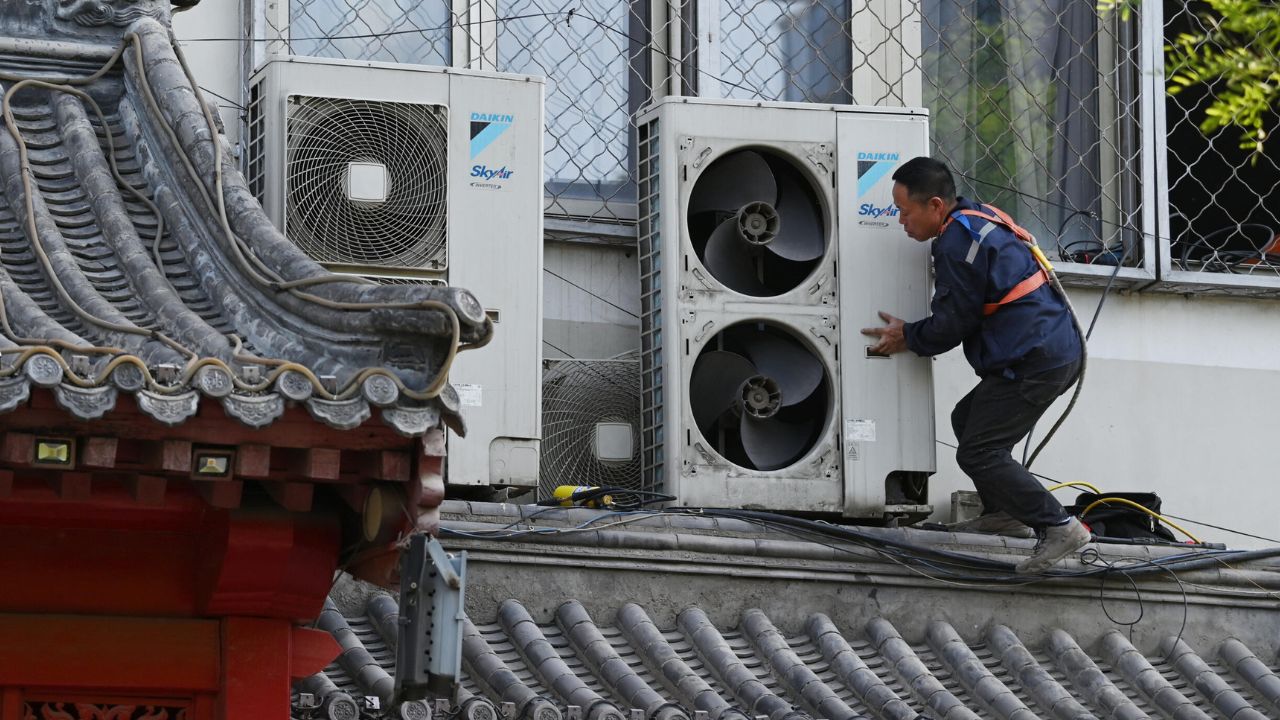
    Hong Kong (AFP) – A record-breaking heatwave is broiling parts of Asia, helping drive surging demand for cooling options, including air-conditioning.

    AC exhaust units are a common feature of urban landscapes in many parts of Asia, clinging like limpets to towering apartment blocks in Hong Kong or tucked in a cross formation between the windows of a building in Cambodia.

    They offer relief from temperatures that have toppled records in recent weeks, with many countries in the region hitting 40 degrees Celsius (104 Fahrenheit) or higher.

    Scientists have long warned that human-induced climate change will produce more frequent, longer and more intense heatwaves.

    Only 15 percent of homes in Southeast Asia have air-conditioning, according to a 2019 report by the International Energy Agency (IEA).

    But that figure obscures vast variations: ranging from around 80 percent installation in Singapore and Malaysia, to less than 10 percent in Indonesia and Vietnam, the IEA said.

    Forecasts suggest that higher temperatures and better wages could see the number of air-conditioning units in Southeast Asia jump from 40 million in 2017 to 300 million by 2040.

    That would stretch local electricity capacity, which is already struggling under current conditions.

    Myanmar is producing only about half the electricity it needs each day, with the junta blaming weak hydropower because of scant rains, low natural gas yields and attacks by its opponents on infrastructure.

    Thailand has seen record power demand in recent weeks, as people retreat indoors to cooled homes or businesses.

    Air-conditioning is already responsible for the emission of approximately one billion metric tons of carbon dioxide per year, according to the IEA, out of a total of 37 billion emitted worldwide.

    Still, cooling options like air-conditioning are a key way to protect human health, especially for those who are most vulnerable to the effects of extreme heat: children, the elderly and those with certain disabilities.

    With demand surging, dozens of countries last year signed up to the United Nations’ Global Cooling Pledge, a commitment to improve the efficiency of air conditioners and reduce emissions from all forms of cooling.

    Some countries have been trying to reduce the impact of cooling for years.

    Since 2005, Japan has encouraged office workers to ditch ties and jackets so air conditioners can be kept at 28 degrees Celsius.

    The annual “Cool Biz” programme took on new significance during power shortages in 2011 following the shutdown of nuclear plants after the Fukushima disaster.

  • UNESCO awards press prize to Palestinian journalists in Gaza

    UNESCO awards press prize to Palestinian journalists in Gaza

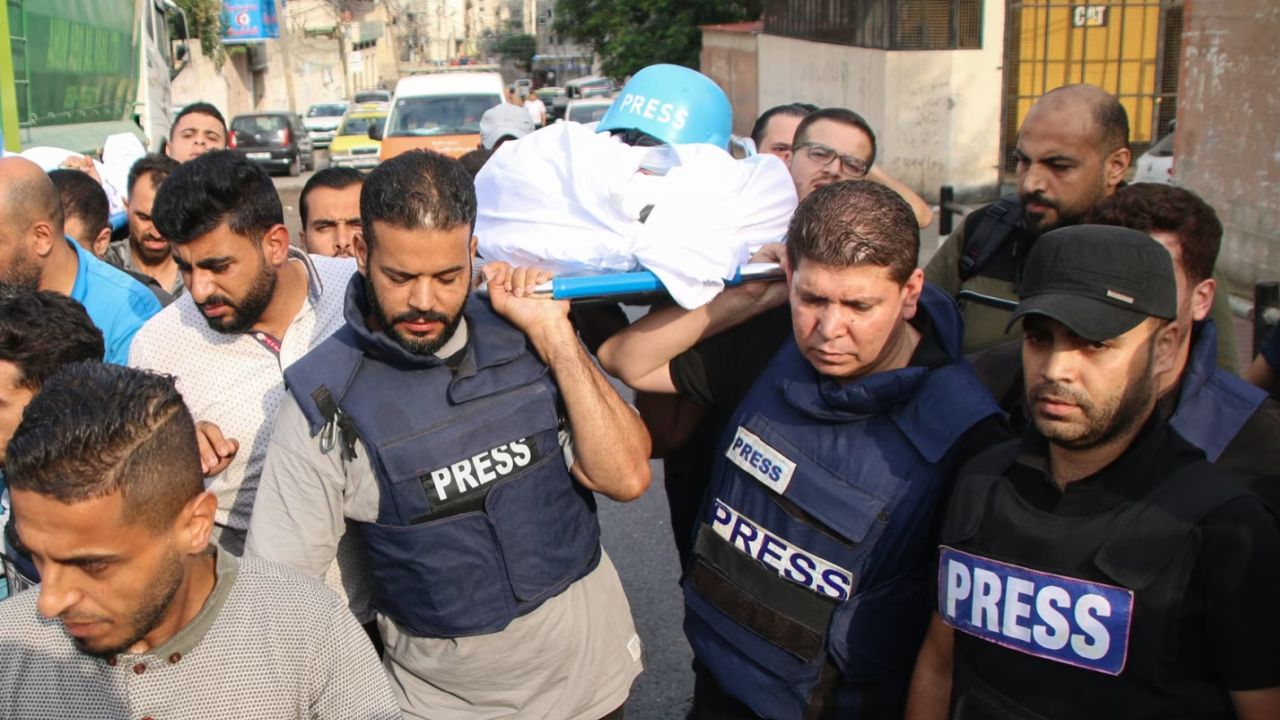
    UNESCO on Thursday awarded its world press freedom prize to all Palestinian journalists covering the Israeli genocide against the people in Gaza since October 8, 2023.

    “In these times of darkness and hopelessness, we wish to share a strong message of solidarity and recognition to those Palestinian journalists who are covering this crisis in such dramatic circumstances,” said Mauricio Weibel, chair of the international jury of media professionals.

    “As humanity, we have a huge debt to their courage and commitment to freedom of expression.”

    Audrey Azoulay, director general at the UN organisation for education, science and culture, said the prize paid “tribute to the courage of journalists facing difficult and dangerous circumstances”.

    According to the New York-based Committee to Protect Journalists (CPJ), at least 97 members of the press have been killed since the war broke out in October, 92 of whom were Palestinians.

  • Pro-Palestinian students camp out at Mexico’s largest university

    Pro-Palestinian students camp out at Mexico’s largest university

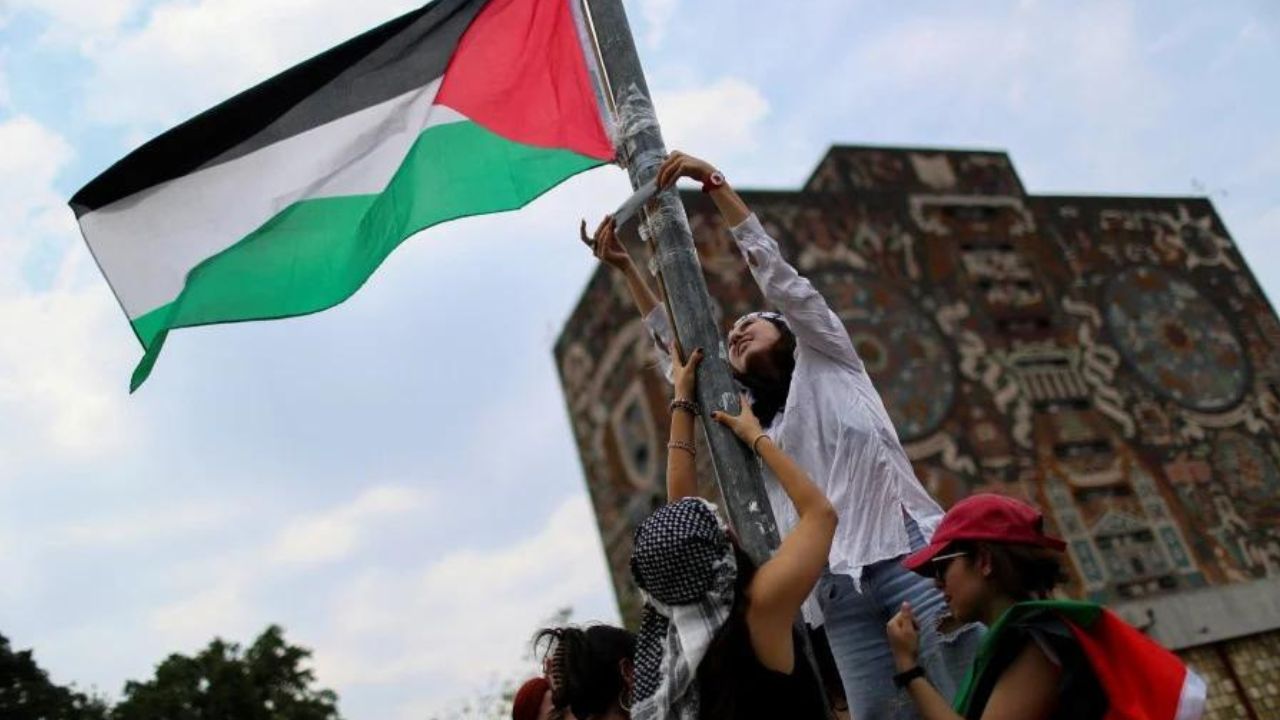
    Mexico City (AFP) – Dozens of pro-Palestinian students from Mexico’s largest university camped out Thursday in solidarity with similar protests that have swept colleges in the United States.

    Mounting flags and chanting “Long live free Palestine,” the protesters set up tents in front of the National Autonomous University of Mexico’s (UNAM) head office in Mexico City.

    The students called on the Mexican government to break diplomatic and commercial ties with Israel.

    “We are here to support Palestine, the people who are in Palestine, and the student camps in the United States,” said Valentino Pino, a 19-year-old philosophy student.

    Jimena Rosas, 21, said she hoped the protest would have a domino effect and spread to other universities in the country.

    “Once people see that UNAM is beginning to mobilize, other universities should start as well,” she said.

    Dozens of universities in the United States have seen pro-Palestinian demonstrations in recent weeks, leading to clashes with police and counter-protests.

    Israeli genocide against Palestinians since October 8 has killed more than 34,500 people in Gaza, mostly women and children, according to the territory’s health ministry.

  • Saudi crackdown on anti-Israel social media comments intensifies

    Saudi crackdown on anti-Israel social media comments intensifies

    In recent months, Saudi Arabian authorities have arrested a growing number of citizens for criticising Israel on social media.

    This surge in arrests comes amid Israel’s ongoing military campaign in Gaza, which has triggered widespread condemnation and protests across the Middle East.

    According to a report by Bloomberg, among those detained is a high-ranking executive involved in Crown Prince Mohammed bin Salman’s economic development initiatives, including the ambitious Vision 2030 project.

    Another detainee is reported to have urged Saudi citizens to boycott American brands operating in the Gulf Kingdom, while a third is a media figure who publicly stated that Israel should never be forgiven for its actions in Gaza.

    A source close to the Saudi government, who requested anonymity, stated that these arrests are driven by concerns about national security and the potential influence of pro-Iranian groups in Saudi Arabia.

    However, there are no official figures indicating how many individuals have been arrested since the Israeli offensive in Gaza began on October 7, 2023.

    The crackdown on dissent coincides with efforts by the United States to broker a deal for the normalisation of ties between Riyadh and Tel Aviv.

    During a recent visit to Saudi Arabia, US Secretary of State Antony Blinken noted that negotiations have brought both parties “potentially very close to completion.”

    However, Saudi Arabia has repeatedly emphasised that it will not establish diplomatic relations with Israel until an independent Palestinian state is recognised.

    Meanwhile, Israel’s ongoing military offensive in Gaza has had devastating consequences.

    According to the Wafa news agency, more than 34,500 Palestinians have been killed and over 77,000 wounded since the start of the conflict.

    The United Nations reports that 85 per cent of Gaza’s population has been internally displaced due to the violence, and 60 per cent of the enclave’s civilian infrastructure has been severely damaged or destroyed.

    Critical shortages of food, clean water, and medical supplies have compounded the humanitarian crisis.

    Israel has been accused of genocide at the International Court of Justice (ICJ). In January, the World Court issued an interim ruling ordering Israel to halt genocidal acts and ensure the delivery of humanitarian aid to Gaza’s civilians.

    South Africa, which initiated the case against Israel, has since accused the country of disregarding the court’s ruling. Israel has denied all allegations against it.

    As tensions continue to rise, the arrest of Saudi citizens for criticising Israel reflects the broader geopolitical complexities in the region.

    The outcome of US-led negotiations and the humanitarian situation in Gaza will likely have significant implications for the future of Saudi-Israeli relations and the stability of the Middle East.

  • China says to take ‘necessary measures’ after fresh US sanctions

    China says to take ‘necessary measures’ after fresh US sanctions

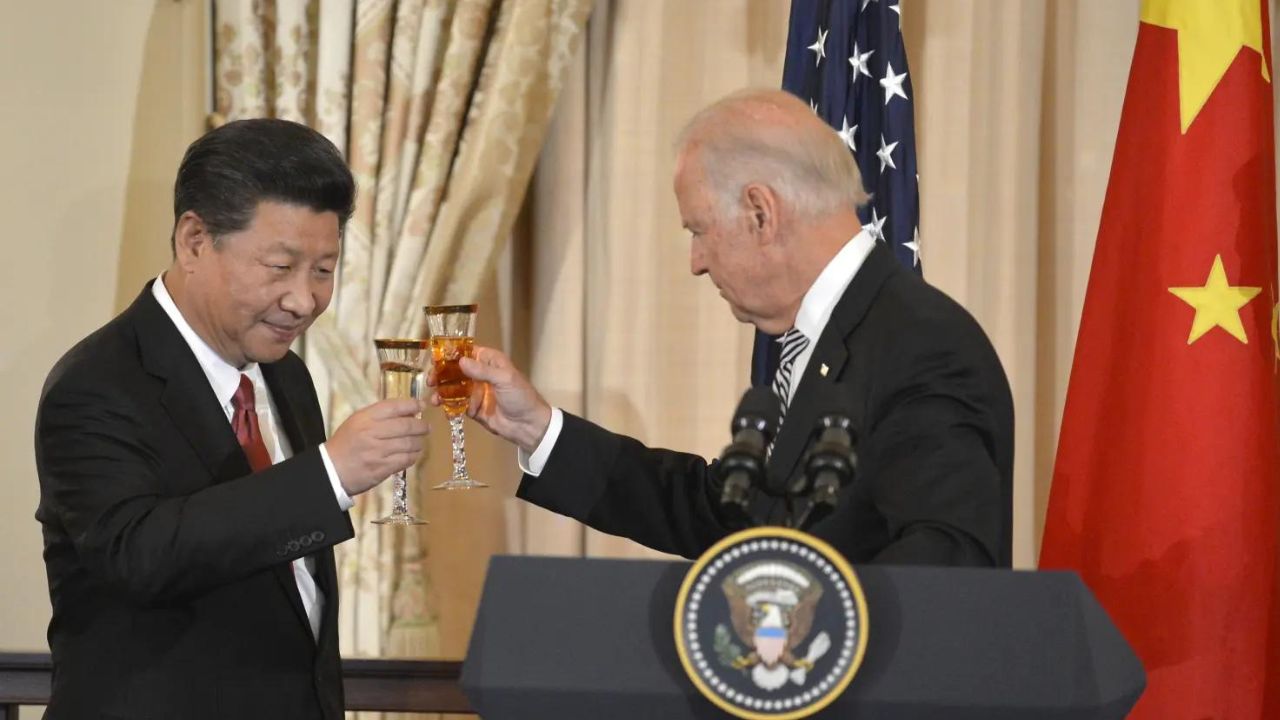
    Beijing on Thursday said it would take “necessary measures” after the United States announced fresh sanctions aimed at crippling Russia’s military and industrial capabilities, punishing companies in China and elsewhere that help Moscow acquire weapons for its war in Ukraine.

    “The Chinese side urges the US to stop smearing and containing China and stop wantonly implementing illegal and unilateral sanctions,” a foreign ministry spokesman said in a message to AFP.

    “China will take all necessary measures to resolutely uphold the legal rights and interests of Chinese companies,” he added.

    In a sweeping package announced by the US Treasury Department on Wednesday, Washington targeted nearly 300 entities in Russia, China and other countries accused of supporting President Vladimir Putin’s invasion.

    Treasury Secretary Janet Yellen said her department had “consistently warned that companies will face significant consequences for providing material support for Russia’s war”, and that its “actions will further disrupt and degrade Russia’s war efforts”.

    China has never condemned Russia’s attack on Kyiv, and stands accused of indirectly supporting the war through its strategic partnership with its neighbour Moscow.

    Beijing insisted again on Thursday it was “neither a creator nor a party” to the crisis in Ukraine, and said it had the right to develop “normal” trading relations with all countries, including Russia.

    “China has always resolutely opposed the United States implementing illegal and unilateral sanctions against Chinese enterprises and exercising ‘long-arm jurisdiction’,” the spokesman said.