A pet-loving part-time musician is fast becoming a global star by gently poking fun at Donald Trump for suggesting that Haitian immigrants are making a meal of America’s cats and dogs.
“Eating the cats”, a parody song by The Kiffness which sets to music Trump’s extraordinary claims during the US presidential debate that migrants in Ohio “are eating the dogs, eating the cats”, has been viewed more than 8.7 million times on YouTube alone in 12 days.
“People of Springfield please don’t eat my cat,” pleads the South African singer, whose real name is David Scott. “Why would you do that?/ Eat something else.”
He then helpfully holds up a card suggesting a range of other mostly veggie options, including broccoli, avocados and poached eggs.
The singer, who has been slowly building a following for his feel-good songs about pets and children — because “they tend to unite people” — has seen his popularity soar since he got his singing claws into Trump.
Although he insists he is not attacking anybody, just giving some cat- and dog-friendly dietary advice.
“I think music has a powerful way of taking away negative energy and polarising feelings, especially with someone like Donald Trump, who is such a polarising figure,” he told AFP before his band gave a concert in Paris.
“I want my music to unite people. And I think that’s why I moved towards music that included animals. Because animals unite people,” said the 36-year-old from Cape Town.
The video, which has been watched by millions more on social media, shows Trump’s rival Kamala Harris reacting to his widely-derided claims during their debate earlier this month. A couple of cats and dogs also chip in with vocals, and equally incredulous looks.
Scott said all the earnings from the song are going to help pets and stray cats and dogs in Springfield, with more than $20,000 already raised.
“I’ve never seen anything like it,” he told AFP. “The interest has been overwhelming from both sides, from Democrats, from Republicans.”
He said the song was not “laughing at the situation, it’s saying that you can rise above it… and just see the humour in things,” said the musician, who describes himself on X as a “Christian, husband, father (and) part-time musician”.
Springfield’s mayor, police and Ohio’s Republican governor have all said there is no evidence to back up Trump’s claims that Haitian migrants were eating the city’s pets.
But that has not stopped his running mate JD Vance — an Ohio senator — from doubling down on the claims, despite being widely mocked.
“My constituents are telling me firsthand that they’re seeing these things,” an unapologetic Vance told CNN.
This prompted Haitian groups in Springfield to file charges against Trump and Vance Wednesday over the threats to their community since the pair amplified the false online rumours.
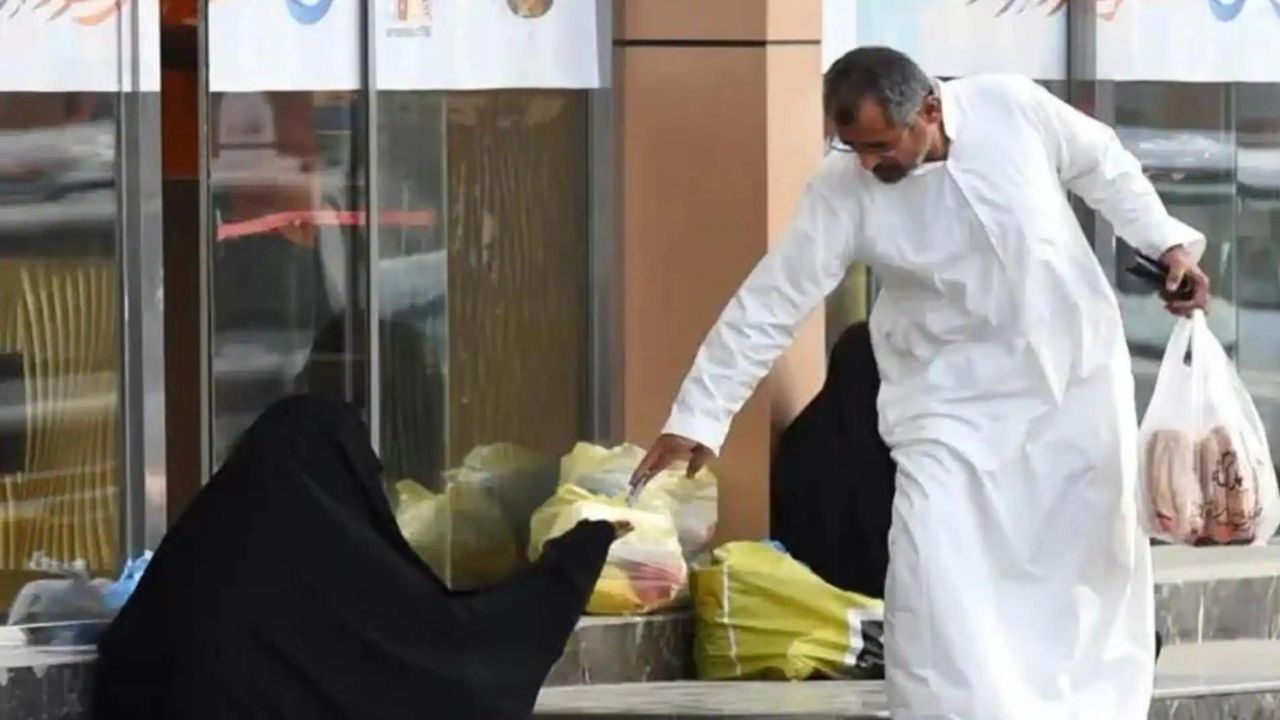
The Kingdom of Saudi Arabia has expressed serious concern over the growing number of Pakistani beggars coming to the Kingdom on Hajj and Umrah visas.
Geo reports that sources in Pakistan’s Ministry of Religious Affairs have stated that Saudi authorities have warned about the beggars who come under the guise of Umrah and Hajj. If they are not controlled, it will have a negative impact on Pakistani Umrah and Haj pilgrims going to the Kingdom in the future.
Local media reports suggest that the Saudi Ministry of Religious Affairs has asked the Pakistani government to take action against the beggars entering the country under Umrah and Hajj visas, or it will severely affect normal Pakistani pilgrims.
Consequently, Pakistan’s Ministry of Religious Affairs has decided to bring an Umrah Act, according to which the government will regulate travel agencies conducting Umrah and Hajj and bring them under legal supervision.
Earlier, it was reported that Pakistani beggars go to Saudi Arabia on Umrah visas and then take part in activities like begging there, which infuriates the governments of the Gulf countries. In turn, the Pakistani government also decided to block the passports of the people involved.
People around the world wake up early in the morning to go to the work, even if they don’t get enough sleep at night. But if you could get a job that pays you millions for just sleeping, would you take it?
Yes, a company in India is offering this amazing service to its employees.
Recently, an internship program introduced by the Indian company ‘Wakefit’ (Research and Innovation-Driven Sleep and Home Solutions) has gained popularity on social media.
The company has shared job details on LinkedIn with the designation ‘Professional Sleep Intern’.
This is not just an internship program but an opportunity to join a company that values your relaxation as much as work.
Interns will be given a bed at their place of work. The duration of the internship will be two months, for which the company will pay a stipend of one lakh to one million (Indian Rupees).
According to the advertisement, aspirants should sleep eight to nine hours regularly at night and take naps of at least 20 minutes during the day. The company may increase the sleeping hours during the week.
The company will provide interns with a free mattress at home so they can enjoy a good night’s sleep.
According to the details, the internship will be given to people who sleep at a specific time every night, know how to maintain a balance between sleep and other activities of life and stay away from unnecessary calls and social media activities during sleeping hours.
Persons 22 years of age or above who have a Bachelor’s or Master’s degree in any subject but have a PhD (Experienced) in sleep management will be eligible.
A stipend of one lakh (INR) has been fixed for each selected Sleep Intern, but after being promoted as a Sleep Champion stipend will be haised to INR 10 Lakh.
A group of monkeys intervened to save a 6-year-old girl from a rape attempt in Meerut, India.
The parents registered a complaint against the suspect while he was on the run.
The child’s parents claimed that a man lured their daughter to an abandoned house where he allegedly took off her clothes and was attempting to assault her when a troop of monkeys aggressively moved towards him and forced him to leave the victim alone and escape.
The scared child narrated the whole story to her parents after reaching home and asserted that the monkeys “saved me.”
The girl’s father told media that, “My daughter would have been dead by now if the monkeys had not intervened.”
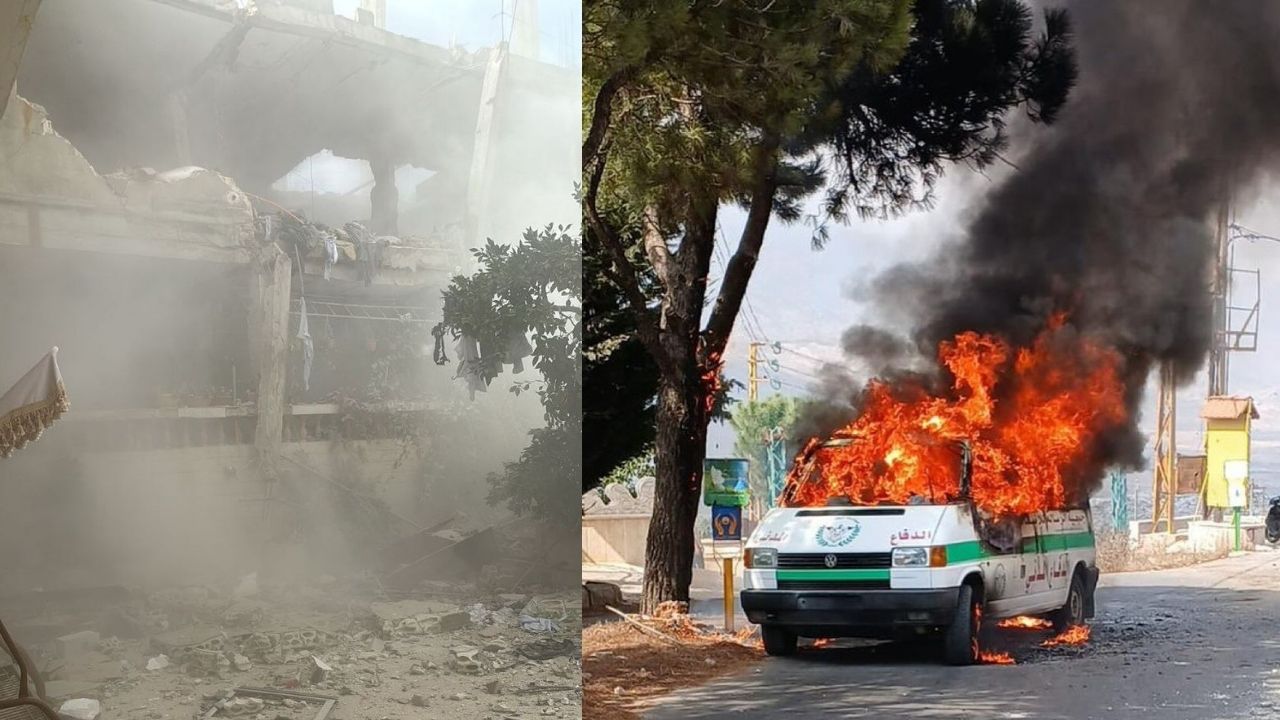
Israeli air strikes on Lebanon killed at least 492 people on Monday, including 35 children, the health ministry said, marking the deadliest day of cross-border violence since the Gaza genocide began.
Arab states strongly condemned Israel for the escalating hostilities with Hezbollah, which have intensified to levels unseen in nearly a year.
Israel said it killed a “large number” of Hezbollah fighters when it hit about 1,600 sites in southern and eastern Lebanon, including a “targeted strike” in Beirut in what the Israeli military called “Operation Northern Arrows”.
Hezbollah said Ali Karake, its third-in-command, was alive and had moved to safety after a source said the strike on the capital targeted him.
The group said early Tuesday it had launched “volleys” of missiles at Israeli military sites after state media reported new raids in eastern Lebanon.
People in Israel’s coastal city of Haifa were seen running for cover on Monday when air raid sirens sounded.
Lebanon’s health ministry said the strikes killed 492 people, including 35 children and 58 women, and wounded 1,645 others. Health Minister Firass Abiad said “thousands of families” had been displaced.
Explosions near the ancient city of Baalbek in eastern Lebanon sent smoke billowing into the sky.
“We sleep and wake up to bombardment… that’s what our life has become,” said Wafaa Ismail, 60, a housewife from the southern village of Zawtar.
Global powers urged Israel and Hezbollah to step back from the brink of all-out war as the violence shifted from Israel’s southern border with Gaza to its northern frontier with Lebanon.
France and Egypt called on the United Nations Security Council to intervene, while Iraq requested an urgent meeting of Arab states on the sidelines of the UN General Assembly in New York.
Israeli army chief Herzi Halevi said the strikes hit combat infrastructure Hezbollah had been building for two decades.
Israeli Defence Minister Yoav Gallant called Monday “a significant peak” in the operation.
“This is the most difficult week for Hezbollah since its establishment –- the results speak for themselves,” he said.
“Entire units were taken out of battle as a result of the activities conducted at the beginning of the week in which numerous terrorists were injured.”
Prime Minister Benjamin Netanyahu said Israel was acting to change the “security balance” in the north.
Hezbollah wave of rockets
Hezbollah, which has been trading near-daily fire with Israel in support of Hamas, said it was in a “new phase” of confrontation.
The group said it launched rockets at Israeli military sites near Haifa and two bases in retaliation for Israeli strikes on the south and the Bekaa.
The attack came after an Israeli strike on southern Beirut on Friday killed its elite Radwan Force commander, Ibrahim Aqil, and coordinated communications device blasts that Hezbollah blamed on Israel killed 39 people and wounded almost 3,000 on Tuesday and Wednesday.
Since the cross-border exchanges between Israel and Hezbollah began in October, tens of thousands of people on both sides have fled their homes.
An Israeli military official, who cannot be further identified under military rules, said the operation seeks to “degrade threats” from Hezbollah, push them back from the border, and then to destroy infrastructure.
Lebanese Prime Minister Najib Mikati urged the United Nations and world powers to deter what he called Israel’s “plan that aims to destroy Lebanese villages and towns”.
US President Joe Biden, whose country is Israel’s main ally and weapons supplier, said Washington was “working to de-escalate in a way that allows people to return home safely”.
The Pentagon said it was sending a small number of additional US military personnel to the Middle East after thousands were deployed earlier alongside warships, fighter jets and air defence systems.
A US official, speaking on condition of anonymity at the UN General Assembly, said that Washington opposed an Israeli ground invasion targeting Hezbollah and had “concrete ideas” on how to de-escalate the crisis.
G7 foreign ministers said in a joint statement that “no country stands to gain” from escalating conflict, warning of “unimaginable consequences” if a regional war broke out.
EU foreign affairs chief Josep Borrell warned that Israel and Hezbollah were “almost in full-fledged war”, ahead of a gathering of world leaders at the United Nations.
UN chief Antonio Guterres was “gravely alarmed” by civilian casualties in Lebanon, his spokesman said.
The United Nations peacekeeping force in south Lebanon warned “any further escalation of this dangerous situation could have far-reaching and devastating consequences”.
Qatar, a mediator in Gaza ceasefire talks, said Israel’s bombardment of Lebanon “puts the region on the brink of the abyss”, while Turkey said the strikes threatened “chaos” and Jordan urged an immediate end to the escalation “before it is too late”.
The Palestinian foreign ministry condemned the strikes and ordered Palestinian medical staff in Lebanon to provide support for the wounded.
Iran’s newly elected president, Masoud Pezeshkian, accused Israel of seeking “to create this wider conflict”.
Hamas’s October 7 attack on Israel resulted in the deaths of 1,205 people, mostly civilians, according to an AFP tally based on Israeli official figures that include hostages killed in captivity.
Of the 251 hostages also seized by militants, 97 are still held in Gaza, including 33 the Israeli military says are dead.
Israel’s retaliatory military offensive has massacred at least 41,455 people in Gaza, most of them civilians, according to figures provided by Gaza’s health ministry. The UN has described the figures as reliable.
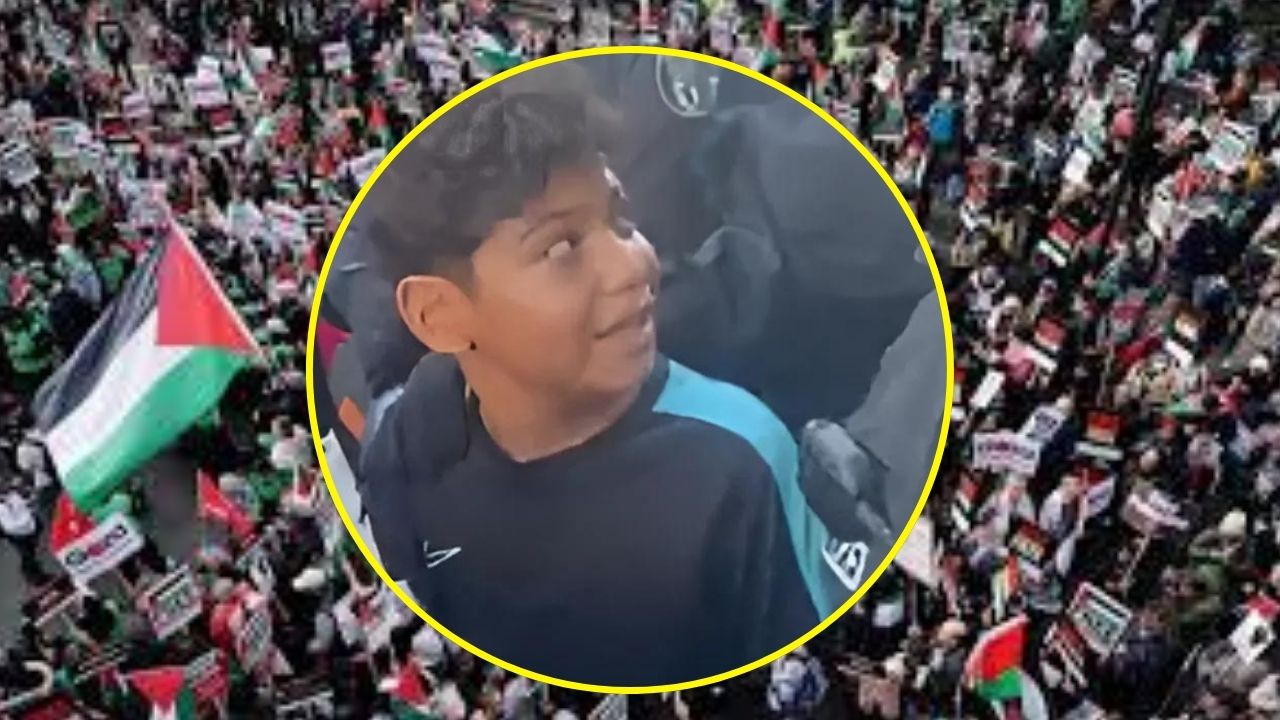
Videos of multiple members of German police running after and ultimately arresting a 10-year-old protestor holding a Palestinian flag at a Gaza solidarity march have surfaced online, garnering widespread criticism against the country’s anti-Palestine policies.
During a recent pro-Palestine protest in Berlin, a 10-year-old child was detained by police during a crackdown.
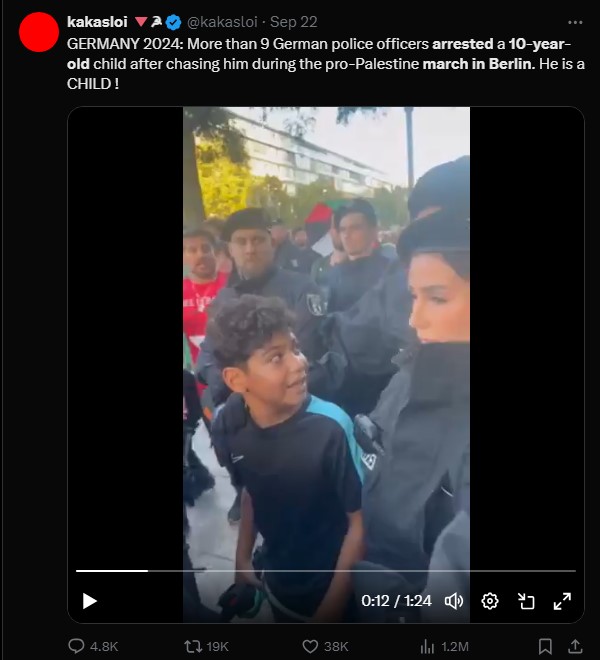
Various foreign news agencies reported that the police cracked down on people expressing solidarity with Palestinians against Israeli atrocities in Germany, during which a 10-year-old child was also detained as he was waving the Palestinian flag. While protestors tried to intervene and help the boy, police officers pushed them aside and eventually took the boy into their custody despite him appearing fearful and scared. Fellow protestors then resorted to documenting the arrest on their mobile phones.
The pictures and videos of the detained child went viral on social media, after which netizens condemned the police for harassing and manhandling an innocent child. “More than 9 German police officers arrested a 10-year-old child after chasing him during the pro-Palestine march in Berlin. He is a CHILD!,” a Twitter user pointed out.
Pro Palestine portal Middle East Eye posted the video. However, they asserted that they could not independently confirm the child’s fate or whether he had been released.
A 65-year-old man has been arrested in Rome over the “horrific, frenzied” 1977 murder of two women in their home in Melbourne, Australian police said Saturday.
The bodies of Suzanne Armstrong, 27, and Susan Bartlett, 28, were discovered at their house in Easey Street, Melbourne, on January 13, 1977, with multiple stab wounds.
Armstrong had been raped. Her then 16-month-old son was found unharmed in his cot.
The women had last been seen alive three days earlier.
“It was an absolutely gruesome, horrific, frenzied homicide — multiple stabbings,” Victoria Police Chief Commissioner Shane Patton told a news conference.
He described the 47-year-old crime, known as the Easey Street murders, as the state’s longest and most serious cold case.
The suspect, a dual Greek-Australian citizen, had been living in Greece where he was protected by the country’s statute of limitations, Patton said.
Police waited for him to leave the country, the chief commissioner added, and he was finally arrested Thursday in the Italian capital’s Fiumicino airport under an Interpol red notice.
Australia will launch extradition procedures, he said.
Police had been helped by “technological advances” over the years, Patton said.
In 2017, they offered an Aus$1 million (US$680,000) reward for information leading to an arrest and conviction, he said, after new information had come to light.
He declined to give more details of the investigation.
A report in Melbourne’s The Age newspaper, which police did not confirm, said police had decided to check the DNA of all 131 people named in the original police file.
The suspect was on that list and had agreed to undergo a DNA test but instead fled to Greece in 2017, the paper reported.
He was linked to the crime by the DNA of a close relative, it said.
According to The Age, the suspect had been stopped and searched on the night of the murders by local police who found a large knife on him — three days before the bodies were discovered.
It is “understood” that the man — then a teenager — was not interviewed about the killings at the time as police focused on other suspects, the paper said.
A detective senior sergeant running the investigation since 2015 broke the news of the suspect’s arrest to the victims’ families on Saturday morning, Patton said.
The families were “emotional, speechless, overwhelmed, but appreciative that they hadn’t been forgotten”, he said.
“There is simply no expiry date on crimes that are as brutal as this. I think that is borne out here today.”
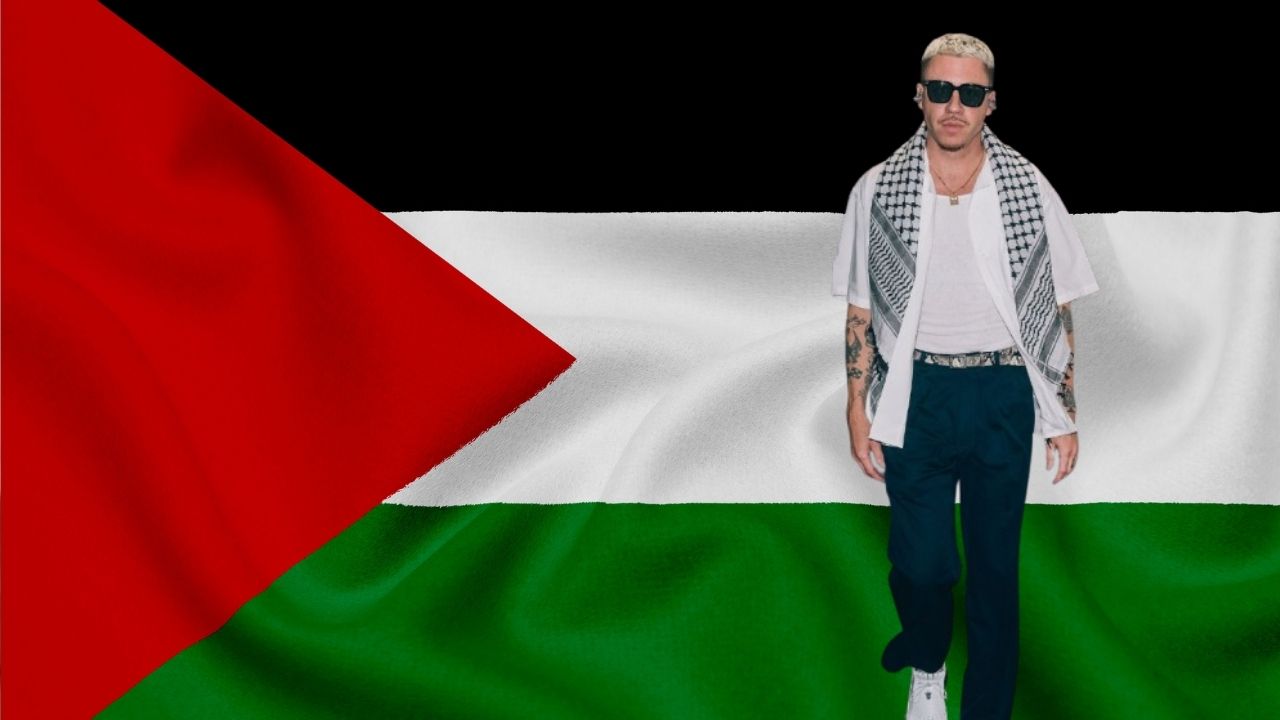
Pro-Palestine American rapper Macklemore has released another song in solidarity with the Palestinian cause, titled as Hind’s Hall 2 featuring Palestinian artists.
The song has been released four months after the release of the first Hind’s Hall which stood out as a key anthem of resistance against the ongoing genocide in Gaza and hypocrisy of the American government in showing support for Israel.
Palestinian rapper MC Abdul, Palestinian-American author and comedian Amer Zahr, and Arab-American singer Anees Mokhiber have been featured in the second iteration.
The rapper took to Instagram to announce the release of the song. He shared a picture of three smiling children and captioned the picture with credits given to artists involved in the making. He further declared that all the proceeds of the song would go to the United Nations Relief and Works Agency for Palestine Refugees in the Near East (UNRWA). It was the same for the first version of Hind’s Hall.
The title Hind’s Hall refers to the renaming of the Hamilton Hall of Columbia University by protesting students in America as a tribute to six-year-old Hind Rajab who was killed by Israeli military.
Unlike Hind’s Hall, there is no video in the second iteration. It just has a picture of three smiling children, captured by Gazan photojournalist Motaz Azaiza.
The new song opens with a verse from Mohibker that says, “In our lifetime we will be free, and they can bury us, but they will find out we are seeds.” The verse was complimented by Palestine Kids Choir and the Lifted Youth Gospel Choir.
As the song progresses, Macklemore also takes a jibe at Democratic Presidential candidate Kamala Harris’s politics: “Hey Kamala, I don’t know if you are listening but stop sending money and weapons, you ain’t winning Michigan. We are committed, and hell no we ain’t switching positions, because the whole world turned Palestinian.”
The song has amassed more than 12 thousand views since its release, while the announcement post has more than 67 thousand likes.
Macklemore is one of the few mainstream musicians who has ardently advocated about the oppression faced by Palestinians.
He recently cancelled shows in United Arab Emirates citing its compliance with Israel and has announced to perform at the Palestine Will Live Forever festival in Seattle on September 21 alongside Palestinian artists and speakers.
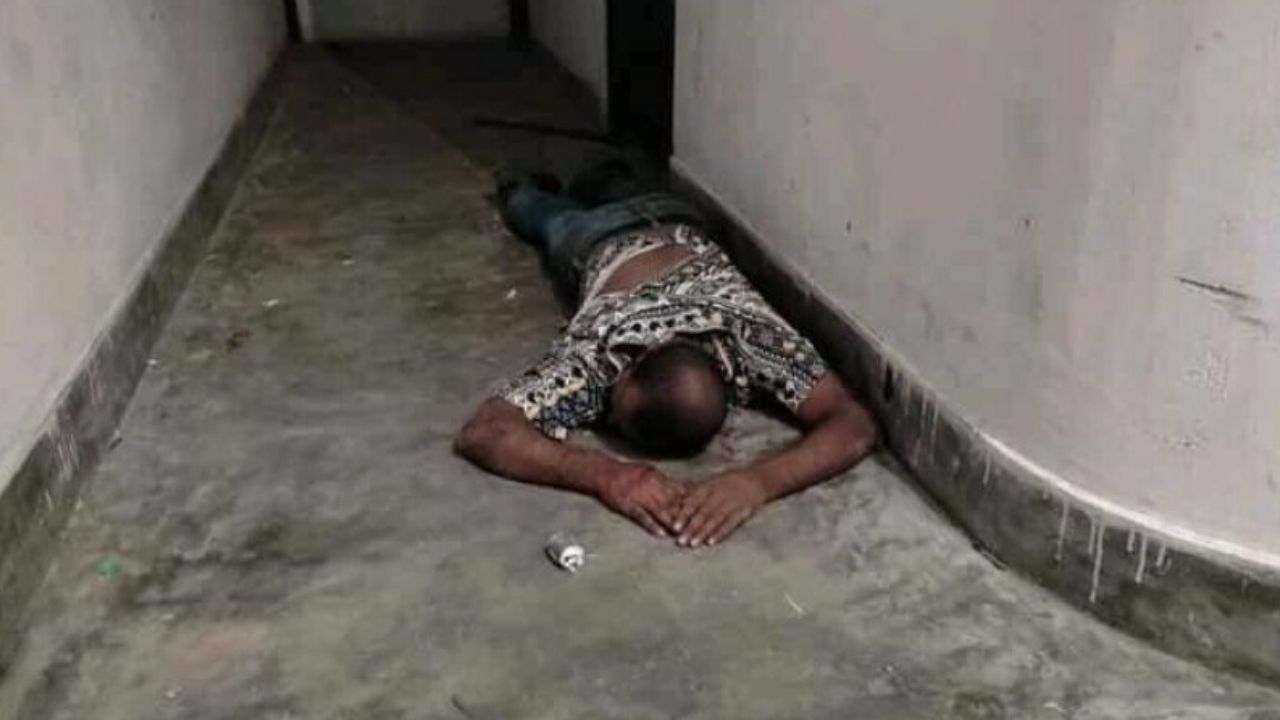
A Bangladeshi student leader was beaten to death at his university campus in an apparent reprisal for attacks on protesters during the uprising that ousted ex-premier Sheikh Hasina last month.
Shamim Ahmed was enrolled at Jahangirnagar University in the capital, Dhaka, and was a top member of the student wing of Hasina’s Awami League party, police officer Abu Bakkar said.
Bakkar said Ahmed was beaten by unknown assailants on Wednesday night for leading an attack on student demonstrators at the campus in mid-July, when protests demanding Hasina’s removal from office were gaining momentum.
“We took him to the Gonoshasthaya Hospital, where he later died,” the officer added.
Staff at the hospital confirmed that Ahmed had died after being brought in with multiple injuries. Ahmed is at least the second leader of the Awami League’s student wing to be killed this month.
Fellow leader Abdullah Al Masud died hours after being beaten by a mob in the northern city of Rajshahi on Sept 8, according to local media reports.
He had also been accused of marshalling counter-demonstrations against the student-led uprising against Hasina, who fled the country in early August moments before protesters stormed her Dhaka palace.
Hasina’s government was accused of widespread abuses, including the mass detention and extrajudicial killing of political rivals. More than 450 people were killed in the weeks of violence leading up to the autocratic leader’s toppling.
Since her departure for exile in neighbouring India, cabinet ministers and other senior members of Hasina’s party have been arrested, and her government’s appointees have been purged from courts and the central bank.
At least 25 journalists seen as close to Hasina’s regime have also been taken into custody since her ouster and replacement with an interim government led by Nobel Peace Prize laureate Mohammed Yunus.
A second deadly wave of unprecedented explosions in the strongholds of Lebanon’s Hezbollah left it in disarray on Thursday, hours before a major speech by its beleaguered leader, Hassan Nasrallah.
The latest batch of device explosions killed 20 people and wounded more than 450 others on Wednesday, officials said, stoking fears of a full-blown war with Israel.
The blasts came a day after the simultaneous detonation of pagers used by Hezbollah killed 12 people, including two children, and wounded up to 2,800 others across Lebanon in an unprecedented attack blamed on Israel.
Walkie-talkies used by its members exploded in the latest blasts at Hezbollah’s Beirut stronghold, a source close to the group said, with state media reporting similar detonations in south and east Lebanon.
AFPTV footage showed people running for cover when an explosion went off during a funeral for Hezbollah fighters in south Beirut in the afternoon.
“The wave of enemy explosions that targeted walkie talkies… killed 20 people and wounded more than 450,” Lebanon’s health ministry said in a statement.
There was no comment from Israel, which only hours before Tuesday’s explosions had announced it was broadening the aims of its offensive in Gaza to include its fight against Hamas’s ally Hezbollah.
“The centre of gravity is moving northward,” Israeli Defence Minister Yoav Gallant said during a visit to an air base on Wednesday, adding, “We are at the start of a new phase in the war.”
Amos Harel of the left-leaning Haaretz newspaper said the pager and walkie-talkie blasts had put “Israel and Hezbollah on the brink of all-out war”.
Out of this world
With tensions in the Middle East spiralling, senior diplomats from the United States, Britain, Germany, France and Italy will meet on Thursday in Paris, sources said, ahead of a UN Security Council meeting planned for Friday.
US Secretary of State Antony Blinken will join his counterparts in the French capital after discussing the possibility of a Gaza truce in Cairo.
The White House warned all sides against “an escalation of any kind”.
“We don’t believe that the way to solve where we’re at in this crisis is by additional military operations at all,” US National Security Council spokesman John Kirby told reporters.
Hezbollah has traded near-daily cross-border fire with Israel since Hamas’s October 7 attacks sparked the conflict in Gaza.
Lebanese Foreign Minister Abdallah Bou Habib warned that the “blatant assault on Lebanon’s sovereignty and security” was a dangerous development that could “signal a wider war”.
Hezbollah said Israel was “fully responsible for this criminal aggression” and vowed revenge.
Iran’s envoy to the UN said the country “reserves the right to take retaliatory measures” after its ambassador in Beirut was wounded.
The influx of so many casualties all at once overwhelmed medics.
At a Beirut hospital, doctor Joelle Khadra said the “injuries were mainly to the eyes and hands, with finger amputations, shrapnel in the eyes — some people lost their sight”.
A doctor at another hospital in the Lebanese capital said he had worked through the night and that the injuries were “out of this world — never seen anything like it”.
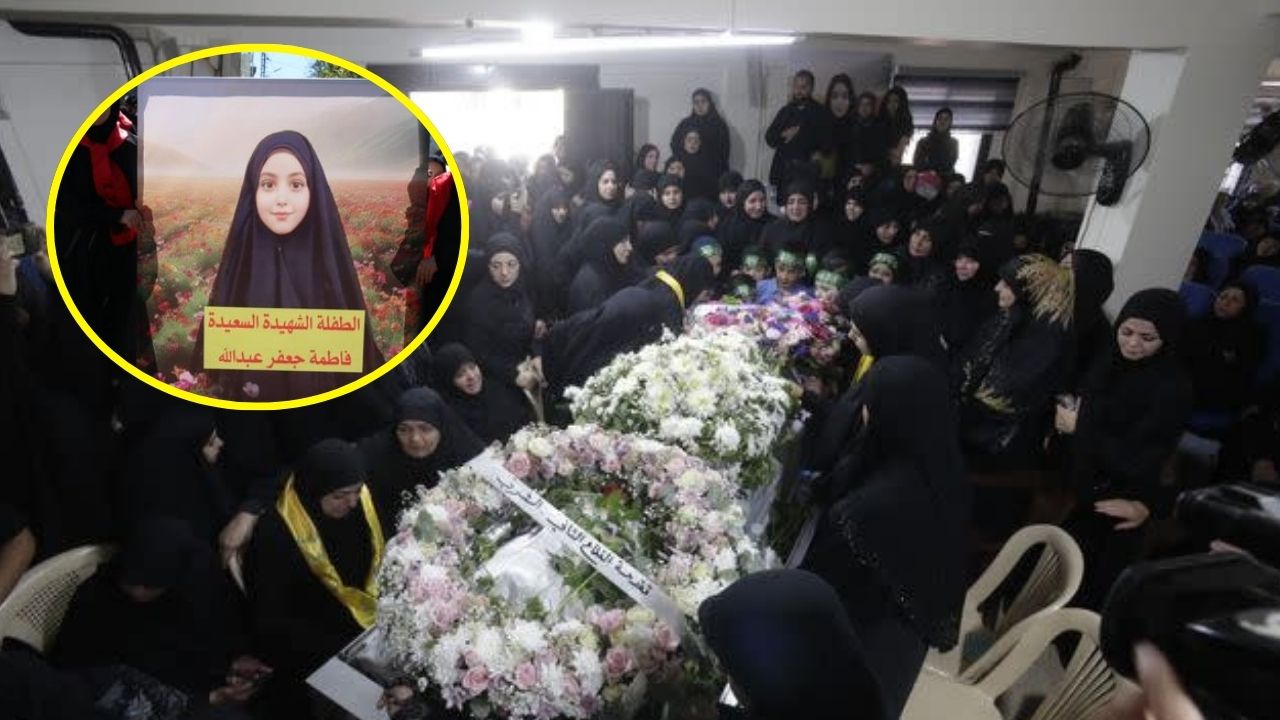
Among the dead was the 10-year-old daughter of a Hezbollah member, killed in east Lebanon’s Bekaa Valley when her father’s pager exploded, the family and a source close to the group said.
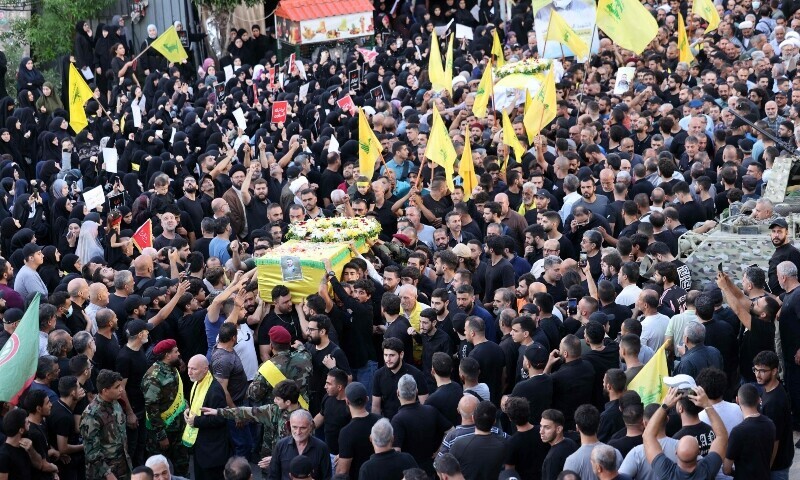
Hezbollah fighters carry the coffins of people killed after hundreds of paging devices exploded in a deadly wave across Lebanon the previous day, during their funeral procession in Beirut’s southern suburbs on September 18, 2024. — AFP
Heavy blow
Analysts said operatives had likely planted explosives on the pagers before they were delivered to Hezbollah.
“A small plastic explosive was almost certainly concealed alongside the battery, for remote detonation via a call or page,” said Charles Lister of the Middle East Institute.
The preliminary findings of a Lebanese investigation into the blasts found the pagers had been booby-trapped, a security official said.
“Data indicates the devices were pre-programmed to detonate and contained explosive materials planted next to the battery,” the official said, requesting anonymity to discuss sensitive matters.
A source close to Hezbollah, asking not to be identified, said the pagers were “recently imported” and appeared to have been “sabotaged at source”.
After The New York Times reported that the pagers had been ordered from Taiwanese manufacturer Gold Apollo, the company said they had been produced by its Hungarian partner BAC Consulting KFT.
A government spokesman in Budapest said the company was “a trading intermediary, with no manufacturing or operational site in Hungary”.
The attack dealt a heavy blow to Hezbollah, which already had concerns about the security of its communications after losing several commanders to targeted strikes in recent months.
As fears surged of a regional conflagration nearly a year into the Gaza conflict, Lufthansa and Air France announced the suspension of flights to Tel Aviv, Tehran and Beirut until Thursday.
‘Extremely volatile’
Since October, the exchanges of fire between Israeli troops and Hezbollah have killed hundreds of people, mostly fighters, in Lebanon, and dozens including soldiers on the Israeli side.
They have also forced tens of thousands of people on both sides to flee their homes.
United Nations rights chief Volker Turk said Tuesday’s attack had come at an “extremely volatile time”, calling the blasts “shocking” and their impact on civilians “unacceptable”.
UN chief Antonio Guterres urged governments “not to weaponise civilian objects”.
The October 7 attacks that sparked the genocide in Gaza resulted in the deaths of 1,205 people, mostly civilians, on the Israeli side, according to an AFP tally based on official Israeli figures that include hostages killed in captivity.
Out of 251 hostages seized by fighters, 97 are still held in Gaza, including 33 the Israeli military says are dead.
Israel’s military offensive and strikes has killed at least 41,272 people in Gaza, most of them civilians, according to data provided by the territory’s health ministry. The UN has acknowledged these figures as reliable.
In Gaza on Wednesday, the civil defence agency said an Israeli strike on a school-turned-shelter killed five people, while the Israeli military said it targeted Hamas.