Category: Global

  • Israel moves to annex West Bank as state property

    Israel moves to annex West Bank as state property

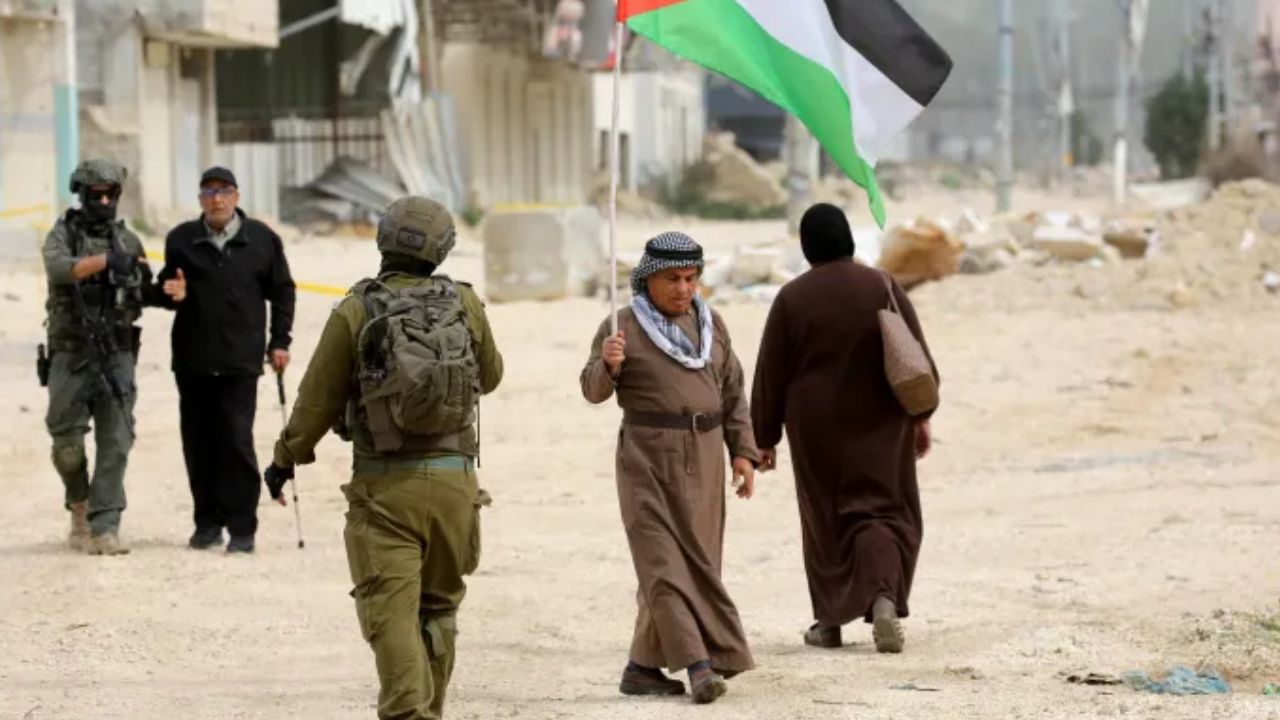
    The Israeli government has approved an illegal plan to register large areas of the occupied West Bank as “state property” if Palestinians cannot prove ownership, prompting global outcry and accusations of de-facto annexation. 


    Israel’s Kan broadcaster reported on Sunday that the proposal was submitted by Minister of Finance Bezalel Smotrich, Minister of Justice Yariv Levin and Minister of Defence Israel Katz.

    Smotrich said the move was a continuation of “the settlement revolution to control all our lands”, while Levin described it as an expression of the government’s commitment “to strengthening its grip on all its parts”.

    The decision allows for the resumption of the “settlement of land title” process, which has remained frozen since Israel’s occupation of the West Bank in 1967. Under the process, when authorities begin land registration in a specific area, anyone claiming ownership must submit documents proving their claim.

    Palestinian officials and rights groups say that after decades of occupation, many residents lack the required documentation due to legal complexities and the loss of records during conflict. The move could affect thousands of Palestinians living in Area C, which is under full Israeli military control under the Oslo Accords. More than 300,000 Palestinians are estimated to reside in Area C, with others dependent on its agricultural and grazing lands.

    The Palestinian presidency condemned the decision in a statement, calling it a “grave escalation and a flagrant violation of international law”, which amounts to “de-facto annexation”. It urged the international community, particularly the United States (US) and the United Nations Security Council, to intervene.

    Hamas also denounced the decision, calling it an attempt “to steal and Judaise lands in the occupied West Bank by registering them as so-called ‘state lands’”. The group described the approval as “a null and void decision issued by an illegitimate occupying power”.

    Israeli anti-settlement organisation Peace Now said the process likely amounts to a “mega land grab” from Palestinians. Hagit Ofran, director of the group’s Settlement Watch programme, said, “Palestinians will be sent to prove ownership in a way that they will never be able to do.” She added that Israel “might take over 83 percent of Area C, which is about half of the West Bank.”

    Jordan’s Ministry of Foreign Affairs, Qatar’s Ministry of Foreign Affairs, Egypt’s Ministry of Foreign Affairs and Turkey’s Ministry of Foreign Affairs issued statements condemning the move as a violation of international law. Egypt cited the Fourth Geneva Convention and United Nations Security Council Resolution 2334 of 2016.

    There was no immediate comment from the United States. More than 700,000 Israelis live in settlements in the occupied West Bank. The UN’s highest court, meanwhile, said in a non-binding advisory opinion in 2024 that Israel’s occupation of Palestinian territory and settlements in the West Bank are illegal and should be ended as soon as possible.


  • DP World removes Sultan bin Sulayem after Epstein document disclosures: reports

    DP World removes Sultan bin Sulayem after Epstein document disclosures: reports

    Dubai-based logistics company DP World on Friday announced the appointment of His Excellency Essa Kazim as chairman of its Board of Directors and Yuvraj Narayan as Group Chief Executive Officer, replacing Sultan Ahmed bin Sulayem following disclosures in recently released US court documents linked to Jeffrey Epstein.

    In a statement issued by the Dubai media office, the company confirmed the changes but did not mention bin Sulayem by name.

    Bin Sulayem had been serving as group chairman and chief executive officer of DP World, one of the world’s largest port operators. His name appears more than 9,400 times in documents released by the US Department of Justice as part of the Epstein files.

    The documents indicate that bin Sulayem and Epstein maintained correspondence between 2009 and 2018. The exchanges reportedly covered meetings, introductions and business matters. The material also suggests that bin Sulayem visited Epstein at his residence in the United States on multiple occasions, including at his private island.

    Separately, two US lawmakers referenced bin Sulayem in connection with an email mentioned in the unredacted Epstein documents.

    Congressmen Thomas Massie and Ro Khanna said that they reviewed unredacted records and shared details of a 2009 email exchange between Epstein and a sender whose name had been blacked out in public versions of the files. The email referred to a “torture video.”

    Khanna later addressed the US House floor and read out six names he said had been redacted in the publicly released documents, including bin Sulayem’s. Massie also posted on social media platform X, stating that the Department of Justice had redacted information identifying the sender of the email and that he and Khanna had disclosed the name earlier in the week.

    Massie further referenced bin Sulayem’s departure in his post, linking it to the disclosure of the email.

    DP World’s statement announcing the appointments did not address the lawmakers’ claims or the content of the documents.

  • Food influencer dies after eating poisonous ‘devil crab’ in viral video

    Food influencer dies after eating poisonous ‘devil crab’ in viral video

    A Filipino social media food influencer lost her life after consuming a poisonous devil crab while filming content for her online audience.

    Emma Amit, 51, created food videos by visiting different locations and showcasing various cuisines on platforms like Facebook and TikTok. 

    According to reports, on February 4, she went with friends to collect seafood from a mangrove forest near her home, bringing back shellfish to prepare content for her followers.

    After boiling and cooking the seafood, Amit picked up a devil crab and ate it on camera to show her viewers. The decision proved fatal.

    The following day, neighbors reported that Amit had fallen critically ill. They rushed her to a local clinic where she began experiencing seizures and her lips turned deep blue. Medical staff immediately transferred her to a hospital for emergency treatment.

    Despite medical intervention, Amit fought on for two more days before passing away on February 6.

    According to the Smithsonian Institution, devil crabs inhabit coral reefs throughout the Indo-Pacific region. The species contains powerful neurotoxins similar to those found in pufferfish, making them extremely dangerous for human consumption.

    Devil crabs get their name from their toxic nature rather than their appearance. The neurotoxins they carry can cause severe neurological symptoms including seizures, respiratory failure, and cardiac arrest. 

    Local authorities have not commented on whether warnings about devil crabs exist in the area where Amit collected the seafood.

  • BNP wins big in first post-uprising election in Bangladesh; Pakistani leadership congratulates

    BNP wins big in first post-uprising election in Bangladesh; Pakistani leadership congratulates

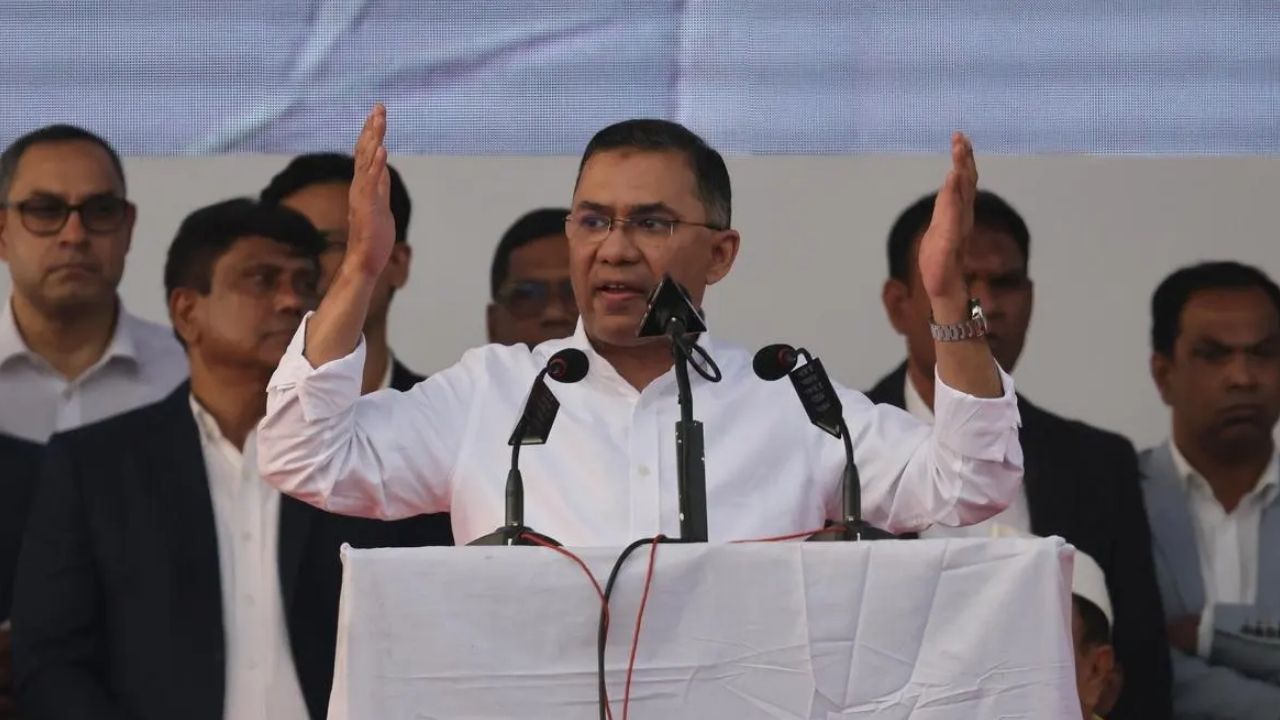
    The Bangladesh Nationalist Party (BNP) secured a sweeping victory in parliamentary elections, local television channels reported on Friday, handing the party a decisive mandate in what many view as a critical moment for restoring political stability in the South Asian country.

    Thursday’s vote marked Bangladesh’s first national election since the 2024 Gen Z-led uprising that brought an end to long-time premier Sheikh Hasina’s rule.


     A clear result was widely seen as essential for stability in the Muslim-majority nation of 175 million, after months of violent anti-Hasina protests disrupted daily life and affected key sectors, including the apparel industry in the world’s second-largest garment exporter.

    It was also the first national poll in the region following youth-driven revolts led by under-30s, with neighbouring Nepal set to go to the polls next month.

    Pre-election surveys had indicated an advantage for the BNP, and the results appeared to reflect those projections. According to Jamuna TV, the BNP-led alliance won 209 seats, securing a two-thirds majority in the 300-member Jatiya Sangsad, or House of the Nation.

    Soon after gaining a majority in the overnight count, the party thanked voters and called for special prayers for the country’s welfare. 


    In a statement, the BNP urged supporters not to hold celebratory rallies or processions despite the scale of the victory, instead encouraging prayers at mosques, temples, churches, and pagodas nationwide.

    The party is headed by Tarique Rahman, 60, a leading candidate for prime minister and the son of former Prime Minister Khaleda Zia and former President Ziaur Rahman. 


    The BNP’s campaign focused on financial support for low-income families, introducing a 10-year term limit for the prime minister’s office, attracting foreign investment to boost the economy, and strengthening anti-corruption measures.

    President Asif Ali Zardari and Prime Minister (PM) Shehbaz Sharif congratulated the BNP and its leader on their electoral success. According to the Presidency, President Zardari also congratulated the people of Bangladesh for the peaceful conduct of the polls across 299 constituencies, with more than 127 million registered voters participating.

    Reiterating Pakistan’s support for Bangladesh’s sovereignty and democratic aspirations, the president said Islamabad looked forward to working with the new government to enhance cooperation in trade, defence, cultural exchanges, and regional platforms.


    President Zardari said the elections in Bangladesh mark an opportunity for South Asia to move beyond past phases in which regional cooperation, including within SAARC, was held hostage by India, which continues to paralyse the great forum that was born in Bangladesh in 1985.

    He expressed the hope that the new political environment in Dhaka would contribute to more balanced, independent, and mutually respectful engagement across the region.

    The president conveyed his best wishes for the continued stability, progress, and prosperity of Bangladesh.

    Prime Minister Shehbaz Sharif, in a separate message on X, said: “I extend my warmest felicitations to Mr. Tarique Rahman on leading the BNP to a resounding victory in the Parliamentary elections in Bangladesh. I also congratulate the people of Bangladesh on the successful conduct of the elections.”

    The PM said he looked forward to working closely with the new Bangladesh leadership further to strengthen our historic, brotherly, multifaceted bilateral relations and advance our shared goals of peace, stability, and development in South Asia and beyond.

  • Cloth on ground in viral Epstein image does not match Kaaba’s Kiswah

    Cloth on ground in viral Epstein image does not match Kaaba’s Kiswah

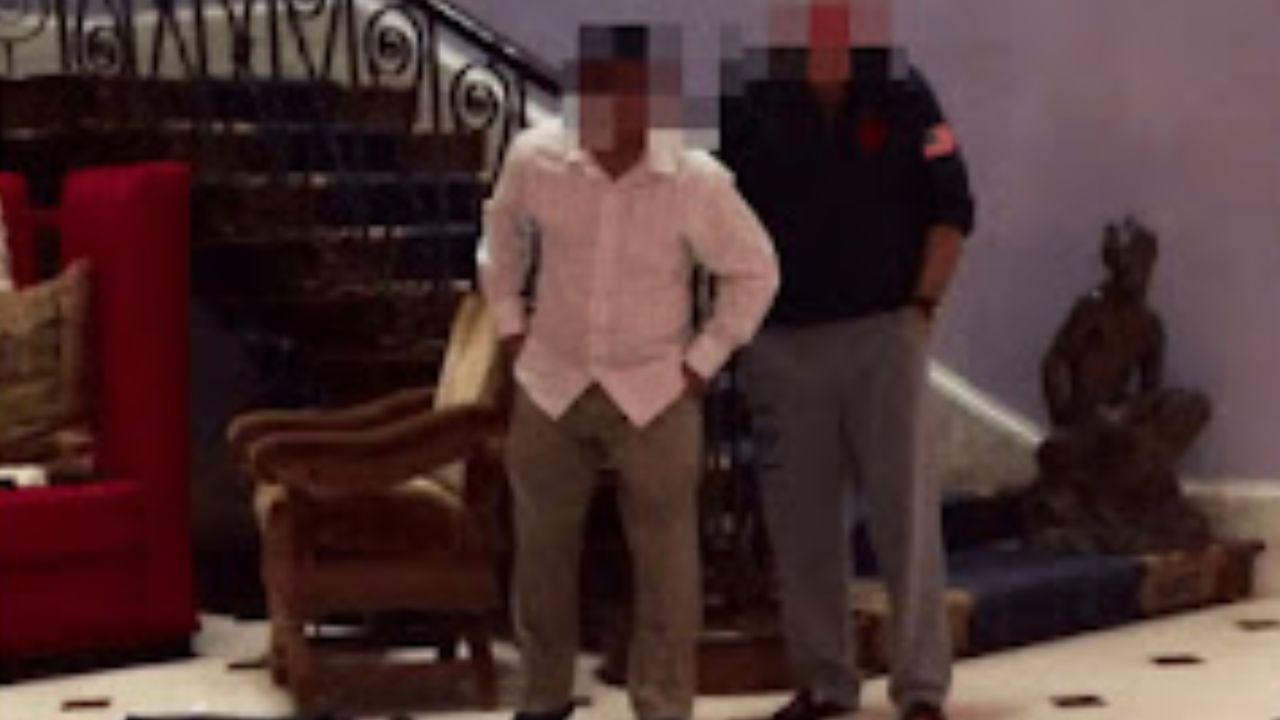
    A photo circulating online claims to show the Kaaba Kiswah laid on the ground.The image has been widely shared and generated reactions on social media. According to details referenced in Epstein files, the image shows Jeffrey Epstein with Sultan Ahmed bin Sulayem, the chief executive of DP World, looking at a textile that resembles the Kiswah. Posts suggest that the sacred covering of the Kaaba was placed on the floor.

    The Kiswah, the cloth that covers the Kaaba in Makkah, is considered sacred in Islam. Scholars and followers emphasize the importance of verifying information before sharing it.

    Inside the Haramain, a group that studies the Kiswah and maintains records of its authentic design, reviewed the viral image. Experts compared the textile shown with verified references of the Kiswah and identified multiple inconsistencies.

    The size of the textile does not align with authentic Kiswah panels. Panels of this type typically require seven to eight people to hold or move due to their width. In the viral image, the cloth appears narrower, visually covering space for only three to four people.

    Second, the material does not behave like the original Kiswah. Authentic Kiswah has weight and stiffness because of its fabric and embroidery. In the image, the textile folds and creases like a lighter material, inconsistent with the structure and density of the verified Kiswah.

    The outlining and contrast in the image do not matches authentic designs. The Kiswah’s calligraphy and motifs are framed by defined black outlines. The circulated photo shows areas dominated by lighter tones with minimal black outlining, unlike the consistent structure seen in verified panels.

    The borders and edges in the viral image differ from standard Kiswah references. Verified panels have clear framing and finishing along the edges, while the viral image does not reflect the same border logic.

    The patterns and motifs in the image do not match authentic Kiswah. Junction points, medallions, and panel corners were compared with verified examples. Mismatches in motif placement, medallion structure, and border flow indicate that the textile is not genuine.

     
    Based on these comparisons, experts conclude that the textile shown in the viral image is not the Kaaba Kiswah. The inconsistencies in size, material, visual structure, border treatment, and motif placement provide evidence that the photo does not depict the authentic covering.

  • US Attorney General refuses to apologise to Epstein victims

    US Attorney General refuses to apologise to Epstein victims

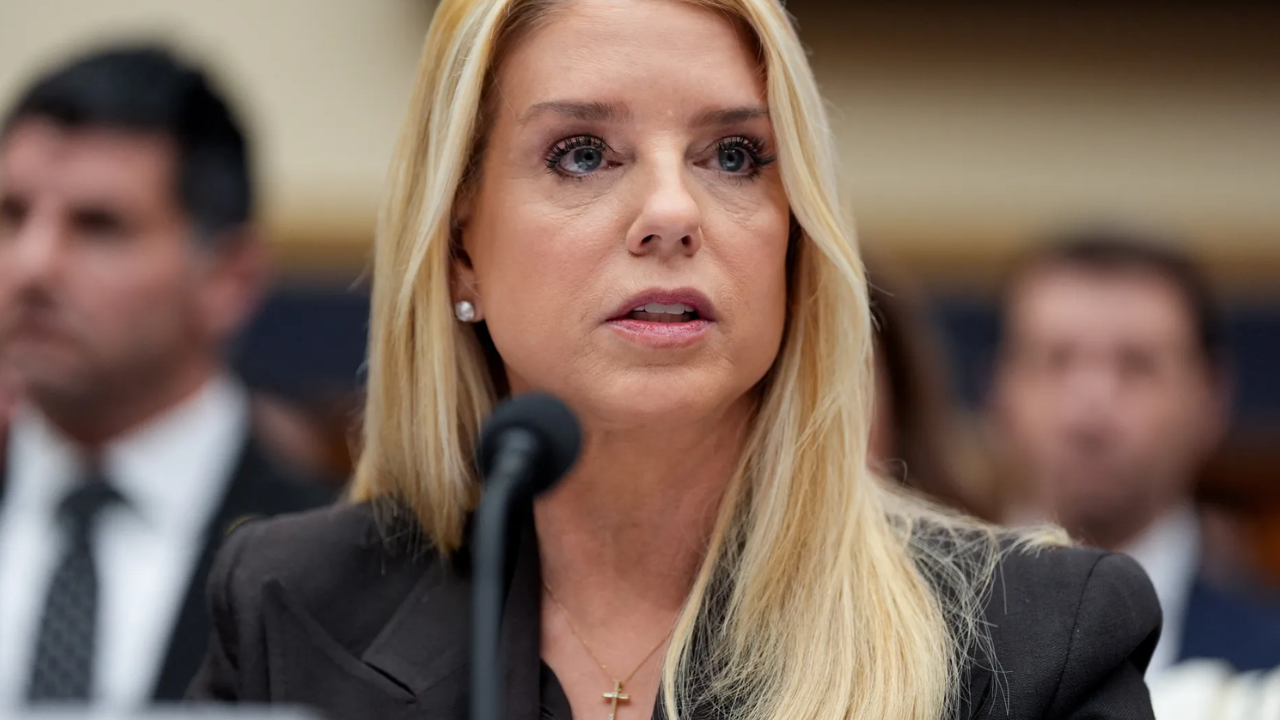
     US Attorney General Pam Bondi declined to directly apologise to victims of Jeffrey Epstein during a House Judiciary Committee hearing on Wednesday, as Democratic lawmakers questioned the Justice Department’s handling of the case.

    During the hearing, Democratic Representative Pramila Jayapal asked victims of Epstein who were present in the room to indicate whether they had been able to meet with the Department of Justice.

    “Please raise your hand if you have still not been able to meet with this Department of Justice,” Jayapal said. She then stated for the record that “every single survivor has raised their hand.”

    Jayapal then asked Bondi: “Will you turn to them now and apologize for what your Department of Justice has put them through with the absolutely unacceptable release of the Epstein files and their information?”

    Bondi did not turn toward the victims and instead began referring to her predecessor, Merrick Garland. When Jayapal repeated the request, Bondi responded, “I’m not going to get in the gutter for her theatrics.”

    In her opening remarks earlier in the session, Bondi addressed the victims while defending her record. “I’m a career prosecutor and despite what the ranking member said, I have spent my entire career fighting for victims, and I will continue to do so,” she said. “I am deeply sorry for what any victim, any victim, has been through, especially as a result of that monster.”

    Representative Jamie Raskin, the ranking member on the committee, also questioned Bondi over the department’s approach. In his opening statement, he accused the Attorney General of “siding with the perpetrators” and “ignoring the victims.”

    “That will be your legacy, unless you act quickly to change course,” Raskin said. “You’re running a massive Epstein cover-up right out of the Department of Justice.”

    Raskin introduced Bondi to victims and relatives of deceased victims who were present at the hearing and told her, “You’re not showing a lot of interest in the victims, Mrs. Attorney General.”

    Raskin attempted to prevent the attorney general from giving extended answers that reduced the time available for questioning. When Raskin said he had warned Bondi at the outset of the hearing about consuming members’ time, Bondi replied by raising her voice: “You don’t tell me anything.

    “You’re a washed-up loser lawyer. You’re not even a lawyer,” she said to Raskin.

    Later in the hearing, Representative Jared Moskowitz asked the victims in the room to stand and respond to questions. He asked whether any of them had met with the Justice Department and provided testimony or evidence. No hands were raised. He then asked whether they had reached out, individually or through legal representatives, to offer testimony and evidence. All of the victims raised their hands. They also raised their hands when asked whether they had been “denied or ignored” by the department and whether they remained willing to speak with officials.

  • Protests erupt in New Delhi over alleged Modi link to Epstein files

    Protests erupt in New Delhi over alleged Modi link to Epstein files

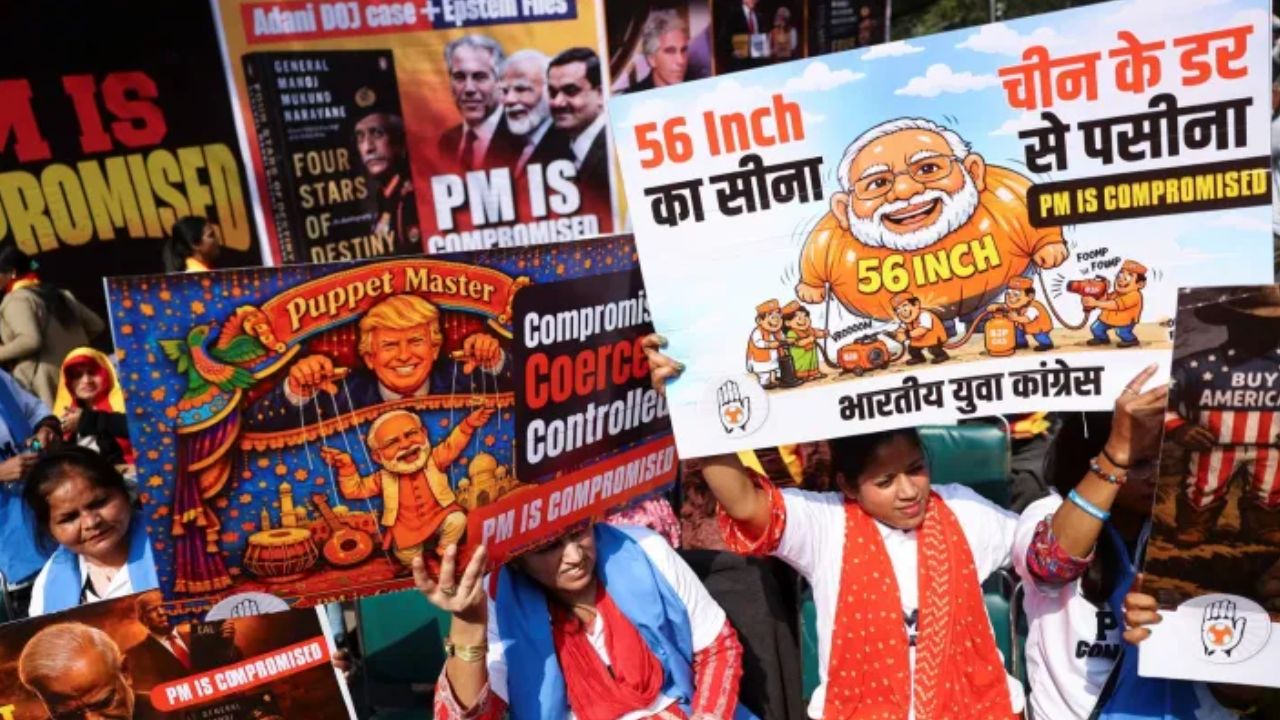
    Hundreds of protesters gathered in India’s capital on Tuesday after media reports and a fresh release of United States (US) court documents allegedly linked Prime Minister (PM) Narendra Modi’s name to communications connected with the Jeffrey Epstein case, triggering political backlash and demands for clarification from the government.

    Members of the Indian Youth Congress (IYC) assembled at Jantar Mantar, a key protest venue in central New Delhi, calling on the PM to publicly address the controversy. 

    Demonstrators held placards, chanted slogans and accused the government of maintaining silence over an issue they said could damage India’s global standing.

    “We want answers. The silence from the Prime Minister’s Office is unacceptable,” a Youth Congress organiser said at the rally, videos circulating on social media showed.

    The protests followed the publication of a large tranche of documents related to the late US financier Epstein, who was convicted of soliciting prostitution and died in a New York jail in 2019.

    The newly released files reportedly contain names and communications involving prominent political and business figures from multiple countries. However, individuals named in the documents have not been charged with crimes linked to Epstein’s activities.

    In India, the development quickly took on a political dimension. Youth Congress leaders accused the ruling Bharatiya Janata Party (BJP) of attempting to downplay the matter and demanded an independent inquiry. 

    Mumbai Youth Congress President Zeenat Shabrin said the allegations were harming the country’s international image and argued that Modi should step down if he fails to provide a satisfactory explanation.

    The Prime Minister’s Office has not issued a direct response to the claims. Government representatives, however, have dismissed the controversy as politically motivated and based on what they describe as misinterpretations of publicly released documents.

  • Man shoots daughter dead after argument about Trump

    Man shoots daughter dead after argument about Trump

    Lucy Harrison, a 23-year-old from Warrington in Cheshire, was shot dead by her father at his home in Texas after they argued earlier that day about US President Donald Trump, an inquest has heard.

    Harrison was shot in the chest on 10 January 2025 at the property in Prosper, near Dallas. Police in the town investigated her death as possible manslaughter, however a grand jury in Collin County declined to indict Kris Harrison and no criminal case was brought.

    The inquest opened at Cheshire Coroner’s Court where her boyfriend, Sam Littler, gave evidence. He told the court the couple had travelled to the United States for a holiday and described a “big argument” on the morning of January 10 about Trump, who was preparing to be inaugurated for a second term.

    Littler said that during the dispute she asked him: “How would you feel if I was the girl in that situation and I’d been sexually assaulted?”

    He said Kris Harrison responded that he had two other daughters living with him so it would not upset him that much. Lucy then became “quite upset” and went upstairs.

    About half an hour before they were due to leave for the airport, Littler said Lucy was in the kitchen when her father took her by the hand and led her into his ground-floor bedroom. Around 15 seconds later, he heard a loud bang followed by Harrison shouting for his wife.

    “I remember running into the room and Lucy was lying on the floor near the entrance to the bathroom and Kris was just screaming, just sort of nonsense,” Littler told the court.

    In a statement read to the inquest, Kris Harrison said he and his daughter had been watching a news item on gun crime when he told her he owned a firearm and asked if she wanted to see it. He said they went into the bedroom where he kept a Glock 9mm handgun in a bedside cabinet.

    “As I lifted the gun to show her I suddenly heard a loud bang. I did not understand what had happened. Lucy immediately fell,” he said, adding he could not recall whether his finger was on the trigger.

    Harrison said he had previously attended rehabilitation for alcohol addiction and had “briefly lapsed” on the day of the shooting, drinking about 500ml of white wine because he was emotional about his daughter leaving. 

    At the outset of the hearing, Ana Samuel, representing Kris Harrison, asked Coroner Jacqueline Devonish to step aside from the case. She argued that a fair-minded observer might conclude there was a “real possibility she was biased” and said the inquest had been conducted “in a manner more akin to a criminal investigation than a fact-finding inquiry.”

    The application was challenged by Lois Norris, who represents Lucy Harrison’s mother, Jane Coates. Norris described the move as an “ambush by Mr Harrison’s legal team” and told the court that Kris Harrison was “the person in the room who shot Ms Harrison” and the only person present when the shooting occurred.

    The inquest was adjourned until Wednesday, when the coroner is expected to deliver her conclusions.

  • Malala becomes second Pakistani woman with portrait at Oxford

    Malala becomes second Pakistani woman with portrait at Oxford

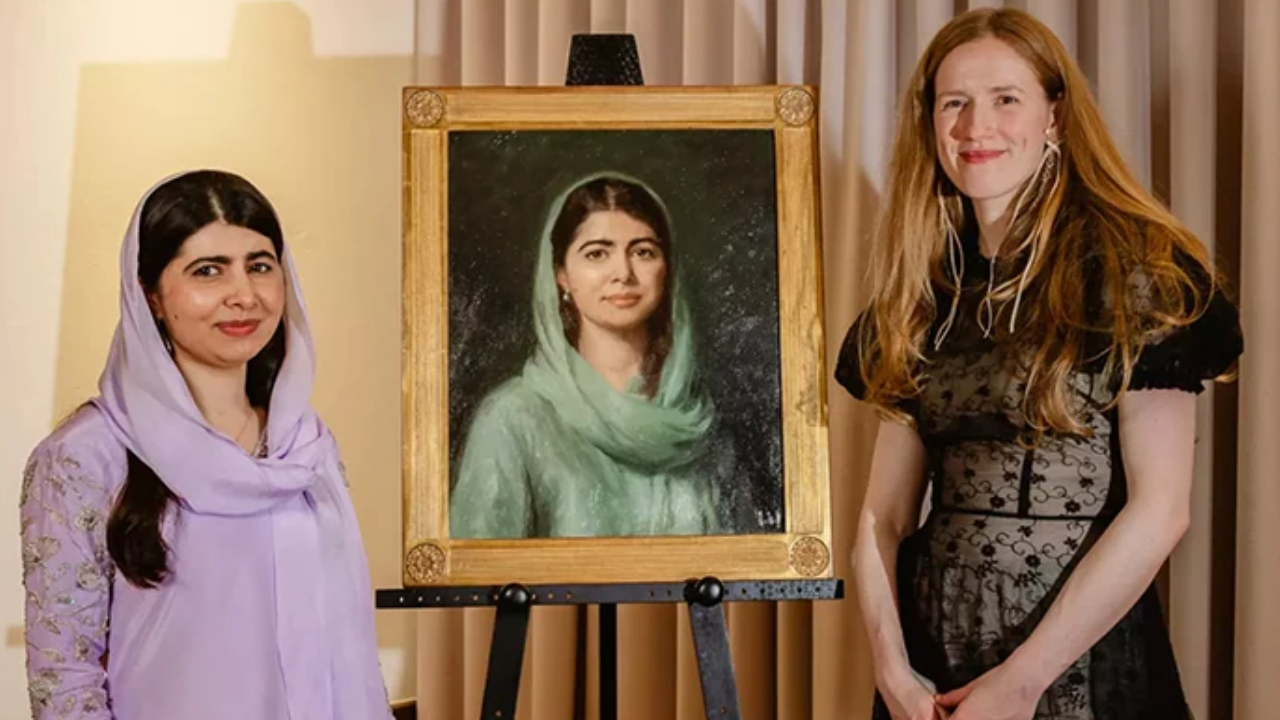
    Nobel Peace Prize laureate Malala Yousafzai’s portrait was unveiled at Oxford University’s Lady Margaret Hall, making her the second Pakistani woman, after the late former prime minister Benazir Bhutto, to have her portrait displayed at the university.

    The portrait was painted by artist Isabella Watling and was unveiled at an event attended by nearly 200 people, including Oxford alumni, academics and members of Malala’s family. Those present also included her parents Ziauddin Yousafzai and Toor Pekai Yousafzai, her brother Khushal Khan Yousafzai and her husband Asser Malik.

    Speaking to a private news channel, Malala said Benazir Bhutto remained a source of inspiration for her and described it as an honour that her portrait would be placed at the same college where Bhutto’s portrait is displayed.

    “Benazir is not only an inspiration for women in Pakistan but for women around the world. I have always adored her,” she said.

    Malala said countries should act in line with human rights and said Muslim countries also had a responsibility to condemn the Taliban’s actions. She said the Taliban must understand that acquiring knowledge is part of faith and that denying girls education in the name of religion was not acceptable.

    “This is an extremely dangerous time regarding the ban on girls’ education in Afghanistan,” she said, adding that Taliban were stripping girls of their fundamental right to education.

    She also said that preventing girls from receiving education was against the message of Islam. “The Taliban are not allowing women to go outside their homes or work, and the future of children there looks bleak.”

    Malala said Afghan women and girls continued to pursue education despite restrictions. “Afghan women and girls have not lost hope and are still pursuing education through secret schools and online learning,” she said.

    “I stand with Afghan girls and is supporting their projects. I call on Pakistanis to show solidarity with Afghans and condemn the Taliban’s actions.”

    Malala studied Philosophy, Politics and Economics at Oxford University and graduated in 2020. She is a member of the advisory body of the Oxford Pakistan Programme, which aims to build academic links between Oxford and Pakistan, and provides scholarships for Pakistani and British-Pakistani students.

  • Iranian Nobel laureate Narges Mohammadi sentenced to over seven years in prison

    Iranian Nobel laureate Narges Mohammadi sentenced to over seven years in prison

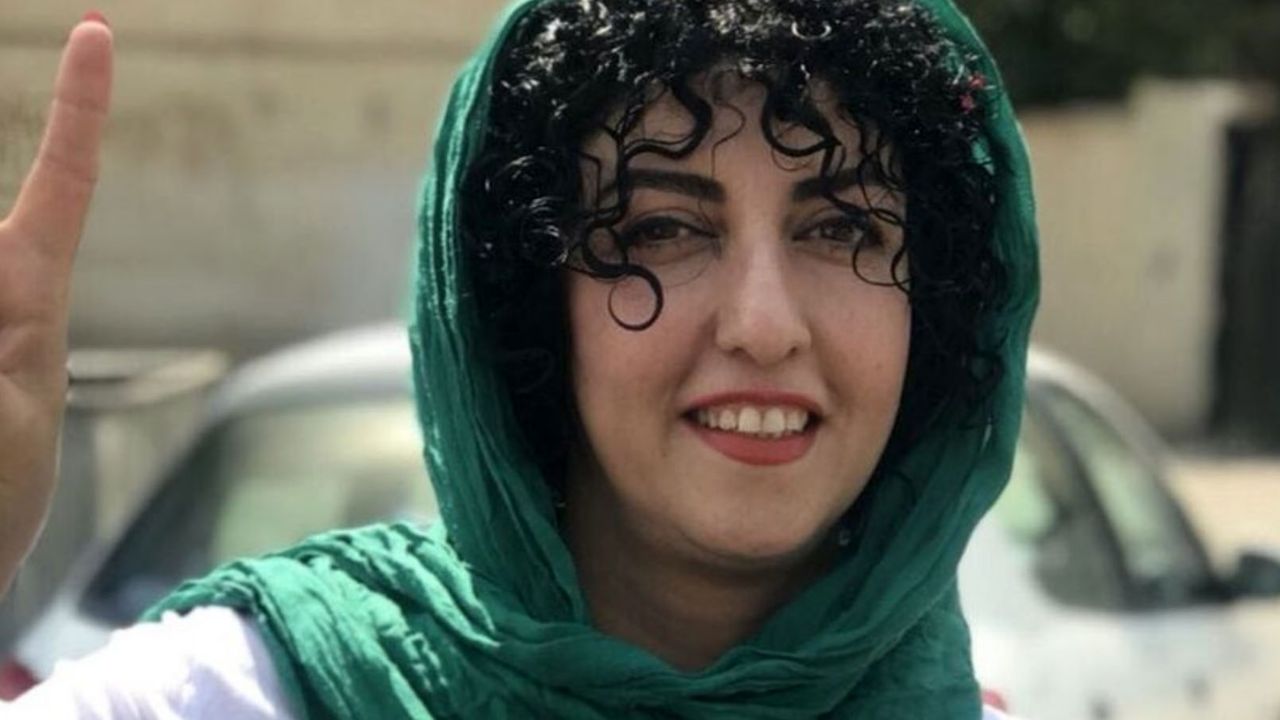
    Iranian human rights activist and 2023 Nobel Peace Prize winner Narges Mohammadi has been sentenced to more than seven years in prison, her lawyers and supporting organizations confirmed.


    Mohammadi, 53, had been on a week-long hunger strike that ended Sunday, according to the Narges Foundation. She informed her lawyer, Mostafa Nili, in a phone call from prison that she received her sentence on Saturday.


    “She has been sentenced to six years in prison for gathering and collusion to commit crimes,” Nili told AFP. In addition, she received a one-and-a-half-year sentence for propaganda activities and will be exiled for two years to Khosf, in the eastern province of South Khorasan. A two-year ban on leaving the country was also imposed.


    Nili noted that the verdict is not final and could be appealed. He expressed hope that Mohammadi could be temporarily released on bail to receive medical treatment due to her health concerns.


    The activist began her hunger strike on February 2 to protest prison conditions and the restrictions preventing her from contacting lawyers and family. “Narges Mohammadi ended her hunger strike today on its 6th day, while reports indicate her physical condition is deeply alarming,” the foundation said.


    Mohammadi was reportedly transferred to a hospital three days ago because of her deteriorating health but was returned to the Ministry of Intelligence’s detention center in Mashhad before completing her treatment.


     “Her continued detention is life threatening and a violation of human rights laws,” the foundation said.


    Mohammadi is the second Iranian woman to receive the Nobel Peace Prize, following Shirin Ebadi in 2003, recognized for her work promoting democracy and human rights.

    A prolific writer and journalist, Mohammadi serves as deputy director of the Defenders of Human Rights Center (DHRC), an organization dedicated to defending political prisoners and advancing human rights reforms in Iran. 


    She has been a vocal campaigner against the death penalty and corruption and has spent two decades fighting for women’s rights, earning her recognition as a symbol of freedom by the Nobel Committee in 2023.


    Mohammadi was arrested on December 12 after criticizing the suspicious death of lawyer Khosrow Alikordi. Prosecutor Hasan Hematifar stated that Mohammadi made provocative remarks at Alikordi’s memorial in Mashhad, encouraging attendees “to chant norm-breaking slogans” and “disturb the peace.”