Category: Global

  • Netanyahu, Trump say Israel working on fresh Gaza hostage deal

    Netanyahu, Trump say Israel working on fresh Gaza hostage deal

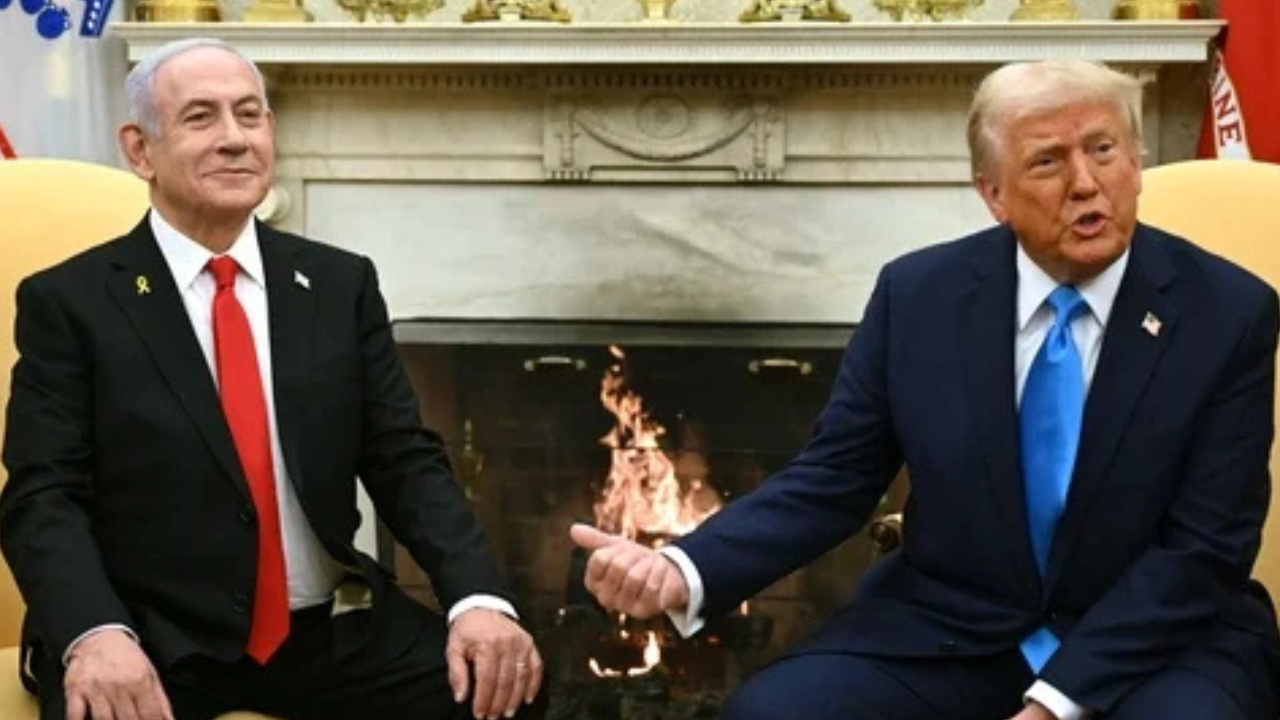
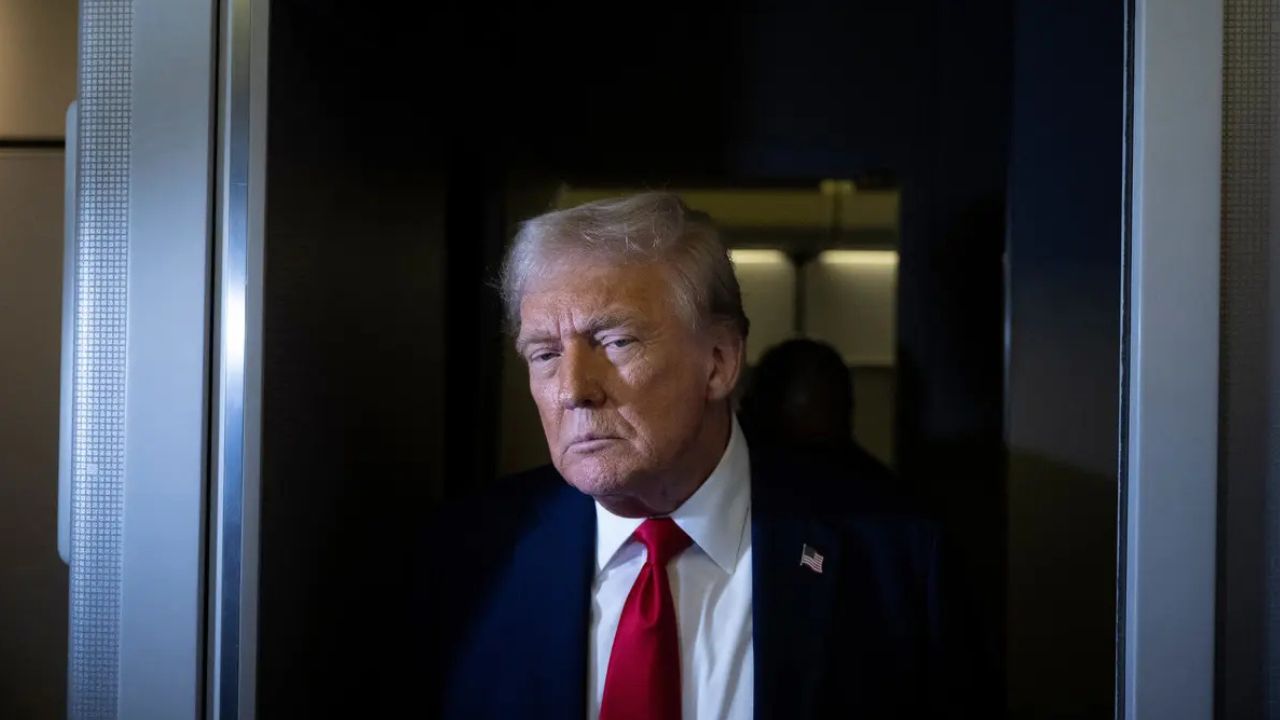
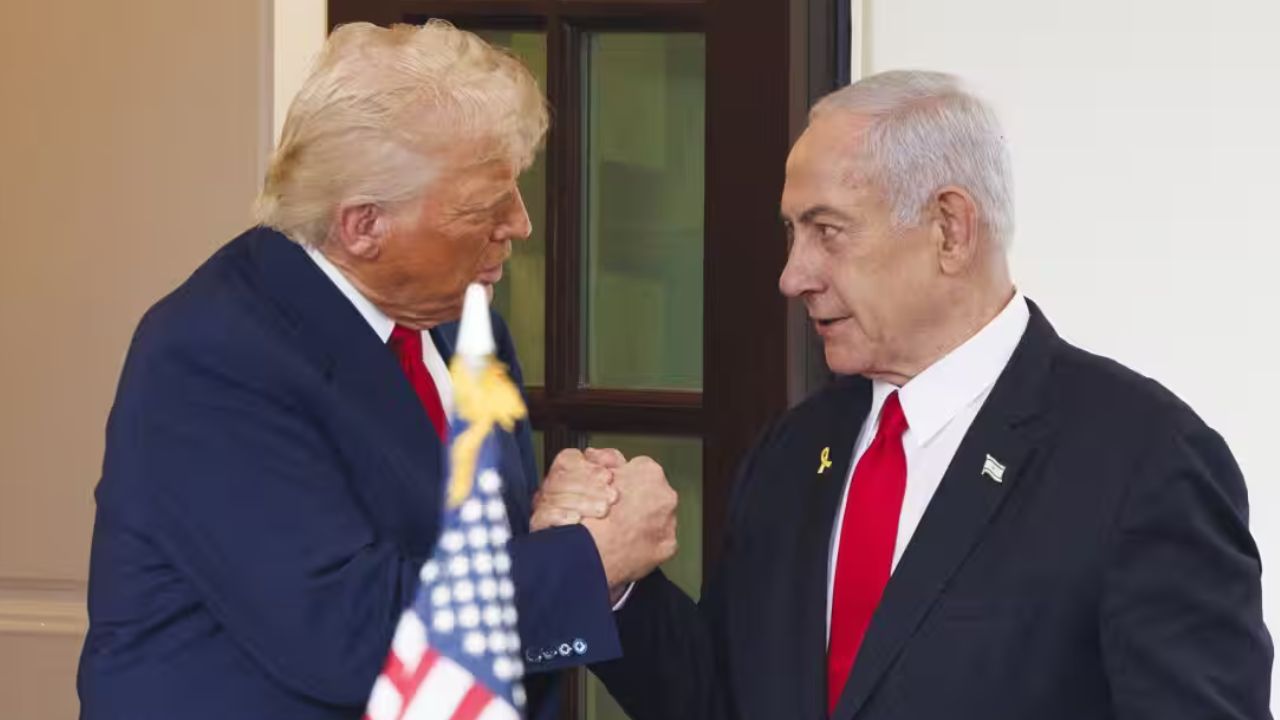
    President Donald Trump and Israeli Prime Minister Benjamin Netanyahu said Monday that new negotiations were in the works aimed at getting more hostages released from Hamas captivity in Gaza.

    “We’re working now on another deal that we hope will succeed, and we’re committed to getting all the hostages out,” Netanyahu told reporters in the Oval Office.

    Trump for his part said: “We are trying very hard to get the hostages out. We’re looking at another ceasefire, we’ll see what happens.”

    Netanyahu added that “the hostages are in agony, and we want to get them all out.”

    The Israeli leader, seated next to Trump, highlighted an earlier hostage release agreement negotiated in part by Trump’s regional envoy Steve Witkoff that “got 25 out.”

    Netanyahu’s visit follows the collapse of Israel’s six-week truce with Palestinian group Hamas, whose militants launched an unprecedented attack on Israel on October 7, 2023 that triggered the Israeli invasion of Gaza.

    The fragile ceasefire ended with Israel’s resumption of air strikes on Gaza on March 18.

    The recent truce had allowed the return of 33 Israeli hostages, eight of whom were dead, in exchange for the release of some 1,800 Palestinians held in Israeli jails.

    The prime minister and his government maintain — against the advice of most hostage families — that increased military pressure is the only way to force Hamas to return the remaining hostages, dead or alive.

    Of the 251 hostages abducted during Hamas’s October 7 attack, 58 remain in captivity in Gaza, including 34 who the Israeli military says are dead.

    On another issue, after staying silent of late on his much-criticized idea of the United States taking over Gaza and displacing its two million people, Trump plugged it again on Monday.

    “I think it’s an incredible piece of important real estate, and I think it’s something that we would be involved in,” Trump said.

    Trump has repeatedly spoken of Gaza, which the Palestinians want as part of a future state of their own, as a business opportunity for America, saying Gaza could be transformed into the “Riviera of the Middle East.”

    Countries around the world and in particular Arab nations have rejected this proposal vehemently, including Egypt and Jordan, where Trump has suggested the Palestinians of Gaza be sent to live.

    “But you know, having a peace force like the United States there, controlling and owning the Gaza Strip would be a good thing, because right now … all I hear about is killing and Hamas and problems,” Trump said.

    He added: “And if you take the people, the Palestinians, and move them around to different countries, and you have plenty of countries that will do that, and you really have a freedom, a freedom zone.”

  • Netanyahu and Trump to talk tariffs, Iran and Gaza

    Netanyahu and Trump to talk tariffs, Iran and Gaza

    Netanyahu becomes the first foreign leader to meet with Trump in the US capital since the president unveiled sweeping levies on multiple countries in his “Liberation Day” announcement on Wednesday.

    Arriving in Washington direct from a visit to Hungary, Netanyahu’s chief objective will be to persuade Trump to reverse the decision, or at the very least to reduce the 17 percent levy set to be imposed on Israeli imports before it takes effect.

    Before leaving Budapest, Netanyahu said his discussions would include a range of issues, including “the tariff regime that has also been imposed on Israel”.

    “I’m the first international leader, the first foreign leader who will meet with President Trump on a matter so crucial to Israel’s economy,” he said in a statement.


    “I believe this reflects the special personal relationship and the unique bond between the United States and Israel, which is so vital at this time.”

    Analysts said Netanyahu will seek to secure an exemption from the tariffs for Israel.

    “The urgency (of the visit) makes sense in terms of stopping it before it gets institutionalised,” said Jonathan Rynhold, head of political studies at Bar-Ilan University in Tel Aviv.

    Such an exemption would not only benefit Trump’s closest Middle East ally but also “please Republicans in Congress, whose voters care about Israel, but are unwilling to confront Trump on this at this point,” he said.

    Israel had attempted to avoid the new levy by moving preemptively a day before Trump’s announcement and lifting all remaining duties on the one percent of American goods still affected by them.

    But Trump still went ahead with his new policy, saying the United States had a significant trade deficit with Israel, a top beneficiary of US military aid.


    Gaza truce, hostages

    The Israeli leader’s US trip is “also a way for Netanyahu to play the game and show Trump that Israel is going along with him,” said Yannay Spitzer, a professor of economics at Hebrew University.

    “I would not be surprised if there is an announcement of some concession for Israel… and this will be an example for other countries.”

    Netanyahu will also discuss the war in the Gaza Strip, the Israeli hostages still held in the Palestinian territory, and the growing “threat from Iran”, his office said.

    Israel resumed air strikes on Gaza on March 18, ending nearly two months of ceasefire with Hamas that had been brokered by the United States, Egypt and Qatar.

    Efforts to restore the truce have since failed, with more than 1,330 people killed in renewed Israeli air and ground operations, according to the health ministry in the Hamas-controlled territory.

    Palestinian militants there still hold 58 hostages, including 34 the Israeli military says are dead.

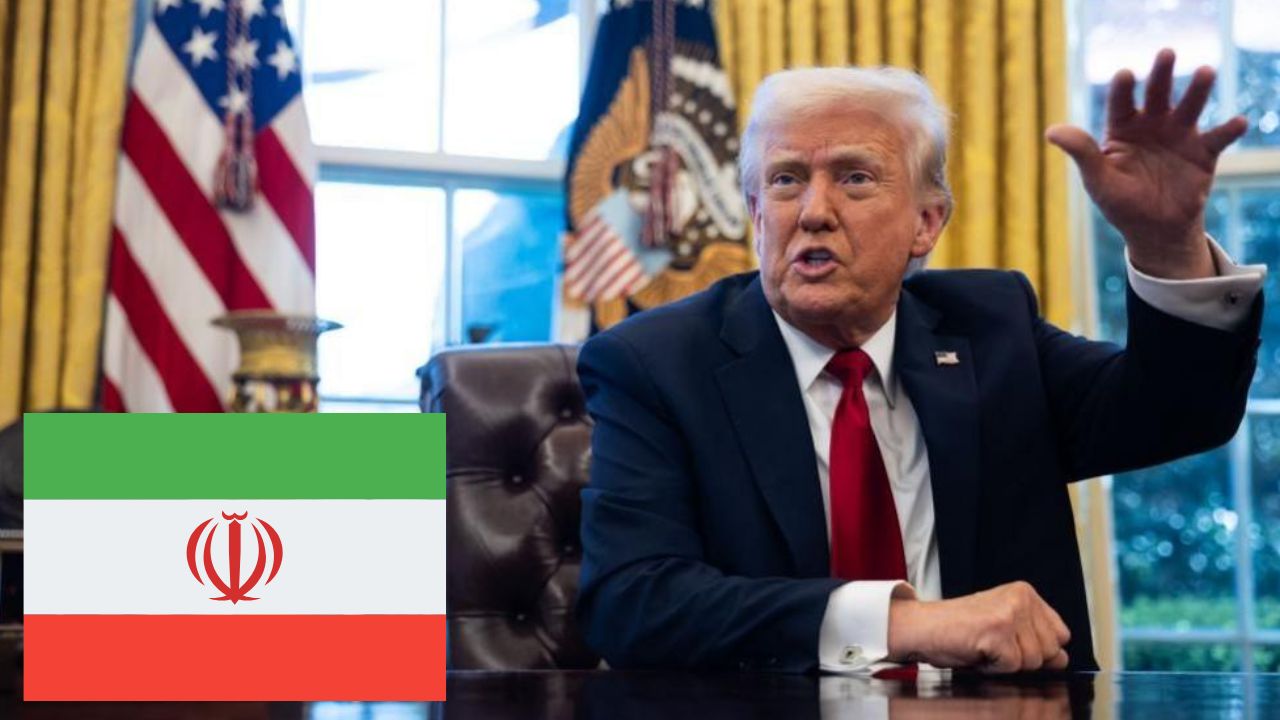
    On Iran, Trump has been pressing for “direct talks” with Tehran on a new deal to curb the Islamic republic’s nuclear programme.

    Iranian Foreign Minister Abbas Araghchi on Sunday rejected the idea of direct negotiations with the United States as “meaningless”.

    There has been widespread speculation that Israel, possibly with US help, might attack Iranian facilities if no agreement is reached.

  • Israel burns journalist alive as genocide continues

    Israel burns journalist alive as genocide continues

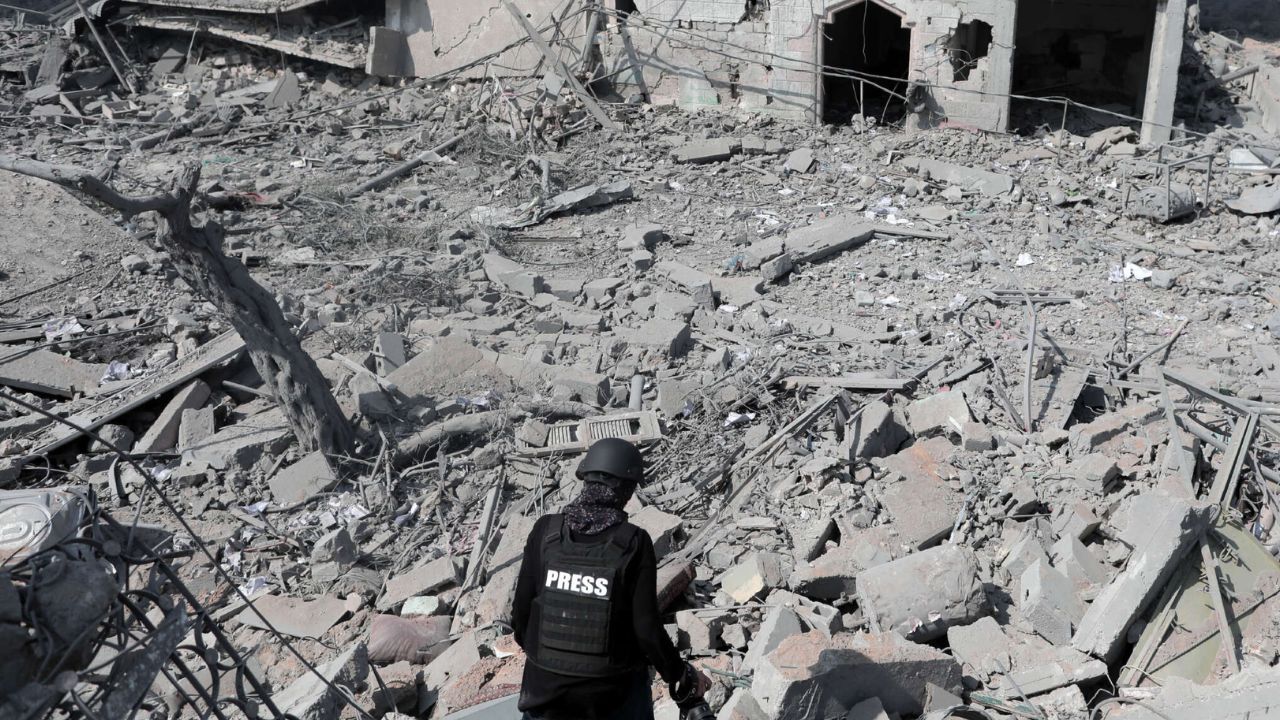
    The Israeli army attacked the tents of journalists near Al-Nasr Hospital in Gaza on Sunday, killing one journalist who was burned alive, while seven others were injured. 

    Israeli forces have intensified their assault on Gaza with relentless airstrikes, killing at least 43 Palestinians since Sunday morning.

    Makeshift shelters were targeted, burying families beneath debris and killing several Palestinians, according to ground-based medics.

    The attacks come after a series of airstrikes that have bombed shelters for displaced persons and caused extensive damage.

     The Quds News Network reports that two individuals, including journalist Helmi al-Faqawi, were murdered and several others were injured in Israel’s bombardment near Nasser Hospital in Khan Younis. 

    Six additional journalists, including Mahmoud Awad of Al Jazeera, were injured in the genocide. Since the conflict started in October 2023, more than 200 Palestinian journalists have been slain.


    The violence has spread outside of Gaza, as Israeli troops shot and killed a 14-year-old Palestinian-American boy near Turmus Aya in the West Bank, further escalating tensions.

    Additionally, Israel’s military ordered evacuations in five neighborhoods of Deir el-Balah after intercepting rockets fired toward Ashdod and Ashkelon. 

    Hamas’s Qassam Brigades claimed responsibility for the rocket fire, characterizing it as retaliation for Israel’s “mass killings” in Gaza.


    As the death toll continues to rise, the humanitarian situation in Gaza remains dire, with thousands displaced, injured, and killed, while the international community calls for an immediate ceasefire and humanitarian aid access.

  • Trump says wants ‘direct talks’ with Iran on nukes deal

    Trump says wants ‘direct talks’ with Iran on nukes deal

    US President Donald Trump said Thursday he wanted “direct talks” with Tehran on a nuclear deal, after he threatened to bomb Iran if it develops nuclear weapons.

    Trump has given Iran’s leaders a two-month deadline to reach an agreement on the country’s nuclear program, which has strained relations with Western nations for decades.

    Western countries including the United States have long accused Iran of pursuing a nuclear weapon, which Tehran has denied, insisting its enrichment activities were solely for peaceful purposes.

    “I think it’s better if we have direct talks,” he told reporters onboard the presidential plane Air Force One.

    “I think it goes faster and you understand the other side a lot better than if you go through intermediaries.”

    Iran’s Foreign Minister Abbas Araghchi said last week that Tehran would not engage in direct talks with Washington “until there is a change in the other side’s approach towards the Islamic republic”.

    Trump in his first term ripped up a 2015 nuclear deal negotiated by predecessor Barack Obama and reimposed crippling sanctions on Iran.

    The deal, sealed between Tehran and world powers, had required Iran to limit its nuclear ambitions in exchange for sanctions relief.

    “They wanted to use intermediaries, I don’t think that’s necessarily true anymore,” Trump said.

    “I think they’re concerned, I think they feel vulnerable. I don’t want them to feel that way,” he added.

    “I think they want to meet.”

    Trump said last month he had written to Iran’s supreme leader Ayatollah Ali Khamenei to call for nuclear negotiations and warn of possible military action if Tehran refused.

    Khamenei responded by saying that US threats “will get them nowhere” and warned of reciprocal measures “if they do anything malign” against Iran.

    Trump last week said “there will be bombing” of Iran if it does not drop its efforts to develop nuclear weapons.

    Trump’s outreach comes at a weak point for the Islamic republic after Israel decimated two of its allies —  Hamas, the Palestinian militants who attacked Israel on October 7, 2023, and Lebanon’s Hezbollah.

  • South Korea court ousts impeached president Yoon

    South Korea court ousts impeached president Yoon

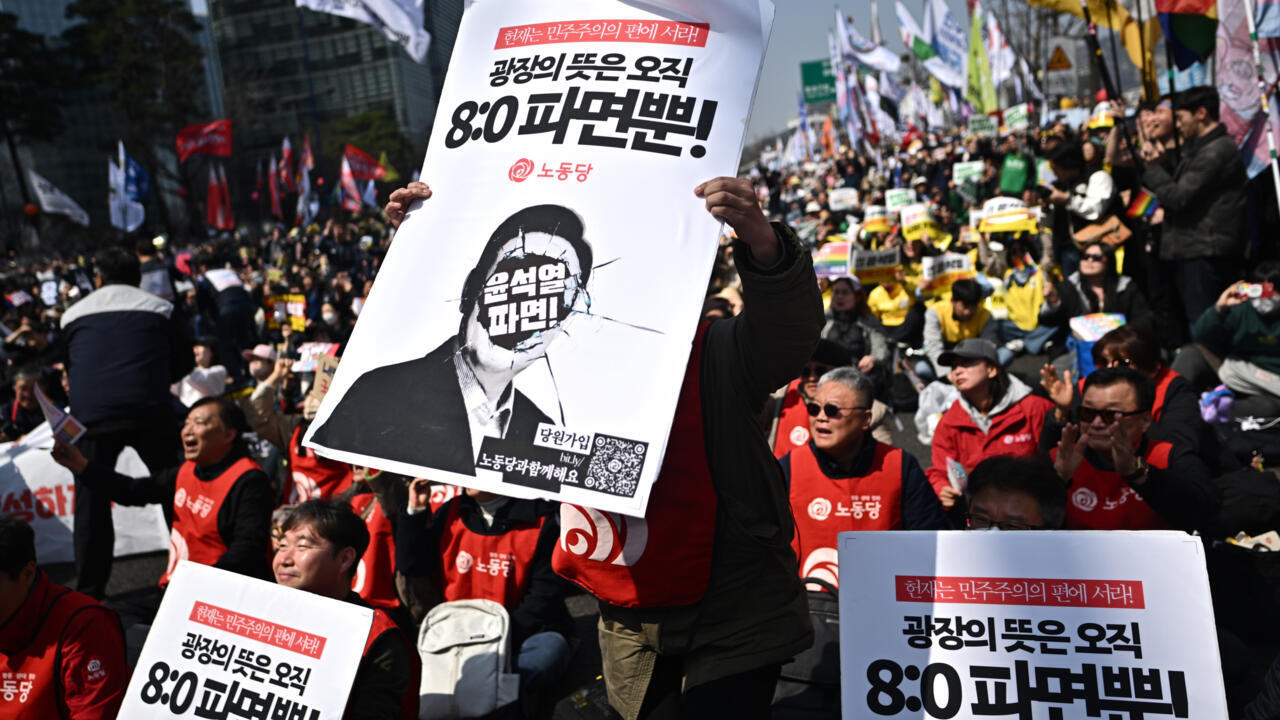
    South Korea’s Constitutional Court unanimously ruled on Friday to remove impeached president Yoon Suk Yeol from office over his disastrous martial law declaration, triggering fresh elections after months of political turmoil.

    Yoon, 64, was suspended by lawmakers over his December 3 attempt to subvert civilian rule, which saw armed soldiers deployed to parliament. He was also arrested on insurrection charges as part of a separate criminal case.

    Millions of Koreans watched the Constitutional Court hand down its verdict live on television, with the country’s main messaging app KakaoTalk telling AFP that some users were experiencing delays due to a sudden surge in traffic.


    “Given the serious negative impact and far-reaching consequences of the respondent’s constitutional violations… (We) dismiss respondent President Yoon Suk Yeol,” acting court President Moon Hyung-bae said while delivering the ruling.

    Yoon’s removal, which is effective immediately, triggers fresh presidential elections, which must be held within 60 days. Authorities will announce a date in the coming days.

    Outside the court, AFP reporters heard Yoon supporters shouting threats that they wanted to kill the judges, who decided unanimously to uphold Yoon’s impeachment, and have been given additional security protection by police.

    Yoon’s actions “violate the core principles of the rule of law and democratic governance”, the judges said in their ruling.


    Yoon sending armed soldiers to parliament in a bid to prevent lawmakers from voting down his decree “violated the political neutrality of the armed forces”.

    He deployed troops for “political purposes”, the judges added.

    “In the end, the respondent’s unconstitutional and illegal acts are a betrayal of the people’s trust and constitute a serious violation of the law that cannot be tolerated,” they ruled.

    Opposition party lawmakers clapped their hands as the verdict was announced, calling it “historic”, while lawmakers from Yoon’s party filed out of the courtroom.


    The dismissed president “will likely be remembered as a leader who was fundamentally unprepared — and perhaps unqualified — for the presidency,” Ji Yeon Hong, a political science professor at University of Michigan, told AFP.

    “He failed to grasp the magnitude of the power entrusted to him and showed a deeply biased understanding of democracy and political leadership.”


    Impeached

    Yoon is the second South Korean leader to be impeached by the court after Park Geun-hye in 2017.


    After weeks of tense hearings, judges spent more than a month deliberating the case, while public unrest swelled.

    Police raised the security alert to the highest possible level on Friday. Officers encircled the courthouse with a ring of vehicles and stationed special operations teams in the vicinity.

    Anti-Yoon protesters gathered outdoors to watch a live broadcast of the verdict, cheering and holding hands. When Yoon’s removal was announced, they erupted into wild cheers, with some bursting into tears.

    “When the dismissal was finally declared, the cheers were so loud it felt like the rally was being swept away,” Kim Min-ji, a 25-year-old anti-Yoon protester, told AFP.


    “We cried tears and shouted that we, the citizens, had won!”

    Yoon, who defended his attempt to subvert civilian rule as necessary to root out “anti-state forces”, still commands the backing of extreme supporters.

    Outside his residence, his supporters shouted and swore, with some bursting into tears as the verdict was announced.

    This year, at least two staunch Yoon supporters have died after self-immolating in protest of the leader’s impeachment.

    The decision shows “first and foremost the resilience of South Korean democracy”, Byunghwan Son, professor at George Mason University, told AFP.


    “The very fact that the system did not collapse suggests that the Korean democracy can survive even the worst challenge against it — a coup attempt.”

    Portraits of Yoon will be taken down from military offices on Friday, Yonhap news agency reported. According to defence ministry regulations, a photo of the country’s commander-in-chief must be displayed at their offices.

    Trade winds

    The Korean won jumped sharply against the US dollar immediately after the court announced Yoon’s dismissal, with Seoul’s benchmark KOSPI up 8.62 points, or 0.35 percent.

    South Korea has spent the four months since the martial law declaration without an effective head of state, as the opposition impeached Yoon’s stand-in, acting president Han Duck-soo — only for him to be later reinstated by a court ruling.


    The leadership vacuum came during a series of crises and headwinds, including an aviation disaster and the deadliest wildfires in the country’s history.

    This week, South Korea was slammed with 25 percent tariffs on exports to key ally the United States after President Donald Trump unveiled global, so-called reciprocal levies.

    After the court decision on Friday, National Assembly speaker Woo Won-shik said “we have reaffirmed that no one in the Republic of Korea can be above the law”.

    “We have made clear the principle that any power that commits unconstitutional or illegal acts must be held accountable,” Woo said.

    Yoon also faces a separate criminal trial on charges of insurrection over the martial law bid.

    Han will remain as acting president until the new elections are held.
  • Myanmar quake death toll rises over 3,000

    Myanmar quake death toll rises over 3,000

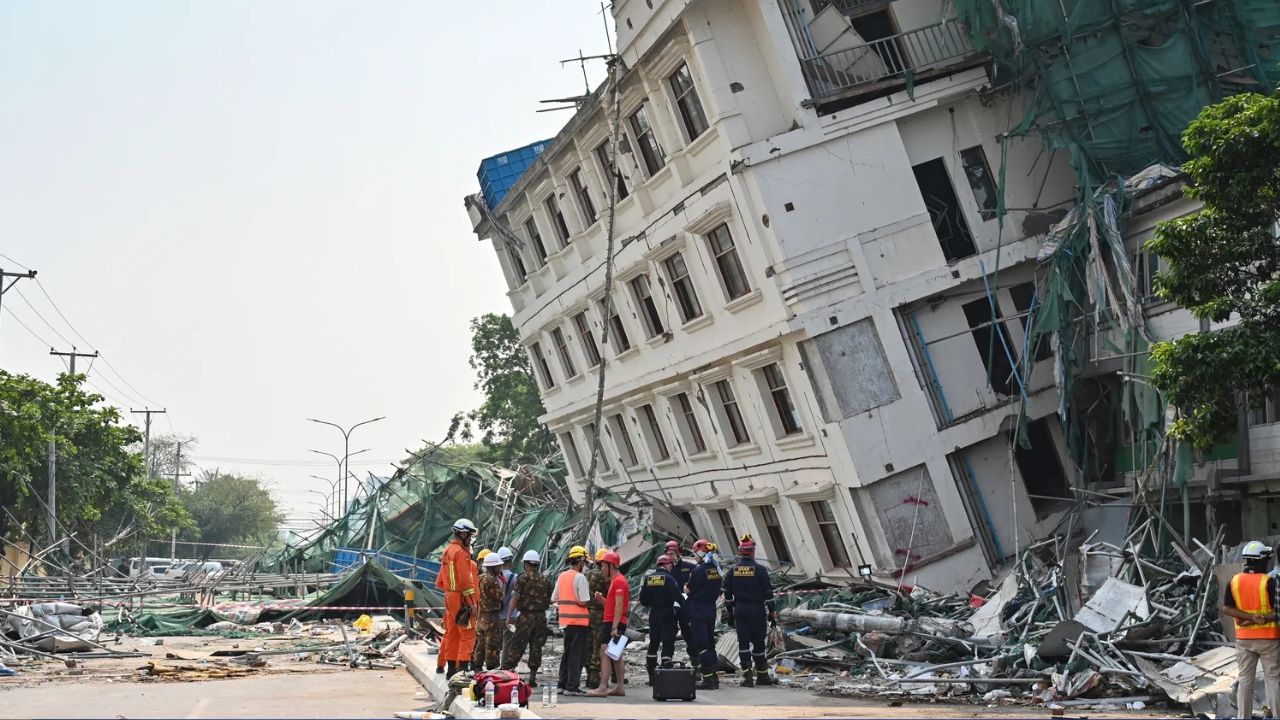
    The death toll from a major earthquake in Myanmar has risen above 3,000, the ruling junta said on Thursday.

    A statement from a junta spokesperson said that 3,085 deaths had been confirmed, with 341 people still missing and 4,715 injured, six days after the shallow 7.7-magnitude quake.

    Rescue and aid workers had arrived from 17 countries, Zaw Min Tun added, with nearly 1,000 tonnes of supplies and relief materials.

    “We have been continuing search and rescue work, we would like to express special gratitude for the hard work of the international community and medical teams,” he said.

    The head of Myanmar’s junta is expected to travel to Bangkok on Thursday for a regional summit.

    Min Aung Hlaing will join a BIMSTEC gathering — the seven littoral nations of the Bay of Bengal — where he will raise the response to Friday’s 7.7-magnitude quake that has flattened buildings across the country.

    Many nations have sent aid and teams of rescue workers to Myanmar since the quake, but heavily damaged infrastructure and patchy communications — as well as the country’s rumbling civil war — have hampered efforts.

    Myanmar has been engulfed in a brutal multi-sided conflict since 2021, when Min Aung Hlaing’s military wrested power from the civilian government of Aung San Suu Kyi.

    Following reports of sporadic clashes even after the recent earthquake, the junta on Wednesday joined its opponents in calling a temporary halt to hostilities to allow relief to be delivered.

    AFP journalists saw hectic scenes on Wednesday in the city of Sagaing — less than 15 kilometres (nine miles) from the epicentre — as hundreds of desperate people lined up for the distribution of emergency supplies.

    Roads leading to the city were packed with traffic on Thursday, many of the vehicles part of aid convoys organised by civilian volunteers and adorned with banners saying where they had been sent from across Myanmar.

    Destruction in Sagaing is widespread, with the World Health Organization (WHO) reporting that one in three houses have collapsed.

    Nearly a week after the quake, locals have complained of a lack of help.

    “We have a well for drinking water, but we have no fuel for the water pump,” Aye Thikar told AFP.

    “We also don’t know how long we will be without electricity,” she said.

    The 63-year-old nun has been helping distribute relief funds to those left without basic amenities by Friday’s quake.

    But many people are still in need of mosquito nets and blankets, forced to sleep outside by the tremors that either destroyed their homes or severely damaged them.

    Eyes on summit

    All the main leaders from the seven members of the BIMSTEC — Bangladesh, Bhutan, India, Myanmar, Nepal, Sri Lanka and Thailand — are expected to attend the Bangkok summit.

    Host country Thailand has proposed that the leaders issue a joint statement on the impact of the disaster when they meet on Friday — a week on from the day the quake struck.

    Min Aung Hlaing’s attendance is something of a diplomatic coup for Myanmar’s isolated government, as the summit breaks with a regional policy of not inviting junta leaders to major events.

    His expected arrival in the Thai capital comes as the death toll from last week’s earthquake surpasses 3,000 people, according to junta figures.

    A statement from a junta spokesperson said Thursday that 3,085 deaths had been confirmed, with 341 people still missing and 4,715 injured.

    Rescue and aid workers had arrived from 17 countries, Zaw Min Tun added, with nearly 1,000 tonnes of supplies and relief materials.

    “We have been continuing search and rescue work, we would like to express special gratitude for the hard work of the international community and medical teams,” he said.

    Bangkok, hundreds of kilometres from the epicentre of the quake, also suffered isolated damage.

    The death toll in the city has risen to 22, with more than 70 still unaccounted for at the site of a building collapse.

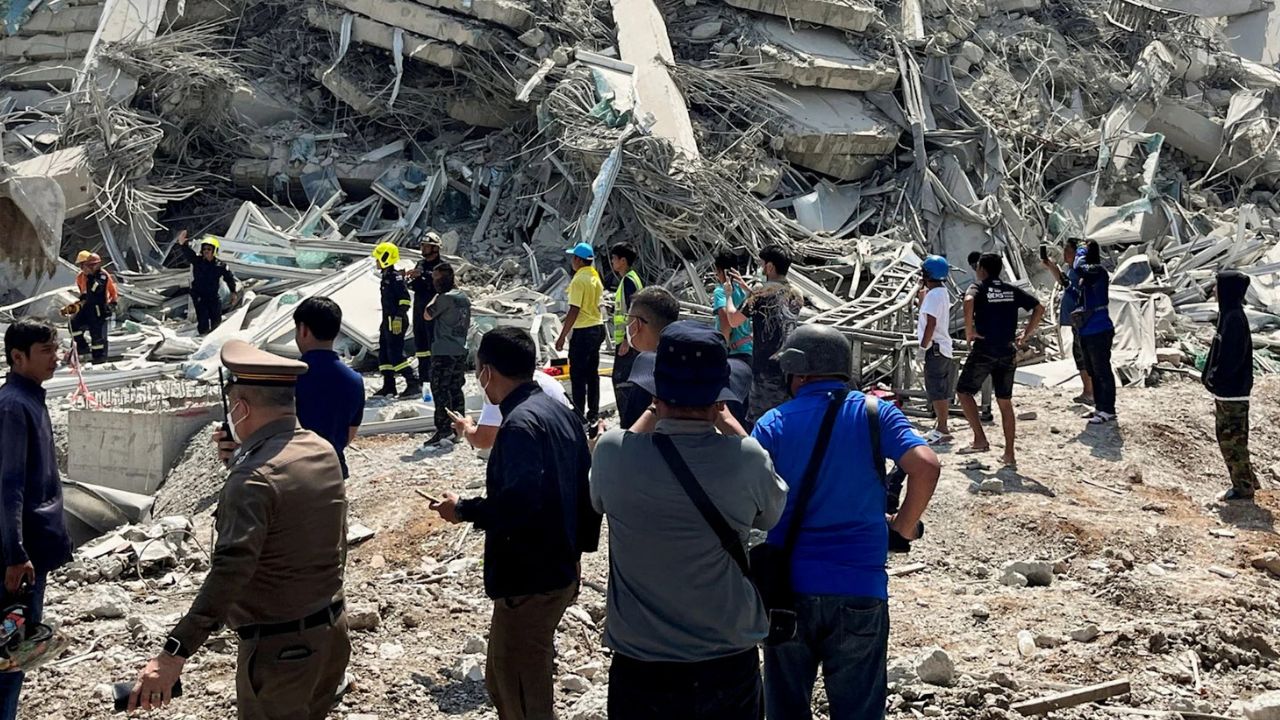
    A 30-storey skyscraper — under construction at the time — was reduced to a pile of rubble in a matter of seconds when the tremors hit, trapping dozens of workers.

    Bangkok governor Chadchart Sittipunt said in a Thursday morning livestream that he was “hoping for a miracle, but don’t expect too much as there’s a high chance of disappointment too”.

  • Man pulled alive from Myanmar quake rubble after five days

    Man pulled alive from Myanmar quake rubble after five days

    Rescuers on Wednesday pulled a man alive from the rubble five days after Myanmar’s devastating earthquake, as calls grew for the junta to allow more aid in and halt attacks on rebels.

    The shallow 7.7-magnitude earthquake on Friday flattened buildings across Myanmar, killing more than 2,700 people and making thousands more homeless.

    Several leading armed groups fighting the military have suspended hostilities during the quake recovery, but junta chief Min Aung Hlaing vowed to continue “defensive activities” against “terrorists”.

    UN agencies, rights groups and foreign governments have urged all sides in Myanmar’s civil war to stop fighting and focus on helping those affected by the quake, the biggest to hit the country in decades.

    Hopes of finding more survivors are fading, but there was a moment of joy on Wednesday as a man was pulled alive from the ruins of a hotel in the capital Naypyidaw.

    The 26-year-old hotel worker was extracted by a joint Myanmar-Turkish team shortly after midnight, the fire service and junta said.

    Dazed and dusty but conscious, the man was pulled through a hole in the rubble and put on a stretcher, video posted on Facebook by the Myanmar Fire Services Department shows.

    Call for peace

    Min Aung Hlaing said Tuesday that the death toll had risen to 2,719, with more than 4,500 injured and 441 still missing.

    But with patchy communication and infrastructure delaying efforts to gather information and deliver aid, the true scale of the disaster has yet to become clear, and the toll is likely to rise.

    Relief groups say that that response has been hindered by continued fighting between the junta and the complex patchwork of armed groups opposed to its rule, which began in a 2021 coup.

    Julie Bishop, the UN special envoy on Myanmar, called on all sides to “focus their efforts on the protection of civilians, including aid workers, and the delivery of life-saving assistance”.

    Even before Friday’s earthquake, 3.5 million people were displaced by the fighting, many of them at risk of hunger, according to the United Nations.

    Late Tuesday, an alliance of three of Myanmar’s most powerful ethnic minority armed groups announced a one-month pause in hostilities to support humanitarian efforts in response to the quake.

    The announcement by the Three Brotherhood Alliance followed a separate partial ceasefire called by the People’s Defence Force — civilian groups that took up arms after the coup to fight junta rule.

    But there have been multiple reports of junta air strikes against rebel groups since the quake.

    “We are aware that some ethnic armed groups are currently not engaged in combat, but are organising and training to carry out attacks,” said Min Aung Hlaing, mentioning sabotage against the electricity supply.

    “Since such activities constitute attacks, the Tatmadaw (armed forces) will continue to carry out necessary defensive activities,” he said in a statement late Tuesday.

    Thailand toll rises

    Australia’s government decried the reported air strikes saying they “exacerbated the suffering of the people”.

    “We condemn these acts and call on the military regime to immediately cease military operations and allow full humanitarian access to affected areas,” Foreign Minister Penny Wong said.

    Amnesty International said “inhumane” military attacks were significantly complicating earthquake relief efforts in Myanmar.

    “You cannot ask for aid with one hand and bomb with the other,” said the group’s Myanmar researcher Joe Freeman.

    Hundreds of kilometres (miles) away, in the Thai capital Bangkok, workers continued to scour a pile of rubble that formed when Friday’s tremors collapsed a 30-storey skyscraper.

    The structure had been under construction at the time, and its crash buried dozens of builders — few of whom have come out alive.

    The death toll at the site has risen to 22, with more than 70 still believed trapped in the rubble.

  • US senator smashes record with 25-hour anti-Trump speech

    US senator smashes record with 25-hour anti-Trump speech

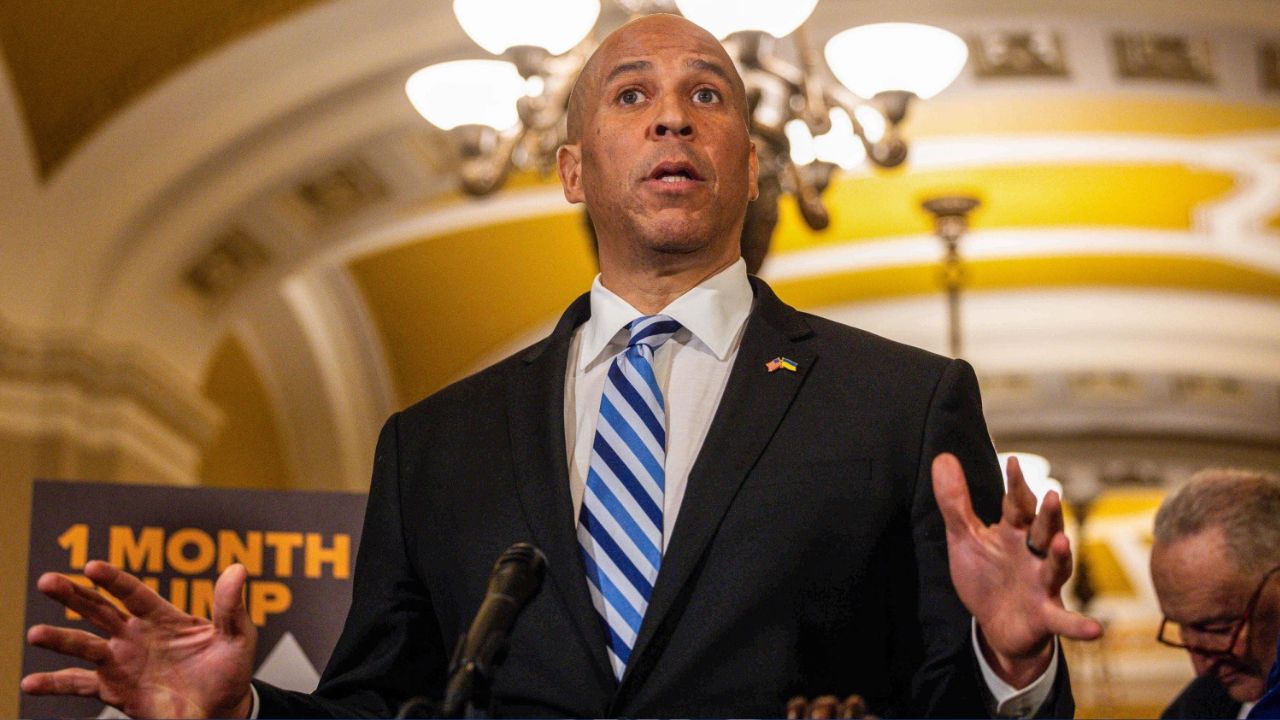
    A Democratic US lawmaker shattered a record for the longest speech in Senate history Tuesday, staying on his feet for more than 25 hours to deliver a fiery protest against President Donald Trump’s “unconstitutional” actions.

    Senator Cory Booker’s display of endurance — to hold the floor he had to remain standing and could not even go to the bathroom — recalled the famous scene in Frank Capra’s 1939 film classic “Mr. Smith Goes to Washington.”

    The longest Senate speech on record before Tuesday was delivered by South Carolina’s Strom Thurmond, who filibustered for 24 hours and 18 minutes against the Civil Rights Act of 1957.

    Booker, only the fourth Black senator to be popularly elected to the body, blew past that deadline, his voice still strong but emotional as he topped out at 25 hours and five minutes.

    “Strom Thurmond’s record always… really irked me,” he later told broadcaster MSNBC.

    “That the longest speech on our great Senate floor was someone who was trying to stop people like me from being in the Senate.”

    The public galleries of the Senate chamber gradually filled as the moment he broke the record approached, with more Democratic lawmakers joining the session — although Republicans largely stayed away.

    “This is a moral moment. It’s not left or right. It’s right or wrong,” Booker said as he wrapped up.

    He also quoted his mentor John Lewis, a 1960s civil rights movement leader, who urged campaigners to get into “good trouble,” before finally pronouncing “Madam President, I yield the floor.”

    The 55-year-old New Jersey native had found a moment for some humor as he passed the record, joking: “I want to go a little bit past this and then I’m going to deal with some of the biological urgencies I’m feeling.”

    ‘Foundations of democracy’

    Although Booker’s talk-a-thon was not actually blocking the majority Republican Party from holding votes in the Senate, as would be the case in a true filibuster, his defiance quickly became a rallying point for beleaguered Democrats.

    Booker, a former presidential candidate, seized command in the chamber at 7:00 pm (2300 GMT) Monday and finished at 8:05 pm Tuesday.

    He lashed out at Trump’s radical cost-cutting policies that have seen his top advisor Elon Musk, the world’s richest person, slash entire government programs without consent from Congress.

    The senator said Trump’s aggressive seizing of ever-more executive power had put US democracy at risk.

    “Unnecessary hardships are being borne by Americans of all backgrounds. And institutions which are special in America, which are precious and which are unique in our country, are being recklessly — and I would say even unconstitutionally — affected, attacked, even shattered,” Booker said.

    “In just 71 days the president of the United States has inflicted so much harm on Americans’ safety, financial stability, the core foundations of our democracy,” he said.

    But he had words of encouragement for Trump opponents, saying as he concluded that “the power of the people is greater than the people in power.”

    Cramps and sore throat

    Booker later went into detail about how he withstood the physical demands of the speech.

    “My strategy was to stop eating. I think I stopped eating Friday and then to stop drinking the night before I started on Monday,” he told reporters in the Capitol.

    The approach “had its benefits and had its really downsides… different muscle groups start to really cramp up” with dehydration, he added.

    In a statement sent by his office, Booker added that he was “tired and a little hoarse.”

    Democratic lawmakers, in the minority in both the Senate and House of Representatives, have struggled over how to blunt Trump’s efforts to downsize government, ramp up deportations and shred much of the country’s political norms.

    “I just want to thank you for holding vigil for this country all night,” Senator Raphael Warnock told Booker on the floor.

    Booker dedicated much of his speech to criticizing Trump’s policies, but to pass the time he also recited poetry, discussed sports and entertained questions from colleagues.

    “If you love your neighbor, if you love this country, show your love. Stop them from doing what they’re trying to (do),” he said.

  • Devastated Lebanon village marks Eid among its dead

    Devastated Lebanon village marks Eid among its dead

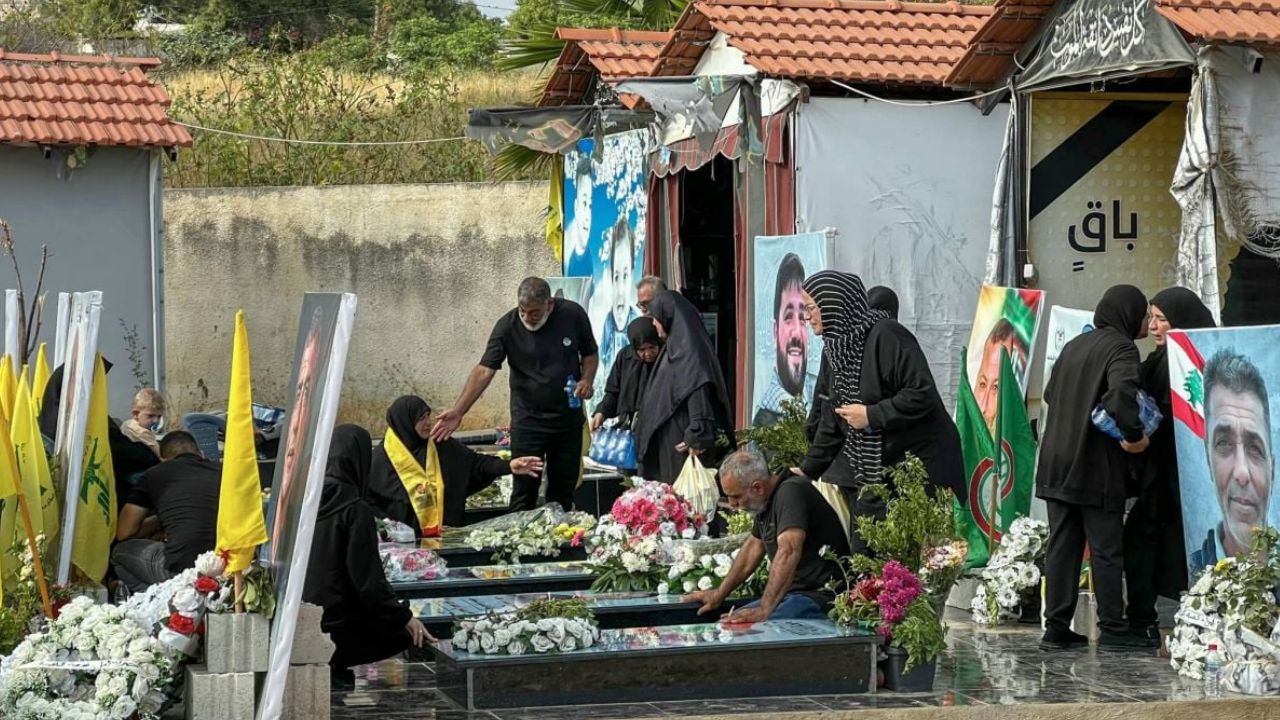
    In the war-devastated southern Lebanese village of Aitaroun on Monday, residents marked the Muslim holiday of Eid al-Fitr among their dead.

    Relatives crowded the village’s cemeteries to pray for the more than 100 residents, including fighters from Hezbollah, killed during the war between the militant group and Israel that ended with a fragile ceasefire in November.

    “We defied the entire world by being here in Aitaroun to celebrate Eid with our martyrs,” Siham Ftouni said near the grave of her son, a rescuer with an Islamic health organisation affiliated with Hezbollah.

    “Their blood permitted us to come back to our village,” she said.

    During the war, Lebanese state media reported that Israeli troops used explosives in Aitaroun and two nearby villages to blow up houses. The town square is heavily damaged.

    Few people have returned to live or to reopen businesses.

    The story is the same in other villages in southern Lebanon.

    In Aitaroun, more than 90 of the village’s dead — including some who died from natural causes — were buried only a month ago when Israeli troops pulled out.

    Under the ceasefire, Israel had 60 days to withdraw its troops from southern Lebanon, but it did not pull most of them back until February 18 after the initial deadline was extended.

    On Monday, beneath yellow Hezbollah flags, Ftouni and other women clad in black let their grief pour out.

    A young girl sat near the grave of a woman, holding her photo surrounded by flowers.

    Other pictures, of infants and young men in military uniform, lay on top of graves, and the sound of funeral orations triggered tears.

    Some visitors handed out sweets and other foods to mourners who came from further away.

    ‘Ashamed’

    “This year, Eid is different from the years before,” said Salim Sayyed, 60, a farmer originally from Aitaroun. “Aitaroun, which lost more than 120 martyrs including many women and children, is living a sad Eid.”

    He added: “The will to live will remain stronger than death.”

    The war saw the killing of Hezbollah’s leader Hassan Nasrallah and other commanders, and the group’s military infrastructure was devastated. Yet it continues to proclaim victory after more than a year of conflict that escalated to full-blown war and killed more than 4,000 people in Lebanon.

    Despite the ceasefire deal, Israeli troops remain inside Lebanon at five points it deems strategic.

    Both Hezbollah and Israel have accused each other of truce violations.

    Israel has regularly carried out often-deadly air raids in south and east Lebanon since the ceasefire, striking what it says are Hezbollah military targets that violated the agreement.

    On Friday Israel bombed southern Beirut for the first time since the truce after rockets were fired towards its territory.

    Imad Hijazi, 55, a taxi driver, said the security uncertainty was no deterrent to those wanting to spend Eid beside the graves of their loved ones.

    “The sadness was immense. Everyone was shaken by the loss of loved ones. I lost 23 members of my family in an Israeli strike,” Hijazi said.

    “I was ashamed to convey Eid greetings to my relatives or my friends.”

  • Trump says ‘real pain is yet to come’ for Houthis, Iran

    Trump says ‘real pain is yet to come’ for Houthis, Iran

    US President Donald Trump vowed Monday that strikes on Yemen’s Huthis will continue until they are no longer a threat to shipping, warning the rebels and their Iranian backers of “real pain” to come.

    “The choice for the Houthis is clear: Stop shooting at US ships, and we will stop shooting at you. Otherwise, we have only just begun, and the real pain is yet to come, for both the Huthis and their sponsors in Iran,” Trump said on his Truth Social platform.

    Shortly after Trump’s threat, Yemeni rebel media said two US strikes Monday hit the island of Kamaran, off the Hodeida coast.

    Huthi-held parts of Yemen have faced near daily attacks since the US launched a military offensive on March 15 to stop them threatening vessels in key maritime routes. The first day alone, US officials said they killed senior Huthi leaders, while the rebels’ health ministry said 53 people were killed.

    Since then, rebels have announced the continued targeting of US military ships and Israel.

    In his post Monday, Trump added that the Huthis had been “decimated” by “relentless” strikes since March 15, saying that US forces “hit them every day and night — Harder and harder.”

    Trump’s threat comes as his administration battles a scandal over the accidental leaking of a secret text chat by senior security officials on the Yemen strikes.

    It also comes amid a sharpening of Trump’s rhetoric towards Tehran, with the president threatening that “there will be bombing” if Iran does not reach a deal on its nuclear program.

    The Huthis began targeting shipping after the start of the Gaza war, claiming solidarity with Palestinians.

    Huthi attacks have prevented ships from passing through the Suez Canal, a vital route that normally carries about 12 percent of world shipping traffic. Ongoing attacks are forcing many companies into a costly detour around the tip of southern Africa.

    “Our attacks will continue until they are no longer a threat to Freedom of Navigation,” Trump said.

    The rising rhetoric from the Trump administration comes as it copes with the phone text scandal.

    The Atlantic magazine revealed last week that its editor — a well-known US journalist — was accidentally included in a chat on the commercially available Signal app where top officials were discussing the Yemen air strikes.

    The officials, including Trump’s National Security Advisor Mike Waltz and Defense Secretary Pete Hegseth, discussed details of air strike timings and intelligence — unaware that the highly sensitive information was being simultaneously read by a member of the media.

    Trump has rejected calls to sack Waltz or Hegseth and branded the scandal a “witch hunt.”

    “This case has been closed here at the White House as far as we are concerned,” White House Press Secretary Karoline Leavitt told reporters on Monday.