Category: Global

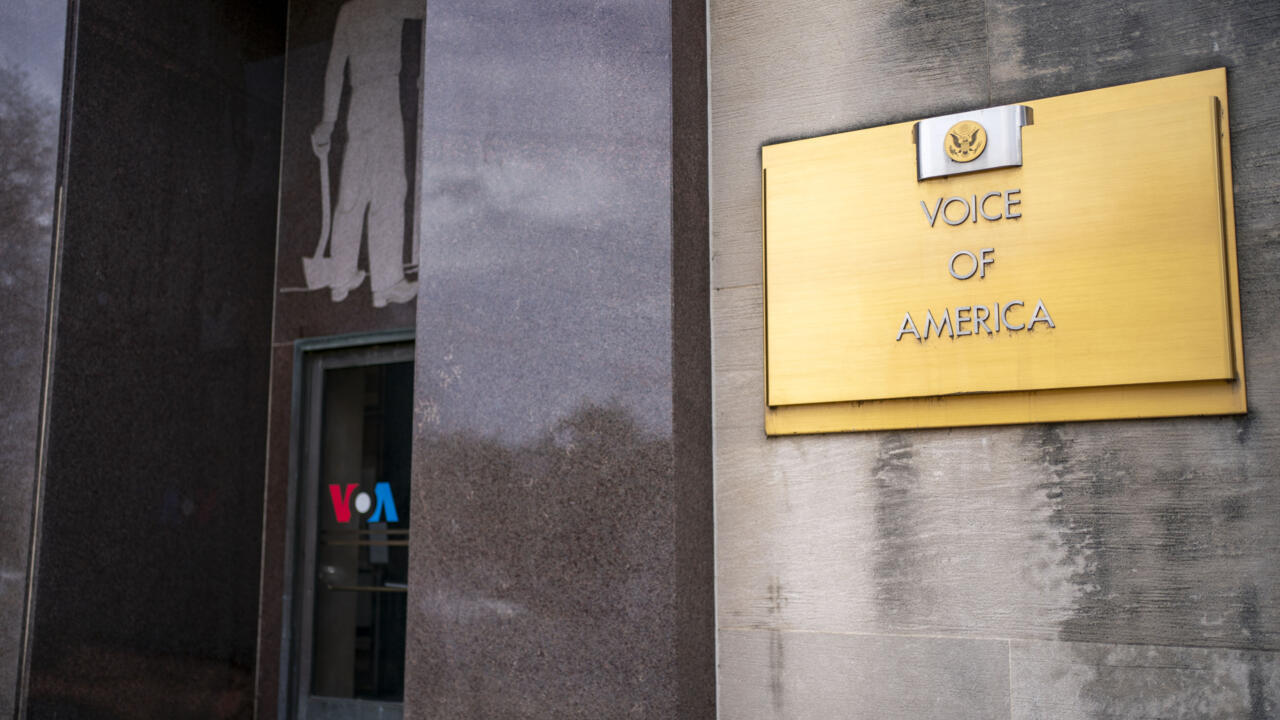
  • Trump admin begins mass layoffs at Voice of America

    Trump admin begins mass layoffs at Voice of America

    President Donald Trump’s administration on Sunday began mass layoffs at Voice of America and other US-funded media, making clear its intent to gut outlets long seen as critical for US influence.

    Just a day after all employees were put on leave, staff working on a contractual basis received an email notifying them that they were terminated at the end of March.


    The email, confirmed to AFP by several employees, told contractors that “you must cease all work immediately and are not permitted to access any agency buildings or systems.”

    Contractors make up much of VOA’s workforce and dominate staffing in the non-English language services, although recent figures were not immediately available.

    Many contractors are not US citizens, meaning they likely depend on their soon-to-disappear jobs for visas to stay in the United States.

    Most full-time VOA staff, who have more legal protections, were not immediately terminated but remain on administrative leave and have been told not to work.

    Voice of America, created during World War II, broadcast around the world in 49 languages with a mission to reach countries without media freedom.

    Liam Scott, a VOA reporter who covers press freedom and disinformation, said he was notified that he also reported that he was being dismissed as of March 31.

    The Trump administration’s destruction of VOA and sister outlets “are part of its efforts to dismantle the government more broadly — but it’s also part of the administration’s broader assault on press freedom and the media,” he wrote on X.


    “I’ve covered press freedom for a long time, and I’ve never seen something like what’s happened in the US over the past couple of months.”

    With VOA in limbo, some of its services have switched to playing music for lack of new programming.

    Trump signed an executive order Friday targeting VOA’s parent US Agency for Global Media in his latest sweeping cuts to the federal government.

    The agency had 3,384 employees in the 2023 fiscal year. It had requested $950 million for the current fiscal year.

    The sweeping cuts also froze Radio Free Europe/Radio Liberty, formed in the Cold War to reach the former Soviet bloc, and Radio Free Asia, established to provide reporting to China, North Korea and other Asian countries with heavily restricted media.

    Other US-funded outlets being gutted include Radio Farda, a Persian-language broadcaster blocked by Iran’s government, and Alhurra, an Arabic-language network established after the Iraq invasion in the face of highly critical coverage by Qatar-based Al-Jazeera.

    The White House said in a statement Saturday that “taxpayers are no longer on the hook for radical propaganda,” a charge rarely leveled before Trump at the staid VOA, long aimed at countering communism.

    Trump regularly criticizes media coverage of him and has questioned the wisdom of funding VOA when it has a “firewall” ensuring its editorial independence.

    Trump, with the advice of tech billionaire Elon Musk, has vowed to drastically reduce the size of government to make way for tax cuts. His administration has already ended the vast majority of foreign development assistance and moved to eviscerate the Education Department.

    The moves come as China and Russia invest heavily in state media to compete with Western narratives, with China often offering free content to outlets in the developing world.

    In an editorial on the demise of VOA, China’s state-run Global Times said that “the monopoly of information held by some traditional Western media is being shattered.”

    “As more Americans begin to break through their information cocoons and see a real world and a multidimensional China, the demonizing narratives propagated by VOA will ultimately become a laughingstock of the times,” it said.

  • Pro-Palestinian protesters fill NY’s Trump Tower

    Pro-Palestinian protesters fill NY’s Trump Tower

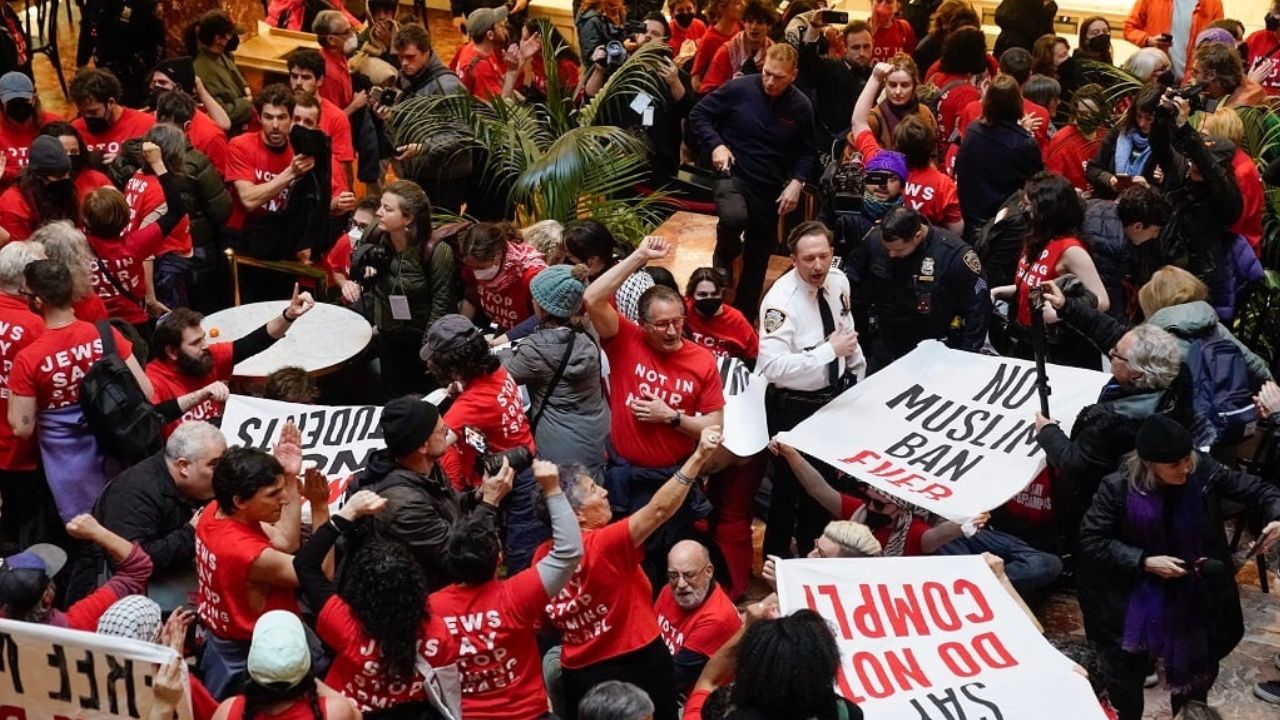
    Hundreds of Jewish demonstrators overran New York’s Trump Tower on Thursday, March 13, in support of Palestinians as well as detained Palestinian student campaigner Mahmoud Khalil. Wearing matching red T-shirts emblazoned with “Jews say stop arming Israel,” the group protested for over an hour inside the Manhattan skyscraper, where President Donald Trump’s family business is headquartered and he has a personal residence. The building was also where Trump memorably rode down a golden escalator in 2015 to announce his first run for president.

    Police said they arrested 98 people, marching under the banner of the group called Jewish Voice for Peace, for crimes including trespassing. The group, which apparently caught security and police off guard, chanted “fight Nazis, not students,” a reference to Trump’s crackdown on foreign students involved in pro-Palestinian protests.

    Police loaded detained protesters on buses, including a repurposed city bus, in front of the Gucci store at the foot of the tower as a helicopter and drone flew overhead. Across town at Columbia University, where Khalil had been a student, administrators announced they had issued “multi-year suspensions, temporary degree revocations, and expulsions” of students who had occupied a campus building last year during demonstrations against Israel’s genocide in Gaza.

    The short statement did not provide further details, such as who had been sanctioned, but comes less than a week after the Trump administration cut $400 million in federal funding for the university, accusing it of not sufficiently addressing anti-Semitism. It also comes days after Khalil, a recent graduate and one of the protest leaders, was detained by immigration authorities.

    The Trump administration has moved to revoke Khalil’s green card, accusing him of leading “activities aligned with Hamas,” the group whose October 7, 2023 attack was followed by intense retaliatory attacks by Israel in Gaza. His arrest has triggered outrage from critics of the Trump administration as well as free speech advocates, including some on the political right, who say such a move has a chilling effect on freedom of expression.


    ‘What fascists do’

    At Trump Tower, filmmaker and Columbia Professor James Schamus told Agence France Press (AFP) “New York Jews are coming out to demand the release of Mahmoud Khalil and demand that our Jewishness not be weaponized to steal the rights of American citizens and to end our democracy.”

    “The Trump-Musk regime has made it clear that they are not charging Mahmoud Khalil with any crime, that they are accusing him of having opinions that they say ‘align with Hamas’,” he added ahead of the protest action.

    Confused tourists visiting the skyscraper took pictures and milled around as police attempted to clear protesters, with an officer delivering a large box of MaxCuff plastic cable ties. “It was suspicious when all these people came in and none went to the restaurant,” said a Trump Tower employee who declined to be named.

    Police Chief John Chell said the protest passed off without injuries or damage and that the atrium had been cleared of protesters within two hours.

    “As Jews of conscience, we know our history and we know where this leads. This is what fascists do as they cement control” said Jewish Voice for Peace member Jane Hirschmann, a Jewish New Yorker whose grandfather and uncle were abducted by the Nazis.

  • Japanese adult star, who was spotted in Lahore, converts to Islam

    Japanese adult star, who was spotted in Lahore, converts to Islam

    A former adult film star from Japan, Kae Asakura, has announced that she converted to Islam after visiting Kuala Lumpur, Malaysia, in 2024.

    Asakura, who is also known online as Rae Lil Black, shared her journey of faith on TikTok and in an interview with Singaporean podcaster Dzar Ismail.

    During her trip to Kuala Lumpur last August, Asakura wore a hijab as she wanted to visit mosques and meet Muslim locals. She was deeply moved by the kindness and warmth she received.

    She said, “They were so, so nice to me. They welcomed me with open arms. So I was like, ‘Okay, these people are so nice. Why don’t I try to understand their culture?’”

    Asakura shared her first experience of fasting during Ramzan with her followers online. She also posted videos of herself breaking her fast with her fans. However, some TikTok users accused her of not actually fasting and of only making content for attention. She firmly denied these claims.

    “Well, I am fasting, first of all. I am taking care of my business, and I am putting my pure intention to Allah. So do not worry about me. Please focus on your life,” she said in a video on 7 March.

    On the podcast, Asakura was asked about claims that she was still involved in the adult film industry, as some people had pointed out that new videos featuring her were still being released online.

    She explained that these videos were recorded a long time ago and that she does not have rights to them.

    “Once I’m done [filming], they have the right to publish whenever, so some videos are still not published yet, from years ago,” she said.

    Speaking about the support she has received, she said, “I cried a little bit because people are so supportive, and they don’t judge.”

    Despite her past, Asakura has received significant support from fellow Muslims. Many people have given her gifts, including dates, books, and a prayer mat from Mecca.

    Earlier, Asakura had visited Lahore, Pakistan, where she sparked a major online debate by visiting the historic Badshahi Mosque. Videos and photos of her in a hijab, exploring one of Pakistan’s most iconic religious sites, went viral. Her presence at such a culturally and religiously significant place surprised many, leading to speculation about her possible interest in Islam.

  • 20-year-old arrested for $230 million Bitcoin theft; spent millions on luxury cars, parties

    20-year-old arrested for $230 million Bitcoin theft; spent millions on luxury cars, parties

    A 20-year-old from Singapore, Malone Lam, and his 21-year-old American partner, Jeandiel Serrano, were charged with stealing over 4,100 Bitcoin worth around $230 million from a crypto holder in Washington, D.C., in August 2024.

    After the theft, they went on a wild spending spree, buying over 30 luxury cars, including Lamborghinis, Ferraris, and Porsches. Lam reportedly spent up to $500,000 a night at clubs in Los Angeles, with one bill reaching $569,000.

    The two also gifted expensive Hermès Birkin bags to models and influencers.

    Their extravagant lifestyle and social media posts eventually caught the attention of authorities. In September 2024, the FBI raided a Miami mansion linked to Lam, leading to their arrests.

    By October 2024, around $70 million had been recovered, but more than $100 million was still missing. If convicted, they could face up to 20 years in prison along with heavy fines.

  • Arab ministers, US envoy meet on Gaza reconstruction

    Arab ministers, US envoy meet on Gaza reconstruction

    Arab foreign ministers met in Qatar on Wednesday with US Middle East envoy Steve Witkoff to discuss reconstruction for Gaza, devastated by war with Israel, the Gulf state said.

    “The Arab foreign ministers discussed the Gaza reconstruction plan, which was approved during the Arab League Summit held in Cairo on March 4, 2025,” Qatar’s foreign ministry said in a statement.

    Foreign ministers from Qatar, Jordan, Egypt, Saudi Arabia, the United Arab Emirates and the secretary-general of the Palestine Liberation Organisation were present at the meeting, according to the statement.

    “They also agreed with the US envoy to continue consultations and coordination on the plan as a foundation for the reconstruction efforts,” it added.


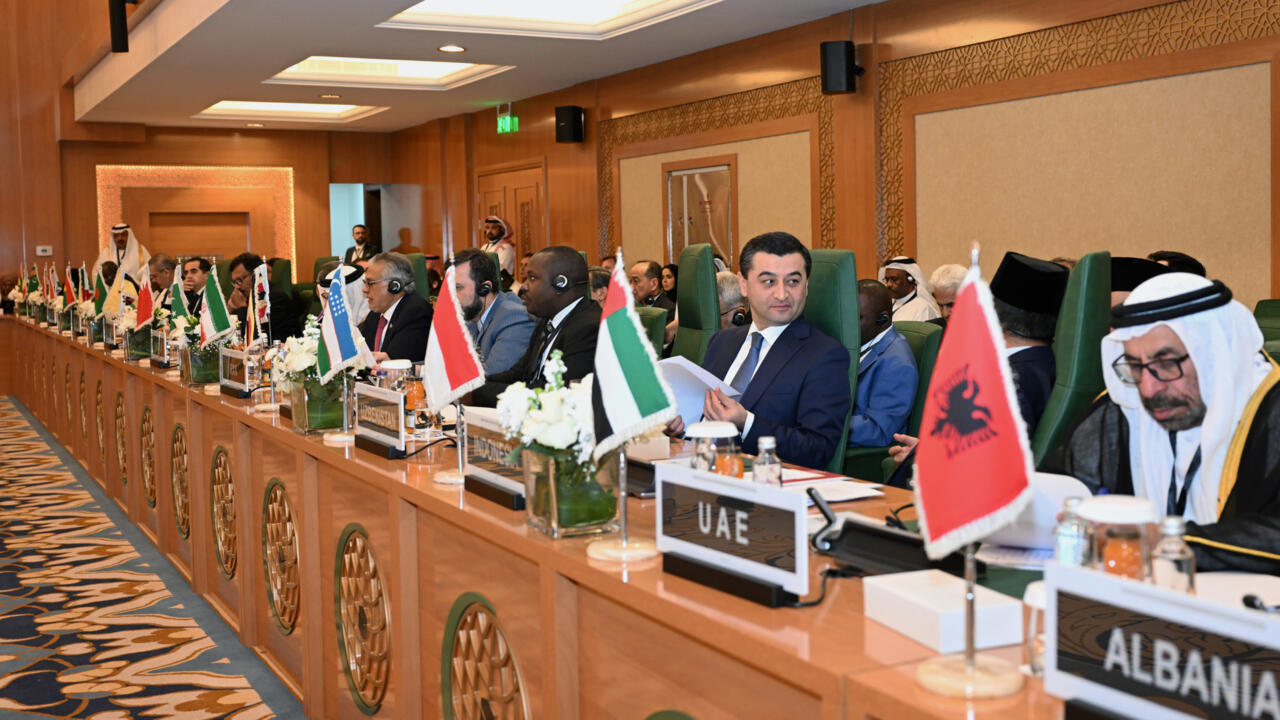
    On Saturday, the 57-member Organisation of Islamic Cooperation (OIC) formally adopted a plan put forward by the Arab League at an emergency meeting in Saudi Arabia.

    The Egyptian-spearheaded plan emerged as a proposal to rebuild the Gaza Strip under the future administration of the Palestinian Authority in response to a proposal by US President Donald Trump to take over Gaza and displace its residents.

    The plan by Mulsim-majority nations has been rejected by both Israel and its key ally the United States, but has been endorsed by Britain, France, Germany and Italy.

    A fresh round of talks on a fragile ceasefire in Gaza also began in Qatar on Tuesday, with Witkoff dispatched to Doha for the mediations.

    “The ministers emphasised the importance of maintaining the ceasefire in Gaza and the occupied Palestinian territories, stressing the need to launch a genuine effort to achieve a just and comprehensive peace,” the Qatari statement added.

    The 42-day first phase of the truce deal expired in early March without agreement on subsequent stages meant to secure a lasting end to the war, which erupted after Hamas’s October 7, 2023, attack on Israel.

    Israel has also sent a team of negotiators to the Doha talks aimed at extending the ceasefire.

  • Trump optimistic about potential Ukraine ceasefire

    Trump optimistic about potential Ukraine ceasefire

    President Donald Trump expressed optimism that US negotiators could secure a ceasefire in the Ukraine war, even as Kyiv and Moscow launched fresh aerial attacks early Thursday.

    The United States wants Russia to agree to an unconditional halt to hostilities, officials said Wednesday.

    The Kremlin said it was awaiting details of a US-Ukrainian proposal agreed this week, and gave no indication of its readiness to stop fighting that has left tens of thousands dead in the past three years.


    President Vladimir Putin visited Russian troops who have made gains against Ukrainian forces battling to keep Russian territory seized in an offensive last year.

    Ukraine’s President Volodymyr Zelensky said his country was ready to embrace a deal, and the United States had indicated it would issue a “strong” response if Putin refuses an accord.

    “People are going to Russia right now as we speak. And hopefully we can get a ceasefire from Russia,” Trump told reporters during an Oval Office meeting with Ireland’s prime minister Micheal Martin.

    The White House said that Trump’s envoy Steve Witkoff, a mediator in the Gaza and Ukraine wars, would be in Moscow this week.


    Trump on Wednesday did not mention whether he would speak with Putin, but added that there had been “positive messages” from Moscow, saying: “I hope he’s going to have a ceasefire.”

    ‘Horrible bloodbath’

    Trump said that if the fighting could be halted, “I think that would be 80 percent of the way to getting this horrible bloodbath finished.”


    US Secretary of State Marco Rubio said Washington wanted Moscow’s agreement with no strings attached. “That’s what we want to know — if they’re prepared to do it unconditionally,” Rubio said on a plane heading to a G7 meeting in Canada.


    “If the response is, ‘yes’, then we know we’ve made real progress, and there’s a real chance of peace. If their response is ‘no’, it would be highly unfortunate, and it’ll make their intentions clear,” he added.

    Russian news agencies reported earlier that the heads of the CIA and Russia’s SVR foreign intelligence agency had held their first phone call in several years.

    Rubio was to give an update on the initiative at the G7 meeting in Charlevoix, Canada.

    The defense ministers of France, Britain, Germany, Italy and Poland met in Paris to discuss how they could support Ukraine, and any ceasefire.

    While the Kremlin made no immediate comment on the US-Ukraine proposal — agreed at a meeting in Saudi Arabia on Tuesday — the Russian foreign ministry said earlier this month that a temporary ceasefire would be unacceptable.

    Trump said “devastating” sanctions were possible if Russia refused a deal.

    “I can do things financially that would be very bad for Russia. I don’t want to do that because I want to get peace,” Trump said.

    ‘None of us trust the Russians’ 

    The latest dramatic diplomatic swing came less than two weeks after Trump kicked Zelensky out of the White House complaining about the Ukrainian leader’s lack of gratitude for US assistance.

    Trump halted military aid and intelligence sharing with Kyiv, but that resumed after the truce proposal was agreed on Tuesday.

    Trump had previously said he was ready to welcome Zelensky back to the White House and speculated he could speak with Putin this week.

    In Kyiv, Zelensky said the United States would pile pressure on Moscow if it did not accept a ceasefire.

    “I understand that we can count on strong steps. I don’t know the details yet but we are talking about sanctions and strengthening Ukraine,” Zelensky told reporters.

    “Everything depends on whether Russia wants a ceasefire and silence, or it wants to continue killing people,” the Ukrainian leader added.

    He said Ukrainians had no confidence that fighting would stop. “I have emphasized this many times, none of us trust the Russians.”

    Ukraine is increasingly suffering on the battlefield, losing ground in the east and south of the country, where officials said eight people were killed on Wednesday.

    Russia has also reclaimed territory in its western Kursk region, pushing back Ukrainian troops who staged a shock offensive last August.

    Putin was shown on Russian television visiting troops in Kursk on Wednesday.

    “I am counting on the fact that all the combat tasks facing our units will be fulfilled, and the territory of the Kursk region will soon be completely liberated from the enemy,” Putin said.


    Russian chief of staff General Valery Gerasimov said that 430 Ukrainian troops had been captured and Putin called them “terrorists.”

    Ukraine military commander-in-chief General Oleksandr Syrsky indicated that some forces in Kursk were pulling back to “more favorable positions.”

    Russia downed 77 Ukrainian drones overnight, its defence ministry said Thursday, two days after Kyiv carried out its largest direct strike on Moscow during the three-year war.

    Multiple Ukrainian cities were also under attack Thursday morning, with a 42-year-old woman killed in Kherson, according to regional military administration head Roman Mrochko.

    Authorities in Kyiv and Dnipropetrovsk also reported coming under attack.

  • Pinealon Peptide: Advancing Research in Cellular and Neural Function

    Pinealon Peptide: Advancing Research in Cellular and Neural Function

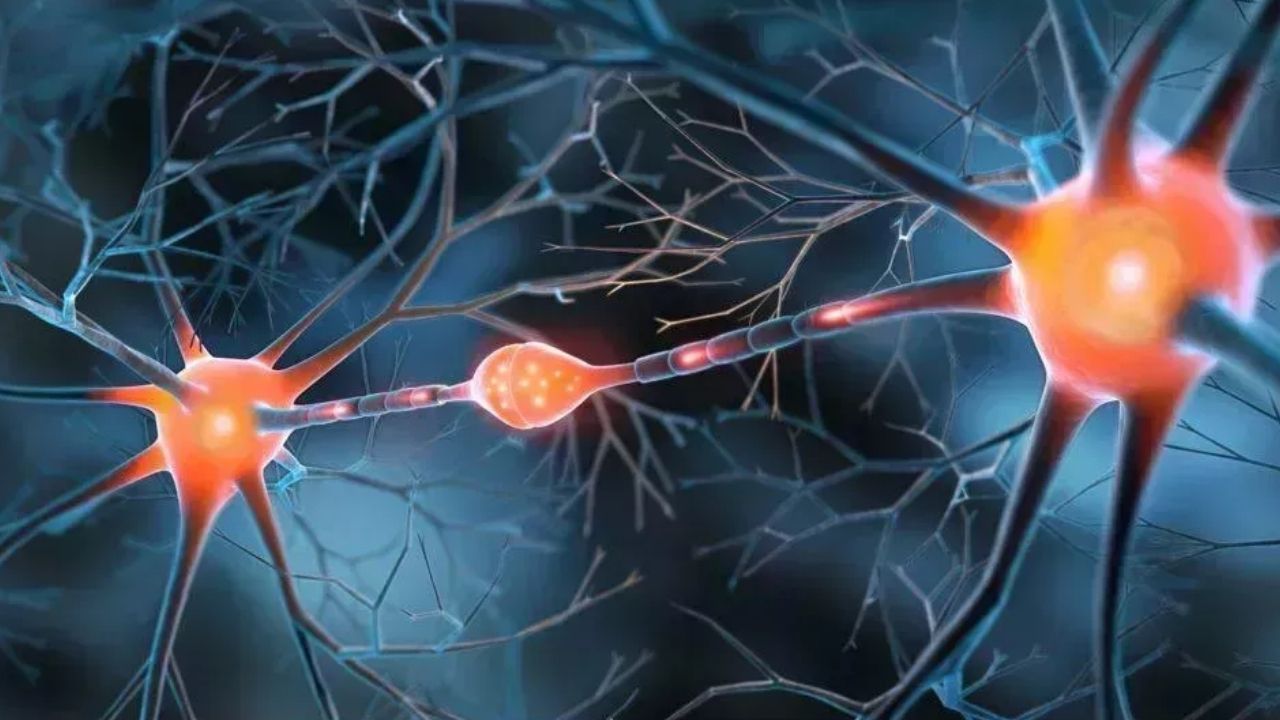
    Pinealon, a short peptide composed of three amino acids (Glu-Asp-Arg), has garnered attention in scientific research due to its intriguing properties and potential implications in the study of cellular processes and neurological regulation. This molecule, classified as a synthetic tripeptide, is believed to mimic endogenously occurring peptide sequences in the research model that play roles in gene expression, cell signaling, and metabolic regulation. The unique structure and characteristics of Pinealon suggest that it may serve as a valuable tool for exploring a range of biological phenomena, particularly within the domains of neuroscience, cellular aging, and cellular homeostasis.


    Molecular Properties and Mechanisms of Action


    Pinealon is a member of the short peptides category, which are molecules believed to be small enough to traverse cellular membranes and interact with intracellular targets. The peptide’s tripeptide sequence (Glu-Asp-Arg) implies potential interaction with nucleic acids or chromatin due to the presence of charged residues. This interaction is hypothesized to impact the expression of specific genes, potentially those involved in oxidative stress responses, cellular repair mechanisms, and protein synthesis.


    Research indicates that Pinealon may function by modulating redox-sensitive pathways within cells. Oxidative stress, characterized by the accumulation of reactive oxygen species (ROS), is a well-regarded driver of cellular dysfunction and is implicated in cellular aging and neurodegenerative disorders. Studies suggest that Pinealon might contribute to maintaining oxidative balance by impacting the regulation of antioxidant enzyme systems. This property positions the peptide as a promising candidate for studies on cellular resilience and adaptation under stressful conditions.


    Another intriguing aspect of Pinealon is its potential to interact with mitochondrial functions. Mitochondria, being central to energy production and cellular metabolism, are sensitive to changes in redox states. It is theorized that Pinealon might support mitochondrial performance by promoting the maintenance of membrane potential and reducing ROS accumulation. 
    Investigations purport that such impacts might improve cellular energy homeostasis, providing a foundation for further exploration in the context of cellular aging and regeneration.


    Implications in Neuroscience Research


    The hypothesized potential of Pinealon to cross the blood-brain barrier makes it an attractive molecule for investigating neural mechanisms. Neural tissues are particularly vulnerable to oxidative stress and metabolic imbalances due to their high energy demands and limited regenerative capacity. Research indicates that Pinealon might contribute to neuroprotection by regulating genes associated with neuronal survival, synaptic plasticity, and stress resilience.


    Pinealon’s potential role in cognitive function has attracted significant interest. It is theorized that the peptide may support the processes underlying learning and memory by modulating pathways involved in synaptic signaling. For example, proteins that regulate long-term potentiation (LTP) and neurogenesis might be impacted by Pinealon through its interaction with intracellular signaling cascades. This makes it a compelling candidate for studying cellular age- related cognitive decline and the underlying mechanisms of neuroplasticity.


    Another promising avenue for research is the peptide’s alleged impact on circadian rhythms and sleep regulation. Pinealon’s potential to impact neural gene expression suggests that it might interact with pathways governing circadian clock genes. Disruptions in circadian rhythms are implicated in numerous neurological and metabolic conditions, and Pinealon is thought to provide a novel tool for exploring these associations.


    Investigations in Cellular Aging and Longevity


    Cellular aging research has increasingly focused on the molecular pathways that govern cellular repair, stress resistance, and metabolic efficiency. Pinealon’s potential to modulate oxidative stress and mitochondrial function suggests that it might play a role in promoting cellular homeostasis during aging. Investigations purport that by impacting the expression of genes involved in protein folding, autophagy, and DNA repair, Pinealon may provide insights into the mechanisms of longevity and tissue maintenance.

    Moreover, cellular senescence a state in which cells cease to divide and accumulate harmful byproducts is a hallmark of cellular aging and various cellular age-related diseases. Research indicates that Pinealon might help maintain cellular proliferation and reduce markers of senescence by supporting the activity of transcription factors that regulate cell cycle progression. These speculative properties open opportunities for exploring the peptide’s role in mitigating the impacts of aging at the cellular level.


    Implications for Metabolic and Stress-Related Research


    Metabolic regulation and stress responses are deeply interconnected processes essential for survival and adaptation. Pinealon’s potential to impact pathways that regulate energy metabolism seems to have implications for studies on metabolic syndromes and disorders. It is hypothesized that the peptide might support glucose uptake and utilization by regulating genes involved in insulin signaling and glycolysis.


    Additionally, Pinealon’s alleged role in stress adaptation might extend to hormonal pathways, particularly those mediated by the hypothalamic-pituitary-adrenal (HPA) axis. Research indicates that by modulating gene expression in response to stress signals, the peptide might offer a new angle for studying how research models adapt to both acute and chronic stressors. This line of research might have broad implications for understanding resilience and the molecular basis of stress-related diseases.


    Pinealon as a Research Tool in Epigenetics


    One of the most exciting possibilities associated with Pinealon lies in its potential impact on epigenetic regulation. Epigenetics, the study of heritable changes in gene expression without alterations in DNA sequence, has become a cornerstone of modern biology. Pinealon’s structure suggests that it might interact with chromatin or histone-modifying enzymes, thereby impacting epigenetic markers such as DNA methylation and histone acetylation. Such interactions might regulate gene expression patterns in response to environmental stimuli or developmental cues.


    By exploring these properties, researchers might gain insights into how Pinealon contributes to cellular programming and adaptation. This may be particularly relevant in fields like developmental biology, where understanding the regulation of gene expression is critical.


    Theoretical Implications in Regenerative Science


    Regenerative science focuses on understanding and harnessing the mechanisms that drive tissue repair and regeneration. Pinealon’s potential to impact oxidative stress and mitochondrial function suggests that it might play a role in promoting the recovery of damaged tissues. For instance, the peptide’s hypothesized potential to support cellular energy production and reduce oxidative damage might also support the survival and proliferation of stem cells in regenerative contexts.


    Future Directions and Challenges


    While Pinealon offers many intriguing possibilities for scientific research, much remains to be understood about its molecular mechanisms and interactions. Future studies may focus on elucidating its precise molecular targets, downstream signaling pathways, and long-term impacts on cellular functions. Advanced techniques such as transcriptomics, proteomics, and molecular docking might provide valuable insights into hypothetical modes of action.


    Conclusion


    Pinealon is an emerging molecule with significant potential for advancing research in cellular regulation, neural function, and regenerative science. Its hypothesized potential to modulate oxidative stress, mitochondrial activity, and gene expression positions it as a versatile tool for exploring fundamental biological processes. While many questions remain, the peptide’s unique properties offer a promising avenue for scientific inquiry, opening the door to novel insights and implications across diverse research domains. Click here to learn more about Pinealon peptide and its research potential.


    References

    [i] Wang, M., & Zhang, H. (2020). The role of peptides in metabolic and stress-related signaling pathways: Implications for metabolic syndromes. Endocrine Research, 45(6), 526-533. https://doi.org/10.1080/07435800.2020.1838423


    [ii] Yang, Y., & Zhang, L. (2021). Epigenetic regulation by small peptides: A focus on gene expression modulation. Cellular and Molecular Life Sciences, 78(8), 3025-3037.https://doi.org/10.1007/s00018-020-03667-3


    [iii] Li, J., & Hu, Y. (2019). The role of peptide-based therapeutics in regulating circadian rhythms and sleep. Frontiers in Neuroscience, 13, 358. https://doi.org/10.3389/fnins.2019.00358


    [iv] Chen, L., & Zhao, Z. (2021). Pinealon peptide and its impact on cellular resilience and aging processes. Aging Cell, 20(5), e13473. https://doi.org/10.1111/acel.13473


    [v] Müller, W., & Reisinger, G. (2020). Peptide-based modulation of oxidative stress and mitochondrial function in aging and neurodegenerative diseases. Journal of Molecular Neuroscience, 72(3), 389-402. https://doi.org/10.1007/s12031-020-01362-4

    Disclaimer: This article contains sponsored content. The details and opinions expressed in this article are solely those of the author.
  • Jio, Airtel sign deal with Elon Musk’s SpaceX to bring Starlink to India

    Jio, Airtel sign deal with Elon Musk’s SpaceX to bring Starlink to India

    India’s leading telecom giants Bharti Airtel and Reliance Jio have signed agreements with SpaceX to bring Starlink satellite internet services to the country. Both companies, headquartered in India, are awaiting regulatory approvals for SpaceX to operate Starlink commercially. 

    The partnerships mark a significant step towards expanding high-speed broadband access in the country, particularly in remote and underserved regions.

    Airtel has announced that it will explore various ways to collaborate with SpaceX, including selling Starlink hardware through its retail stores and offering services to businesses. The company also plans to leverage Starlink’s capabilities to connect rural schools, healthcare centres, and other remote locations lacking traditional internet infrastructure. Additionally, Airtel aims to integrate Starlink into its existing network and explore opportunities for SpaceX to utilize Airtel’s telecom infrastructure in India.

    “Airtel’s collaboration with SpaceX represents a major milestone in our commitment to providing next-generation satellite connectivity in India,” said Gopal Vittal, Bharti Airtel’s Managing Director and Vice Chairman.

    Reliance Jio, on the other hand, has also partnered with SpaceX to offer Starlink services through its retail stores and online platforms once regulatory approvals are granted. Jio plans to integrate Starlink into its broadband portfolio, which already includes JioFiber and JioAirFiber, to enhance its internet services in areas where traditional broadband is difficult to deploy. The company will be responsible for the installation, activation, and customer support for Starlink users in India.

    “High-speed broadband must reach every Indian, and integrating Starlink into Jio’s broadband ecosystem will help us achieve that goal,” stated Mathew Oommen, Group CEO of Reliance Jio.

    SpaceX President and COO Gwynne Shotwell praised both Airtel and Jio for their commitment to expanding digital connectivity in India. “We appreciate Airtel and Jio’s focus on digital expansion and look forward to bringing Starlink’s high-speed internet to India once we receive the necessary approvals,” she said.

    The agreements signal increasing competition in India’s satellite broadband sector. Both Airtel and Jio aim to extend high-speed internet access to previously unreachable areas. Airtel, which already collaborates with Eutelsat OneWeb for satellite internet services, will strengthen its connectivity offerings by adding Starlink to its portfolio. 

    Meanwhile, Jio, which handles the highest mobile data traffic in India, expects to enhance broadband reliability and accessibility through its partnership with SpaceX.

  • Kashmiris reject dates imported from Israel

    Kashmiris reject dates imported from Israel

    Dry fruit stores in the center of Srinagar are bustling as consumers seek out a variety of dates, with many specifically inquiring about the quality of the fruit, an international media outlet’s report has stated. 

    Madinah dates, which are known for their unique variety, are especially popular because of their flavor and texture.

    Some sellers have started to source their dates more meticulously as Ramazan draws near, particularly when it comes to dates that are imported from Israel. 

    Due to the widespread boycott of Israeli goods brought on by the ongoing genocide in Gaza and occupation of Lebanon, retailers have been compelled to reconsider their supply chains and make sure their products reflect local opinions.

    Dates are now widely available in Srinagar, with some dry fruit stores carrying up to 15 distinct types. Due to their unique flavor and quality, Saudi Arabian dates are one of the most common choices for customers looking for variety. As customers get more selective, there is a steady rise in demand for these dates.

    Some retailers have decided to support the Palestinian cause by refusing to sell Israeli dates this year in response to the growing concern around their origins. Those who wish to show solidarity with Palestine in these trying times regard this choice as a modest but significant gesture.

    Israel grows dates in occupied territories, especially Medjools.  Israel exported more than 57,000 metric tons of dried and fresh dates in 2023, valued at over $272.7 million USD.

    But the current state of affairs has raised origin awareness and increased consumer caution.
    Numerous Islamic organizations have provided online resources that explain the history of dates available to customers so they may make educated decisions.

    Transparency and public education on the origin of these items are the primary objectives of these efforts. Since some people are intentionally avoiding Israeli dates, several dealers stress the significance of honesty, making sure that customers are completely informed of where their dates originate from.


    This growing awareness has led to more cautious and informed decisions by consumers across the region.

  • Two arrested over gang-rape of Israeli tourist and local woman in India

    Two arrested over gang-rape of Israeli tourist and local woman in India

    Two suspects have been arrested in connection with the gang-rape of two women including an Israeli tourist and the death of a man near a UNESCO World Heritage site in India, police said Sunday.

    A group of two women and three men were attacked late Thursday near the Group of Monuments at Hampi, an ancient village in the south Indian state of Karnataka.


    The case highlights the chronic issue of violence against women in the world’s most populous country, where an average of nearly 90 rapes a day were reported in 2022.


    “The horrific assault and rape… is a deeply heinous crime,” the state’s Chief Minister Siddaramaiah posted on X Saturday.


    “The police have already arrested two accused and are continuing the investigation. We will take all necessary measures to prevent such incidents from recurring,” he added.


    The group were attacked by individuals on a motorbike while stargazing on the banks of a canal in Koppal after refusing to give them money, according to local media reports.


    The attackers threw the men, who were from India and the United States, into the canal before sexually assaulting both women.


    One of the two men from India was confirmed dead after police recovered a body from the canal on Saturday.


    Both women, an Israeli tourist and local homestay owner, were taken to hospital where they are receiving treatment.


    Mallesh alias Handi Malla, 22, and Chetan Sai Sillekyatar, 21, were arrested on Saturday, The Times of India reported, while police are continuing to search for a third suspect.


    “Out of the three accused, we have arrested two and efforts are being taken to nab the third suspect in the case,” Koppal police superintendent Ram L Arasiddi told NDTV news channel.


    The local woman who was attacked said “that besides being beaten up, the two women were sexually assaulted by the accused,” Arasiddi added.


    It comes only weeks after an Indian court sentenced the rapist and murderer of a 31-year-old doctor to life in prison.


    That case sparked nationwide protests and widespread hospital strikes last year, with regional and national authorities promising strict and swift punishments in such cases.


    The 2012 gang rape and murder of a young woman on a Delhi bus also sparked weeks of nationwide protests in India and led to a series of changes to swiftly prosecute such crimes.