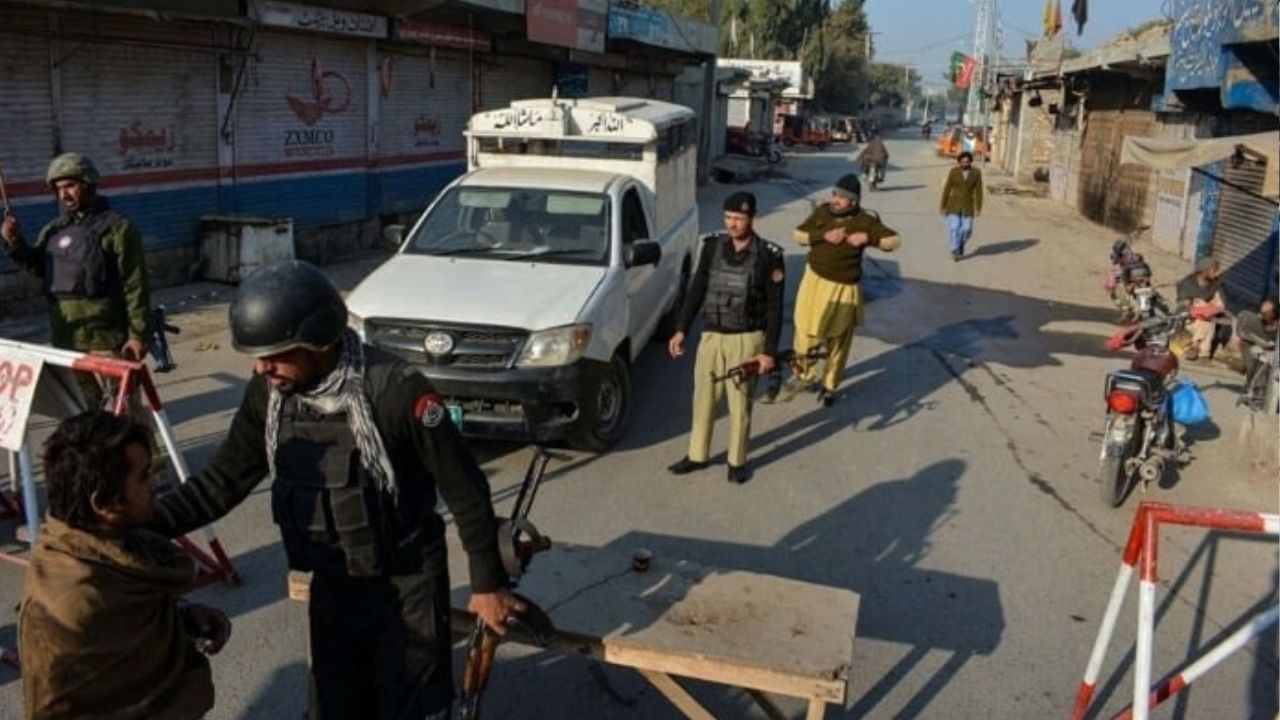
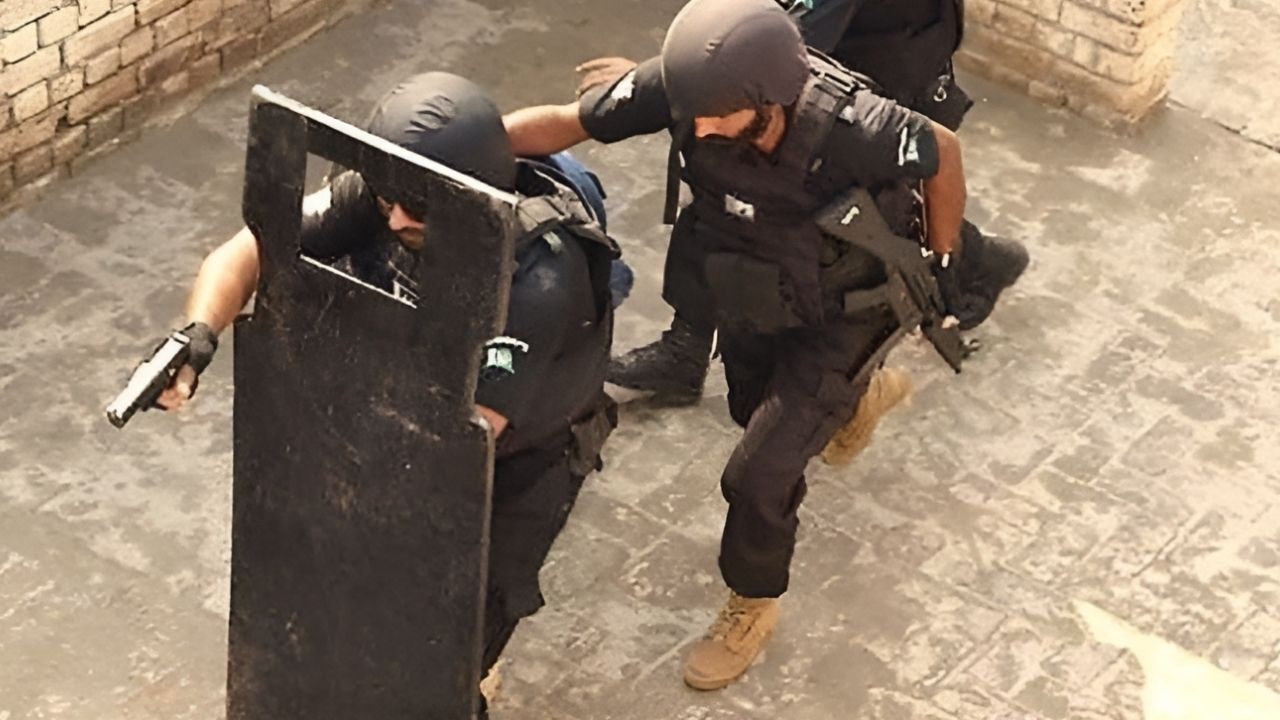
Khyber Pakhtunkhwa Police have been targeted by terrorists this year, with 76 officers killed so far.
Police force in the province is frequently targeted by terrorists. This year, 76 police personnel have been martyred and 113 have been injured.
According to a report by the Counter Terrorism Department (CTD), 23 police personnel were martyred and 23 were injured in DI Khan, 12 martyred and 12 injured in Bannu, 11 martyred and 32 injured in Bajaur, and 11 policemen martyred and 11 injured in Peshawar.
Following the American withdrawal from Afghanistan, terrorists have reportedly been using thermal guns and other modern weapons against security forces in Pakistan.
Government representatives indicate that the provincial government has begun equipping the police with modern weapons.
Last year, 184 police officers and personnel were martyred, and 408 were injured in terrorist incidents.
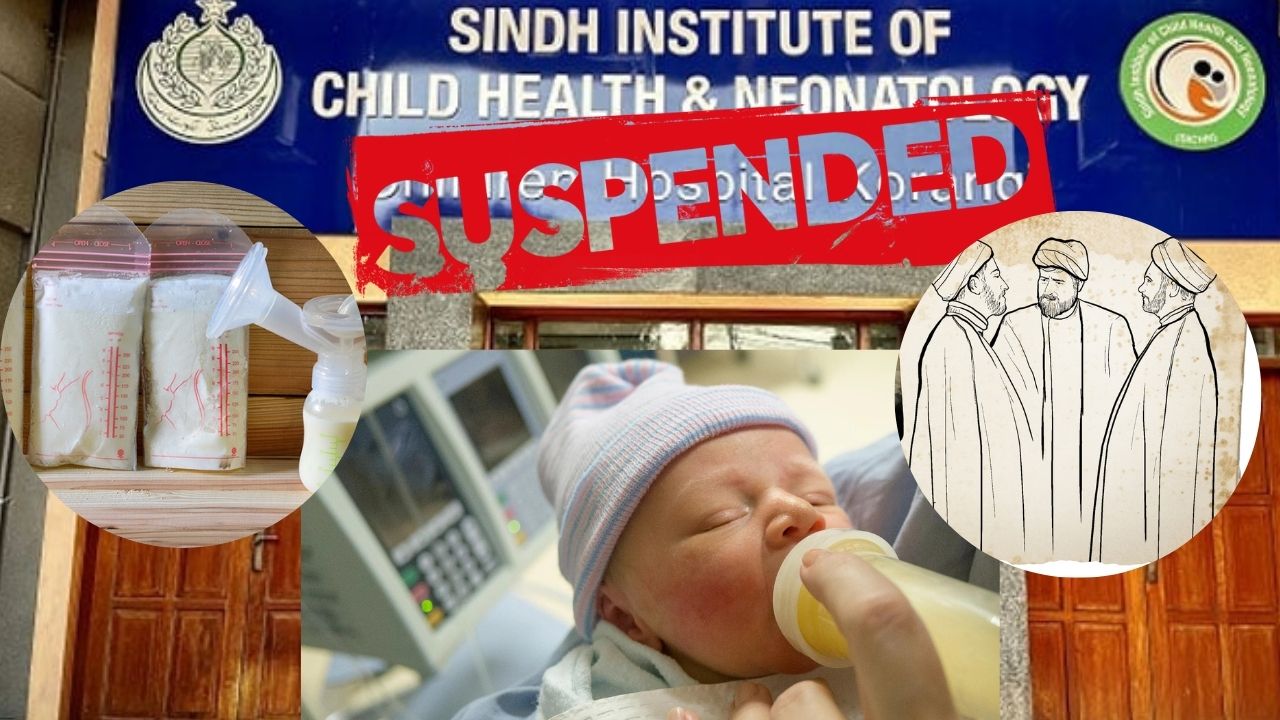
The establishment and suspension of the first ever human milk bank in Pakistan is an issue that has been making headlines all over the world.
While local media pinpoint the very nature of the issue to be controversial, international media frames it as an example of the perpetuated backwardness of our society. What perturbed me the most was the fact that the project started after getting approval from a prestigious religious body, Darul Uloom Karachi, patronized by Mufti Taqi Usmani. The approval got suspended because of a revised fatwa from the same institute.
What led to the suspension just two weeks after the inauguration, and how will this impact the mortality rate of premature children?
The human milk bank has been in the works since last year. I talked to the Executive Director of SICHN, Professor Jamal Raza, who explained that the institute had formally applied for the fatwa and, after six months of waiting, had an interview at Darul Ifta of Darl Uloom Karachi where they answered all the questions asked by distinguished muftis. “Subsequently, the fatwa was given last December, after which the equipment was procured from the UK and other places as it is not available in Pakistan,” Jamal said.
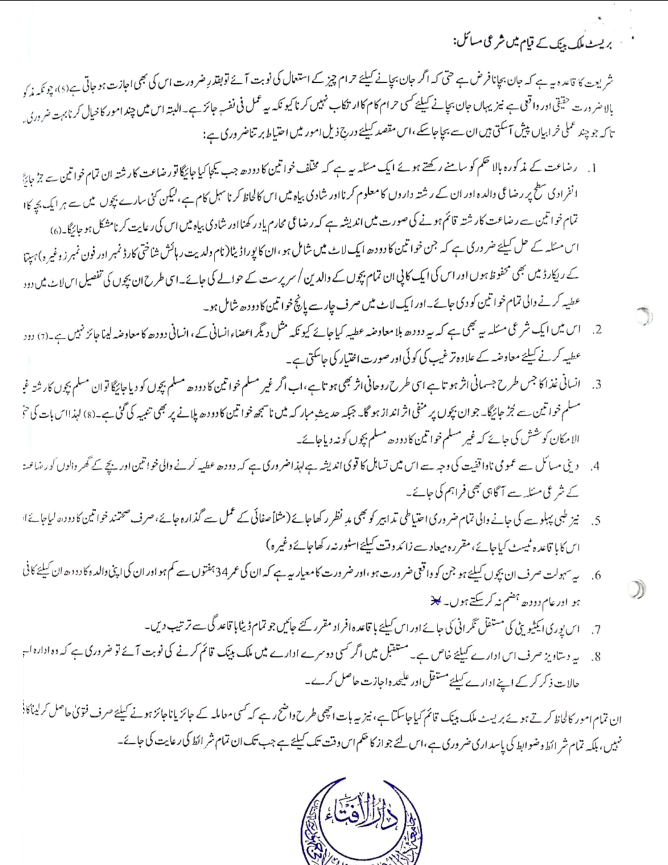
The first fatwa, issued on December 25, 2023, laid out basic tenets of Islam for breast feeding in a detailed manner. That document has been reviewed by The Current.
It outlined eight conditions that need to be followed.
The first and foremost condition was regarding the age of the child. The exclusive facility of breast milk is to be given to premature children with a gestation period of less than 34 weeks and less than 2 kilogrammes of weight.
The tenet strictly suggests a bond of milk kinship (Raḍāʿah), stating that a parent-child bond is formed when a woman gives milk to a baby who isn’t biologically related to her. To avoid future incestuous marriages between milk siblings and relations, the tenet says, the foster relationship must be clearly shared. The fatwa delineates that the bio-data of all the women in one lot (with a maximum of four to five women) must be kept in the hospital’s record and shared with the parents of the child and vice versa.
The second condition extrapolates that the act of donating milk for the child should be done voluntarily and free of cost, just like the donation of organs.
The third condition explains the spiritual impact of the milk bond, because of which it is imperative that only the breast milk of Muslim women is given to the children.
The fourth condition makes it mandatory for the women and families of the children to be educated about Shariah laws regarding the practice of Raḍāʿah.
Further conditions stress that the milk be cleaned and pasteurized, not stored for long, and only given to children who need it most desperately and cannot digest powdered milk.
The last two conditions demand that the whole activity be supervised by a group of people and assert that this provisional permission is specific to SICHN. If some other institute wants to open the same facility, then it would have to ask for it.
On June 10, 2024, Pakistan’s first Shariah-compliant ‘Human Milk Bank’ was inaugurated by Sindh Health Minister Dr Azra Pechuho. It was set up in collaboration with UNICEF.
Journalist Waqar Bhatti wrote in The News that Prof Jamal Raza, who spoke at the inauguration ceremony, described mother’s milk as the ‘original fast food’, emphasizing that it delivered all the necessary nutrients, healthy components, and disease-fighting properties that a newborn needs.
Bhatti’s report elaborated that Pakistan has a neonatal mortality rate (NMR) of 41 deaths per 1000 live births, which is one of the highest in the world, and this facility in Sindh understands that a mother’s breast milk is the best source of food and has all the antibodies that may protect the immunity of children.
Bhatti, while talking to journalists Mehtab Haider and Waqar Gillani, identified the artificial powdered milk industry as the real reason behind mothers shying away from feeding their children, not realizing that this is extremely harmful to a child’s health. As for the suspension, he claimed that the wayward discourse on social media actually misguided Mufti Taqi Usmani; otherwise, the facility was really proving to be helpful.
Since the inauguration, public sentiment has been against the establishment of the milk bank.
In a YouTube video made by Urdu Point, host Shabana asks the public about the opening of the milk bank in Sindh. All the people she talked to voiced their opinions against establishing the bank, stating religious reasons.
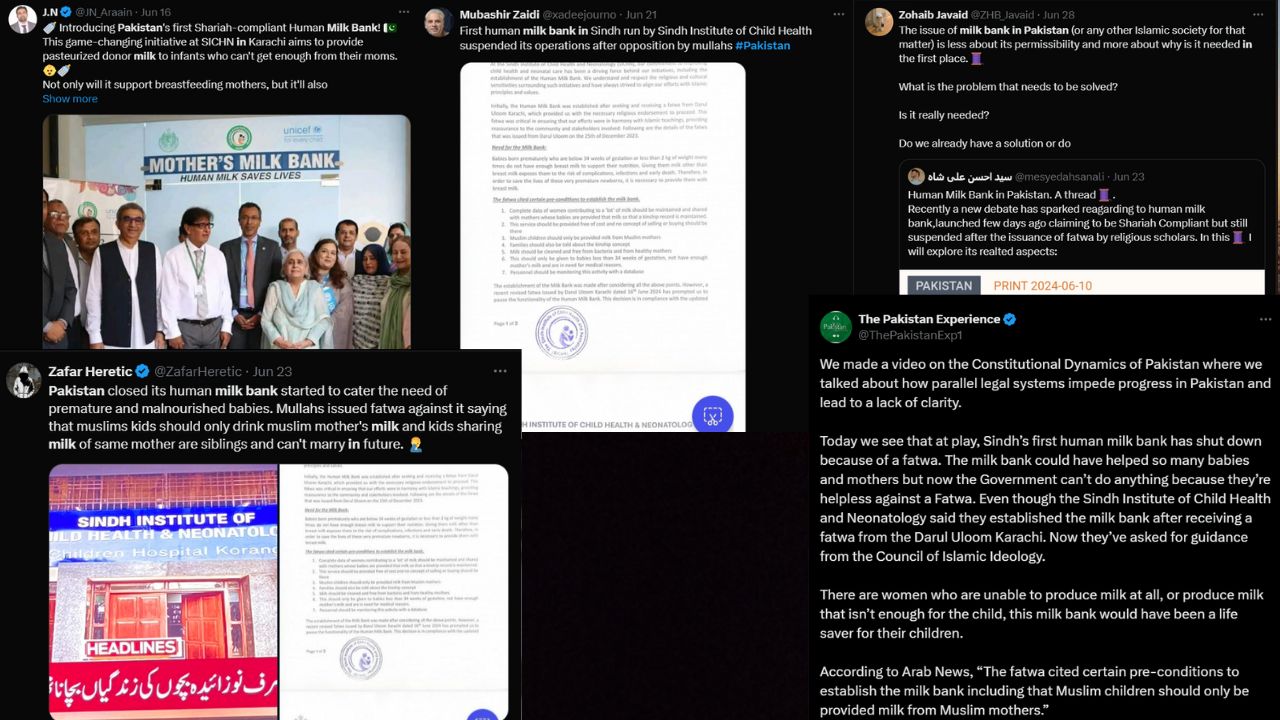
The reaction on social media was mixed; it either pronounced the suspension a “conspiracy of mullahs” or called it a decision in accordance with Islamic rules.
“The second fatwa directly did not mentioned this fatwa but was in response to some other question which we are not aware of, as we were not approached for any clarification nor our centre was visited for procedural verification,” Jamal Raza stressed while talking to TheCurrent.
Emphasising that they don’t intend to do anything remotely unislamic and open to all sort of suggestions, Raza added, “We feel that most of the criticism was based around lack of information to the general public and the general tendency to criticise without fact finding, thus if any religious body is willing to sit down with us to understand the process, they should not have any objection to the establishment of this bank.”
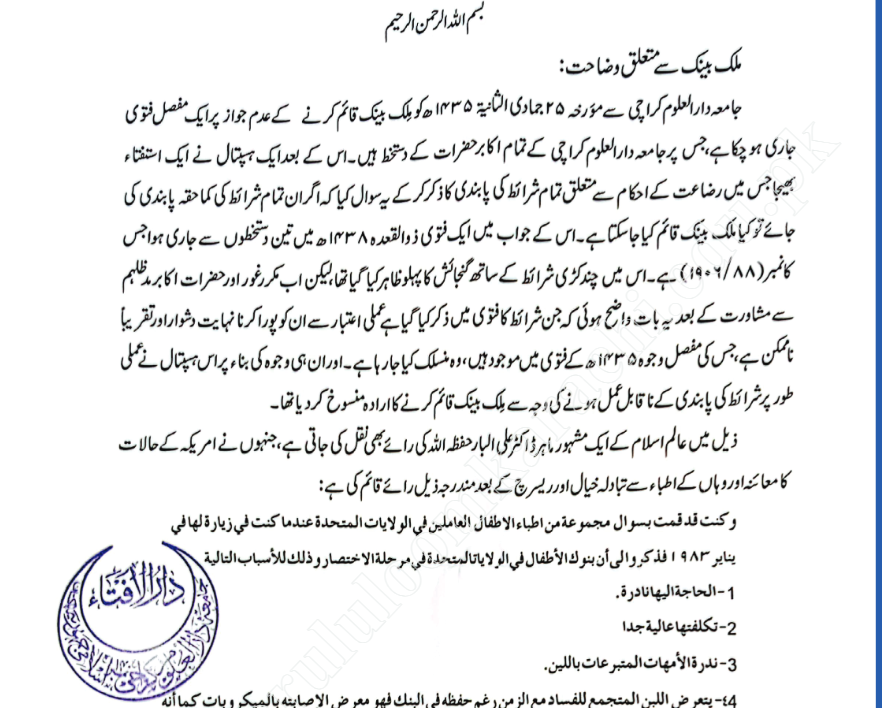
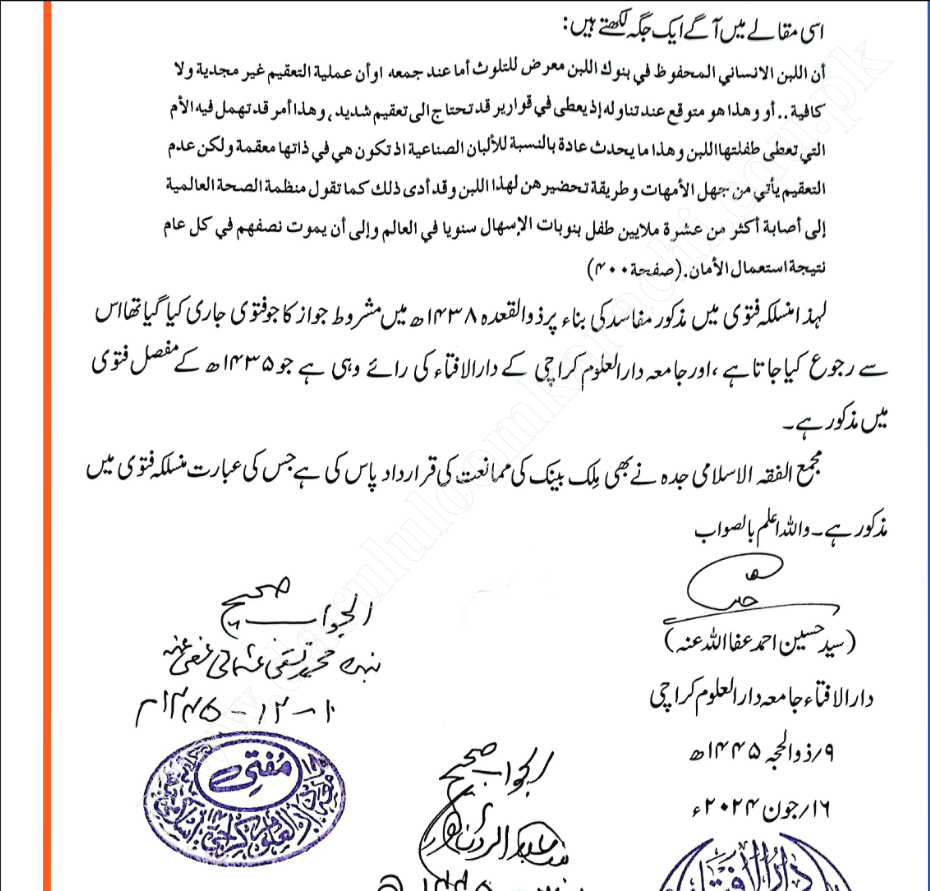
A revised fatwa issued by Darul Uloom Karachi dated June 16, 2024, prompted SICHN to discontinue the functionality of the Human Milk Bank and seek further guidance from Dar ul Uloom and Islamic Ideology Council.
I tried to talk to Dar ul Uloom about why they felt the need to have a revised fatwa and know the reason for taking back the permission they accorded earlier. The singular answer from all the multiple scholars I talked to stated that the revised fatwa is the only response they want to put out there and that they are not going to entertain any other query about this issue.
The revised Fatwa available on Dar ul Uloom Karachi’s official website includes a detailed analysis of the establishment of a milk bank that did not comply with Shariah laws because of the demanding maintenance of the concept of kinship at the facility as observed by the scholars sitting in Dar ul Ifta. It quotes an American scholar and a Jeddah’s Islamic think tank declining the establishment of a milk bank along with a detailed note from Mufti Taqi Usmani extrapolating other religious concerns entailing the issue of breast milk bank but no word on the specific issue of the establishment of milk bank in the city.
In a panel discussion about the Human Milk Bank on Samaa TV’s Mufti Online, Dr. Shawana Mufti, a prominent gynaecologist practising in America, shared her take on the issue of establishing a milk bank in the country. She highlighted that the idea is not feasible in the present socio-economic conditions of Pakistan, especially considering the high protocols there are for the milk donors to meet in the countries where they are operational. She started off by saying that she respects the opinion of all the scholars and the tenets of Islam and she totally agrees with all the scholars here, saying that this wouldn’t be successful in Pakistan because the idea of a milk bank to be formed was coined in the West as it was found out that for children who are premature at birth and can only survive if given the breastfeed. “Here they start with screening as it is checked what is the social and medical history of donor mother,” she stressed. Further, Shawana laid out how strict the screening criteria for a donor mother are, to the extent that it is considered that the mother takes painkillers or any sort of narcotics, “In Pakistan, a regular woman doesn’t even go to a doctor until she is dying or expecting a child. The financial stress in the country would never be up to the screening criteria (of international standard). Who will donate milk here? The elite women won’t donate milk here.”
Her argument was seconded by Professor Naaureed Fatima in the panel as she said that this is sadly a reality that elite class won’t donate and the commoners are so unaware about the complexity of the milk kinship that it requires a campaign to educate them about that. In this case, a milk bank in Pakistan is not a feasible idea.
I talked to Mufti Sohail Sialwi from Nottingham, UK, who opined that the basic rules delineated in both the fatwas are the same. It is clearly stated in the first fatwa that conditional permission is given because the strict criteria are hard to fulfil. That is why the fatwa asserted not just keeping a strict record but also educating both the parents and donor women about the complexities of the concept of Raḍāʿah. However, in the second fatwa, the verdict is shared after analysing the conditions in which record-keeping is an uphill task, and even if things are recorded, tempering them isn’t very difficult as the incidents of these records getting destroyed, burnt and modified. Thus, in a country like ours, the officers (liable to be corrupt or oblivious to sensitivity) cannot be trusted with a sensitive issue like this.
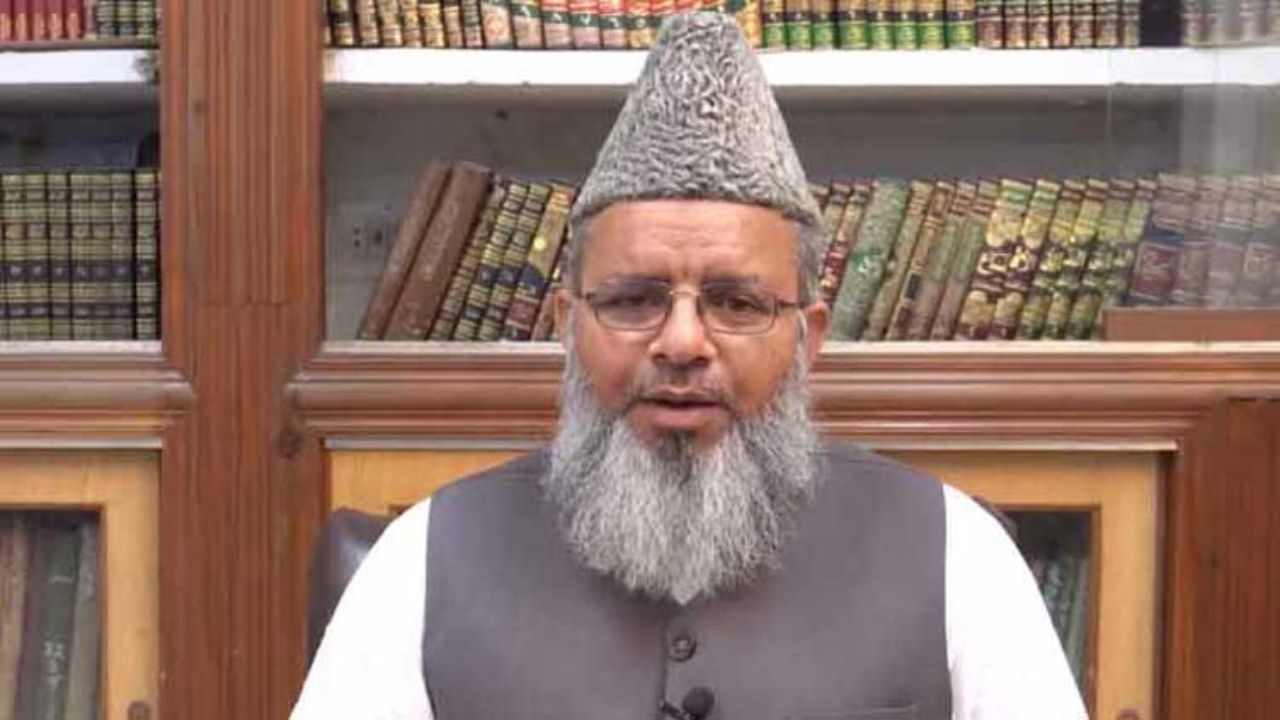
The matter now rests with the Islamic Ideology Council, the most high-profile religious authority in the country. I talked to the Chairman of the Islamic Ideology Council, Dr. Raghib Naeemi, who informed me that a delegation from SICHN came to the Council to defend their case, and the discussion around the topic is ongoing. However, a simple Google search revealed that a similar issue rose in 2014, and the IIC ruled against the legitimacy of a human milk bank.
Dr. Raghib Naeemi, Chairman of the Islamic Ideology Council
Islam as a religion defines the social fabric of the Pakistani nation. The concept of milk donation is considered esteemed and sacred for Muslims as derived from the religious tradition inspired by the life of the Prophet (PBUH). The need of the hour is a large-scale awareness campaign patronized by the government addressing all the misconceptions and educating mothers to not just breastfeed their children but also donate milk to premature children. The government could curb neonatal mortality by advertising for lactating mothers to feed their children inside the hospitals or even for children who, for some reason, cannot have their mother’s milk fed. Although involving money in this activity is proscribed, a form of recognition for such mothers could be to facilitate them with a healthy diet and transportation for the time they feed the child. In this way, the government can easily record these mothers and ensure the exclusivity and intimacy of the donor mother-child bond at the core of the concept of Raḍāʿah.
The Hafizabad police claim to have arrested five suspects in the gang rape of a woman.
Dawn reports that the police arrested the suspects during raids carried out in the district and a few other cities and shifted them to the Sukheke police station for interrogation.
Police claimed that most arrests came in the light of information obtained from the one robber who was caught by the police soon after the rape with the help of geofencing.
Dawn’s sources reveal that the police also picked up some relatives of the main suspect in order to exert pressure on them to surrender themselves to the police.
A woman was allegedly gang-raped in front of her husband and three-year-old daughter in Hafizabad while they were going back to their home city, Chiniot, on a motorbike.
One of the three robbers was arrested shortly after the incident and police teams were assigned the task to trace and arrest the rest of the robbers.
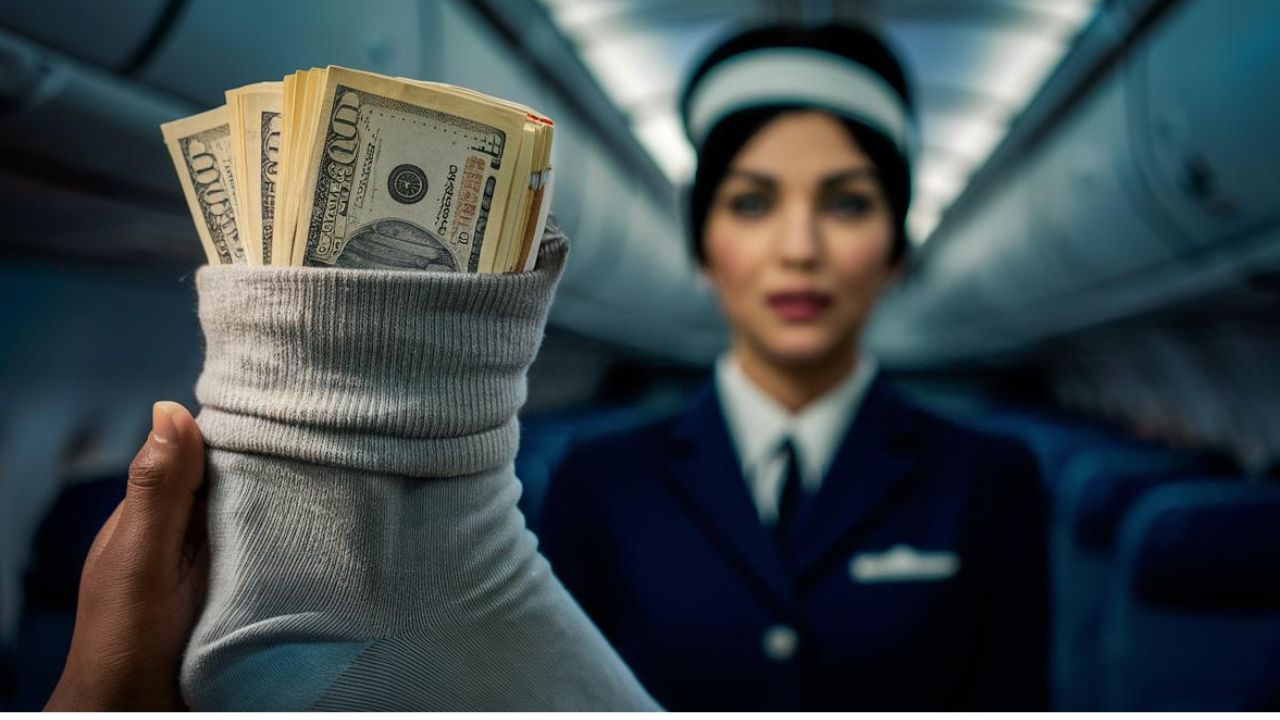
A video of a Pakistani air hostess being detained by police while trying to smuggle cash hidden in her socks has emerged online.
The incident has raised concerns about security and professionalism among airline staff. There have been numerous issues and blunders involving PIA staff in the recent past, including cases of misconduct and operation failures. But smuggling and such illegal activities are few and far between and instead involve individuals rather than any systemic flaws.
The uniform the person in the video is wearing resembles that of state carrier PIA.
The Meteorological Department has shared that strong monsoon winds will likely enter Sindh on the night of July 28.
From July 28 to July 30, rain with thunder is expected in various cities of Sindh, Tharparkar, Umarkot, Badin, Sajawal and other places of Sindh.
There is a possibility of rain in Karachi, Sukkur, Larkana, Jacobabad and other places from July 29 to 30, while the temperature may increase in Karachi on Sunday and Monday, likely to reach 34 to 36 degrees celsius.
As per the predictions of weather department, it will be partly cloudy and humid in Karachi on Sunday while there is a possibility of drizzle and light rain in the city tomorrow evening or night.
From Monday to Tuesday, Karachi will experience thunder and heavy rain in some pockets.
Today the city is expected to remain cloudy, reports Geo.
In the last 24 hours, the city’s minimum temperature was recorded at 29.4 degrees Celsius, while the maximum temperature is expected to be between 33 and 35 degrees Celsius.
Humidity in the air is 82 percent and the sea breeze is blowing at a speed of 11 km per hour.
Cambridge International Education UK has issued a report regarding the leakage of the A-Level Mathematics paper in Pakistan.
The paper was reportedly leaked on May 2, and a majority of students in the country had access to it before the exam.
Cambridge has decided not to award marks for the leaked mathematics exam. Instead, students will receive grades based on their performance in the remaining exams.
Furthermore, the report specifies that marks will be allocated equitably to all students, ensuring fairness. Students who wish to retake the exam will have the opportunity to do so in November without having to pay a re-examination fee.
The Counter-Terrorism Department (CTD) Punjab has arrested 38 terrorists in various operations across different cities of the province this month.
According to a CTD spokesperson, the 38 terrorists were apprehended in 449 intelligence-based operations conducted by CTD in various cities of Punjab this month.
During this period, a trained terrorist affiliated with the banned TTP was also reportedly arrested in Lodhran and a main commander of Daesh was captured in Bahawalpur.
Operations were also carried out in Lahore, Rahim Yar Khan, Narowal, Rawalpindi, and Multan.
Intelligence-based operations were conducted in Jhang, Sargodha, Khanewal, Wahari, Bahawalpur, Lodhran, and Bahawalnagar resulted in the recovery of explosive materials, hand grenades, weapons, mobile phones, and cash from the terrorists.
The spokesperson further disclosed that the arrested terrorists were planning attacks on law enforcement agencies and important installations.
A woman was allegedly gang-raped in front of her husband and three-year-old daughter in district Hafizabad of Punjab while police argued over jurisdiction.
Dawn reports that robbers took the woman on gunpoint to nearby fields and sexually assaulted her in front of her husband and daughter.
Originally a resident of Chiniot, the family was reportedly going back to the city via motorcycle after meeting a relative when it was stopped by three robbers near Sukheke around 11:30 pm, Dawn has reported.
Arguing over jurisdiction
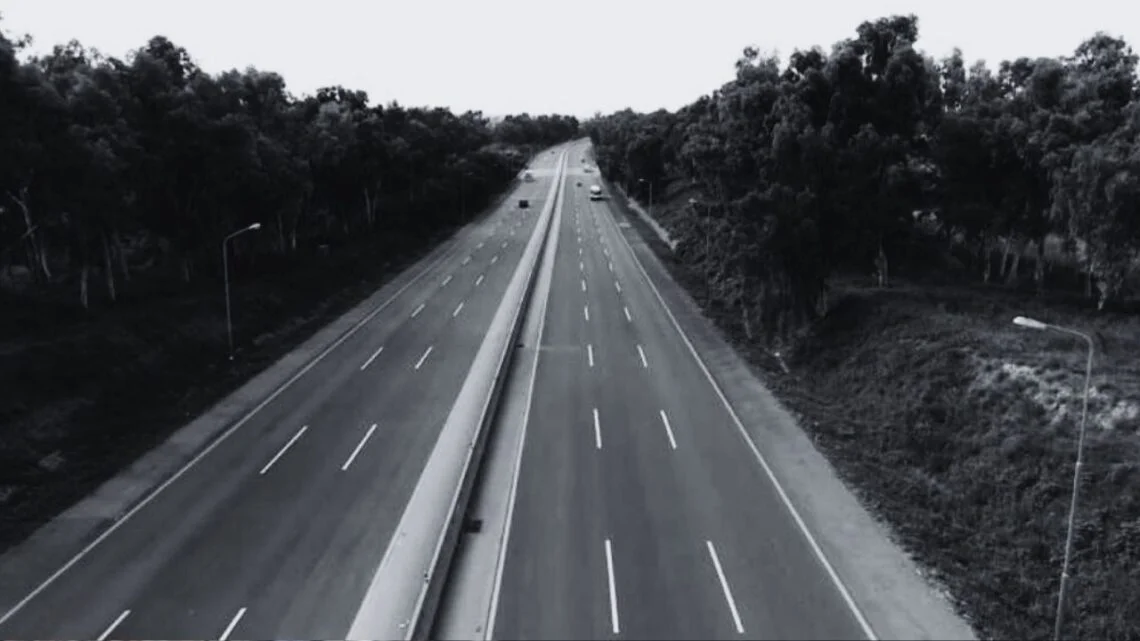
Reports say that instead of helping the victim family, police officials of the Hafizabad and Nankana Sahib clashed over jurisdiction, a violation of Standard Operating Procedures (SOPs) issued in the wake of the Lahore-Sialkot motorway gang-rape incident [2020] to respond to sexual assaults on women.
For an hour or so, the victim and her family remained unattended while the gangsters fled the spot.
The incident was reported to 15 Nankana police, who then diverted the call to the Hafizabad police, claiming that it was not their jurisdiction.
The Hafizabad police sent a team to the crime scene and, after a brief investigation, announced that the crime spot is in the jurisdiction of Nankana police.
An official told Dawn that DPO Hafizabad directed the police to reach the spot and lodge a case.
Sukheke police registered a rape case against the unknown suspects and took into custody a suspected robber, recovering from his custody two pistols. Later, the police of both districts again entered into yet another dispute over jurisdiction.
Nankana police again rejected the claim that the incident took place in their area. The matter remained under discussion all day on Thursday, bringing the investigation to a halt. To establish jurisdiction rights, Hafizabad police took a tehsildar and staff from the Board of Revenue to the crime scene.
Hafizabad DPO Faisal Gulzar asserted that even though the incident took place in Nankana Sahib, he ordered an FIR be registered in his district’s police station.
“We arrested one of the three criminals who looted the family and raped the woman”, he told Dawn, adding that during the investigation, the arrested suspect told the police that his accomplices fled towards Rawalpindi.
A team has been sent to trace the other men and investigate the incident.
The DPO also claimed that the woman was raped by one criminal.
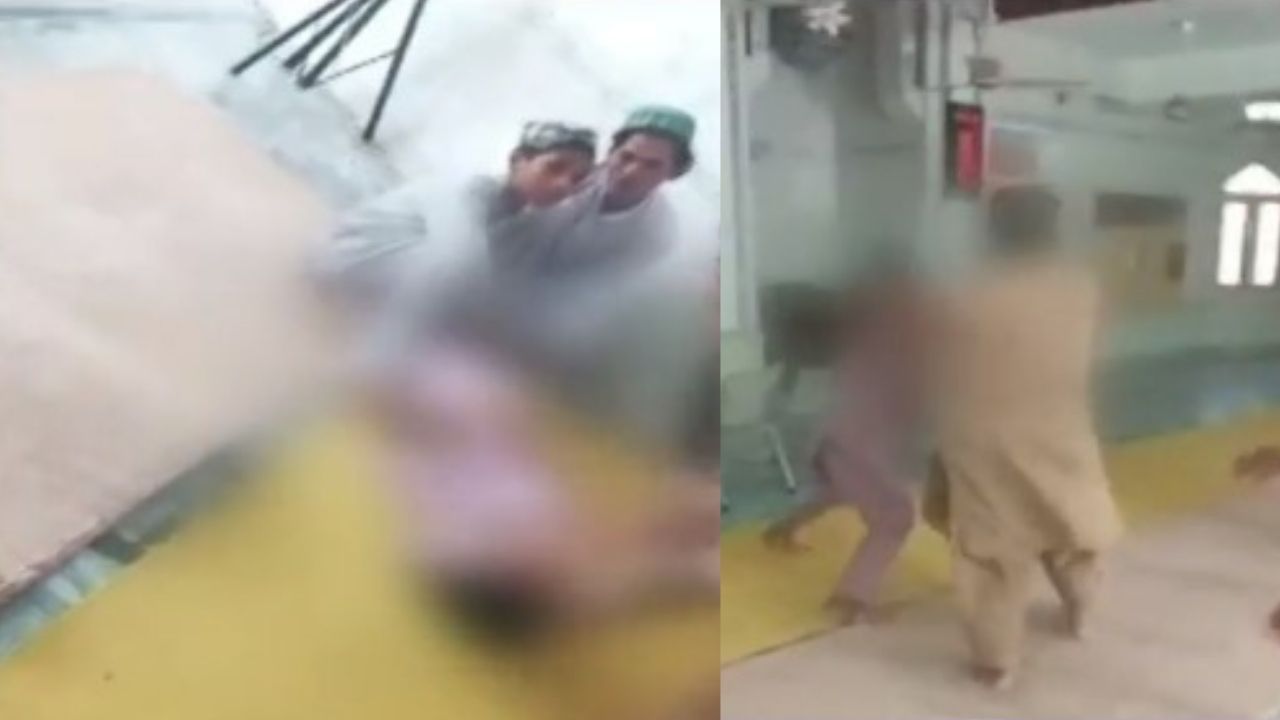
A video of a cleric mercilessly beating up a student in a Faisalabad seminary went viral on social media leading to Thikriwala police arresting the man.
Qari Rizwan Liaqat of Saifabad locality of Faisalabad has also been accused of threatening the child’s father after he complained.
Rashid Bashir stated in his first information report that Qari Rizwan had severely beaten his 14-year-old son Saqlain at Jamia Ghousia Rizwia. Dawn reported that Iqbal Division SP Imran Munir Saifi visited the victim’s house and assured the father of justice for his son.
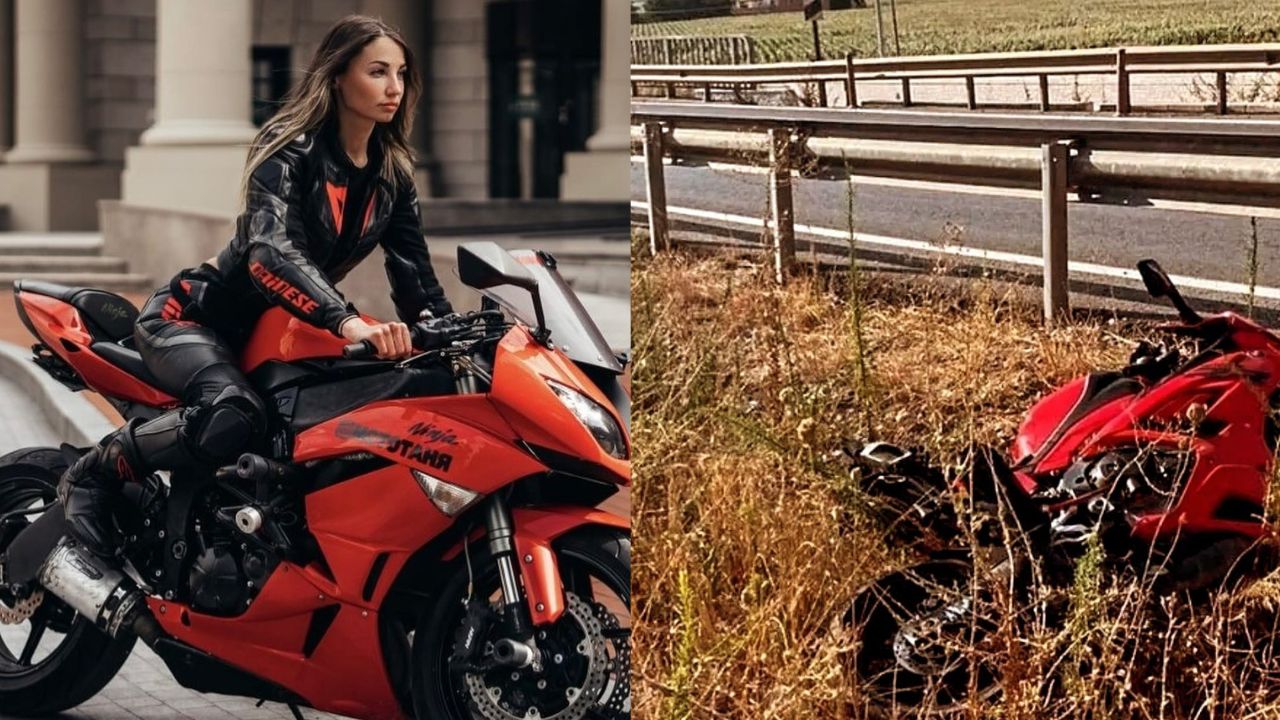
Tatyana Ozolina, called the most beautiful biker in Russia, died in a motorcycle accident in Turkey.
The 38-year-old travel vlogger from Russia, known to her fans as Moto Tanya, gained fame for travelling worldwide on a motorcycle. While travelling in Turkey’s Mugla province, her red BMW motorcycle collided with a truck and she died on the spot.
According to reports, the accident was so severe that she died before the medical team arrived. His co-rider, Onor Obit, survived the crash but is in critical condition, while a third rider with remained unharmed.
According to ‘The Sun,’ the accident was caused by a mistake by another motorcyclist in her group, forcing her to brake suddenly and lose control of the bike.
Due to the accident, she suffered severe head injuries and died before the ambulance arrived. She was the mother of a 13-year-old son.