Category: Lifestyle

  • How to apply online for studying abroad without spending agent fees

    How to apply online for studying abroad without spending agent fees

    If you’re looking to apply for studying abroad without any agent fees, follow these steps:

    Steps to follow for studying abroad

    Research:

    Start by researching different universities and courses in the country you want to study in. Look for universities that offer scholarships or have affordable tuition fees for international students.


    Choose a University:

    Select a few universities that align with your academic goals and preferences. Consider factors like program quality, reputation, location, cost of living, and scholarship opportunities.


    Check University Websites:

    Visit the official websites of the selected universities and explore their admission sections. Look for information about the application process, required documents, deadlines, and any specific requirements for international students.

    Fulfill Admission Requirements:

    Ensure that you meet the admission requirements for your chosen university and program. This may include submitting academic transcripts, standardized test scores (such as the SAT or TOEFL), letters of recommendation, and a statement of purpose.

    Apply Online:

    Most universities provide an online application system. Create an account on the university’s admission portal and fill out the application form. Provide accurate and detailed information about your academic background, personal details, and any other required information.

    Write a Statement of Purpose:

    Draft a compelling statement of purpose (SOP) that explains your motivation for studying abroad, your academic and career goals, and how the chosen program aligns with them. Highlight your strengths and unique qualities that make you a suitable candidate.

    Obtain Recommendation Letters:

    Reach out to your professors, mentors, or employers who can write strong recommendation letters for you. Provide them with the necessary information about the university, program, and your achievements, so they can write personalized letters highlighting your skills and abilities.

    Financial Planning:

    Research scholarships, grants, or financial aid options available for international students. Many universities and external organizations offer scholarships based on merit, need, or specific criteria. Additionally, consider your personal finances and develop a plan to cover your tuition fees, living expenses, and any other costs.

    Submit Application and Documents:

    Complete the online application form and upload all required documents, including your academic transcripts, test scores, SOP, and recommendation letters. Ensure that all documents are properly attested or certified, if required.

    Pay Application Fees:

    Some universities charge an application fee. Check the payment methods accepted by the university and submit the application fee online.

    Track Application Status:

    After submitting your application, keep track of its status through the university’s admission portal or online system. Check for any additional documents or steps required.

    Visa Application:

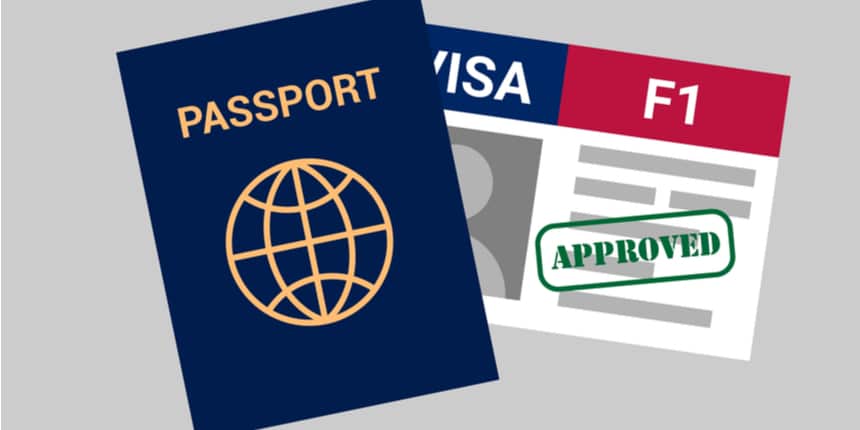
    Once you receive an acceptance letter from a university, you’ll need to apply for a student visa. Research the visa requirements of the country you’ll be studying in and gather all the necessary documents, such as proof of admission, financial statements, and a valid passport.
    Prepare for Interviews (if required):

    Some universities may require an interview as part of the application process. Prepare for interviews by researching common interview questions and practicing your responses.

    Follow Up:

    Maintain regular communication with the university’s admission office to ensure that your application is complete and to address any inquiries or additional requirements.

    Remember, while you can apply directly to universities, it’s always a good idea to seek guidance from educational consultants or study abroad forums to gather insights and advice from students who have gone through the application process.
  • Innocent lives lost: Israeli bombing claims the life of four-year-old Palestinian boy

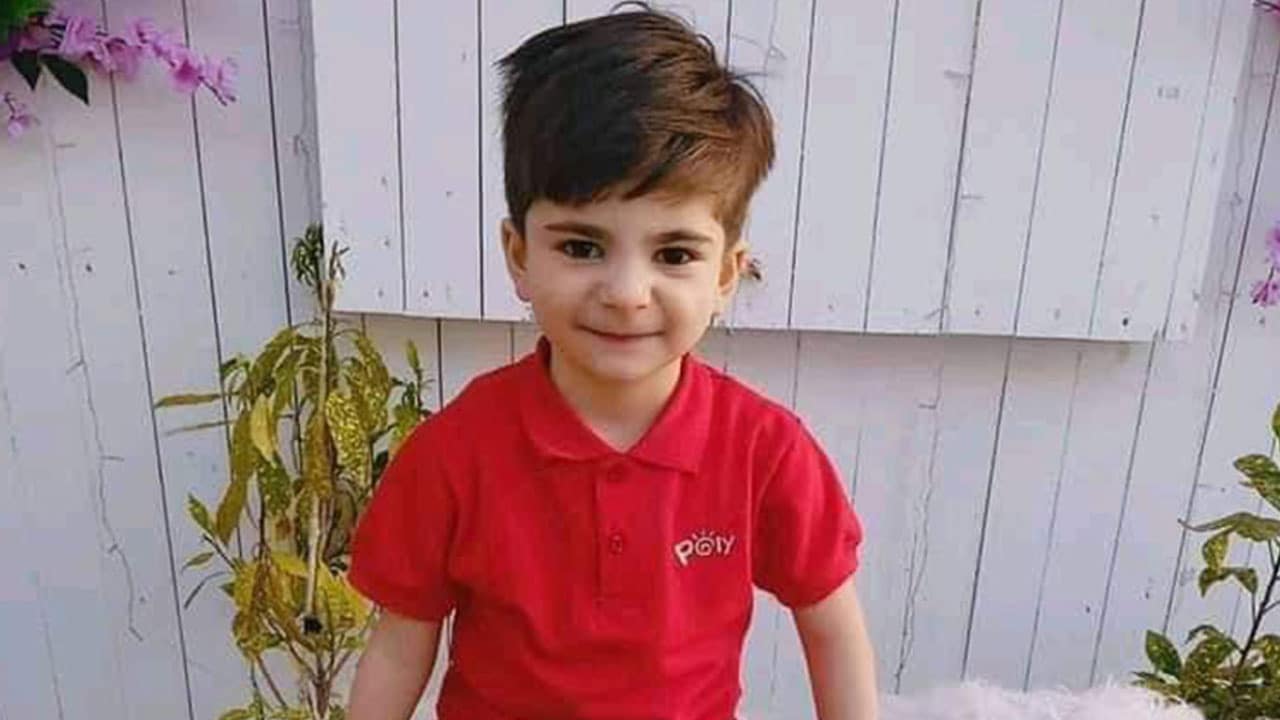
    Innocent lives lost: Israeli bombing claims the life of four-year-old Palestinian boy

    Tamim Daoud, a Palestinian boy who was about to turn five years old in June, was asleep at home in al-Remal, a neighbourhood in the centre of the Gaza Strip, on Monday night when he was awoken by the sound of Israeli bombs.

    The bombing caused a residential building near Tamim’s home to be targeted, resulting in shattered windows and destruction in the neighbourhood.

    Tamim became frightened and began to weep heavily, suffering from a panic attack that caused him to gasp for air. Although he eventually returned to sleep, he suffered from another panic attack about five hours later, which prompted his father to rush him to the hospital.

    Tamim’s heartbeat was very faint, and despite medical treatment in the intensive care unit, he died at dawn.

    As of Thursday afternoon, the latest round of Israeli attacks on Gaza had killed 28 Palestinians and five Islamic Jihad (IJ) commanders, with at least five children among the dead.

  • Man makes replica of $100,000 Hermes bag for his girlfriend in just $400

    Man makes replica of $100,000 Hermes bag for his girlfriend in just $400

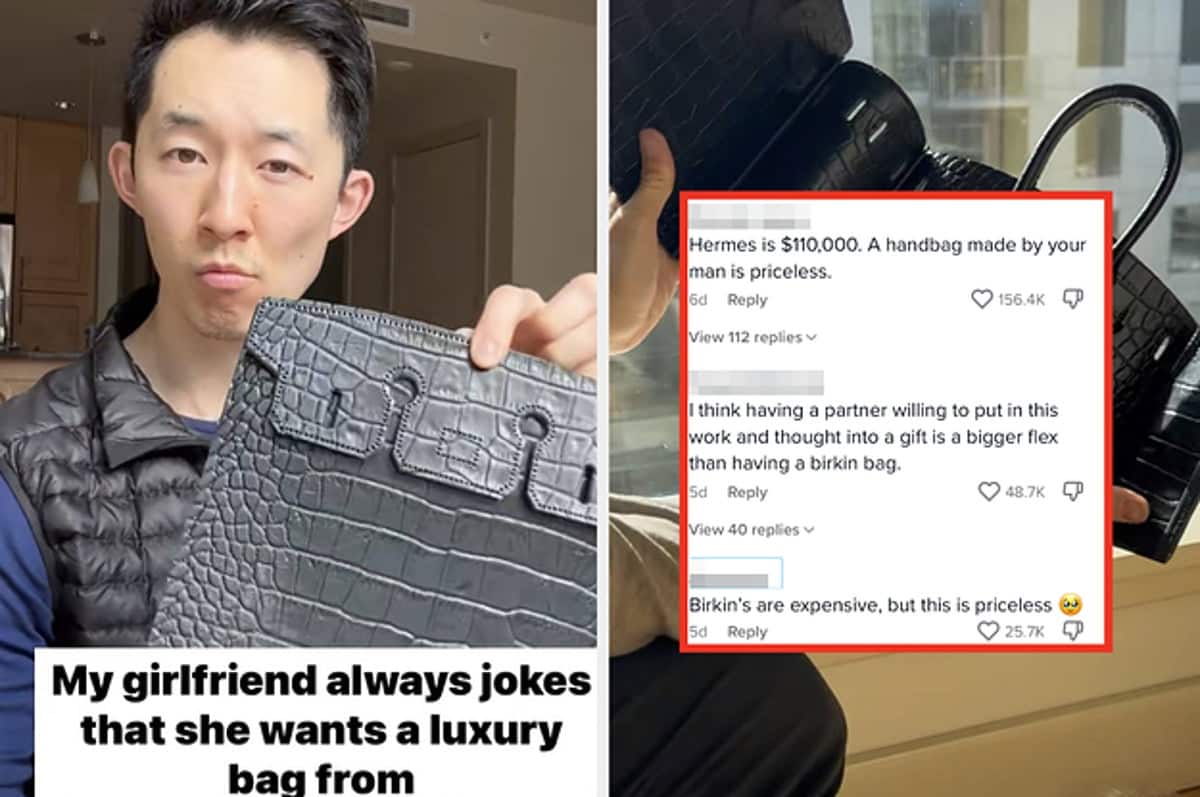
    A video posted on TikTok, featuring a man making a replica of a Hermes Birkin bag for his girlfriend has gone viral.

    Alexander Sway, a realtor from Washington, decided to make the famous bag himself after realising he couldn’t afford the real one to gift to his girlfriend on their anniversary.

    The two videos, titled Handmaking A Birkin For My Girlfriend, have been viewed more than 36 million times. Sway, 32, says he used templates he found online and leather from a local store.

    “My girlfriend always jokes that she wants a luxury bag from Hermes as an anniversary gift,” he said in the first video. “When I looked online at the price of a Birkin, I couldn’t believe it. $100,000 for a bag is crazy, but what was even crazier was instead of paying, I decided to surprise her and make my own.”


    Saying that he thought making the bag was “going to be pretty simple”, Sway spent 60 hours putting together the gift using blueprints he found online.

    He bought the materials from a local leather store, spending $60 on a sheet of black-dyed crocodile leather after admitting he “was not able to find leather that luxury companies use”, and $360 on tools.

    “I thought it was going to be as simple as cutting shapes out and assembling pieces, but right off the bat I made some rookie mistakes and wasted a bunch of good leather,” Sway said. “I finally understand why luxury companies charge so much for these handbags.”

    Sway said the hardest part of making the bag was the sewing.

    “This is very challenging,” he said, “because every hole had to be hand-punched and sometimes the holes had to be punched twice because of how thick the leather was.” He said his fingers went numb during the process.


    What is Hermes Birkin Bag?


    The Hermes Birkin bag is a highly coveted luxury handbag that was created by the French fashion house Hermes. It was named after the actress and singer Jane Birkin and was first introduced in 1984. The Birkin bag is known for its exquisite craftsmanship, high-quality materials, and iconic design.

    The price of a Birkin bag varies depending on factors such as the size, material, and rarity of the bag. The starting price for a basic Birkin bag in the United States was around $9,000 to $10,000. However, it’s important to note that Birkin bags often have long waiting lists, and the most sought-after designs or limited editions can command much higher prices in the secondary market due to their exclusivity and rarity.

  • First baby born in UK with DNA from three parents to combat incurable mitochondrial diseases

    First baby born in UK with DNA from three parents to combat incurable mitochondrial diseases

    The fertility regulator in the United Kingdom (UK) has confirmed the birth of a baby using the DNA of three individuals for the first time. The majority of the baby’s genetic material comes from its two parents, with around 0.1 per cent coming from a donor woman.

    This innovative technique is designed to prevent the birth of babies with mitochondrial diseases, which can be fatal within days or hours of birth and are incurable. Less than five babies have been born using this method, and no further information about them has been released.

    Mitochondrial diseases are caused by defective mitochondria, which fail to generate energy and can lead to serious health problems, including brain damage, heart failure, and blindness. Mitochondria are inherited only from the mother, so this technique involves using healthy mitochondria from a donor egg to replace the affected mitochondria in the mother’s egg.

    Mitochondrial donation treatment is a modified form of IVF, and there are two techniques for performing it. This method was pioneered in Newcastle, and laws were introduced to allow the creation of such babies in the UK in 2015. However, the first baby born using this technique was in the US to a Jordanian family in 2016.

    The technique has been described as a permanent change that would be passed down through generations, but it only affects mitochondrial DNA and not other traits such as appearance, nor does it constitute a “third parent”. There is a risk of “reversion,” where any remaining defective mitochondria could still result in disease.

    The Human Fertilisation and Embryology Authority (HFEA) has confirmed the birth of fewer than five babies using mitochondrial donation treatment, but it has not provided any precise numbers to protect the families’ identities. This news is seen as a significant step in the cautious process of assessing and refining mitochondrial donation.

    More information is needed to determine the success of this technique, and whether the babies are free of mitochondrial disease and at risk of developing health issues later in life.

  • ‘Storm the British Council, solve papers forcefully’: Students disappointed over Cambridge exams cancellation

    ‘Storm the British Council, solve papers forcefully’: Students disappointed over Cambridge exams cancellation

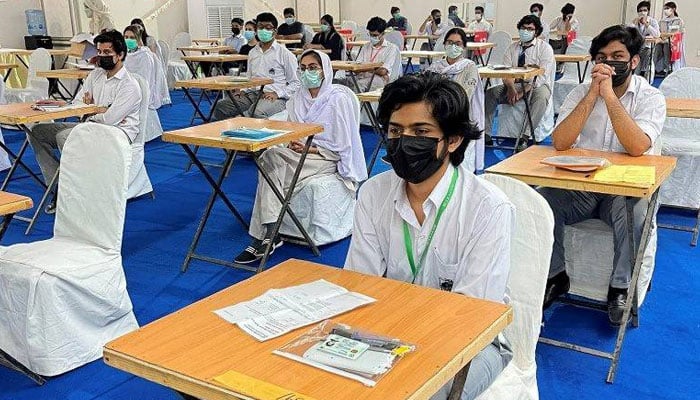
    Considering the current rioting on the streets, the Punjab Boards Committee of Chairmen yesterday (Wednesday) decided to “postpone” board exams of class 9, scheduled to be held on May 11 and 12 till further notice.


    The British Council has also cancelled Cambridge exams scheduled for today (Thursday).


    Students and their parents are disappointed at the cancellation of the exams.


    “Our grades will be affected badly,” said one student while talking to Dawn.


    Another disappointed student said that she did not celebrate Eid because she was preparing for the exams.

    “We are working here day and night for a bright future and here we were just engulfed by darkness because of the ‘situation’ in our country,” said another student.

    One of the O level students suggested to his friend on social media that they should go to the British Council and solve the paper forcefully.


    Reaction of Parents:


    One parent said that her daughter had worked very hard the entire year but both her major science subjects’ papers got cancelled. Another parent said that it would affect a student’s future, especially if science or medicine were her major career goals.


  • Miami girl shifts to Hunza, says its more comfortable than ‘toxic’ America

    Samantha Shea, a Miami native, has penned a loving essay about her adopted home Hunza, saying that her quality of life here is infinitely better.

    “I save thousands each month compared with living in a US city, and my quality of life is infinitely better,” Shea wrote for Business Insider.

    Stating that she finds American hustling culture “toxic”, Shea said that the people in Hunza are generally polite and respectful.

    “I breathe clean air and eat organic, home-cooked food for every meal,” she writes.

    Shea writes that people from back home think Pakistan is a desert, and she herself didn’t know much about it before travelling to the country after college.

    When she first came to Pakistan in 2019, she had never lived outside of the US.

    “In Hunza, electricity comes on for only a few hours a day, you walk to the local market if you need anything – Amazon doesn’t deliver to the mountainous valley region – and running hot water isn’t guaranteed,” she says.

    However she writes that the valley is now her home:
    “Here, I don’t lock up my bike or my front door, I can walk everywhere, and my recent major home renovation cost me only $3,000.”

    And though she travelled to Pakistan from India, she says she found it easier to travel here.

    “I found it easier and more fun to travel here than in India, a much more ‘mainstream’ backpacking destination. I encountered fewer scammers traveling in Pakistan. I also found Pakistan had less trash on the streets, and the roads were in better condition.”

    Samantha, who is now a travel blogger, says she has learnt Urdu and is now learning Burushaski, one of the two major languages spoken in Hunza.

  • Woman who wrote book on grief after husband’s death charged with his murder

    Woman who wrote book on grief after husband’s death charged with his murder

    Kouri Richins, a mother of three and author of a book about grief following the death of her husband, has been charged with his murder.

    According to prosecutors, she allegedly poisoned Eric Richins with a lethal dose of the synthetic drug fentanyl, which was found in his system after he died on March 4, 2022.

    Ms Richins was detained in Provo, Utah, on Monday and is also charged with possessing GHB, a drug commonly associated with “date rape” cases due to its sedative effects.

    Search warrants seen by KPCW revealed that Mr Richins’ family had expressed suspicion that Ms Richins was responsible for his death, and he had reportedly warned them that she was to blame if anything happened to him. The charges also come after an “unnamed acquaintance” claimed to have sold fentanyl to Ms Richins.

    Ms Richins claimed to have found her husband “cold to the touch” after she had given him a THC gummy and a Moscow Mule to celebrate him selling a house. Following his death, she wrote a picture book titled “Are you with me?” to help children dealing with the loss of a loved one.

    She had been promoting the book in recent television interviews, including an appearance on “Good Things Utah,” where she explained that children needed to be reminded that a loved one’s spirit is always present in the home.

    In addition to the murder charge, Ms Richins is also accused of altering her husband’s life insurance policy to make herself the sole beneficiary. She is currently in custody, and the case is ongoing.

  • Man kills wife for not cooking rice with curry

    Man kills wife for not cooking rice with curry

    According to the police, a man was apprehended in Odisha’s Sambalpur district on Monday on suspicion of murdering his wife because she didn’t cook rice with curry.

    The incident occurred in Nuadhi village in the Jamankira Police Station region on Sunday evening. The accused has been identified as Sanatan Dharua, a 40-year-old man, while his wife has been identified as Pushpa Dharua, a 35-year-old woman.

    Sanatan and Pushpa have a daughter and a son, with their daughter working as a domestic help in Kuchinda while their son was spending the night at a friend’s house on Sunday.

    Upon returning home, Sanatan discovered that Pushpa had prepared only curry and not rice, sparking an argument that resulted in him assaulting and killing his wife, as per a police officer.

    The matter came to light when Pushpa’s son returned home to find his mother dead. He contacted the authorities, who took the body and detained the husband.

    Jamankira Police Station Inspector-in-charge Premjit Das stated that an autopsy was conducted on Monday and the accused husband was held in custody.

  • Woman demands a refund for wedding photos from photographer after divorce

    Woman demands a refund for wedding photos from photographer after divorce

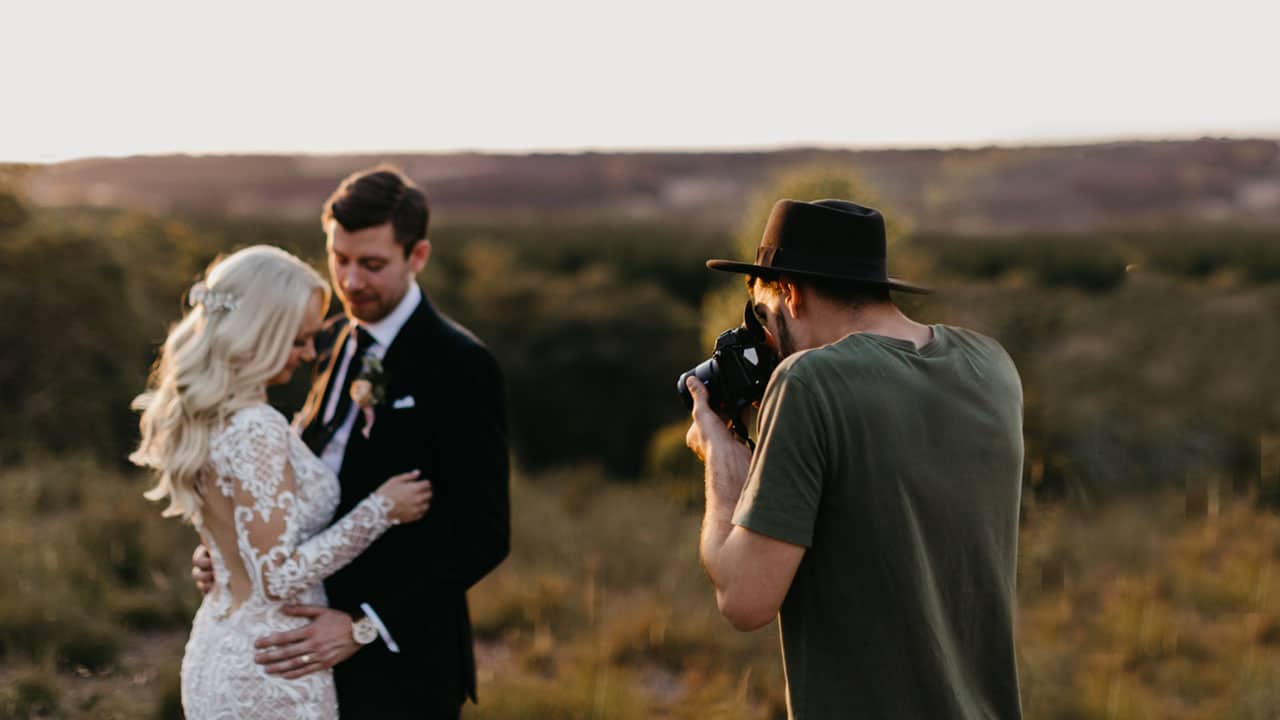
    A South African woman has made headlines after contacting her wedding photographer, four years after her wedding, to request a refund due to her recent divorce.

    The woman claimed that she and her ex-husband no longer needed the wedding photos, and therefore, they should be entitled to a refund.

    The photographer, Lance Romeo, initially thought it was a prank, but after realising the woman was serious, he respectfully declined her request.

    https://twitter.com/LanceRomeo/status/1645842910514905113?ref_src=twsrc%5Etfw%7Ctwcamp%5Etweetembed%7Ctwterm%5E1645842910514905113%7Ctwgr%5Ecaba5a67e2c4be408ce4f4fc0b9af7f0a7470701%7Ctwcon%5Es1_&ref_url=https%3A%2F%2Fwww.ndtv.com%2Foffbeat%2F4-years-after-divorce-woman-demands-refund-from-wedding-photographer-4016345

    Still, the woman did not accept his refusal and requested to meet in person to discuss the matter, but the photographer refused and instructed her to communicate through her lawyers.

    The photographer shared the WhatsApp chat with the woman on Twitter, which soon went viral. The woman’s ex-husband later contacted the photographer and apologised on her behalf.

    Despite the woman’s demands, the photographer remained professional throughout the exchange, and the incident garnered widespread attention on social media.

  • From prisoner to artist: Guantanamo Bay detainee showcases work at Karachi exhibition

    From prisoner to artist: Guantanamo Bay detainee showcases work at Karachi exhibition

    Ahmed Rabbani, a 53-year-old Pakistani who was recently released after 20 years of detention at Guantanamo Bay, turned to painting to satisfy his artistic yearnings. When he ran out of paint, he used whatever he could find, including dirt, coffee grinds, and spices such as turmeric from the prison canteen.

    “Through painting, I would feel myself outside Guantanamo,” he said at an exhibition of his work in Karachi. Rabbani was detained in September 2002 and handed over to the US Central Intelligence Agency for a bounty of $5,000. He was accused of being a notorious militant known as Hassan Ghul, but Rabbani always insisted it was a case of mistaken identity. He and his brother were never charged or faced trial during their detention.

    The US Senate published a Rendition Report in 2014, which revealed that Ghul was captured and brought to the same prison, only to be released back to Pakistan for “cooperating.” While Ghul went back to his terrorist ways and was killed in a drone strike in 2012, Ahmed got a one-way trip to Guantanamo Bay.

    Born in Mecca, Saudi Arabia, Rabbani moved back to Karachi as a teen and was a taxi driver at the time of his detention. He specialised in guiding visitors from the Middle East, which contributed to him being misidentified.

    While imprisoned in Guantanamo Bay, painting became an obsession for Rabbani, although years spent on hunger strike meant he was often too frail to even hold a brush. If he ran out of materials, he would improvise by using a piece of discarded or torn clothes as a canvas. He would also use coffee or turmeric as a medium.

    Around two dozen pieces of Rabbani’s artwork, which he was allowed to take from prison, are on display at “The Unforgotten Moon: Liberating Art from Guantanamo Bay” exhibition. The works are displayed alongside pieces by local artists who have “re-imagined” paintings that were confiscated. “He is someone who has lost so much of his life, so to produce images of this quality is a miracle… it’s remarkable,” said Natasha Malik, curator and organiser of the exhibition.

    Rabbani, sporting a salt-and-pepper beard and wearing a traditional shalwar kameez and waistcoat, was the centre of attention at the exhibition opening. He plans to publish a cookery book with his memoirs in it and wants to open a restaurant based on recipes he learned while in prison. He hopes to use funds raised from the sale of his artwork to achieve this.

    His artwork depicts his hopes and despair, and some pieces express his yearnings for freedom, such as nature seen through narrow openings, birds flying, and endless oceans. One painting shows a cage containing bright orange fish, the colour of overalls Guantanamo prisoners were forced to wear. “I spent many years in orange,” he said. “I never accepted their laws. I would always break their laws.”