Category: Lifestyle

  • FBISE announces intermediate part II result

    FBISE announces intermediate part II result

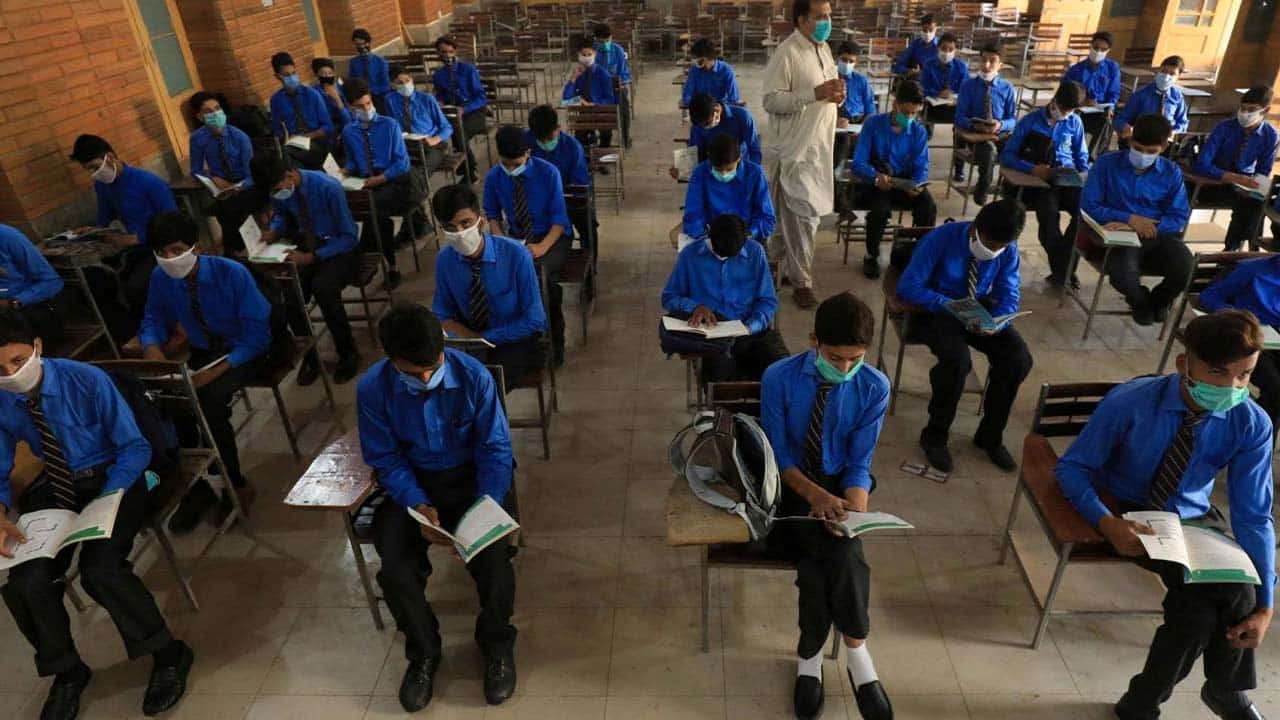
    The Higher Secondary School Certificate (HSSC) part-II yearly exam results have been announced by the Federal Board of Intermediate and Secondary Education (FBISE).

    Dr Mukhtar Ahmed, the chairman of the Higher Education Commission (HEC), was the chief guest at the official results declaration ceremony conducted earlier today at the FBISE headquarters in Islamabad.

    The highest performers from each academic group received Detailed Marks Certificates (DMCs) from the minister.

    Students can check their results through FBISE’s website or by sending an SMS to 5050 with the format: FB(Space)[Roll Number] to obtain results on mobile

    Additionally, students can phone (051) 9269555-59 to find out their scores.

    Moreover, candidates who provided their mobile numbers on the admission form will receive results from FBISE through SMS.

    The HSSC part-I yearly exam result date is expected to be released later.

  • At least 73,000 pregnant women expected to deliver next month in flood-affected areas

    At least 73,000 pregnant women expected to deliver next month in flood-affected areas

    According to the United Nations Population Fund (UNFPA), at least 650,000 pregnant women in flood-affected areas are in desperate need of maternal healthcare. As per UNFPA, 73,000 pregnant women are expected to deliver next month.


    “Up to 73,000 women expected to deliver next month will need skilled birth attendants, newborn care, and support,” the agency said, adding that pregnancies and childbirth cannot wait for emergencies or natural disasters to be over as this is when a woman and baby are vulnerable and need the most care.
    “UNFPA is on the ground, working with partners, to ensure that pregnant women and new mothers continue re­­ceiving life-saving services even under the most challenging conditions,” ac­­ting UNFPA Pakistan Repre­sen­tative Dr Bakhtior Kadirov said.

    You can donate clean delivery kits to women in need in flood-affected areas.

  • Two young sisters kidnapped, raped for four months

    Two young sisters kidnapped, raped for four months

    Two young sisters were kidnapped, kept in confinement and then raped for four months allegedly by a landlord and his employee.

    The horrifying incident took place in the Khaur police station area of Pindigheb town in Attock.

    According to the survivors’ father, who is a labourer, his 16-year-old and 18-year-old daughters were abducted by the local landlord and his personal employee four months ago.

    He said that the suspect kept his daughters in illegal confinement and raped them. Later, the girls escaped from confinement, reached their home and narrated the whole incident.

    After a medical examination by the police, it was confirmed that the teenagers were raped, which led to the registration of a case against the suspects.

    However, no arrest has been made so far.

    In Lahore, another incident took place where a 10-year-old girl was allegedly raped and then murdered. The murdered girl allegedly went swimming at a pool with her brother and five-year-old sister.

    The police are investigating the case.

  • List of things you should donate to flood victims

    List of things you should donate to flood victims

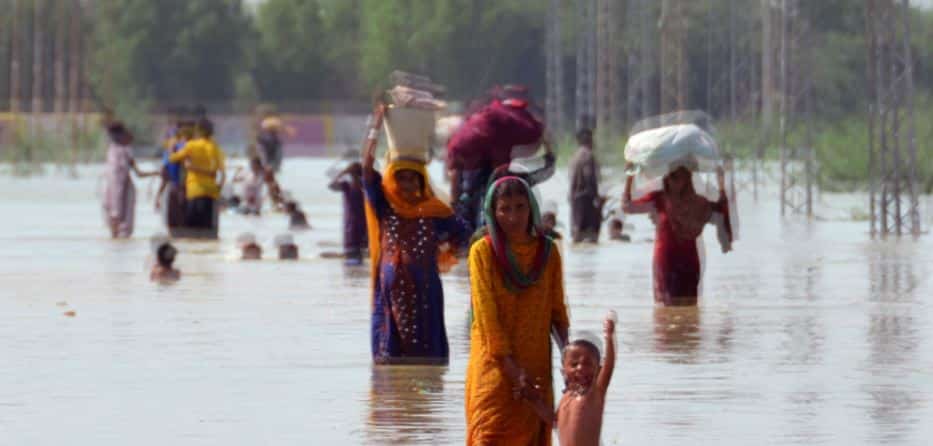
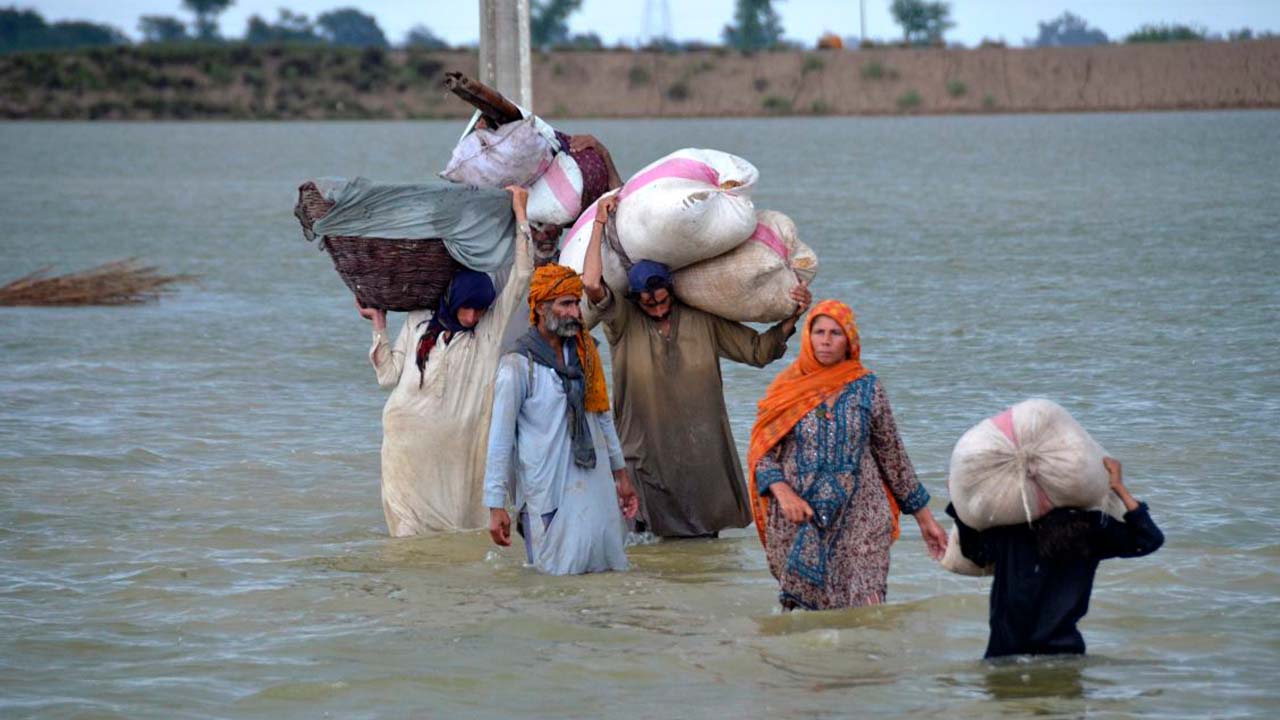
    Devastating floods in Pakistan have affected more than 33 million people. One-third of Pakistan is underwater right now and hundreds of thousands of people are stranded across the country. We can all make a difference in the lives of flood victims by helping them out.

    Here’s how you can help:
    Donate Nylon Shoes:

    Syed Zafar Abbas Jafri, the founder of Jaferia Disaster Cell (JDC), is actively working to help those in the flood-affected areas. Jafri, in a video, said that the people living in flood-affected areas need nylon shoes.

    He explained that people have to walk miles and miles in flood-affected areas and while walking, their plastic slippers get stuck in the mud and then they have to walk barefoot for the rest of the journey, leading to injuries.

    He advised people to donate nylon shoes for the flood victims.

    Don’t donate cooked food
    Do not donate cooked food to the flood victims as you may not know when it gets delivered.
    Donate dry food
    Donate dry food items such as flour, ghee or cooking oil, salt, tea, sugar, biscuits, bread, and dry milk.
    Don’t think you have to do it on your own

    Try donating to large-scale and reputed organisations.

    Donate water filters and water purification materials

    Donate water filters and water purification materials to flood victims.

  • Floods in Pakistan: Govt to establish ‘National Flood Response and Coordination Centre’

    Floods in Pakistan: Govt to establish ‘National Flood Response and Coordination Centre’

    The government has decided to establish the ‘National Flood Response and Coordination Centre’ to deal with the situation of floods in the country and the rehabilitation of flood-affected people.

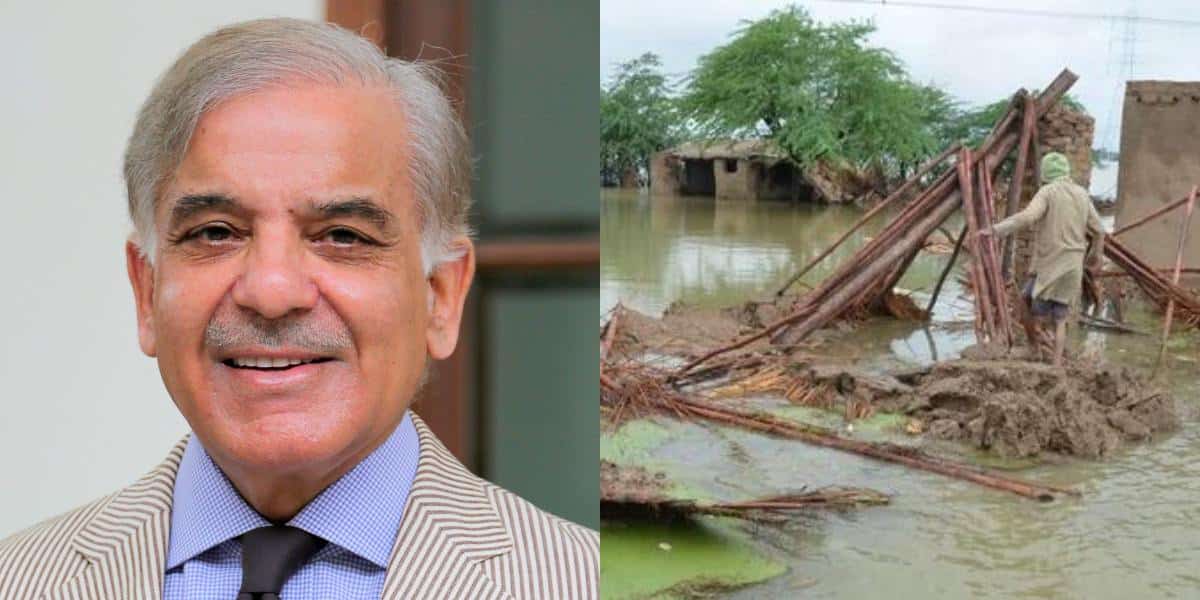
    The decision was made during a meeting of allied parties on August 29 in Islamabad, which was presided over by Prime Minister (PM) Shehbaz Sharif.

    The Chairman of the National Disaster Management Authority (NDMA) updated the participants of the meeting about the country’s flood situation and relief efforts.

    The participants of the meeting decided that the estimation of the damages should be conducted in a transparent way.

    “At the national flood emergency meeting today, we approved the establishment of the National Flood Response & Coordination Center to provide an institutional response to the flood calamity. Led by PM, this Center will comprise federal ministers, reps of armed forces, CMs, & experts,” tweeted PM Shehbaz.

    According to the data issued by NDMA, at least 1,136 people have died in floods caused by heavy rains in the country.

  • Girl raped, murdered, family finds her floating in swimming pool

    Girl raped, murdered, family finds her floating in swimming pool

    A 10-year-old girl was allegedly raped and then murdered in Lahore. The murdered girl allegedly went swimming at a pool with her brother Sajjad and a five-year-old sister.


    The victim then went missing. When her brother tried to find her and contacted the swimming pool owner, Ali Raza, Raza told him she had gone home.


    When she didn’t come home, her family went to the swimming pool and found her floating in the swimming pool. She was then taken to the hospital where she was declared dead by the hospital staff.

    The murdered girl’s family, relatives, and community people organised a protest on Ring Road. They say that she was raped before the murder.
    However, there is no mention of rape in the First Information Report (FIR). The police are investigating the case.

  • Dengue cases on the rise in Punjab

    According to a statement issued by the Secretary of Health Punjab, 32 cases of dengue virus have been detected across the province in the last 24 hours.

    At least 70 cases of dengue were reported in Punjab on Sunday.

    According to the Health Department, a total of 1,034 dengue virus cases have been reported in 2022.

    441 cases of dengue were reported in Lahore alone.

    Read more- All you need to know about dengue

    Amid the increase in cases of dengue, the district administration of Rawalpindi has launched a crackdown and sealed 58 buildings for finding dengue larvae and filed cases against 41 people.

    Citizens have been advised to cooperate with the health teams and closely adhere to SOPs in order to avoid contracting the dengue virus.

  • Floods in Pakistan: Death toll reaches 1,136

    Floods in Pakistan: Death toll reaches 1,136

    The death toll from the devastating floods in Pakistan has reached 1,136. According to the data issued by the National Disaster Management Authority (NDMA),402 people have lost their lives in Sindh, 244 in Balochistan and 258 in Khyber Pakhtunkhwa.

    Read more- Flood Emergency: Here is how you can help

    The federal and provincial governments are currently providing assistance to the displaced families and now the international community has also poured in their support.

    Read more- World leaders extend their support to Pakistan’s flood affectees

    The locals are concerned that the standing water may spread waterborne diseases.

    Read more- What caused Pakistan’s greatest flood in a decade?

  • What caused Pakistan’s greatest flood in a decade?

    What caused Pakistan’s greatest flood in a decade?

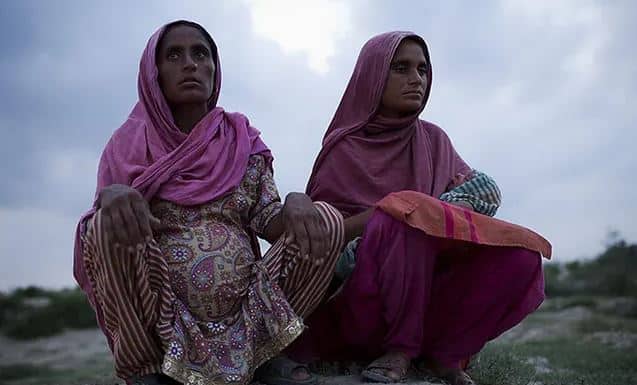
    Floods in Pakistan have affected millions of people, drowned hundreds, and prompted the government to proclaim a national emergency.

    Nearly 1,000 people have died since June, according to the National Disaster Management Authority (NDMA). People are looking for shelter as torn tents fill the streets of Sukkur.

    Around 15,500 people sacrificed everything in the 1,000-kilometer-long coastal area patch of Sindh’s Thatta district.

    The flood water has swallowed up people’s entire life savings, earned after years of hard work, meant to get their kids educated.

    The locals are concerned that the standing water may spread waterborne diseases. There hasn’t been any relief for residents expecting to return home to see what can be salvaged because it has been raining all week in Sindh province.

    Many houses in the city’s center have sustained damage, leaving only the walls standing.

    Over 300 people have died as a result of the floods in the province of Sindh alone. People set up tents along the narrow alleyways in any remaining dry area because further rain is predicted.

    About 15 per cent of the population, or 33 million people, were affected by the floods, according to Prime Minister (PM) Shehbaz Sharif on Friday.

    The nation has pleaded for greater international assistance, as PM met with ambassadors from other countries in Islamabad.

    He claimed that this season’s flood losses were on par with those from the floods of 2010–2011.

    The country is currently experiencing its eighth monsoon cycle, whereas typically there are only three to four cycles of rain, according to climate minister Sherry Rehman.

    She claimed that the proportions of super flood torrents are startling.

    Numerous monsoon cycles that have hit Pakistan since the start of summer have destroyed more than 400,000 homes.

    The Office for the Coordination of Humanitarian Affairs (OCHA), the UN organization in charge of disaster relief, announced on Thursday that at least 184,000 people had been relocated to relief camps.

    The rains have notably affected Sindh, which has seen nearly eight times its normal August rainfall. Southern Pakistan has been severely hit.

    On Thursday, Ms. Rehman claimed that officials had requested a million tents to house the refugees.

    What led to Pakistan’s floods?

    Extreme weather conditions or rains brought on by climate change are to blame for the recent floods that have affected Pakistan. Some floods originate in inland regions because of excessive rain, whereas others happen at the seashore because of sea-level rise, causing devastation in coastal districts.

    High tides in the sea cause heavy flooding primarily in coastal locations. Because of the daily rise in global temperature, this is related to climate change.

    There are two main causes of the floods: The experts noted that sea-level rise is a result of expanding saltwater caused by glacier and Arctic sea ice melting as well as cyclones and heavy rains brought on by warming ocean temperatures.

    Seawater intrusion inland has been caused by a significant sea-level rise of 1 millimeter along coastal Sindh recorded over hundreds of years. Communities in coastal regions, where economic activity is concentrated, are significantly impacted by invasive sea water.

    Experts have noted that the storms that have occurred more frequently and with greater severity in the Arabian Sea over the past 50 years as a result of climate change have an economic impact on urban areas like Karachi, Badin, and Thatta.

    According to a research, the primary causes of sea incursion include thermal expansion, freshwater inflows, physical forces, monsoon fluctuation, and ocean current variance.

    As seawater warms, the top layers of the ocean release some heat into the sky, while the lower layers hold onto this heat for a longer time and in greater amounts. As a result, saltwater gradually warms up due to a process known as thermal expansion.

    According to a study, freshwater inflow from melting glacial layers, ice sheets, and sea ice contributes to sea level rise. Freshwater input also rises as a result of the hydrogen cycle brought on by the warming of the oceans and surface areas.

    The scenario of subsidence and lifting also affects sea level without changing the volume of ocean water. This is caused by tectonic activities such extraction for oil, gas, and water.

    A direct connection between climate change and variations in monsoon rainfall. In recent years, Pakistan has had numerous instances of extreme monsoon rainfall and flooding.

    Regional ocean currents, which transfer a lot of water from one place to another, do not alter the volume but have an impact on sea level in another place.
  • ‘Only Yes means Yes’: Spain passes new law that requires explicit consent for sex

    ‘Only Yes means Yes’: Spain passes new law that requires explicit consent for sex

    Spain’s lower house of parliament passed legislation on Thursday requiring explicit consent for sex rather than consent that might be inferred from silence or by default.
    The legislation was passed on Thursday with 205 lawmakers voting in favour and 141 against.
    The law “Only Yes means Yes”, defines rape as sex without clear consent.

    “Consent is recognised only when a person has freely demonstrated it through actions which, in the context of the circumstances of the case, clearly express the person’s will,” says the law.

    The new law also sets fines for street harassment and for sharing intimate images and videos of a person without their consent.


    It was proposed by the country’s Socialist government after the high-profile “Wolfpack” gang-rape incident in Pamplona in 2016 prompted widespread protests.
    An 18-year-old woman was gang-raped by five men at the bull-running festival in Pamplona, northern Spain.


    In court, it was argued that video footage from the men’s phones, which showed the woman motionless and with her eyes closed during the attack, was proof of her consent.

    The men were convicted guilty of sexual abuse but not of rape because the woman was unable to prove that she had not given consent.