Category: Lifestyle

  • COVID-19: Shopping malls, restaurants, shops & marriage halls to close by 10 pm

    COVID-19: Shopping malls, restaurants, shops & marriage halls to close by 10 pm

    The National Command and Operation Centre (NCOC) has announced new coronavirus restrictions for cities and districts where COVID-19 cases have increased.

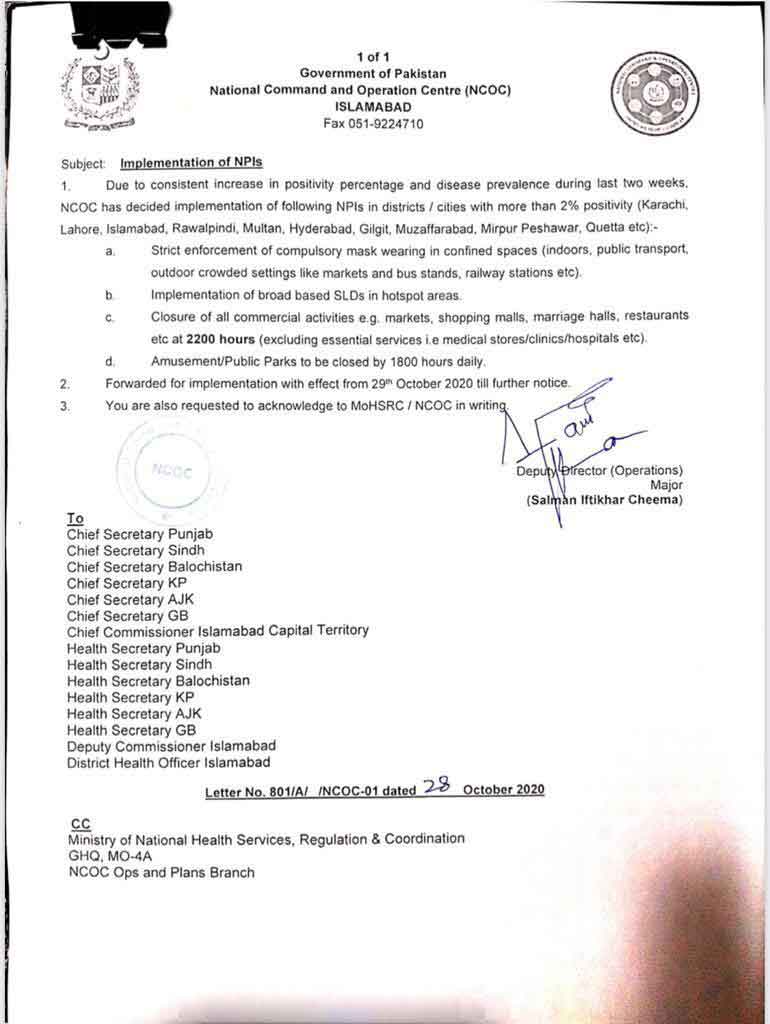
    According to a notification issued by the NCOC, all shopping malls, restaurants, shops and marriage halls are to shut by 10 pm from Thursday. The authority also directed public parks and recreational spots to be closed by 6 pm from Thursday.

    The cities where there restrictions have been imposed include Karachi, Lahore, Islamabad, Rawalpindi, Multan, Hyderabad, Gilgit, Muzaffarabad, Mirpur, Peshawar and Quetta.

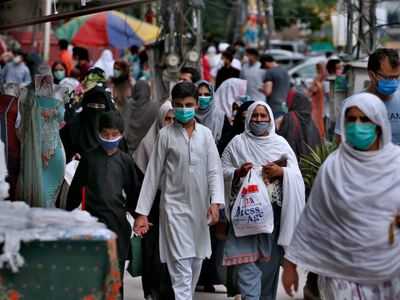
    Meanwhile, the NCOC has also made it mandatory to wear face masks in confined spaces (indoors, public transport, outdoor crowded settings like markets and bus stands, railway stations, etc) and ordered the provincial governments to take strict actions against violators. The government has also said that those violating the order will be fined Rs6,000 to Rs35,000 and punishment of six-month imprisonment.

    NCOC Chairman Asad Umar also appealed to the people to take the virus seriously and follows the SOPs.

    It has emerged that a rise in coronavirus cases was recorded up to 80 percent in eleven major cities including Karachi, Islamabad, Rawalpindi, Lahore, Quetta, Multan, Hyderabad, Gilgit and Muzaffarabad.

    Pakistan has reported 331,108 coronavirus cases so far with with 3.08% positivity rate.

  • Early COVID-19 Vaccine ‘likely to be imperfect’: UK Task Force

    Early COVID-19 Vaccine ‘likely to be imperfect’: UK Task Force

    UK Vaccines Taskforce Chair Kate Bingham said on Tuesday that the first generation of COVID-19 vaccines “is likely to be imperfect” and that they “might not work for everyone”.

    “However, we do not know that we will ever have a vaccine at all. It is important to guard against complacency and over-optimism,” Bingham wrote in a piece published in The Lancet medical journal.

    “The first generation of vaccines is likely to be imperfect, and we should be prepared that they might not prevent infection but rather reduce symptoms, and, even then, might not work for everyone or for long,” she added.

    Bingham wrote that the Vaccine Taskforce recognises that “many, and possibly all, of these vaccines could fail”, adding the focus has been on vaccines that are expected to elicit immune responses in the population older than 65 years.

    She said that the global manufacturing capacity for vaccines is vastly insufficient for the billions of doses that are needed and that the United Kingdom’s manufacturing capability to date has been “equally scarce”.

    Earlier on Tuesday, a study by scientists at Imperial College London found that antibodies against the novel coronavirus declined rapidly in the British population during the summer, suggesting protection after infection may not be long-lasting and raising the prospect of waning immunity in the community.

    The Telegraph newspaper reported that the British government is working on the assumption that the second wave of coronavirus will be more deadly than the first.

  • Punjab gets its most expensive vehicle ever; Rs45 lacs paid as registration alone

    Punjab gets its most expensive vehicle ever; Rs45 lacs paid as registration alone

    The Punjab Excise and Taxation (E&T) Department in Lahore has registered the most expensive luxury car in its history, The Express Tribune reported.

    As per the details, the car, a Lamborghini Huracan Spyder worth a whopping Rs115 million (Rs11 crores and 50 lacs), was registered for Rs4.5 million (Rs45 lacs).

    Initially, the provincial department had refused to register the luxury vehicle, saying that its system did not recognise car purchases of over Rs100 million (Rs10 crores).

    However, the department then upgraded its system and amended relevant laws to be able to register the sports car.

    “Lamborghini Huracan Spyder comes with 5.2L engine, and it is famous for its unique exterior. The car has specially designed wings at the front so that it can reach its maximum speed easily. This is the reason this car has an aerodynamic smaller front and a bit wider back. Furthermore, it has parking sensors and air intake vents at the front,” according to the supercar’s review on PakWheels.com.

    Before Huracan Spyder, the most expensive car registered in Punjab was of Mercedes GT Series. The price of that car was nearly Rs100 million. The excise department charged Rs3.5million as a registration fee of that vehicle, according to media reports.

    In September 2018, an 18k gold foil Lamborghini Aventador S had arrived in Islamabad, which quickly became the talk of the town when the owner Kunwar Moeez Khan, a property tycoon, shared its photos on social media.

  • Quaid-e-Azam University temporarily closed after COVID-19 cases emerge

    Quaid-e-Azam University temporarily closed after COVID-19 cases emerge

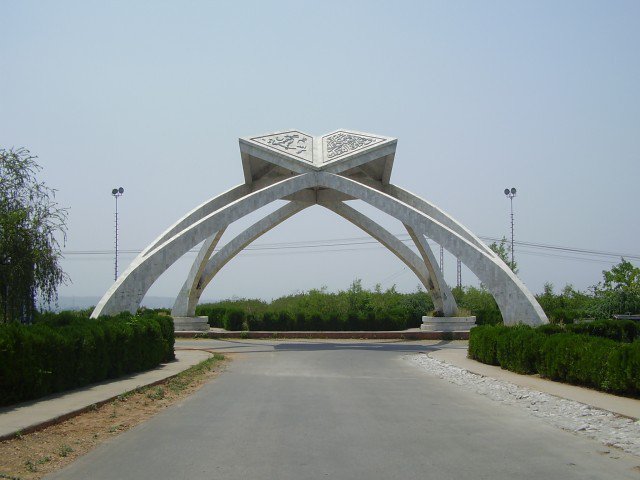
    The Quaid-e-Azam University in Islamabad was temporarily closed on Monday after five coronavirus cases were reported in different departments.

    As per reports, the university’s administration has issued a notification in this regard.

    The move comes after District Health Officer (DHO) had dispatched a letter to the university administration instructing to seal concerned departments.

    “As per the guidelines issued by the Ministry of National Health Services Regulatory and Coordination, due to these five coronavirus cases on the campus, all academic and research activities are hereby shifted to online till November 6,” reads the notification.

    The university administration has also directed students to vacate hostels unless from remote areas.

    707 new cases of the coronavirus were reported across the country during the last 24 hours, soaring the national tally of infections to 328,602.

  • 10 streets in Islamabad sealed after surge in COVID-19 cases

    10 streets in Islamabad sealed after surge in COVID-19 cases

    The capital administration has sealed 10 streets in seven residential sectors after coronavirus cases surged in the city.

    Deputy Commissioner Islamabad Hamza Shafqaat took to Twitter to announce the COVID-19 hot spots, adding that “only people with jobs in essential services and negative COVID-19 certificate will be allowed to leave” in those areas.

    Islamabad has reported 19,012 coronavirus cases so far.

  • Only two countries have Polio cases: Pakistan is one of them

    Only two countries have Polio cases: Pakistan is one of them

    World Polio Day is celebrated on October 24th every year, and this year’s theme is “A win against polio is a win for global health” acknowledging the fact the humanity is very close to achieving the goal of having a polio-free world, after 30 years of global hard work. Only two countries – Pakistan and Afghanistan – remain affected by the polio epidemic, according to the World Health Organization (WHO).

    World Polio Day was established by Rotary international to commemorate the birth of Jonas Salk, who led the first team to make a vaccine against poliomyelitis. Polio is a potentially deadly infectious disease. The best approach to eradicate polio is based on preventing infection by immunizing every child until the transmission of this disease stops and the world is polio-free.

    Africa declared free from Polio

    As per details, WHO has declared Africa free of the deadly polio virus after decades of documentation and immunization efforts to eradicate this viral disease worldwide.

     “Today is a historic day for Africa” said Professor Rose Gana Fomban Leke, ARCC Chairperson “The African Regional Certification Commission for Polio eradication (ARCC) is pleased to announce that the Region has successfully met the certification criteria for wild polio eradication, with no cases of the wild poliovirus reported in the Region for four years,”

    WHO Director-General Tedros Adhanom Ghebreyesus also appreciated the efforts of Africa on eradication of Polio. He tweeted “Big day for my African brothers & sisters – our continent will be declared #polio-free. This is one of the greatest public health achievements, demonstrating that with science & solidarity we can beat viruses & save lives.”

    How was Polio eradicated in Africa?

    In 1996, South African Prime Minister Nelson Mandela partnered with Rotary, an international non-profit organization to launch “Kick Polio out of Africa” Campaign. The first synchronized campaigns began in 17 countries, with 76 million children being vaccinated by tens of thousands of volunteers, and the work fanned out across the continent from there. Between 2008 to 2010, 85 million children were vaccinated in 24 countries in western and central Africa.

    Will Pakistan ever be Polio-free?

    Pakistan and Afghanistan remain the last two countries across the globe, where polio remains endemic and as long as it exists anywhere, it will remain a threat everywhere.

    Today, as the world commemorates World Polio Day, Pakistan reaffirms its commitment to eradicating polio and making the country polio-free. Taking to the twitter, Chief Minister of Punjab Sardar Usman Buzdar ensures that the government is fully committed towards eliminating polio from the country.

    Pakistan lowered its wild poliovirus type 1 (WPV1) cases from 146 in 2019 to 69 cases this year, as stated in a report by Global Polio Eradication Initiative. Pakistan Polio Eradication Programme further confirmed that approximately 39 million children had been vaccinated against poliomyelitis during a nationwide immunization campaign in September.

    Commenting on the country’s effort towards polio elimination, Dr Rana Muhammed Safdar Faisal Sultan, the Coordinator of the National Emergency Operations Centre of the Pakistan Polio Eradication Programme, appreciates the workforce engaged in achieving the goal of polio-free Pakistan.

    There is no cure for polio, but it can be prevented through immunization. The sub-national campaign by Pakistan Polio Eradication Programme will resume in the country by the end of this month.

  • Asia crosses 10 million coronavirus cases after India becomes worst hit after US

    Asia crosses 10 million coronavirus cases after India becomes worst hit after US

    Asia surpassed 10 million infections of coronavirus on Saturday, the second-heaviest regional toll in the world, according to a Reuters tally. Cases continue to mount in India despite a slowdown and sharp declines elsewhere.

    Behind only Latin America, Asia accounts for about one-fourth of the global caseload of 42.1 million of the virus. With over 163,000 deaths, the region accounts for some 14% of the global COVID-19 toll.

    The Reuters tally is based on official reports by different countries. The true numbers of cases and deaths are likely much higher, experts say, given deficiencies in testing and potential underreporting in many countries.

    Despite the Asian spikes, the region overall has reported improvement in handling the pandemic in recent weeks, with daily caseloads slowing in places like India – a sharp contrast to the COVID-19 resurgence seen in Europe and North America.

    Within the region, South Asia led by India is the worst affected, with nearly 21% of the reported global coronavirus cases and 12% of deaths.

    India is the worst-hit country in the world after the United States. India is reporting more than 57,000 cases of the virus a day and averaging 764 COVID-19 deaths a day.

    The country has reported nearly 7.8 million infections, behind the U.S. tally of 8.5 million, and nearly 118,000 deaths, versus 224,128 in the United States. Unlike the recent U.S. surge, however, India’s slowdown saw the lowest daily caseload in nearly three months on Wednesday.

    But India’s infections may surge again, doctors fear, with a holiday approaching and winter bringing more severe pollution from farmers burning stubble, worsening the breathing difficulties that many COVID-19 patients suffer.

    India’s eastern neighbour Bangladesh is Asia’s second-worst hit country, with nearly 400,000 cases. But daily infections have slowed to 1,453, less than 40% of the July peak.

    Despite Asia’s patchy record, a World Health Organization expert said on Monday that Europe and North America should follow the example of Asian states in persevering with anti-COVID measures and quarantine restrictions for infected people.

    Mike Ryan, head of the UN agency’s emergency programme, said the global death toll from COVID-19 could double to 2 million before a successful vaccine is widely used and could be even higher without concerted action to curb the pandemic.

  • Jordanian princess adopts Islamabad Zoo’s brown bears

    Jordanian princess adopts Islamabad Zoo’s brown bears

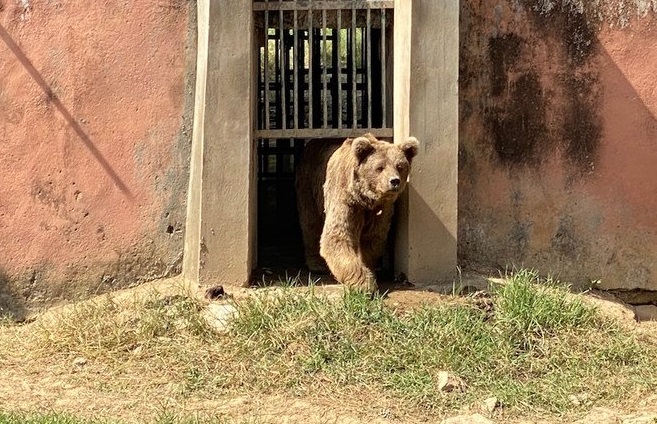
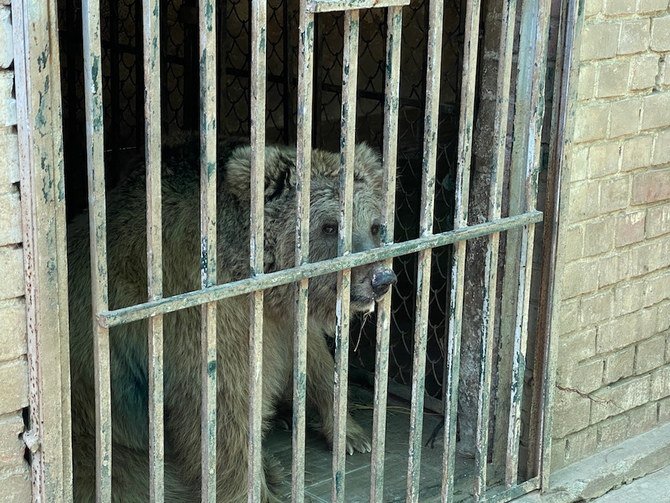
    Islamabad’s Marghazar Zoo’s two Himalayan brown bears are all set to fly to Jordan in 10 days, while Kaavan, the zoo’s lone elephant, is expected to leave for Cambodia by the end of November.

    According to reports, Islamabad Wildlife Management Board (IWMB) Chairman Dr Anisur Rehman has said that the two bears, including their import and export permits, are ready. He said that he is confident that the bears will receive better psychological and physical treatment in the sanctuary abroad.

    “The bear sanctuary is looked after by the (Jordanian) king’s aunt, Princess Alia, and she has given us an import permit within a day,” shared Dr Rehman.

    Dr Rehman also shared that they have also received the import permit for Kaavan which means the Cambodian government is willing to accept and introduce the 45-year-old elephant into one of its sanctuaries.

    “This is the first time that animals from Pakistan are being taken abroad for rest and recreation and health recovery,” Dr Rehman shared, adding: “The government realises that animals need first-class attention, which these captive animals will receive.”

    Suzi

    However, the bears are not being moved to Jordan permanently. According to Dr Rehman, the bears will be flown back to Islamabad once they have fully recovered and their enclosures at Islamabad Zoo are ready. Animals at the Islamabad Zoo are being relocated to temporary sanctuaries after the Islamabad High Court (IHC) ruled that the zoo is not fit enough for them and lacks the necessary facilities.

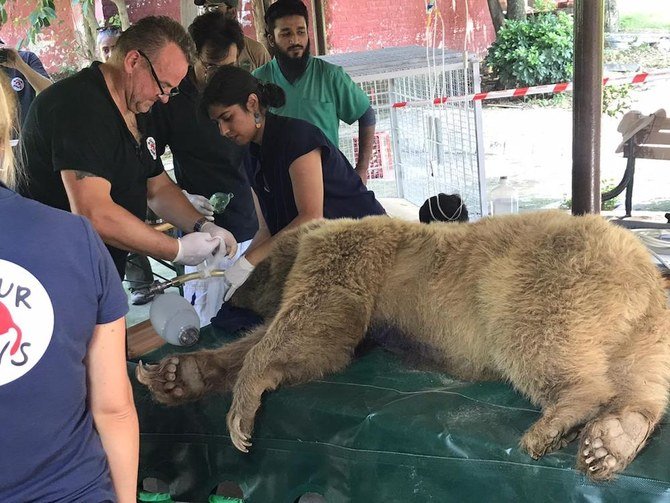
    Both the Himalayan brown bears suffer from psychological problems due to living in a substandard enclosure, with the female undergoing major surgery due to her critical condition. This was also the reason why sanctuaries within Pakistan refused to take them in.

    Dr Frank Goritz, head veterinarian at the Leibniz Institute for Zoo and Wildlife Research Berlin, treats Suzi on Sept. 22

    Meanwhile, Friends of Islamabad Zoo (FIZ), who have been campaigning for the animals, appreciated the decision to move the bears to Jordan. In a note posted to social media, they addressed those who said that the bears should have been moved to a local sanctuary instead of an international one.

    “Both the bears have no teeth and have been dependent on humans since birth,” wrote the animal rights body. “They will not be able to survive wild in the Deosai Plains and will need constant care.”

    “Other than that from what we were told, Deosai now has 76 bears and adding two bears with no experience of living with other bears won’t be able to survive and will need to be kept confined.”

    FIZ said that Al Ma’wa for Nature and Wildlife is the ideal place for the two bears because it is located 3500 feet above sea level, double the height of Islamabad and is climatically suited to Himalayan brown bears. They added that their facilities are top-class and the bears will be well taken care of there.

    https://twitter.com/IsbZooFriends/status/1319317671016529920?s=20
  • Japan researchers claim masks do not block coronavirus ‘perfectly’

    Japan researchers claim masks do not block coronavirus ‘perfectly’

    Japanese researchers have demonstrated that though masks can offer protection from coronavirus particles, but even professional-grade coverings cannot eliminate the risk of the contagion completely.

    Scientists at the University of Tokyo built a secure chamber with mannequin heads facing each other. One head, fitted with a nebulizer, simulated coughing and expelled actual coronavirus particles. The other mimicked natural breathing, with a collection chamber for viruses coming through the airway.

    A cotton mask reduced viral uptake by the receiver head by up to 40% compared to no mask. An N95 mask, used by medical professionals, blocked up to 90%. However, even when the N95 was fitted to the face with tape, some virus particles still sneaked in.

    When a mask was attached to the coughing head, cotton and surgical masks blocked more than 50% of the virus transmission.

    “There was a synergistic effect when both the virus receiver and virus spreader wore masks,” the researchers wrote in their study.

    There has been a growing consensus among health experts that the COVID-19 virus can be spread through the air. The US Centers for Disease Control and Prevention (CDC) has revised its guidance this month to say the pathogen can linger in the air for hours.

    A separate team of Japanese researchers used supercomputer simulations to show that humidity can have a significant effect on the airborne dispersion of virus particles.

  • Did Trump actually use ‘maga2020!’ as his Twitter password?

    Did Trump actually use ‘maga2020!’ as his Twitter password?

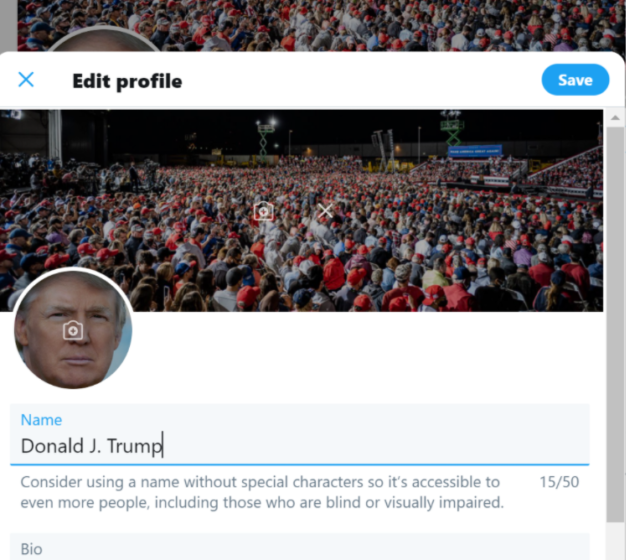
    A Dutch security researcher has claimed that he was able to successfully log into US President Donald Trump’s Twitter account last week, by correctly guessing his password: ‘maga2020!’ No surprises there.

    Victor Gevers, an internet security expert at the GDI Foundation and chair of the Dutch Institute for Vulnerability Disclosure, has said that he successfully managed to gain access to the US President’s Twitter account. According to Dutch newspaper De Volkskrant, Gevers wanted to see how strong the President’s online security was.

    Gever’s revealed that the two-factor authentication, which provides extra security to the account having 87 million followers, was disabled, thus allowing him access to the account.

    A screenshot of Trump’s twitter account

    After logging in, the hacker alerted the Cybersecurity and Infrastructure Security Agency (CISA), a unit of Homeland Security, about the security leak. He said he noticed that Trump’s Twitter password was changed shortly after.

    This, however, is not the first time the Dutch hacker succeeded in taking over Donald Trump’s Twitter account. Four years ago, the same hacker with his other two accomplices, jointly managed to access Trump’s account, just a few weeks prior to the US elections. At that time, “Yourefired” was Donald Trump’s Twitter password, claimed the hackers.

    It was reported that Gevers only wanted to raise awareness of the fact that two-factor-authentication should be mandatory for everyone.

    Previously in 2016, Trump’s staff was warned by the hackers that they needed to change the settings of the official accounts. Alex Wall, who was the director of Hillary Clinton’s social media in 2016 and also managed Barack Obama’s official accounts, referred to Trump’s Twitter practises as “insanely irresponsible”.

    However, claims of the Dutch hacker are being treated with extreme skepticism by official sources and security experts. Twitter gave a statement that there’s no evidence to corroborate the claim.

    Additionally, White House press secretary Judd Deere has also denied the claims.

    “This is absolutely not true”, said Deere. “But we don’t comment on security procedures around the President’s social media accounts.”

    One inconsistency with the claim is the fact that Twitter’s requires a strong password to be “at least 10 characters long”, while ‘maga2020!’ password has only nine characters. Additionally, the absence of two-factor-authentication on the Twitter account of the President of a country and the use of weak and simple password seems absurd.