Category: Lifestyle

  • NASA astronauts respond to fourth-graders from Karachi

    The National Aeronautics and Space Administration (NASA) has responded to a Twitter post by a teacher from Karachi, wherein she had posted some space-related questions by her fourth-grade students.

    A group of fourth-graders from The Cornerstone School in Karachi came up with space-related queries for scientists and astronauts at NASA. In order to spread the message across NASA and get a response, the teacher took a shot and tweeted the same, tagging the space agency as well as prominent astronauts’ official Twitter handles.

    Over 2,000 people retweeted the letter that eventually reached scientists and astronauts who answered all the queries and invited the kids to be their guest after the pandemic.

    Here is the reply from Emily Calandrelli, an American science communicator and the host of Xploration Outer Space.

    Here’s what Canadian astronaut Chris Hadfield had to say:

    People, including the teacher, were overwhelmed by the responses and appreciated the effort as DLR — German Aerospace Center — also responded.

    Some even suggested that Federal Science Minister Fawad Chaudhry should get involved to help other children have their questions answered.

  • Five science-oriented tips to deal with work stress

    Five science-oriented tips to deal with work stress

    We all have those days where almost everything is stressful and it becomes difficult to cope with even the little things happening around. It is normal to go through stress at work but it can affect your mood and performance if you don’t learn to cope up with it. Here are some extremely helpful, science-oriented tips that will help you deal with work-related stress. 

    Work out

    Exercise is proven to be one of the best stress relievers. Many people claim that exercising helps them get rid of all negative energies, resulting in a better mood. It pumps up your endorphins, the chemicals produced by your body to relieve stress and pain. Not everyone likes hitting the gym every day, so it’s better to find a physical activity you can enjoy and then try sticking to it. Working out can help you improve your overall physical and mental health.

    Write it down 

    Writing down your feelings and problems is another best way to deal with the stress coming from it. When you write, you let it out. So, instead of bottling your work-related frustrations, it is best to write it out. Journaling is considered to be an effective practice to deal with the stress at your workplace. This can also help you monitor the things that cause you stress. 

    Drink tea/coffee

    Since winter is around the corner, this doesn’t seem to be a bad idea. Caffeine is what always helps you stay focused even when there are chances for you to get distracted by things going around. Consumption of your favorite cup of tea and coffee will keep you motivated and improve your performance at work. You can even set up a tea/coffee station at your workplace so all your team members can also reduce their workplace stress. 

    Take a step back

    You don’t have to force yourself when you clearly need a break. Take a break from your work, turn away from your desk, close your eyes, and take a deep breath. Remember you are a human, not a machine, you need a break to function properly. If you need a little more, step out, go for a walk, and breathe in fresh air.  

    Play music

    Music is also a great stress-buster. Pop in some headphones and listen to your favorite songs – especially the ones which make you feel light, positive, and motivated. It somehow distracts you from the present situation and takes you to another dimension where you feel relaxed. 

    Apply these five scientifically-proven tips to deal with work-related stress to pull yourself together and breathe easily. Last but not the least, it is highly recommended to leave work at work and unwind yourself at home.

  • Indian jewellery ad slammed for showing Hindu-Muslim couple

    Indian jewellery ad slammed for showing Hindu-Muslim couple

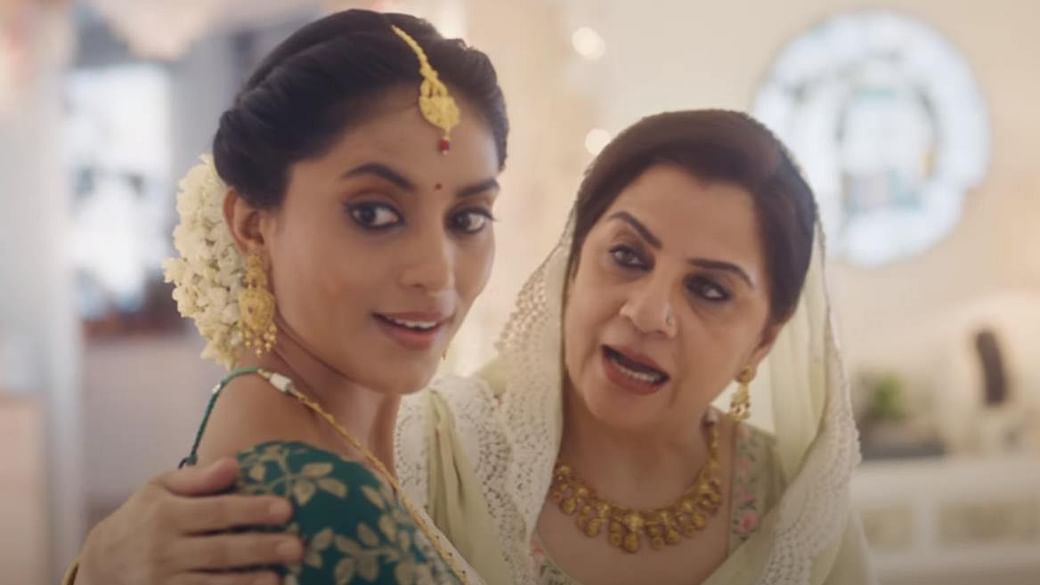
    Popular Indian jewellery brand Tanishq has withdrawn an advertisement featuring an interfaith couple after a right-wing backlash on social media, BBC News has reported.

    Opponents of the adverts argued that the ad, which shows a baby shower organised for the Hindu bride by her Muslim in-laws, promotes “love jihad”, a term radical Hindu groups use to accuse Muslim men of converting Hindu women by marriage.

    The description for the 43-second ad – promoting a jewellery line called ‘Ekatvam‘ (Hindi word for unity) – reads: “She is married into a family that loves her like their own child. Only for her, they go out of their way to celebrate an occasion that they usually don’t. A beautiful confluence of two different religions, traditions and cultures.”

    The ad sparked outrage among a section of conservative social media users who led calls to boycott the brand, taking it to the top of Twitter trends. On the other hand, many joined in to condemn the abusive posts and comments.

    The brand first disabled comments and Likes/Dislikes on the advert, posted to Facebook and YouTube before removing the video altogether. In a statement, the jewellery brand said: “We are deeply saddened with the inadvertent stirring of emotions and withdraw this film keeping in mind the hurt sentiments and well being of our employees, partners and store staff.”

    Congress party MP Shashi Tharoor, who posted the advert to his Twitter account, said: “Hindutva bigots have called for a boycott for highlighting Hindu-Muslim unity through this beautiful ad. If Hindu-Muslim ‘ekatvam‘ irks them so much, why don’t they boycott the longest surviving symbol of Hindu-Muslim unity – India?”

    https://twitter.com/ShashiTharoor/status/1315833504253374464?s=20

    Other prominent personalities also argued that the ad promoted inter-faith harmony and should not have been taken down.

    https://twitter.com/RichaChadha/status/1315906312417415168?s=20

    Read more – Hindu couple gets married at a mosque in India

    Kangana Ranaut, on the other hand, stood with the right-wingers and slammed the ad for promoting love-jihad.

    “As Hindus we need to be absolutely conscious of what these creative terrorists are injecting in to our subconscious, we must scrutinise, debate and evaluate what is the outcome of any perception that is fed to us, this is the only way to save our civilisation,” wrote the actor on social media.

    https://twitter.com/KanganaTeam/status/1315912815509598208?s=20

    Most Indian families still prefer weddings arranged within their religion and caste; and marriages outside these boundaries have sometimes led to violent consequences, including women – sometimes even men – being killed by their relatives.

    According to the India Human Development Survey, only about 5% of all marriages are inter-caste and interfaith couples are even rarer.

  • Online dating still a taboo in Pakistan

    Online dating still a taboo in Pakistan

    After endlessly swiping through pictureless profiles on dating apps, Muhammad Ali Shah still hasn’t found the one — or really anyone — to get serious with.

    In Pakistan, where arranged marriages are the norm, he says many women choose to stay anonymous, making online dating matches tricky.

    “It’s slim pickings,” sighs the 36-year-old entrepreneur living in Islamabad, saying friends have called him “desperate” and a “man whore” after going on dozens of dates over the past three years to little avail.

    Unlike in many countries where meeting online is routine, Pakistanis who use dating apps regularly face harassment and judgmental relatives — and now also have to contend with a government clampdown.

    Women users in particular fear possible retribution and often reveal little about themselves — using cartoons, avatars, or random pictures of nature instead of a profile photo.

    “Girls aren’t comfortable… so they don’t really put their pictures or their real names. So it’s a guessing game,” explains Shah.

    The self-described conversationalist relies instead on humorous icebreakers with new matches to kick-start chats, and only asks for a picture if the potential date is comfortable and possibly up for meeting.

    “Most of the time I’m just left swiping because there aren’t any pictures. There’s no real information. The names are not there,” adds Shah. “I don’t blame women for being so careful. I actually think it’s very smart.”

    A 27-year-old woman from Islamabad who was brave enough to post real photos and her name said it was “kind of taboo to be on Tinder”.

    “I was getting phone calls from friends saying ‘I can’t believe you’re on Tinder’,” she said, asking not to be named, adding that she connected with both women and men.

    But she eventually deleted the app once business clients started trying to interact with her on it.

    She says some of her friends who were willing to take the risk have found varying levels of success, but only after going on carefully planned dates.

    “What we do when a friend of ours is going on a Tinder date, we normally just hang out at the same place,” she adds. “We make it sort of safe.”

    If finding love online was already difficult, authorities last month banned Tinder, Grindr and other popular apps for failing to “moderate” their content.

    The move dealt a fresh blow to what is already a niche scene in the country of 220 million people, where most online daters come from the middle and upper classes in Pakistan’s urban areas.

    For the more traditionally inclined, life without dating apps will serve as a return to normality.

    “Dating is not part of our culture or religion. Things need to be done in a halal way — especially something as important as finding a life partner,” explains a 50-year-old matchmaker based in Karachi who has been helping families find suitable partners for arranged marriages for over a decade.

    “Banning these dating apps is a way to preserve our traditions.”

    But despite the potential pitfalls, some say finding love online is possible and a way to avoid arranged marriages.

    “I’d simply had it with the whole culture of arranged marriage in Pakistan, where I’m paraded around in front of mothers, sisters and matchmakers as they pick on my flaws and remind me how I’m not worthy of their son,” says a 23-year-old medical student living in Lahore who met her husband on Tinder and asked not to be named.

    “It took a while until I found someone I could trust, respect, and rely on,” she adds. “But I found him on my own terms, and that’s what makes it special too.”
  • COVID-19: Experts say mental illnesses on the rise in Pakistan

    COVID-19: Experts say mental illnesses on the rise in Pakistan

    With many people now reporting symptoms like post-traumatic stress disorder (PTSD), depressive equivalents, and anxiety, coronavirus has started affecting the mental health of people, including healthcare providers in Pakistan and the rest of the world.

    According to the details, an increasing rate of abuse is also being witnessed in the world, including Pakistan. However, the situation is worse in war-torn countries like Syria, Iraq, Yemen, and Afghanistan.

    Speaking at an international conference on “Mental Health for All: Greater Investment – Greater Access. Everyone, Everywhere” at Jinnah Postgraduate Medical Center (JPMC), mental health experts from Pakistan and other parts of the world said that the countries with a serious economic crisis like Pakistan have been also badly affected by mental health issues during the pandemic.

    The chief guest, Professor Haroon Ahmed said coronavirus had started affecting the mental health of people all over the world, and in Pakistan people with a newer type of depression and symptoms of PTSD were approaching psychiatrists for treatment.

    “People are complaining of symptoms like post-traumatic stress disorder (PTSD) due to COVID-19- related stress and experiences. A newer type of depression, which is not clinically depressed, is also being observed where people are feeling lonely and [exhibiting] a lack of interest in daily life. These issues have a close relation to COVID-19 and its impacts on the daily life of people.”

    Professor Haroon said that he was glad that people are now breaking taboos and openly admitting that they are under treatment for depression, anxiety, and other mental disorders. He noted that an estimated 70% of depression is due to a biochemical imbalance in the brain, which is not the fault of the patient.

    “I have been saying this for the last several decades that there is no need to hide mental illnesses,” he said and added that mental health was given low importance but it was a high prevalence health issue in our society.

    Meanwhile, president-elect WPA Professor Afzal Javed claimed that the prevalence of mental health issues was not less than cancer or cardiac ailments in the world, and it was estimated that now 25 to 30% of the world’s population was suffering from some kind of mental illness.

    It’s right time to assign more resources for mental well-being, treatment, and cure in countries like Pakistan, he added.

  • Shirakat animations — a way towards progressive thinking and self-analysis

    Shirakat animations — a way towards progressive thinking and self-analysis

    Non-governmental organisation (NGO) Shirakat works on human rights, especially women’s rights in Pakistan.

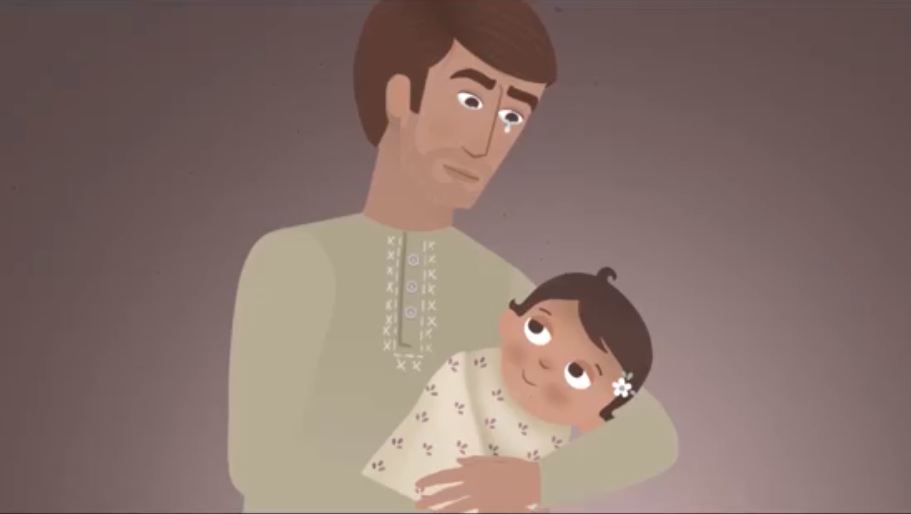
    The NGO has recently released some animated videos addressing different social issues, including harassment, discriminatory behaviours, sexual abuse and domestic violence against women, to change mindsets and dismantle patriarchy and stereotypes that equally affect both men and women.

    The videos’ topic, script, voiceovers and colourful animations are put together rather well, which keep viewers engaged throughout the videos. The videos have subtitles and are also being explained via sign language.

    Talking to The Current, Shirakat Executive Director Bilquis Tahira said that the project’s main focus is to convey messages like how the brought up of daughters and sons develop a certain mindset and then the behavior and reaction of both men and women accordingly construct our society.

    “This project is on GBV (Gender-Based Violence) prevention. We have made this to engage women’s voices because most perpetrators of domestic violence are men and the victims are women. And we believe that we will have to change the behaviors of both men and women or boys and girls equally because they live in the same society”, she said.

    “We have used this medium of animation because the videos are short and interestingly represented to give the message of positive masculinity also so that people can use these short video messages for self-analysis.”

    “We do not say that this project will completely change the mindset of the people but these short videos are based on real stories and we have obviously crafted those but these are the incidents that normally happen. The goal is to make people think about their behaviours, men and women both to analyse that should they be reacting like this in a certain situation.”

    She added: “We have chosen the topics from our previous 20 years’ work on violence against women. We have understood the pattern of abuse, how an abuser is not stopped, how an abuser’s behaviour is constructed and how the community enhances his behaviour.”

    Read: “““““Tips to raise kids in line with Islamic values

    Speaking about the need to develop progressive thinking in our coming generations, she said, “If we start teaching our children from an early age that we all are humans, everybody has equal rights regardless of their gender. If we start changing the behaiovurs from their childhood so we can be more peaceful as a society. If kids are seeing negative messages from society and they also watch these positive messages, then they get to see the positive side also. They can relate to these stories and bring change in their behaviours.”

    Shirakat believes that the main focus of developing progressive thinking should be on the younger generation and particularly on kids.

    They run an ‘Early childhood care programme’ and have concluded from their experience that “the earlier you catch them the better”. Working on children’s thinking is more convenient, long-lasting and can be more powerful.

    The Current also talked to Wakhra Studios who are behind the animations in this project. The team told The Current that they keep in mind the demographics and psychological aspects of society and its members.

    “We try to keep them short with fewer dialogues and more animations so that it is more attractive and understandable. We have also added key messages at the end of the videos so that every person can understand it.”

    They said that while making these, they keep in mind that no stereotypes are reinforced or communicated via these videos and sentiments of any part of the community are not hurt.

    Answering how much time did it take, they revealed that normally it takes 1.5 to 2 weeks to make an animated video with a duration of three minutes, from the script to the final video

    The project comprises of 24 videos and Shirakat has posted 11 videos on their page yet. You can watch the videos on their Facebook page.

  • PM Khan urges everyone to wear a mask to avoid spike in COVID-19 cases during winter

    PM Khan urges everyone to wear a mask to avoid spike in COVID-19 cases during winter

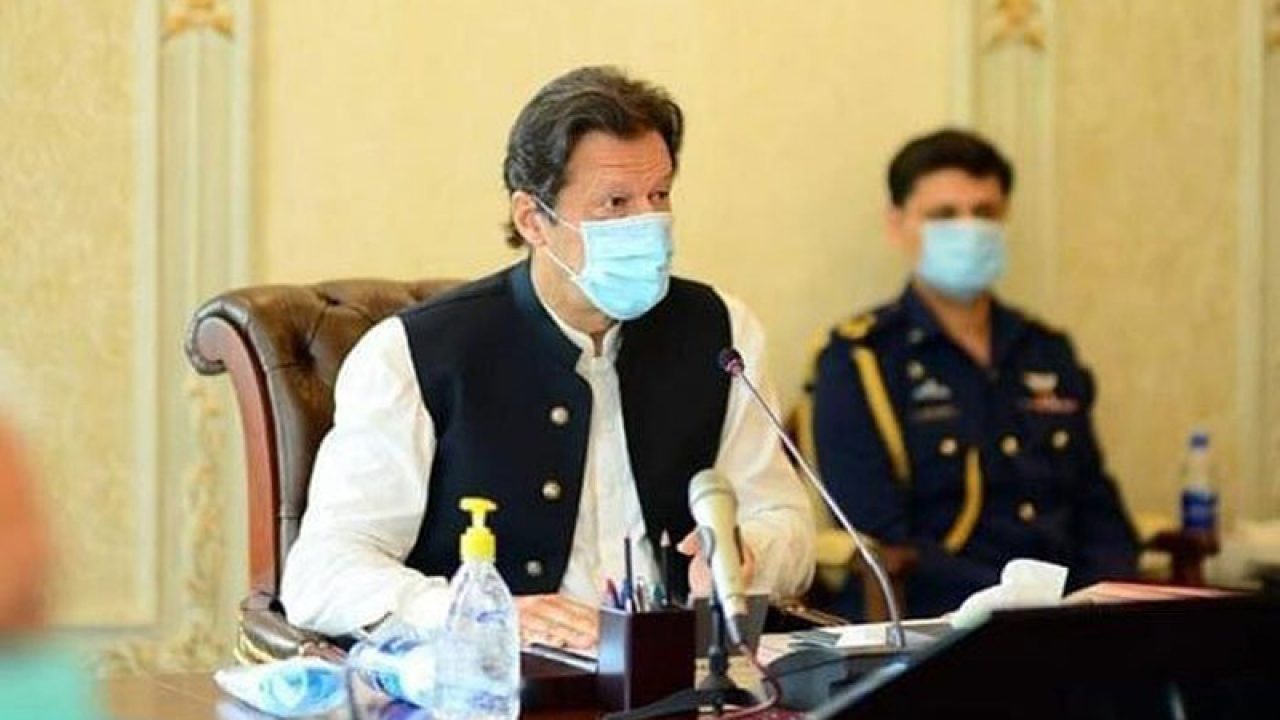
    Prime Minister (PM) Imran Khan has feared that the second wave of coronavirus could hit Pakistan in winter. 

    PM Khan said that though Pakistan was “spared [from the] worst effect of COVID-19”, a second wave of the virus is expected in winters.

    “There is a fear onset of winter could result in [the] second wave. I urge everyone to wear face masks in public to avoid a spike. All offices and educational institutions must ensure masks are worn,” said the premier on social media.

    Moreso, during the daily briefing held at the NCOC (National Command and Operations Centre) in Islamabad, Federal Minister Asad Umar also urged the public to follow the coronavirus standard operating procedures (SOPs) to ensure cases of the virus do not spike during the winter season.

    Earlier, Umar had said indoor restaurants and marriage halls appear to be majorly contributing to the COVID-19 spread.

    Pakistan has reported 315,260 coronavirus cases so far. 

  • ‘Chai Wala’ now owns a tea cafe in Islamabad

    ‘Chai Wala’ now owns a tea cafe in Islamabad

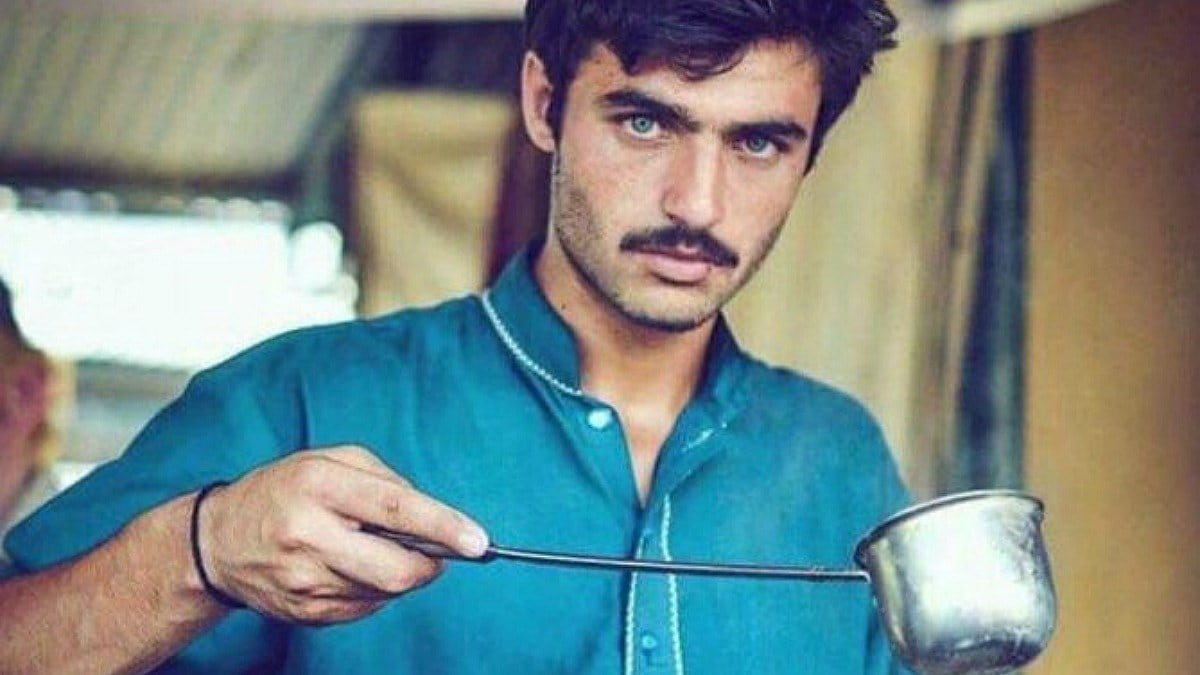
    Arshad Khan, who became popular as the ‘Chai wala’ a few years ago has now opened up his own cafe in Islamabad.

    In an interview with Urdu News, Arshad Khan shared he has now opened his own chai café and named it ‘Chai Wala’.

    “People suggested me to name the café after my own name, Arshad Khan,” said Khan. “But making chai is a part of my identity that I cannot let go of.”

    The café has lots of truck artwork with tables and chairs having a ‘desi’ touch to them.

    “There are at least 15 to 20 dishes apart from chai”, shared Arshad. “Running this cafe is the most important thing for me right now so I am giving this more time because it is attached to my name.”

    Talking about his showbiz career, Arshad said, “Two to four episodes of my TV show have been released. I will also give some time to that.”

    In the future, Arshad wants to make an institute where children whose parents cannot afford their education can study.

    Arshad Khan became an overnight sensation after a picture of him making chai went viral on social media back in 2016. Following that, he also did some modelling projects back then.

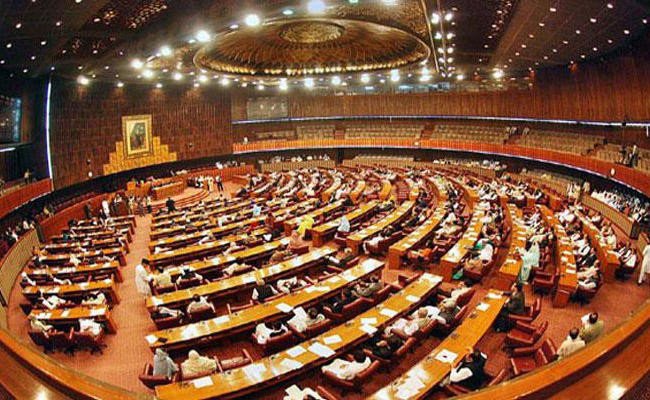
  • EXCLUSIVE: How much money do Senators earn?

    EXCLUSIVE: How much money do Senators earn?

    Senior PTI leader Senator Faisal Javed Khan in an exclusive conversation with The Current revealed the monthly income of a Senator.

    When asked how much money he earns, Senator Faisal said, “My salary is 150,000.”

    Later, while responding to a question that ‘senators only enjoy perks and do nothing’, Senator Javed said”No, things have changed. It is true that they do not have any constituency but those involved in legislative business and committees, work really hard.”

    “Believe me, our days fly by in meetings, technical stuff, debates, overall legislative business etc. Sometimes we have a lot on our plate and have to work over the weekend too,” he continued.

    “Some like-minded senators of ours are doing a lot of things together. And there’s a lot to do,” he concluded.

    Watch the complete interview here:

  • Fresh ambience and delectable food: Yasir Nawaz’s ‘TheForest’ is a must-visit

    Fresh ambience and delectable food: Yasir Nawaz’s ‘TheForest’ is a must-visit

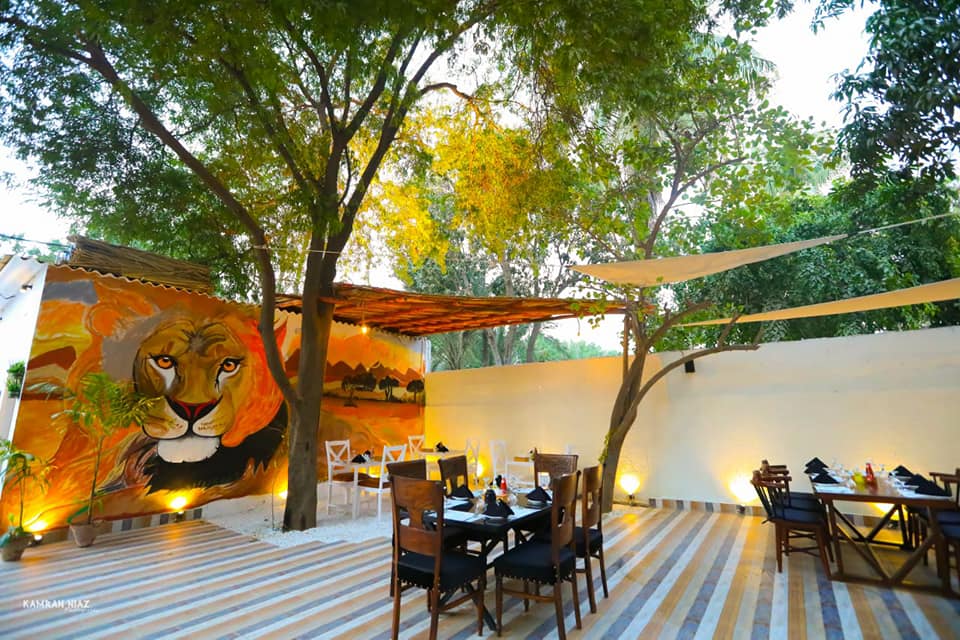
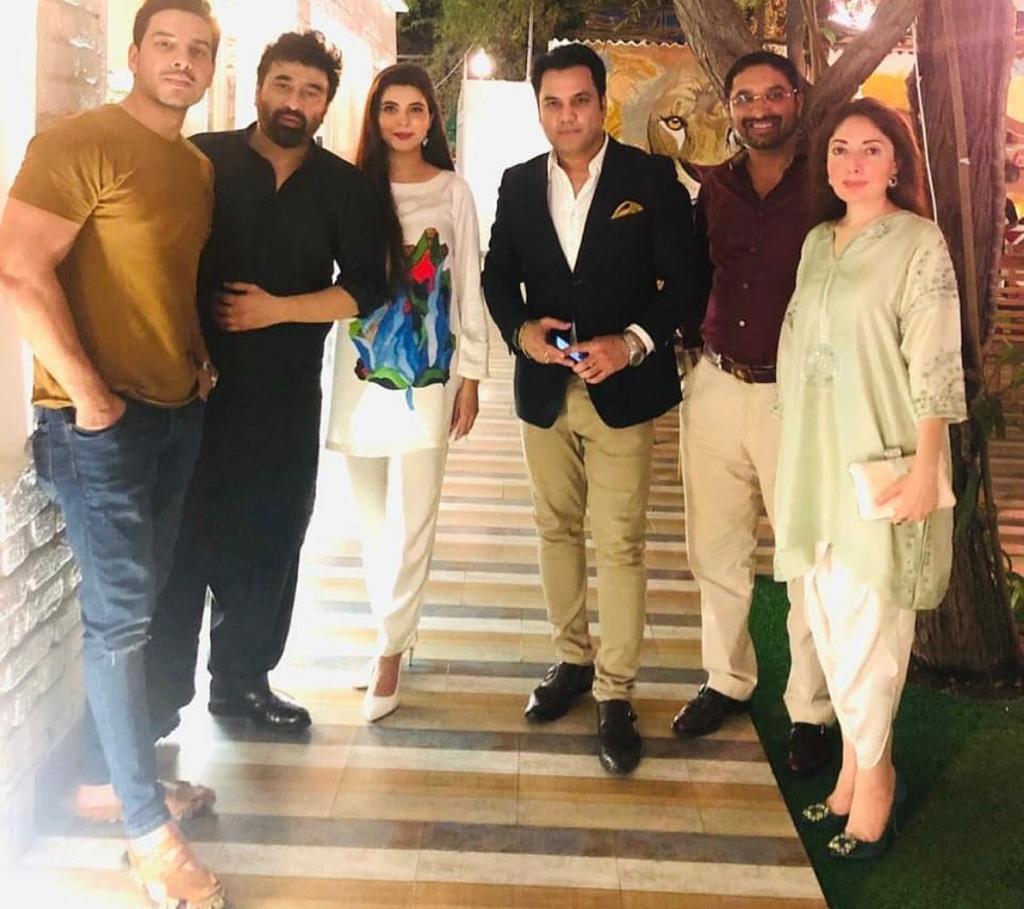
    Just a few weeks before COVID-19 forced a lockdown across the country, noted actor and producer Yasir Nawaz opened a new restaurant TheForest in the heart of Clifton, Karachi. Though I was unable to visit the place when it first opened its doors, post-lockdown I decided to check it out after hearing some rave reviews about it from friends and colleagues.

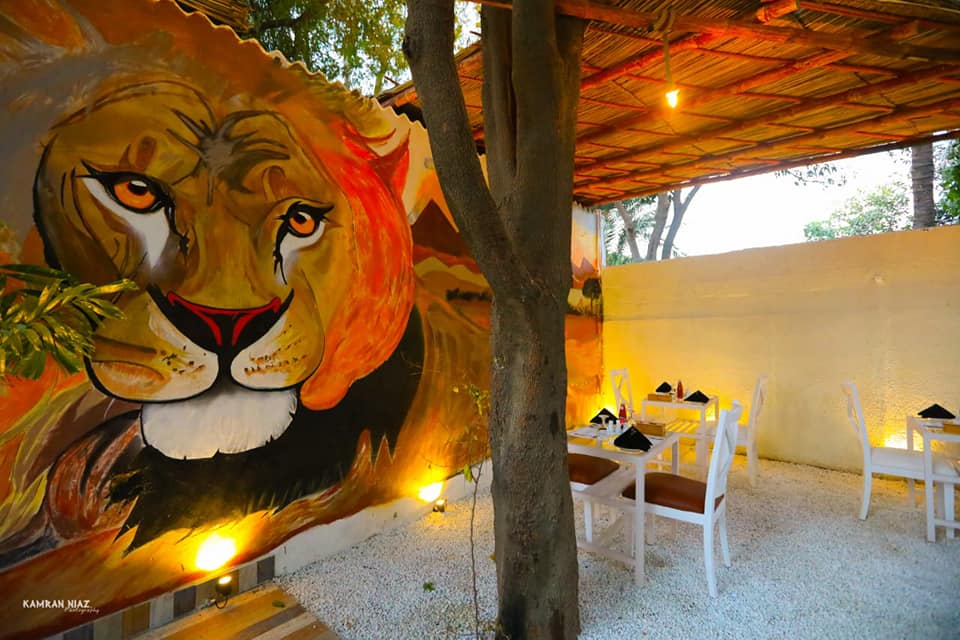
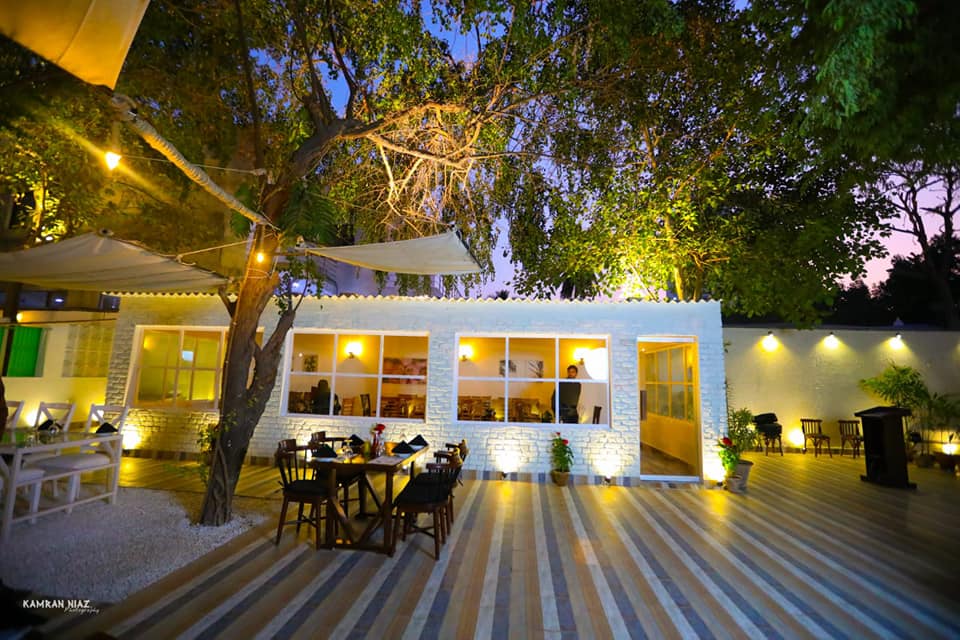
    The first thing that strikes you when you enter the restaurant is the huge mural of a lion on one wall. The painting instantly brightens up the mood. There are huge trees all around, which give the place a very rustic look and give the impression of a campsite in the middle of a forest. The outdoor and open-air setting of the restaurant is great in these COVID times and I can see myself spending winter nights with my family here. Once the weather is better, it’ll be a fantastic place for a night out or just to simply hang out.

    Though Yasir, in one of his interviews said that the menu will mostly focus on desi cuisine, there is something for everybody. From karahis and BBQ to Chinese and burgers, TheForest’s menu has it all. In fact, I have to add here that it is a bit of a task to choose the dishes given the variety.

    From the starters, we ordered The Forest Platter and it was simply yum. The platter included stuffed chicken, wings, pakora bites and two dips. Everything in the platter was brilliant and cooked to perfection.

    The Forest Platter

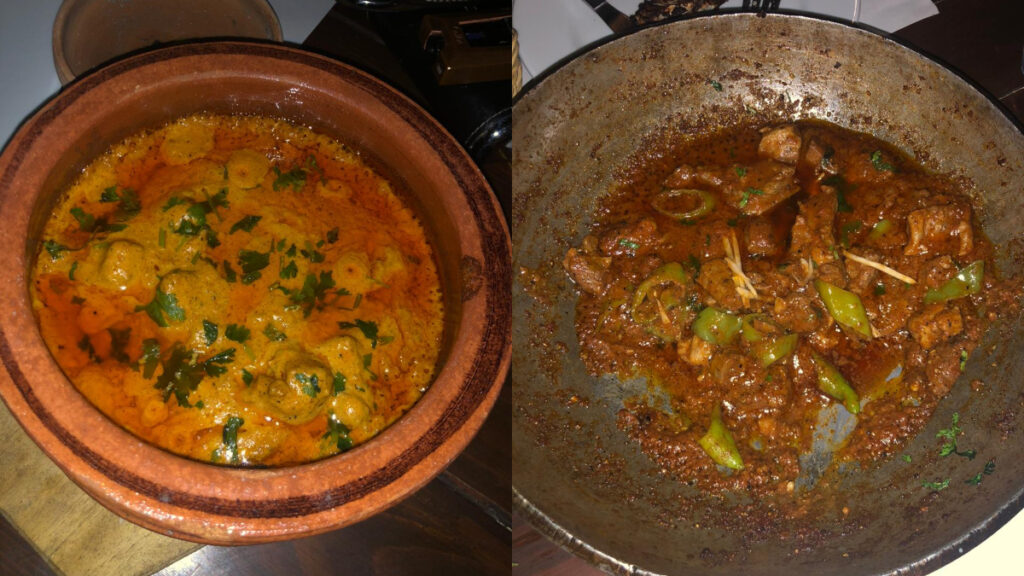
    For our main course, we decided to go desi and ordered a BBQ Platter, Mutton Handi and Chicken Handi. Out of them, the chicken handi was definitely my favourite. The chicken was very tender and the dish had the perfect blend of spices. The Mutton Handi was also good and spicy but the Chicken Handi won my tastebuds.

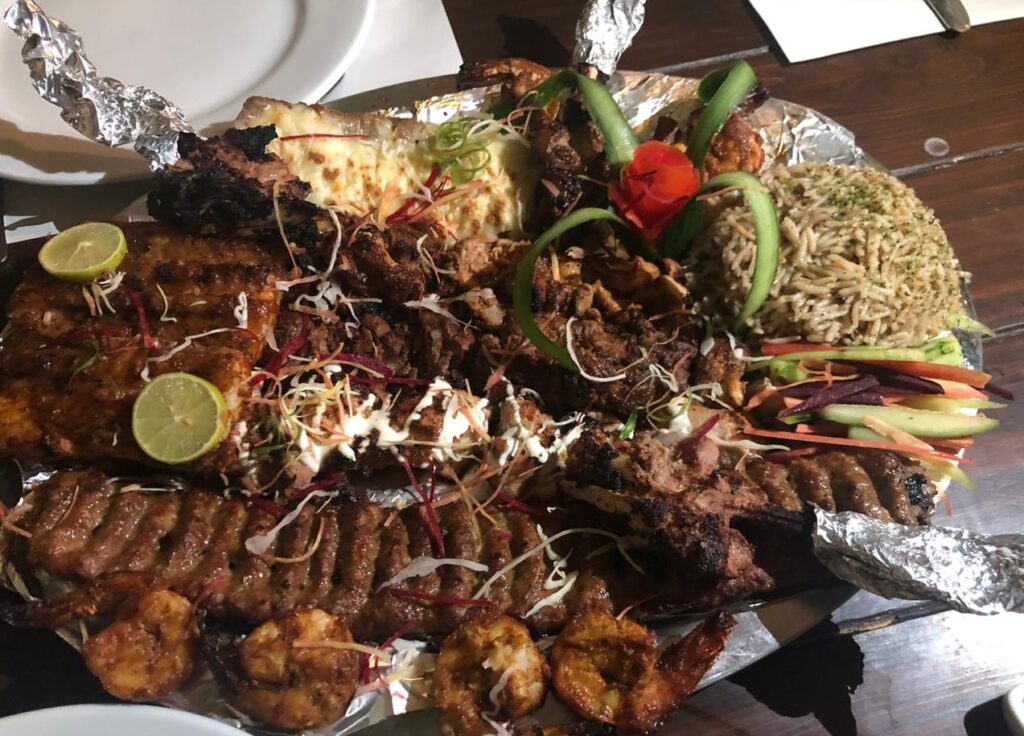
    On the other hand, the BBQ Platter took my breath away with its size. The platter was huge and was good enough for six to seven people. It included grilled fish, chicken malai boti, seekh kabab, BBQ Prawns as well as rice and naan among other things. Each item on this platter was succulent and well-cooked, with just the right amount of spices and I thoroughly enjoyed it.

    BBQ Platter

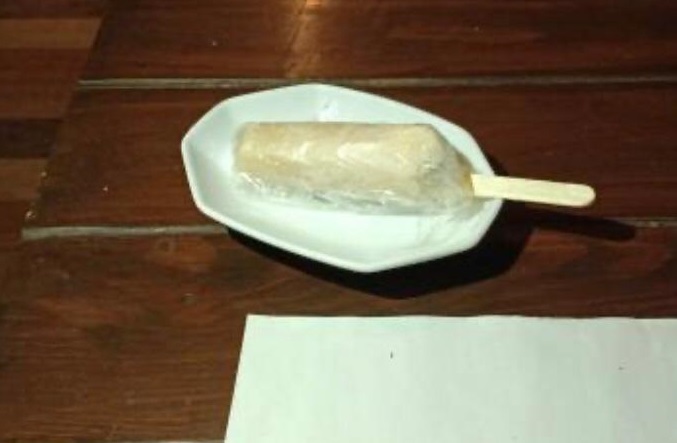
    We ended our meal with a creamy and very satisfying kulfi which hit all the right spots for the perfect sweet ending.

    Yasir told me that he took six months to set up the restaurant and I have to say that his hard work shone through. From the ambience to the food, everything was well-thought-out and polished till it was perfect. The hosts were very graceful towards their guests and ensured that no one left dissatisfied, which was probably another reason why I thoroughly enjoyed my visit. If you’re looking to spend a nice, relaxed evening with your family or friends, I’d highly recommend TheForest.