The Inter Boards Coordination Commission (IBCC) announced that from the next academic year passing marks will be increased from 33 to 40.
Addressing a press conference at his office, IBCC Executive Director Dr Ghulam Ali Mallah also announced the decision to grant grace marks to students in exams as part of an educational reform initiative.
While talking to ARY News, Mallah said that seven grace marks would be awarded to students, and the board has also decided to go forward with the idea of the same paper from all across the board. “The passing marks will be increased from 33 to 40 for the next academic year. The commission has also decided to shift from an open-choice exam format to a close-choice format, offering 100 per cent options to students.”
Upon inquiry regarding the execution of this plan, Dr Mallah said that this will be done by the end of this year in December.
He also said that a policy is being developed to bring “uniformity” to the paper-making system across the 29 boards in the country.
He said that a sub-committee meeting at the Karachi Secondary Education Board deliberated on different proposals and concluded that all educational boards in the country would now be required to provide seven passing marks.
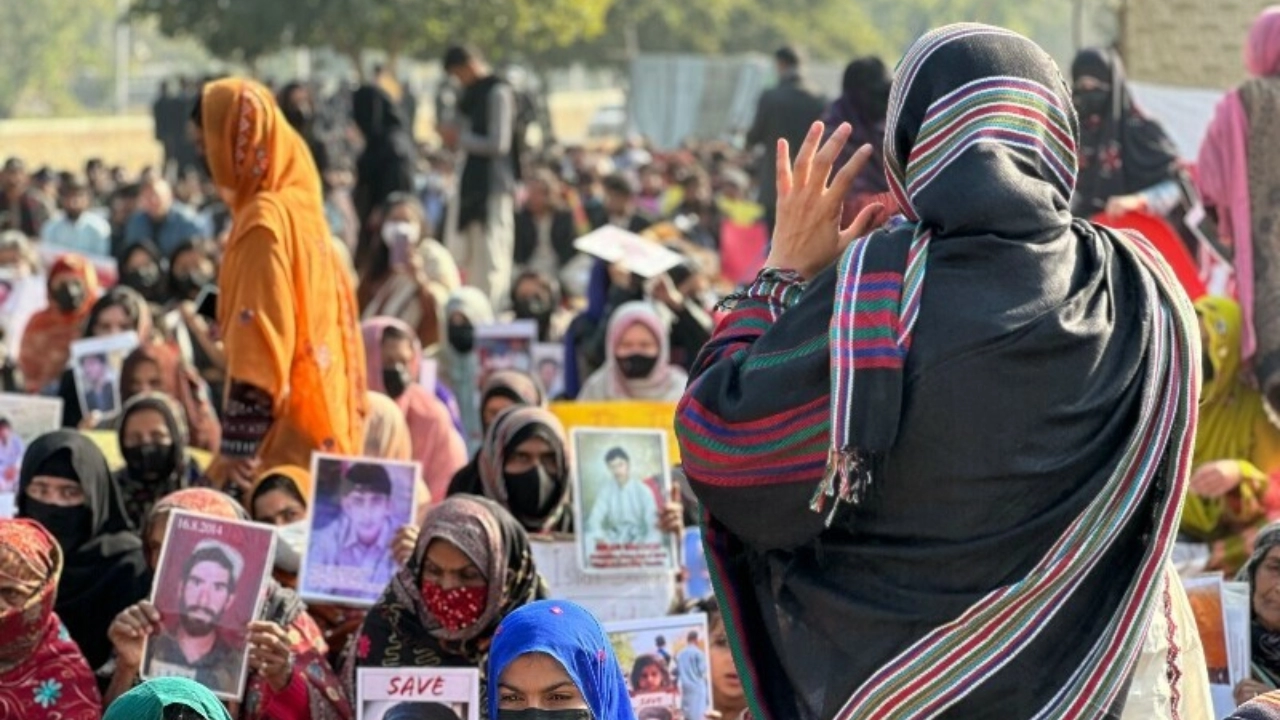
Days after the deadly Sunday militant attacks in Balochistan, social media called on Baloch human rights activists to condemn the senseless and horrific violence committed against innocent people on August 26.
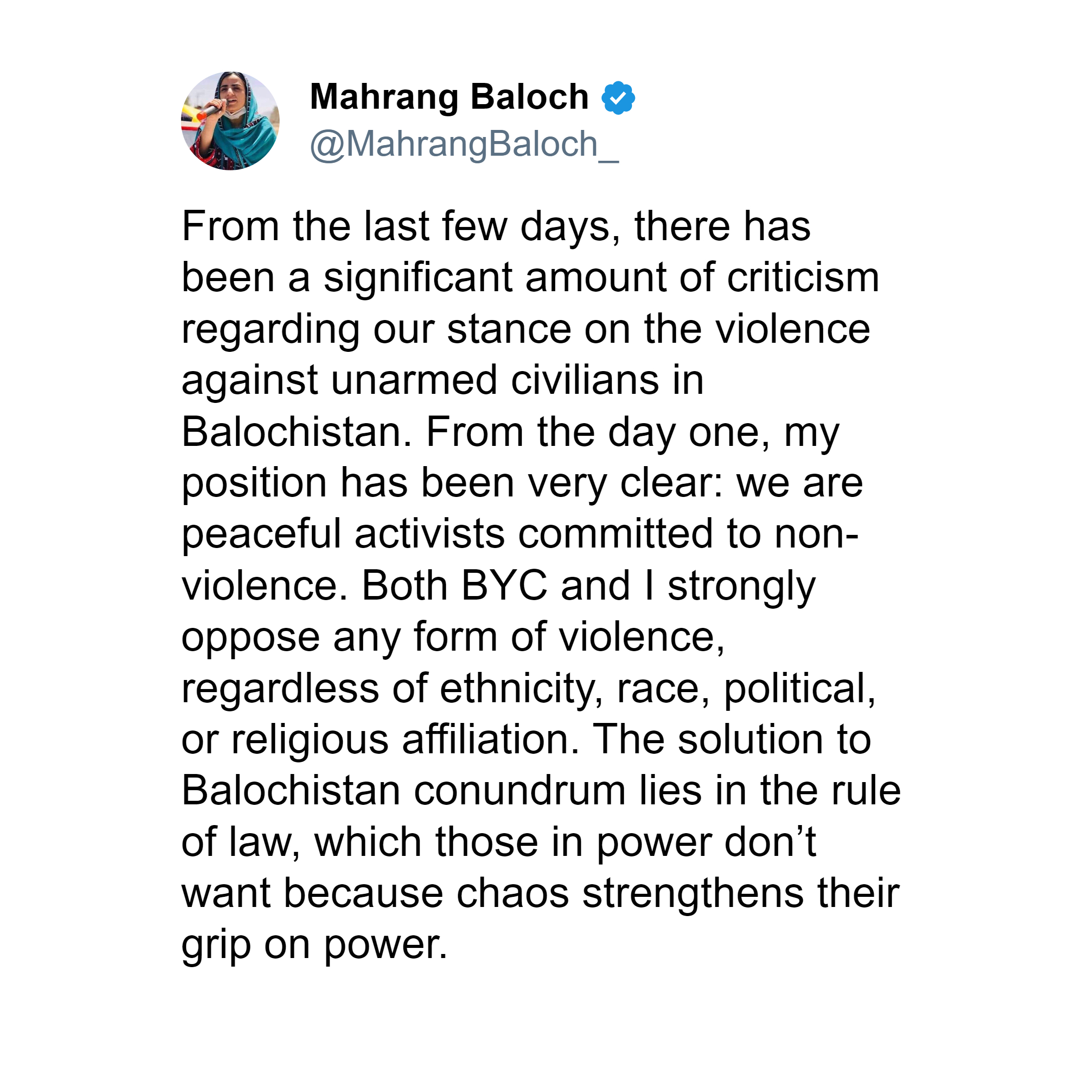
Mahrang Baloch, the chief organiser of the human rights movement Baloch Yakjehti Committee (BYC), took to social media to announce that she “opposes any form of violence, regardless of ethnicity, race, political, or religious affiliation.”
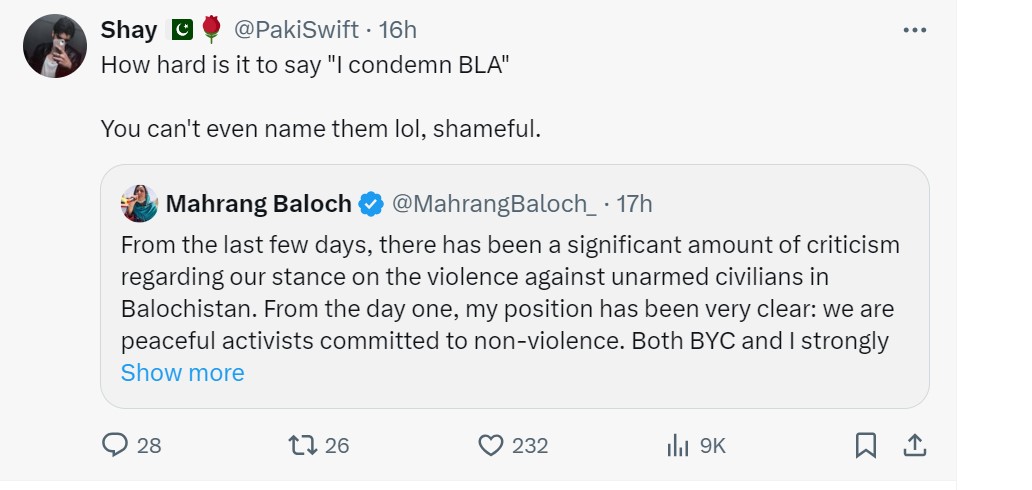
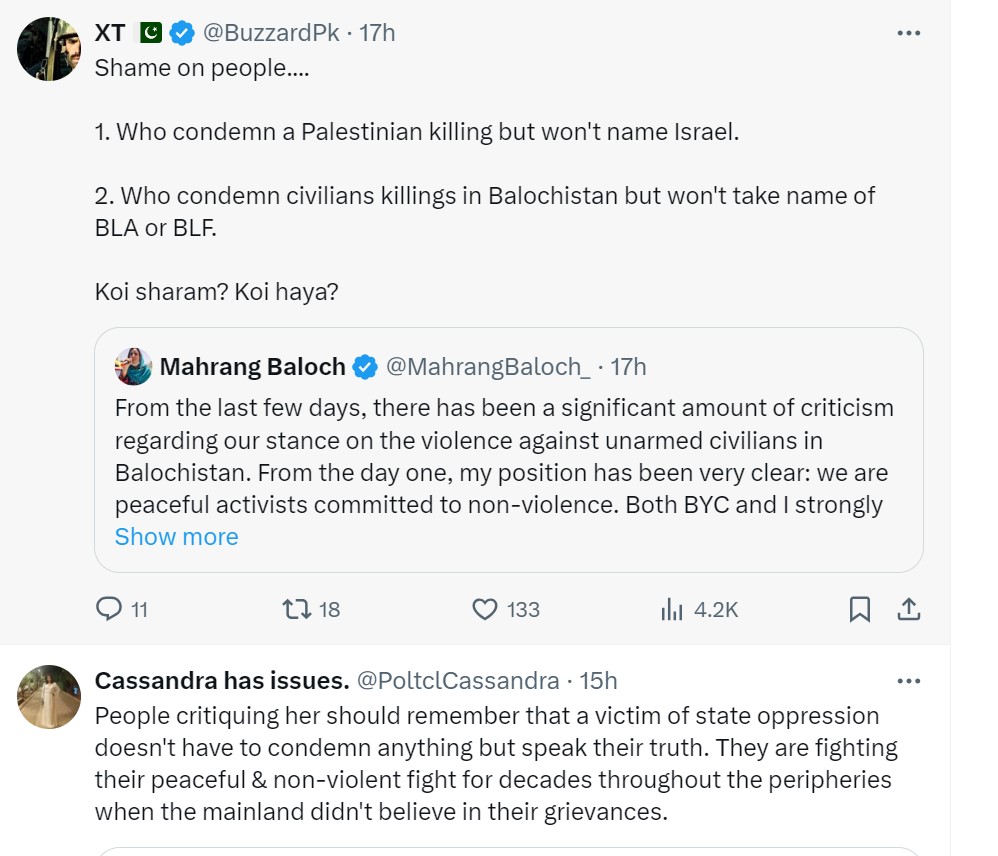
Social media is divided on Mahrang’s post, with some pointing out that she did not name the Balochistan Liberation Army (BLA), the terrorist group responsible for killing innocent people.
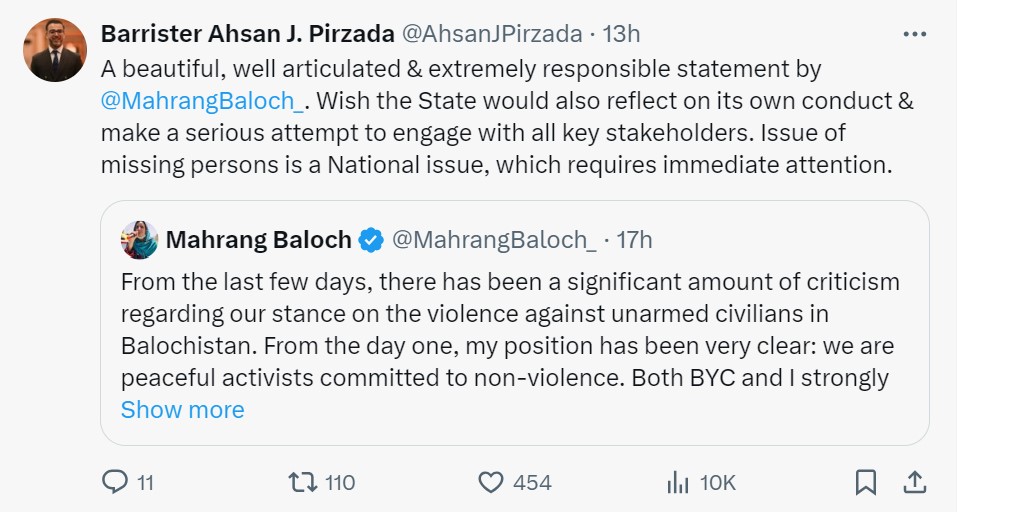
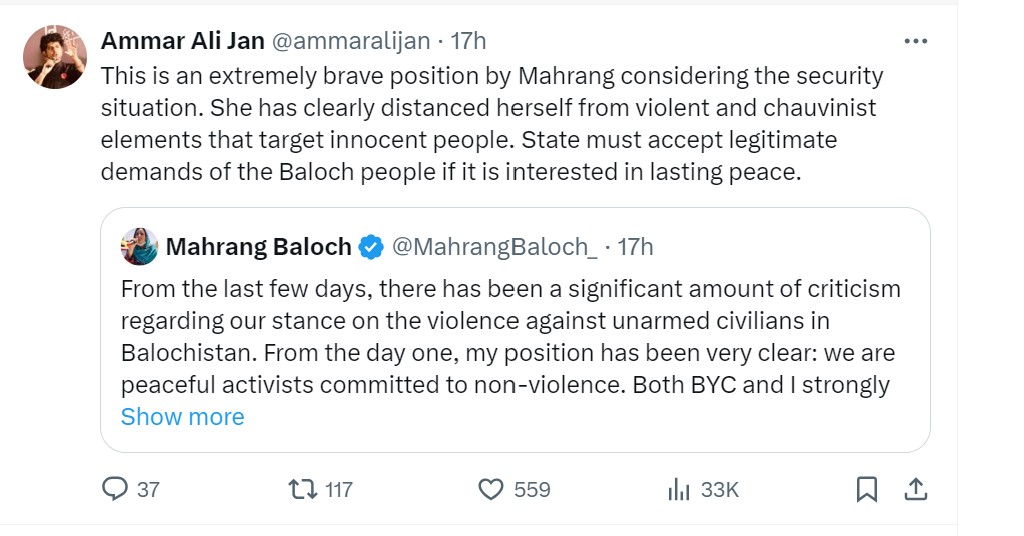
However, many social media users also applauded her position calling it “brave and extremely responsible.”
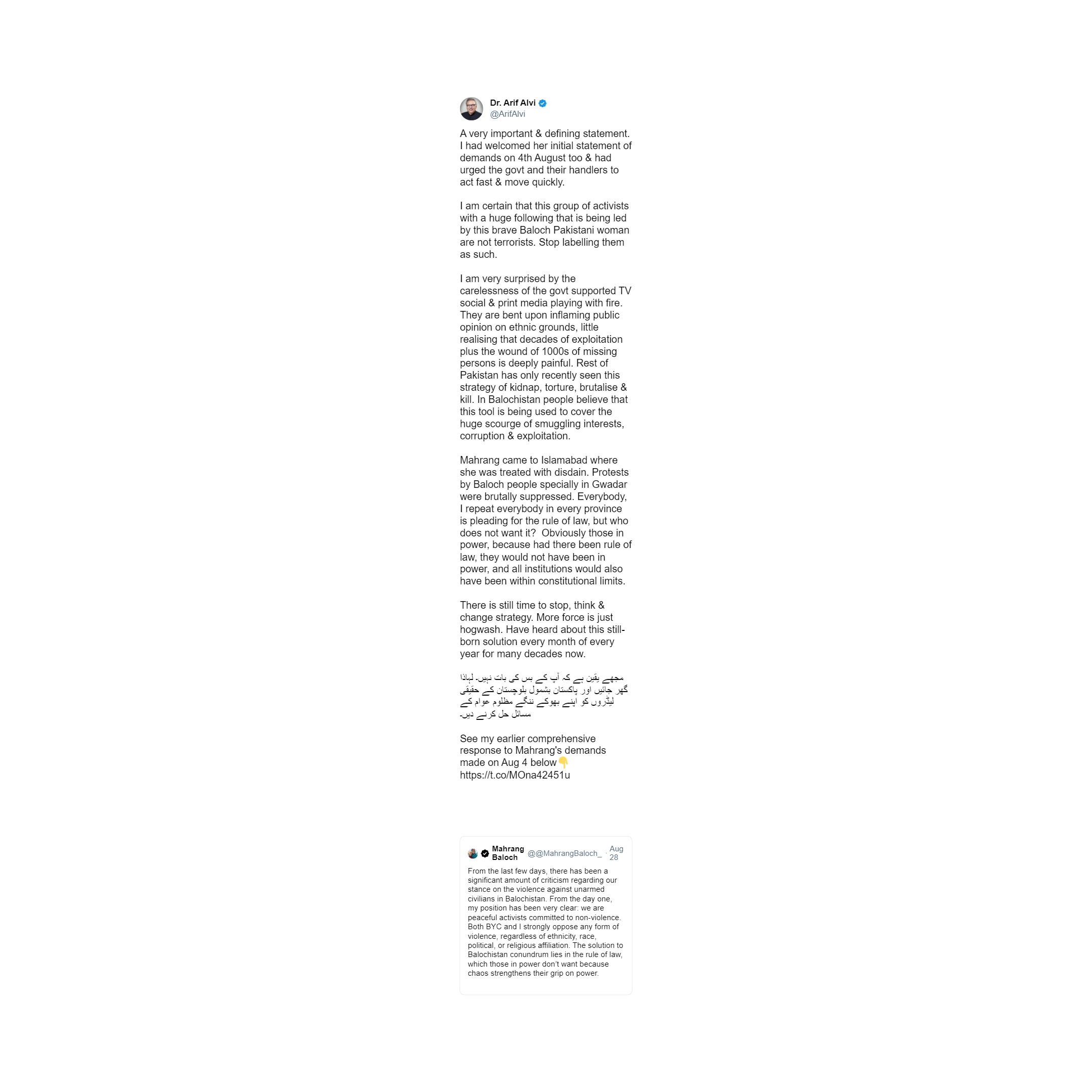
Interestingly, former President Arif Alvi took to X, formerly Twitter, to write a comprehensive note welcoming Mahrang’s position: “I am certain that this group of activists with a huge following that is being led by this brave Baloch Pakistani woman are not terrorists. Stop labelling them as such.”
It should be highlighted when Pakistan Tehreek-e-Insaf was in power, then-Prime Minister Imran Khan drew widespread criticism in 2021 when he stated that he wouldn’t be “blackmailed into coming to Quetta” after the Hazara community refused to bury their loved ones killed in a terrorist attack.
Previous
As Balochistan reels from a series of coordinated attacks across the province, which left more than 45 civilians and security personnel dead, a debate erupted among netizens on the matter of condemnation.
Social media wants condemnation of the terrorist organisation Baloch Liberation Army (BLA) from Baloch human rights activists and organisations for the senseless and brutal killing of citizens.
Many have called out the double standards of followers of Baloch human rights movements as terrorist groups like BLA continue to execute innocent citizens based on their ethnicity.
At least 23 people, mainly from Punjab, were killed in the Musakhel district of Balochistan early on Monday morning after armed men checked the identities of victims on buses and trucks, shooting them to death.
Imaan Zainab Mazari, a human rights lawyer, took to X (formerly Twitter) to chastise those demanding condemnation from Baloch rights activists. “Why would their peaceful efforts for human rights be undermined by actions of a group that has nth to do w/ them? This is exactly what the State wants – it wants to continue targeting peaceful dissidents because it clearly cannot (or does not want to) fight grps like BLA.”
Social media users pointed out that those who lost their lives to terrorism belonged to low-income groups and had left their homes in search of livelihood.
Senior journalist Abbas Nasir defended Mahrang Baloch – a prominent Baloch human rights activist, writing, “Those demanding Mahrang Baloch condemn yesterday’s bloodletting should first return her father to her and then make the demand by all means. Why should the onus of condemnation be on one woman struggling peacefully for her and her people’s rights.”
One X user posted an alleged picture of one of the victims, saying, “This is one of the victims. He was there to sell fruits as a lot of people from South Punjab go to these areas to sell fruits, but of course, the privileged aunties who are living outside Pakistan or living in their 2-3 kanal houses in their AC room in DHA would not know about them.”
Another social media user by the handle @bluemagicboxes said that labourers from Punjab travelling to remote Balochistan is ‘weird’ because it made no sense to leave their own communities with a constant threat to their lives.
The majority of people criticised this point of view, with one user writing, “Pakistani ‘Punjabi’ labour can’t leave their province for work-often compelled by political and economic realities- but Afghans should be allowed everywhere in the country, and their deportation is cruel. Make it make sense people. We can all see through your bias.”
Another user pointed out that the majority of labourers killed in Balochsitan were Saraikis, from South Punjab, an area with more poverty than the rest of the province.
Similarly, one social media user criticised this perspective by writing, “My father, a Kashmiri born in Nowshera and raised in different parts of Punjab, worked in Balochistan for three years. Do you think that his presence from one part of Pakistan to another part of Pakistan was “a little weird”? You aren’t fooling anyone.”
Muhammad Ismail, the father of prominent human rights activist Gulalai Ismail, took a relatively insensitive perspective on the incident, posting, “Why do these Punjabi barbers go to Balochistan in such large numbers?”
This tweet was about yet another dreadful incident in May of this year when seven barbers who belonged to Punjab were killed by unknown gunmen in a targeted attack.
The terrible incidents in Balochistan have struck the social fabric of Pakistani society, fueling divisions based on ethnicity and provincialism.
The human rights problems, including the missing persons issue, in Balochistan are genuinely concerning and must be addressed by authorities.
However, militant organisations targeting ordinary citizens after checking their identities deserve collective condemnation.
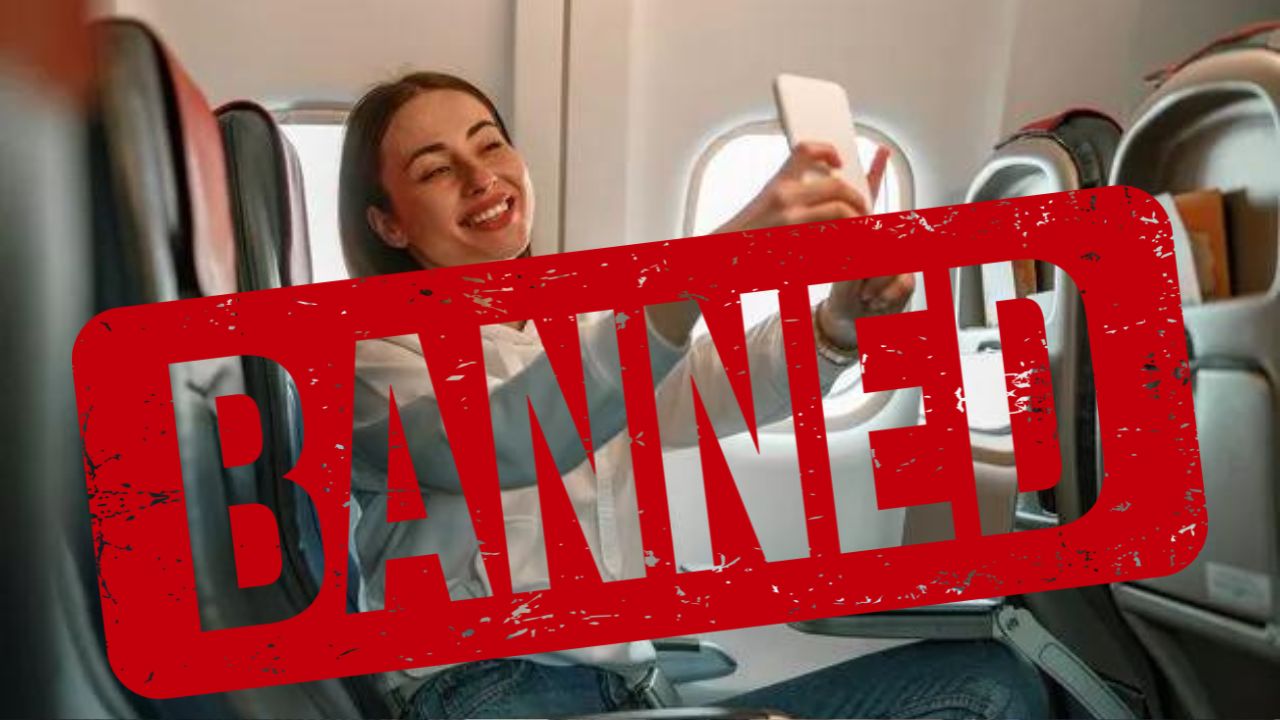
Pakistan International Airline (PIA), the country’s flag carrier, has banned mobile phone photography and vlogging during flights.
A preliminary implementation of the ban has been initiated.
Action can be taken against those who record videos or take pictures of other passengers during the flight. Incidents falling under harassment or immoral acts could be reprimanded for doing so.
Geo News reported that photography during international flights, especially take-off and landing, will be strictly banned.
PIA sources told Geo that the ban is being imposed to protect passengers and prevent the making of unauthorized videos, photography, and any emergency incidents.
A proper announcement of the prohibition on photography and video making will also be made during the flight.
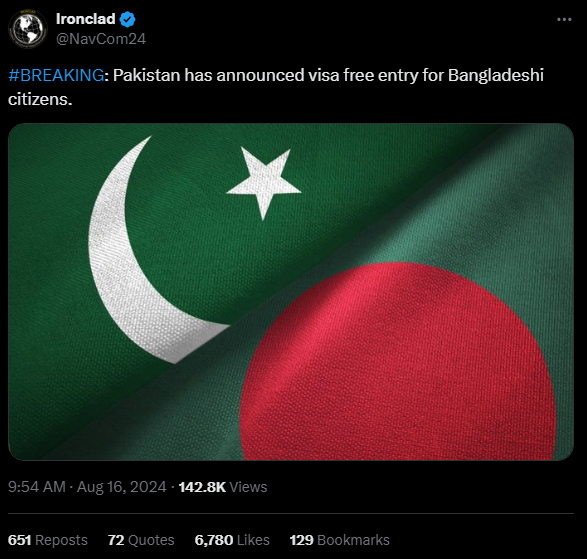
Geo Fact Check has debunked social media posts that claimed that Bangladeshi citizens have been granted visa-free entry to Pakistan after Sheikh Hasina’s government was toppled.
Geo reported that officials from the Interior Ministry and the Ministry of Information and Broadcasting confirmed that Bangladeshi citizens could not enter Pakistan visa-free.
The Interior Ministry’s Director General of Media, Qadir Yar Tiwana, clarified that Minister of Information and Broadcasting Attaullah Tarar has announced a new visa policy for many countries.
The revised policy states that only citizens of Gulf countries will be granted visa-free entry and will require only a passport to arrive at Pakistan.
Tiwana said, “Bangladeshi citizens will now need to apply for a visa on arrival and will receive an electronic visa within 24 hours.”
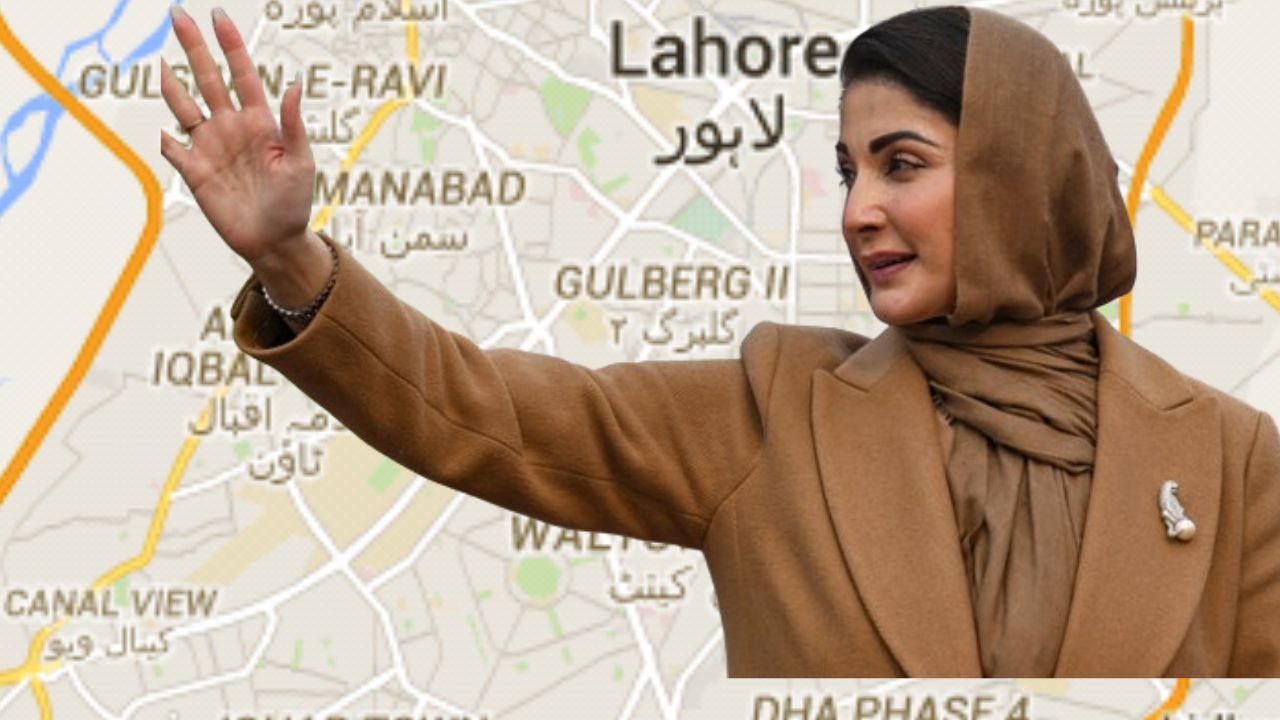
The Government of Punjab has decided to establish five new tehsils in the provincial capital, Lahore.
Chief Minister Maryam Nawaz approved the new tehsils, after which the Board of Revenue issued a notification.
The new tehsils include Nishtar, Wagah, Iqbal Town, Ravi and Sadar, while the existing five tehsils include Raiwind, Model Town, Lahore Cantt, Lahore City and Shalimar.
With the new tehsils, the total number of tehsils in Lahore has increased to 10. Five assistant commissioners have been assigned to the Commissioner Lahore for the newer tehsils.
Notably, this decision has made Lahore the largest city in the Punjab province in terms of tehsils. The decision has also shelved the plans to divide the city into two or three districts.
Allama Iqbal tehsil will now include the revenue circles of Chuhng, Niaz Baig, and Pandoki.
Nishtar tehsil will encompass Kahna and Kamahan circles.
Saddar tehsil will cover Barki, Heir, and Jahman, while Wagah tehsil will comprise Jallo, Bhaseen, and Lakhudair. Ravi tehsil will be formed with Shahdra, Naulakha, and Lahore Khas circles.
Following the creation of these new tehsils, the existing tehsils will be adjusted as follows: Raiwind will include Raiwind, Paji, Manga, and Maraka; Model Town will include Ichhra and Model Town; Cantt will include Lahore Cantt and Bhangali; Shalimar will include Baghbanpura and Fatehgarh; and City will include Sanda and Nawankot.
“It was the need of the hour since the existing tehsils were already overburdened,” said an official stressing that the creation of new tehsils would enhance service delivery for public.
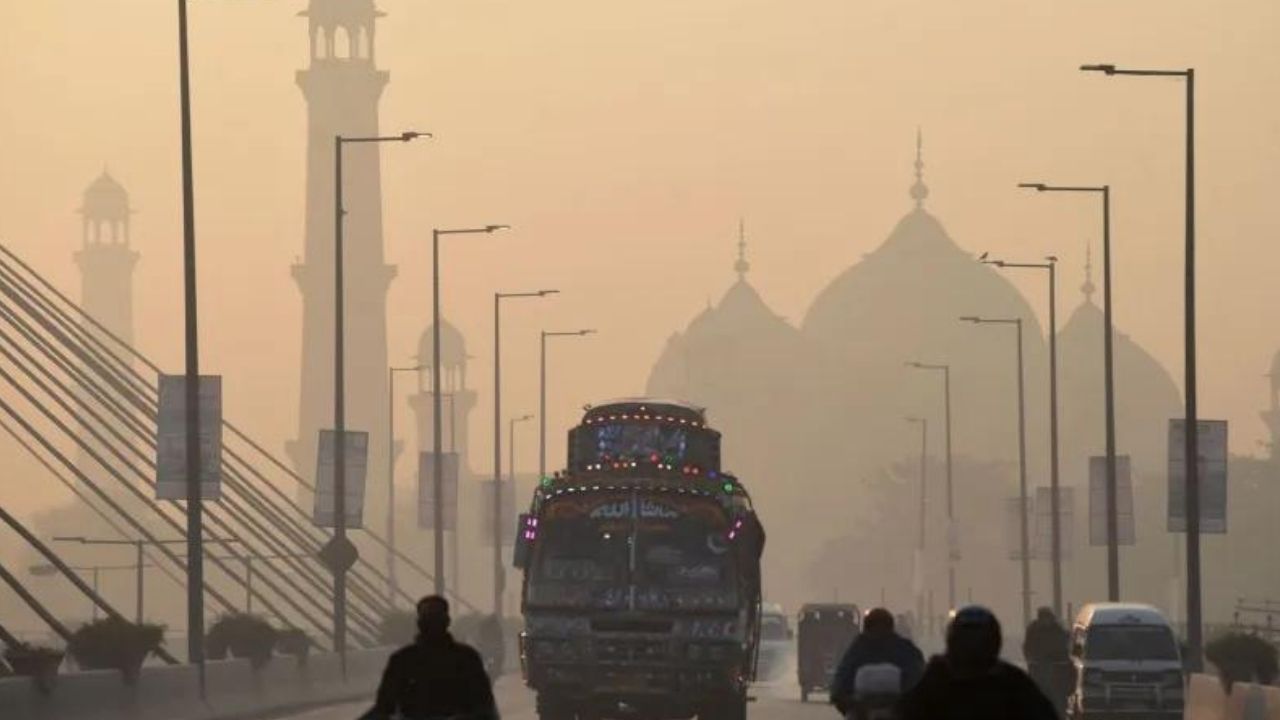
A surprise improvement in air quality in South Asia in 2022 drove a decline in global pollution, with favourable weather a likely factor, a new report said Wednesday.
But the region continues to breathe the world’s most-polluted air, with its residents losing more than 3.5 years of life expectancy on average, the annual Air Quality Life Index (AQLI) warned.
Globally, most countries have either no pollution standards or are failing to meet what they have set, subjecting their citizens to air quality that causes a broad range of health problems.
For two decades, air pollution has increased annually in South Asia, but satellite data for 2022 — the most recent year available — showed a surprise 18 percent fall.
The declines were recorded in every country in the region apart from Sri Lanka, according to the report, produced by the University of Chicago’s Energy Policy Institute (EPIC).
“While it is difficult to conclusively determine what reduced PM2.5 levels across South Asia, it is safe to posit that favourable meteorological conditions may have played a part,” the report said, referring to tiny particulates that can travel deep into the body.
The widespread nature of the decline, along with the above-average rainfall across the region in 2022, lend support to that theory.
“Only time will tell whether policy changes are having an impact,” the report added, warning that people in South Asia are still breathing air eight times more polluted than the World Health Organization deems safe.
“Continued observations, efforts towards policy enforcement and monitoring impacts of policy interventions will be critical for understanding and sustaining these reductions,” the report said.
The decline in South Asia led to a nine percent global drop in air pollution, even as poor air quality spiked elsewhere, including in the Middle East and North Africa, with concentrations up 13 percent from a year earlier.
The report warned an ongoing lack of air quality data on the ground is hampering policy-making and implementation.
“Highly polluted countries that have little or no air quality data often fall into a bad feedback cycle where having little data leads to little attention or policy investment in the issue, which reinforces little demand for data,” said Christa Hasenkopf, director of EPIC’s Clean Air Program.
Earlier this year, the centre launched a $1.5 million fund to finance the installation of air quality monitors that offer open data worldwide.
Air pollution as a whole receives relatively little funding despite its outsized impact on human health.
For example, in some of Africa’s most-polluted nations, air pollution “is a more serious threat to life expectancy than HIV/AIDS, tropical diseases, malaria or water, sanitation and handwashing”, the report said.
There are bright spots, however, including China’s remarkably successful efforts to combat dirty air.
It took measures including restricting the number of cars in big cities, reducing heavy industry capacity and banning new coal plants from certain regions.
It has reduced air pollution by 41 percent since 2013, meeting its national standards and adding an average of two years of life expectancy for its citizens, AQLI said.
Still, even in China, pollution remains more than five times higher than WHO guidelines, and the benefits of Beijing’s measures are unevenly spread.
Air quality remains poor across several major provinces, and in some prefectures has actually increased since 2013.
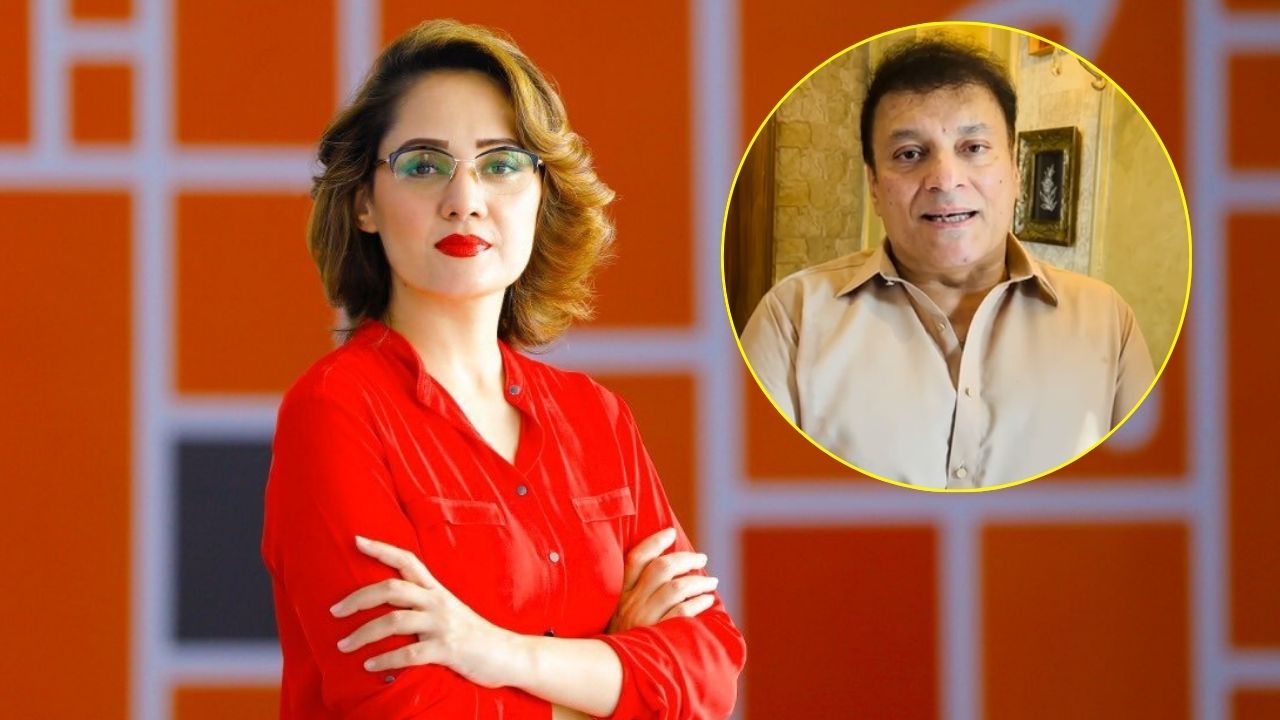
One month after passing misogynistic remarks against renowned television anchor Gharidah Farooqi, Dr Omer Adil has publicly apologised.
On a podcast hosted by Zohaib Butt, Dil Ki Baat, in July, film critic and orthopaedic surgeon Adil claimed that female anchors in Pakistan’s media industry are “handpicked by a seth or somebody else to go and host a stupid program”, adding that they are treated extraordinarily in comparison to their male counterparts.
He made these comments during a segment of the podcast that primarily targeted Gharidah Farooqi and used derogatory language, including vulgar abuse. He further claimed that the producers had ‘no guts’ to criticise women anchors for their mistakes.
This was followed by a massive backlash from the journalist community across Pakistan, particularly women who are, time and again, subjected to harassment and sexist commentary.
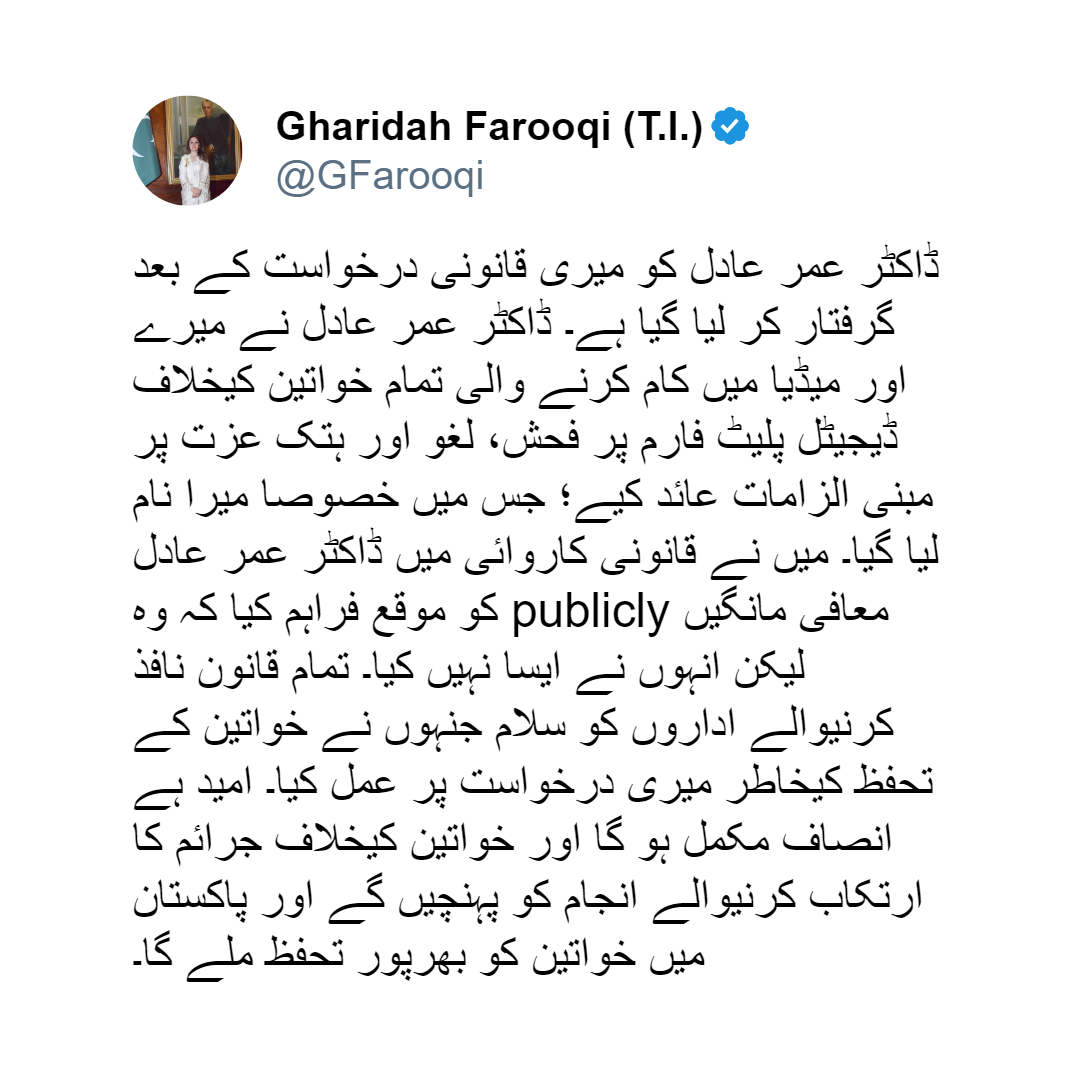
On August 6, Gharidah Farooqi updated on X (formerly Twitter) that Dr. Adil had been arrested by the Federal Investigation Agency (FIA).
On August 24, Dr Omer Adil posted an “unconditional, wholehearted and sincere apology” to Gharidah Farooqi.
https://youtu.be/xwsZl7WQBPQ?si=cjp81-JI-bChR-dK
But speaking with The Current, Gharida Farooqi revealed that it is not the first time that Omer Adil apologised to her.
“Dr. Umar Adil contacted me many weeks ago, shortly after he was granted bail following his arrest by the FIA after I filed a complaint. He called and apologised for about 20 to 30 minutes, insisting that he had been trapped and ended up saying things in the podcast that he did not intend.
He seemed to be playing the victim,” she recalls.
Gharidah then demanded that he issue an apology on his official YouTube channel for a duration equal to the time he spent making those offensive remarks on the podcast, to which he agreed.
The apology, however, was delayed due to alleged technical issues. During this time, he posted a brief video but then vanished again.
Although the case was receiving widespread attention, the FIA only detained Adil after Farooqi filed a complaint, which ultimately led to his public apology.
Fight against digital violence
Ghareeda Farooqi has long been subjected to online violence. From rape threats to even death threats, she has been targeted by “malicious campaigns”.
“I have been fighting against not just cyberbullying but cyberviolence against myself since 2014. I was the first female journalist who was made the victim of digital violence against women, as well as planned campaigns organised by political parties”, she says.
Women Press Freedom has documented at least a dozen organised troll campaigns against Gharida, reportedly the “highest number of organised digital violence we have ever documented against a journalist in the region” after Indian journalist Rana Ayyub.
“People have forged videos and pictures using my face, including pornographic content,” she recalls.
“So far, I have filed almost ten complaints with the FIA; not even one has been addressed, and no culprit has been arrested.”
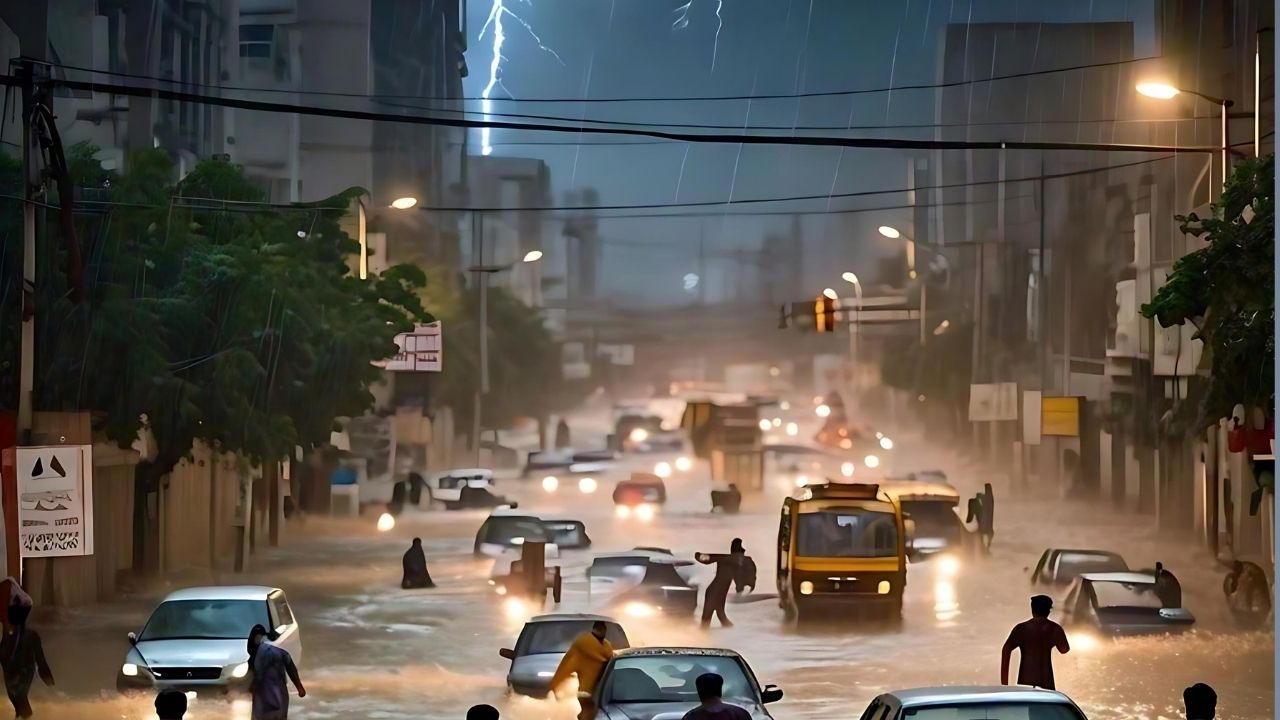
The Pakistan Meteorological Department (PMD) has predicted heavy rainfall in Karachi, and city police have been alerted.
Chief Meteorologist Sardar Sarfaraz said, “The system is intense, moving westward and southwestward. As of now, there is no indication that it’s going to lose its severity and is expected to bring about a very heavy to hefty fall in lower Sindh,”
He said, “Karachi is also expected to receive heavy rains, though not of the same intensity,”
Sarfraz said that the torrential rain in areas of Thatta, Sujawal, Badin, Tando Allah Yar, Tando Muhammad Khan, and Tharparker could increase from 400mm to 500mm.
He added that Metropolice might record 150mm to 200mm of rain.
Additional Inspector General of Police (AIG) Karachi Javed Alam Odho instructed police to provide alternate traffic routes in areas with more water accumulation.
A new medical study suggests that rather than being a slow and steady process, aging occurs in at least two accelerated bursts at around the age of 44 and 60 years.
The research conducted by Nature Aging tracked thousands of different molecules in people aged 25 to 75 and detected two major waves of age-related changes at around age 44 and again at 60.
The findings could explain why specific health issues, including problems related to muscles, bones and cardiovascular disease, occur at certain ages.
“We’re not just changing gradually over time. There are some really dramatic changes,” said senior author Prof Michael Snyder, a geneticist and director of the Center for Genomics and Personalized Medicine at Stanford University.
“It turns out the mid-40s is a time of dramatic change, as is the early 60s – and that’s true no matter what class of molecules you look at,” he added.
The Guardian elaborates that the research was conducted over a period of seven years and tracked 108 volunteers, who submitted blood and stool samples and skin, oral and nasal swabs every few months.
Researchers studied 135,000 molecules and microbes from participants’ guts and skin, finding significant shifts in molecular and microbial profiles at two key life stages: mid-40s and early 60s.
For scientists, the mid-40s shift was unexpected and not solely due to menopause. The study stresses that similar changes were observed in men. The first wave of changes involved molecules related to cardiovascular health, caffeine, alcohol, and lipid metabolism, while the second wave affected immune regulation, carbohydrate metabolism, and kidney function.
However, the molecules linked to skin and muscle ageing were believed to be affected at both stages.
Although previous studies indicated a potential later spike in ageing around age 78, this study could not confirm it due to the age limit of participants.