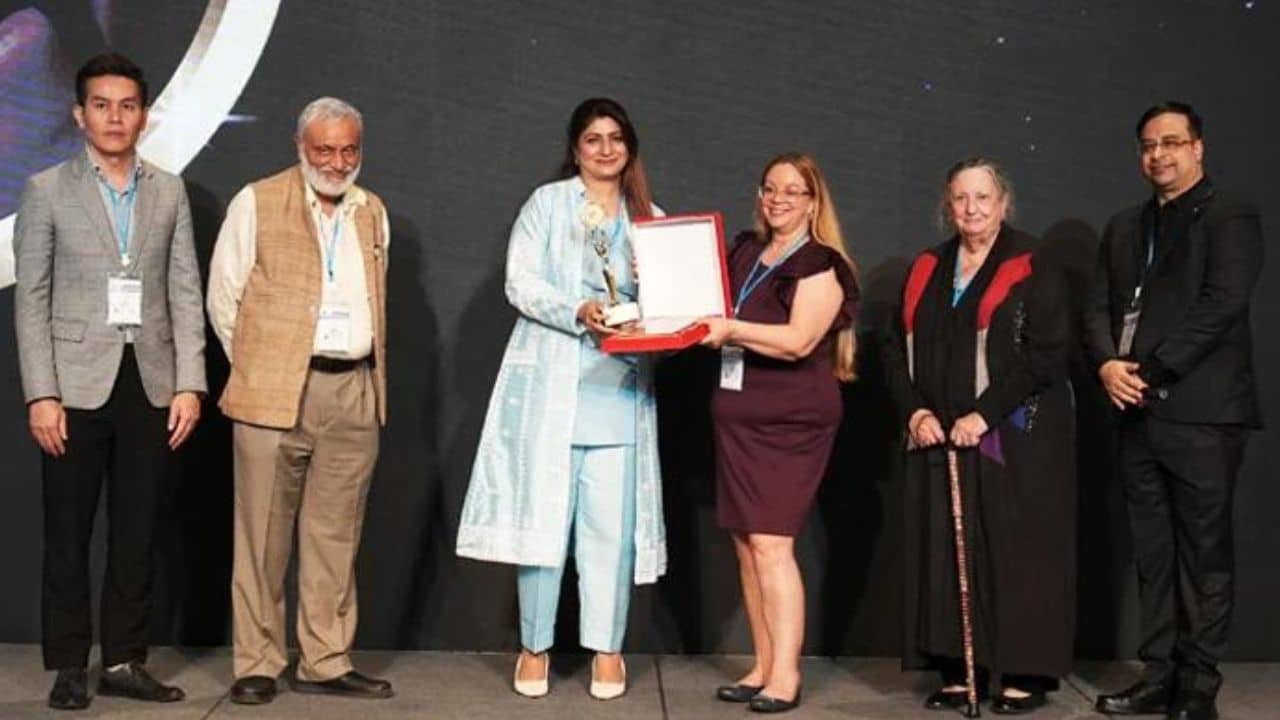
Beenish Saeed, a Pakistani educationist from Multan, serving as a principal of the Multan Cantonment Public School, stood out among the 2,085 male and female contenders at the Asia Education Conclave from across 15 countries of Asia.
The ceremony was held in Bangkok where she received the prestigious award amidst applause from the audience
“A resounding applause to Beenish, the stellar recipient of the “Principal of the Year” award,” read a post by the Asia Education Conclave on its official Facebook and Instagram pages.
Beenish dedicated her award to martyrs, war heroes, and teachers performing duties in terrorism-affected areas in the country. Social media posts by the educational platform detailed her qualification as an M.Phil in education and M.Sc in Zoology, besides a two-decade-long experience in the field of education.
It also stated that Beenish is currently pursuing a PhD in Education.
“Since becoming principal, she has demonstrated strong leadership and organisational skills and her role as Master Trainer and Book Editor at Kangaroo Publications highlights her commitment to professional development,” the post read.
Her achievements span certifications in IT Branch Automation, Book Review, and Montessori Teachers Training while her skill set encompasses problem-solving, effective communication, organisational acumen, technical proficiency, and interpersonal skills, making her a valuable asset in the field of education. Beenish said that the award is an honour not only for her and her family but for the whole country, and declared it as an expression of trust in the Pakistani education system at the international level.
Pakistani teachers are making it big internationally. Sister Zeph, the founder of Zephaniah Education and Empowerment Foundation, also received the Global Teacher Prize 2023 worth a million dollars, on November 8.
Federal Investigation Agency (FIA) Cyber Crimes has submitted a report on the fraudulent acquisition of biometrics of mobile SIMs to the Ministry of Home Affairs.
As restrictions have tightened, counterfeiters have also invented new methods, according to the FIA report, including the use of fake thumbprints for SIM registration.
According to the report, more than 80,000 SIMs registered on silicon thumbs were reported in four years. Fraudsters are said to obtain fingerprints by luring people into registering for voter lists or for obtaining cheaper essential items etc. which are then imprinted on silicon thumbs and SIMs are consequently registered.
According to the report, it has been revealed that unregistered SIMs are being used by terrorists. More than 3,500 SIMs obtained on fake registrations are active right now out of which 93 cases were registered over the past four years, 193 people were arrested, and 294 fake biometric devices were also used.
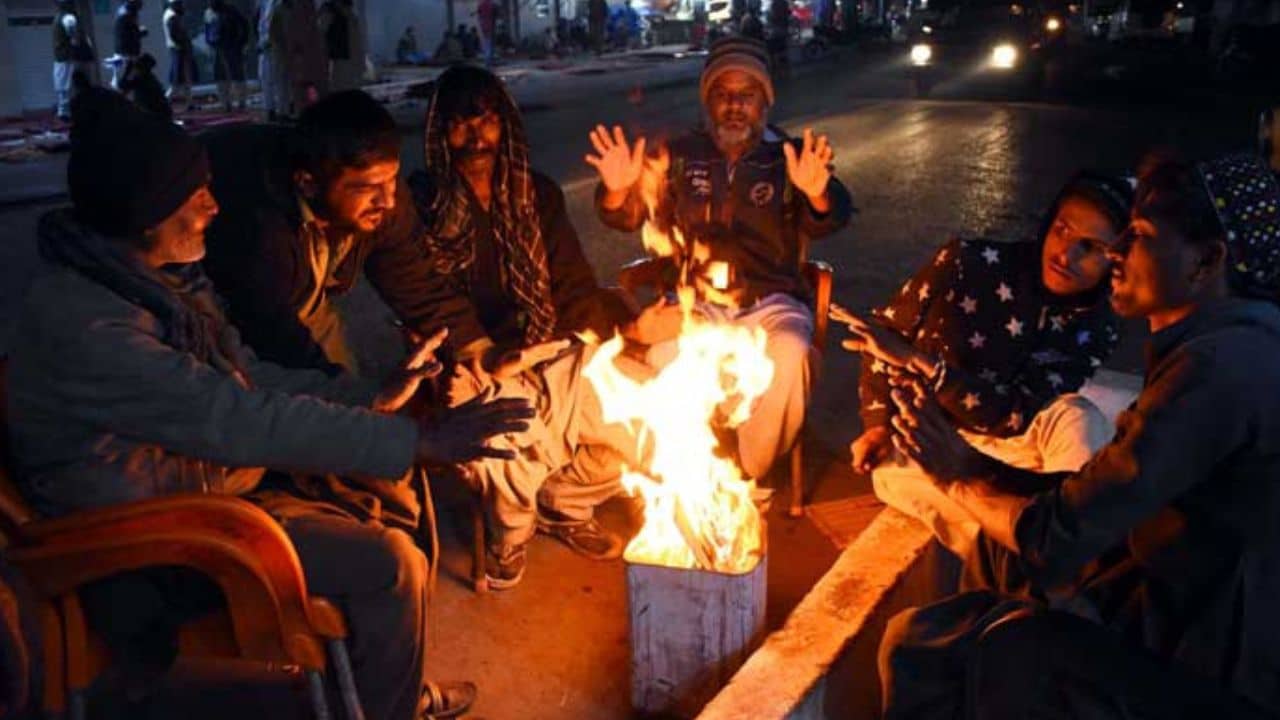
Pakistan Meteorological Department (PMD) has predicted cold and dry weather for most parts of the country.
Sindh is to experience a wave of cold especially in Karachi. Weather analyst Jawad Memon has said, “Mercury may drop to single digit in the suburban areas of Karachi.”
A shallow westerly wave was affecting western Balochistan which is likely to have moved northeast. It will affect the upper parts, causing cold waves in Sindh as soon as the system moves out in the next 24 hours.
The Met Department said that mainly cold and dry weather is expected in most plain areas of the country, while very cold and partly cloudy weather is expected in the upper parts during the next week.
Fog is likely in upper Sindh, plain areas of Punjab and Khyber Pakhtunkhwa during morning and night, it added.
The caretaker government of Punjab has revoked the facility of free travel for students in the Orange Line Train and Metro Bus as winter vacations commence in the city today.
Ahmed Javed Qazi, Secretary Transport Punjab told Geo News that free travel on student cards for students in the city has been suspended during winter holidays in Lahore.
The implementation of the decision starts today (December 16) and will remain active till the next order.
Winter holidays officially span from December 18 to January 1.
The Secretary of Transport elaborated that the caretaker cabinet will review whether the service should be restarted or not after the holidays end.
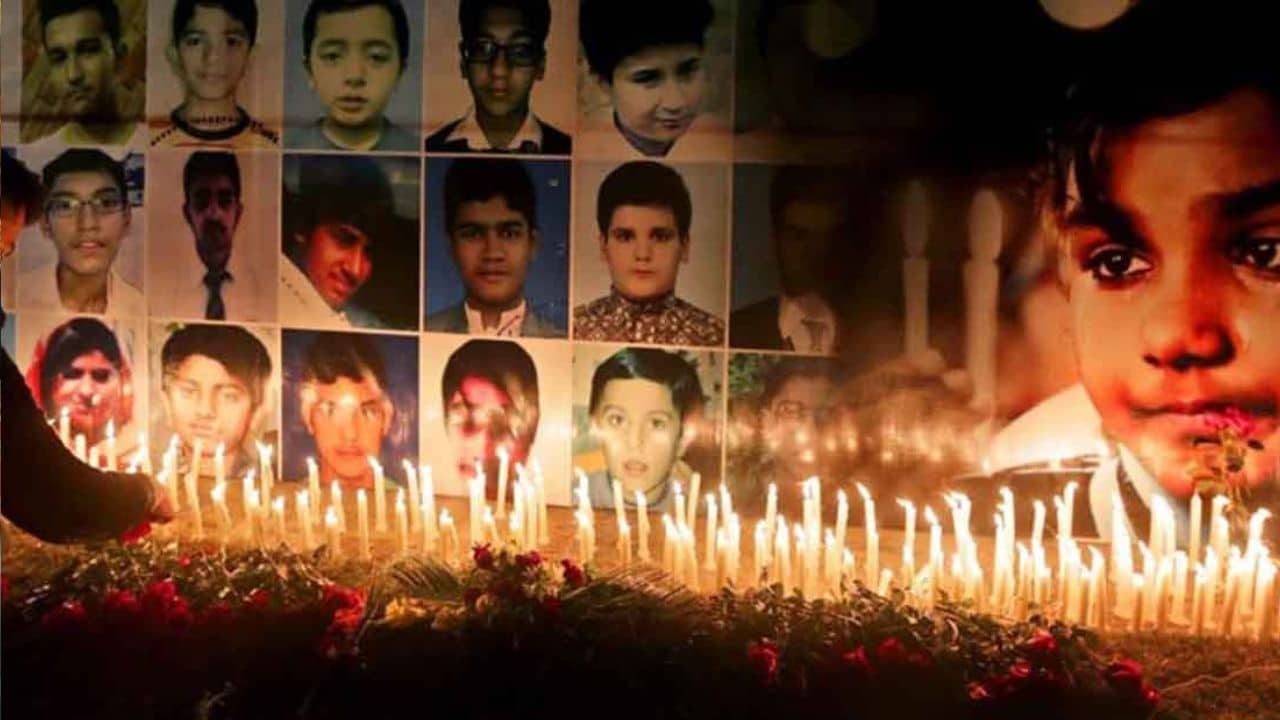
Today Pakistan is observing the ninth anniversary of the terrorist attack on the Army Public School Peshawar which took the lives of 144 people, mostly students.
The heinous attack happened in 2014 and is widely described as Pakistan’s 9/11 for the shockwaves it created nationally and internationally. Schools were shut down in the country due to the security risk whereas vigils were held all over the world.
Tehreek-e-Taliban Pakistan claimed responsibility for the attack.
Following the attack, Pakistan’s military and civil leadership sat down to formulate a National Action Plan which primarily aimed at curbing the menace of terrorism. Different military operations were launched to root out several militant elements in the country. The most prominent operations were Zarb-e-Azab and Radul Fassad.
Pakistan stands out as one of the worst victims of terrorism with over 80,000 lives lost and economic loss surpassing $150 billion.
However, the menace is resurfacing with Pakistan a considerable increase in terror activities in recent months, especially in KP and Balochistan, after TTP ended its ceasefire with the government in November last year.
Pakistan Institute for Conflict and Security Studies (PICSS) in a report showed that the country experienced a 34 percent increase in anti-state violence last month.
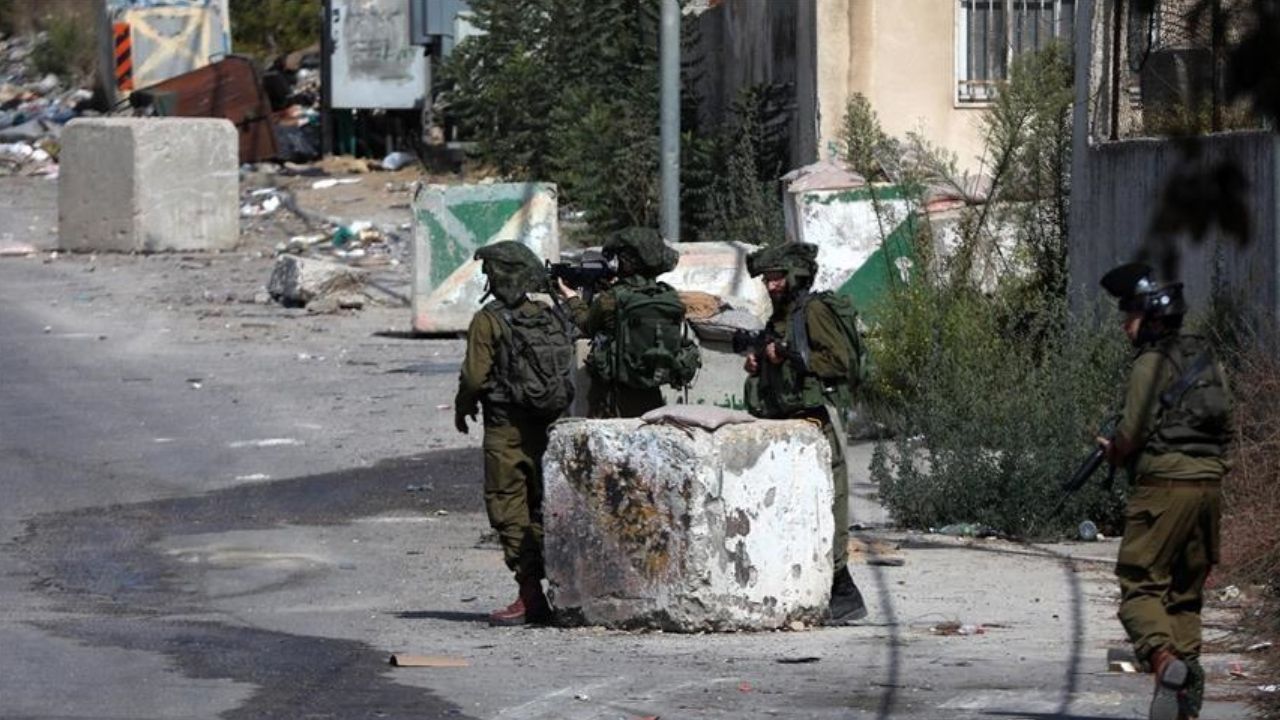
Israeli troops “mistakenly” killed three Israeli hostages in the course of combat with Hamas in the Gaza Strip on Friday.
The incident took place in Shejaiye, a densely populated area in northern Gaza.
Israeli forces “mistakenly identified three Israeli hostages as a threat,” the military said in a statement. “As a result, the troops fired toward them and they were killed.”
“During searches and checks in the area in which the incident occurred, suspicion arose over the identities of the deceased,” IDF spokesman Daniel Hagari said in a briefing on Friday.
“Their bodies were transferred to Israeli territory for examination, after which it was confirmed that they were three Israeli hostages.”
Identified as Samer Talalka, Yotam Haim and Alon Shimriz, these captives were kidnapped from Kibbutz Kfar Aza on October 7.
The three are believed to have escaped their captors or had been “left behind” because of the fighting in the area, Hagari explained what the IDF so far believes.
Israeli soldiers are now being instructed to “exercise additional caution” when confrontating people in civilian clothes, another IDF spokesperson, Jonathan Conricus, said.
Israeli Prime Minister Benjamin Netanyahu deemed the incident as an “unbearable tragedy”, adding that Israel will “learn the lessons” of the incident.
“Along with all the people of Israel, I bow my head with deep sorrow and mourn the death of three of our dear sons who were kidnapped,” he said.
Nicolas Puech, the 80-year-old heir to the French luxury brand Hermès fortune, is reportedly planning to give part of his wealth to his 51-year-old gardener, whom he also intends to legally adopt.
Swiss publication Tribune de Genève, cited by the New York Post, reports that the heir of the luxury brand is planning to pass his wealth to his “former gardener and handyman” from a “modest Moroccan family.”
Nicolas has already initiated the process of adoption. He is expected to pass down billions of dollars to the beloved gardener as he is unmarried and has no children of his own.
The gardener is reportedly married to a woman from Spain and has two children.
The wealth he is to pass on could be half of his inheritance. The heir, the fifth-generation descendant of Thierry Hermès, stands to pass down billions of dollars of the Hermès fortune, currently valued at over $220 billion. Puech reportedly owns between 5 percent and 6 percent of the house, which puts his net worth between $10-11 billion.
Puech also hopes to pass down $5.9 million in properties in Marrakesh, Morocco, and Montreux, Switzerland.
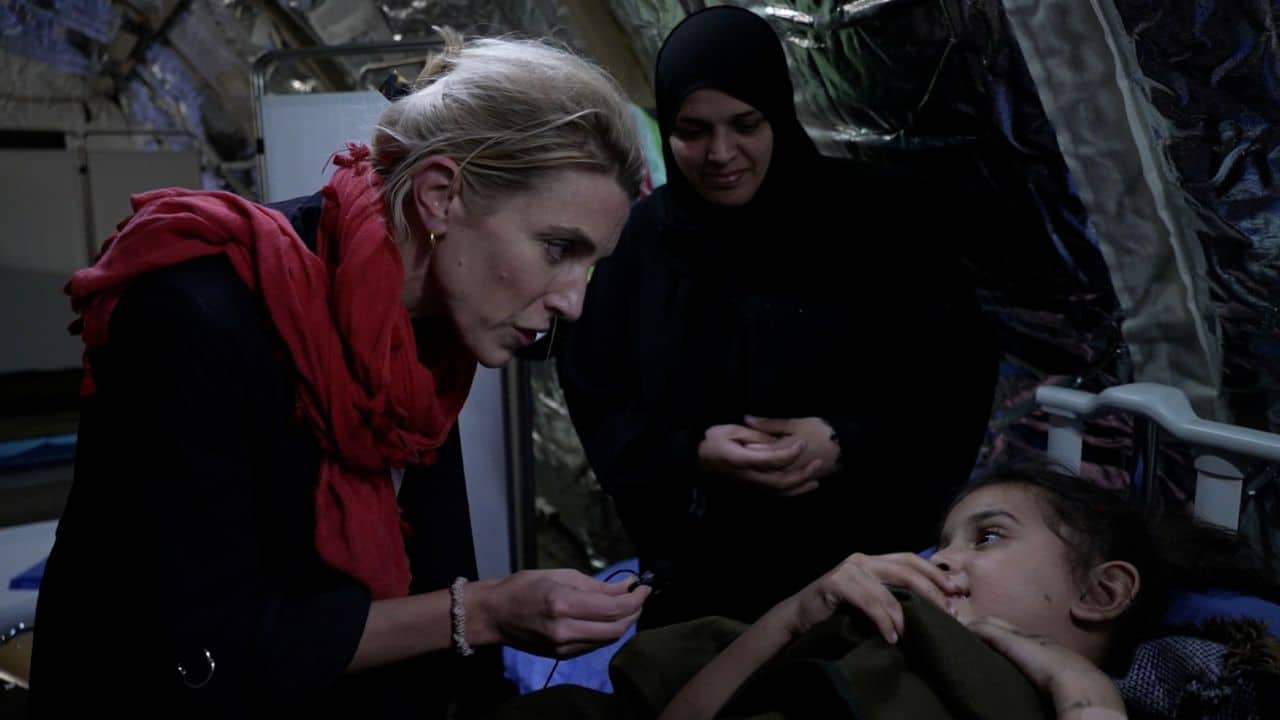
CNN’s chief international correspondent Clarissa Ward has become the first Western journalist to have gone into the Gaza Strip without the Israel Defense Forces’ supervision, reporting from sight what she deemed “absolute horror.”
Ward entered the besieged strip on Wednesday with UAE medical volunteers and visited a field hospital setup by the Gulf country.
“Even in that brief window, you really got a sense of the absolute horrors that have been taking place in Gaza,” she said speaking to CNN.
“I can honestly say I don’t think we’ve ever seen it quite on this scale.” she expressed while reviewing the destruction she witnessed.
International coverage of Gaza depends on reports from Palestinian journalists, aid teams, health workers, and social media because of Israel’s entry bans.
As of yet, at least 63 journalists have been killed since October 7 in Israeli airstrikes.
Ward was initially accused of staging a video in which she can be seen trying to seek a safe place from attacks during live coverage near the Israel-Gaza border. CNN, however, rebutted these assertions, contending the authenticity of the video.
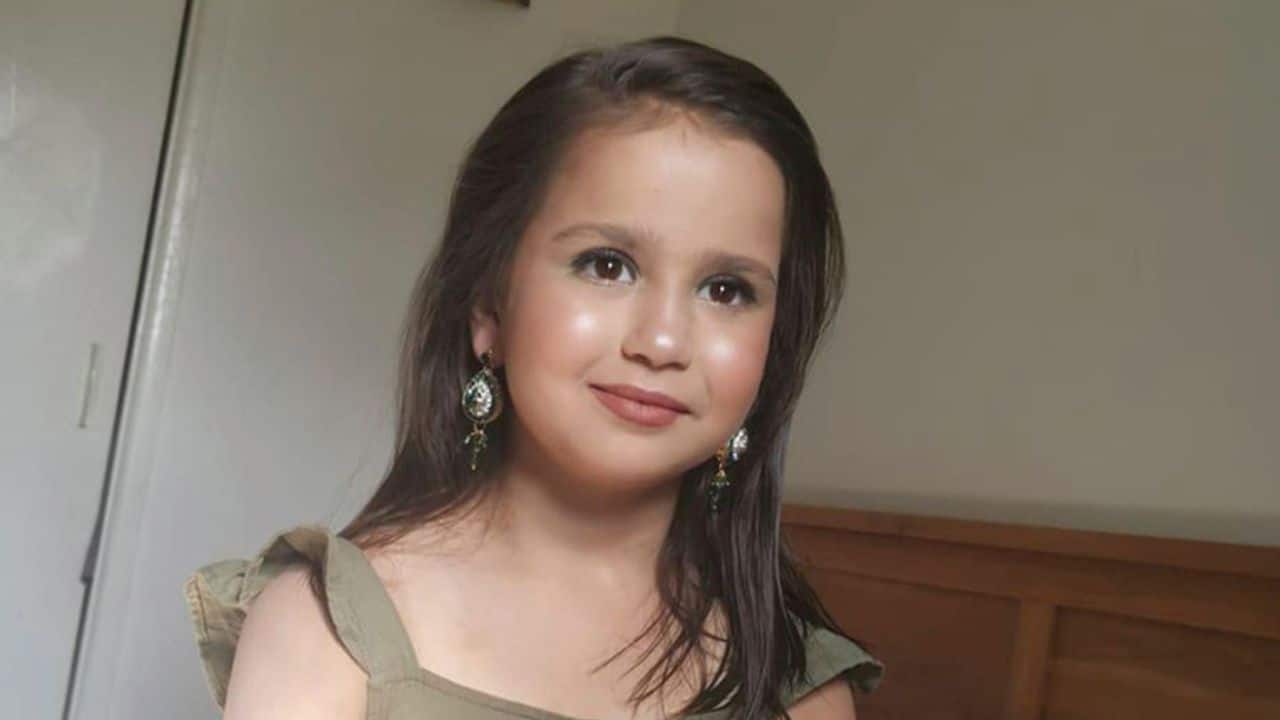
The father of a British-Pakistani 10-year-old girl whose death sparked an international manhunt pleaded not guilty to her murder in a UK court on Thursday, together with two other family members.
Sara Sharif’s body was discovered at her home in Woking, southern England, on August 10.
A post-mortem examination found she had sustained “multiple and extensive injuries” over a long period.
Her father 41-year-old Urfan Sharif, her step-mother Beinash Batool, 29, and his brother Faisal Malik, 28, deny killing the girl.
They entered their pleas via video link to London’s Old Bailey court.
Sara’s body was found after an emergency call alerting officers was made from Pakistan by a man identifying himself as the father, according to detectives.
The house was otherwise empty, and the manhunt continued with Interpol and Britain’s foreign ministry coordinating with authorities in Pakistan.
The day before Sara’s body was found the three defendants had left the UK for Pakistan with Sharif’s five other children.
They were arrested in September after disembarking from a flight from Dubai.
The trial is expected to start in September 2024, and to last six weeks.
Australia’s government has recently announced a ’10-year migration strategy’, as the country plans to reduce the number of foreigners coming in over the next two years in a bid to improve Australia’s “challenged” immigration system.
It should be noted that according to the Australian Bureau of Statistics, the number of foreign immigrants who came to the country during the last year has been 500,000, while before the restrictions of COVID-19 were implemented, this number used to be around 250,000 annually. The government wants to halve the number now.
The announcement was made on Monday and it is likely to affect foreign students living in Australia on temporary visas the most.
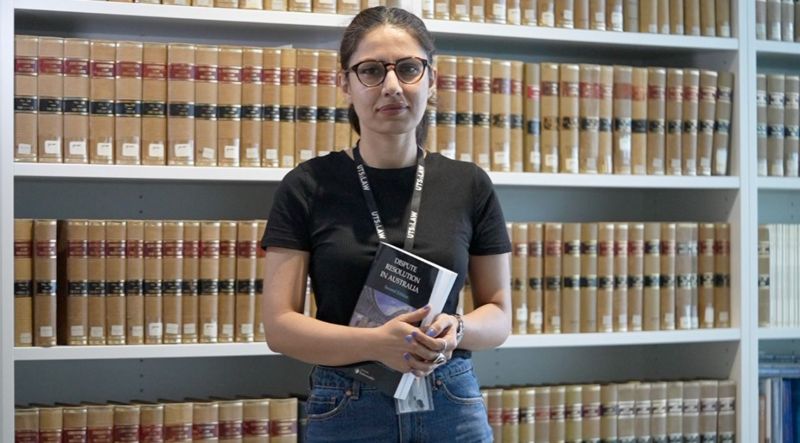
Speaking to the BBC, Sydney-based Dr. Ayesha Jahangir, a Post-Doctoral Research Fellow at the Center for Media Transitions at the University of Technology, covered the ongoing debate on the policy and the general climate around Australia’s migration strategy. She asserted that it has been some time since the policy was announced so “there is a lot of uncertainty and people are confused.” She said that the main questions around the debate are, “They don’t understand how this policy can affect them. Will immigrants whose visas are still being processed be affected? What are the details of the ’10-year migration strategy’?
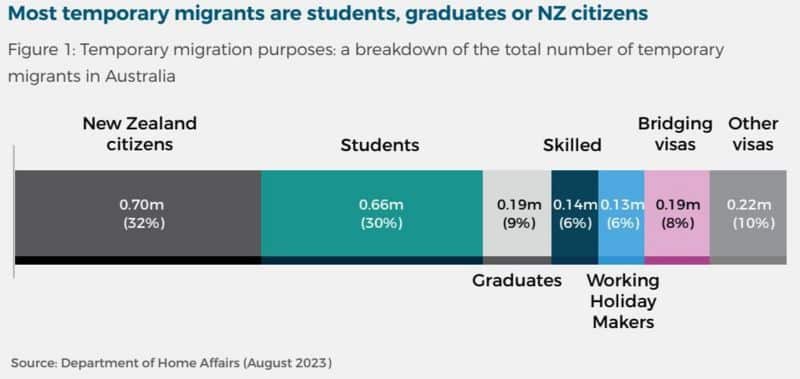
According to official data, there are about six and a half million foreign students currently living in Australia and most of them are staying here after obtaining a second visa after the first temporary visa (student visa) expires.
Under the new plan, visa rules for international students and low-skilled workers will be tightened even though there is still a shortage of skilled workers in the country and difficulties in bringing them into the country persist.
Issuance of “Skills in Demand” visa
It is for this reason that the ‘Skills in Demand’ visa will be issued in place of the earlier ‘Temporary Skills Shortage’ visa. There will be three different routes for this four-year visa.
One route would be for people with ‘specialist skills’ and would seek to attract the most talented people from technology and energy sectors to Australia.
Another way would be in terms of ‘core skills’, where the list of areas would be changed according to the demand of the Australian market. In this way, the manpower shortage will be met.
A third way is in terms of ‘essential skills’ i.e. sectors such as healthcare where there is a shortage of workers. Details regarding this are still under consideration as per the policy.
Conditions for International Students
These new rules set stricter standards for international students in English language tests, mainly IELTS.
Earlier IELTS band required for a graduate visa was 6, now it has been increased to 6.5. While the IELTS requirement for a student visa has been increased from 5.5 to 6.
Additional questions will be asked of second-time visa applicants. During this time they have to prove how further studies will help them to improve their career or their education.
Visa procedures have also been improved for immigrants with ‘special’ or ‘essential’ skills to give them a better chance of securing permanent residence.
The new policy aims to stop the exploitation of those already living, working, and studying in the country.
Mention of “bogus” colleges
The Australian government has used the term ‘backdoor’ repeatedly in the 99-page strategy, implying various ‘bogus’ colleges that bring students to Australia but then return their degrees. These ‘fake’ colleges have been talked about before, from Australian local newspapers to the government level, but this time the government is signaling a concerted crackdown.
Dr. Ayesha has also warned about them in her talk to BBC: “What happens is that these colleges or institutions help bring students to Australia, but they don’t find a place in the workforce here because the competition here is not just between the people of a town or a city, but between people from all over the world.” Ayesha further added, “These migrants usually do not fit into the system but become a burden, and the term ‘permanently transient’ is used for them.”
Stats reveal that there is a huge number of them living in Australia and are trapped because they never got admitted to the university and are making a living by working in menial jobs.
Rising cost of living in Australia and financial crisis for incoming students
The cost of living in Australia has increased and rental housing has become difficult to find. Students have to live far from their place of work or study.
Talking to BBC, a Pakistani student said that in this policy, students will now only be able to work 20 hours per week instead of 40. This is the discount that was given to them during COVID-19. He pointed out that rents have gone up in Australia. Now the problem that more students will face will be a financial crisis, they will face problems in paying their fees.
“Earlier, we used to make at least 1500 dollars by doing any work for 40 hours a week, of which we used to save up to 1000 dollars and save 4000 dollars a month and thus pay the fees,” he added.
An increase in rent and a reduction in work hours will affect the students badly.
Rising hostility toward migrants
“When governments talk about people entering the country through backdoors and taking advantage of loopholes in the system, society can see it differently,” Dr Ayesha stated.
In the past during the years 2008 and 2009, Indian students in Australia protested crimes committed against them in the country, leading to a diplomatic gulf between Australia and India.
Dr Ayesha says that the government should go and explain to Australians that this crackdown is not being done because it is the fault of the foreign students, but because even local small businesses are taking advantage of these loopholes in the policy.